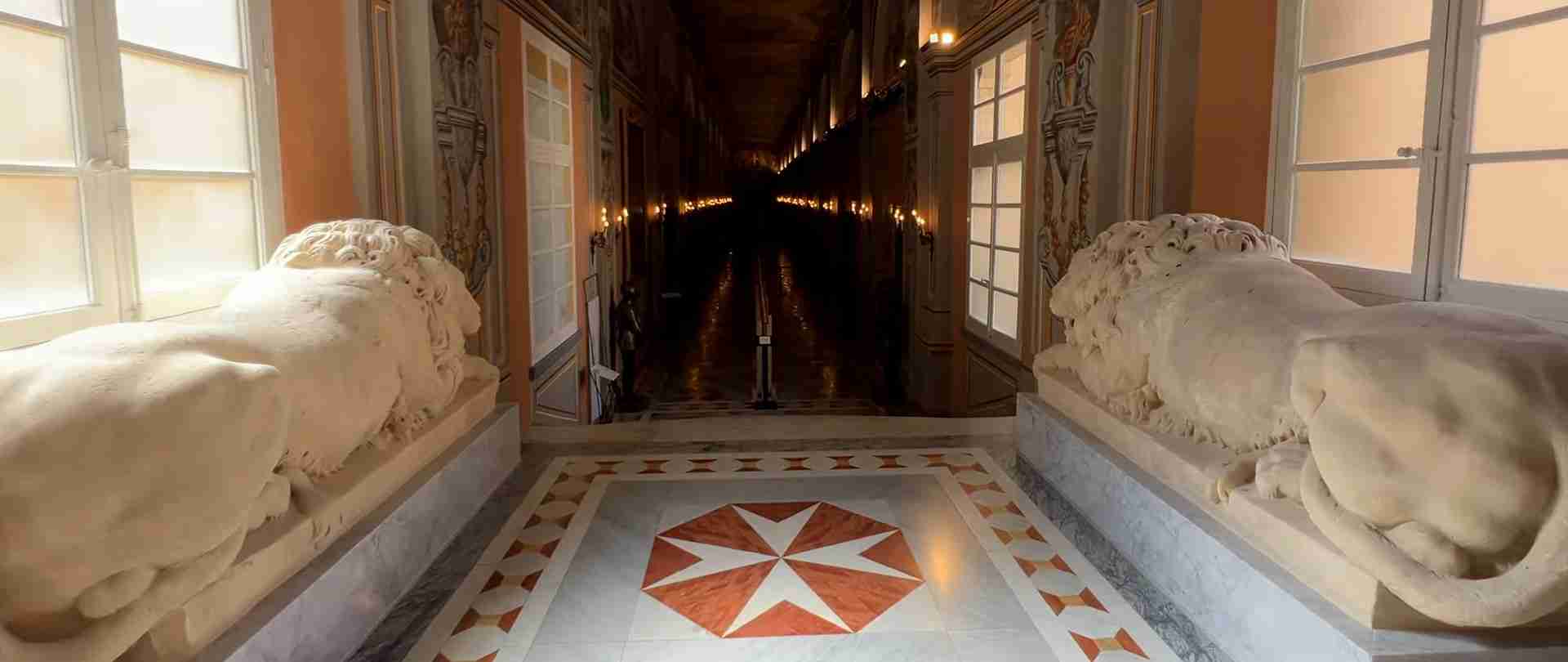
Valletta Budget Guide 2026: Ultimate Travel Cost Breakdown
Malta’s UNESCO-listed fortress capital combines accessible pricing with extraordinary cultural depth, allowing budget-conscious travelers to experience baroque masterpieces, harbor fortifications, and Caravaggio paintings without the premium costs typical of European heritage destinations. Valletta’s compact size eliminates expensive transportation needs, while its efficient public bus network and abundance of free attractions create opportunities for meaningful exploration across all budget levels.
Key Takeaways: Valletta Travel Costs 2026
- Budget Travel Reality: Budget travelers need €65-110 per person daily assuming two sharing accommodation, covering hostel beds or budget hotels, casual dining, public transport, and selective museum visits. Weekly costs reach €455-770 per person, making Valletta one of Mediterranean Europe’s more affordable capital city experiences.
- Mid-Range Comfort Zone: Mid-range travelers spend €140-220 per person daily for two sharing mid-range hotels, covering boutique hotel stays, restaurant meals, comprehensive museum access, and occasional taxis. A week in Valletta costs €980-1,540 per person at this comfort level.
- Luxury Experience Costs: Luxury visitors invest €285-430 per person daily with two sharing 5-star hotels, encompassing palazzo hotels, fine dining, private tours, and premium experiences. Weekly luxury stays reach €1,995-3,010 per person.
- Free Attractions Abundance: Upper Barrakka Gardens, Lower Barrakka Gardens, city fortifications, harbor viewpoints, and historic streets provide hours of world-class sightseeing without admission fees, fundamentally reducing daily attraction costs for strategic visitors.
- Public Transport Efficiency: Malta’s comprehensive bus network charges €2 per winter single journey or €25 for unlimited seven-day travel, eliminating expensive transportation costs typical of island destinations while connecting Valletta to beaches, temples, and neighboring towns.
- Seasonal Price Variations: Summer months (June through October) see accommodation prices rise 40-60% above winter rates, bus fares increase from €2 to €2.50, and restaurant demand peaks, making shoulder seasons (April-May, October-November) significantly more economical for budget-conscious travelers.
People Also Ask About Valletta Budget 2026
How much does Valletta cost per day in 2026?
Daily costs in Valletta range €65-110 per person for budget travelers sharing accommodation, €140-220 for mid-range comfort, and €285-430 for luxury experiences. Budget travelers stay in hostel dormitories or budget hotels, eat at casual cafes and local restaurants, use public buses exclusively, and visit free attractions plus selective paid museums. Mid-range visitors enjoy boutique hotels, dine at established restaurants, access all major museums, and occasionally use taxis for convenience. Luxury travelers stay in palazzo hotels or 5-star properties, experience fine dining, book private tours, and prioritize premium cultural experiences. These figures assume two people sharing hotel accommodation, with room rates divided equally before calculating daily totals.
Is Valletta expensive compared to other European capitals?
Valletta ranks among Mediterranean Europe’s more affordable capitals, with daily costs 25-40% below Rome, Barcelona, or Dubrovnik at comparable quality levels. Budget accommodation in Valletta costs €70-120 per room versus €100-180 in competing destinations, while restaurant meals average €14-22 for mains compared to €18-30 elsewhere. Public transport represents exceptional value at €2 per journey regardless of distance across Malta’s entire bus network. The city’s compact size eliminates expensive intra-city transportation, and abundance of free cultural attractions (gardens, fortifications, harbor viewpoints, architectural walks) provides substantive experiences without admission charges. However, imported goods, taxis, and luxury hotels approach Western European pricing, meaning budget consciousness remains important for cost-effective travel.
What’s the cheapest way to visit Valletta’s attractions in 2026?
Strategic attraction planning minimizes costs through prioritizing free sites and purchasing combination passes for paid museums. Begin with cost-free experiences: Upper and Lower Barrakka Gardens, harbor viewpoints, city fortifications, Valletta Waterfront, and architectural walks through historic streets provide hours of world-class sightseeing. For paid attractions, purchase the Heritage Malta Multisite Pass providing access to Grand Master’s Palace, National Museum of Archaeology, MUŻA art museum, Fort St Elmo, and multiple sites island-wide for approximately €25, representing 50-60% savings versus individual admissions. The €15 St. John’s Co-Cathedral requires separate admission but justifies costs through Caravaggio masterpieces and baroque interiors. Visit museums Monday through Friday when possible to avoid weekend crowds, and explore free sites during midday heat when paid indoor attractions cost more to enjoy comfortably.
Should I book Valletta hotels in advance for 2026?
Advance booking secures better rates and ensures availability, particularly for travel during peak summer months (June-September), Easter week, and major cultural events. Booking 2-3 months ahead typically yields €20-40 per night savings compared to last-minute rates, with budget properties showing 25-35% price differences between advance and walk-in bookings. Summer accommodation requires advance reservation due to Mediterranean tourism peaks, while winter months (November-February) offer more flexibility with last-minute availability. Mid-range boutique hotels in Valletta proper have limited room inventory, making advance booking essential for central locations. Budget travelers gain significant advantages through early hostel bookings, securing lower dormitory rates and preferred room configurations before properties fill. Shoulder seasons (April-May, October-November) provide best balance of reasonable rates and booking flexibility.
Extended multi-day tours – 5+ days
Featured Malta Multi-Day Tour Packages
3 days
Malta 3-Day Discovery Tour
- ✓ Comprehensive Malta experience
- ✓ Expert local guides included
- ✓ All accommodation included
- ✓ Transportation provided
5 days
Malta 5-Day Highlights Experience
- ✓ Comprehensive Malta experience
- ✓ Expert local guides included
- ✓ All accommodation included
- ✓ Transportation provided
7 days
Malta 7-Day Cultural Journey
- ✓ Comprehensive Malta experience
- ✓ Expert local guides included
- ✓ All accommodation included
- ✓ Transportation provided
10 days
Malta 10-Day Complete Adventure
- ✓ Comprehensive Malta experience
- ✓ Expert local guides included
- ✓ All accommodation included
- ✓ Transportation provided
Multi-day tour packages powered by TourRadar. Prices and availability subject to change.
Introduction: Understanding Valletta Travel Costs in 2026
Malta’s capital city presents unique budget dynamics that distinguish it from typical European heritage destinations. Valletta’s UNESCO World Heritage status, baroque architectural density, and Mediterranean island location create assumptions about premium pricing that actual costs contradict. The city operates as a living fortress, with 16th-century fortifications enclosing a peninsula measuring just 900 meters long and 630 meters wide, creating exceptional walkability that eliminates expensive intra-city transportation. This compact geography, combined with Malta’s comprehensive public bus network, accessible restaurant pricing, and abundance of free cultural sites, enables meaningful exploration across budget categories from backpacker to luxury traveler.
Understanding Valletta’s cost structure requires recognizing three fundamental factors: seasonal variation, accommodation sharing economics, and strategic attraction selection. Summer months (mid-June through mid-October) see hotel rates increase 40-60% above winter baseline pricing, while shoulder seasons offer optimal value. All budget calculations assume two travelers sharing accommodation, as solo travelers face full room rates without division, significantly impacting daily costs. Free attractions including Upper Barrakka Gardens, Lower Barrakka Gardens, city fortifications, and harbor viewpoints provide hours of substantive experiences, while paid museums benefit from combination passes offering 50-60% savings versus individual admissions.
This guide provides comprehensive cost breakdowns for 2026, encompassing accommodation across quality tiers, dining from street food to fine restaurants, transportation via public buses and taxis, attraction admission fees with strategic savings opportunities, and sample daily budgets demonstrating realistic expenditure patterns. All prices reflect current 2026 rates verified through official tourism sources, accommodation booking platforms, restaurant menus, and public transport tariffs, with ranges acknowledging variability across establishments and travel periods.
Accommodation Costs in Valletta 2026
Valletta’s accommodation landscape reflects its UNESCO heritage status and limited building inventory, creating pricing dynamics that reward advance booking and strategic neighborhood selection. The fortified city contains approximately 150 commercial accommodation properties ranging from hostel dormitories to palazzo hotels, with most establishments occupying converted historic buildings subject to heritage preservation requirements. Room capacity constraints drive peak season pricing, while winter months reveal Malta’s value proposition with rates dropping 35-45% below summer peaks.
Budget Accommodation in Valletta (€70-120 Per Room)
Budget travelers access Valletta through hostel dormitories, guesthouses, and economy hotels providing clean accommodation within the fortified city or immediate surroundings. Dormitory beds in central hostels cost €18-30 per person per night, with 6-8 bed mixed dorms at lower range and 4-bed gender-specific dorms commanding premium. Private rooms in budget guesthouses range €70-90 per night for doubles, typically including continental breakfast, shared bathrooms, and basic amenities. Economy hotels on Valletta’s periphery (Floriana, Marsamxett) charge €85-120 per room, offering private bathrooms, air conditioning, and proximity to bus terminals while requiring 10-15 minute walks to central attractions.
Notable budget options include Two Pillows Boutique Hostel offering €22-28 dormitory beds with harbor views, Teatru Hostel providing €75-85 private doubles in converted townhouses, and Inhawi Hostel featuring €20-26 dorm beds with communal kitchens. Budget accommodation typically excludes breakfast beyond continental options, necessitating additional €5-8 daily for substantial morning meals. Location within Valletta fortifications versus surrounding areas creates €15-25 per night price differentials, with peripheral properties requiring bus travel or 15-minute walks to central attractions.
Mid-Range Accommodation in Valletta (€140-220 Per Room)
Mid-range properties occupy converted palazzos, renovated townhouses, and purpose-built boutique hotels throughout Valletta’s historic core. Rooms at this tier feature private bathrooms, air conditioning, period architectural elements, and typically include breakfast. Properties charge €140-180 per night during shoulder seasons (April-May, October-November) and €180-220 during peak summer months, with location, amenities, and heritage character driving price variations.
Representative mid-range hotels include The Embassy Valletta Hotel (€165-210 per night) featuring rooftop terraces and central Republic Street location, Casa Ellul (€155-195) offering 16th-century palazzo architecture with modern comforts, and Palazzo Consiglia (€145-185) providing boutique rooms in restored noble residence. Mid-range properties typically include buffet breakfast, concierge services, and common areas, with some featuring rooftop pools or terraces commanding €15-25 premiums. Superior rooms with harbor views or private balconies add €25-40 to base rates.
Luxury Accommodation in Valletta (€280-400+ Per Room)
Luxury accommodations transform historic palazzos and landmark buildings into 5-star experiences combining heritage architecture with contemporary luxury. Properties at this tier charge €280-350 per night for standard luxury rooms and €350-500+ for suites and specialty accommodations, with services including 24-hour concierge, spa facilities, fine dining restaurants, and premium amenities.
Premier luxury options include The Phoenicia Malta (€320-450) offering 5-star grandeur immediately outside city gate with gardens and pools, Rosselli AX Privilege (€295-420) providing boutique luxury in converted 17th-century merchant’s house, and Iniala Harbour House (€380-550+) featuring ultra-luxury suites with harbor views and butler service. Luxury properties include comprehensive breakfasts, evening turndown service, and often spa access, with some offering complimentary champagne, afternoon tea, or harbor cruise experiences.
Seasonal Price Variations and Booking Strategies
Valletta accommodation pricing follows distinct seasonal patterns creating 40-60% rate differentials between peak and off-peak periods. Summer months (mid-June through September) command highest rates across all categories, with budget rooms reaching €110-120, mid-range properties €200-220, and luxury hotels €380-450. Winter months (November through February) reveal Malta’s value proposition with budget accommodation dropping to €70-85, mid-range hotels €140-165, and luxury properties €280-320. Shoulder seasons (March-May, October-November) offer optimal balance of favorable weather and moderate pricing, with rates approximately 20-25% below summer peaks.
Strategic booking timing significantly impacts costs. Reservations made 60-90 days in advance typically secure 15-25% lower rates than bookings within 30 days of arrival, with budget properties showing most dramatic savings. Last-minute bookings (within 7 days) occasionally yield deals during off-peak periods but risk limited availability and premium pricing during high season. Midweek stays (Sunday through Thursday nights) cost 10-15% less than weekends at many properties, particularly in mid-range and luxury categories. Direct hotel bookings sometimes match or slightly undercut third-party platforms while providing flexible cancellation and upgrade opportunities.
Food and Dining Costs in Valletta 2026
Valletta’s dining scene encompasses traditional Maltese eateries serving rabbit stew and pastizzi, contemporary Mediterranean restaurants, upscale fine dining, and international cuisine across 300+ establishments within the fortified city. Restaurant pricing reflects ingredient sourcing (many items imported), tourism demand, location prestige, and service level, creating opportunities for budget consciousness and splurge-worthy experiences within short walking distances.
Budget Dining in Valletta (€25-35 Per Person Daily)
Budget-conscious travelers access authentic Maltese food culture through street food, casual cafes, and traditional eateries serving substantial portions at accessible prices. Breakfast pastizzi (flaky pastries filled with ricotta or peas) cost €0.35-0.50 each from neighborhood bakeries, with coffee adding €1-1.50, creating €2-3 morning meals. Ftira (Maltese flatbread sandwiches) provide filling lunches for €5-8 at cafes and kiosks, while hobz biz-zejt (bread with oil, tomatoes, tuna, olives) offers traditional budget option at €4-6.
Casual restaurants serving Maltese and Mediterranean cuisine charge €10-16 for main courses, with notable budget options including Nenu The Artisan Baker (€12-18 for rabbit stew and ftira), Café Jubilee (€9-14 for pasta and ravioli), and Aaron’s Kitchen (€12-20 for Maltese-Mediterranean dishes). Budget daily dining totals €25-35 per person covering pastizzi breakfast (€2-3), ftira or cafe lunch (€8-12), and traditional restaurant dinner (€15-20) including water or soft drinks. Supermarket purchases for breakfast items, snacks, and simple lunches reduce costs further, with major chains (Valyou, PAVI, Lidl) located near Valletta in Floriana and Marsa.
Mid-Range Dining in Valletta (€50-70 Per Person Daily)
Mid-range dining combines quality restaurant experiences, diverse cuisine options, and occasional splurge meals while maintaining reasonable daily food budgets. Breakfast at hotel restaurants or upscale cafes costs €8-15 for continental or full breakfast service. Restaurant lunches average €18-28 for appetizer and main course or substantial single dishes, while dinner at established restaurants ranges €30-45 per person for three courses with wine or cocktails.
Representative mid-range restaurants include Rubino (€16-24 mains) offering traditional Maltese cuisine in historic dining room, Legligin Wine Bar (€30 five-course tasting menu at lunch) showcasing seasonal Maltese ingredients, and Zero Sei (€13-20 mains) serving Roman-style pasta and trattoria classics. Mid-range daily dining totals €50-70 covering cafe breakfast (€10-15), restaurant lunch (€20-28), and quality dinner (€30-45) including beverages. This tier provides flexibility for tourist-oriented restaurants, harbor-view terraces, and contemporary Mediterranean cuisine while maintaining budget consciousness.
Upscale and Fine Dining in Valletta (€100-150+ Per Person Daily)
Upscale dining in Valletta encompasses fine dining restaurants, tasting menu experiences, and premium harbor-view establishments serving contemporary Mediterranean and international cuisine. Fine dining restaurants charge €50-80 per person for multi-course dinners, with wine pairings adding €25-40. Lunch at upscale restaurants ranges €35-55 for multiple courses, while premium breakfast experiences at luxury hotels cost €18-28.
Notable fine dining options include Ion Harbour (€55-75 per person) offering contemporary Maltese cuisine with harbor views, Sotto Pinsa & Cucina (€45-65) serving elevated Italian in vaulted cellars, and Michelin-recognized establishments charging €70-100+ for tasting menus. Luxury daily dining reaches €100-150 covering upscale breakfast (€18-25), refined lunch (€35-55), and fine dining dinner (€60-90) with premium beverages. This tier prioritizes culinary excellence, ambiance, service quality, and often includes wine pairings or craft cocktails.
Self-Catering and Grocery Shopping
Self-catering reduces daily food costs by 40-60% through grocery shopping and occasional meal preparation, though Valletta’s limited accommodation kitchens restrict this option to hostels and apartments. Major supermarkets (Valyou, PAVI, Lidl) operate in Floriana and surrounding areas within 10-15 minute walks from central Valletta. Grocery prices reflect Malta’s island economics with many items imported, though local produce, bread, and dairy products offer good value.
Basic grocery costs include bread €0.80-1.50 per loaf, local cheese €6-9 per kilogram, fresh vegetables €1.50-3 per kilogram, pasta €0.90-1.50 per package, and bottled water €0.50-1 per 1.5 liter bottle. Prepared foods and imported packaged goods cost 20-35% more than comparable items in mainland European supermarkets. Weekly self-catering grocery budgets for two people range €90-140, substantially below restaurant dining costs while requiring accommodation with cooking facilities and time investment for shopping and meal preparation.
Transportation Costs in Valletta 2026
Malta’s public bus network provides primary transportation for budget-conscious travelers, with comprehensive routes connecting Valletta to beaches, temples, neighboring towns, and airport at fixed affordable rates. The capital’s compact geography eliminates intra-city transportation needs, as walking covers the 900-meter peninsula in 15-20 minutes. Strategic transport card selection significantly impacts weekly costs, while taxis and rideshare services offer convenience at premium pricing.
Public Bus Transportation and Travel Cards
Malta Public Transport operates comprehensive bus network with Valletta Terminus serving as central hub for 70+ routes reaching every corner of Malta and Gozo. Single journey fares vary seasonally: €2 per ride during winter months (mid-October through mid-June) and €2.50 during summer (mid-June through mid-October), with tickets valid for two hours including free transfers. Night buses (N-routes) serving weekend nightlife areas charge flat €3 regardless of season.
Travel card options provide significant savings for tourists. The 7-Day Explore Card costs €25 offering unlimited bus travel across Malta and Gozo for seven consecutive days, representing break-even point at 13 winter journeys or 10 summer journeys. The 12 Single Journeys Card charges €19 for 12 individual trips valid six months from first use, with shareable functionality useful for traveling pairs or groups. Airport Direct routes (TD series) connecting Malta International Airport to major tourist areas cost €3 per journey regardless of travel card.
Strategic card selection depends on travel intensity. Visitors making 3-4 bus journeys daily for a week benefit substantially from €25 Explore Card versus €56-70 in individual winter/summer fares. Those limiting bus travel to 2-3 trips daily across week-long stays find 12 Journeys Card economically optimal. Tallinja mobile app enables digital card purchases, journey planning, and real-time bus tracking, though kiosks at airport arrivals hall, Valletta Terminus, and major interchanges sell physical cards accepting only contactless payment.
Taxi and Rideshare Costs
Licensed taxis and rideshare services (Bolt, eCabs) provide point-to-point transportation at premium pricing compared to public buses. Metered taxis charge €1.50 base fare plus €2 per kilometer during daytime (7am-10pm) and €2.30 per kilometer during nighttime hours, with minimum fares typically €10-12 for short urban trips. Airport to Valletta central costs approximately €18-25 depending on traffic and luggage, while trips from Valletta to popular destinations reach €15-22 (Sliema/St. Julian’s), €20-28 (Mdina), and €25-35 (Blue Grotto or Dingli Cliffs).
Rideshare apps often undercut taxi rates by 15-25%, with Valletta to Sliema costing €12-16, airport transfers €15-20, and cross-island trips €18-30 depending on demand surge pricing. Pre-booking private transfers through hotels or specialized services costs €20-35 for airport pickups with guaranteed service and luggage assistance. Budget travelers using taxis strategically for luggage-heavy airport transfers or late-night returns while relying on buses for daytime tourism minimize costs, with estimated €30-50 weekly taxi expenditure compared to daily reliance costing €80-120 weekly.
Ferry Services Within Valletta Area
Marsamxett ferry connects Valletta to Sliema and Three Cities, operating throughout day with 10-15 minute crossing times. Single ferry crossing costs €1.50, with 7-day unlimited ferry pass at €15 or inclusion in certain Explore Card packages. Ferry service provides scenic harbor transportation alternative to buses for Valletta-Sliema route, particularly valuable during summer when buses experience crowding. Gozo Fast Ferry operates high-speed catamarans from Valletta to Gozo (45-minute crossing) at €25-30 return trip, representing premium alternative to traditional Cirkewwa-Mgarr car ferry route.
Walking Within Valletta
Valletta’s 900-meter length and 630-meter width create entirely walkable urban environment, with furthest points reachable within 20 minutes’ casual walking. City’s baroque grid layout simplifies navigation, while significant elevation changes between upper fortifications and waterfront require stamina for repeated harbor-level excursions. Free public lifts (Barrakka Lift, City Gate Lift) connect lower harbor areas to upper city levels, eliminating stair climbing for mobility-limited visitors. Walking represents zero-cost transportation for intra-city movement, with comfortable shoes essential for cobblestone streets and occasional staircases.
Attraction and Activity Costs in Valletta 2026
Valletta’s attraction portfolio balances substantial free cultural experiences with paid museum admissions and tour options, enabling meaningful exploration across budget levels. Strategic attraction planning through combination passes and prioritizing free sites creates opportunities for 50-70% cost reductions compared to individual museum admissions, while UNESCO World Heritage status ensures exceptional quality regardless of price point.
Free Attractions and Experiences
Valletta provides hours of world-class free experiences through gardens, fortifications, harbor viewpoints, and architectural walks. Upper Barrakka Gardens offer panoramic Grand Harbour views with daily noon cannon salute, while Lower Barrakka Gardens provide quieter harbor perspectives with neoclassical temple architecture. City fortifications walk circumnavigates peninsula showcasing 16th-century military engineering, with accessible rampart sections offering Mediterranean vistas.
Valletta Waterfront presents renovated baroque warehouses hosting restaurants and shops with harbor promenade access. Republic Street and surrounding historic lanes showcase baroque architecture, ornate building facades, and traditional Maltese balconies requiring no admission fees. St. George’s Square fronts Grand Master’s Palace with changing of guard ceremony viewable from exterior. Casa Rocca Piccola noble house charges admission for interiors but maintains accessible exterior courtyard. Estimated daily value of free attractions reaches €20-30 in equivalent paid experiences, substantially reducing overall budget requirements for strategic visitors.
Paid Museum Admissions and Combination Passes
St. John’s Co-Cathedral represents Valletta’s premier paid attraction at €15 general admission, including audio guide covering baroque interiors, marble tombstones, and Caravaggio’s masterpiece paintings “The Beheading of St. John” and “St. Jerome Writing.” Cathedral prohibits stiletto heels to protect historic marble floors, with protective slippers available for purchase at entrance.
Heritage Malta operates multiple Valletta museums offering combination pass savings. Grand Master’s Palace charges approximately €10 individual entry for State Rooms and Palace Armoury showcasing 450 years of Maltese governance history. National Museum of Archaeology (€5) houses Malta’s premier prehistoric artifacts including Sleeping Lady and Venus of Malta figurines from temple period. MUŻA National Community Art Museum (€5) displays Maltese and Mediterranean art from medieval through contemporary periods in converted Auberge d’Italie.
Strategic pass purchasing optimizes costs. Heritage Malta Multisite Pass provides access to all Heritage Malta sites island-wide including Grand Master’s Palace, archaeology museum, MUŻA, Fort St Elmo, prehistoric temples, and additional properties for approximately €25, valid 30 days from first use. Valletta Combo Ticket covers Grand Master’s Palace, MUŻA, archaeology museum, Fortress Builders Interpretation Centre, and Fort St Elmo for bundled pricing representing 40-50% savings versus individual admissions. Budget €25-35 for comprehensive museum access through strategic pass selection, compared to €45-60 purchasing individual admissions separately.
Walking Tours and Guided Experiences
Free walking tours operate daily from Freedom Square and Republic Street, following tip-based compensation model where participants pay discretionary amounts (typical €10-15 per person) based on satisfaction. These 2-2.5 hour tours cover major Valletta landmarks with historical context and local insights. Paid walking tours charge €20-35 per person for 2-3 hour experiences with professional guides, often including skip-the-line access or themed focus (Knights of Malta, World War II, architecture).
Specialized experiences include harbor cruises (€15-25 for 90-minute Grand Harbour tours), Three Cities boat tours (€10-15 for traditional dghajsa water taxi experiences), and evening walks (€25-35 for sunset or nighttime illumination tours). Audio guide rentals for self-guided exploration cost €5-8 for full-day device rentals at tourist information centers. Budget €15-25 daily for guided experiences or €5-10 for self-guided audio tours as alternatives to free independent exploration.
Special Events and Cultural Activities
Malta’s cultural calendar includes free and ticketed events throughout year. Valletta Film Festival, Jazz Festival, and Arts Festival offer mixture of free outdoor performances and ticketed indoor events (€10-25 per event). Museums by Candlelight special evening opening charges €6 for access to multiple sites with extended hours and atmospheric candlelit viewing. Notte Bianca cultural night festival provides free admission to museums, performances, and cultural activities annually in October.
Theatre performances at historic Manoel Theatre range €15-40 depending on production and seating category, with contemporary and classical productions throughout season. St. James Cavalier Centre for Creativity hosts rotating art exhibitions, film screenings, and cultural events with free admission for exhibitions and €5-12 for special events or film programs.
Daily Budget Breakdowns by Traveler Type 2026
Understanding how daily expenditure accumulates across accommodation, meals, transportation, and activities enables realistic trip budgeting and avoids mid-travel financial surprises. The following breakdowns assume two people sharing accommodation with costs divided equally, reflect verified 2026 pricing across all categories, and include both essential expenditures and reasonable discretionary spending for each budget tier.
Budget Traveler Daily Costs (€65-110 Per Person)
Budget travelers prioritize cost-effective accommodation, casual dining, public transportation, and strategic attraction selection while maintaining quality experiences. Daily budget breakdown per person assuming two sharing accommodation: hostel bed or budget hotel €35-60 (room rate €70-120 divided by two), breakfast pastizzi and coffee €2-3, ftira or cafe lunch €8-12, traditional restaurant dinner €15-20, bus transportation €3-4 (7-day pass divided across days), and free attractions plus selective paid museum €5-10. Total daily costs range €65-110 per person.
Weekly costs for budget travelers total €455-770 per person, covering seven nights accommodation, 21 meals emphasizing casual dining and street food, comprehensive public bus travel via weekly pass, mixture of free attractions and selective paid museums through combination passes, and emergency taxi reserve. Budget tier requires advance hostel booking, strategic meal timing at casual establishments, disciplined public transport usage, and maximizing free cultural experiences while purchasing museum combo pass for paid attractions.
Mid-Range Traveler Daily Costs (€140-220 Per Person)
Mid-range travelers balance comfort, dining quality, comprehensive attraction access, and occasional convenience while maintaining reasonable budgets. Daily breakdown per person sharing accommodation: boutique hotel €70-110 (room rate €140-220 divided by two), hotel or quality cafe breakfast €10-15, restaurant lunch with appetizer and main €20-28, dinner at established restaurant with wine €30-45, mixed public transport and occasional taxis €8-15, comprehensive museum access via combo passes €12-18. Total daily costs range €140-220 per person.
Weekly mid-range costs reach €980-1,540 per person covering seven nights central boutique accommodation, 21 meals at quality restaurants with occasional fine dining, flexible transportation mixing buses with strategic taxi use, comprehensive museum and attraction access, and guided walking tour or harbor cruise. Mid-range tier enables spontaneous dining choices, central Valletta accommodation with character, flexibility for taxi convenience, and full cultural program without constant budget calculation.
Luxury Traveler Daily Costs (€285-430 Per Person)
Luxury travelers prioritize premium accommodation, fine dining, personalized experiences, and convenience without budget constraints. Daily breakdown per person sharing accommodation: 5-star hotel or palazzo €140-200 (room rate €280-400 divided by two), upscale hotel breakfast €15-20, refined lunch at quality restaurant €35-50, fine dining dinner with wine pairings €60-90, private transportation via taxis or prearranged transfers €20-35, private tours and premium cultural experiences €35-55. Total daily costs range €285-430 per person.
Weekly luxury costs total €1,995-3,010 per person encompassing seven nights palazzo or 5-star accommodation with premium amenities, 21 fine dining experiences including Michelin-recognized restaurants, private or premium transportation eliminating public bus usage, exclusive guided tours and cultural programs, and complete flexibility for spontaneous activities or upgrades. Luxury tier provides turndown service, spa access, harbor-view terraces, concierge assistance, and freedom from budget considerations while exploring Valletta’s cultural offerings.
Sample Valletta Itineraries with Cost Breakdowns
Practical multi-day itineraries demonstrate how theoretical daily budgets translate into actual travel experiences, showing realistic activity patterns, meal timing, and expenditure flows. These sample itineraries reflect authentic tourist behavior patterns while maintaining cost consciousness appropriate to each budget tier.
Budget-Conscious 3-Day Valletta Experience
Day 1 – Valletta Introduction: Morning arrival via airport bus €3, check into hostel dormitory €25 per person (€50 room divided by two), pastizzi breakfast €2, walking tour of Upper Barrakka Gardens and city fortifications free, ftira lunch €6, St. John’s Co-Cathedral admission €15, cafe coffee break €2, traditional dinner at Nenu €16, evening harbor walk free. Day 1 total: €69 per person.
Day 2 – Museums and Culture: Pastizzi breakfast €2, Heritage Malta Combo Pass purchase €25 covering Grand Master’s Palace morning visit, cafe lunch €10, National Museum of Archaeology afternoon, coffee break €2, Budget restaurant dinner €15, evening Republic Street stroll free. Day 2 total: €54 per person including accommodation €25.
Day 3 – Exploration and Departure: Pastizzi breakfast €2, morning Lower Barrakka Gardens and waterfront walk free, casual lunch €9, afternoon Three Cities bus excursion using weekly pass €0 (covered in Day 1 pass purchase), budget dinner €14, evening packing. Day 3 total: €50 per person including accommodation €25.
Three-day budget total: approximately €330-345 per person covering accommodation €75, meals €78-85, transport €3-5, attractions €40, and miscellaneous €5-10. This demonstrates budget tier feasibility while accessing Valletta’s premier cultural experiences through strategic free attraction emphasis and selective paid admissions via combo passes.
Mid-Range 5-Day Valletta Immersion
Day 1 – Arrival and Orientation: Airport taxi to hotel €22 per person (€44 divided), boutique hotel check-in €85 per person (€170 room divided), lunch at harbor restaurant €24, afternoon free walking including Upper Barrakka Gardens, coffee at quality cafe €4, dinner at Rubino restaurant €38, evening harbor views. Day 1 total: €173 per person.
Day 2 – Cultural Deep Dive: Hotel breakfast included, St. John’s Co-Cathedral morning €15, guided walking tour €25, lunch at Mediterranean restaurant €26, MUŻA art museum afternoon €5, afternoon coffee €4, fine dining experience €55, evening stroll. Day 2 total: €215 per person including accommodation €85.
Day 3 – Day Trip to Mdina and Rabat: Hotel breakfast included, bus to Mdina €2.50, Mdina Cathedral admission €10, lunch in Rabat €20, afternoon exploration of Mdina fortifications free, return bus €2.50, Valletta dinner €35, evening relaxation. Day 3 total: €155 per person including accommodation €85.
Day 4 – Relaxed Exploration: Hotel breakfast included, morning harbor cruise €20, lunch overlooking Grand Harbour €28, afternoon shopping and cafe time €12, Grand Master’s Palace visit €10, evening dinner €40. Day 4 total: €195 per person including accommodation €85.
Day 5 – Final Morning and Departure: Hotel breakfast included, morning free exploration and souvenir shopping €25, lunch before airport €22, taxi to airport €22. Day 5 total: €154 per person including accommodation €85.
Five-day mid-range total: approximately €890-920 per person covering accommodation €425, meals €290-310, transport €70-80, attractions and activities €105-120, and shopping and miscellaneous €30-40. Mid-range tier enables flexibility, comfort, and comprehensive cultural access without constant budget monitoring.
Luxury 3-Day Valletta Weekend
Day 1 – Arrival and Fine Introduction: Private airport transfer €35, 5-star palazzo check-in €180 per person (€360 room divided), upscale lunch with wine €48, afternoon private guided walking tour €75, champagne break at luxury hotel terrace €18, Michelin-recommended dinner with wine pairings €95, evening harbor views. Day 1 total: €451 per person.
Day 2 – Premium Cultural Experience: Gourmet hotel breakfast included, morning exclusive Knights of Malta tour €85, lunch at fine dining restaurant €65, afternoon spa treatment and relaxation €120, private harbor cruise with champagne €90, intimate fine dining experience €110, late evening stroll. Day 2 total: €650 per person including accommodation €180.
Day 3 – Culinary and Cultural Finale: Luxurious hotel breakfast included, morning private photography tour €95, farewell lunch at top restaurant €70, afternoon souvenir shopping at artisan boutiques €80, afternoon tea at historic cafe €25, private transfer to airport €35. Day 3 total: €485 per person including accommodation €180.
Three-day luxury total: approximately €1,580-1,620 per person covering accommodation €540, premium dining €388-405, private transportation and experiences €415-425, exclusive tours and activities €255-270, and miscellaneous luxury touches €50-60. Luxury tier prioritizes personalized service, exclusive access, premium dining, and complete comfort without budget consideration.
Money-Saving Strategies for Valletta 2026
Strategic planning and informed choices enable significant cost reductions without compromising experience quality, with savings accumulating through accommodation timing, dining choices, transportation efficiency, and attraction strategies creating differences of €200-400 across week-long visits.
Accommodation Savings Tactics
Book 60-90 days in advance for optimal rates, typically 15-25% below last-minute pricing. Travel during shoulder seasons (April-May, October-November) when rates drop 20-30% below summer peaks while weather remains favorable. Consider accommodation in Floriana or Sliema requiring 10-15 minute bus rides to central Valletta but offering 25-35% lower rates than equivalent properties within fortifications. Select midweek arrivals and departures (Sunday-Thursday) avoiding weekend premium pricing at many boutique hotels.
Extend stays beyond seven nights triggering weekly rate discounts at many properties, typically 10-15% reductions. Book private rooms in hostels rather than hotels for €25-40 per night savings while gaining social common spaces and kitchen access for meal preparation. Monitor flash sales on booking platforms particularly for travel 30-60 days ahead, occasionally yielding 30-40% discounts on mid-range and luxury properties with flexible cancellation terms.
Dining Cost Reductions
Breakfast at casual cafes (€3-5) rather than hotel dining rooms (€12-18) saves €60-90 weekly for couples. Purchase Maltese pastizzi from traditional bakeries for authentic €0.35 breakfast option. Time restaurant visits strategically with lunch menus offering identical kitchen quality at 30-40% below dinner pricing, particularly valuable for experiencing upscale restaurants affordably. Seek restaurants on side streets one block from harbor or Republic Street where identical food quality costs 20-30% less than premier location establishments.
Enjoy one substantial restaurant meal daily while handling other meals through cafes, street food, and casual establishments, reducing daily food costs from €50-70 to €30-45 without sacrificing experience quality. Purchase bottled water, snacks, and breakfast items from supermarkets in Floriana for 40-50% savings versus tourist-area convenience shops. Tap water throughout Malta meets EU safety standards, eliminating bottled water costs entirely when carrying refillable bottle.
Transportation and Attraction Optimization
Purchase 7-day Explore Card (€25) on arrival covering all bus transportation across Malta and Gozo, representing 50-65% savings versus individual journey tickets for active tourists. Walk within Valletta for all intra-city movement, reserving buses for longer trips to beaches, temples, or neighboring towns. Time taxi use strategically for luggage-heavy airport transfers or late-night returns while relying on buses during daytime, limiting weekly taxi spending to €30-50 versus €100-150 for constant convenience reliance.
Buy Heritage Malta Multisite Pass (€25) providing access to 20+ sites island-wide including all major Valletta museums, representing 50-60% savings versus individual admissions. Prioritize free attractions (gardens, fortifications, harbor walks) providing hours of substantive experiences before purchasing museum tickets. Visit paid attractions Monday through Friday when possible, as weekend crowds create longer wait times reducing perceived value per euro spent. Join free walking tours operating daily from central squares, offering comprehensive historical context for tip-based compensation (€10-15 typical) rather than fixed-fee commercial tours (€25-35).
Hidden Cost Awareness
Malta tourism eco-contribution tax charges €0.50 per person per night maximum €5 per adult per visit, collected by accommodation properties. Many restaurants automatically add 10% service charge to bills, eliminating tipping obligation though additional gratuity appreciated for exceptional service. Credit card transactions occasionally include 2-3% foreign transaction fees depending on card issuer, with cash withdrawal from ATMs often more economical than currency exchange bureaus. Public restroom facilities in museums and attractions typically free with admission, while street-level public facilities may request €0.50 donation.
Seasonal Price Variations Throughout 2026
Valletta’s cost structure fluctuates significantly across calendar year, with 35-60% price differentials between peak summer months and winter low season creating opportunities for substantial savings through strategic travel timing.
Winter Season (November 2025 – February 2026)
Winter months represent Valletta’s most economical period with accommodation rates 35-45% below summer peaks. Budget properties charge €70-85 per room, mid-range hotels €140-165, and luxury accommodations €280-320. Restaurant demand decreases creating occasional promotional pricing and easier reservation availability. Bus fares remain at winter rates of €2 per single journey. Weather averages 15-18°C daytime temperatures with occasional rain, requiring flexibility for outdoor activities but maintaining attraction accessibility.
January and February see lowest tourist volumes creating authentic local atmosphere, shorter museum queues, and genuine interaction with Maltese residents. Cultural calendar includes Valletta International Baroque Festival (mid-January) offering world-class classical music at accessible ticket prices (€15-30). Winter travel suits budget-conscious visitors, culture-focused travelers avoiding crowds, and Europeans seeking mild winter sunshine escapes.
Spring Shoulder Season (March – May 2026)
Spring represents optimal value-weather balance with accommodation rates 20-30% below summer peaks while temperatures reach comfortable 18-23°C. Budget accommodation ranges €80-95 per room, mid-range properties €155-185, and luxury hotels €300-360. Restaurant pricing remains moderate with growing tourist numbers creating vibrant atmosphere without overwhelming crowds. Bus fares transition from winter (€2) to summer (€2.50) rates in mid-June.
April and May feature ideal weather for walking tours, outdoor attractions, and harbor activities. Malta Fireworks Festival (late April) provides spectacular free entertainment, while Valletta Film Festival (early June) offers cultural programming. Spring booking requires 30-45 days advance notice for optimal accommodation rates and availability, with Easter week commanding premium pricing requiring earlier reservations.
Summer Peak Season (June – September 2026)
Summer months see highest demand and pricing with accommodation rates reaching annual peaks. Budget properties charge €100-120 per room, mid-range hotels €195-220, and luxury accommodations €360-450. Restaurants experience full booking particularly harbor-view establishments requiring advance reservations. Bus fares increase to summer rates of €2.50 per journey. Mediterranean climate delivers 28-35°C temperatures ideal for beaches but potentially uncomfortable for extended urban walking.
July and August represent absolute peak period with maximum tourist volumes, crowded attractions, and premium pricing across all categories. June and September offer slightly better value within summer season while maintaining favorable weather. Isle of MTV free outdoor concert (late June) attracts international crowds, while Valletta Green Festival promotes sustainability initiatives. Summer travel requires 60-90 days advance booking for central accommodation and popular restaurants, with last-minute availability severely limited.
Autumn Shoulder Season (October – November 2026)
Autumn provides second optimal window combining moderate pricing with pleasant weather. October maintains warm 22-26°C temperatures with reduced tourist volumes, while November transitions toward winter with cooler 18-21°C conditions. Accommodation rates drop 25-35% below summer peaks with budget properties €75-90, mid-range hotels €150-175, and luxury €285-340. Restaurant availability improves dramatically, and attraction queues diminish substantially.
Notte Bianca cultural festival (early October) transforms Valletta with free museum access, performances, and extended hours creating exceptional value. Malta International Arts Festival showcases contemporary and classical performances. October suits visitors maximizing weather-cost balance, while November attracts budget-conscious travelers accepting occasional rain risk for significant savings. Autumn booking window 30-45 days provides adequate availability and reasonable advance-booking rates.
Valletta Budget Planning for Different Traveler Types 2026
Travel demographics influence budget patterns through accommodation needs, activity preferences, dining habits, and mobility considerations, requiring customized planning approaches beyond standard budget tiers.
Solo Travelers Budget Considerations
Solo travelers face accommodation premium through full room rate payments without sharing economics. Budget solo travelers booking hostel dormitory beds (€18-30 per night) avoid single supplements while gaining social interaction opportunities. Solo travelers seeking private rooms pay full €70-120 budget hotel rates or €140-220 mid-range property rates, effectively doubling per-person accommodation costs compared to couples sharing. Some boutique hotels offer small single rooms at 20-30% discounts versus standard doubles, though availability remains limited.
Solo dining creates challenges at traditional restaurants serving couple-sized portions, though Valletta’s casual cafes and street food culture accommodates individual diners effectively. Solo travelers often reduce dining costs through picnic-style meals in gardens or waterfront areas. Shared transportation costs through taxis become uneconomical for solo travelers versus couples, increasing public bus reliance. Free walking tours provide social interaction and shared experiences valuable for solo exploration. Daily costs for solo travelers reach €110-140 for budget tier, €210-270 for mid-range, and €380-480 for luxury, reflecting accommodation single supplements.
Families with Children
Families require larger accommodation configurations driving costs toward apartment rentals or hotel family rooms. Budget families book self-catering apartments (€120-180 nightly) enabling meal preparation for significant dining cost reductions. Mid-range families select hotels with family rooms or connecting doubles (€220-320 total) providing space and often including children’s breakfast. Children under age 10 travel free on Malta’s public buses, substantially reducing family transportation costs, while 7-day Explore Card at €7 for children ages 4-10 represents exceptional value.
Many museums offer family tickets or children’s discounted admission (typically 50% reduction) reducing attraction costs. Families emphasize free activities (gardens, fortifications, harbor areas, beach excursions) stretching budgets while maintaining engagement. Restaurant family portions often serve 2-3 children from single adult entrées, with casual dining establishments most family-friendly. Weekly family costs for two adults and two children (ages 5-12) reach approximately €800-1,100 budget tier, €1,600-2,200 mid-range, and €3,200-4,500 luxury, including all accommodation, meals, transport, and activities.
Senior Travelers
Senior travelers often prioritize comfort and convenience over budget optimization while appreciating value. Accommodation preferences lean toward established mid-range and luxury hotels offering elevator access (critical in multi-story Valletta townhouses), comfortable beds, and central locations minimizing walking distances. Many museums offer senior discounted admission (typically €1-2 reduction from standard rates) though savings remain modest. Restaurant dining suits senior preferences for table service and comfortable seating, with lunch timing often optimal for senior energy patterns and budget consciousness.
Transportation preferences favor taxi convenience for luggage and mobility considerations despite higher costs, with estimated €80-120 weekly taxi budgets common versus €25 bus passes. Private guided tours appeal to seniors seeking comprehensive interpretation without physical demands of extended walking, adding €50-100 to weekly budgets. Climate sensitivity drives seasonal preferences toward spring and autumn shoulder periods avoiding extreme summer heat. Weekly senior couple costs typically reach €1,200-1,800 reflecting mid-range to moderate-luxury preferences balancing comfort with value consciousness.
Currency and Payment Practical Information 2026
Malta adopted the euro in January 2008, eliminating currency exchange complications for European visitors while creating straightforward cash and card usage patterns for international travelers.
Currency and Exchange
All prices throughout Malta display in euros (€) with widespread acceptance of euro notes and coins. International visitors requiring currency exchange find bank ATMs providing best exchange rates (typically 1-2% below mid-market rates) versus currency exchange bureaus charging 4-7% markups. Major banks (HSBC, Bank of Valletta, APS Bank) maintain ATM networks throughout Valletta accepting international cards, with standard withdrawal fees €3-5 per transaction plus home bank foreign ATM charges.
Credit and debit cards gain near-universal acceptance at hotels, restaurants, attractions, and shops, with Visa and Mastercard most widely accepted followed by American Express with occasional surcharges (2-3%). Contactless payment functions normally on Malta’s modern payment terminals accepting tap payments up to €50. Small traditional establishments, street food vendors, and market stalls may require cash, suggesting €50-100 cash reserves for weekly visits.
Tipping and Service Charges
Malta’s service industry norms differ from aggressive tipping cultures. Restaurants commonly add 10% service charge to bills, negating tipping obligations though additional €2-5 gratuity appreciated for exceptional service at upscale establishments. Casual cafes and street food vendors don’t expect tips. Hotel porters appreciate €1-2 per bag, while housekeeping tips of €2-5 per day acknowledge thorough service though not obligatory. Taxi drivers expect rounding up to nearest euro or €1-2 addition for helpful service, not percentage-based tips. Tour guides traditionally receive €5-10 per person for half-day tours or €10-15 for full-day experiences.
Daily Cash Requirements
Budget travelers benefit from €30-50 daily cash reserves covering street food, buses if not using weekly passes, small purchases, and emergency contingencies. Mid-range travelers maintain €50-80 daily cash for incidental purchases, tips, and small establishments preferring cash. Luxury travelers typically require minimal cash (€20-40 daily) as premium establishments universally accept cards. Weekly cash withdrawals of €150-250 generally suffice for most travelers avoiding excessive ATM transaction fees through consolidated withdrawals.
Booking and Reservation Strategies for 2026
Strategic booking timing, platform selection, and cancellation policy awareness significantly impact both costs and travel flexibility, with advance planning creating opportunities for substantial savings without restricting spontaneity through careful policy selection.
Accommodation Booking Windows
Optimal booking window for Valletta accommodation falls 60-90 days before arrival, balancing advance-booking discounts (15-25% typical savings) with sufficient flexibility for travel plan certainty. Budget properties show most dramatic savings through early booking, with hostel dormitory beds €5-8 cheaper when reserved 75+ days ahead versus walk-in rates. Mid-range boutique hotels benefit from 45-60 day booking windows providing adequate inventory without excessive advance commitment.
Luxury properties occasionally release promotional rates 90-120 days ahead offering 20-30% discounts on premium suites, while last-minute luxury deals (within 14 days) sometimes emerge for unsold inventory though availability remains unpredictable. Shoulder seasons (April-May, October-November) permit shorter booking windows (30-45 days) with reasonable rates and availability, while peak summer months (July-August) require 90+ day reservations for central locations.
Restaurant Reservations
Fine dining and popular harbor-view restaurants require advance reservations particularly during summer months and weekends. Book premium restaurants 7-14 days ahead for weekend dinners, 3-5 days for weekday meals. Mid-range establishments typically accommodate walk-in diners except Saturday evenings when 2-3 day advance reservations recommended. Casual cafes and budget eateries operate on walk-in basis without reservation systems.
OpenTable, TheFork, and direct restaurant contact via phone or email enable reservations, with some restaurants offering lunch-hour discounts (15-20%) versus dinner pricing for identical menus. Time dinner reservations for 7:30-8pm matching local dining patterns, with earlier times (6-7pm) sometimes offering better availability at popular spots.
Tour and Activity Bookings
Popular tours including harbor cruises, Three Cities boat trips, and specialized walking experiences benefit from 3-7 day advance booking particularly during summer peak season. Many activities offer online booking discounts (10-15%) versus on-site purchases, with combination packages bundling multiple activities at reduced rates. Museum admissions generally don’t require advance booking except St. John’s Co-Cathedral during peak summer days when afternoon time slots fill mid-morning.
Heritage Malta attractions permit online ticket purchases eliminating queue time, though walk-in availability typically exists except crowded summer weekends. Free walking tours operate on first-come basis with generous capacity, though popular Saturday morning tours occasionally reach limits requiring 15-minute early arrival for guaranteed spots.
Frequently Asked Questions About Valletta Budget 2026
What is the cheapest month to visit Valletta in 2026?
January and February represent Valletta’s most economical months with accommodation rates 35-45% below annual peaks, winter bus fares at €2 per journey, and minimal tourist crowds creating authentic local atmosphere. Budget hotel rooms cost €70-85 versus €110-120 during summer, while mid-range properties charge €140-165 compared to €195-220 peak rates. Weather averages 15-18°C with occasional rain requiring flexibility but maintaining attraction accessibility. November also offers excellent value as transitional month with rates dropping toward winter levels while maintaining milder 18-20°C temperatures, though occasional storms possible. These months suit budget-conscious travelers, culture-focused visitors avoiding crowds, and Europeans seeking affordable winter sunshine escapes without extreme summer heat.
How much money should I budget for a week in Valletta?
Weekly Valletta budgets range €455-770 per person for budget travelers sharing accommodation, €980-1,540 for mid-range comfort, and €1,995-3,010 for luxury experiences. Budget allocation covers accommodation (largest expense at 35-45% of total), meals (25-35%), transportation (5-10%), attractions (8-12%), and miscellaneous (5-8%). Budget travelers stay in hostels or budget hotels, emphasize casual dining and street food, use public buses exclusively via weekly passes, and prioritize free attractions with selective museum visits via combo passes. Mid-range visitors book boutique hotels, dine at quality restaurants with occasional fine dining, mix buses with strategic taxi use, and access comprehensive museum offerings. Luxury travelers stay in palazzo hotels or 5-star properties, enjoy fine dining throughout, use private transportation, and book exclusive tours without budget constraints. These ranges assume two people sharing accommodation with costs divided equally; solo travelers face 40-60% higher accommodation costs through single supplements.
Are credit cards widely accepted in Valletta, or do I need cash?
Credit and debit cards gain near-universal acceptance throughout Valletta at hotels, restaurants, museums, shops, and major attractions, with Visa and Mastercard most widely accepted. Contactless payment functions normally up to €50 on modern terminals. However, maintain €50-100 weekly cash reserves for small traditional establishments, street food vendors (pastizzi shops, ftira stands), market purchases, public bus fares when not using contactless cards, and tipping for exceptional service. ATMs throughout Valletta provide euro withdrawals with typical €3-5 transaction fees plus home bank charges, making consolidated weekly withdrawals economical versus multiple small transactions. Small cafes and family-run restaurants occasionally prefer cash or impose minimum card amounts (€10-15), though this becomes less common. Budget €20-40 daily cash for incidental purchases and contingencies while relying primarily on cards for substantial transactions.
What is the best accommodation area in Valletta for budget travelers?
Budget travelers find optimal value within Valletta’s fortifications near bus terminus and central Republic Street, providing walkable access to major attractions while maintaining economical pricing. Properties along Merchant Street, St. Ursula Street, and side streets off Republic Street offer budget beds and rooms (€70-95 per room) with 5-10 minute walks to St. John’s Co-Cathedral, Grand Master’s Palace, and harbor gardens. Floriana neighborhood immediately outside city gate provides alternative with budget hotels and guesthouses charging 15-25% less than equivalent Valletta properties while requiring 10-minute walks or single bus stop to central attractions. Hostels near Valletta Waterfront combine budget rates with harbor proximity, though involving steeper uphill walks to upper city attractions. Prioritize accommodation within 400-meter radius of bus terminus ensuring convenient access to island-wide public transportation while maintaining walkable distances to cultural sites, with area selection balancing nightly rate savings against walking time to primary attractions.
How does Valletta’s cost of living compare to Sliema or St. Julian’s?
Valletta accommodation typically costs 10-20% less than Sliema and St. Julian’s for comparable quality levels, as those coastal resort areas command beach access and marina location premiums. Valletta budget hotels range €70-120 per room versus €85-145 in Sliema, while mid-range properties cost €140-220 compared to €165-250 in resort areas. Dining prices remain relatively consistent with Valletta traditional restaurants slightly cheaper (10-15%) than Sliema waterfront establishments, though casual dining costs equalize across areas. Transportation from Valletta costs less through central bus terminus location with direct routes everywhere, while Sliema and St. Julian’s require transfers or longer routes to southern attractions and temples. Valletta provides superior cultural immersion within UNESCO heritage site, while Sliema offers beach access, waterfront promenades, and evening entertainment districts. Budget-conscious travelers prioritizing museums, history, and walkable exploration benefit from Valletta accommodation, while those seeking beach days and nightlife may justify Sliema premiums. Public bus connectivity enables staying one area while easily accessing others, with €2 fares making exploration economical regardless of accommodation location choice.
What free things can I do in Valletta to save money?
Valletta offers extensive free cultural experiences providing hours of substantive exploration without admission charges. Upper Barrakka Gardens showcase panoramic Grand Harbour views with daily noon cannon salute ceremony, while Lower Barrakka Gardens provide quieter harbor perspectives with neoclassical temple architecture. City fortifications walking route circumnavigates peninsula displaying 16th-century military engineering with accessible rampart sections offering Mediterranean vistas. Republic Street and surrounding baroque lanes feature ornate building facades, traditional Maltese balconies, and architectural details requiring no fees. Valletta Waterfront presents renovated baroque warehouses with harbor promenade access for sunset viewing. Free public lifts (Barrakka Lift, City Gate Lift) connect lower harbor to upper city eliminating stair climbing. St. George’s Square fronts Grand Master’s Palace with changing of guard ceremony viewable from exterior. Free walking tours operate daily from central squares following tip-based model (€10-15 discretionary payments typical). Various churches beyond Co-Cathedral permit free entry for respectful visitors. Combined, these free attractions provide €25-35 daily equivalent value in paid experiences, substantially reducing overall budget requirements for strategic visitors maximizing cost-free cultural immersion.
Is tap water safe to drink in Valletta, or should I buy bottled water?
Tap water throughout Malta meets EU safety standards and remains safe for drinking, brushing teeth, and food preparation, though mineralization creates slightly different taste than mainland European water sources. Malta desalinates substantial Mediterranean seawater creating safe but mineral-heavy tap water with mild salty taste some visitors find unappealing. Locals often prefer bottled water for taste rather than safety concerns, with 1.5-liter bottles costing €0.50-1 at supermarkets. Budget-conscious travelers carrying refillable bottles eliminate daily bottled water costs of €2-4 per person while maintaining hydration in Mediterranean climate. Restaurants provide tap water on request though often recommend bottled alternatives for taste and revenue reasons. Hotels’ tap water in rooms and bathrooms meets identical safety standards as public water supply. Travelers with sensitive stomachs may prefer bottled water first few days while adjusting to mineral content, though medical concerns remain minimal. Eliminating bottled water purchases through reusable bottles saves €15-30 weekly for couples while reducing plastic waste, representing meaningful budget optimization without health compromise.
How much should I tip in Valletta restaurants and for services?
Malta’s tipping culture differs from percentage-based systems common in other destinations. Restaurants commonly add 10% service charge to bills, negating tipping obligations though additional €2-5 gratuity appreciated for exceptional service at upscale establishments. When no service charge appears, leaving 5-10% tip for good service represents appropriate gesture. Casual cafes serving coffee and pastries don’t expect tips, though rounding up to nearest euro acknowledges efficient service. Hotel porters receive €1-2 per bag assistance, while housekeeping tips of €2-5 per night recognize thorough service though not obligatory. Taxi drivers appreciate rounding fare to nearest euro or €1-2 addition for particularly helpful service, not percentage-based gratuities. Tour guides traditionally receive €5-10 per person for half-day tours or €10-15 for full-day experiences, with €3-5 appropriate for 2-hour walking tours. Museum and attraction staff don’t expect tips for standard service. Budget €10-20 weekly for tipping across all services as appropriate gesture for good experiences, substantially less than 15-20% systems requiring €60-100 weekly reserves in other destinations.
What is the cheapest way to get from the airport to Valletta?
Public bus represents most economical airport transportation at €2-3 per person depending on service level, with routes X1, X2, X3, and X4 connecting Malta International Airport to Valletta bus terminus. Standard routes cost €2 (winter) or €2.50 (summer) taking 40-60 minutes with potential stops at various towns, while express Tallinja Direct TD2 and TD3 routes charge €3 per journey with faster 25-35 minute service directly to city center. Buses operate from airport ground level outside arrivals terminal from 5:30am through 11pm, with night bus N71 providing late service Fridays and Saturdays. Shared shuttle services charge €8-12 per person door-to-door requiring advance booking and potential multiple hotel stops extending journey times. Private taxis cost €18-25 for 15-20 minute direct journey to central Valletta hotels, representing premium convenience for groups of 3-4 when per-person cost approaches bus fares. Pre-booked private transfers through hotels or specialized services range €20-35 guaranteeing fixed prices and luggage assistance. Budget travelers using public buses save €30-40 for couples versus taxis while accepting longer journey times and potential crowding during peak arrivals, with direct TD routes providing optimal balance of economy and efficiency at €6 versus €40-50 taxi costs for couples.
Are there any discount passes for multiple attractions in Valletta?
Heritage Malta Multisite Pass provides most comprehensive attraction savings, offering access to 20+ sites island-wide including Grand Master’s Palace, National Museum of Archaeology, MUŻA art museum, Fort St Elmo, prehistoric temples (Ħaġar Qim, Mnajdra, Tarxien), and additional properties for approximately €25, valid 30 days from first use. This represents 50-60% savings versus individual admissions totaling €45-50 for just Valletta sites alone. Valletta Combo Ticket covers Grand Master’s Palace, MUŻA, archaeology museum, Fortress Builders Interpretation Centre, and Fort St Elmo for bundled pricing around €18-20, suitable for visitors focusing exclusively on capital city attractions. St. John’s Co-Cathedral requires separate €15 admission not included in Heritage Malta passes. Some commercial tour operators bundle admission tickets with guided experiences at package discounts, though verify value versus purchasing combo passes independently. Malta Discount Card marketed to tourists occasionally includes attraction discounts, restaurant promotions, and transportation benefits, though evaluate actual usage value as pass costs €15-25 and benefits may not justify expense for short visits. Strategic pass selection through Heritage Malta options creates substantial savings for culture-focused travelers visiting multiple museums, while those limiting attraction visits to 2-3 sites may find individual admissions more economical than comprehensive passes.
What are the main expenses to consider beyond daily costs in Valletta?
Beyond daily accommodation, meals, transport, and attractions, budget for Malta’s environmental contribution tax of €0.50 per person per night (maximum €5 per adult per visit) collected by accommodation properties upon checkout. Airport departure doesn’t require separate fees as they’re included in ticket prices. Souvenir shopping budgets vary widely with quality Maltese lace, blown glass, and filigree silver ranging €20-150 per item, while mass-market souvenirs cost €5-15. Mobile phone data for navigation and translation apps requires international roaming arrangements with home carriers or local SIM card purchases (€10-25 for 7-day tourist packages with 5-10GB data). Travel insurance provides essential coverage for medical emergencies, trip cancellations, and lost luggage, costing €30-60 per week for comprehensive policies. Luggage storage at bus terminus or hotels charges €3-6 per item when needed between checkout and departure. Prescription medications and personal care items cost 20-30% more than mainland European pricing due to import logistics, suggesting bringing sufficient supplies from home. Photography permits for professional equipment or commercial purposes at some sites require fees (€10-25), though personal photography remains free everywhere. Emergency fund of €100-200 provides buffer for unexpected expenses, medical needs, or travel disruptions without derailing budgets. Budget €50-100 total for these supplementary expenses beyond daily costs, with actual needs varying by personal circumstances and souvenir purchasing ambitions.