
Valletta on a Budget 2026: Free Things to Do & Money-Saving Tips
Malta’s fortified capital offers exceptional value for budget-conscious travelers who know where to look. Valletta’s compact grid of honey-limestone streets conceals dozens of free attractions alongside affordable museums, inexpensive public transport, and dining options spanning every price point. Budget travelers can experience the UNESCO World Heritage city spending €50-75 daily, while mid-range visitors enjoy comfortable exploration for €105-150 per person.
Key Takeaways: Valletta Budget Planning 2026
- Daily Budget Ranges 2026: Budget travelers need €50-75 per person daily (hostel accommodation, street food and local eateries, public transport, free attractions with occasional museum entry). Mid-range travelers spend €105-150 per person daily assuming two sharing mid-range hotel accommodation. Luxury visitors invest €205-295 per person daily for boutique hotels, fine dining, and private experiences.
- Free Attractions Dominate: Upper and Lower Barrakka Gardens, fortification walks, Valletta Waterfront, city gates, Republic Street shopping district, and numerous baroque churches cost nothing to explore. Free attractions alone provide multiple days of sightseeing without spending a cent on admission fees.
- Transport Savings 2026: The seven-day Explore Card costs €25 for unlimited bus travel across Malta and Gozo, reducing per-journey costs to under €4 daily. Single tickets cost €2 winter rates or €2.50 summer rates. Valletta’s walkable size means minimal transport needs within the capital itself.
- Strategic Museum Access: Heritage Malta’s multi-site pass provides €60 access to 23 sites for 30 days, drastically reducing per-museum costs for visitors planning extensive cultural exploration. The June 6, 2026 Museums by Candlelight event offers €6 access to six major sites in one evening, representing extraordinary value.
- Food Cost Management: Pastizzi from local bakeries cost €1-2, providing authentic Maltese snacks at minimal expense. Lunch specials at casual restaurants range €8-12, while sharing portions at evening restaurants keeps costs manageable. Self-catering from supermarkets reduces daily food expenses to €15-25 when needed.
- Seasonal Price Variations: Accommodation costs drop substantially outside peak summer months, with winter rates often 30-40% lower than July-August pricing. Transport fares also decrease slightly in winter, with bus tickets priced at €2 versus summer’s €2.50 from mid-June through mid-October.
People Also Ask About Valletta Budget Travel 2026
How much does a day in Valletta cost in 2026?
A day in Valletta costs €50-75 per person for budget travelers staying in hostels, €105-150 for mid-range visitors sharing hotel accommodation, or €205-295 for luxury experiences. Budget daily costs break down to €20-30 hostel bed, €23-35 meals from street food and local restaurants, €4 transport using weekly bus pass, and €3-5 attractions averaging free sites with occasional museum entry. Mid-range travelers spend €50-75 per person for hotel accommodation assuming two sharing, €43-60 on café breakfasts and restaurant meals, €4 transport, and €8-12 on paid museum admissions and activities.
What are the best free things to do in Valletta?
Valletta’s best free attractions include Upper Barrakka Gardens with Grand Harbour panoramas and noon cannon firing, Lower Barrakka Gardens, complete fortification walks along bastions and city walls, Valletta Waterfront promenade, Republic Street for window shopping and people-watching, city gates and Triton Fountain, St. Paul’s Pro-Cathedral exterior and grounds, numerous baroque church exteriors, Pjazza San Ġorġ and other historic squares, and Merchants Street for local atmosphere. The combination provides days of sightseeing without admission fees, with architecture photography opportunities throughout the compact capital.
How much does food cost per day in Valletta in 2026?
Food costs €23-35 daily for budget travelers mixing street food and casual restaurants, €43-60 for mid-range dining at cafés and sit-down establishments, or €80-110 for upscale restaurant experiences. Budget breakdown: pastizzi or breakfast from bakeries €3-5, inexpensive lunch at local eatery €8-12, dinner at casual Maltese restaurant €12-18. Mid-range meals: café breakfast with coffee €8-12, lunch at tourist-friendly restaurant €15-20, dinner with wine €20-28. Sharing mains significantly reduces costs, as Maltese portions typically exceed single-person capacity. Supermarket self-catering drops daily food expenses to €15-25 when preparing most meals independently.
Is the Heritage Malta pass worth it for budget travelers in 2026?
The Heritage Malta multi-site pass costs €60 for 30-day access to 23 museums and historic sites across Malta and Gozo, breaking even after visiting six paid attractions at standard €10 rates. Budget travelers planning extensive museum exploration save substantially, as individual tickets range €5-10 per site. The pass particularly benefits week-long visitors planning daily cultural activities, covering major Valletta attractions including the National Museum of Archaeology, Grand Master’s Palace, Fort St. Elmo and National War Museum, plus sites island-wide. Alternative strategy: focus on Valletta’s numerous free attractions and visit only 2-3 paid museums selectively without purchasing the pass, keeping total museum costs under €20 for the visit.
Extended multi-day tours – 5+ days
Featured Malta Multi-Day Tour Packages
3 days
Malta 3-Day Discovery Tour
- ✓ Comprehensive Malta experience
- ✓ Expert local guides included
- ✓ All accommodation included
- ✓ Transportation provided
5 days
Malta 5-Day Highlights Experience
- ✓ Comprehensive Malta experience
- ✓ Expert local guides included
- ✓ All accommodation included
- ✓ Transportation provided
7 days
Malta 7-Day Cultural Journey
- ✓ Comprehensive Malta experience
- ✓ Expert local guides included
- ✓ All accommodation included
- ✓ Transportation provided

10 days
Malta 10-Day Complete Adventure
- ✓ Comprehensive Malta experience
- ✓ Expert local guides included
- ✓ All accommodation included
- ✓ Transportation provided
Multi-day tour packages powered by TourRadar. Prices and availability subject to change.
Introduction: Budget Travel in Malta’s Fortified Capital 2026
Valletta presents the unusual combination of UNESCO World Heritage status and genuinely affordable exploration for independent travelers. Built by the Knights of St. John following the Great Siege of 1565, Malta’s capital packs extraordinary architectural density into 0.8 square kilometers of grid-planned streets, meaning visitors cover major attractions entirely on foot without transport expenses. The city’s compact dimensions create natural budget advantages, eliminating taxi needs while concentrating free and low-cost attractions within minutes of each other.
Budget travel in Valletta differs fundamentally from typical European capital city economics. Rather than selecting between expensive tourist zones and distant budget neighborhoods, Valletta’s small scale places every accommodation within walking distance of major sites. Street food traditions remain strong rather than replaced by tourist-oriented chains, keeping authentic Maltese meals accessible at low prices. Malta’s comprehensive public transport network extends to Valletta through multiple bus routes, providing inexpensive island-wide access for under €4 daily when using weekly passes.
The 2026 budget landscape reflects Malta’s post-pandemic tourism maturation. Accommodation prices have stabilized after 2021-2023 volatility, with hostel beds available from €20-30 and budget hotels from €60-100 nightly. Museum admission remains remarkably affordable compared to mainland European standards, with most Heritage Malta sites charging €5-10 individual entry or €60 for month-long unlimited access across 23 locations. Public transport maintains flat-fare pricing regardless of distance, meaning Valletta-based travelers pay identical rates whether visiting neighboring Sliema or crossing to Gozo.
Free attractions dominate Valletta’s sightseeing landscape rather than serving as secondary options to paid museums. Upper Barrakka Gardens provides the city’s signature Grand Harbour panorama without admission charges, while fortification walks trace 16th-century defensive walls overlooking both harbors. Baroque church exteriors showcase Maltese architectural heritage on every street, with many interiors open for free during non-service hours. This abundance of zero-cost sightseeing enables budget travelers to spend entire days exploring without purchasing single museum ticket, reserving paid admissions for priority sites only.
Seasonal price variations significantly impact budget planning, with summer peak season driving accommodation costs 30-40% above winter shoulder months. Winter transport fares drop from €2.50 to €2.00 for single bus journeys, though the difference minimally impacts travelers using weekly unlimited passes. Food costs remain relatively stable year-round, as local restaurants serve residents alongside tourists rather than depending entirely on seasonal visitor spending. Strategic timing in April-May or September-October captures pleasant Mediterranean weather while avoiding peak-season premiums on accommodation and organized tours.
The budget traveler’s advantage in Valletta lies in understanding value distribution across spending categories. Accommodation typically consumes largest budget share at €20-75 per person daily depending on hostel versus hotel choice. Food costs remain highly controllable through street food and casual dining rather than tourist restaurants, ranging €23-35 daily for budget meals or €43-60 for mid-range comfort. Transport costs minimal for Valletta-focused itineraries, with comprehensive city exploration possible entirely on foot supplemented by occasional bus rides to surrounding attractions.
This guide provides comprehensive budget planning for 2026 Valletta visits, detailing free attraction options, money-saving strategies across all spending categories, realistic daily cost breakdowns by travel style, and practical tips for maximizing value without sacrificing experience quality. Whether targeting absolute minimum expenses or comfortable mid-range travel, Valletta accommodates budget-conscious exploration while delivering authentic cultural immersion and architectural discovery.
Understanding Valletta Costs in 2026
Valletta’s cost structure reflects Malta’s position between southern European affordability and western European quality standards. The capital delivers better value than Rome, Paris, or Amsterdam while costing moderately more than Athens, Lisbon pre-2020s, or Split. This positioning creates accessible budget travel opportunities without requiring extensive cost-cutting or comfort sacrifices typically necessary in premium-priced European capitals.
Accommodation represents the single largest budget variable, with hostel dormitories starting €20-30 per night while mid-range hotels command €100-150 per room. The wide range reflects Valletta’s mix of traditional converted townhouses, modern hostels, and boutique properties occupying historic palazzos. Budget travelers sharing private hotel rooms often find better per-person value than solo travelers booking hostel beds, particularly during shoulder seasons when hotels discount heavily to fill capacity.
Food costs demonstrate exceptional range based on venue selection. Pastizzi from corner bakeries cost €1-2, providing authentic Maltese savory pastries matching anything sold at tourist prices. Casual local restaurants serve substantial mains for €12-18, while tourist-oriented establishments along Republic Street charge €20-25 for comparable dishes. The price differential rewards minimal research, as excellent value dining exists on parallel side streets minutes from premium-priced tourist zones.
Museum and attraction pricing remains moderate by European standards, with most Heritage Malta sites charging €5-10 individual admission. The €60 multi-site pass providing 30-day access to 23 locations represents extraordinary value for culture-focused travelers, effectively reducing per-museum costs to €2.60 for visitors attending all included sites. Free attractions outnumber paid museums in Valletta, meaning selective paid admissions combined with extensive free sightseeing creates low-cost itineraries without cultural compromises.
Transport costs stay minimal for Valletta-focused visits, as the capital’s 0.8 square kilometer area permits complete foot exploration. The €25 seven-day Explore Card provides unlimited bus access across Malta and Gozo, reducing daily transport to under €4 even for visitors making multiple journeys to beaches, Mdina, or other island attractions. Single bus tickets at €2-2.50 suit travelers making occasional trips, though frequent users save substantially with multi-journey or weekly passes.
Hidden costs remain limited compared to many tourist cities. Malta’s tourist tax adds modest €0.50 per person nightly, capped at €5 per visit. Tipping culture stays relaxed, with 5-10% appreciated but not obligatory for restaurant service. Museum photography permissions typically cost nothing, unlike Italian churches charging separate fees. Water remains potable from taps across Valletta, eliminating bottled water expenses that accumulate significantly in some Mediterranean destinations.
Currency considerations favor eurozone travelers completely, while others benefit from stable EUR exchange rates against major currencies. Malta’s euro adoption since 2008 eliminated currency conversion needs for visitors from other eurozone countries, simplifying budget calculations. ATMs operate throughout Valletta without excessive fees beyond standard bank charges, while credit cards gain wide acceptance across all price categories from budget eateries to luxury hotels.
Seasonal price variations create substantial budget impacts, particularly for accommodation. Peak summer months of July-August drive hotel rates 30-40% above winter lows, with mid-range properties rising from €80-100 to €120-150 per room nightly. Shoulder seasons of April-May and September-October deliver ideal weather with moderate pricing, while November-March offers deepest discounts alongside occasional rain and cooler temperatures. Transport and food costs vary minimally across seasons, making accommodation timing the primary seasonal budget consideration.
Weekend versus weekday pricing shows less pronounced patterns than major European business cities. Valletta’s tourism-dependent economy maintains relatively stable hotel rates throughout the week rather than premium Friday-Saturday pricing common in business-travel cities. Some hotels actually reduce weekend rates during winter months to attract local staycation business when international tourist arrivals decline.
Budget planning should account for personal spending patterns beyond accommodation, food, and transport basics. Souvenir shopping, evening drinks, organized tours, and day trips to Gozo or Comino add variable costs depending on individual preferences. Conservative budget travelers limiting non-essential spending can achieve remarkably low daily totals, while those including tours, frequent restaurant meals, and evening drinks should budget accordingly for discretionary expenses beyond core travel costs.
Free Attractions and Activities in Valletta 2026
Valletta delivers exceptional free sightseeing density relative to its compact 0.8 square kilometer footprint, with zero-cost attractions providing multiple full days of quality exploration without purchasing single museum ticket. The city’s UNESCO World Heritage status applies to the entire urban fabric rather than isolated monuments, meaning every street offers architectural interest regardless of admission charges. Budget travelers planning entirely free daily itineraries experience authentic Valletta without sacrificing cultural depth or visual impact.
Upper Barrakka Gardens: Grand Harbour Panoramas
Upper Barrakka Gardens occupies prime position atop Valletta’s eastern bastions, delivering the capital’s signature Grand Harbour panorama spanning from Fort St. Angelo across to Fort Ricasoli. The elevated terrace gardens provide free access throughout daylight hours, offering shaded arcade seating beneath neoclassical colonnade and expansive harbor views from fortification-edge viewpoints. Photography opportunities capture the Three Cities opposite, cruise ships at Valletta Waterfront below, and harbor ferry traffic crossing between peninsulas.
The Saluting Battery beneath Upper Barrakka fires ceremonial cannon at noon and 4:00 PM daily, visible and audible from the gardens above without paying the battery’s modest admission fee. Timing visits around cannon firing adds theatrical element to free garden visits, with smoke drifting upward and sound echoing across the harbor. The battery itself charges separate admission for close-up cannon inspection and historical exhibits, but garden visitors experience the firing ceremony completely free from overhead vantage points.
Gardens layout includes formal plantings, numerous benches under shade trees, monument clusters honoring various historical figures, and multiple viewpoint levels descending toward the Barrakka Lift. The lift itself carries passengers between garden level and Valletta Waterfront far below, though pedestrian stairs provide free descent alternative for budget travelers avoiding the small lift fare. Morning visits capture best light on the Three Cities opposite, while late afternoon delivers golden hour illumination across Grand Harbour’s historic architecture.
Lower Barrakka Gardens: Quieter Harbor Views
Lower Barrakka Gardens occupies the eastern extremity of Valletta’s peninsular tip, providing quieter alternative to the busier Upper Gardens while delivering equally impressive Grand Harbour perspectives from lower elevation. The compact gardens feature neoclassical temple structure, bell monument, and unobstructed sightlines across to Fort St. Angelo and the Three Cities. Fewer tourist crowds compared to Upper Barrakka make these gardens ideal for contemplative moments or photography requiring patience for clean composition shots.
The gardens’ positioning at Valletta’s harbor-facing point provides different visual angles than Upper Barrakka’s elevated terraces. Fort St. Angelo appears more prominently from the lower vantage point, with Senglea’s Gardjola watchtower visible across the water and ferry traffic passing directly below the fortification walls. Benches throughout the gardens encourage extended stays, particularly during early morning or late afternoon when horizontal light enhances architectural details across the harbor.
Fortification Walks: 16th Century Defensive Walls
Valletta’s complete fortification circuit provides extensive free walking routes along bastions, curtain walls, and defensive structures encircling the entire peninsula. The walls’ military heritage created naturally elevated walking paths now offering continuous harbor and sea views without admission charges. Multiple access points exist from city-level streets, with fortification paths connecting Upper and Lower Barrakka Gardens while extending westward toward Floriana and southward along Marsamxett Harbour.
Walking the complete circuit requires several hours, passing beneath and between massive stone bastions built by the Knights of St. John. Interpretation panels explain fortification history and defensive features, while contemporary benches provide rest stops with Mediterranean or harbor views. Photography captures fortification architecture alongside modern Valletta glimpsed through embrasures and sally ports, creating compositional contrasts between 16th century military engineering and 21st century urban life.
The fortifications’ continuous nature permits flexible route planning, with walkers joining and departing the circuit at convenient points rather than completing predetermined loops. Sunset timing creates particularly photogenic conditions, with golden light illuminating honey-colored limestone while long shadows emphasize fortification relief and texture. Evening walks avoid midday heat while capturing Valletta’s defensive architecture under dramatic lighting rarely photographed in harsh Mediterranean noon sun.
Valletta Waterfront: Harbor Promenade
Valletta Waterfront stretches along the Grand Harbour beneath city fortifications, providing restored warehouse district now hosting restaurants, shops, and wide pedestrian promenade. The waterfront itself costs nothing to explore, with free access to entire promenade length regardless of dining or shopping. Harbor views from sea level offer different perspectives than elevated garden viewpoints, with cruise ships, ferries, and recreational boats passing at close range.
The waterfront’s architectural restoration preserved original warehouse facades while adapting interiors for contemporary use, creating photogenic backdrop for harbor strolls. Distinctive colored doorways mark individual warehouse units, now painted in coordinated palette distinguishing dining, retail, and service establishments. Budget travelers enjoy complete waterfront access without dining obligations, though the promenade’s restaurant concentration makes lunch or coffee stops convenient after extended walking.
Evening visits capture illuminated waterfront particularly effectively, with building facades lit after dark and harbor reflections creating atmospheric conditions for photography. The waterfront serves as terminus for various harbor tours and ferry services, making it practical starting point for exploring Valletta’s maritime connections even when limiting expenses by avoiding organized cruises.
Republic Street: Commercial Heart
Republic Street extends as Valletta’s main pedestrian thoroughfare from City Gate to Fort St. Elmo, providing one kilometer of window shopping, people-watching, and architectural appreciation without spending requirements. The street’s complete traffic-free status creates relaxed strolling environment, with cafés, shops, and restaurants lining both sides beneath baroque and neoclassical building facades. Budget travelers walk the full length freely, stopping at squares and intersections while observing daily Maltese life.
Architectural variety along Republic Street spans Knights-period palazzos, British colonial additions, and contemporary insertions, creating visual timeline of Valletta’s layered history. Church facades punctuate the street at regular intervals, with exteriors providing free photography subjects and many interiors open without admission outside service times. The street’s shopping mix includes local bakeries selling pastizzi alongside international chains, maintaining authentic character despite heavy tourist traffic.
Side streets intersecting Republic Street reveal quieter alternatives with comparable architecture but fewer crowds, rewarding exploratory wandering beyond the main pedestrian corridor. Parallel routes like Merchants Street, Strait Street, and Old Theatre Street offer atmospheric walking with local businesses, residential buildings, and neighborhood cafés frequented by Maltese residents rather than tourists exclusively.
City Gates and Triton Fountain
Valletta’s reconstructed City Gate provides dramatic modern entry point to the fortified city, with Renzo Piano’s controversial 2014 design creating contemporary architectural statement contrasting deliberately with baroque surroundings. The gate complex including Triton Fountain and open plaza costs nothing to visit, offering popular meeting point and orientation landmark for exploring Valletta. Photography captures modernist intervention within historic context, documenting ongoing architectural evolution beyond Knights-period preservation.
Triton Fountain immediately outside City Gate underwent extensive restoration ahead of Malta’s 2018 European Capital of Culture year, returning the monumental baroque fountain to original condition. The fountain’s sculptural Tritons and water features provide photogenic focal point, particularly with City Gate’s modern breach and fortification walls framing background compositions. Evening illumination transforms both gate and fountain into architectural light installations worth revisiting after dark.
Historic Churches and Religious Architecture
Valletta contains numerous baroque churches with free exterior appreciation and often complimentary interior access outside service times. St. Paul’s Pro-Cathedral, Carmelite Church, St. Catherine of Italy, and Church of St. Paul’s Shipwreck represent major examples accessible without admission fees. Religious architecture density throughout Valletta means encountering significant churches every few blocks, with limestone facades, bell towers, and sculptural details providing continuous architectural interest during street walks.
Interior visits should respect religious function, with appropriate dress codes and photography restrictions typically posted at entrances. Many churches maintain open-door policies during daylight hours, permitting quiet entry for architectural appreciation alongside active worship spaces. The contrast between relatively plain exteriors and ornately decorated interiors follows baroque tradition, revealing unexpected opulence once crossing church thresholds.
Strait Street: Historic Nightlife District
Strait Street’s narrow canyon between tall buildings created legendary nightlife district during World War II and subsequent decades, when bars, jazz clubs, and less reputable establishments served British military personnel and merchant sailors. The street’s recent revival as restaurant and bar quarter retains atmospheric character without historical seediness, though walking the length costs nothing regardless of dining or drinking. Narrow confines and vintage signage create photogenic urban canyon, particularly effective for black-and-white street photography.
Daytime Strait Street visits reveal architectural details obscured after dark, with balconies, doorways, and building ornamentation visible under natural light. Evening returns capture contemporary nightlife revival, with restaurant tables extending into the street and bars hosting live music. Budget travelers enjoy street atmosphere without bar-hopping expenses, as simply walking Strait Street and parallel lanes provides free cultural immersion into Valletta’s evolving social geography.
Merchant Street and Local Markets
Merchant Street runs parallel to Republic Street with more utilitarian character, hosting hardware shops, local bakeries, small grocers, and everyday businesses serving Vallese residents. The authenticity rewards cultural observation, showing working-class neighborhood beneath UNESCO heritage designation. Sunday morning flea market occupies portions of Merchant Street, offering free browsing through secondhand books, vintage items, and assorted collectibles without purchase obligations.
Market vendors’ setups create impromptu street exhibitions, with items arrayed on blankets and folding tables while locals and curious tourists examine offerings. Photography captures market atmosphere and human interaction patterns, documenting social traditions continuing within World Heritage urban fabric. The market’s authenticity as genuine local institution rather than tourist-oriented craft fair provides rare glimpse into contemporary Maltese life beyond heritage tourism.
Bay of St. Elmo and Point Battery
Valletta’s northeastern point beyond Fort St. Elmo provides free harbor and sea views from various vantage points accessible via coastal paths. The area surrounding Fort St. Elmo itself permits exterior photography and fortification appreciation without entering the paid museum, with ramparts, ditches, and star-fort geometry visible from public paths. Coastal access allows Mediterranean swimming from rocky platforms during summer months, offering free beach alternative to organized lido facilities elsewhere on Malta.
The walk from Upper Barrakka Gardens to St. Elmo Point delivers continuous harbor and sea perspectives, with cruise terminal, breakwater lighthouse, and Fort Tigné across Marsamxett Harbour visible throughout. Benches along coastal paths provide rest stops with views, while relatively sparse tourist presence compared to central Valletta creates quieter environment for extended contemplation or photography requiring patience and multiple attempts.
Low-Cost Paid Attractions in Valletta 2026
Valletta’s paid attractions maintain remarkably affordable admission prices compared to major European cultural capitals, with most Heritage Malta sites charging €5-10 for comprehensive museum access. Strategic selection of 2-3 priority paid attractions combined with extensive free sightseeing creates balanced cultural itineraries at minimal expense. Budget travelers choosing paid admissions carefully maximize value while controlling discretionary spending.
National Museum of Archaeology: €5 Entry
The National Museum of Archaeology occupies the Auberge de Provence on Republic Street, housing Malta’s most significant prehistoric artifacts in elegant baroque palazzo setting. The €5 adult admission provides access to collections spanning Malta’s temple-building culture from 5000-2500 BC, including the famous “Sleeping Lady” figurine and “Venus of Malta.” The museum’s modest size permits thorough exploration in 1-2 hours, creating efficient value proposition for budget-conscious cultural travelers.
The palazzo’s grand salon alone justifies admission, featuring ornate ceiling frescoes and architectural detailing representing Knights-period artistry. Collections include pottery, tools, figurines, and architectural elements from Ġgantija, Ħaġar Qim, Tarxien, and other temple sites, providing essential context for understanding Malta’s prehistoric significance. Interpretation panels and timelines explain temple culture development, though audio guides available via smartphone QR codes enhance understanding without additional charges.
Grand Master’s Palace State Rooms: Included in Heritage Malta Pass
The Grand Master’s Palace served as seat of Knights’ authority and subsequently British and Maltese government headquarters, with State Rooms accessible to visitors as Heritage Malta site. Recent restoration opened over 85% of the palace to public access, revealing ornately decorated chambers, tapestry series, and historical artifacts spanning centuries. Admission costs €10 independently or enters via Heritage Malta multi-site pass, making the pass increasingly valuable for visitors planning multiple museum entries.
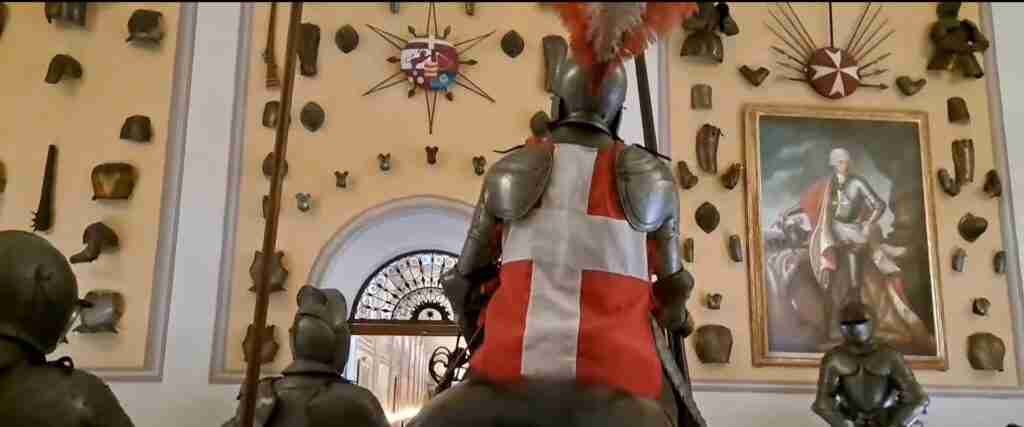
The palace’s Armoury collection displays Knights-period armor, weapons, and military equipment in dedicated exhibition halls, with interpretation explaining military technology evolution and defensive requirements during Ottoman threats. Portrait galleries, throne room, and council chambers showcase institutional continuity from 16th century Knights through contemporary parliamentary use. Allow 2-3 hours for comprehensive palace exploration, as collections span numerous rooms across multiple floors.
Fort St. Elmo and National War Museum: €10 Entry
Fort St. Elmo occupies Valletta’s northeastern defensive point, housing the National War Museum within its star-fort bastions. The €10 admission combines fort exploration with museum exhibits covering Malta’s military history from Knights-period defensive battles through World War II strategic significance. The fort’s positioning provides spectacular harbor and sea views from ramparts, while museum collections include authentic aircraft, military vehicles, and George Cross awarded to Malta collectively for wartime resilience.
Allow 2-3 hours for combined fort and museum visit, as extensive exhibits require time for proper appreciation. Guided tours operate periodically throughout the day, included in admission price and providing enhanced historical context beyond static displays. The fort’s importance during the Great Siege of 1565 and World War II receives detailed treatment, helping visitors understand Malta’s strategic position controlling Mediterranean sea lanes.
MUŻA – The National Community Art Museum: Heritage Malta Pass
MUŻA occupies the restored Auberge d’Italie, displaying Malta’s national art collection from medieval period through contemporary works. The museum’s thematic organization explores Maltese artistic development within Mediterranean context, featuring paintings, sculptures, decorative arts, and applied design spanning five centuries. Collections include works by Mattia Preti, Antoine de Favray, and significant religious art alongside 20th century Maltese modernism.
The building’s architectural restoration merits attention alongside art collections, with contemporary museum design interventions coexisting with baroque palazzo structure. Temporary exhibitions supplement permanent displays, creating changing offerings justifying repeat visits for Malta-based travelers or those making extended Valletta stays. The museum’s moderate size permits thorough exploration in 2-3 hours, fitting efficiently into half-day cultural itineraries.
St. John’s Co-Cathedral: €15 Entry
St. John’s Co-Cathedral represents Valletta’s premier paid attraction, with €15 admission providing access to baroque masterpiece featuring Mattia Preti ceiling frescoes, marble floor tombs of Knights, and Caravaggio’s “Beheading of Saint John the Baptist” in the Oratory. The cathedral’s external plainness deliberately contrasts with overwhelming interior opulence, following Knights’ military-religious aesthetic prioritizing defensive architecture over external decoration.
Audio guides included in admission explain cathedral history, artistic significance, and Knights’ organization into national langues represented by chapels dedicated to patron saints. The marble floor comprises elaborate inlaid tomb memorials covering nearly entire nave, creating extraordinary visual field rarely appreciated from ground level. Photography prohibition inside protects artwork but requires purchasing official postcard images to document visit visually.
The €15 admission represents highest single-attraction cost in Valletta, requiring budget travelers to weigh cultural priority against expense. Those limiting paid admissions should prioritize Co-Cathedral over other choices, as the artistic and architectural significance justifies premium pricing. Alternatively, some travelers prefer visiting exterior and multiple lower-cost museums rather than single premium attraction, depending on personal interest priorities.
Casa Rocca Piccola: €9 Entry
Casa Rocca Piccola opens private noble palazzo to guided tours, revealing aristocratic Maltese family life across multiple generations. The €9 admission includes mandatory guided tour through receiving rooms, chapel, bedrooms, and collections spanning family heritage from Knights period through British colonial era to contemporary Malta. The intimate scale and residential authenticity contrast sharply with institutional museums, providing personal perspective on Maltese high society.
Tours operate hourly during opening times, with English-language guides explaining family history, architectural features, and artifact significance. The palazzo’s air-raid shelter accessible during tours documents World War II civilian experience, while period furnishings throughout rooms illustrate changing interior design tastes across centuries. Allow 1-1.5 hours for complete tour, including time for questions and detailed room examination.
Lascaris War Rooms: €10 Entry
The Lascaris War Rooms occupy underground complex beneath Upper Barrakka Gardens, serving as Allied headquarters during World War II. The €10 admission provides access to preserved operations rooms, communications centers, and historical exhibits explaining Malta’s strategic importance as Mediterranean naval base. The subterranean setting enhances atmospheric impact, with period equipment, maps, and furnishings recreating wartime command environment.
Guided tours enhance understanding compared to self-guided exploration, explaining military operations coordinated from these chambers including Operation Husky’s Sicily invasion planning. The rooms’ preservation captures specific historical moment, with chalk boards, plotting tables, and communications equipment maintained in operational arrangement. Combined with Upper Barrakka Gardens above, the war rooms create comprehensive Valletta harbor defensive history from Knights fortifications through 20th century warfare.
Heritage Malta Multi-Site Pass: €60 Value Analysis
The Heritage Malta multi-site pass costs €60 for 30-day access to 23 museums and historic sites across Malta and Gozo, including multiple Valletta attractions plus island-wide locations. Budget analysis shows break-even after visiting six €10-admission sites, though strategic value depends on individual museum interest levels and total visit duration. Week-long Valletta stays with daily museum visits achieve strong value, while shorter 2-3 day visits focused on free attractions may not justify the €60 investment.
Pass-included Valletta sites comprise National Museum of Archaeology, Grand Master’s Palace, Fort St. Elmo and National War Museum, MUŻA, plus numerous archaeological sites, fortifications, and museums elsewhere on Malta and Gozo. The pass excludes some premium attractions like St. John’s Co-Cathedral and Casa Rocca Piccola, requiring separate admission even for pass holders. Electronic passes available via smartphone eliminate physical card handling, though paper versions remain available from Heritage Malta sales offices.
Alternative strategy for minimal-budget travelers involves selecting 1-2 priority paid museums combined with extensive free sightseeing, keeping total museum expenses under €20 for entire visit. This approach works well for travelers prioritizing architectural appreciation and atmospheric wandering over systematic museum collection study. The pass versus selective admissions decision depends significantly on personal cultural consumption patterns and visit duration.
Budget-Friendly Food and Dining Strategies 2026
Food costs represent highly controllable budget variable in Valletta, with strategic dining choices reducing daily expenses from €43-60 mid-range restaurant spending to €23-35 through street food, bakery meals, and selective casual dining. The capital’s compact size permits efficient hunting for value dining without excessive walking, while authentic Maltese food culture maintains affordable options alongside tourist-oriented premium pricing.
Pastizzi: Ultimate Maltese Budget Food
Pastizzi represents Malta’s quintessential budget food, with savory pastry parcels filled with ricotta cheese or mushy peas costing €0.50-1.00 from local bakeries throughout Valletta. Crystal Palace Bar near City Gate and Is-Serkin bakery on Republic Street serve fresh pastizzi throughout the day, providing substantial snacks at minimal cost. Two-three pastizzi constitute reasonable breakfast or light lunch for under €3, delivering authentic Maltese experience alongside budget efficiency.
Pastizzi consumption follows local patterns rather than tourist schedules, with early morning and late afternoon representing peak purchase times when fresh batches emerge from bakery ovens. Standing at counter rather than table service keeps prices lowest, following Maltese working-class tradition of quick pastizzi consumption before continuing daily activities. The simple formula—flaky pastry, cheese or pea filling, eaten immediately while hot—demonstrates that excellent budget food requires neither complexity nor compromise.
Local Bakeries and Ftira Sandwiches
Traditional Maltese bakeries beyond pastizzi specialists offer ftira sandwiches, pizza slices, and other prepared foods at substantially lower prices than sit-down restaurants. Ftira—round flatbread split and filled with tuna, capers, olives, tomatoes, and olive oil—costs €3-5 from bakeries while charging €8-10 at tourist cafés. Several bakeries along Merchants Street and side streets maintain local clientele rather than tourist focus, keeping prices competitive for neighborhood regulars.
Morning bread runs capture bakeries at peak freshness, with traditional Maltese bread loaves, rolls, and sweet pastries available alongside savory options. Budget travelers self-catering from apartment accommodations find bakery shopping essential for breakfast supplies and sandwich components, substantially reducing meal costs compared to café dining. Fresh bread quality in Malta consistently exceeds expectations, making bakery-based meals pleasure rather than sacrifice.
Inexpensive Lunch Restaurants: €8-12 Range
Valletta contains numerous casual restaurants serving complete lunch mains for €8-12, providing sit-down dining at modest cost. Lunch specials typically include pasta dishes, local meat or fish mains, and simple salads at reduced prices compared to dinner menus. Restaurants on side streets parallel to Republic Street generally charge less than establishments on the main pedestrian thoroughfare itself, rewarding minimal exploration beyond obvious tourist routes.
Traditional Maltese restaurants serving rabbit stew, bragioli, lampuki pie, and other local specialties provide authentic dining experiences at moderate prices. Sharing mains reduces costs further, as Maltese portions typically exceed single-person capacity by substantial margins. Lunch timing around 12:30-1:30 PM captures restaurants at busiest local patronage, indicating authentic pricing rather than inflated tourist rates.
Self-Catering from Supermarkets
Valletta contains several compact supermarkets where budget travelers purchase ingredients for apartment meal preparation, dramatically reducing food expenses to €15-25 daily when preparing most meals independently. Wembley Store near City Gate and smaller grocers throughout Valletta stock fresh produce, dairy, bread, prepared foods, and cooking basics suitable for simple meal assembly. Mediterranean diet staples—tomatoes, cheese, olives, bread, olive oil—cost minimal amounts purchased fresh from shops rather than prepared in restaurants.
Supermarket self-catering particularly benefits travelers staying week-plus durations in apartments rather than hotels, as repeated restaurant meals accumulate expenses rapidly regardless of casual dining choices. Breakfast preparation from supermarket purchases reduces daily food costs immediately, eliminating €8-12 café breakfast charges in favor of €3-5 DIY meals. Evening supermarket visits before closing time sometimes yield discounted prepared foods and bakery items, offering additional savings opportunities for flexible meal timing.
Water and Beverage Costs
Tap water throughout Valletta meets potable standards, eliminating bottled water expenses for budget-conscious travelers willing to use reusable bottles filled from accommodation taps. Restaurants typically serve tap water free upon request, following European rather than American service patterns where water automatically arrives at tables. Coffee prices range €2-3 for standard espresso or cappuccino from local cafés, with tourist-zone establishments occasionally charging €3.50-4 for identical beverages.
Local beer costs €3-5 in casual bars, with Cisk as dominant Maltese brand alongside international options. Wine by the glass ranges €4-6 at neighborhood establishments, escalating to €6-8 at tourist-focused venues. Supermarket beverage purchases reduce costs substantially compared to restaurant or bar consumption, with local beer available under €2 per bottle and decent Maltese wines starting around €6-8 per bottle for apartment consumption.
Evening Dining: Strategic Restaurant Selection
Dinner represents largest potential food expense, with tourist restaurant mains costing €20-28 before beverages. Budget strategies include splitting single main courses between two people, selecting pizzerias where entire pizzas cost €8-12, or patronizing neighborhood restaurants away from Republic Street where local pricing prevails. Early dinner timing before 7:00 PM occasionally yields price advantages, as some restaurants maintain lunch pricing into early evening or offer early-bird specials.
Valletta’s restaurant concentration along Strait Street, Republic Street, and harbor-facing terraces creates competitive environment benefiting diners through special offers and value menus. Checking handwritten specials boards outside restaurants reveals daily deals not listed on regular menus, sometimes offering complete meals with wine for fixed prices substantially below à la carte ordering. The sharing strategy works particularly well for pasta dishes and pizzas, where portions easily serve two people when supplemented by shared appetizer.
Weekly Food Budget Planning
Budget travelers allocating €23-35 daily for food achieve comfortable eating through strategic category mixing: bakery breakfast €3-5, street food or light lunch €8-12, casual dinner €12-18. This pattern permits one sit-down restaurant meal daily alongside budget options for other meals, balancing culinary experience against expense control. Week-long stays totaling €160-245 for food provide substantial nourishment without excessive restriction or constant cost anxiety.
Mid-range travelers spending €43-60 daily enjoy café breakfasts, restaurant lunches, and comfortable dinner options without particular cost consciousness. This allocation supports two restaurant meals daily plus coffee breaks, capturing fuller Valletta dining scene across price categories. The €300-420 weekly food budget permits trying recommended restaurants without systematic value-hunting, though still avoiding highest-end establishments where single meals exceed €50 per person.
Transportation Savings in Valletta 2026
Transport costs remain minimal for Valletta-focused itineraries, as the capital’s 0.8 square kilometer peninsula permits complete foot exploration without requiring buses, taxis, or other paid mobility. Budget travelers extending beyond Valletta to beaches, Mdina, the Three Cities, or Gozo find Malta’s public bus network provides comprehensive island coverage at flat-fare pricing regardless of journey distance. Strategic pass selection versus single tickets determines whether transport consumes €4 or €15-20 daily from travel budgets.
Walking Valletta: Zero-Cost Transport
Valletta’s grid layout and compact dimensions make walking the natural transport mode for exploring the capital. Republic Street extends one kilometer from City Gate to Fort St. Elmo, requiring 12-15 minutes end-to-end at moderate pace. Perpendicular cross streets typically span 200-300 meters between harbor faces, meaning no Valletta destination sits more than 15-minute walk from any other. The complete absence of transport costs for intra-Valletta mobility creates significant budget advantage compared to dispersed cities requiring trams, metro, or buses for basic sightseeing.
Valletta’s pedestrian-friendly character extends beyond mere walkability to genuine foot-travel efficiency, with traffic-free Republic Street, numerous pedestrian-only side streets, and fortification paths eliminating vehicle conflicts. The consistent grid eliminates navigation complexity common in medieval cities, while uniform architecture provides continuous visual interest preventing boring transit corridors. Budget travelers should expect 8,000-12,000 daily steps exploring Valletta thoroughly, comfortable fitness levels beneficial but not essential given frequent bench availability and numerous cafés offering rest-stop opportunities.
Malta Public Transport: Flat-Fare Bus System 2026
Malta Public Transport operates comprehensive bus network connecting Valletta with virtually every island destination, charging flat €2 winter fare or €2.50 summer fare regardless of journey distance. The two-hour ticket validity permits unlimited transfers during its window, meaning travelers reaching Mdina, beaches, or distant villages pay identical single-journey rates as short Valletta-Sliema hops. This flat-fare structure creates unusual value for long-distance journeys while potentially seeming expensive for very short trips.
Bus service quality varies significantly by route and time, with main corridors receiving frequent service while remote areas see hourly-or-less frequencies. Valletta’s position as system hub means nearly all routes either originate or terminate at Valletta bus station outside City Gate, requiring route research before assuming direct connections exist between non-Valletta destinations. The Tallinja mobile app provides real-time arrival information, route planning, and journey updates essential for efficient bus use given sometimes irregular actual service compared to published timetables.
Seven-Day Explore Card: €25 Unlimited Travel
The seven-day Explore Card costs €25 for unlimited bus travel across Malta and Gozo throughout its validity period, reducing effective daily transport cost to under €4 for travelers making 2+ journeys daily. The card pays for itself after 11-13 single journeys at €2-2.50 rates, meaning visitors planning day trips to Mdina, Golden Bay, Marsaxlokk, or Gozo achieve clear savings within 3-4 days of moderate use. The pass also includes Valletta ferry services between Sliema and the Three Cities, adding further value for harbor-crossing movements.
Card purchase requires visiting Malta Public Transport sales offices at airport arrivals hall, Valletta bus terminal, or Bugibba terminal, with activation occurring on first use rather than purchase date. The 168-hour validity from activation permits strategic timing, with cards purchased late on arrival day gaining nearly eight calendar days coverage by spanning two partial days plus six complete days between. Budget travelers making limited bus journeys may find 12 Single Journey Card at €19 more economical than weekly unlimited pass, depending on actual travel frequency.
Single Journey Tickets: Pay-As-You-Go Option
Single bus tickets purchased from driver cost €2 during winter season (October 19 through June 13) or €2.50 summer season (June 14 through October 18), with two-hour validity permitting transfers onto connecting routes. The pay-per-journey approach suits travelers making occasional bus trips from Valletta base while predominantly exploring on foot, avoiding €25 weekly pass commitment when usage doesn’t justify unlimited access. Cash or contactless payment accepted directly on buses, eliminating advance ticket purchase requirements.
The seasonal fare differential creates modest savings opportunity for shoulder-season travelers, with winter €2 rate representing 20% discount compared to summer €2.50 pricing. However, the small absolute difference means seasonal timing should depend on weather, crowds, and accommodation prices rather than €0.50 bus fare savings. Night bus services operating Friday-Saturday evenings charge flat €3 fare regardless of season, providing late-night transport alternative to expensive taxis for revelers staying out past regular bus service conclusion.
Ferry Services: Harbor Crossings
Regular ferry service connects Valletta with Sliema and the Three Cities across Grand Harbour and Marsamxett Harbour respectively, with €2 single fares or €3.80 return tickets. The ferry crossings provide practical transport alternatives to circuitous bus routes around harbor heads, cutting journey times substantially while delivering scenic water-level harbor perspectives. Ferry services included in seven-day Explore Card provide no-additional-cost access for pass holders, though single-journey ticket buyers should weigh €2 ferry versus €2 equivalent bus cost considering time savings.
Sliema ferry operates from Valletta Waterfront to Sliema Ferries terminal, requiring 5-7 minutes crossing time versus 20-30 minutes by bus around Marsamxett Harbour. Three Cities ferry crosses Grand Harbour to Cospicua, providing access to Vittoriosa, Senglea, and Cospicua without requiring bus connections. Regular departures throughout daylight hours make ferry service reliable rather than special-schedule tourist boat, though evening service reduces or eliminates depending on season and day of week.
Gozo Ferry: Inter-Island Connection
The Gozo Channel ferry operates 24/7 service between Ċirkewwa at Malta’s northern tip and Mġarr harbor on Gozo, with foot passenger return tickets costing €4.65. Passengers pay nothing on outbound Malta-to-Gozo crossing, with full return fare collected when boarding homebound Gozo-to-Malta vessel. The 25-minute crossing operates every 45 minutes approximately, though specific departure times vary by season and demand levels.
Reaching Ċirkewwa ferry terminal from Valletta requires bus journey on routes 41, 42, or X1, adding €2-2.50 single fare each direction atop ferry ticket cost. Combined bus-ferry expense totals approximately €8-10 per person for complete Valletta-Gozo-Valletta round trip, representing minimal transport cost for full-day outer-island excursion. Seven-day Explore Card holders pay only €4.65 ferry component, as bus legs included in unlimited pass coverage.
Taxi and Rideshare: When Worth the Premium
Taxis and Bolt rideshare services exist throughout Valletta, providing premium-priced convenience for specific situations where buses prove impractical. Airport-Valletta taxis cost approximately €15-20 compared to €2-3 bus fare, justifying the premium mainly for late arrivals, heavy luggage, or multiple passengers sharing costs. Within Valletta proper, taxis see minimal justification given walkable distances, though late-night returns from Paceville or St. Julian’s nightlife areas may warrant taxi expense when buses cease operating.
Bolt typically charges 20-30% less than traditional white taxis for identical journeys, with fare estimates provided before booking. The app-based service eliminates negotiation concerns and provides driver ratings, addressing common tourist anxiety about fair pricing. However, even discounted Bolt rates substantially exceed bus costs, making rideshare services budget-appropriate mainly for time-critical movements or instances where multiple passengers share expenses reducing per-person impact.
Weekly Transport Budget Allocation
Budget travelers purchasing seven-day Explore Card spend €25 total for week-long Valletta visit with regular excursions to surrounding areas, averaging under €4 daily. Adding occasional taxi for airport transfer or late-night return raises weekly transport total to €45-50, still representing minor portion of overall travel budget. Ultra-budget travelers limiting island exploration primarily to walkable Valletta plus 1-2 bus excursions can reduce weekly transport to €10-15 through selective single-journey tickets, though the savings relatively minimal given already-low transport costs.
Mid-range travelers spending €30-40 weekly on transport likely include seven-day bus pass plus one rideshare journey or additional Gozo ferry crossing. The modest allocation permits complete mobility freedom across Malta without transport-cost anxiety, as unlimited bus pass eliminates per-journey decision-making about value versus walking alternatives. Transport represents smallest controllable budget category in Valletta compared to accommodation, food, or attractions, meaning aggressive transport economizing yields limited overall savings impact.
Accommodation Strategies for Budget Travelers 2026
Accommodation typically consumes largest share of Valletta travel budgets, with choices ranging from €20-30 hostel dormitories to €180-250 boutique hotel rooms nightly. Strategic accommodation selection dramatically impacts total trip costs, as seven-night stays create €140-1750 expense differential between budget hostels and luxury hotels. Understanding Valletta’s accommodation landscape, seasonal pricing patterns, and value-optimization strategies enables budget travelers to minimize lodging costs while maintaining acceptable comfort standards.
Hostel Dormitories: €20-30 Per Night
Valletta’s limited hostel inventory concentrates along Republic Street and surrounding central blocks, with dormitory beds priced €20-30 during shoulder seasons rising to €35-45 peak summer weeks. Two Pillows Hostel, Valletta Boutique Living Hostel, and Inhawi Hostel represent established options offering typical hostel amenities including shared kitchens, common lounges, and social atmospheres. Dormitory accommodation naturally suits solo travelers, young backpackers, and extremely budget-conscious visitors accepting shared sleeping spaces for maximum cost savings.
Hostel value equation depends significantly on kitchen access enabling self-catering, as daily restaurant meals quickly eliminate accommodation savings achieved through dormitory booking. Private hostel rooms where available often cost €60-80, approaching budget hotel rates while delivering hostel rather than hotel service standards. Solo travelers booking private rooms should compare hostel private rooms against actual budget hotels, as price overlap sometimes favors hotel booking at comparable or even lower nightly rates.
Budget Hotels and Guesthouses: €60-100 Per Room
Budget hotels occupy converted townhouses throughout Valletta’s residential streets, offering private rooms with ensuite bathrooms at €60-100 nightly during shoulder seasons. The Barrister, British Hotel, and numerous family-run guesthouses provide basic accommodation without luxury amenities but including convenient locations, clean facilities, and often breakfast. Two travelers sharing budget hotel rooms pay €30-50 per person nightly, competitive with or superior to hostel dormitory rates while gaining privacy and quieter sleeping environments.
Budget hotel quality varies substantially across Valletta’s fragmented accommodation market, with building age, conversion quality, and maintenance standards creating significant property-to-property differences. Reading recent reviews carefully separates acceptable budget properties from those where low prices reflect genuinely substandard conditions requiring tolerance beyond typical traveler comfort thresholds. Central locations within Valletta all provide easy walking access to major attractions, eliminating location premium concerns common in larger cities where budget properties occupy distant neighborhoods.
Mid-Range Hotels: €100-150 Per Room
Mid-range hotels occupying three-to-four star category charge €100-150 per room during shoulder seasons, rising to €150-200 peak summer periods. These properties typically inhabit restored baroque townhouses with period architectural features, providing atmospheric settings alongside modern bathrooms, air conditioning, and breakfast service. Two travelers splitting mid-range hotel costs pay €50-75 per person nightly, delivering comfortable accommodation without budget anxiety while avoiding luxury-tier premiums.
The Embassy Valletta Hotel, Palais Le Brun, and 66 Saint Paul represent established mid-range options combining heritage architecture with contemporary hospitality standards. Room sizes reflect historic building constraints, with compact dimensions common in conversions of 16th-18th century structures built before modern spatial expectations. Rooftop breakfast terraces or harbor-view rooms when available justify slight price premiums through memorable settings, though standard rooms provide identical core amenities at lower rates.
Apartment Rentals: Self-Catering Value
Short-term apartment rentals through Booking.com, Airbnb, and similar platforms provide self-catering alternatives to traditional accommodation, with studios and one-bedroom units available from €60-120 nightly depending on season and specific property. Kitchen access enables substantial food cost savings through supermarket shopping and meal preparation, potentially offsetting higher nightly rates compared to budget hotels without cooking facilities. Apartments particularly suit longer stays exceeding 4-5 nights, as cumulative meal-preparation savings overcome any initial rate premiums.
Valletta’s apartment rental market includes both purpose-converted tourist units and homeowner properties rented during owner absences, with quality standards and amenity levels varying significantly. Location within Valletta matters less than in dispersed cities, as maximum 15-minute walks separate any Valletta address from major attractions. Washing machines when provided in apartment units enable laundry without seeking commercial services, adding convenience value particularly for week-plus stays generating substantial clothing rotation.
Seasonal Pricing Patterns and Booking Strategies
Valletta accommodation demonstrates pronounced seasonal price fluctuations, with July-August peak season commanding 30-40% premiums above November-March winter low season rates. Shoulder seasons of April-May and September-October deliver optimal weather-price combinations, capturing pleasant Mediterranean conditions without extreme summer heat or tourist crowding while maintaining moderate rather than peak pricing levels. Strategic seasonal timing creates hundreds of euros savings across week-long stays compared to peak summer visits.
Advance booking periods show complex value patterns, with extreme advance (6+ months) and last-minute (under 1 week) both sometimes yielding superior rates compared to moderate 1-3 month advance bookings. Last-minute deals particularly materialize during shoulder seasons when occupancy uncertainty drives properties to discount aggressively rather than risk empty rooms. However, last-minute strategies risk limited availability during popular periods, requiring flexible backup plans when preferred properties fully book.
Weekend versus weekday rates demonstrate less pronounced patterns in tourism-dependent Valletta compared to business-travel cities, with relatively consistent nightly rates throughout the week. Some properties actually reduce weekend rates during quiet winter months to capture local staycation business when international tourist arrivals decline, creating occasional weekend bargain opportunities contrary to typical premium Friday-Saturday pricing.
Location Considerations Within Valletta
Valletta’s compact dimensions mean location concerns focus on ambient noise and specific street character rather than attraction proximity, as maximum 15-minute walks connect any accommodation to major sites. Properties on or near Republic Street face higher noise from nightlife, restaurant activity, and general tourist traffic, while residential side streets offer quieter sleeping environments. Harbor-facing rooms provide views but sometimes suffer from early-morning waterfront commercial activity noise, while interior courtyard rooms deliver maximum quiet at expense of views.
The upper-Valletta concentration of hostels and budget hotels near City Gate reflects both property availability in less-prime areas and pragmatic tourist preferences for easy bus terminal access. Mid-range and boutique properties distribute throughout Valletta’s grid, with former palace conversions creating distinctive character impossible to achieve in purpose-built hotels. Lower Valletta near Fort St. Elmo sees less accommodation density but occasionally offers interesting options for travelers prioritizing unusual locations over conventional convenience.
Weekly Accommodation Budget Allocation
Budget travelers allocating €140-210 weekly (€20-30 per night) for hostel dormitories achieve minimal accommodation expenses, redirecting savings toward food, attractions, or extended trip duration. Mid-range travelers spending €350-525 weekly (€50-75 per person nightly in shared rooms) access comfortable hotel accommodation without budget constraints, balancing value and comfort appropriately for most independent travelers. Luxury-tier weekly accommodation exceeding €630-875 (€90-125 per person in boutique properties) delivers atmospheric heritage hotels with memorable settings though requiring substantial budget allocation.
The cost-optimization equation varies significantly between solo and paired travelers, with solo travelers facing full accommodation costs while couples sharing rooms achieve per-person rates competitive with or superior to dormitory costs when booking budget hotels. Three-four person groups or families find apartment rentals often cost-effective compared to multiple hotel rooms, as two-bedroom apartments typically cost less than booking two separate hotel rooms while providing enhanced space and self-catering capabilities.
Money-Saving Tips and Strategies 2026
Systematic cost reduction across multiple spending categories compounds daily savings into substantial weekly totals, with strategic choices potentially reducing overall Valletta costs 30-40% compared to default tourist patterns. Money-saving strategies require varying degrees of effort and flexibility, with travelers selecting techniques matching personal comfort levels and trip priorities. The following tactical approaches enable maximum budget efficiency without sacrificing cultural immersion or experience quality.
Strategic Seasonal Timing
Visit timing represents single highest-impact budget decision, as shoulder seasons of April-May or September-October deliver 25-35% accommodation savings compared to July-August peaks while maintaining excellent weather and avoiding winter rain risks. Museums, transport, and most dining costs remain consistent year-round, meaning accommodation savings directly reduce total trip expenses rather than shifting costs elsewhere. Shoulder-season visits also benefit from reduced crowding at major attractions, shorter wait times, and more authentic local atmosphere as tourist-resident ratios moderate.
Free Attraction Focus
Prioritizing Valletta’s extensive free attractions over paid museums creates multiple zero-cost sightseeing days, with Upper Barrakka Gardens, fortification walks, church exteriors, and atmospheric street wandering providing days of quality exploration without admission expenses. Budget travelers limiting paid attractions to 1-2 priority sites spend €10-20 total museum costs versus €40-60 for visitors systematically purchasing standard admissions. The Heritage Malta pass at €60 suits intensive museum visitors planning 6+ paid site visits, while selective museum attendance better serves travelers emphasizing architectural appreciation over collection study.
Accommodation Sharing and Advance Booking
Solo travelers should actively seek roommate-pairing opportunities through hostel common areas or travel forums, as sharing private hotel rooms typically costs €30-50 per person nightly versus €25-35 hostel dormitories while delivering private facilities and quieter sleeping. Advance booking 2-3 months ahead captures better rates than last-minute arrangements during popular periods, though shoulder-season last-minute deals sometimes materialize when properties discount aggressively to fill inventory. Loyalty program memberships with major booking platforms occasionally provide members-only discounts or free room upgrades worth pursuing for regular travelers.
Food Cost Optimization
Systematic food cost reduction requires multi-pronged approach combining street food breakfasts (€3-5), supermarket lunch assembly (€5-8), and strategic restaurant dinner timing or sharing (€12-18 per person). Self-catering one daily meal through supermarket shopping and apartment preparation reduces weekly food costs €70-100 compared to three restaurant meals daily, substantially impacting overall budgets. The pastizzi-for-breakfast routine costs under €3 versus €10-12 café breakfast, creating €50-70 weekly savings from single meal optimization.
Transport Pass Economics
The seven-day Explore Card at €25 pays for itself after 11-13 single bus journeys, meaning visitors making 2+ daily bus trips achieve savings from day four onward. However, travelers primarily exploring walkable Valletta with only 3-4 total bus excursions save money through single-journey tickets versus €25 pass purchase, requiring honest assessment of actual planned transport usage rather than default pass purchases. Valletta ferry services included in Explore Card provide additional value for pass holders making Sliema or Three Cities crossings, effectively delivering free harbor ferries versus €2 single tickets for non-pass passengers.
Museum Free-Entry Opportunities
The June 6, 2026 Museums by Candlelight event offers €6 access to six major Valletta sites normally costing €10 each individual admission, representing 88% discount for visitors timing Valletta stays to include this annual event. Heritage Malta occasionally schedules free-entry days or cultural events with waived admission, though specific dates require checking official calendars during trip planning phases. Some church museums maintain informal free-entry periods outside official visiting hours when staff permit quick viewing without collecting published admission fees, though relying on such opportunities risks disappointment.
Beverage Cost Management
Eliminating purchased beverages saves €10-15 daily through tap water consumption via reusable bottle, supermarket wine purchases versus restaurant markups, and limited bar spending compared to multiple-drink evenings. The cumulative savings totaling €70-105 weekly create meaningful budget impact given relatively small sacrifice compared to accommodation or major activity cost-cutting. Coffee from inexpensive neighborhood cafés costs €2 versus €3-4 at tourist establishments, with the €1 difference compounding across 10-15 weekly coffees into €10-15 savings from venue-selection awareness alone.
Shared Meal Strategy
Restaurant portions in Malta consistently exceed single-person consumption capacity, making meal-sharing practical strategy for couples or small groups. Single main dishes split between two people with shared appetizer and sides costs €15-20 per person versus €25-35 individual ordering, creating substantial savings while actually reducing food waste from oversized servings. Pizza restaurants represent ideal sharing venues, as entire pizzas costing €10-15 easily serve two people when supplemented by salad or appetizer.
Accommodation Location Flexibility
Properties slightly removed from prime Republic Street corridor sometimes charge 10-15% less for equivalent quality compared to central locations, though Valletta’s compact size means even edge-of-city accommodations sit maximum 10-minute walk from major attractions. Quiet side-street locations also deliver better sleep quality through reduced nighttime noise, potentially justifying any minimal convenience sacrifice from less-central positioning. The location flexibility strategy requires distinguishing between properties genuinely offering value-for-location versus those charging appropriately low rates reflecting actual quality deficits.
Tour and Activity Assessment
Organized tours typically cost €30-60 per person for standard city walks, harbor cruises, or regional excursions, representing substantial expense compared to self-guided exploration using guidebook or smartphone research. Budget travelers should critically assess whether guided commentary justifies premium over independent sightseeing, particularly for straightforward destinations like Mdina or Blue Grotto accessible via public transport without navigation complexity. Specific specialty tours covering inaccessible areas or providing expert knowledge may justify costs, though generic city walks rarely deliver value matching their price tags for independent-minded travelers.
Souvenir and Shopping Discipline
Souvenir expenses accumulate rapidly when purchasing tourist trinkets daily, with cumulative weekly spending easily reaching €50-100 for impulse shoppers. Budget discipline requires distinguishing between meaningful purchases reflecting genuine interest and default souvenir-buying habits driven by tourist-area shopping pressure. Quality local products including Mdina glass, Maltese honey, or regional wines represent worthwhile purchases for travelers genuinely wanting specific items, while mass-produced tourist merchandise rarely delivers lasting value justifying its cost.
Hidden Costs and Budget Traps to Avoid 2026
Valletta’s budget-friendly reputation occasionally conceals specific expenses catching unprepared travelers, with hidden costs and tourist traps undermining careful budget planning when unrecognized. Understanding common pitfall categories enables preemptive avoidance rather than reactive expense accommodation after budgets already strained. Most hidden costs derive from tourist-local pricing differentials or unanticipated service charges rather than deliberate deception, though awareness proves essential regardless of underlying cause.
Tourist Restaurant Pricing on Republic Street
Restaurants directly on Republic Street charge premiums 20-30% above parallel side-street establishments serving identical food quality, exploiting prime pedestrian traffic rather than offering superior dining. A pasta dish costing €15 on Republic Street sells for €10-12 at equivalent restaurant one block away, with the location premium adding €20-30 to typical two-person dinner without tangible value addition. Budget travelers should systematically check parallel streets before selecting restaurants, as minimal walking discovers substantially better value while maintaining equal quality standards.
Attraction Admission Confusion
St. John’s Co-Cathedral charges €15 admission though appearing free from street exterior, catching unprepared budget travelers expecting no-cost church entry following experiences at other Valletta religious buildings. The cathedral’s museum status rather than active parish designation explains admission requirements, though visual similarity to free churches creates genuine confusion. Reading posted entrance signs carefully before entering potentially paid attractions prevents awkward exit situations when discovering unexpected admission charges after already entering spaces.
Restaurant Service Charges
Some Valletta restaurants add 10% service charges to bills automatically, effectively creating mandatory tipping though table service already included in menu pricing. The practice remains inconsistent across establishments, requiring bill verification before adding additional voluntary tips atop existing service charges. Paying attention when bills arrive prevents double-tipping through automatic service charge plus voluntary tip addition, though the small amounts rarely create major budget impacts unlike hidden fees in some destinations.
Tourist Tax Accumulation
Malta’s €0.50 per-person nightly tourist eco-tax applies to all accommodation, capping at €5 per person per visit. Week-long stays reach the €5 maximum, adding modest but real expense beyond quoted accommodation rates. The tax collection happens at check-out rather than booking, meaning online reservation confirmations show pre-tax prices potentially creating budget confusion when final bills exceed expected amounts. The small absolute tax rarely creates serious issues though awareness prevents checkout surprise.
ATM and Currency Fees
ATM withdrawals sometimes include additional fees beyond standard bank charges, with independent ATM operators charging €3-5 transaction fees plus percentage-based currency conversion markups. Using bank-affiliated ATMs rather than independent currency-exchange company machines reduces fee exposure, as major banks typically charge only standard international transaction fees without additional Malta-specific surcharges. Credit card payments avoid ATM fees entirely while often providing favorable exchange rates, making card usage preferable to cash when merchants accept electronic payment.
Inflated Taxi Fares Without Meters
Traditional white taxis sometimes quote inflated fares for standard routes when travelers fail to establish price agreements before departing, exploiting tourist unfamiliarity with appropriate rate ranges. Airport-Valletta trips costing legitimate €15-20 can balloon to €30-40 when drivers exploit passenger reluctance to dispute prices after reaching destinations. Using Bolt rideshare application eliminates fare ambiguity through upfront price display, or establishing firm price agreement before entering traditional taxis prevents post-arrival disputes.
Bottled Water at Tourist Rates
Restaurants and cafés in heavy tourist areas charge €3-5 for bottled water despite Malta’s potable tap water, creating unnecessary expense for travelers unaware of free tap water availability. Requesting tap water eliminates charges entirely, following European norms where restaurants provide complimentary water upon request. Carrying reusable water bottle filled from accommodation taps prevents needing restaurant water entirely, though free tap water remains available when dining regardless of bottle preparation.
Museum Photography Restrictions
St. John’s Co-Cathedral prohibits photography entirely inside, requiring visitors wanting visual documentation to purchase official postcards at gift shop. The restriction protects artwork while generating postcard revenue, though budget travelers expecting free photography opportunities find surprise when discovering prohibition only after paying €15 admission. Other museums permit photography freely or charge minimal fees, making St. John’s restriction unusual rather than universal across Valletta cultural sites. Checking photography policies before visiting prevents disappointment for travelers prioritizing documentation over experience.
Overpriced Harbor Cruises
Organized harbor cruises charging €20-30 per person overlap substantially with €2 public ferries between Valletta and Sliema or Three Cities, delivering narration and longer duration but questionable additional value given minimal price differential. Budget travelers should critically assess whether guided commentary justifies 10-15x price premium over standard ferry crossings providing nearly identical harbor perspectives. Traditional Maltese luzzu boat tours offer compromise option at €10-15 per person, delivering authentic local boat experience without full premium-cruise pricing.
Souvenir Shop Tourist Traps
Gift shops along Republic Street price identical souvenirs 30-50% above shops on side streets or in residential neighborhoods, exploiting tourist convenience and lack of price comparison. Mass-produced items including magnets, postcards, and generic Malta-branded merchandise show particularly pronounced markups, while genuine local products maintain more consistent pricing across retail locations. Budget shoppers should explore multiple vendors before purchasing, as minimal comparison shopping reveals substantial price variations for identical items.
Sample Budget Itineraries with Daily Costs 2026
Practical budget application requires translating theoretical daily ranges into concrete multi-day itineraries demonstrating realistic spending patterns across actual Valletta visits. The following three-day sample itineraries illustrate how budget, mid-range, and luxury travelers structure daily activities while maintaining target spending levels. Each itinerary includes specific attraction choices, dining venues, transport decisions, and resulting daily cost breakdowns providing tangible budget planning models.
Budget Three-Day Itinerary: €50-75 Daily
This ultra-budget itinerary demonstrates minimal-spending Valletta exploration emphasizing free attractions, street food, walking, and hostel accommodation while maintaining quality cultural experiences.
Day 1 – Arrival and Upper Valletta: Airport bus TD4 to Valletta €3, hostel check-in (€25 bed), pastizzi breakfast from Crystal Palace €2, morning exploring Republic Street and City Gate area free, Upper Barrakka Gardens with noon cannon free, lunch ftira sandwich from local bakery €4, afternoon fortification walks free, National Museum of Archaeology admission €5, dinner at casual restaurant Legligin €14, evening stroll Strait Street free. Day total approximately €53 per person.
Day 2 – Free Attractions Focus: Bakery breakfast pastizzi and coffee €3, morning Lower Barrakka Gardens and waterfront walk free, midday exploring side streets and churches free, lunch shared pizza at neighborhood pizzeria €6 per person, afternoon St. John’s Co-Cathedral exterior and surrounding streets free, Casa Rocca Piccola tour €9, evening meal shared mains at local restaurant €12, return to hostel. Day total approximately €55 per person including €25 hostel bed.
Day 3 – Day Trip and Departure: Early bakery breakfast €3, bus to Mdina using Explore Card (purchased previous days if making additional trips) or €2 single fare, morning exploring Mdina free, lunch inexpensive restaurant in Mdina €10, return bus to Valletta €2, afternoon final Valletta wandering and souvenir shopping €15 budget, dinner light meal before airport departure €8, airport bus €3. Day total approximately €68 per person including €25 final hostel night.
Three-day budget total: approximately €176-195 per person covering hostel accommodation, all meals, transport including airport transfers, two paid museum admissions, and extensive free sightseeing. Weekly extrapolation suggests €410-455 per person for seven-day visits maintaining comparable spending patterns.
Mid-Range Three-Day Itinerary: €105-150 Daily
This comfortable mid-range approach balances value consciousness with quality dining, hotels, and comprehensive museum access while avoiding excessive luxury spending.
Day 1 – Arrival and Cultural Exploration: Bolt rideshare airport to hotel €18 (€9 per person sharing), hotel check-in three-star property (€110 room, €55 per person), café breakfast at hotel or nearby €10, morning Republic Street and Co-Cathedral admission €15, lunch restaurant on side street €18, afternoon Grand Master’s Palace €10, Upper Barrakka Gardens free, evening dinner at Strait Street restaurant with wine €28, harbor walk. Day total approximately €145 per person.
Day 2 – Mixed Attractions and Dining: Hotel breakfast included or café €10, morning Fort St. Elmo and War Museum €10, coffee break waterfront café €4, lunch harbourfront restaurant €22, afternoon free fortification walks and Lower Barrakka, bus to Three Cities ferry €2 plus ferry €2, evening return Valletta for dinner at recommended restaurant €32 with wine, return hotel. Day total approximately €137 per person including €55 accommodation share.
Day 3 – Day Trip and Departure: Hotel breakfast €10, bus to Mdina €2, morning Mdina exploration and cathedral €5, lunch Mdina restaurant €25, afternoon bus to Blue Grotto €2, photography session and optional boat trip €8, return bus Valletta €2, final evening dinner quality restaurant €35, late departure hotel checkout. Day total approximately €144 per person including €55 final night accommodation.
Three-day mid-range total: approximately €426-450 per person covering comfortable hotel accommodation assuming two sharing, restaurant meals throughout, comprehensive museum access, transport including convenient airport transfer, and quality dining experiences. Weekly projection suggests €995-1,050 maintaining comparable standards.
Luxury Three-Day Itinerary: €205-295 Daily
This premium-tier itinerary emphasizes boutique accommodation, fine dining, private experiences, and comprehensive cultural immersion without budget constraints.
Day 1 – Premium Arrival Experience: Private airport transfer €35 (€18 per person), boutique hotel check-in palazzo property (€200 room, €100 per person), luxury breakfast hotel terrace €22, morning private guided city walk €60, lunch waterfront fine dining €45, afternoon Co-Cathedral with extended time €15, MUŻA national art museum entry included Heritage Malta pass €60 purchased for comprehensive access, evening fine dining restaurant with cocktails €65, rooftop bar nightcap €15. Day total approximately €280 per person.
Day 2 – Comprehensive Cultural Immersion: Hotel breakfast €22, morning Fort St. Elmo private tour arranged €80, coffee premium café €6, lunch gourmet restaurant €50, afternoon private harbor cruise €45, Grand Master’s Palace extended visit included in Heritage Malta pass from previous day, evening sunset cocktails Upper Barrakka viewing area €18, dinner Michelin-recommended restaurant €75, late entertainment. Day total approximately €396 per person including €100 accommodation.
Day 3 – Premium Day Trip Experience: Hotel breakfast €22, private driver to Mdina and surrounding areas full-day €120 (€60 per person sharing), morning Mdina with guide €70, lunch premium Mdina restaurant €55, afternoon scenic coastal drive and Blue Grotto boat trip €12, early evening return Valletta, farewell dinner exceptional restaurant €85 with premium wines, late departure. Day total approximately €404 per person including €100 final accommodation night.
Three-day luxury total: approximately €1,080-1,150 per person covering boutique accommodation, fine dining throughout, private guides and transport, comprehensive museum access, and premium experiences without cost concerns. Weekly projection exceeds €2,520 maintaining luxury standards consistently.
Visiting Valletta with Specific Traveler Types 2026
Budget considerations vary significantly across traveler demographics, with solo visitors, couples, families, and seniors facing distinct cost structures and optimization strategies. Understanding type-specific budget dynamics enables tailored planning maximizing value for particular travel configurations rather than applying generic advice unsuited to specific circumstances.
Solo Traveler Budget Challenges
Solo travelers face fundamental budget disadvantage through inability to share accommodation costs, effectively doubling per-person hotel expenses compared to couples splitting rooms. A €100 hotel room costs €100 for solo occupancy versus €50 per person for couples, creating severe per-capita cost differential. Hostel dormitories partially mitigate this through per-bed pricing eliminating sharing advantage, though solo travelers still pay identical €25-35 per night as paired travelers in same dormitory configuration.
Food costs also trend higher for solo diners, as restaurant portions sized for single consumption often cost 60-70% of couple-sized mains rather than half price. Sharing strategies unavailable to solo travelers eliminate major cost-reduction technique used by couples or groups. Transport and attraction costs remain identical regardless of solo versus paired travel, providing categories where solo status creates no disadvantage. Overall daily costs for solo budget travelers often reach €65-90 versus €50-75 for couples sharing accommodation, with mid-range solo spending €130-180 versus couples’ €105-150 per person.
Couples and Shared Accommodation Value
Coupled travelers achieve optimal per-person budget efficiency through room-sharing cost division, hotel amenity access at dormitory-equivalent per-person rates, and meal-sharing opportunities unavailable to solo travelers. A €100 hotel room costing €50 per person delivers private bathroom, comfortable sleeping, and breakfast for price comparable to hostel dormitories without privacy. The accommodation advantage creates €20-30 daily per-person savings, compounding to €140-210 weekly across typical visit durations.
Restaurant meal sharing permits ordering variety while controlling costs, with couple ordering two mains plus shared appetizer costing €35-45 total versus €40-50 for two individual meals. The modest savings accumulate across multiple daily meals, though the strategic value lies more in portion-size management than dramatic cost reduction. Couples planning multi-day visits should prioritize accommodation cost-splitting advantages rather than marginal meal-sharing benefits when allocating budget optimization efforts.
Family Travel Cost Multiplication
Families face expense multiplication through multiple accommodation needs, attraction admissions, and meal costs, with two-adult-two-child configurations doubling or tripling baseline couple budgets. Hotel room constraints requiring two rooms or family suites push accommodation above simple per-person calculations, as family rooms command premiums above standard doubles. Apartment rentals often provide better family value than multiple hotel rooms, delivering cooking facilities reducing meal costs while providing space for children without cramped hotel-room tensions.
Malta’s children-under-10 free bus travel and reduced museum admissions partially offset cost multiplication, though teenage children typically pay adult rates eliminating family discounts. Families should emphasize free attractions particularly heavily, as four admission fees at €10 per site total €40 per museum versus €20 for couples. The cost-amplification effect means family daily budgets often reach €180-280 for comfortable mid-range travel matching couple’s €105-150 per-person standards, requiring proportional budget allocation adjustments.
Senior Travelers and Fixed Income Considerations
Senior travelers often balance limited mobility concerns against fixed retirement incomes, creating tension between comfort requirements and budget constraints. Valletta’s compact walkable layout suits seniors avoiding excessive physical exertion, as major attractions cluster within 500-meter radius requiring minimal long-distance walking. Budget allocation should prioritize accommodation quality ensuring comfortable resting between sightseeing sessions, even if requiring restaurant meal reductions balancing overall spending.
Senior admission discounts vary by attraction, with Heritage Malta offering reduced rates for 60+ visitors at some properties though not universal across all sites. Transport concerns remain minimal given Valletta’s walkability, though seniors should budget conservatively for occasional taxis rather than assuming complete bus-only mobility matching younger travelers’ capabilities. Overall senior daily budgets typically align with standard mid-range €105-150 per person, though individual allocation shifts toward accommodation quality over dining experiences compared to younger demographics.
Seasonal Price Variations and Best Value Periods 2026
Seasonal timing dramatically impacts Valletta travel costs, with accommodation prices fluctuating 30-40% between winter lows and summer peaks while weather, crowds, and attraction accessibility vary correspondingly. Understanding seasonal tradeoffs enables strategic timing balancing budget priorities against experience quality, as lowest-cost periods involve weather compromises while peak-price summer delivers reliable conditions alongside maximum expenses.
Peak Summer Season: July-August Price Premium
July-August represents peak tourist season with maximum prices across accommodation categories, as European holiday schedules drive demand while Mediterranean weather delivers guaranteed sunshine and beach conditions. Budget hostels rise from €25-30 to €35-45 per bed, mid-range hotels increase from €100-120 to €150-180, and boutique properties escalate from €150-180 to €220-280 per room nightly. The 30-40% accommodation premium combined with increased restaurant crowding and attraction queues creates legitimate questions whether peak summer timing justifies significant cost increases.
Summer advantages include completely reliable weather eliminating rain concerns, extended daylight hours maximizing sightseeing time, festival and event schedules concentrated in warm months, and optimal swimming conditions at nearby beaches. Disadvantages beyond pricing include intense heat potentially limiting midday activities, maximum tourist crowding at major attractions, and somewhat diminished local authenticity as resident-tourist ratios skew heavily toward visitors. Bus fares also increase slightly to €2.50 summer rates versus €2 winter pricing, though the €0.50 difference creates minimal budget impact.
Shoulder Seasons: April-May and September-October Optimal Value
Spring shoulder season (April-May) and autumn equivalent (September-October) deliver optimal budget-weather-experience combinations, maintaining pleasant Mediterranean conditions while avoiding both winter weather uncertainty and summer price premiums. Accommodation costs remain moderate at off-peak rates, typically 20-25% below July-August pricing while still 10-15% above January-March winter lows. Weather reliability stays high though not absolute, with occasional spring rain or autumn storms interrupting otherwise excellent conditions.
Shoulder season advantages include moderate temperatures ideal for walking-intensive city exploration, reduced crowding at attractions enabling relaxed viewing without queue stress, better local-tourist balance creating more authentic atmosphere, and flowering spring landscapes or harvest-season autumn coloring. Budget travelers willing to accept minimal weather risk achieve strongest value during shoulder months, capturing 80-90% of summer’s weather reliability at 60-70% of summer’s cost structure. The combination makes April-May and September-October objectively superior timing for budget-conscious travelers prioritizing value over absolute weather guarantees.
Winter Season: November-March Deep Discounts
Winter months deliver steepest accommodation discounts, with hostel beds dropping to €20-25, budget hotels to €50-80, and mid-range properties to €80-120 per room nightly. The 30-40% savings versus shoulder season and 50-60% reduction compared to summer peak create compelling budget arguments, though weather uncertainty introduces legitimate concerns about rain frequency and reduced swimming viability. Malta’s Mediterranean climate prevents severe winter weather, with temperatures remaining mild 12-18°C though cloudy days and periodic rain create conditions unsuitable for beach-focused vacations.
Winter cultural tourism remains highly viable despite weather compromises, as Valletta’s architectural and museum attractions function identically regardless of season. Walking tours require rain gear flexibility rather than absolute cancellation, while reduced daylight hours compress daily sightseeing windows without eliminating activities entirely. The profound cost savings justify winter timing for budget-primary travelers accepting weather tradeoffs, particularly those emphasizing museums, architecture, and urban exploration over beach activities dependent on guaranteed sunshine.
Holiday Period Price Spikes
Christmas-New Year period (December 20-January 5) shows temporary price increases despite winter season, as holiday travelers create demand spike during otherwise off-peak period. Easter week similarly elevates prices above typical spring shoulder-season rates, with religious tourism and school holiday schedules driving temporary demand increases. Budget travelers should avoid these holiday windows when possible, targeting January 6-March dates for deepest winter discounts or post-Easter April-May for shoulder-season value without holiday premiums.
Booking Timeline and Last-Minute Deals
Advance booking sweet spots vary by season, with 2-3 months ahead typically optimal for summer peak-season travel, while shoulder seasons sometimes yield last-minute deals as properties discount aggressively rather than risk empty rooms. Winter months particularly favor last-minute booking strategies, as low baseline demand means properties often negotiate rates rather than maintain published pricing when occupancy concerns arise. However, last-minute approaches risk limited availability during popular periods, requiring backup plan flexibility when preferred properties fully book.
Frequently Asked Questions About Budget Travel in Valletta 2026
Is Valletta expensive compared to other European capitals?
Valletta costs moderately less than major Western European capitals like Paris, London, or Rome while exceeding Eastern European alternatives like Budapest or Bucharest. Budget travelers spend €50-75 daily in Valletta versus €70-90 in Rome or €35-50 in Krakow, positioning Malta’s capital in middle affordability tier. Accommodation represents primary cost driver, with Valletta hotel rates comparable to Italian or Spanish regional cities rather than premium-priced northern European capitals. Food costs match southern European norms, while museums and transport remain notably affordable compared to mainstream tourism destinations.
How much spending money should I bring to Valletta for one week in 2026?
Weekly spending requirements depend entirely on travel style and accommodation choices. Budget travelers need €350-525 weekly beyond accommodation assuming hostel beds already paid, covering food €160-245, transport €25-40, attractions €30-50, and miscellaneous €60-100. Mid-range travelers should budget €735-1,050 weekly for comprehensive comfort including hotel accommodation share, restaurant meals, museum passes, and occasional splurges. These figures assume typical spending patterns, with individual variation based on personal priorities and spontaneous spending discipline.
What is the cheapest month to visit Valletta?
January and February represent cheapest Valletta months, with accommodation costs 50-60% below July-August peaks and minimal tourist crowding. November and March offer slightly higher prices than January-February but maintain winter discount structures while avoiding mid-winter weather uncertainty. Budget travelers accepting occasional rain and cooler temperatures achieve maximum cost savings during these months, redirecting expense reductions toward extended trip duration or upgraded accommodation within overall budget constraints.
Can you visit Valletta on €50 per day?
Visiting Valletta on €50 daily proves achievable for disciplined budget travelers emphasizing free attractions, street food dining, hostel accommodation, and walking-based mobility. Daily allocation: hostel bed €20-30, meals €20-25 through bakery breakfasts plus casual restaurant dinners, transport €0-4 within walkable Valletta, attractions €0-5 focusing free sites with occasional museum. The €50 budget requires consistent cost consciousness and flexibility accepting simpler accommodations rather than hotels, though delivers authentic Valletta experience without major sacrifices when executed thoughtfully. Solo travelers find €50 daily targets more challenging than couples sharing accommodation costs.
Is food expensive in Valletta?
Food costs in Valletta range dramatically based on venue selection, with pastizzi from bakeries costing €1-2 while tourist restaurant mains reach €20-28. Budget meals total €8-12 for casual restaurant mains, positioning Valletta food prices moderately below northern European standards while slightly above Eastern European destinations. Strategic dining combining street food, local bakeries, and neighborhood restaurants rather than tourist-zone establishments achieves daily food costs €23-35, comparable to or lower than major Italian cities. Self-catering from supermarkets reduces expenses further to €15-25 daily when preparing most meals in apartment accommodations.
How much does a beer cost in Valletta?
Beer prices range €3-5 for local lagers at neighborhood bars, rising to €5-7 at tourist-oriented establishments along Republic Street or harbourfront terraces. Supermarket beer costs under €2 per bottle, creating substantial savings for apartment-based travelers willing to consume beverages at accommodations rather than bars. The price differential between local bars and tourist venues rewards minimal exploration beyond obvious tourist zones, as identical drinks cost 30-40% less at establishments serving Maltese regulars alongside visitors.
Are museums in Valletta free?
Most Valletta museums charge admission ranging €5-15, with Heritage Malta sites typically €5-10 individually or €60 for 30-day multi-site pass covering 23 locations. Notable exceptions include St. John’s Co-Cathedral at €15 representing highest single admission and various baroque churches maintaining free entry. Upper and Lower Barrakka Gardens provide free access alongside fortification walks and city streets, meaning extensive free sightseeing exists though major museum collections require paid admission. The Museums by Candlelight event on June 6, 2026 offers exceptional €6 access to six normally-paid sites, representing rare discount opportunity for budget travelers.
How much money do I need per day in Malta as a tourist?
Daily Malta budgets mirror Valletta-specific costs given the capital’s representative pricing, with budget travelers needing €50-75, mid-range visitors comfortable at €105-150, and luxury travelers spending €205-295 per person daily. These ranges assume two people sharing accommodation, with solo travelers facing €15-30 daily premiums from inability to split hotel rooms. Malta-wide beach destinations and outer-island Gozo show comparable pricing to Valletta rather than meaningful variations justifying destination-specific budget adjustments. Individual spending depends heavily on accommodation choices and dining patterns, as these categories show widest variability across budget tiers.
Is public transport cheap in Malta?
Malta public transport remains remarkably affordable at €2 winter or €2.50 summer per journey regardless of distance, with seven-day unlimited passes costing only €25. The flat-fare structure creates exceptional value for long-distance journeys while seeming moderately expensive for very short trips, though overall transport costs represent minimal budget portion compared to accommodation or dining. Budget travelers purchasing weekly passes pay under €4 daily for comprehensive island-wide mobility including Valletta-based movements, Mdina excursions, beach visits, and Gozo ferry connections excluding only the €4.65 inter-island ferry fare itself.
What should I not miss in Valletta if I’m on a budget?
Budget travelers should prioritize Valletta’s extensive free attractions over paid museums, including Upper Barrakka Gardens for harbor panoramas and noon cannon firing, complete fortification walks circling the peninsula, Republic Street and side-street architectural appreciation, Lower Barrakka Gardens, church exteriors throughout the city, and Valletta Waterfront promenade. If budgeting for single paid attraction, the National Museum of Archaeology at €5 delivers best value combining affordable admission with significant collections, though St. John’s Co-Cathedral at €15 represents Valletta’s premier cultural site justifying higher cost for travelers prioritizing artistic significance over budget minimization. Free walking exploration captures authentic Valletta character without requiring paid admissions, as the UNESCO-designated urban fabric itself constitutes the primary attraction rather than isolated monuments.