Valencia Budget Guide 2027: Complete Travel Cost Breakdown
Valencia delivers a Mediterranean experience that rivals Barcelona and Madrid at prices that consistently undercut both — typically 20 to 30 percent less on equivalent accommodation, and noticeably cheaper on eating out and transport. This guide breaks down every significant expense category for 2027 travelers, from hostel dorms and the celebrated lunchtime menú del día to the Oceanogràfic, the City of Arts and Sciences, and the city’s efficient metro and bus network, so you can plan a realistic budget before you arrive.
Key Takeaways
- Budget travelers staying in hostel dorms spend approximately €50–75 per person daily; those sharing a budget hotel room spend €65–95 per person daily.
- Mid-range travelers sharing a three- or four-star hotel spend approximately €120–185 per person daily, including a daily restaurant dinner and one or two paid attractions.
- Luxury visitors sharing a five-star hotel invest approximately €270–415 per person daily, covering upscale dining, private transport, and premium experiences.
- A five-night trip costs roughly €250–475 per person at the budget level and €600–925 per person at mid-range (two sharing hotel).
- The three-course menú del día — Valencia’s lunchtime fixed menu — costs €10–15 and is the single most powerful tool for cutting daily food spending without sacrificing quality.
- Valencia currently charges no tourist tax, unlike Barcelona and other Spanish cities, which is a significant competitive advantage for budget visitors. Verify this has not changed before you travel in 2027.
People Also Ask About Valencia Budget 2027
How much does Valencia cost per day in 2027?
Daily costs in Valencia in 2027 depend on how you sleep and eat. Budget travelers in hostel dorms, using the menú del día for lunch and ordering tapas for dinner, spend approximately €50–75 per person daily. Those sharing a mid-range three- or four-star hotel, eating at sit-down restaurants, and visiting one or two paid attractions spend approximately €120–185 per person daily (two sharing). Luxury visitors in five-star hotels with upscale dining spend €270–415 per person daily. The city’s free attractions — the Turia Garden, the City of Arts and Sciences exterior, and its beaches — allow visitors at every budget level to pack their days without spending on every activity.
Is Valencia cheaper than Barcelona in 2027?
Yes, Valencia is meaningfully cheaper than Barcelona across all spending categories. Equivalent three- and four-star hotels run approximately 20–30 percent less than in Barcelona. A mid-range restaurant dinner for one person costs €20–35 in Valencia versus €30–50 in Barcelona. Public transport is cheaper, and the city currently charges no tourist tax — an additional daily surcharge that Barcelona applies to every hotel guest. On a seven-day mid-range trip for two people, Valencia typically saves a couple €300–600 compared with the Catalan capital while offering a similarly rich cultural programme and better access to genuine local neighbourhoods.
What is the cheapest way to get around Valencia in 2027?
The cheapest individual journey option is the rechargeable Bono bus card, which brings the per-ride cost down to around €0.85 versus the €2 single-journey on-board bus fare. For visitors spending two to three days actively touring, the Valencia Tourist Card (€20 for 48 hours, €25 for 72 hours) bundles unlimited metro, bus, and tram travel with free entry to the Cathedral, IVAM, and several municipal museums — it pays for itself in two transport days alone once the museum savings are factored in. The Valenbisi public bike-share system is excellent for flat, sunny Valencia and the first 30 minutes of every ride are free, making short cross-city trips effectively free if you time them correctly.
How much should I budget for a week in Valencia in 2027?
A week in Valencia (seven nights, seven days) costs approximately €350–525 per person at the budget level (hostel dorm), €455–665 per person sharing a budget hotel, €840–1,295 per person sharing a mid-range hotel, and €1,890–2,905 per person sharing a luxury hotel. These figures include accommodation, all meals, transport, and a selection of paid attractions. A Las Fallas visit (March 14–19) is a notable exception: accommodation prices can triple or quadruple during the festival and should be booked six to twelve months in advance, with a budget uplift of at least €150–300 per person for the week.
Extended multi-day tours – 5+ days
Featured Valencia Multi-Day Tour Packages

3 days
Valencia 3-Day Discovery Tour
- ✓ Comprehensive Valencia experience
- ✓ Expert local guides included
- ✓ All accommodation included
- ✓ Transportation provided

5 days
Valencia 5-Day Highlights Experience
- ✓ Comprehensive Valencia experience
- ✓ Expert local guides included
- ✓ All accommodation included
- ✓ Transportation provided
7 days
Valencia 7-Day Cultural Journey
- ✓ Comprehensive Valencia experience
- ✓ Expert local guides included
- ✓ All accommodation included
- ✓ Transportation provided

10 days
Valencia 10-Day Complete Adventure
- ✓ Comprehensive Valencia experience
- ✓ Expert local guides included
- ✓ All accommodation included
- ✓ Transportation provided
Multi-day tour packages powered by TourRadar. Prices and availability subject to change.
Understanding Valencia Costs in 2027
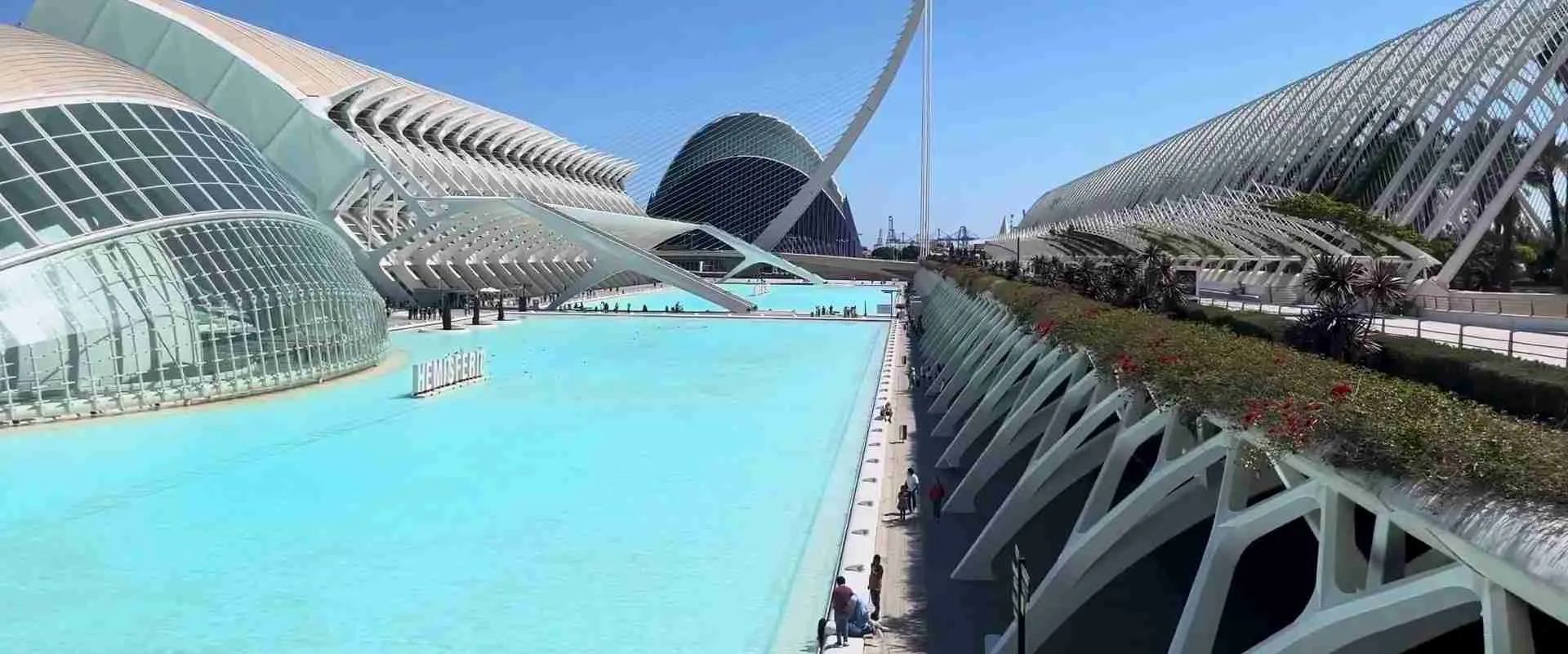
Valencia is Spain’s third-largest city and its most underrated in terms of value for money. Situated on the Mediterranean coast roughly halfway between Barcelona and Alicante, it combines a UNESCO World Heritage old quarter, a futuristic waterfront designed by Santiago Calatrava, Europe’s largest weekly fresh-produce market, and twelve kilometres of city beaches — all within easy reach of each other by a compact, inexpensive public transport network.
Compared with Barcelona, Valencia offers broadly similar urban amenities and a comparable cultural offer at prices that are consistently and significantly lower. Compared with Madrid, Valencia adds seaside geography and a sunnier climate at a similar price point. Within Spain, only inland cities like Seville, Zaragoza, and Bilbao can rival Valencia’s combination of quality and affordability.
The city’s pricing structure suits short-break travelers particularly well. Many of its most compelling attractions are free or inexpensive — the former riverbed Turia Garden, the old quarter’s historic streets, the Central Market interior, and the spectacular City of Arts and Sciences exterior are all accessible at no cost. The daily menú del día tradition provides high-quality three-course lunches for €10–15, including a drink. And the absence of a tourist tax (see the Hidden Costs section) means your hotel bill is genuinely what the booking platform quoted.
One planning caveat for 2027: Las Fallas, Valencia’s defining annual festival, runs for roughly a week in March and completely transforms the pricing environment. If your travel window overlaps with Las Fallas, budget for accommodation prices that can be three to five times the normal rate, book as far in advance as possible, and accept that the city experience during this period is extraordinary but expensive. Every other time of year, Valencia operates at the favourable prices described in this guide.
Accommodation Costs in Valencia 2027
Accommodation represents the largest variable in any Valencia budget. The city has a strong and competitive hospitality sector at every price point, and the gap between budget and mid-range options is smaller here than in Barcelona or Madrid.
Hostels and Budget Guesthouses 2027
Valencia has a well-developed hostel scene, particularly in the El Carmen and Ruzafa districts. Dorm beds in central hostels run €18–25 per person per night in low to shoulder season, rising to €25–35 during summer peaks (July–August) and significantly more during Las Fallas. Private rooms in hostels or guesthouses typically cost €55–80 per room per night, making them competitive with the cheapest hotels when you factor in the social atmosphere and often included breakfast.
Budget travelers who want a private room without the full hotel experience should compare hostel private rooms against two-star hotels: in Valencia, a hostel private room often delivers better-located, better-kept accommodation than a two-star hotel at the same price. The best hostel areas are El Carmen (historic centre, excellent walkability) and Ruzafa (bohemian, bar-rich, excellent transport links).
Mid-Range Hotels in Valencia 2027
Valencia’s mid-range hotel sector — three- and four-star properties — offers excellent value. A comfortable double room in a well-reviewed three-star hotel in or near the centre typically costs €85–130 per night in low to shoulder season (check official booking platforms for current rates, as pricing varies by date and availability). Four-star properties in central locations run €110–160 per night for a double in mid-season. Both categories step up significantly in July and August, adding €20–40 per night, and multiply during Las Fallas.
For two sharing, a mid-range double at €100–140 per night translates to €50–70 per person — a reasonable proportion of the overall daily budget. The best-value mid-range hotel zone is the Ensanche district (the 19th-century grid expansion around the main train station), which offers good transit links, proximity to Ruzafa, and slightly lower prices than the immediate old quarter.
Luxury Hotels and Boutique Options 2027
Five-star and design-boutique hotels in Valencia are priced considerably below their Barcelona equivalents. A double room at a premium five-star property in central Valencia typically runs €180–280 per night in mid-season, compared with €280–450 for a similar level in central Barcelona. Several landmark luxury properties sit within the old quarter or near the Colón shopping district, giving guests walkable access to most major sights. Rates for prestigious properties during Las Fallas or the Formula One Grand Prix (when Valencia has hosted it) can reach €500–800 per night for a standard double and should be approached as a separate cost universe.
Vacation Apartments and Self-Catering 2027
Short-term apartments are abundant in Valencia and represent good value for groups, families, or travelers planning a longer stay. A well-located one-bedroom apartment in the Ruzafa or Cabanyal district costs €75–120 per night for a unit sleeping two, working out to €38–60 per person — slightly cheaper than a comparable hotel room with the added advantage of a kitchen for self-catering. Two-bedroom apartments sleeping four to six start around €110–160 per night, making them one of the most cost-effective options for families or traveling groups.
Where to Stay on a Budget: Neighborhood Breakdown 2027
Location within Valencia has a meaningful effect on accommodation pricing. El Carmen, the historic heart of the old quarter, commands the highest premium given its proximity to the Cathedral, the Silk Exchange, and the major museums — expect to pay roughly 15–25 percent more here than in adjacent neighbourhoods for equivalent accommodation quality. The Ensanche (central grid) and areas near the main train station (Estació del Nord) offer a slight discount and convenient transport connections. Ruzafa, the creative Bohemian district south of the centre, is now fashionable but remains 10–20 percent cheaper than El Carmen for equivalent properties and has excellent nightlife access. The Cabanyal district, a former fishing neighbourhood close to Malvarrosa Beach, is increasingly popular with budget-conscious visitors seeking beach proximity at lower prices, though it involves a metro or tram journey to reach the old quarter.
Food and Dining Costs in Valencia 2027
Food is where Valencia’s value proposition becomes most compelling. The city has one of Spain’s richest food cultures — it is the documented origin of paella and a major producer of citrus, rice, and seafood — and its dining scene operates at a price level well below what visitors typically expect from a major Mediterranean city.
Breakfast Costs in Valencia 2027
The classic Valencian breakfast is a coffee and toast (tostada) at a neighbourhood café, costing €3–5 total. Expect to pay €1.50–2.50 for a coffee and €1.50–2.50 for toast with olive oil and tomato. Hotel breakfasts at budget and mid-range properties typically cost €8–15 per person when not included, which is rarely good value given the abundance of excellent neighbourhood cafés. Upscale hotel buffet breakfasts run €18–28 per person. Bakery pastries and fresh orange juice from street vendors near the Central Market make for an excellent €4–6 breakfast.
Lunch: The Menú del Día Strategy 2027
The menú del día is Valencia’s most powerful budget tool and should be used by every visitor who wants to eat well cheaply. Available at most restaurants Monday through Friday from roughly 1:30 PM to 3:30 PM, it typically includes a starter, a main course (often with several options), dessert or coffee, bread, and a glass of wine or water — all for €10–15, with the better-value menus in the €11–13 range. Weekend menus sometimes cost slightly more or are not available at all restaurants. The menú del día is not a tourist invention: it is how most Valencian workers eat, which means quality is generally high and portions are generous.
In the Ruzafa and Cabanyal districts, where local clientele is the primary audience, menus often come in below €12. Near the Cathedral and the Central Market, tourist-oriented restaurants may charge €14–17 for nominally similar menus with variable quality. The practical advice is to walk one or two streets away from major sightseeing landmarks before choosing where to eat lunch, and to look for handwritten chalkboard menus indicating the day’s options.
Dinner and Evening Dining Costs 2027
A tapas-led dinner at a local bar — four to five small dishes shared between two people — typically costs €12–18 per person including a couple of drinks. A starter, main course, and dessert at a mid-range sit-down restaurant runs €22–35 per person with wine. Upscale restaurants and established seafood houses around the Malvarrosa beach area or the Horta de la Seda neighbourhood charge €40–70 per person for a full dinner with wine. Fine dining at the handful of Michelin-starred or highly regarded creative restaurants in Valencia runs €80–120 per person for a tasting menu with paired drinks.
The evening meal in Valencia tends to be served late — restaurants rarely fill before 9 PM and peak sittings are at 9:30–10 PM — which surprises visitors from northern Europe or North America. Arriving at 7 PM to 8 PM often means emptier restaurants and sometimes slower service, as the kitchen is not yet in full swing.
Paella and Signature Valencia Dishes: What to Pay 2027
Authentic Valencian paella — made with chicken, rabbit, flat green beans, and white garrofó beans, never seafood in the traditional recipe — is served at rice restaurants (arrocerías) that typically require advance booking for weekend lunch. A portion of authentic paella for one person costs €14–22 at a respected rice restaurant, and most establishments require a minimum of two portions. The waterfront tourist-facing restaurants around the Malvarrosa beach area often serve it for similar prices but with more variable authenticity. In the city’s outer districts, family-run arrocerías serve excellent paella for €12–16 per person as part of a full set lunch.
Other signature dishes to budget for: horchata de chufa (tiger nut drink) with fartons (sugar-dusted pastries) costs €3–5 at a traditional horchatería and is an essential Valencia experience. All i pebre (eel in paprika and garlic sauce) runs €10–15 at a traditional restaurant. Agua de Valencia (fresh orange juice, cava, vodka, and gin) costs €5–9 per glass at the traditional cafés near Virgin Square.
Drinks, Bars, and Nightlife Costs 2027
A beer at a local bar costs €1.50–3 depending on the neighbourhood — El Carmen bars charge the top end, local neighbourhood bars the bottom. A glass of wine at a restaurant is typically €3–6. Cocktails at the city’s designer bars run €8–13. Valencia’s nightlife is centred on the El Carmen district for the alternative scene, Calle Juan Llorens for a more international crowd, and the Cabanyal district for a younger, increasingly fashionable scene. Entry to nightclubs is typically €8–15 and often includes a drink.
Transportation Costs in Valencia 2027
Valencia’s public transport system is one of its best arguments for visiting. The metro, bus, and tram network is extensive, well-maintained, safe at all hours, and significantly cheaper than equivalent systems in Barcelona or Madrid.
Metro, Bus, and Tram Fares 2027
A single bus journey within the city costs €2 when purchased on board (this price rose in 2025 from the previous €1.50). The far better option for most visitors is a rechargeable transport card loaded with the Bono 10-trip pass, which reduces the per-journey cost to around €0.85 per ride — a saving of more than 50 percent over the on-board single fare. The Bono 10-trip bus card costs €8.50 and is available at kiosks and metro station vending machines.
The metro charges €1.50 per journey within Zone A (which covers the city centre and most tourist areas), rising to €2.80 for journeys spanning Zones A and B, and €4.80 for the airport connection (Zones A, B, and the airport extension on Lines 3 and 5). Tram fares match the metro Zone A price of €1.50 and the network is interchangeable with metro tickets on the SUMA rechargeable card. City transport runs from approximately 5:30 AM to midnight on weekdays, with a limited búho (owl) night bus network operating until approximately 3 AM on Friday and Saturday nights.
Valencia Tourist Card 2027: Is It Worth It?
The Valencia Tourist Card (transport version) costs €15 for 24 hours, €20 for 48 hours, and €25 for 72 hours. It covers unlimited travel on metro, bus, and tram across Zones A, B, C, and D including the airport metro route, and also provides free entry to a selection of municipal museums and monuments including the Cathedral and its museum (normally €8), IVAM (normally €5), the Silk Exchange, the Fallas Museum, and Serranos Towers, plus discounts of 10–50 percent on major paid attractions including the City of Arts and Sciences, Bioparc Valencia, and the Valencia Tourist Bus. Verify exact inclusions and prices on the official Valencia tourism website before purchasing, as the card’s museum list is updated periodically.
The card pays for itself comfortably if you use public transport four or more times per day and visit at least two of the included museums. For a two- to three-day city visit with regular transport use and at least a couple of museum stops, the 48-hour or 72-hour Tourist Card is one of the best-value purchases available in Valencia. Budget travelers relying mainly on walking and free attractions will find the card less compelling, but anyone who would otherwise pay for the Cathedral entry alone recoups roughly half the 24-hour card cost from that single inclusion.
Valenbisi Bike Share 2027
Valencia’s flat geography and extensive network of dedicated bike lanes make cycling a genuinely practical and enjoyable option. The Valenbisi public bike-share system operates around 275 stations across the city, with the first 30 minutes of each ride free — long enough to cross between any two central points — and subsequent time charged at a low per-minute rate. A visitor day subscription costs approximately €13–15 and a weekly subscription approximately €35–40, enabling unlimited 30-minute trips (check the Valenbisi website for current visitor rates). Cycling the length of the Turia Garden, from the old quarter to the City of Arts and Sciences, takes around 30 to 35 minutes and is one of the best free experiences the city offers.
Taxis and Rideshares 2027
Valencia taxis operate on a metered fare with a base charge of approximately €2.50 and a per-kilometre rate of around €1.10–1.30. A cross-city taxi journey of 4–5 kilometres costs approximately €8–12. Rideshare services are available in Valencia and typically offer fares competitive with or slightly below the metered taxi rate. Taxis are not necessary for most tourist itineraries — public transport reaches every major attraction — but are useful for late-night transport after the metro closes, for airport trips when carrying luggage, and for reaching outer-district restaurants that are inconvenient by bus.
Getting from Valencia Airport 2027
Valencia Airport is approximately 8 kilometres from the city centre. Metro Lines 3 and 5 connect the airport to the central stations (Xàtiva and Colón) every 10–20 minutes and take approximately 20 minutes. The airport metro journey uses the Zone A+B fare of €4.80, plus a one-time card cost of €1.10–2.20 if you do not already have a SUMA card. A taxi from the airport to the city centre costs approximately €20–25 for the full journey regardless of passenger count, making it competitive for groups of two or more when split. The EMT bus service (Line 150) also connects the airport to the city centre for the standard bus fare, though less direct than the metro.
Attraction and Activity Costs in Valencia 2027
Valencia’s attractions are unusually well distributed between free and paid, which makes it possible to have a culturally rich visit even on a tight budget by planning paid-admission days strategically.
Free Attractions in Valencia 2027
The Turia Garden, a nine-kilometre park running through the city in the former course of the River Turia, is free and constitutes one of the most enjoyable urban walking and cycling corridors in any Spanish city. The exterior of the City of Arts and Sciences complex — Santiago Calatrava’s spectacular futuristic campus — is entirely free to walk through and photograph, and spending two to three hours exploring the canals and architecturally dramatic spaces around the buildings costs nothing. The Central Market (Mercado Central), one of the largest covered fresh-produce markets in Europe and an extraordinary piece of Art Nouveau architecture from 1928, is free to enter and browse, with vendors selling citrus, seafood, and local produce. Malvarrosa Beach, the city’s main urban beach, is free and a 20-minute metro ride from the old quarter. The Cathedral’s exterior, the El Carmen district’s medieval street pattern, and the Silk Exchange exterior are all free to view.
City of Arts and Sciences: Ticket Prices 2027
The City of Arts and Sciences complex contains several individually ticketed venues. The Oceanogràfic — Europe’s largest aquarium by volume, set in a spectacular building designed by Félix Candela — sells advance online tickets at approximately €38–40 for adults (check the official City of Arts and Sciences website for current rates, as pricing may vary). The Prince Philip Science Museum, an interactive science and technology museum, costs approximately €10–14 per adult for a standalone visit. The Hemisfèric, a planetarium and IMAX cinema housed in Calatrava’s eye-shaped building, costs approximately €8–10 per adult screening. A combined ticket covering the Oceanogràfic and the Prince Philip Science Museum costs approximately €45 for adults, representing a modest saving over buying separately. A full three-venue combo — Oceanogràfic, Science Museum, and Hemisfèric — is available and offers better overall value for visitors who want to spend a full day at the complex. Always buy tickets online in advance to avoid queues and to access the best available prices.
Museums and Cultural Venues 2027
IVAM (Valencia Institute of Modern Art) charges €5 for adult admission and is one of Spain’s foremost contemporary art museums, housed in a purpose-built building in the El Carmen district. The Valencia Cathedral and its museum, which houses a small silver reliquary traditionally identified as the Holy Grail, charges €8 for adult entry including an audio guide — free with the Valencia Tourist Card. The Silk Exchange, a UNESCO World Heritage Site and masterpiece of late-Gothic civil architecture from the 15th century, charges a nominal admission of approximately €2 — also free with the Tourist Card. The Fallas Museum, displaying the prize-winning wooden sculpture figures saved from each year’s March bonfire festival, is included free with the Tourist Card and costs approximately €2 without it. The National Museum of Ceramics and Decorative Arts González Martí (in the extravagant Marqués de Dos Aguas Palace) charges a standard national museum admission; verify the current rate at the museum’s official website. The Hortensia Herrero Art Center, a newly prominent private art museum housed in a historic palace, charges approximately €5–8 for entry and is one of the most visually compelling museum spaces in the city.
Bioparc Valencia and Other Activities 2027
Bioparc Valencia, an immersive zoo designed around African savannah ecosystems where barriers between species are minimised, charges approximately €24–28 for adult admission (check the official Bioparc website for current prices and any available online discounts). It is one of the best-regarded zoos in Spain and warrants the admission price for visitors with children or a general interest in wildlife. The Mestalla Stadium tour — a guided visit to Valencia CF’s historic football ground — costs approximately €13–15 per adult. The Valencia Tourist Bus, a hop-on hop-off service covering major landmarks, costs approximately €20–25 per day and provides a useful orientation for first-time visitors. A 2-hour city cycling tour with a guide costs approximately €15–25 depending on the operator and is an efficient way to cover the main sights if you prefer structured guidance.
Day Trips from Valencia 2027
Several popular day trips operate from Valencia and add meaningful cost to a week’s budget. Xàtiva, a hilltop historic town with a spectacular castle, is reachable by train in approximately 45–55 minutes for around €5–8 each way and offers a full day’s sightseeing for minimal cost beyond transport. Albufera Natural Park, a freshwater lagoon famous as the traditional home of Valencian rice cultivation and the landscape most directly associated with paella’s origin, is accessible by bus from Valencia in approximately 25–30 minutes (bus fare around €2 each way) and offers boat trips for approximately €5–8 per person. Peñíscola, a dramatic walled medieval town on a rocky promontory — partly famous as a filming location for the television series Game of Thrones — is a two-hour train or bus journey and warrants a full day, with transport costs around €15–20 return.
Complete Daily Budget Breakdowns for Valencia 2027
Budget Traveler Daily Costs 2027
Budget travelers in hostel dorms with active use of free attractions and the menú del día at lunchtime need approximately €50–75 per person daily. The breakdown is as follows: hostel dorm accommodation €18–25, breakfast at a neighbourhood café €3–5, lunch at a menú del día restaurant €10–13, dinner at a tapas bar €12–16, bus or metro transport on a Bono card €3–4, and one paid attraction or activity €5–12. The total runs €51–75 on a typical day; rounding to the nearest €5, expect to spend approximately €50–75 per person daily as a hostel budget traveler.
Budget travelers opting for a private room in a budget hotel rather than a hostel dorm spend approximately €65–95 per person daily (two sharing a budget hotel double at €65–90 per room). The per-person room cost of €33–45 replaces the hostel bed cost, with all other spending categories unchanged. Budget hotel budget: accommodation €33–45, breakfast €3–5, lunch €10–13, dinner €12–16, transport €3–4, attractions €5–12. Total: approximately €65–95 per person daily.
Mid-Range Daily Budget 2027
Mid-range travelers sharing a three- or four-star hotel, eating at proper sit-down restaurants for most meals, and visiting one or two paid attractions daily should budget approximately €120–185 per person daily. The breakdown: mid-range hotel €90–150 per room (€45–75 per person sharing), breakfast at a hotel café or coffee bar €8–12, lunch at a mid-range restaurant €14–22, dinner with wine €25–38, metro and bus transport (or Valencia Tourist Card) €5–8, and one to two paid attractions €18–30. Total: approximately €120–185 per person daily. A full week at this level costs approximately €840–1,295 per person.
Luxury Daily Budget 2027
Luxury travelers in five-star hotels, dining at the city’s finest seafood and contemporary restaurants, using taxis, and choosing premium experiences should budget approximately €270–415 per person daily. The breakdown: five-star double room €180–280 per room (€90–140 per person sharing), hotel or upscale café breakfast €18–28, upscale lunch €35–55, fine dining dinner with wines €70–95, taxis and private transport €18–30, and premium attraction tickets or guided experiences €40–65. Total: approximately €270–415 per person daily. A full week costs approximately €1,890–2,905 per person.
Sample 5-Day Valencia Itineraries with Cost Breakdowns 2027
Budget 5-Day Itinerary 2027
The following is a sample five-day budget itinerary for a single traveler staying in a hostel dorm, walking extensively, and using the menú del día for lunch. Individual item prices reflect current 2026 rates; the overall total is an approximation.
Day 1 — Arrival and El Carmen District
- Airport metro to centre: €5
- Hostel dorm: €20
- Breakfast at café: €4
- Silk Exchange visit: €2
- Lunch, menú del día: €12
- El Carmen and Central Market walk: free
- Evening tapas and drinks: €14
Day 1 total: approximately €57 per person
Day 2 — City of Arts and Sciences and Malvarrosa Beach
- Hostel dorm: €20
- Breakfast at café: €4
- Valenbisi bike to City of Arts and Sciences via Turia Garden: free (under 30-min rides)
- City of Arts and Sciences exterior: free
- Lunch at menú del día near Malvarrosa Beach: €12
- Afternoon at beach: free
- Metro back to centre: €2
- Dinner, tapas: €13
Day 2 total: approximately €51 per person
Day 3 — Cathedral, IVAM, and Ruzafa District
- Hostel dorm: €20
- Breakfast: €4
- Valencia Cathedral and museum: €8
- IVAM: €5
- Lunch, menú del día in Ruzafa: €11
- Serranos Towers: €2
- Fallas Museum: €2
- Evening walk in Ruzafa, drinks: €8
- Dinner in Ruzafa: €13
- Transport (bus, Bono): €3
Day 3 total: approximately €76 per person
Day 4 — Bioparc Valencia and Neighbourhood Exploration
- Hostel dorm: €20
- Breakfast: €4
- Bioparc Valencia: €25
- Lunch near Bioparc: €13
- Afternoon Cabanyal district walk: free
- Dinner in Cabanyal: €14
- Transport (bus, Bono card): €3
Day 4 total: approximately €79 per person
Day 5 — Final Morning and Departure
- Breakfast: €4
- Central Market morning walk: free
- Horchata and fartons at a traditional horchatería: €4
- Final menú del día lunch: €11
- Airport metro: €5
Day 5 total: approximately €24 per person
Five-day budget itinerary total: approximately €287 per person. This sits comfortably within the €250–375 per person range expected for a five-night budget hostel trip.
Mid-Range 5-Day Itinerary 2027
The following sample is for two travelers sharing a mid-range three-star hotel, eating at sit-down restaurants for most meals, using taxis or transport cards, and visiting two major paid attractions. Costs are shown per person.
Day 1 — Arrival and Old Quarter
- Airport taxi, per person (sharing): €13
- Hotel per person (three-star double, two sharing): €55
- Breakfast at café: €9
- Silk Exchange and Cathedral visit: €10
- Lunch at old quarter restaurant: €20
- Evening wine bar: €10
- Dinner at mid-range restaurant: €30
- Transport: €5
Day 1 total: approximately €152 per person
Day 2 — Oceanogràfic and City of Arts and Sciences
- Hotel per person: €55
- Breakfast: €9
- Oceanogràfic entry: €39
- Lunch at Malvarrosa Beach seafood restaurant: €22
- Afternoon walk through City of Arts and Sciences: free
- Dinner at seafood restaurant: €35
- Transport: €5
Day 2 total: approximately €165 per person
Day 3 — Museums and Cultural Day
- Hotel per person: €55
- Breakfast: €9
- 72-hour Valencia Tourist Card (pro-rated): €8
- IVAM (free with Tourist Card): €0
- Cathedral (free with Tourist Card): €0
- Lunch, mid-range: €22
- Hortensia Herrero Art Center: €7
- Dinner with wine: €38
- Transport (covered by Tourist Card): €0
Day 3 total: approximately €139 per person
Day 4 — Bioparc Valencia and Ruzafa
- Hotel per person: €55
- Breakfast: €9
- Bioparc Valencia: €26
- Lunch near Bioparc: €18
- Afternoon Ruzafa café: €6
- Dinner in Ruzafa (new Valencian cuisine): €40
- Transport: €5
Day 4 total: approximately €159 per person
Day 5 — Central Market, Departure
- Breakfast: €9
- Central Market visit: free
- Final lunch at traditional rice restaurant: €22
- Airport taxi per person: €13
Day 5 total: approximately €44 per person
Five-day mid-range itinerary total: approximately €659 per person. This sits well within the expected €600–925 per person range for a five-night mid-range trip.
Seasonal Price Variations in Valencia 2027
Valencia’s pricing varies meaningfully by season, and choosing your travel window wisely can yield significant savings — or exceptional value on experience.
Peak Season: Las Fallas and Summer 2027
Las Fallas (approximately March 14–19, with dates fixed annually) is Valencia’s defining cultural event — nine days of street parties, enormous illuminated wooden sculptures, fireworks, and the nightly mascletà (a daytime firecracker spectacle in Virgin Square). It is one of Europe’s great urban festivals. It is also the single most expensive week in Valencia’s calendar by a considerable margin. Hotel rates during Las Fallas can be three to five times standard rates, and rooms within walking distance of the main festival zones are booked six months to a year in advance. If you want to attend Las Fallas, budget at least €150–300 extra per person for the week compared to a normal-season visit, and treat accommodation booking as the highest planning priority.
Summer (late June through August) represents a second peak, driven by beach tourism. Hotels add roughly €15–35 per night over spring or autumn rates, and the beach areas and popular restaurants are significantly busier. July and August are also the hottest months, with temperatures regularly reaching 30–35°C. Malvarrosa Beach and the city’s outdoor public spaces are crowded but lively. Summer has the longest daylight hours and the most festivals, but also the highest prices and the fewest available last-minute accommodation options.
Shoulder Season: Spring and Autumn 2027
April through June and September through early November represent Valencia’s sweet spot for the combination of weather, crowds, and price. Temperatures in these windows sit in the range of 17–26°C — pleasant for walking, sightseeing, and beach visits — while hotel prices return to mid-range levels and the city’s museums and restaurants operate without peak-season crowds. September is particularly attractive: the beach remains warm through the month, the Turia Garden is at its most verdant after the summer heat, and the city’s Feria de Julio celebration (July–September) includes outdoor concerts and cultural events. Spring and autumn are also when many of Valencia’s neighbourhood food festivals and markets take place, often free to attend.
Low Season: Winter Savings 2027
December through early March (excluding the Las Fallas build-up, Christmas, and New Year) is Valencia’s most affordable travel window. Hotel rates at budget and mid-range properties drop by 15–35 percent compared with summer. Temperatures average 11–16°C, which is mild enough for outdoor sightseeing, though the beaches are cold. The city’s cultural programme continues year-round, and most major attractions maintain normal opening hours. Winter light in Valencia is clear and good for photography, crowds at the Cathedral, the Silk Exchange, and the City of Arts and Sciences are minimal, and restaurant availability improves considerably. A three-night mid-winter city break in Valencia offers exceptional value, combining low accommodation prices with a surprisingly lively urban scene driven by the large local student population.
Hidden Costs and Extra Fees in Valencia 2027
Transparency about actual all-in costs is one of the most useful services a budget guide can provide. The following costs trip up visitors who did not plan for them.
Tourist Tax: Currently None in Valencia. The Valencian Community enacted a tourist tax law in 2022 but repealed it before it took effect. As of 2024–2026, no tourist accommodation in the Valencia region is legally obliged to charge a per-night tourist tax. This is a meaningful competitive advantage compared with Barcelona (where the combined regional and municipal tax adds €3.25–5.25 per person per night at hotels) and the Balearic Islands. Verify this status has not changed before your 2027 trip, as the political debate around introducing such a tax has continued and future regional governments may act on it.
VAT on Restaurant Bills. All restaurant prices in Spain already include 10 percent VAT (IVA) by law, so no additional tax will be added at the point of payment. The amount you see on a menu is what you pay.
Service Charges and Tips. Spain does not have a mandatory service charge or tipping culture comparable to the UK or USA. In restaurants, rounding up to the nearest euro or leaving €1–2 on a smaller bill is appreciated but genuinely optional. At busy tapas bars with self-service ordering, tipping is not expected at all. Tour guides typically receive €2–5 per person for a satisfactory guided experience. Do not let the absence of a mandatory tip mislead you into over-tipping relative to the local norm.
Airport Transfer Costs. The metro airport connection costs €4.80 per journey (single), plus the card cost (€1.10–2.20 for a SUMA card if you do not already have one). A taxi costs €20–25 for the full car, regardless of passenger count, making it economical for two people. Rideshare apps offer airport trips at similar prices. Budget for this cost in both directions.
Reservation and Booking Fees. Online ticket platforms for the Oceanogràfic, Bioparc, and City of Arts and Sciences venues sometimes add small booking fees of €0.50–1.50 per ticket when purchasing through third-party sites. Buying directly through the official venue website (cityartsandsciences.com or the Bioparc’s own site) usually avoids these fees.
Wi-Fi SIM Cards. Spain has competitive mobile data pricing within the EU. A tourist SIM card with sufficient data for a week costs approximately €10–20 from Spanish operators (Movistar, Vodafone, Orange) at the airport or any mobile phone shop in the city. Most cafés and hotels offer free Wi-Fi, but having a data SIM removes the dependency on venue Wi-Fi and allows offline map navigation.
Luggage Storage. Left-luggage facilities near the main train station (Estació del Nord) cost approximately €3–6 per bag per day. Several hostel luggage storage options are available for non-guests at comparable prices.
Money-Saving Strategies for Valencia 2027
The most impactful single decision is when you visit. Avoiding Las Fallas (mid-March) and peak summer (July–August) saves 15–35 percent on accommodation immediately. The second most impactful decision is where you stay: choosing Ruzafa or Ensanche over the immediate El Carmen medieval core typically saves €10–20 per night on equivalent properties without meaningfully increasing journey times to the main sights.
For food, the menú del día strategy is transformative: replacing a restaurant lunch or dinner with a €11–14 three-course fixed menu saves €15–25 compared with ordering à la carte at an equivalent quality level. Over five days, consistently using the menú del día for lunch saves €75–125 per person compared with full-price restaurant meals. The Central Market is also excellent for self-catering provisions — fresh fruit, local olives, bread, and cheese at retail market prices are a fraction of restaurant costs.
Transport savings are easiest on a longer stay: the monthly unlimited transport pass (approximately €45 per month) is substantially cheaper than a daily pay-as-you-go approach. For short visits, the 10-trip Bono card at €8.50 (€0.85 per journey) beats the on-board €2 single fare by more than half. Valenbisi bike-share first 30-minute trips are free and sufficient for most cross-city journeys.
On attractions, free days at IVAM (check the museum website for current free-entry policy) and the always-free City of Arts and Sciences exterior allow significant cultural engagement at no cost. The Valencia Tourist Card is worth buying if you plan to visit two or more paid municipal attractions and use public transport regularly — the €25 72-hour card with transport pays for itself across three days of typical sightseeing.
Buying attraction tickets online in advance — particularly for the Oceanogràfic and Bioparc, which are the two highest individual-ticket costs — avoids queues and is sometimes cheaper than the walk-up price. Some operators offer early-booking or last-minute discounts; check the official websites rather than third-party resellers for the best available prices.
Drinking local: ordering local wine and beer rather than imported spirits, and choosing local brands, saves considerably at both bars and restaurants. A glass of locally produced Valencian wine costs €3–5 in most restaurants; imported cocktails cost €8–13. A caña (small draught beer) at a neighbourhood bar costs €1.50–2.50; a bottle of imported beer at a hotel bar costs €4–7.
Valencia Budget Guide for Different Traveler Types 2027
Solo Travelers in Valencia 2027
Solo travelers face the standard single-supplement penalty on hotel accommodation: a single room in a budget or mid-range hotel typically costs €50–90 per night, compared with €60–100 for a double used by two people — so the per-person cost is not dramatically different but offers no sharing benefit. Hostel dorms eliminate this penalty entirely, making Valencia’s hostel scene particularly attractive for solo budget travelers. The city is very safe for solo travel at all hours, the El Carmen district has a lively social scene in the evenings, and the hostel common rooms provide good opportunities to meet other travelers for shared activities and meals.
Solo travelers on a mid-range budget should factor the single supplement into their daily calculation: a solo mid-range traveler in a single room at €80–100 per night has a per-person accommodation cost around €80–100, compared with the two-sharing figure of €45–75, pushing the solo mid-range daily total to approximately €145–215 per person daily.
Couples Visiting Valencia 2027
Couples benefit fully from the accommodation-sharing advantage built into this guide’s calculations, and Valencia is one of the most romantically appealing Spanish cities — the Central Market, the old quarter’s tapas bars, paella lunches, and evening walks along the Turia Garden are all natural couple experiences. The menú del día format for lunch works particularly well for couples who can each order different options and share, expanding the variety within the fixed price. A restaurant paella typically requires a minimum of two portions, making it a natural couple meal. A three-night Valentine’s or anniversary break in Valencia is competitive in price with similar breaks in Lisbon or Prague while offering a distinctly Spanish cultural character.
Families with Children in Valencia 2027
Families will find that Valencia is very well set up for children. The Oceanogràfic has a dedicated children’s zone and the dolphin presentation is popular with young visitors. The Prince Philip Science Museum has hands-on interactive exhibits designed for children and teenagers. Bioparc Valencia’s open-plan African savannah layout is engaging for all ages. The Turia Garden contains multiple playgrounds, a life-size replica of Gulliver from Gulliver’s Travels (a beloved local institution), cycling paths, and a children’s science museum at the Turia end near the Calatrava towers. Malvarrosa Beach has calm, shallow waters and facilities suitable for families. Most restaurants welcome children, and the early-for-Spain dinnertime of 8:30–9 PM is easier for families with young children than the Madrid equivalent.
Pricing for families: most attractions offer reduced children’s tickets (typically 40–50 percent of the adult price for children aged 4–12, and free or reduced for under-4s). The Oceanogràfic children’s ticket is approximately €28–32; Bioparc children’s tickets approximately €18–22. Apartment accommodation often represents better value for families than hotel rooms, both for kitchen access and space.
Senior and Accessibility-Focused Travelers 2027
Seniors (over 65) typically receive discounted admission at Valencia’s major attractions — the Oceanogràfic, Bioparc, IVAM, and the Cathedral all offer concession rates, typically 20–30 percent below the adult price. The metro and bus network is wheelchair accessible at major stations, though not universally so on older metro lines. The City of Arts and Sciences complex is flat, wheelchair-friendly, and excellent for visitors who prefer not to negotiate the cobblestones of the old quarter extensively. The Turia Garden, despite its linear length, is flat and paved, making it one of the best long-distance accessible walks in any Spanish city.
Neighborhood Cost Comparison Guide Valencia 2027
Where you sleep and eat in Valencia has a noticeable effect on daily costs. This is a practical comparison of the main visitor neighbourhoods.
El Carmen (Historic Old Quarter): Valencia’s most historic and centrally located district, containing the Cathedral, the Silk Exchange, IVAM, and the most concentrated network of bars and restaurants. Accommodation here commands the highest premium — typically 20–30 percent above city-average rates for equivalent quality. Restaurants near the main tourist landmarks are also at the top of the price range; moving two or three streets away from the Cathedral or the Silk Exchange immediately cuts meal prices. El Carmen is the right choice for visitors who want maximum walkability and are willing to pay for the privilege.
Ruzafa (Russafa) District: Valencia’s most fashionable alternative neighbourhood, a 15–20 minute walk south of El Carmen, with excellent bus and metro connections. Accommodation is 10–20 percent cheaper than El Carmen for equivalent properties, restaurants are more locally oriented and better priced, and the neighbourhood café and bar scene is consistently rated as one of the best in Spain by Spanish food media. Ruzafa is the best base for visitors who want good access to the old quarter while avoiding its tourist-facing prices at restaurants.
Ensanche (19th-century Grid): The broad-boulevarded expansion district surrounding the main train station, roughly between El Carmen and Ruzafa. Mid-range hotels here often offer the best price-to-quality ratio in the city, with good transport connections in all directions. The dining scene is more local than tourist-focused. A good choice for first-time visitors who want a central, walkable base without the old-quarter price premium.
Cabanyal District (Near Malvarrosa Beach): A former fishing neighbourhood currently in the process of artistic and commercial regeneration, approximately 20 minutes from El Carmen by metro or tram. Accommodation here is the most affordable in the central-ish areas, with budget hotels and apartments at 15–30 percent below El Carmen rates. The neighbourhood has excellent seafood restaurants at authentic local prices, particularly along Calle del Doctor Lluch. The trade-off is transport dependency: you need public transport or a bike to reach the old quarter and the City of Arts and Sciences.
Benimaclet District: A student neighbourhood north of the old centre with excellent bus connections. Accommodation and food prices are among the lowest in the city; a menú del día here regularly comes in at €10–11. Best for budget-focused travelers who do not mind a 10-minute bus journey to the historic centre and who value the authentic Valencian neighbourhood atmosphere over tourist infrastructure.
Airport Area and Manises: Staying near the airport makes no practical sense for most Valencia visitors, as the metro connection to the centre is frequent and only 20 minutes. Budget hotel options in the Manises area (the airport municipality) run €50–80 per room but require two metro journeys to reach any major sight.
Frequently Asked Questions about Valencia Budget 2027
What is the cheapest time of year to visit Valencia in 2027?
The most affordable travel window is January through early March and November through mid-December, avoiding the Christmas and New Year period. Hotel rates during these low-season windows are typically 20–35 percent below summer peaks. The weather is mild — typically 11–16°C with more chance of rain — but suitable for city sightseeing. Major attractions operate normally, the city’s restaurants and neighbourhoods are at their most local, and there is no festival-driven accommodation squeeze.
How much cash should I carry in Valencia 2027?
Valencia is largely cashless by Spanish standards, and most restaurants, museums, and transport operators accept contactless card payment. The main situations where cash is useful are street food stalls, smaller neighbourhood cafés, some market vendors at the Central Market, and tip-leaving. Carrying €20–30 in cash per day is sufficient for most visitors; heavy cash-users may want €50–70. ATMs are widely available throughout the centre and free for most European bank cards. Foreign bank cards may incur fees; check your card’s foreign transaction policy before travel.
Is Valencia’s public transport really enough for sightseeing?
Yes, unambiguously. Every major tourist attraction — the old quarter, the City of Arts and Sciences, Malvarrosa Beach, the Bioparc, and all major museums — is accessible by metro, bus, or tram from a central hotel. The Turia Garden provides a pleasant walking or cycling route connecting the old quarter to the City of Arts and Sciences in about 30 minutes on foot and 15 minutes by bike. The only limitations of public transport are timing (the last metro runs around midnight, with limited night buses after that) and the slight inconvenience of changing lines for some outer-district destinations.
How does Valencia compare with other Spanish cities for budget travelers in 2027?
Valencia is typically cheaper than Barcelona by 20–30 percent on accommodation and around 15–20 percent on restaurants. Compared with Madrid, Valencia is slightly cheaper on accommodation but broadly comparable on food and transport. Compared with Seville and Málaga, Valencia is roughly similar on food but often has more competitive mid-range hotel pricing given the larger inventory. The absence of a tourist tax in Valencia (unlike Barcelona and the Balearics) gives it an additional advantage in the overall holiday cost calculation.
Is the Valencia Tourist Card worth buying for a 3-day visit?
For most three-day visitors who plan to use public transport regularly and visit the Cathedral, IVAM, and at least one other included museum, the 72-hour Tourist Card at €25 (with transport) offers excellent value. The card’s transport element alone covers roughly €15 worth of rides at Bono-card prices over three days of active sightseeing, and the Cathedral entry (€8), IVAM (€5), and the Silk Exchange (€2) together add €15 in free admissions — putting the break-even point below the card price with just these three savings. For visitors who plan to cycle everywhere via Valenbisi and stick to free attractions, the transport-free 7-day card at approximately €13–18 is the better option.
What are the most expensive mistakes first-time visitors make in Valencia?
The most expensive common mistakes are: eating every meal in restaurants immediately adjacent to major landmarks (where prices are inflated and quality inconsistent); missing the menú del día tradition by eating lunch at non-traditional times (the best-value menus are typically finished by 3:30 PM); paying the on-board €2 bus fare for every journey rather than buying a Bono 10-trip card; arriving during Las Fallas without advance hotel bookings and being forced to accept triple-price last-minute rooms; and buying Oceanogràfic or Bioparc tickets at the gate rather than online, missing available online discounts.
Are restaurant reservations necessary in Valencia?
For the most popular arrocerías (paella rice restaurants) at weekend lunchtimes — particularly those in the Albufera lake area and the established ones in the city — advance booking is highly recommended and sometimes essential. For a Saturday paella lunch at a traditional restaurant, book at least one to two weeks in advance. For general mid-range and casual restaurants in the evenings, bookings are rarely essential on weekdays, and a 30-minute wait is the usual outcome of arriving at a busy restaurant without a reservation on weekend evenings. Fine dining restaurants and Michelin-category establishments require advance reservations regardless of day.
Can I visit Valencia cheaply during Las Fallas?
Las Fallas itself — the street parties, the massive illuminated wooden monuments (fallas), the spectacular nightly fireworks at midnight, and the daytime mascletà firecracker ceremony — is entirely free to attend. The expense lies in accommodation, which should be budgeted at two to four times normal rates. Day-trip visitors coming by train from Madrid (approximately 90 minutes by AVE high-speed train) or Barcelona (approximately 3 hours) can experience Las Fallas at normal hotel prices in their home city, adding only transport and the day’s food and drink costs. This is a viable and popular strategy among Spanish visitors who want to attend the festival without the Valencian accommodation premium.
Do I need to tip at restaurants in Valencia?
No. Tipping is not mandatory in Spain, and service is included in all prices by law. Rounding up the bill or leaving €1–3 on a larger dinner bill is a genuine expression of satisfaction and is appreciated, but leaving nothing causes no social awkwardness and is perfectly normal. Do not let practices from the UK or North America set an expectation of 15–20 percent tips — that norm simply does not apply in Valencia or anywhere in mainland Spain.
What is the best neighbourhood in Valencia to stay in for the best value?
For budget travelers, Benimaclet offers the lowest prices and a genuine neighbourhood atmosphere, though it requires bus connections to the main sights. For travelers who want walkability combined with good value, the Ensanche district (central grid, near the train station) offers the best price-to-location ratio — comfortable mid-range hotels at slightly lower prices than El Carmen, with excellent bus and metro access to all parts of the city. For the best eating at local prices alongside good access to the cultural programme, Ruzafa offers the strongest combination of affordability, food quality, and neighbourhood character.