
Ushuaia Budget Guide 2026: End of the World on a Budget
This comprehensive budget guide provides detailed cost breakdowns, money-saving strategies, and realistic daily expense projections for experiencing Ushuaia in 2026. You’ll discover how to navigate accommodation options from hostel dorms to budget hotels, understand transportation costs from airport arrival to day trip excursions, and identify which tours justify their expense versus which attractions you can explore independently. The guide reveals seasonal price variations, booking strategies that secure best rates, and practical tips for stretching your budget while fully experiencing the magic of the world’s southernmost city.
Key Takeaways
- Budget travelers spend $80-120 per day in Ushuaia during 2026, while mid-range visitors allocate $150-220 daily for enhanced comfort and experiences
- Shoulder seasons (March-April and October-November 2026) offer 30-40% savings on accommodation compared to peak summer months while maintaining excellent weather conditions
- Advance booking 3-4 months ahead secures the best rates for accommodation, tours, and transportation during Ushuaia’s competitive 2026 travel season
- Self-catering accommodation with kitchen facilities reduces dining costs by 40-50%, making budget travel in expensive Patagonia significantly more manageable
- Free activities including coastal trails, Beagle Channel viewpoints, and historic downtown exploration provide exceptional value while experiencing Ushuaia’s natural beauty
- Strategic combination of budget accommodation, self-prepared meals, and selective paid tours creates memorable experiences without exceeding reasonable daily budgets in 2026
Planning Your Ushuaia Adventure in 2026
Ushuaia stands as the world’s southernmost city, where the Andes mountains meet the Beagle Channel in a dramatic convergence of wilderness and civilization. This remote Patagonian destination earned its nickname “El Fin del Mundo” (The End of the World) through geography and history, serving as a former penal colony before transforming into Argentina’s premier adventure travel hub. The city’s unique position at 54°48’S latitude places it closer to Antarctica than to Buenos Aires, creating an environment where sub-Antarctic ecosystems thrive alongside modern tourism infrastructure.
Planning a budget trip to Ushuaia in 2026 requires strategic thinking about Argentina’s economic landscape and Patagonia’s inherently high costs. The region’s remoteness means most supplies arrive by truck over hundreds of kilometers or by boat, creating price structures 40-60% higher than Buenos Aires. However, smart travelers discover that Ushuaia’s natural attractions—including pristine hiking trails, wildlife viewing opportunities, and stunning coastal scenery—offer exceptional value through free or low-cost access. The key lies in understanding where to allocate resources for maximum impact while minimizing unnecessary expenses.
The 2026 travel season brings both opportunities and challenges for budget-conscious visitors. Argentina’s tourism infrastructure continues expanding with new hostel options, improved transportation connections, and competitive tour operators vying for business during shoulder seasons. Currency fluctuations in the Argentine peso create advantageous exchange rates for international visitors, though this volatility requires monitoring exchange rates and planning payment strategies. The growing popularity of Ushuaia as a gateway to Antarctica expeditions drives infrastructure improvements that benefit all travelers, from budget backpackers to luxury cruise passengers.
People Also Ask About Ushuaia Budget Travel 2026
How much money do you need per day in Ushuaia in 2026?
Budget travelers require $80-120 per day in Ushuaia during 2026, covering hostel accommodation ($25-35 per night), self-prepared meals ($25-35 daily), local transportation ($10-15), and selective activities. Mid-range travelers allocate $150-220 daily for private rooms, restaurant dining, and comprehensive tour experiences. These costs reflect Patagonia’s premium pricing structure, where remoteness creates expenses 40-60% higher than Buenos Aires. Strategic planning with advance bookings, shoulder season travel, and self-catering reduces daily costs by 30-40% compared to peak season spontaneous travel.
Is Ushuaia expensive to visit in 2026?
Ushuaia ranks among Argentina’s most expensive destinations in 2026, with costs comparable to major international cities rather than typical South American pricing. Accommodation rates range $25-50 per night for budget options and $80-150 for mid-range hotels, while restaurant meals cost $15-25 per person and tours run $60-150 per excursion. However, favorable exchange rates for international visitors, numerous free natural attractions, and competitive hostel options make budget travel achievable. The city’s remoteness justifies premium pricing, but strategic planning and selective spending allow travelers to experience highlights without financial strain.
What is the cheapest month to visit Ushuaia in 2026?
March-April and October-November 2026 offer the most economical Ushuaia visits, with accommodation rates 30-40% lower than December-February peak season. These shoulder months provide excellent weather conditions with temperatures ranging 5-12°C (41-54°F), fewer crowds at popular attractions, and better availability for tours and accommodation. Winter months (June-August) show even lower prices but limited tour operations and challenging weather conditions. Smart travelers target early March or late November for optimal balance between cost savings and accessibility to full range of activities and services.
How many days should you spend in Ushuaia on a budget in 2026?
Three to four days provides optimal Ushuaia experiences while managing budget constraints in 2026. This timeframe allows one full day exploring Tierra del Fuego National Park, one day for Beagle Channel activities, one day discovering downtown and nearby trails, plus buffer time for weather-dependent activities. Budget-conscious travelers maximize value by mixing free hiking with one premium tour, self-catering most meals while sampling local restaurants strategically, and using this duration to justify advance booking discounts. Shorter visits feel rushed and sacrifice key experiences, while longer stays increase costs without proportional value gains unless planning Antarctica expeditions or extended trekking.
Extended multi-day tours – 5+ days
Featured Park Tierra Del Fuego National Park Multi-Day Tour Packages
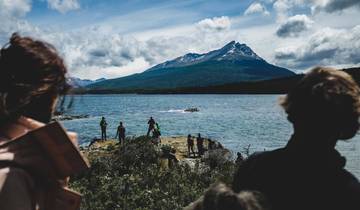
4 days
Ushuaia Explorer: 4-Day Adventure at the End of the World
- ✓ Comprehensive Park Tierra Del Fuego National Park tour
- ✓ Expert local guides included
- ✓ All accommodation arranged
- ✓ Transportation provided
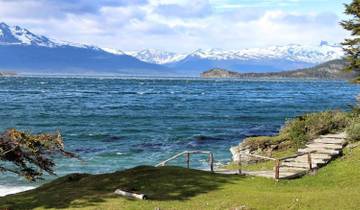
4 days
4-Day Ushuaia Tour
- ✓ Comprehensive Park Tierra Del Fuego National Park tour
- ✓ Expert local guides included
- ✓ All accommodation arranged
- ✓ Transportation provided

4 days
4-Days and 3 Nights Discovery Ushuaia with Airfare from Buenos Aires
- ✓ Comprehensive Park Tierra Del Fuego National Park tour
- ✓ Expert local guides included
- ✓ All accommodation arranged
- ✓ Transportation provided
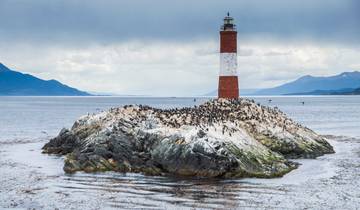
4 days
Patagonia's Final Frontier
- ✓ Comprehensive Park Tierra Del Fuego National Park tour
- ✓ Expert local guides included
- ✓ All accommodation arranged
- ✓ Transportation provided
Multi-day tour packages powered by TourRadar. Prices and availability subject to change.
Essential Planning Information 2026
Understanding Ushuaia Costs in 2026
Ushuaia’s cost structure in 2026 reflects its position as Argentina’s most remote major city, where geographic isolation creates premium pricing across all categories. Accommodation represents the largest single expense, with hostel dorms starting at $25-35 per night in shoulder seasons and rising to $40-50 during December-February peak periods. Private budget hotel rooms range $60-90 nightly for basic comfort, while mid-range properties command $100-150 per night. Check booking platforms for current rates and seasonal variations, as advance reservations secure significantly better pricing than walk-in availability.
Food costs in Ushuaia surpass typical Argentine pricing by 40-50%, with restaurant meals averaging $15-25 per person for main courses and beverages. Supermarket prices similarly run higher than mainland Argentina, though self-catering still provides substantial savings compared to dining out exclusively. Budget travelers allocating $25-35 daily for food through strategic supermarket shopping and occasional restaurant meals maintain comfortable variety without overspending. Premium restaurants serving king crab and Patagonian lamb command $35-60 per person, reserved for special occasions within budget constraints.
Transportation within Ushuaia costs $2-3 per local bus ride, with taxi fares running $8-15 for typical city routes. Tours represent significant expenses ranging $60-80 for half-day excursions to $120-180 for full-day adventures including Beagle Channel navigation or extended national park experiences. These prices include transportation, guides, and park entry fees where applicable. Activity costs cover entrada fees of $15-20 for Tierra del Fuego National Park, $10-15 for museums, and $80-120 for signature experiences like penguin island visits or kayaking adventures.
Budget Categories Explained for 2026
Budget travelers spending $80-120 daily in Ushuaia during 2026 prioritize hostel accommodation, self-prepared meals, selective paid tours, and free hiking activities. This category involves sharing dorm rooms, cooking most meals from supermarket ingredients, choosing one or two key paid excursions, and maximizing free natural attractions through independent exploration. Budget travelers bring hiking gear, pack trail snacks, and time visits during shoulder seasons for optimal savings without sacrificing essential experiences.
Mid-range travelers allocating $150-220 daily upgrade to private hotel rooms, enjoy restaurant dining mix with some self-catering, book multiple professional tours, and occasionally indulge in premium dining or activities. This budget level provides comfortable accommodation, eliminates cooking pressure, accesses full range of tour options including premium Beagle Channel excursions, and creates flexibility for spontaneous experiences. Mid-range spending balances comfort with cost-consciousness, allowing memorable experiences without excessive financial strain.
Luxury travelers exceeding $300 daily select premium hotels, dine exclusively at restaurants, book private tours and guides, and access exclusive experiences like helicopter flights or Antarctica expedition departures. This guide focuses primarily on budget and mid-range strategies, as luxury travelers typically prioritize experience quality over cost considerations. However, even high-budget visitors benefit from understanding Ushuaia’s pricing structure and identifying where premium spending delivers genuine value versus mere markup.
Best Time to Visit Ushuaia for Budget Travel 2026
Seasonal Cost Analysis for 2026
Peak summer season (December-February) brings highest costs with accommodation rates reaching maximum levels and tours operating at premium pricing. Hostel dorms cost $40-50 nightly versus $25-35 during shoulder periods, while hotel rooms command 40-50% premiums compared to March-April rates. Tour operators maximize pricing during these months when demand peaks and Antarctic expedition season drives additional traffic. However, summer provides longest daylight hours (17-19 hours daily), warmest temperatures (10-15°C/50-59°F), and full operational schedules for all activities.
Shoulder seasons (March-April and October-November) deliver optimal budget travel conditions in 2026. Accommodation rates drop 30-40% compared to peak summer, with hostel dorms available at $25-35 nightly and hotel rooms offering competitive rates with frequent promotional discounts. Tour operators compete for business with special pricing and package deals, while restaurants and services maintain full operation. Weather remains favorable with March averaging 8-12°C (46-54°F) and November showing 6-10°C (43-50°F), perfectly suitable for hiking and outdoor activities with appropriate layering.
Winter months (June-August 2026) present lowest accommodation costs but significant operational limitations. Many tours suspend operations, some restaurants and services close seasonally, and severe weather restricts outdoor activities. Budget travelers targeting winter visits save 40-50% on accommodation but face limited activity options and challenging conditions. This season suits travelers interested in winter sports at Cerro Castor ski resort or those seeking absolute solitude, but represents poor value for visitors wanting comprehensive Ushuaia experiences.
Weather Patterns and Crowd Predictions for 2026
Summer months (December-February) attract maximum crowds with fully booked accommodation, crowded trails, and tour groups reaching capacity. The city transforms into bustling tourist hub with vibrant atmosphere but reduced tranquility. Weather provides most stable conditions with minimal precipitation and comfortable temperatures, though Patagonian weather remains unpredictable with sudden wind and temperature changes requiring layered clothing regardless of forecasts.
March and November represent sweet spots in 2026, combining favorable weather with reduced crowds and lower costs. March benefits from lingering summer warmth with autumn colors beginning to emerge, while November showcases spring renewal with wildlife becoming more active. Both months offer excellent trail conditions, full tour operations, and sufficient daylight (12-14 hours) for comprehensive daily activities. These periods suit budget travelers seeking best value without compromising experience quality.
April and October bring transitional conditions with increasing weather variability but continuing good value. These months require more flexibility in planning as weather windows become more selective, but accommodation and tour discounts reach maximum levels. Budget travelers with flexible schedules find exceptional value during these periods, timing outdoor activities around favorable weather forecasts while accepting occasional indoor days as part of the authentic Patagonian experience.
Accommodation Strategies for Budget Travel 2026
Budget Accommodation Options in 2026
Hostel dorms provide most economical Ushuaia accommodation in 2026, with rates ranging $25-35 per night during shoulder seasons and $40-50 in peak summer. Quality hostels include Antarctica Hostel, Yakush Hostel, and Cruz del Sur Hostel, offering shared kitchen facilities crucial for budget meal preparation, common areas for socializing, and often included breakfast reducing morning food costs. Kitchen access alone saves $15-25 daily compared to restaurant breakfast and lunch, making hostel choice strategic rather than merely economical.
Private rooms in hostels represent middle ground between dorm beds and hotels, costing $60-80 nightly for double occupancy during shoulder seasons. These rooms provide privacy and comfort while maintaining kitchen access and budget-friendly atmosphere. Couples or travelers valuing private space find this option delivers best value, splitting costs to $30-40 per person while retaining budget accommodation benefits. Many hostels offer private rooms with shared bathrooms reducing costs further while maintaining acceptable comfort levels.
Budget hotels and guesthouses charge $70-100 nightly for basic double rooms during 2026 shoulder seasons, rising to $100-140 during peak periods. Properties like Hosteria Posta del Fin del Mundo and smaller family-run guesthouses provide clean comfortable rooms with private bathrooms and included breakfast, eliminating kitchen access but adding convenience. These options suit travelers willing to spend slightly more for hotel comfort while managing costs through strategic dining choices and advance booking discounts.
Booking Strategies for Best Rates in 2026
Advance booking 3-4 months ahead secures optimal rates for Ushuaia accommodation during 2026, with early reservation discounts ranging 15-25% compared to last-minute availability. Popular hostels and budget hotels sell out completely during peak months, forcing late bookers into premium properties at significantly higher rates. Booking platforms offer various rates throughout the year, so monitoring price fluctuations and booking during promotional periods maximizes savings. Flexible date searches reveal price variations of 20-30% between consecutive weeks.
Shoulder season travel provides maximum booking flexibility with frequent promotional rates and last-minute deals appearing as properties compete for business. Budget travelers visiting during March-April or October-November find excellent availability with walk-in options maintaining competitive pricing, though advance booking still secures best rates and preferred properties. These periods allow negotiation possibilities, especially for multi-night stays where properties offer discounts for extended bookings.
Long-term stays merit direct property contact for special rates not available through booking platforms. Many hostels and guesthouses offer weekly or monthly discounts for travelers spending extended periods in Ushuaia, reducing daily accommodation costs by 20-40%. This strategy works particularly well during shoulder seasons when properties value guaranteed occupancy over maximum daily rates. Budget travelers planning 5-7 night stays should contact properties directly requesting extended stay discounts after checking booking platform rates for comparison.
Transportation Guide for Budget Travelers 2026
Getting to Ushuaia in 2026
Flights from Buenos Aires to Ushuaia represent the primary arrival method, with airlines including Aerolíneas Argentinas, Flybondi, and JetSmart operating daily services. Domestic flight costs range $150-280 round-trip when booked 2-3 months in advance, with prices rising to $300-450 for last-minute bookings or peak season travel. Budget carriers offer lowest fares but include restrictions on baggage and schedule changes, while flag carrier Aerolíneas Argentinas provides more flexibility at premium pricing. Check airline websites for current rates and promotional periods offering discounted fares.
Overland travel from Punta Arenas, Chile provides alternative budget option for travelers with time flexibility. Bus services connect these cities via Chilean Patagonia, requiring 12-14 hours transit time with border crossing procedures. This option costs $80-120 round-trip, saving $70-160 compared to flights while adding significant travel time. The route offers spectacular Patagonian scenery and serves travelers exploring broader Patagonia region who can incorporate the journey as part of their adventure rather than mere transit necessity.
Airport transfer from Ushuaia’s Malvinas Argentinas Airport into city center costs $15-20 for shared shuttle services or $25-35 for private taxis covering the 4-kilometer distance. Shared shuttles coordinate with flight arrivals, providing economical transfer while private taxis offer flexibility for early arrivals or departures. Walking into town with light luggage is possible for ultra-budget travelers, though not recommended during winter months or with heavy packs due to weather exposure and road conditions.
Local Transportation Options in 2026
Local buses charge $2-3 per ride within Ushuaia, covering routes between downtown, residential areas, and some tourist points including Tierra del Fuego National Park entrance during summer months. The compact city center remains walkable for most destinations, with accommodations, restaurants, and waterfront attractions accessible within 15-20 minute walks. Budget travelers minimize transportation costs by selecting central accommodation and walking to most destinations, reserving bus use for national park access or weather-dependent days.
Taxis charge $8-12 for typical city routes, with trips between downtown and peripheral areas like Martial Glacier trailhead costing $15-20. These fares remain reasonable for occasional use or shared among multiple travelers, providing weather protection and time savings versus walking. Taxi apps including Uber operate in Ushuaia, sometimes offering competitive rates compared to traditional street taxis, though availability varies and credit card payment through apps provides security benefits.
Car rental costs $50-80 daily for economy vehicles during 2026, justifying expense only for travelers planning multiple day trips beyond public transportation reach or groups splitting costs among 3-4 people. Fuel prices in Patagonia run high, adding $40-60 daily for extensive driving. Most budget travelers find car rental unnecessary given tour options including transportation and limited independent driving destinations justifying rental costs. However, travelers planning extended Tierra del Fuego exploration or visiting estancias and remote locations benefit from rental flexibility.
Tour Transportation Value in 2026
Organized tours including transportation often provide better value than independent travel to remote attractions in 2026. Tours to Tierra del Fuego National Park cost $60-80 including round-trip transportation, guide services, and park entry, compared to $30-40 for bus transportation plus $15 park entrance when traveling independently. The tour premium of $15-25 delivers expert interpretation, time efficiency, and hassle-free logistics justifying costs for most travelers.
Beagle Channel boat tours priced at $80-120 inherently include vessel transportation impossible to replicate independently, representing mandatory costs for experiencing these waters. Full-day tours extending to penguin colonies or remote islands at $120-180 provide transportation, wildlife expertise, and comprehensive experiences unavailable through any independent arrangement. Budget travelers should view tour costs including transportation as integrated packages rather than separate expense categories, evaluating total value proposition versus DIY alternatives.
Money-Saving Strategies for Ushuaia 2026
Accommodation Cost Reduction Techniques
Selecting hostels with kitchen facilities represents single most effective money-saving strategy in Ushuaia 2026, reducing food costs by 40-50% compared to restaurant dining exclusively. Budget travelers preparing breakfast and lunch from supermarket ingredients spend $10-15 daily versus $30-40 for equivalent restaurant meals, generating savings of $20-25 daily over multi-day stays. Kitchen access additionally enables preparing trail lunches for hiking days, further maximizing food budget efficiency while maintaining nutritional quality.
Booking accommodation during shoulder seasons (March-April, October-November) saves 30-40% compared to peak summer rates without sacrificing weather quality or activity access. A budget traveler spending four nights in Ushuaia during March pays $100-140 for hostel dorm versus $160-200 during January for identical accommodation, generating $60-80 savings applicable toward tours or activities. This strategic timing represents painless savings requiring only flexible travel dates rather than comfort sacrifices.
Extended stay discounts become available for bookings of 5+ nights, with many properties offering 15-20% reductions for weekly stays. Budget travelers planning comprehensive Ushuaia exploration benefit from these discounts while avoiding multiple booking fees and securing stable accommodation base. Direct property contact often reveals unpublished extended stay rates unavailable through booking platforms, making proactive negotiation worthwhile for longer visits.
Food and Dining Cost Management in 2026
Supermarket shopping at chains including Carrefour Express and local markets reduces meal costs to $8-12 per day for comprehensive grocery coverage including breakfast items, sandwich ingredients, pasta, vegetables, and snacks. Budget travelers allocating two restaurant meals weekly for social dining and local cuisine sampling maintain food budgets at $25-35 daily while enjoying varied nutrition and occasional culinary treats. This balanced approach eliminates cooking fatigue while generating substantial savings versus restaurant dining exclusively.
Lunchtime menus del día at local restaurants offer best dining value, providing multi-course meals for $12-18 compared to $20-30 for evening à la carte dining. These midday specials include soup or salad, main course, dessert, and beverage, delivering complete nutrition at budget-friendly pricing. Smart travelers make lunch their main restaurant meal, preparing simple dinners at accommodation or grabbing empanadas ($3-5 each) for light evening meals on days with afternoon activities.
Bringing trail snacks including energy bars, nuts, and dried fruit from Buenos Aires or other Argentine cities before reaching Ushuaia saves 30-40% compared to purchasing these items in Patagonia’s premium-priced supermarkets. Budget-conscious travelers stock up on non-perishable trail foods earlier in their Argentine travels, dedicating luggage space to these items that will dramatically reduce daily spending on energy-dense hiking snacks. This strategy proves particularly valuable for multi-day hiking plans requiring substantial portable nutrition.
Activity and Tour Optimization for 2026
Prioritizing free hiking in Tierra del Fuego National Park over paid tours delivers exceptional natural beauty without tour costs. The park’s Coastal Path (Senda Costera), Pampa Alta trail, and Laguna Esmeralda route provide world-class hiking experiences accessible via public bus ($3-5) or included in basic park tours ($60-80). Budget travelers dedicating full days to independent hiking save $60-120 daily compared to comprehensive guided tours while experiencing identical landscapes and wildlife encounters.
Selecting one or two signature paid tours rather than booking multiple excursions optimizes budget allocation while ensuring key experiences. The Beagle Channel boat tour represents essential Ushuaia experience worth prioritizing in $80-120 budget allocation, while Tierra del Fuego exploration succeeds independently with trail maps and preparation. Budget travelers choosing strategic tour investments maximize value by combining independent activities with selective professional guidance for experiences genuinely requiring expert services.
Booking tours directly with operators rather than through hotel concierges or tourist agencies eliminates 15-20% commission markup, saving $15-30 per excursion. Major operators including Patagonia Experience, Ushuaia Turismo, and Canal Fun maintain booking offices downtown and websites with direct reservation options. Budget travelers researching operators online and visiting offices directly retain these commission savings while accessing identical tour quality and departure options.
Smart Booking Practices for 2026
Advance booking 3-4 months ahead secures early reservation discounts of 10-20% on both accommodation and tours during competitive periods. This strategy locks in favorable rates before seasonal price increases while ensuring availability at preferred properties and popular tour departures. Budget travelers planning 2026 Ushuaia visits should begin researching and booking by September-October 2025 for optimal rates and selection.
Package deals combining multiple tours with single operators generate savings of 15-25% compared to booking individual excursions separately. Several Ushuaia operators offer 2-day or 3-day packages including national park tours, Beagle Channel navigation, and additional activities at bundled rates. Budget travelers committing to multiple tours benefit from these packages while gaining flexibility in scheduling across their visit duration.
Traveling during weekdays rather than weekends in shoulder seasons sometimes reveals lower rates as hotels adjust pricing based on business travel patterns versus leisure demand. Tuesday-Thursday arrivals in March, April, October, or November may offer 10-15% discounts compared to Friday-Monday periods, though this varies by property and booking platform. Flexible travelers checking various arrival dates discover these subtle pricing patterns that compound savings across accommodation and sometimes tour bookings.
Sample Budget Itineraries for 2026
Budget 3-Day Ushuaia Itinerary
Day 1: Downtown Discovery and Coastal Trails
Begin your Ushuaia experience with free downtown exploration combining maritime history and stunning harbor views. Start at the Antigua Casa Beban (free admission), housing tourist information and regional history exhibits, then walk along Avenida Maipú waterfront observing fishing boats, tour vessels, and dramatic Beagle Channel vistas. Continue to the Maritime Museum ($15 entrance), housed in former prison buildings, revealing Ushuaia’s fascinating penal colony history and Antarctic exploration heritage. The museum requires 2-3 hours for comprehensive exploration worth the modest admission fee.
Afternoon hiking along Laguna del Diablo trail (free access from Martial Glacier road) provides spectacular mountain and channel views with moderate difficulty level suitable for average fitness. The 3-hour round-trip climbs through lenga forests into alpine terrain offering photography opportunities and wildlife sightings. Pack trail lunch prepared at hostel, bringing water and layers as weather changes quickly. Return downtown for dinner exploring local parillas, or prepare evening meal at accommodation completing first day’s immersion in Fin del Mundo atmosphere.
Museum entry $15, lunch from hostel kitchen $4-6, snacks $3-5, dinner from supermarket $8-12. Total day cost: $30-38 per person (excluding accommodation).
Day 2: Tierra del Fuego National Park Adventure
Take early morning tour to Tierra del Fuego National Park ($60-80) including transportation, guide services, and park entry, departing 8:30-9:00 AM from downtown hotels and hostels. The tour covers Lago Roca, Lapataia Bay, and Coastal Path highlights, providing comprehensive park introduction with expert interpretation of geology, ecology, and history. Most tours allow independent hiking time at various stops, enabling both guided learning and personal exploration of this remarkable landscape where Andes meet the sea.
Afternoon extension involves independent hiking along Senda Costera (Coastal Path) if returning on later bus, or relaxing at hostel preparing for next day’s Beagle Channel excursion. Budget travelers bringing packed lunch from hostel maximize value by extending park time beyond standard tour duration. Evening meal preparation at accommodation keeps costs controlled while reviewing day’s photography and planning remaining Ushuaia time.
Park tour including entry $60-80, packed lunch from hostel $5-8, snacks $5-8, dinner from supermarket $8-12. Total day cost: $78-108 per person (excluding accommodation).
Day 3: Beagle Channel Navigation and Departure Preparation
Book morning Beagle Channel boat tour ($80-120) departing from Ushuaia port, cruising past Les Eclaireurs Lighthouse, Isla de los Lobos sea lion colony, and Isla de los Pájaros seabird sanctuary. The 3-4 hour navigation provides ultimate Ushuaia experience with dramatic mountain backdrops, abundant wildlife, and expert narration about region’s maritime history and ecosystem. Dress warmly with wind protection as open decks offer best photography despite cool conditions.
Afternoon allows final downtown exploration, souvenir shopping at reasonable prices (avoid port area tourist shops), and preparation for departure. Visit Laguna Esmeralda if time permits via taxi to trailhead ($15-20) for stunning turquoise lake surrounded by mountains, requiring 4-5 hours round-trip. Alternatively, relax at accommodation organizing travel documents, sorting photographs, and reflecting on extraordinary Patagonian experience before departure next morning.
Beagle Channel tour $80-120, lunch from hostel or café $10-15, snacks $5-8, optional taxi to Laguna Esmeralda $15-20, dinner from supermarket $8-12. Total day cost: $103-155 per person (excluding accommodation).
3-Day Budget Summary: Accommodation $75-105 (hostel dorms, three nights), daily costs $211-301, total trip cost $286-406 per person. This budget allows experiencing Ushuaia’s highlights through strategic combination of free activities, essential paid tours, and self-catered meals maintaining quality experiences without overspending.
Mid-Range 4-Day Ushuaia Itinerary
Day 1: Comprehensive City and Museum Day
Start with leisurely hotel breakfast then explore downtown’s museum complex beginning with Maritime Museum ($15), Museo del Fin del Mundo ($12), and Museo Marítimo y del Presidio combo ticket offering best value. Spend morning immersed in Antarctic exploration history, indigenous Yámana culture, and fascinating penal colony stories that shaped Ushuaia’s identity. The museums provide essential context for understanding region’s unique history and contemporary significance as gateway to Antarctica.
Lunch at downtown restaurant ($18-25) sampling Patagonian cuisine including king crab or cordero (lamb) specialties, then afternoon visit to Martial Glacier viewpoint via taxi ($15-20) or organized tour. The scenic overlook requires minimal hiking while providing spectacular panoramas across Ushuaia, Beagle Channel, and Chilean mountains beyond. Return downtown for evening exploration of artisan shops and craft breweries, dining at mid-range restaurant ($25-35) experiencing local culinary scene.
Museum tickets $27, lunch $18-25, taxi to Martial $15-20, dinner $25-35, snacks/drinks $10-15. Total day cost: $95-122 per person (excluding accommodation).
Day 2: Tierra del Fuego National Park Full Day
Book comprehensive full-day national park tour ($80-100) with extended hiking time and multiple stops including Lago Roca, Lapataia Bay, Green Lagoon, and Black Lagoon. Premium tours offer smaller groups and longer hiking opportunities compared to standard half-day excursions, justifying additional cost through enhanced experiences. Pack trail lunch or purchase lunch box from hotel, bringing camera equipment and quality hiking boots for varied terrain exploration.
The full-day format allows experiencing park’s ecosystem diversity from coastal forests to alpine meadows, with guide providing in-depth interpretation of flora, fauna, and geology. Photography opportunities abound throughout the day with dramatic lighting changes illuminating mountains and waterways. Return to Ushuaia evening for restaurant dinner ($25-35) celebrating successful park exploration and sharing experiences with fellow travelers.
Park tour $80-100, packed lunch $10-15, snacks $8-12, dinner $25-35, drinks $10-15. Total day cost: $133-177 per person (excluding accommodation).
Day 3: Beagle Channel Premium Experience
Book premium Beagle Channel tour ($120-150) including penguin island landing at Martillo Island, offering intimate wildlife encounters unavailable on standard navigation tours. The extended excursion departs early morning, cruising past standard highlights before landing on protected island hosting Magellanic and Gentoo penguin colonies. The landing experience requires advance booking and premium pricing, but delivers unforgettable wildlife photography and observation opportunities justifying investment.
Afternoon relaxation in Ushuaia allows processing extraordinary morning experiences, exploring remaining downtown areas, or taking optional short hike to nearby viewpoints. Dinner at premium restaurant ($35-50) featuring king crab or other Pataganian seafood specialties celebrates penultimate Ushuaia evening with culinary exploration matching adventure experiences. This day represents trip highlight worth premium budget allocation for lasting memories.
Premium Beagle tour $120-150, lunch on tour or café $15-20, snacks $8-12, dinner $35-50, drinks $15-20. Total day cost: $193-252 per person (excluding accommodation).
Day 4: Laguna Esmeralda and Departure
Final morning features Laguna Esmeralda hike, either via organized tour ($60-80) including transportation and guide, or independent exploration via taxi to trailhead ($30-40 round-trip) for self-guided adventure. The 4-5 hour round-trip rewards with stunning turquoise lake surrounded by dramatic peaks, crossing peat bogs and beaver habitat demonstrating Tierra del Fuego’s unique ecosystems. Bring trail lunch and appropriate gear for changing weather conditions.
Return to accommodation for checkout and final Ushuaia explorations before afternoon or evening departure. Lunch at favorite downtown spot ($18-25) provides last Patagonian meal while reviewing trip highlights. Shopping for quality souvenirs including local chocolate, artisan crafts, or regional books commemorates adventure without excessive spending. Airport transfer ($20-30) completes 4-day mid-range Ushuaia experience balancing comfort, comprehensive activities, and reasonable budget management.
Laguna Esmeralda tour or taxi $60-80, trail lunch $8-12, downtown lunch $18-25, snacks/shopping $15-25, airport transfer $20-30. Total day cost: $121-172 per person (excluding accommodation).
4-Day Mid-Range Summary: Accommodation $320-440 (private hotel rooms, four nights at $80-110 nightly), daily costs $542-723, total trip cost $862-1,163 per person. This budget enables comfortable accommodation, restaurant dining mix, premium tours, and comprehensive Ushuaia experiences without excessive luxury pricing.
Booking and Reservations for 2026
Accommodation Booking Platforms and Strategies
Major booking platforms including Booking.com, Hostelworld, and Airbnb offer comprehensive Ushuaia accommodation coverage with competitive rates and secure payment processing. These platforms provide verified reviews, detailed property information, and cancellation policies protecting travelers from last-minute complications. Budget travelers benefit from comparison shopping across multiple platforms as rates sometimes vary significantly for identical properties, with occasional exclusive discounts available on specific sites.
Direct property websites and email contact sometimes reveal unpublished rates, especially for extended stays or shoulder season bookings when properties compete for business. Hostels and small guesthouses particularly value direct bookings avoiding platform commission fees, occasionally offering 10-15% discounts for guests booking directly. Budget-conscious travelers should check booking platforms for reviews and pricing baseline, then contact preferred properties directly inquiring about direct booking discounts or special rates.
Flexible cancellation policies prove crucial for Ushuaia 2026 bookings given weather unpredictability and potential travel disruptions. Many properties offer free cancellation until 24-48 hours before arrival during shoulder seasons, while peak season bookings require more commitment. Budget travelers should prioritize flexible cancellation options even if costing slightly more, as this protection proves invaluable if weather or personal circumstances require itinerary adjustments during trip planning phase.
Tour Operator Selection and Booking for 2026
Reputable Ushuaia tour operators including Piratour, Canal Fun, Patagonia Experience, and Tolkeyen maintain professional websites with direct booking options and comprehensive tour descriptions. These established companies offer reliable services, well-maintained equipment, experienced guides, and proper insurance coverage justifying booking commitment. Budget travelers researching operators through online reviews and direct website comparison identify best value options balancing cost with quality service delivery.
Walk-in bookings at operator offices downtown sometimes reveal last-minute availability with discounted rates, particularly during shoulder seasons when tours depart with unfilled capacity. This strategy requires flexibility accepting available departure times and dates, but generates savings of 15-25% compared to advance reservations. Budget travelers with loose schedules arriving in Ushuaia during non-peak periods benefit from walking downtown and comparing walk-in rates across multiple operators.
Package deals combining multiple tours justify advance booking commitment through substantial savings versus individual excursion purchases. Several operators offer 2-3 day packages bundling national park visits, Beagle Channel navigation, and additional activities at 20-30% discounts compared to separate bookings. Budget travelers planning comprehensive Ushuaia experiences should investigate these packages during research phase, committing to specific operators offering best bundled value for intended activities.
Transportation Booking for 2026 Arrivals
Domestic flight bookings between Buenos Aires and Ushuaia should occur 2-3 months before travel for optimal pricing, with budget carriers Flybondi and JetSmart offering lowest fares during promotional periods. Flexible date searches reveal price variations of $50-100 between consecutive days, making schedule flexibility valuable for maximizing savings. Budget travelers should monitor airline websites and booking platforms regularly during booking window, purchasing when fares drop during periodic sales events.
Baggage policies significantly impact total flight costs, as budget carriers charge $20-40 per checked bag while Aerolíneas Argentinas includes baggage allowance in ticket price. Travelers carrying substantial gear for hiking and camping must calculate total costs including baggage fees before assuming budget carrier saves money, as traditional carrier inclusive pricing sometimes offers better overall value. Strategic packing into carry-on luggage maximizes budget carrier savings for travelers with minimal gear requirements.
Bus tickets between Punta Arenas and Ushuaia should be booked 1-2 weeks ahead during peak season, though shoulder season travel allows purchasing tickets shortly before departure. Companies including Tecni-Austral and Buses Pacheco operate this route with varying schedules and comfort levels, charging $40-60 one-way. Budget travelers combining Chilean Patagonia and Argentine Tierra del Fuego exploration find this overland option integrates well with broader regional itineraries while saving flight costs.
Planning Your 2026 Ushuaia Visit
Pre-Trip Preparation for Budget Travel
Currency strategy significantly impacts budget management in Argentina’s volatile economic environment. Bringing US dollars or euros for exchange at favorable rates in Buenos Aires before reaching Ushuaia maximizes purchasing power, as Patagonian exchange rates sometimes run 5-10% less favorable than capital city. Credit cards work widely in Ushuaia but incur foreign transaction fees and unfavorable exchange rates, making cash payment advantageous for most expenses. Budget travelers should arrive with sufficient Argentine pesos for 60-70% of anticipated expenses while retaining credit cards for large purchases and emergencies.
Equipment preparation reduces Ushuaia costs by eliminating rental needs and ensuring comfort during variable weather. Essential items include waterproof hiking boots, layered clothing system, windproof jacket, warm hat, gloves, sunglasses, sunscreen, and daypack for trail excursions. Budget travelers investing in quality gear before arrival save $20-40 daily on rental equipment while ensuring proper fit and reliability. Purchase trail snacks, energy bars, and non-perishable foods in Buenos Aires where prices run 30-40% lower than Ushuaia supermarkets.
Trip insurance covering medical emergencies, evacuation, and trip cancellation provides essential protection for remote Patagonian travel. Budget policies cost $40-80 for week-long coverage, protecting against catastrophic expenses from weather delays, medical issues, or unexpected cancellations. Smart travelers view insurance as non-optional expense given Ushuaia’s remoteness, unpredictable weather, and significant pre-paid costs for flights and accommodation. This protection enables confident booking of advance-purchase deals knowing coverage exists if circumstances require changes.
On-Site Budget Management During 2026
Daily expense tracking using smartphone apps or simple notebooks helps maintain budget awareness throughout Ushuaia visit, identifying overspending patterns before they derail financial plans. Budget travelers recording accommodation, food, transportation, and activity costs gain clear picture of where money flows, enabling mid-trip adjustments if certain categories exceed projections. This awareness allows continuing self-catering meals after splurging on premium tour, or choosing free hiking day after restaurant meal, maintaining overall budget balance.
Strategic spending prioritization ensures allocating resources toward highest-value experiences while economizing on less crucial elements. Budget travelers should identify 1-2 signature experiences justifying premium pricing—perhaps Beagle Channel navigation or penguin island landing—while accepting budget approaches for other activities. This philosophy creates memorable trip highlights without spreading limited resources too thin across numerous mediocre experiences, resulting in both financial and experiential satisfaction.
Flexibility in daily planning accommodates weather-dependent activities and last-minute opportunities without budget disruption. Ushuaia’s unpredictable conditions mean outdoor plans require backup alternatives, with free museum visits or downtown exploration substituting for cancelled hiking when weather deteriorates. Budget travelers maintaining flexible daily schedules optimize conditions for expensive outdoor tours while accepting indoor days as authentic Patagonian experiences rather than disappointing limitations.
2026 Updates and Current Information
Economic Considerations for 2026
Argentina’s economic situation continues evolving throughout 2026, with peso volatility creating both challenges and opportunities for international visitors. Favorable exchange rates for hard currency holders mean USD or EUR purchasing power significantly exceeds official conversion rates when using parallel exchange markets legally operating in major cities. Budget travelers monitoring exchange rate developments and timing currency conversion strategically maximize budget effectiveness, though ethical considerations around parallel markets warrant individual evaluation.
Inflation affects Ushuaia pricing throughout 2026, with costs potentially increasing 3-5% quarterly in peso terms. However, favorable exchange dynamics often offset these increases for international visitors carrying hard currency. Budget travelers should view peso-denominated prices as approximate guides requiring real-time verification, while recognizing that exchange rate advantages provide buffer against inflation impacts on actual costs experienced when converting from their home currency.
Infrastructure and Service Updates for 2026
Ushuaia’s tourism infrastructure continues expanding during 2026 with new hostel openings, improved bus services to Tierra del Fuego National Park, and enhanced downtown tourist facilities. These developments benefit budget travelers through increased accommodation competition driving more favorable rates and greater service availability reducing advance booking pressure during shoulder seasons. The growing tourism sector also supports more tour operators competing for business with improved pricing and service quality.
Digital payment acceptance expands throughout 2026 with more businesses accepting credit cards, though cash remains advantageous for smaller purchases and market transactions. ATM availability in downtown Ushuaia provides convenient access to pesos, though international withdrawal fees make large single withdrawals more economical than frequent small transactions. Budget travelers should plan ATM strategy balancing cash needs against withdrawal fees and security considerations of carrying substantial currency amounts.
Seasonal Considerations for 2026 Planning
Antarctic expedition season (November-March) significantly impacts Ushuaia accommodation availability and pricing as expedition passengers transit through the city. Budget travelers planning summer visits should book well in advance to secure preferred accommodation before expedition-related demand increases rates. However, shoulder months (March-April, October-November) avoid expedition peak periods while maintaining excellent weather and activity access, representing optimal timing for budget-conscious visitors.
Weather variability increases during transition months requiring flexible planning and appropriate gear, but these periods deliver best value through reduced rates and decreased crowding. Budget travelers accepting weather-dependent itinerary adjustments and bringing proper equipment find these months offer exceptional experiences at significantly lower costs than peak summer. The trade-off between guaranteed perfect weather and budget optimization becomes personal preference balanced against financial constraints and risk tolerance.
Frequently Asked Questions About Budget Travel in Ushuaia 2026
How much should I budget for food per day in Ushuaia in 2026?
Budget travelers allocating $25-35 daily for food in Ushuaia during 2026 maintain comfortable nutrition through strategic supermarket shopping and selective restaurant dining. This budget allows hostel-prepared breakfasts ($4-6), packed trail lunches ($5-8), supermarket dinners ($8-12), and 1-2 restaurant meals weekly ($15-25 each). Mid-range travelers spending $45-65 daily enjoy restaurant lunches, occasional cafés, and premium dining experiences while maintaining self-catering flexibility. Patagonian ingredient costs exceed mainland Argentine pricing by 40-50%, but self-catering still provides substantial savings versus exclusive restaurant dining.
What is the cheapest way to see Tierra del Fuego National Park in 2026?
The most economical national park experience combines public bus transportation ($6-8 round-trip) with self-guided hiking using free trail maps available at park entrance. Entry fee costs $15 for non-Argentine visitors during 2026, creating total independent visit expense of $21-23 compared to $60-80 for organized tours. However, tours provide expert interpretation, time efficiency, and guaranteed logistics worth considering despite higher costs. Budget travelers prioritizing maximum savings over guided interpretation succeed with independent visits, while those valuing educational content and hassle-free experience justify tour investment.
Is it worth staying in Ushuaia for a week on a budget in 2026?
Week-long Ushuaia stays suit budget travelers seeking comprehensive regional exploration including day trips to Harberton estancia, extended Tierra del Fuego hiking, and relaxed pace accommodating weather variations. Extended stays enable weekly accommodation discounts (15-20% off), reduce daily transportation costs through consolidated planning, and allow deeper local immersion versus rushed 3-4 day visits. However, Ushuaia’s compact size means most travelers experience primary highlights within 3-5 days, with extended stays requiring interest in serious trekking, wildlife observation, or Antarctica expedition preparation justifying additional days.
Can you visit Ushuaia in winter on a budget in 2026?
Winter visits (June-August 2026) offer lowest accommodation costs and unique experiences like skiing at Cerro Castor, but limited tour operations and harsh weather conditions restrict activity options significantly. Budget travelers save 40-50% on accommodation compared to summer rates, but face reduced value propositions as many signature experiences become unavailable or weather-restricted. Winter suits travelers specifically interested in snow sports, extreme solitude, or off-season photography willing to accept operational limitations and challenging conditions in exchange for dramatic cost savings and winter wilderness atmosphere.
How far in advance should I book Ushuaia accommodation for 2026?
Summer season travelers (December-February) should book 3-4 months ahead to secure preferred properties at best rates before peak demand drives prices higher and reduces availability. Shoulder season visitors (March-April, October-November) maintain flexibility booking 1-2 months ahead with excellent options remaining available, though advance booking still captures early reservation discounts of 10-20%. Winter travelers find abundant last-minute availability but limited operational properties, making 2-4 week advance bookings sufficient for securing open accommodations at deeply discounted rates.
What free activities does Ushuaia offer for budget travelers in 2026?
Ushuaia provides exceptional free activities including downtown waterfront walks along Avenida Maipú, Laguna del Diablo hiking trail, Martial Glacier overlook access (parking fee only), coastal trail segments, harbor observation, historic building exterior exploration, and sunset viewing from multiple vantage points. These free options deliver authentic Patagonian experiences with dramatic scenery, wildlife sightings, and cultural immersion without admission fees. Budget travelers dedicating full days to free hiking and exploration save $60-120 daily compared to paid tours while experiencing identical natural beauty and adventure opportunities.
Should I bring US dollars or Argentine pesos to Ushuaia in 2026?
Bringing US dollars to Argentina for exchange in Buenos Aires before reaching Ushuaia maximizes purchasing power through favorable parallel exchange rates significantly exceeding official bank rates. Budget travelers exchanging sufficient dollars for 60-70% of anticipated peso expenses in capital city save 10-20% compared to Patagonian exchange rates or ATM withdrawals. Retain credit cards for large purchases and emergencies, but prioritize cash payment for daily expenses in Ushuaia where vendors often prefer or discount cash transactions. This strategy proves particularly valuable given Argentine peso volatility and evolving exchange rate dynamics throughout 2026.
How much does it cost to take a day trip from Ushuaia in 2026?
Day trip costs from Ushuaia vary by destination and independence level during 2026. Tierra del Fuego National Park visits range $21-80 depending on tour versus independent approach, while Beagle Channel navigation runs $80-120 for standard tours and $120-180 for premium penguin island excursions. Harberton estancia visits cost $100-140 including transportation, tour, and admission, while Lagos Fagnano or Escondido day trips range $70-100 with organized tours. Budget travelers selecting one or two signature paid day trips while exploring other attractions independently balance comprehensive experiences with controlled spending.
What is the best budget accommodation area in Ushuaia for 2026?
Downtown Ushuaia between San Martín and Avenida Maipú provides optimal budget accommodation location with walking access to restaurants, supermarkets, tour offices, waterfront, and most attractions. This area concentrates most hostels and budget hotels while eliminating transportation costs for daily activities. Properties slightly uphill from downtown (San Martín 500-800 block) offer better value than waterfront locations while maintaining 5-10 minute walking convenience. Budget travelers prioritizing location over views should focus accommodation search on this central zone for maximum convenience and minimum transportation spending.
How many days do you need in Ushuaia on a tight budget in 2026?
Three days represents minimum duration for experiencing Ushuaia highlights on tight budget in 2026, allowing one day downtown and free hiking, one day Tierra del Fuego exploration, and one day Beagle Channel tour. This compact timeframe minimizes accommodation costs while capturing essential experiences through strategic activity selection. Four days provides optimal balance for budget travelers, adding flexibility for weather contingencies, extended hiking, or additional day trip without excessive expense accumulation. Shorter visits feel rushed and sacrifice key experiences, while longer stays require compelling specific interests justifying additional costs.
Whether spending $80-120 daily as budget backpacker or $150-220 as mid-range traveler, Ushuaia rewards visitors with world-class natural beauty, fascinating history, and adventure opportunities justifying journey to Earth’s southern extreme. The investment in reaching this remote destination pays dividends through unique experiences unavailable elsewhere, from navigating Beagle Channel waters to hiking pristine Tierra del Fuego trails. With proper planning, realistic budgeting, and strategic spending choices, travelers of all financial means can experience the magic of “El Fin del Mundo” during 2026, creating lasting memories of Patagonian wilderness and end-of-the-world adventure.