
Upsala & Spegazzini Glaciers 2026: Full-Day Cruise from El Calafate
This comprehensive guide provides detailed planning information for booking your 2026 Upsala and Spegazzini glacier cruise, including current pricing structures, cruise operator comparisons, optimal timing strategies, and practical logistics for maximizing your Patagonian glacier experience. Whether you’re planning a dedicated glacier-focused visit or incorporating the cruise into a broader El Calafate itinerary, understanding the planning variables ensures you select the cruise option that best matches your interests, budget, and schedule constraints.
Key Takeaways
- Full-day glacier cruises cost $180-220 per person in 2026, including lunch, transfers, and park entry fees
- Cruises depart daily from Puerto Bandera at 8:00 AM, returning around 6:00 PM for a comprehensive 10-hour glacier experience
- October through March offers optimal viewing conditions with 16+ hours of daylight and stable ice formations
- Advance booking 4-6 weeks ahead ensures availability during peak summer season and secures best cabin positions
- Premium cruises with exclusive glacier approaches and gourmet dining cost $280-350, offering enhanced photography opportunities
- Transportation from El Calafate to Puerto Bandera (47km) costs $15-25 round-trip or is included with most cruise packages
Planning Your 2026 Glacier Cruise Experience from El Calafate
The full-day cruise to Upsala and Spegazzini glaciers represents one of Patagonia’s most spectacular marine experiences, combining Argentina’s largest glacier system with the region’s tallest ice wall. Departing from Puerto Bandera on the northern arm of Lago Argentino, these cruises navigate through iceberg-filled channels to reach two massive glacial fronts that tower over the pristine waters of Los Glaciares National Park.
The 2026 season brings enhanced cruise experiences with improved vessels, expanded onboard services, and optimized itineraries that maximize glacier viewing time. Modern catamarans equipped with panoramic windows, multiple observation decks, and stabilization systems provide comfortable viewing platforms for witnessing the dramatic ice calving events that occur throughout the navigation. The full-day format allows sufficient time to approach both glaciers, witness their distinct characteristics, and experience the ecological diversity of this UNESCO World Heritage site.
Planning your 2026 glacier cruise requires understanding the seasonal variations in ice conditions, weather patterns, and cruise availability. The Patagonian summer season from November through February offers the most reliable weather and longest daylight hours, while shoulder seasons in October and March provide excellent value with fewer crowds and dramatic spring or autumn lighting conditions. The cruise experience extends beyond glacier viewing to include navigation through the Upsala Channel, lunch service aboard the vessel, and interpretation from experienced guides who explain the glaciological processes shaping this dynamic landscape.
People Also Ask About Upsala & Spegazzini Glacier Cruises 2026
How much does the Upsala & Spegazzini glacier cruise cost in 2026?
Standard full-day glacier cruises cost $180-220 per person in 2026, including round-trip navigation, onboard lunch, national park entry fees, and transfers from El Calafate. Check marpatag.com and solopatagonia.com for current official rates as pricing varies by season and cruise operator. Premium cruise options with exclusive glacier approaches and enhanced services cost $280-350 per person. Children aged 6-12 receive 30-50% discounts on most cruises, while children under 6 travel free. Argentine residents with DNI documentation receive 15-20% discounts on standard rates. The cruise cost represents excellent value considering the 10-hour duration, gourmet lunch service, professional bilingual guides, and access to two spectacular glacial fronts that would be inaccessible by land.
How long is the full-day glacier cruise in 2026?
The complete glacier cruise experience lasts 10 hours from El Calafate hotel pickup to return, including 8 hours of actual navigation time on Lago Argentino. Cruises depart Puerto Bandera at 8:00 AM and return around 6:00 PM, with hotel pickups beginning 7:00-7:15 AM depending on your accommodation location. The navigation includes 90 minutes cruising to Spegazzini Glacier through the Upsala Channel, 45-60 minutes positioned for Spegazzini viewing and photography, 60 minutes navigating to Upsala Glacier, 30-45 minutes viewing Upsala’s massive front, and return journey with lunch service. Total distance covered reaches approximately 60 nautical miles round-trip. Premium cruises may extend viewing time at each glacier by 15-20 minutes and include additional stops at smaller glacial formations.
What’s included in the 2026 glacier cruise package?
Standard cruise packages include round-trip navigation from Puerto Bandera to both glaciers, three-course gourmet lunch with Patagonian specialties, unlimited hot beverages throughout the journey, Los Glaciares National Park entry fees ($35 value), and bilingual Spanish-English guide services explaining glaciology and regional ecology. Most operators include hotel transfers from El Calafate to Puerto Bandera (47km) in the cruise price. Premium packages add champagne toast during glacier viewing, premium wine selection with lunch, exclusive access to upper observation decks, and priority boarding privileges. All cruises provide indoor heated cabins with panoramic windows, outdoor observation decks with safety railings, restroom facilities, and emergency equipment. What’s not included: additional alcoholic beverages beyond lunch service, tips for guides and crew (10-15% customary), and personal equipment like binoculars or professional photography gear.
When is the best time to take the glacier cruise in 2026?
December through February represents optimal timing for 2026 glacier cruises, offering stable weather patterns, 16-18 hours of daylight for extended viewing, and peak ice calving activity due to warmer temperatures. January stands out as the most reliable month with average temperatures of 15-20°C (59-68°F), minimal precipitation, and consistently calm lake conditions. November and March provide excellent shoulder season alternatives with 25-30% fewer passengers, enhanced wildlife viewing as animals are more active during cooler temperatures, and dramatic lighting conditions ideal for photography. October offers the lowest cruise rates (15-20% below peak season) but brings more variable weather and occasional strong winds that can affect navigation schedules. Avoid April through September when most cruise operators suspend services due to harsh winter conditions and reduced tourist demand.
Extended multi-day tours – 5+ days
Featured Park Los Glaciares National Park Multi-Day Tour Packages
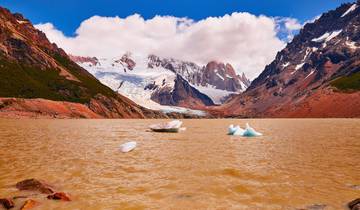
9 days
Patagonia Hiking
- ✓ Comprehensive Park Los Glaciares National Park tour
- ✓ Expert local guides included
- ✓ All accommodation arranged
- ✓ Transportation provided
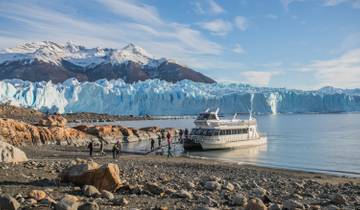
4 days
Land of Glaciers: El Calafate
- ✓ Comprehensive Park Los Glaciares National Park tour
- ✓ Expert local guides included
- ✓ All accommodation arranged
- ✓ Transportation provided
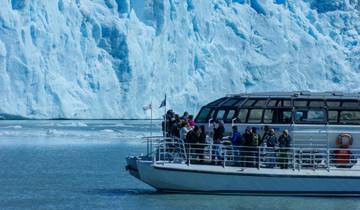
3 days
3-Day El Calafate Escape with Optional Airfare from Buenos Aires
- ✓ Comprehensive Park Los Glaciares National Park tour
- ✓ Expert local guides included
- ✓ All accommodation arranged
- ✓ Transportation provided
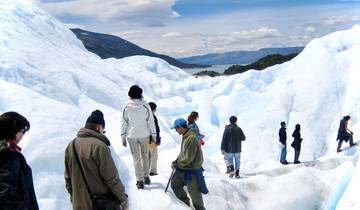
4 days
4 Days and 3 Nights: El Calafate & El Chalten Majestic Wonders
- ✓ Comprehensive Park Los Glaciares National Park tour
- ✓ Expert local guides included
- ✓ All accommodation arranged
- ✓ Transportation provided
Multi-day tour packages powered by TourRadar. Prices and availability subject to change.
Essential Planning Information 2026
Current Cruise Costs and Pricing Breakdown
Standard full-day Upsala and Spegazzini glacier cruises cost $180-220 per person for the 2026 season. Check marpatag.com and solopatagonia.com for current official rates as pricing varies seasonally. This comprehensive rate includes all essential services: 8-hour navigation aboard modern catamarans, three-course gourmet lunch featuring Patagonian lamb or fresh fish, continuous coffee and tea service, Los Glaciares National Park entry fees, professional bilingual guides, and round-trip transfers from El Calafate hotels to Puerto Bandera departure point.
Premium cruise options range $280-350 per person and deliver enhanced experiences through smaller passenger capacity (maximum 80 passengers vs. 200 on standard cruises), extended viewing time at each glacier with closer approaches to ice walls, gourmet menu upgrades including regional wine pairings and champagne toasts, exclusive access to upper observation decks with panoramic views, and priority boarding privileges that ensure optimal seating positions. The premium investment proves worthwhile for photography enthusiasts requiring flexible positioning and travelers seeking more intimate glacier encounters with reduced crowding.
Pricing varies across the navigation season with distinct tiers. Peak season rates (December 15-February 15) apply the standard $200-220 pricing structure. Shoulder season periods (November 1-December 14 and February 16-March 31) offer 10-15% discounts at $170-190 per person. Early season departures (October) and late season cruises (early April, when available) provide maximum savings at $150-170 per person, though weather reliability decreases and some services may be reduced.
Family packages deliver significant savings for group travel. Children aged 6-12 receive 30-50% discounts depending on cruise operator and season, while children under 6 travel free when sharing cabin space with adults. Family rates for two adults and two children aged 8-14 total $550-680 compared to $720-880 at individual rates. Argentine residents presenting valid DNI documentation receive 15-20% discounts on published rates, reducing standard cruise costs to $160-176 per person.
Additional costs to budget include optional alcoholic beverages beyond the wine served with lunch ($8-15 per drink), crew and guide gratuities at customary 10-15% of cruise cost ($18-33 per person), and professional photography services if booking commemorative photo packages ($45-75 for digital image collections). Some travelers invest in binocular rentals at $10-15 for the day to enhance wildlife and ice formation viewing.
What’s Included in Your Cruise Package
Understanding exactly what your cruise investment covers helps avoid unexpected costs and ensures you bring appropriate supplemental items. All standard and premium cruises include the fundamental navigation experience: round-trip boat transportation from Puerto Bandera to Upsala Glacier (northern route) and Spegazzini Glacier (western route), with professional captains navigating the iceberg-filled channels safely while maximizing viewing opportunities at each glacial front.
Onboard dining services center around a substantial three-course lunch served during the return navigation. The meal begins with appetizers like empanadas, regional cheeses, or seafood selections, followed by main courses featuring Patagonian lamb, grilled beef, fresh trout, or vegetarian pasta options. Desserts include Argentine classics like dulce de leche-based sweets or fruit tarts. Unlimited hot beverages (coffee, tea, hot chocolate) remain available throughout the 10-hour journey. Premium cruises enhance the dining experience with wine pairings from Patagonian vineyards, champagne service during glacier viewing, and upgraded menu selections featuring premium cuts and artisanal preparations.
National park access comprises a significant value component. Los Glaciares National Park charges $35 entry fees for international visitors, which cruise operators include in package pricing and handle administratively, eliminating the need for separate ticket purchases or queue time at park gates. This integrated approach streamlines the boarding process and ensures all passengers have proper park documentation.
Professional guide services add substantial educational value to the navigation experience. Bilingual guides (Spanish-English) provide continuous commentary explaining glacial formation processes, ice calving mechanics, regional ecology, and historical context of glacier exploration in Patagonia. Guides answer questions throughout the journey and assist with wildlife identification when condors, eagles, or waterfowl appear along the route. Premium cruises often feature specialized glaciologist guides who provide deeper scientific context and technical explanations of glacial dynamics.
Transportation logistics between El Calafate and Puerto Bandera (47km north) are included with most cruise bookings. Hotel pickups begin 7:00-7:15 AM with modern minibuses or coaches collecting passengers from accommodations throughout El Calafate. Return drop-offs occur 6:00-6:30 PM depending on your hotel location. Independent travelers who arrange their own transportation to Puerto Bandera can request rate reductions of $15-20 per person, though most visitors find the included transfer service convenient and worth the integrated pricing.
Safety equipment and vessel amenities include life jackets for all passengers, emergency communication systems, indoor heated cabins with panoramic windows providing 180-degree glacier views, multiple outdoor observation decks at bow, stern, and port/starboard positions, clean restroom facilities, and basic first aid supplies with trained staff. Premium vessels add enhanced stabilization systems reducing motion effects, upgraded seating with more legroom, and dedicated photography platforms with tripod mounting options.
Understanding the Upsala and Spegazzini Glaciers
The Upsala and Spegazzini glaciers represent two dramatically different expressions of Patagonia’s Southern Ice Field, the world’s third-largest freshwater reserve after Antarctica and Greenland. These massive ice formations flow from the continental ice sheet at 1,500 meters elevation down to Lago Argentino at 180 meters above sea level, creating spectacular ice walls where glacier meets lake. Understanding the distinct characteristics of each glacier enhances appreciation of the full-day cruise experience and provides context for the dramatic landscapes you’ll witness.
Upsala Glacier claims distinction as Argentina’s largest glacier by surface area, covering approximately 595 square kilometers with an ice front extending 10 kilometers across the northern arm of Lago Argentino. The glacier originates from the Southern Patagonian Ice Field and flows eastward through a broad valley, accumulating ice from multiple tributary glaciers before reaching its terminal face. The ice wall rises 40-60 meters above lake level, while the glacier extends another 120-150 meters below the water surface, creating a total ice thickness approaching 200 meters at the front.
The glacier’s immense scale becomes apparent during the cruise approach through the Upsala Channel, where massive tabular icebergs – some exceeding 20 meters in height and 100 meters in length – float in organized patterns created by wind and current. These icebergs calved from the glacier front in recent weeks or months, their blue-white coloration indicating dense ice formed from centuries of snow accumulation and compression. The navigation through this iceberg field creates a surreal landscape experience, with the vessel carefully maneuvering between floating ice masses while approaching the distant glacier wall.
Upsala demonstrates active retreat dynamics characteristic of many Patagonian glaciers responding to regional climate patterns. The glacier has retreated approximately 3 kilometers over the past two decades, though the massive ice wall continues producing spectacular calving events where chunks of ice weighing hundreds of tons break free and crash into the lake with thunderous sounds echoing across the water. The cruise positions allow safe viewing of these calving events from distances of 500-800 meters, close enough to appreciate the scale while maintaining appropriate safety margins from the wave disturbances created by falling ice.
Spegazzini Glacier contrasts dramatically with Upsala through its vertical development rather than horizontal spread. While covering just 66 square kilometers – one-ninth of Upsala’s area – Spegazzini rises to become South America’s tallest glacier front, with ice walls reaching 80-135 meters above lake level depending on the viewing position. The glacier descends steeply from the ice field through a narrow valley, maintaining a steep gradient that produces the exceptional vertical face visible from the cruise.
The glacier’s name honors Italian botanist Carlos Spegazzini, who explored Patagonia in the late 19th century documenting the region’s unique flora. The glacier flows into a sheltered bay on the western shore of Lago Argentino’s Brazo Spegazzini, where the surrounding mountains rise 2,000+ meters above sea level, creating a dramatic amphitheater framing the ice wall. This protected position allows cruise vessels to approach within 400-500 meters of the glacier front, providing intimate views of the ice formations, crevasse patterns, and blue ice cores exposed in the vertical face.
Spegazzini exhibits remarkable stability compared to retreating glaciers elsewhere in Patagonia. The glacier has maintained relatively consistent positions over recent decades, with the ice front remaining active through continuous calving while the glacier’s mass balance appears stable. This stability likely results from the steep valley configuration and high accumulation rates in the glacier’s upper reaches, where heavy snowfall compensates for ice loss at the terminal face. The active calving creates frequent ice-fall events smaller but more regular than Upsala’s massive collapses, with ice blocks continuously breaking from the vertical face throughout the day.
The distinct blue coloration visible in both glaciers results from ice density and light absorption properties. As snow accumulates in the ice field and compresses over centuries, air bubbles are squeezed out, creating dense ice that absorbs red wavelengths while reflecting blue light. The most intense blue colors appear in crevasses and fresh calving faces where sunlight penetrates the pure ice. Darker sections indicate ice containing rock debris collected as the glacier flows over bedrock, while white areas show recently accumulated snow not yet compressed into glacial ice.
Both glaciers support unique ecological communities adapted to extreme cold and dynamic ice conditions. Snow algae create pink or red patches on ice surfaces during summer months. Glacier margins provide habitat for hardy plant species colonizing recently exposed rock surfaces. The icebergs floating in Lago Argentino serve as platforms for Kelp Gulls and occasional resting spots for migrating birds. The surrounding beech forests provide habitat for Andean Condors, which cruise updrafts along valley walls and sometimes pass over the cruise vessels during navigation.
Best Time for Glacier Cruises 2026
Seasonal Analysis for 2026 Visits
The 2026 navigation season for Upsala and Spegazzini glacier cruises operates from early October through late March, with optimal conditions varying across this six-month window. Understanding the distinct characteristics of each period helps align your visit with specific priorities whether maximizing weather reliability, minimizing crowds, or capturing particular photographic conditions.
Peak summer season from December 15 through February 15 delivers the most predictable cruise experiences with stable weather patterns, minimal precipitation, and consistent lake conditions. January stands out as the premium month with average daytime temperatures of 15-20°C (59-68°F), 17-18 hours of daylight extending from 5:30 AM to 11:00 PM, and calm lake surfaces that facilitate smooth navigation and optimal glacier photography. The extended daylight allows morning departures in bright conditions and afternoon glacier viewing with the sun still high in the sky, eliminating harsh shadows on ice walls.
January’s weather stability comes with maximum tourist volumes. Cruises during this peak month operate at or near capacity with 180-200 passengers on standard vessels, creating crowded observation decks and competitive positioning for optimal viewing angles. Booking requirements extend to 6-8 weeks in advance to secure preferred departure dates, and accommodation costs in El Calafate reach annual peaks at $180-280 per night for mid-range hotels. Despite the crowds, January’s reliable conditions make it ideal for travelers with fixed schedules who cannot risk weather-related cancellations or reschedules.
December offers an attractive alternative to January’s peak conditions. The first half of December (December 1-15) provides shoulder season pricing at 10-15% below peak rates while delivering similar weather reliability. Temperatures range 12-18°C (54-64°F), daylight extends 16-17 hours, and tourist volumes remain 30-40% below January levels. The second half of December transitions into peak season as holiday travelers arrive, but conditions remain excellent with increasing daylight as the summer solstice approaches. Late December brings enhanced ice calving activity as warmer temperatures accelerate glacial dynamics.
February maintains summer conditions through the first three weeks with weather patterns comparable to January. Temperatures average 14-19°C (57-66°F), though nights begin cooling toward 5-8°C as autumn approaches. Daylight decreases to 15-16 hours by late February, but remains more than adequate for full-day cruise experiences. Tourist volumes decline 20-30% compared to January, creating more comfortable cruise conditions while maintaining peak season services and daily departure schedules. Late February (after February 20) transitions into shoulder season with corresponding price reductions.
November represents the prime shoulder season opportunity for 2026 planning. Weather patterns stabilize by mid-November after the variable spring conditions of October, delivering daytime temperatures of 10-15°C (50-59°F) and approximately 15 hours of daylight. Precipitation remains moderate at 40-50mm for the month, with most systems moving through quickly and clearing to bright conditions. Cruise capacity runs 40-50% below peak summer levels, allowing ample space on observation decks and easier positioning for photography. Rates drop 15-20% below January pricing while service quality remains consistent.
November brings additional advantages for wildlife observation and photography. Spring energy activates the ecosystem with birds actively nesting, flowers blooming in surrounding valleys, and animals emerging after winter dormancy. The lower sun angle creates enhanced definition in landscape photography, with longer shadows adding depth to ice formations and mountain scenery. Fresh snow often caps surrounding peaks, creating dramatic contrasts with the blue glacier ice. For travelers comfortable with slightly cooler temperatures and occasional wind, November delivers exceptional value and experience quality.
March extends the navigation season into early autumn with favorable conditions through late March depending on weather patterns. Temperatures cool to 8-14°C (46-57°F), requiring warmer clothing for outdoor deck viewing. Daylight decreases to 13-14 hours, reducing afternoon light for glacier photography but creating golden hour conditions during the return navigation. Tourist volumes drop significantly with cruise capacity at 30-40% of peak levels. Rates match November’s shoulder season pricing. The cooling temperatures begin reducing ice calving frequency, though glaciers remain visually spectacular with autumn colors appearing in surrounding beech forests.
October marks the season opening with the most variable conditions and lowest tourist volumes. Early October (October 1-15) can be unpredictable with late winter weather patterns bringing strong winds, occasional snow at lake level, and temperatures ranging 5-12°C (41-54°F). Mid to late October stabilizes as spring advances, though conditions remain less reliable than November. Cruise departures may be less frequent (4-5 days per week vs. daily in summer) and some operators delay season openings until October 15-20. Rates reach annual lows at 20-25% below peak season. For flexible travelers who can adjust schedules if weather forces cancellations, October offers excellent value and near-private cruise experiences with passenger counts at 25-35% of capacity.
Weather Patterns and Ice Conditions
Understanding Patagonian weather dynamics helps set realistic expectations and guides appropriate preparation for 2026 glacier cruises. The region’s weather is famously changeable, influenced by the interaction between Pacific moisture systems, the Andes cordillera, and the vast South Atlantic. While summer months deliver generally stable conditions, weather awareness remains essential for comfortable cruise experiences.
Temperature patterns across the navigation season show gradual warming from October’s cool spring conditions (average 8°C/46°F) through January’s summer peak (average 17°C/63°F), then declining into March’s autumn cooling (average 11°C/52°F). These averages mask significant daily variation. Morning temperatures on early departures (8:00 AM) typically run 5-8°C cooler than afternoon peaks, creating on-water conditions of 6-10°C in spring and autumn, 10-14°C in summer. Wind chill effects on exposed observation decks can reduce perceived temperatures by an additional 5-10°C when Patagonian winds accelerate.
Precipitation remains relatively low throughout the cruise season with Los Glaciares National Park’s eastern sector receiving 150-200mm annually, concentrated in autumn and winter months outside the primary cruise season. November through February averages just 25-35mm monthly, typically falling in brief showers rather than extended rain events. The rain shadow effect from the Andes blocks most Pacific moisture, creating the semi-arid conditions around Lago Argentino. When precipitation does occur, systems usually move through within 2-4 hours, often clearing to bright conditions by afternoon. Cruise operators proceed with scheduled departures in light rain, as indoor cabins provide comfortable viewing and rain rarely persists throughout the full 10-hour navigation.
Wind represents the primary weather challenge for Patagonian navigation. The region experiences strong westerly winds accelerated through Andean valleys and gaps, with sustained winds of 30-50 km/h common on many days and gusts reaching 60-80 km/h during frontal passages. Summer months generally see lighter winds than spring and autumn, though wind can arise on any day regardless of season. Modern cruise vessels handle these winds effectively with stabilized hulls and powerful engines, but rough lake conditions can create uncomfortable motion for passengers prone to seasickness. Morning departures typically encounter calmer conditions than afternoon when thermal heating intensifies wind circulation.
Lake ice conditions vary significantly across the season and directly impact cruise routing and glacier approach distances. Early season (October-November) brings lingering ice from winter freeze-up, with icebergs and brash ice concentrated in sheltered bays and glacier fronts. This ice can limit how closely vessels approach the glaciers, maintaining 600-800 meter distances from Upsala and 500-600 meters from Spegazzini. As summer advances, wave action and melting break up the ice pack, allowing closer approaches of 500-600 meters at Upsala and 400-500 meters at Spegazzini during December-February. Late season (March) sees ice beginning to accumulate again as calving continues while melting decreases.
Ice calving activity follows temperature patterns with peak activity during January-February when warmer conditions accelerate glacial melting and ice movement. During summer months, cruises typically witness 5-10 significant calving events at Upsala (pieces larger than a car) and 15-25 smaller events at Spegazzini during viewing periods. The frequency creates dramatic soundscapes with crashes, rumbles, and echoing thunder punctuating the silence of the mountain landscape. Cooler months see reduced calving frequency but individual events can be equally spectacular. The timing of calving remains unpredictable – some cruises witness spectacular massive collapses while others see only minor ice falls, adding an element of natural drama to every navigation.
Visibility conditions generally remain excellent throughout the summer with Patagonia’s dry air and minimal pollution creating crystal-clear atmospheres. Visibility commonly extends 50-80 kilometers, allowing views of distant peaks and ice fields from the cruise. Cloud cover varies from clear blue skies (40% of summer days) to partial cloudiness (45%) to overcast conditions (15%). Completely clear days provide optimal photography with even lighting on glaciers, while partial clouds add drama and create dynamic light effects as shadows move across ice walls. Morning conditions often feature calmer air and clearer skies before afternoon cloud development, making early departures preferable for photography.
For 2026 cruise planning, weather forecasting becomes increasingly accurate within 7-10 days of travel dates. Long-range forecasting (30+ days ahead) remains unreliable in Patagonia’s changeable climate, making flexible booking policies valuable for travelers concerned about weather conditions. Most cruise operators provide weather updates 48-72 hours before departure and maintain departure decisions until 24 hours prior, cancelling only for genuinely unsafe conditions (sustained winds over 80 km/h, severe storms, or dangerous lake conditions). Cancellation rates average just 2-3% of scheduled departures during summer months, rising to 5-8% in shoulder seasons.
Cruise Options and Operators 2026
Full-Day Cruise Itineraries
The standard Upsala and Spegazzini full-day cruise follows a well-established routing that maximizes glacier viewing while accommodating the 10-hour timeline from El Calafate departure to return. The navigation sequence is carefully designed to take advantage of optimal lighting conditions, lake currents, and passenger comfort factors throughout the day.
Departures from Puerto Bandera occur at 8:00 AM sharp with all passengers boarding by 7:45 AM after security briefings and life jacket distribution. The vessel departs the sheltered harbor and immediately enters Lago Argentino’s Brazo Norte (North Arm), beginning the northward navigation toward Upsala Glacier. The first 45 minutes of cruising covers relatively ice-free waters at speeds of 12-15 knots, allowing passengers to settle into the journey, explore the vessel’s facilities, and enjoy morning coffee service while guides provide introductory commentary on Patagonian glaciology and the day’s planned route.
Around 8:45-9:00 AM, the cruise enters the Upsala Channel where iceberg density increases dramatically. The vessel reduces speed to 5-8 knots and begins careful navigation through the ice field. This transit represents one of the journey’s highlights as the boat weaves between floating ice masses of extraordinary variety – from small bergy bits the size of cars to massive tabular icebergs exceeding 20 meters in height and 100+ meters in length. The channel navigation continues 60-75 minutes depending on ice density and conditions, with the captain selecting routes that maximize close approaches to spectacular icebergs while maintaining safe clearances.
The Upsala Glacier front becomes visible 10-15 kilometers ahead as the vessel emerges from dense iceberg fields into more open water. The approach continues for 20-30 minutes as the ice wall grows from a distant blue line to dominate the entire forward view. By 10:00-10:30 AM, the cruise reaches its closest approach to Upsala, typically 500-600 meters from the glacier front depending on ice conditions and safety factors. The vessel then maneuvers broadside to the ice wall and maintains position for 30-45 minutes of viewing time.
During this viewing period, passengers can move freely between observation decks to find optimal photography angles, witness ice calving events, and experience the scale of Argentina’s largest glacier. Guides provide detailed explanations of glacial processes, point out interesting ice formations, and answer questions about the glacier’s dynamics. The vessel may reposition several times during the viewing window to provide different perspectives of the 10-kilometer-wide ice front. Around 11:00-11:15 AM, the cruise begins its departure from Upsala, retracing the route through the iceberg channel while passengers continue photographing the ice formations from different angles and lighting.
The mid-day navigation from Upsala toward Spegazzini Glacier covers approximately 35 nautical miles and takes 90-110 minutes. This transit occurs during 12:00-1:30 PM and includes lunch service in the vessel’s dining areas. The cruise exits the Brazo Norte and enters Lago Argentino’s main body before turning west into Brazo Spegazzini. This section offers opportunities to view the surrounding mountain ranges, observe waterfowl and occasional condors, and experience the scale of Patagonia’s landscapes. Passengers typically divide time between outdoor viewing and indoor dining, with the lunch service timed to coincide with this less glacier-focused portion of the navigation.
Around 1:30-2:00 PM, the cruise enters the sheltered bay containing Spegazzini Glacier. The approach to this glacier differs markedly from Upsala’s open water approach, as the vessel navigates into an increasingly confined amphitheater with mountains rising steeply on all sides. The glacier comes into view gradually, initially appearing as a white line between dark peaks before revealing its full 80-135 meter height as the cruise approaches. The final approach brings the vessel to 400-500 meters from the ice wall, closer than the Upsala approach due to the sheltered conditions and reduced iceberg density in the bay.
Spegazzini viewing time extends 45-60 minutes from approximately 2:00-3:00 PM. The afternoon sun angle creates excellent photography conditions with the light striking the glacier face at angles that enhance the blue ice coloration and define crevasse details. The more intimate scale of Spegazzini’s bay compared to Upsala’s vast front creates a different viewing experience – passengers feel more immersed in the glacial environment with ice walls towering overhead and surrounding peaks creating a enclosed amphitheater effect. The higher frequency of ice calving at Spegazzini provides regular dramatic moments during the viewing period.
Departure from Spegazzini Glacier begins around 3:00 PM with the vessel retracing its route through Brazo Spegazzini into the main lake. The return navigation to Puerto Bandera takes approximately 2.5-3 hours, following a more direct route than the morning’s iceberg-filled channels. This return period (3:00-6:00 PM) provides opportunities to review photos, discuss the day’s experiences with guides, enjoy final beverages, and observe the changing light on surrounding mountains as afternoon transitions toward evening. The cruise docks at Puerto Bandera around 6:00 PM, with passengers disembarking by 6:15 PM for immediate transfer to El Calafate, arriving at hotels 6:30-7:00 PM.
Premium vs. Standard Cruise Options
The 2026 season offers distinct premium and standard cruise experiences on the Upsala-Spegazzini route, with meaningful differences in vessel capacity, service levels, and glacier approach privileges that justify the price differential for many travelers.
Standard cruises operate on larger vessels accommodating 180-200 passengers across multiple decks with a mix of indoor and outdoor viewing areas. These cruises cost $180-220 per person and deliver the fundamental glacier experience with professional navigation, comprehensive routing, included lunch service, and bilingual guides. The larger passenger capacity creates a bustling atmosphere with social energy but limited personal space on observation decks during peak viewing periods at glacier fronts. Standard vessels feature two or three indoor viewing levels with panoramic windows, open-air bow and stern decks, and side promenades allowing circulation around the vessel. The lunch service operates cafeteria-style with passengers collecting meals from buffet lines, though the food quality remains high with Patagonian specialties and generous portions.
Standard cruise advantages include lower per-person costs, daily departures throughout the season providing schedule flexibility, and the social atmosphere that many travelers enjoy with opportunities to meet international visitors and share the experience with larger groups. The larger vessels also provide greater stability in rougher lake conditions, reducing motion effects that can trigger seasickness in sensitive passengers. For budget-conscious travelers or those primarily interested in seeing the glaciers without requiring premium positioning, standard cruises deliver excellent value and comprehensive coverage of both glacier sites.
Premium cruises limit capacity to 70-80 passengers on smaller, more agile vessels. The $280-350 per person cost delivers enhanced experiences through multiple factors. Lower passenger density creates uncrowded observation decks where every passenger can secure optimal viewing positions without competition for rail space or photography angles. The smaller vessels can approach glaciers more closely – typically 50-100 meters nearer than standard cruises – and can reposition more quickly when ice calving occurs or interesting wildlife appears, maximizing photographic opportunities.
Premium service includes assigned seating in the dining area with served courses rather than buffet-style service, upgraded menu options featuring premium cuts of Patagonian lamb or beef, regional wine pairings with lunch, and champagne service during glacier viewing. The crew-to-passenger ratio improves from 1:20 on standard cruises to 1:10 on premium departures, providing more attentive service and better access to guides for questions and interpretation. Premium vessels often feature specialized glaciologist guides beyond standard bilingual guides, offering deeper scientific context and technical explanations of glacial processes.
Premium cruises also provide enhanced amenities including guaranteed window seating in climate-controlled cabins, premium coffee service throughout the journey, access to upper observation decks exclusive to premium passengers, and dedicated photography platforms with tripod mounting capabilities. Some premium operators provide binoculars for all passengers, professional photography services with complimentary digital images, and more spacious restroom facilities with premium toiletries.
The premium investment makes most sense for serious photographers requiring positioning flexibility and optimal angles, travelers celebrating special occasions who value the enhanced service and intimate atmosphere, visitors with limited time in Patagonia for whom this represents a once-in-lifetime glacier experience, and passengers who prefer quieter, more refined travel experiences over bustling group atmospheres. Premium cruises book out earlier than standard options (8-12 weeks in advance for peak dates vs. 4-6 weeks for standard), requiring advance planning.
Several operators offer intermediate “comfort class” cruises at $230-270 per person, bridging standard and premium experiences. These cruises typically limit capacity to 120-140 passengers, include assigned seating with served meals, provide some wine service, and offer access to dedicated observation areas. Comfort class delivers many premium benefits at reduced cost, though without the smallest vessel intimacy or closest glacier approaches of full premium cruises. For travelers wanting enhanced service without maximum premium investment, comfort class provides attractive middle-ground options.
Operator selection matters significantly for cruise quality across all price tiers. Marpatag and Solo Patagonia represent the dominant operators with excellent safety records, modern vessels, and professional crews. Smaller boutique operators like Rios de Hielo offer premium small-group experiences with maximum personalization. When comparing cruises, evaluate not just pricing but vessel age and condition, crew experience, lunch menu details, and included services to ensure you’re comparing equivalent experiences. Reading recent passenger reviews on TripAdvisor and Google provides insight into service consistency and identifies any operational issues with specific operators or vessels.
Transportation Guide 2026
Getting to Puerto Bandera from El Calafate
Puerto Bandera sits 47 kilometers north of El Calafate on the western shore of Lago Argentino, requiring approximately 50 minutes of driving time via Ruta Provincial 11. Understanding the transportation options between El Calafate and the cruise departure point helps you choose the approach that best balances convenience, cost, and flexibility for your 2026 glacier cruise.
Most cruise bookings include round-trip transfers from El Calafate hotels to Puerto Bandera, integrated into the comprehensive package pricing. These included transfers operate with modern minibuses or full-size coaches that collect passengers from accommodations throughout El Calafate beginning 7:00-7:15 AM for 8:00 AM cruise departures. The collection route follows a logical geographic pattern, typically starting with hotels in northern El Calafate and working south through downtown properties before departing town around 7:20-7:25 AM. The drive to Puerto Bandera follows paved RP11 in excellent condition, arriving at the port 7:45-7:50 AM with adequate time for check-in, boarding, and safety briefings before the 8:00 AM departure.
Return transfers reverse the process with coaches departing Puerto Bandera immediately after cruise docking around 6:15 PM. The drive back to El Calafate includes hotel drop-offs in reverse order, with passengers at accommodations furthest from Puerto Bandera arriving first (6:30 PM) and downtown hotels receiving their guests last (6:45-7:00 PM). This included transfer service eliminates scheduling stress, ensures punctual arrival for cruise departure, and allows you to relax after a full day on the water without arranging return transportation.
Independent travelers who prefer driving to Puerto Bandera can rent vehicles in El Calafate for $60-85 per day for compact cars or $90-120 for SUVs. The route north on RP11 is straightforward with clear signage, paved surfaces throughout, and scenic views of Lago Argentino’s western shore. Departure from El Calafate should occur by 7:00 AM at the latest to ensure 7:45 AM arrival at Puerto Bandera with buffer time for any delays. Puerto Bandera offers free parking near the cruise terminal with security during cruise operations. Driving independently provides flexibility for early morning photography stops along Lago Argentino or spontaneous exploration after the cruise returns, though the total vehicle cost combined with fuel ($15-20 for round-trip) often exceeds the $15-20 transfer fee savings from cruise packages.
Private transfers offer a middle option between included group transfers and independent driving. Several El Calafate transfer services provide dedicated vehicles for $80-120 round-trip for groups of 1-4 passengers. Private transfers allow customized pickup times accommodating early morning photography sessions, immediate departure after cruise return without waiting for other passengers, and stops at viewpoints or facilities en route. For families or small groups, the per-person cost of private transfers ($20-30 each for 4 passengers) remains reasonable while adding convenience and flexibility. Private transfers make particular sense for photographers wanting dawn light at Lago Argentino viewpoints before the 7:00 AM hotel pickup schedule begins.
Taxi service from El Calafate to Puerto Bandera costs $50-70 one-way or $100-140 round-trip with advance arrangement for return pickup. Regular El Calafate taxis accept the 47km journey, though confirming availability for early morning departures requires booking the previous day. Some taxi drivers offer to wait at Puerto Bandera during the cruise for $150-180 total, providing immediate departure capability when the cruise returns. While expensive for solo travelers, groups of 3-4 can split these costs effectively at $40-50 per person, comparable to private transfer services with added flexibility.
Public bus service between El Calafate and Puerto Bandera does not exist, as Puerto Bandera functions solely as a cruise departure point without permanent residents or regular commercial activity. The few buses that service the route operate as charter services for cruise operators, not public transportation accepting individual passengers. Hitchhiking remains possible along RP11 given moderate traffic from cruise-related vehicles, rental cars, and tour buses, though relying on uncertain hitchhiking for time-sensitive cruise departures creates unnecessary risk.
For travelers booking cruises without included transfers (primarily when purchasing deeply discounted advance tickets or last-minute availabilities), the $15-20 transfer addition from most operators proves worthwhile for reliability and convenience. Independent arrangements make sense primarily for travelers with rental vehicles already committed for broader Patagonian exploration, photographers requiring schedule flexibility, or groups large enough that taxi/private transfer costs become economical when split among passengers.
Transfer Services and Costs
When cruise packages don’t include Puerto Bandera transfers or when you prefer alternative arrangements, several reliable transfer operators serve the El Calafate-Puerto Bandera route during the cruise season. Understanding the options and associated costs helps you budget appropriately and select services matching your schedule and requirements.
Cal Tur operates the largest transfer network with daily services coordinated with all major cruise departures. Their shared shuttle service costs $15-18 per person round-trip with hotel pickups beginning 7:00 AM. Cal Tur runs modern Mercedes Benz Sprinter vans and full-size coaches depending on passenger volume, maintaining professional standards with experienced drivers and reliable scheduling. Bookings can be made online through caltur.com.ar or at their downtown El Calafate office at Avenida Libertador 1080, with 24-hour advance notice recommended though same-day availability often exists during shoulder seasons.
Tiempo Libre offers similar shared shuttle services at $15-20 per person round-trip, also with early morning hotel collection. Their fleet includes newer vehicles with air conditioning and comfortable seating. Tiempo Libre distinguishes itself through multi-lingual driver capabilities (English, Portuguese, German) and willingness to accommodate special requests like early photography stops with advance arrangement. Book through tiempolibre.patagonia.com or their office at 9 de Julio 57 in El Calafate center.
Private transfer specialists provide dedicated vehicles for groups or travelers wanting customized schedules. Patagonia Transfer charges $90-110 for sedans accommodating up to 3 passengers plus luggage, or $120-150 for larger vehicles handling 4-6 passengers. These private services allow flexible departure times beyond standard 7:00 AM pickups, multiple hotel pickups if your group occupies different accommodations, and return schedule flexibility. Contact them via patagonia-transfer.com or WhatsApp at +54 9 2966 123456 for quotes and availability.
Remis (radio taxi) services offer another private option with vehicles stationed throughout El Calafate. Leading remis companies include Remis Patagonia ($50-70 one-way, $100-140 round-trip) and El Calafate Remis ($55-75 one-way, $110-150 round-trip). These services provide professional drivers in well-maintained vehicles with set pricing eliminating negotiation concerns. Remis bookings should occur at least one day in advance for early morning departures, either through hotel front desks or by calling remis offices directly. Many drivers speak functional English and can provide route commentary during the journey.
Several tour operators beyond cruise companies offer bundled packages including glacier cruise and transfers. Viator and GetYourGuide list combination packages at $200-250 per person covering cruise, transfers, lunch, and park fees – essentially matching individual component prices while simplifying booking through single transaction. These packages work well for independent travelers organizing their own El Calafate itineraries without pre-purchased cruise tickets, though advance booking directly with cruise operators often yields $10-20 savings per person.
Budget-conscious travelers can sometimes arrange informal ride-sharing through El Calafate hostel networks or online traveler forums. The El Calafate Backpackers Facebook group occasionally features posts from travelers with rental vehicles offering shared rides to Puerto Bandera for $10-15 per person. While this approach can work, reliability concerns and early morning coordination challenges make it risky for expensive pre-paid cruise departures. The $15-20 savings compared to professional shuttle services rarely justifies the uncertainty of informal arrangements.
Peak season transfer availability can become constrained during January’s highest tourist volumes, making advance booking essential particularly for larger groups or travelers at hotels in outlying locations requiring early pickup slots. Shoulder season periods (November, March) typically see immediate availability with same-day or next-day booking possible. Most transfer operators accept payment in Argentine pesos, US dollars, or major credit cards, with peso payment sometimes yielding 5-10% savings through favorable exchange rates.
Sample 2026 Full-Day Glacier Cruise Itinerary
This detailed sample itinerary demonstrates how to integrate the Upsala and Spegazzini glacier cruise into a comprehensive El Calafate visit, including realistic timing, cost breakdowns following the Day Cost Summary Protocol, and practical planning elements for a seamless 2026 Patagonian experience.
Day 1: Arrival in El Calafate & Town Exploration
Morning (10:00 AM – 12:00 PM): Arrival at El Calafate airport from Buenos Aires (3-hour flight, $180-280 round-trip not included in daily costs). Airport transfer to town center hotel costs $15-20 via shuttle service or $25-35 by taxi (3km distance). Check into mid-range accommodation like América del Sur Hostel or Quijote Hotel ($120-180 per night for double occupancy). Store luggage and collect orientation materials from hotel front desk including El Calafate town maps and local restaurant recommendations.
Midday (12:00 PM – 2:00 PM): Walk through El Calafate’s commercial center along Avenida Libertador exploring outdoor equipment shops, booking agencies, and chocolate factories characteristic of Patagonian tourism towns. Lunch at Isabel Cocina al Disco featuring traditional Patagonian cuisine, ordering cordero al disco (lamb cooked in plow disc) for $22-28 or regional trout for $18-24. The leisurely lunch allows jet lag recovery and altitude acclimation to El Calafate’s 200-meter elevation.
Afternoon (2:00 PM – 5:00 PM): Visit Laguna Nimez nature reserve at town’s eastern edge (free entry), following boardwalk trails through wetlands where Chilean Flamingos, Black-necked Swans, and numerous duck species feed. The 3-kilometer circuit provides easy walking, excellent bird photography opportunities, and views across Lago Argentino toward distant mountains. Return to town via waterfront walking path along Avenida Costanera.
Evening (6:00 PM – 9:00 PM): Confirm tomorrow’s glacier cruise with hotel front desk and verify 7:00 AM pickup time. Early dinner at Pura Vida restaurant featuring regional ingredients, ordering grass-fed beef entrees $28-38 or vegetarian options $20-26. Return to accommodation early for rest before tomorrow’s predawn wake-up.
Day 1 costs: Airport transfer $15-20, lunch $22-28, dinner $28-38. Total day cost: $65-86 per person (excluding accommodation $120-180 per night).
Day 2: Upsala & Spegazzini Glaciers Full-Day Cruise
Early Morning (6:30 AM – 8:00 AM): Wake at 6:30 AM for quick breakfast at hotel (typically included with accommodation). Transfer service arrives 7:00 AM sharp for collection, proceeding through El Calafate to gather passengers from multiple hotels before departing town 7:20 AM. The 50-minute drive to Puerto Bandera follows scenic Lago Argentino shoreline with early morning light illuminating surrounding peaks. Arrive Puerto Bandera 7:45 AM for check-in and boarding of cruise vessel.
Morning Navigation (8:00 AM – 11:00 AM): Cruise departs 8:00 AM beginning northward transit through Brazo Norte toward Upsala Glacier. First hour covers relatively ice-free waters while enjoying complimentary coffee and morning pastries. Around 9:00 AM, vessel enters spectacular iceberg fields of Upsala Channel, carefully maneuvering between floating ice masses while passengers crowd observation decks for photography. Arrive at Upsala Glacier front 10:30 AM for 45-minute viewing period with vessel positioned broadside to massive 10-kilometer-wide ice wall. Witness ice calving events and capture photographs of Argentina’s largest glacier before beginning departure 11:15 AM.
Midday (11:30 AM – 2:00 PM): Return transit through iceberg channel provides different perspectives under higher sun angle. Exit Brazo Norte around 12:00 PM and begin westward crossing toward Brazo Spegazzini. Three-course lunch service begins 12:30 PM in vessel’s dining areas, featuring appetizers of empanadas and regional cheeses, main course of Patagonian lamb with roasted vegetables, and dessert of dulce de leche flan. Lunch includes table wine and continuous coffee service. Afternoon navigation continues through lunch with views of surrounding mountains and occasional waterfowl sightings.
Afternoon (2:00 PM – 5:00 PM): Enter sheltered bay containing Spegazzini Glacier around 2:00 PM. The approach reveals progressively more dramatic scenery as mountains close in and the glacier’s exceptional height becomes apparent. Arrive at closest approach (400-500 meters from ice wall) around 2:30 PM for extended 60-minute viewing period. Spegazzini’s 80-135 meter vertical face towers above the vessel with bright blue ice cores visible in fresh calving faces. The afternoon sun angle creates optimal photography conditions with enhanced color saturation. Frequent ice calving provides continuous dramatic moments. Begin departure 3:30 PM for return navigation to Puerto Bandera.
Late Afternoon/Evening (5:00 PM – 7:00 PM): Direct return route across Lago Argentino to Puerto Bandera takes 2.5 hours, arriving back at port around 6:00 PM. Transfer buses load immediately for return to El Calafate, with downtown hotel arrivals 6:45-7:00 PM. Light dinner at hotel or nearby restaurant after full day on water – empanadas and salad $15-22 at casual eateries.
Day 2 costs: Glacier cruise $180-220 (including lunch, transfers, park fees), evening snacks $15-22. Total day cost: $195-242 per person (excluding accommodation $120-180 per night).
Day 3: Perito Moreno Glacier Visit & Departure
Morning (8:00 AM – 1:00 PM): Depart hotel 8:00 AM for Perito Moreno Glacier, located 80 kilometers west of El Calafate in Los Glaciares National Park. Standard bus tour costs $45-60 per person including transport and park entry, or rent vehicle for independent visit (fuel $20-25 round-trip). Arrive at glacier 9:15 AM and explore extensive boardwalk system providing multiple viewpoints of glacier’s 5-kilometer-wide front. Photograph ice formations and experience ice calving from secure observation platforms. Morning light creates excellent conditions for capturing glacier’s blue ice details.
Midday (1:00 PM – 3:00 PM): Lunch at park’s restaurant featuring sandwiches $18-25 or hot meals $28-35, though many visitors bring packed lunches to reduce costs (sandwiches from El Calafate markets $8-12). Continue exploring boardwalks through early afternoon, covering all viewpoint levels from lake surface to elevated platforms 100 meters above water. Total walking distance spans 3-4 kilometers of accessible pathways.
Afternoon (3:00 PM – 7:00 PM): Return to El Calafate arriving 4:00-4:30 PM. Final town shopping for regional chocolate, dulce de leche, or wool products. Pack bags and prepare for evening departure. Dinner at Don Pichon parrilla featuring final Patagonian steak $32-42 or sharing platter for two $55-70. Transfer to airport for evening flights to Buenos Aires (most departures 8:00-9:00 PM).
Day 3 costs: Perito Moreno tour $45-60, lunch $18-25, dinner $32-42, airport transfer $15-20. Total day cost: $110-147 per person (excluding accommodation if checking out early).
Three-Day Total Budget Summary:
Total costs across three days: Day 1 ($65-86) + Day 2 ($195-242) + Day 3 ($110-147) = $370-475 per person excluding accommodation. With three nights accommodation at $120-180 per night ($360-540 total), complete three-day El Calafate experience costs $730-1,015 per person. This budget includes Upsala-Spegazzini cruise, Perito Moreno visit, all meals, transfers, and park fees, representing comprehensive Patagonian glacier exploration.
What to Expect Onboard in 2026
Vessel Facilities and Amenities
Modern glacier cruise vessels operating the Upsala-Spegazzini route in 2026 provide comprehensive facilities designed for comfortable 10-hour journeys across Patagonian waters. Understanding the available amenities helps you pack appropriately and maximize your onboard experience.
The vessel configuration typically features three or four levels depending on ship size. The main deck houses the primary indoor observation salon with 180-degree panoramic windows, cushioned seating arranged in rows facing forward and along sides, and climate control maintaining comfortable 18-20°C temperatures regardless of outside conditions. This enclosed space serves as the primary location for passengers uncomfortable with outdoor viewing or during periods of wind or rain. The large windows are kept meticulously clean for photography, and the seated arrangement allows comfortable viewing during extended transit periods between glaciers.
Upper observation decks provide open-air viewing opportunities on bow, stern, and side promenade areas. These outdoor spaces feature safety railings 1.2 meters high, non-slip deck surfaces for wet conditions, and strategic positioning allowing 360-degree views around the vessel. The bow area proves most popular during glacier approaches for unobstructed forward views, though this crowding can be avoided by using side deck positions offering equally good perspectives with more personal space. Premium cruises often maintain exclusive upper deck areas accessible only to premium passengers, reducing crowding during peak viewing periods.
Dining facilities occupy dedicated areas on the main or lower deck with tables seating 4-6 passengers. Standard cruises operate buffet-style service where passengers collect meals from serving areas and seat themselves at available tables. Premium cruises feature assigned seating with table service delivering courses to passengers. The dining areas provide climate control and comfortable seating for the 60-90 minute lunch period, with large windows maintaining views during the meal service.
Restroom facilities include 4-8 individual bathrooms depending on vessel size, located on main and upper decks for convenient access from all passenger areas. These are standard marine toilets with holding tanks (not pumped overboard to protect lake water quality), sinks with running water, mirrors, and basic supplies. Premium vessels provide larger restrooms with better finishes and premium toiletries. Lines can develop during popular times (immediately after lunch, before glacier arrivals), making strategic timing of restroom visits worthwhile.
The galley and bar area operates throughout the journey, serving unlimited hot beverages (coffee, tea, hot chocolate, mate) at no additional charge. Standard cruises include table wine with lunch while premium cruises provide expanded beverage selections including champagne service during glacier viewing. Additional alcoholic drinks cost $8-15 depending on selection. The bar accepts cash (pesos or US dollars) and credit cards, though having small bills in pesos facilitates quicker transactions.
Safety equipment meets or exceeds Argentine maritime regulations with life jackets for all passengers stored in accessible locations, emergency evacuation procedures explained during pre-departure briefings, first aid supplies and trained crew members, marine radio communication systems, and emergency position beacons. The vessels undergo annual safety inspections and maintain excellent operational records. Despite the comprehensive safety provisions, seasickness remains the primary passenger complaint, making anti-nausea medication worthwhile for passengers with motion sensitivity.
Climate control systems maintain comfortable temperatures in indoor areas while outdoor decks experience ambient conditions. Patagonian weather can shift rapidly with temperature swings of 10-15°C during the day, making layered clothing essential. The vessel provides no clothing storage beyond seats and small racks, so wearing or carrying all required layers proves more practical than expecting dedicated coat check facilities.
Photography considerations include electrical outlets in some indoor seating areas for charging camera batteries (verify availability and bring appropriate adapters), stable surfaces for supporting cameras during long exposure shots when photographing glacier ice details, and crew members who can advise on best viewing positions and timing for upcoming glacier approaches. Premium cruises sometimes provide tripod mounting points on dedicated photography platforms. The vessel’s motion creates challenges for telephoto photography, making image stabilization and higher shutter speeds necessary for sharp results.
Accessibility features on newer vessels include wheelchair-accessible gangways and main deck areas, though upper observation decks often require stair access without elevators. Passengers requiring accessibility accommodations should inform operators when booking to ensure appropriate vessel assignment and assistance arrangements. The generally calm lake conditions and modern stabilization systems make the cruises accessible to passengers with moderate mobility limitations, though the extended duration requires ability to remain seated or standing for multi-hour periods.
Dining and Refreshments
The onboard dining experience represents a significant component of the glacier cruise value proposition, with substantial three-course meals served during the midday transit period between Upsala and Spegazzini glaciers. Understanding the meal service format and quality helps set appropriate expectations for this aspect of your 2026 cruise.
The lunch service typically begins around 12:30 PM as the vessel crosses from Brazo Norte toward Brazo Spegazzini, strategically timed during the transit period between glacier viewing opportunities. This scheduling allows passengers to enjoy the meal without missing prime glacier viewing time, though some passengers choose to eat quickly to maximize time on observation decks enjoying the surrounding landscapes during the crossing.
The appetizer course on standard cruises features regional selections like empanadas (beef, chicken, or cheese fillings), assorted Argentine cheeses with crackers, cured meats, and sometimes seafood items like smoked salmon or trout. Premium cruises enhance appetizers with more sophisticated preparations like prawn cocktails, artisanal cheese selections, or house-made pâtés. Portions are generous with most passengers finding the appetizer course alone quite filling.
Main course options center on Patagonian specialties reflecting regional culinary traditions. The standard menu typically offers Patagonian lamb prepared as chops or stewed, grilled beef (bife de chorizo or similar cuts), fresh lake trout or Atlantic fish, and vegetarian options like vegetable casseroles or pasta dishes. Each entrée accompanies sides of roasted vegetables, rice or potatoes, and salad. Premium cruises elevate main courses with premium cuts, more elaborate preparations like herb-crusted lamb racks, wine reduction sauces, and more refined presentations. Vegetarian and dietary restriction requests require advance notice when booking the cruise, though basic vegetarian alternatives are usually available without advance arrangement.
Desserts feature Argentine favorites like dulce de leche-based sweets (flan, pancakes, or ice cream), fruit tarts, chocolate mousse, or regional fruit selections. Premium cruises provide more elaborate dessert presentations with multiple options and higher-quality ingredients. Coffee or tea service accompanies dessert, with unlimited refills available throughout the remainder of the journey.
Wine service differs markedly between standard and premium cruises. Standard cruises include house table wine (typically Argentine Malbec or Torrontés) served with the main course, with one glass per passenger included. Premium cruises provide wine pairings selected to complement each course, champagne or prosecco served during glacier viewing, and premium wine selections from established Patagonian or Mendoza vineyards. Both cruise types allow purchase of additional alcoholic beverages at the bar, with beer costing $6-10, wine by the glass $8-12, and cocktails or spirits $10-15.
The buffet service on standard cruises operates efficiently despite the large passenger numbers, with separate serving lines reducing wait times to 5-10 minutes during peak periods. The galley team times service well so that most passengers can collect meals and finish eating within the 90-minute transit window. Self-service allows you to control portion sizes and skip courses if preferred, though most passengers find themselves hungry after the morning’s glacier viewing and cool outdoor temperatures, resulting in hearty consumption.
Premium cruise table service delivers courses in paced progression with professional wait staff providing attentive service despite the vessel’s motion. The seated service creates a more refined dining atmosphere and eliminates the buffet line experience, though it removes portion size control and requires consuming all served courses or explicitly requesting smaller portions.
Special dietary requirements receive reasonable accommodation when notified during booking. Vegetarian, gluten-free, and lactose-free options can be arranged, though the selections may be simpler than standard menu items. Severe allergies or highly restrictive diets present challenges in the vessel galley environment, making advance communication essential to ensure safe meal preparation. Some passengers with very specific dietary needs choose to bring supplemental food items, which is permitted though unnecessary for common restrictions.
Continuous beverage service throughout the journey extends beyond the meal period. Hot beverages (coffee, tea, mate, hot chocolate) remain available at self-service stations from departure through return. The quality varies by vessel but generally meets international standards with espresso-style coffee, various tea selections, and good hot chocolate. These unlimited beverages particularly appeal during cooler weather when warming drinks enhance comfort during outdoor viewing periods.
The dining component differentiates premium from standard cruises more than any other factor beyond vessel size. If you value refined dining experiences, wine pairings, and attentive table service, the premium cruise investment delivers substantial upgrades. If you view the meal primarily as functional fuel for the glacier viewing experience, standard cruise dining provides satisfying quality without premium cost. Either way, nobody leaves glacier cruises hungry – portions are ample and quality consistently good across all cruise tiers.
Photography Guide for Glacier Cruising
Capturing compelling photographs during Upsala and Spegazzini glacier cruises requires understanding the specific challenges of marine photography platforms, Patagonian lighting conditions, and glacial ice characteristics. This guide provides practical strategies for maximizing your photographic results during the 2026 cruise season.
Equipment selection significantly impacts your capability to capture diverse glacier scenes. A versatile zoom lens covering 24-200mm or similar range handles both wide glacier panoramas and telephoto details of ice formations. The zoom flexibility proves essential given the constantly changing distances and compositions as the vessel maneuvers. For travelers carrying multiple lenses, a wide-angle zoom (16-35mm or 24-70mm) captures expansive glacier fronts and iceberg fields, while a telephoto zoom (70-200mm or 100-400mm) isolates ice calving events, detailed crevasse patterns, and wildlife spotting.
Image stabilization becomes critical given the vessel’s constant motion, even on relatively calm lake conditions. The combination of engine vibration and wave action creates subtle movement preventing sharp images at slower shutter speeds. In-body or lens-based image stabilization allows hand-holding at 2-3 stops slower than unstabilized systems. When photographing static subjects like approaching glacier walls, maintain shutter speeds of at least 1/250 second even with stabilization to eliminate motion blur. For ice calving events requiring action-freezing, use 1/500 to 1/1000 second shutter speeds.
Patagonian light conditions vary dramatically across the cruise season influencing optimal camera settings. Summer months (December-February) bring intense midday sun creating high contrast between ice highlights and mountain shadows. This lighting benefits from exposure compensation reducing highlights by 0.3-0.7 stops to preserve ice detail, with recovery of shadow areas during post-processing. Polarizing filters cut glare from ice and water surfaces while intensifying blue sky colors, though they reduce light by 1-2 stops requiring slower shutter speeds or higher ISOs. The long summer daylight (16-18 hours) means excellent light throughout the cruise from morning departure through afternoon glacier viewing.
Shoulder season months (October-November, March) provide gentler light with lower sun angles creating more three-dimensional modeling of ice formations. The softer light reduces contrast and eliminates harsh midday shadows, often producing more pleasing results than peak summer’s intense illumination. Cloud cover on partial days diffuses light beautifully for even exposure across entire glacier fronts. The shorter daylight periods (13-15 hours) mean morning departures occur in developing light while afternoon return transits benefit from golden hour illumination on surrounding peaks.
Composition strategies for glacier photography evolve across different viewing positions during the cruise. The initial iceberg field transit through Upsala Channel favors wide-angle perspectives capturing the surreal landscape of floating ice masses with mountains background. Include vessel elements like bow railings or other passengers to provide scale demonstrating iceberg size. As individual large bergs pass close aboard, switch to longer focal lengths isolating sculptural ice forms, deep blue cores, and intricate surface textures.
Approaching glacier fronts requires different compositional thinking. From distances of 500-800 meters, wide-angle lenses capture entire glacier widths showing the horizontal expanse of Upsala’s 10-kilometer front or Spegazzini’s vertical height within its mountain amphitheater. Midrange focal lengths (50-135mm) balance showing substantial glacier sections while compressing perspective to emphasize ice wall height. Telephoto views (200mm+) reveal intimate details: crevasse patterns creating blue shadows, ice bridges spanning gaps, embedded rock debris creating textural variation, and the exact points where ice begins calving.
Ice calving photography presents the ultimate challenge and greatest reward. These dramatic events occur unpredictably, typically announced by initial cracking sounds followed 5-30 seconds later by ice collapse and splash. Having your camera ready with appropriate settings allows quick response when events occur. Set shutter priority mode at 1/500-1/1000 second to freeze ice motion, with auto ISO compensating for exposure. Use continuous high-speed shooting (5-10 frames per second) to capture the progression from initial break through ice falling to splash impact. Anticipate events by watching for ice sections showing obvious fracture lines or hearing preliminary cracking sounds.
The vessel’s motion creates specific challenges for telephoto photography. The 70-200mm or longer focal lengths magnify both your subject and the vessel’s movement, requiring higher shutter speeds and good stabilization technique. Brace yourself against railings or solid structures, use continuous focus tracking if your camera supports it, and shoot burst sequences knowing some frames will show motion blur while others capture sharp moments between vessel movements. The bow observation area often experiences more motion than midship or stern positions, making rear deck viewing preferable for telephoto work despite less dramatic forward perspectives.
White balance settings require attention given the dominance of blue ice and white snow in most compositions. Auto white balance often overcorrects the natural blue tones in glacial ice, making results look too warm. Setting daylight white balance (5500K) preserves the cool blue cast characteristic of glaciers, though some photographers prefer custom white balance 200-400K cooler (5300-5100K) to emphasize the blue ice cores. Shoot RAW format when possible to allow white balance adjustment during post-processing without quality loss.
Protecting equipment from the marine environment requires simple precautions. While spray rarely reaches observation decks at the glacier viewing distances maintained, occasional mist or light rain occurs. Keep cameras in water-resistant bags when not actively shooting, use rain covers or plastic bags with holes cut for lens during wet conditions, and wipe down equipment if exposed to spray. The relatively dry Patagonian climate means humidity and salt concerns are minimal compared to tropical marine environments.
Battery performance suffers in cold conditions with capacity dropping 20-40% compared to normal temperatures. Carry 2-3 spare batteries kept warm in inside pockets, swapping them into the camera when power runs low. Memory cards benefit from similar strategy – carry multiple smaller cards (32-64GB) rather than relying on single large cards, rotating them to maintain shooting capability if a card fails.
Post-processing glacier photographs benefits from specific adjustments. Slightly increasing saturation (10-20%) intensifies the blue ice colors while enhancing sky depth. Clarity or texture adjustments (10-30% increase) emphasize ice surface details and crevasse patterns. Shadow lifting recovers detail in dark areas while maintaining bright ice highlights, creating balanced exposures across high-contrast scenes. Graduated filters in processing software can balance bright skies with darker glacier bases.
The best advice remains to balance photography with direct observation. The temptation to experience the entire cruise through a viewfinder risks missing the overwhelming scale, sounds of calving ice, and emotional impact of witnessing these natural wonders. Allocate specific time periods for intensive photography while dedicating other moments to simply absorbing the experience without cameras. This balanced approach ensures both excellent photographs and meaningful memories of your 2026 Patagonian glacier cruise.
Booking Strategies for 2026 Season
Advance Booking Benefits
Strategic advance booking for Upsala and Spegazzini glacier cruises delivers multiple advantages beyond simply securing availability, with the optimal booking window varying by season and travel style. Understanding the timeline dynamics helps you maximize value while ensuring access to preferred cruise dates and operator choices.
For peak summer season travel (December 15 – February 15), booking 6-8 weeks ahead represents the sweet spot for most travelers. This timeline provides access to full cruise inventory before significant capacity constraints develop, while avoiding the uncertainty of extremely early booking (4+ months) when personal schedules may still be fluid. The 6-8 week window captures early booking discounts that some operators offer (5-10% off) while maintaining flexibility for cancellations or modifications with reasonable notice periods (typically 15-30 days).
Premium cruise options require earlier booking given their limited capacity (70-80 passengers vs. 180-200 on standard cruises). During January’s peak period, premium cruises can sell out 10-12 weeks in advance, particularly for specific preferred dates like weekends or mid-month periods avoiding the first and last week chaos. Travelers prioritizing premium experiences should book 10-14 weeks ahead to ensure availability, accepting the longer commitment period as necessary for accessing these enhanced cruises.
Shoulder season periods (November, early December, late February, March) allow shorter booking windows with 3-4 weeks typically sufficient to secure standard cruise availability and 4-6 weeks for premium options. The reduced tourist volumes during these months create more relaxed inventory pressure, though waiting until the final 1-2 weeks risks missing preferred dates particularly around holidays or long weekends when domestic Argentine travelers increase demand.
Early season (October) and late season (late March) present the most flexible booking environment with same-week or even next-day availability often possible, though this flexibility comes with weather uncertainty as operators may cancel departures due to harsh conditions. For these marginal months, booking 2-3 weeks ahead provides the best balance – confirming your plans while maintaining sufficient advance notice that weather forecasts become reasonably predictive.
Direct booking through cruise operators versus booking platforms creates distinct tradeoffs. Operator websites (marpatag.com, solopatagonia.com) typically offer 5-10% lower rates than intermediary platforms while providing direct communication channels for special requests, dietary requirements, or accessibility needs. The operator relationship often yields better accommodation for issues or changes compared to working through third-party platforms where you lack direct contact. However, platforms like Viator or GetYourGuide provide consolidated reviews, easy comparison shopping, and sometimes bundle packages combining cruises with other activities at combined discounts.
Cancellation policies vary significantly across operators and booking channels, making policy review essential during booking selection. Standard operator policies allow full refunds for cancellations 30+ days before departure, 50-75% refunds for 15-30 days notice, and zero refunds for cancellations within 14 days. Premium cruises often enforce stricter policies given their limited capacity – some require 60 days notice for full refunds. Third-party booking platforms sometimes add their own cancellation fees beyond operator policies, effectively creating double-penalty structures.
Weather-related cancellations always result in full refunds or rescheduling options, as cruise operators cannot charge for services they cannot deliver due to unsafe conditions. The key distinction is who makes the cancellation decision – if the operator cancels due to weather, you receive full refunds or rebooking. If you choose to cancel due to weather forecasts predicting conditions you consider undesirable (but which the operator deems acceptable), standard cancellation policies apply. This creates strategic value in maintaining flexible accommodation and broader Patagonia trip schedules allowing you to reschedule cruises if operators offer alternatives due to marginal conditions.
Group bookings (6+ passengers) unlock additional benefits including private space reservations on standard cruises, enhanced meal services, group pricing discounts of 10-15%, and flexibility for customized pickup arrangements if your group shares accommodation. Groups should book 8-12 weeks ahead even during shoulder seasons to allow operators time to arrange appropriate accommodation and services. Some operators provide complimentary upgrades for large groups (15+ passengers) to premium vessels when availability permits.
Last-minute booking opportunities exist throughout the season but carry significant risks. Operators sometimes release discounted inventory 3-7 days before departure to fill remaining capacity, offering 15-25% discounts. While appealing for budget travelers with flexible schedules, this approach risks missing the cruise entirely if unexpected high demand fills vessels, or being forced onto less desirable departure dates that don’t align with your broader itinerary. Last-minute booking also eliminates ability to coordinate accommodation, rental vehicles, or other El Calafate activities around confirmed cruise dates.
The optimal strategy for most travelers balances advance certainty with booking timeline efficiency: book premium cruises 10-12 weeks ahead during peak season (6-8 weeks for shoulder season), standard cruises 6-8 weeks ahead during peak season (3-4 weeks for shoulder season), and maintain awareness that weather can disrupt plans regardless of booking timeline, making broader El Calafate schedule flexibility valuable even with confirmed cruise reservations.
Best Booking Platforms and Operators
Selecting the right booking platform and cruise operator significantly impacts your 2026 glacier cruise experience through factors ranging from pricing and vessel quality to service standards and reliability. This analysis of major operators and booking channels helps identify the options best matching your priorities and travel style.
Marpatag stands as the largest and most established Upsala-Spegazzini glacier cruise operator with modern catamaran fleet, professional crews, and consistent service delivery. Their vessels accommodate 180-200 passengers across three decks with panoramic indoor viewing areas, multiple outdoor observation decks, and full dining facilities. Standard cruises cost $180-200 per person with online booking through marpatag.com often yielding 5-10% discounts compared to booking office purchases. The company maintains excellent safety records, operates daily departures throughout the season, and provides reliable transfer coordination with El Calafate hotels. Marpatag works well for travelers prioritizing operational consistency, daily schedule availability, and reasonable pricing over boutique experiences.
Solo Patagonia operates premium-focused cruises on smaller vessels limiting capacity to 100-120 passengers. Their cruises cost $220-250 for standard service and $280-320 for premium experiences with enhanced dining and exclusive observation areas. The company emphasizes service quality over volume processing, with better crew-to-passenger ratios, more personalized attention, and often superior lunch quality compared to larger operators. Solo Patagonia vessels sometimes achieve closer glacier approaches given their smaller size and greater maneuverability. Book through solopatagonia.com or El Calafate office at Avenida Libertador 867. This operator suits travelers willing to invest moderately more for enhanced service without full premium pricing.
Rios de Hielo provides the highest-end glacier cruise experiences with vessels limited to 70-80 passengers and comprehensive premium services. Their cruises cost $320-350 per person including champagne service, gourmet multi-course dining with wine pairings, specialized glaciologist guides, and priority boarding. The intimate vessel capacity creates uncrowded observation decks, allows optimal photography positioning, and delivers the most exclusive glacier viewing experiences available on the Upsala-Spegazzini route. Book through riosdehielo.com.ar or contact their El Calafate office for availability. Rios de Hielo targets travelers for whom the glacier cruise represents a highlight of Patagonian travel justifying premium investment, serious photographers requiring positioning flexibility, and visitors celebrating special occasions meriting exceptional experiences.
Fernandez Campbell operates both standard and comfort-class cruises providing middle options between budget and premium experiences. Standard departures cost $185-205 with vessel capacity around 150 passengers, while comfort-class cruises at $235-270 limit capacity to 100-120 passengers with assigned seating, enhanced meals, and dedicated observation areas. The company’s dual approach allows choosing your service level based on budget while maintaining single operator relationship. Book through fernandez-campbell.com or El Calafate agents. This flexibility appeals to travelers wanting upgrade options without committing to full premium pricing.
Third-party booking platforms provide aggregated options with comparison shopping convenience. Viator lists glacier cruises from multiple operators with extensive user reviews, photographs, and detailed experience descriptions. Their packages range $195-280 for standard cruises and $300-370 for premium options, typically running 5-15% higher than direct operator booking but adding platform protection policies and consolidated communication. GetYourGuide offers similar aggregation with competitive pricing and sometimes bundle packages combining glacier cruises with Perito Moreno visits or other El Calafate activities at combined discounts. These platforms work well for travelers prioritizing convenience and review access over minimal pricing.
Local El Calafate booking agencies line Avenida Libertador offering in-person cruise booking with same-day or next-day availability. Agencies like Hielo y Aventura, Cal Tur, and Tiempo Libre represent multiple cruise operators and can often access inventory or rates not visible on operator websites. While agencies charge small booking fees (5-10% of cruise cost), they provide valuable local expertise, can arrange complete packages including accommodation and other activities, and offer Spanish-language support for non-English speaking travelers. Visit agencies when you prefer personal interaction and local guidance over online booking efficiency.
Hotel concierges and tour desks provide another booking channel, particularly at mid-range and upscale El Calafate properties. Concierge booking typically carries 10-15% markups above direct rates, though high-end hotels sometimes have negotiated rates offsetting this premium. The primary advantage lies in integrated logistics – concierges coordinate cruise timing with your accommodation schedule, arrange reliable transfers, and can intervene if service issues arise. Use hotel booking when convenience and integrated support justify modest price premiums.
When comparing options across platforms and operators, focus on these key factors beyond base pricing: exact vessel and departure date confirmation (some cheaper rates use waitlist or flexible assignments), cancellation policy details and refund terms, transfer inclusion and hotel pickup logistics, meal service specifics and dietary accommodation capabilities, and passenger capacity limits determining crowding levels. Reading recent reviews (within past 6-12 months) on Google, TripAdvisor, and operator websites identifies any service quality trends or operational issues with specific operators or vessels.
The booking platform decision ultimately depends on your priorities: Choose direct operator booking for lowest rates and direct communication; select quality third-party platforms like Viator for review access and booking protection; work with local agencies for personalized service and package deals; or leverage hotel concierges when convenience outweighs cost optimization. Any approach can deliver excellent glacier cruise experiences when you understand the tradeoffs and select the path matching your travel style and budget parameters.
Money-Saving Tips for 2026 Glacier Cruises
Strategic planning and informed decision-making can significantly reduce the total cost of Upsala and Spegazzini glacier cruise experiences without sacrificing essential elements of the journey. These proven money-saving strategies help budget-conscious travelers maximize their 2026 Patagonian glacier exploration.
Shoulder season timing delivers the single most impactful cost reduction across all elements of glacier cruise trips. November and March cruises cost 15-20% less than peak January departures ($170-190 vs. $200-220), while accommodation rates drop 25-35% during these same periods ($90-130 per night vs. $140-200 in January). The combined savings for a three-day El Calafate visit including the glacier cruise can reach $150-200 per person through shoulder season timing alone, while still providing excellent weather reliability and reduced tourist crowding. Early October and late March push savings even higher (25-30% cruise discounts) though weather becomes less predictable requiring flexible schedules.
Direct operator booking consistently yields 5-15% savings compared to booking through travel agencies, hotel concierges, or some third-party platforms. Visiting operator websites (marpatag.com, solopatagonia.com) or calling their El Calafate offices directly eliminates intermediary markups while often accessing online-exclusive discounts not available through resellers. The effort required for direct booking proves minimal – 10-15 minutes to compare operator offerings and complete online reservation – making this low-effort, high-return strategy accessible to all travelers.
Group travel discounts activate at surprisingly small group sizes. Many operators provide 10% discounts for groups of 6+ passengers, 12-15% for groups of 10+, and 15-20% for groups of 15+. These discounts apply even when group members book separately as long as reservations reference the same group contact. Travelers can form groups with others met at El Calafate hostels or through online forums like El Calafate Travelers or Patagonia Backpackers Facebook groups, creating instant savings without requiring pre-existing social connections.
Argentine resident rates save 15-20% on standard cruise pricing for travelers with permanent or temporary Argentine residence documentation. While this doesn’t help most international tourists, travelers on extended South American journeys or those with Argentine work/study permits should present their DNI (Documento Nacional de Identidad) when booking to access these discounted rates. Students with valid ISIC (International Student Identity Card) sometimes receive 10% discounts from selected operators, though this varies by company and season.
Combining the glacier cruise with other El Calafate activities through package bookings can reduce overall costs 8-15% compared to booking elements separately. Operators and travel agencies offer packages bundling Upsala-Spegazzini cruises with Perito Moreno visits, El Chaltén trekking, or estancia experiences at combined rates. While evaluating whether the bundled activities match your interests remains essential, travelers planning multiple Patagonian activities often save through package approaches. Compare package pricing against individual component costs before committing to verify actual savings exist.
Transfer cost elimination provides $15-25 per person savings for travelers with rental vehicles or those able to arrange shared transportation to Puerto Bandera independently. Cruise operators allow rate reductions when you decline included hotel transfers and arrange your own transport to the departure point. For groups of 3-4 renting vehicles for broader El Calafate exploration anyway, this represents nearly free savings through simple booking option selection. Independent travelers might coordinate shared taxis or rideshare with other cruise passengers met at El Calafate accommodations, splitting the $50-70 taxi cost among multiple passengers.
Lunch costs on some premium cruises can be avoided through booking basic cruise packages that include navigation and park entry but exclude lunch service, reducing costs $30-45 per person. This option requires bringing substantial packed meals from El Calafate accommodations or markets, as ten hours of cruising generates significant hunger. The strategy makes most sense for extreme budget travelers or those with specific dietary requirements difficult to accommodate in standard cruise meals. Most travelers find the included lunch valuable given its quality and the convenience of not managing food logistics.
Early booking discounts of 5-10% appear sporadically from major operators for reservations made 90+ days in advance. While not universally available, monitoring operator websites or subscribing to their email lists captures these offers when launched. The commitment timeline (booking 12+ weeks ahead) requires schedule certainty, though the modest savings may justify early commitment for travelers with fixed schedules. Combine this with flexible cancellation insurance (travel insurance covering cancellation for medical or emergency reasons) to maintain flexibility despite early booking.
Last-minute booking discounts emerge 3-7 days before departure when operators release remaining capacity at reduced rates (15-25% off). This high-risk strategy only works for travelers with completely flexible schedules who can adjust their El Calafate timing around available cruise dates. The approach fails entirely during peak January period when vessels sell out weeks ahead, but can work during shoulder seasons. Budget travelers extending in El Calafate for several days could monitor operator websites or visit booking agencies daily watching for last-minute releases.
Standard cruise selection over premium options saves $100-130 per person while still providing complete glacier viewing access. The premium experience offers enhanced service, better dining, and more intimate atmosphere, but the fundamental glacier viewing – the core reason for taking the cruise – remains identical on standard vessels. For travelers prioritizing the glaciers themselves over service refinements, standard cruises deliver outstanding value. The money saved funds other Patagonian experiences like additional activities, upgraded accommodation, or extended travel time.
Self-catering accommodation with kitchen facilities reduces daily food costs $30-50 per person in El Calafate where restaurant meals cost $25-45 for lunch or dinner while market-sourced ingredients for self-prepared meals total $10-18 per person daily. Hostels with shared kitchens, apart-hotels with kitchenettes, or Airbnb rentals with full kitchens all enable this strategy. Preparing breakfasts and some dinners yourself while dining out for selected meals balances cost savings with experiencing El Calafate’s restaurant scene.
The cumulative impact of multiple strategies compounds savings significantly. A traveler booking a November shoulder season cruise ($175 vs. $210 in January) through direct operator website ($10 discount for online booking) while forming a 6-person group (10% group discount from $175 to $158) and staying in hostel accommodation with kitchen ($25 per night vs. $90 mid-range hotel) saves approximately $85 on the cruise itself, $65 per night on accommodation across three nights ($195 total), and $30 daily on meals ($90 over three days), totaling $370 in savings versus peak season standard approaches – nearly the entire cruise cost. These savings allow upgrading to premium cruise experiences, extending Patagonian travel, or funding additional activities while maintaining overall budget constraints.
Planning Your 2026 Glacier Cruise Visit
Comprehensive pre-departure planning transforms glacier cruise experiences from logistically stressful to seamlessly enjoyable, allowing you to focus on the spectacular glaciers rather than operational details. These essential planning elements ensure smooth integration of the Upsala-Spegazzini cruise into your broader 2026 El Calafate itinerary.
Travel timing requires balancing weather reliability, crowd levels, and broader Patagonian itinerary optimization. Peak season (December-February) offers maximum weather predictability but comes with crowded vessels, peak pricing, and capacity constraints across accommodation and all activities. Shoulder seasons (November, March) provide excellent value with good conditions and reduced crowding, ideal for budget-conscious travelers comfortable with slightly higher weather variability. October works for extremely flexible travelers who can reschedule if weather forces cancellations, while April sees most operators cease operations entirely as winter approaches. Select your timing based on flexibility tolerance, budget parameters, and whether the glacier cruise represents your sole Patagonian activity or integrates into extended regional exploration.
Fitness requirements remain modest for glacier cruises. The navigation involves no hiking, climbing, or strenuous activity beyond walking between vessel decks using stairs. The 10-hour duration requires ability to remain seated or standing for extended periods, though passengers can alternate between positions throughout the day. Passengers with limited mobility can access main deck viewing areas on most vessels, though upper observation decks often require stair access. Inform operators during booking of any mobility limitations to ensure appropriate vessel assignment and support arrangements. Seasickness represents the primary physical challenge for sensitive passengers, making anti-nausea medication worthwhile even on typically calm Lago Argentino conditions.
Packing for glacier cruises requires layered clothing systems adapting to changing conditions throughout the ten-hour journey. Base layers of moisture-wicking materials insulate without overheating during active photography on observation decks. Mid-layers like fleece or light down jackets add warmth during cooler morning hours or windy periods. Outer waterproof-breathable jackets protect against occasional rain or lake spray. Warm hats, gloves, and scarves prove essential for extended outdoor viewing even during summer when temperatures drop to 8-12°C on early morning departures. Comfortable walking shoes with non-slip soles handle wet deck surfaces safely, though extensive walking doesn’t occur beyond moving around the vessel.
Sun protection becomes critical despite cool temperatures given Patagonia’s intense UV exposure at 50° South latitude and high altitude. Sunscreen with SPF 30-50+ prevents burns on exposed skin during extended outdoor viewing. Sunglasses reduce glare from ice and water surfaces while protecting eyes from UV damage. Brimmed hats provide facial protection, though secure them against Patagonian winds. The combination of reflective ice surfaces and high-altitude sun creates severe exposure even on cloudy days, making sun protection non-negotiable regardless of visible weather conditions.
Photography planning extends beyond camera equipment to include spare batteries (cold reduces capacity significantly), multiple memory cards in case of failure, lens cleaning cloths for removing spray or condensation, and waterproof bags protecting equipment during wet conditions. Evaluate whether you need tripod or monopod for stabilized photography, though these can be cumbersome on crowded decks and vessel motion often defeats their stabilization benefits. Consider bringing binoculars (10×42 or similar) for wildlife observation and ice detail viewing if you don’t typically carry telephoto lenses. Basic 8x or 10x binoculars cost $50-150 and add significant viewing enjoyment.
Communication and documentation needs include confirming cruise operators have correct phone numbers and email addresses for any pre-departure communications, printing or downloading digital copies of booking confirmations (internet access aboard vessels is typically unavailable), bringing passports for park entry documentation (operators handle actual paperwork but may request ID verification), and having pesos or dollars cash for onboard beverage purchases or crew tips. Credit cards work for bar purchases on most vessels but cash remains safer backup. Small bills facilitate transactions – $1 or $5 US bills or 100-500 peso notes work better than large denominations.
Health preparations include packing motion sickness medication (take 60 minutes before boarding for maximum effectiveness), bringing any prescription medications needed during the 10-hour journey, staying hydrated before departure to reduce altitude effects (El Calafate sits 200 meters elevation, minimal impact but some sensitivity possible), and getting adequate sleep the night before to enjoy the full experience alertly. The cruise provides no medical facilities beyond basic first aid, making prevention of predictable issues (seasickness, headaches, dehydration) through advance preparation worthwhile.
The day before your cruise, confirm pickup time with hotel front desk or directly with cruise operator, verify weather forecasts for potential changes in departure timing (check marpatag.com or operator websites for status updates), prepare camera equipment with charged batteries and formatted memory cards, lay out layered clothing for quick morning dressing, and pack small daypack with essentials (sunscreen, snacks, water bottle, extra layers, camera equipment). Setting multiple alarms ensures you don’t oversleep the early 6:30-7:00 AM wake-up time required for 7:00 AM hotel pickups.
Integration with broader El Calafate itineraries requires scheduling the cruise as standalone day rather than combining with other major activities given the 10-hour commitment plus travel time. Plan arrival in El Calafate at least one day before the cruise to acclimate and handle any travel delays preventing missed departures. Allow at least one day after the cruise for Perito Moreno Glacier visits or other activities before departing El Calafate, providing buffer time if weather reschedules your cruise. A minimum three-day El Calafate visit (arrival day, cruise day, Perito Moreno day) delivers comprehensive glacier experiences without exhausting pace.
The planning investment – probably 2-3 hours total research and booking time – pays dividends through seamless logistics, appropriate expectations, proper packing, and mental preparation that allows you to fully engage with the spectacular glacier experience rather than worrying about operational details. Well-planned glacier cruises become highlights of Patagonian travel, poorly planned ones generate stress that overshadows the natural wonders you’re visiting. The distinction lies entirely in advance preparation.
2026 Updates & Current Information
The 2026 cruise season brings several operational updates and enhanced services improving the Upsala and Spegazzini glacier viewing experience while maintaining the core navigation routes and glacier approaches that have established this as one of Patagonia’s signature activities.
Fleet modernization continues across major operators with Marpatag introducing a new 150-passenger catamaran featuring enhanced stabilization systems, improved panoramic window designs increasing indoor viewing angles by 20%, upgraded dining facilities with expanded galley capacity, and modern restroom facilities with better accessibility features. The vessel enters service in November 2026 replacing one of their older boats, gradually upgrading the fleet while maintaining total capacity. Solo Patagonia has retrofitted two existing vessels with improved observation deck layouts creating dedicated photography platforms with tripod mounting points and enhanced safety railings allowing closer deck-edge positioning for improved viewing angles.
Environmental initiatives implemented for 2026 include mandatory use of biodegradable cleaning products across all vessels, installation of advanced wastewater treatment systems ensuring zero discharge into Lago Argentino, transition to lower-emission engines on newer vessels reducing particulate emissions by 30-40%, and expanded recycling programs segregating waste generated during cruises for proper disposal at Puerto Bandera facilities. Los Glaciares National Park has increased environmental monitoring of cruise operations, though no new restrictions have been imposed given the industry’s strong compliance with existing regulations.
Pricing for 2026 reflects 8-12% increases compared to 2025 rates, driven by Argentina’s inflation dynamics, increased fuel costs, and vessel upgrade investments. Standard cruise rates have risen from $165-200 in 2025 to $180-220 in 2026, while premium options increased from $260-320 to $280-350. These increases remain moderate in USD terms though Argentine peso pricing has adjusted more significantly. Booking in USD through international platforms provides price certainty and often yields better rates than peso bookings given Argentina’s currency volatility.
Safety protocols have been enhanced following comprehensive reviews of emergency procedures. All vessels now conduct mandatory safety briefings in Spanish, English, and Portuguese, carry increased emergency equipment including updated life rafts and improved communication systems, maintain lower maximum capacity limits (reduced from 220 to 200 passengers on largest vessels), and have implemented more conservative weather cancellation thresholds ensuring cruises proceed only in clearly safe conditions. These changes resulted from industry-wide safety audits and reflect increased focus on passenger protection.
Digital services expansion includes improved booking websites with enhanced mobile compatibility, real-time availability displays eliminating booking uncertainty, digital ticket delivery reducing paper documentation requirements, and pre-cruise communication systems providing weather updates, packing recommendations, and logistical details via email and SMS. Some operators now offer dedicated mobile apps providing cruise information, onboard maps, glacier education content, and photo galleries, though adoption remains limited and unnecessary for standard cruise experiences.
Accessibility improvements include better wheelchair access on newer vessels with ramped boarding systems replacing steep gangways, dedicated wheelchair positions in climate-controlled viewing areas, improved restroom accessibility with enlarged facilities, and crew training on assisting passengers with mobility limitations. While full vessel accessibility remains impossible given multi-deck layouts requiring stairs, main deck access has improved significantly making cruises accessible to more passengers with limited mobility.
Weather monitoring capabilities have advanced through partnership with Argentina’s national meteorological service, providing cruise operators with enhanced 48-72 hour forecasts specific to Lago Argentino’s microclimate, allowing more informed departure decisions and reducing last-minute cancellations. The improved forecasting helps operators communicate likely conditions to passengers 2-3 days ahead, allowing better packing and expectation management.
Glacier dynamics continue evolving with Upsala Glacier maintaining its long-term retreat pattern – approximately 100-150 meters per year over the past decade – though short-term variations occur seasonally. Spegazzini Glacier remains relatively stable in position though continues active calving. Ice conditions in 2026 appear similar to recent years with typical seasonal patterns. Climate change impacts on glacier systems remains subject of ongoing research, though both glaciers continue providing spectacular viewing experiences despite gradual changes in their extent.
For current information beyond this guide, consult operator websites (marpatag.com, solopatagonia.com) for latest pricing, availability, and operational updates. The official Los Glaciares National Park website (parquesnacionales.gob.ar) provides information on park regulations and entry requirements. El Calafate tourism office (elcalafate.tur.ar) offers comprehensive destination information including accommodation, restaurants, and broader activity options. Travel forums like Lonely Planet’s Thorn Tree Argentina section and TripAdvisor El Calafate pages provide recent traveler experiences and updates on operational issues or service changes.
Frequently Asked Questions
How far in advance should I book the Upsala & Spegazzini glacier cruise for 2026?
Book 6-8 weeks ahead for standard cruises during peak season (December-February) to ensure availability and access early booking discounts. Premium cruises require 10-12 weeks advance booking due to limited capacity. Shoulder season travel (November, March) allows shorter 3-4 week booking windows with good availability. October and late March permit even shorter timelines though weather unpredictability makes some advance booking prudent. Last-minute availability exists occasionally 3-7 days before departure at discounted rates, but this high-risk approach only works for travelers with completely flexible schedules.
Is the glacier cruise worth the cost in 2026?
The Upsala-Spegazzini cruise delivers exceptional value for the comprehensive glacier experience provided. The $180-220 cost includes 10 hours of navigation, access to two spectacular glaciers unreachable by land, substantial lunch service, professional guides, park entry fees, and transfers. Breaking this down to $18-22 per hour of world-class natural heritage viewing, plus meals and logistics, represents strong value compared to other premium natural experiences globally. Travelers consistently rate glacier cruises as highlights of Patagonian visits, with the combination of iceberg fields, massive ice walls, calving events, and dramatic mountain landscapes creating unforgettable experiences justifying the investment.
What happens if weather cancels my glacier cruise in 2026?
Weather cancellations result in full refunds or alternative date rebooking at your choice, as operators cannot charge for undelivered services. Cancellation decisions come from operators based on safety assessments of wind speeds, wave heights, and visibility conditions, typically communicated 24-48 hours before departure with final confirmation 12-24 hours ahead. Weather cancellation rates average just 2-3% of scheduled departures during summer months, rising to 5-8% in shoulder seasons. If your cruise is cancelled, immediately contact the operator to arrange either full refund (processed within 7-14 days) or rebooking on next available departure. Building 1-2 day schedule buffers around your cruise prevents weather cancellations from disrupting broader travel plans.
Can I see Perito Moreno Glacier on the same day as Upsala & Spegazzini?
No, combining both experiences in one day is not feasible given timing and distance constraints. The Upsala-Spegazzini cruise requires 10 hours from hotel departure to return (7:00 AM – 7:00 PM), while Perito Moreno sits 80 kilometers in the opposite direction requiring 90 minutes drive each way plus 3-4 hours minimum viewing time. Plan separate days for each experience – both deserve full-day attention to properly appreciate these world-class glacial sites. A typical three-day El Calafate itinerary allocates day one for arrival and town exploration, day two for the Upsala-Spegazzini cruise, and day three for Perito Moreno before evening departure.
Do children enjoy the glacier cruise or is it too long for them?
Children aged 8-12+ generally enjoy glacier cruises given the dramatic ice formations, calving events, and iceberg fields capturing their attention. The 10-hour duration presents challenges for younger children (under 6-7) who may struggle with extended sitting and limited activity options. Most operators provide 30-50% discounts for children 6-12, with children under 6 traveling free, making family glacier experiences economical. Bring activities for children during the midday transit period (books, tablets with downloaded content, drawing materials), and emphasize the exciting elements like watching for ice calving and identifying shapes in icebergs. Families with very young children (under 5) might consider shorter Perito Moreno visits as more age-appropriate glacier experiences.
Is there WiFi or internet access during the glacier cruise?
No, glacier cruise vessels do not provide WiFi or reliable internet access during the navigation. Cell phone signal becomes unavailable 15-20 minutes after departing Puerto Bandera and remains absent throughout the cruise until returning near the port. This digital disconnect creates opportunities for focused glacier appreciation and social interaction with other passengers without digital distractions. Download any needed information, maps, or entertainment before the cruise. Consider bringing physical books or cameras rather than relying on phone-based activities. The disconnection proves refreshing for most passengers, allowing full immersion in the natural environment.
What should I do if I get seasick during the cruise?
Take anti-nausea medication 60 minutes before boarding for maximum effectiveness – options include Dramamine, Bonine, or prescription medications from your doctor. Position yourself midship (center of vessel) on main deck where motion is least pronounced compared to bow or stern positions. Focus on the horizon rather than reading or looking at phones, as visual stability helps reduce nausea. Stay hydrated and eat light meals before and during the cruise. Fresh air on outdoor decks often reduces symptoms compared to enclosed cabins. If nausea develops, inform crew members who can provide assistance and suggest optimal positioning. The relatively calm conditions on Lago Argentino mean seasickness affects fewer passengers than ocean cruises, though sensitive individuals should take precautions regardless.
Can I bring my own food and drinks on the glacier cruise?
Most operators permit bringing supplemental snacks or beverages beyond the included lunch service, though bringing complete meals is unnecessary given the substantial three-course lunch provided. Bringing water bottles, favorite snacks, or special dietary items makes sense particularly for travelers with specific requirements. Alcoholic beverages are typically prohibited from being brought aboard as operators sell drinks as revenue source, though this is rarely enforced. The included lunch and unlimited hot beverages provide ample sustenance for the 10-hour journey. If you have severe dietary restrictions or allergies, inform operators when booking to ensure appropriate meal preparation rather than relying on bringing your own food.
Are the glaciers really blue or is that photo manipulation?
The intense blue coloration in glacial ice is real, not photography enhancement, resulting from ice density and light absorption physics. As snow accumulates and compresses over decades and centuries, air bubbles are squeezed out creating dense ice that absorbs red wavelengths while reflecting blue light back to viewers. The most brilliant blue appears in crevasses and fresh calving faces where sunlight penetrates pure ice. Older ice surfaces appear whiter due to snow accumulation or air bubble inclusion, while dark sections contain rock debris. Photographers sometimes enhance saturation slightly, but the fundamental blue color is genuine natural phenomenon. Seeing this blue ice in person creates even more dramatic impressions than photographs can capture.
How close do cruise vessels approach the glacier fronts?
Standard cruises approach Upsala Glacier to 500-600 meters distance and Spegazzini to 400-500 meters depending on ice conditions and safety factors. Premium smaller vessels sometimes achieve 50-100 meters closer approaches, though safety regulations prevent any vessel from approaching within 300 meters of active ice walls. These distances balance optimal viewing with safety from ice calving wave disturbances and falling ice debris. Even from 500 meters, the glaciers’ massive scale creates overwhelming impressions – Spegazzini’s 80-135 meter ice wall towers above vessels, while Upsala’s 10-kilometer-wide front fills the entire forward view. The approaches provide excellent photography opportunities and allow safe viewing of calving events without risk from wave action or ice fall.