
Umbria Food Guide: Regional Specialties & Culinary Traditions
Umbria’s culinary identity emerges from centuries of peasant wisdom, monastic traditions, and an agricultural landscape that produces some of Italy’s most prized ingredients. This landlocked region at the heart of the Italian peninsula has developed a distinctive cuisine centered on truffles, wild game, handmade pasta, and robust wines that reflect its forested hills and medieval heritage.
Key Takeaways
- Truffle Capital: Umbria produces both black and white truffles, with Norcia and Spoleto serving as epicenters for truffle hunting and cuisine, featuring these prized fungi in everything from pasta to scrambled eggs.
- Handmade Pasta Traditions: Strangozzi, umbricelli, and ciriole represent Umbria’s signature pasta shapes, traditionally made without eggs and served with simple sauces that highlight local ingredients like truffles, wild asparagus, and mushrooms.
- Sagrantino di Montefalco: This powerful red wine, made from indigenous Sagrantino grapes grown exclusively around Montefalco, ranks among Italy’s most age-worthy and distinctive wines with exceptional tannic structure.
- Norcineria Heritage: The town of Norcia gave its name to the Italian art of pork butchery, with norcini (pork butchers) renowned throughout Italy for producing exceptional salami, prosciutto, and sausages using ancient preservation techniques.
- Porchetta Tradition: Umbrian porchetta, particularly from the Terni area, represents one of Italy’s supreme pork preparations—whole roasted pig seasoned with wild fennel, garlic, and herbs, served in thick slices on crusty bread.
- DOP Olive Oil Excellence: The Colli Assisi-Spoleto DOP designation protects Umbrian extra virgin olive oil production, characterized by fruity notes, medium-high polyphenol content, and the distinctive peppery finish from indigenous olive varieties.
People Also Ask About Umbria Food
What is Umbria famous for food?
Umbria is famous for black and white truffles, particularly from Norcia and Spoleto, which appear in numerous regional dishes. The region also gained renown for its pork products and butchery traditions from Norcia, giving rise to the term “norcineria” used throughout Italy for pork shops. Sagrantino di Montefalco wine, porchetta, handmade pasta like strangozzi, lentils from Castelluccio, and extra virgin olive oil from the hills around Assisi and Spoleto complete Umbria’s culinary fame. The region’s landlocked position and forested landscape created a cuisine focused on game, mushrooms, legumes, and preserved meats rather than seafood.
What are traditional Umbrian dishes?
Traditional Umbrian dishes include strangozzi al tartufo (hand-rolled pasta with black truffle), torta al testo (flatbread cooked on hot stones), porchetta (herb-roasted whole pig), cinghiale in umido (wild boar stew), and palombacci alla ghiotta (wood pigeons braised with olives and wine). Umbrian cooks prepare regina in porchetta (carp stuffed and roasted like porchetta) from Lake Trasimeno, lenticchie di Castelluccio (tiny lentils from the high plains), and ciauscolo (soft, spreadable salami). Torciglione (almond and pine nut cake shaped like a serpent) and rocciata (strudel-like pastry with apples, nuts, and dried fruit) represent the region’s traditional sweets, often prepared in monastery kitchens.
Why are Umbrian truffles so special?
Umbrian truffles thrive in the region’s limestone-rich soil, oak and hazelnut forests, and specific microclimates that produce exceptional aroma and flavor intensity. Norcia sits at the center of Italy’s most productive truffle zones, with both black summer truffles (Tuber aestivum) and the precious black winter truffle (Tuber melanosporum) growing abundantly in the surrounding Valnerina mountains. Spoleto produces white truffles (Tuber magnatum) of quality comparable to Alba’s famous specimens. The tradition of truffle hunting in Umbria spans centuries, with trained dogs and experienced trifolai (truffle hunters) maintaining knowledge passed through generations, and strict regulations protecting truffle grounds from overharvesting.
What wine is Umbria known for?
Umbria is known for Sagrantino di Montefalco, an intensely tannic and age-worthy red wine made exclusively from Sagrantino grapes grown in the hills around Montefalco. The region also produces Orvieto, a white wine from Grechetto and Trebbiano grapes with both dry (secco) and traditional sweet (abboccato) versions. Torgiano Rosso Riserva achieves DOCG status, made primarily from Sangiovese with depth rivaling Tuscan Brunello. Montefalco Rosso blends Sangiovese with smaller proportions of Sagrantino, creating more approachable wines than pure Sagrantino. The volcanic soils around Orvieto and limestone hills of eastern Umbria contribute distinctive mineral characteristics to the region’s wines.
Extended multi-day tours – 5+ days
Featured Umbria Multi-Day Tour Packages
5 days
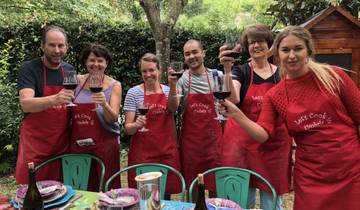
5 Days Italian Cookery Getaway in Umbria
- ✓ Comprehensive Umbria tour
- ✓ Expert local guides included
- ✓ All accommodation arranged
- ✓ Transportation provided

7 days
Authentic Umbria
- ✓ Comprehensive Umbria tour
- ✓ Expert local guides included
- ✓ All accommodation arranged
- ✓ Transportation provided

5 days
Italy: Authentic Puglia by E-Bike 🚴 – White Villages & Southern Flavors – 5 DAYS
- ✓ Comprehensive Umbria tour
- ✓ Expert local guides included
- ✓ All accommodation arranged
- ✓ Transportation provided
8 days
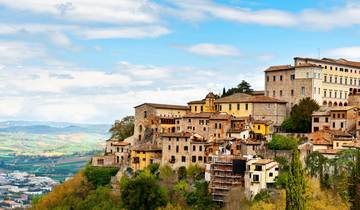
Hilltowns of Umbria, Self-Drive
- ✓ Comprehensive Umbria tour
- ✓ Expert local guides included
- ✓ All accommodation arranged
- ✓ Transportation provided
Multi-day tour packages powered by TourRadar. Prices and availability subject to change.
Introduction to Umbrian Culinary Heritage
Umbria’s geographic isolation at the center of the Italian peninsula created a culinary tradition distinct from its more famous neighbors. Without coastal access, Umbrian cooks developed expertise with freshwater fish from Lake Trasimeno and the region’s rivers, wild game from extensive forests, and preservation techniques necessary for mountain communities facing harsh winters. The region’s numerous monasteries and religious communities contributed significantly to culinary development, with monks cultivating specific grape varieties, perfecting cheese-making techniques, and creating many traditional sweets still prepared today.
The landscape itself shapes Umbrian cuisine. Rolling hills covered with olive groves produce some of Italy’s finest extra virgin olive oil. Ancient oak forests harbor truffles that have made Umbria synonymous with this prized ingredient. High plains near Castelluccio yield tiny lentils protected by IGP designation. The Apennine foothills provide perfect conditions for wild boar, which features prominently in regional cooking. This agricultural diversity, combined with poverty that historically necessitated using every part of available ingredients, created a cuisine of resourcefulness and deep flavor.
Umbrian cooking philosophy emphasizes simplicity and ingredient quality over elaborate preparation. A dish of strangozzi requires only flour, water, and skill to create the proper rough texture that captures sauce. Porchetta succeeds through careful seasoning and slow roasting rather than complex technique. Even prestigious truffle dishes often involve merely shaving the fungus over fresh pasta with butter and Parmigiano. This directness allows the exceptional quality of Umbrian ingredients to speak without interference, reflecting both the peasant origins of most traditional dishes and the region’s confidence in its agricultural products.
Umbrian Truffle Culture and Cuisine
Umbria produces approximately one-third of Italy’s truffle harvest, with the Valnerina valley around Norcia and the hills surrounding Spoleto serving as the region’s truffle heartland. Black winter truffles (Tuber melanosporum), known as the “black diamond,” reach peak season from December through March, commanding high prices but remaining more accessible than white truffles. Black summer truffles (Tuber aestivum) appear from May through August, offering milder flavor and lower prices that make truffle cuisine available to more diners. White truffles (Tuber magnatum) grow in limited areas near Spoleto and around Gubbio, reaching peak value from October through December with prices sometimes exceeding those of Alba’s famous white truffles.
Truffle hunting requires trained dogs (traditionally pigs, though dogs now dominate due to easier control) and intimate knowledge of forest locations where truffles grow in symbiotic relationship with specific tree roots. Professional trifolai guard their best locations fiercely, often hunting at night both to maintain secrecy and because truffles release stronger aromas in cooler temperatures. Sustainable harvesting practices include using special mattocks that disturb minimal soil, never revealing productive locations, and returning small or immature truffles to continue growing. Regional regulations protect truffle grounds, limiting hunting to licensed individuals during specific seasons and prohibiting destructive harvesting methods.
Classic Umbrian Truffle Preparations
Strangozzi al tartufo nero represents Umbria’s most iconic truffle dish—hand-rolled pasta tossed with butter, Parmigiano-Reggiano, and generous shavings of black truffle. The pasta’s rough, porous texture captures the simple butter sauce and truffle essence, while the absence of eggs in the dough prevents competition with truffle flavor. Restaurants in Norcia, Spoleto, and throughout the Valnerina serve this dish from December through March using freshly hunted winter truffles. Summer truffle versions cost considerably less while still offering authentic truffle experience.
Bruschetta al tartufo takes toasted bread rubbed with garlic and excellent olive oil, topped with minced black truffle, anchovy, and sometimes a touch of garlic. Unlike the simple raw truffle shavings of pasta dishes, this preparation involves briefly cooking the minced truffle with anchovies to create a paste that intensifies flavor and spreads easily on bread. Umbrian trattorias serve this as an appetizer or light meal, particularly during truffle season when hunters bring fresh specimens daily to local restaurants.
Uova al tartufo (eggs with truffle) appears in two main variations. The simpler version involves soft scrambled eggs with butter and shaved black truffle stirred in just before serving, allowing the truffle to warm and release aroma without cooking. The more elaborate preparation creates a frittata with black truffle, sometimes including local cheese. Both versions showcase how truffle transforms even the humblest ingredients into luxury, a principle central to Umbrian cooking philosophy.
Signature Umbrian Pasta Shapes and Sauces
Strangozzi, also called strengozzi or stringozzi depending on the town, consists of long, hand-rolled pasta strips made from flour and water without eggs. The name derives from “strangle” in various theories—either from the pasta’s original function as shoelaces (stringhe) or from a darker tale of wives strangling tax collectors. The pasta’s rough, porous surface and irregular shape create ideal texture for capturing sauces. Traditional preparations include strangozzi with black truffle, with wild asparagus (con gli asparagi selvatici), with mushrooms (con funghi), or with tomato and basil. Each town claims the definitive strangozzi technique, though all versions emphasize the rough texture achieved by rolling dough without machines and cutting strips by hand.
Umbricelli resembles thick spaghetti or bucatini, hand-rolled from flour and water to create long, round strands thicker than typical pasta. Originally from the Orvieto and Terni areas, umbricelli requires particular skill to achieve uniform thickness while maintaining the rough surface that distinguishes handmade pasta. The pasta pairs excellently with rich meat sauces, particularly wild boar ragù (con cinghiale) and duck ragù (con anatra). The thickness of umbricelli allows it to support hearty game sauces without becoming overwhelmed, while its porous texture absorbs sauce flavors during tossing.
Ciriole represents Terni’s signature pasta—similar to umbricelli but typically thinner and associated specifically with Terni’s culinary tradition. Local cooks serve ciriole ternane with various sauces including cacio e pepe (cheese and black pepper), aglione (abundant garlic and tomato), or with chickpeas (con ceci). The town celebrates its pasta with Ciriole festivals, and disagreement persists about whether ciriole constitutes a distinct shape or merely Terni’s name for umbricelli. Regardless of terminology, the hand-rolled pasta maintains importance in Terni’s culinary identity.
Traditional Umbrian Pasta Sauces
Wild asparagus sauce (sugo agli asparagi selvatici) captures spring in Umbria, when wild asparagus appears briefly in woods and fields. Umbrian cooks sauté the thin wild asparagus spears with garlic, olive oil, and sometimes a touch of chili pepper, then toss with strangozzi or umbricelli. Unlike cultivated asparagus, wild varieties offer more intense, slightly bitter flavor that pairs excellently with pasta’s neutral base. This seasonal preparation demonstrates Umbrian cuisine’s connection to wild-foraged ingredients and the region’s tradition of gathering from forests and fields.
Norcina sauce represents Umbria’s answer to carbonara—a creamy sauce made with sausage from Norcia (salsiccia di Norcia), cream, and Parmigiano-Reggiano. The sauce combines crumbled sausage sautéed with garlic and wine, finished with cream to create rich coating for pasta. Some versions add mushrooms or truffle paste. The name explicitly references Norcia’s famous pork traditions, and quality salsiccia di Norcia provides the foundation for the sauce’s success. The sausage’s particular blend of spices and coarse texture distinguish norcina sauce from similar cream-based preparations in other regions.
Mushroom sauce (sugo di funghi) utilizes Umbria’s diverse funghi, from common porcini to local varieties like ovoli (Amanita caesarea) and gallinacci (chanterelles). Umbrian cooks sauté mushrooms with garlic, parsley, and olive oil, sometimes adding tomato or finishing with cream. The forests surrounding Spoleto, Norcia, and the Apennine foothills provide abundant mushrooms, and foraging remains an important autumn activity. Traditional preparations emphasize the mushrooms themselves rather than masking them with heavy sauces, allowing the distinct flavors of each variety to emerge.
Norcineria: Umbrian Pork Traditions
The town of Norcia gave Italian cuisine the term “norcineria,” referring to shops specializing in pork products and the art of butchery and preservation. Historically, norcini (pork butchers from Norcia) traveled throughout central Italy during winter months to butcher pigs and prepare preserved meats for families and monasteries. Their expertise in utilizing every part of the pig, combined with Norcia’s particular climate and air quality perfect for curing, established the town’s reputation. The 2016 earthquake severely damaged Norcia’s historic center, but the norcineria tradition persists in surrounding towns and through families continuing centuries-old techniques.
Prosciutto di Norcia carries IGP (Protected Geographical Indication) status, requiring production in specific Umbrian territories and adherence to traditional methods. The prosciutto uses only local pigs, sea salt, and time—no artificial preservatives or excessive processing. The mountain air of the Valnerina provides ideal conditions for aging, with temperature and humidity fluctuations contributing to the prosciutto’s development. Compared to Parma’s famous ham, Norcia’s version tends toward more intense flavor with less sweetness, reflecting differences in pig diet, air quality, and aging conditions. The aging process extends at least twelve months for smaller legs, often much longer for premium selections.
Traditional Umbrian Salumi
Ciauscolo represents Umbria’s most distinctive salami—soft and spreadable with fine texture achieved through multiple grindings and the inclusion of fatty cuts. The salami traditionally includes shoulder, belly, and sometimes jowl, seasoned with black pepper, garlic, and wine, then stuffed into natural casings and aged briefly. Ciauscolo’s soft texture allows spreading on bread like pâté, and its delicate spicing showcases the quality of the pork itself. The Marche region also produces ciauscolo, and disputes persist about the salami’s exact origins, though both regions maintain distinct production traditions.
Capocollo di Norcia, called coppa in other regions, comes from the muscle running from the pig’s shoulder to the fourth or fifth rib, marbled with intramuscular fat. Norcia’s capocollo involves curing the whole muscle with salt, black pepper, and sometimes wine, then aging for several months. The resulting salume shows distinctive marbling when sliced, with alternating layers of deep red meat and white fat. The muscle’s natural structure and careful aging create complex flavor and tender texture that distinguishes premium capocollo from mass-produced versions.
Mazzafegati represent Norcia’s traditional fresh sausages, made from liver, lean pork, fat, pine nuts, raisins, and orange zest in sweet versions (dolci) or liver, lean pork, fat, and garlic in savory versions (salati). Unlike aged salami, mazzafegati requires cooking within days of production, typically grilled or pan-fried. The combination of liver and sweeter elements in the dolci version reflects medieval flavor preferences preserved in this traditional preparation. Both versions demonstrate the norcini principle of utilizing every part of the pig, with liver transformed into flavorful sausage rather than wasted.
Porchetta: Umbrian Roast Pork Excellence
Umbrian porchetta, particularly from the Terni area, involves roasting a whole pig (typically 50-100 kilograms) after deboning, butterflying, and seasoning the interior with wild fennel, garlic, rosemary, pepper, and salt. The butcher rolls the pig tightly with skin outside, then secures it with twine or special stainless pins. Roasting occurs in wood-fired ovens or on spits over wood coals for 6-8 hours at controlled temperature, creating crackling exterior skin and tender, aromatic interior meat. The wild fennel (finocchietto selvatico) provides the distinctive aroma that separates authentic porchetta from imitations made with domestic fennel seeds.
Porchetta vendors operate from trucks and permanent stands throughout Umbria, slicing thick portions of meat that include both lean and fatty sections plus crispy skin. The traditional serving involves thick slices placed in a split rosetta or ciabatta roll with no additions—the porchetta’s seasoning and the bread’s simplicity create perfect balance. Some vendors offer the choice between lean (magro) and fatty (grasso) sections, or mixed (misto) that includes both plus skin. The porchetta tradition centers particularly around Costano, a hamlet in the Terni province considered by many to produce Umbria’s finest porchetta.
Porchetta Making Traditions
Traditional porchetta preparation begins with selecting pigs of appropriate size and quality, typically from heritage breeds raised outdoors. The butcher removes all bones except sometimes leaving leg bones to facilitate handling, then butterflies the carcass to create an even thickness for rolling. The interior receives generous seasoning—crushed black pepper, coarse salt, minced garlic, and abundant wild fennel including flowers, seeds, and tender stems. Some producers add rosemary, sage, or other herbs, though purists insist wild fennel alone provides sufficient aromatic complexity.
The rolling technique determines porchetta quality as much as seasoning. Skilled butchers roll the pig tightly enough to eliminate air pockets that would cause uneven cooking, but not so tight that fat cannot render during roasting. The skin must remain outside, pricked in numerous places to allow fat drainage and promote even crisping. Traditional twine securing requires precise spacing and tension to maintain the roll’s shape during hours of cooking without constricting so tight that the meat deforms. Modern producers sometimes use stainless steel pins, though many traditional porchettari insist only natural twine allows proper porchetta development.
The roasting process requires constant attention and decades of experience to judge doneness. Wood-fired ovens provide ideal heat—hot enough to crisp skin and render fat, but moderate enough to cook the thick roll through without drying exterior sections. The porchetta rotates periodically if cooked on a spit, or the oven temperature modulates if baked. The exterior skin transforms from white to golden brown to deep mahogany, crackling crisp while interior meat remains moist. Properly made porchetta requires no sauce or accompaniment—the meat’s seasoning, the rendered fat’s richness, and the skin’s crispness create complete flavor.
Lake Trasimeno Fish Traditions
Lake Trasimeno, Umbria’s largest lake covering approximately 128 square kilometers, provides the region’s only significant freshwater fishery. The shallow lake (maximum depth around 6 meters) supports populations of carp, pike, perch, tench, and eel that have sustained lakeside communities for centuries. Traditional fishing methods include fixed nets, small boats, and knowledge of seasonal patterns passed through fishing families. The lake’s ecology faces modern challenges from agricultural runoff and changing climate, but sustainable fishing practices and conservation efforts maintain populations of traditional species.
Regina in porchetta represents Lake Trasimeno’s signature dish, demonstrating Umbrian ingenuity in adapting pork preparation techniques to fish. Regina (carp) is cleaned, deboned from the back, and stuffed with wild fennel, garlic, and sometimes prosciutto fat, then sewn closed and roasted. The preparation mimics porchetta’s seasonings and cooking method, transforming the mild freshwater fish into something distinctly Umbrian. Lakeside restaurants serve this specialty, particularly in Passignano, San Feliciano, and Castiglione del Lago, towns with long fishing traditions.
Other Trasimeno Fish Preparations
Tegamaccio represents Lake Trasimeno’s fish stew, combining multiple lake species (typically carp, perch, pike, tench) with tomatoes, white wine, garlic, and herbs. The dish resembles coastal brodetto or cacciucco but uses exclusively freshwater fish, reflecting Umbria’s inland position. Each fish contributes different flavor and texture—pike’s firm flesh, perch’s delicacy, carp’s richness, tench’s subtle sweetness. Traditional tegamaccio requires fresh-caught fish and patient cooking to extract maximum flavor from the broth. Restaurants around the lake serve tegamaccio as a main course, often with grilled bread rubbed with garlic for soaking up the broth.
Fried lake fish (fritto misto di lago) includes smaller perch, fingerlings, and sardines typical of Trasimeno, lightly floured and fried in olive oil. Unlike breaded preparations, this simple frying allows the fish’s natural flavor to emerge while creating crispy exterior. Lakeside trattorias serve fried fish as antipasto or light main course, accompanied by lemon and perhaps mixed greens. The preparation demonstrates the Italian principle that excellent raw ingredients require minimal intervention—fresh lake fish, good flour, hot oil, and proper timing create simple but satisfying results.
Luccio in umido (stewed pike) takes advantage of pike’s firm flesh and rich flavor. The fish cooks gently in tomato sauce with white wine, celery, carrot, and herbs until the flesh flakes tender while maintaining structure. Pike’s large size and relatively easy filleting make it suitable for this preparation, and the long, slow cooking in tomato sauce reduces any muddy flavors that sometimes affect freshwater fish. This represents home cooking more than restaurant fare, reflecting the way fishing families traditionally used their catch.
Umbrian Olive Oil Excellence
Umbria’s olive cultivation extends back at least to Etruscan times, with archaeological evidence of oil production facilities and widespread groves throughout the region. The hills surrounding Assisi, Spoleto, Trevi, and much of central Umbria provide ideal conditions for olive growing—well-drained limestone soil, moderate climate with sufficient winter cold for proper flowering, and protection from harsh weather by the Apennine chain. The DOP Umbria designation covers several sub-zones including Colli Assisi-Spoleto, Colli Martani, Colli Amerini, Colli del Trasimeno, and Colli Orvietani, each with distinct characteristics based on microclimate and cultivar composition.
Umbrian olive oil typically shows medium-high fruity intensity with distinct herbaceous notes (artichoke, fresh-cut grass, green almond), notable bitterness, and the characteristic peppery finish (pizzicante) that indicates high polyphenol content and recent production. The oil’s color ranges from deep green to golden-green depending on harvest timing and cultivar. Umbrian producers primarily cultivate indigenous varieties including Moraiolo, Frantoio, Leccino, San Felice, and Rajo, often blending multiple cultivars to achieve balanced flavor profiles. The Moraiolo cultivar contributes particularly to the oil’s peppery character and polyphenol content, while Leccino provides rounder, fruitier notes.
Olive Oil Production Methods
Traditional Umbrian olive harvesting occurs from late October through December, with timing varying by altitude, cultivar, and desired oil characteristics. Earlier harvests produce greener, more peppery oil with higher polyphenol content and better keeping qualities but lower yield. Later harvests increase oil quantity but reduce polyphenol concentration and create milder flavor. Modern Umbrian producers typically harvest in stages, creating different oil profiles from the same groves. Harvesting methods range from traditional hand-picking to mechanical shakers, with quality-focused producers emphasizing careful handling to prevent fruit damage before milling.
Milling must occur within 24 hours of harvest, ideally within 12 hours, to prevent fermentation and oxidation that degrade quality. Modern Umbrian mills use continuous-cycle systems with temperature control maintaining extraction below 27°C (cold extraction) to preserve aromatics and polyphenols. The process involves washing, crushing, malaxing (gentle stirring of the olive paste), and centrifugal separation. Quality producers minimize malaxing time and oxygen exposure while maximizing extraction efficiency. The freshly pressed oil rests briefly to allow particulate settling before bottling in dark glass or stainless steel to protect from light degradation.
Umbrian olive oil producers range from small family operations pressing only their own olives to larger cooperative mills serving multiple growers. The regional culture emphasizes quality over quantity, with many producers maintaining organic certification and traditional low-intensity cultivation. Visitors can tour mills during harvest season (November-December) to observe pressing and taste fresh oil, with many frantoi (mills) offering sales direct to consumers. The tradition of “bruschetta tour” allows tasting new oil on toasted bread rubbed with garlic—the simplest and most revealing way to evaluate olive oil quality.
Umbrian Wine Traditions
Umbria’s wine production centers on three main zones: the hills around Montefalco producing Sagrantino and Montefalco Rosso, the volcanic soils near Orvieto producing Orvieto DOC whites, and the Torgiano area near Perugia producing structured reds. The region’s continental climate with hot summers and cold winters, combined with limestone and clay soils, creates favorable conditions for both red and white varieties. While Umbria produces less wine than neighboring Tuscany and significantly less than major Italian wine regions, the focus on indigenous varieties and quality-over-quantity philosophy has elevated Umbrian wines’ international reputation.
Sagrantino di Montefalco DOCG represents Umbria’s most prestigious wine—intensely tannic, deeply colored red made entirely from Sagrantino grapes grown in the restricted zone around Montefalco. The wine achieves minimum 14% alcohol naturally, with many examples exceeding 15%, and shows powerful structure requiring extensive aging before approaching drinkability. Production regulations mandate at least 30 months aging for regular Sagrantino (12 months in wood), 37 months for Riserva (15 months in wood). The wine’s extreme tannic structure initially relegated it to passito (sweet) versions paired with desserts, but modern vinification transformed Sagrantino into one of Italy’s most age-worthy dry reds, capable of evolution over 20-30 years.
Sagrantino Characteristics and Food Pairings
Sagrantino exhibits dark color approaching black, with intense aromas of blackberry, plum, leather, tobacco, and dark chocolate. The wine’s defining characteristic remains its exceptional tannic structure—grippy, drying tannins that dominate in youth but integrate over years of aging. Despite the power, well-made Sagrantino maintains balance with sufficient acidity and concentrated fruit to support the tannins. The best examples show remarkable complexity evolving from primary fruit through savory secondary characteristics to tertiary notes of earth, truffle, and dried flowers after decades.
Young Sagrantino pairs with rich red meats and game—wild boar stew, grilled bistecca, lamb roasted with herbs. The wine’s tannins cut through fat and protein, while its power matches intensely flavored preparations. Aged Sagrantino achieves more versatility, complementing hard cheeses like aged Parmigiano-Reggiano or Pecorino, truffle dishes, and contemplative sipping. The traditional pairing with chocolate reflects the passito version’s sweetness, but dry Sagrantino’s dark chocolate notes make it surprisingly compatible with high-cocoa-content chocolate desserts. The wine demands food or aging—drinking young Sagrantino without substantial food proves challenging due to the tannic assault.
Montefalco Rosso and Other Umbrian Reds
Montefalco Rosso DOC provides more accessible drinking than pure Sagrantino while maintaining the zone’s character. The wine blends Sangiovese (60-70%) with Sagrantino (10-15%) and other permitted varieties, creating medium-to-full-bodied reds with Sangiovese’s bright cherry fruit and structure moderated by Sagrantino’s depth. Aging requirements remain modest (18 months including 6 in wood for Riserva), allowing earlier release and more approachable style. Quality Montefalco Rosso offers excellent value, providing glimpses of Sagrantino’s character at fraction of the price.
Torgiano Rosso Riserva DOCG, produced in the small zone around Torgiano near Perugia, demonstrates Sangiovese’s potential in Umbrian terroir. The wine requires minimum 70% Sangiovese with regulations mandating three years aging before release. The producer Lungarotti dominates production, with Rubesco Riserva representing the zone’s flagship. The wine shows classic Sangiovese characteristics—bright cherry fruit, firm tannins, savory herbs—with structure and aging potential approaching Chianti Classico Riserva or Brunello. The DOCG designation reflects quality rather than quantity, with limited production maintaining high standards.
Orvieto and Umbrian White Wines
Orvieto DOC produces Umbria’s most recognized white wine, made primarily from Grechetto and Trebbiano Toscano grapes grown on volcanic tufo soils around the hilltop city of Orvieto. The wine exists in multiple versions: secco (dry), abboccato (lightly sweet), amabile (medium sweet), and dolce (sweet). Modern production emphasizes dry versions, though traditional semi-sweet Orvieto maintained importance historically. Dry Orvieto shows medium body with citrus, almond, and herbal notes, providing refreshing drinking and excellent food compatibility with fish, vegetable dishes, and lighter preparations.
Orvieto Classico, from the historic production zone directly surrounding Orvieto city, represents higher quality within the DOC. The volcanic soils contribute distinctive minerality, and lower yields from older vines increase concentration. Some producers create single-vineyard Orvieto with extended lees aging, elevating the wine beyond simple table wine status. These premium examples show greater complexity, texture, and aging potential while maintaining Orvieto’s essential freshness and food-friendliness.
Grechetto di Todi and other single-varietal white wines demonstrate Umbria’s indigenous varieties beyond blends. Grechetto produces medium-bodied whites with tropical fruit notes, good acidity, and sometimes subtle floral character. Trebbiano Spoletino, distinct from the more common Trebbiano Toscano, creates steely, mineral-driven whites around Spoleto. These varietal wines remain less common than traditional blends but showcase the diversity of Umbrian viticulture and provide alternatives to international varieties.
Castelluccio Lentils and Umbrian Legumes
Lenticchia di Castelluccio di Norcia IGP grows on the high plains (1300-1500 meters elevation) surrounding the village of Castelluccio in the Sibillini Mountains. These tiny lentils, smaller than most varieties, require no soaking before cooking and maintain firm texture even after extended cooking. The high-altitude growing conditions, short growing season, and volcanic soil contribute distinctive flavor—nutty, slightly sweet, with earthy undertones. The lentils’ small size and tender skin create creamy texture when cooked, though they maintain integrity better than larger varieties prone to mushiness.
Traditional preparation involves cooking Castelluccio lentils with water, olive oil, garlic, sage, and sometimes a piece of pork skin or small amount of tomato. The lentils cook relatively quickly (20-30 minutes) without pre-soaking, developing rich broth. Umbrian cooks serve lentils as side dish for pork products (particularly cotechino or sausages), as soup base, or in warm salads. The New Year’s tradition of eating lentils for prosperity extends throughout Italy, and Castelluccio lentils command premium prices for this purpose. The 2016 earthquake severely damaged Castelluccio village, displacing residents, though lentil cultivation continues on the surrounding plains.
Cicerchia and Other Traditional Legumes
Cicerchia (grass pea, Lathyrus sativus) represents an ancient legume once cultivated widely in Umbria but now reduced to small production for specialty markets. The flat, angular seeds require overnight soaking and long cooking to achieve tenderness. Cicerchia contains neurotoxins requiring moderation in consumption, though occasional eating poses no risk. The legume’s hardy nature made it crucial during historical famines and wars when other crops failed. Today cicerchia appears in traditional Umbrian soups and serves as specialty ingredient emphasizing connection to agricultural heritage.
Roveja, a small gray-brown pea grown in the Sibillini Mountains, constitutes another ancient legume maintained by dedicated farmers. Similar to cicerchia, roveja requires extensive cooking but develops rich, earthy flavor. Traditional preparations include roveja flour polenta or thick soups with pork. These heritage legumes maintain cultural importance beyond their limited commercial value, representing agricultural biodiversity and historical foodways that modern Umbrian cuisine works to preserve.
Traditional Umbrian Bread and Baked Goods
Pane sciapo (saltless bread) dominates Umbrian and Tuscan bread traditions, though theories differ about the custom’s origins. Some attribute saltless bread to medieval salt taxes that made this expensive ingredient unaffordable for common people. Others suggest the tradition predates taxation, reflecting regional preference for bread that wouldn’t compete with flavorful accompaniments. Umbrian bread uses only flour, water, and yeast (or natural starter), producing dense, chewy loaves with mild flavor. The bread’s neutrality makes it ideal for accompanying salty salumi, strong cheeses, and intensely flavored dishes without creating competing saltiness.
Torta al testo represents Umbria’s traditional flatbread, cooked on a testo—a heavy flat clay or cast iron disk heated over coals. The dough contains flour, water, salt, sometimes olive oil or lard, and baking soda for slight leavening. The bread cooks quickly on the hot testo, developing charred spots and remaining soft inside. Traditionally, cooks split the hot torta al testo and fill it with sausages, greens, cheese, or other simple ingredients, creating Umbrian panini before the modern sandwich concept existed. The tradition persists at festivals, markets, and some restaurants maintaining old cooking methods.
Umbrian Sweet Breads and Pastries
Torciglione, Perugia’s traditional Christmas sweet, consists of almond paste flavored with lemon or orange zest, shaped into a serpent (or eel, depending on interpretation), and decorated with whole almonds along the back and a coffee bean for the eye. Medieval recipes for torciglione appear in monastery records, and the shape’s symbolism remains debated—some see Christian serpent references, others simply practical coiling of the paste. The almond paste achieves slightly chewy texture, distinctly different from soft marzipan, with concentrated almond flavor. Pastry shops throughout Umbria produce torciglione for Christmas, though year-round availability exists.
Rocciata reflects Umbria’s historical connections with central European baking, resembling strudel with rolled pastry enclosing apples, nuts, dried fruit, and sometimes chocolate. The name derives from “roccia” (rock) describing the dessert’s appearance when sliced, with filling pieces visible through thin pastry layers. Traditional rocciata involves paper-thin pastry similar to strudel dough, though modern versions sometimes use puff pastry for easier preparation. The filling combinations vary by family recipe, with some emphasizing apples, others featuring nuts and dried fruit more prominently. Rocciata appears during Christmas season and other celebrations, representing Umbrian festive baking.
Pinoccate are simple candies made from pine nuts bound with cooked sugar, sometimes with added honey or citrus zest. The mixture cooks until sugar caramelizes, then spreads into small mounds on parchment to cool and harden. The resulting confection combines pine nuts’ buttery richness with caramelized sugar’s sweet crunch. Traditional pinoccate appear at Christmas markets and specialty shops, representing historical sweets once made in monastery kitchens. The simplicity emphasizes the pine nuts themselves, requiring quality ingredients and precise technique rather than elaborate composition.
Umbrian Cheese Traditions
Pecorino production in Umbria follows traditions similar to those in neighboring Tuscany and Lazio, though Umbrian pecorino tends toward slightly milder character than its more famous neighbors. Sheep farming concentrates in the eastern mountainous areas, where flocks graze on wild herbs and grasses that flavor the milk. Umbrian pecorino ranges from fresh soft versions (pecorino fresco) eaten within weeks, to aged wheels (pecorino stagionato) developing hard texture and sharp, salty flavor after months or years. Production follows traditional methods using raw sheep’s milk, rennet, and salt, with aging in temperature-controlled cellars or caves.
Raviggiolo represents Umbria’s traditional fresh cheese, made from either sheep’s milk or mixed sheep and cow’s milk. The cheese achieves soft, spreadable consistency with delicate flavor, similar to fresh ricotta but with finer texture. Traditional production involves heating milk, adding rennet, allowing curd formation, then draining in cloth to remove excess whey. The resulting cheese requires consumption within days, lacking the salt and aging that preserve harder cheeses. Raviggiolo appears in traditional recipes, eaten simply on bread, or used in pastries. Some producers create herb-infused raviggiolo with wild greens or aromatic herbs folded into the fresh curd.
Ricotta Affumicata and Other Specialties
Ricotta affumicata (smoked ricotta) transforms fresh ricotta through cold smoking over various woods, creating firm texture and adding aromatic smoke flavor. Umbrian producers traditionally smoke ricotta over juniper or other local woods, developing golden-brown exterior while maintaining white interior. The smoking process partially dries the cheese, allowing longer storage than fresh ricotta. Smoked ricotta grates over pasta, appears in salads, or serves as table cheese. The technique demonstrates traditional preservation methods necessary before refrigeration, now maintained for distinctive flavor rather than necessity.
Formaggio di fossa (pit cheese) represents a peculiar aging technique practiced in a few Umbrian locations. Producers place young pecorino or mixed-milk cheeses into cloth bags, then lower them into special underground pits lined with straw. The pits seal for three months, during which the cheese develops strong, pungent flavor and slightly crumbly texture from the unique aging environment. The microclimate in the pits—high humidity, controlled temperature, and specific molds—transforms ordinary young cheese into something distinctive. This practice originates from historical necessity of hiding cheese from invading armies or authorities, evolved into deliberate technique for creating unique product.
Regional Variations in Umbrian Cuisine
Northern Umbria, including Perugia, Gubbio, and Lake Trasimeno, shows greater influence from neighboring Tuscany and Emilia-Romagna. Lake Trasimeno’s fish dishes provide distinction, while the area around Gubbio maintains strong game and truffle traditions. Perugia’s role as regional capital and university city creates more cosmopolitan food scene while maintaining traditional preparations. The flatbread tradition appears strongest in northern areas, and wine production from Torgiano contributes to regional identity. Gubbio’s tartufi bianchi (white truffles) rival those of Piemonte’s Alba, though less internationally famous.
Central Umbria, encompassing Assisi, Foligno, Spoleto, and the Valnerina valley, represents the region’s culinary heartland. The concentration of truffle production, Norcia’s pork traditions, extra virgin olive oil from Spoleto and Assisi hills, and proximity to Montefalco’s wine zone create exceptional density of traditional products. This area maintains strongest connection to historical Umbrian cuisine, with least outside influence. The religious significance of Assisi contributes to preserved medieval recipes from Franciscan monasteries, including various sweets and bread traditions.
Southern Umbria, including Terni, Orvieto, and Narni, shows subtle influence from neighboring Lazio and the approach toward Rome. Porchetta traditions center in this area, particularly around Costano. Orvieto’s wine production and unique tufo cellars carved into volcanic stone create distinct identity. The cuisine includes more pasta with tomato sauce and slightly less emphasis on game than mountainous central Umbria. Lake Corbara provides another source of freshwater fish, though smaller than Trasimeno. The proximity to Rome historically meant greater wealth and more elaborate cooking in areas serving as summer retreats for Roman aristocracy.
Seasonal Eating in Umbria
Spring brings wild asparagus (asparagi selvatici) foraged from fields and forest edges, paired with eggs, pasta, or risotto. Tender fava beans appear at markets, eaten raw with pecorino cheese in the traditional combination. Wild herbs including nettles, borage, and agretti (monk’s beard) feature in soups, frittatas, and pasta dishes. Lamb becomes seasonal specialty, particularly around Easter, often roasted with herbs or cooked in umido (stewed). The countryside transforms with wildflowers, and outdoor dining begins as temperatures moderate. Spring represents renewal in Umbrian cuisine, with fresh vegetables and tender meats replacing winter’s heavier preservation.
Summer brings abundance to Umbrian tables—tomatoes for sauces and salads, eggplant and peppers, fresh beans, and stone fruits. Black summer truffles appear, offering more accessible prices than winter varieties. Lake fish remain popular, and lighter preparations dominate. Sagre (food festivals) celebrating specific products occur throughout summer in nearly every town. The high plains near Castelluccio bloom with wildflowers, creating spectacular landscapes. Summer eating emphasizes outdoor grilling, fresh salads, and lighter dishes, though the heat never stops porchetta vendors or diminishes appetite for substantial meals.
Autumn and Winter Traditions
Autumn marks the beginning of hunting season, with wild boar, hare, wood pigeons, and other game appearing at markets and on restaurant menus. Wine harvest occurs in September and October, followed by olive harvest through December. Mushrooms (particularly porcini) emerge after autumn rains, becoming staples of seasonal cooking. White truffles reach peak season in October and November, while black winter truffles begin appearing in December. The weather turns cool, and hearty soups, stews, and braises return to favor. Autumn represents maximum abundance in Umbrian cuisine—the year’s production coming to fruition.
Winter centers on preserved foods developed throughout the year—salumi, cheeses, dried legumes, preserved vegetables. Black winter truffles reach peak quality, commanding highest prices and featuring in special occasion dishes. Hearty soups with beans and grains, slow-braised meats, and rich pasta dishes provide warmth. Wild boar appears frequently in winter preparations, stewed for hours until tender. Holiday sweets like torciglione and rocciata appear. The harshness of winter, though milder than northern Italy, makes preserved foods crucial and creates appreciation for summer’s abundance. Wood fires and warming foods define winter eating.
Umbrian Food Festivals and Markets
Umbria hosts countless sagre celebrating specific products—sagra del tartufo (truffle festivals) in Norcia, Spoleto, and numerous smaller towns during truffle season, sagra della porchetta in various locations, sagra delle fragoline (wild strawberry festival) in Nemi, and dozens more celebrating everything from chestnuts to mushrooms to specific bean varieties. These festivals provide opportunity to taste traditional preparations, purchase direct from producers, and experience community celebration of food culture. The festivals occur primarily spring through autumn when weather permits outdoor eating, though some winter events celebrate cold-weather products like truffles.
Eurochocolate, held annually in Perugia in October, represents Italy’s largest chocolate festival, reflecting Perugia’s historical chocolate industry and continuing production by Perugina. The festival transforms central Perugia into chocolate celebration with tastings, workshops, and vendors from throughout Italy and Europe. While not strictly traditional Umbrian food, chocolate production maintains significant economic and cultural importance in Perugia, and the festival demonstrates the region’s ability to celebrate both historical traditions and more recent food culture.
Traditional Markets
Weekly markets in Umbrian towns maintain importance for purchasing fresh produce, cheeses, salumi, and other foods directly from producers. Perugia’s Saturday market in Piazza Matteotti brings vendors from surrounding countryside selling everything from Castelluccio lentils to fresh pecorino to seasonal vegetables. Smaller towns maintain their own market days, often featuring the same vendors circulating through regional markets. These markets preserve direct connection between consumers and producers, allowing purchase of products unavailable in standard grocery stores and maintaining traditional market culture.
Covered markets in larger cities like Perugia provide permanent locations for produce, meat, fish, and specialty vendors. These markets maintain traditional butchers preparing fresh cuts and offering advice, fishmongers selling Lake Trasimeno’s catch, and produce vendors with seasonal items. The covered market experience represents traditional Italian shopping—multiple specialized vendors rather than supermarket one-stop shopping, personal relationships between vendors and customers, and emphasis on freshness and seasonality.
Modern Umbrian Cuisine and Innovation
Contemporary Umbrian chefs work to elevate traditional preparations while maintaining regional identity. Restaurants in Perugia, Spoleto, Orvieto, and smaller towns reinterpret classic dishes using modern techniques—truffle dishes with more refined presentation, traditional game preparations with contemporary plating, ancient grains and heritage vegetables highlighted in new contexts. This modernization respects traditional flavors and ingredients while creating cuisine appropriate for fine dining expectations. The challenge involves innovation without losing Umbrian character—difficult balance between tradition and progress.
Agriturismo development throughout Umbria provides middle ground between completely traditional and fully modern cuisine. These farm-stay establishments serve meals prepared from their own production—olive oil from their groves, salumi from their pigs, vegetables from their gardens, wine from their vineyards. The food maintains traditional character while allowing some innovation, and the farm-to-table concept (though not called that traditionally) exemplifies Umbrian cuisine’s fundamental principles. Dining at agriturismi offers authentic experience of Umbrian food culture in working agricultural context.
Preservation of Traditional Knowledge
Organizations throughout Umbria work to preserve traditional food knowledge and maintain production of heritage products. Slow Food presidia protect endangered preparations like cicerchia, roveja, specific pork products, and other items at risk of disappearing. These efforts involve supporting remaining producers, documenting traditional methods, and creating markets for specialty products. The work extends beyond simple preservation to active maintenance of agricultural biodiversity and traditional foodways threatened by industrial agriculture and changing consumption patterns.
Cooking schools and workshops teaching traditional Umbrian techniques have proliferated, serving both locals wanting to maintain family traditions and tourists seeking authentic culinary experiences. These schools teach pasta making by hand, traditional salumi production, truffle recognition and use, bread baking in wood ovens, and other skills once transmitted within families. The formalization of this knowledge through teaching represents both adaptation to modern conditions where family transmission no longer suffices and recognition of traditional cooking’s value worthy of deliberate preservation.
Frequently Asked Questions
How much do truffles cost in Umbria?
Black winter truffles (Tuber melanosporum) in Umbria cost approximately €800-1,500 per kilogram in peak season depending on size and quality, with prices dropping to €300-600 for black summer truffles. White truffles (Tuber magnatum) command €2,000-4,000 per kilogram in good seasons, sometimes exceeding €5,000 for exceptional specimens. Restaurant dishes featuring truffles typically add €8-25 to base pasta or meat prices for generous shaving. Fresh truffles sold at markets and specialty shops require purchase in small quantities—10-20 grams suffices for pasta serving for two people. Quality varies significantly, with experienced truffle sellers offering guidance on selections appropriate for different preparations.
What makes Sagrantino wine so special?
Sagrantino wine achieves uniqueness through the indigenous Sagrantino grape variety grown exclusively in the restricted zone around Montefalco, the grape’s natural characteristics producing exceptional tannic structure and aging potential, and the specific terroir of limestone and clay soils with ideal sun exposure. The grape naturally reaches high sugar levels (minimum 14% alcohol) while maintaining acidity and developing concentrated flavors. The wine’s extreme tannins initially challenged winemakers, but modern techniques transformed Sagrantino into one of Italy’s most distinctive and age-worthy dry reds. The limited production zone and DOCG regulations maintaining quality standards contribute to the wine’s prestige and relatively high prices compared to more common Italian varieties.
Where can I buy authentic Norcia salumi?
Authentic Norcia pork products carry IGP (Protected Geographical Indication) designation requiring production in specific territories following traditional methods. The 2016 earthquake destroyed much of Norcia’s historic center, displacing many traditional norcinerie. Purchase opportunities include remaining shops in Norcia’s outskirts and nearby towns, specialty food shops throughout Umbria displaying IGP certification, direct sales from producers maintaining traditional methods, and some online retailers shipping vacuum-sealed products. Quality indicators include IGP labeling, simple ingredient lists (pork, salt, pepper, time—avoiding excess preservatives), and producers willing to discuss their methods. Specialty shops in Spoleto, Foligno, and Perugia often stock authentic Norcia products, sometimes with better selection than currently available in earthquake-damaged Norcia itself.
What is the difference between Umbrian and Tuscan cuisine?
Umbrian cuisine emphasizes truffle preparations more than Tuscan cooking, with black and white truffles appearing extensively throughout regional dishes. Pork traditions differ, with Umbria’s norcineria heritage creating distinct salumi styles and techniques compared to Tuscan preparations. Both regions produce saltless bread, though theories about this tradition differ slightly. Umbrian olive oil tends toward more peppery, robust character than Tuscan oil’s typically smoother profile. Umbrian wine production focuses on Sagrantino and indigenous varieties, while Tuscany’s Sangiovese-dominated wines achieve greater international recognition. Game preparation appears in both regions, though Umbrian wild boar dishes often incorporate different seasonings. The similarities reflect shared history and geography, while differences emerge from specific local products, microclimates, and distinct cultural developments.
Is Umbrian food spicy or heavily seasoned?
Traditional Umbrian cuisine uses minimal seasoning, allowing ingredient quality to dominate flavor profiles. The peasant origins of most traditional dishes meant expensive spices remained largely unavailable, creating cuisine built on garlic, wild herbs (fennel, rosemary, sage), black pepper, and salt. Truffle preparations involve only butter and Parmigiano beyond the truffle itself. Porchetta uses wild fennel abundantly but avoids complex spice blends. Pork products maintain simple seasoning—salt, black pepper, sometimes wine or garlic. Chili pepper appears occasionally in some preparations but rarely dominates. This restraint reflects both historical necessity and deliberate philosophy that excellent raw ingredients require minimal intervention. The cuisine achieves flavor through quality, technique, and time rather than elaborate seasoning.
What are the best food souvenirs from Umbria?
Extra virgin olive oil from DOP-certified producers provides excellent souvenir, with many estates offering direct sales and shipping services. Vacuum-sealed salumi including prosciutto di Norcia, salami, and other pork products travel well and maintain quality. Castelluccio lentils carry easily and represent distinctive Umbrian product unavailable elsewhere. Sagrantino wine or other quality Umbrian wines offer liquid souvenirs, though weight and shipping costs require consideration. Truffle products including preserved truffles, truffle paste, or truffle-infused oils extend truffle season beyond fresh availability, though quality varies significantly among producers. Local specialty items like cicerchia, roveja, or specific regional products from small producers provide authentic souvenirs supporting traditional agriculture. Purchase from established shops, producers, or markets rather than tourist-focused stores to ensure authenticity and quality.
Can vegetarians eat well in Umbria?
Vegetarian eating in Umbria requires navigation but offers substantial options. Traditional pasta dishes with truffles, mushrooms, or wild asparagus provide vegetarian main courses. Bruschetta, various vegetable preparations, bean and legume dishes, fresh cheeses, and abundant seasonal vegetables create diverse possibilities. Many restaurants prepare vegetable-based soups and stews. However, Umbrian cuisine centers heavily on pork and game, and many seemingly vegetarian dishes contain meat elements—beans cooked with pork skin, vegetables prepared with lard, sauces containing meat. Communication with restaurant staff becomes essential to identify truly vegetarian options. Agriturismi sometimes offer more vegetable-focused meals given their garden production. Urban restaurants in Perugia, Spoleto, and Orvieto increasingly accommodate vegetarian and vegan preferences, though smaller town trattorias maintain more traditional meat-heavy menus.
What is torta al testo and where can I try it?
Torta al testo is Umbrian flatbread cooked on a testo (heavy flat disk of clay or cast iron) heated over coals, creating charred exterior and soft interior similar to piadina but with distinct texture from the specific cooking surface. Traditional versions contain only flour, water, salt, and sometimes fat, though modern recipes may add baking soda for slight leavening. The bread splits while hot and fills with sausages, greens (particularly cicoria or wild greens), stracchino cheese, prosciutto, or other simple ingredients. Torta al testo appears at food festivals, weekly markets with specialized vendors, some agriturismi maintaining traditional cooking methods, and occasional restaurants preserving this preparation. The tradition remains strongest in smaller towns and rural areas rather than urban centers, where modern convenience often replaces time-intensive traditional cooking methods.
How do I recognize quality Umbrian olive oil?
Quality Umbrian olive oil displays DOP Umbria certification on the label, indicating compliance with production standards and geographic origin. The oil shows green to golden-green color (though color alone doesn’t determine quality), with medium-high fruity intensity evident in aroma. Taste reveals herbaceous notes (artichoke, fresh grass, green almond), distinct bitterness, and the characteristic peppery throat sensation (pizzicante) from polyphenols. The bottle should indicate harvest year—fresh oil from the most recent harvest (November-December) offers best quality, with consumption ideal within 12-18 months. Dark glass bottles or tins protect oil from light degradation. Producers offering tasting opportunities allow evaluation before purchase. Price serves as rough indicator—quality extra virgin olive oil requires significant production costs, making extremely cheap oil suspect. Purchase directly from producers, established shops, or frantoi (olive mills) rather than tourist-oriented stores for authenticity assurance.
What is the significance of Norcia in Italian food culture?
Norcia’s importance extends beyond Umbria to all Italian cuisine through the town’s historical dominance in pork butchery and preservation. The term “norcineria” used throughout Italy for pork shops derives directly from Norcia, and “norcino” refers to pork butchers regardless of their actual origin. This linguistic adoption reflects Norcia’s reputation—for centuries, norcini traveled throughout central Italy to butcher pigs and prepare preserved meats for families and institutions unable to perform this skilled work themselves. The town’s specific climate and air quality created ideal conditions for curing, while the pork butchers’ expertise in utilizing every part of the pig and developing preservation techniques established enduring traditions. The 2016 earthquake severely damaged Norcia’s physical structure, but the norcineria heritage persists through families continuing traditional production and the cultural weight the town maintains in Italian food consciousness.