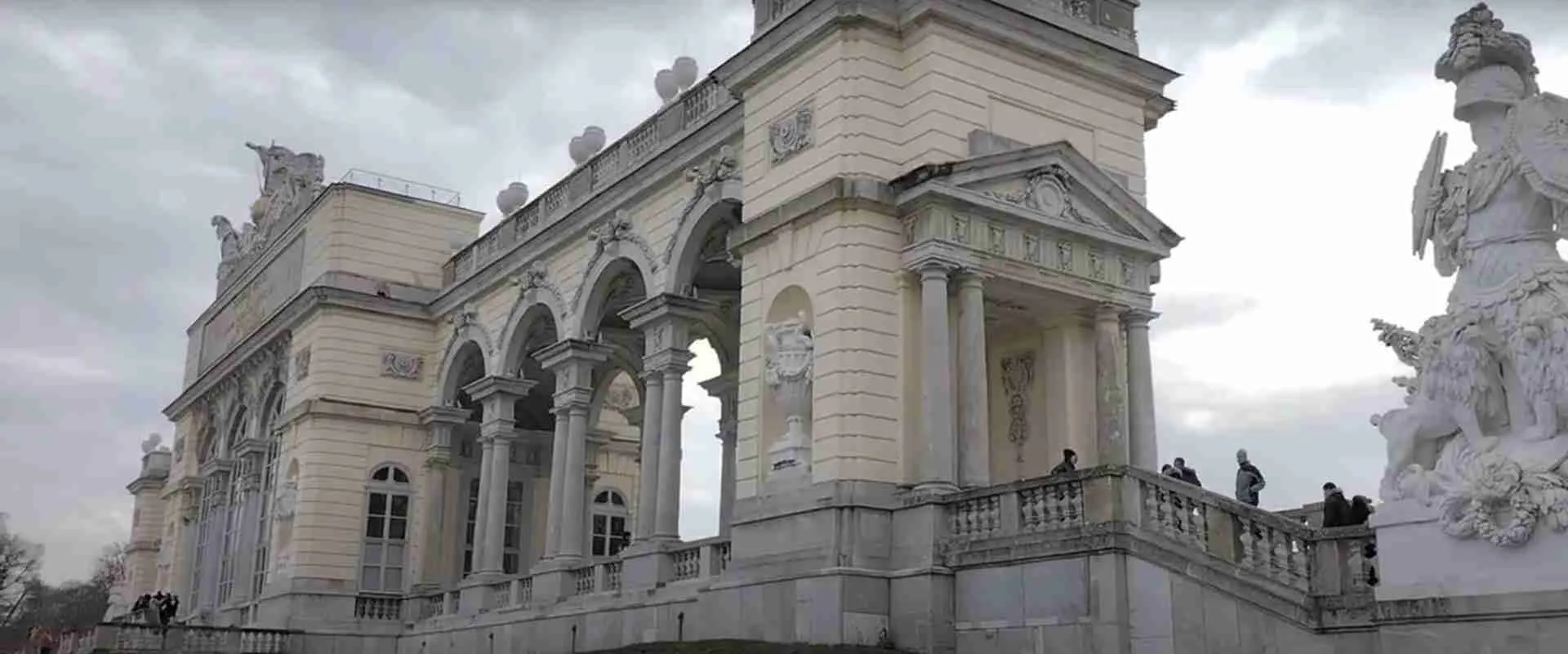
Ultimate Schonbrunn Palace Guide: Expert Tips for 2025 Visit
Schönbrunn Palace stands as Vienna’s crown jewel and Austria’s most visited cultural attraction, welcoming over 3.8 million visitors annually. This UNESCO World Heritage Site represents the pinnacle of Baroque architecture and Habsburg imperial luxury, offering an unparalleled glimpse into 300 years of European royal history. As the former summer residence of Austrian emperors and empresses, Schönbrunn combines architectural grandeur with meticulously landscaped gardens spanning 430 acres of pure imperial splendor.
🎯 Key Takeaways
- Book tickets online 2-3 weeks in advance to avoid queues and guarantee entry during peak season
- Early morning visits (8:30 AM) offer the best experience with fewer crowds and optimal lighting
- Grand Tour (€34) provides the best value with 40 rooms including Maria Theresa’s private apartments
- Palace + Gardens require 4-5 hours minimum for a comprehensive visit including major attractions
- Free garden access daily from 6:30 AM allows for spectacular photography opportunities
- U4 subway line to Schönbrunn station provides the most convenient public transport access
Why Schönbrunn Palace Should Top Your Vienna Itinerary
The imperial residence that once housed Maria Theresa, Empress Elisabeth (Sisi), and Emperor Franz Joseph represents far more than beautiful rooms and gardens. Schönbrunn Palace offers visitors a complete cultural immersion experience that seamlessly blends history, architecture, art, and landscape design into one magnificent whole.
Unlike many European palaces that feel like museums, Schönbrunn maintains the authentic atmosphere of a living imperial residence. The palace’s 1,441 rooms tell stories of political intrigue, romantic drama, and cultural achievements that shaped European history. From Mozart’s childhood performances in the Hall of Mirrors to Napoleon’s residence during his Austrian campaigns, every room resonates with historical significance.
UNESCO World Heritage Recognition
Since 1996, Schönbrunn Palace and its gardens have held UNESCO World Heritage status as an outstanding example of Baroque ensemble architecture. The designation recognizes not only the palace’s architectural significance but also its role as a synthesis of the arts (Gesamtkunstwerk), where architecture, interior design, landscape architecture, and decorative arts combine to create an unified masterpiece.
Palace Tour Options: Choosing Your Imperial Experience
Schönbrunn offers multiple tour options designed to accommodate different interests, time constraints, and budgets. Understanding these options ensures you select the perfect experience for your visit preferences and schedule.
State Apartments Tour (€25 – 25 minutes)
The most concise palace experience, the State Apartments tour covers 22 rooms including the most important ceremonial spaces. This option suits visitors with limited time who want to experience the palace’s highlights without an extensive commitment. The tour includes the Hall of Mirrors where six-year-old Mozart performed for Empress Maria Theresa, the Great Gallery used for state banquets, and several magnificent reception rooms.
Imperial Tour (€27 – 40 minutes)
Expanding on the State Apartments, the Imperial Tour adds Franz Joseph and Elisabeth’s private apartments to the itinerary. Visitors gain insights into the personal lives of Austria’s most famous imperial couple, including Sisi’s dressing room, Franz Joseph’s study, and their private dining room. This tour provides an excellent balance between historical overview and intimate personal details.
Grand Tour (€34 – 60 minutes) – Recommended
The most comprehensive self-guided experience, the Grand Tour covers 40 rooms including all State Apartments, private imperial quarters, and Maria Theresa’s exquisite Rococo chambers. Highlights include the breathtaking Vieux Laque Room with its black and gold lacquered panels, the Millions Room featuring precious rosewood paneling, and Maria Theresa’s ceremonial bedroom.
The Grand Tour represents exceptional value for money, offering access to rooms unavailable on shorter tours while providing the most complete understanding of imperial court life. The additional €7 investment over the Imperial Tour grants access to spaces that showcase the palace’s most spectacular decorative arts and provide deeper historical context.
Guided Maria Theresa Tour (€39 – 60 minutes)
Led by expert guides, this specialized tour focuses on the reign and personality of Empress Maria Theresa, one of Europe’s most powerful female rulers. The guided format allows for detailed explanations, historical anecdotes, and answers to specific questions that audio guides cannot provide. This option particularly appeals to history enthusiasts seeking deeper insights into 18th-century court life and European politics.
Strategic Ticket Booking and Timing
Successful Schönbrunn visits require strategic planning, particularly regarding ticket selection, timing, and advance reservations. The palace’s popularity creates challenges that proper planning easily overcomes.
Online Booking Advantages
Purchasing tickets online through the official website (schoenbrunn.at) or authorized partners provides multiple advantages beyond simple convenience. Online tickets guarantee entry at your selected time slot, eliminate waiting in ticket queues that can exceed 1-2 hours during peak season, and often provide slight discounts compared to on-site purchases.
Advanced booking becomes essential during summer months (June-August), holiday periods, and weekends when daily tickets frequently sell out. The palace operates on strict time slots to manage visitor flow, and late arrivals forfeit their entry rights without refund or rescheduling options.
Optimal Visit Timing
Early morning arrival at 8:30 AM (when the palace opens) provides the most rewarding experience. Early visitors enjoy several distinct advantages: minimal crowds in palace rooms allowing for better photography and contemplation, optimal natural lighting for garden photography, cooler temperatures during summer months, and access to parking spaces near the entrance.
Alternative excellent timing includes late afternoon visits after 3:30 PM when tour groups depart and individual visitors can explore more peacefully. However, winter visitors should note reduced daylight hours may limit garden exploration time.
Seasonal Considerations
Spring (April-May) offers ideal visiting conditions with blooming gardens, mild temperatures, and moderate crowd levels. Summer (June-August) brings peak crowds but also extended opening hours, all garden attractions operational, and optimal weather for extensive outdoor exploration.
Autumn (September-October) provides beautiful foliage colors, comfortable temperatures, and reduced visitor numbers while maintaining full attraction availability. Winter (November-March) offers intimate palace experiences with minimal crowds but limited garden attraction hours and potentially gray weather affecting outdoor photography.
Extended multi-day tours – 5+ days
Featured Vienna Multi-Day Tour Packages
7 days
A Piece of Europe GO
- ✓ Comprehensive Vienna tour
- ✓ Expert local guides included
- ✓ All accommodation arranged
- ✓ Transportation provided
6 days
6 Day Vienna, Salzburg, Budapest, Bratislava, and the Danube Valley
- ✓ Comprehensive Vienna tour
- ✓ Expert local guides included
- ✓ All accommodation arranged
- ✓ Transportation provided
4 days
Budapest & Vienna
- ✓ Comprehensive Vienna tour
- ✓ Expert local guides included
- ✓ All accommodation arranged
- ✓ Transportation provided
7 days
Private Tour: 3 Countries in One Week: Prague – Vienna – Budapest
- ✓ Comprehensive Vienna tour
- ✓ Expert local guides included
- ✓ All accommodation arranged
- ✓ Transportation provided
Multi-day tour packages powered by TourRadar. Prices and availability subject to change.
Exploring the Imperial Apartments
The palace’s residential quarters reveal intimate details about Habsburg family life, personal relationships, and daily routines that shaped European history. Each room tells specific stories while collectively creating a narrative of power, protocol, and personal drama.
Franz Joseph’s Apartments
Emperor Franz Joseph’s quarters reflect his reputation for military precision and personal austerity despite ruling one of Europe’s most powerful empires. His spartanly furnished bedroom, featuring a simple iron military bed, contrasts sharply with the palace’s general opulence. The emperor’s study, where he conducted state business from 4 AM daily, displays original documents and maps showing the vast Habsburg territories at their peak.
Franz Joseph’s dressing room reveals his methodical nature through precisely arranged uniforms and personal items. The apartment’s modest scale and practical furnishing choices demonstrate how this longest-reigning Austrian emperor (68 years) prioritized duty over comfort while maintaining residence in one of Europe’s most magnificent palaces.
Empress Elisabeth’s (Sisi’s) Private Rooms
Sisi’s apartments provide fascinating insights into one of history’s most enigmatic royal figures. Her dressing room showcases the elaborate beauty rituals that occupied hours daily, including hair care routines requiring specially designed washing basins and an extensive collection of cosmetic preparations.
The empress’s salon displays personal artifacts revealing her intellectual pursuits, including language learning materials (she spoke multiple languages fluently), poetry manuscripts, and travel mementos from her extensive journeys across Europe and beyond. These rooms illuminate the complex personality behind the beautiful facade – a woman who struggled with court protocol while possessing remarkable intelligence and artistic sensitivity.
Maria Theresa’s Rococo Masterpieces
The grand empress’s private apartments represent Rococo decorative art at its absolute pinnacle. The Vieux Laque Room, with its exquisite black and gold Japanese lacquered panels, demonstrates 18th-century fascination with East Asian aesthetics. These panels, worth fortunes today, create an intimate atmosphere despite their royal grandeur.
The Millions Room earned its name from the enormous cost of its precious rosewood paneling inlaid with Indo-Persian miniatures. Each miniature required months of detailed work by master craftsmen, and the room’s total decoration cost would equal millions in today’s currency. Maria Theresa used this room for private audiences with trusted advisors, conducting crucial European diplomatic negotiations within these walls.
Gardens and Outdoor Attractions
Schönbrunn’s gardens exemplify Baroque landscape architecture while providing recreational spaces that served multiple purposes for the imperial court. The 430-acre park combines formal French garden elements with English landscape features, creating environments for ceremony, recreation, and contemplation.
The Great Parterre
The formal garden extending from the palace to Neptune Fountain represents classical French garden design adapted for Austrian terrain. Geometric flower beds, precisely trimmed hedges, and carefully placed sculptures create sight lines that emphasize the palace’s architectural grandeur while providing impressive ceremonial spaces for court functions.
The parterre changes seasonally, with spring tulips giving way to summer bedding displays and autumn chrysanthemums. Palace gardeners maintain these displays using traditional techniques, ensuring historical accuracy in plant selections and arrangement patterns that match 18th-century designs.
Neptune Fountain and Gloriette
The Neptune Fountain serves as the garden’s dramatic focal point, featuring the Roman god of the sea commanding water features visible from the palace’s main windows. This monumental sculpture group creates a spectacular terminus for the garden’s central axis while providing cooling mist during summer months.
The Gloriette, crowning the hill behind the Neptune Fountain, offers Vienna’s finest panoramic views. This architectural folly, designed as a celebration of military victory, functions as both garden ornament and observation platform. The climb to reach the Gloriette provides excellent exercise, while the rooftop terrace (additional ticket required) delivers breathtaking vistas across Vienna’s cityscape, extending to the Danube and surrounding hills.
Specialized Garden Areas
The Privy Garden, enclosed within historic walls, provides intimate spaces where royal family members enjoyed privacy away from court ceremony. Shaded pergola walks, geometric hedge patterns, and seasonal flower displays create peaceful retreats that remain largely unchanged since imperial times.
The Crown Prince Garden, originally designed for royal children’s education and recreation, demonstrates how palace grounds served practical family functions beyond ceremonial purposes. Today’s visitors can experience these spaces much as young archdukes and archduchesses did, complete with educational elements explaining imperial childhood experiences.
Family-Friendly Attractions
Schönbrunn excels as a family destination, offering attractions specifically designed for children while maintaining educational value for all ages. The palace complex recognizes that engaging young visitors creates lifelong appreciation for cultural heritage.
Children’s Museum
Located in palace side wings, the Children’s Museum allows kids to experience imperial childhood through interactive exhibits, period costume dress-up opportunities, and hands-on activities explaining daily life for young royals. Children learn about imperial etiquette, educational methods, and recreational activities while handling replica objects and trying on reproduction court clothing.
The museum’s educational programs explain complex historical concepts through age-appropriate activities, making Habsburg history accessible and engaging for visitors as young as three years old. Interactive displays encourage questions and exploration while maintaining historical accuracy and cultural sensitivity.
Maze and Labyrinth Complex
The historic maze, recreated using traditional hedge varieties and 18th-century patterns, provides active entertainment combining physical activity with problem-solving challenges. The maze’s design follows Baroque garden traditions while offering modern safety features and accessibility considerations.
Adjacent playground areas include the Labyrinthikon, featuring modern play equipment designed to complement the historical environment without compromising safety or fun. These facilities allow families to spend entire days at Schönbrunn while maintaining children’s interest and energy levels.
Dining and Shopping Options
Schönbrunn offers multiple dining venues and shopping opportunities that extend the imperial experience while providing practical amenities for extended visits.
Gerstner K.u.K. Hofzuckerbäcker
The official palace confectionery continues traditions established during imperial times, serving authentic Viennese pastries, traditional cakes, and specialty coffees using historical recipes. The café’s outdoor terrace provides magnificent palace views while offering respite from extensive walking.
Gerstner’s specialties include Sachertorte, Apfelstrudel, and other Austrian classics prepared according to recipes used in the imperial kitchen. The venue operates throughout the year, with seasonal specialties matching traditional court calendars.
Restaurant and Heuriger Joseph II
Located in palace side wings, this traditional Austrian restaurant serves regional specialties and Viennese wines in atmospheric surroundings that evoke imperial dining traditions. The Heuriger format provides authentic Austrian cultural experiences while offering substantial meals suitable for hungry tourists.
Transportation and Accessibility
Schönbrunn’s location in Vienna’s 13th district requires transportation planning, but multiple convenient options ensure easy access from anywhere in the city.
Public Transportation
The U4 subway line provides the most efficient access, with Schönbrunn station located within easy walking distance of the palace entrance. This underground line connects directly with Vienna’s city center, airport connections, and major hotels without transfers.
Alternative public transport includes trams 10 and 60, both stopping directly at the palace gates. Bus line 10A also serves the palace with frequent service throughout the day. These surface transport options allow visitors to enjoy Vienna’s streetscapes during their journey while maintaining schedule reliability.
Accessibility Features
Schönbrunn provides comprehensive accessibility features including wheelchair access to all palace areas via ramps and elevators, accessible parking spaces near the entrance, and assistance programs for visitors with disabilities. The palace staff receives specialized training to support diverse visitor needs while maintaining historical preservation standards.
Garden areas include accessible pathways, though some attractions like the Gloriette rooftop require climbing stairs. The Panorama Train provides transportation assistance for visitors with mobility limitations, ensuring everyone can enjoy the extensive garden areas.
Photography and Social Media Tips
Schönbrunn offers countless photography opportunities, though specific rules and optimal locations require understanding for best results.
Interior Photography Restrictions
Photography inside palace rooms is strictly prohibited to preserve delicate furnishings, textiles, and artwork from flash damage while protecting visitor privacy and maintaining contemplative atmospheres. These restrictions apply to all devices including smartphones, tablets, and professional cameras.
Exterior Photography Opportunities
Garden areas, courtyards, and palace exterior provide unlimited photography opportunities with no restrictions on equipment or techniques. Early morning light creates optimal conditions for architectural photography, while late afternoon provides warm lighting for garden scenes.
The Gloriette offers exceptional panoramic photography opportunities, particularly during golden hour periods when Vienna’s skyline glows with warm light. Seasonal variations create different photographic opportunities, from spring blossoms to autumn foliage and winter snow scenes.
Planning Your Perfect Visit
Successful Schönbrunn visits require strategic planning that considers personal interests, available time, seasonal factors, and practical logistics.
Recommended Visit Duration
Plan minimum 4-5 hours for comprehensive Schönbrunn experiences including palace tour, garden exploration, and additional attractions. Visitors interested primarily in palace interiors require 2-3 hours, while garden enthusiasts should allocate similar time for outdoor areas.
Full-day visits allow leisurely exploration without rushing, including dining experiences and shopping opportunities. Multi-day visits enable detailed exploration of all attractions while accommodating rest periods and nearby cultural sites.
Combination Tickets and Passes
Vienna Pass holders receive free State Apartments access plus discounts on additional attractions, though advance time slot reservations remain necessary. The pass provides excellent value for visitors planning multiple Vienna attractions during their stay.
Schönbrunn Classic Pass (€40) combines Grand Tour access with four garden attractions, providing 30% savings compared to individual tickets while ensuring admission to all major palace features during a single visit.
❓ Frequently Asked Questions
Do I need to book Schönbrunn Palace tickets in advance?
Yes, advance booking is highly recommended, especially for visits between June-August and on weekends. Tickets often sell out, and booking online guarantees your preferred time slot while allowing you to skip ticket office queues.
What is the best time of day to visit Schönbrunn Palace?
Early morning (8:30 AM when palace opens) provides the best experience with fewer crowds and optimal lighting. Late afternoon (after 3:30 PM) is another excellent option when tour groups have departed.
How long should I plan for my Schönbrunn Palace visit?
Plan 4-5 hours minimum for a comprehensive visit including palace tour, garden exploration, and major attractions. Palace-only visits require 2-3 hours, while garden enthusiasts should allocate similar time for outdoor areas.
Can I take photos inside Schönbrunn Palace?
No, photography is strictly prohibited inside palace rooms to preserve delicate furnishings and artwork. However, unlimited photography is allowed in gardens, courtyards, and palace exterior areas.
What’s the difference between the Imperial Tour and Grand Tour?
The Imperial Tour covers 25 rooms including Franz Joseph and Elisabeth’s apartments (€27, 40 minutes), while the Grand Tour includes 40 rooms adding Maria Theresa’s spectacular Rococo chambers (€34, 60 minutes). The Grand Tour offers exceptional value with access to the palace’s most beautiful rooms.
Is Schönbrunn Palace accessible for wheelchair users?
Yes, all palace areas are accessible via ramps and elevators. Accessible parking and assistance programs are available. Some garden attractions like the Gloriette rooftop require stairs, but the Panorama Train helps with transportation through garden areas.
Are the palace gardens free to visit?
Yes, the main palace gardens are free to enter daily from 6:30 AM. However, specialized areas like the Privy Garden, Maze, Gloriette viewing terrace, and Desert House require separate admission tickets.
What’s the best way to get to Schönbrunn Palace from Vienna city center?
Take the U4 subway line to Schönbrunn station – it’s the most efficient option connecting directly from the city center. Alternatively, trams 10 and 60 or bus 10A stop directly at the palace gates.
Can I visit Schönbrunn Palace with small children?
Absolutely! Schönbrunn offers excellent family facilities including a Children’s Museum, Maze and playground areas, and family-friendly dining options. The palace provides strollers and has baby-changing facilities available.
What should I wear when visiting Schönbrunn Palace?
Wear comfortable walking shoes as you’ll cover significant distances on varied surfaces. Dress in layers for weather changes, and consider bringing sun protection for garden areas. No specific dress code exists, but modest attire is appropriate for this cultural site.