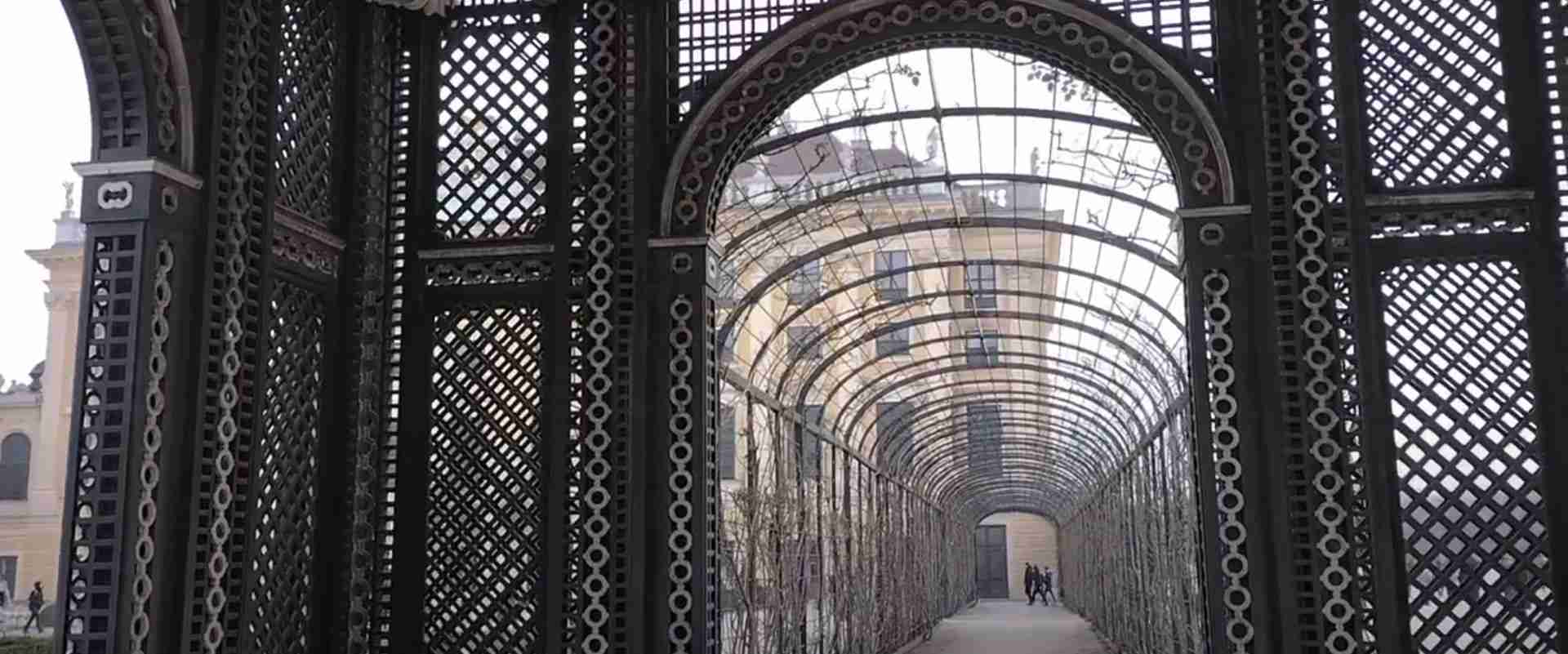
Best Time to Visit Schonbrunn Palace: Seasonal Guide & Insider Tips
Timing your visit to Schönbrunn Palace can make the difference between a crowded, rushed experience and an intimate, memorable encounter with imperial Austrian history. This comprehensive guide analyzes every factor affecting visit quality throughout the year, from seasonal weather patterns and crowd levels to garden bloom cycles and cultural events that enhance your Schönbrunn experience.
🎯 Key Takeaways
- April-May is optimal with blooming gardens, mild weather, and moderate crowds
- Early morning (8:30 AM) provides the best experience regardless of season
- Avoid July-August weekends when crowds peak and temperatures soar
- December offers magical Christmas markets but limited garden attraction hours
- September-October delivers perfect conditions with autumn colors and comfortable temperatures
- Winter visits (Nov-March) mean fewer crowds but shorter daylight and weather limitations
As Vienna’s most popular attraction welcoming over 3.8 million visitors annually, Schönbrunn experiences significant seasonal variations in visitor numbers, operational hours, and attraction availability. Understanding these patterns enables you to maximize your experience while minimizing common frustrations like long queues, crowded rooms, and weather-related limitations.
Spring: The Golden Season (April-May)
Spring emerges as the overwhelming favorite for Schönbrunn visits, combining optimal weather conditions with spectacular garden displays and manageable crowd levels. The palace awakens from winter dormancy as gardeners prepare elaborate floral displays that rival any European royal residence.
Weather and Comfort
April and May temperatures in Vienna typically range from 15-20°C (59-68°F), creating ideal conditions for extensive walking through palace rooms and garden areas. Spring weather patterns bring occasional light rain, but sunny periods predominate, providing excellent natural lighting for photography and comfortable outdoor exploration.
The mild temperatures mean visitors can comfortably spend entire days exploring without heat exhaustion concerns that plague summer months. Light jackets or sweaters handle morning coolness, while afternoons often become pleasantly warm enough for outdoor dining at palace cafés.
Garden Spectacle
Schönbrunn’s gardens achieve their most dramatic displays during spring bloom periods. The formal parterre explodes with precisely arranged tulip displays featuring thousands of bulbs in geometric patterns that emphasize the palace’s baroque architecture. These displays change weekly as different varieties reach peak bloom, ensuring multiple visits reveal constantly evolving scenes.
Beyond tulips, spring brings flowering trees including magnolias, cherry blossoms, and ornamental fruit trees that create romantic settings throughout the extensive grounds. The contrast between formal flower beds and naturalistic tree blooms demonstrates the garden’s sophisticated design balancing architectural precision with natural beauty.
Crowd Management
Spring visitor levels remain moderate compared to summer peaks while providing full attraction availability. Most garden features operate on extended schedules, but without the overwhelming crowds that characterize June through August. This balance allows leisurely exploration while ensuring all desired attractions remain accessible.
School groups begin appearing in May but remain manageable compared to summer levels. International tourism increases but hasn’t reached peak season intensity, creating opportunities for more intimate experiences in palace rooms and garden areas.
Photography Opportunities
Spring light quality excels for both architectural and garden photography. Lower sun angles create dramatic shadows that enhance building details while soft light flatters flower displays. Morning dew and occasional mist add atmospheric elements that create memorable images impossible during other seasons.
The combination of blooming gardens, comfortable temperatures, and manageable crowds means photographers can take time for careful composition without feeling rushed or dealing with crowds blocking desired shots.
Summer: Peak Season Challenges (June-August)
Summer brings Schönbrunn’s highest visitor numbers along with extended operating hours, full attraction availability, and intense heat that creates both opportunities and challenges for palace visits.
Crowd Dynamics
Peak summer months see daily visitor numbers exceeding 15,000 during busy periods, with weekends and holidays pushing capacity to maximum levels. Ticket office queues can extend 1-2 hours during peak periods, making advance online booking absolutely essential rather than merely recommended.
Palace room visits become challenging as groups move slowly through confined spaces, limiting photography opportunities and creating rushed atmospheres that detract from contemplative appreciation. Garden areas handle crowds better due to extensive space, but popular attractions like the Gloriette experience significant congestion.
Weather Considerations
July and August temperatures often exceed 25°C (77°F) with occasional heat waves pushing thermometers above 30°C (86°F). The palace’s historic architecture lacks air conditioning, making interior visits uncomfortable during extreme heat periods. Garden exploration requires sun protection, frequent water breaks, and strategic timing to avoid midday heat.
Summer storms occasionally bring relief from heat but can disrupt outdoor activities and create muddy conditions in garden areas. However, post-storm periods often provide excellent photography conditions with dramatic skies and enhanced colors.
Extended Hours and Full Operations
Summer compensates for crowd challenges with extended operating hours and full attraction availability. Palace tours operate until 6:30 PM in July and August, providing opportunities for late afternoon visits when tour groups depart and temperatures moderate.
All garden attractions operate on full schedules, including specialized features like the Desert House and Palm House that may have reduced hours during other seasons. Summer concerts and special events add cultural dimensions to visits, though these require separate tickets and advanced planning.
Strategic Summer Timing
Successful summer visits require precise timing strategies. Arrive at 8:30 AM opening time to enjoy 1-2 hours before crowds build to uncomfortable levels. Alternatively, late afternoon visits after 4:00 PM provide relief as tour groups depart and temperatures begin cooling.
Midweek visits (Tuesday-Thursday) experience significantly lower crowds than weekends, though summer weekdays still exceed spring weekend levels. Consider splitting palace and garden visits across multiple days rather than attempting comprehensive single-day coverage during peak periods.
Extended multi-day tours – 5+ days
Featured Vienna Multi-Day Tour Packages
7 days
A Piece of Europe GO
- ✓ Comprehensive Vienna tour
- ✓ Expert local guides included
- ✓ All accommodation arranged
- ✓ Transportation provided
6 days
6 Day Vienna, Salzburg, Budapest, Bratislava, and the Danube Valley
- ✓ Comprehensive Vienna tour
- ✓ Expert local guides included
- ✓ All accommodation arranged
- ✓ Transportation provided
4 days
Budapest & Vienna
- ✓ Comprehensive Vienna tour
- ✓ Expert local guides included
- ✓ All accommodation arranged
- ✓ Transportation provided
7 days
Private Tour: 3 Countries in One Week: Prague – Vienna – Budapest
- ✓ Comprehensive Vienna tour
- ✓ Expert local guides included
- ✓ All accommodation arranged
- ✓ Transportation provided
Multi-day tour packages powered by TourRadar. Prices and availability subject to change.
Autumn: The Perfect Balance (September-October)
Autumn delivers ideal conditions combining spring’s comfortable weather with reduced summer crowds, enhanced by spectacular foliage displays that transform the palace grounds into a photographer’s paradise.
Optimal Weather Conditions
September and October temperatures settle into comfortable ranges of 15-22°C (59-72°F) with lower humidity than summer months. Clear, stable weather patterns provide excellent visibility for palace and city views from the Gloriette while comfortable temperatures encourage extended outdoor exploration.
Autumn light quality excels for photography with lower sun angles creating dramatic shadows and warm golden light that enhances both architectural details and foliage colors. Longer shadows add depth and interest to garden photographs while soft light flatters portrait photography.
Foliage Spectacular
Schönbrunn’s extensive tree collection creates autumn displays rivaling famous fall destinations. Mature deciduous trees including maples, oaks, and lindens transform into golden, orange, and red canopies that frame the yellow palace facade magnificently.
The contrast between evergreen conifers and deciduous foliage creates layered color compositions that change daily as leaves reach peak color and begin falling. Garden paths covered in fallen leaves add texture and seasonal atmosphere that enhances the romantic imperial setting.
Reduced Crowds, Full Operations
Tourist numbers drop significantly after August while maintaining most attraction availability through October. Palace rooms feel spacious and contemplative again, allowing visitors to appreciate architectural details and historical significance without crowding pressures.
School groups return in September but concentrate on weekdays, leaving weekends relatively uncrowded for leisure travelers. International tourism decreases but remains sufficient to maintain full services and extended hours through October.
Cultural Event Season
Autumn brings Vienna’s cultural season reopening with concerts, special exhibitions, and cultural events that complement palace visits. The palace’s concert series resumes with performances in historic venues that provide unique experiences combining musical heritage with architectural grandeur.
Harvest festivals and seasonal markets in surrounding Vienna neighborhoods create opportunities to combine palace visits with authentic local cultural experiences that enhance understanding of contemporary Austrian life.
Winter: Intimate Imperial Experiences (November-March)
Winter transforms Schönbrunn into an intimate cultural experience focused on interior treasures, with special seasonal attractions and peaceful atmospheres that reveal different aspects of imperial life.
Crowd Advantages
Winter visitor numbers drop to their lowest levels, creating opportunities for contemplative palace experiences impossible during busy seasons. Palace rooms feel spacious and quiet, allowing extensive time for appreciation without crowding or rushing.
Photography inside garden areas becomes possible without crowds blocking compositions, while interior spaces provide focused cultural experiences that emphasize historical understanding over scenic beauty.
Christmas Market Magic
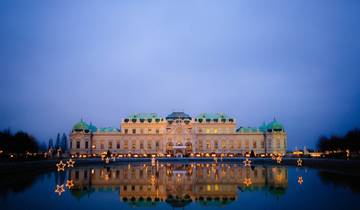
December transforms the palace courtyard into one of Vienna’s most atmospheric Christmas markets, combining imperial architecture with traditional Austrian holiday culture. The market operates from early November through early January, providing magical evening experiences with twinkling lights reflecting off the palace facade.
Traditional Austrian crafts, seasonal foods, and warm beverages create authentic holiday experiences that demonstrate continuing cultural traditions in imperial settings. The market provides excellent shopping opportunities for unique gifts while experiencing Austrian holiday customs firsthand.
Weather and Practical Considerations
Winter temperatures range from 0-8°C (32-46°F) with occasional snow that transforms the palace and gardens into romantic winter wonderlands. However, cold weather and short daylight hours limit extensive outdoor exploration and make warm indoor attractions more appealing.
Many garden attractions operate on reduced schedules or close entirely during winter months, though basic garden access remains free and available. The palace interior provides warm, comfortable environments for extended visits when outdoor weather discourages prolonged garden exploration.
Seasonal Exhibitions and Programs
Winter programming often includes special exhibitions, lecture series, and cultural programs that provide deeper insights into Habsburg history and Austrian culture. These offerings compensate for reduced outdoor activities while adding educational value to winter visits.
Concert series and cultural events continue throughout winter in palace venues, creating opportunities for unique experiences combining imperial architecture with world-class musical performances.
Daily Timing Strategies
Regardless of season, strategic daily timing significantly impacts visit quality and overall satisfaction with your Schönbrunn experience.
Early Morning Excellence (8:30-10:30 AM)
Arriving at palace opening time provides consistently superior experiences regardless of season. Early visitors enjoy multiple advantages: minimal crowds in palace rooms allowing contemplative appreciation, optimal natural lighting for photography, cooler temperatures during summer months, and first access to limited daily tickets for popular attractions.
Garden areas remain peaceful during early hours with only occasional joggers and dog walkers sharing the space. Photography opportunities excel with soft morning light and no crowds blocking desired compositions.
Late Afternoon Alternatives (4:00-6:00 PM)
Late afternoon visits provide excellent alternatives when early morning timing isn’t possible. Tour groups typically depart by 4:00 PM, creating more intimate palace experiences, while late afternoon light enhances architectural photography and garden scenes.
Summer late afternoon visits benefit from cooling temperatures and dramatic lighting as the sun lowers toward the horizon. Winter late afternoon visits must account for early sunset but can provide spectacular golden hour photography opportunities.
Times to Avoid
Midday periods (11:00 AM-3:00 PM) consistently provide the most challenging experiences with peak crowd levels, harsh lighting for photography, and highest temperatures during summer months. These periods see maximum tour group activity and longest queues for attractions.
Weekend mornings during peak season create particularly challenging conditions as both tour groups and individual visitors concentrate arrivals. Consider midweek visits whenever possible for superior experiences.
Special Events and Seasonal Highlights
Schönbrunn hosts numerous special events throughout the year that can enhance visits for interested travelers while potentially creating crowds and access limitations for others.
Spring Concerts and Cultural Events
Spring marks the return of outdoor concerts and cultural programming that complement palace visits. The famous Summer Night Concert, held in palace gardens, attracts international audiences but requires separate tickets and advance planning.
Garden festivals celebrating spring blooms provide educational opportunities about baroque garden design and horticultural techniques used to maintain the extensive displays.
Summer Night Concert
The annual Summer Night Concert, typically held in June, transforms the palace gardens into an outdoor concert venue with the Vienna Philharmonic performing classical music against the backdrop of imperial architecture. This world-renowned event broadcasts internationally and requires tickets months in advance.
Autumn Harvest Celebrations
October brings traditional harvest celebrations that demonstrate historical palace functions beyond royal residence. These events provide insights into the economic activities that supported imperial lifestyle while offering family-friendly activities and local food specialties.
Winter Holiday Programming
The Christmas market creates magical evening experiences but also increases visitor numbers during typically quiet winter months. New Year’s celebrations and winter cultural programming provide unique experiences for visitors seeking off-season travel opportunities.
Weather-Specific Planning Tips
Vienna’s continental climate creates distinct seasonal conditions that require specific preparation for optimal palace experiences.
Spring Weather Preparation
Spring weather variability requires layered clothing and light rain protection. Comfortable walking shoes with good grip handle occasionally damp garden paths, while light jackets accommodate temperature fluctuations throughout the day.
Summer Heat Management
Summer visits require sun protection, frequent hydration, and strategic timing to avoid peak heat periods. Light-colored clothing, sun hats, and sunscreen become essential for extended garden exploration. Plan indoor palace activities during midday heat while saving garden exploration for morning and late afternoon periods.
Autumn Comfort Optimization
Autumn’s variable conditions benefit from flexible layering systems that accommodate changing temperatures throughout the day. Comfortable shoes with good traction handle fallen leaves on garden paths while light rain gear prepares for occasional showers.
Winter Warmth and Safety
Winter visits require warm clothing, waterproof footwear, and awareness of potentially slippery conditions on garden paths. However, the palace’s heated interiors provide comfortable environments for extended cultural exploration.
Booking Strategies by Season
Different seasons require different booking approaches to ensure optimal experiences and avoid disappointment.
Peak Season Advance Booking
Summer visits require booking 2-3 weeks in advance for guaranteed access, particularly for weekend visits and popular tour options. Popular time slots sell out entirely during peak periods, making flexibility essential for travel planning.
Shoulder Season Flexibility
Spring and autumn visits allow more booking flexibility while still benefiting from advance reservations. Booking 1-2 weeks ahead ensures preferred time slots while allowing adjustment for weather conditions.
Winter Spontaneity
Winter months often allow same-day ticket purchases, though advance booking still provides convenience and guaranteed access. Christmas market periods require advance planning despite generally lower visitor numbers.
Photography Considerations by Season
Each season offers distinct photographic opportunities that require different techniques and equipment for optimal results.
Spring Bloom Photography
Spring flower displays require macro capabilities for detail shots and wide-angle lenses for garden compositions. Early morning light provides optimal conditions for flower photography while avoiding harsh shadows.
Summer Architectural Focus
Summer’s intense light suits architectural photography with strong contrasts and dramatic shadows. However, harsh midday light requires careful timing and possibly flash fill for portrait photography.
Autumn Color Spectacular
Autumn foliage photography benefits from polarizing filters to enhance color saturation and reduce glare. Golden hour periods provide warm light that complements autumn colors magnificently.
Winter Atmospheric Scenes
Winter photography opportunities include snow scenes, atmospheric mist, and dramatic skies that create moody compositions. Christmas market lights provide evening photography opportunities with warm artificial lighting.
❓ Frequently Asked Questions
What is absolutely the best month to visit Schönbrunn Palace?
April and May offer optimal conditions with blooming gardens, comfortable temperatures (15-20°C/59-68°F), and moderate crowds. September is equally excellent with autumn colors and perfect weather.
Should I avoid Schönbrunn Palace in summer?
Summer visits are still worthwhile but require strategic planning. Visit early morning (8:30 AM) or late afternoon (after 4 PM), book tickets well in advance, and prepare for crowds and heat. Extended hours and full attraction availability compensate for challenges.
Is Schönbrunn Palace worth visiting in winter?
Absolutely! Winter offers intimate experiences with minimal crowds, magical Christmas markets in December, and comfortable indoor exploration. However, many garden attractions have reduced hours or close.
What time of day should I visit Schönbrunn Palace?
8:30 AM (opening time) provides the best experience year-round with minimal crowds and optimal lighting. Late afternoon (4-6 PM) is an excellent alternative when morning visits aren’t possible.
How far in advance should I book Schönbrunn Palace tickets?
Summer visits require 2-3 weeks advance booking, especially for weekends. Spring and autumn need 1-2 weeks ahead. Winter often allows same-day purchases, though advance booking is always recommended.
Do the gardens look good in winter?
Winter gardens have different appeal – architectural elements become prominent, occasional snow creates magical scenes, and the Christmas market adds festive atmosphere. However, flower displays are minimal and many attractions close.
Which months have the worst weather for visiting?
January-February typically bring the coldest, grayest weather with limited daylight. However, this creates opportunities for intimate indoor experiences with virtually no crowds.
When do the palace gardens start blooming?
Spring bulbs (tulips, daffodils) begin blooming in early April, with peak displays typically occurring mid to late April. Tree blossoms follow shortly after, creating spectacular displays through May.
Are there special events I should plan my visit around?
The Summer Night Concert (June) is world-renowned but requires advance tickets. Christmas markets (Nov-Jan) create magical atmosphere. Spring and autumn garden festivals offer educational experiences.
What’s the difference between visiting on weekdays vs. weekends?
Weekdays consistently offer better experiences with fewer crowds, especially Tuesday-Thursday. Weekend visits during peak season can be overwhelming, while off-season weekends remain manageable and enjoyable.