
Ultimate Quebec Travel Guide 2026: Cities, Forests, and Fjords
Quebec Province stretches from the Saint Lawrence River’s urban centers through endless boreal forests to dramatic fjord landscapes, offering experiences ranging from European-influenced cities to pristine wilderness across a territory larger than Alaska. This comprehensive 2026 guide reveals how to navigate Canada’s largest province, from Montreal’s cosmopolitan energy and Quebec City’s fortified walls to the UNESCO-recognized fossil cliffs of Anticosti Island and the raw beauty of Saguenay Fjord.
Key Takeaways About Quebec Province 2026
- Geographic Diversity 2026: Quebec spans 1.5 million square kilometers containing three UNESCO World Heritage Sites (Historic District of Old Québec inscribed 1985, Miguasha National Park, and Anticosti Island added September 2023), four distinct geographic regions from Saint Lawrence lowlands to subarctic tundra, and dramatic landscapes including Saguenay Fjord’s 270-meter cliffs
- Daily Budget Planning 2026: Expect $145-230 CAD ($106-168 USD) per person daily for mid-range comfort assuming two sharing hotel accommodation. This comprehensive total includes hotel $90-150 ($66-110 USD), meals $45-65 ($33-47 USD), transport $8-12 ($6-9 USD), and attractions $12-18 ($9-13 USD)
- Essential Transportation 2026: Montreal STM metro single trip $3.50 CAD ($3 USD) with unlimited evening pass $6 CAD ($4 USD) from 6 PM onward, Quebec City RTC bus free for hotel guests staying two nights minimum at participating properties, VIA Rail connects major cities with advance booking discounts reaching 50% off regular fares
- Language Reality 2026: French remains Quebec’s official language with 82% of provincial residents speaking French as primary language, Montreal operates bilingually with English widely understood in tourist zones, rural regions and smaller cities require basic French phrases for practical interactions beyond major hotels and restaurants
- Seasonal Variations 2026: Summer peaks June-August with Quebec City hotel rates $180-280 CAD ($132-205 USD) dropping 40-50% during January-March shoulder season to $90-150 CAD ($66-110 USD), winter transforms landscape with Carnaval de Québec (February 7-16) offering extensive free programming, spring maple syrup season (March-April) opens sugar shacks across countryside
- Strategic Planning 2026: Book accommodation 3-4 months ahead for summer travel avoiding 100-150% last-minute price premiums, Montreal-Quebec City corridor requires advance restaurant reservations 4-6 weeks ahead during peak season, rental cars essential for exploring Charlevoix, Gaspésie, and Saguenay regions where public transportation remains limited
People Also Ask About Quebec Province 2026
How Much Does Quebec Province Cost Per Day in 2026?
Quebec Province costs $145-230 CAD ($106-168 USD) per person daily for mid-range travelers assuming two people sharing hotel accommodation. Budget travelers managing hostel dormitories or budget hotels with grocery meal preparation spend $95-145 CAD ($69-106 USD) per person daily, while luxury visitors enjoying upscale hotels, fine dining, and private tours invest $350-550 CAD ($256-402 USD) per person daily. These comprehensive daily totals include accommodation, meals, local transportation, and typical attraction entrance fees.
What Are the Best Cities to Visit in Quebec Province in 2026?
Quebec City and Montreal anchor the province as essential destinations, with Quebec City offering North America’s only fortified city walls and concentrated historical attractions walkable within 2-3 days, while Montreal provides cosmopolitan energy, world-class dining, underground city networks, and vibrant neighborhoods requiring 4-5 days for thorough exploration. Trois-Rivières serves as an underappreciated mid-sized city positioned midway between the two anchors, offering Saint Lawrence riverfront charm, ironworking heritage sites, and significantly lower accommodation costs at $80-130 CAD ($58-95 USD) versus Quebec City’s tourist-zone rates.
Do I Need to Speak French to Travel Quebec Province in 2026?
Basic French phrases substantially improve Quebec Province travel experiences, though English-speaking visitors navigate Montreal’s tourist zones and major hotels throughout the province without difficulty. Quebec City’s Old Town operates largely bilingually with restaurant menus, attraction signage, and hotel staff accommodating English speakers, while rural regions, smaller towns beyond Montreal-Quebec City corridor, and local establishments outside tourist centers expect French communication. Learning essential phrases including greetings, polite expressions, and food vocabulary demonstrates cultural respect and frequently results in warmer local interactions.
What Is the Best Time to Visit Quebec Province in 2026?
Late September through mid-October delivers Quebec Province’s most spectacular natural displays as forests transform into brilliant autumn colors, with comfortable temperatures 12-18°C (54-64°F), reduced accommodation rates 20-30% below summer peaks, and significantly smaller crowds at major attractions. Summer months June-August offer warmest weather, longest daylight hours, and full access to all attractions and outdoor activities but command premium accommodation prices and substantial crowds at Quebec City and Montreal highlights. Winter travel January-March provides authentic Quebec experiences including Carnaval de Québec, frozen landscapes, and accommodation bargains at 40-50% below summer rates despite challenging weather conditions.
Extended multi-day tours – 5+ days
Featured Quebec Multi-Day Tour Packages

3 days
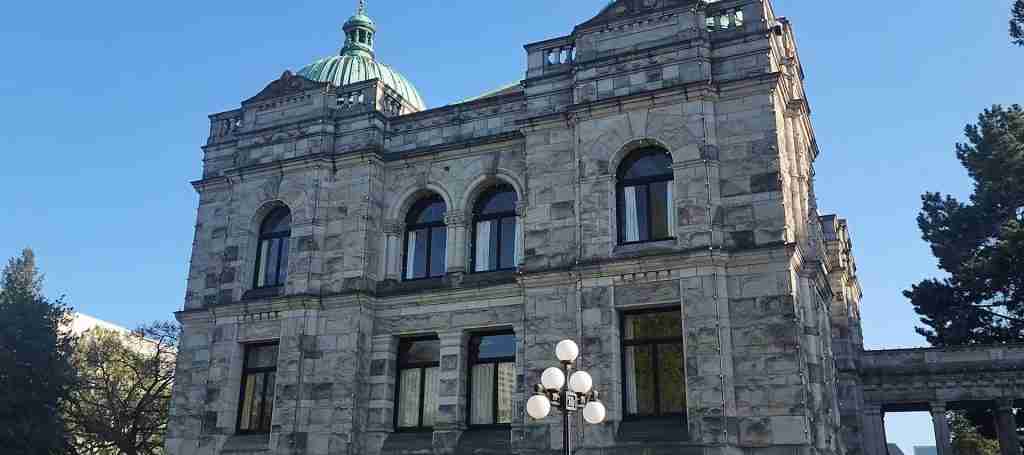
Quebec 3-Day Discovery Tour
- ✓ Comprehensive Quebec experience
- ✓ Expert local guides included
- ✓ All accommodation included
- ✓ Transportation provided
5 days
Quebec 5-Day Highlights Experience
- ✓ Comprehensive Quebec experience
- ✓ Expert local guides included
- ✓ All accommodation included
- ✓ Transportation provided
7 days
Quebec 7-Day Cultural Journey
- ✓ Comprehensive Quebec experience
- ✓ Expert local guides included
- ✓ All accommodation included
- ✓ Transportation provided
10 days
Quebec 10-Day Complete Adventure
- ✓ Comprehensive Quebec experience
- ✓ Expert local guides included
- ✓ All accommodation included
- ✓ Transportation provided
Multi-day tour packages powered by TourRadar. Prices and availability subject to change.
Introduction: Understanding Quebec Province in 2026
Quebec Province operates as a distinct society within Canada, maintaining French language primacy, civil law tradition derived from Napoleonic Code rather than British common law, and cultural identity rooted equally in North American geography and French heritage. This duality creates travel experiences unlike elsewhere in North America, where European architectural sensibilities meet Canadian wilderness expanses, French culinary traditions incorporate indigenous ingredients and techniques, and metropolitan sophistication exists within hours of pristine boreal forests.
The province divides into clearly defined regions each offering distinct character and attractions. The Saint Lawrence lowlands contain urban centers Montreal and Quebec City plus fertile agricultural lands supporting dairy farming and maple syrup production. The Laurentian mountains north of Montreal provide year-round recreation including winter skiing, summer hiking, and autumn color displays within 90-minute drives from downtown. The Eastern Townships bordering Vermont showcase rolling hills, vineyard estates, and anglophone heritage villages. Charlevoix northeast of Quebec City delivers dramatic Saint Lawrence views, UNESCO biosphere reserve designation, and culinary tourism centered on local cheese, lamb, and craft beverages. Gaspésie Peninsula extending east features rugged coastlines, Percé Rock landmark, and extensive national park systems. Côte-Nord encompasses vast wilderness territories, whale watching capitals, and Anticosti Island’s newly designated UNESCO World Heritage fossil deposits. Saguenay-Lac-Saint-Jean region centers on North America’s southernmost fjord plus blueberry cultivation and aluminum industry heritage.
Understanding provincial scale proves essential for effective planning. Montreal to Quebec City spans 250 kilometers requiring 2.5-3 hours driving or 3.5 hours via VIA Rail, establishing these cities as natural combination destinations. Extending beyond this corridor demands significantly more time commitments, with Montreal to Gaspésie requiring 8-10 hours driving, Quebec City to Saguenay Fjord 3 hours, and reaching Côte-Nord communities necessitating multi-day commitments or flight connections. Most visitors concentrate 2026 trips within the Montreal-Quebec City corridor plus one additional region rather than attempting comprehensive provincial coverage within standard vacation timeframes.
French language dominance shapes daily interactions throughout Quebec Province beyond tourist zones. Provincial law requires French-language primacy on all commercial signage, government services operate primarily in French outside designated bilingual Montreal districts, and rural populations frequently possess limited English proficiency. Montreal’s cosmopolitan character provides most forgiving environment for anglophone travelers with extensive bilingual accommodation, while Quebec City’s tourist infrastructure similarly accommodates English speakers within Old Town boundaries. Venturing beyond these zones into Charlevoix, Gaspésie, Saguenay, or smaller cities requires either French communication ability or acceptance of significant limitations in restaurant selection, local interaction depth, and navigation assistance availability.
Quebec Province Geographic Regions and Travel Planning 2026
Quebec Province’s massive territory necessitates strategic regional selection based on available time, transportation preferences, and specific interest priorities rather than attempting comprehensive coverage.
Montreal Metropolitan Region
Montreal anchors as Quebec’s largest city with 4.3 million metropolitan residents, functioning as economic engine, cultural capital, and most internationally connected destination. The downtown core concentrates around Rue Sainte-Catherine shopping corridor and underground city networks (RÉSO) spanning 33 kilometers of climate-controlled pedestrian tunnels linking metro stations, shopping centers, hotels, and office towers. Mount Royal provides 200-hectare urban park offering city panoramas from 233-meter summit accessible via challenging hiking trails or bus routes. Old Montreal preserves 17th-19th century architecture along cobblestone streets surrounding Place Jacques-Cartier, Notre-Dame Basilica commanding $15 CAD ($11 USD) admission, and Old Port waterfront redeveloped into recreation spaces.
Plateau Mont-Royal neighborhood north of downtown delivers authentic local atmosphere through colorful row houses, independent boutiques, sidewalk cafés, and creative communities. Mile End district within Plateau gained international recognition for music scene, artisan bagel bakeries operating wood-fired ovens since 1950s-1960s, and multicultural character blending Hasidic Jewish, Portuguese, Greek, and francophone communities. Jean-Talon Market in Little Italy operates year-round offering local produce, Quebec cheeses, prepared foods, and seasonal specialties. Quartier des Spectacles entertainment district east of downtown concentrates theaters, concert halls, comedy venues, and summer festival grounds hosting Montreal International Jazz Festival (June-July 2026) attracting 2+ million attendees with extensive free outdoor programming.
Montreal requires minimum 4-5 days for substantial exploration covering downtown highlights, Old Montreal historical zones, neighborhood character districts, and cultural institution visits. Adding day trips to nearby Laurentians for hiking or Eastern Townships wine touring extends recommended stays to 6-7 days. The city operates as logical entry point for international visitors through Pierre Elliott Trudeau International Airport offering extensive North American and European connections, plus serves as departure hub for Quebec City, Ottawa (2 hours west), and regional destinations.
Quebec City and Surroundings
Quebec City functions as provincial capital and primary historical tourism destination, preserving North America’s only fortified city walls within Upper Town (Haute-Ville) perimeter. UNESCO World Heritage designation (1985) recognizes Historic District encompassing 135 hectares containing 400+ heritage buildings from 17th-19th centuries. The Citadelle maintains active Canadian Forces Base and ceremonial duties with Changing of the Guard performances summer months, while Château Frontenac hotel dominates skyline as city’s architectural icon. Lower Town (Basse-Ville) at cliff base features Quartier Petit Champlain pedestrian district claiming title as North America’s oldest commercial street, Place Royale marking Samuel de Champlain’s 1608 settlement founding location, and funicular railway connecting elevation levels for $4 CAD ($3 USD) one-way fare.
Plains of Abraham provides 108-hectare urban park occupying 1759 battle site determining North American colonial control, now serving recreational purposes with cross-country skiing, snowshoeing, and picnicking. Montmorency Falls 15 kilometers east exceeds Niagara Falls height at 83 meters, accessible via suspension bridge and cable car with winter frozen cascade formations. Île d’Orléans agricultural island 15 kilometers downstream preserves rural character through farm stands, cideries, vineyards, and heritage architecture representing 400 years of French-Canadian agricultural traditions.
Quebec City demands 2-3 full days for thorough exploration of walled city attractions, waterfront areas, and immediate surroundings. Compact geography concentrates major highlights within walkable distances, though challenging terrain with significant elevation changes and steep staircases requires reasonable fitness levels. Winter visits present additional considerations with icy sidewalks, bitter cold temperatures, and reduced daylight hours, while summer peaks bring substantial crowds to narrow Old Town streets and popular restaurants.
Charlevoix Region
Charlevoix extends northeast from Quebec City for 200 kilometers along the Saint Lawrence north shore, designated UNESCO World Heritage Biosphere Reserve (1989) for meteorite impact crater geology, diverse ecosystems, and sustainable development practices. The region gained reputation as Quebec’s culinary tourism capital through local cheese production, lamb farming, microbreweries, and restaurants emphasizing terroir ingredients. Baie-Saint-Paul serves as artistic community hub 95 kilometers from Quebec City, attracting painters and galleries since 19th century inspired by Saint Lawrence views and surrounding mountains.
La Malbaie operates as region’s upscale resort center, home to Fairmont Le Manoir Richelieu luxury property and Casino de Charlevoix. The Train de Charlevoix seasonal tourist railway connects La Malbaie to Quebec City June-October operating vintage rolling stock with enhanced service including dining cars and observation lounges. Île-aux-Coudres accessible via free ferry preserves traditional maritime culture, historic windmills, and circuit tour following 23-kilometer coastal road.
Charlevoix requires 2-3 days minimum for meaningful exploration with overnight stays in Baie-Saint-Paul or La Malbaie. The region depends heavily on private vehicle transportation as limited bus services connect communities inadequately for tourist purposes. Visitors combining Quebec City with Charlevoix extension typically allocate 4-5 days total including travel time.
Gaspésie Peninsula
Gaspésie represents Quebec’s most remote accessible region, extending 500 kilometers east into Gulf of Saint Lawrence with rugged coastlines, fishing village communities, and extensive wilderness. Percé village anchors as peninsula tourism capital, dominated by Percé Rock offshore limestone formation rising 88 meters with natural arch. Bonaventure Island adjacent to Percé hosts North America’s largest northern gannet colony with 120,000 birds nesting on sheer cliffs, accessible via tour boats departing Percé harbor.
Forillon National Park at peninsula tip provides 244 square kilometers of mountains, seashore, forests, and wildlife including black bears, moose, and harbor seals. Parc national de la Gaspésie inland contains highest peaks in southern Quebec with alpine terrain, caribou herds, and backcountry hiking. Miguasha National Park on Baie des Chaleurs south shore earned UNESCO World Heritage designation for paleontological significance, preserving Devonian period fossils demonstrating fish-to-tetrapod evolution.
Gaspésie demands substantial time commitment with minimum 5-7 days for circuit tour from Quebec City. The 900-kilometer loop following Route 132 coastal highway requires 2-3 days driving alone before accounting for stops, hikes, and sightseeing. Most visitors rent vehicles in Quebec City or Montreal for self-drive tours, as public transportation options remain extremely limited. The region operates as seasonal destination with many establishments closing October-May.
Saguenay-Lac-Saint-Jean
Saguenay region north of Quebec City centers on Canada’s southernmost fjord, where Saguenay River carved 90-kilometer channel through Canadian Shield reaching depths of 275 meters with cliffs rising 270 meters. Parc national du Fjord-du-Saguenay protects fjord shorelines offering kayaking, hiking, and beluga whale observation. Ville de Saguenay administrative municipality consolidates Chicoutimi, Jonquière, and La Baie formerly independent cities, providing regional services and accommodations.
Lac Saint-Jean 30 kilometers north of fjord operates as massive inland lake supporting local economy through blueberry cultivation (40% of North American wild blueberry production), aluminum smelting industry, and summer recreation. Sainte-Rose-du-Nord fjord village 60 kilometers from Chicoutimi maintains photogenic setting with dramatic cliffs, heritage architecture, and outdoor activity access.
Saguenay requires 2-3 days minimum with most visitors approaching from Quebec City via Route 175 (3-hour drive). The region functions well as extension from Quebec City base or as destination for outdoor activity focus. Winter visits provide unique landscapes with frozen fjord creating otherworldly atmospheres, though temperatures regularly reach -25°C to -35°C requiring serious cold-weather preparation.
Côte-Nord and Anticosti Island
Côte-Nord encompasses Quebec’s north shore east of Saguenay extending 1,300 kilometers to Labrador border, remaining among province’s least populated and most remote regions. Tadoussac village at Saguenay Fjord-Saint Lawrence confluence operates as whale watching capital, where beluga whales, minke whales, fin whales, and occasional blue whales feed at deep water channels. Sept-Îles 470 kilometers northeast serves as regional center and departure point for Lower North Shore communities accessible only by boat or aircraft.
Anticosti Island in Gulf of Saint Lawrence gained UNESCO World Heritage designation September 19, 2023, recognizing 8,000-square-kilometer territory containing exceptional fossil deposits documenting first mass extinction event 444 million years ago. The island remains extremely remote with limited accommodations, requiring advance planning through Sépaq Anticosti managing access and lodging. Visitor facilities expand gradually following UNESCO recognition, though infrastructure development proceeds slowly given isolation challenges.
Côte-Nord demands serious commitment with multi-day journeys, limited services, and substantial costs for reaching remote communities. Most travelers focus on Tadoussac whale watching day trips or 2-3 day stays, while Anticosti Island represents expedition-level travel requiring flights from Sept-Îles or Havre-Saint-Pierre, advance reservations, and self-sufficient approach given minimal infrastructure.
Montreal Complete Guide 2026: Navigation and Neighborhoods
Montreal operates as Quebec’s metropolitan gateway offering cosmopolitan atmosphere, bilingual character, and extensive visitor infrastructure across diverse neighborhoods.
Montreal Public Transportation System 2026
STM (Société de transport de Montréal) operates integrated metro and bus network providing efficient city coverage. The metro system features four color-coded lines (Green, Orange, Blue, Yellow) with 68 stations operating 5:30 AM to 12:30 AM weekdays, 5:30 AM to 1:00 AM Saturdays, and 5:30 AM to 12:30 AM Sundays. Single trip fare $3.50 CAD ($3 USD) provides 120-minute transfer validity across all modes. The 24-hour unlimited pass $11.25 CAD ($8 USD) becomes economical with four or more trips daily. Unlimited evening pass $6 CAD ($4 USD) valid 6 PM to 5 AM next morning serves dinner and entertainment outings efficiently. The 3-day pass $21 CAD ($15 USD) suits short visits with intensive public transportation use. Monthly passes $100 CAD ($73 USD) benefit extended stays beyond two weeks.
Bus network supplements metro with 221 routes including night services when metro closes. The 747 airport shuttle operates 24/7 connecting Pierre Elliott Trudeau International Airport to downtown Gare d’autocars de Montréal terminal with $11.25 CAD ($8 USD) fare valid for 24 consecutive hours on entire STM network. OPUS card smart card system stores fares purchasable at metro stations, authorized retailers, and online, eliminating need for exact change on buses. L’Occasionnelle disposable smart card serves visitors avoiding permanent OPUS card purchase.
REM (Réseau express métropolitain) light rail system opened 2023 connecting downtown with airport, South Shore communities, and West Island suburbs. The 67-kilometer automated system operates 20-hour daily schedules with coordinated STM fare integration. Visitors using airport access pay single $11.25 CAD ($8 USD) fare valid across entire metropolitan transit system for 24 hours from validation.
Old Montreal Historical District
Old Montreal (Vieux-Montréal) preserves 17th-19th century architecture between Saint Lawrence waterfront and downtown boundary, designated National Historic Site of Canada. Place Jacques-Cartier pedestrian square operates as district heart with outdoor cafés, street performers, and flower vendors creating European plaza atmosphere. Notre-Dame Basilica charges $15 CAD ($11 USD) admission to neo-Gothic interior featuring intricate woodwork, stained glass depicting Montreal history rather than biblical scenes, and Casavant Frères pipe organ with 7,000 pipes. The AURA light show $36 CAD ($26 USD) transforms basilica interior through projection mapping and music evenings year-round with extended summer programming.
Pointe-à-Callière archaeology museum $25 CAD ($18 USD) adult admission explores 1,000+ years of Montreal history through archaeological remains, multimedia presentations, and underground passages preserving 18th-century buildings and fortification remnants. Bonsecours Market 1847 neoclassical building houses galleries, boutiques, and seasonal artisan markets. Old Port redevelopment created 2.5-kilometer waterfront promenade with bike paths, roller skating, seasonal beach installations, zip lines, and ferris wheel. Clock Tower observation deck provides free waterfront panoramas accessed via 192-step climb.
Old Montreal concentrates restaurants, bars, and hotels catering to tourists with corresponding premium pricing. Dinner entrees average $25-45 CAD ($18-33 USD) versus $18-30 CAD ($13-22 USD) in neighborhood districts. Accommodation rates range $200-400 CAD ($146-292 USD) for mid-range properties, doubling Quebec City comparable quality costs. The district operates primarily for tourist consumption rather than local use, though architectural preservation and historical significance justify dedicated exploration time.
Downtown and Underground City
Montreal’s downtown core centers on Rue Sainte-Catherine shopping corridor extending 15 blocks between Guy Street and Papineau Avenue. The underground city (RÉSO) networks 33 kilometers of climate-controlled pedestrian tunnels connecting metro stations, shopping centers, hotels, convention center, universities, and office towers. This subterranean infrastructure proves particularly valuable during bitter winter weather, allowing extensive downtown navigation without outdoor exposure. The complex includes 120+ building access points, 60+ residential and commercial complexes, and 200+ restaurants.
Musée des beaux-arts de Montréal charges $26 CAD ($19 USD) adult admission for permanent collection access spanning European masters, Canadian art, indigenous works, and contemporary installations. Montreal Museum of Contemporary Art downtown location offers rotating exhibitions for $15 CAD ($11 USD). McCord Stewart Museum focuses specifically on Montreal social history and material culture $18 CAD ($13 USD). Most major museums offer free admission on Wednesday evenings 5-9 PM with extended hours attracting substantial crowds requiring earlier arrival for timed-entry exhibitions.
Downtown accommodations span budget chains to luxury properties with mid-range hotels averaging $180-260 CAD ($132-190 USD) nightly. The area provides convenient metro access, walkability to Old Montreal and Mount Royal, and restaurant diversity though lacks neighborhood character found in Plateau or Mile End districts.
Plateau Mont-Royal and Mile End
Plateau Mont-Royal extends northeast of downtown across former working-class French-Canadian neighborhoods transformed through gentrification into Montreal’s hippest district. Distinctive exterior staircases, colorful row houses, tree-lined streets, and independent businesses create quintessential Montreal character. Saint-Denis Street concentrates cafés, theaters, bistros, and boutiques with predominantly francophone character. Mont-Royal Avenue parallel street offers similar atmosphere with greater anglophone presence.
Mile End neighborhood within Plateau’s northern section operates as creative community hub attracting artists, musicians, and writers since 1990s rent increases pushed bohemians from downtown. The area gained international attention through indie music scene (Arcade Fire, Patrick Watson) and cultural exports. Saint-Viateur Bagel and Fairmount Bagel bakeries maintain rivalry dating to 1950s-1960s, each claiming superiority for Montreal-style bagels prepared in wood-fired ovens. These smaller, denser, sweeter bagels differ substantially from New York varieties, sold fresh 24 hours daily for $1.50-2 CAD ($1.10-1.50 USD) each. Jean-Talon Market northern boundary provides year-round local produce, Quebec artisanal products, prepared foods, and seasonal specialties.
Plateau accommodations primarily consist of short-term vacation rentals through platforms like Airbnb, with hotels scarce outside major commercial arteries. Expect $140-220 CAD ($102-161 USD) for private apartments providing neighborhood immersion, kitchen facilities enabling grocery meal preparation, and authentic local atmosphere absent from hotel districts. Restaurants throughout Plateau operate for local clientele rather than tourists, offering better value, authentic atmosphere, and creative cuisine at $18-32 CAD ($13-23 USD) dinner entrees.
Little Italy and Villeray
Little Italy centers on Jean-Talon Market north of Plateau, preserving Italian heritage through family-owned cafés, pastry shops, and traditional restaurants despite significant demographic shifts. The neighborhood maintains authentic character uncommon in North American Italian districts, with elderly Italian speakers gathering at cafés, religious processions during feast days, and family-run businesses operating since 1950s-1960s immigrant arrivals. Caffè Italia corner location serves as community anchor since 1956 with marble counters, vintage espresso machines, and local regulars creating time-capsule atmosphere.
Villeray neighborhood east of Little Italy operates as residential district with emerging restaurant scene, authentic Vietnamese and Latin American establishments, and significantly lower costs than Plateau. Accommodations remain limited to vacation rentals and occasional budget hotels, though area provides excellent value for travelers prioritizing budget over central location. The nearby Jarry metro station connects downtown in 15 minutes.
Quartier des Spectacles and Latin Quarter
Quartier des Spectacles entertainment district concentrates theaters, concert halls, museums, and festival grounds within 1 square kilometer east of downtown core. Place des Arts complex houses five performance venues including Salle Wilfrid-Pelletier opera house and contemporary music halls. The district hosts major summer festivals including Montreal International Jazz Festival (late June-early July 2026) attracting 2+ million attendees with 500+ concerts, 70% free outdoor programming, and international jazz legends plus emerging artists. Place des Festivals outdoor plaza provides year-round animation through projection art, interactive installations, and public gatherings.
Latin Quarter surrounding UQAM (Université du Québec à Montréal) campus preserves bohemian character with student-friendly restaurants, independent bookstores, repertory cinemas, and affordable bars. The area operates as natural evening destination combining cultural programming at formal venues with casual bar and restaurant options at lower price points than Old Montreal tourist zones.
Quebec City UNESCO World Heritage Guide 2026: Historic District Exploration
Quebec City’s UNESCO World Heritage designation encompasses 135 hectares within and surrounding fortification walls, preserving North America’s most complete colonial urban ensemble.
Upper Town Fortifications and Military Heritage
Upper Town (Haute-Ville) maintains 4.6 kilometers of stone fortification walls constructed 1608-1871 representing only walled city north of Mexico. The ramparts provide elevated walkway circuits offering Saint Lawrence panoramas, Lower Town views, and architectural perspectives unavailable from street level. Gates punctuate walls at strategic points: Saint-Louis Gate opens toward parliament and modern city, Saint-Jean Gate leads to Grande Allée boulevard, and Prescott Gate descends to Lower Town via staircases and access ramps.
The Citadelle military fortress crowns Cap Diamant promontory 100 meters above Saint Lawrence, functioning as active Canadian Forces Base housing Royal 22nd Regiment. Guided tours $18 CAD ($13 USD) explore star-shaped fortification with 25 buildings, powder magazines, and military museum chronicling regiment history. Changing of the Guard ceremony June-September weekday mornings replicates British military tradition with ceremonial uniforms, precision drills, and regimental goat mascot. The fortress location provides Quebec City’s most dramatic viewpoints encompassing Saint Lawrence width, Lévis opposite shore, Île d’Orléans downstream, and Laurentian mountains northern horizon.
Terrasse Dufferin boardwalk extends 425 meters along cliff edge connecting Château Frontenac hotel to Citadelle entrance. This elevated promenade serves as social gathering space, tourist landmark, and access point for funicular railway descending to Lower Town. Winter installations transform terrace into toboggan slide operating December-March with $4 CAD ($3 USD) rides reaching 70 kilometers per hour down 83-meter track. The adjacent Governor’s Garden provides formal French garden design, bronze statues commemorating historical figures, and mature trees offering summer shade.
Château Frontenac and Luxury Hotel Heritage
Château Frontenac dominates Quebec City skyline as iconic fairytale castle silhouette, operating as Fairmont luxury hotel since 1893 railway hotel construction. The copper-roofed tower, turrets, and château-style architecture created by architect Bruce Price established template subsequently copied across Canadian Pacific Railway hotel properties including Banff Springs and Empress Victoria. Non-guests access ground-floor public spaces, restaurants, and bars without restrictions, while paid guided tours $16 CAD ($12 USD) explore historical suites, hidden passages, and architectural details.
The hotel hosted World War II Allied conferences including 1943 Quebec Conference where Churchill and Roosevelt planned Normandy invasion. Historical photographs, artifacts, and interpretive panels throughout public corridors document political significance and celebrity guests spanning 130-year operating history. Le Champlain restaurant offers fine dining within historical setting commanding premium prices $45-75 CAD ($33-55 USD) dinner entrees with dress code enforced.
Accommodation rates at Château Frontenac range $350-600 CAD ($256-439 USD) standard rooms during summer peak season, positioning property beyond typical traveler budgets. Alternative mid-range hotels within Upper Town charge $180-280 CAD ($132-205 USD) providing comparable location, architectural character, and historical atmosphere at accessible price points. Properties including Hôtel Manoir Victoria, Auberge Saint-Antoine, and Hôtel Clarendon deliver character accommodations without luxury hotel premiums.
Lower Town Historic Quarter and Quartier Petit Champlain
Lower Town (Basse-Ville) settlement area at cliff base contains Quebec City’s oldest architectural remnants and most concentrated tourist commerce. Place Royale marks 1608 settlement founding location where Samuel de Champlain established first permanent French presence north of Mexico. The cobblestone square surrounded by 17th-18th century stone buildings now houses interpretive center explaining colonial history, archaeological discoveries, and urban development. Church of Notre-Dame-des-Victoires completed 1723 represents Quebec’s oldest stone church, featuring ship model votive offerings suspended from ceiling and guided tours $5 CAD ($4 USD).
Quartier Petit Champlain pedestrian district follows cliff base along Rue du Petit-Champlain claiming North America’s oldest commercial street designation. The narrow lane concentrates boutiques, galleries, cafés, and restaurants within meticulously preserved 17th-19th century buildings. Despite undeniable charm, the district operates almost exclusively for tourist consumption with corresponding inflated pricing. Meals average $22-42 CAD ($16-31 USD) entrees, boutiques stock imported goods rather than local crafts, and crowds during summer afternoons create bottlenecks on narrow sidewalks. Strategic timing visiting early morning or evening hours improves experience substantially, allowing architectural appreciation without crush of tour group visitors.
Old Port neighborhood extends northeast from Quartier Petit Champlain along waterfront, redeveloped from industrial shipping uses into recreation spaces with seasonal programming. The area operates as departure point for Saint Lawrence river cruises, including whale watching expeditions to Tadoussac region departing early morning with 12-hour round trips priced $175-225 CAD ($128-165 USD) including narration and onboard meals. Marché du Vieux-Port farmer’s market operates June-October with local produce, prepared foods, and artisan products.
Funicular Railway and Vertical Mobility
The funicular railway connects Lower Town Place Royale with Upper Town Terrasse Dufferin via enclosed cable cars ascending 64-meter cliff face at 45-degree angle. Operating since 1879 with various reconstructions, current installations carry 16 passengers per car with departures every few minutes 7:30 AM to 11 PM. Single ride costs $4 CAD ($3 USD) one-way with round trips $7 CAD ($5 USD), providing efficient alternative to staircases or lengthy detour routes connecting city levels. The 60-second journey offers dramatic views during ascent, though many visitors opt for free staircase options (Escalier Casse-Cou “Breakneck Stairs” with 59 steep steps) when traveling downhill only.
Multiple staircase options throughout Lower Town-Upper Town interface provide free alternatives with varying difficulty levels. Escalier Frontenac adjacent to funicular lower station offers gentlest grade suitable for mobility-limited visitors. Côte de la Montagne street route follows switchback roadway allowing wheeled luggage transport and stroller access between levels. Understanding vertical mobility options proves essential given accommodation distribution, with most mid-range hotels located in Upper Town while Lower Town concentrations include high-end boutique properties and waterfront establishments.
Plains of Abraham National Battleground
Plains of Abraham 108-hectare urban park west of fortification walls served as 1759 battle site where British forces under General Wolfe defeated French army commanded by Marquis de Montcalm, determining North American colonial control. The decisive 30-minute engagement killed both commanding generals and transferred New France to British sovereignty. Today the site functions as public park with year-round recreation including picnicking, cross-country skiing, snowshoeing, concerts, and special events.
Musée national des beaux-arts du Québec occupies former prison building converted into Quebec’s largest art museum. Permanent collection focuses on Quebec artists from 17th century through contemporary periods with strong Inuit art representation. Admission $20 CAD ($15 USD) includes access to all pavilions except special exhibitions charging separate fees. Wednesday evening free admission 5-9 PM attracts substantial crowds requiring earlier arrival.
The park’s open terrain provides relief from Old Town’s dense built environment, offering recreational spaces, viewpoints, and connections to adjacent neighborhoods. The area serves as venue for major events including Quebec City Summer Festival (July 2026) bringing 1+ million attendees for outdoor concerts, and Festival d’été international programming attracting international performers across diverse genres.
Accommodation Strategies Quebec Province 2026: Where to Stay
Quebec Province accommodation costs vary dramatically by location, season, and booking timing, with strategic planning essential for budget management.
Montreal Accommodation Options 2026
Montreal hotel rates fluctuate substantially by neighborhood and season, with downtown and Old Montreal commanding premiums while Plateau and peripheral districts offer better value. Budget travelers find hostel dormitories $35-50 CAD ($26-37 USD) per bed concentrated near downtown core and Latin Quarter, with Auberge HI-Montreal operating modern facility near Place des Arts metro station. Budget hotels in Chinatown and adjacent districts charge $90-140 CAD ($66-102 USD) including chains like Hotel Espresso, Abri du Voyageur, and independent properties with basic amenities.
Mid-range accommodations downtown average $180-260 CAD ($132-190 USD) for properties including Marriott Courtyard, Le Centre Sheraton, and comparable business hotels. Old Montreal boutique hotels command $250-400 CAD ($183-292 USD) for character properties with historical architecture, though premium primarily reflects location rather than superior quality versus downtown alternatives. Plateau vacation rentals through Airbnb and VRBO platforms range $140-220 CAD ($102-161 USD) entire apartments, providing kitchen facilities, neighborhood immersion, and often better value than hotels when splitting costs among multiple travelers.
Luxury properties concentrate in Old Montreal and downtown with rates $350-600 CAD ($256-439 USD) at establishments including Hotel William Gray, Hôtel Le St-James, and Ritz-Carlton. These properties deliver authentic luxury experiences with superior service, design-forward interiors, and exceptional restaurant programs justifying premium rates for celebratory travel or special occasions.
Summer high season June-August sees maximum rates with festival programming (Jazz Festival late June-early July) creating particular pressure. Winter months January-March offer 30-40% discounts even at luxury properties, with mid-range hotels falling to $120-180 CAD ($88-132 USD) despite superior weather comfort compromised by bitter cold and substantial snow accumulation.
Quebec City Accommodation Planning 2026
Quebec City divides accommodation distinctly between Upper Town within or adjacent to walls versus Lower Town waterfront versus Sainte-Foy western suburbs. Upper Town locations provide walkability to major attractions, immediate UNESCO zone immersion, and romantic atmosphere within heritage buildings, commanding corresponding premiums. Budget-conscious travelers find limited options within walls, with Auberge Internationale de Québec hostel providing rare affordable choice at $40-55 CAD ($29-40 USD) dormitory beds and $95-130 CAD ($69-95 USD) private rooms with shared bathrooms. This heritage building steps from Dufferin Terrace offers kitchen facilities, common areas, and premium location justifying slightly higher rates than typical hostel pricing.
Mid-range hotels within Upper Town charge $180-280 CAD ($132-205 USD) summer season for properties including Hôtel Manoir d’Auteuil, Le Manoir Sur-le-Cap, and similar boutique establishments providing character accommodations, breakfast inclusion, and walking access to attractions. Lower Town boutique hotels along waterfront command premium rates $250-380 CAD ($183-278 USD) for properties like Auberge Saint-Antoine with archaeological displays integrated into architecture, and Hôtel Le Germain providing contemporary luxury within heritage structures.
Suburban Sainte-Foy west of historical center offers chain hotels at $110-170 CAD ($80-124 USD) sacrificing walkability for parking availability, larger rooms, and budget savings. The area serves travelers prioritizing vehicle access for regional exploration over pedestrian Old Town immersion. RTC bus connections provide 20-minute transit downtown, though service frequency limitations reduce convenience versus central locations.
Participating hotels offer complimentary 3-day RTC bus passes when booking 2+ consecutive nights, providing significant transportation savings for properties including Hôtel Plaza Québec, Hôtel Classique, and others outside pedestrian core. This program particularly benefits visitors combining Quebec City exploration with day trips to Montmorency Falls, Île d’Orléans, or nearby attractions requiring transportation.
Booking timing critically affects Quebec City costs with 3-4 month advance reservations essential for summer travel. Last-minute bookings during peak July-August period force acceptance of remaining inventory at inflated rates, often 100-150% above advance booking prices for equivalent or inferior properties. Winter shoulder season January-March reduces rates 40-50% across all categories, with mid-range Upper Town hotels falling to $90-150 CAD ($66-110 USD) providing exceptional value for cold-weather tolerant travelers.
Regional Accommodation Quebec Province 2026
Regions beyond Montreal-Quebec City corridor offer limited accommodation diversity with planning constraints varying by destination. Charlevoix maintains several luxury resort properties including Fairmont Le Manoir Richelieu, boutique inns throughout Baie-Saint-Paul, and vacation rental options. Mid-range hotels remain scarce with gap between budget motels and upscale establishments, making vacation rentals attractive alternatives. Advance reservations essential summer season with many properties maintaining minimum stay requirements 2-3 nights weekend visits.
Gaspésie accommodation concentrates in Percé, Gaspé town, and scattered fishing villages with significant seasonal closures October-May. Summer peak capacity constraints create advance booking necessity 2-3 months ahead for properties like Hôtel La Normandie Percé. Budget travelers find campgrounds throughout peninsula offering basic facilities $30-45 CAD ($22-33 USD) nightly when equipped with camping gear.
Saguenay region centers accommodations in Chicoutimi and La Baie with chain hotels, basic motels, and limited boutique options. Fjord proximity properties command premiums with waterfront auberges charging $160-240 CAD ($117-176 USD). The area operates year-round unlike Gaspésie, though winter visits require advance confirmation of property operations given reduced tourist activity severe weather months.
Tadoussac whale watching destination maintains charming Hôtel Tadoussac landmark property plus basic hotels and vacation rentals. Peak whale season July-September creates advance booking necessity despite limited village size. Accommodations outside village on Route 138 provide alternatives with vehicle access, though sacrifice walkable waterfront location.
Dining and Food Culture Quebec Province 2026: Culinary Experiences
Quebec Province developed distinctive culinary identity blending French techniques, British influences, indigenous ingredients, and North American agricultural abundance into recognizable regional cuisine.
Montreal Dining Scene 2026
Montreal operates as Canadian culinary capital with diverse restaurant scene spanning traditional French haute cuisine, creative contemporary cooking, ethnic restaurants from immigrant communities, and casual bistros. The city’s bilingual character creates European dining atmosphere within North American context, with meal service following leisurely European timing rather than rushed North American patterns. Expect 90-120 minute dinner reservations, multi-course progression, and emphasis on wine pairings over cocktails.
Plateau Mont-Royal and Mile End neighborhoods concentrate innovative restaurants serving modern interpretations of Quebec ingredients through techniques borrowed from international cuisines. Popular establishments including Joe Beef, Liverpool House, and Lawrence require advance reservations 4-6 weeks during summer season. These restaurants emphasize local sourcing, nose-to-tail butchery, and creative preparations with dinner entrees $28-48 CAD ($20-35 USD) and full meals reaching $75-120 CAD ($55-88 USD) per person before wine.
Classic French bistros throughout city offer refined cooking at moderate price points with table d’hôte multi-course menus $35-55 CAD ($26-40 USD) including appetizer, main course, and dessert. L’Express maintains Montreal institution status since 1980 with zinc bar, checkered floors, and authentic French bistro atmosphere serving steak frites, duck confit, and daily specials. No reservations accepted creates 30-60 minute waits peak hours, though bar seating accommodates solo diners and couples more quickly.
Ethnic dining provides exceptional value with Vietnamese pho restaurants charging $12-18 CAD ($9-13 USD) substantial bowls, Middle Eastern establishments offering shawarma platters $15-22 CAD ($11-16 USD), and Chinatown dim sum Sunday brunches $25-35 CAD ($18-26 USD) per person. Portuguese chicken rotisserie Ma Poule Mouillée serves half-chicken dinners $18 CAD ($13 USD) with fries and salad maintaining cult following despite basic cafeteria-style service.
Montreal bagels represent distinctive local specialty differing substantially from New York varieties through smaller diameter, sweeter dough, wood-fired oven preparation, and denser texture. Saint-Viateur Bagel and Fairmount Bagel maintain operations since 1950s-1960s, each claiming superiority through loyal followings. Fresh bagels cost $1.50-2 CAD ($1.10-1.50 USD) purchased direct from 24-hour bakeries, often consumed warm immediately after purchase with optional cream cheese spreads.
Smoked meat sandwiches represent another Montreal specialty, with Schwartz’s Deli operating since 1928 serving brisket cured in-house following Romanian Jewish immigrant recipes. The tiny delicatessen seats 30 customers at communal tables and counter stools, with lines extending down Boulevard Saint-Laurent peak lunch hours. Medium-fat smoked meat sandwiches $11 CAD ($8 USD) provide legendary eating experience despite spartan accommodations and gruff service contributing to authentic atmosphere.
Quebec City Traditional Cuisine 2026
Quebec City maintains more conservative culinary approach emphasizing traditional French-Canadian dishes, European cooking styles, and formal dining atmosphere compared to Montreal’s creative experimentation. Tourtière meat pie represents quintessential Quebec holiday dish, though available year-round at traditional restaurants. This double-crust pie contains ground pork, veal, or game meats seasoned with cinnamon, cloves, and savory spices, served with pickled beets and green tomato relish. Restaurant portions cost $18-26 CAD ($13-19 USD) as main course.
Pea soup (soupe aux pois) appears on traditional menus as hearty comfort food tracing to habitants peasant cooking. Modern restaurant versions elevate rustic dish through quality ingredients while maintaining satisfying character. Pâté chinois (shepherd’s pie) consists of ground meat bottom layer, corn middle, and mashed potato top, baked until golden. Despite name suggesting Chinese origin, the dish represents pure Quebecois comfort food unrelated to Chinese cuisine. Fèves au lard (maple baked beans) slow-cook navy beans with salt pork, onions, and maple syrup creating sweet-savory combination.
Sugar shack meals (cabane à sucre) provide quintessential rural Quebec experience during March-April maple syrup production season. These rustic establishments serve all-you-can-eat traditional meals including ham, eggs, beans, meat pie, and pancakes drenched in fresh maple syrup, with meals costing $25-40 CAD ($18-29 USD) per person. Popular sugar shacks near Quebec City including Érablière le Chemin du Roy require advance reservations weekends during syrup season.
Fine dining establishments within Old Quebec deliver refined European cooking at premium prices with restaurants like Laurie Raphaël, Le Continental, and Aux Anciens Canadiens charging $38-65 CAD ($28-48 USD) dinner entrees. Many properties occupy heritage buildings adding architectural interest beyond culinary merits. The concentration of formal dining in compact Old Town creates intense competition driving quality expectations, though tourists subsidize costs through geographic captivity within pedestrian quarter.
Regional Specialties and Local Products 2026
Charlevoix region gained recognition as Quebec’s culinary tourism capital through exceptional local products including artisanal cheeses, lamb farming, and craft beverages. Laiterie Charlevoix produces award-winning raw milk cheeses using traditional methods, with factory shop offering tastings and direct sales. Agneau Charlevoix lamb raised on coastal pastures develops distinctive flavor profile from salty grasses and mineral-rich environment. Local restaurants emphasize terroir-focused menus showcasing regional ingredients, with meal costs reflecting remote location and quality ingredients at $35-55 CAD ($26-40 USD) dinner entrees.
Saguenay-Lac-Saint-Jean blueberries dominate regional agricultural economy producing 40% of North American wild blueberry supply. Seasonal desserts, jams, wines, and fresh berries flood regional markets July-August harvest period. Tourtière du Lac-Saint-Jean represents regional meat pie variation using cubed meats rather than ground, often including game meats like rabbit or venison alongside traditional pork and veal.
Gaspésie seafood reflects peninsula geography with fishing industry heritage evident in restaurant menus. Lobster, crab, scallops, and fresh fish dominate offerings at prices substantially lower than Montreal-Quebec City tourist zones. Percé village restaurants serve seafood platters $28-42 CAD ($20-31 USD) including multiple species, though quality varies significantly requiring local recommendations for best establishments.
Quebec cheeses developed international recognition through artisanal production emphasizing traditional techniques and local milk sources. Fromagerie du Presbytère, Fromagerie Île-aux-Grues, and Fromagerie Perron produce award-winning varieties ranging from soft-ripened to firm aged cheeses. Montreal and Quebec City fine food shops stock provincial selections enabling comparative tastings without rural touring. Expect $4-8 CAD ($3-6 USD) per 100 grams for premium artisanal varieties.
Budget Dining Strategies Quebec Province 2026
Controlling meal costs dramatically affects overall Quebec Province travel budgets given substantial restaurant prices. Supermarket meal preparation offers most significant savings, with major chains including Metro, IGA, and Maxi providing grocery selection at Canadian price levels. Expect $15-25 CAD ($11-18 USD) assembling sandwich, fruit, snacks, and beverages versus $20-35 CAD ($15-26 USD) restaurant lunch. Accommodation with kitchen facilities amplifies savings potential through breakfast preparation and occasional dinner cooking.
Lunch table d’hôte menus provide better value than dinner at same establishments, with many restaurants offering multi-course lunches $18-28 CAD ($13-20 USD) versus $35-55 CAD ($26-40 USD) evening service. Similar dishes, comparable portions, and identical kitchen teams justify lunch timing for budget-conscious travelers prioritizing dining experiences. This strategy particularly effective in Quebec City Old Town where dinner prices reach premium levels.
Ethnic restaurants and neighborhood establishments away from tourist zones deliver authentic experiences at better value than centrally located properties. Montreal Vietnamese restaurants serve substantial pho bowls $12-18 CAD ($9-13 USD), Chinese establishments offer lunch specials $10-15 CAD ($7-11 USD), and Middle Eastern spots provide shawarma wraps $8-12 CAD ($6-9 USD). These options clustered in residential neighborhoods require willingness to venture beyond downtown tourist zones.
Bakeries and cafés provide excellent breakfast value versus hotel dining or restaurants. Croissants, pain au chocolat, and coffee total $6-10 CAD ($4-7 USD) versus $15-25 CAD ($11-18 USD) restaurant breakfast service. Montreal and Quebec City maintain numerous quality bakeries offering French pastries, sandwiches, and casual seating. Première Moisson chain operates multiple locations with reliable quality, while independent bakeries throughout neighborhoods often surpass chain offerings.
Fast food and counter service establishments exist throughout Quebec including Quebec-specific chains like St-Hubert rotisserie chicken, La Belle Province poutine specialists, and Ashton fast food. These options provide familiar comfort food $10-18 CAD ($7-13 USD) meals when dining fatigue or budget constraints necessitate basic sustenance over culinary exploration.
Transportation and Getting Around Quebec Province 2026
Quebec Province transportation options vary dramatically between urban centers and rural regions, with planning essential for efficient movement.
Inter-City Transportation Options 2026
VIA Rail operates passenger train service connecting Montreal and Quebec City along Saint Lawrence corridor with 5-6 daily departures each direction. Economy class tickets cost $60-95 CAD ($44-69 USD) one-way with advance purchase discounts reaching 50% when booking 3+ weeks ahead. Business class upgrade $120-180 CAD ($88-132 USD) provides lounge access, larger seats, and meal service. Journey time spans 3 hours 15 minutes, though schedules involve mid-morning and afternoon departures rather than early morning or evening options limiting same-day trip flexibility. The train follows scenic north shore route providing Saint Lawrence views superior to highway driving visibility.
Orléans Express operates bus service Montreal-Quebec City at lower prices than rail with $35-55 CAD ($26-40 USD) advance purchase fares and more frequent departures including early morning and evening services. Journey time 3 hours 30 minutes proves marginally longer than train with less comfortable seating and no meal service. Buses depart Montreal Gare d’autocars de Montréal central terminal connecting metro system, while Quebec City arrival at Gare du Palais places travelers at Lower Town edge requiring uphill walk or transit to Upper Town accommodations.
Rental cars provide maximum flexibility for Quebec Province exploration particularly beyond Montreal-Quebec City corridor. Major agencies including Enterprise, Budget, Hertz, and National operate airport locations and downtown offices with rates $60-95 CAD ($44-69 USD) daily for economy vehicles including unlimited kilometers and basic insurance. One-way rentals between Montreal and Quebec City incur $75-125 CAD ($55-91 USD) drop fees discouraging linear routing versus loop itineraries. Winter driving requires all-season or winter tires mandatory December 15-March 15 under Quebec law, with most agencies providing appropriate equipment though occasionally charging seasonal surcharges.
Ride-sharing through Uber and Lyft operates in Montreal and Quebec City providing alternatives to traditional taxis at comparable or slightly lower costs. Montreal airport to downtown rides average $40-55 CAD ($29-40 USD) versus fixed taxi rate $43 CAD ($31 USD). Quebec City maintains more limited ride-sharing availability with traditional taxis dominating market. Airport to Old Town taxis charge approximately $35 CAD ($26 USD) metered fare.
Montreal Regional Day Trips 2026
Montreal’s location enables numerous day trip destinations accessible via rental car or organized tours. Laurentian mountains 90 minutes north provide year-round recreation with Mont-Tremblant operating as major resort village offering skiing, hiking, mountain biking, and village shopping dining. The region requires personal vehicle or tour bus participation, with organized day tours from Montreal starting $95-140 CAD ($69-102 USD) per person including transportation and basic activities.
Eastern Townships 60-90 minutes southeast showcase rolling hills, vineyard estates, and anglophone heritage villages along Vermont border. Wine touring concentrations around Dunham and surrounding communities provide tastings at 15+ wineries producing surprising quality given northern latitude. Personal vehicle essential for winery touring given rural dispersion, with most properties charging $5-10 CAD ($4-7 USD) tasting fees redeemable with bottle purchases.
Ottawa federal capital sits 2 hours west via Highway 417 providing distinct anglophone atmosphere, national museums, Parliament Hill tours, and Rideau Canal heritage. Megabus operates direct service Montreal-Ottawa for $15-30 CAD ($11-22 USD) one-way with advance purchase, making car-free day trips feasible though tight scheduling limits exploration time. Better approached as overnight excursion allowing meaningful capital exploration.
Quebec City Regional Excursions 2026
Quebec City serves as base for several notable regional destinations within 30-90 minute drives. Montmorency Falls 15 kilometers northeast exceeds Niagara Falls height at 83 meters, accessible via parking lot, suspension bridge crossing upper falls, cable car ascending cliff, and staircase descending beside cascade. Park entrance free though cable car charges $17 CAD ($12 USD) round-trip and zipline across falls $25 CAD ($18 USD). Public bus route 800 operates from downtown Quebec City to falls for RTC standard fare, though limited frequency creates scheduling challenges versus personal vehicle flexibility.
Île d’Orléans agricultural island spans 35-kilometer circuit road following shoreline past farms, heritage churches, vineyards, cideries, and roadside stands selling local produce. The island maintains rural character despite proximity to capital, offering glimpses into traditional French-Canadian agricultural life. Circuit requires personal vehicle with no public transportation serving island beyond seasonal tour buses. Allow half-day minimum for complete circuit with stops at representative farms, tastings at cider producers, and roadside purchases.
Sainte-Anne-de-Beaupré basilica 30 kilometers northeast operates as major Catholic pilgrimage destination attracting millions annually to shrine devoted to Saint Anne, grandmother of Jesus. The monumental basilica completed 1946 displays remarkable scale, intricate decoration, and pilgrimage traditions including crutches and canes left by claimed healings. Free admission with donations encouraged, open daily with extended hours accommodating individual prayer versus scheduled tour groups. Public bus service operates from Quebec City though infrequent scheduling favors organized day tours or rental vehicles.
Canyon Sainte-Anne 50 kilometers northeast provides dramatic waterfall and suspended bridge experiences with 74-meter cascade, multiple suspension footbridges, and forested walking trails. Admission $16 CAD ($12 USD) adult includes all bridge access and trail network. The canyon operates May-October with winter closures, requiring personal vehicle as no public transportation serves location.
Driving Considerations Quebec Province 2026
Quebec Province highway system generally maintains good conditions with Montreal and Quebec City connected via Highway 20 (south shore) and Highway 40 (north shore) providing alternate routing. Route numbers appear in shields rather than standard highway signs, with autoroutes (limited-access highways) numbered 1-99 and routes (conventional highways) 100+. Distance markers use metric measurements with speed limits posted in kilometers per hour: 100 km/h highways, 50 km/h urban areas, and variable limits on rural routes.
French language dominance extends to road signage with directional signs, exit markers, and warning notices exclusively in French. International symbol signs communicate parking, services, and restrictions without language requirements, though specific written instructions demand French comprehension or translation applications. Montreal and Quebec City parking proves challenging and expensive with downtown lots charging $15-30 CAD ($11-22 USD) daily. Street parking requires feeding meters with credit cards or coins, with enforcement strict and tow-away zones clearly marked.
Winter driving presents significant challenges November-March with snow accumulation, ice conditions, and bitter cold temperatures affecting vehicle operation. Highway maintenance standards generally excellent with rapid snow clearing, though sudden weather changes create hazardous conditions. Travelers unfamiliar with winter driving should avoid Quebec travel December-February or rely exclusively on public transportation and organized tours. All-season or winter tires mandatory by law December 15-March 15 with most rental agencies providing appropriate equipment.
Rural Quebec regions maintain varying road conditions with paved highways serving major routes while secondary roads particularly in Gaspésie and Côte-Nord suffer from frost heaving creating substantial potholes and rough surfaces. Wildlife hazards including moose present serious collision risks on rural highways particularly dawn and dusk hours. Large animal collisions frequently cause vehicle damage and injuries given massive moose size reaching 600+ kilograms.
Outdoor Activities and Natural Attractions Quebec Province 2026
Quebec Province outdoor recreation opportunities span from accessible urban parks through wilderness expeditions requiring multi-day commitments.
Mont-Tremblant Year-Round Recreation
Mont-Tremblant operates as Quebec’s premier four-season resort located 130 kilometers north of Montreal in Laurentian mountains. Winter skiing dominates November-April with 96 trails across four mountain faces, vertical drop 645 meters, and extensive snowmaking ensuring consistent conditions. Lift tickets cost $115-145 CAD ($84-106 USD) adults during peak winter season with advance online purchase discounts and multi-day packages reducing daily rates. The pedestrian village at mountain base provides European-style atmosphere with restaurants, shops, and accommodations surrounding cobblestone plazas.
Summer activities transition mountain infrastructure toward hiking, mountain biking, zip-lining, and scenic gondola rides. The Cabriolet gondola operates late June-mid October carrying summer visitors to summit panoramas for $28 CAD ($20 USD) round-trip. Mountain biking accesses dedicated trails through chairlift transport with bike rentals and day passes $75-95 CAD ($55-69 USD). The region’s numerous lakes including Lac Tremblant provide swimming, paddleboarding, kayaking, and motorized water sports with equipment rentals widely available.
Autumn color displays peak late September-mid October transforming Laurentian forests into spectacular displays attracting weekend crowds from Montreal. Scenic chairlift rides and hiking trails provide prime viewing opportunities, though expect substantial visitation during peak color weekends creating parking challenges and restaurant waits. Strategic mid-week visits avoid worst congestion while maintaining excellent color viewing.
Saguenay Fjord Exploration Options 2026
Saguenay Fjord extends 90 kilometers inland from Saint Lawrence confluence, offering dramatic 270-meter cliffs, pristine wilderness, and unique geological formation created by glacial activity. Parc national du Fjord-du-Saguenay protects both shorelines providing hiking trails, kayaking access, and viewpoints. Park daily access costs $9 CAD ($7 USD) per adult with additional fees for camping and specific activities.
Fjord cruises operate from multiple departure points including Tadoussac, L’Anse-Saint-Jean, and La Baie offering 2-3 hour excursions showcasing cliff faces, beluga whale pods, and historical context. Standard cruises charge $65-95 CAD ($48-69 USD) adults while upgraded vessels with enhanced viewing platforms and dining options reach $120-180 CAD ($88-132 USD). Whale watching extensions combine fjord viewing with Saint Lawrence estuary beluga, minke, and occasional fin whale encounters, though these longer programs depart Tadoussac village exclusively.
Sea kayaking provides immersive fjord experiences with guided half-day tours $95-130 CAD ($69-95 USD) suitable for beginners including instruction and equipment. Multi-day expeditions with camping at designated sites along shorelines appeal to experienced paddlers seeking wilderness immersion. L’Anse-Saint-Jean village serves as kayaking hub with multiple outfitters competing for business creating better rates than Tadoussac monopoly pricing.
Hiking trails throughout national park range from easy shoreline walks to challenging mountain ascents with spectacular viewpoints. The Sentier de la Statue trail climbs to Cap Trinité summit viewing Notre-Dame-du-Saguenay statue overlooking fjord waters. Round-trip distance 7.5 kilometers with 360-meter elevation gain requires 3-4 hours at moderate pace. Winter transforms fjord into frozen wonderland though extreme cold and challenging access limit winter recreation to hardcore enthusiasts.
Gaspésie National Parks and Coastal Exploration
Forillon National Park at Gaspésie Peninsula tip provides 244 square kilometers of mountains, seashore, boreal forest, and wildlife habitats. The park charges $9 CAD ($7 USD) daily adult admission with hiking trails ranging from easy shoreline paths to challenging mountain ascents including Mont Saint-Alban summit trail with 360-degree Gulf of Saint Lawrence panoramas. Cap-Gaspé clifftop trail follows dramatic limestone formations with seabird colonies, harbor seal haul-outs, and coastal erosion features. Park visitors frequently encounter black bears, moose, red foxes, and porcupines requiring proper food storage and wildlife protocols.
Parc national de la Gaspésie inland contains highest peaks in southern Quebec with Mont Jacques-Cartier reaching 1,268 meters. The park protects last remaining caribou herds south of Saint Lawrence with restricted trail access protecting sensitive habitat. Summit hiking requires advance registration, shuttle transport to trailhead, and full-day commitment for 16-kilometer round trip gaining 465 meters elevation. Alpine tundra environment above treeline supports Arctic plant species found nowhere else this far south. Park daily fees $9 CAD ($7 USD) plus shuttle costs $10 CAD ($7 USD) for mountain access.
Percé Rock offshore limestone formation rises 88 meters with 20-meter natural arch, accessible during low tide walks though visitors face 6-hour tidal cycles limiting beach access windows. Bonaventure Island adjacent to Percé hosts 120,000 northern gannets in North America’s largest colony, reached via tour boats departing Percé harbor. Combined boat transport and island exploration packages $45-65 CAD ($33-48 USD) include 2-hour island trails circling gannet nesting cliffs with birds approaching within meters of marked trails May-October nesting season.
Quebec City Day Budget Breakdown 2026: Sample Costs
Daily costs in Quebec City vary substantially based on accommodation choices, dining preferences, and activity selections, with travelers sharing hotel rooms experiencing significantly better value than solo visitors.
Budget Traveler Daily Costs Quebec City 2026
Budget-conscious travelers managing hostel dormitories, grocery meal preparation, and free attractions spend approximately $95-145 CAD ($69-106 USD) per person daily. Accommodation in shared dormitory $40 CAD ($29 USD), breakfast from grocery purchases $8 CAD ($6 USD), lunch assembled from bakery and market purchases $15 CAD ($11 USD), dinner at casual restaurant or takeaway $25 CAD ($18 USD), public transportation using free hotel guest bus pass $0, museum or attraction with student discount $12 CAD ($9 USD), and miscellaneous snacks beverages $10 CAD ($7 USD). Solo budget travelers paying full hostel dormitory rates without sharing costs reach higher daily totals $110-165 CAD ($80-121 USD).
This budget level requires conscious spending discipline including grocery shopping rather than restaurant meals, free attractions prioritization over paid museums, extensive walking instead of taxis, and hostel communal facilities rather than hotel privacy. The approach remains entirely feasible given Quebec City’s compact walkable core, excellent free viewpoints along fortification walls and terraces, and quality grocery stores within Old Town vicinity enabling meal assembly without sacrificing time or convenience.
Mid-Range Traveler Daily Costs Quebec City 2026
Mid-range travelers enjoying hotel comfort, restaurant meals, and paid attractions invest $205-280 CAD ($150-205 USD) per person daily assuming two people sharing hotel accommodation. Hotel share $90 CAD ($66 USD) per person for couple splitting $180 CAD room, breakfast café pastry and coffee $12 CAD ($9 USD), lunch casual restaurant $22 CAD ($16 USD), dinner mid-range establishment with wine $55 CAD ($40 USD), occasional taxi supplement walking $8 CAD ($6 USD), two paid attractions museums $30 CAD ($22 USD), and miscellaneous beverages snacks souvenirs $15 CAD ($11 USD). Total approximately $232 per person daily provides comfortable experience without luxury indulgences.
This mid-range budget accommodates spontaneous restaurant selections without constant cost monitoring, paid attraction admission without guilt, and occasional convenience transportation rather than exclusively walking. The spending level represents mainstream traveler experience balancing enjoyment with reasonable fiscal responsibility, suitable for week-long Quebec City stays without financial stress.
Luxury Traveler Daily Costs Quebec City 2026
Luxury travelers prioritizing premium accommodations, fine dining, and enhanced experiences spend $500-750+ CAD ($365-549+ USD) per person daily assuming two sharing luxury hotel. Château Frontenac or equivalent luxury hotel share $300 CAD ($219 USD) per person for couple splitting $600 CAD room, hotel breakfast buffet $35 CAD ($26 USD), lunch upscale bistro $45 CAD ($33 USD), dinner fine dining multi-course with wine $120 CAD ($88 USD), private guided tour of historical sites $180 CAD ($132 USD), taxi transportation throughout day $25 CAD ($18 USD), and miscellaneous quality shopping purchases $50 CAD ($37 USD). Total approaching $755 per person daily delivers quintessential luxury Quebec City experience.
This premium budget level emphasizes quality over quantity with selective high-end experiences, personalized guided tours avoiding group dynamics, and upscale dining showcasing regional cuisine at its finest. Luxury travelers often concentrate spending on accommodation and dining while attractions costs remain relatively constant across budget levels given standardized admission pricing.
Extended Visit Cost Strategies Quebec City 2026
Week-long Quebec City visits benefit from strategic spending balancing splurge experiences with economical days. Combining budget accommodation for portion of stay with upgraded nights at premium properties, alternating fine dining with casual meals, and mixing paid attractions with free exploration distributes costs while maintaining quality experiences. A 7-day Quebec City stay might average $1,540-1,960 CAD ($1,125-1,432 USD) per person for mid-range comfort, calculated through varied daily spending rather than consistent daily rates.
Apartment rentals for stays exceeding 5 nights often provide better value than hotels particularly for couples or small groups. Kitchen facilities enable breakfast preparation and occasional dinner cooking substantially reducing meal costs, while living room spaces offer comfort beyond hotel room confinement. Expect $130-200 CAD ($95-146 USD) nightly for well-located apartments within walking distance of Old Town, with weekly rates sometimes discounted versus nightly calculations.
Montreal-Quebec City 7-Day Combined Itinerary 2026
Combining Montreal and Quebec City in one trip maximizes UNESCO World Heritage exposure, cultural diversity, and transportation efficiency for week-long Quebec Province visits.
Days 1-3: Montreal Exploration
Arrive Montreal midday via Pierre Elliott Trudeau International Airport, taking 747 bus $11.25 CAD ($8 USD) providing 24-hour unlimited STM access downtown. Check into Plateau Mont-Royal vacation rental $160 CAD ($117 USD) nightly enabling three-night stay $480 CAD ($351 USD) before accommodation share per person. Afternoon explore immediate Plateau neighborhood along Mont-Royal Avenue and Saint-Denis Street, dinner at neighborhood bistro $28 CAD ($20 USD) entree plus drinks reaching $45 per person. Day one costs accommodation share $160 ($117 USD), airport transport $11 ($8 USD), dinner $45 ($33 USD), groceries for breakfast $15 ($11 USD), totaling $231 CAD ($169 USD) per person.
Day two focuses Old Montreal with morning walk to district via metro $3.50 CAD ($3 USD) or 30-minute walk from Plateau. Visit Notre-Dame Basilica $15 CAD ($11 USD), explore Place Jacques-Cartier and surrounding streets, lunch casual restaurant $22 CAD ($16 USD). Afternoon Pointe-à-Callière archaeology museum $25 CAD ($18 USD), Old Port waterfront stroll, return Plateau for dinner Vietnamese restaurant $18 CAD ($13 USD). Day two costs metro $7 ($5 USD), basilica $15 ($11 USD), museum $25 ($18 USD), lunch $22 ($16 USD), dinner $18 ($13 USD), beverages snacks $12 ($9 USD), totaling $99 CAD ($72 USD) per person.
Day three explores Mount Royal morning hike reaching summit panoramas, picnic lunch from Jean-Talon Market purchases $15 CAD ($11 USD). Afternoon Musée des beaux-arts $26 CAD ($19 USD) with Wednesday evening free admission alternative if timing coincides. Evening Mile End neighborhood dinner $32 CAD ($23 USD) with craft brewery beer tasting. Day three costs museum $26 ($19 USD), lunch market $15 ($11 USD), dinner brewery $40 ($29 USD), metro $7 ($5 USD), totaling $88 CAD ($64 USD) per person.
Days 4-7: Quebec City Historic Immersion
Morning departure Montreal via VIA Rail $75 CAD ($55 USD) advance purchase economy ticket arriving Quebec City 12:30 PM. Check into Upper Town boutique hotel $200 CAD ($146 USD) nightly with four nights total $800 CAD ($584 USD) before share per person. Afternoon walking orientation through Upper Town streets, fortification ramparts, Terrasse Dufferin. Dinner traditional restaurant tourtière and local dishes $38 CAD ($28 USD). Day four costs train $75 ($55 USD), accommodation share $200 ($146 USD), lunch Montreal departure $18 ($13 USD), dinner $38 ($28 USD), totaling $331 CAD ($242 USD) per person.
Day five complete Upper Town exploration including Citadelle tour $18 CAD ($13 USD), extended ramparts walk, Plains of Abraham park. Lunch Quartier Petit Champlain casual café $25 CAD ($18 USD). Afternoon Lower Town discovery including Place Royale free exploration, funicular ride $4 CAD ($3 USD), Old Port. Dinner mid-range bistro $45 CAD ($33 USD). Day five costs Citadelle $18 ($13 USD), funicular $4 ($3 USD), lunch $25 ($18 USD), dinner $45 ($33 USD), snacks $10 ($7 USD), totaling $102 CAD ($74 USD) per person.
Day six rental car excursion $70 CAD ($51 USD) daily rate split between two travelers $35 ($26 USD) each, visiting Montmorency Falls, Île d’Orléans circuit with farm stand purchases and cider tasting $20 CAD ($15 USD), Sainte-Anne-de-Beaupré basilica. Picnic lunch from morning bakery purchases $15 CAD ($11 USD), dinner return Quebec City $42 CAD ($31 USD). Day six costs rental car share $35 ($26 USD), gas $15 ($11 USD), tastings purchases $20 ($15 USD), lunch $15 ($11 USD), dinner $42 ($31 USD), totaling $127 CAD ($93 USD) per person.
Day seven museums focus with Musée national des beaux-arts $20 CAD ($15 USD), Musée de la civilisation $18 CAD ($13 USD). Lunch café $20 CAD ($15 USD). Afternoon final Old Town wandering, souvenir shopping, farewell dinner fine dining $75 CAD ($55 USD). Evening VIA Rail return Montreal $75 CAD ($55 USD) or continue to Pierre Elliott Trudeau Airport for international departure. Day seven costs museums $38 ($28 USD), lunch $20 ($15 USD), dinner $75 ($55 USD), train return $75 ($55 USD), totaling $208 CAD ($152 USD) per person.
7-Day Trip Total Costs
Accommodation Montreal 3 nights $480 ($351 USD), accommodation Quebec City 4 nights $800 ($584 USD), total accommodation $1,280 split two people $640 ($468 USD) per person. Transportation airport shuttle $11 ($8 USD), Montreal metro/bus $17 ($12 USD), Montreal-Quebec train $75 ($55 USD), Quebec rental car $35 ($26 USD), Quebec-Montreal return train $75 ($55 USD), total transport $213 ($156 USD). Attractions admission $157 ($115 USD). Meals total approximately $420 ($307 USD). Miscellaneous $50 ($37 USD). Grand total approximately $1,480 CAD ($1,081 USD) per person for comprehensive week exploring Quebec Province major destinations with mid-range comfort.
Practical Tips and Essential Information Quebec Province 2026
Quebec Province travel requires specific practical knowledge beyond typical Canadian destination assumptions.
Currency and Payment Methods 2026
Canadian dollar (CAD) operates as exclusive currency throughout Quebec Province with approximate exchange rate 1 CAD = 0.73 USD in 2026. Credit cards accepted universally at hotels, restaurants, attractions, and retail establishments, though smaller vendors and rural locations occasionally require cash. ATM networks (guichets automatiques) provide widespread access withdrawing Canadian currency from international bank cards, typically charging $3-5 CAD ($2-4 USD) per transaction plus home bank foreign transaction fees. Debit cards with Interac functionality work at Canadian retailers though international debit cards often face limitations requiring credit card backup.
Tipping expectations follow North American standards with 15-20% customary for restaurant table service, $1-2 per drink at bars, 15% for taxi rides, and $2-3 per bag for hotel porters. Some restaurants include service charges on bills particularly for groups, with automatic gratuity percentages ranging 15-18% clearly indicated on receipts. Canadians generally tip at higher end of range (18-20%) for excellent service while Americans visiting may find Quebec tipping culture slightly more generous than home standards.
Language Basics and Communication
Quebec French differs from European French through vocabulary, pronunciation, and expressions though remains mutually intelligible. Key Quebec-specific terms include dépanneur (convenience store), stationnement (parking), bienvenue (you’re welcome rather than welcome), and various anglicisms adapted into local usage. Essential phrases for travelers include: Bonjour (hello), Merci (thank you), S’il vous plaît (please), Parlez-vous anglais? (Do you speak English?), L’addition s’il vous plaît (the bill please), and Où sont les toilettes? (where are the bathrooms?).
Montreal operates bilingually with most service industry workers switching easily between French and English. Beginning interactions with “Bonjour, do you speak English?” demonstrates courtesy while allowing seamless language transition. Quebec City Old Town accommodates English speakers though attempting basic French phrases improves interactions and demonstrates cultural respect. Rural regions and smaller cities outside tourist zones expect French communication with limited English availability requiring either French proficiency or acceptance of communication challenges.
Translation apps including Google Translate provide real-time assistance for menus, signs, and basic conversation, though functionality depends on cellular data or WiFi connectivity. Downloading offline translation packages before travel ensures capability in areas with limited connectivity. Restaurant menus increasingly include English translations in tourist zones, though authentic neighborhood establishments maintain French-only menus requiring translation assistance or adventurous ordering based on recognized words.
Weather and Seasonal Considerations 2026
Quebec Province experiences dramatic seasonal variations with summer months June-August offering warmest conditions 20-28°C (68-82°F) but attracting peak crowds and maximum accommodation prices. Comfortable weather continues through September with autumn colors emerging late September peaking early-mid October. Winter November-March brings bitter cold with January-February temperatures frequently -15°C to -25°C (5°F to -13°F) and occasional cold snaps reaching -30°C to -35°C (-22°F to -31°F). Snow accumulation substantial December-March with Montreal and Quebec City receiving 200-250 centimeters annually.
Spring proves most unpredictable season with April-May transitioning from winter to summer through inconsistent weather including freezing temperatures, rain, occasional snow, and gradually warming conditions. Maple syrup season March-April provides cultural tourism opportunities though weather remains challenging. Summer visitors should pack layers for temperature variations, rain gear for occasional showers, and comfortable walking shoes for cobblestone streets and hilly terrain. Winter travel requires serious cold-weather preparation including insulated coats, winter boots with traction, warm layers, hats, and gloves plus acceptance of challenging outdoor conditions limiting sightseeing comfort.
Safety and Emergency Information
Quebec Province maintains excellent safety standards with low violent crime rates in major cities and tourist areas. Montreal and Quebec City rank among Canada’s safer metropolitan areas with typical urban precautions sufficient for most situations. Petty theft including pickpocketing occurs in crowded tourist zones, public transportation, and festival events requiring awareness of belongings and avoiding obvious wealth displays. Car break-ins target vehicles with visible valuables left in plain sight, particularly in parking areas near attractions.
Emergency services operate through 911 universal number connecting police, fire, and ambulance dispatch. Most operators handle both French and English though rural areas may encounter French-only operators requiring basic emergency French phrases. Medical facilities throughout Quebec Province provide excellent care through publicly funded healthcare system, though visitors require private travel insurance as Canadian public system excludes non-residents. Walk-in clinics (CLSC) handle non-emergency medical needs with wait times substantial at emergency rooms for non-critical cases.
Wilderness risks in provincial parks and remote regions include black bear encounters, moose-vehicle collisions, hypothermia from exposure, and getting lost on backcountry trails. National and provincial parks provide comprehensive safety information at visitor centers with bear awareness programs, trail conditions updates, and emergency protocols. Cell phone coverage remains limited or absent in wilderness areas requiring proper preparation including emergency communication devices, appropriate clothing, adequate food and water, and trip itinerary notification to friends or family.
Frequently Asked Questions Quebec Province 2026
What is the best way to travel between Montreal and Quebec City in 2026?
VIA Rail train service between Montreal and Quebec City provides most comfortable and scenic option with 3-hour 15-minute journey time, multiple daily departures, and advance purchase economy tickets $60-95 CAD ($44-69 USD). The train follows Saint Lawrence north shore with superior river views versus highway driving, includes spacious seating with power outlets, and deposits passengers at centrally located stations. Orléans Express bus alternative costs $35-55 CAD ($26-40 USD) though requires 3 hours 30 minutes with less comfortable seating. Rental cars provide maximum flexibility particularly for regional exploration beyond the two cities, costing $60-95 CAD ($44-69 USD) daily plus fuel with 250-kilometer direct highway distance.
How many days should I spend in Quebec Province for first-time visitors in 2026?
First-time Quebec Province visitors should allocate minimum 6-7 days for meaningful exploration covering Montreal (3-4 days) and Quebec City (2-3 days) with travel time between cities. This duration allows thorough coverage of major highlights, multiple neighborhood explorations, museum visits, and culinary experiences without rushed scheduling. Extending to 10-14 days enables adding Charlevoix, Mont-Tremblant, or other regional destinations while maintaining comfortable pacing. Shorter 4-5 day trips force concentration on single city or superficial coverage of both major destinations compromising experience quality.
Is Quebec Province expensive compared to other Canadian destinations in 2026?
Quebec Province costs align with major Canadian metropolitan areas, significantly less expensive than Vancouver or Toronto while comparable to or slightly higher than Calgary and Ottawa. Montreal and Quebec City accommodation rates during peak summer season reach $180-280 CAD ($132-205 USD) for mid-range hotels similar to other Canadian cities. Restaurant prices follow Canadian norms with casual dining $15-25 CAD ($11-18 USD) and mid-range dinners $25-45 CAD ($18-33 USD) per entree. Winter shoulder season provides substantial savings with 40-50% accommodation discounts, though challenging weather offsets budget advantages for comfort-focused travelers.
Do I need a car to explore Quebec Province in 2026?
Montreal and Quebec City exploration proceeds efficiently without personal vehicles using excellent public transportation, walkable city centers, and concentrated attractions. Extending beyond these urban centers into Charlevoix, Gaspésie, Eastern Townships, or Saguenay regions essentially requires rental vehicles given limited or non-existent public transportation. Laurentian mountains and wine country day trips from Montreal similarly depend on personal vehicle access or organized tour participation. Budget 2-3 days rental car costs during week-long trips if planning regional excursions beyond Montreal-Quebec City corridor.
What is Carnaval de Québec and when does it occur in 2026?
Carnaval de Québec operates as world’s largest winter festival celebrating Quebec winter culture through ice palace installations, outdoor parties, snow sculptures, traditional activities, and family entertainment. The 2026 edition runs February 7-16 with most programming free including ice palace viewing, outdoor concerts, cultural demonstrations, and public celebrations. Premium ticketed events including night parades and special performances cost $25-50 CAD ($18-37 USD). Carnaval attendance requires serious winter clothing preparation with temperatures frequently -15°C to -25°C (5°F to -13°F) and wind chill factors creating brutal outdoor exposure conditions during extended outdoor activities.
Can I visit Anticosti Island as a tourist in 2026?
Anticosti Island access remains challenging with limited tourism infrastructure despite September 2023 UNESCO World Heritage designation. Sépaq Anticosti manages island access through package bookings including flights from Sept-Îles or Havre-Saint-Pierre, accommodation at limited lodges, and guided excursions to fossil sites. Complete packages start $1,200-1,800 CAD ($877-1,315 USD) per person for 3-4 day stays with advance reservations essential given capacity constraints. Independent travel proves extremely difficult with no regular ferry service, minimal services on island, and protected heritage sites requiring guided access. Future infrastructure development may expand accessibility though current conditions suit adventure travelers accepting remote location limitations.
What are must-try Quebec foods in 2026?
Essential Quebec culinary experiences include poutine (fries with cheese curds and gravy), tourtière (meat pie), smoked meat sandwiches (Montreal specialty), bagels (Montreal-style from Saint-Viateur or Fairmount), pea soup, sugar shack meals during maple syrup season, Quebec artisanal cheeses, and cipaille (layered meat pie). Montreal concentrates diverse food offerings including Vietnamese pho, Middle Eastern shawarma, and international cuisines, while Quebec City emphasizes traditional French-Canadian preparations and European influences. Charlevoix region showcases local lamb and artisanal products. Budget $18-35 CAD ($13-26 USD) per meal for authentic experiences at neighborhood establishments versus $35-65 CAD ($26-48 USD) tourist-zone restaurants.
Is Saint Lawrence River frozen solid enough to walk on in winter 2026?
Saint Lawrence River main channel never freezes solid given width, depth, and current strength, though shoreline ice formations create spectacular displays and smaller tributaries freeze completely. Montreal harbor areas develop shore ice but remain navigable through icebreaker maintenance. Quebec City waterfront develops impressive ice formations photographed extensively though walking on river ice remains extremely dangerous and prohibited. Ice thickness varies unpredictably with currents creating weak spots invisible from surface. Historic ice bridge traditions allowing vehicle crossings ended decades ago as climate warming created unsafe conditions. Enjoy ice formations from observation points rather than attempting access for safety reasons.
What vaccinations or health preparations are required for Quebec Province travel in 2026?
Quebec Province requires no special vaccinations for visitors from developed countries with standard childhood immunizations including measles, mumps, rubella providing adequate protection. Travelers should ensure routine vaccinations current including tetanus boosters every 10 years. Tick-borne Lyme disease occurs throughout southern Quebec including Montreal and Quebec City regions, requiring protective measures during outdoor activities May-October including long pants, insect repellent, and post-activity tick checks. West Nile virus transmitted by mosquitoes presents risk during summer months though rare cases occur. Travel insurance strongly recommended covering medical evacuation and treatment costs as Canadian public healthcare excludes non-residents with emergency care potentially expensive.
Are Quebec Province attractions wheelchair accessible in 2026?
Modern Quebec attractions, museums, and public facilities generally provide excellent wheelchair accessibility meeting or exceeding North American standards. Montreal metro system offers elevator access at select stations though many older stations feature stairs exclusively requiring advance route planning. Quebec City’s historical character creates significant accessibility challenges with cobblestone streets, steep hills, staircases connecting city levels, and heritage buildings predating accessibility requirements. Funicular railway accommodates wheelchairs providing Upper Town-Lower Town access, though many attractions within fortifications feature difficult terrain. Modern hotels, restaurants, and facilities comply with current accessibility codes while heritage properties may offer limited modifications. Contact specific properties advance confirming accessibility features matching individual requirements.