Ultimate Canada Travel Guide 2026: Mountains, Prairies, and Great Cities
Canada’s vast landscapes stretch from Pacific rainforests to Atlantic coastlines, encompassing Rocky Mountain peaks, prairie horizons, Arctic tundra, and multicultural urban centers that rank among North America’s most livable cities. The 2026 travel season brings significant advantages for visitors, including free national park admission throughout summer under the Canada Strong Pass initiative and enhanced infrastructure following major events like the FIFA World Cup. Whether exploring Banff’s turquoise lakes, experiencing Toronto’s cultural diversity, or witnessing the Northern Lights in Yukon, travelers encounter a country where natural grandeur meets sophisticated urban life across ten provinces and three territories.
Key Takeaways About Traveling Canada in 2026
- Free National Park Access Summer 2026: The Canada Strong Pass provides free admission to all 48 national parks, national historic sites, and marine conservation areas from June 19 to September 7, 2026, saving families CAD $170 ($126 USD) on entrance fees during peak season.
- Budget Planning 2026: Daily costs per person range from CAD $95-145 ($70-107 USD) for budget travelers sharing hostel dormitories, CAD $230-330 ($170-244 USD) for mid-range comfort sharing hotels, and CAD $450+ ($333+ USD) for luxury experiences, with accommodation representing the largest expense category.
- Best Value Travel Windows: Late May to mid-June and September offer ideal weather-to-cost ratios with 30-40% lower accommodation prices than July-August peak season, while shoulder seasons provide comfortable temperatures for hiking, sightseeing, and outdoor activities without summer crowds.
- Entry Requirements 2026: Visitors from visa-exempt countries need an Electronic Travel Authorization (eTA) for CAD $7 ($5 USD) valid five years, while visitors from visa-required countries must obtain a Temporary Resident Visa (TRV) for CAD $100 ($74 USD), with processing times ranging 2-12 weeks depending on country of origin.
- Transportation Strategy: Canada’s 9.98 million square kilometers make intercity distances substantial—Toronto to Vancouver spans 4,400 kilometers requiring 41 hours driving or 4.5 hours flying—so strategic route planning combining flights for long distances with regional car rentals optimizes both time and budget.
- Regional Price Variations 2026: Vancouver and Toronto represent Canada’s most expensive cities with hotel rates CAD $330-450 ($244-333 USD) nightly mid-range, while Prairie cities like Winnipeg and Regina offer comparable quality accommodation for CAD $140-200 ($104-148 USD), creating opportunities for budget-conscious itineraries.
People Also Ask About Canada Travel 2026
How much does a week in Canada cost in 2026?
A week in Canada for two people sharing accommodation costs approximately CAD $3,220-4,620 ($2,383-3,419 USD) mid-range budget. For two people for seven days, accommodation CAD $1,540-2,240 (rooms shared between two), meals CAD $910-1,330, local transportation CAD $350-420, and attractions CAD $420-630. Budget travelers sharing hostel dormitories spend CAD $1,330-2,030 ($984-1,502 USD) weekly per person, while luxury travelers investing in upscale hotels and experiences typically spend CAD $6,300+ ($4,662+ USD) weekly per person.
What is the best time to visit Canada in 2026?
Late May through September provides optimal weather across most regions, with late May to mid-June and September offering the best value through 30-40% lower accommodation costs compared to July-August peak season. Summer 2026 (June 19-September 7) provides the additional advantage of free national park admission under the Canada Strong Pass. Winter sports enthusiasts find December through March ideal for skiing Whistler, Banff, and Quebec’s Laurentian resorts, though temperatures reach -30°C in Prairie and Northern regions.
Do I need a visa to visit Canada in 2026?
Visa requirements depend on citizenship. Visitors from 54 visa-exempt countries including United States, United Kingdom, Australia, France, Germany, Japan, and South Korea need only an Electronic Travel Authorization (eTA) for CAD $7 ($5 USD) valid five years for multiple entries up to six months per visit. Citizens from visa-required countries must obtain a Temporary Resident Visa (TRV) for CAD $100 ($74 USD) with processing times 2-12 weeks. United States citizens entering by land or sea do not require eTA, needing only valid passports.
Is Canada expensive to visit compared to the United States?
Canada’s costs generally parallel major United States cities with regional variations. Vancouver and Toronto match New York and San Francisco pricing for accommodation and dining, while Prairie cities offer notably better value. The favorable exchange rate for United States visitors (1 CAD = approximately 0.74 USD in 2026) reduces effective costs by 26% compared to nominal Canadian prices. National park access costs significantly less than United States equivalents—free summer 2026 versus USD $35 per vehicle daily in United States parks.
Extended multi-day tours – 5+ days
Featured Canada Multi-Day Tour Packages

5 days
5-Day Canadian Rockies: Banff, Columbia Icefield, Yoho & Kootenay National Parks Tour from Calgary
- ✓ Comprehensive Canada tour
- ✓ Expert local guides included
- ✓ All accommodation arranged
- ✓ Transportation provided
5 days
Rockies Premium Tour from Vancouver
- ✓ Comprehensive Canada tour
- ✓ Expert local guides included
- ✓ All accommodation arranged
- ✓ Transportation provided

6 days
6-Day Canadian Rockies Adventure Tour: Banff, Yoho, Kootenay & Lake Louise Highlights
- ✓ Comprehensive Canada tour
- ✓ Expert local guides included
- ✓ All accommodation arranged
- ✓ Transportation provided
9 days
9 Day Rockies Hiking and Camping Tour
- ✓ Comprehensive Canada tour
- ✓ Expert local guides included
- ✓ All accommodation arranged
- ✓ Transportation provided
Multi-day tour packages powered by TourRadar. Prices and availability subject to change.
Introduction: Planning Your Canada Journey in 2026
Canada’s geography spans six time zones and encompasses terrain ranging from Pacific temperate rainforests receiving 3,000 millimeters annual precipitation to Arctic desert regions with under 200 millimeters. This environmental diversity creates distinct regional identities: British Columbia’s mountain-and-ocean landscapes, the Prairie provinces’ agricultural horizons, Ontario and Quebec’s Great Lakes and St. Lawrence valley settlements, the Atlantic provinces’ maritime heritage, and the territories’ frontier wilderness.
The 2026 travel landscape reflects several significant developments. The Canada Strong Pass initiative provides free admission to all Parks Canada-managed sites from June 19 through September 7, eliminating entrance fees during peak summer months. This policy, combined with 25% discounts on camping and overnight stays within national parks during the same period, creates exceptional value for nature-focused itineraries. Cities like Vancouver and Toronto recovered from pandemic-era restrictions and now showcase enhanced cultural programming, though accommodation costs in these major centers remain elevated, particularly during June 2026 FIFA World Cup matches hosted in both cities.
Transportation infrastructure improvements include expanded intercity bus services through companies like FlixBus and Rider Express, enhanced VIA Rail corridor services in the Quebec City-Windsor corridor, and increased domestic flight capacity through budget carriers including Flair Airlines, WestJet, and Air Canada’s regional services. These developments provide travelers with more options for navigating Canada’s substantial distances—the 7,821-kilometer drive from St. John’s, Newfoundland to Victoria, British Columbia ranks among the world’s longest national highway routes.
Currency considerations favor international visitors in 2026. The Canadian dollar trades at approximately 0.74 USD, 0.88 Australian dollars, 0.69 Euros, and 0.58 British pounds, meaning visitors from these countries gain purchasing power compared to domestic travelers. All pricing in this guide appears in Canadian dollars with United States dollar conversions in parentheses, using the current exchange rate. Travelers should note that credit cards offering no foreign transaction fees provide the most favorable exchange rates, typically superior to airport currency exchange counters by 3-5%.
Climate planning proves essential given Canada’s continental weather patterns. Summer temperatures range 15-30°C in most regions, though British Columbia’s coast remains cooler (12-22°C) and Prairie summers can reach 35°C. Winter transforms the country dramatically, with temperatures from -5°C in coastal Vancouver to -40°C in Yukon, creating distinct winter sports seasons and Northern Lights viewing opportunities. Spring (April-May) and fall (September-October) offer moderate temperatures and reduced crowds but variable weather including snow in mountain regions and frequent rain on both coasts.
This guide provides verified 2026 pricing, current visa requirements, strategic routing recommendations, and practical advice for maximizing value across budget, mid-range, and luxury travel styles. Information reflects current government policies, transportation schedules, and accommodation rates as of spring 2026, with emphasis on the significant summer national park fee waiver that fundamentally alters value calculations for nature-focused itineraries.
Essential Entry Requirements and Visa Information 2026
Canada operates a two-tiered entry system distinguishing between visa-exempt and visa-required countries. Understanding which category applies to your citizenship determines both documentation requirements and processing timelines, as these vary substantially between electronic authorizations approved within minutes and visa applications requiring weeks or months.
Electronic Travel Authorization (eTA) for Visa-Exempt Nationals
Citizens of 54 visa-exempt countries entering Canada by air require an Electronic Travel Authorization, a digital entry permission linked directly to passport numbers. The eTA costs CAD $7 and remains valid for five years or until passport expiration, whichever comes first. Applications process entirely online at canada.ca/eta, typically approving within minutes though complex applications may require several days. The system accepts only credit or debit card payment.
Visa-exempt countries include United States, United Kingdom, Australia, New Zealand, France, Germany, Italy, Spain, Netherlands, Belgium, Switzerland, Austria, Denmark, Sweden, Norway, Finland, Ireland, Portugal, Greece, Japan, South Korea, Singapore, Malaysia, Israel, United Arab Emirates, and others. United States citizens entering by land or sea borders do not require eTA, needing only valid passports. United States permanent residents (Green Card holders) similarly enter without eTA when presenting Green Cards and valid passports from their countries of citizenship.
The eTA permits multiple entries for visits up to six months duration each visit. Border officers retain final admission authority regardless of eTA approval, evaluating each traveler’s stated purpose, financial means, and intent to depart Canada. Documentation supporting visit purposes—hotel reservations, return tickets, employment letters, or family invitation letters—strengthens entry approval though officers do not always request these materials.
Temporary Resident Visa (TRV) for Visa-Required Nationals
Citizens from visa-required countries must obtain Temporary Resident Visas before traveling to Canada. The TRV application process requires more extensive documentation than eTA and processes over substantially longer timelines. The visa costs CAD $100 per person with additional CAD $85 biometrics fees (fingerprints and photographs) required for most applicants since December 2018. Biometrics remain valid for ten years, meaning repeat visitors within this window avoid the biometrics fee on subsequent applications.
Processing times vary significantly by country of application, ranging from two weeks for some European locations to twelve weeks or longer for applications from countries with higher application volumes or security review requirements. Applicants should verify current processing times for their specific visa office at canada.ca before booking travel. The 2026 FIFA World Cup hosted in Toronto and Vancouver created elevated visa application volumes from June through early July, potentially extending processing times during this period.
Required documentation includes valid passport with minimum six months remaining validity, completed application forms, recent photographs meeting specifications, proof of financial means to support the Canadian visit, employment letters or business documentation, travel itinerary including accommodation reservations, and in some cases invitation letters from Canadian residents. Applicants with previous Canadian visits, visas to United States or other major destinations, and strong ties to home countries (employment, property ownership, family) generally receive favorable consideration.
The application processes entirely online through canada.ca or through designated application centers in countries without direct Canadian visa offices. After approval, officers place visa stickers in applicants’ passports, either mailed to applicants or available for pickup at application centers. Single-entry and multiple-entry visas are available, with multiple-entry visas typically granted for periods up to ten years, allowing repeated visits of up to six months per entry.
Special Entry Considerations 2026
Travelers transiting through Canadian airports to third countries follow different rules depending on citizenship and transit duration. Visa-exempt nationals transiting Canadian airports without clearing customs do not require eTA, though those leaving the airport during transit do. Visa-required nationals transiting Canadian airports typically require transit visas, though specific citizenship-based exemptions exist under the Transit Without Visa (TWOV) and China Transit Program (CTP) initiatives.
Minor children (under 18) traveling without both parents or legal guardians require additional documentation including notarized letters of consent from absent parents, copies of custody documents if applicable, and in some cases birth certificates proving relationship to accompanying adults. Border officers scrutinize minor travel carefully to prevent child abduction, so comprehensive documentation prevents entry delays or denials.
Travelers with criminal records, including convictions considered minor in their home countries (DUI, theft, assault), may be deemed inadmissible to Canada. Inadmissibility assessments consider offense severity, time elapsed since conviction, and evidence of rehabilitation. Travelers with criminal records should research admissibility requirements and potentially apply for Temporary Resident Permits or Criminal Rehabilitation before travel to avoid entry denial at borders.
Understanding Canada’s Regions and Major Destinations 2026
Canada’s regional divisions reflect both geographic features and cultural-historical development. Each region offers distinct experiences, climates, landscapes, and travel logistics that inform strategic itinerary planning. Understanding regional characteristics helps travelers allocate time effectively and set realistic expectations for distances, costs, and seasonal conditions.
Western Canada: British Columbia and the Rockies
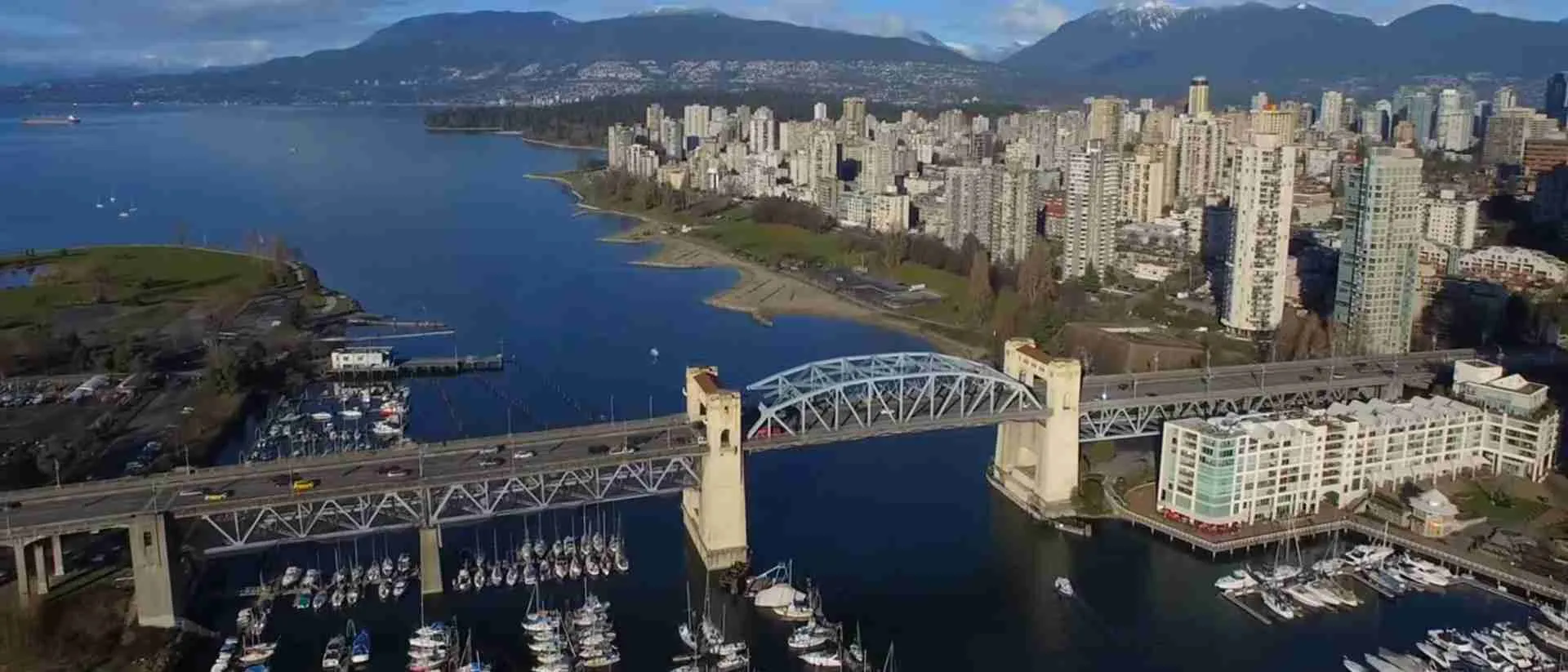
British Columbia combines Pacific coastline with interior mountain ranges. Vancouver, Canada’s third-largest metropolitan area with 2.6 million residents, serves as the western gateway, offering year-round mild climate (rarely below freezing), multicultural neighborhoods, Stanley Park’s 400-hectare urban forest, and proximity to Whistler’s ski resorts 120 kilometers north. The city’s coastal location moderates temperatures but brings substantial rainfall averaging 1,200 millimeters annually, with November through March seeing 60% of annual precipitation.
Victoria, British Columbia’s capital on Vancouver Island, provides gentler tourism experiences through Butchart Gardens’ 22-hectare floral displays, the Royal BC Museum’s natural and cultural history collections, and British Columbia’s Parliament Buildings overlooking the Inner Harbour. Victoria receives even less precipitation than Vancouver and maintains Canada’s mildest winter temperatures, rarely dropping below 3°C.
The Canadian Rockies span British Columbia and Alberta, encompassing Banff, Jasper, Yoho, and Kootenay national parks. Banff townsite (population 8,000) sits within Banff National Park 128 kilometers west of Calgary, providing access to Lake Louise, Moraine Lake, and extensive hiking trail networks. Accommodation costs in Banff exceed most Canadian destinations due to limited development within park boundaries and year-round tourism demand. Jasper National Park, 290 kilometers northwest of Banff, offers similar mountain landscapes with notably fewer visitors and lower costs.
Summer 2026 provides particular value for Rockies visits through the Canada Strong Pass free admission period, as daily entrance fees otherwise total CAD $11 per adult. The Icefields Parkway connecting Banff and Jasper ranks among North America’s most scenic highway drives, requiring 3-4 hours without stops but warranting full-day allocation for glacier viewpoints, waterfall hikes, and wildlife observation opportunities.
The Prairies: Alberta, Saskatchewan, and Manitoba
Canada’s Prairie provinces stretch 1,900 kilometers from the Rocky Mountain foothills to Ontario’s western border, characterized by vast agricultural lands, longer summer daylight hours (up to 16 hours in June), and severe continental climate with winter temperatures reaching -40°C and summer peaks exceeding 30°C. These provinces offer Canada’s most affordable travel costs and fewest international visitors despite substantial attractions.
Calgary (population 1.3 million) combines corporate headquarters for Canada’s energy sector with proximity to Rockies recreation. The Calgary Stampede in July draws 1.2 million visitors annually for rodeo competitions and western heritage celebrations, though accommodation prices triple during the ten-day event. Edmonton, Alberta’s capital 300 kilometers north, houses Canada’s largest shopping mall (West Edmonton Mall with 800+ stores) and serves as a gateway to Northern Alberta’s wilderness regions.
Regina and Saskatoon in Saskatchewan provide Prairie urban experiences with museums focusing on Indigenous cultures, RCMP history, and agricultural development. Winnipeg, Manitoba’s capital (population 750,000), offers francophone heritage in the St. Boniface quarter, the Canadian Museum for Human Rights, and a strategic position at Canada’s geographic center. Summer temperatures in Prairie cities reach 25-30°C with low humidity, creating comfortable conditions for urban exploration and festival attendance.
Central Canada: Ontario and Quebec
Ontario and Quebec form Canada’s population core with 23 million residents (61% of Canada’s total population) and highest concentration of attractions, museums, and cultural institutions. Toronto, Canada’s largest city with 6.2 million metropolitan residents, provides world-class dining, theater, museums including the Royal Ontario Museum and Art Gallery of Ontario, and neighborhoods representing over 200 ethnic origins. The CN Tower, 553 meters tall, offers observation decks, glass floor experiences, and revolving restaurant dining.
Niagara Falls, 130 kilometers south of Toronto, straddles the Canada-United States border with 2,400 cubic meters of water flowing over the falls every second. The Canadian side provides superior views and tourist infrastructure, though summer crowds reach overwhelming levels requiring strategic early morning or late evening visits. Numerous hotels, attractions, and restaurants line Clifton Hill and the Niagara Parkway, creating a concentrated tourism district.
Ottawa, Canada’s capital (population 1.0 million), houses Parliament Hill, national museums covering history, nature, aviation, and art, and the Rideau Canal which freezes in winter to create an 7.8-kilometer skating rink through the city center. Ottawa’s bilingual character (English-French) and location on the Ontario-Quebec border provides access to both Ontario and Quebec attractions.
Montreal, Quebec’s largest city (population 4.3 million), blends European ambiance with North American scale. Old Montreal’s 17th-century architecture, Notre-Dame Basilica, Mount Royal’s 200-hectare park, and vibrant nightlife establish Montreal as Canada’s cultural capital. The city functions primarily in French though English services exist in tourist areas and major establishments. Montreal’s summer festival season (June-August) brings comedy, jazz, and fireworks competitions that draw millions of visitors.
Quebec City, 250 kilometers northeast of Montreal, preserves North America’s only walled city north of Mexico. The UNESCO World Heritage-designated Old Quebec features stone fortifications, Château Frontenac hotel, narrow European-style streets, and French colonial architecture dating to 1608. Winter transforms Quebec City into a snowy landscape with Carnaval celebrations, ice hotel construction, and historic district illuminations. Summer brings warm weather (20-25°C), outdoor dining, and reduced crowds compared to Montreal.
Atlantic Canada: Maritime Provinces and Newfoundland
Canada’s Atlantic provinces offer coastal landscapes, maritime heritage, seafood cuisine, and Celtic cultural influences. Halifax, Nova Scotia’s capital (population 440,000), provides harbor-front boardwalks, the Maritime Museum of the Atlantic documenting Titanic connections, Citadel Hill fortifications, and proximity to Peggy’s Cove, Canada’s most photographed lighthouse settlement 40 kilometers south.
Prince Edward Island, Canada’s smallest province, features red sand beaches, rolling farmland, and Green Gables heritage site celebrating Lucy Maud Montgomery’s literary setting. The island’s intimate scale (5,660 square kilometers) allows comprehensive exploration within 3-4 days, though accommodation availability becomes limited during July-August peak season requiring advance reservations.
New Brunswick offers both English and French linguistic regions, with Moncton providing tidal bore observation on the Bay of Fundy and St. John preserving Canada’s oldest continuously settled city (1604). The Bay of Fundy’s tides reach 16 meters height, the world’s highest, creating dramatic coastal landscapes and unique intertidal ecosystems.
Newfoundland and Labrador, Canada’s easternmost province, features Viking settlement sites at L’Anse aux Meadows, iceberg viewing from April through June, distinctive culture reflecting Irish heritage, and Gros Morne National Park’s dramatic coastal fjords. St. John’s, the provincial capital, claims North America’s oldest European settlement and displays colorful row houses ascending steep hills above the harbor. Newfoundland’s isolation (90-minute flight from Montreal, 18-hour ferry from Nova Scotia) and cool maritime climate (summer highs 15-20°C) reduce visitor numbers substantially below mainland provinces.
Northern Canada: Yukon, Northwest Territories, and Nunavut
Canada’s three territories comprise 40% of the country’s land area but house only 130,000 residents, offering frontier experiences, Indigenous cultures, midnight sun in summer, Northern Lights in winter, and wildlife including caribou, bears, and Arctic species. Whitehorse, Yukon’s capital (population 28,000), serves as the primary access point for Northern travel with daily flights from Vancouver, seasonal Alaska Highway road access, and tours to Dawson City (530 kilometers north) where Klondike Gold Rush history remains preserved.
Yellowknife, Northwest Territories capital (population 20,000), provides premier Northern Lights viewing from August through April when aurora activity peaks and clear skies prevail. The city sits on Great Slave Lake’s northern shore, offering summer midnight sun phenomena (24-hour daylight in June) and winter activities including dog sledding and ice fishing. Northern travel costs substantially exceed southern Canadian regions due to limited competition, long supply chains, and seasonal access restrictions.
Nunavut, Canada’s newest territory (established 1999), remains largely inaccessible without chartered flights or expensive Arctic cruise packages. Iqaluit, the capital (population 7,500), offers Inuit cultural experiences and Arctic landscape introduction, though costs for accommodation and food reach CAD $400+ ($296+ USD) daily even for basic lodging and meals. Nunavut travel suits specialized Arctic enthusiasts willing to invest substantial budgets for unique experiences rather than general tourists seeking comprehensive Canadian overview.
Transportation Planning and Getting Around Canada 2026
Canada’s continental scale creates transportation challenges requiring strategic planning. The 5,514-kilometer distance between Vancouver and Halifax equals the distance from London to Dubai. Understanding transportation options, costs, and time requirements allows travelers to design realistic itineraries matching available time and budget.
Domestic Flights Within Canada 2026
Air travel provides the most time-efficient method for crossing Canada’s major distances. Air Canada, WestJet, Porter Airlines, Flair Airlines, and regional carriers operate domestic routes connecting major cities and regional centers. Toronto and Montreal serve as primary eastern hubs, Vancouver and Calgary as western hubs, with most routes requiring connections through these cities rather than direct flights between smaller centers.
Domestic flight costs vary substantially by route, season, and booking timing. Major routes like Toronto-Vancouver, Toronto-Calgary, and Montreal-Vancouver range CAD $200-500 ($148-370 USD) for economy seats when booked 3-8 weeks advance, though prices rise to CAD $600-800 ($444-592 USD) for last-minute bookings or peak travel periods. Regional routes to smaller cities often cost more per kilometer than major routes due to limited competition and smaller aircraft, with flights to Atlantic Canada, Northern regions, or remote British Columbia destinations sometimes exceeding CAD $800 ($592 USD) one-way.
Budget carriers Flair Airlines and Canada Jetlines offer lower fares than Air Canada and WestJet on competing routes, sometimes 40-60% less expensive, though with restrictions including fees for checked bags (CAD $35-45 per bag), carry-on bags beyond personal items, seat selection, and no flight changes or refunds. These carriers operate from secondary airports in some cities (Hamilton instead of Toronto Pearson, Abbotsford instead of Vancouver International) requiring additional ground transportation.
Frequent flyer programs provide value for travelers making multiple Canadian flights. Air Canada’s Aeroplan program partners with Star Alliance carriers, while WestJet Rewards connects with Delta Airlines and other partners. Credit cards offering airline points accelerate mileage accumulation, potentially covering one or more domestic flights through sign-up bonuses and regular spending.
Train Travel Through VIA Rail 2026
VIA Rail, Canada’s national passenger railway, operates routes primarily in the Quebec City-Windsor corridor (Quebec-Montreal-Ottawa-Toronto) plus transcontinental services connecting Toronto to Vancouver, Montreal to Halifax, and Winnipeg to Churchill. Train travel costs more and takes substantially longer than flying but provides scenic routing, spacious seating, dining cars, and opportunities for observation car relaxation.
The Quebec City-Windsor corridor offers the most practical train services with multiple daily departures. Montreal-Toronto runs 5-6 hours covering 540 kilometers at costs ranging CAD $80-160 ($59-118 USD) economy class depending on day of week and booking timing. Toronto-Ottawa requires 4-5 hours for the 450-kilometer route at CAD $70-140 ($52-104 USD). VIA Rail’s “Escape” fare sales, typically announced Tuesday mornings for advance travel dates, sometimes reduce corridor fares to CAD $49-79 ($36-58 USD) per trip.
Transcontinental services operate less frequently but provide iconic Canadian experiences. The Canadian, running Toronto to Vancouver via Winnipeg, Saskatoon, Edmonton, and Jasper, requires 4 days covering 4,466 kilometers through the Prairies and Rockies. Economy class costs CAD $500-700 ($370-518 USD) while sleeper class with private cabin, meals included, and shower facilities ranges CAD $2,000-4,000 ($1,480-2,960 USD) per person depending on cabin type and season. Bookings require 3-6 months advance for summer departures as capacity remains limited.
The Ocean service connecting Montreal to Halifax runs three times weekly requiring 22 hours for the 1,346-kilometer journey at costs of CAD $180-350 ($133-259 USD) economy or CAD $600-1,200 ($444-888 USD) sleeper class. This route provides access to smaller Maritime communities not served by regular flights but takes substantially longer than the 90-minute flight option.
Intercity Bus Services 2026
Bus networks provide Canada’s most economical intercity transportation though with longest travel times and basic amenities. Megabus, FlixBus, Rider Express, and regional operators connect major cities and medium-sized communities with fares typically 30-60% below train costs for equivalent routes. Toronto-Montreal costs CAD $35-75 ($26-56 USD) by bus requiring 6-7 hours versus 5 hours by train at CAD $80-160 ($59-118 USD).
Western Canada routes include Vancouver-Seattle (FlixBus, Quick Shuttle), Vancouver-Calgary (Rider Express, FlixBus), and Calgary-Edmonton. Eastern routes focus on the Quebec City-Windsor corridor with extensive connections. Atlantic provinces have limited intercity bus service following Greyhound Canada’s withdrawal from most regions in 2018, though Maritime Bus operates Nova Scotia, New Brunswick, and Prince Edward Island routes.
Bus travel suits budget-conscious travelers willing to accept longer journey times and basic amenities. Buses offer free WiFi, electrical outlets, and reclining seats, though space remains limited for tall passengers and overnight journeys become uncomfortable. Major routes operate multiple daily departures allowing flexible scheduling, while smaller routes may run once or twice weekly requiring careful timetable verification.
Car Rentals and Road Trip Planning 2026
Renting vehicles provides maximum flexibility for exploring regions, accessing national parks, and traveling at personal pace. Major rental companies (Enterprise, Budget, Hertz, Avis, National) operate across Canada with locations at airports and downtown offices. Economy cars cost CAD $50-80 ($37-59 USD) daily mid-range season, mid-size SUVs CAD $80-120 ($59-89 USD), and full-size vehicles CAD $100-150 ($74-111 USD), with rates varying by city, season, and availability. One-way rentals between cities carry substantial drop-off fees (CAD $200-600 or $148-444 USD) making round-trip rentals more economical when feasible.
Insurance adds CAD $15-40 ($11-30 USD) daily depending on coverage levels. Travelers should verify whether personal auto insurance or credit card benefits cover Canadian rentals before purchasing rental company insurance. International travelers often lack coverage requiring rental insurance purchase. Fuel costs average CAD $1.50-2.00 ($1.11-1.48 USD) per liter (approximately CAD $5.70-7.60 or $4.22-5.62 USD per United States gallon) with prices highest in remote regions and lowest in Prairie provinces near refineries.
Highway driving in Canada requires understanding substantial distances between services. The Trans-Canada Highway spans 7,821 kilometers coast-to-coast with sections through Northern Ontario and the Prairies featuring 100+ kilometers between gas stations or communities. Winter driving (November-March) in most regions requires all-season or winter tires, with mountain passes and northern routes needing winter tires by law. Snow, ice, and freezing temperatures create hazardous conditions requiring reduced speeds, increased following distances, and emergency supplies including blankets, food, water, and flashlights.
Popular road trip routes include the Sea-to-Sky Highway (Vancouver-Whistler, 120 kilometers), Icefields Parkway (Banff-Jasper, 232 kilometers), Cabot Trail around Cape Breton Island (300-kilometer loop), and the St. Lawrence River valley from Montreal to Quebec City (250 kilometers). Each offers distinct landscapes and attraction access with driving times ranging 2-6 hours depending on route and stops.
Urban Transportation Options 2026
Major Canadian cities provide public transit systems combining buses, subway/metro, and light rail services. Toronto’s TTC operates extensive subway, streetcar, and bus networks with single fares CAD $3.35 ($2.48 USD) cash or CAD $3.30 ($2.44 USD) with Presto card, plus two-hour transfer validity allowing multiple rides within the time window. Day passes cost CAD $13.75 ($10.18 USD) for adults. Monthly passes at CAD $156 ($115 USD) suit extended Toronto stays.
Vancouver’s TransLink system includes SkyTrain automated metro, buses, SeaBus ferries, and West Coast Express commuter rail. Zone-based fares range CAD $3.50 ($2.59 USD) one zone to CAD $5.65 ($4.18 USD) three zones for single rides, with all zones becoming single fare after 6:30 PM weekdays and all day weekends and holidays. Day passes at CAD $12.95 ($9.58 USD) allow unlimited same-day travel. A CAD $6.50 ($4.81 USD) airport surcharge applies to Canada Line trips departing Vancouver International Airport.
Montreal’s STM metro and bus network charges CAD $3.75 ($2.78 USD) single fares or CAD $11 ($8.14 USD) for ten-trip passes providing better value for multiple daily trips. A three-day unlimited pass costs CAD $21.75 ($16.10 USD), advantageous for tourism-intensive schedules. Calgary’s CTrain light rail operates free within downtown core zones, charging CAD $3.70 ($2.74 USD) for trips beyond downtown.
Ride-sharing services Uber and Lyft operate in most major cities except Vancouver (limited service), providing convenient door-to-door transportation at costs typically CAD $12-35 ($9-26 USD) for cross-city trips depending on time, distance, and surge pricing. Taxis remain available though usually cost 10-20% more than ride-sharing for equivalent trips. Bicycle sharing programs exist in Toronto (Bike Share Toronto), Montreal (BIXI), Vancouver (Mobi), and other cities, offering daily passes CAD $7-15 ($5-11 USD) for unlimited 30-45 minute trips with additional charges for longer rides.
Accommodation Strategies and Costs Across Canada 2026
Accommodation represents the largest expense category for most Canadian travel, with costs varying dramatically by city, season, and lodging type. Understanding options across budget tiers and strategic booking timing maximizes value while ensuring comfortable stays matching travel priorities.
Budget Accommodation: Hostels and Budget Hotels 2026
Hostels provide the most economical accommodation option for solo travelers and groups comfortable with shared facilities. HI Canada operates 30+ locations across the country with dormitory beds ranging CAD $35-60 ($26-44 USD) nightly in major cities, CAD $25-45 ($19-33 USD) in smaller communities. Private hostel rooms with ensuite bathrooms cost CAD $90-140 ($67-104 USD) per room, competitive with budget hotels while providing kitchen access and social common areas.
Major hostel cities include Vancouver, Whistler, Calgary, Banff, Jasper, Toronto, Montreal, Quebec City, and Halifax. Hostels typically offer 4-8 bed dormitories with lockers, shared bathrooms, communal kitchens, laundry facilities, and common spaces. Some locations provide additional amenities including organized tours, equipment rentals, and local activity discounts. Booking advance reservations proves essential for summer travel (June-September) and ski season (December-March) as popular locations fill completely weeks or months ahead.
Budget hotel chains including Days Inn, Super 8, Travelodge, and Comfort Inn offer private rooms with ensuite bathrooms, basic continental breakfast, and parking at costs ranging CAD $85-140 ($63-104 USD) nightly depending on location and season. These properties cluster near highways and in suburban locations rather than downtown cores, requiring vehicle access or transit connections. Quality varies substantially by individual property age and management, so reviewing recent guest ratings on booking platforms helps avoid disappointing experiences.
Alternative budget accommodation includes university residence halls (available May-August when students depart for summer), Airbnb private rooms (typically CAD $50-90 or $37-67 USD nightly), and camping at provincial and national park campgrounds (CAD $20-45 or $15-33 USD per site nightly). University residences in Toronto, Vancouver, Montreal, and other university cities provide clean rooms with shared bathrooms, kitchen access, and central locations at CAD $45-75 ($33-56 USD) nightly, significantly below downtown hotel rates.
Mid-Range Hotels and Vacation Rentals 2026
Mid-range accommodation balances comfort, location, and amenities with costs manageable for most budgets. Chain hotels including Holiday Inn, Best Western, Courtyard by Marriott, and Sandman provide consistent quality with rooms featuring comfortable beds, private bathrooms, climate control, television, WiFi, and often breakfast. Rates vary dramatically by city: Toronto and Vancouver downtown properties range CAD $250-380 ($185-281 USD) nightly, while equivalent quality in Calgary, Ottawa, or Halifax costs CAD $140-220 ($104-163 USD). Summer peak season (July-August) carries premiums 30-50% above shoulder season (May-June, September) rates.
Boutique hotels in downtown cores and tourist districts offer distinctive character, locally-inspired design, and personalized service at prices typically CAD $180-320 ($133-237 USD) in major cities. These properties provide more memorable experiences than chain hotels though amenities may be more limited—boutique hotels often lack pools, fitness centers, or extensive breakfast options. Quebec City, Montreal, Victoria, and Halifax feature particularly strong boutique hotel selections in heritage buildings within historic districts.
Vacation rentals through Airbnb, VRBO, and similar platforms provide entire apartment or house access with full kitchens, multiple bedrooms, laundry facilities, and living spaces. Two-bedroom apartments in major cities cost CAD $180-320 ($133-237 USD) nightly, providing better value than two hotel rooms for families or groups. Vacation rentals require more research to ensure quality and accurate representation, as professional photography sometimes exaggerates space and finishes. Cleaning fees (CAD $75-150 or $56-111 USD) and platform service fees add 15-25% to advertised nightly rates, requiring total cost calculation before booking.
Strategic booking timing significantly impacts mid-range costs. Booking 4-8 weeks advance typically provides the best balance of selection and pricing, as hotels release inventory progressively and adjust rates based on demand. Last-minute bookings (within 2 weeks) sometimes yield deals if occupancy runs below projections, though risk exists that desired properties sell out. Major events including Calgary Stampede (July), Montreal Jazz Festival (June-July), Toronto International Film Festival (September), and 2026 FIFA World Cup matches (June) eliminate discounts and require 3-6 month advance reservations to secure reasonable rates and locations.
Luxury Hotels and Premium Experiences 2026
Luxury accommodation in Canada ranges from international chain flagships (Four Seasons, Ritz-Carlton, Fairmont) to boutique luxury properties emphasizing design, service, and exclusive amenities. Rates start CAD $400-550 ($296-407 USD) nightly for luxury chain hotels in major cities, rising to CAD $800-1,500+ ($592-1,110+ USD) for suites or premium rooms. Iconic properties including Fairmont Chateau Lake Louise, Fairmont Banff Springs, Fairmont Le Chateau Frontenac in Quebec City, and Fairmont Hotel Vancouver command premium rates reflecting heritage architecture, exceptional locations, and comprehensive facilities.
Luxury properties provide extensive amenities including spas, multiple restaurants, concierge services, fitness centers, pools, valet parking, and turndown service. Mountain resorts add ski-in/ski-out access, equipment rentals, mountain guides, and winter recreation facilities. Many luxury hotels occupy heritage buildings offering historic ambiance alongside modern conveniences, particularly in Quebec City, Montreal, Victoria, and Banff.
Remote luxury lodges in British Columbia, Yukon, and other wilderness regions provide exclusive nature experiences with all-inclusive packages covering accommodation, gourmet meals, guided activities, and transportation from nearest airports. These lodges target high-end travelers seeking pristine wilderness access without sacrificing comfort, at costs typically CAD $800-2,000+ ($592-1,480+ USD) per person daily. Activities include heli-hiking, wildlife viewing, fishing, kayaking, and photography expeditions led by expert guides.
Booking luxury hotels directly through property websites or calling reservations often yields better rates than third-party booking platforms, particularly for AAA/CAA members, seniors, government employees, or loyalty program members. Many luxury chains offer complimentary room upgrades, late checkout, or welcome amenities for direct bookings or elite status holders, adding value beyond nightly rates.
Camping and Outdoor Accommodation Options 2026
Canada’s extensive public campground network provides affordable outdoor accommodation in spectacular natural settings. Parks Canada operates campgrounds in 48 national parks with sites ranging CAD $20-45 ($15-33 USD) nightly depending on services and location. Serviced sites with electrical hookups cost CAD $35-45 ($26-33 USD), while unserviced tent sites range CAD $20-30 ($15-22 USD). The Canada Strong Pass provides 25% discounts on campground fees from June 19 through September 7, 2026, reducing costs to CAD $15-34 ($11-25 USD) per site during peak summer season.
Popular national park campgrounds including Tunnel Mountain and Two Jack Lake in Banff, Whistlers in Jasper, and Green Gables in Prince Edward Island National Park require reservations opening 90 days advance at reservation.parkscanada.gc.ca. Prime summer weekend sites (Friday-Saturday nights July-August) fill within minutes of reservation window opening, necessitating precise timing and flexibility for alternative dates or campgrounds. Walk-up sites exist at some campgrounds but availability remains uncertain during peak season.
Provincial park campgrounds across all provinces offer similar quality and pricing to national parks, often with less crowding and easier reservation access. British Columbia, Ontario, Quebec, and Alberta operate extensive provincial park systems with hundreds of campgrounds. Ontario Parks, for example, manages over 330 campgrounds including popular Algonquin Park, Killarney Provincial Park, and Bruce Peninsula National Park areas.
Private campgrounds and RV parks provide full-service sites with hookups, showers, laundry, WiFi, and recreational facilities at costs of CAD $45-75 ($33-56 USD) nightly. KOA (Kampgrounds of America) operates franchised locations nationwide offering consistent amenities and family-friendly facilities including pools, playgrounds, and organized activities. Private campgrounds locate near major tourist areas and along highway routes, providing convenient options when public campgrounds fill completely.
Backcountry camping in national and provincial parks requires wilderness permits (CAD $10-12 or $7-9 USD per person nightly) and adherence to Leave No Trace principles. Backcountry sites offer primitive camping without facilities, requiring hikers to carry all equipment and supplies. Reservation systems allocate backcountry permits for popular trails including Berg Lake in Mount Robson Provincial Park, Skyline Trail in Jasper, and West Coast Trail on Vancouver Island, with bookings opening 2-4 months advance.
Food and Dining: Meal Planning and Budget Strategies 2026
Canadian dining costs reflect regional variations, restaurant categories, and meal types, with strategic planning substantially reducing this major expense category while maintaining diverse, satisfying food experiences. Understanding typical costs and value opportunities helps travelers allocate budgets effectively.
Restaurant Dining Costs and Expectations 2026
Restaurant meals in Canada include base menu prices plus 5-15% sales tax (varies by province) and expected gratuities of 15-20% for table service. A mid-range dinner main course costs CAD $18-35 ($13-26 USD) before tax and tip, meaning the final cost reaches CAD $23-46 ($17-34 USD) per person for the entree alone. Complete dinners including appetizers, main courses, beverages, and desserts typically total CAD $55-85 ($41-63 USD) per person at mid-range establishments.
Breakfast represents the best restaurant value, with full meals including eggs, bacon or sausage, hash browns, toast, and coffee ranging CAD $12-22 ($9-16 USD) at diners and casual restaurants. Many hotels include continental or full breakfast in room rates, providing substantial savings through complimentary morning meals. Lunch specials at many restaurants offer reduced portions or limited menus at CAD $15-25 ($11-19 USD) per person, 25-40% below equivalent dinner pricing.
Casual dining chains including Boston Pizza, Earls, The Keg, and Moxies populate Canadian cities and highways, offering predictable quality and pricing with main courses CAD $18-32 ($13-24 USD) before tax and tip. Ethnic restaurants—Chinese, Vietnamese, Indian, Thai, Japanese—often provide better value than Western-style casual dining, with complete meals CAD $12-22 ($9-16 USD) per person particularly for lunch. Toronto, Vancouver, and Montreal feature extensive multicultural restaurant selections reflecting diverse immigrant populations.
Fine dining restaurants in major cities charge CAD $35-75+ ($26-56+ USD) for main courses with tasting menus ranging CAD $120-250+ ($89-185+ USD) per person before beverages, tax, and gratuity. Wine significantly increases fine dining costs, with bottles starting CAD $40-60 ($30-44 USD) for house selections and premium wines reaching CAD $150-400+ ($111-296+ USD). Fine dining suits special occasions rather than regular meal budgets for most travelers.
Tipping expectations in Canada mirror United States standards with 15% representing minimum acceptable service, 18% indicating good service, and 20% reflecting excellent service. Many restaurant point-of-sale systems suggest tip percentages calculated on post-tax totals, inflating actual tip rates by 1-2%. Travelers can calculate tips on pre-tax amounts to maintain standard percentages. Fast food, coffee shops, and counter-service establishments do not require tipping though tip jars invite optional contributions.
Grocery Shopping and Self-Catering Strategies 2026
Preparing meals through grocery shopping and kitchen facilities dramatically reduces food costs below restaurant dining. Major grocery chains including Loblaws, Sobeys, Metro, Save-On-Foods, and Safeway operate nationwide with pricing generally consistent across chains. Budget grocers including No Frills, FreshCo, and Food Basics offer 10-20% lower prices than premium chains, focusing on basics and house brands rather than extensive variety or specialty items.
Typical grocery costs for common items include: bread CAD $3-5 ($2-4 USD), milk 2 liters CAD $5-6 ($4-4 USD), dozen eggs CAD $4-6 ($3-4 USD), chicken breast per kilogram CAD $12-15 ($9-11 USD), ground beef per kilogram CAD $12-18 ($9-13 USD), pasta 450 grams CAD $2-4 ($1-3 USD), tomato sauce CAD $2-4 ($1-3 USD), fresh vegetables CAD $2-6 ($1-4 USD) per kilogram depending on type and season. A week’s groceries for basic meals (breakfast, lunch components, dinner ingredients) costs approximately CAD $80-120 ($59-89 USD) per person when cooking from scratch.
Accommodation with kitchen facilities allows extensive self-catering. Vacation rentals, hostels with communal kitchens, and some hotel rooms with kitchenettes enable breakfast preparation (saving CAD $12-22 or $9-16 USD daily per person), packed lunches (saving CAD $15-30 or $11-22 USD daily), and some dinners cooked rather than restaurant meals. Even preparing 50% of meals through groceries rather than restaurants saves CAD $35-60 ($26-44 USD) daily per person.
Farmers’ markets in most cities offer fresh produce, artisan goods, prepared foods, and local specialties typically at competitive pricing versus grocery stores. Markets provide cultural experiences alongside shopping, with vendors offering samples, cooking advice, and regional products unavailable in standard stores. Vancouver’s Granville Island Public Market, Toronto’s St. Lawrence Market, Montreal’s Jean-Talon Market, and Halifax Seaport Farmers’ Market rank among Canada’s finest, operating year-round with peak selections during summer growing season.
Regional Specialties and Canadian Cuisine 2026
Canadian cuisine reflects regional ingredients and cultural influences, offering distinctive dishes worth seeking during travels. Poutine—french fries topped with cheese curds and gravy—originated in Quebec and now appears nationwide at fast food outlets, diners, and gourmet restaurants with creative variations. Basic poutine costs CAD $8-15 ($6-11 USD), while premium versions with additional toppings reach CAD $15-25 ($11-19 USD).
Montreal smoked meat, a delicatessen specialty similar to pastrami but with distinct seasoning, features at classic establishments including Schwartz’s and The Main where sandwiches cost CAD $12-18 ($9-13 USD). Montreal bagels, smaller and sweeter than New York style, come fresh from wood-fired ovens at St-Viateur and Fairmount Bagel with prices CAD $1-2 ($0.74-1.48 USD) each or CAD $8-12 ($6-9 USD) per dozen.
Maritime provinces specialize in seafood including Atlantic lobster, Digby scallops, Malpeque oysters, and fish and chips featuring Atlantic cod or haddock. Lobster dinners range CAD $25-50 ($19-37 USD) depending on market prices and restaurant category, while lobster rolls (lobster meat in hot dog buns with mayonnaise-based dressing) cost CAD $18-30 ($13-22 USD). Fresh oysters typically run CAD $2-4 ($1-3 USD) per oyster at restaurants, with reduced prices during happy hour specials.
British Columbia offers Pacific salmon including sockeye, coho, and chinook varieties prepared smoked, grilled, or cedar-planked. Vancouver’s diverse Asian population creates authentic Chinese, Japanese, Korean, Vietnamese, and Indian restaurants rivaling those in origin countries. Richmond, a Vancouver suburb, features shopping centers with dozens of Asian restaurants offering dim sum, hot pot, sushi, and regional Chinese cuisines at very reasonable costs.
Prairie provinces feature beef including Alberta beef steaks and roasts, bison burgers and steaks (offering lower fat content than conventional beef), and Ukrainian-influenced pierogies and cabbage rolls reflecting Eastern European immigration history. Saskatchewan berry desserts using Saskatoon berries (similar to blueberries) appear on menus throughout the province during late summer harvest season.
Major Attractions and National Parks Costs 2026
Canada’s museums, historic sites, observation towers, and entertainment venues charge admission fees varying widely by attraction type and location. Strategic planning using city passes, combination tickets, and free admission days reduces costs substantially while maximizing experiences.
National Parks and Natural Attractions Access 2026
The Canada Strong Pass fundamentally alters national park economics for summer 2026 visitors. From June 19 through September 7, all 48 Parks Canada national parks, national historic sites, and marine conservation areas waive admission fees completely. This three-month window eliminates entrance costs that otherwise total CAD $11 per adult daily in major parks (Banff, Jasper, Yoho, Kootenay, Waterton) or CAD $84 ($62 USD) for a Parks Canada Discovery Pass providing year-round unlimited access to all Parks Canada sites.
Visitors traveling outside the free admission window require either daily passes or annual Discovery Passes. Daily admission costs CAD $11 per adult, CAD $9.50 ($7 USD) per senior (age 65+), with youth under 18 free year-round and family/group passes (up to seven people in one vehicle) CAD $22 ($16 USD) daily. The Discovery Pass at CAD $84 ($62 USD) adult, CAD $72 ($53 USD) senior, or CAD $168 ($124 USD) family/group provides value for trips spanning 8+ park days or multiple visits throughout the year.
The Canada Strong Pass also provides 25% discounts on camping and roofed accommodation within national parks from June 19 through September 7. A serviced campsite typically costing CAD $40 ($30 USD) nightly becomes CAD $30 ($22 USD) during the discount period. This combination of free admission and reduced camping costs creates substantial savings for nature-focused itineraries—a family of four visiting Banff for five days saves CAD $132 ($98 USD) on park admission alone during the free period versus peak season regular pricing.
Activities within national parks carry separate fees beyond basic admission. Backcountry camping permits cost CAD $10 ($7 USD) per person nightly. Parks Canada Discovery Centre programs, guided hikes, and interpretive activities typically operate free once park admission is paid. Commercial tour operators in parks charge separately for guided experiences including wildlife viewing tours, canoe rentals, and specialized activities, with costs ranging CAD $45-200+ ($33-148+ USD) depending on activity duration and exclusivity.
Urban Attractions and Museums 2026
Major city attractions charge admission fees funding operations and conservation. Toronto’s CN Tower general admission costs CAD $43 ($32 USD) adults, CAD $39 ($29 USD) seniors, and CAD $31 ($23 USD) children, with upgrades to SkyPod (33 floors higher) adding CAD $15 ($11 USD). EdgeWalk, the hands-free external walk around the tower’s circumference 356 meters above ground, costs CAD $225 ($167 USD) per person for the 90-minute experience including harness instruction and guided walk.
Royal Ontario Museum in Toronto charges CAD $24 ($18 USD) adults, CAD $20 ($15 USD) seniors and students, CAD $16 ($12 USD) children ages 4-14. Art Gallery of Ontario costs CAD $25 ($19 USD) general admission, though provincial residents receive free general collection admission. Many Toronto museums offer discounted admission Wednesday evenings or specific weekday afternoons, reducing costs 25-50% for flexible visitors.
Toronto CityPASS provides admission to five major attractions—CN Tower, Ripley’s Aquarium, Royal Ontario Museum, Casa Loma, and choice of Toronto Zoo or Ontario Science Centre—for CAD $108 ($80 USD) adults or CAD $77 ($57 USD) children, representing 35% savings versus separate admission purchases. The pass remains valid nine consecutive days from first use, allowing comfortable pacing without rushed daily schedules.
Vancouver attractions include Capilano Suspension Bridge Park at CAD $67 ($50 USD) adults, CAD $62 ($46 USD) seniors and students, CAD $24 ($18 USD) children; Science World CAD $35 ($26 USD) adults, CAD $25 ($19 USD) youth and seniors; and Vancouver Aquarium CAD $48 ($36 USD) adults, CAD $42 ($31 USD) seniors, CAD $32 ($24 USD) children. Combination tickets and online advance purchase often provide 10-15% discounts versus gate prices.
Montreal’s major museums including Montreal Museum of Fine Arts, Pointe-à-Callière archaeology museum, and Biodome natural science exhibits charge CAD $20-25 ($15-19 USD) general admission. Many Montreal museums offer free admission to permanent collections for visitors under 31 years old, part of initiatives encouraging cultural engagement among younger demographics. Quebec City’s Museum of Civilization similarly provides free admission to permanent exhibits for all visitors, charging only for temporary exhibitions.
Free attraction alternatives exist in every major city. Vancouver’s Stanley Park, Toronto’s High Park, Montreal’s Mount Royal, Ottawa’s Parliament Hill, and Halifax’s waterfront boardwalk provide hours of enjoyment without admission charges. Provincial legislatures typically offer free guided tours of parliamentary chambers and historic spaces. Many art galleries maintain free permanent collection access with charges applying only to special exhibitions.
Entertainment and Activity Costs 2026
Theater performances, concerts, sporting events, and recreational activities add to travel budgets depending on interests and priorities. Toronto theater district offers Broadway-style productions with tickets CAD $80-250+ ($59-185+ USD) depending on show, seating location, and performance date. Advance purchase and weekday performances typically cost less than weekend evening shows. Toronto International Film Festival (September) and Montreal International Jazz Festival (June-July) require advance tickets for marquee events with general admission CAD $25-75 ($19-56 USD), though both festivals offer substantial free outdoor programming.
Professional sports including NHL hockey, NBA basketball, MLB baseball, CFL football, and MLS soccer operate regular seasons across Canadian cities. Toronto Maple Leafs hockey tickets start CAD $120 ($89 USD) for upper-level seats rising to CAD $500+ ($370+ USD) for prime locations, reflecting the team’s popularity and limited home game supply. Calgary Flames, Edmonton Oilers, Vancouver Canucks, Montreal Canadiens, Ottawa Senators, and Winnipeg Jets offer more accessible pricing with upper-level tickets CAD $50-120 ($37-89 USD). Baseball tickets for Toronto Blue Jays range CAD $25-100+ ($19-74+ USD) depending on opponent and seating.
Recreational activities including kayak rentals, bike rentals, fishing charters, and guided nature tours charge activity-specific rates. Urban bike rentals typically cost CAD $15-30 ($11-22 USD) for day passes allowing unlimited 30-45 minute trips, with longer single journeys incurring per-minute overage charges. Guided half-day tours—city walking tours, food tours, harbor cruises—range CAD $45-95 ($33-70 USD) per person, while full-day tours including transportation to regional attractions cost CAD $120-250 ($89-185 USD).
Skiing and winter sports create substantial additional costs. Whistler Blackcomb lift tickets cost CAD $189 ($140 USD) single day adults, CAD $159 ($118 USD) youth ages 13-18, during peak season (Christmas-New Year, mid-February-March) with savings 15-25% for advance online purchase or multi-day packages. Lake Louise and other Rockies resorts charge CAD $140-165 ($104-122 USD) daily lift tickets. Equipment rentals add CAD $50-90 ($37-67 USD) daily for skis/snowboard, boots, and poles. Beginner lessons cost CAD $180-250 ($133-185 USD) for 90-minute to two-hour group instruction.
Budget Planning for Different Travel Styles 2026
Realistic daily budget estimates help travelers design affordable Canadian itineraries matching their comfort expectations and priorities. The following calculations represent per-person costs assuming two travelers sharing accommodation, with all costs in Canadian dollars followed by United States dollar conversions.
Budget Travel: Hostels and Essential Experiences
Budget-conscious travelers prioritizing essential experiences over luxury amenities can explore Canada spending CAD $95-145 ($70-107 USD) per person daily. This budget level requires sharing hostel dormitories, preparing some meals through grocery shopping, using public transportation, and selecting free or low-cost attractions.
Accommodation CAD $35-50 ($26-37 USD) per person nightly in hostel dormitories in major cities, CAD $25-40 ($19-30 USD) in smaller communities. Private hostel rooms cost substantially more at CAD $90-140 ($67-104 USD) per room, requiring couples or friends to share rooms rather than separate dormitory beds to maintain budget targets.
Food costs CAD $35-60 ($26-44 USD) daily per person combining hostel breakfast (when included), prepared lunch from grocery ingredients, one budget restaurant meal (ethnic restaurants or fast casual chains), and grocery-purchased snacks and beverages. This budget eliminates full-service restaurant dinners and alcohol except occasional celebrations.
Transportation CAD $12-25 ($9-19 USD) daily for local transit day passes or pay-per-ride fares, plus proportional intercity bus costs allocated across trip duration. A CAD $70 ($52 USD) bus ticket from Toronto to Montreal spread across a seven-day trip adds CAD $10 ($7 USD) daily transportation allocation.
Attractions CAD $12-25 ($9-19 USD) daily selecting free attractions (parks, neighborhoods, viewpoints, markets) on most days while budgeting for occasional paid experiences including major museums, observation towers, or specific activities. The Canada Strong Pass free national park admission from June 19 through September 7 eliminates this expense category for nature-focused summer itineraries.
Sample budget daily breakdown: hostel bed CAD $40 per person (two sharing private room CAD $80 total divided by two), breakfast CAD $8 (groceries), packed lunch CAD $12 (groceries), transit CAD $14 (day pass), afternoon coffee and snack CAD $8, dinner CAD $18 (casual restaurant), museum admission CAD $20. Total: CAD $120 per person daily or CAD $89 USD per person daily.
Mid-Range Travel: Comfortable Hotels and Diverse Activities
Mid-range budgets accommodate comfortable private hotel rooms, mix of restaurant and grocery meals, convenient transportation options, and comprehensive attraction access. Daily costs range CAD $230-330 ($170-244 USD) per person sharing hotel accommodation.
Accommodation CAD $110-160 ($81-118 USD) per person nightly (two sharing CAD $220-320 rooms, rate divided by two before summing with other costs). Mid-range chain hotels in major cities provide consistent quality, convenient locations, included breakfast, and amenities including parking, WiFi, and fitness facilities. Shoulder season travel (May-June, September) reduces these costs 25-35% below July-August peak pricing.
Food costs CAD $65-95 ($48-70 USD) daily per person for combination of hotel breakfast (typically included), mix of restaurant lunches and prepared lunches, mid-range restaurant dinners most nights, and beverages including one or two alcoholic drinks with dinners. This budget allows exploring diverse restaurants representing regional specialties and ethnic cuisines without fine dining expenses.
Transportation CAD $25-30 ($19-22 USD) daily combining local transit, occasional taxis or ride-sharing for convenience, and allocated intercity transportation costs. Car rental days add CAD $35-50 ($26-37 USD) per person daily including vehicle rental, fuel, and parking when split between two travelers.
Attractions CAD $30-45 ($22-33 USD) daily funding major paid attractions, tours, and activities. City passes providing bundled admission to multiple attractions offer savings 30-40% versus individual ticket purchases. Summer 2026 national park visitors eliminate admission costs during the Canada Strong Pass free period June 19-September 7, redirecting this budget allocation toward other experiences or reducing overall daily costs.
Sample mid-range daily breakdown: hotel CAD $140 per person (two sharing CAD $280 room), hotel breakfast included, lunch CAD $28 (casual restaurant), afternoon coffee and pastry CAD $12, transit day pass CAD $14, attraction admission CAD $32, dinner CAD $58 (mid-range restaurant with drink), evening drink CAD $12. Total: CAD $296 per person daily or CAD $219 USD per person daily.
Luxury Travel: Premium Hotels and Exclusive Experiences
Luxury budgets prioritize exceptional accommodation, fine dining, private transportation, guided experiences, and exclusive access. Daily costs start CAD $450 ($333 USD) per person and scale upward depending on specific choices regarding accommodation, dining, and activities.
Accommodation CAD $225-400+ ($167-296+ USD) per person nightly (two sharing CAD $450-800+ rooms). Luxury hotels and boutique properties provide superior locations, extensive amenities including spas and fine dining, exceptional service, and memorable architecture or historic significance. Iconic Canadian hotels including Fairmont Chateau Lake Louise, Fairmont Banff Springs, Fairmont Le Chateau Frontenac, and Rosewood Hotel Georgia command premium rates justified by exceptional settings and heritage.
Food costs CAD $120-220+ ($89-163+ USD) daily per person dining exclusively at quality restaurants for lunch and dinner, potentially including one fine dining experience with wine pairings. Luxury budgets accommodate spontaneous high-end dining choices, premium beverages, and room service without cost concerns. This budget level supports exploring Canada’s emerging fine dining scene in cities including Toronto, Vancouver, Montreal, and Calgary where chef-driven restaurants rival international capitals.
Transportation CAD $60-120+ ($44-89+ USD) daily for rental vehicles providing independence, private airport transfers, valet parking, and occasional helicopter or seaplane charters for accessing remote luxury lodges or scenic flights. Luxury travelers often choose SUVs or premium vehicles over economy rentals, prioritizing comfort for long driving days.
Attractions CAD $75-200+ ($56-148+ USD) daily for premium tours including private guides, VIP access, and specialized experiences. Examples include helicopter tours over Rockies glaciers CAD $300-500 ($222-370 USD) per person, private wildlife viewing tours, exclusive wine tasting experiences, and multi-day expedition packages to remote regions.
Sample luxury daily breakdown: hotel CAD $300 per person (two sharing CAD $600 room), breakfast CAD $40 (hotel restaurant), lunch CAD $65 (upscale casual restaurant), afternoon refreshments CAD $25, attraction or tour CAD $150, dinner CAD $140 (fine dining with wine), rental vehicle allocation CAD $75. Total: CAD $795 per person daily or CAD $588 USD per person daily.
Regional Itinerary Suggestions for 2026 Travelers
Strategic regional itineraries maximize time efficiency, reduce backtracking, and balance urban experiences with natural attractions. The following multi-day routes provide frameworks adaptable to personal interests and available time.
Classic Rockies Loop: 7-10 Days
This quintessential Canadian experience combines mountain scenery, turquoise lakes, wildlife viewing, and outdoor recreation through Banff and Jasper national parks. Begin in Calgary (international airport), drive west 128 kilometers to Banff townsite, explore Banff National Park for 2-3 days including Lake Louise and Moraine Lake, drive the Icefields Parkway north to Jasper (232 kilometers requiring full day with stops at Peyto Lake, Athabasca Falls, and Columbia Icefield), spend 2-3 days in Jasper National Park, then return to Calgary via Highway 93 and Highway 1 (410 kilometers) or extend through Yoho and Kootenay national parks for additional mountain experiences before returning to Calgary.
Summer 2026 (June 19-September 7) provides free park admission and 25% camping discounts under the Canada Strong Pass, fundamentally improving value for this itinerary. Outside the free period, purchase a Parks Canada Discovery Pass (CAD $168 or $124 USD for family/group covering up to seven people) rather than daily passes given the week-long park access.
Accommodation options range from campgrounds (CAD $30-45 or $22-33 USD per site nightly, CAD $23-34 or $17-25 USD during summer discount period) to Banff and Jasper townsite hotels (CAD $200-450 or $148-333 USD mid-range per room nightly) to luxury mountain resorts including Fairmont properties. Budget travelers combine camping with occasional hotel nights for showers and rest. Mid-range travelers select townsite hotels enjoying town dining and shopping access after day hikes.
Activities include short hikes to Johnston Canyon, Lake Agnes Tea House, Maligne Canyon, and Valley of Five Lakes; full-day hikes to Plain of Six Glaciers, Skyline Trail, or Sulphur Skyline; wildlife viewing early morning or evening along roadsides; Columbia Icefield excursions including glacier walks and Skywalk glass-floored platform (CAD $115 or $85 USD combination ticket); Banff Gondola to Sulphur Mountain summit (CAD $70 or $52 USD adults); and kayak or canoe rentals on various lakes.
Eastern Highlights: Quebec and Ontario 10-14 Days
This culturally rich itinerary combines Canada’s largest city, francophone heritage, national capital, and iconic natural wonder. Begin in Toronto spending 3-4 days exploring neighborhoods (Kensington Market, Distillery District), museums (Royal Ontario Museum, Art Gallery of Ontario), CN Tower, Toronto Islands, and diverse dining; drive or take train/bus to Niagara Falls (130 kilometers, 90-minute drive) for day trip or overnight visit; continue to Ottawa (450 kilometers from Toronto, 4.5-hour drive or 4.5-hour train) spending 2 days visiting Parliament Hill, national museums, and Rideau Canal; proceed to Montreal (200 kilometers, 2-hour drive or 2-hour train) for 3-4 days exploring Old Montreal, Mount Royal, Jean-Talon Market, and vibrant nightlife; conclude in Quebec City (250 kilometers, 2.5-hour drive or 3-hour train/bus) spending 2-3 days in the walled Old Town, Montmorency Falls, and Ile d’Orleans.
Transportation options include driving entire route (920 kilometers total Toronto to Quebec City via Niagara Falls and Ottawa, easily manageable in segments), taking trains/buses between cities using VIA Rail corridor services and coach operators, or combining rental car for Niagara Falls and Ottawa segments while using trains for longer Toronto-Montreal and Montreal-Quebec City legs. One-way car rentals between Toronto and Quebec City carry CAD $400-600 ($296-444 USD) drop-off fees making round-trip rentals or train options more economical.
This region offers Canada’s greatest accommodation variety from hostels (CAD $35-60 or $26-44 USD dormitory beds) to boutique hotels in heritage buildings (CAD $180-320 or $133-237 USD) to international luxury chains. Quebec City and Montreal’s Old Town districts provide particularly atmospheric historic accommodation options. Summer represents peak season with corresponding price premiums; September provides ideal weather-cost balance with fall colors beginning to emerge.
Activities emphasize cultural experiences including: Toronto’s diverse neighborhoods and ethnic restaurants, Niagara Falls boat tours and observation points, Ottawa’s free Parliament tours and national museums, Montreal’s festivals (June-August), food markets, and French-language theater, and Quebec City’s walkable Old Town, Fortifications of Quebec National Historic Site, and Musée de la Civilisation. Many museums offer free or reduced admission specific days weekly.
Atlantic Coastal Explorer: 12-16 Days
Maritime provinces and Newfoundland offer coastal landscapes, seafood cuisine, Celtic heritage, and relaxed pace contrasting with major city intensity. This comprehensive Atlantic itinerary requires commitment to substantial driving given dispersed attractions across four provinces. Begin in Halifax, Nova Scotia spending 2-3 days exploring the waterfront, Citadel Hill, and day trips to Peggy’s Cove and Lunenburg (UNESCO World Heritage Site); drive Cabot Trail around Cape Breton Island (300-kilometer loop requiring 2 days minimum with overnight mid-route) experiencing dramatic coastal scenery and Celtic music traditions; continue to Prince Edward Island via 13-kilometer Confederation Bridge (2-3 days on island visiting Charlottetown, beaches, and Green Gables heritage sites); proceed to New Brunswick visiting Hopewell Rocks and Bay of Fundy tides (1-2 days); optionally extend to Newfoundland via ferry from Nova Scotia (overnight sailing) spending 4-5 days in Gros Morne National Park and St. John’s before returning via ferry.
This Atlantic route traverses 2,000+ kilometers excluding Newfoundland extension (adding 1,400 kilometers plus two overnight ferry crossings). Highway conditions generally good though speeds slower than major Trans-Canada Highway segments due to two-lane roads through coastal communities. Expect average 70-80 kilometers per hour including villages, stops, and scenic sections.
Accommodation costs in Atlantic Canada run 30-50% below Toronto and Vancouver rates with mid-range hotels CAD $120-200 ($89-148 USD), small inns and B&Bs CAD $110-170 ($81-126 USD), and campgrounds in provincial parks and private facilities abundant. The region’s tourism infrastructure developed for summer season (June-September) with many seasonal properties closing October-May. September provides excellent conditions with warm days, reduced crowds, and harvest festivals celebrating local foods.
Regional specialties include lobster dinners (CAD $25-50 or $19-37 USD), Malpeque oysters, Digby scallops, fish and chips, and blueberry desserts. Coastal provinces offer Canada’s best seafood value with catches arriving directly from fishing boats to restaurants. Farmers’ markets in each major community provide local produce, baked goods, and crafts. Activities emphasize outdoor experiences including coastal hiking, beach walking, kayaking, whale watching tours (CAD $70-90 or $52-67 USD), lighthouse visiting, and historic site exploration.
Pacific Coast and Vancouver Island: 8-11 Days
British Columbia’s coastal region combines sophisticated urban center Vancouver with island wilderness, temperate rainforests, and whale watching opportunities. Begin in Vancouver spending 3-4 days exploring Stanley Park, Granville Island, diverse neighborhoods (Gastown, Chinatown, Kitsilano), Capilano Suspension Bridge, and dining scene; take BC Ferries to Victoria (90-minute sailing from Tsawwassen to Swartz Bay) spending 2-3 days visiting Inner Harbour, Butchart Gardens, Royal BC Museum, and waterfront; drive north on Vancouver Island Highway to Tofino (316 kilometers, 4-hour drive) for 2-3 days exploring Pacific Rim National Park Reserve, Long Beach, and surfing culture; return to Vancouver via Nanaimo ferry (2-hour sailing from Departure Bay to Horseshoe Bay).
Ferry reservations strongly recommended summer season (June-September) particularly Friday-Sunday when vehicle capacity fills weeks advance. Walk-on passenger fares cost substantially less than vehicle transport—Vancouver-Victoria round-trip foot passenger CAD $36 ($27 USD) adult versus CAD $140 ($104 USD) standard vehicle plus driver. Renting cars on islands rather than bringing vehicles on ferries sometimes proves more economical and eliminates reservation stress.
Vancouver Island features diverse accommodation from Victoria’s heritage hotels (CAD $200-350 or $148-259 USD) to Tofino’s surf lodges and rustic resorts (CAD $180-400 or $133-296 USD) to Pacific Rim campgrounds (CAD $30-40 or $22-30 USD per site). Tofino’s remote Pacific coast location and popularity drive summer accommodation costs higher than many Canadian destinations with limited mid-range options between basic motels and luxury resorts. Shoulder season (May, September-October) provides better value and availability.
Activities emphasize outdoor experiences including rainforest hiking through old-growth forests, beach walking on wild Pacific coastline, whale watching tours April-October (CAD $100-130 or $74-96 USD), sea kayaking in protected waters, surfing at Long Beach and Tofino area breaks, and Butchart Gardens’ 22-hectare floral displays. Vancouver city activities include cycling Stanley Park seawall, exploring Commercial Drive and Main Street neighborhoods, and visiting Vancouver Art Gallery or Museum of Anthropology at University of British Columbia campus.
Practical Planning Tips and Money-Saving Strategies 2026
Successful Canadian travel requires attention to practical details including currency, connectivity, weather preparation, and strategic timing. The following considerations help travelers avoid common pitfalls while maximizing value.
Currency and Payment Methods
The Canadian dollar typically trades at 0.72-0.76 USD, making it advantageous for United States visitors who gain 25-30% purchasing power compared to domestic Canadians. Credit cards offering no foreign transaction fees provide the most favorable exchange rates, typically 1-2% better than cash exchange and 3-5% better than airport currency counters. Visa and Mastercard acceptance approaches universal in Canada with Interac debit cards used by domestic residents functioning similarly to United States debit cards.
ATMs throughout Canada dispense Canadian dollars at market exchange rates plus modest fees (CAD $3-5 or $2-4 USD per withdrawal for most Canadian banks). Using ATMs affiliated with your home bank’s international partner network sometimes waives fees, though verification beforehand prevents surprise charges. Withdrawing larger amounts less frequently minimizes cumulative fees compared to multiple small withdrawals. Notify credit card and debit card issuers of Canadian travel plans to prevent fraud alerts blocking cards.
Tipping expectations mirror United States standards with 15-20% expected for restaurant table service, 10-15% for taxi drivers, CAD $2-5 ($1-4 USD) per bag for hotel porters, and CAD $3-5 ($2-4 USD) daily for hotel housekeeping. Many point-of-sale terminals suggest gratuity percentages, making tip calculation convenient though percentages sometimes calculate on post-tax amounts inflating actual rates.
Connectivity and Communication
Most hotels, hostels, cafes, and restaurants provide free WiFi eliminating need for cellular data in urban areas. Public libraries in every community offer free WiFi and computer access for travelers needing extended internet access. Vancouver and Toronto additionally provide free municipal WiFi in downtown cores and major public spaces.
United States cellular providers often include Canada in North American plans eliminating roaming charges for calls, texts, and data. Verification of plan details before travel prevents unexpected charges. International visitors requiring cellular service can purchase prepaid SIM cards from carriers including Rogers, Bell, and Telus at prices starting CAD $30-40 ($22-30 USD) for 30-day plans with limited data (1-3 GB), though these require unlocked phones compatible with Canadian networks.
Alternatively, portable WiFi hotspot rentals provide shared internet access for multiple devices at costs of CAD $10-15 ($7-11 USD) daily, economical for groups or families needing simultaneous connectivity. Some hotels rent portable hotspots to guests for local exploration while maintaining internet access beyond property WiFi range.
Weather Preparation and Seasonal Considerations
Canada’s continental climate creates dramatic seasonal variations requiring appropriate clothing and gear. Summer visitors (June-August) need layers for variable temperatures—mornings often cool (10-15°C) even when afternoons reach 25-30°C. Rockies and coastal regions warrant waterproof jackets regardless of forecasts as mountain weather changes rapidly and Pacific coast receives occasional showers throughout summer. Mosquitoes and black flies peak June-July in Northern regions and mountain valleys; insect repellent proves essential for outdoor activities.
Fall travel (September-October) provides exceptional value and comfortable conditions though temperatures decline progressively requiring warmer clothing as season advances. September averages 15-22°C most regions with mountain areas already experiencing occasional freezing temperatures overnight. October brings frost regularly and possibility of snow in Rockies and Northern provinces. Fall colors peak late September through mid-October varying by latitude and elevation—southern Ontario and Quebec typically September 25-October 10, while northern regions peak earlier.
Winter visitors require substantial preparation for severe cold. December through February temperatures regularly reach -20 to -30°C in Prairie provinces and interior regions with wind chill creating perceived temperatures 10-15 degrees colder. Essential winter gear includes insulated parka, thermal base layers, warm hat covering ears, insulated gloves or mittens, waterproof insulated boots, and neck gaiter or scarf. Coastal cities (Vancouver, Victoria) remain mild with temperatures rarely below freezing but receive heavy rain November-March requiring waterproof outerwear. Winter driving demands all-season or winter tires, ice scrapers, emergency supplies including blankets and food, and allowing extra travel time for slower speeds on snow-covered roads.
Health and Safety Considerations
Canada maintains high healthcare standards though medical services for international visitors operate fee-for-service requiring payment or insurance coverage. Travel medical insurance proves essential for visitors as costs for emergency room visits (CAD $1,000-3,000 or $740-2,220 USD), specialist consultations, or hospitalization accumulate rapidly. Many credit cards include travel medical insurance for trips charged to the card, though coverage limits and exclusions vary substantially requiring policy review before relying on this protection.
Pharmacies (typically called chemists or drug stores in Canada) operate extensively with major chains including Shoppers Drug Mart, Rexall, and Jean Coutu. Over-the-counter medications for common ailments (pain relievers, cold medicine, antihistamines, digestive aids) are readily available without prescriptions. Prescription medications from home countries require Canadian prescriptions for refills, obtainable from walk-in clinics after examination (CAD $80-150 or $59-111 USD consultation fee).
Wilderness safety requires preparation for wildlife encounters, changing weather, and self-sufficiency. Grizzly bears inhabit Rockies and British Columbia wilderness; proper food storage using bear-proof containers or canisters, making noise while hiking to avoid surprising animals, and carrying bear spray (CAD $50-70 or $37-52 USD) reduce encounter risks. Black bears live throughout forested regions with similar precautions recommended. Leaving detailed hiking plans with friends or family, carrying emergency communication devices for backcountry trips, and respecting personal limitations prevents most wilderness emergencies.
Canadian cities rank among North America’s safest with violent crime rates well below United States equivalents. Standard urban safety precautions including awareness of surroundings, securing valuables, avoiding dark isolated areas late night, and using legitimate taxis or ride-sharing services suffice for most situations. Alcohol and cannabis consumption in public spaces faces restrictions varying by province; inquire locally or consume only in licensed establishments and private residences.
Strategic Booking and Timing Recommendations
Advance booking provides significant savings and ensures availability for popular destinations and peak travel periods. National park campgrounds in Banff and Jasper book completely within hours of reservation windows opening 90 days in advance for July-August weekend sites. Hotels in Toronto during June 2026 FIFA World Cup matches and Calgary during July Stampede require 3-6 month advance reservations to secure reasonable rates and locations.
Shoulder season travel (late May-June, September) optimizes weather-cost balance across most Canadian regions. Late May and June provide increasingly warm conditions, long daylight hours, green landscapes from spring growth, and accommodation costs 30-40% below July-August peak season. September delivers comfortable temperatures, fall colors beginning to emerge, reduced crowds at major attractions, and similar cost savings. The Canada Strong Pass free park admission June 19-September 7, 2026 extends partially into both shoulder seasons, providing exceptional value particularly early period (June 19-30) before peak July crowds arrive.
Weekday travel generally costs less than weekends for urban hotels, with Sunday-Thursday rates sometimes 20-30% below Friday-Saturday pricing in business-oriented cities including Toronto, Calgary, and Ottawa. Mountain resort pricing reverses this pattern with midweek rates lower than weekends when local populations drive 2-4 hours for weekend skiing or hiking. Tuesday announcements often mark best opportunities for flight booking as airlines release sales and adjust inventory; Wednesday-Thursday departures typically cost less than Friday-Sunday-Monday flights.
Frequently Asked Questions: Canada Travel 2026
What is the Canada Strong Pass and how does it work in 2026?
The Canada Strong Pass provides free admission to all 48 Parks Canada national parks, national historic sites, and marine conservation areas from June 19 through September 7, 2026. Visitors simply arrive at park gates without purchasing passes during this period. The initiative also includes 25% discounts on campground fees and roofed accommodation within Parks Canada facilities during the same timeframe. Regular fees including backcountry permits, activity programs, and commercial tour operations remain unchanged. Parks Canada automatically extends annual Discovery Passes that would otherwise expire during the free admission period.
Can I use United States dollars in Canada or should I exchange currency?
While some businesses in tourist areas near the United States border accept United States dollars, exchange rates offered rarely match official rates, sometimes 10-15% unfavorable to visitors. Credit cards with no foreign transaction fees provide the best exchange rates within 1% of interbank rates. ATM withdrawals using debit cards offer competitive rates with modest fees (CAD $3-5 or $2-4 USD per transaction). Exchange United States currency to Canadian dollars at banks or currency exchange offices only when necessary for cash-only situations, avoiding airport exchange counters which charge premium rates 5-8% above market.
How far in advance should I book accommodation for summer 2026 travel?
National park campgrounds in Banff, Jasper, and other popular parks require reservations exactly 90 days advance when booking windows open, with prime summer weekends filling within minutes. Hotels in major cities should be booked 4-8 weeks advance for reasonable selection and pricing during regular summer weeks, though special events require 3-6 month advance booking—Toronto and Vancouver during June FIFA World Cup matches, Calgary during July Stampede, and Montreal during summer festivals command elevated rates and limited availability without substantial advance planning. Shoulder season travel (May-June, September) allows shorter booking windows of 2-4 weeks while maintaining good selection.
Is renting a car necessary for exploring Canada in 2026?
Car necessity depends entirely on itinerary focus. Urban-focused trips to Toronto, Montreal, Vancouver, and other major cities function excellently using public transportation, with comprehensive bus and rail systems providing efficient downtown and neighborhood access. National park visits and rural exploration require rental vehicles as public transportation serves only major routes leaving parks and small communities inaccessible. Highway driving between cities proves straightforward though distances surprise travelers unfamiliar with Canadian scale—Toronto to Vancouver requires 41 hours driving or 4,400 kilometers. Strategic approaches combine flights for long intercity legs with rental vehicles for regional exploration, balancing time efficiency with access flexibility.
What are the best free or low-cost activities in major Canadian cities?
Vancouver offers Stanley Park with seawall walking and cycling, numerous beaches, Granville Island Public Market browsing, Commercial Drive and Main Street neighborhood exploration, and Lynn Canyon suspension bridge as free alternative to commercial Capilano bridge. Toronto provides High Park with seasonal cherry blossoms, Toronto Islands ferry and beach access, Kensington Market and Distillery District wandering, St. Lawrence Market food sampling, and waterfront trail walking. Montreal features Mount Royal park with city overlooks, Old Montreal architecture viewing, Jean-Talon and Atwater markets, neighborhood exploration including Plateau and Mile End, and numerous free summer festivals. Ottawa offers Parliament Hill tours, Rideau Canal walks, and national museums including National Gallery of Canada. Many cities provide free walking tours operating on tips-appreciated basis.
How cold does Canadian winter actually get and what should I pack?
Winter severity varies dramatically by region. Vancouver rarely drops below freezing (-2 to 8°C December-February) but receives heavy rain requiring waterproof clothing. Toronto experiences moderate cold (-8 to 2°C) with occasional extreme periods reaching -20°C. Prairie cities regularly see -20 to -30°C with wind chill creating perceived temperatures of -30 to -40°C. Rockies mountain resorts average -15 to -5°C with elevation and wind creating colder conditions. Essential winter gear includes heavy insulated parka, thermal base layers, warm hat, insulated gloves, waterproof insulated boots rated for -30°C or colder in Prairie and Northern regions, and neck gaiter or scarf. Many Canadians use Canada Goose, Arc’teryx, or equivalent technical outerwear though budget alternatives from outdoor retailers function adequately for limited exposure. Indoor spaces maintain comfortable temperatures (20-22°C) allowing lighter clothing indoors.
Are French language skills necessary for visiting Quebec in 2026?
English suffices for most tourist situations in Montreal and Quebec City where hospitality workers typically speak both languages. Learning basic French courtesies including “Bonjour” (hello), “Merci” (thank you), “S’il vous plaît” (please), and “Parlez-vous anglais?” (Do you speak English?) demonstrates respect and receives positive responses from francophone Quebecers. Tourist areas including Old Montreal, Old Quebec, and major attractions operate extensively in English. Rural Quebec regions and local neighborhoods outside Montreal and Quebec City tourist zones function primarily in French, though patience and translation apps bridge communication gaps. Restaurant menus in tourist areas typically appear in both languages or servers provide English explanations.
What wildlife might I encounter and how should I respond?
Black bears inhabit forested regions throughout Canada, grizzly bears occupy Rockies and British Columbia mountains, moose browse wetlands and forests across northern provinces, elk gather in Rockies valleys, and deer populate most regions. Maintain minimum 100-meter distance from bears and moose, never approach wildlife for photographs, store all food and scented items in vehicles or bear-proof containers while camping, and make noise while hiking to avoid surprising animals. Carry bear spray in wilderness areas and know deployment procedures before needing it. Most wildlife encounters remain harmless when humans respect animal space and avoid food-conditioning situations. Report aggressive wildlife behavior to park rangers or wildlife officers immediately. Mountain regions occasionally close trails due to wildlife activity—respect closures protecting both visitors and animals. Tick populations in some regions carry Lyme disease; wear long pants when hiking through tall grass, check for ticks after outdoor activities, and remove promptly using proper techniques.
Can I visit both Canada and United States during one trip and how does this affect visa requirements?
Visiting both countries requires meeting each nation’s entry requirements separately. Canadian eTA or visa approval does not grant United States entry rights, and United States visa or ESTA approval does not permit Canadian entry. Process each country’s requirements independently and maintain both approvals valid throughout the trip. Crossing the Canada-United States land border at any of 100+ crossing points requires showing passports and entry documents to border officials of the country being entered. United States citizens returning to the United States from Canada may use NEXUS trusted traveler cards, enhanced driver’s licenses, or passports at land crossings, though air travel requires passports. Rental vehicles typically permit cross-border travel though rental agreements may require advance notification and additional insurance coverage. Some one-way rentals between Canadian and United States cities carry substantial drop-off fees (CAD $500-1,000 or $370-740 USD) making round-trip rentals or separate rentals each country more economical.
What are Canada’s tipping customs and how much should I tip?
Canadian tipping customs closely follow United States standards. Restaurants with table service expect 15-20% gratuities on pre-tax totals, with 15% representing minimum acceptable service, 18% indicating good service, and 20% reflecting excellent service. Many point-of-sale systems calculate tip suggestions on post-tax amounts—manually calculating on pre-tax totals maintains these percentages accurately. Fast food restaurants and counter service establishments do not require tips though tip jars accept optional contributions. Taxi and ride-sharing drivers receive 10-15% tips. Hotel porters receive CAD $2-5 ($1-4 USD) per bag, hotel housekeeping CAD $3-5 ($2-4 USD) per night left in room, and hotel concierges receive CAD $5-20 ($4-15 USD) for substantial assistance booking restaurants or arranging complex logistics. Bar service warrants CAD $1-2 ($0.74-1.48 USD) per drink or 15-20% on tabs. Tour guides on organized tours receive CAD $5-15 ($4-11 USD) per person for half-day tours, CAD $10-25 ($7-19 USD) for full-day experiences, depending on group size and tour quality. Hairdressers and spa services follow 15-20% standards. Tipping remains voluntary legally though expected socially as service workers receive lower base wages presuming tip income.