
Ultimate Canada Itineraries 2026: 7-Day, 10-Day, and 2-Week Planning Guide
Planning a Canadian adventure requires strategic timing and route design to maximize experiences across the world’s second-largest country. This comprehensive guide presents three optimized itineraries — 7 days, 10 days, and 2 weeks — engineered to capture Canada’s iconic landscapes, vibrant cities, and cultural diversity while accounting for practical travel logistics, seasonal variations, and the 2026 Canada Strong Pass benefits that make national park visits free from June 19 through September 7.
Key Takeaways About Canada Itineraries 2026
- Free National Parks Summer 2026: The Canada Strong Pass provides free admission to all Parks Canada sites from June 19 to September 7, 2026, eliminating entry fees for Banff, Jasper, and other national parks while offering 25% discounts on camping accommodations during this period.
- Strategic Route Planning: Canada’s vast distances require careful itinerary design — Toronto to Vancouver spans 4,400 kilometers requiring either multi-day VIA Rail journeys (4 nights transcontinental), domestic flights (5 hours direct), or strategic regional focus to avoid excessive transit time consuming valuable sightseeing days.
- Budget Planning 2026: Expect CAD $165-245 ($120-175 USD) per person daily for mid-range travel including accommodation (two sharing), meals, local transport, and attractions. Budget travelers manage CAD $85-120 ($61-86 USD) daily, while luxury experiences require CAD $280-420+ ($200-300+ USD) per person daily.
- Seasonal Timing Impact: Summer (June-August) delivers ideal weather nationwide but commands premium pricing with Vancouver hotels reaching CAD $284 ($205 USD) per night and Toronto averaging CAD $261 ($188 USD). Shoulder seasons (May, September-October) offer 20-40% savings with excellent weather in southern regions.
- East Versus West Focus: Seven-day itineraries necessitate regional focus — either Eastern Canada (Toronto-Ottawa-Montreal-Quebec City corridor) or Western Canada (Vancouver-Whistler-Rockies) — as attempting coast-to-coast coverage in one week sacrifices depth for transit time and exhaustion.
- Transportation Cost Management: Domestic flights between major cities range CAD $168-280 ($121-200 USD) one-way, while VIA Rail Corridor trains (Toronto-Montreal-Quebec City) provide economical alternatives at CAD $50-120 ($36-86 USD) for advance-purchase Economy fares, and the Canada Strong Pass offers 25% VIA Rail discounts for travelers aged 18-24.
People Also Ask About Canada Itineraries 2026
How many days do you need for a Canada trip in 2026?
Ten days represents the minimum duration for a meaningful cross-Canada experience combining eastern and western highlights. Seven days works effectively for regional focus — either Eastern Canada (Toronto-Ottawa-Montreal-Quebec City) or Western Canada (Vancouver-Rockies) — allowing proper exploration without excessive travel fatigue. Two weeks enables comprehensive coast-to-coast touring including Toronto, Montreal, Quebec City, plus Vancouver and the Rocky Mountains (Banff/Jasper), with sufficient time for day trips and spontaneous discoveries. Travelers attempting coast-to-coast coverage in under 10 days spend disproportionate time in airports and transit rather than experiencing destinations.
What is the best itinerary route across Canada in 2026?
The classic transcontinental route flows Toronto → Ottawa → Montreal → Quebec City (Eastern Canada) → flight to Calgary → Banff → Jasper → Vancouver (Western Canada), capitalizing on VIA Rail’s efficient Corridor service in the east and strategic positioning for Rocky Mountain exploration before concluding in Vancouver. This west-to-east reverse works equally well. Alternative northern routes through Winnipeg and the Prairies via VIA Rail’s Canadian train require 4 nights rail travel but deliver unmatched scenery through the Canadian Shield and Rockies. Summer 2026 travelers benefit from routing through national parks during the June 19-September 7 Canada Strong Pass period for free admission.
How much does a 2-week Canada trip cost in 2026?
A 14-day mid-range Canada itinerary costs approximately CAD $3,940-5,670 ($2,835-4,080 USD) per person assuming two travelers sharing accommodation. This includes hotels CAD $1,680-2,380 (CAD $120-170 per person nightly), meals CAD $700-980 (CAD $50-70 daily), intercity transportation CAD $1,070-1,610 (mix of flights and trains), local transport CAD $140-200, and attractions CAD $350-500. Budget travelers using hostels and public transit manage CAD $2,795-4,090 ($2,015-2,945 USD) total, while luxury accommodations and experiences elevate costs to CAD $5,700-8,160+ ($4,105-5,875+ USD) per person for two weeks.
Can you visit both coasts of Canada in 10 days in 2026?
Yes, but with significant compromises. A 10-day coast-to-coast itinerary requires strategic flight routing (Toronto → Vancouver or reverse) with focused 2-3 day stays in each major city, eliminating leisurely exploration and day trips. Expect days 1-3 Eastern Canada (Toronto plus Montreal or Quebec City), day 4 as a travel day, days 5-7 in Vancouver area, days 8-9 Rocky Mountains (Banff or Jasper), and day 10 for departure. This pace suits travelers prioritizing breadth over depth. Adding Ottawa or extending Rockies time to 3 days produces a more satisfying experience but requires 12-14 days minimum for comfortable pacing without exhaustion.
Extended multi-day tours – 5+ days
Featured Canada Multi-Day Tour Packages

5 days
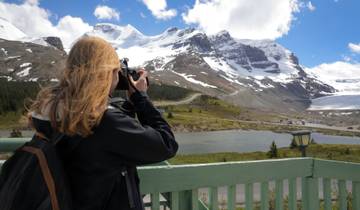
5-Day Canadian Rockies: Banff, Columbia Icefield, Yoho & Kootenay National Parks Tour from Calgary
- ✓ Comprehensive Canada tour
- ✓ Expert local guides included
- ✓ All accommodation arranged
- ✓ Transportation provided
5 days
Rockies Premium Tour from Vancouver
- ✓ Comprehensive Canada tour
- ✓ Expert local guides included
- ✓ All accommodation arranged
- ✓ Transportation provided

6 days
6-Day Canadian Rockies Adventure Tour: Banff, Yoho, Kootenay & Lake Louise Highlights
- ✓ Comprehensive Canada tour
- ✓ Expert local guides included
- ✓ All accommodation arranged
- ✓ Transportation provided
9 days
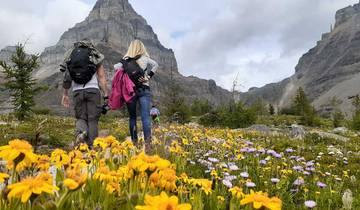
9 Day Rockies Hiking and Camping Tour
- ✓ Comprehensive Canada tour
- ✓ Expert local guides included
- ✓ All accommodation arranged
- ✓ Transportation provided
Multi-day tour packages powered by TourRadar. Prices and availability subject to change.
Introduction to Canada Itinerary Planning 2026
Canada’s geographic immensity — spanning 5,500 kilometers from Atlantic to Pacific and encompassing six time zones — transforms itinerary planning into an exercise in strategic prioritization rather than comprehensive coverage. Unlike compact European nations where travelers traverse multiple countries in days, Canada’s single-nation scale demands deliberate choices between regional depth and cross-continental breadth. The 2026 travel season introduces exceptional value through the Canada Strong Pass program, eliminating national park entry fees throughout the prime summer window while offering camping discounts that reduce accommodation costs by 25% at Parks Canada sites. These savings, combined with strategic timing around shoulder seasons and advance transportation bookings, enable travelers to experience Canada’s extraordinary diversity — from the French-Canadian culture of Quebec City’s cobblestoned streets to the glacial-fed turquoise waters of Lake Louise, from Vancouver’s Pacific Rim rainforests to Toronto’s cosmopolitan energy — without financial strain overwhelming the adventure.
The three itineraries presented in this guide reflect distinct travel philosophies: the 7-day regional focus maximizes destination immersion while minimizing transit fatigue, the 10-day cross-Canada sampler balances eastern and western highlights with calculated efficiency, and the 14-day comprehensive journey delivers authentic coast-to-coast experience including secondary destinations and spontaneous exploration. Each itinerary accounts for seasonal weather patterns, accommodation availability during peak periods, transportation logistics across vast distances, and the practical realities of fatigue management across multiple time zones. Summer 2026 travelers gain particular advantage by timing visits during the June 19-September 7 Canada Strong Pass window, eliminating typical CAD $145 ($105 USD) seven-day Parks Canada Discovery Pass costs while enabling exploration of Banff, Jasper, Gros Morne, and dozens of other protected areas without accumulating daily entry fees. Winter travelers trade free park access for dramatically reduced hotel rates — Vancouver drops from CAD $284 ($205 USD) summer averages to CAD $180-220 ($130-160 USD) in January-March, while Toronto sees comparable 30-40% reductions.
Effective Canada itinerary construction begins with accepting geographic reality: attempting comprehensive national coverage in under two weeks produces exhaustion rather than enlightenment. The distance from Toronto to Vancouver equals London to Baghdad, or New York to Anchorage — travelers who would never consider “quickly visiting” both endpoints of these comparable spans should apply identical logic to Canada. Strategic flight routing between major hubs, judicious use of VIA Rail’s efficient Corridor service in Eastern Canada, and deliberate selection between competing attractions based on personal priorities rather than completionist impulses creates satisfying journeys that deliver authentic experiences rather than airport-to-hotel cycles. The 2026 travel landscape offers particular opportunity for value-conscious planning: booking VIA Rail Economy fares 1-2 months advance secures CAD $50-85 ($36-61 USD) Toronto-Montreal tickets versus CAD $150+ ($108+ USD) for last-minute purchases, while shoulder season hotel rates in May or September-October deliver 25-35% savings compared to July-August peaks without sacrificing weather quality in southern regions. The following detailed itineraries provide day-by-day frameworks calibrated to distinct duration constraints, with cost breakdowns, accommodation recommendations, booking strategies, and practical timing guidance that transforms abstract planning into executable travel.
Understanding Canada’s Geographic Scale and Regional Divisions 2026
Canada’s 9.98 million square kilometers make it the world’s second-largest nation by total area, surpassed only by Russia. This immense scale creates unique challenges for itinerary planning that travelers from smaller countries often underestimate until confronting actual distances. The 4,400-kilometer span from Toronto to Vancouver requires 52 hours of continuous driving via the Trans-Canada Highway, or 5 hours direct flight time, or 4 nights aboard VIA Rail’s Canadian transcontinental train. For context, the distance from London to Istanbul measures 2,800 kilometers, and Madrid to Moscow spans 3,400 kilometers — both shorter than Canada’s primary east-west axis. Travelers who would never attempt visiting both endpoints of these European distances in a single week should apply identical caution to Canadian planning, recognizing that geographic ambition without corresponding time allocation produces exhausted travel days spent in airports rather than meaningful destination experiences.
Canada divides into five distinct geographic regions, each warranting individual itinerary focus for travelers with limited time. Eastern Canada encompasses Ontario and Quebec, anchored by the Toronto-Ottawa-Montreal-Quebec City corridor where VIA Rail Corridor trains enable efficient intercity transit without vehicles. This densely populated region concentrates Canadian cultural, political, and economic activity within manageable distances — Toronto to Montreal spans 540 kilometers (5.5 hours by train), and Montreal to Quebec City adds 250 kilometers (3 hours by train). Atlantic Canada includes New Brunswick, Nova Scotia, Prince Edward Island, and Newfoundland and Labrador, featuring distinct Maritime culture, dramatic coastlines, and isolation requiring dedicated travel commitment — Halifax lies 1,800 kilometers from Montreal via a 22-hour VIA Rail Ocean train journey or 2-hour flight. The Canadian Prairies stretch across Manitoba, Saskatchewan, and Alberta’s southern portions, offering vast agricultural landscapes, dinosaur badlands, and the gateway city of Winnipeg positioned 2,100 kilometers from Toronto. Western Canada encompasses British Columbia and Alberta’s Rocky Mountain spine, delivering Canada’s most spectacular alpine scenery around Banff and Jasper national parks plus Vancouver’s coastal sophistication. Northern Canada — Yukon, Northwest Territories, and Nunavut — remains beyond practical reach for most itineraries due to extreme isolation, high costs, and limited infrastructure, though Whitehorse and Yellowknife attract dedicated aurora hunters during winter months.
Strategic itinerary construction acknowledges that covering multiple regions within single trips demands time investment proportional to distances involved. A realistic 7-day itinerary focuses on one region — either Eastern Canada (Toronto-Ottawa-Montreal-Quebec City) or Western Canada (Vancouver-Whistler-Rockies) — allowing proper exploration without exhausting transit days. Ten-day itineraries enable two-region coverage through strategic flight connections, typically combining Eastern highlights (3-4 days) with Western destinations (3-4 days) linked by direct Toronto-Vancouver or Montreal-Calgary flights. Two-week journeys support comprehensive three-region exploration: Eastern Canada corridor (4-5 days), Western Canadian Rockies (4-5 days), and Pacific Coast (3-4 days), with intercity flights bridging major distances while ground transport handles regional movements. Attempting four or five regions within two weeks transforms travel into an endurance test of airports, hotel check-ins, and highway driving rather than authentic destination engagement. The following regional distance matrix clarifies actual travel times between major hubs:
- Toronto to Ottawa: 450 km, 4.5 hours VIA Rail, 1 hour flight
- Ottawa to Montreal: 200 km, 2 hours VIA Rail, 45 minutes flight
- Montreal to Quebec City: 250 km, 3 hours VIA Rail, 1 hour drive
- Toronto to Montreal: 540 km, 5.5 hours VIA Rail, 1.25 hours flight
- Toronto to Vancouver: 4,400 km, 52 hours drive, 4 nights VIA Rail, 5 hours flight
- Calgary to Vancouver: 970 km, 10 hours drive, 1.5 hours flight
- Calgary to Banff: 130 km, 1.5 hours drive
- Banff to Jasper: 290 km, 3.5 hours drive along Icefields Parkway
- Toronto to Halifax: 1,800 km, 22 hours VIA Rail Ocean, 2 hours flight
These distances eliminate certain romantic notions about spontaneous cross-Canada road trips within limited timeframes. Travelers imagining leisurely drives connecting Toronto, Montreal, Quebec City, Halifax, and then somehow reaching Vancouver within two weeks confront mathematical impossibility — the routing alone consumes 7,000+ kilometers requiring 80+ driving hours before accounting for actual destination time. Strategic flight routing between distant hubs (Toronto-Vancouver, Montreal-Calgary, Toronto-Halifax) combined with regional ground transport creates feasible itineraries that balance transit efficiency with destination engagement. The 2026 Canada Strong Pass period from June 19 through September 7 makes national park–focused western itineraries particularly attractive, as the free admission saves CAD $25-35 ($18-25 USD) daily per vehicle or CAD $145 ($105 USD) for a seven-day Parks Canada Discovery Pass, redirecting these funds toward accommodation upgrades or extended stays in the Canadian Rockies where entry fees would otherwise accumulate across multiple park visits in Banff, Jasper, Yoho, Kootenay, and Glacier.
7-Day Canada Itinerary 2026: Eastern Canada Cultural Corridor
This 7-day itinerary concentrates on Eastern Canada’s Toronto-Ottawa-Montreal-Quebec City corridor, capitalizing on VIA Rail’s efficient intercity connections that eliminate vehicle rental needs while delivering authentic urban-to-urban Canadian experiences. The route flows Toronto (2 nights) → Ottawa (1 night) → Montreal (2 nights) → Quebec City (2 nights), balancing Canada’s largest metropolis, its bilingual capital, its most European city, and North America’s most complete walled fortification in a manageable week without excessive transit fatigue. This itinerary suits first-time visitors prioritizing cultural immersion, travelers without vehicle access, and those seeking compact geographic focus that maximizes destination time over transportation logistics.
Day 1-2: Toronto Foundation
Begin in Toronto, Canada’s largest city and primary international gateway serving as the natural starting point for Eastern Canada exploration. Day 1 focuses on downtown core landmarks: CN Tower (CAD $48 [$35 USD] general admission), Ripley’s Aquarium (CAD $46 [$33 USD]), and the Distillery District’s Victorian-era industrial architecture now housing galleries, restaurants, and boutiques. The PATH underground walkway system enables winter exploration without outdoor exposure across 30 kilometers of connected retail and office towers. Day 2 ventures to Toronto Islands via ferry (CAD $9 [$6 USD] round-trip) for skyline photography and beach access, then explores Kensington Market’s multicultural food stalls and vintage shops before evening at the Entertainment District’s theaters or St. Lawrence Market’s culinary offerings. Budget 6-8 hours minimum for the Royal Ontario Museum (CAD $28 [$20 USD]) if museum interests align with the collection’s natural history and world cultures focus. Toronto operates comprehensive subway, streetcar, and bus networks with day passes at CAD $14 ($10 USD) offering unlimited travel superior to expensive taxi reliance.
Accommodation in Toronto ranges widely by neighborhood and season. Downtown core hotels near Union Station and CN Tower command CAD $200-300 ($145-215 USD) nightly in summer, while mid-range chains in Yorkville or Entertainment District average CAD $150-220 ($108-160 USD) for standard double rooms. Budget travelers find hostel dormitories at CAD $45-65 ($32-47 USD) per bed, or budget hotels in North York or Scarborough suburbs at CAD $90-130 ($65-94 USD) with subway access maintaining downtown connectivity. Book Toronto accommodation 2-3 months advance for summer 2026, particularly if visiting during Toronto International Film Festival (September 4-14, 2026) when rooms become scarce and prices spike 40-60% above baseline rates. Late evening departure via VIA Rail’s 11:30 PM Toronto-Ottawa train enables a hotel checkout on day 2 evening.
Day 3: Ottawa Day Trip
The overnight VIA Rail train arrives Ottawa around 5 AM, allowing early hotel check-in at properties offering flexible arrival accommodations. Ottawa serves as Canada’s capital and seat of federal government, delivering concentrated political and cultural landmarks walkable from downtown hotels. Parliament Hill’s Gothic Revival architecture dominates the skyline, with free public tours of Centre Block (advance online booking essential) revealing Senate and House of Commons chambers plus the Peace Tower’s panoramic observation deck. The Rideau Canal — UNESCO World Heritage Site and the world’s oldest continuously operated canal system — flows through downtown offering summer boat tours or winter skating (January-February transforms the 7.8-kilometer downtown stretch into the world’s largest skating rink). Allocate 3-4 hours for either the Canadian Museum of History (CAD $25 [$18 USD]) across the river in Gatineau, Quebec, or the National Gallery of Canada (CAD $20 [$14 USD]) housing comprehensive Canadian and Indigenous art collections.
Ottawa’s compact downtown enables single-night stays without feeling rushed, though travelers with extra days benefit from Ottawa’s excellent museum concentration. Afternoon VIA Rail departure to Montreal (2 hours, CAD $50-85 [$36-61 USD] for advance Economy fares) positions arrival for early evening Montreal hotel check-in. Ottawa accommodation averages CAD $140-200 ($100-145 USD) for downtown mid-range hotels, with properties near Parliament Hill commanding premium rates versus those in Byward Market or Glebe neighborhoods offering comparable quality at 15-20% discounts. The city’s walkability and small scale make location less critical than in Toronto or Montreal where neighborhood selection significantly impacts daily logistics.
Day 4-5: Montreal Immersion
Montreal delivers Canada’s most European urban atmosphere, blending French heritage with North American energy in neighborhoods ranging from cobblestoned Old Montreal to Plateau Mont-Royal’s bohemian cafes. Day 4 concentrates on Old Montreal: Notre-Dame Basilica (CAD $15 [$11 USD], advance timed entry reservations recommended for summer), Place Jacques-Cartier’s street performers and terrasse dining, and waterfront Old Port parks. The Montreal Museum of Fine Arts (CAD $26 [$19 USD]) warrants 3-4 hours for serious art enthusiasts, while casual visitors find equal satisfaction wandering Rue Saint-Paul’s galleries and boutiques. Evening ascends Mount Royal via the Peel Street stairs or bus access to Kondiaronk Belvedere for sunset city views, then explores Saint-Laurent Boulevard’s restaurant scene where reservations at popular bistros require 1-2 weeks advance booking during summer peak.
Day 5 ventures beyond Old Montreal into neighborhood exploration. Plateau Mont-Royal and Mile End offer morning cafe culture and vintage shopping along Saint-Denis, Saint-Laurent, and Mont-Royal streets, while Jean-Talon Market (free admission, open daily) showcases Quebec produce, artisan cheeses, and prepared foods ideal for picnic supplies. Afternoon options include the Montreal Botanical Garden (CAD $23 [$17 USD], 75 hectares with themed gardens and greenhouses), Olympic Park’s tower observation deck (CAD $25 [$18 USD]), or continued neighborhood wandering through Gay Village or Little Italy. Montreal’s efficient metro system with 3-day passes at CAD $21 ($15 USD) eliminates vehicle needs, though the city’s extensive bike-share network (BIXI, CAD $20 [$14 USD] for 3-day pass) enables pleasant summer exploration along dedicated bike paths paralleling main corridors.
Montreal hotel costs vary dramatically by neighborhood and season. Old Montreal properties command CAD $180-280 ($130-200 USD) nightly for character hotels in converted warehouses, while downtown business hotels near Place Ville Marie or Quartier des Spectacles average CAD $140-200 ($100-145 USD). Budget travelers find excellent value in Plateau or Gay Village Airbnb apartments at CAD $80-120 ($58-86 USD) nightly, or hostel dormitories at CAD $35-55 ($25-40 USD) per bed. June 24 (Saint-Jean-Baptiste Day, Quebec’s national holiday) sees accommodation scarcity and 50%+ price premiums — avoid Montreal during this specific date unless cultural festival participation motivates the trip. Evening VIA Rail to Quebec City (3 hours, CAD $50-95 [$36-68 USD] Economy) positions for Day 6 arrival.
Day 6-7: Quebec City Conclusion
Quebec City represents North America’s most European destination and the continent’s only walled city north of Mexico, with UNESCO World Heritage designation recognizing its intact fortifications and French colonial architecture. Day 6 immerses in Old Quebec (Vieux-Québec) within the walls: Château Frontenac’s fortress-hotel exterior (photograph from Dufferin Terrace, no entry fee required), Notre-Dame de Québec Basilica-Cathedral (free admission), and the Citadelle military fortress (CAD $18 [$13 USD], includes guided tour of active military installation). The Upper Town and Lower Town connect via the funicular railway (CAD $4 [$3 USD] each way) or the escalier Casse-Cou breakneck stairs, with Lower Town’s Quartier Petit-Champlain offering boutique shopping in Canada’s oldest commercial district. Allocate afternoon for the Musée de la Civilisation (CAD $18 [$13 USD]) exploring Quebec history and Indigenous cultures, or Plains of Abraham battlefield park (free admission) where the 1759 battle determined Canadian linguistic destiny.
Day 7 ventures beyond walls for broader Quebec City context. Montmorency Falls (CAD $15 [$11 USD] parking, free pedestrian access) stands 83 meters tall — 30 meters higher than Niagara Falls — with suspension bridge crossings and cable car access to summit viewing platforms. The 20-minute drive from Old Quebec requires vehicle rental (CAD $50-70 [$36-50 USD] daily for compact cars) or taxi service (CAD $40-50 [$29-36 USD] each way), though organized tours at CAD $70-95 ($50-68 USD) per person bundle transportation with guide commentary. Alternatively, explore Île d’Orléans via the bridge from Quebec City’s eastern suburbs — the island’s 67-kilometer perimeter route passes farms, vineyards, cideries, and stone churches maintaining 17th-century French-Canadian rural character. Return to Old Quebec for final evening wandering Rue Saint-Jean’s restaurants and street performers before departures on Day 8.
Quebec City accommodation divides between expensive character hotels inside the walls (CAD $180-320 [$130-230 USD] nightly for doubles) and cheaper modern properties outside fortifications in Saint-Roch or Sainte-Foy neighborhoods (CAD $100-150 [$72-108 USD]). The location premium for staying within Old Quebec walls delivers authentic atmosphere and eliminates transportation needs, though budget-conscious travelers save 30-40% by accepting 15-minute walks or short bus rides from peripheral hotels. Summer (June-August) commands peak pricing and requires 2-3 months advance booking, while shoulder seasons (May, September-October) deliver 20-30% savings with comparable weather quality for sightseeing.
7-Day Eastern Canada Budget Summary 2026
This 7-day itinerary requires the following costs per person, assuming two travelers sharing accommodation throughout. Accommodation: CAD $875-1,225 per person for mid-range hotels (CAD $125-175 nightly divided by two), or CAD $490-630 for budget options, or CAD $1,400-1,960 for luxury properties. Meals: CAD $350-490 (CAD $50-70 daily) for mid-range dining mixing restaurants with casual meals. Intercity transportation: CAD $150-230 for VIA Rail Economy tickets (Toronto-Ottawa-Montreal-Quebec City connections). Local transportation: CAD $70-100 for metro day passes and incidental taxi/Uber. Attractions: CAD $150-220 for admission tickets covering major museums and landmarks. Total per person: CAD $1,595-2,265 ($1,150-1,630 USD) for 7 days mid-range travel.
Budget travelers using hostels, street food, and free attractions manage CAD $1,005-1,410 ($725-1,015 USD) for the week, while luxury accommodations and fine dining elevate costs to CAD $2,515-3,580+ ($1,810-2,580+ USD) per person. These totals exclude international flights to Toronto and any pre-trip or post-trip accommodation beyond the 7-day itinerary window. Booking VIA Rail tickets 1-2 months advance captures “Escape” fare discounts offering 25-40% savings versus walk-up purchases, while hotel reservations 2-3 months ahead secure better rates and availability during peak summer season.
10-Day Canada Itinerary 2026: Cross-Canada Highlights East and West
This 10-day itinerary bridges Canada’s eastern and western highlights through strategic flight connections, delivering Toronto-Montreal-Vancouver-Rockies coverage that represents the nation’s cultural and natural diversity. The routing allocates days 1-4 to Eastern Canada (Toronto, Montreal, Quebec City), day 5 as intercity flight transfer, and days 6-10 to Western Canada (Vancouver, Whistler, Banff). This balanced approach requires accepting that 10 days cannot provide leisurely exploration everywhere — instead, the itinerary prioritizes iconic experiences while maintaining sustainable pacing that avoids exhaustion. Travelers seeking deeper regional immersion should consider the 7-day regional focus or the 14-day comprehensive journey, as attempting additional destinations within the 10-day framework transforms travel into an airport-to-hotel cycle rather than authentic engagement.
Days 1-2: Toronto Gateway
Toronto serves as the natural starting point for international arrivals into Eastern Canada, with Pearson International Airport hosting comprehensive global connections. Day 1 recovers from potential jet lag while covering downtown core essentials: CN Tower (CAD $48 [$35 USD]) for orientation perspectives, adjacent Ripley’s Aquarium (CAD $46 [$33 USD]) housing 20,000 aquatic specimens, and waterfront harbourfront exploration. The distillery district’s Victorian industrial architecture now houses art galleries, restaurants, and boutiques within pedestrian-friendly confines ideal for afternoon wandering. Day 2 divides between morning at Toronto Islands (CAD $9 [$6 USD] ferry round-trip) for skyline photography and beach access, afternoon museum options (Royal Ontario Museum at CAD $28 [$20 USD] or Art Gallery of Ontario at CAD $25 [$18 USD]), and evening in Entertainment District theaters or Kensington Market’s multicultural food scene. Toronto’s efficient TTC subway, streetcar, and bus network (CAD $14 [$10 USD] day pass) eliminates vehicle rental needs, as all major attractions cluster along Line 1 Yonge-University or Line 2 Bloor-Danforth routes.
Day 3: Montreal via VIA Rail
Morning VIA Rail departure from Toronto Union Station reaches Montreal’s Gare Centrale in 5.5 hours, allowing afternoon arrival and evening exploration. Advance-purchase Economy fares range CAD $50-95 ($36-68 USD) one-way, with Business class offering meal service and lounge access at CAD $120-180 ($86-130 USD). Montreal’s compact Old Montreal (Vieux-Montréal) concentrates afternoon activities within walking distance of centrally-located hotels: Notre-Dame Basilica (CAD $15 [$11 USD], stunning Gothic Revival interior with Casavant organ), Place Jacques-Cartier’s terrasse dining, and Old Port waterfront parks. Evening ascends Mount Royal for sunset city views from Kondiaronk Belvedere (free access via stairs or bus), followed by dinner along Boulevard Saint-Laurent where casual bistros deliver authentic Quebec cuisine without fine-dining formality or prices.
Day 4: Quebec City Day Trip
Early morning VIA Rail from Montreal reaches Quebec City in 3 hours (CAD $50-95 [$36-68 USD] Economy), enabling full-day exploration before evening return to Montreal. Quebec City’s UNESCO World Heritage Site status recognizes its intact fortifications and North America’s only walled city north of Mexico. Focus on Old Quebec within the walls: Château Frontenac’s iconic turrets, Dufferin Terrace’s river views, Lower Town’s Quartier Petit-Champlain boutiques accessed via funicular railway (CAD $4 [$3 USD]), and Plains of Abraham battlefield park. The compact walled area enables comprehensive coverage in 6-8 walking hours, with lunch at traditional Quebec bistros serving tourtière meat pies, pea soup, and sugar pie desserts. Evening VIA Rail return to Montreal positions for Day 5 early morning flight departure, or alternatively, overnight in Quebec City and take early morning flight from Quebec City’s Jean Lesage International Airport to Vancouver with one connection through Toronto or Montreal.
Day 5: Transcontinental Flight Vancouver
Direct flights from Montreal or Toronto to Vancouver require 5-5.5 hours, with advance-purchase fares ranging CAD $280-420 ($200-300 USD) one-way depending on booking timing and airline. Air Canada, WestJet, and occasionally Flair Airlines operate this route with multiple daily departures. Book morning flights to maximize Day 5 Vancouver arrival time — a 7 AM Toronto departure reaches Vancouver around 9:30 AM local (accounting for 3-hour time zone change westbound), allowing afternoon and evening Vancouver activities. Alternatively, overnight in Montreal or Quebec City and take first flights around 6-7 AM to use full Day 5 in Vancouver. This day represents necessary transit consuming limited destination time, though in-flight entertainment and meal service provide rest after the eastern segment’s walking-intensive itinerary.
Days 6-7: Vancouver Exploration
Vancouver combines coastal Pacific sophistication with dramatic mountain backdrops, delivering Canada’s mildest climate and most outdoor-focused urban culture. Day 6 concentrates on downtown and waterfront: Stanley Park’s 405-hectare peninsula featuring the Seawall pedestrian/cycling path (9-kilometer loop, free access), Totem Poles, and beaches with mountain views. Rent bicycles (CAD $35-50 [$25-36 USD] for full-day from shops near park entrance) for efficient park coverage, or walk the 2-hour Seawall circuit at leisurely pace. Afternoon explores Granville Island’s public market (free admission) featuring local produce, prepared foods, and artisan products, accessible via Aquabus mini-ferry from downtown (CAD $6 [$4 USD]). Evening visits Gastown’s historic district with Victorian-era buildings, steam clock, and restaurant concentration, though be aware that gentrification-displacement tensions make this neighborhood complex beyond tourist marketing imagery suggests.
Day 7 ventures beyond downtown core via options suited to weather and interests. Grouse Mountain (CAD $75 [$54 USD] Skyride gondola ticket) delivers alpine perspectives with grizzly bear habitat, lumberjack shows, and summit hiking trails accessible year-round. Capilano Suspension Bridge (CAD $65 [$47 USD]) offers rainforest canopy walkways and bridge crossings, though the site functions as expensive tourist attraction versus authentic nature experience — free alternatives include Lynn Canyon Park’s suspension bridge and hiking trails without admission fees. The University of British Columbia’s Museum of Anthropology (CAD $18 [$13 USD]) houses exceptional Northwest Coast Indigenous art collections including world-class totem pole displays. Vancouver’s efficient SkyTrain and bus network (CAD $11 [$8 USD] day pass) reaches most attractions, though Grouse Mountain and Capilano Bridge require bus route planning or organized tours (CAD $95-140 [$68-100 USD] per person for half-day packages).
Day 8: Whistler Day Trip
Whistler ski resort village lies 125 kilometers north of Vancouver along the dramatic Sea-to-Sky Highway, achieving fame as 2010 Winter Olympics venue and North America’s largest ski resort by terrain. Summer visitation (June-September) delivers alpine hiking, mountain biking, and village atmosphere without winter snow sports focus. The drive requires 2-2.5 hours each way via vehicle rental (CAD $60-90 [$43-65 USD] daily for compact cars), or scheduled bus services at CAD $65-90 ($47-65 USD) round-trip. Peak 2 Peak Gondola (CAD $75 [$54 USD]) spans the valley between Whistler and Blackcomb mountains as the world’s longest unsupported span lift, accessing summit hiking trails and alpine wildflower meadows. Village core offers pedestrian shopping, restaurants, and mountain views, though prices reflect resort premium of 30-50% above Vancouver baseline rates. This represents an optional day — travelers prioritizing urban experiences over alpine scenery can substitute additional Vancouver neighborhoods or day trips to Gulf Islands via BC Ferries instead.
Days 9-10: Banff Rocky Mountain Finale
Flight from Vancouver to Calgary (1.5 hours, CAD $180-280 [$130-200 USD] advance-purchase) positions for scenic 130-kilometer drive to Banff townsite via Trans-Canada Highway. Vehicle rental from Calgary Airport (CAD $60-90 [$43-65 USD] daily) remains essential for Rocky Mountain exploration, as Banff public transit covers townsite only, not outlying lakes and viewpoints. The Canada Strong Pass provides free Banff National Park admission from June 19 through September 7, 2026, eliminating the typical CAD $21 ($15 USD) daily vehicle pass or CAD $145 ($105 USD) annual Discovery Pass — this timing makes summer 2026 particularly attractive for Rockies itineraries. Day 9 explores Banff townsite and immediate surroundings: Bow Falls, Surprise Corner viewpoint, Tunnel Mountain trail (2-hour moderate hike with townsite views), and Banff Avenue’s shops and restaurants. Evening soak at Banff Upper Hot Springs (CAD $10 [$7 USD]) rewards the day’s activities with naturally-heated mineral pools overlooking mountain vistas.
Day 10 ventures to Lake Louise (60 kilometers from Banff, 45-minute drive), the Canadian Rockies’ most photographed location featuring turquoise glacial-melt waters backed by Victoria Glacier. Arrive before 9 AM to secure parking lot access, as the site reaches capacity by mid-morning during peak summer season. The Fairmont Chateau Lake Louise anchors the lake’s east shore, while the 3.5-kilometer Lake Agnes Tea House trail delivers moderate hiking to backcountry refreshments (cash only, CAD $8-12 [$6-9 USD] for tea and baked goods). Moraine Lake lies 13 kilometers from Lake Louise village via separate access road, offering comparable beauty and the Valley of the Ten Peaks viewpoint, though parking restrictions similar to Lake Louise require early arrival or resort shuttle use. Return to Calgary for evening flight departures requires 2.5-hour drive from Banff, mandating afternoon departure from mountains for international flights from Calgary’s airport that same evening.
10-Day Cross-Canada Budget Summary 2026
This 10-day itinerary requires the following costs per person, assuming two travelers sharing accommodation throughout. Accommodation: CAD $900-1,300 per person for mid-range hotels (CAD $90-130 nightly per person, two sharing), or CAD $700-980 budget options, or CAD $2,100-2,940 luxury properties. Meals: CAD $500-700 (CAD $50-70 daily). Intercity transportation: CAD $730-1,110 including VIA Rail eastern corridor (CAD $150-230), transcontinental flight (CAD $280-420), Vancouver-Calgary flight (CAD $180-280), plus Calgary vehicle rental for 2 days (CAD $120-180 total). Local transportation: CAD $100-140 for metro passes and incidental transit. Attractions: CAD $250-350 covering museums, gondolas, and park activities. Total per person: CAD $2,480-3,600 ($1,785-2,590 USD) for 10 days mid-range travel.
Budget travelers using hostels and limiting paid attractions manage CAD $1,980-2,880 ($1,425-2,075 USD), while luxury accommodations and experiences elevate costs to CAD $4,180-5,990+ ($3,010-4,315+ USD) per person. Summer timing during the Canada Strong Pass period (June 19-September 7) saves approximately CAD $105-145 ($75-105 USD) per vehicle in national park fees, redirecting these funds toward accommodation or extended stays. These totals exclude international flights to Toronto and from Calgary.
14-Day Canada Itinerary 2026: Comprehensive Coast-to-Coast Journey
This 14-day comprehensive itinerary delivers authentic coast-to-coast Canadian experience combining Eastern Canada’s cultural corridor, Western Canada’s Rocky Mountain grandeur, and Pacific Coast sophistication in a properly-paced journey that avoids the exhaustion inherent in more compressed timeframes. The routing flows Toronto (2 nights) → Ottawa (1 night) → Montreal (2 nights) → Quebec City (2 nights) → flight to Calgary → Banff-Jasper Rockies circuit (4 nights) → Vancouver (3 nights), allocating days proportional to destination richness while building in flexibility for weather delays or spontaneous discoveries. This represents the minimum duration for satisfying transcontinental coverage without sacrificing meaningful destination engagement to excessive transit time.
Days 1-2: Toronto Foundation
Toronto initiates the journey with Canada’s largest metropolis establishing baseline urban context. Day 1 concentrates downtown: CN Tower (CAD $48 [$35 USD]), Ripley’s Aquarium (CAD $46 [$33 USD]), waterfront Harbourfront Centre, and Distillery District’s Victorian warehouses converted to galleries and restaurants. Toronto Islands ferry (CAD $9 [$6 USD] round-trip) delivers afternoon skyline photography and beach access, weather permitting. Day 2 explores neighborhoods beyond downtown core: Kensington Market’s multicultural food stalls, Chinatown’s authentic restaurants, and either Royal Ontario Museum (CAD $28 [$20 USD]) for comprehensive natural history and world cultures collections, or Casa Loma (CAD $35 [$25 USD]) for Gothic Revival castle architecture and gardens. Toronto’s TTC transit system (CAD $14 [$10 USD] unlimited day pass) eliminates vehicle needs, with most attractions accessible via Line 1 Yonge-University subway route. Evening entertainment ranges from Toronto Symphony Orchestra to live music venues in Queen West neighborhood, with restaurant reservations recommended 1-2 weeks advance for popular establishments during summer peak season.
Day 3: Ottawa Capital Insights
Morning VIA Rail departure reaches Ottawa in 4.5 hours (CAD $50-85 [$36-61 USD] Economy advance-purchase), allowing afternoon and evening exploration. Ottawa concentrates federal government landmarks within walkable downtown: Parliament Hill’s Gothic Revival Centre Block (free tours require advance online booking at least 1 week ahead for summer season), Peace Tower observation deck, and Rideau Canal locks connecting Parliament Hill to the Ottawa River. The Canadian Museum of History (CAD $25 [$18 USD]) across the river in Gatineau, Quebec, warrants 3-4 hours for comprehensive Canadian history exhibits including the First Peoples Hall’s Indigenous cultural displays. Ottawa’s compact scale enables comprehensive single-day coverage, though travelers with extra days benefit from National Gallery of Canada (CAD $20 [$14 USD]) housing exceptional Canadian and Indigenous art, or Canadian War Museum (CAD $19 [$14 USD]) exploring military history through immersive exhibits. Evening Rideau Canal cruises (CAD $30-45 [$22-32 USD]) offer perspectives on Parliament Hill’s illuminated architecture, though these operate weather-dependent from May through October only.
Days 4-5: Montreal Cultural Immersion
VIA Rail from Ottawa reaches Montreal in 2 hours (CAD $50-85 [$36-61 USD] Economy), positioning for afternoon arrival and Old Montreal exploration. Day 4 concentrates within Vieux-Montréal: Notre-Dame Basilica (CAD $15 [$11 USD], advance reservations recommended), Place Jacques-Cartier’s terrasse dining, Old Port waterfront parks, and Pointe-à-Callière archaeology museum (CAD $24 [$17 USD]) revealing Montreal’s foundation layers beneath modern streets. Evening ascends Mount Royal via Peel Street stairs or bus access to Kondiaronk Belvedere for sunset city panoramas, followed by dinner along Boulevard Saint-Laurent where bistros serve contemporary Quebec cuisine without formal fine-dining protocols. Montreal’s food scene warrants serious attention — reservations at restaurants like Joe Beef, Manitoba, or Au Pied de Cochon require 2-4 weeks advance booking during summer, though casual bistros and markets provide equally authentic experiences without reservation complexity.
Day 5 ventures beyond Old Montreal into neighborhood diversity. Plateau Mont-Royal and Mile End offer morning cafe culture at Santropol or Olympico, vintage shopping along Saint-Laurent and Mont-Royal streets, and ethnic food exploration in Little Italy or Jewish quarter establishments serving Montreal-style bagels and smoked meat. Jean-Talon Market (free admission, open daily except Mondays) showcases Quebec agricultural products, artisan cheeses, and prepared foods ideal for picnic supplies if weather cooperates for park dining. Afternoon options include Montreal Botanical Garden (CAD $23 [$17 USD], 75 hectares with Chinese, Japanese, and First Nations gardens plus greenhouses), Olympic Park tower observation deck (CAD $25 [$18 USD]), or continued neighborhood exploration through Gay Village’s terrasses or Mile-Ex’s art galleries and craft breweries. Montreal’s efficient metro network (3-day passes CAD $21 [$15 USD]) or BIXI bike-share system (CAD $20 [$14 USD] for 3-day pass) eliminates vehicle needs while enabling spontaneous neighborhood discoveries.
Days 6-7: Quebec City Historic Preservation
Morning VIA Rail from Montreal reaches Quebec City in 3 hours (CAD $50-95 [$36-68 USD] Economy), allowing afternoon Old Quebec immersion. Day 6 concentrates within the walled city: Château Frontenac’s fortress-hotel exterior (photograph from Dufferin Terrace without entry fees), Notre-Dame de Québec Basilica-Cathedral (free admission, stunning interior with Quebec’s first bishop’s tomb), and Citadelle military fortress (CAD $18 [$13 USD], guided tours of active Canadian Forces installation including ceremonial Changing of the Guard summer performances). The Upper Town and Lower Town connect via funicular railway (CAD $4 [$3 USD] each way) or the escalier Casse-Cou breakneck stairs, with Lower Town’s Quartier Petit-Champlain functioning as Canada’s oldest commercial district now housing boutiques and bistros in 17th-century stone buildings. Musée de la Civilisation (CAD $18 [$13 USD]) explores Quebec history, Indigenous cultures, and contemporary social issues through engaging multimedia exhibits warranting 2-3 hours for comprehensive tour. Evening dining along Rue Saint-Jean within the walls offers traditional Quebec cuisine including tourtière, pea soup, and sugar pie, though reservations at popular restaurants require 1 week advance booking during summer peak.
Day 7 expands beyond walls for regional context. Montmorency Falls (CAD $15 [$11 USD] parking, free pedestrian access) stands 83 meters tall — exceeding Niagara Falls by 30 meters — with suspension bridge crossings and cable car to summit viewpoints. The 20-minute drive from Old Quebec requires vehicle rental (CAD $60-85 [$43-61 USD] daily) or organized tours at CAD $75-110 ($54-79 USD) per person bundling transportation with guide. Alternatively, explore Île d’Orléans via bridge from Quebec City’s eastern suburbs — the island’s 67-kilometer perimeter route passes farms, vineyards, cideries, chocolateries, and stone churches maintaining French-Canadian rural character with opportunities for tastings and local product purchases. Canyon Sainte-Anne (CAD $16 [$12 USD], 45 minutes from Quebec City) offers suspension bridge crossings over 74-meter waterfall gorge for dramatic perspectives. Return to Old Quebec for final evening enjoying street performers, terrasse dining, and twilight rampart walks before Day 8 departure.
Day 8: Transcontinental Flight Transition
Flight from Quebec City to Calgary requires one connection through Montreal or Toronto, with total travel time 6-8 hours depending on layover duration. Direct Montreal-Calgary or Toronto-Calgary flights operate at CAD $280-420 ($200-300 USD) one-way for advance-purchase Economy fares. Book morning departures to maximize Day 8 Calgary arrival time for vehicle pickup and Banff drive. Calgary to Banff spans 130 kilometers via Trans-Canada Highway requiring 1.5-2 hours depending on traffic, with dramatic Rocky Mountain Front vistas emerging as the highway climbs from prairies toward peaks. Vehicle rental remains essential for Rocky Mountain exploration — Calgary Airport hosts all major rental agencies (Hertz, Enterprise, Avis, Budget) with competitive rates when booked 2-4 weeks advance (CAD $60-90 [$43-65 USD] daily for compact/midsize cars, CAD $85-130 [$61-94 USD] for SUVs preferred for mountain driving). Banff townsite arrival positions for evening exploration of pedestrian-friendly Banff Avenue shops, restaurants, and mountain backdrops before Days 9-11’s intensive outdoor activities.
Days 9-11: Banff-Jasper Rocky Mountain Circuit
The Banff-Jasper circuit represents Canada’s most spectacular mountain scenery concentrated in adjacent national parks connected by the 290-kilometer Icefields Parkway consistently rated among the world’s most scenic drives. Day 9 explores Banff National Park’s core attractions: Lake Minnewanka (15 kilometers from townsite, 2-hour boat cruises at CAD $75 [$54 USD] or free shoreline hiking), Johnson Canyon’s lower falls (2.2-kilometer return moderate walk through limestone canyon), and Vermilion Lakes for sunset wildlife viewing and Mount Rundle reflections. Banff Gondola (CAD $70 [$50 USD]) ascends Sulphur Mountain for panoramic views, though budget travelers achieve comparable vistas via Tunnel Mountain hike (2-hour moderate climb, free access). Evening soak at Banff Upper Hot Springs (CAD $10 [$7 USD]) provides authentic mineral bathing experience superior to expensive resort spas. The Canada Strong Pass eliminates Banff National Park entry fees from June 19 through September 7, 2026 — outside this window, vehicle permits cost CAD $21 ($15 USD) daily or CAD $145 ($105 USD) for annual Parks Canada Discovery Pass covering all national parks nationwide.
Day 10 ventures to Lake Louise (60 kilometers from Banff, 45-minute drive) and Moraine Lake, the Canadian Rockies’ most photographed locations. Arrive Lake Louise parking lots before 8:30 AM to secure access, as the site reaches capacity by 9 AM during peak summer season with lot closures forcing multi-hour waits or shuttle bus reliance. The 3.5-kilometer Lake Agnes Tea House trail climbs 400 meters elevation through subalpine forest to historic backcountry tea house serving simple refreshments (cash only, CAD $8-15 [$6-11 USD], operating June-October weather dependent). More ambitious hikers continue to the Big Beehive viewpoint adding 2 hours and dramatic Lake Louise aerial perspectives. Moraine Lake lies 13 kilometers from Lake Louise village via separate access road (parking fills 7-8 AM, arrive earliest possible or use resort shuttle services), offering comparable turquoise beauty and the Valley of the Ten Peaks backdrop. Rockpile Trail’s 300-meter scramble delivers the classic postcard viewpoint, while lakeshore paths offer less-strenuous alternatives. Afternoon returns to Banff for relaxation or explores Banff townsite museums and galleries before Day 11’s Icefields Parkway journey.
Day 11 drives the Icefields Parkway from Banff to Jasper (290 kilometers, 3.5 hours minimum driving time excluding stops), passing Columbia Icefield, Athabasca Glacier, Peyto Lake, Bow Lake, and dozens of viewpoints warranting frequent stops. Depart Banff by 7:30 AM to maximize daylight for photography and exploration. Columbia Icefield Ice Explorer tour (CAD $130 [$94 USD]) boards specially-designed vehicles onto Athabasca Glacier surface, though the experience functions as expensive tourist attraction versus authentic glacier contact — free alternatives include hiking to glacier terminus viewpoints without commercial tour costs. Peyto Lake viewpoint (short walk from parking area) delivers intense turquoise waters best photographed in morning light, while Bow Lake’s roadside access enables quick stops. Jasper townsite arrival by afternoon allows evening exploration of the smaller, less-developed mountain village offering authentic resident community feel versus Banff’s resort atmosphere. Jasper Sky Tram (CAD $60 [$43 USD]) ascends Whistler Mountain for sunset views over the Athabasca Valley, though budget travelers substitute Pyramid Lake sunset drives (free access 7 kilometers from townsite) for comparable mountain-lake compositions.
Day 12: Jasper to Vancouver Mountain-to-Ocean Transition
Multiple routing options connect Jasper to Vancouver, with no single optimal choice. Option A: Return drive from Jasper to Calgary (410 kilometers, 4.5 hours via Icefields Parkway and Highway 93) for afternoon flight to Vancouver (1.5 hours, CAD $180-280 [$130-200 USD]). This backtracking sacrifices morning to highway driving but delivers afternoon/evening Vancouver arrival. Option B: Continue west from Jasper to Kamloops (470 kilometers, 5.5 hours via Yellowhead Highway) for overnight, then complete Kamloops-Vancouver drive next morning (350 kilometers, 3.5 hours via Trans-Canada Highway through Fraser Canyon). This routing eliminates flight costs but adds vehicle one-way drop-off fees (CAD $150-250 [$108-180 USD] Calgary pickup/Vancouver return), consuming two travel days in mountain-to-coast transit. Option C: Book VIA Rail’s Canadian train from Jasper to Vancouver (20 hours overnight journey, CAD $500-800+ [$360-575+ USD] per person for Sleeper Plus private cabin accommodation), experiencing the scenic Rocky Mountain-to-Pacific Coast route in classic rail comfort. This premium option maximizes scenery while transforming transit into destination experience, though higher costs and limited departure schedule (typically 2-3 weekly trains) restrict flexibility.
Most 14-day itineraries select Option A for efficiency, accepting morning highway backtracking to Calgary Airport for afternoon Vancouver flights and evening arrival. This maximizes Vancouver days (full Day 13 and Day 14 morning) versus Option B’s abbreviated final hours. Vehicle return to Calgary Airport eliminates one-way drop-off fees while positioning for efficient international departure connections after the trip concludes. Vancouver hotel check-in on Day 12 evening enables rest after mountain activities before Days 13-14’s coastal urban exploration.
Days 13-14: Vancouver Pacific Coast Finale
Day 13 concentrates on Vancouver’s signature coastal experiences: Stanley Park’s 9-kilometer Seawall loop (rent bicycles at CAD $40-55 [$29-40 USD] daily from shops near park entrance, or walk 2-2.5 hours at moderate pace), Totem Poles, and beaches with mountain backdrops. Granville Island Public Market (free admission, open daily except Mondays) features local produce, seafood, prepared foods, and artisan products accessed via Aquabus mini-ferry from downtown (CAD $6 [$4 USD]). Afternoon explores Gastown’s Victorian-era architecture, steam clock, and restaurant concentration, or ventures to Kitsilano Beach and neighborhood for beach culture and mountain views from waterfront parks. Vancouver’s mild climate enables outdoor activities year-round, with summer (June-August) delivering optimal beach weather and longest daylight hours for evening harbor walks. Robson Street’s shopping district and Yaletown’s converted warehouse restaurants offer evening dining options, though reservations at popular establishments require 1-2 weeks advance booking during summer peak.
Day 14 provides flexible options before departure flights. Morning visits Capilano Suspension Bridge (CAD $65 [$47 USD], 30 minutes from downtown) for rainforest canopy walkways and 137-meter bridge crossing, though budget alternatives include free Lynn Canyon Park suspension bridge achieving comparable experiences without admission fees. Grouse Mountain Skyride (CAD $75 [$54 USD]) delivers alpine perspectives with grizzly bear habitat and summit hiking trails. University of British Columbia’s Museum of Anthropology (CAD $18 [$13 USD]) houses exceptional Northwest Coast Indigenous art collections warranting 2-3 hours for comprehensive viewing. Alternatively, spend final hours at English Bay Beach or Commercial Drive’s multicultural cafes before hotel checkout and airport transfer. Vancouver International Airport (YVR) lies 12 kilometers from downtown (CAD $11-12 [$8-9 USD] via Canada Line SkyTrain, 25 minutes), enabling relaxed afternoon departures without excessive buffer time requirements.
14-Day Comprehensive Canada Budget Summary 2026
This 14-day coast-to-coast itinerary requires the following costs per person, assuming two travelers sharing accommodation throughout. Accommodation: CAD $1,680-2,380 per person for mid-range hotels (CAD $120-170 nightly per person, two sharing), or CAD $945-1,330 budget options using hostels and budget hotels, or CAD $2,800-3,920 luxury properties. Meals: CAD $700-980 (CAD $50-70 daily). Intercity transportation: CAD $1,070-1,610 including VIA Rail eastern corridor tickets (CAD $200-280), Quebec-Calgary flight (CAD $350-500), Jasper-Calgary drive and vehicle rental (CAD $340-550 for 5 days), and Calgary-Vancouver flight (CAD $180-280). Local transportation: CAD $140-200 for metro passes, bike rentals, and incidental transit. Attractions: CAD $350-500 covering museums, gondolas, boat tours, and national park activities. Total per person: CAD $3,940-5,670 ($2,835-4,080 USD) for 14 days mid-range travel.
Budget travelers using hostels, limiting paid attractions, and cooking some meals manage CAD $2,795-4,090 ($2,015-2,945 USD), while luxury accommodations, fine dining, and premium experiences elevate costs to CAD $5,700-8,160+ ($4,105-5,875+ USD) per person. The Canada Strong Pass free national parks admission (June 19-September 7) saves approximately CAD $105-145 ($75-105 USD) in vehicle entry fees, while 25% camping discounts add further savings for travelers choosing campgrounds over hotels during Rockies segments. These totals exclude international flights into Toronto and from Vancouver.
Accommodation Strategies Canada 2026
Canadian accommodation costs vary dramatically by city, season, and lodging category, with strategic booking enabling 25-40% savings versus walk-up rates during peak summer season. Toronto and Vancouver command Canada’s highest hotel rates — summer averages reach CAD $260 ($188 USD) per night in Toronto and CAD $284 ($205 USD) in Vancouver for mid-range business hotels according to 2026 market data, while Montreal averages CAD $234 ($169 USD) and Calgary CAD $188 ($135 USD) for comparable properties. Budget hotels and chains in suburban locations with transit access reduce costs to CAD $110-160 ($79-115 USD) nightly, while hostels offer dormitory beds at CAD $40-65 ($29-47 USD) per person and private hostel rooms at CAD $95-140 ($68-100 USD) for couples. Luxury properties in downtown cores command CAD $350-550+ ($250-395+ USD) nightly, with resort destinations like Banff and Whistler adding 20-30% premiums over equivalent urban luxury hotels. The key cost driver beyond city selection remains timing — summer peak (July-August) versus shoulder seasons (May, September-October) creates 25-35% rate differentials without corresponding weather quality declines in southern Canada.
Advance booking timing significantly impacts rates and availability. Hotels in major cities require 2-3 months lead time for summer 2026, with earlier bookings capturing promotional rates typically 15-25% below closer-to-date standard pricing. Last-minute bookings (within 2 weeks of arrival) occasionally yield deals when hotels face unexpected vacancy, though gambling on availability during peak season risks either sold-out properties or premium walk-up rates 40-60% above advance-purchase levels. Booking platforms (Booking.com, Expedia, Hotels.com) often display lower rates than hotel direct bookings due to negotiated wholesale agreements, though direct bookings sometimes enable complimentary upgrades or flexible cancellation policies not available through third-party platforms. The optimal strategy books refundable rates through platforms with price-matching guarantees 2-3 months advance, then monitors pricing closer to arrival dates for potential rebooking at reduced rates if available. Loyalty program members with major chains (Marriott, Hilton, IHG) benefit from direct booking to accumulate points, though rate comparisons remain essential as loyalty “member rates” occasionally exceed platform wholesale pricing.
Alternative accommodation platforms transform budget calculations for groups or extended stays. Airbnb apartments in Montreal, Toronto, or Vancouver range CAD $100-180 ($72-130 USD) nightly for one-bedroom units suitable for couples, or CAD $180-280 ($130-200 USD) for two-bedroom apartments accommodating four travelers and offering kitchens that reduce meal costs through self-catering. Vrbo serves similar functions focusing on entire-home rentals rather than shared spaces. These platforms work optimally for 3+ night stays in single cities — one-night stopovers during multi-city itineraries make hotels more practical given check-in complexity and cleaning fees that platform hosts charge. Hostels remain unbeatable for solo budget travelers, with HI Canada properties (Hostelling International) in major cities maintaining quality standards and providing private rooms alongside traditional dormitories. Private hostel rooms cost CAD $95-140 ($68-100 USD) for two travelers, competing effectively with budget hotels while offering communal kitchens and social atmospheres for meeting fellow travelers.
Specific accommodation recommendations by destination optimize value without sacrificing location convenience. Toronto: Entertainment District or Yorkville hotels place travelers near CN Tower, theaters, and museums with subway access, while budget properties in North York suburb maintain downtown connectivity via Line 1 at CAD $90-140 ($65-100 USD) rates. Ottawa: Downtown core near Parliament Hill commands premiums, though Byward Market or Glebe neighborhoods deliver comparable transit access at 15-20% discounts. Montreal: Old Montreal provides atmospheric character hotels in converted warehouses at CAD $180-280 ($130-200 USD), while Plateau or Gay Village Airbnb apartments offer authentic residential neighborhoods at CAD $100-150 ($72-108 USD) with metro stations within 5-minute walks. Quebec City: Properties within Old Quebec walls cost CAD $180-320 ($130-230 USD) but deliver unmatched historic immersion and eliminate transit needs, while Saint-Roch or Sainte-Foy suburbs reduce costs 30-40% with 10-20 minute bus rides to attractions. Vancouver: Downtown core or Yaletown concentrates walkability to waterfront, Stanley Park, and Granville Island, though Kitsilano or Commercial Drive neighborhoods offer residential character and beachfront access with bus connections at 20-25% savings. Banff: Townsite properties within walking distance of restaurants and shops cost CAD $200-350+ ($145-250+ USD) summer rates, while Canmore (20 kilometers east) provides comparable quality at CAD $140-220 ($100-160 USD) with slightly longer drives to attractions. Jasper: Limited accommodation concentrates in townsite with less variety than Banff, though correspondingly more authentic mountain community atmosphere and 15-25% lower rates than comparable Banff properties.
The 2026 Canada Strong Pass camping discounts transform budget calculations for travelers open to outdoor sleeping. Parks Canada campgrounds receive 25% discounts from June 19 through September 7, reducing typical CAD $30-40 ($22-29 USD) nightly sites to CAD $22-30 ($16-22 USD), while oTENTiks (canvas tent-cabins with beds and heating) and other roofed accommodations also discount 25% from standard rates. Banff National Park’s Tunnel Mountain campgrounds, Lake Louise campgrounds, and Jasper’s various sites enable multi-night stays at fraction of hotel costs while maximizing time in nature. Advance reservations open January-March for summer peak dates, with popular sites booking within hours of release — serious campers monitor Parks Canada reservation system for exact opening dates to secure preferred locations. Budget travelers combining camping in national parks with hostel stays in cities achieve overall accommodation averages of CAD $35-55 ($25-40 USD) per person nightly throughout two-week itineraries, enabling extended travel durations or upgraded dining budgets through substantial accommodation savings.
Transportation Between Canadian Cities 2026
Canada’s vast distances create distinct transportation challenges requiring strategic mode selection based on routes, timeframes, and budgets. The five primary intercity transportation options each suit specific itinerary segments: VIA Rail trains excel in the densely-populated Toronto-Ottawa-Montreal-Quebec City corridor where frequent service and competitive pricing make rail attractive; domestic flights dominate long-distance east-west travel where ground alternatives consume excessive time; vehicle rentals enable Rocky Mountain exploration where public transit proves inadequate; intercity buses (Greyhound equivalents via FlixBus Canada and regional operators) serve budget travelers willing to trade time for cost savings; and ferry systems connect Vancouver Island and Atlantic coastal regions. Understanding strengths and weaknesses of each mode prevents both budget overruns and itinerary failures, as inappropriate transportation selection undermines otherwise sound destination planning.
VIA Rail operates Canada’s passenger rail network, with service concentrated in two primary corridors. The Corridor service between Toronto-Ottawa-Montreal-Quebec City provides the nation’s most practical rail experience, with multiple daily departures enabling flexible scheduling similar to European intercity trains. Toronto to Montreal requires 5.5 hours, Montreal to Quebec City takes 3 hours, and Toronto to Ottawa spans 4.5 hours via modern trains offering Economy reclining seats with power outlets, or Business class with meal service, complimentary beverages, and lounge access. Advance-purchase “Escape” fares deliver exceptional value at CAD $50-85 ($36-61 USD) one-way Economy on the Toronto-Montreal route when booked 1-2 months ahead, though last-minute walk-up fares reach CAD $120-180 ($86-130 USD) for identical seats. Business class costs CAD $120-180 ($86-130 USD) advance-purchase or CAD $200-280+ ($145-200+ USD) for flexible fares, with the premium justified for business travelers requiring reliable schedule changes but questionable for leisure travelers on fixed itineraries. The Canada Strong Pass offers 25% VIA Rail discounts for travelers aged 18-24 during the June 19-September 7, 2026 period, plus free travel for children under 18 when accompanied by adults.
VIA Rail’s long-distance trains operate less frequent service on more scenic routes with overnight accommodations. The Canadian transcontinental train links Toronto to Vancouver via 4 nights/4 days journey through Northern Ontario, Winnipeg, Saskatoon, Edmonton, and Jasper before descending through the Rockies to the Pacific Coast. This iconic rail experience costs CAD $514-1,200+ ($370-865+ USD) per person for Economy reclining seats in coach class, or CAD $2,500-4,500+ ($1,800-3,240+ USD) for Sleeper Plus private cabin accommodations including all meals in the dining car. The Ocean train connects Montreal to Halifax via overnight 22-hour journey through New Brunswick and Nova Scotia, offering comparable pricing tiers from Economy seats to Sleeper cabins. These long-distance trains function as destination experiences rather than practical transportation — the 96-hour Toronto-Vancouver journey competes against 5-hour direct flights at comparable or lower costs, making the train selection a deliberate scenic choice rather than logical efficiency. Travelers incorporating transcontinental rail into itineraries should budget accordingly both for ticket costs and the 4-5 travel days consumed by the journey.
Domestic flights dominate long-distance Canadian travel due to overwhelming time advantages versus ground alternatives. Air Canada, WestJet, Porter Airlines, and budget carrier Flair Airlines operate comprehensive networks linking major cities, with advance-purchase Economy fares ranging CAD $168-280 ($121-200 USD) one-way for transcontinental routes like Toronto-Vancouver or Montreal-Calgary. Sample pricing from 2026 advance searches shows Toronto-Vancouver at CAD $178 ($128 USD), Toronto-Calgary at CAD $168-181 ($121-130 USD), and Montreal-Vancouver at CAD $269 ($194 USD) for one-way Economy tickets on mainstream carriers. Flair Airlines occasionally offers promotional fares 20-40% below Air Canada/WestJet rates, though budget carrier business models impose fees for checked bags (CAD $30-50 [$22-36 USD] per bag each way), seat selection (CAD $8-30 [$6-22 USD] per flight segment), and other services included in mainstream carrier base fares. The net savings rarely exceed CAD $50-80 ($36-58 USD) per ticket after fees, though truly minimalist travelers carrying only personal items and accepting random seat assignments maximize Flair value.
Booking timing dramatically impacts flight costs — the conventional wisdom of purchasing 1-2 months advance for domestic routes holds true for Canadian travel, with closer-to-date bookings escalating 30-50% as seat availability decreases. Summer peak season (July-August) commands 20-30% premiums over shoulder months (May, September-October) for identical routes, making timing flexibility valuable for budget-conscious travelers. Morning and evening “business traveler” flights on Monday mornings and Friday afternoons cost 10-20% more than midday or midweek departures catering to leisure travelers with flexible schedules. Red-eye overnight flights (Toronto-Vancouver departing 11 PM-1 AM, arriving 2-4 AM Pacific time) occasionally offer deepest discounts for travelers tolerating sleep deprivation, though the exhaustion trade-offs usually undermine next-day sightseeing productivity making daytime flights preferable despite modest premiums.
Vehicle rentals become essential for Rocky Mountain exploration where public transit proves inadequate for accessing Banff, Jasper, Lake Louise, and backcountry trailheads. Calgary Airport hosts major rental agencies (Enterprise, Hertz, Avis, Budget, National) with competitive rates when booked 2-4 weeks advance: CAD $60-90 ($43-65 USD) daily for compact or midsize cars suitable for highway driving and townsite parking, or CAD $85-130 ($61-94 USD) for SUVs offering superior mountain highway handling and storage capacity for outdoor gear. Weekly rentals achieve per-day economies 15-25% below daily rates — a 5-day rental typically costs CAD $280-400 ($200-290 USD) total for economy cars or CAD $400-580 ($290-420 USD) for SUVs including basic insurance coverage. One-way rentals between cities (Calgary pickup, Vancouver dropoff) incur hefty CAD $150-350 ($108-250 USD) drop-off fees that often exceed flight cost differences between backtracking to original airport versus one-way vehicle routing.
Fuel costs add significant expense to Canadian road trips, with gasoline prices averaging CAD $1.60-1.90 ($1.15-1.37 USD) per liter in 2026 across most provinces — equivalent to CAD $6.05-7.20 ($4.35-5.20 USD) per US gallon. The 130-kilometer Banff-Calgary route consumes approximately 10-12 liters (CAD $16-23 [$12-17 USD]), while the 290-kilometer Banff-Jasper Icefields Parkway requires 20-25 liters (CAD $32-48 [$23-35 USD]). Budget CAD $60-90 ($43-65 USD) for fuel costs during typical 3-5 day Rocky Mountain rentals covering Banff-Lake Louise-Jasper circuits. Insurance deserves careful evaluation — basic rental rates include mandatory third-party liability, but collision damage waivers (CDW) adding CAD $25-40 ($18-29 USD) daily protect against vehicle damage responsibility. Credit cards with rental car insurance benefits (common on premium North American cards) sometimes eliminate CDW purchase needs, though policies vary by card issuer and country of rental requiring advance verification with card providers before declining coverage at rental counters.
Intercity bus services provide budget alternatives to flights and trains, though longer travel times and limited comfort make buses practical primarily for short routes or severely budget-constrained travelers. FlixBus Canada operates routes between major cities at CAD $35-75 ($25-54 USD) one-way — Toronto to Montreal costs CAD $40-60 ($29-43 USD) for 7-hour journeys versus 5.5 hours via VIA Rail, while Toronto to Ottawa runs CAD $35-50 ($25-36 USD) for 5.5-hour trips versus 4.5 hours by train. The cost savings over rail rarely exceed CAD $15-30 ($11-22 USD) per segment when comparing advance-purchase train fares to bus prices, making the time differential (1-2 hours longer via bus) questionable value for most travelers with limited vacation days. Buses excel for overnight routing on certain corridors — Toronto to Montreal overnight buses depart 11 PM and arrive 6 AM, enabling hotel night savings while consuming “dead” sleeping hours for travel. Pacific coastal bus services connect Vancouver to Victoria via ferry, and Vancouver to Whistler, at comparable economy to train alternatives where rail doesn’t operate.
Dining and Food Budget Canada 2026
Canadian food costs have risen substantially in recent years, with the Canada Food Price Report 2026 projecting overall food price increases of 4-6% during the year following cumulative 27% increases over the previous five years. Restaurant meals face particular pressure, with dining costs forecast to climb an additional 4-6% in 2026 according to university researchers tracking inflation trends. These increases affect travel budgets significantly, as dining represents travelers’ second-largest daily expense after accommodation. Strategic meal planning mixing restaurant dining with grocery purchases, understanding regional price variations, and timing around seasonal promotions enable cost management without sacrificing authentic Canadian culinary experiences that range from poutine and Montreal-style bagels to Pacific Coast seafood and Alberta beef.
Restaurant meal costs vary substantially by establishment type, city, and meal timing. Budget quick-service meals at major chains (McDonald’s, Tim Hortons, Subway) cost CAD $12-18 ($9-13 USD) for combo meals including drink and side, while local casual restaurants and ethnic eateries deliver sit-down lunch or dinner for CAD $18-30 ($13-22 USD) per person including beverages. Mid-range dining at bistros and neighborhood restaurants spans CAD $30-55 ($22-40 USD) per person for entree, beverage, tax, and standard 15-18% tip, with Montreal, Toronto, and Vancouver commanding higher averages than Calgary, Ottawa, or smaller cities. Fine dining experiences at celebrated restaurants with wine pairings reach CAD $100-180+ ($72-130+ USD) per person, though budget-conscious travelers access comparable quality chefs through lunch service at CAD $35-60 ($25-43 USD) for fixed-price menus offering substantial value over evening à la carte pricing. Coffee culture pervades Canadian cities, with specialty cafe drinks costing CAD $4-7 ($3-5 USD) for lattes or cappuccinos, while simple drip coffee at Tim Hortons costs CAD $2-3 ($1.50-2.15 USD).
Regional specialties warrant deliberate tasting despite cost premiums, as these define authentic Canadian food experiences unavailable elsewhere. Quebec cuisine includes poutine (french fries with gravy and cheese curds, CAD $8-15 [$6-11 USD]), Montreal-style bagels from St-Viateur or Fairmount Bagel (CAD $1.50-2.50 [$1-1.80 USD] each), and smoked meat sandwiches at Schwartz’s Deli (CAD $12-18 [$9-13 USD]). Sugar shacks (cabanes à sucre) operate in Quebec’s maple-producing regions during March-April spring harvest, serving traditional meals featuring maple products at CAD $30-50 ($22-36 USD) per person for all-you-can-eat family-style service. Maritime seafood in Atlantic Canada highlights lobster rolls (CAD $18-30 [$13-22 USD]), fish and chips (CAD $16-25 [$12-18 USD]), and whole lobster dinners (CAD $35-60 [$25-43 USD] depending on market prices and restaurant setting). Alberta beef achieves excellent quality-to-price ratios, with steakhouse entrees at CAD $40-65 ($29-47 USD) competing favorably against equivalent meals in Toronto or Vancouver. Pacific Coast seafood in British Columbia features salmon, halibut, and spot prawns at premium pricing reflecting coastal luxury market, though casual fish markets and harbourfront vendors offer takeaway fish and chips or salmon burgers at CAD $15-22 ($11-16 USD).
Grocery shopping reduces meal costs substantially for travelers with kitchen access through Airbnb rentals or hostel communal facilities. Supermarket chains (Loblaws, Metro, Sobeys, Save-On-Foods) operate nationwide with regional price variations — budget approximately CAD $80-120 ($58-86 USD) for 7 days of breakfast and lunch groceries for two travelers supplementing restaurant dinners, or CAD $140-200 ($100-145 USD) for comprehensive self-catering covering all meals. Farmers markets in major cities (Jean-Talon Market in Montreal, St. Lawrence Market in Toronto, Granville Island Public Market in Vancouver) deliver authentic local product experiences while enabling picnic supply assembly at CAD $20-35 ($14-25 USD) for elaborate spreads serving two people. Tim Hortons and other quick-service chains offer breakfast sandwiches at CAD $5-8 ($4-6 USD) providing substantial morning fuel at fraction of sit-down restaurant breakfast costs of CAD $15-25 ($11-18 USD) per person for eggs, toast, and coffee.
Daily food budgets require the following ranges per person depending on dining strategy. Budget approach: CAD $35-50 ($25-36 USD) daily combining quick-service breakfast (CAD $8-12 [$6-9 USD]), grocery lunch with supermarket purchases or food court meals (CAD $10-15 [$7-11 USD]), and modest restaurant dinner (CAD $20-30 [$14-22 USD]) with limited alcohol. Mid-range comfort: CAD $55-80 ($40-58 USD) daily allowing cafe breakfast (CAD $12-18 [$9-13 USD]), casual lunch restaurant (CAD $18-28 [$13-20 USD]), and quality dinner bistro (CAD $35-50 [$25-36 USD]) including one or two alcoholic beverages. Flexible dining: CAD $85-120+ ($61-86+ USD) daily incorporating fine dining experiences, multiple courses, wine selections, and spontaneous cafe stops without budget constraints. Alcohol significantly impacts totals — beer costs CAD $7-10 ($5-7 USD) per pint in restaurants, wine glasses run CAD $10-16 ($7-12 USD), and cocktails reach CAD $14-20 ($10-14 USD) in major cities, with these prices 20-30% higher in resort destinations like Banff or Whistler.
Strategic timing and location selection optimize food budgets without sacrificing experience quality. Lunch menus at quality restaurants often deliver identical chef skill at 30-40% discounts versus dinner service, making midday the optimal timing for splurge meals with evening dining relegated to casual bistros. Happy hour promotions (typically 3-6 PM weekdays) slash appetizer and drink prices 25-50%, enabling affordable sampling of higher-end establishments. Ethnic neighborhood restaurants (Chinatown, Little Italy, Indian districts) consistently deliver superior value compared to tourist-zone generic establishments — expect 20-35% savings with comparable or superior food quality by walking 10-15 minutes beyond obvious downtown cores. Food trucks and street vendors proliferate in major cities during summer months, offering ethnic specialties and creative fusion dishes at CAD $10-18 ($7-13 USD) per serving competing favorably against brick-and-mortar restaurants. Quebec City and Montreal particularly excel in affordable bistro culture where CAD $15-25 ($11-18 USD) table d’hôte fixed-price lunches deliver soup or salad, entree, dessert, and coffee in neighborhood establishments frequented by local workers rather than tourists paying inflated Old Montreal or Château Frontenac surroundings premiums.
Canada Strong Pass Benefits and Timing 2026
The Canada Strong Pass returns for summer 2026, offering free admission to all Parks Canada sites plus camping discounts from June 19 through September 7. This federal initiative aims to boost domestic tourism while making outdoor recreation accessible to families and young travelers during peak summer season. The pass eliminates approximately CAD $105-145 ($75-105 USD) in national park entry fees for typical week-long Rocky Mountain itineraries, while the 25% camping discount reduces overnight costs at Parks Canada campgrounds and roofed accommodations. Understanding exact benefits, limitations, and strategic timing enables travelers to maximize savings while planning itineraries that capture the program’s full value during the 11-week window when parks experience optimal weather conditions coinciding with free admission.
The Canada Strong Pass provides the following specific benefits during the June 19-September 7, 2026 period. Free admission to all national parks, national historic sites, and national marine conservation areas operated by Parks Canada during regular operating hours — this includes Banff, Jasper, Yoho, Kootenay, Glacier, Pacific Rim, Gros Morne, Cape Breton Highlands, Prince Edward Island, and 75+ other protected sites nationwide. No physical pass, registration, or advance booking required — visitors simply arrive at park gates during the free admission period and enter without purchasing Discovery Passes. 25% discount on camping fees at Parks Canada campgrounds, including frontcountry vehicle-accessible sites, backcountry camping permits, and roofed accommodations like oTENTiks (tent-cabins), yurts, and rustic cabins. The discount applies automatically to reservations made through Parks Canada’s online system for dates falling within the June 19-September 7 window, with walk-up registrations also receiving reduced rates. VIA Rail discounts: Children 17 and under travel free when accompanied by adults on all VIA Rail routes, while travelers aged 18-24 receive 25% fare reductions on train tickets system-wide. Museum benefits: Free admission for visitors 17 and under to national museums including the Canadian Museum of History, Canadian Museum of Nature, and National Gallery of Canada, plus 50% discounts for ages 18-24.
Important limitations and exclusions apply to Canada Strong Pass benefits. Free admission does NOT include provincial parks, municipal parks, or privately-operated attractions — only Parks Canada federal sites qualify. Third-party services within national parks continue charging full rates: guided tours, equipment rentals, parking at certain locations, and concession-operated facilities like Lake Louise ski area or Banff gondola maintain standard pricing. The 25% camping discount excludes reservation system fees (typically CAD $12 [$9 USD] per booking), firewood purchases, electrical hookups, and premium services. Parks Canada Discovery Passes and annual single-location passes valid during the Canada Strong Pass period receive automatic 3-month extensions to compensate pass holders for the free admission window. Travelers visiting Canadian national parks outside the June 19-September 7 window pay standard rates: CAD $21 ($15 USD) daily vehicle pass, or CAD $145 ($105 USD) for annual Parks Canada Discovery Pass covering unlimited visits to all parks for 12 months from purchase date.
Strategic itinerary timing maximizes Canada Strong Pass value while balancing weather considerations and crowd management. The optimal window runs late June through early September, capturing free park admission throughout summer’s best weather while avoiding late September’s increasing rainfall and early snowfall risk in mountain regions. July and August deliver warmest temperatures, longest daylight hours, and most reliable conditions for alpine hiking and lake activities, though these months also concentrate peak crowds with resultant parking challenges at popular sites like Lake Louise and Moraine Lake. The shoulder periods within the free admission window — June 19-30 and August 25-September 7 — offer compelling compromises with 20-30% fewer visitors than July-August peaks while maintaining generally favorable weather, though be prepared for afternoon thunderstorms in the Rockies and cooler overnight temperatures requiring layered clothing and appropriate camping gear.
The Canada Strong Pass transforms Rocky Mountain itinerary economics, making Banff-Jasper-Yoho circuits substantially more affordable during the summer window. A typical 5-day vehicle visit to multiple parks during the free admission period saves CAD $105 ($75 USD) in entry fees versus standard daily passes, while camping 4 nights at Parks Canada campgrounds with the 25% discount reduces costs by CAD $30-40 ($22-29 USD) compared to non-discounted baseline rates. These combined savings total CAD $135-145 ($97-105 USD) for a standard weeklong Rocky Mountain trip, redirecting funds toward accommodation upgrades, additional days in the parks, or premium dining experiences. The savings amplify for families — a group of four in a single vehicle saves identical entry fee amounts while the 25% camping discount applies to group campsites accommodating larger parties, making the Canada Strong Pass particularly valuable for family travel during summer vacation periods.
Booking strategy for Parks Canada campgrounds during the free admission period requires advance planning due to intensified demand. Campground reservations open in January-March for summer dates, with popular locations like Banff’s Tunnel Mountain, Lake Louise, and Jasper’s Whistler campgrounds booking completely within hours or days of reservation system opening. Serious campers monitor Parks Canada’s website for exact reservation opening dates (typically mid-January) and book online immediately upon system access. Unreserved first-come, first-served sites at smaller campgrounds offer alternatives for flexible travelers willing to arrive early morning for potential availability, though this approach risks being turned away during peak July-August periods. Hotels and private campgrounds outside national parks don’t participate in Canada Strong Pass discounts, maintaining standard rates throughout summer — the program benefits specifically target Parks Canada operated facilities rather than broader accommodation sector.
Seasonal Weather Considerations Canada 2026
Canada’s vast latitudinal span creates dramatic seasonal weather variations affecting itinerary planning, with appropriate timing delivering comfortable conditions and accessible attractions versus shoulder seasons requiring cold-weather preparation or encountering closed facilities. The conventional summer season (June-August) provides optimal nationwide weather with warmest temperatures, longest daylight hours, and minimal precipitation in most regions, though corresponding peak tourism demand creates crowds, elevated pricing, and advance booking requirements. Shoulder seasons (May, September-October) offer compelling alternatives with 20-40% accommodation savings, fewer visitors at major attractions, and excellent weather in southern Canadian regions from Toronto-Montreal-Vancouver corridor — though Rocky Mountain destinations face increasing unpredictability with potential early snowfall closing high-elevation roads and trails.
Summer (June-August) represents prime Canadian travel season with universally favorable conditions. Eastern Canada cities (Toronto, Ottawa, Montreal, Quebec City) average 22-27°C (72-81°F) daytime temperatures with occasional heat waves reaching 30-35°C (86-95°F), while Pacific Coast Vancouver maintains moderate 18-23°C (64-73°F) due to marine influences. The Rocky Mountains deliver warm valley temperatures of 20-25°C (68-77°F) in Banff and Jasper townsites, though high-elevation hiking trails may encounter morning temperatures near freezing with afternoon warming to 15-20°C (59-68°F). Precipitation remains moderate across most regions, with Montreal averaging 90mm monthly rainfall, Vancouver 40mm (benefiting from summer dry season), and Calgary 65mm concentrated in afternoon thunderstorms that clear rapidly. The Canada Strong Pass free national park admission (June 19-September 7) makes this period optimal for Rocky Mountain itineraries, eliminating CAD $105-145 ($75-105 USD) entry fees while delivering best weather for hiking and lake activities. Daylight extends 15-16 hours in southern Canada during June-July, enabling extended evening activities without darkness constraints.
Shoulder Spring (April-May) delivers variable conditions with excellent value propositions in southern Canada while northern regions remain transitional. Vancouver and Pacific Coast achieve pleasant 12-18°C (54-64°F) temperatures with increasing sunshine and declining rainfall as spring progresses, making this period ideal for British Columbia exploration at 25-35% below summer hotel rates. Toronto-Montreal-Quebec City corridor warms from 8-15°C (46-59°F) in April to 15-22°C (59-72°F) by late May, with April snowmelt and May blooming creating appealing conditions for urban touring and beginning outdoor recreation. The Rocky Mountains remain largely inaccessible in April-early May due to snow cover on mountain highways and trails, with Icefields Parkway typically closed until mid-May and many campgrounds not opening until late May or early June. Late May visits to Banff-Jasper capture beautiful conditions with snow-capped peaks, wildflower beginnings, and minimal crowds, though persistent snow limits hiking options to lower-elevation valley trails while high passes remain impassable.
Shoulder Fall (September-October) provides Canada’s most underrated travel season with exceptional value and outstanding weather in southern regions. September maintains summer-like conditions nationwide — Toronto and Montreal average 18-23°C (64-73°F), Vancouver 15-20°C (59-68°F), and Rocky Mountain valleys 12-18°C (54-64°F) — while dramatically reduced tourist volumes and 25-35% lower accommodation rates versus July-August peaks make this period optimal for budget-conscious quality travel. Fall foliage transforms Eastern Canada forests during late September through mid-October, with brilliant red maple and golden birch displays peaking around September 25-October 5 in Montreal-Quebec City regions and extending through mid-October in Southern Ontario. The Rocky Mountains face increasing weather unpredictability in late September-October with potential early snowstorms closing Icefields Parkway and high-elevation passes, though valley attractions remain accessible with appropriate clothing for cold mornings warming to pleasant afternoons. October visits to Vancouver and Pacific Coast capitalize on lowest annual rainfall and mild 10-15°C (50-59°F) temperatures ideal for urban exploration and regional touring without summer crowds.
Winter (November-March) transforms Canada into a cold-weather destination requiring proper preparation but delivering unique experiences unavailable in other seasons. Toronto, Ottawa, Montreal, and Quebec City experience true winters with average temperatures of -5 to -15°C (5-23°F), frequent snowfall creating white landscapes, and occasional cold snaps reaching -25°C (-13°F) or below. Winter tourism focuses on specific cold-weather activities: Quebec City’s Winter Carnival (typically early February), Ottawa’s Rideau Canal skating (world’s largest skating rink operating January-February weather dependent), and Montreal’s underground city enabling exploration without outdoor exposure. The Rocky Mountains achieve winter recreation peak December-March with world-class skiing and snowboarding at Banff’s three resorts (Sunshine Village, Lake Louise, Norquay) and Jasper’s Marmot Basin, though townsite hotel rates and ski lift tickets create expensive combinations. Vancouver maintains Canada’s mildest winter at 5-10°C (41-50°F) with frequent rain but minimal snow, enabling year-round outdoor activities while northern British Columbia and other inland regions experience harsh continental winters similar to Prairies and Eastern Canada.
Packing strategies adapt to seasonal conditions and regional destinations. Summer travel requires lightweight clothing, sun protection (hats, sunscreen, sunglasses), rain jacket for afternoon thunderstorms, and layering pieces for cool evenings particularly in mountain regions where temperatures drop 10-15°C (18-27°F) after sunset. Shoulder seasons demand versatile layering with base layers, insulating mid-layers, weatherproof outer shells, and accessories (gloves, light hat) for cold mornings while enabling afternoon cooling as temperatures rise. Winter visits mandate serious cold-weather gear including insulated jackets, thermal base layers, winter boots rated to -30°C (-22°F), heavy gloves, and wind-blocking outer layers — attempting Canadian winter tourism without proper clothing transforms outdoor activities into miserable cold exposure rather than enjoyable experiences. Rocky Mountain hiking at any season requires sturdy footwear with ankle support, while city tourism emphasizes comfortable walking shoes capable of 15,000-20,000 daily steps on pavement and cobblestones.
Money-Saving Strategies for Canada Travel 2026
Strategic budget management transforms Canadian travel from expensive luxury into accessible adventure, with deliberate choices around timing, booking windows, accommodation types, and dining strategies enabling 30-50% cost reductions versus default tourist patterns. The following proven tactics minimize expenses without sacrificing experience quality, allowing travelers to extend trip durations, upgrade selected experiences, or simply reduce overall financial burden while maintaining comprehensive destination coverage. Effective savings require advance planning rather than spontaneous decisions — last-minute bookings and peak-season travel eliminate flexibility essential to budget optimization, while travelers accepting strategic constraints around timing and lodging categories unlock substantial value.
Timing optimization delivers the single largest potential savings through coordinating travel during lower-demand periods. May and September-October shoulder seasons reduce accommodation costs 25-35% versus July-August peaks while maintaining excellent weather in southern Canadian regions from Toronto through Montreal to Vancouver. The tradeoff involves accepting potentially cooler temperatures requiring layered clothing and slightly shorter daylight hours, though actual conditions rarely create significant activity limitations — September frequently delivers superior weather to August with fewer thunderstorms and persistent sunshine. Book flights on Tuesday-Wednesday-Saturday for 10-20% savings versus Monday-Thursday-Friday “business traveler” peak pricing, and select midday departures over early morning or evening flights commanding premium fares. The Canada Strong Pass free national park admission (June 19-September 7) makes late June timing particularly attractive, capturing early summer weather, free park entry throughout multi-week trips, and pre-peak crowds before July-August family vacation concentrations.
Advance booking consistently captures lower rates across accommodations, transportation, and select attractions. Book hotels 2-3 months ahead for summer 2026, accessing promotional rates typically 15-25% below closer-to-date standard pricing while securing preferred locations before sell-outs force peripheral neighborhoods or airport properties with inferior transit access. VIA Rail “Escape” advance-purchase fares deliver 25-40% savings over walk-up Economy tickets — Toronto-Montreal drops from CAD $120-180 ($86-130 USD) standard pricing to CAD $50-85 ($36-61 USD) when booked 1-2 months ahead, though these discounted fares carry restrictions on changes and cancellations. Domestic flights follow similar patterns with 1-2 month advance bookings capturing base fares before demand-based pricing escalates seats 30-50% as departure approaches. Certain attractions offer advance online purchase discounts — Banff Gondola, Capilano Suspension Bridge, and CN Tower frequently provide 10-15% online discounts versus gate prices, while advance booking guarantees access during peak periods when daily capacity limits force turn-aways for walk-up visitors.
Accommodation category flexibility creates substantial savings opportunities through alternative lodging types. Hostels in major cities (HI Canada properties and independent hostels) cost CAD $40-65 ($29-47 USD) per person for dormitory beds, or CAD $95-140 ($68-100 USD) for private rooms accommodating couples — the private room option competes effectively with budget hotels while offering communal kitchens enabling grocery-based meal preparation with additional food savings. Airbnb apartments for 3+ night stays provide kitchen access plus space and character at CAD $100-180 ($72-130 USD) nightly for one-bedroom units suitable for couples, compared to CAD $150-250+ ($108-180+ USD) for equivalent mid-range hotels in downtown cores. The 2026 Canada Strong Pass 25% camping discount makes Parks Canada campgrounds particularly attractive at CAD $22-30 ($16-22 USD) per night (reduced from CAD $30-40 [$22-29 USD] standard rates) for travelers comfortable with tent camping and owning appropriate gear — multi-night camping in Banff and Jasper enables extended Rockies stays at fraction of townsite hotel costs while maximizing nature immersion.
Transportation mode selection impacts budgets significantly through strategic choice between flights, trains, buses, and vehicles. VIA Rail Corridor service in Eastern Canada (Toronto-Ottawa-Montreal-Quebec City) delivers comparable or superior value versus flights when accounting for airport transfer costs and time — though base train fares appear higher than budget airline tickets, the train deposits travelers in city centers versus airports requiring CAD $30-50 ($22-36 USD) additional taxi/transit costs and 45-60 minutes added travel time. Intercity buses via FlixBus Canada save CAD $15-30 ($11-22 USD) per segment versus trains, though longer journey times (1-2 hours additional) and reduced comfort make this practical primarily for overnight routing where “dead” sleeping hours consume travel time. Vehicle rental sharing among 3-4 travelers dramatically reduces per-person costs — a CAD $400 ($290 USD) 5-day Rocky Mountain rental divides to CAD $100 ($72 USD) per person among four travelers, undercutting organized tour costs while maintaining flexibility, versus couples paying CAD $200 ($145 USD) each for identical access.
Meal budget optimization through strategic dining patterns reduces daily food costs 30-50% without sacrificing authentic cuisine experiences. Prioritize lunch reservations at quality restaurants offering fixed-price table d’hôte menus at CAD $18-30 ($13-22 USD) delivering identical chef skill as evening service costing CAD $45-75 ($32-54 USD) for comparable courses. Evening dining shifts to casual bistros, ethnic neighborhood restaurants (Chinatown, Little Italy, Indian districts), or grocery-assembled picnics consumed in parks or hotel rooms. Supermarket breakfast supplies (yogurt, fruit, granola, coffee) cost CAD $3-6 ($2-4 USD) per person versus CAD $15-25 ($11-18 USD) for restaurant breakfast, multiplying to CAD $84-133 ($60-96 USD) savings over 7-day trips through consistent self-catering mornings. Tim Hortons breakfast sandwiches at CAD $5-8 ($4-6 USD) provide substantial middle-ground for travelers without kitchen access wanting simple preparation convenience. Limit alcohol purchases to strategic occasions rather than routine dining accompaniment — foregoing nightly wine/beer saves CAD $15-30 ($11-22 USD) daily per person, accumulating to CAD $105-210 ($75-150 USD) weekly savings that fund alternative experiences or extend trip durations.
Free and low-cost activities fill itineraries without accumulating admission fees. Walking tours (free in most major cities via tips-based guides or self-guided with smartphone apps) reveal architecture, history, and neighborhoods while building fitness for intensive sightseeing days. Parks provide free access — Stanley Park in Vancouver, Mount Royal in Montreal, Toronto Islands beaches (CAD $9 [$6 USD] ferry covers full-day access), and Plains of Abraham in Quebec City offer hours of exploration without costs. Museums occasionally offer free admission evenings or donation-based entry — research specific institutions before visits to capture these windows. The Canada Strong Pass eliminates all national park fees June 19-September 7, making summer 2026 optimal for maximizing free attractions by incorporating Banff, Jasper, and other Parks Canada sites into itineraries that would otherwise incur CAD $105-145 ($75-105 USD) weekly entry fees. Beaches, hiking trails, and viewpoints universally offer free access except where parking fees apply — arriving via public transit or bicycle eliminates even these nominal costs.
City passes and multi-attraction bundles occasionally deliver savings for visitors planning intensive museum and attraction coverage, though careful calculation remains essential to confirm actual value. Toronto CityPASS (CAD $92 [$66 USD] adult) includes CN Tower, Casa Loma, Royal Ontario Museum, and two additional attractions — the bundle saves approximately 35% versus individual admission if all included sites align with interests, though purchasing separately for selective visits often costs less when 2-3 attractions suffice. Similar passes exist in Montreal, Vancouver, and Quebec City, though most require visiting 4-5+ included attractions within tight timeframes to achieve break-even, making them practical primarily for intensive multi-day urban immersion rather than casual sightseeing. Calculate individual admission costs for planned attractions before purchasing passes, as marketing savings percentages assume comprehensive utilization that many travelers never achieve.
Practical Tips for Canada Travel 2026
Successful Canadian travel requires understanding practical logistics beyond route planning and budgets, with currency handling, tipping customs, weather preparation, safety awareness, and communication considerations all affecting daily experiences. The following operational guidance addresses common questions and potential challenges, enabling travelers to navigate Canadian systems confidently while avoiding expensive mistakes or uncomfortable situations. These details rarely feature in destination marketing materials but significantly impact trip satisfaction, as even perfect itineraries stumble when travelers lack basic knowledge about banking access, appropriate clothing, or cultural expectations around service gratuities.
Currency and payment systems in Canada use the Canadian dollar (CAD), though credit cards dominate transactions with nearly universal merchant acceptance including small vendors, food trucks, and public transit systems. Visa and Mastercard work everywhere, while American Express sees widespread but not complete acceptance (declined occasionally at smaller establishments). Tap payment technology pervades Canadian point-of-sale terminals — cards with contactless chips enable sub-CAD $250 ($180 USD) purchases without PIN entry or signatures, streamlining transactions significantly. Notify credit card issuers before international travel to prevent fraud alerts blocking purchases, and verify daily ATM withdrawal limits if planning cash reliance. ATMs proliferate in urban areas with minimal fees for basic withdrawals, though international transaction fees (typically 1-3% on credit cards, CAD $3-5 [$2-4 USD] per ATM withdrawal plus foreign exchange spreads) add costs best minimized through larger infrequent withdrawals versus small daily cash draws. Some US travelers prefer using US dollars along the border and in major tourist zones where merchants accept American currency, though exchange rates at point-of-sale rarely match official rates making credit cards or Canadian cash more economical.
Tipping expectations follow North American standards with service industry workers relying on gratuities as significant income components. Restaurant servers expect 15-18% tips on pre-tax totals for adequate service, or 20-22% for exceptional attention. Many restaurants automatically add 18% gratuities for groups of 6-8+ diners, eliminating individual calculation but requiring verification to avoid double-tipping when auto-gratuity line items appear separately from suggested tip amounts on receipts. Bartenders receive CAD $1-2 ($0.75-1.50 USD) per drink or 15-18% on tabs, while taxi and Uber drivers expect 10-15% particularly when handling luggage. Hotel housekeeping staff deserve CAD $3-5 ($2-4 USD) daily left in rooms (preferably per night rather than lump sum at checkout, as staff rotate), and bellhops receive CAD $2-3 ($1.50-2.15 USD) per bag for carrying luggage. Tour guides expect CAD $10-20 ($7-14 USD) per person for half-day tours or CAD $20-40 ($14-29 USD) for full-day experiences depending on group size and service quality. Coffee shops increasingly present tip prompts on payment terminals for counter service where no traditional tipping occurred historically — CAD $1-2 ($0.75-1.50 USD) or 10-15% represents appropriate amounts for complex drink preparation, while simple drip coffee refills don’t obligate tips beyond optional spare change.
Weather preparation proves essential given Canada’s climate extremes and mountain weather unpredictability. Summer travelers require layering capabilities with base layers, insulating mid-layers, and weatherproof shells for Rocky Mountain hiking where morning alpine temperatures near freezing warm to pleasant 15-20°C (59-68°F) afternoons before evening cooling creates 10-15°C (18-27°F) drops within hours. Rain jackets earn space in luggage for all regions and seasons, as afternoon thunderstorms strike mountain areas predictably while coastal Vancouver delivers frequent drizzle even during summer’s nominally dry season. Sun protection (hats, sunscreen, sunglasses) becomes critical at altitude and in high-latitude locations where intense UV exposure causes rapid burning despite moderate air temperatures. Shoulder season (May, September-October) demands versatile clothing suitable for 5-22°C (41-72°F) temperature spans within single days, while winter visits mandate serious cold-weather gear including insulated jackets rated to -30°C (-22°F), thermal base layers, winter boots with aggressive tread for ice/snow traction, and wind-blocking accessories (gloves, hats, scarves) that transform potentially miserable cold exposure into comfortable outdoor engagement. Check 10-day weather forecasts regularly during trip planning and pack additional warm layers beyond forecast minimums, as mountain weather changes rapidly with storms arriving unexpectedly.
Safety and security in Canada generally exceeds most international destinations, with low violent crime rates, effective policing, and strong social services creating secure environments for travelers. Major cities experience property crime (pickpocketing, vehicle break-ins, bag theft) in tourist zones and public transit — maintain awareness in crowded areas, avoid displaying expensive electronics unnecessarily, and secure valuables in hotel safes rather than leaving visible in vehicles. Urban neighborhoods exhibit safety variations — research specific areas before booking accommodations in unfamiliar cities, with downtown cores and established tourist districts generally safer than peripheral industrial zones. Wilderness safety requires appropriate preparation including bear awareness in national parks (carry bear spray in Rocky Mountains, make noise on trails, store food properly in campgrounds), trail condition assessment before ambitious hikes, and realistic evaluation of personal fitness versus terrain difficulty. Emergency services operate via 911 nationwide for police, fire, and medical assistance, with English and French language capability. Travelers should maintain digital and physical copies of important documents (passports, travel insurance, credit cards) stored separately from originals to facilitate replacement if primary copies are lost or stolen.
Language considerations recognize Canada’s official bilingualism with English and French both recognized federally, though regional dominance varies. English prevails in Toronto, Vancouver, Calgary, and most of Western and Atlantic Canada, while French dominates Quebec outside Montreal’s bilingual environment. Most Montreal residents speak both languages fluently with English widely understood in tourist areas, hotels, and restaurants, though attempting basic French courtesies (“Bonjour,” “Merci,” “Pardon”) demonstrates respect and typically triggers English responses from service staff recognizing non-fluent visitors. Quebec City operates primarily in French with English less common outside major hotels and tourist sites — basic French phrases become more essential here, though patience and gesture communication bridge most gaps. Restaurant menus in Quebec appear in French, though servers often provide English explanations when requested. All federal government services (national parks, museums, VIA Rail, airport signage) operate bilingually with full English and French information available. Non-English, non-French speakers find major cities cosmopolitan with multilingual populations, though basic English remains most practical for navigating tourist services nationwide.
Internet and phone connectivity for international travelers requires advance planning to avoid expensive roaming charges. Canadian mobile carriers (Rogers, Bell, Telus) operate 4G/5G networks covering urban areas comprehensively with declining coverage in rural and wilderness regions. International travelers with unlocked phones can purchase prepaid Canadian SIM cards at airports, convenience stores, or mobile shops for CAD $30-60 ($22-43 USD) providing 1-3GB data allowances and domestic calling sufficient for navigation apps, hotel bookings, and communication during 1-2 week visits. T-Mobile USA customers benefit from complimentary Canadian roaming on many plans, though data speeds may throttle after usage thresholds. Free WiFi pervades hotels, cafes, libraries, and many attractions, enabling email and messaging without cellular data when planning routes or uploading photos. Download offline maps via Google Maps or Maps.me applications before trips to enable GPS navigation without cellular connection in areas lacking coverage, particularly important for Rocky Mountain drives where stretches between townsites lack reliable signals.
Booking Resources and Planning Tools Canada 2026
Effective Canadian itinerary execution depends on reliable booking platforms, official information sources, and planning tools that enable informed decisions while avoiding scams or overpriced tourist traps. The following resources represent trusted starting points for accommodation reservations, transportation bookings, attraction information, and practical logistics, with direct links to official sites ensuring authentic information versus questionable third-party aggregators making revenue through excessive commissions or misleading marketing. Strategic use of multiple platforms allows price comparisons and availability verification, while official tourism websites provide free detailed information often superior to paid guidebooks for current operational details and seasonal updates.
Accommodation booking platforms: Booking.com and Hotels.com offer comprehensive Canadian hotel listings with user reviews enabling informed property selection, while their best-price guarantees provide recourse if finding lower rates elsewhere post-booking. Airbnb dominates vacation rental market with apartment and entire-home listings in all major cities, though cleaning fees and service charges sometimes elevate total costs 20-30% above base nightly rates displayed in search results — always review complete pricing before confirming bookings. Hostelling International Canada (hihostels.ca) operates quality hostel properties in major cities and national parks with private rooms alongside traditional dormitories, offering budget accommodation without sacrificing safety or cleanliness standards. Direct hotel bookings through property websites occasionally provide lower rates than third-party platforms due to eliminated commission charges, particularly for independent boutique hotels and Canadian chains not prioritizing platform partnerships. Read recent reviews (within 6-12 months) focusing on specific concerns like location safety, noise levels, parking availability, and neighborhood amenities rather than generic positive/negative ratings, as detailed guest experiences reveal operational realities marketing photos obscure.
Transportation booking: VIA Rail’s official website (viarail.ca) provides comprehensive train schedules, route information, and direct booking without third-party markups, though booking 1-2 months advance captures “Escape” discounted fares offering 25-40% savings over standard Economy pricing. Air Canada (aircanada.com), WestJet (westjet.com), and Porter Airlines (flyporter.com) operate comprehensive Canadian domestic networks with direct booking avoiding online travel agency service fees, while Flair Airlines (flyflair.com) serves budget market with base fares below mainstream carriers though imposing fees for checked bags, seat selection, and other services included in competitor pricing. Google Flights efficiently compares schedules and pricing across multiple carriers simultaneously, enabling quick identification of optimal routes and transfer connections before direct booking through selected airline. Vehicle rental comparison sites (kayak.com, rentalcars.com) aggregate pricing from major agencies at Canadian airports, though direct booking through Enterprise (enterprise.ca), Hertz (hertz.ca), or Budget (budget.ca) sometimes provides loyalty program benefits and clearer policy disclosure regarding insurance coverage and fuel requirements.
Official tourism information: Destination Canada (canada.travel) serves as national tourism office providing free regional guides, itinerary suggestions, and seasonal information covering all provinces and territories, though content emphasizes marketing promotion over critical practical logistics. Provincial tourism websites deliver more detailed regional information: Tourism Toronto (seetorononto.com), Tourisme Montréal (mtl.org), Destination British Columbia (hellobc.com), Travel Alberta (travelalberta.com), and Tourisme Québec (quebecoriginal.com) offer free downloadable guides, interactive maps, and event calendars with current operational details updated regularly. Parks Canada (pc.gc.ca) provides authoritative information for all national parks including trail conditions, campground availability, road closures, and safety alerts — consult specific park pages before visiting Banff, Jasper, or other protected areas for current operational status that changes seasonally.
Attraction tickets and passes: Book major attractions through official websites for guaranteed authenticity and best pricing: CN Tower (cntower.ca), Niagara Falls attractions (niagarafallstourism.com), Capilano Suspension Bridge (capbridge.com), and others provide direct ticket purchases eliminating reseller markups. Advance online booking often delivers 10-15% discounts versus gate prices while guaranteeing access during peak periods when daily capacity limits force turn-aways for walk-up visitors. City tourism passes (Toronto CityPASS, Montreal Museum Pass) sell through official municipal tourism sites with clear inclusion lists enabling cost-benefit calculation before purchase — these multi-attraction bundles save money only when visiting 4-5+ included sites within validity periods, otherwise buying individual admissions to select attractions costs less. Organized tours book through established operators with verifiable reviews: Viator (viator.com) and GetYourGuide (getyourguide.com) aggregate multiple operators with customer review systems enabling informed selection, though direct booking through tour company websites sometimes eliminates platform commission charges reducing total costs 10-15%.
Weather and road conditions: Environment Canada (weather.gc.ca) provides official government weather forecasts updated multiple times daily with 7-day detailed predictions and 14-day extended outlooks, plus severe weather alerts and warnings for travelers monitoring changing conditions. Mountain weather forecasts specifically for Banff and Jasper (available through Parks Canada websites) include alpine zone predictions essential for hiking planning, as valley forecasts often differ dramatically from high-elevation conditions. Road conditions for mountain highways check Alberta 511 (511.alberta.ca) for Icefields Parkway and Trans-Canada Highway status including closures, construction, and avalanche control delays common during winter and shoulder seasons. British Columbia DriveBC (drivebc.ca) monitors Sea-to-Sky Highway Vancouver-Whistler routing with real-time cameras showing current conditions.
Mobile apps: Download these applications before trips for offline functionality and real-time updates: Google Maps enables offline map downloads covering entire provinces for GPS navigation without cellular connection, essential for remote areas lacking network coverage; Transit app provides real-time public transportation schedules and route planning for urban metros and bus systems in all major Canadian cities; Parks Canada app delivers trail maps, campground information, and safety alerts for national parks with offline access to downloaded content; XE Currency converts between Canadian dollars, US dollars, and home currencies with current exchange rates updated when online; Google Translate includes offline language packs for French useful in Quebec regions where English proves less prevalent.
Frequently Asked Questions About Canada Itineraries 2026
How much does a 10-day trip to Canada cost in 2026?
A 10-day mid-range Canada trip costs approximately CAD $2,480-3,600 ($1,785-2,590 USD) per person assuming two travelers sharing accommodation throughout. This includes hotels CAD $900-1,300 (CAD $90-130 per person nightly), meals CAD $500-700 (CAD $50-70 daily), intercity transportation CAD $730-1,110 (flights and trains connecting Eastern and Western Canada), local transportation CAD $100-140, and attractions CAD $250-350. Budget travelers using hostels and limiting paid activities manage CAD $1,980-2,880 ($1,425-2,075 USD), while luxury accommodations and premium experiences elevate costs to CAD $4,180-5,990+ ($3,010-4,315+ USD) per person. These totals exclude international flights to/from Canada.
What is the best time to visit Canada in 2026?
Summer (June-August) provides optimal weather nationwide with warmest temperatures, longest daylight, and universal attraction access, though peak demand creates crowds and 25-35% higher accommodation costs versus other seasons. The Canada Strong Pass free national park admission (June 19-September 7) makes this period particularly valuable for Rocky Mountain itineraries, saving CAD $105-145 ($75-105 USD) in entry fees. Shoulder seasons (May, September-October) deliver excellent value with 25-35% hotel discounts and fewer tourists while maintaining favorable weather in southern regions — September particularly excels with summer-like temperatures, fall foliage in Eastern Canada, and dramatically reduced crowds. Winter (December-March) suits cold-weather sports enthusiasts visiting ski resorts but requires proper preparation and accepts limited non-winter attractions access.
Do I need a car to travel around Canada in 2026?
Eastern Canada’s Toronto-Ottawa-Montreal-Quebec City corridor operates efficiently without vehicles, as VIA Rail trains connect cities with frequencies matching European intercity service and metro/bus systems provide comprehensive urban transit. Vehicle rental becomes essential for Rocky Mountain exploration where Banff, Jasper, Lake Louise, and Icefields Parkway attractions lack practical public transit alternatives — expect CAD $60-90 ($43-65 USD) daily for compact cars or CAD $85-130 ($61-94 USD) for SUVs including basic insurance. Vancouver and other Pacific Coast cities function well with public transit supplemented by occasional taxi/Uber for specific destinations. Multi-region itineraries strategically combine trains/flights for long-distance travel with short-term vehicle rentals only where necessary, avoiding expensive week-long rentals sitting unused during urban segments.
How far in advance should I book Canada travel for 2026?
Book hotels 2-3 months ahead for summer 2026 peak season to secure preferred locations and capture promotional rates typically 15-25% below closer-to-date pricing, while shoulder seasons (May, September-October) allow 1-2 month booking windows without major availability concerns. VIA Rail advance-purchase “Escape” fares require 1-2 months lead time for optimal pricing delivering 25-40% savings versus walk-up Economy tickets, though some discounted seats release closer to departure. Domestic flights book 1-2 months advance for base fares before demand-based pricing escalates seats 30-50% as departure approaches. Parks Canada campgrounds during Canada Strong Pass period (June 19-September 7) require January-March advance reservations as popular sites book completely within days of system opening — monitor Parks Canada website for exact reservation dates.
What is the Canada Strong Pass and how does it save money in 2026?
The Canada Strong Pass provides free admission to all Parks Canada sites from June 19 through September 7, 2026, eliminating national park entry fees that typically cost CAD $21 ($15 USD) daily per vehicle or CAD $145 ($105 USD) for annual Discovery Passes. A typical week-long Rocky Mountain itinerary visiting Banff, Jasper, Yoho, and Kootenay saves CAD $105-145 ($75-105 USD) in entry fees through Canada Strong Pass timing. The program also offers 25% discounts on Parks Canada campgrounds and roofed accommodations during the free admission period, reducing camping costs by CAD $8-10 ($6-7 USD) nightly. Additional benefits include free VIA Rail travel for children 17 and under when accompanied by adults, and 25% VIA Rail discounts for travelers aged 18-24.
Can I visit both Toronto and Vancouver in one week in 2026?
Yes, but with limited depth at each destination. A 7-day itinerary allocating 3 days Toronto, 1 day transcontinental flight travel, and 3 days Vancouver enables basic coverage of major attractions without leisurely exploration or day trip opportunities. This compressed pacing suits travelers prioritizing breadth over depth who accept intensive schedules and minimal flexibility. Better options include focusing regionally — 7 days exploring either Eastern Canada (Toronto-Ottawa-Montreal-Quebec City) or Western Canada (Vancouver-Whistler-Rockies) — which allows proper immersion without excessive transit fatigue. Ten days enables comfortable Toronto-Vancouver combination with strategic routing through Calgary for Rocky Mountain access, while 14 days provides ideal pacing for comprehensive coast-to-coast coverage including multiple regions.
What are the cheapest months to visit Canada in 2026?
November through March (excluding Christmas-New Year period) deliver lowest accommodation rates across Canada, with hotels 30-50% below summer peaks in major cities as winter weather reduces tourism demand. April-May and October-November shoulder seasons offer compelling compromises with 20-30% savings versus summer while maintaining reasonable weather for urban touring and southern region activities. The most expensive periods include July-August summer peak, Christmas-New Year holiday week, and specific event windows (Calgary Stampede first two weeks of July, Toronto International Film Festival September 4-14, Quebec Winter Carnival early February) when rates spike 40-60% above baseline. September provides optimal value-weather balance with summer-like conditions, fall foliage displays, and 25-35% lower costs than July-August.
How do I get from Toronto to Montreal cheaply in 2026?
VIA Rail advance-purchase “Escape” Economy fares offer best value at CAD $50-85 ($36-61 USD) one-way when booked 1-2 months ahead, with 5.5-hour journey time dropping travelers in downtown Montreal versus airports requiring additional transfer costs. FlixBus Canada operates budget intercity bus service at CAD $40-60 ($29-43 USD) one-way for 7-hour trips, though longer duration and reduced comfort make this practical primarily for overnight routing or severely budget-constrained travelers. Flights between Toronto Pearson and Montreal-Trudeau airports cost CAD $120-180 ($86-130 USD) advance-purchase but add airport transfer costs and time — a CAD $15-20 ($11-14 USD) UP Express train from downtown Toronto to airport, plus comparable Montreal transit, effectively increases total cost to CAD $150-220 ($108-160 USD) while consuming 4-5 hours door-to-door including check-in and security.
Is Banff or Jasper better for a first-time visitor in 2026?
Banff offers superior infrastructure with three ski resorts, extensive hotel/restaurant options, and easier accessibility from Calgary Airport (130 kilometers, 1.5 hours drive), making it practical for travelers with limited time or requiring full-service amenities. Lake Louise lies 60 kilometers from Banff townsite with the Canadian Rockies’ most photographed scenery, while Moraine Lake and Johnston Canyon provide easily-accessed natural wonders. Jasper delivers more wilderness character with fewer crowds, lower accommodation costs (15-25% below Banff rates), and comparable mountain scenery including Maligne Lake and Athabasca Glacier. The Icefields Parkway connecting Banff and Jasper represents one of the world’s most scenic drives — optimal itineraries visit both parks with 2-3 nights Banff plus 1-2 nights Jasper, using the connecting highway as full-day scenic experience rather than rushed transfer.
What clothing should I pack for a Canadian summer trip in 2026?
Layering capability proves essential even for June-August summer travel, as morning mountain temperatures near 5°C (41°F) warm to 20-25°C (68-77°F) afternoons before evening cooling creates 10-15°C (18-27°F) drops. Pack base layers (light synthetic or merino wool), insulating mid-layers (fleece or light down jacket), weatherproof rain shell, sun protection (hat, sunglasses, sunscreen), and sturdy footwear for hiking. Eastern Canada cities require lighter clothing for 22-27°C (72-81°F) temperatures, though evening restaurants and museums with aggressive air conditioning warrant long sleeves or light sweater. The Rocky Mountains demand more substantial cold-weather capability than urban destinations — travelers attempting alpine hiking in summer t-shirts and shorts risk hypothermia if weather deteriorates or injuries force extended outdoor exposure at elevation.