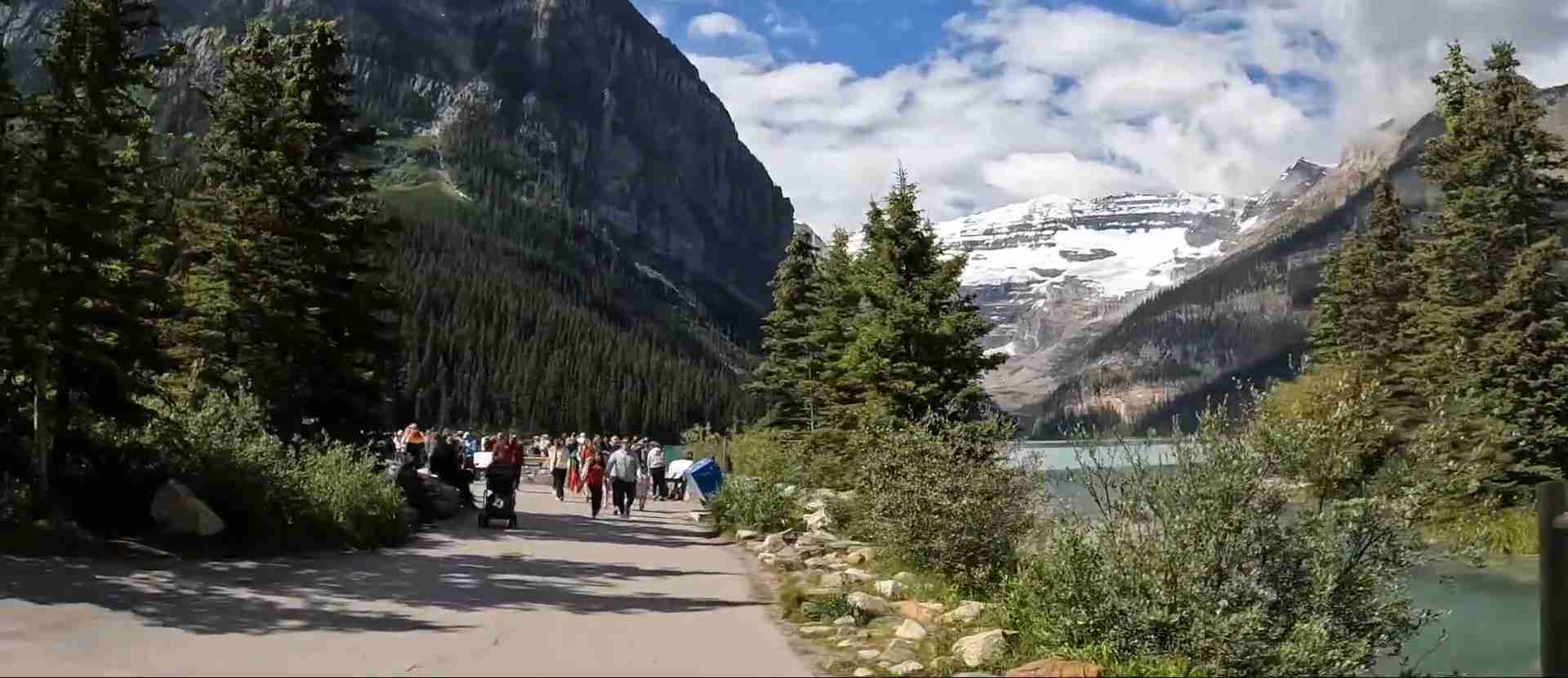
Canada Best Tours & Walking Routes 2026: Complete Travel Guide
Canada’s vast landscapes from Pacific coastlines to Arctic tundra offer world-class guided tours and legendary walking trails for every travel style in 2026. Whether you’re seeking luxury train journeys through the Canadian Rockies, budget small-group adventures, or multi-day wilderness backpacking routes, Canada delivers experiences that combine natural grandeur with expert guidance and infrastructure that makes planning straightforward for international visitors.
Key Takeaways: Canada Tours & Walking Routes 2026
- Rocky Mountaineer Premium in 2026: Canada’s iconic luxury train experience costs from CAD $4,480 ($3,360 USD) for GoldLeaf service between Vancouver and Jasper, with early April departures offering best value and guaranteed mountain snow scenery alongside emerging spring wildlife.
- Budget Tour Value 2026: Small group Canadian Rockies tours averaging CAD $260 ($195 USD) per person daily include 3-star accommodation, national park passes, guided hikes, and major attractions like Lake Louise and Jasper National Park, with shoulder seasons October-November and April-May delivering 30-40% savings.
- Epic Trail Planning 2026: The West Coast Trail (75 kilometers, 6-8 days) requires advance reservations opening February 5, 2026 at 8 AM PST, while the Trans Canada Trail’s 24,000-kilometer network offers section hikes from 4-kilometer family routes to 100-kilometer wilderness segments across every province.
- City Tour Accessibility 2026: Montreal, Toronto, and Vancouver half-day guided city tours range CAD $90-140 ($65-105 USD) including bilingual guides, while 3-day Eastern Canada multi-city packages (Toronto-Montreal-Quebec-Ottawa) cost CAD $690-900 ($515-675 USD) with accommodation and transportation included.
- Free National Park Access: The Canada Strong Pass returns June 19-September 7, 2026, providing free admission to all Parks Canada sites plus 25% off camping, perfectly timed for peak hiking season in Banff, Jasper, Yoho, and 46 other national parks across the country.
- Booking Strategy 2026: Tour operators recommend reserving 3-4 months ahead for summer departures (June-August), while Rocky Mountaineer and popular multi-day hiking permits like West Coast Trail sell out 6+ months advance during peak season, making January-February the critical booking window for July-August travel.
People Also Ask About Canada Tours & Walking Routes 2026
How much does a Canadian Rockies tour cost in 2026?
Canadian Rockies guided tours in 2026 range from CAD $260 ($195 USD) per person daily for budget small-group options to CAD $600+ ($450+ USD) daily for luxury experiences. A typical 7-day mid-range Rockies tour including Banff, Jasper, and Lake Louise costs CAD $2,950-3,275 ($2,215-2,455 USD) per person with accommodation, most meals, guided activities, and national park passes. Premium packages featuring stays at Fairmont properties and Rocky Mountaineer train segments reach CAD $7,000-9,000 ($5,250-6,750 USD) per person for 8-10 days. Budget-conscious travelers find excellent value in shoulder seasons (April-May, September-October) with prices 25-35% lower than peak July-August rates.
What are the best walking trails for first-time visitors to Canada in 2026?
First-time visitors should target iconic but accessible routes that showcase Canada’s diversity without requiring extensive backcountry experience. Lake Agnes Trail in Banff (5.7 miles roundtrip, 3-4 hours) leads to a historic teahouse with stunning lake views and requires no special permits. Johnston Canyon to Upper Falls (2.6 kilometers, 90 minutes) features boardwalk sections over waterfalls suitable for most fitness levels. Stanley Park Seawall in Vancouver (9 kilometers, 2-3 hours) offers ocean and mountain views on fully paved paths. Skyline Trail in Cape Breton (7-8.7 kilometers, 2.5-3 hours) provides dramatic coastal boardwalk hiking with wildlife spotting. All these routes feature excellent infrastructure, clear signage, nearby services, and can be completed as half-day activities from major gateway cities, making them perfect introduction to Canadian trail experiences.
Do I need to book Canada tours in advance for summer 2026?
Advance booking is essential for summer 2026 Canada travel, particularly for premium experiences and wilderness permits. Rocky Mountaineer train journeys sell out 6-8 months ahead for July-August departures, requiring January-March bookings for summer travel. West Coast Trail permits (75 kilometers, maximum 60 hikers daily) open February 5, 2026 and typically fill within hours for June-August dates. Small group tours (maximum 10-16 travelers) with operators like Fresh Adventures and G Adventures book solid 3-4 months advance during peak season. Standard multi-day bus tours with major operators maintain better availability but still benefit from 2-3 month advance reservations to secure preferred departure dates and best pricing. Budget an extra month of lead time if your travel includes Canada Day long weekend (July 1) or civic holidays in early August when domestic demand peaks.
What’s included in typical Canada guided tour packages for 2026?
Standard Canada guided tour packages in 2026 include accommodation (3-4 star hotels in double occupancy), ground transportation (coach bus or private vehicle), professional bilingual tour director, entrance fees to major national parks and attractions, and select meals (typically breakfast daily plus 30-50% of dinners). Mid-range packages add guided activities like glacier walks, boat cruises on mountain lakes, and city walking tours. Luxury packages upgrade to Fairmont-level hotels, all meals, premium experiences like helicopter tours or wildlife tracking with naturalists, and smaller group sizes (maximum 18-24 travelers). Packages typically exclude international flights to Canada, most lunches and some dinners (allowing independent dining choices), optional activities and excursions, gratuities for guides and drivers (suggested CAD $8-12 per person per day), and travel insurance. Always verify exact inclusions as budget operators may charge separately for national park passes and certain entrance fees that mid-range packages bundle.
Extended multi-day tours – 5+ days
Featured Canada Multi-Day Tour Packages
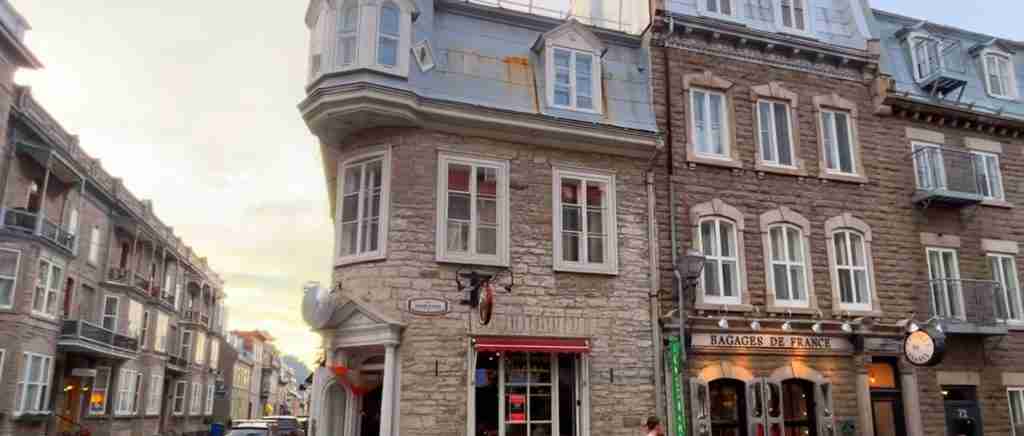
3 days
Canada 3-Day Discovery Tour
- ✓ Comprehensive Canada experience
- ✓ Expert local guides included
- ✓ All accommodation included
- ✓ Transportation provided

5 days
Canada 5-Day Highlights Experience
- ✓ Comprehensive Canada experience
- ✓ Expert local guides included
- ✓ All accommodation included
- ✓ Transportation provided
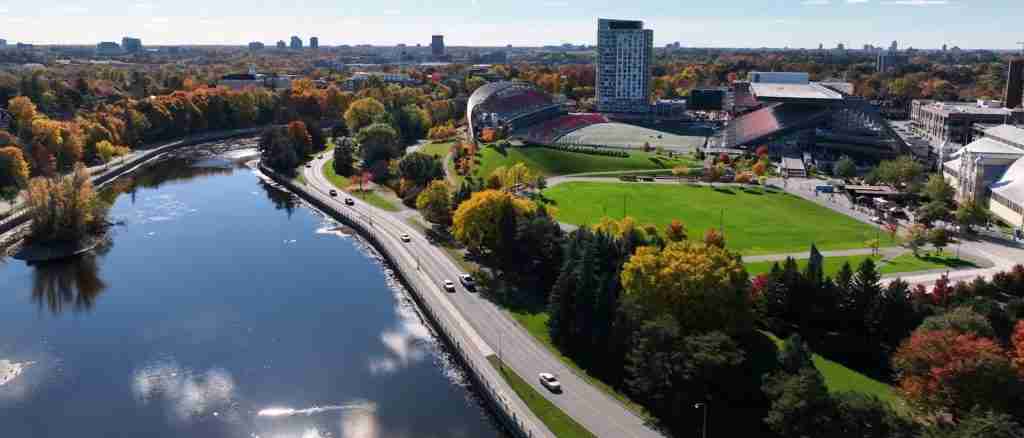
7 days
Canada 7-Day Cultural Journey
- ✓ Comprehensive Canada experience
- ✓ Expert local guides included
- ✓ All accommodation included
- ✓ Transportation provided
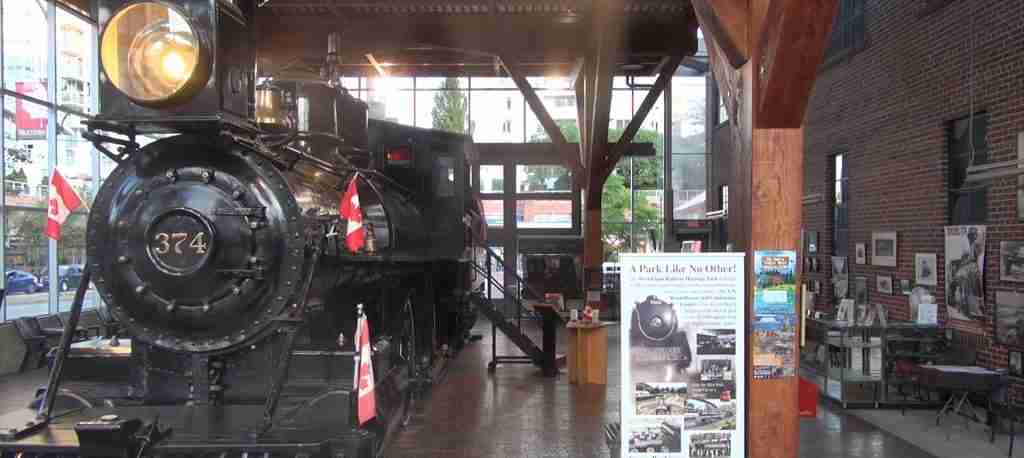
10 days
Canada 10-Day Complete Adventure
- ✓ Comprehensive Canada experience
- ✓ Expert local guides included
- ✓ All accommodation included
- ✓ Transportation provided
Multi-day tour packages powered by TourRadar. Prices and availability subject to change.
Introduction to Canada’s Tour and Trail Landscape 2026
Canada’s tourism infrastructure in 2026 supports both guided tour travelers seeking curated experiences and independent trail enthusiasts pursuing wilderness adventures, with offerings spanning every budget level from backpacker to ultra-luxury across 24,000 kilometers of maintained trails and tour routes connecting three coastlines, ten provinces, three territories, and 48 national parks. The scale challenges first-time planners but rewards research and advance booking with experiences unavailable elsewhere on the planet.
The Canadian Rockies remain the cornerstone of Canada’s tour industry, with Banff, Jasper, and Yoho National Parks anchoring itineraries that attract 4+ million annual visitors. Rocky Mountaineer’s luxury train service between Vancouver and the mountain parks sets the global standard for scenic rail journeys, while budget tour operators deliver remarkable value through small group experiences averaging CAD $260 ($195 USD) daily all-inclusive. Eastern Canada’s historic cities (Montreal, Quebec, Ottawa, Toronto) support efficient multi-day tours connecting UNESCO World Heritage sites, French colonial architecture, and parliamentary landmarks in compact itineraries ideal for first-time visitors.
Canada’s walking trail network in 2026 represents one of the world’s most ambitious recreational infrastructure projects, with the Trans Canada Trail spanning 24,000 kilometers coast-to-coast-to-coast, complemented by legendary multi-day routes like the West Coast Trail (75 kilometers), East Coast Trail (336 kilometers), and Bruce Trail (900 kilometers). National park trails offer extraordinary biodiversity, from grizzly bear and elk habitats in the Rockies to Atlantic puffin colonies in Newfoundland, polar bear migration routes in Churchill, and ancient temperate rainforests on Vancouver Island. Trail maintenance standards rival European Alpine routes with clear signage, emergency infrastructure, detailed maps, and permit systems that manage capacity while protecting wilderness values.
The 2026 season brings the return of the Canada Strong Pass (June 19-September 7), offering free national park admission plus 25% camping discounts during peak summer months when trail conditions are optimal. This federal initiative, combined with expanded shoulder season tour offerings and new small-group expedition companies, positions 2026 as an exceptional year for both guided and independent Canada exploration. Major tour operators report 15-25% increases in 2026 bookings compared to 2025, driven by North American domestic travel, European long-haul visitors, and Asian markets reopening post-pandemic, making early reservation critical for preferred dates and experiences.
Canadian Rockies Train Tours 2026
Rocky Mountaineer operates the world’s most celebrated scenic railway journeys through western Canada’s mountain landscapes in 2026, with four distinct routes connecting Vancouver, Whistler, Jasper, Banff, Lake Louise, and Calgary across 2-3 day all-daylight itineraries that maximize visibility of glaciers, alpine lakes, wildlife, and mountain peaks. The experience centers on panoramic dome-car viewing combined with gourmet meals prepared onboard and storytelling by onboard hosts who share geological, historical, and wildlife insights throughout the journey.
GoldLeaf service features bi-level dome cars with dedicated dining rooms on the lower level, premium beverage service including British Columbia wines, and multi-course plated meals using regional ingredients. SilverLeaf service offers single-level dome cars with meals served at-seat in oversized comfortable seating, maintaining the panoramic viewing experience at reduced cost. Both service levels include overnight hotel accommodation in Kamloops or Quesnel (depending on route) as trains do not travel after dark, preserving the scenic focus while ensuring passenger comfort.
The 2-day Vancouver to Jasper route (or reverse direction) costs from CAD $2,400 ($1,800 USD) per person in SilverLeaf, CAD $4,480 ($3,360 USD) in GoldLeaf for April 2026 departures, with prices increasing 8-12% for peak season July-August travel according to official Rocky Mountaineer 2026 pricing. Check Rocky Mountaineer’s website for current rates as pricing adjusts seasonally. This route follows the Fraser River through dramatic canyon scenery, past Mount Robson (Canadian Rockies’ highest peak at 3,954 meters), and into Jasper National Park with frequent wildlife sightings including black bears, elk, and mountain goats along the rail corridor.
The limited-availability Passage to the Peaks route operates exclusively during June-July 2026 between Banff, Lake Louise, and Jasper due to FIFA World Cup congestion in Vancouver, offering a shorter but intensely scenic journey through Kicking Horse Canyon, the Spiral Tunnels, Pyramid Falls, and past iconic peaks like Mount Rundle, Castle Mountain, and Mount Robson. This route packages as 2-10 day itineraries with multi-night stays in Banff, Lake Louise, and Jasper, providing extended time to explore each destination through add-on activities like glacier walks, lake cruises, and wildlife viewing tours. The condensed geography allows more flexible independent exploration between train days compared to longer Vancouver-based routes.
Complete Canadian Rockies rail packages combining Rocky Mountaineer with extended stays in Banff and Jasper typically span 7-10 days and cost CAD $5,500-9,000 ($4,125-6,750 USD) per person including train travel, 5-7 nights hotel accommodation, breakfast daily, select dinners, guided tours of Jasper and Banff National Parks, and activities such as Ice Explorer glacier rides and Maligne Lake cruises. Luxury packages featuring Fairmont Chateau Lake Louise and Fairmont Banff Springs properties reach CAD $10,000-14,000 ($7,500-10,500 USD) per person for 8-10 days with premium accommodations, all meals, and exclusive experiences like private wildlife tracking or helicopter glacier tours.
Booking strategy for Rocky Mountaineer 2026 requires 6-8 months advance reservation for July-August peak season departures, with many dates selling out by January-February. Pricing follows fixed tiers set annually with no discounts available (Rocky Mountaineer maintains strict non-discount policy globally), meaning early booking secures availability rather than price savings. April-May and September-October shoulder seasons offer identical scenic value with 15-20% lower pricing, enhanced wildlife activity (spring bear emergence, fall elk rutting season), and reduced crowds at mountain destinations. Tour operators package Rocky Mountaineer with additional nights and activities, occasionally offering modest savings compared to booking train and hotels separately, though convenience and bundled experience management provide the primary value proposition.
Budget and Small Group Tour Options 2026
Small group Canadian Rockies tours in 2026 deliver exceptional value for travelers prioritizing authentic experiences over luxury amenities, with daily costs averaging CAD $260 ($195 USD) per person including accommodation, transportation, most meals, national park passes, and guided activities. These tours typically operate with 8-16 participants (compared to 40-50 on standard motor coach tours), enabling access to hiking trails, wildlife viewing spots, and local restaurants that larger groups cannot accommodate while maintaining personable guide-traveler ratios that enhance learning and social dynamics.
Fresh Adventures stands among the highest-rated small group operators for Canadian Rockies experiences, specializing in active itineraries that balance guided activities with independent exploration time. Their 7-day Rockies tours staying at comfortable 3-star properties like Bow View Lodge in Banff and Marmot Lodge in Jasper include daily guided hikes, optional helicopter glacier tours, Ice Explorer rides on Athabasca Glacier, and free time for photography and personal exploration around iconic destinations like Lake Louise and Moraine Lake. The company’s flexible approach allows guides to adjust daily plans based on weather, wildlife sightings, and group interests, creating personalized experiences impossible with fixed large-group itineraries.
G Adventures offers Canadian Rockies tours following their established small group model at comparable CAD $260-280 ($195-210 USD) per person daily pricing, with 7-10 day itineraries covering the classic Vancouver-Kamloops-Jasper-Banff-Calgary circuit. Their tours emphasize sustainable travel practices including local accommodation choices, support for indigenous-owned businesses, and low-impact activities that minimize environmental footprint while maximizing cultural connection. G Adventures packages include all transportation, most meals, accommodation, national park passes, and signature experiences like the Make Travel Matter indigenous cultural presentations where Cree guides share buffalo significance and traditional land relationships.
Intrepid Travel’s Canadian offerings in 2026 focus on active adventure itineraries combining hiking, cycling, and kayaking with cultural experiences in mountain communities. Their 8-day Western Canada Explorer costs approximately CAD $2,800 ($2,100 USD) per person including accommodation, all transportation, 7 breakfasts, 2 lunches, 3 dinners, and activities such as Whistler mountain biking, Squamish Sea-to-Sky gondola, and multi-day Banff-Jasper exploration. Intrepid’s carbon-offset program and commitment to small local businesses distinguish their product for environmentally conscious travelers.
Budget-focused travelers pursuing even greater savings should consider shoulder season travel in October-November or April-May, when identical tour itineraries cost 25-35% less than peak July-August rates. October offers spectacular autumn colors in Banff and Jasper with enhanced wildlife visibility (elk rutting season, bears preparing for hibernation) and minimal crowds at major attractions. April-May provides spring conditions with snow-capped mountains providing dramatic photography contrasts against emerging wildflowers at lower elevations, though some high-elevation trails remain snow-covered requiring proper equipment.
Standard budget tour inclusions for CAD $260-280 ($195-210 USD) daily rates cover 3-star hotels with private bathrooms and heating, complimentary breakfasts, 40-60% of dinners, all ground transportation in comfortable vehicles, professional guide services, and national park entrance fees. Optional activities like Banff Gondola (CAD $80 / $60 USD), whitewater rafting (CAD $120-160 / $90-120 USD), or helicopter tours (CAD $280-400 / $210-300 USD) cost extra, allowing travelers to customize experiences and control total spending. Most budget operators recommend allocating CAD $50-80 ($38-60 USD) daily for unincluded meals plus CAD $200-400 ($150-300 USD) total for optional activities during a week-long tour.
Winter adventure tours (December-March) cost approximately CAD $140 ($105 USD) per person daily and focus on snow activities including skiing at major resorts (Lake Louise, Sunshine Village, Marmot Basin), cross-country skiing in national parks, ice skating on frozen Lake Louise, and snow tubing at SilverStar Mountain Resort. These packages provide incredible value for winter sports enthusiasts willing to embrace cold weather travel, with accommodation and ski pass bundles offering significant savings compared to independent bookings during peak winter holiday periods.
Major Tour Operators and Multi-Day Packages 2026
Established international tour operators deliver comprehensive Canadian itineraries in 2026 with proven logistics, consistent quality standards, and financial protection through industry associations and insurance programs that matter for higher-budget multi-week journeys. These companies operate larger group tours (24-40 travelers) but provide polish, predictability, and extensive included features that appeal to travelers prioritizing convenience and comprehensive coverage over intimate group dynamics.
Globus Tours leads escorted travel to Canada with decades of experience and worldwide reputation for quality motor coach vacations. Their “Great Resorts of the Canadian Rockies” 7-day tour in 2026 features stays at Fairmont Jasper Park Lodge, Fairmont Chateau Lake Louise, and Fairmont Banff Springs, delivering luxury accommodation within national parks combined with guided activities including Lake Louise lakeside walks, Maligne Lake cruises, Ice Explorer glacier experiences, and choice of excursions in Banff. Pricing for May 2026 departures starts approximately CAD $3,800 ($2,850 USD) per person based on double occupancy, excluding international flights but including all hotels, most meals, motor coach transportation, professional tour director, and comprehensive sightseeing per their published 2026 rates subject to verification on Globus website.
Trafalgar brings nearly 70 years of guided vacation expertise to Canadian itineraries, with their “Discover Canada’s Rockies” 7-day tour in 2026 priced from CAD $2,948 ($2,211 USD) per person after promotional savings of CAD $327 per person from standard CAD $3,275 ($2,456 USD) rates. This package includes 6 nights accommodation, 6 breakfasts, 1 lunch, 2 dinners, luxury air-conditioned coach transportation, Jasper and Banff exploration, Lake Louise visits, and Athabasca Glacier Ice Explorer experience. Trafalgar distinguishes their product through “Make Travel Matter” experiences including indigenous cultural presentations by Cree guides sharing traditional knowledge about buffalo and land relationships in the Rocky Mountain region.
Insight Vacations provides premium quality escorted motor coach vacations with elevated amenities including guaranteed window seats, complimentary headsets for guide commentary, premium hotels, and more extensive meal inclusions than budget operators. Their Canadian Rockies packages in 2026 cost CAD $4,200-6,800 ($3,150-5,100 USD) per person for 7-10 days with upscale 4-star properties, most meals included, signature dining experiences at premium restaurants, and intimate group sizes capped at 30 travelers maximum (versus 40-50 for standard coach tours).
Cosmos Tours, sister brand to Globus, targets value-conscious travelers with essential features at competitive pricing. Their Canadian Rockies tours in 2026 cost approximately CAD $2,100-2,800 ($1,575-2,100 USD) per person for 7-8 days including 3-star hotels, breakfast daily, select dinners, all transportation, and major included sights like Lake Louise, Columbia Icefield, and Banff town. Cosmos provides the quality and reliability of Globus Tours’ operational system at 25-30% lower cost by streamlining amenities, using comfortable but standard hotels, and offering fewer included meals while maintaining core sightseeing and transportation standards.
Gate1 Travel delivers affordability through efficient operations and group purchasing power, with Canadian tours starting around CAD $2,000-2,600 ($1,500-1,950 USD) per person for 7-9 day itineraries covering major highlights. Their 35+ years of experience and high customer satisfaction ratings demonstrate that budget-focused operations can maintain quality and reliability, making them attractive for cost-conscious travelers, retirees on fixed incomes, and large family groups seeking to control expenses without sacrificing essential experiences.
Cross-Canada tours connecting Eastern and Western highlights typically span 13-17 days and range CAD $3,900-7,400 ($2,925-5,550 USD) per person depending on accommodation level and inclusions. These comprehensive itineraries combine Toronto’s CN Tower and Niagara Falls, VIA Rail journeys across prairies, Rocky Mountain national parks (Jasper, Banff, Yoho), Victoria’s Butchart Gardens, and Vancouver’s waterfront in single seamless packages with one tour director throughout. The convenience of unified logistics across Canada’s vast distances appeals to international visitors, seniors, and time-constrained travelers seeking maximum coverage in single trip.
Alaska combination packages extend Canadian Rockies tours with 7-day Inside Passage cruises, creating 16-23 day vacations priced CAD $6,000-12,000 ($4,500-9,000 USD) per person including land tour, cruise, most meals, and guided experiences throughout. These packages capitalize on geographic proximity between Vancouver (primary Alaska cruise departure port) and Canadian Rockies destinations, delivering two bucket-list experiences in single journey with seamless transitions between land and sea components.
City Tours and Urban Explorations 2026
Canadian cities deliver distinct cultural experiences in 2026 through half-day and full-day guided tours that efficiently cover major landmarks, neighborhoods, and attractions while providing historical context and local insights impossible to replicate through independent sightseeing. Montreal, Toronto, Vancouver, Quebec City, and Ottawa each support robust tour industries with professional bilingual guides, modern transportation, and flexible options accommodating varied mobility levels, interests, and time constraints.
Montreal half-day city tours cost CAD $90-140 ($68-105 USD) per person for 3-4 hour experiences covering Old Montreal’s cobblestone streets and Notre-Dame Basilica, Mount Royal Park’s panoramic city views, St. Joseph’s Oratory (Canada’s largest church), upscale Westmount neighborhood, and waterfront districts. Tours operate daily with multiple language options (English, French, Spanish, Mandarin) reflecting Montreal’s international visitor base. Hop-on hop-off double-decker bus passes for 2-day unlimited access cost CAD $90-110 ($68-83 USD) per adult, providing flexibility to explore 10+ stops at personal pace with live bilingual commentary connecting Montreal’s history, architecture, and contemporary culture.
Toronto city tours in 2026 emphasize the city’s multicultural neighborhoods, architectural diversity, and waterfront attractions through half-day packages priced CAD $95-125 ($71-94 USD) per person. Standard itineraries include CN Tower visits (with observation deck admission), Casa Loma castle exploration, Chinatown and Kensington Market neighborhoods, Distillery District’s historic architecture and art galleries, and waterfront views from Harbourfront. Full-day Toronto tours adding Niagara Falls excursions cost CAD $230-330 ($173-248 USD) per person including transportation, Niagara Falls boat cruise, and 2-3 hours at the falls viewing Canadian and American cascades from multiple vantage points.
Vancouver guided tours in 2026 showcase the city’s spectacular natural setting between mountains and Pacific Ocean through half-day programs costing CAD $100-130 ($75-98 USD) per person covering Stanley Park’s Seawall, Gastown’s historic district, Granville Island Public Market, Chinatown, and Capilano Suspension Bridge. Full-day Vancouver tours adding Whistler mountain resort cost CAD $280-350 ($210-263 USD) per person with stunning Sea-to-Sky Highway scenery, Shannon Falls stop, and 3-4 hours exploring Whistler Village with optional Peak 2 Peak Gondola rides connecting Whistler and Blackcomb mountains for 360-degree mountain panoramas.
Quebec City walking tours concentrate on the UNESCO-listed Old Quebec fortifications, Place Royale’s French colonial architecture, Chateau Frontenac castle-hotel, Plains of Abraham battlefield, and Little Champlain Street’s European village atmosphere through 2-3 hour guided walks priced CAD $70-100 ($53-75 USD) per person. Small group tours (maximum 10-15 participants) cost CAD $110-150 ($83-113 USD) per person but deliver enhanced interaction with guides, access to hidden courtyards and local shops, and flexibility to adjust pace and focus areas based on group interests. Quebec City’s compact historic core makes walking the ideal exploration method, with tours covering 2-4 kilometers at gentle pace suitable for most fitness levels.
Ottawa guided tours in 2026 emphasize parliamentary democracy and national institutions through half-day experiences costing CAD $85-120 ($64-90 USD) per person featuring Parliament Hill tours (including Peace Tower), Rideau Canal (UNESCO World Heritage Site), ByWard Market’s food and craft vendors, National War Memorial, and Supreme Court. Summer evening programs include Parliament Hill Sound and Light shows projecting Canadian history onto Parliament’s Gothic Revival facade in free public displays complementing paid daytime tours.
Multi-city Eastern Canada packages deliver efficient touring across multiple destinations with continuous guided services and pre-arranged transportation. The 3-day Toronto-Montreal-Quebec-Ottawa tour costs CAD $690-900 ($518-675 USD) per person including 2 nights hotel accommodation, daily breakfast, coach transportation, and guided sightseeing in each city. These fast-paced itineraries cover 800+ kilometers connecting Canada’s most historically significant cities, UNESCO World Heritage Sites (Historic District of Old Quebec), and cultural landmarks in compact timeframes ideal for first-time visitors with limited vacation time or cruise passengers on pre/post-cruise land programs.
Specialized thematic tours in Canadian cities include food tours exploring diverse cuisines (CAD $110-160 / $83-120 USD per person for 3-4 hour guided tastings), underground city tours in Montreal navigating the 33-kilometer subterranean network (CAD $65-90 / $49-68 USD per person), and street art tours in neighborhoods like Plateau Mont-Royal showcasing murals and urban culture (CAD $75-100 / $56-75 USD per person). These niche experiences attract return visitors and residents seeking deeper engagement beyond standard tourist circuits.
Epic Walking Routes and Long-Distance Trails 2026
Canada’s legendary multi-day hiking routes in 2026 challenge experienced backpackers with wilderness conditions, dramatic elevation changes, and backcountry camping requiring advanced preparation, proper equipment, and physical fitness beyond casual day hiking capability. These trails reward commitment with unparalleled solitude, wildlife encounters, and landscapes inaccessible via roads or standard tourism infrastructure, representing authentic wilderness experiences increasingly rare in developed nations.
The West Coast Trail spans 75 kilometers along Vancouver Island’s rugged Pacific coastline through Pacific Rim National Park Reserve, requiring 6-8 days to complete with dramatic elevation changes, 100+ ladder systems, river crossings, and exposure to intense coastal weather including heavy rain and wind. Hikers traverse traditional territories of Huu-ay-aht, Ditidaht, and Pacheedaht First Nations, passing through ancient temperate rainforest, along rocky beaches with tide pools, and past historic shipwreck sites that earned this coastline the name “Graveyard of the Pacific.” Trail difficulty ranks as challenging even for experienced backpackers due to muddy conditions, steep climbs with full packs, and technical sections requiring careful footing on wet logs and rocks.
West Coast Trail permits for 2026 become available February 5 at 8:00 AM Pacific Time through Parks Canada Reservation Service, with the trail open May 1-September 30 and maximum capacity of 60 hikers starting daily (30 from Pachena Bay northern trailhead, 30 from Gordon River southern trailhead). Permit fees cost approximately CAD $180 ($135 USD) per person plus ferry fees for mandatory water crossings and orientation session charges. Reservations typically sell out within hours for prime June-August dates, making precise timing at 8:00 AM reservation opening critical. Mid-September offers excellent hiking conditions with reduced crowds, though shorter daylight hours and increased rain probability require adaptation.
The East Coast Trail in Newfoundland stretches 336 kilometers linking 25 wilderness paths along coastline from St. John’s to Cappahayden, showcasing dramatic cliff formations, seabird colonies including Atlantic puffins, whale migration routes, historic fishing villages, and evidence of human habitation spanning indigenous peoples through European settlement. The trail divides into sections ranging 4-20 kilometers, allowing hikers to select individual sections matching fitness levels and time availability rather than committing to complete through-hike. Most hikers complete 3-5 sections over 6-8 days, staying in St. John’s area accommodations and day-hiking various trail segments with return transportation.
Trail difficulty varies significantly across East Coast Trail sections, from easy 4-kilometer coastal walks suitable for families to challenging 18-kilometer wilderness routes requiring 7-8 hours with steep climbs and rough footing. Popular moderate sections include Spout Path to Bishopscove (11 kilometers, 4-5 hours) featuring dramatic coastal views and accessible waterfalls, and Cape Spear Path (15 kilometers, 6-7 hours) passing North America’s easternmost point with historic lighthouse. The trail operates year-round with June-September offering optimal conditions, though spring brings iceberg season (April-June) adding spectacular frozen giant viewing to coastal scenery.
The Trans Canada Trail connects 24,000 kilometers of multi-use recreational pathways linking every province and territory from Atlantic to Pacific to Arctic oceans, creating the world’s longest network of trails. The system incorporates greenways, waterways, and roadways with varying surface types from paved urban paths to wilderness single-track, enabling hiking, cycling, horseback riding, cross-country skiing, and snowmobiling depending on location and season. Most users engage specific sections rather than attempting coast-to-coast journeys, with popular segments including the Confederation Trail across Prince Edward Island (449 kilometers of converted railway, largely flat), Kettle Valley Railway Trail through British Columbia (650 kilometers with historic rail bridges and tunnels), and Ottawa Greenbelt trail system (170 kilometers of urban-rural pathways).
The Skyline Trail in Cape Breton Highlands National Park follows 7-8.7 kilometers of boardwalk protecting fragile ecosystems while delivering dramatic Atlantic Ocean headland views, wildlife spotting opportunities (moose, bald eagles, black bears, offshore whales), and accessible hiking suitable for most fitness levels with 2.5-3 hour completion time. The boardwalk construction throughout eliminates mud and technical footing challenges common on wilderness trails, making Skyline ideal for families, seniors, and hikers transitioning from urban walking to natural landscapes. Sunset timing creates spectacular photography opportunities with last light illuminating coastal cliffs and ocean expanse.
The Bruce Trail spans 900 kilometers along Niagara Escarpment from Queenston to Tobermory in Ontario, making it Canada’s oldest and longest marked footpath. The trail system includes 400+ kilometers of side trails creating diverse options from 2-hour day hikes to week-long expeditions. Geology features prominently with Niagara Escarpment’s ancient rock formations, fossil beds, waterfalls, and caves providing educational opportunities alongside physical activity. Most hikers tackle Bruce Trail in sections of 8-15 kilometers (4-6 hours) using access points where trail crosses roads, staying in nearby towns and completing the full 900-kilometer trail over multiple years of section hiking trips.
The Fundy Footpath in New Brunswick challenges hardcore wilderness backpackers with 49.3 kilometers of rugged terrain featuring extreme elevation changes (5,000+ meters cumulative over the route), infrequent maintenance creating technical conditions, and backcountry wilderness character requiring comprehensive self-sufficiency. The trail requires 3-5 days to complete with primitive camping at designated backcountry sites, crossing numerous streams, and navigating root systems, boulder fields, and steep ascents. Hikers should possess strong backcountry skills, navigation ability with map and compass, and comfort with exposure and challenging footing before attempting Fundy Footpath. Prime hiking season runs June-September, with mid-October marking the cutoff as hypothermia risk increases dramatically in shoulder seasons.
National Parks Walking Routes 2026
Canada’s 48 national parks protect 340,000+ square kilometers of wilderness and managed landscapes accessible through 15,000+ kilometers of maintained hiking trails ranging from wheelchair-accessible boardwalks to challenging alpine routes requiring scrambling skills. Parks Canada maintains consistent trail classification systems, detailed online maps, safety information, and real-time conditions reporting enabling informed planning across the national park system. The Canada Strong Pass providing free admission June 19-September 7, 2026 removes financial barriers during optimal hiking season when trail conditions, weather, and wildlife activity align for exceptional experiences.
Banff National Park supports 446 hiking trails with average 4.4-star ratings from 275,000+ visitor reviews, establishing its reputation as North America’s premier national park hiking destination. Lake Agnes Trail (5.7 miles / 9.2 kilometers roundtrip, 3-4 hours, moderate difficulty) ranks among Canada’s most popular day hikes, ascending from Lake Louise shoreline through subalpine forest to historic Lake Agnes Tea House built 1901 as mountaineer refuge. The teahouse operates mid-June through early October serving tea, soups, sandwiches, and baked goods (cash only, Canadian dollars) at elevation 2,135 meters with stunning mountain cirque views. Trail conditions include well-maintained path with 400 meters elevation gain, sections of steep switchbacks, and potential for icy conditions on stairs near teahouse even in summer months. Experienced hikers extend the route to Big Beehive (additional 1.6 kilometers, 150 meters elevation gain) for panoramic Lake Louise views from rocky summit.
Johnston Canyon Trail in Banff leads 2.6 kilometers to Upper Falls through dramatic limestone canyon with suspended catwalks attached to canyon walls above rushing Johnston Creek. Lower Falls (1.1 kilometers, 30 minutes, easy) provides accessible introduction suitable for families with young children and seniors, while Upper Falls extension (additional 1.5 kilometers, 45 minutes, easy-moderate) rewards with larger cascade and increased solitude as many visitors turn back at Lower Falls. The Inkpots extension (additional 4 kilometers beyond Upper Falls) reaches colorful cold-water mineral springs in high mountain valley, creating 11-kilometer roundtrip moderate-challenging day hike for ambitious visitors. Winter transforms Johnston Canyon into ice palace with frozen waterfalls and illuminated evening tours, though ice cleats become mandatory equipment for safe footing.
Plain of Six Glaciers Trail from Lake Louise extends 10.6 kilometers roundtrip (5-6 hours, moderate) to historic tea house built 1927 in dramatic amphitheater surrounded by towering glaciers Victoria, Lefroy, and Popes. The trail follows Lake Louise shoreline before ascending gradually through avalanche paths and boulder fields with Mount Victoria glacier views throughout. Plain of Six Glaciers Tea House operates mid-June through September serving tea, sandwiches, soups, and homemade baked goods (cash only) in rustic log cabin setting. Trail conditions require appropriate footwear, layers for variable weather, and preparedness for potential afternoon thunderstorms common in summer months. The combination of Lake Agnes and Plain of Six Glaciers trails creates strenuous 14.5-kilometer loop (6-8 hours) for strong hikers seeking comprehensive Lake Louise backcountry experience.
Jasper National Park offers 1,000+ kilometers of trails across 11,000 square kilometers of protected wilderness, ranging from accessible valley-bottom walks to multi-day backcountry routes through remote alpine terrain. Maligne Canyon Trail (4 kilometers roundtrip, 90 minutes, easy) descends through impressive limestone gorge via series of bridges spanning canyon at various points, providing multiple perspectives on 50-meter-deep chasm carved by Maligne River. The trail’s gentle grade and excellent infrastructure makes it suitable for most visitors while delivering dramatic geological features and interpretive signage explaining canyon formation over thousands of years of erosion.
Valley of Five Lakes Trail in Jasper creates 4.6-kilometer loop (2 hours, easy-moderate) circling five distinct lakes each displaying unique colors from turquoise to deep green depending on mineral content, depth, and light conditions. The gentle rolling terrain through mixed forest with regular lake viewpoints provides excellent introduction to Jasper landscape with minimal elevation gain and clear trail throughout. Wildlife sightings common include elk, deer, black bears (maintain proper distance and make noise), and diverse bird species. The trail’s proximity to Jasper townsite (9 kilometers south on Highway 93) enables quick access for limited-time visitors or families with young children.
Yoho National Park contains 108 hiking trails with average 4.5-star ratings concentrated in smaller 1,310-square-kilometer area creating high density of accessible wilderness experiences. Emerald Lake Loop (5.2 kilometers, 90 minutes, easy) circumnavigates spectacular turquoise glacial lake surrounded by mountains via mostly level trail suitable for all fitness levels. The trailhead sits 15 minutes from Trans-Canada Highway along newly paved access road cutting through dense forest, with Emerald Lake Lodge and restaurant providing services at lakeside. Canoe rentals (CAD $70-90 / $50-65 USD per hour) enable on-water exploration of the lake’s distinctive color caused by glacial flour suspended in water refracting specific light wavelengths.
Peyto Lake viewpoint in Banff National Park requires only 800-meter paved walk (20 minutes roundtrip, easy) from Icefields Parkway parking area to elevated platform overlooking iconic glacier-fed lake with wolf-head shape and electric blue color. The short accessible nature of this trail makes Peyto Lake essential stop on any Icefields Parkway drive, with peak color intensity occurring mid-July through early August when glacial meltwater flow maximizes. Early morning or late afternoon visits avoid mid-day crowds that can overwhelm the relatively small viewing platform during July-August peak season. The paved path includes slight incline that remains manageable for most mobility levels, though wheelchair users should confirm current accessibility status before visiting as winter frost heaving can affect surface conditions.
Pacific Rim National Park Reserve on Vancouver Island protects temperate rainforest and dramatic Pacific coastline accessible through several distinct trail systems. Wild Pacific Trail in Ucluelet combines 8.5 kilometers of interconnected paths along rocky shoreline with options for 2.6-kilometer Lighthouse Loop or 7.5-kilometer Woodland to Pacific Trail, all featuring boardwalk sections, interpretive signage, and spectacular ocean views. Trail difficulty rates easy to easy-moderate with gentle elevation changes and excellent all-season access including storm-watching opportunities during November-February when powerful Pacific storms create massive wave action against coastal cliffs.
Regional and Provincial Trail Systems 2026
Provincial and territorial park systems across Canada complement national parks with additional thousands of kilometers of maintained hiking trails accessing diverse ecosystems from prairie grasslands to boreal forest to tundra, often with reduced crowding compared to famous national park destinations. These trails demonstrate Canada’s commitment to recreational infrastructure and wilderness protection extending beyond federally protected areas into provincial and territorial jurisdictions managing equally spectacular landscapes.
Garibaldi Provincial Park in British Columbia protects 2,678-meter Mount Garibaldi and surrounding peaks, glaciers, and alpine lakes through 90 kilometers of interconnected trails at varying difficulty levels from moderate to very difficult. The park’s five trailhead access points enable selection of routes matching fitness and experience levels, with overnight camping permits required for multi-day trips. Garibaldi Lake Trail (18 kilometers roundtrip, 7-8 hours, moderate-difficult) climbs 900 meters through forest to stunning turquoise alpine lake surrounded by peaks, glaciers, and volcanic formations. The trail’s popularity requires mid-week visits or early-season (June) and late-season (September-October) timing to escape weekend crowds that can overwhelm limited parking facilities.
Cape Split Trail in Nova Scotia follows 13 kilometers roundtrip (5-6 hours, moderate) to dramatic clifftop overlooking Bay of Fundy from finger of land jutting into ocean with some of the world’s highest tides creating powerful currents and riptides visible from safe cliff-top vantage point. The trail traverses mixed forest and farmland before reaching coastal headland, with steep ascents totaling 300 meters elevation gain requiring moderate fitness. Optimal hiking window runs May-October, with spring and fall offering reduced humidity and fewer biting insects compared to mid-summer. Fundy tidal extremes create optimal viewing approximately 3 hours before or after low tide when current patterns display maximum intensity.
Sutton Park hiking area in Quebec’s Eastern Townships provides 80 kilometers of interconnected trails surrounding Sutton and Round mountains with numerous route options from 2-hour half-day walks to multi-day expeditions. Two pristine mountain lakes enable swimming during June-September, with diverse trail difficulty accommodating beginners through experienced alpine hikers. The area’s proximity to Montreal (90 minutes) and Vermont border makes it accessible weekend destination for urban populations seeking quick escape to wilderness experiences. Fall foliage season (mid-September through mid-October) creates spectacular color displays rivaling Vermont and New Hampshire autumn landscapes.
Sunshine Coast Trail in British Columbia spans 180 kilometers along Sunshine Coast between Saltery Bay and Sarah Point, making it Canada’s longest hut-to-hut hiking trail with 13 rustic wilderness huts spaced day’s-hike intervals. The trail system enables self-supported long-distance backpacking with lighter pack weight compared to traditional tent camping, though hikers must carry sleeping bags, food, and basic camping gear as huts provide only roof and sleeping platforms. Trail conditions vary from well-maintained forest paths to rough wilderness track requiring navigation skills, proper equipment, and realistic assessment of fitness and experience before attempting multi-day sections.
The Cabot Trail in Nova Scotia combines 300-kilometer scenic driving route with dozens of hiking trailheads accessing Cape Breton Highlands landscapes from coastal cliffs to boreal plateau. Skyline Trail (7-8.7 kilometers, 2.5-3 hours, easy-moderate) represents the Cabot Trail’s signature hike with boardwalk protecting fragile headland ecosystem while providing dramatic Atlantic Ocean views, wildlife spotting, and accessible hiking suitable for most fitness levels. The loop configuration enables continuous forward movement without retracing steps, while sunset timing creates optimal photography conditions as last light illuminates coastal cliffs and ocean. Wildlife awareness remains critical as moose frequent the area, requiring noise-making while hiking and proper distance maintenance if encounters occur.
Ontario’s Algonquin Provincial Park protects 7,653 square kilometers of wilderness with 1,500+ kilometers of canoe routes and 140 kilometers of backpacking trails accessing boreal forest, maple hills, and countless lakes. The park’s backcountry camping system requires permits and reservations for overnight trips, with drive-in campgrounds providing base camp options for day-hiking visitors. Popular day hikes include Centennial Ridges Trail (10 kilometers, 4-5 hours, moderate-difficult) following rocky ridges with panoramic views, and Track and Tower Trail (7.7 kilometers, 3 hours, moderate) climbing fire tower for forest canopy views. Fall color season (mid-September to mid-October) creates legendary maple leaf displays attracting visitors worldwide, requiring advance campground reservations and patience with increased vehicle traffic on park roads.
Rocky to Nordegg Rail Trail in Alberta represents one of 2026’s most anticipated new trail openings, spanning 109 kilometers from Rocky Mountain House to Nordegg along abandoned rail corridor. The converted rail trail provides gentle grades suitable for hiking, cycling, and horseback riding through foothill landscapes transitioning from prairie to mountains, with minimal elevation change compared to mountain trails. The trail’s newness means evolving amenities and services, requiring self-sufficiency and realistic expectations about infrastructure while enjoying uncrowded conditions impossible on established tourism routes. Completion timeline may extend into 2027 depending on final construction phases, so verify trail status before planning trips dependent on full 109-kilometer access.
Wildlife Viewing and Nature-Focused Hiking 2026
Wildlife observation drives many visitors to Canadian trails, with opportunities ranging from abundant elk and deer sightings to rare encounters with grizzly bears, wolves, caribou, and polar bears depending on region, season, and habitat. Responsible wildlife viewing requires understanding animal behavior, maintaining proper distances (100 meters for bears and wolves, 30 meters for elk and deer), making noise while hiking to prevent surprising animals, and carrying bear spray in regions with bear populations. Parks Canada and provincial park systems provide excellent wildlife information, real-time bear activity alerts, and mandatory education programs for backcountry users.
Banff and Jasper National Parks support healthy populations of elk, mule deer, bighorn sheep, mountain goats, black bears, and grizzly bears, with spring (May-June) and fall (September-October) offering enhanced wildlife visibility as animals frequent roadsides and valley bottoms during seasonal migrations and mating periods. Elk rutting season (mid-September through October) creates dramatic wildlife encounters as bull elk bugle to attract mates and defend harems, though visitors must maintain significant distances as rutting bulls display aggressive behavior even toward humans. Bow Valley Parkway between Banff and Lake Louise provides excellent wildlife driving corridor with frequent pullouts enabling safe observation without obstructing traffic.
The Icefields Parkway connecting Lake Louise and Jasper ranks among the world’s premier wildlife viewing corridors, with roadside sightings common for black bears, grizzly bears, elk, moose, mountain goats, and bighorn sheep across the 232-kilometer route. Early morning (6:00-9:00 AM) and evening (6:00-9:00 PM) timing maximizes sightings when animals feed actively in roadside areas. Columbia Icefield area specifically attracts mountain goats and bighorn sheep to mineral licks, creating reliable viewing opportunities May-October. Patient observers willing to spend extended periods at promising locations dramatically increase encounter probability compared to rushed sightseeing approaches.
Churchill, Manitoba bills itself as the “Polar Bear Capital of the World,” with specialized tundra vehicle tours operating October-November when polar bears congregate near Hudson Bay coastline awaiting ice formation to resume seal hunting. These tours cost CAD $700-1,200 ($525-900 USD) per person for full-day expeditions in heated all-terrain vehicles purpose-built for tundra travel and bear viewing from elevated platforms. The Churchill polar bear experience represents bucket-list wildlife viewing requiring significant time and expense to reach remote location (air travel only, no road access), but delivering unparalleled encounters with Earth’s largest land carnivores in natural Arctic habitat. Summer Churchill visits (July-August) enable beluga whale viewing in Churchill River estuary, creating year-round wildlife tourism opportunities in this subarctic community.
Pacific Rim National Park Reserve on Vancouver Island provides gray whale migration viewing March-May and August-October as 20,000+ whales travel between Mexican breeding lagoons and Alaskan feeding grounds. Shore-based viewing from Long Beach or Wickaninnish Beach enables free whale observation, while guided kayak tours (CAD $120-180 / $90-135 USD per person for 3 hours) and boat excursions (CAD $140-200 / $105-150 USD per person for 2-3 hours) increase proximity and encounter probability. Black bears frequent intertidal zones especially spring and fall, requiring awareness while exploring beaches and maintaining proper bear safety protocols.
Newfoundland’s Gros Morne National Park attracts visitors for dramatic fjord landscapes and unique wildlife including moose, caribou, Arctic hare, and Atlantic puffin colonies on coastal islands. Moose population density in Newfoundland exceeds anywhere else on Earth, making sightings virtually guaranteed on multi-day visits though dangerous vehicle-moose collisions remain serious concern requiring reduced speed and extreme vigilance on park roads especially dawn and dusk when moose activity peaks. Puffin viewing boat tours (CAD $80-120 / $60-90 USD per person for 2 hours) operate June-August accessing seabird colonies on offshore islands where Atlantic puffins nest by thousands, creating extraordinary photography opportunities for wildlife enthusiasts.
Humpback whale viewing in British Columbia’s Inside Passage combines with tour boat excursions and kayak trips throughout Vancouver Island waters, with peak season July-October when whales feed intensively on salmon and herring schools. Telegraph Cove and Tofino operate as primary whale-watching bases with multiple daily departures, 95%+ sighting success rates during peak season, and opportunities for orcas, gray whales, sea lions, harbor seals, and bald eagles beyond humpback focus. Responsible tour operators maintain required distances, limit vessel speed near whales, and employ naturalist guides providing educational content about whale biology, behavior, and conservation alongside viewing experiences.
Waterton Lakes National Park in Alberta’s southwest corner provides excellent bear habitat and viewing opportunities with both grizzly and black bears throughout the park’s diverse ecosystems from prairie grasslands to alpine peaks. The park’s relatively compact 505-square-kilometer area enables concentrated wildlife populations, with the Red Rock Canyon and Cameron Lake areas producing frequent bear sightings. Waterton’s international peace park designation with Montana’s Glacier National Park creates transboundary wildlife corridor enabling genetic exchange and seasonal migration between U.S. and Canadian ecosystems, supporting healthier bear populations than isolated protected areas achieve.
Trail Safety and Wilderness Preparedness 2026
Trail safety in Canadian wilderness requires understanding and preparing for weather extremes, wildlife encounters, navigation challenges, and self-rescue capability that differ significantly from European or Asian mountain environments where mountain huts, reliable cell service, and dense trail networks reduce isolation. Canadian backcountry visitors must embrace self-sufficiency mindset, carrying comprehensive safety gear, understanding route-finding, and possessing realistic assessment of fitness and experience relative to trail difficulty and environmental conditions.
Bear safety protocols represent non-negotiable wilderness travel requirements in Canadian national parks and provincial parks with bear populations. Carry bear spray (minimum 225-gram canister, expired spray is ineffective), know how to deploy it quickly from holster without fumbling, and practice deployment technique on inert training canisters before wilderness trips. Make noise while hiking through dense vegetation or blind corners by calling out, clapping hands, or singing to avoid surprising bears, as most dangerous encounters result from bears startled at close range. Travel in groups of 3+ people when possible as groups rarely experience bear attacks compared to solo hikers and couples. Never approach or photograph bears regardless of distance or apparent safety, as even seemingly calm bears can charge unpredictably, covering 40-50 meters in seconds. Store all food, toiletries, and scented items in bear canisters or park-provided lockers at campsites, as habituated bears become dangerous and require removal or euthanization.
Weather preparation matters more than most visitors anticipate, with mountain weather changing rapidly and hypothermia risk existing even summer months at elevation. Pack synthetic or wool base layers (cotton kills through moisture retention), insulating mid-layers, waterproof-breathable rain jacket and pants, warm hat, and gloves for any hike longer than 2 hours regardless of morning conditions. Mountain afternoon thunderstorms develop frequently July-August, bringing lightning danger, heavy rain, and rapidly dropping temperatures. Start early (7:00-8:00 AM) to complete exposed alpine sections before typical 2:00-4:00 PM afternoon storm window. Check Parks Canada weather forecasts and trail conditions reports before departure, with particular attention to avalanche danger spring and fall, flooding following heavy rain, and seasonal closures for wildlife management.
Navigation skills and equipment prevent getting lost even on popular maintained trails where route-finding errors occur regularly. Carry detailed topographic maps and compass, knowing how to use both without relying on smartphone GPS that fails with dead batteries, lack of cell service, or device damage. Download offline maps to smartphones as backup navigation but never as primary system. Stay on marked trails rather than creating shortcuts, as off-trail travel damages fragile alpine vegetation, erodes slopes, and increases getting lost risk. If lost, stay calm, stop moving, use whistle (three blasts signal distress), and shelter from weather while waiting for rescue or sunrise visibility. Most lost hikers are found within 24-48 hours, making immediate survival priorities (shelter, water, staying visible to searchers) more important than attempting self-rescue navigation in poor visibility or darkness.
Essential gear for day hiking in Canadian wilderness includes 2+ liters water per person (alpine sources may be contaminated with Giardia), high-energy food exceeding planned calorie needs, first aid kit with blister treatment, headlamp with extra batteries, fire-starting capability (waterproof matches or lighter), emergency blanket, whistle, and fully charged phone in waterproof bag. Multi-day backpacking requires comprehensive gear lists available through Parks Canada and outdoor retailer resources, with emphasis on quality equipment properly fitted and tested before wilderness deployment.
Physical fitness assessment matters crucially for trail selection, as overestimating capability leads to dangerous exhaustion, injury risk, and rescue requirements straining park resources. Be honest about fitness level when choosing trails, recognizing that elevation gain figures (not distance alone) determine difficulty in mountain environments. A 10-kilometer trail gaining 800 meters elevation challenges significantly more than 15-kilometer flat trail, with general guideline suggesting 300-400 meters elevation gain per hour as sustainable pace for average fitness hikers. Start with easier trails to assess mountain hiking capability before attempting difficult routes, build fitness progressively rather than immediately tackling bucket-list difficult hikes, and consider guided trips with professional outfitters for challenging routes beyond current experience level.
Cell phone coverage remains limited to nonexistent throughout much of Canadian wilderness, making satellite communication devices (CAD $400-600 / $300-450 USD purchase, or CAD $40-60 / $30-45 USD monthly rental) valuable investment for extended backcountry travel. Garmin inReach and SPOT devices enable two-way text messaging, location sharing, and emergency SOS triggering via satellite independent of cell networks. Parks Canada does not require satellite devices for backcountry travel but recommends them for routes beyond day-hike distance from trailheads, with particular emphasis for solo travelers lacking hiking partners who could seek help in emergencies.
Seasonal Considerations and Timing Strategies 2026
Understanding Canada’s dramatic seasonal variations enables strategic timing that matches personal preferences, budget constraints, and desired experiences while avoiding weather extremes, operational limitations, and crowd peaks that diminish enjoyment and inflate costs. The country spans 40 degrees of latitude from 49th parallel along U.S. border to Arctic islands beyond 83 degrees north, creating enormous climate variation requiring region-specific seasonal planning rather than blanket “best time to visit Canada” generalizations.
Summer peak season (July-August) delivers optimal trail conditions, maximum daylight hours (17-19 hours in southern Canada, 24-hour daylight north of Arctic Circle), complete operational schedules for accommodations and services, and warmest temperatures for comfortable hiking and camping. These advantages attract maximum visitor numbers creating congestion at iconic destinations like Lake Louise and Banff townsite, requiring reservations for accommodation 6+ months ahead and patience with parking shortages, trail crowding, and service delays during absolute peak weeks surrounding Canada Day (July 1) and early August civic holiday long weekends. Trail wildflower displays peak mid-July through early August in alpine zones, adding color and photography interest to mountain hiking experiences.
Shoulder seasons (May-June and September-October) balance weather reliability, reasonable crowds, and 20-35% cost savings across tours, accommodation, and activities while accepting trade-offs including possible snow on high-elevation trails, reduced service availability, and weather uncertainty. Late May through June delivers spring conditions with valley wildflowers blooming, bear activity increasing as animals emerge from hibernation, and snow gradually receding from mountain passes while still coating high peaks for dramatic photography contrasts. September through early October offers autumn colors especially in eastern Canada’s maple forests, elk rutting season wildlife spectacles, stable weather following summer storm season, and pre-winter urgency as animals prepare for cold months ahead.
Winter (December-March) transforms Canada into snow-sports destination with world-class skiing and snowboarding at major resorts (Whistler, Lake Louise, Sunshine Village, Mont-Tremblant), winter trail activities including cross-country skiing and snowshoeing, ice skating on frozen lakes, and northern lights viewing in Yukon and Northwest Territories during long Arctic nights. Winter tourism costs 40-60% less than summer for accommodations and tours outside of Christmas-New Year holiday period, though visitors must embrace cold temperatures (-20 to -30 Celsius common in Rockies, -30 to -40 in northern regions), shorter daylight hours (8-9 hours in south, zero at North Pole), and limited trail access as avalanche danger, deep snow, and extreme cold close most hiking routes until spring thaw.
Regional timing variations require specific consideration: British Columbia coast (Vancouver, Victoria, Tofino) maintains mild temperatures year-round but experiences heavy winter rain October-March, making April-September optimal for outdoor activities. Canadian Rockies deliver best conditions June-September with July-August peak season, while spring skiing extends into May at high-elevation resorts. Eastern Canada experiences humid summers and cold winters with distinct four-season patterns, making May-June and September-October shoulder seasons particularly attractive for comfortable temperatures and reduced humidity. Maritime provinces (Nova Scotia, New Brunswick, Prince Edward Island, Newfoundland) offer peak conditions July-September when ocean temperatures moderate and fog frequency decreases, though early fall (September) provides excellent balance of weather, value, and reduced crowds.
Aurora viewing requires winter darkness November-March at latitudes north of 55 degrees (Yellowknife, Whitehorse, Churchill), with peak display activity around spring and fall equinoxes when solar activity and darkness hours align optimally. Yellowknife bills itself as best aurora viewing destination globally due to position beneath auroral oval, clear dry Arctic climate reducing cloud cover, and extensive viewing infrastructure including heated aurora viewing facilities and expert guides. Aurora tourism packages cost CAD $1,800-3,500 ($1,350-2,625 USD) per person for 3-4 nights including accommodation, airport transfers, aurora viewing tours, and daytime winter activities, with December-March offering peak season despite extreme cold (-25 to -40 Celsius common).
Whale watching seasons vary by species and location: gray whales migrate past British Columbia coast March-May (northbound) and August-October (southbound), humpback whales feed in Inside Passage July-October, orcas appear year-round but peak June-September, and belugas congregate in Churchill River July-August. Matching whale-watching trips to peak species activity maximizes sighting probability and overall satisfaction, with professional tour operators maintaining detailed seasonal calendars and real-time sighting networks that inform daily departure decisions.
Wildflower timing varies by elevation and latitude: lowland spring flowers (trilliums, bluebells, spring beauties) bloom April-May in southern Canada, subalpine meadows peak June-July at 1,500-2,000 meters elevation, and alpine zones above treeline display peak color late July through mid-August. Pursuing wildflower hiking requires researching specific trail elevations and consulting recent trip reports from hikers documenting current bloom status, as annual timing variations of 2-3 weeks occur depending on snow accumulation, spring temperatures, and seasonal weather patterns.
Booking Strategies and Planning Timeline 2026
Strategic booking and systematic planning separate successful Canada trips from frustrated experiences compromised by sold-out tours, unavailable accommodations, or missed opportunities due to preventable oversights. The country’s vast geography, seasonal operational patterns, and concentration of demand during short summer season create supply constraints requiring advance reservations fundamentally different from destinations with year-round consistent availability.
Begin Canada 2026 planning 8-12 months ahead for peak season July-August travel, particularly if itineraries include premium experiences (Rocky Mountaineer, West Coast Trail, Fairmont properties), limited-capacity activities (small group tours, wilderness permits), or popular holiday periods (Canada Day, civic holidays). Initial planning phase should establish destinations, duration, rough budget parameters, and whether guided tours or independent travel better matches preferences, fitness levels, and desired control over daily activities.
Research phase (6-8 months before travel) involves comparing tour operators, reading detailed itineraries beyond marketing highlights, reviewing recent customer feedback on platforms like TourRadar and TripAdvisor, and understanding exactly what’s included versus excluded in package pricing. Request detailed quotes from 2-3 operators for comparable itineraries, as listed website prices may not reflect all mandatory supplements, single traveler fees, or optional activities essential to complete experience. Verify cancellation policies before committing deposits, as flexible cancellation matters more for international travel booking 6-12 months advance when personal circumstances, health issues, or global events could necessitate changes.
Booking phase (5-6 months before travel) secures major components: tours, trains, accommodations, and critical permits in priority sequence. Rocky Mountaineer requires booking by January-February for July-August 2026 departures due to limited train capacity and high demand. West Coast Trail permits become available February 5, 2026 at 8:00 AM PST and sell out within hours for prime dates. Small group tours with 10-16 participant limits book 3-4 months advance for summer departures. Standard motor coach tours maintain better availability but still benefit from 2-3 month advance reservations for preferred departure dates. Accommodation in popular destinations (Banff, Jasper, Whistler, Quebec City) during peak season requires 4-6 months advance booking for desirable properties, with Fairmont hotels and other luxury options filling earliest.
Activity booking phase (2-4 months before travel) adds guided day trips, wildlife tours, adventure activities, and dining reservations after major components are secured. Many activities accept bookings just weeks ahead, but popular experiences like Columbia Icefield glacier walks, Banff Gondola rides, and specific date whale-watching excursions benefit from advance reservation guaranteeing availability and avoiding disappointed expectations upon arrival. Research whether activities require minimum participant numbers (some tours cancel if insufficient bookings), weather dependency (helicopter tours, summit hikes), or fitness prerequisites (technical climbing, extensive hiking) before committing.
Documentation phase (6-12 weeks before departure) confirms all bookings, creates itinerary consolidation document with confirmation numbers and contact information, arranges travel insurance (essential for international visitors and highly recommended for domestic travelers), and verifies passport validity (must exceed 6 months beyond return date for many international visitors). Review Parks Canada websites for current trail conditions, bear activity alerts, and operational status of facilities planned for visits. Download offline maps for hiking areas, save operator contact information to phones, and create paper backup copies of critical confirmations in case electronic devices fail or lose power.
Final preparation phase (2-4 weeks before departure) handles equipment acquisition or rental (hiking boots, bear spray, rain gear, backpacks), clothing preparation for variable weather, and final confirmation calls to tour operators and accommodations verifying arrangements remain as booked. Break in hiking boots on local trails before departure to prevent blistering on mountain hikes. Test all technical gear (GPS devices, cameras, water filters) ensuring proper operation and familiarity with controls. Purchase or rent bear spray in Canada rather than attempting airline transport, as pressurized containers cannot fly in checked or carry-on luggage.
Cost planning should include 15-20% buffer above listed tour prices for excluded meals (typically 40-50% of lunches and dinners not included in standard packages), gratuities for tour directors and drivers (CAD $8-12 / $6-9 USD per person per day suggested guideline), optional activities (CAD $200-500 / $150-375 USD total for week-long tour), and incidental expenses (snacks, beverages, gifts, laundry). International visitors should budget currency exchange spread (typically 2-3% less favorable than published rates when using credit cards or exchange services) and potential foreign transaction fees unless using travel-optimized credit cards waiving such charges.
Tour Operator Quality Assessment and Selection Criteria
Distinguishing quality tour operators from mediocre or problematic companies requires systematic evaluation beyond marketing claims, focusing on verifiable operational facts, customer feedback patterns, industry credentials, and company history demonstrating sustained excellence rather than temporary promotional success. The Canadian tour market includes established international brands, regional specialists, and startup operators at varying quality and reliability levels, making due diligence essential for avoiding disappointing experiences or financial losses.
Established reputation matters fundamentally, with companies operating 20+ years demonstrating sustained business viability, operational expertise, and supplier relationships enabling consistent quality delivery. Globus (95+ years), Trafalgar (70+ years), Gate1 (35+ years), and Rocky Mountaineer (30+ years) bring proven track records justifying premium pricing through reliability and comprehensive customer protection. Regional specialists like Fresh Adventures, G Adventures, and Intrepid Travel built strong reputations over 15-25 years through focus on specific travel styles (small groups, active adventure, sustainable tourism) creating loyal customer bases and industry recognition.
Customer reviews require analysis beyond simple star ratings, examining review volume (minimum 50-100 reviews provides meaningful sample size), recency (recent reviews matter more than 3+ year old feedback), and specific operational details mentioned. Quality tours generate reviews praising guides’ knowledge and professionalism, vehicle comfort and cleanliness, hotel quality and location matching descriptions, and smooth logistics with minimal disruptions. Problem patterns emerge through reviews mentioning rushed itineraries with insufficient destination time, accommodation substitutions downgrading quality from brochures, hidden mandatory fees not disclosed in initial pricing, or guides lacking local knowledge and enthusiasm.
Industry affiliations demonstrate professionalism and financial protection unavailable from unaffiliated operators. Look for membership in Travel Industry Council of Ontario (TICO), Better Business Bureau accreditation, and tour operator associations requiring operational standards and financial bonding protecting customer deposits against company failure. Companies holding TICO registration must maintain minimum insurance and trust account requirements safeguarding customer funds, while BBB accreditation requires complaint resolution processes and transparent business practices. Absence of these affiliations doesn’t automatically indicate problems but raises questions about operator’s commitment to consumer protection standards.
Group size significantly impacts tour experience, with smaller groups (8-16 travelers) enabling guide interaction, flexibility, and access to restaurants and sites impossible for 40-person motor coach groups. Verify maximum group size policies and whether operators maintain these limits or overbook hoping for cancellations. Question departure guarantees (does tour operate regardless of participant number or do minimum thresholds risk cancellations), single traveler policies (are solo travelers matched with roommates or forced to pay hefty single supplements), and physical fitness requirements for advertised “moderate” hiking levels.
Pricing transparency separates ethical operators from companies obscuring true costs through complex fee structures. Request detailed “what’s included, what’s not” documentation identifying which meals are covered (breakfast always, lunch rarely, dinner varies), entrance fees bundled or charged separately, optional activity costs, and mandatory gratuities or service charges. Be skeptical of unusually low pricing that suggests quality compromises, wage exploitation of guides and drivers, or hidden mandatory fees revealed only after booking. Mid-range pricing for Canadian Rockies tours clusters CAD $2,500-3,500 ($1,875-2,625 USD) per person for 7 days all-inclusive; pricing significantly below this range warrants careful investigation of what’s actually included and quality levels provided.
Guide quality makes or breaks tour experiences but proves difficult to assess before booking. Research whether companies employ full-time professional guides receiving comprehensive training and competitive compensation enabling talent retention, or contract casual guides receiving minimal preparation and low wages creating high turnover and inconsistent quality. Small group specialists like Fresh Adventures, Intrepid, and G Adventures invest heavily in guide development and retention, evidenced by customer reviews consistently praising specific guides by name. Ask operators directly about guide training programs, average guide tenure, and language capabilities ensuring clear communication throughout journey.
Cancellation policies and flexibility vary dramatically across operators and booking timing, with stricter penalties applying closer to departure dates. Standard policies require 10-20% non-refundable deposits at booking, with full payment due 60-90 days before departure and cancellation penalties increasing to 100% within 30 days of departure. Carefully review force majeure provisions determining whether company provides refunds or credits if travel becomes impossible due to natural disasters, pandemics, government restrictions, or operator decisions canceling departures. Travel insurance with cancel-for-any-reason coverage costs 7-10% of total trip price but protects against personal circumstances (illness, injury, family emergencies) or changed priorities making trip cancellation necessary.
Independent Travel vs. Guided Tours: Making the Right Choice
Deciding between guided tours and independent self-planned travel represents fundamental choice shaping entire Canada experience, with each approach offering distinct advantages, limitations, and suitability depending on traveler profiles, priorities, and comfort with planning complexity. Understanding trade-offs enables informed decisions aligned with personal preferences, budget realities, and desired control levels rather than defaulting to one approach through unfounded assumptions or social pressure.
Guided tours eliminate planning complexity, guarantee accommodation quality and location, provide expert local knowledge and storytelling enhancing destination understanding, handle all logistics including transportation and activity reservations, and offer social interaction with like-minded travelers sharing common interests. Tour directors manage unexpected issues (weather delays, accommodation problems, activity cancellations) with experience and supplier relationships unavailable to individuals, reducing stress and maximizing vacation enjoyment especially for first-time Canada visitors, international travelers facing language or cultural unfamiliarity, seniors preferring assisted travel, and busy professionals lacking time for detailed planning.
Tours create efficiency advantages impossible to replicate independently, particularly in Canadian Rockies where multiple national parks, scattered attractions, and distances between destinations challenge navigation and time management. Professional drivers navigate mountain roads in all conditions while travelers enjoy scenery from comfortable seats, tour groups receive priority reservations and preferential timing at popular attractions, and guides share geological, historical, and wildlife knowledge enriching every experience beyond what self-guided visitors glean from interpretive signs. The fixed itinerary eliminates daily decision-making about where to go, what to see, how long to spend, and where to eat, appealing to travelers viewing planning as burden rather than enjoyable trip component.
Guided tours impose structure and group dynamics that constrain personal freedom, with predetermined schedules dictating daily wake times, meal times, attraction visits, and evening activities leaving minimal flexibility for spontaneous decisions or extended time at personally interesting locations. Mandatory group adherence means waiting for slower members during hikes, accommodating group consensus on restaurant choices, and tolerating traveling companions’ personalities and behaviors throughout multi-day experiences. Travelers uncomfortable with relinquishing control, couples or families seeking private experiences without strangers, and individuals with specific interests not matching generic tour itineraries often find guided tours frustrating despite logistical conveniences.
Independent travel maximizes flexibility enabling spontaneous itinerary adjustments, extended stays at favorite destinations, complete control over budget and quality trade-offs, and personalized pacing matching individual energy levels and interests. Self-planned trips avoid paying tour operator margins (typically 20-30% markup above direct booking costs), allow selecting exact accommodation properties rather than accepting tour operator choices, and enable mixing budget and splurge elements rather than accepting uniform mid-range or luxury packages. Independent travelers enjoy private experiences without group dynamics, stay at unique small properties inaccessible to large tour groups, and create authentic local interactions when exploring beyond tourist corridors frequented by organized tours.
Independent travel requires comprehensive planning skills, comfort with uncertainty and problem-solving when issues arise, research time identifying quality accommodations and experiences, and ability to navigate unfamiliar places including language barriers in Quebec where French predominates. Rental car requirements in many Canadian destinations add complexity, cost, and stress from mountain driving conditions, parking challenges in popular towns, and navigation through wilderness areas with limited signage and unreliable GPS. Solo independent travelers face single occupancy surcharges (typically 50-100% above double occupancy rates) making some accommodations prohibitively expensive, while couples and families economize through apartment rentals and self-catering meal preparation reducing dining costs below tour inclusions.
Hybrid approaches combining 3-4 day guided tours in complex destinations (Canadian Rockies, multi-city Eastern Canada) with independent segments in straightforward locations (Vancouver, Toronto, Montreal urban exploration) optimize benefits of both styles while minimizing limitations. Book guided tour for challenging logistics (mountain national parks with scattered attractions and limited public transit) then add independent days before/after tour for city exploration, rest, or pursuing specialized interests the tour doesn’t accommodate. This strategy particularly benefits active travelers seeking guided hiking and wildlife experiences in wilderness areas while maintaining independence for urban cultural immersion, food exploration, and personal discovery.
Accommodation Strategies for Tour and Trail Travel 2026
Accommodation choices fundamentally impact tour costs, daily comfort levels, location convenience, and overall experience quality, with selection spanning hostels at CAD $40-80 ($30-60 USD) per bed through luxury resort properties at CAD $500-1,200+ ($375-900+ USD) per room. Understanding accommodation types, quality indicators, location importance, and booking strategies enables optimized spending aligned with personal priorities and budgets rather than defaulting to tour operator selections or hasty last-minute bookings at inflated pricing.
Mid-range tour packages feature 3-star hotels and lodges emphasizing location convenience, cleanliness, and basic amenities (private bathrooms, heat/air conditioning, breakfast) over luxury features. Properties like Travelodge, Best Western, and independent mountain lodges provide comfortable adequate accommodation for travelers viewing hotels primarily as sleeping places rather than vacation destinations. These properties cost CAD $150-250 ($113-188 USD) per night independent bookings but package into tours at CAD $180-220 ($135-165 USD) per person nightly (two sharing), representing reasonable value considering location selection, guaranteed availability, and seamless logistics integration.
Budget tour accommodations include hostel dormitories (CAD $40-70 / $30-53 USD per bed), basic motels (CAD $100-150 / $75-113 USD per room), and simple lodges prioritizing affordability over amenities. Dormitory sleeping means shared rooms with 4-8 beds, communal bathrooms, and social atmosphere attracting younger travelers, backpackers, and budget-conscious tourists willing to sacrifice privacy for dramatic cost savings. Private hostel rooms when available (CAD $90-140 / $68-105 USD nightly) provide budget hotel alternative with shared bathroom facilities, basic furnishings, and hostel social environment without dormitory sleeping compromise.
Luxury tour packages upgrade to Fairmont properties (Chateau Lake Louise, Banff Springs, Jasper Park Lodge, Chateau Frontenac Quebec), boutique hotels, and premium wilderness lodges delivering exceptional locations, elegant rooms, fine dining restaurants, spas, and signature experiences justifying CAD $400-800 ($300-600 USD) per room pricing. These properties become vacation highlights rather than merely sleeping accommodation, with architectural grandeur, historical significance, and unparalleled natural settings creating memories independent of outdoor activities. Luxury travelers booking independently should compare tour package pricing including these properties against direct booking costs, as tour operators’ volume purchasing occasionally delivers rates competitive with independent bookings while bundling seamless logistics and guided experiences.
Location matters profoundly in compact mountain towns like Banff and Jasper where properties within walking distance of restaurants, shops, and attractions enable convenient evening exploration and eliminate parking hassles. Downtown properties command premiums (CAD $50-150 / $38-113 USD nightly above comparable suburban locations) but reduce dependency on vehicles, enable spontaneous restaurant choices, and provide vibrant evening atmosphere impossible at roadside motels outside town centers. Travelers relying on tours with included transportation care less about precise location than independent visitors needing walkable access to services and activities.
Booking timing dramatically affects independent accommodation costs, with 3-4 months advance reservations essential for summer peak season (July-August) in popular destinations where properties sell out completely during busy weeks. Last-minute availability improves shoulder seasons but carries risk of settling for undesirable properties or paying premium rates for remaining inventory. Flexible travelers willing to adjust destinations based on accommodation availability find excellent value, while inflexible visitors committed to specific dates and locations must accept limited choices and potential price increases when booking late.
Alternative accommodation including vacation rentals (Airbnb, VRBO) suits families and small groups seeking apartment-style living with kitchens enabling meal preparation, multiple bedrooms reducing accommodation costs per person, and local neighborhood experiences outside tourist concentrations. Entire apartment rentals in Canmore (15 minutes from Banff) cost CAD $200-350 ($150-263 USD) nightly for 2-bedroom units sleeping 4-6, delivering dramatic per-person savings compared to multiple hotel rooms while providing grocery shopping opportunities reducing dining expenses CAD $50-80 ($38-60 USD) daily per family through breakfast and lunch self-catering.
National park campgrounds enable budget wilderness immersion at CAD $25-40 ($19-30 USD) per site nightly, requiring camping equipment but providing unmatched natural settings and wildlife proximity. Parks Canada campgrounds feature basic facilities (pit toilets, picnic tables, fire pits, potable water) through fully equipped sites with electrical hookups, flush toilets, and hot showers accommodating RVs and trailer camping. The Canada Strong Pass 25% camping discount (June 19-September 7, 2026) reduces nightly rates to CAD $19-30 ($14-23 USD), making camping extraordinarily affordable for hikers pursuing multi-day wilderness experiences based from national park campgrounds.
Frequently Asked Questions About Canada Tours & Walking Routes 2026
What fitness level do I need for Canadian Rockies hiking tours in 2026?
Standard Canadian Rockies small group tours rate as moderate difficulty, requiring ability to hike 8-12 kilometers (5-7.5 miles) daily with 300-500 meters elevation gain while carrying day pack with water, layers, and lunch. Most tours include 3-4 active hiking days mixed with sightseeing days involving minimal walking, allowing recovery between challenging activities. Travelers maintaining regular walking exercise routine (30-45 minutes most days) or recreational hiking one weekend monthly typically handle moderate tours comfortably, though elevation (reduced oxygen at 1,500-2,500 meters) and uneven trail surfaces challenge more than expected based on distance and elevation numbers alone. Budget extra days before tour starts for altitude acclimatization if arriving from sea level, particularly for strenuous tours venturing above 2,000 meters elevation. Tour operators provide detailed difficulty ratings and daily activity descriptions enabling realistic assessment of whether specific itineraries match current fitness levels, with options ranging from gentle “discovery” tours emphasizing sightseeing over hiking through challenging “adventure” programs requiring strong fitness and previous mountain hiking experience.
Can I do Canadian hiking trails without joining organized tours in 2026?
The vast majority of Canadian hiking trails require no guide or permit for day hiking access, with Parks Canada and provincial park systems maintaining extensive trail networks designed for independent exploration by properly equipped and prepared visitors. Popular routes like Lake Agnes Trail, Johnston Canyon, Emerald Lake Loop, and Skyline Trail welcome thousands of daily hikers navigating independently using trailhead maps, signage, and smartphone GPS without guides or reservations. Download offline trail maps before departure as cell coverage remains limited in mountain and wilderness areas, research current trail conditions through Parks Canada websites and recent hiker trip reports, and carry essential safety equipment including bear spray, extra food and water, emergency shelter, and first aid supplies. Join guided hikes for routes requiring technical skills (glacier travel, scrambling, navigation through unmarked terrain), when seeking wildlife expertise and natural history interpretation enhancing experience beyond solo hiking, or when personal comfort levels prefer professional leadership for unfamiliar wilderness environments. Certain challenging multi-day routes like West Coast Trail and remote backcountry experiences benefit from guided options providing safety backup, navigation expertise, and comprehensive logistical support justifying extra cost through enhanced security and reduced stress for hikers lacking extensive wilderness self-sufficiency skills.
How much should I budget for optional activities during Canadian tours in 2026?
Budget CAD $200-500 ($150-375 USD) per person for optional activities during week-long Canadian Rockies tours, with specific amount depending on personal interests, energy levels, and desire for premium experiences. Common optional activities include Banff Gondola rides (CAD $80 / $60 USD), helicopter glacier tours (CAD $280-400 / $210-300 USD for 15-30 minutes), whitewater rafting (CAD $120-160 / $90-120 USD for 3-4 hours), horseback riding (CAD $95-160 / $71-120 USD for 2-4 hours), and lake cruises (CAD $80-120 / $60-90 USD per excursion). Eastern Canada multi-city tours budget CAD $150-300 ($113-225 USD) for optional experiences like Quebec City cable car to Citadel (CAD $18 / $14 USD), Montreal Underground City guided tours (CAD $65-90 / $49-68 USD), and Toronto CN Tower admission (CAD $45 / $34 USD). Some tours include activity vouchers or choice-of-excursion options enabling one or two premium experiences within base tour pricing, reducing additional optional spending. Review specific tour itineraries to identify which activities are included versus optional, then prioritize must-do experiences within budget rather than attempting every offered option. Remember that quality dining, beverages beyond included meals, gifts, and incidental purchases add CAD $50-100 ($38-75 USD) daily to base tour costs for typical spending patterns.
Are Canadian walking trails and tour facilities accessible for seniors in 2026?
Many Canadian trails and tour options accommodate seniors’ needs through gentle grades, paved surfaces, regular rest areas, and accessible facilities, though capability varies more by individual fitness and mobility than chronological age. Parks Canada maintains wheelchair-accessible trails including portions of Stanley Park Seawall, boardwalk sections of Johnston Canyon Lower Falls, Maligne Canyon upper viewpoints, and paved paths to Peyto Lake overlook and Moraine Lake shoreline. Standard bus tours with established operators (Globus, Trafalgar, Insight) cater extensively to 60+ demographic with comfortable motor coach seating, frequent rest stops, moderate activity pacing, and accommodation at properties with elevators and accessible rooms. Small group active tours typically attract fitter seniors comfortable with 10-15 kilometer daily hiking, though companies offer “soft adventure” options with reduced mileage and elevation gain suiting less active participants. Notify tour operators about mobility limitations, health conditions, or special requirements at booking time rather than assuming accommodations are automatically provided, as advance notice enables appropriate planning and honest assessment whether specific tours suit individual capabilities. Consider booking private tours enabling completely customized pacing and activity selection when standard group tours’ fixed schedules and mandatory activities exceed comfort levels or physical capabilities. Shoulder season travel (May-June, September-October) often provides more comfortable temperatures for seniors finding July-August heat excessive, though spring snow and fall weather uncertainty require flexible attitudes and appropriate clothing preparation.
What’s the best way to see both Canadian Rockies and Eastern Canada cities in one 2026 trip?
Comprehensive cross-Canada itineraries spanning both Rocky Mountains and Eastern cities require minimum 14-17 days allowing adequate time in each region without exhausting rushed schedules covering Canada’s vast 5,500-kilometer east-west distance. Fly into Toronto, spend 3-4 days exploring Toronto, Niagara Falls, Ottawa, Montreal, and Quebec City through Eastern Canada tour or independent city exploration, then fly Toronto or Montreal to Calgary (4-hour flight) for 7-10 days in Canadian Rockies before returning home via Calgary or Vancouver airports. This routing minimizes backtracking while experiencing Canada’s two most distinct tourism regions in single trip. Alternative approach combines Eastern Canada cities (5-6 days) with VIA Rail cross-country train journey to Western Canada (4 days Toronto to Vancouver aboard The Canadian), then Rocky Mountain exploration (5-7 days) before Vancouver departure, creating 16-20 day comprehensive Canada experience. Budget CAD $5,500-8,500 ($4,125-6,375 USD) per person for mid-range 16-day cross-Canada trip including flights, accommodation, most meals, guided tours or train segments, and activities in both regions. Attempting condensed 10-12 day timeframes forces difficult compromises, eliminates regional depth, and creates exhausting pace diminishing rather than enhancing vacation enjoyment. Travelers with limited time should choose either Rockies or Eastern Canada for single trip rather than superficially visiting both, saving opposite region for return visit providing focused deep experience rather than exhausting surface coverage.
Do I need to speak French for Quebec tours and trails in 2026?
English functions effectively for tourism throughout Quebec including Montreal and Quebec City’s major attractions, hotels, and tour services, though modest French capability or phrase book/translation app enhances interactions and demonstrates cultural respect in Canada’s predominantly French-speaking province. Major tour operators provide bilingual guides fluent in English and French, hotels in tourist districts maintain English-speaking staff at front desks, and restaurants in Old Montreal and Old Quebec cater to international visitors with English menus and service. Montreal functions as North America’s second-largest French-speaking city but maintains strong English presence in downtown core, Plateau, and tourist neighborhoods where many residents speak both languages fluently. Quebec City outside Old Town tourist district operates primarily in French, requiring greater language adaptation for independent travelers venturing beyond major attractions. Trail signage in Quebec provincial parks appears in French, though symbols and difficulty ratings remain internationally comprehensible, while Parks Canada facilities throughout Quebec provide bilingual signage and materials. Download French-English translation apps (Google Translate, iTranslate) enabling camera-based menu translation and basic conversation assistance when language barriers emerge. Basic French pleasantries (Bonjour, Merci, Pardon, Au revoir) demonstrate courtesy and receive appreciative responses from Quebec residents regardless of subsequent English conversation. Tour participants joining bilingual guided experiences need zero French as tour directors manage all interactions and provide English interpretation throughout Quebec portions of itineraries.
What wildlife dangers should I be aware of on Canadian hiking trails in 2026?
Black bears and grizzly bears represent the primary wildlife safety concern on Canadian trails, requiring proper awareness, avoidance strategies, and emergency response knowledge preventing the rare but serious encounters that occur when hikers surprise bears, approach bears intentionally, or fail to store food properly. Carry bear spray (minimum 225-gram canister) in immediately accessible holster on hip or chest strap, practice deployment technique before wilderness trips, and maintain spray potency by replacing expired canisters. Make continuous noise while hiking through blind corners, dense vegetation, and berry patches where bears feed by calling out, clapping hands, or using bear bells, as surprising bears at close range creates highest danger situations. Travel in groups of 3+ people when possible, as bear attacks rarely target groups compared to solo hikers and couples. Never approach or photograph bears regardless of apparent distance or calm behavior, maintaining minimum 100 meters separation at all times and reporting aggressive bear behavior or close encounters to park wardens. Moose cause numerous injuries annually through aggressive behavior during spring calving season (May-June) and fall rutting season (September-October), requiring wide berth (minimum 30 meters) and awareness that moose will charge humans perceived as threats to calves or competing males. Mountain goats occasionally display aggressive territorial behavior near mineral licks and high-elevation passes, while elk become dangerous during September-October rut when bulls defend harems and attack perceived competitors including humans approaching too closely. Hypothermia and dehydration cause more wilderness injuries and deaths than animal encounters, requiring appropriate clothing layers, 2+ liters water per person, high-energy food, and realistic assessment of weather, fitness, and route difficulty before departure.
Can I customize or modify standard tour itineraries for 2026 travel?
Customization availability varies dramatically across tour types, with large group motor coach tours operating fixed itineraries accommodating no modifications, while small group operators and private tour companies provide flexibility ranging from minor adjustments through completely custom-designed experiences. Standard 40-person motor coach tours follow predetermined routes, schedules, and included activities with zero personalization, as logistics complexity and contracted suppliers prevent deviations affecting other group members. Small group tours (8-16 travelers) occasionally accommodate reasonable requests like skipping specific activities, extending time at favorite locations, or substituting alternative restaurants when possible within existing framework, though fundamental itinerary changes remain impossible. Private tours deliver maximum customization, enabling clients to specify exact destinations, activity levels, accommodation standards, and daily pacing creating completely personalized Canada experiences impossible with any group tour format. Private tours cost 60-100% more than equivalent small group experiences due to guide, vehicle, and accommodation dedication to single party, but deliver value for families, couples celebrating special occasions, or groups with specific interests (photography, wildlife, indigenous culture) requiring specialized routing and activities. Many tour operators offer semi-private small group departures (4-6 travelers maximum) combining customization advantages with moderately increased costs above standard groups but dramatically below fully private pricing. Contact tour operators directly discussing customization interests and constraints, as companies occasionally accommodate modifications not advertised publicly, particularly during shoulder seasons with excess capacity enabling operational flexibility. Independent travel remains most flexible option for travelers requiring significant customization, control over exact routing and timing, or unique experiences unavailable through any packaged tour regardless of customization level.
What travel insurance do I need for Canadian tours and hiking in 2026?
Comprehensive travel insurance covering trip cancellation, medical emergencies, evacuation, baggage, and travel delay costs CAD $180-450 ($135-338 USD) per person for 10-day Canada trip, with specific premium depending on age, trip cost, coverage limits, and optional add-ons like cancel-for-any-reason provisions. Trip cancellation coverage reimburses prepaid non-refundable costs (tours, flights, hotels) when covered reasons (illness, injury, death in family, employment termination) prevent travel, typically covering 100% of insured trip costs up to purchased coverage limit. Medical emergency coverage pays hospital, physician, and prescription costs if injury or illness occurs during travel, critically important for international visitors as Canadian healthcare charges full rates to non-residents, with single hospitalization potentially costing thousands of dollars without insurance. Emergency medical evacuation coverage funds ambulance transport, air ambulance to nearest appropriate facility, or repatriation to home country if injury or illness requires treatment unavailable locally, with costs easily reaching CAD $50,000-100,000+ ($37,500-75,000+ USD) for complex evacuations from remote wilderness areas. Adventure sports coverage specifically includes hiking, which some standard policies exclude or restrict based on elevation, duration, or technical difficulty, making verification that specific planned activities are covered essential before purchasing. Cancel-for-any-reason (CFAR) coverage costs additional 40-60% above standard policy premium but enables trip cancellation for reasons not covered by standard policy (changed mind, work schedule conflicts, destination weather concerns, family preferences), with typical reimbursement of 50-75% prepaid costs rather than 100% coverage standard policies provide. Purchase travel insurance within 14-21 days of initial trip deposit to qualify for pre-existing condition waivers, as delayed insurance purchase typically excludes coverage for any medical conditions existing before policy purchase. Review specific policy documents carefully rather than assuming all situations are covered, as policies contain numerous exclusions, limitations, and conditions affecting coverage that marketing summaries don’t detail comprehensively.
How do Parks Canada passes and admission fees work for 2026 trail access?
National park entrance fees apply to all visitors entering Parks Canada properties by vehicle or foot, with daily passes costing CAD $11.00 ($8.25 USD) per adult, CAD $9.45 ($7.09 USD) per senior (65+), free for youth under 17, and CAD $22.00 ($16.50 USD) per group/family (maximum 7 people in single vehicle). Annual Discovery Pass covering unlimited access to all Parks Canada national parks, national historic sites, and national marine conservation areas costs CAD $73.00 ($55 USD) per adult, CAD $63.00 ($47 USD) per senior, free for youth under 17, and CAD $146.00 ($110 USD) per family/group, paying for itself in 7+ days of national park visits making it excellent value for extended Canadian Rockies itineraries. The Canada Strong Pass returns June 19-September 7, 2026, providing free national park admission plus 25% off camping reservations for all visitors during peak summer season, representing significant savings opportunity for travelers timing visits within this window. Purchase passes at park entrance gates, Parks Canada visitor centers, participating retailers, or online through Parks Canada website, with annual passes valid 12 months from purchase month rather than calendar year. All national park day-use fees (parking at specific trailheads like Lake Louise, Moraine Lake, Johnston Canyon) are included within general park admission, eliminating separate parking charges that previously frustrated visitors. Wilderness backcountry camping in national parks requires separate permits beyond general admission (CAD $10.00 / $7.50 USD per person per night) plus reservation fees, while front-country campground sites charge CAD $25-40 ($19-30 USD) nightly separate from admission passes. Guided tour packages typically include national park passes within all-inclusive pricing, eliminating separate pass purchase requirements for tour participants.