Tuscany Without the Crowds: A Curated Guide to Hidden Cultural Gems
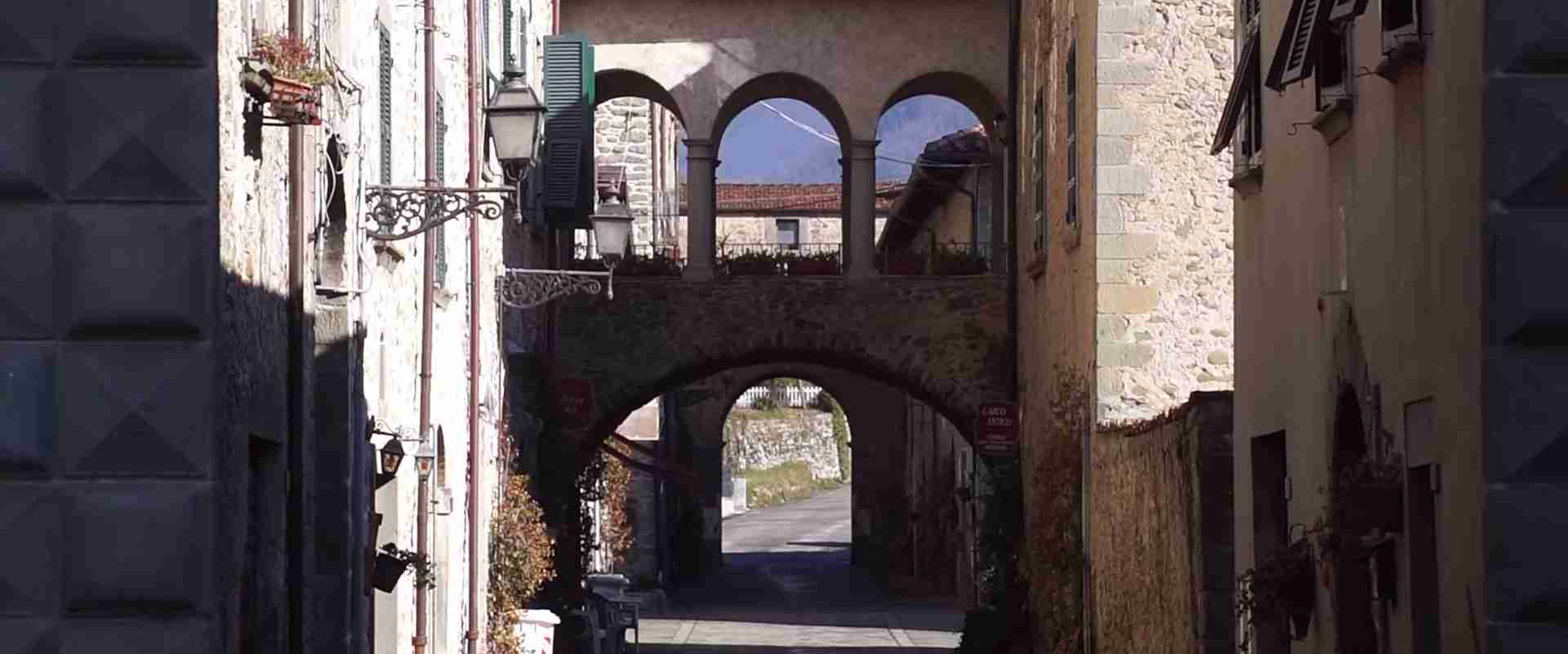
Beyond Florence’s Renaissance splendor and Pisa’s leaning tower lies a Tuscany few visitors discover: mountain villages clinging to medieval castles, Jewish quarters carved from volcanic rock, Renaissance villas tucked into cypress-lined valleys, and ancient forests designated UNESCO World Heritage Sites. These hidden cultural gems preserve centuries of Etruscan, Roman, medieval, and Renaissance heritage in landscapes where butteri cowboys still herd cattle and marble quarries gleam white against Alpine peaks.
Key Takeaways: Tuscany’s Hidden Cultural Treasures
- Regional Diversity Beyond the Postcard: Tuscany encompasses seven distinct cultural regions beyond the famous Chianti hills, from the Alpine landscapes of Lunigiana with its network of Malaspina castles to the volcanic tufa towns of southern Maremma, where Etruscan civilization left underground cities and medieval Jewish communities flourished in clifftop sanctuaries.
- UNESCO Recognition of Lesser-Known Sites: While Florence and Siena dominate UNESCO listings, Tuscany’s lesser-known heritage sites include twelve Medici villas scattered across the countryside, the ancient beech forests of Casentino Forests National Park representing Europe’s primeval woodlands, and Carrara’s recognition as a UNESCO Creative City for its millennia-old marble quarrying tradition that supplied Michelangelo and Bernini.
- Architectural Continuity Through Centuries: Hidden Tuscan towns preserve intact medieval urban fabric that major tourist centers have lost to commercialization, from Fosdinovo’s twelfth-century fortress overlooking the Ligurian Sea to Barga’s Romanesque cathedral complex in the Garfagnana mountains, offering architectural authenticity increasingly rare in heavily visited destinations.
- Living Cultural Traditions: Off-the-beaten-path Tuscany maintains traditions extinguished elsewhere, including the butteri cowboy culture of Maremma where horsemen still practice centuries-old cattle-herding techniques, Lunigiana’s artisan workshops producing traditional testaroli pasta, and Pitigliano’s Jewish culinary heritage preserved through community recipes spanning five centuries of Sephardic presence.
- Natural and Cultural Fusion: Tuscany’s hidden regions demonstrate exceptional integration of human cultural achievement with natural landscapes, from the Apuan Alps where marble quarries become outdoor galleries to the Casentino forests where Renaissance hermitages nestle among ancient beech groves, and the Garfagnana valleys where Romanesque bridges span mountain torrents unchanged since medieval pilgrim routes.
- Accessibility and Preservation Balance: These hidden gems remain largely accessible by public transport or short drives from major cities while maintaining authentic character precisely because they avoided mass tourism development, offering visitors genuine cultural experiences in communities where local life continues relatively unaffected by seasonal tourist influxes that transform more famous destinations.
People Also Ask About Tuscany’s Hidden Cultural Gems
What are the most underrated cultural regions in Tuscany?
Lunigiana in northern Tuscany ranks as the region’s most culturally underrated area, encompassing over one hundred medieval castles, fortified villages, and ancient pilgrimage routes between the Apuan Alps and Apennines. This historically strategic territory preserves Malaspina dynasty castles including the imposing fortress at Fosdinovo, Romanesque parish churches with intact frescoes, and the Via Francigena pilgrimage route sections walked by Canterbury-bound pilgrims for over a millennium. Garfagnana immediately east offers similarly rich cultural heritage with dramatically different geography—deep mountain valleys where Romanesque bridges span rushing rivers, walled villages like Castiglione di Garfagnana maintaining complete medieval defensive systems, and Barga’s cathedral complex demonstrating Pisan Romanesque architecture at its most refined. Southern Maremma presents a third overlooked region where Etruscan civilization left extensive underground necropolises, medieval communities carved entire towns from volcanic tufa creating unique architectural forms, and Renaissance-era Jewish quarters preserve Sephardic cultural traditions largely lost elsewhere in Italy.
Which lesser-known Tuscan towns preserve the most authentic medieval character?
Fosdinovo in Lunigiana preserves perhaps Tuscany’s most authentic medieval hilltown experience, its stone houses clustering beneath the twelfth-century Malaspina Castle in virtually unchanged configuration, narrow stepped streets maintaining original paving, and defensive walls remaining largely intact around the historic core. The town’s remote position on a ridge overlooking the Magra Valley meant limited modern development, preserving not only architecture but also the spatial relationships and visual perspectives that defined medieval urban life. Pitigliano in southern Maremma offers a different but equally authentic medieval experience—the entire town carved from and built upon volcanic tufa rock, creating architecture literally emerging from the cliff face, with medieval Jewish quarter streets, synagogue, and ritual bath preserved within the warren of passageways honeycombing the volcanic stone. Barga in the Garfagnana maintains exceptional Romanesque architectural integrity, its cathedral complex, defensive towers, and merchant houses occupying their original medieval positions on terraced hillside levels, while Giglio Castello on Giglio Island preserves a complete island fortress town with granite walls, medieval street layout, and defensive towers unchanged since construction.
How do Tuscany’s hidden cultural sites differ from famous tourist destinations?
Hidden Tuscan cultural sites typically preserve complete historical environments rather than isolated monuments, offering visitors immersion in authentic cultural contexts lost in heavily touristed locations. Fosdinovo presents an entire medieval hilltown ecosystem—castle, parish church, civic buildings, residential quarters, defensive walls—functioning as an integrated whole rather than a museum exhibit, with local residents maintaining traditional activities in historic spaces. This contrasts sharply with Florence or Siena where tourist infrastructure has transformed historic cores into essentially outdoor museums with limited residential character. Hidden sites also maintain original spatial relationships and scales: the approach to Pitigliano along its access road reveals the town gradually as medieval travelers experienced it, the volcanic cliff rising dramatically from cultivated valleys, whereas modern tourist infrastructure at major sites interrupts these experiential continuities with parking facilities, visitor centers, and crowd management systems. Lesser-known Medici villas demonstrate this preservation of context particularly well—Villa di Poggio a Caiano or Villa La Petraia retain their designed relationships between architecture, gardens, and surrounding agricultural landscapes that were integral to their Renaissance humanist conception, while more famous sites often lose this environmental integration to modern development.
What cultural traditions survive in lesser-visited Tuscan regions?
Maremma’s butteri cowboy culture represents perhaps Tuscany’s most distinctive surviving tradition, these skilled horsemen maintaining centuries-old cattle-herding practices on horseback across the region’s open rangelands, wearing traditional clothing, using specialized equipment virtually unchanged since the Middle Ages, and demonstrating riding techniques that influenced American cowboy culture through Italian emigrants. The butteri work predominantly on large estates in the Maremma Regional Park area where wild horses also roam freely. Lunigiana preserves unique culinary traditions including testaroli production—an ancient pasta formed by cooking batter on heated stone then cutting into diamonds and serving with pesto—representing pre-Roman food preparation methods maintained through unbroken artisan transmission. The region’s honey production follows traditional transhumance patterns, beekeepers moving hives seasonally between valley and mountain pastures. Pitigliano’s Jewish community, though dramatically reduced from its historical population, maintains Sephardic culinary traditions through community preservation efforts, including specific Passover preparations, kosher wine production techniques, and holiday foods distinct from both Ashkenazi traditions and mainstream Italian Jewish cooking. Garfagnana artisan traditions include chestnut flour production from local varieties, goat cheese aging in mountain caves using methods documented since medieval times, and farro cultivation representing continuity with ancient Roman agricultural practices.
Extended multi-day tours – 5+ days
Featured Tuscany Multi-Day Tour Packages

4 days
The Best of Tuscany: Florence, Chianti & Cinque Terre Escape | 4 Days
- ✓ Comprehensive Tuscany tour
- ✓ Expert local guides included
- ✓ All accommodation arranged
- ✓ Transportation provided
3 days
Taste of Tuscany: A San Gimignano Wine Escape | 3 Days
- ✓ Booking needs min. 2 travelers
7 days
Tuscany to Cinque Terre: Wines, Villages & Unforgettable Walks
- ✓ Comprehensive Tuscany tour
- ✓ Expert local guides included
- ✓ All accommodation arranged
- ✓ Transportation provided
5 days
5 Day Tuscan Food & Wine Tour Package
- ✓ Comprehensive Tuscany tour
- ✓ Expert local guides included
- ✓ All accommodation arranged
- ✓ Transportation provided
Multi-day tour packages powered by TourRadar. Prices and availability subject to change.
Introduction: Discovering Tuscany’s Overlooked Cultural Landscape
Tuscany’s international reputation rests on justifiably famous destinations—Florence’s Uffizi treasures, Siena’s Palio pageantry, Pisa’s gravity-defying campanile. Yet this narrative of Renaissance masterpieces and medieval hill towns tells only partial truth about a region encompassing extraordinary cultural diversity across dramatically varied landscapes. Between the Ligurian coast and the Apennine spine, volcanic plateaus and Alpine valleys, Tuscany preserves dozens of culturally significant sites and regions that receive minimal tourist attention while maintaining authentic character increasingly rare in heavily visited locations.
The regions explored in this guide—Lunigiana, Garfagnana, Casentino, Maremma, and scattered locations across lesser-known corners—share characteristics distinguishing them from mainstream tourist circuits. Each preserves complete historical environments rather than isolated monuments: medieval towns maintaining original spatial relationships between civic, religious, and residential quarters; Renaissance villas retaining designed integration with agricultural landscapes; Romanesque parish churches serving communities in continuous worship since construction. These locations demonstrate cultural continuity spanning centuries, where traditional activities persist in historic contexts, offering visitors genuine engagement with living heritage rather than curated museum experiences.
Understanding these hidden gems requires recognizing Tuscany’s historical complexity beyond simplified Renaissance narratives. The region’s strategic position between Rome and northern Europe made it a cultural crossroads where Etruscan, Roman, Byzantine, Lombard, and Frankish influences layered over millennia. Medieval power struggles between Pope and Emperor, competing city-states, and feudal dynasties created the castle networks, fortified villages, and defensive systems still dominating remote areas. Renaissance cultural achievements extended far beyond Florence’s walls into aristocratic villa estates, monastic foundations, and provincial centers where humanist ideals shaped architecture, landscape design, and social organization. This deep historical complexity manifests most visibly precisely where mass tourism never developed—mountain valleys, coastal plains, volcanic highlands—preserving cultural landscapes that mainstream destinations lost to modern development.
The practical advantages of exploring hidden Tuscany extend beyond avoiding crowds. Lesser-known regions typically offer significantly better value, with accommodation, dining, and local experiences costing substantially less than tourist-center equivalents while often providing superior quality and authenticity. Regional transportation networks reach most hidden gems efficiently—Lunigiana and Garfagnana towns connect via mountain rail lines offering spectacular scenic journeys, coastal Maremma destinations link through regional bus networks, and strategic positioning allows explorations radiating from less-expensive base towns rather than premium-priced tourist centers. Local guide services, artisan workshops, and cultural experiences in these regions typically involve direct engagement with practitioners rather than commercialized tour operations, creating opportunities for deeper cultural understanding and genuine personal connections.
This guide organizes Tuscany’s hidden cultural gems both geographically and thematically. Regional sections explore Lunigiana’s castle network, Garfagnana’s mountain culture, Casentino’s forest monasteries, and Maremma’s volcanic tufa towns, providing historical context, architectural highlights, and cultural significance for key destinations within each area. Thematic sections examine specific cultural categories spanning regions: lesser-known UNESCO sites including Medici villas and ancient forests, Jewish cultural heritage concentrated in southern towns, artisan traditions from marble quarrying to traditional pasta production, and agricultural landscapes demonstrating centuries of human-nature integration. Practical orientation appears throughout, balancing cultural depth with actionable information for visitors planning explorations beyond conventional tourist routes.
Lunigiana: Tuscany’s Frontier Castle Territory
Lunigiana occupies northern Tuscany’s mountainous borderland between the Ligurian coast and the Apennine spine, its name deriving from the ancient Roman colony of Luna and the particular beauty moonlight creates against its distinctive mountain peaks. This strategic territory connecting the Tyrrhenian coast with the Po Valley maintained critical importance from Roman times through the Renaissance, controlling trade routes, pilgrimage paths, and military access between northern Italy and the Mediterranean. The Malaspina dynasty dominated the region from the tenth through fifteenth centuries, their extensive castle network establishing feudal control over mountain passes, valley bottoms, and commercial routes. This military and political history manifests in Lunigiana’s extraordinary concentration of fortifications—over one hundred castles, fortress towns, and defensive structures survive in various states of preservation across an area spanning roughly fifty kilometers north to south.
Lunigiana’s cultural distinctiveness extends beyond its military architecture to encompass unique traditions, dialects, and customs reflecting its position as cultural borderland between Tuscany, Liguria, and Emilia-Romagna. The region maintained semi-autonomous status under various rulers until Italian unification, developing local identity distinct from surrounding areas. This independence fostered unique culinary traditions, artistic styles, and social customs that persist despite modern administrative integration into Tuscany. The Via Francigena pilgrimage route traversed Lunigiana for centuries, bringing international travelers and cultural influences while generating hospice infrastructure, religious foundations, and commercial networks that enriched local culture. World War II partisan resistance marked the region particularly severely, with several communities suffering mass civilian casualties during Nazi reprisals, an experience memorialized in monuments throughout the territory and still shaping local collective memory.
Fosdinovo: The Malaspina Fortress Town
Fosdinovo crowns a strategic ridge overlooking the Magra Valley with panoramic views extending to the Ligurian Sea, the marble quarries of Carrara, and on clear days the islands of Capraia, Gorgona, Elba, and Corsica’s northern peaks. The town developed around the imposing Malaspina Castle, constructed in the twelfth century and expanded through subsequent centuries into one of Tuscany’s most impressive fortress complexes. The castle dominates the ridgeline, its crenellated towers, defensive walls, and commanding position creating the archetypal image of medieval military architecture. The fortress remained in Malaspina family possession until the twentieth century, maintaining remarkable continuity of ownership that preserved both the structure and extensive historical archives documenting the family’s feudal administration, diplomatic relations, and cultural patronage.
The town’s medieval urban structure remains virtually intact, narrow stepped streets ascending the ridge in parallel lines, stone houses with external stairs and arched doorways maintaining original relationships, and defensive walls enclosing the historic core. Fosdinovo’s relative isolation on a secondary road network spared it from modern development pressures that transformed more accessible locations, preserving not only individual buildings but the complete medieval spatial organization and visual character. The parish Church of San Remigio contains important artworks including Renaissance paintings and sculpture, while the town’s position as Malaspina administrative center created a concentration of significant civic buildings including the municipal palace and archive structures.
Castle visits reveal the evolution of military architecture from medieval defensive fortification through Renaissance residential adaptation, the interior apartments demonstrating successive decorative campaigns reflecting changing aristocratic taste from austere medieval halls through Renaissance frescoed chambers to baroque reception rooms. The castle’s legendary haunting by Bianca Maria Aloisia Malaspina adds romantic intrigue to historical significance—local tradition describes the ghost of a noblewoman who died mysteriously in the fifteenth century, with reported sightings and unexplained phenomena contributing to the castle’s atmospheric appeal. The fortress’s strategic importance continued into the Napoleonic era, when its position controlling mountain passes made it militarily significant, and later into World War II, when partisan resistance used the surrounding mountains and German forces occupied the fortress.
Fosdinovo’s contemporary character balances heritage preservation with limited but authentic tourism development. Local artisan workshops maintain traditional crafts including stone carving, woodworking, and textile production using historic techniques. Trattorias serve Lunigiana specialties including testaroli pasta, locally produced honey, mushroom dishes reflecting the region’s extensive forests, and game preparations traditional to mountain communities. The town’s cultural calendar includes medieval reenactments, traditional festivals celebrating local products, and classical music concerts in the castle’s historic chambers. The surrounding landscape offers hiking trails through chestnut forests, mountain views, and connections to other Lunigiana castles and villages, making Fosdinovo an effective base for exploring the broader region.
The Via Francigena Through Lunigiana
The Via Francigena pilgrimage route connected Canterbury to Rome for over a millennium, bringing thousands of pilgrims annually through Lunigiana’s mountain passes during the medieval period. The route entered Tuscany from the north through Pontremoli, descended the Magra Valley passing near Fosdinovo and numerous castle towns, and continued south through the Apennines toward Lucca and Siena. This international traffic generated extensive infrastructure including hospices, monasteries offering shelter, parish churches providing spiritual services, bridges spanning mountain torrents, and commercial facilities supplying pilgrim needs. The ecclesiastical and civic architecture along the Lunigiana sections demonstrates this pilgrimage economy’s cultural impact, with Romanesque churches featuring distinctive regional characteristics, hospice buildings adapted into later civic structures, and bridge constructions representing significant medieval engineering achievements.
Contemporary Via Francigena revival as a walking route has brought renewed attention to Lunigiana’s pilgrimage heritage. Hikers following the route experience medieval travel conditions in remarkably preserved landscapes—mountain paths maintaining original stone paving, valley crossings at historic bridge sites, approaches to castle towns revealing the defensive positions pilgrims encountered, and parish churches where modern walkers receive stamps in pilgrim passports as their medieval predecessors did. The route’s infrastructure includes renovated hospices, monastic guesthouses, and accommodation specifically serving contemporary pilgrims, creating opportunities for cultural immersion unavailable to conventional tourists. Local communities increasingly recognize pilgrimage heritage as cultural asset, restoring route sections, improving signage, and developing interpretation explaining historical significance.
Lunigiana’s Lesser-Known Castle Network
Beyond Fosdinovo, Lunigiana preserves dozens of significant castles in various states from complete fortress towns to romantic ruins. Castello di Castiglione del Terziere presents an exceptionally preserved medieval military complex, its defensive walls, towers, and internal structures maintaining remarkable integrity despite limited restoration. The castle occupies a strategic position controlling valley approaches, its military architecture demonstrating sophisticated defensive design from the thirteenth and fourteenth centuries. Castello Malaspina near Carrara represents another major dynasty seat, its expanded Renaissance structure incorporating earlier medieval fortifications while adding aristocratic residential quarters reflecting Malaspina power and cultural aspirations.
Pontremoli, Lunigiana’s principal town, developed around castle fortifications controlling the valley bottom and river crossings. While the town experienced more modern development than smaller villages, its historic center preserves significant medieval and Renaissance architecture including the Piagnaro Castle housing an important museum of prehistoric statue-stelae—enigmatic anthropomorphic stone sculptures from the Bronze and Iron Ages that represent Lunigiana’s most distinctive prehistoric heritage. These statue-stelae, unique to the region and numbering over sixty discovered examples, suggest sophisticated prehistoric culture predating Etruscan civilization and maintaining ritual or commemorative traditions over many centuries.
Bagnone presents a picturesque castle village where defensive structures, parish church, and residential quarters maintain their original medieval spatial relationships. The town’s position in a side valley created relative isolation that preserved authentic character while allowing traditional activities to continue. Licciana Nardi combines castle fortifications with well-preserved medieval urban fabric and a reputation for particularly warm hospitality, hosting summer festivals that maintain traditional celebratory culture while welcoming visitors. Equi Terme in the mountains offers the unusual combination of medieval village, natural thermal springs used since Roman times, and spectacular caves including the Grotta del Vento with impressive geological formations, creating diverse appeal spanning cultural and natural attractions.
Garfagnana: Mountain Culture and Romanesque Heritage
Garfagnana encompasses the Serchio Valley and surrounding mountains between Lucca and the Emilian Apennines, a region of dramatic topography where the Apuan Alps’ marble peaks tower to the west and the Apennine spine rises eastward. This geographic isolation created distinctive culture while the valley’s position as strategic route through the mountains generated historical significance. The region changed hands repeatedly between Lucca, Florence, and Modena, creating complex political heritage and mixed architectural influences. Garfagnana maintained semi-autonomous traditions, local governance structures, and economic systems distinct from surrounding territories, fostering regional identity expressed through dialect, customs, cuisine, and material culture.
The Serchio River’s course through Garfagnana created fertile valley bottomlands supporting agriculture while steep mountain slopes limited cultivation, generating economy based on chestnut cultivation, sheep herding, and forest resources. Chestnut trees provided staple food through flour production, construction timber, tannin for leather processing, and fuel, making the chestnut fundamental to Garfagnana’s traditional economy and cultural identity. The phrase “bread tree” reflects chestnuts’ historical importance, with flour substituting for wheat in a bread variety still produced traditionally. Mountain pastures supported transhumant sheep herding, shepherds moving flocks seasonally between valley and high pasture, a practice maintaining cultural continuity with medieval pastoral economy despite modern decline.
Barga: The Scottish Village in Tuscany
Barga occupies a prominent hilltop above the Serchio Valley, its medieval urban structure and Romanesque cathedral complex creating one of Garfagnana’s most architecturally significant towns. The Duomo di San Cristoforo dominates the upper town, a superb example of Pisan Romanesque architecture constructed between the ninth and thirteenth centuries. The cathedral’s limestone facade demonstrates classic Pisan characteristics—blind arcading, geometric decoration, and tiered organization—while the interior preserves exceptional medieval sculpture including a pulpit by Guido Bigarelli da Como, considered among Tuscany’s finest Romanesque carved works. The cathedral’s commanding hilltop position and architectural quality reflect Barga’s medieval prosperity and ecclesiastical importance, the town serving as significant religious center throughout the Middle Ages.
Barga’s unexpected Scottish connection derives from extensive late nineteenth and early twentieth century emigration, with thousands of residents leaving for Scotland seeking economic opportunities. Many settled in Glasgow, Edinburgh, and other Scottish cities, establishing successful businesses particularly in the fish-and-chip trade. This emigrant community maintained strong connections with Barga, sending remittances that supported families, financing local improvements, and eventually returning with children and grandchildren who maintained dual cultural identity. Contemporary Barga hosts the largest Scottish expatriate community in Italy, with English widely spoken, Scottish flags displayed alongside Italian ones, and cultural festivals celebrating both traditions. This unusual heritage creates distinctive atmosphere while demonstrating how Italian emigration patterns shaped both sending and receiving communities across Europe and beyond.
Barga’s contemporary cultural scene balances historical preservation with active artistic community. The town hosts a renowned opera festival each summer, bringing internationally recognized performers to intimate venues including the cathedral and historic palaces. Jazz festivals, classical concerts, and theatrical productions maintain year-round cultural programming unusual for a town of Barga’s modest population. Art galleries showcase contemporary work alongside traditional crafts, while workshops offer courses in various artistic disciplines. The town’s position overlooking spectacular mountain scenery, its well-preserved medieval character, and vibrant cultural life have attracted an international community of residents and regular visitors, creating cosmopolitan atmosphere rare in Garfagnana’s relatively isolated setting.
The Devil’s Bridge and Romanesque Engineering
Ponte del Diavolo spans the Serchio River at Borgo a Mozzano, one of Tuscany’s most distinctive medieval bridges and excellent example of Romanesque engineering. The bridge’s dramatic central arch rises high above the water, its asymmetric design with one soaring arch and several smaller spans creating striking visual profile. Construction dates to the eleventh or twelfth century, with later modifications including the central arch’s elevation, possibly directed by Countess Matilda of Tuscany whose patronage supported infrastructure throughout her territories. The bridge served the Via Francigena pilgrimage route and commercial traffic through the Serchio Valley, its robust construction enabling it to survive seven centuries of floods, wars, and earthquakes that destroyed lesser structures.
Local legend attributes the bridge’s construction to the Devil, supposedly summoned by a builder desperate to complete the impossible project within deadline. According to tradition, the Devil agreed to finish the bridge in exchange for the first soul to cross, but was tricked when a dog was sent across first, sparing the human soul the Devil expected. This folkloric explanation for remarkable engineering achievement typifies medieval popular culture’s attribution of extraordinary human accomplishments to supernatural agency. The bridge’s actual construction demonstrates sophisticated understanding of forces, materials, and design, representing peak Romanesque engineering skill applied to challenging site conditions.
The surrounding landscape preserves agricultural character and scattered settlements that contextualize the bridge’s historical function. Valley bottomlands support cultivation while hillsides maintain chestnut forests and terraced slopes demonstrating centuries of land management. Borgo a Mozzano itself preserves medieval urban core with parish church, civic buildings, and residential quarters arranged around the ancient market square. The bridge area offers walking routes along the river, views from surrounding heights, and connections to other Garfagnana villages accessible by local roads threading the valley. The site’s combination of engineering achievement, legendary associations, and scenic setting makes it Garfagnana’s most photographed landmark while demonstrating practical infrastructure’s role in historical transportation networks.
Castelnuovo di Garfagnana and Castiglione di Garfagnana
Castelnuovo di Garfagnana serves as regional capital and principal commercial center, its position at the confluence of mountain valleys making it natural administrative hub. The town developed around Estensi fortress, the Este family who ruled Modena and controlled Garfagnana for several centuries constructing substantial fortifications here. The poet Ludovico Ariosto served as governor of Garfagnana based in Castelnuovo during the early sixteenth century, an association the town commemorates. The historic center preserves significant civic architecture including the Duomo with its Romanesque-Gothic structure, the fortress complex housing cultural institutions, and merchant palaces reflecting Renaissance prosperity. Contemporary Castelnuovo functions as practical base for exploring Garfagnana, offering accommodation options, restaurants serving regional cuisine, and transportation connections throughout the valley.
Castiglione di Garfagnana presents more complete medieval preservation in smaller, more isolated setting. The entire village maintains its medieval defensive walls intact, creating rare example of complete urban enclosure system. Entry occurs through original gated passages, the fortified perimeter determining the town’s physical boundaries and preserving historic spatial organization. The rocca fortress dominates the highest point, its towers and walls demonstrating military architecture from the fourteenth century with later reinforcements. Internal streets follow medieval pattern, stone houses maintaining original relationships, and the parish church occupies its historical position in the civic center. Castiglione’s relative isolation on a secondary mountain road spared it from modern development, preserving not only architecture but the experiential quality of a walled medieval town, increasingly rare as modernization penetrated remote areas.
Casentino: Forest Monasteries and Hermitage Culture
Casentino occupies the upper Arno Valley in eastern Tuscany, a mountainous region where the river rises before flowing southwest toward Florence. The Casentino Forests National Park covers extensive mountain slopes with some of Europe’s most pristine woodland, including ancient beech forests designated UNESCO World Heritage Site as part of the transnational “Ancient and Primeval Beech Forests of the Carpathians and Other Regions of Europe.” These forests represent non-anthropized woodland—areas where human activity remained minimal, allowing natural ecological processes to continue with minimal interference. The beech groves reach exceptional age and size, demonstrating forest structure and biodiversity increasingly rare as most European woodlands experienced intensive human management over centuries.
Casentino’s cultural significance extends beyond its natural heritage to encompass exceptional religious architecture, particularly hermitage monasteries established during the early Christian and medieval periods. The region’s remote mountain valleys and dense forests attracted monks, hermits, and religious communities seeking withdrawal from secular society for contemplative life. Multiple important foundations developed here, including sites associated with Saint Francis of Assisi and significant in the development of the Franciscan order. Camaldolese and Vallombrosan monastic orders established influential monasteries in Casentino forests, these reformed Benedictine communities emphasizing strict observance, contemplative prayer, and hermitage life in forest settings. The region’s combination of natural beauty, isolation, and spiritual associations made it important center for Italian eremitic tradition.
La Verna: Saint Francis and the Stigmata
The sanctuary of La Verna occupies a dramatic mountain site where Saint Francis of Assisi reportedly received the stigmata in 1224, two years before his death. According to Franciscan tradition, during forty days of prayer and fasting in this isolated location, Francis experienced a vision of a six-winged seraph, after which wounds appeared on his hands, feet, and side corresponding to Christ’s crucifixion wounds. This event holds central importance in Franciscan spirituality and made La Verna one of Christianity’s most significant pilgrimage sites. The mountain itself—a massive limestone outcrop rising abruptly from surrounding forests—creates powerful natural environment that clearly influenced the site’s selection for intense spiritual retreat.
The architectural complex developed from Francis’s original simple shelters into elaborate sanctuary incorporating multiple chapels, churches, cloisters, and monastic buildings. The Basilica contains remarkable artwork including Andrea della Robbia’s glazed terracotta sculptures, considered among the artist’s finest works. The Chapel of the Stigmata marks the specific location where Francis reportedly received the wounds, its intimate scale and austere decoration contrasting with the Basilica’s elaborate Renaissance enrichment. The Sasso Spicco, a massive overhanging rock where Francis prayed, remains accessible, preserving the wild natural character that drew him to this location. Pilgrims continue visiting La Verna in significant numbers, particularly around the stigmata commemoration on September 17, creating living spiritual tradition spanning eight centuries.
The monastery functions as active Franciscan community maintaining contemplative tradition while welcoming pilgrims and visitors. Lodging is available in monastery guesthouses, offering authentic experience of monastic hospitality within functioning religious community. The surrounding Casentino forest provides hiking trails through ancient woodland, connecting La Verna with other hermitage sites and forest monasteries. The combination of spiritual significance, artistic heritage, spectacular natural setting, and continuing monastic tradition makes La Verna exceptional example of how religious foundations shaped cultural landscape while maintaining authentic spiritual purpose beyond tourist presentation.
Camaldoli: Hermitage and Monastery
The Camaldoli complex consists of two distinct foundations—the monastery in the valley and the hermitage on the mountain slopes above—representing dual aspects of Camaldolese monasticism combining cenobitic communal life with eremitic solitude. Saint Romuald established the hermitage in 1012, creating reformed Benedictine community emphasizing contemplative prayer and strict asceticism within forest isolation. The monastery developed later to accommodate those not called to hermitage life’s extreme austerity while supporting the hermits’ needs and administering the order’s properties. This dual structure became characteristic of Camaldolese organization, balancing individual contemplation with communal support.
The hermitage comprises individual cells where hermit monks live in solitude, each small house including private chapel, bedroom, and workspace arranged around tiny garden. The hermits maintain silence, meeting only for communal prayer in the hermitage church, a fifteenth-century structure containing important artwork including paintings by Vasari and other Florentine masters. The cells’ uniform architecture and regular spacing create distinctive environment where individual solitude combines with structured community. The hermitage setting in ancient forest at considerable elevation reinforces withdrawal from worldly concerns while demonstrating the ascetic ideals that motivated medieval religious reform movements.
The monastery in the valley presents more conventional monastic architecture, its sixteenth-century reconstruction creating Renaissance complex with arcaded cloisters, refectory, chapter house, and guesthouse. The monastery church contains notable artwork and the historic pharmacy maintains tradition of herbal medicine production, the monks having cultivated medicinal plants and prepared remedies for centuries. The pharmacy still produces and sells traditional preparations using herbs from the surrounding forests, continuing practical application of botanical knowledge accumulated over generations. Camaldoli’s historic library preserves important manuscript collection and rare books documenting monastic scholarship. Contemporary visitors can stay in monastery guesthouses, participate in liturgical services, purchase monastery products including herbal preparations and locally produced honey, and explore the extensive forest trails connecting various hermitage sites and natural features.
Maremma: Volcanic Tufa Towns and Jewish Heritage
Maremma occupies southern Tuscany’s coastal plain and interior hills, a region historically characterized by marshland, malaria, and relative underdevelopment that preserved traditional culture and distinctive landscape. Extensive land reclamation and malaria eradication during the nineteenth and twentieth centuries transformed the coastal plain while interior areas maintained traditional character. The region’s volcanic geology created unique settlement pattern where medieval communities built directly from and into volcanic tufa rock, carving structures, storage chambers, and entire street systems into the soft stone. This building tradition produced towns with distinctive character, their golden-brown tufa architecture seeming to emerge organically from cliff faces and rocky outcrops.
Maremma’s cultural landscape reflects diverse historical influences. Etruscan civilization flourished here, leaving extensive archaeological remains including major necropolises and underground structures carved into tufa. Medieval communes developed strategic hilltop positions, creating fortified towns controlling trade routes and agricultural territories. Significant Jewish communities established themselves in several Maremma towns during the Renaissance and early modern periods, these Sephardic populations finding relative tolerance under local rulers while contributing distinctive cultural elements that enriched regional heritage. The butteri cowboy culture emerged from the region’s extensive pastoral economy, these skilled horsemen maintaining traditional cattle-herding practices that continue influencing local identity.
Pitigliano: Little Jerusalem
Pitigliano rises dramatically from volcanic tufa ridge, the entire town built upon and carved into the soft stone cliff face rising three hundred meters above surrounding valleys. Approaching from access roads reveals the spectacular visual impact—golden tufa buildings seeming to grow from the rock itself, creating seamless transition between natural geology and human construction. This architectural integration results from centuries of building practice where residents quarried tufa for construction while excavating caves, cellars, and underground chambers into the cliff base, creating honeycomb of interconnected spaces beneath the visible town. The urban structure preserves medieval spatial organization with main street following the ridge crest, secondary streets descending the slopes, and defensive walls enclosing the settlement.
The town’s nickname “Little Jerusalem” references its historically significant Jewish community, established during the sixteenth century when Jewish populations expelled from Papal States and Spanish territories found refuge in the Orsini family domains. The Jewish quarter developed along secondary streets with synagogue, ritual bath (mikveh), kosher wine cellars, and residential structures maintaining distinct character. The community thrived for several centuries, contributing to local commerce, banking, and cultural life while maintaining religious traditions and Sephardic customs. World War II deportations devastated the population, with most Jewish residents murdered during the Holocaust. Post-war, the surviving community gradually dispersed, with few Jewish families remaining by the late twentieth century.
Contemporary Pitigliano preserves its Jewish heritage through careful restoration and interpretation. The synagogue complex, abandoned after the community’s near-extinction, underwent comprehensive restoration, reopening as museum and active prayer space for the small remaining congregation and visiting Jews. The restoration preserved historic interior features including the women’s gallery, Torah ark, and original furnishings while adding interpretive displays explaining Jewish life in Pitigliano across four centuries. The mikveh remains accessible, demonstrating ritual bath construction within tufa caves. The kosher cellars where wine was produced according to Jewish dietary law now house the Jewish Museum of Culture, presenting artifacts, documents, photographs, and multimedia presentations documenting the community’s history, religious practices, and cultural contributions.
Beyond Jewish heritage, Pitigliano offers extensive cultural interest. The Orsini fortress palace dominates the town entrance, its Renaissance structure incorporating earlier medieval fortifications. The cathedral demonstrates architectural evolution from Romanesque origins through baroque remodeling. Underground Pitigliano reveals extensive networks of tufa caves, wine cellars, storage chambers, and passages carved over centuries, some predating the medieval town and possibly representing Etruscan excavations. Guided tours explore these subterranean spaces, revealing construction techniques, storage practices, and the ingenious use of tufa’s properties for temperature regulation and preservation. The surrounding landscape preserves Etruscan necropolises, rock-cut tombs demonstrating sophisticated funerary architecture, and sunken roads (vie cave) excavated deep into tufa connecting various sites, creating mysterious forest passages that served ancient transportation and possibly ritual functions.
Sorano and Sovana: The Tufa Triangle
Sorano presents another spectacular tufa town, its medieval structures built from and carved into volcanic rock creating dramatic architectural ensemble. The Orsini fortress dominates from the highest point, its massive walls and towers demonstrating Renaissance military architecture adapted to challenging topography. The historic center preserves authentic character with narrow stone streets, arched passages, and houses showing centuries of occupation. The Masso Leopoldino, a fortified terrace seemingly rising from the mountainside, predates the main fortress and offers exceptional views across the tufa landscape. Sorano’s relative isolation preserved traditional lifeways longer than more accessible locations, maintaining artisan crafts, agricultural practices, and social customs into the late twentieth century.
Sovana, smaller and more ancient than its neighbors, preserves exceptional archaeological and medieval heritage in remarkably compact area. The town once served as Aldobrandeschi dynasty capital, its medieval importance far exceeding current modest population. The Cathedral demonstrates Romanesque-Gothic architecture with exceptional carved portals and intact medieval interior. The collegiate church of Santa Maria preserves even earlier structure with pre-Romanesque elements and important frescoes. The town’s main street, lined with medieval buildings and virtually unchanged in character, terminates at the fortress ruins overlooking surrounding valleys.
Sovana’s principal treasure lies outside the town in the extensive Etruscan necropolis, one of Tuscany’s most important archaeological sites. The tombs carved into tufa demonstrate sophisticated Etruscan funerary architecture spanning several centuries, from simple chamber tombs through elaborate temple-fronted structures. The Tomba Ildebranda represents the site’s masterpiece—a monumental tomb with columned facade and pediment carved entirely from rock, demonstrating Etruscan adaptation of Greek architectural forms. The Via Cava San Sebastiano, a sunken road excavated deep into tufa connecting tomb sites, creates atmospheric passage through the ancient landscape. These vie cave, found throughout the tufa region, may have served ritual as well as practical functions, their high walls carved with niches possibly for offerings or boundary markers. The combination of tomb architecture, vie cave, and preserved natural setting makes Sovana exceptional destination for understanding Etruscan civilization’s cultural achievements.
Montemerano and the Saturnia Thermal Springs
Montemerano presents one of Maremma’s most beautiful fortified villages, its medieval walls, gates, and towers maintaining exceptional preservation around compact historic core. The village’s hilltop position offers panoramic views across the Maremma countryside while its relatively small size and isolation preserved authentic character. The parish church contains important artwork including altarpiece by Sano di Pietro, while civic buildings demonstrate the prosperity medieval communities achieved through agricultural production and strategic location controlling local trade routes. Montemerano’s contemporary reputation focuses on gastronomy, several excellent restaurants serving refined interpretations of Maremma traditional cuisine while maintaining authentic character distinct from pretentious tourist-oriented establishments.
Nearby Saturnia preserves extensive thermal springs where hot sulfurous water emerges continuously, creating natural bathing pools used since Etruscan and Roman times. The main spa complex developed around the most concentrated hot spring, offering modern thermal facilities, but the most distinctive feature remains the Cascate del Mulino—a series of natural tufa terraces where thermal water cascades creating multiple pools at different temperatures. These open-air pools, freely accessible year-round, attract visitors seeking therapeutic benefits of thermal bathing in natural setting. The mineral-rich water maintains constant temperature around 37 degrees Celsius, creating particularly appealing experience during cooler months when steam rises from the pools against winter landscapes. The combination of historic village, natural thermal waters, and scenic countryside makes this area representative of Maremma’s distinctive character—preserved traditional culture within landscapes offering both natural beauty and practical benefits.
Lesser-Known Medici Villas: Renaissance Humanist Ideals in the Countryside
The Medici Villas and Gardens, inscribed as UNESCO World Heritage Site in 2013, comprise twelve villas and two gardens built by the Medici family between the fifteenth and eighteenth centuries across the Tuscan countryside. While the Boboli Gardens in Florence and a few major villas receive significant visitor attention, many of these remarkable Renaissance estates remain relatively unknown, preserving exceptional architecture, decorative arts, and landscape design in settings maintaining much of their original character. The villas represent the physical manifestation of Renaissance humanist ideals—the integration of architecture, landscape, and social life based on classical principles, the pursuit of otium (cultivated leisure) in refined rural settings, and the demonstration of political power through cultural patronage and aesthetic achievement.
The Medici developed these properties serving multiple functions: practical agricultural estates producing income through wine, olive oil, and other products; recreational retreats for hunting, entertaining, and escaping urban pressures; political stages for diplomatic receptions and courtly display; and experimental laboratories for innovative architecture, garden design, and hydraulic engineering. Each villa reflects its historical period and patron’s particular interests while demonstrating common characteristics including: siting to maximize views and environmental advantages; integration of architecture with designed landscapes including formal gardens, agricultural zones, and managed woodlands; sophisticated water management with fountains, pools, and irrigation systems; decorative programs featuring frescoes, sculpture, and applied arts by leading artists; and practical infrastructure supporting agricultural production and estate administration.
Villa di Poggio a Caiano
Villa di Poggio a Caiano represents the first true Renaissance villa, designed by Giuliano da Sangallo for Lorenzo de’ Medici in the 1480s. The villa introduced architectural principles and design concepts that influenced Italian villa development for centuries. The building’s elevation on a podium base with surrounding loggia references classical Roman villa architecture while the central great hall created unprecedented space for ceremonial reception and artistic display. Lorenzo conceived Poggio a Caiano as ideal environment for otium—refined leisure pursuing intellectual, artistic, and social activities removed from political responsibilities and urban pressures. The villa’s symmetrical plan, proportional relationships, and integration with surrounding landscape demonstrated humanist principles of harmony and order applied to domestic architecture.
The villa’s decorative program reached full elaboration under later Medici rulers, particularly the fresco cycle in the great hall commissioned by Pope Leo X (Lorenzo’s son Giovanni). These frescoes by Andrea del Sarto, Pontormo, and other leading artists depicted scenes from Roman history chosen to glorify Medici family while demonstrating sophisticated classical learning and artistic achievement. The iconographic program, likely developed by humanist scholars in the Medici circle, created one of the Renaissance’s most intellectually complex decorative schemes. Later additions included the baroque double staircase ascending to the main floor, creating dramatic architectural entrance while maintaining Sangallo’s original proportional system.
The villa’s park preserves much of its designed Renaissance landscape despite later modifications. The original layout organized the estate into zones—formal gardens immediately adjacent to the villa, productive agricultural land including vineyards and olive groves extending across the plain, and wooded areas for hunting providing both recreation and game for the table. This integration of aesthetic pleasure with agricultural productivity demonstrated Renaissance ideal of the villa as complete environment serving both practical and cultural functions. The estate continues agricultural production, maintaining continuity with its original purpose while serving as museum and occasional ceremonial venue. Visits reveal the exceptional quality of Renaissance decorative arts, the architectural innovations that influenced subsequent villa design, and the enduring appeal of humanist ideals embodied in harmonious integration of architecture, landscape, and cultivated life.
Villa La Petraia
Villa La Petraia, originally a medieval fortress converted into Renaissance villa for the Medici in the sixteenth century, occupies a hillside above Florence with spectacular views across the Arno Valley to the city’s monuments and surrounding hills. The villa’s transformation demonstrates typical pattern where older structures were adapted rather than demolished, creating architecture preserving historical layers while incorporating new Renaissance design elements. The central tower survives from the medieval fortress, integrated into Buontalenti’s Renaissance restructuring that created unified villa complex around open courtyard. The courtyard’s distinctive feature—complete glazing over in the nineteenth century—transformed outdoor space into immense covered gallery, a controversial but technically impressive modification serving as ballroom and reception space.
The villa’s fresco decoration includes important cycles depicting Medici glory and Florentine history, the courtyard lunettes by Volterrano representing baroque painting at its most accomplished. The villa’s interiors preserve nineteenth-century residential adaptation when it served as occasional residence for the Italian royal family following Florence’s period as national capital. This later use resulted in furnishing and decoration different from typical Medici villa character, creating unusual glimpse of aristocratic life in the transitional period between ancien régime and modern Italy.
The villa’s park represents exceptional example of Renaissance garden evolution through subsequent periods. The original sixteenth-century formal gardens on the terrace immediately below the villa maintain geometric organization with boxwood parterres, gravel paths, and sculptural elements. The lower sections underwent nineteenth-century transformation into English-style landscape park with winding paths, naturalistic plantings, and romantic garden buildings including an artificial grotto. The juxtaposition of formal Renaissance terraces with romantic landscape park demonstrates changing garden aesthetics over three centuries while preserving both traditions. The park’s exceptional collection of citrus trees, maintained in large terracotta pots and moved between outdoor display and protected storage seasonally, continues Renaissance practice of citrus cultivation as status symbol and aesthetic achievement.
Other Notable Medici Villas
Villa di Castello, adjacent to La Petraia, preserves one of Tuscany’s most important Renaissance gardens designed by Tribolo for Duke Cosimo I. While the villa’s interiors house an academy and are generally not accessible, the gardens remain one of Italy’s finest surviving sixteenth-century examples. The garden’s iconographic program, developed with humanist advisors, created elaborate allegory of Medici rule through sculptural groups, fountains, and plantings organized according to hierarchical principles. The Grotta degli Animali represents Italian grotto art at its most elaborate—artificial cave entirely encrusted with shells, minerals, and sculpture depicting animals and mythological scenes, demonstrating the Renaissance fascination with naturalistic representation and theatrical surprise.
Villa di Cerreto Guidi occupies strategic position on hilltop dominating the Arno plain, the villa’s design emphasizing commanding views and impressive approach. The building preserves severe Renaissance character with minimal decoration, the architecture’s austerity contrasting with elaborate ceremonial staircases ascending from the base of the hill to the villa entrance. The villa houses a museum of historic hunting displaying weapons, equipment, and artwork related to hunting activities that were central to Medici villa use. The surrounding countryside maintains agricultural character, demonstrating the working landscape context within which Renaissance villas functioned.
Villa del Trebbio and Villa di Cafaggiolo represent the earliest Medici villa acquisitions in the Mugello region north of Florence where the family originated. These fortified medieval structures underwent Renaissance adaptation under Michelozzo’s direction, creating transitional architecture maintaining defensive features while introducing Renaissance proportions and decorative elements. The villas’ remote locations in the Apennine foothills preserved traditional character, their agricultural operations continuing and the surrounding landscape maintaining relatively unspoiled quality. Both villas remain in private ownership with limited public access, preserving authentic character less impacted by tourism than more accessible properties.
Artisan Traditions and Living Heritage
Tuscany’s hidden regions preserve traditional crafts and production methods that modernization eliminated from more developed areas. These artisan traditions represent living cultural heritage—skills transmitted through apprenticeship across generations, traditional materials and tools continuing in use, and products serving authentic functions beyond tourist souvenirs. Understanding these traditions provides insight into pre-industrial economy and culture while supporting practitioners maintaining increasingly rare skills under challenging economic conditions. Many traditional crafts face uncertain futures as aging artisans lack successors, making engagement with these traditions both culturally valuable and practically significant for heritage preservation.
Carrara Marble: From Quarries to Sculpture
Carrara’s marble quarries have supplied the world’s finest sculptors for over two millennia, the pure white stone from these Apuan Alps locations considered supreme material for sculpture and prestigious architecture. The Romans quarried Carrara extensively for monuments, temples, and imperial palaces, establishing extraction and transport infrastructure that subsequent generations adapted and expanded. Renaissance masters including Michelangelo personally selected marble from Carrara quarries, the artist spending months in the mountains identifying perfect blocks for major commissions including the David and Pietà. This tradition of artist-quarry engagement continued into the modern period, major sculptors maintaining direct relationships with quarrymen and visiting regularly to select material and understand its properties.
The quarrying process itself represents impressive combination of traditional knowledge and modern technology. While contemporary extraction employs diamond wire saws, massive earthmoving equipment, and computer-controlled cutting, fundamental techniques remain rooted in centuries of accumulated practical wisdom. Quarrymen must understand marble’s internal structure, recognize subtle variations in color and crystalline character, and select extraction angles that minimize damage while maximizing yield. The most skilled practitioners function as marble whisperers, reading the stone with intimate knowledge developed through career-long engagement with specific quarry locations.
Carrara’s urban culture revolves around marble, the entire city’s economy, identity, and social structure historically determined by quarrying and processing. Workshops throughout the city transform blocks into finished products ranging from sculpture to architectural elements, building facades, and commercial goods. Master sculptors maintain studios where they create commissioned works while training assistants in traditional techniques. The Accademia di Belle Arti teaches sculpture and marble working to students from worldwide, continuing Carrara’s role as international center for stone arts. The Marble Museum documents quarrying history, techniques, and cultural significance through extensive collections of tools, photographs, and finished works demonstrating marble’s diverse applications. Visitors can tour working quarries, observe cutting and shaping processes, visit studios, and purchase everything from souvenir objects to major artworks, engaging directly with living tradition spanning from ancient Rome to contemporary practice.
Traditional Food Production: Testaroli, Chestnut Flour, and Mountain Products
Lunigiana’s signature pasta, testaroli, represents one of Italy’s most ancient pasta forms, the preparation method predating conventional pasta making and possibly representing pre-Roman cooking technique. Testaroli batter consists simply of flour, water, and salt, cooked on heated flat stones or cast iron pans to form thin rounds, then cut into diamonds and boiled briefly before serving, traditionally with pesto. The name derives from “testo,” the flat cooking surface used traditionally. Several Lunigiana restaurants specialize in traditional testaroli preparation, using inherited recipes and, in some cases, inherited cooking stones seasoned through generations of use. The dish’s simplicity emphasizes quality of basic ingredients—local flour’s characteristics, water’s mineral content, and pesto’s fresh basil, local olive oil, and Parmigiano-Reggiano.
Chestnut flour production demonstrates mountain economy’s historical dependence on this crucial crop. Chestnuts harvested in autumn underwent drying in specialized structures called “metati” or “grà”—small stone buildings with wooden floors perforated to allow smoke from controlled fires to circulate upward, slowly drying chestnuts while imparting subtle smoky flavor. After drying, the chestnuts were shelled and ground in water-powered mills, producing flour with distinctive sweet, nutty character. This flour substituted for wheat in mountain communities, making bread, polenta, cakes, and other preparations. Contemporary production maintains traditional methods in reduced scale, artisan mills processing locally harvested chestnuts using stone grinding powered by historic water wheels, producing flour marketed as specialty ingredient for traditional recipes and innovative contemporary cooking.
Mountain regions produce exceptional honey reflecting distinctive floral character of Alpine and Apennine vegetation. Traditional transhumant beekeeping moves hives seasonally between valley bottomlands with early spring bloom and high mountain pastures with summer wildflowers, creating honey varieties from specific elevation zones and bloom periods. The practice requires substantial knowledge of flowering patterns, weather influences, and bee behavior, wisdom transmitted through generations of beekeeping families. Some producers maintain ancient hives carved from logs, continuing pre-modern apiculture alongside modern frame hives. The resulting honey varieties—chestnut with strong flavor and dark color, high mountain wildflower with delicate character, acacia with pale color and refined sweetness—demonstrate terroir’s influence on honey character as distinctly as wine reflects vineyard conditions.
Alabaster Carving and Traditional Pottery
Volterra has centered alabaster working since Etruscan times, the local stone’s translucency, fine grain, and relative softness making it ideal for carving lamps, vessels, and decorative objects. Medieval and Renaissance craftsmen developed sophisticated techniques for working alabaster, creating products exported throughout Europe. Contemporary Volterra maintains active alabaster industry with dozens of workshops producing both traditional forms—urns, lamps, religious objects—and contemporary sculptural work. Master artisans continue training apprentices in techniques requiring years to develop, particularly the understanding of alabaster’s variable qualities and the strategies for working around flaws while exploiting the stone’s luminous character. Workshop visits demonstrate the complete process from rough blocks through carving, refining, and finishing, revealing the skill required for apparently simple objects.
Traditional pottery production continues in several Tuscan locations, notably Montelupo Fiorentino which developed distinctive maiolica style during the Renaissance. This tin-glazed earthenware tradition created brightly decorated ceramics featuring historical scenes, heraldic devices, and ornamental patterns, products serving both practical and display functions in aristocratic households. Contemporary Montelupo ceramicists maintain traditional decoration techniques including hand-painting onto raw glaze using mineral pigments, firing in wood-burning kilns, and referencing historical patterns while developing contemporary designs. Museums in producing towns document ceramic heritage through extensive collections, workshops offer demonstrations and classes, and purchase of contemporary pieces supports continuation of skills increasingly rare as mass production dominates ceramic markets.
Agricultural Landscapes: Humanized Nature and Centuries of Cultivation
Tuscany’s celebrated landscapes represent centuries of human labor transforming natural topography into cultural artifact—every cypress line, vineyard row, and terrace wall reflects specific agricultural, aesthetic, and social purposes. These agricultural landscapes embody accumulated knowledge about soils, climate, drainage, and cultivation transmitted across generations, creating highly productive systems that simultaneously achieve visual beauty. Understanding this integration of practical function with aesthetic achievement deepens appreciation for Tuscan landscape beyond superficial scenic appeal, revealing cultural values and economic systems encoded in physical environment.
The Val d’Orcia UNESCO Landscape
The Val d’Orcia, inscribed as UNESCO World Heritage Site in 2004, represents the quintessential Renaissance-influenced Tuscan landscape—rolling hills with geometric agricultural divisions, cypress alignments marking roads and property boundaries, fortified hilltowns crowning strategic heights, and scattered farmhouses in defensive positions. The valley’s distinctive character developed during the fourteenth through sixteenth centuries when Sienese governance encouraged agricultural development, creating the orthogonal field divisions, drainage improvements, and settlement patterns still determining the landscape’s organization. Renaissance painting, particularly the Sienese School, immortalized this landscape, artists depicting the valley’s harmonious integration of human activity with natural topography as ideal environment demonstrating proper relationship between civilization and nature.
The landscape’s current appearance represents deliberate preservation efforts maintaining agricultural practices and land management that created the designated scenery. Regulations restrict modern development, protect cypress lines and tree plantings, and encourage traditional agricultural methods over industrial farming. This preservation reflects recognition that significant cultural landscapes require active management—left to market forces, the Val d’Orcia would likely experience either agricultural intensification destroying historic field patterns or abandonment resulting in forest regeneration eliminating the pastoral character. The UNESCO designation balances heritage conservation with agricultural viability, supporting farming communities maintaining the landscape through contemporary production while respecting historical patterns.
Key towns within the Val d’Orcia—Pienza, Montalcino, San Quirico d’Orcia, Castiglione d’Orcia—demonstrate Renaissance urban planning principles applied at varying scales. Pienza represents perhaps Italy’s finest Renaissance planned town, Pope Pius II commissioning architect Bernardo Rossellino to transform his birthplace into ideal city demonstrating humanist principles. The cathedral, papal palace, town hall, and residential palaces arranged around the central square create ensemble of exceptional architectural unity while the town’s relationship to surrounding landscape received careful consideration, buildings positioned to frame views demonstrating landscape as extension of urban design. This integration of architecture, urbanism, and landscape represents Renaissance ideal of harmonious environment shaped by rational design principles.
Terraced Landscapes: The Cinque Terre Connection and Tuscan Examples
While the Cinque Terre’s dramatic coastal terraces lie just beyond Tuscany’s borders in Liguria, similar terraced agricultural landscapes extend into northern Tuscany, particularly in the Apuan Alps and Apennine valleys. These terraced hillsides represent extraordinary human effort—building stone retaining walls, creating level planting surfaces from steep slopes, developing irrigation systems, and establishing access paths, all to cultivate land otherwise unusable. The investment required for terrace construction and maintenance made economic sense only where products achieved sufficient value or where population pressure necessitated exploiting marginal lands. Wine production on terraced vineyard slopes continues generating sufficient income to justify maintenance, while other terraced lands often face abandonment as labor-intensive cultivation becomes economically unviable.
Lunigiana and Garfagnana preserve extensive terraced landscapes, particularly on south-facing slopes where elevation and exposure created favorable microclimates for viticulture and horticulture. Abandoned terraces increasingly characterize these regions as younger generations rejected agricultural labor for urban employment and remaining farmers consolidated holdings on more accessible, mechanizable land. The cultural loss extends beyond agricultural production to encompass landscape character, ecological services the terraces provided including erosion control and water management, and the traditional knowledge required for maintaining these systems. Some communities attempt terrace restoration through heritage grants, agricultural cooperatives reviving cultivation, and eco-tourism initiatives that frame terrace landscapes as cultural attraction worth preserving.
Festivals, Markets, and Living Traditions
Traditional festivals and market cycles continue structuring rural Tuscan life in hidden regions where modernization hasn’t entirely eliminated seasonal rhythms and community celebrations rooted in agricultural calendar, religious observances, and historic commemorations. These events provide authentic cultural experiences while serving practical functions for local communities—economic opportunities for producers, social occasions reinforcing community bonds, and connections to historical identity and shared heritage. Participation offers visitors genuine engagement with living culture rather than staged performances created for tourist consumption.
Seasonal Agricultural Festivals
Chestnut festivals throughout mountain regions celebrate autumn harvest, these sagre del castagnaccio or feste del marrone showcasing traditional preparations, contemporary chestnut cuisine, and cultural programs celebrating this historically vital crop. Events typically include chestnut roasting, castagnaccio (traditional chestnut flour cake) preparation demonstrations, chestnut flour products for purchase, live music and dance, and craft displays. Larger festivals attract regional participation while smaller village celebrations maintain intimate local character. Timing corresponds to harvest period from late September through November, specific dates varying with elevation and local custom.
Lunigiana honey festivals celebrate this region’s important apiculture tradition, featuring honey varieties from different floral sources, propolis and other bee products, beekeeping equipment and demonstrations, and educational programs about bee ecology and conservation. These events connect to broader European concern about bee population decline and pollinator conservation while celebrating traditional practice and artisan production. The festivals provide opportunities to purchase high-quality honey directly from producers, often at prices below retail while ensuring proper producer compensation.
Mushroom and truffle festivals in autumn celebrate forest foraging traditions, particularly in Casentino, Garfagnana, and mountainous areas where porcini mushrooms achieve legendary quality. These sagre del fungo feature fresh and preserved mushroom products, traditional preparations, competitive exhibitions judging specimens, and guided foraging excursions with expert hunters. The festivals reflect Italian passion for wild mushrooms while acknowledging the specialized knowledge required for safe foraging—numerous poisonous species necessitate expert identification, a skill traditionally transmitted through family teaching and long experience. Similar truffle festivals celebrate both black and white truffle harvest, these precious fungi commanding extraordinary prices and generating substantial local economic impact during harvest seasons.
Historic Reenactments and Medieval Festivals
Numerous towns stage historical reenactments recreating medieval or Renaissance events, these celebrations ranging from scholarly accuracy attempting authentic recreation to enthusiastic pageantry prioritizing spectacle over precision. The better examples provide genuine insight into historical culture, with participants researching period clothing, weapons, crafts, and customs to achieve legitimate representation. These events typically include costumed processions, historical games and competitions, period music and dance, craft demonstrations using traditional techniques, and evening entertainments such as historical theater or musical performances.
Fosdinovo’s medieval festival recreates aspects of castle and village life during the Malaspina dynasty, with the fortress providing authentic setting for demonstrations of weaponry, falconry, crafts, and daily activities. Participants typically commit substantial effort to costume accuracy and behavioral plausibility, creating atmospherically convincing representation rather than mere costume parade. Similar festivals in Barga, various Lunigiana castle towns, and Maremma hilltowns celebrate local historical identity through reenactment combining entertainment, education, and community pride.
Practical Considerations for Exploring Hidden Tuscany
Visiting lesser-known Tuscan regions requires different approach than conventional tourist circuits where extensive infrastructure accommodates mass tourism. These hidden gems typically offer limited accommodation options, fewer dining choices, and restricted public transport, requiring advance planning and flexibility while rewarding visitors with authentic experiences and genuine local engagement impossible in heavily touristed locations.
Transportation: Reaching Remote Destinations
Private vehicle provides greatest flexibility for exploring hidden Tuscany, particularly regions like Lunigiana and Garfagnana where destinations cluster along mountain roads but lack frequent public transport connections. Rental cars from Florence, Pisa, or Lucca airports enable multi-day itineraries visiting numerous sites with control over timing and routing. Mountain roads require careful driving with attention to narrow sections, limited sight lines around curves, and other vehicles on routes serving commercial traffic as well as tourism. GPS navigation generally functions reliably though some remote areas may lose signal in deep valleys.
Regional train service reaches several hidden gems, particularly along the Florence-Viareggio line serving Garfagnana with stations at Castelnuovo di Garfagnana, Barga, and smaller towns, and the Pisa-La Spezia coastal line accessing southern Lunigiana. These scenic routes offer spectacular views while serving local populations, creating opportunity for interaction with residents and observation of daily regional life. Train schedules typically provide reasonable frequency during weekday business hours but reduce dramatically on weekends and holidays, requiring advance schedule verification. Regional bus service supplements rail connections, reaching towns without stations, but generally operates limited frequency requiring careful schedule coordination.
For visitors without vehicles, organized tours from Florence, Lucca, or Pisa provide access to some hidden destinations, particularly Medici villas accessible on villa tours and major towns like Barga or Pitigliano included in day trip itineraries. These tours sacrifice independence and depth for convenience and guide expertise, appropriate for visitors with limited time or transport constraints. Private driver services offer middle option, providing transport flexibility without driving responsibilities, though at significantly higher cost than public transport or self-driving.
Accommodation: Finding Authentic Stays
Hidden Tuscan regions typically offer accommodation in agriturismi—working farms providing guest rooms or apartments, often in renovated traditional buildings—and small family-run hotels or bed-and-breakfasts rather than large hotels or international chains. Agriturismi provide authentic rural experience including farm meals featuring estate products, opportunities to observe agricultural activities, and settings in working landscapes. Quality varies dramatically from rustic simplicity with minimal amenities to refined country luxury with pools, spas, and gourmet dining. Careful research through reviews and property websites helps identify establishments matching expectations and preferences.
Historic center hotels and B&Bs in towns like Barga, Fosdinovo, and Pitigliano place visitors within walking distance of attractions while providing evening and early morning access to these locations without day-trippers, revealing these towns’ authentic character. These properties typically occupy historic buildings, adding architectural interest though sometimes limiting modern amenities. Breakfast usually emphasizes local products, hosts often provide substantial local knowledge and recommendations, and evening return finds the town in genuine residential rather than tourist mode.
Monastery and hermitage guesthouses at religious foundations including La Verna and Camaldoli offer unique lodging combining spiritual atmosphere, simple accommodations reflecting monastic values, and exceptional natural settings. These facilities primarily serve pilgrims and retreatants but typically accept general visitors when space permits. Expectations should align with monastic life—quiet hours, simple meals, participation in liturgical services welcome but not required, and basic accommodations without luxury amenities. The experience provides genuine insight into contemplative tradition while accessing locations and communities rarely available to conventional tourism.
Dining: Regional Cuisine and Local Specialties
Hidden Tuscan regions maintain distinctive culinary traditions differing from standard Tuscan cuisine familiar from Florence and Siena. Lunigiana specialties include testaroli, torta d’erbi (herb pie), lamb preparations reflecting pastoral economy, wild mushroom dishes, and chestnut-based desserts. Garfagnana cuisine emphasizes farro, local cheeses particularly pecorino varieties, river fish including trout, game preparations, and chestnut flour products. Maremma cooking features acquacotta (vegetable and bread soup traditionally prepared by shepherds), wild boar preparations, local pecorino toscano, and seafood from coastal areas. These regional dishes often appear on menus in family-run trattorias but may be absent from tourist-oriented restaurants in major centers.
Eating well in hidden Tuscany requires identifying authentic establishments prioritizing local products and traditional preparations over generic tourist menus. Agriturismi often provide excellent dining, their farm meals featuring estate-produced wine, olive oil, vegetables, meat, and cheese in seasonal menus reflecting agricultural cycles. Local trattorias in small towns typically serve primarily regional clientele, their success depending on food quality and value rather than tourist traffic, encouraging authentic cooking and reasonable pricing. Asking locals for recommendations often identifies the best options—residents distinguish between establishments they patronize and those existing primarily for visitors.
Wine production throughout hidden Tuscany includes both DOC designated wines and interesting local varieties outside formal classification. Lunigiana produces distinctive whites while Maremma’s Morellino di Scansano represents increasingly recognized red achieving quality comparable to more famous appellations. Many producers welcome visits and tastings, particularly agriturismi combining hospitality with wine production and smaller estates lacking formal tasting room infrastructure but offering authentic cellar visits. These experiences provide direct engagement with producers, opportunities to purchase wines rarely reaching broader markets, and insight into local viticulture beyond famous Chianti and Brunello territories.
Timing Visits: Seasons and Events
Hidden Tuscany’s appeal varies seasonally, each period offering distinct advantages. Spring brings wildflower displays in mountain meadows, moderate temperatures for hiking and exploration, and agricultural activities including sheep movement to high pastures and early harvest activities. Summer provides long days, numerous festivals and cultural events, opportunities for mountain excursions at higher elevations, and animated atmosphere in villages hosting seasonal visitors including Italian vacationers. Autumn delivers harvest season with associated festivals, spectacular foliage in mountain forests, mushroom and truffle foraging opportunities, and generally excellent weather before winter weather arrives. Winter reduces tourist presence dramatically, allowing essentially private experience of many sites while presenting challenges of reduced services, potential snow in mountain areas limiting access, and shorter days constraining activity time.
Festival timing offers planning framework for visits, major events providing focal points while smaller local celebrations discovered serendipitously often prove memorable. Booking accommodation well in advance of major festivals prevents disappointment while spontaneous presence at village sagre typically causes no difficulty given modest attendance. Religious observances including Holy Week, major feast days, and local patron saint celebrations offer insight into continuing religious culture while generating festive atmosphere and traditional observances increasingly rare in more secular regions.
Frequently Asked Questions About Tuscany’s Hidden Cultural Gems
How difficult is visiting hidden Tuscan destinations without speaking Italian?
English proficiency varies significantly across hidden Tuscany, with some locations like Barga having substantial English speakers due to historical Scottish connections while other remote villages may have limited English. Basic Italian phrases for essential needs—greetings, food ordering, asking directions—prove valuable and appreciated, demonstrating respect for local culture. Younger residents and those working in hospitality typically speak at least basic English, while older generations in remote areas may speak only Italian or regional dialect. Translation apps on smartphones provide backup communication when needed, though inconsistent mobile coverage in mountain areas may limit functionality. Most restaurants in areas receiving any tourism provide menus with English translations or at minimum photographs facilitating ordering. The overall experience typically involves more communication challenges than major tourist destinations but rarely presents serious difficulties for patient visitors willing to use gesture, basic phrases, and good humor navigating language barriers.
Are hidden Tuscan regions suitable for families with children?
Many hidden destinations suit family visits well, offering outdoor activities, castles and fortifications capturing children’s imagination, rural settings for safe exploration, and authentic cultural experiences educational for young travelers. Mountain regions including Garfagnana and Casentino provide hiking trails at various difficulty levels, river swimming locations during summer, and forest environments for nature discovery. Castle sites like Fosdinovo with intact fortifications, towers to climb, and medieval architecture create engaging historical experiences for children. Agriturismo accommodation often proves ideal for families, providing space, outdoor areas for play, opportunities to see farm animals and agricultural activities, and family-friendly meal times accommodating children’s needs better than formal restaurant dining.
Practical considerations include transport with children—mountain roads require careful driving and may cause car sickness in susceptible individuals, public transport on regional trains and buses may involve crowding during commute times, and walking within historic hilltowns often requires navigating steep streets and stairs challenging for strollers or very young children. Accommodation should be verified for family suitability—some agriturismi and B&Bs have minimum age requirements or limited capacity for additional beds, while others specifically market family-friendly services. Dining with children in traditional trattorias generally proceeds smoothly, Italian culture accommodating families though expecting reasonable behavioral standards, with simpler pasta dishes available even where adult menus emphasize complex traditional preparations.
What distinguishes authentic agriturismi from tourist accommodations marketed as agriturismi?
Authentic agriturismi function as working agricultural estates where hospitality represents supplementary income to primary farming activities, the operation maintaining genuine connection to agricultural production through estate-produced food served to guests, visible farming activities, and rural setting within working landscape. Italian regulations define agriturismo legally, requiring that agricultural income exceed hospitality income, that meals served incorporate estate products in specified percentages, and that the operation maintains active agricultural production. However, enforcement varies and some properties exploit agriturismo designation for marketing purposes while functioning essentially as rural hotels with minimal agricultural character.
Indicators of authentic agriturismi include visible agricultural production on the property—vineyards, olive groves, vegetable gardens, livestock—with evidence of actual farming activity rather than ornamental landscaping; meals featuring estate wine, olive oil, and other products identified as property production rather than generic ingredients; hosts who discuss farming activities, seasonal variations, and agricultural challenges rather than focusing exclusively on tourist services; and properties maintaining working landscape character rather than purely recreational resort atmosphere. Family-operated agriturismi, particularly those where the proprietors live on site and personally manage both farming and hospitality, typically provide most authentic experiences. Reviews from previous guests often reveal whether the property maintains genuine agricultural character or represents primarily accommodation business using agriturismo designation.
How can visitors support preservation of hidden cultural sites and traditions?
Visitor economic impact directly supports hidden regions when expenditure benefits local economies rather than external corporations. Choosing locally-owned accommodation rather than international chains, dining at family-run trattorias serving regional cuisine rather than tourist restaurants with generic menus, purchasing artisan products directly from producers rather than souvenir shops importing mass-produced goods, and engaging local guides and services rather than tours operated by external companies all direct tourism revenue to communities maintaining cultural heritage. This economic support creates incentives for heritage preservation by demonstrating that traditional culture generates viable income.
Respectful engagement with cultural sites and traditions acknowledges local sensibilities and heritage values. Photography should respect restrictions in religious sites and private property, behavior in churches and active religious foundations should maintain appropriate decorum, and interaction with religious services should follow local practice rather than treating ceremonies as tourist spectacle. Purchasing traditional products at fair prices that reflect skilled labor rather than bargaining aggressively supports artisan viability. Learning basic Italian phrases and cultural customs demonstrates respect, while genuine interest in local traditions and willingness to engage beyond superficial tourism creates positive interactions benefiting both visitors and hosts.
Supporting preservation organizations through memberships, donations, or volunteer opportunities extends impact beyond individual visits. Organizations working to restore monuments, document traditions, support artisan training, and promote sustainable tourism in hidden regions often welcome international support. Cultural associations, heritage foundations, and environmental groups working in specific regions typically maintain websites with information about support opportunities. Archaeological projects in areas like Sovana sometimes offer volunteer excavation opportunities allowing direct participation in heritage research. Regional parks including Casentino Forests accept donations supporting conservation and trail maintenance while visitors using hiking infrastructure contribute to usage fees supporting upkeep.
What hidden Tuscan destinations work well for winter visits?
Coastal Maremma destinations including Pitigliano, Sorano, and Sovana remain accessible and appealing during winter, their relatively low elevation and Mediterranean influence maintaining moderate temperatures while the volcanic tufa towns’ golden stone creates warm visual character even in gray weather. Winter reduction in visitor numbers allows essentially private experience of these remarkable towns, enhanced by winter light revealing architectural details and dramatic positions more subtly than harsh summer sun. The thermal springs at Saturnia prove particularly appealing in winter when steam rises dramatically from hot water against cool air, creating atmospheric bathing experience.
Forest monasteries including La Verna and Camaldoli offer contemplative winter atmosphere, the forests’ winter character revealing spatial qualities obscured by summer foliage while snow transforms the landscapes into scenes of exceptional beauty. Winter visits align well with religious observances—Advent, Christmas, and Epiphany celebrations maintaining traditional character in these active religious communities. The relative isolation and monastic routine prove particularly appropriate to winter temperament, offering retreat from holiday commercialism into spaces maintaining spiritual purpose. Practical considerations include confirming access—mountain roads may require snow tires or chains during winter weather, and some facilities reduce hours or close temporarily during deep winter.
Museum visits and indoor cultural attractions become more appealing during winter weather, making this season appropriate for focused engagement with Medici villas’ interior decoration, local museums’ collections, and artisan workshops where master craftspeople demonstrate traditional techniques. The Carrara marble area maintains accessibility despite elevation, quarry tours continuing year-round though weather-dependent, and marble workshops providing indoor experiences regardless of external conditions. Winter festivals including Christmas markets, religious celebrations, and traditional observances offer cultural experiences distinct from summer’s outdoor festivals, providing insight into seasonal traditions and community celebrations.
Are there UNESCO World Heritage Sites in lesser-known Tuscan regions?
Beyond Florence, Siena, and Pisa’s famous UNESCO sites, lesser-known Tuscany includes several World Heritage designations often overlooked. The Medici Villas and Gardens inscription encompasses twelve villas and two gardens scattered across the countryside, many in remote locations receiving limited visitors despite exceptional Renaissance architecture and landscape design. These properties include Villa di Poggio a Caiano near Prato, Villa La Petraia and Villa di Castello above Florence, Villa di Cerreto Guidi in the Arno plain, Villa del Trebbio and Villa di Cafaggiolo in the Mugello mountains, and others distributed across Tuscan territories that formed the Medici state. Each villa demonstrates Renaissance humanist ideals integrating architecture with landscape while serving as political, agricultural, and cultural centers.
The ancient beech forests of Casentino Forests National Park achieved UNESCO inscription as part of the transnational “Ancient and Primeval Beech Forests of the Carpathians and Other Regions of Europe” serial site. These primeval woodlands represent Europe’s oldest and least disturbed beech forests, demonstrating natural ecological processes with minimal human interference. The forests’ exceptional biodiversity, including rare tree species and wildlife populations, combined with spiritual associations through religious foundations like La Verna and Camaldoli, creates cultural landscape of outstanding value. The UNESCO recognition acknowledges both natural significance and the forests’ role in European cultural history.
Val d’Orcia achieved UNESCO designation as cultural landscape in 2004, recognizing the valley’s exceptional demonstration of Renaissance humanist landscape ideals integrated with agricultural function. While towns like Pienza within the Val d’Orcia receive substantial tourist attention, the designation encompasses the entire valley landscape, including lesser-visited areas and smaller settlements. The recognition specifically cites how Renaissance landscape painting immortalized the Val d’Orcia, making these views foundational to Western landscape aesthetics and demonstrating the integration of human activity with natural topography that Renaissance thinkers considered ideal. Montecatini Terme in northern Tuscany forms part of the transnational “Great Spa Towns of Europe” World Heritage Site, recognized for its historic spa culture and Art Nouveau architecture, though this designation remains relatively unknown internationally.
What wildlife and natural areas exist in hidden Tuscan regions?
Casentino Forests National Park preserves over 36,000 hectares of protected forest straddling Tuscany and Emilia-Romagna along the Apennine ridge. The park harbors wolf populations that recolonized the area after twentieth-century absence, the apex predators controlling deer and wild boar numbers while requiring substantial habitat. The wolves remain primarily nocturnal and elusive, sightings rare though tracks and other signs confirm their presence. Deer species including red deer, roe deer, and fallow deer populate the forests in substantial numbers, their populations monitored by park management. Wild boar achieve high densities, occasionally causing agricultural conflicts where park boundaries meet cultivated lands. The forests support rich birdlife including birds of prey, woodpeckers, and forest songbirds. The park’s elevation range from valley bottoms to mountain peaks creates diverse habitat zones supporting varied species assemblages.
Maremma Regional Park along the southern coast encompasses diverse ecosystems from coastal dunes and wetlands through Mediterranean scrubland to forested hills. The coastal marshes provide habitat for migrating and resident water birds, including flamingos, herons, and numerous duck species. The pine forests support wild boar, foxes, and smaller mammals while serving as sea turtle nesting habitat. The park’s most distinctive feature remains the Maremma horse population—semi-wild herds of this ancient local breed roaming the open grasslands under limited human management. The butteri work with these horses, the traditional cowboy culture maintaining continuity with centuries of pastoral land use. The park offers hiking, horseback riding, and wildlife observation opportunities through managed access limiting visitor impact while allowing appropriate recreation.
The Apuan Alps present dramatic mountain landscape where marble peaks, deep valleys, and Alpine meadows create environments supporting specialized mountain flora and fauna. Golden eagles nest in remote cliffs, marmots inhabit high meadows reintroduced after local extinction, and rare Alpine plants survive in isolated locations. The marble quarrying’s extensive environmental impact creates tension between economic activity and nature conservation, quarry operations having dramatically altered mountain profiles while generating employment and cultural identity. The Apuan Alps Regional Park attempts balancing conservation with traditional economic activities including quarrying and grazing. Hiking routes access spectacular scenery while interpretation explains geological processes creating the marble formations and ecological adaptations allowing species survival in this harsh environment.
How do lesser-known Tuscan regions compare economically and socially to famous tourist destinations?
Hidden Tuscan regions typically experience significantly different economic and social conditions than heavily touristed areas like Florence, Siena, and the Chianti. Rural depopulation affects many mountain communities as younger generations migrate to urban areas seeking employment opportunities, education, and modern amenities unavailable in isolated villages. This demographic decline creates aging populations, reduced economic activity, abandoned properties, and loss of traditional culture as knowledge holders die without successors. Some communities face genuine risk of becoming museum villages where historic fabric persists but living culture diminishes, preservation efforts maintaining architecture while the human communities sustaining authentic culture disappear.
Tourism development in hidden regions attempts balancing economic opportunity with heritage preservation, communities seeking visitor spending while avoiding mass tourism’s negative impacts—overcrowding destroying quality of life, property speculation displacing residents, commercialization overwhelming authentic character, and infrastructure strain exceeding local capacity. Successful examples demonstrate that modest tourism supporting local businesses, respecting community life, and valuing authentic culture creates sustainable development benefiting both visitors and residents. The agriturismo model exemplifies this approach, agricultural families diversifying income while maintaining farming operations, visitors gaining authentic rural experiences, and local culture persisting through continued traditional activities.
Social cohesion remains stronger in hidden regions compared to tourist-dominated centers where resident populations may feel overwhelmed by visitors, service economy replaces diverse economic base, and community life adjusts to accommodate seasonal tourist influx. Smaller towns maintaining traditional economies, social structures, and cultural practices offer genuine community character where visitors represent welcome additions rather than dominant presence. This authentic social fabric creates opportunity for meaningful cultural exchange—visitors engaging with residents beyond commercial transactions, locals sharing traditions and knowledge with genuinely interested visitors, and mutual respect developing through personal interaction. These positive exchanges occur more readily in locations where tourism supplements rather than dominates local life, creating motivation for visitors to seek hidden regions despite convenience advantages of heavily touristed destinations.
What historical events shaped hidden Tuscan regions’ cultural development?
Etruscan civilization profoundly influenced southern Tuscany including Maremma, the Etruscans developing sophisticated urban culture, advanced engineering including drainage systems and underground structures, and artistic traditions influencing subsequent Roman and Renaissance culture. Etruscan sites including necropolises at Sovana, rock-cut tombs throughout the tufa region, and archaeological remains at various locations demonstrate this ancient culture’s achievements. The mysterious Etruscan language, religious practices, and social organization continue fascinating scholars and visitors, the culture’s eventual absorption into Roman civilization leaving substantial material legacy but limited written records explaining their worldview.
Medieval power struggles between Pope and Emperor, competing city-states, and feudal dynasties created the castle networks, fortified villages, and defensive systems dominating northern and eastern Tuscany. The Malaspina dynasty controlling Lunigiana, various families competing in Garfagnana, and Aldobrandeschi power in Maremma established territorial control through military architecture and feudal administration. These competing powers patronized religious foundations, civic construction, and artistic production while warfare periodically devastated territories. The Via Francigena pilgrimage route brought international traffic and cultural exchange while generating infrastructure and commercial activity. Medieval communes developed self-governance traditions that persisted despite subsequent domination by larger states, local identity maintaining distinctiveness within broader political structures.
World War II partisan resistance and Nazi occupation marked northern Tuscany particularly severely, mountain regions including Lunigiana and Garfagnana becoming major resistance zones while also suffering brutal reprisals. Multiple communities experienced mass civilian casualties during Nazi anti-partisan operations, with Vinca, Sant’Anna di Stazzema, and other locations suffering massacres commemorated in monuments and collective memory. The partisan experience became central to post-war Italian identity, the resistance fighters’ sacrifice interpreted as redemptive act cleansing Fascism’s moral stain. Contemporary civic culture in these regions maintains strong anti-fascist identity, commemoration of resistance martyrs, and political orientation reflecting this historical experience. Understanding this recent history provides essential context for comprehending current regional culture and political attitudes.
What lesser-known artistic and architectural treasures exist in hidden Tuscan towns?
Beyond Florence’s Uffizi masterpieces and Siena’s duomo, hidden Tuscany preserves exceptional artistic heritage in contexts where visitors can engage intimately with works rarely crowded or rushed. Parish churches throughout lesser-known towns contain remarkable frescoes, altarpieces, and sculpture often attributed to significant artists or demonstrating regional artistic traditions. Barga’s cathedral pulpit by Guido Bigarelli represents one of Tuscany’s finest Romanesque carved works, its narrative reliefs and figural sculpture demonstrating twelfth-century artistic achievement equal to more famous examples in Pisa and Lucca. Camaldoli’s churches preserve important frescoes and paintings including Vasari works commissioned by the monastic community demonstrating the reach of Florentine Renaissance style into remote locations.
Medici villa decoration includes fresco cycles and sculpture by leading Renaissance and Mannerist artists working for the family’s cultural patronage. Villa di Poggio a Caiano’s great hall contains works by Andrea del Sarto and Pontormo representing High Renaissance and early Mannerist painting at exceptional quality. Villa La Petraia preserves Volterrano’s baroque frescoes demonstrating seventeenth-century decorative achievement. Villa di Castello’s garden sculpture includes Ammannati and Tribolo works integrating with the Renaissance garden’s symbolic program. These villa artistic programs demonstrate how aristocratic patronage distributed artistic achievement beyond urban centers into countryside estates serving cultural as well as agricultural functions.
Local museums in lesser-known towns often house surprising treasures including medieval religious art, archaeological collections from Etruscan and Roman sites, and folk culture materials documenting traditional lifeways. Pontremoli’s statue-stelae museum presents prehistoric sculpture unique to Lunigiana, these enigmatic Bronze Age works representing sophisticated artistic tradition predating classical civilization. Pitigliano’s Jewish museum preserves religious artifacts, photographs, and documents recording centuries of Jewish community life largely destroyed during the Holocaust. Volterra’s Etruscan museum contains extensive collections demonstrating this ancient civilization’s artistic achievements. These local museums provide context often lacking in major institutions, their focused collections documenting specific places and cultures while maintaining connections to communities whose heritage they preserve.