7 Days in Tuscany 2026: The Ultimate Off-The-Beaten-Path Cultural Itinerary
Beyond Florence’s Uffizi queues and Pisa’s leaning tower, Tuscany’s authentic cultural heart beats strongest in tufa-carved medieval towns, abbey ruins framed by cypresses, and family-run wine estates where vintners still press grapes by hand. This seven-day itinerary reveals the region’s hidden treasures through encounters with Etruscan archaeology, monastic architecture, agricultural traditions unchanged since the Renaissance, and UNESCO landscapes explored without tour bus crowds.
Key Takeaways for Your 2026 Off-The-Beaten-Path Tuscany Journey
- Budget Range 2026: Budget travelers spend €98-136 per person daily (two sharing budget accommodations), mid-range travelers allocate €195-265 per person daily (two sharing mid-range hotels or agriturismi), and luxury seekers invest €440-635 per person daily (two sharing premium properties), translating to weekly totals of €686-952 budget, €1,365-1,855 mid-range, and €3,080-4,445 luxury per person for the complete seven-day itinerary.
- Transportation Strategy: Rental cars prove essential for accessing Tuscany’s remote cultural sites in 2026, with economy vehicles costing €35-65 daily, mid-size options €60-90 daily, and premium selections €90-150 daily, while strategic parking outside historic centers and advance ZTL zone research prevents costly fines in restricted medieval town cores.
- Cultural Depth Over Tourist Crowds: This itinerary prioritizes meaningful encounters with living traditions including family estate wine tastings, artisan workshop visits, agrituris mo cooking demonstrations, and small-town festivals over major monument photography, creating authentic connections with Tuscan cultural continuity that standard tourist routes bypass entirely.
- Optimal Travel Period 2026: Late April through May and mid-September through October offer ideal conditions for off-the-beaten-path exploration with comfortable temperatures for countryside driving, vineyard walking, and abbey visits, reduced accommodation costs compared to peak summer rates, and authentic local festival participation without overwhelming tourist presence.
- UNESCO Site Integration: The itinerary incorporates four of Tuscany’s seven UNESCO World Heritage Sites through alternative approaches including Val d’Orcia exploration via lesser-known villages rather than postcard viewpoints, San Gimignano evening visits after day-tripper departure, and Medici villa gardens during uncrowded morning hours when most tourists remain in Florence.
- Advance Booking Requirements: Lesser-known wine estates and specialized cultural experiences require 2-4 week advance reservations during 2026 shoulder seasons and 6-8 week advance booking for peak summer months, while small-town agriturismi often fill 2-3 months ahead for weekend arrivals, making early planning essential for optimal off-the-beaten-path access.
People Also Ask About Off-The-Beaten-Path Tuscany Travel 2026
What makes an off-the-beaten-path Tuscany itinerary different from standard tours in 2026?
Off-the-beaten-path Tuscany itineraries in 2026 prioritize cultural depth over monument collection by focusing on living traditions, agricultural contexts, and authentic local interactions that standard tours bypass. While conventional itineraries concentrate tourist energy in Florence’s Uffizi corridors, Pisa’s Tower selfie spots, and Siena’s Paio crowds, alternative routes explore tufa-carved medieval towns where local populations outnumber visitors, family wine estates producing 3,000 bottles annually rather than industrial operations serving tour buses, roofless abbeys hosting summer concerts under stars, and valley viewpoints accessed only by unpaved farm roads. This approach exchanges crowd management stress for genuine encounters with cheesemakers, vintners, artisans, and multi-generation family businesses maintaining Renaissance-era agricultural techniques.
The practical distinction manifests in daily rhythms fundamentally different from tourist circuit patterns. Standard tours rush morning departures to beat crowds at major monuments, pack six destinations into single days via air-conditioned coach transport, and schedule group restaurant meals accommodating 40-person capacities. Off-the-beaten-path travel instead allocates entire mornings to single small towns permitting gradual immersion in architectural details and spontaneous cafe conversations, embraces afternoon siesta rhythms matching local patterns, and discovers family-run trattorias where menus change based on morning market availability rather than tourist expectations. Budget allocation shifts from major monument admission fees toward wine estate tastings, artisan workshop experiences, agriturismo cooking classes, and small museum collections curated by passionate local historians. The result transforms Tuscany from destination checklist into living cultural laboratory where historical continuity remains visible in daily agricultural, culinary, and craft practices.
How much does a week-long off-the-beaten-path Tuscany trip cost per person in 2026?
A seven-day off-the-beaten-path Tuscany journey in 2026 costs €686-952 per person for budget travelers, €1,365-1,855 per person for mid-range comfort seekers, and €3,080-4,445 per person for luxury experiences, all figures assuming two people sharing accommodation. Budget travelers utilize hostel dormitories at €30-40 nightly in Florence combined with countryside camping at €20-30, assemble market picnic lunches at €8-15, dine at casual trattorias charging €20-30 for evening meals, and drive economy rental cars splitting €40-50 daily vehicle costs. Mid-range travelers occupy agriturismo double rooms or boutique hotels at €140-200 nightly, enjoy three-course trattoria meals at €30-40 per person, allocate €25-40 daily for wine estate tastings and small museum admissions, and rent mid-size vehicles at €60-90 daily for enhanced comfort on rural roads.
Luxury travelers invest €300-500 nightly in historic villa suites or converted monastery properties offering infinity pools overlooking vineyard valleys, dine at Michelin-recommended restaurants and renowned countryside estates charging €80-120 per person for tasting menus, participate in premium experiences including private wine cellar tours at €50-80 and hands-on artisan workshops at €60-100, and rent premium vehicles or arrange private drivers at €100-150 daily. All budget tiers must additionally account for fuel costs at €1.80-2.00 per liter equating to €15-25 daily for typical countryside driving distances, parking fees at €2-5 per entry in historic centers, and incidental expenses including morning coffee rituals at €3-5 and afternoon gelato traditions at €3-4. The off-the-beaten-path approach actually reduces certain costs compared to tourist circuit routes since lesser-known towns charge lower accommodation rates, family-run restaurants offer better value than tourist-area establishments, and many authentic cultural experiences including abbey visits, valley viewpoint access, and small-town architectural exploration carry zero admission fees.
Is a rental car absolutely necessary for exploring off-the-beaten-path Tuscany in 2026?
Rental cars prove essential for authentic off-the-beaten-path Tuscany exploration in 2026 because the region’s most compelling cultural sites exist beyond reliable public transportation networks. While regional trains efficiently connect major cities including Florence, Siena, Pisa, and Lucca at €8-15 per journey, and intercity buses serve popular tourist towns like San Gimignano at €5-20 per ride, the tufa-carved villages of southern Tuscany, family wine estates throughout Chianti, roofless abbey ruins in countryside valleys, and thermal spring villages in Val d’Orcia require personal vehicle access via narrow winding roads where public buses either don’t operate or run only twice daily with schedules incompatible with meaningful cultural immersion. Economy rental cars cost €35-65 daily, mid-size options €60-90 daily, and premium or larger vehicles €90-150 daily during 2026, with advance booking 4-8 weeks before travel securing optimal rates.
The strategic approach combines both transportation modes for maximum efficiency and minimum stress. Begin the itinerary car-free in Florence utilizing excellent urban public transit at €1.50 per 90-minute ticket to explore less-touristy Oltrarno neighborhoods and accessible Medici villas, then pick up a rental car on Day 2 morning for the countryside exploration phase, and return it on Day 7 before departing. This hybrid strategy avoids Florence parking nightmares where ZTL restricted zones generate €100-200 fines for uninformed drivers, eliminates daily parking garage fees of €25-40 in urban centers, and permits relaxed urban exploration via walking and tram while preserving essential countryside mobility. Alternative approaches for travelers genuinely committed to avoiding driving include booking small-group day tours at €90-150 per person visiting lesser-known destinations, hiring private drivers at €200-300 daily for fully customized itineraries, or accepting significantly reduced access to authentic cultural sites by limiting exploration to train-accessible towns and missing the agricultural context, family estates, and remote architectural gems that define off-the-beaten-path Tuscan character. The rental car investment delivers the freedom and spontaneity essential for discovering unmarked valley viewpoints, following handwritten agriturismo signs down gravel roads, and adjusting daily plans based on local festival discoveries.
Which off-the-beaten-path towns in Tuscany offer the most authentic cultural experiences in 2026?
Pitigliano stands as southern Tuscany’s most dramatically authentic off-the-beaten-path destination in 2026, a medieval town carved entirely into volcanic tufa cliffs and perched above three river gorges with ancient Etruscan cave networks, historic Jewish ghetto preserving centuries of cultural coexistence, and family-run bakeries still producing traditional sfratti pastries using Renaissance-era recipes. The town’s geographic isolation 90 kilometers south of Siena maintains authentic daily rhythms where local residents outnumber visitors ten-to-one even during summer months, wine cellars carved directly into cliff faces offer tastings of indigenous Bianco di Pitigliano varieties unknown outside the region, and restaurant menus reflect agricultural seasons rather than tourist expectations. Nearby Sorano continues the tufa town experience with even fewer visitors, medieval fortress ruins, and cave dwellings inhabited until the 1960s now converted into atmospheric wine bars and artisan workshops.
Volterra delivers profound Etruscan cultural immersion as one of Italy’s most important archaeological sites beyond tourist radar, offering the exceptional Guarnacci Etruscan Museum collection spanning 2,500 years, active alabaster artisan workshops maintaining techniques documented since Roman times, and medieval ramparts enclosing virtually intact historic fabric where local shopkeepers recognize regular customers and evening passeggiata traditions continue unchanged. The town’s alabaster legacy manifests in contemporary artisan botteghe where craftsmen demonstrate carving techniques passed through family generations and sell creations at studio prices rather than souvenir markup. San Quirico d’Orcia provides the ideal Val d’Orcia UNESCO landscape base combining remarkable Horti Leonini Renaissance gardens free to public access, Romanesque collegiate church displaying architectural evolution from 12th through 17th centuries, and position at crossroads of ancient Via Francigena pilgrimage route permitting easy exploration of surrounding medieval villages including Bagno Vignoni’s thermal spring piazza and Castiglione d’Orcia’s fortress ruins. These towns share essential characteristics making them superior to tourist circuit alternatives including intact local economies not dependent on souvenir sales, active participation in regional agricultural traditions, architectural preservation motivated by inhabitant needs rather than visitor expectations, and genuine welcome for travelers demonstrating respect and curiosity toward living cultural continuity.
Extended multi-day tours – 5+ days
Featured Tuscany Multi-Day Tour Packages
3 days
Tuscany 3-Day Discovery Tour
- ✓ Comprehensive Tuscany experience
- ✓ Expert local guides included
- ✓ All accommodation included
- ✓ Transportation provided

5 days
Tuscany 5-Day Highlights Experience
- ✓ Comprehensive Tuscany experience
- ✓ Expert local guides included
- ✓ All accommodation included
- ✓ Transportation provided
7 days
Tuscany 7-Day Cultural Journey
- ✓ Comprehensive Tuscany experience
- ✓ Expert local guides included
- ✓ All accommodation included
- ✓ Transportation provided

10 days
Tuscany 10-Day Complete Adventure
- ✓ Comprehensive Tuscany experience
- ✓ Expert local guides included
- ✓ All accommodation included
- ✓ Transportation provided
Multi-day tour packages powered by TourRadar. Prices and availability subject to change.
Introduction: Discovering Tuscany’s Hidden Cultural Heritage in 2026
Tuscany occupies extraordinary dual existence as both Italy’s most internationally recognized region and home to countless cultural treasures remaining genuinely undiscovered by standard tourist itineraries. While Florence’s Uffizi Gallery processes 4,000 visitors daily through Renaissance masterpiece corridors and Pisa’s Leaning Tower collects an endless stream of forced-perspective photographs, hundreds of medieval hill towns maintain centuries-old daily rhythms, family wine estates perfect indigenous grape varieties in 500-year-old cellars, Romanesque abbeys stand in cypress-framed solitude, and agricultural valleys preserve UNESCO-recognized landscapes shaped by Renaissance-era farming techniques. This paradox creates unique opportunity for travelers willing to venture beyond the well-worn path connecting major monuments.
The off-the-beaten-path approach to Tuscany exploration prioritizes cultural depth over destination collection by allocating time for genuine immersion in places where historical continuity remains visible in contemporary daily life. Rather than rushing through six towns in single days, this methodology dedicates entire mornings to wandering single medieval centers where local residents outnumber tourists, afternoons to conversations with third-generation vintners explaining biodynamic viticulture philosophy, and evenings to family-run agriturismo dinners featuring estate-grown ingredients prepared using grandmother’s handwritten recipes. The resulting experiences transcend typical tourism’s extractive dynamic by creating mutual exchanges where travelers gain insight into living traditions while contributing economic support to small businesses maintaining authentic cultural practices against homogenizing pressures of mass tourism.
This seven-day itinerary balances practical accessibility with authentic cultural encounters by combining rental car flexibility essential for reaching remote sites with strategic inclusion of lesser-known UNESCO World Heritage locations, family agricultural estates, active artisan workshops, and medieval towns where architectural preservation serves local inhabitants rather than tourist expectations. The route begins and ends in Florence but immediately diverges from standard circuits by exploring the city’s less-touristy neighborhoods, then ventures into southern Tuscany’s tufa-carved towns, Val d’Orcia’s hidden villages, Chianti’s backroad wine estates, and northern mountain valleys where medieval pilgrim routes wind through chestnut forests. Each day’s structure respects local rhythms including afternoon siesta closures, evening passeggiata traditions, and Sunday family gatherings, while advance planning recommendations ensure access to specialized experiences requiring reservations at small-scale operations unable to accommodate spontaneous walk-ins.
Budget considerations span wide spectrum from €686-952 per person weekly for disciplined budget travelers utilizing hostels, picnic lunches, and economy car rentals, through €1,365-1,855 per person weekly for mid-range comfort seekers occupying agriturismi and enjoying full trattoria meals, to €3,080-4,445 per person weekly for luxury experiences in converted villas with private wine tours and Michelin-dining. All figures assume two people sharing accommodation and transportation costs. The off-the-beaten-path methodology actually reduces certain expenses compared to tourist circuit routes since lesser-known destinations offer better accommodation value, family-run restaurants charge honest prices reflecting ingredient costs rather than tourist markups, and many authentic cultural sites including abbey ruins, thermal spring villages, valley viewpoints, and small-town architectural wonders carry zero admission fees or modest €5-10 charges supporting local historical societies.
Successful off-the-beaten-path travel in 2026 Tuscany requires several essential preparations including rental car reservation 4-8 weeks in advance for optimal rates, advance booking at small wine estates and specialized experiences requiring 2-4 week notice, flexible daily schedules accommodating spontaneous discoveries and local recommendations, modest Italian language capability for basic interactions in areas where English remains rare, and genuine curiosity toward agricultural contexts, craft traditions, and architectural details that reveal cultural continuity spanning centuries. The reward manifests not in photograph collections proving monument visits but in deepened understanding of how Tuscan identity formed through centuries of agricultural excellence, artistic patronage, craft mastery, and civic pride continues expressing itself in contemporary daily life throughout the region’s less-discovered territories.
Day 1: Florence’s Hidden Neighborhoods and Alternative Perspectives 2026
Day 1 establishes the journey’s off-the-beaten-path philosophy by exploring Florence’s less-touristy districts rather than joining Uffizi Gallery queues, focusing cultural energy on authentic neighborhoods where local life continues relatively undisturbed by mass tourism. Arrive in Florence via Pisa or Florence airport transfer, check into accommodation in the Oltrarno district or Santa Croce neighborhood avoiding congested historic center, and spend afternoon hours discovering the working-class San Frediano area where artisan workshops, neighborhood bakeries, and local-patronized wine bars maintain authentic character increasingly rare in tourist-dominated zones. The massive Porta San Frediano medieval gate marks entry to streets where restoration studios employ traditional gold-leafing techniques, family-owned leather shops create custom goods rather than selling factory imports, and produce markets serve residents selecting evening meal ingredients rather than tourists purchasing picnic supplies.
Santo Spirito Piazza functions as San Frediano’s social heart with daily morning markets, cafes frequented by actual Florentines reading newspapers over espresso, and Brunelleschi’s Santo Spirito church housing underappreciated Renaissance architecture and Michelangelo’s wooden crucifix discovered in the sacristy. The church carries no admission fee, maintains minimal tourist presence, and offers peaceful contemplation of architectural principles and artistic treasures rivaling more famous sites without crowds or time pressure. Continue exploring the neighborhood’s narrow streets to discover artisan botteghe including traditional bookbinding workshops, framemakers employing Renaissance gilding techniques, and restoration studios where craftspeople repair antique furniture and paintings using historically appropriate methods. Many workshops welcome respectful visitors interested in observing techniques, though purchasing supports their continued operation and demonstrates appreciation for craftsmanship preservation.
Evening hours bring the neighborhood alive with residents claiming outdoor tables at family-run trattorias charging €25-35 for three-course meals featuring seasonal Tuscan specialties, wine bars pouring local vintages by the glass at €4-6, and gelaterias where flavors change based on fruit market availability rather than tourist preferences. Volume Libreria Cafe combines independent bookstore, wine bar, and cultural event space hosting author readings and acoustic music performances creating intellectual atmosphere absent from tourist-area establishments. The Giardino Torrigiani provides alternative green space to overcrowded Boboli Gardens, a 16th-century private garden occasionally open for guided visits at €10 revealing English-style landscaping, exotic plant collections, and towers offering valley views without tourist bus groups. Return to accommodation by midnight after experiencing Florence as working city rather than outdoor museum, establishing the authentic cultural immersion philosophy guiding the remaining six days.
Practical Details Day 1
Budget travelers allocate €25-35 for hostel dormitory accommodation in Oltrarno area hostels including Plus Florence or Hostel Archi Rossi, €12-18 for casual lunch including porchetta sandwich from I Fratellini or pizza al taglio from Gusta Panino, €25-30 for evening trattoria meal at neighborhood establishments like Trattoria Sabatino or Tamero, and €5-8 for morning coffee plus afternoon gelato traditions, achieving approximately €70-95 daily total. Mid-range travelers spend €70-100 for boutique hotel accommodation in Santo Spirito area or Oltrarno pensioni, €18-25 for seated lunch at neighborhood osteria, €35-45 for full trattoria dinner with house wine at Il Santo Bevitore or Osteria dell’Enoteca, and €8-12 for coffee and gelato rituals, totaling €135-185 daily. Luxury travelers invest €150-250 for boutique hotels in restored palazzos offering design-focused interiors, €35-50 for elevated lunch experiences, €80-100 for dinner at Michelin-recommended establishments or renowned wine bars, and €15-20 for artisan gelato and specialty coffee at places like Ditta Artigianale, reaching €280-420 daily totals.
Transportation within Florence requires no car rental as walking covers Oltrarno and San Frediano distances easily, while €1.50 ATAF tram tickets provide access to distant neighborhoods when needed. Reserve accommodation 2-3 months in advance for optimal Oltrarno location in small properties with limited rooms. Most Santo Spirito restaurants accept walk-ins for dinner before 8 PM though reservations recommended for weekend evenings. Artisan workshops generally welcome respectful observation during business hours but phone ahead if hoping to discuss techniques in detail or arrange demonstrations. Volume Libreria Cafe hosts regular cultural events announced on social media requiring free RSVP. Giardino Torrigiani offers guided visits on select dates requiring online reservation at torrigiani.it checking current schedule and €10 admission. The neighborhood maintains authentic character specifically because it lacks major monuments creating tourist concentrations, so approach exploration with appreciation for this preserved local quality rather than seeking Instagram-worthy sites.
Day 2: Volterra’s Etruscan Heritage and Alabaster Traditions 2026
Day 2 ventures into Tuscany’s less-visited western territories by exploring Volterra, an Etruscan settlement predating Roman conquest and maintaining exceptional archaeological collections, medieval urban fabric virtually unchanged since 14th century, and active alabaster artisan tradition documented for 2,500 years. Pick up rental car from Florence agency near Santa Maria Novella station during morning hours, avoiding weekend traffic by departing before 10 AM for the 90-minute drive southwest through increasingly rural landscapes. The scenic route via SR68 passes through olive grove valleys and hilltop villages before ascending to Volterra’s dramatic position atop volcanic ridges offering panoramic views across western Tuscany to the Mediterranean coast on clear days. Park outside medieval walls at designated lots near Porta San Francesco to avoid restricted traffic zones, then enter the historic center on foot.
The Guarnacci Etruscan Museum anchors Volterra’s cultural offerings with Italy’s finest provincial archaeological collection spanning the civilization’s 700-year existence, including the famous Ombra della Sera elongated bronze figure, elaborate funerary urns carved from local alabaster depicting mythology and daily life scenes, and jewelry demonstrating sophisticated metalworking techniques. Museum admission costs €8 including combination ticket covering Roman theater ruins and medieval Palazzo dei Priori civic buildings, check official site for current rates as pricing may vary. Allow 2-3 hours for museum exploration to appreciate collection depth and understand Etruscan civilization’s profound influence on Roman culture and subsequent Italian identity. The museum’s careful curation contextualizes artifacts within broader Mediterranean trade networks and explains archaeological interpretation methods making ancient materials comprehensible to non-specialist visitors.
Afternoon hours permit exploration of Volterra’s medieval character including the Piazza dei Priori dominated by 13th-century civic palace featuring fortress-like architecture and tower offering valley views, the Duomo combining Romanesque foundations with Renaissance renovations, and narrow stone-paved streets where alabaster artisan workshops maintain techniques passed through family generations. Contemporary alabaster artisans welcome studio visits where craftspeople demonstrate carving methods using traditional hand tools, explain material properties making Volterra’s translucent white stone ideal for sculpture, and offer finished works at studio prices significantly below gallery markups. Alab’Arte cooperative near Porta all’Arco combines multiple artisan studios permitting comparison of different artistic approaches and styles. Purchase even modest pieces like candleholders or decorative boxes directly supports craft tradition preservation and provides meaningful souvenirs reflecting authentic skill rather than mass-produced tourist merchandise.
Evening in Volterra delivers exceptional value through family-run trattorias charging €25-35 per person for three-course meals featuring wild boar stew, pappardelle with hare sauce, and other game-based specialties reflecting surrounding forest hunting traditions. Osteria La Pace or Ristorante Etruria offer authentic regional cooking in atmospheric medieval dining rooms where menus change seasonally and local families occupy neighboring tables. After dinner, walk the near-empty medieval streets experiencing Volterra’s remarkable preservation where electric lighting reveals architectural details hidden during busier afternoon hours and absence of tourist crowds permits contemplative appreciation of urban spaces evolved over two millennia. Stay overnight in Volterra at a local agriturismo or small hotel rather than returning to Florence, establishing the pattern of sleeping near cultural sites rather than using Florence as daily departure base.
Practical Details Day 2
Budget travelers rent economy cars at €35-50 daily split between two people equating to €18-25 per person, allocate €8 for Guarnacci Museum combination ticket, €12-18 for casual lunch at Pizzeria Ombra della Sera or panini from local bakeries, €25-30 for evening trattoria meal, and €45-65 for agriturismo accommodation in surrounding countryside at places like Agriturismo Marcampo, achieving approximately €110-150 daily per-person totals including accommodation. Mid-range travelers rent mid-size vehicles at €60-80 daily split between two equating to €30-40 per person, purchase museum tickets and alabaster artisan pieces totaling €35-50, enjoy seated lunch at osteria charging €18-25, dine at quality trattorias at €35-45 per person, and occupy boutique hotels in historic center at €140-180 room rates divided by two equating to €70-90 per person, reaching approximately €190-250 daily per-person totals.
Luxury travelers rent premium vehicles at €100-130 daily split between two equating to €50-65 per person, invest in artisan alabaster sculptures at €80-150, lunch at upscale establishments at €35-50, dine at Michelin-recommended restaurants or renowned estates at €60-80, and book converted monastery suites or villa properties outside town at €280-400 room rates divided by two equating to €140-200 per person, achieving approximately €365-545 daily per-person totals. Fuel costs add €15-20 daily for approximately 150 kilometers of driving including Florence departure, countryside exploration, and Volterra arrival. Parking at designated lots outside medieval walls costs €2-3 for full day. Book Volterra accommodation 1-2 months in advance as small properties fill quickly during shoulder season weekends.
The drive from Florence to Volterra follows SR67 toward Colle Val d’Elsa then SR68 west, requiring approximately 90 minutes plus optional stops at viewpoints and hill towns. Avoid Saturday morning departures when Florence traffic peaks and rental agencies face long queues. Guarnacci Museum opens Tuesday-Sunday 10 AM-5 PM November-February and 10 AM-6 PM March-October, closed Mondays. Alabaster artisan workshops maintain irregular hours so call ahead if hoping to observe specific craftspeople. Many studios close August for summer holidays. Reserve dinner at popular trattorias 24-48 hours in advance during peak season, though walk-ins usually accommodated before 8 PM on weekdays. Volterra’s medieval character and steep stone streets require comfortable walking shoes and modest fitness levels. The town’s relative tourist absence compared to San Gimignano 30 kilometers east creates opportunity for genuine cultural encounters rather than performative tourism.
Day 3: San Galgano Abbey and Southern Hill Towns 2026
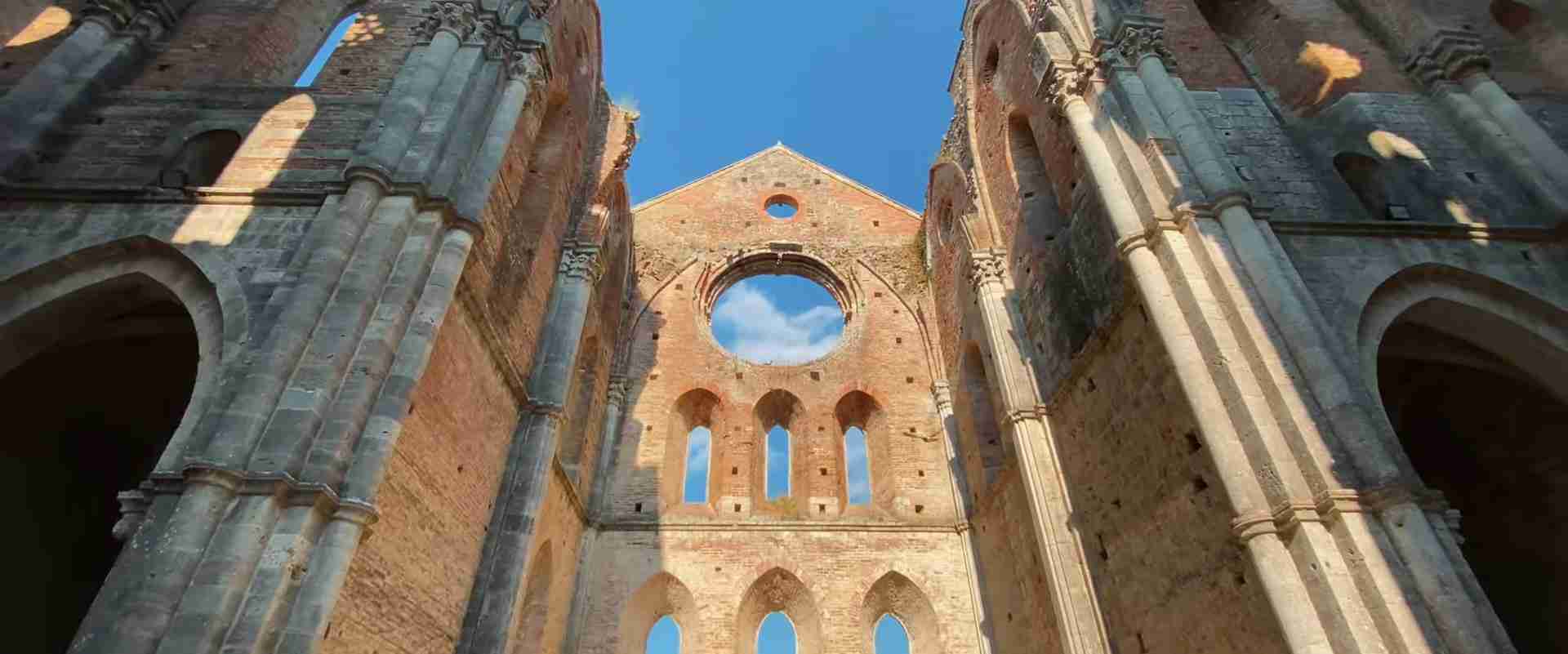
Day 3 explores southern Tuscany’s mystical landscapes and lesser-known medieval settlements by visiting the roofless San Galgano Abbey ruins, perhaps Italy’s most atmospheric ecclesiastical site, then continuing to the tufa-carved town of Pitigliano for overnight stay. Depart Volterra by 9 AM for the 70-kilometer drive south through Chianti hills toward Siena province, following SP441 past vineyards and olive groves to the remote Merse River valley. San Galgano Abbey emerges dramatically from surrounding meadows as a 13th-century Gothic church where roof collapse in 18th century created open-air sanctuary with grass floor, weathered stone columns framing sky, and architectural details revealed without interior darkness. The site carries no admission fee, permits unlimited contemplation time, and hosts summer classical music concerts under stars creating unforgettable acoustic experiences. Park in adjacent lot, walk through preserved cloister ruins, then enter the roofless nave for photography and quiet reflection.
The nearby Montesiepi Chapel perched on hilltop above the abbey contains the legendary sword-in-stone artifact associated with San Galgano’s 12th-century conversion from knight to hermit, preserved under glass where medieval legend claims he drove his weapon into rock to form crucifix shape renouncing violence. The chapel’s circular Romanesque architecture and faded frescoes demonstrate artistic traditions preceding Gothic abbey construction below, while position overlooking valley explains site selection for spiritual retreat. Chapel admission costs €3 with proceeds supporting preservation efforts, check notability for current rates. Allow 90 minutes total for abbey and chapel exploration, then continue south through increasingly wild landscapes toward Tuscany’s volcanic tufa region.
The afternoon drive to Pitigliano covers approximately 90 kilometers through progressively remote territories where villages become rarer and agricultural activity intensifies, eventually reaching the dramatic volcanic plateau where southern Tuscany meets Lazio border. Stop in Sovana for lunch at family-run trattorias charging €15-25 for pasta and local wine, then explore this tiny medieval settlement virtually abandoned after malaria epidemics until modern drainage, now maintaining remarkable architectural preservation with Romanesque cathedral, Etruscan necropolis carved into surrounding cliffs, and cobblestone streets where permanent population numbers fewer than 100 residents. Sovana’s Necropoli Etrusca outdoor museum showcases elaborate rock-cut tombs demonstrating sophisticated funeral architecture, with admission at €5 and self-guided trails through forested valleys.
Late afternoon arrival in Pitigliano reveals the region’s most spectacular medieval town, an entire settlement carved directly into and built upon volcanic tufa cliffs creating the illusion of structures growing organically from rock itself. Park outside historic center at designated lots near Porta Romana, then enter the medieval quarter on foot to explore winding stone alleys, tunnel passages carved through cliff faces, ancient wine cellars utilizing natural cave formations, and the historic Jewish ghetto preserving centuries of cultural coexistence with museum, restored synagogue, and traditional bakeries still producing sfratti pastries. The ghetto museum charges €4 admission explaining Jewish community history in southern Tuscany and preservation of distinctive cultural traditions. Evening hours permit contemplative wandering through virtually tourist-free streets where local residents shop at neighborhood groceries, children play in small piazzas, and family-run restaurants prepare regional specialties in atmospheric medieval dining rooms with stone walls and vaulted ceilings.
Practical Details Day 3
Budget travelers allocate €18-25 per person for shared rental car daily costs, €5-8 for combined abbey chapel and Sovana necropolis admissions, €15-20 for casual lunch at Sovana trattorias, €20-30 for Pitigliano evening meal at family-run establishments like Trattoria Il Grillo, and €40-55 for agriturismo accommodation in countryside surrounding Pitigliano at properties like Agriturismo Antica Fattoria La Parrina, achieving approximately €100-140 daily per-person totals including accommodation. Mid-range travelers spend €30-40 per person for shared mid-size rental car costs, €8-12 for site admissions plus Jewish ghetto museum, €20-28 for seated Sovana lunch, €30-40 for quality Pitigliano dinner at recommended restaurants, and €70-90 per person for boutique hotel rooms in historic center at places like Hotel Valle Orientina, reaching approximately €160-210 daily per-person totals.
Luxury travelers invest €50-65 per person for shared premium vehicle costs, €15-25 for admissions plus private guided tours when available, €35-45 for elevated lunch experiences, €50-70 for dinner at area’s finest restaurants or agriturismo estates, and €140-180 per person for villa suites in surrounding countryside offering pools and valley views, achieving approximately €290-385 daily per-person totals. Fuel costs add €18-25 for approximately 160 kilometers total driving including Volterra departure, San Galgano visit, southern route to Sovana and Pitigliano. Parking at San Galgano abbey is free in adjacent meadow lot. Pitigliano parking outside historic center costs €2-3 daily at designated areas near Porta Romana.
San Galgano Abbey remains open continuously with no admission fee or restricted hours, though chapel keeps variable schedule typically 10:30 AM-5:30 PM daily March-October with reduced winter hours. Summer concerts require advance ticket purchase through official website or tourist office in nearby Chiusdino. The drive from Volterra follows backroads through sparsely populated areas where GPS navigation proves essential and fuel stations become increasingly rare, so refuel in Massa Marittima before continuing south. Sovana restaurants keep typical Italian hours closing mid-afternoon for siesta and reopening after 7 PM for dinner. The Etruscan necropolis closes one hour before sunset year-round. Book Pitigliano accommodation well in advance as limited hotel inventory creates capacity constraints during summer months. The town’s dramatic cliff-top position and medieval street network require moderate fitness and comfortable footwear for extensive walking on uneven stone surfaces.
Day 4: Pitigliano’s Jewish Heritage and Tufa Landscapes 2026
Day 4 permits deeper immersion in Pitigliano’s unique cultural layering and surrounding tufa landscape before continuing to Val d’Orcia region for remaining itinerary days. Begin morning hours with guided exploration of the historic Jewish ghetto and museum revealing southern Tuscany’s centuries-long tradition of interfaith coexistence, when medieval and Renaissance-era Jewish communities maintained active presence in small towns providing banking, commercial, and artisan services while developing distinctive Tuscan-Jewish culinary and cultural traditions blending Italian and Hebrew influences. The Piccola Gerusalemme Museum occupies restored ghetto buildings displaying ritual objects, historical documents, and photographs documenting community life, with €4 admission supporting ongoing preservation and educational programs, check official site for current rates. Adjacent restored synagogue maintains original architectural elements including women’s gallery, Torah ark, and decorative details demonstrating local interpretation of Jewish religious requirements.
Pitigliano’s underground tunnel network offers fascinating exploration of carved passages connecting wine cellars, storage chambers, and residential spaces excavated directly into volcanic tufa over centuries, creating labyrinthine system where temperature and humidity remain constant year-round making ideal wine storage conditions. Local guides offer 45-minute tours at €8-10 per person explaining excavation techniques, historical uses, and contemporary wine-making practices continuing traditions documented since Etruscan times. Purchase local Bianco di Pitigliano wine from small producers utilizing tunnel cellars for aging, supporting family operations while acquiring wines unavailable outside southern Tuscany. Traditional bakeries near Piazza della Repubblica continue producing sfratti, distinctive pastries shaped like cylindrical walking sticks filled with walnut-honey-spice mixture whose name and form commemorate 16th-century expulsion of Jewish community from another Tuscan town, now ironically celebrated as signature local specialty.
Afternoon exploration extends to nearby Sorano, another tufa settlement 10 kilometers north maintaining even more dramatic cliff-carved architecture and virtually zero tourist presence. The 15-minute drive through oak forests and volcanic outcroppings reveals Sorano gradually as road descends into gorge where medieval town clings to sheer rock faces above confluence of two streams. Park at town entrance lots, then walk medieval streets discovering fortress ruins, cave dwellings inhabited until 1960s, stone-arched passages, and viewpoints overlooking surrounding wilderness. The Vitozza Archaeological Park outside Sorano contains extensive network of cave dwellings and rock-cut structures documenting continuous human habitation spanning two millennia, with free access to hiking trails through archaeological landscape.
Late afternoon departure from tufa region heads northeast approximately 70 kilometers toward Val d’Orcia, following SS2 Cassia ancient Roman road through increasingly manicured agricultural landscapes where Renaissance-era drainage and terracing systems transformed malarial swamps into ordered valleys of wheat fields, cypress allées, and hilltop farmhouses epitomizing Tuscan landscape ideals. Arrive in San Quirico d’Orcia by early evening for overnight stay, establishing base for subsequent Val d’Orcia exploration. This small town offers strategic position for accessing UNESCO landscape sites, exceptional value in agriturismo accommodations, and authentic local character absent from more touristed neighboring villages like Pienza and Montalcino.
Practical Details Day 4
Budget travelers allocate €18-25 per person for shared rental car daily costs, €8-12 for combined Pitigliano museum and underground tour admissions, €12-18 for casual lunch at local bakeries and pizza al taglio outlets, €20-28 for evening meal at San Quirico d’Orcia family trattorias, and €40-55 for agriturismo accommodation in Val d’Orcia countryside at properties like Agriturismo Il Rigo or Agriturismo La Moscadella, achieving approximately €100-140 daily per-person totals including accommodation. Mid-range travelers spend €30-40 per person for shared vehicle costs, €12-18 for admissions and guided experiences, €18-28 for seated Pitigliano lunch, €30-40 for quality dinner at San Quirico establishments, and €70-90 per person for agriturismo double rooms with pools and valley views, reaching approximately €165-220 daily per-person totals.
Luxury travelers invest €50-65 per person for premium vehicle costs, €20-30 for private guides and specialty tours, €30-45 for elevated lunch experiences, €50-70 for dinner at area’s finest restaurants, and €135-175 per person for luxury agriturismo suites offering spa facilities and gourmet dining at places like Castello di Velona or Adler Thermae, achieving approximately €285-385 daily per-person totals. Fuel costs add €12-18 for approximately 90 kilometers total driving including Sorano excursion and transfer to Val d’Orcia region. Parking remains free or minimal €1-2 at Sorano and San Quirico d’Orcia lots.
Piccola Gerusalemme Museum opens Tuesday-Sunday 10 AM-1 PM and 3 PM-6 PM April-October with reduced winter hours, closed Mondays and major Jewish holidays. Underground tunnel tours depart multiple times daily from central piazza requiring advance reservation through tourist information office during peak season. The drive from Pitigliano to San Quirico d’Orcia via SS2 Cassia follows main highway permitting faster speeds but sacrificing scenic quality of backroads, taking approximately 75 minutes. Alternative route via SR146 adds 30 minutes but passes through more dramatic landscape and additional hill towns. Book Val d’Orcia agriturismo accommodation 2-3 months in advance for summer weekends as limited properties create capacity constraints in smaller towns. San Quirico’s strategic central position permits day trips radiating throughout Val d’Orcia region while maintaining authentic local atmosphere and better value than accommodations in more touristed Pienza or Montalcino.
Day 5: Val d’Orcia Hidden Villages and UNESCO Landscapes 2026
Day 5 explores the Val d’Orcia UNESCO World Heritage landscape through lesser-known villages and agricultural contexts rather than standard postcard viewpoints, revealing how Renaissance-era humanist philosophy shaped physical transformation of valley from medieval wasteland into ordered agricultural paradise reflecting idealized relationships between human activity and natural environment. Begin morning in San Quirico d’Orcia with visit to the Horti Leonini, exceptional Renaissance gardens designed by Diomede Leoni in 1580s and free to public access, demonstrating geometric principles and formal planting schemes that established landscape design vocabulary later adopted throughout Tuscany. The gardens occupy surprisingly extensive grounds for such a small town, containing sculptural elements, hedge mazes, rose gardens, and elevated terraces offering valley views framing cypress-lined roads and isolated farmhouses against wheat field backgrounds.
The Collegiata di San Quirico church adjacent to gardens presents remarkable architectural palimpsest spanning six centuries from original Romanesque foundations through Baroque renovations, with three elaborate entrance portals demonstrating evolving sculptural styles and interior capitals depicting biblical scenes and fantastic creatures reflecting medieval symbolic vocabulary. Church entrance remains free, supporting contemplative appreciation of architectural evolution without commercial pressure. Walk the compact historic center discovering local shops selling pecorino cheeses aged in Val d’Orcia caves, estate olive oils, and regional wines at honest prices reflecting actual value rather than tourist markups. Purchase provisions for afternoon picnic including fresh bread, local salumi, sheep’s milk cheeses, and wine for €15-25 total.
Mid-morning departure follows backroads toward Bagno Vignoni, a tiny thermal spring village 5 kilometers south where Renaissance-era bathhouse occupies entire central piazza as rectangular pool fed by natural hot springs, creating surreal architectural ensemble where main square functions as communal bathing facility rather than marketplace or civic gathering space. The thermal waters no longer permit bathing in historic piazza pool but flow to modern spa facilities below town, while medieval arcades surrounding central basin provide atmospheric setting for contemplating unusual urban planning priorities. Free park above village offers classic Val d’Orcia viewpoint framing Bagno Vignoni’s towers and thermal pool against cypress allées and rolling wheat fields. Continue south to Castiglione d’Orcia for lunch stop in this genuinely off-the-beaten-path settlement maintaining intact medieval character, fortress ruins commanding valley views, and zero tourist infrastructure beyond single local trattoria charging €18-25 for honest Tuscan cooking.
Afternoon hours permit exploration of the cypress-lined SP146 Gladiator Road between San Quirico and Pienza, stopping at unmarked pull-offs for photography of isolated farmhouses, geometric agricultural patterns, and the region’s signature landscape composition where human agricultural intervention enhances rather than diminishes natural beauty. This philosophical approach to land management earned UNESCO World Heritage designation in 2004 recognizing Val d’Orcia as outstanding example of Renaissance landscape design principles applied at territorial scale. Drive slowly, stop frequently, and allow spontaneous discoveries including abandoned farmhouses, roadside shrines, and agricultural details like hay bales arranged in photogenic formations. Brief visit to Pienza’s historic center permits appreciation of Pope Pius II’s Renaissance urban planning ideals, though late afternoon timing avoids cruise ship day-tripper crowds that overwhelm this tiny town during mid-day hours. Return to San Quirico d’Orcia for second overnight, establishing deeper familiarity with the town and surrounding agricultural landscapes.
Practical Details Day 5
Budget travelers allocate €18-25 per person for shared rental car costs, €0 for free garden and church admissions, €15-20 for assembled picnic supplies from San Quirico shops, €18-25 for Castiglione d’Orcia trattoria lunch, €20-28 for evening meal back in San Quirico, and €40-55 for second night agriturismo accommodation, achieving approximately €115-155 daily per-person totals including accommodation. Mid-range travelers spend €30-40 per person for vehicle costs, €20-30 for enhanced picnic provisions including specialty cheeses and estate wines, €25-35 for seated lunch at quality establishments, €30-40 for dinner at recommended San Quirico restaurants like Trattoria Al Vecchio Forno, and €70-90 per person for agriturismo rooms, reaching approximately €180-240 daily per-person totals.
Luxury travelers invest €50-65 per person for premium vehicle costs, €35-50 for gourmet picnic assemblies from specialty shops, €40-55 for elevated lunch experiences, €60-80 for dinner at area’s finest restaurants or luxury agriturismo estates, and €135-175 per person for second night in premium accommodations, achieving approximately €320-425 daily per-person totals. Fuel costs add €10-15 for approximately 60 kilometers of local exploration and viewpoint access throughout Val d’Orcia region. Parking at Bagno Vignoni and Castiglione d’Orcia remains free in designated areas. Pienza charges €2-3 hourly parking in lots outside historic center.
Horti Leonini gardens remain open dawn to dusk daily year-round with no admission fee. Collegiata church keeps variable hours typically 10 AM-1 PM and 3 PM-6 PM daily though occasionally closed for services. Bagno Vignoni’s central thermal pool viewable at any hour from public piazza access, while modern spa facilities below town charge €15-25 for thermal pool access requiring advance reservation during high season. The SP146 Gladiator Road between San Quirico and Pienza sees minimal traffic permitting safe stopping for photography, though exercise caution as road lacks formal pull-offs at many viewpoints. Spring wheat season from late April through early June offers optimal landscape photography with green fields before harvest, while post-harvest late summer provides golden stubble patterns. Autumn plowing creates brown earth patterns. Each season delivers different aesthetic emphasizing various aspects of agricultural cycle.
Day 6: Chianti Backroads and Lesser-Known Wine Estates 2026
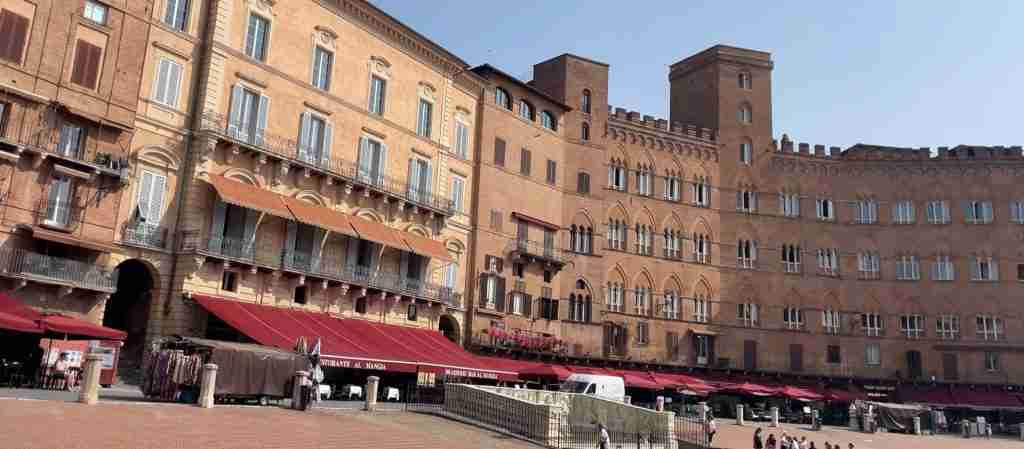
Day 6 pivots north into Chianti wine country exploring family estates and lesser-known production areas rather than tourist-saturated Chianti Classico heartland, revealing the region’s agricultural foundations and artisan wine-making traditions at small-scale operations welcoming visitors for tastings in centuries-old cellars. Depart San Quirico d’Orcia by 9 AM for the 90-minute drive north through Siena province, potentially stopping briefly in Siena itself to explore the Piazza del Campo and surrounding medieval neighborhoods during morning hours before day-tripper crowds arrive, though this adds 60-90 minutes to transfer time. Continue north of Siena into rolling Chianti hills where vineyards, olive groves, and oak forests create varied agricultural mosaic supporting diverse farm economies beyond monoculture wine production.
The Chianti Colli Senesi appellation south and east of Chianti Classico zone produces more rustic, less internationally famous wines from family estates operating at modest scale, offering superior value and authentic encounters compared to industrial operations serving tour bus groups. Pacina winery near Castelnuovo Berardenga exemplifies this category as tiny family-run organic estate occupying historic farmhouse surrounded by vineyards where family patriarch or sons conduct personalized tastings explaining biodynamic viticulture philosophy, natural wine-making approaches eschewing modern interventions, and agricultural integration combining wine grapes with olive oil production, vegetable gardens, and livestock. Tastings cost €15-25 per person including four wines plus estate olive oil, with advance reservation required 48-72 hours ahead via website or phone call. Purchase bottles directly from family at cellar prices significantly below retail, supporting small producers while acquiring wines reflecting authentic terroir expression.
Continue exploration visiting 2-3 additional small estates throughout afternoon, selecting from lesser-known producers including Podere Giodo near Radda in Chianti offering tastings in medieval stone cellars, Castello di Ama combining contemporary art installations throughout historic villa grounds with serious wine production, or Badia a Coltibuono monastery-turned-winery where Benedictine monks established viticulture in 11th century and current owners maintain agricultural traditions including cooking school utilizing estate ingredients. Each winery maintains distinct character and philosophy, from experimental natural wine approaches through traditional methods unchanged for generations, providing insight into winemaking diversity within single region. Most estates charge €15-30 per person for standard tastings, €35-60 for extended experiences including cellar tours and food pairings, with advance reservations essential at all but largest commercial operations.
Late afternoon transfer toward Florence area for final overnight before departure day, selecting accommodation in countryside hills surrounding the city rather than urban hotels to maintain off-the-beaten-path character and provide transitional evening between remote exploration and metropolitan reality. Agriturismi in Fiesole hills above Florence combine proximity to airport and city center with rural tranquility, valley views, and final opportunities for estate-produced olive oil and wine purchases. Evening meal at agriturismo properties typically costs €30-40 per person for multi-course dinners featuring estate ingredients prepared by owner-chefs following family recipes, creating fitting conclusion to week-long immersion in Tuscan agricultural traditions and artisan production.
Practical Details Day 6
Budget travelers allocate €18-25 per person for shared rental car costs, €15-20 per person for single winery tasting at Pacina or similar family estate, €12-18 for casual lunch at countryside osteria or assembled picnic, €25-35 for agriturismo evening meal, and €45-60 for farmhouse accommodation in Florence hills, achieving approximately €120-160 daily per-person totals including accommodation. Mid-range travelers spend €30-40 per person for vehicle costs, €45-75 for tastings at 2-3 estates including standard and extended experiences, €20-30 for seated lunch at quality establishments, €35-45 for agriturismo dinner, and €75-95 per person for double rooms at mid-range countryside properties near Florence, reaching approximately €210-290 daily per-person totals.
Luxury travelers invest €50-65 per person for premium vehicle costs, €90-150 for private tastings and extended experiences at 3-4 estates including renowned properties, €40-55 for elevated lunch experiences, €60-80 for dinner at premium agriturismo estates with sommelier-selected wine pairings, and €140-200 per person for luxury villa suites offering pools and spa facilities, achieving approximately €380-550 daily per-person totals. Fuel costs add €20-28 for approximately 150 kilometers driving including San Quirico departure, Chianti exploration, and transfer to Florence area. Winery parking remains free at all estates.
Contact small wine estates 2-4 weeks in advance for tasting reservations as family operations accommodate limited daily visitors. Weekend appointments fill earliest during summer months. Most Chianti estates close August for summer holidays and maintain reduced winter schedules November-March. Pacina requires advance booking via website at pacina.it or phone +39 0577 355544. Standard tastings typically last 45-60 minutes, extended experiences 90-120 minutes including cellar tours and food pairings. Purchase minimum 3-6 bottles to justify estate visit and support small producers, though no purchase obligations exist. Driving between estates follows narrow winding roads requiring GPS navigation and attention to vineyard road signs, typically taking 15-25 minutes between properties. Avoid scheduling more than 3-4 winery visits daily as driving between tastings while consuming wine samples creates safety concerns.
Day 7: Artisan Workshops and Departure Preparations 2026
Day 7 concludes the itinerary with morning artisan workshop visits in Florence area followed by afternoon departure preparations, creating balanced ending combining final cultural experiences with practical logistics. Options for morning hours include visiting traditional pottery studios in Impruneta 15 kilometers south of Florence where terracotta production continues techniques documented since Etruscan times, exploring leather workshops in Santa Croce neighborhood observing craftspeople employing traditional vegetable tanning and hand-stitching methods, or participating in half-day cooking classes at countryside estates learning preparation of fresh pasta, regional sauces, and traditional Tuscan dishes. Selection depends on personal interests, departure flight timing, and remaining budget allocation.
Impruneta’s terracotta tradition centers on clay deposits producing distinctive red-orange color and frost-resistant properties making the town’s pottery ideal for garden vessels, architectural elements, and decorative objects exported throughout Italy and internationally. Contemporary artisan studios including Fornace Agresti and Poggi Ugo welcome visitors for workshop tours at €5-10 admission explaining clay preparation, wheel-throwing techniques, kiln firing processes, and glazing approaches, with finished pieces available for purchase at studio prices. Budget 90 minutes for Impruneta visit including 30-minute drive each direction from Florence area accommodations.
Alternative cooking class experiences at countryside estates near Florence cost €80-120 per person for half-day sessions including market shopping instruction, hands-on pasta preparation, sauce and secondo cooking, and seated lunch featuring prepared dishes paired with estate wines. Properties like Fattoria Poggio Alloro or Villa Bordoni offer such experiences requiring 1-2 week advance booking. Classes typically run 9:30 AM-1:30 PM permitting afternoon departure preparations. Participants gain practical skills replicating authentic Tuscan dishes at home while deepening understanding of ingredient selection, seasonal cooking rhythms, and cultural significance of shared meal preparation in Italian family traditions.
Afternoon hours accommodate rental car return to Florence airport or Santa Maria Novella station, final souvenir purchases from artisan producers rather than tourist shops, and departure logistics. Return rental car with full fuel tank to avoid inflated refueling charges, allowing 2-3 hours before flight departure for vehicle return processing and airport security. International flights from Florence require minimum 2-hour advance arrival, domestic flights 90 minutes. Alternatively, maintain car rental through departure day if flying from Pisa airport 90 minutes west, where rental car return facilities operate more efficiently than Florence’s limited airport infrastructure. The week’s exploration concludes having discovered Tuscany’s authentic cultural foundations through agricultural traditions, artisan workshops, architectural preservation, and local encounters revealing historical continuity maintaining regional identity despite mass tourism pressures transforming more famous sites.
Practical Details Day 7
Budget travelers allocate €18-25 per person for final day shared rental car costs, €5-8 for artisan workshop admissions, €12-18 for final casual meal, and €0 for accommodation as departure day, achieving approximately €35-50 daily per-person totals excluding accommodation. Mid-range travelers spend €30-40 per person for vehicle costs, €20-30 for workshop visits or abbreviated cooking experiences, €20-30 for final seated lunch, reaching approximately €70-100 daily per-person totals. Luxury travelers invest €50-65 per person for premium vehicle costs, €80-120 for full cooking class experiences, €35-50 for elevated final meals, achieving approximately €165-235 daily per-person totals.
Rental car return at Florence airport requires following clearly marked signs to rental agency compound adjacent to terminal. Allow 30-45 minutes for return processing including vehicle inspection, fuel verification, and paperwork completion. Staff conduct thorough damage assessments so document any pre-existing scratches or dents with dated photographs to avoid spurious damage claims. Retain rental receipts and return documentation until credit card statement confirms no additional charges. Florence airport offers limited food options beyond security so eat before arrival or pack provisions. Pisa airport alternative provides superior dining variety and less congested departure experience if flight schedules permit.
Impruneta pottery studios maintain variable hours, typically open 9 AM-1 PM and 2:30 PM-6 PM Monday-Saturday, with some closing Wednesday afternoons and all day Sunday. Call ahead to confirm hours and arrange visits. Cooking classes require 1-2 week advance booking through estate websites or direct contact, with cancellation policies typically permitting full refunds if notice given 48-72 hours ahead. Morning classes conclude by 1:30-2:00 PM permitting comfortable afternoon departure timing for evening flights. Budget additional 30-45 minutes beyond GPS estimated driving times for Florence area traffic congestion, particularly during weekday morning rush hours.
Transportation Planning and Logistics 2026
Successful off-the-beaten-path Tuscany exploration absolutely requires personal vehicle access as the region’s most compelling cultural sites exist beyond reliable public transportation networks. Regional trains efficiently connect major cities including Florence, Siena, Pisa, Lucca, and Arezzo at €8-15 per journey with frequent daily departures, and intercity buses serve popular tourist destinations like San Gimignano and Volterra at €5-20 per ride, but the tufa-carved villages of southern Tuscany, family wine estates throughout Chianti, remote abbey ruins in countryside valleys, and thermal spring villages in Val d’Orcia all require automobile access via narrow winding roads where buses either don’t operate or maintain schedules incompatible with meaningful cultural immersion.
Rental car booking 4-8 weeks before travel secures optimal rates and vehicle availability during 2026 peak seasons. Economy cars suitable for two passengers with modest luggage cost €35-65 daily depending on season and booking timing, mid-size vehicles offering additional comfort and cargo capacity run €60-90 daily, while premium or larger SUV options for enhanced rural road capability reach €90-150 daily. Major international rental agencies including Hertz, Europcar, Avis, and Sixt maintain offices at Florence airport, Pisa airport, Florence Santa Maria Novella train station, and Siena providing convenient pickup locations. Local agencies sometimes offer lower rates but provide less reliable roadside assistance and documentation in English-language preferred by international travelers.
Fuel costs represent significant additional expense beyond base rental rates, with gasoline priced at €1.80-2.00 per liter throughout 2026 equating to approximately €70-90 to fill typical compact car’s 45-liter tank. The seven-day itinerary described above requires approximately 600-700 total kilometers of driving including daily countryside exploration, winery visits, viewpoint stops, and inter-town transfers, consuming roughly 50-60 liters total fuel costing €90-120 split between traveling companions. Italian fuel stations require payment before pumping, accepted via credit card at automated terminals or cash payment to attendants during staffed hours. Rural areas feature fewer stations so refuel proactively rather than allowing tanks to approach empty. Autostrada highway tolls don’t apply to most Tuscan countryside routes described in this itinerary as backroads and regional highways carry no charges.
ZTL restricted traffic zones represent the primary driving challenge in Tuscany’s historic centers where medieval-era street patterns prove incompatible with modern vehicle traffic. Florence, Siena, Lucca, Volterra, San Gimignano, and most historic towns maintain electronically monitored zones where unauthorized vehicle entry generates €100-200 fines automatically mailed to rental agencies who add processing charges before forwarding bills to drivers. The foolproof approach parks outside historic centers at designated lots costing €2-5 daily, then explores medieval quarters entirely on foot. Signs reading “ZTL” with camera symbols mark restricted zone entrances, though camera locations aren’t always obvious to unfamiliar drivers making inadvertent violations frustratingly easy. Hotel staff provide access codes permitting temporary entry for luggage drop-off when accommodations occupy restricted zones, but verify procedures before attempting entry to avoid expensive mistakes.
GPS navigation proves essential for countryside driving where road signs become sparse, village names appear inconsistently, and unmarked turns lead toward desired destinations. Smartphone mapping apps including Google Maps and Waze function reliably throughout Tuscany with cellular data or downloaded offline maps, though dedicated GPS units rented from car agencies at €8-15 daily offer larger screens and dashboard mounting advantages. Road types vary dramatically from smooth autostrada highways through well-maintained regional routes to narrow unpaved farm tracks accessing remote agriturismi, requiring attention to vehicle ground clearance and route selection based on car type. White unpaved strada bianca roads appear romantic in photographs but generate dust coating vehicles, create rough riding conditions in standard cars, and sometimes require low-gear climbing on steep vineyard hillsides.
Accommodation Strategies and Recommendations 2026
Off-the-beaten-path Tuscany accommodation prioritizes authentic agriturismo properties and small-scale boutique hotels over international chain establishments, maintaining the journey’s cultural immersion philosophy while supporting family businesses operating at sustainable scales within agricultural contexts. Agriturismi represent unique Italian accommodation category where working farms open portions of property for guest lodging, requiring by law that rental income remain secondary to agricultural production and that breakfast ingredients derive substantially from estate cultivation. This regulatory framework ensures authentic farm character rather than commercial hotel operations masquerading as agricultural businesses, creating opportunities for guests to witness and participate in traditional farming activities including olive harvests, grape harvesting, cheese production, and seasonal agricultural cycles.
Budget agriturismo options throughout Tuscany countryside charge €50-70 per room nightly for basic doubles in converted farmhouses offering shared breakfast areas, access to property grounds, and modest furnishings prioritizing authenticity over luxury. Properties like Agriturismo Marcampo near Volterra, Agriturismo Antica Fattoria La Parrina around Pitigliano, Agriturismo Il Rigo in Val d’Orcia, and similar family operations provide comfortable clean accommodations within working farms where tractors park near guest quarters, chickens roam courtyards, and hosts may speak limited English but compensate through generous hospitality and genuine welcome. Budget travelers can further reduce costs by selecting agriturismi offering apartment units with basic cooking facilities permitting self-catered breakfasts and occasional dinners assembled from local market purchases, charging €45-65 nightly for week-long stays.
Mid-range agriturismo and boutique hotel properties elevate comfort and amenities while maintaining authentic character through carefully restored historic buildings, swimming pools offering afternoon relaxation after cultural exploration, optional on-site dining featuring estate ingredients, and English-speaking hosts providing local knowledge and travel assistance. Properties charging €140-200 per room nightly deliver superior value compared to urban hotels at similar rates by including breakfast, providing peaceful rural settings, offering architectural charm in centuries-old stone farmhouses, and creating opportunities for wine estate relationships when properties produce their own vintages. Recommended mid-range options include Podere Raffanna near San Quirico d’Orcia, Agriturismo Le Ceregne Bio in Chianti, and Tenuta di Corsano south of Siena combining comfortable accommodations with working wine and olive oil production.
Luxury agriturismo estates and converted monastery hotels provide exceptional five-star experiences at €300-500 per room nightly offering infinity pools overlooking valley vistas, spa facilities with thermal treatments, gourmet restaurants led by skilled chefs interpreting traditional Tuscan cuisine through contemporary techniques, and meticulously restored suites in historic villas where 16th-century frescoes frame modern luxury bathrooms. Properties like Castello di Velona in Val d’Orcia, Borgo Santo Pietro near Chiusdino, Rosewood Castiglion del Bosco in Montalcino area, and Adler Thermae near San Quirico d’Orcia combine agricultural authenticity with resort amenities creating self-contained luxury destinations where guests could spend entire weeks without leaving properties. These premium estates typically require 2-3 night minimum stays during peak seasons and book 3-4 months in advance for summer weekends.
Strategic accommodation location deserves careful consideration as Tuscany’s dispersed cultural sites and limited public transportation make daily departure bases crucial for itinerary efficiency. The approach described in this itinerary utilizes multiple overnight locations rather than single Florence base to minimize daily driving distances, maximize time at cultural sites rather than in vehicles, and deepen immersion by sleeping where exploring rather than commuting hours each direction. Florence accommodation serves only arrival/departure nights, Volterra area provides access to western Tuscany, Pitigliano positions for southern tufa towns, San Quirico d’Orcia centers Val d’Orcia exploration, and Florence hills agriturismo concludes journey near airport. This multi-base approach requires packing/unpacking several times weekly but eliminates the exhausting pattern of 90-minute drives each morning and evening returning to single home base.
Booking timeline for optimal selection and rates begins 3-4 months before travel for mid-range properties, 4-6 months for luxury estates, and 2-3 months for budget agriturismi. Summer weekends fill earliest across all categories. Small properties with 5-10 rooms sell out completely while larger establishments maintain some availability closer to travel dates. Direct booking through agriturismo websites sometimes secures better rates than third-party platforms while establishing personal contact with hosts who provide valuable local recommendations upon arrival. Read property descriptions carefully to verify current operations as some former agriturismi evolved into full hotels no longer maintaining agricultural production, defeating the purpose of seeking authentic farm experiences. Verify exact locations using mapping tools as some properties occupy remote hillsides requiring 20-30 minutes driving on unpaved roads from main highways, which may discourage travelers seeking easier access or concern those uncomfortable with rural isolation.
Dining Approaches and Culinary Discoveries
Off-the-beaten-path Tuscany dining emphasizes authentic family-run trattorias, agriturismo estate meals, and strategic market meal assembly over tourist-area restaurants, following local eating patterns and supporting small businesses maintaining traditional culinary practices. Understanding Italian meal rhythms and pricing structures prevents budget shocks while maximizing food quality and cultural authenticity. Italian breakfast culture differs fundamentally from Anglo-American expectations as morning meals consist primarily of coffee and pastry rather than substantial protein-based plates, with cappuccino and cornetto at neighborhood cafes costing €3-5 and providing entirely adequate fuel until lunch. Attempting American-style hotel breakfast buffets wastes €15-25 daily while missing authentic Italian morning cafe culture where standing at the bar for five-minute coffee creates social interactions and people-watching opportunities impossible at buffet spreads.
Lunch represents the traditional Italian main meal though contemporary work schedules increasingly shift this pattern toward evenings, with trattorias serving complete pranzo menus from noon to 2:30 PM before closing until dinner service begins around 7:30 PM. Budget-conscious travelers assemble market picnics from local alimentari shops and outdoor markets at €8-15 per person for bread, salumi, cheese, fruit, and wine, enjoying these portable feasts at roadside viewpoints, abbey meadows, or medieval town squares throughout countryside exploration. Mid-day trattoria meals cost €15-25 per person for pasta primi courses plus side dishes at casual establishments, €25-35 for complete three-course meals including antipasti, primi, and secondi at quality family-run restaurants. The Italian service pattern anticipates separate courses arriving sequentially rather than simultaneously, creating relaxed meal pacing lasting 60-90 minutes minimum.
Dinner at traditional trattorias charges €25-40 per person for three courses with house wine, with authentic establishments featuring handwritten menus changing based on market availability, family-recipe preparations unchanged for generations, and honest pricing reflecting actual ingredient costs rather than tourist markups. Off-the-beaten-path towns maintain superior trattoria quality compared to Florence or Siena tourist areas since local residents form primary clientele and reputation matters more than transient visitor reviews. Look for restaurants filled with Italian families rather than tour groups, displays of daily market ingredients at entrance counters, and menus printed in Italian without photograph illustrations. House wine served in unlabeled carafes costs €8-15 per liter and typically offers better value than inexpensive bottled alternatives while supporting local agricultural networks.
Agriturismo estate dining provides exceptional value for mid-range and luxury budgets at €30-45 per person for multi-course meals featuring ingredients from property cultivation or neighboring farms, wine from estate production, and recipes developed by owner-chefs combining traditional techniques with personal interpretation. These dinners require advance reservation at time of accommodation booking and create highlight experiences connecting agricultural production directly with culinary outcomes. Observing vegetables harvested that morning appearing in evening minestrone, tasting wines from vineyards visible through dining room windows, and engaging hosts in conversations about seasonal food traditions reveals the cultural context behind regional cuisine more effectively than any restaurant meal divorced from agricultural origins.
Specialty food purchases for home transport include estate olive oils sold directly from producers at €12-25 per liter representing superior quality compared to supermarket brands, aged pecorino cheeses from small dairies at €15-30 per kilogram, dried porcini mushrooms from market stalls at €40-60 per kilogram, truffle products including preserved whole truffles and truffle-infused oils from €20-50, and artisan pasta from small producers at €4-8 per package. These purchases support traditional food production while providing meaningful souvenirs reflecting authentic regional quality. Purchase olive oil and wine directly from estates visited during itinerary, ensuring freshness and establishing personal relationships with producers. Vacuum-sealed cheese survives international travel when packed carefully in checked luggage, though verify customs regulations for specific destination countries regarding agricultural product import restrictions.
Cultural Immersion and Local Interactions
Meaningful off-the-beaten-path travel transcends superficial monument tourism by creating genuine cultural exchanges where travelers engage respectfully with local communities, traditional practices, and living heritage rather than treating destinations as Instagram backdrops. This approach requires several mindset adjustments from conventional tourist attitudes including embracing slower pacing that permits spontaneous discoveries and extended conversations, demonstrating curiosity toward agricultural and craft contexts rather than focusing exclusively on famous artworks, respecting local rhythms including afternoon closures and late dinner hours, and accepting that authentic experiences don’t always provide comfortable amenities or English-language accommodation.
Language capabilities dramatically enhance interaction quality even at basic levels, as attempts to speak Italian demonstrate respect and effort appreciated by residents particularly in small towns where English remains rare among older generations. Essential phrases for market shopping, restaurant ordering, and asking directions require minimal study yet create vastly different reception compared to expecting English accommodation. Smartphone translation apps bridge communication gaps when vocabulary fails, though remember that genuine interest and friendly demeanor communicate effectively across language barriers where cold efficiency alienates regardless of linguistic skill. Many older Italian rural residents speak regional dialects differing significantly from standard Italian, creating communication challenges even for fluent speakers, so patience and good humor prove more valuable than perfect grammar.
Wine estate visits represent prime opportunities for cultural immersion beyond simple alcohol consumption when approached as educational experiences revealing agricultural philosophy, family history, and regional terroir expression. Demonstrating genuine curiosity about viticulture techniques, biodynamic practices, indigenous grape varieties, and winemaking traditions encourages detailed explanations from producers who often welcome questions from knowledgeable visitors while dismissing superficial tourists seeking only cheap tastings. Purchase bottles directly from estates even when prices exceed retail alternatives available at urban wine shops, as this economic support enables small producers to maintain traditional methods against industrial pressures while creating relationships that may yield special bottle selections, cellar access, or invitations to seasonal harvest activities for return visitors.
Agriturismo accommodations facilitate deepest cultural immersion by positioning travelers within working farm contexts where daily agricultural rhythms become visible and hosts share knowledge about seasonal cycles, traditional techniques, and rural lifestyle challenges. Participate in optional activities when offered including olive pressing demonstrations, vineyard work, bread baking sessions, and farm animal care, experiencing physical labor and practical skills underlying the romantic countryside imagery. Engage hosts in conversations about agricultural sustainability, regional food traditions, rural depopulation concerns, and cultural heritage preservation, learning perspectives rarely articulated in guidebooks or tourist materials. These interactions transform accommodations from merely sleeping arrangements into educational experiences revealing authentic contemporary rural Italian life.
Artisan workshop visits gain significance through genuine appreciation for craft skills and willingness to purchase handmade products at prices reflecting actual production time and material costs. Contemporary artisans maintaining traditional techniques face economic pressures from mass-produced imports and changing consumer preferences, making supportive visitors particularly valuable for workshop survival. Demonstrate respect by asking permission before photography, listening attentively to technique explanations, and purchasing even modest items directly from craftspeople rather than equivalent products at inflated prices from tourist-area souvenir shops. Handmade alabaster candleholders from Volterra studios, pottery vessels from Impruneta kilns, woven textiles from small-town workshops, and other artisan products provide meaningful souvenirs embodying authentic skill while supporting cultural continuity through economic transactions.
Budget Breakdown and Cost Management 2026
Comprehensive budget planning for seven-day off-the-beaten-path Tuscany exploration in 2026 requires understanding cost components across accommodation, transportation, dining, activities, and incidental expenses, with total weekly per-person expenditures ranging from €686-952 for budget travelers through €1,365-1,855 for mid-range comfort seekers to €3,080-4,445 for luxury experiences, all figures assuming two people sharing accommodations and vehicle costs. Budget tier travelers utilize hostel dormitories in Florence at €30-40 nightly, countryside camping facilities at €20-30 nightly, and basic agriturismi at €50-70 per room translating to €25-35 per person when two share, achieving weekly accommodation costs of €175-245 per person. Mid-range travelers occupy agriturismo double rooms and boutique hotels at €140-200 nightly translating to €70-100 per person sharing, totaling €490-700 weekly per person. Luxury travelers invest in converted villa suites and monastery hotels at €300-500 nightly translating to €150-250 per person sharing, reaching €1,050-1,750 weekly per person.
Transportation costs for seven-day itinerary with approximately 600-700 kilometers total driving split between two travelers equate to €125-175 per person budget tier using economy cars at €35-50 daily plus €90-120 fuel costs, €210-280 per person mid-range tier with mid-size vehicles at €60-80 daily, and €350-455 per person luxury tier with premium cars at €100-130 daily. Parking fees throughout itinerary add minimal €15-25 total as most rural destinations offer free parking and small-town historic center lots charge €2-5 daily. Toll roads don’t apply to routes described avoiding autostrada highways in favor of scenic regional routes.
Dining expenses vary dramatically based on meal selection strategies and restaurant choices, with budget travelers spending €35-53 daily through morning coffee and pastry rituals at €3-5, assembled picnic lunches at €8-15, and casual trattoria dinners at €20-30, totaling €245-370 weekly. Mid-range travelers allocate €61-87 daily including €8-12 breakfast, €18-25 lunch at seated establishments, and €35-50 dinner at quality trattorias, reaching €430-610 weekly. Luxury travelers invest €130-195 daily through €15-25 breakfast, €35-50 lunch, and €80-120 dinner at premium restaurants and estates, achieving €910-1,365 weekly totals. These figures include house wine and water but exclude premium wine bottles, digestivi, and specialty coffee drinks that significantly inflate totals when indulged regularly.
Activity and admission costs depend heavily on itinerary selection between expensive guided experiences versus self-directed exploration of free or low-cost sites. Budget travelers limiting museum visits, selecting free architectural and landscape sites, and participating in basic wine tastings spend €70-140 weekly. Mid-range travelers allocating €25-40 daily for museum admissions at major sites, wine estate tastings, artisan workshop purchases, and occasional guided experiences reach €175-280 weekly. Luxury travelers investing in private tours, extended wine experiences, cooking classes, and premium cultural programs spend €350-560 weekly. The off-the-beaten-path approach actually reduces admission costs compared to Florence-Pisa-Siena tourist circuits since many authentic cultural sites including abbey ruins, small-town architecture, valley viewpoints, and agricultural landscapes carry zero fees, while family wine estates and artisan workshops charge modest amounts primarily recovering hospitality costs rather than extracting maximum tourist revenue.
Incidental expenses including morning coffee rituals, afternoon gelato traditions, roadside olive oil and wine purchases, market food souvenirs, and miscellaneous items add €70-100 weekly budget tier, €100-150 weekly mid-range, and €150-250 weekly luxury. Final budget totals combining all categories reach €686-952 weekly per person budget tier, €1,365-1,855 weekly per person mid-range, and €3,080-4,445 weekly per person luxury. These comprehensive figures permit realistic financial planning and demonstrate that authentic off-the-beaten-path experiences don’t necessarily cost more than conventional tourist circuits when approached strategically, as reduced accommodation costs in rural areas, better dining value at family trattorias, and minimal admission fees for many cultural sites offset higher transportation expenses from rental car requirements.
Money-Saving Strategies
Disciplined travelers committed to maximizing cultural experiences while minimizing costs employ several effective strategies reducing daily expenditures without sacrificing authentic encounters. Accommodation represents largest budget category offering greatest savings potential through selecting basic agriturismi over boutique hotels, occupying apartment units with cooking facilities permitting self-catered meals, booking stays 3-4 months in advance securing early-bird discounts, and traveling during shoulder seasons April-May and September-October when rates drop 25-40% compared to peak summer prices. Multi-night stays at single properties sometimes yield discounted rates particularly at weekly increments, and direct booking through agriturismo websites occasionally beats third-party platform prices while establishing personal relationships with hosts.
Dining costs drop dramatically through strategic market meal assembly replacing restaurant lunches, with bread, salumi, cheese, fruit, and wine purchased from local shops at €8-15 per person creating portable feasts enjoyed at scenic locations throughout countryside exploration. Morning coffee rituals at neighborhood cafes standing at the bar rather than occupying tables eliminate service charges that double or triple costs, reducing morning expenditure from €8-12 seated to €3-5 standing. House wine by the carafe at trattorias offers superior value compared to inexpensive bottled alternatives while supporting local agricultural networks, and sharing courses family-style rather than ordering individual portions reduces waste while maintaining meal quality. Avoid restaurants adjacent to major tourist monuments where location premiums inflate prices 30-50% for identical food quality available at family establishments three blocks distant.
Transportation savings accrue through economy car selection rather than mid-size vehicles when two travelers manage limited luggage, advance booking 6-8 weeks before travel securing promotional rates, and declining unnecessary insurance coverage when personal credit cards provide rental car protections. Fuel costs minimize through avoiding autostrada highways favoring free regional routes that additionally provide superior scenery and cultural access, though this trades time for money as rural roads require slower speeds. Parking strategically outside historic centers at free or low-cost lots rather than paying premium rates for central locations adds walking distance but eliminates €15-25 daily parking expenses in tourist areas.
Activity costs reduce through prioritizing free cultural sites including roofless abbeys, valley viewpoints, small-town architecture, and agricultural landscapes over paid museum admissions, selecting basic wine estate tastings at €15-20 rather than extended experiences at €50-80, and participating in self-guided exploration rather than hiring guides for experiences where personal discovery suffices. Many small-town museums charge only €3-5 admission supporting local historical societies rather than generating profits, and some operate on donation basis permitting visitors to contribute amounts matching their appreciation and budget. First Sunday monthly brings free admission at state museums throughout Italy including major Florence collections, though corresponding crowd increases may negate savings through reduced visit quality.
Booking Timeline and Planning Sequence 2026
Optimal off-the-beaten-path Tuscany planning follows strategic booking sequence maximizing selection and rates while ensuring access to limited-availability experiences at small-scale operations. Begin preparations 4-6 months before travel with accommodation reservations at small agriturismi and boutique hotels offering limited rooms that fill earliest during peak seasons, securing preferred properties and locations before popular dates sell out. Small establishments with 5-10 rooms maintain inflexible capacity constraints unlike larger hotels that absorb overbooking through relationship networks, making early reservation critical for accessing specific desired properties. Summer weekends book first across all accommodation categories, followed by shoulder season weekends, with midweek availability persisting longest.
Rental car reservations follow accommodation booking at 4-8 weeks before travel, comparing rates across multiple agencies and utilizing aggregator sites like AutoEurope or Kayak to identify promotional pricing while reading terms carefully for mileage restrictions, insurance requirements, and fuel policies. Economy vehicle categories sell out during peak seasons at popular pickup locations including Florence and Pisa airports, forcing travelers toward more expensive mid-size options when booking last minute. Verify rental agency locations and hours carefully as some advertised airport locations actually occupy off-site facilities requiring shuttle transfers adding 30-45 minutes to pickup/return processes.
Wine estate and specialty experience reservations require 2-4 weeks advance notice at family operations with limited daily visitor capacity, and 4-8 weeks during summer peak season when weekend slots fill earliest. Small producers like Pacina, Castello di Ama, and similar estates accommodate only 1-2 parties daily to maintain personalized experiences and protect agricultural operations from excessive tourist interference, so spontaneous walk-ins face likely rejection. Contact estates directly via website inquiry forms or telephone calls in Italian or English, explaining desired visit dates and group size while demonstrating genuine interest in wines and property rather than merely seeking cheap tastings. Some prestigious estates maintain waiting lists for popular periods requiring even earlier planning.
Restaurant reservations at recommended trattorias in small towns typically require only 24-48 hours advance notice except during local festival weekends when demand spikes from regional visitors. More famous establishments in tourist areas including San Gimignano, Pienza, and Volterra benefit from 3-7 days advance booking particularly for weekend dinners. Agriturismo estate meals require reservation at time of accommodation booking as properties prepare specific daily menus based on confirmed guest counts and cannot accommodate spontaneous additions without advance ingredient purchasing.
Final preparation timeline includes confirming all reservations 48-72 hours before arrival dates, downloading offline GPS maps for areas with spotty cellular coverage, studying ZTL zone locations in towns where accommodation requires historic center entry, printing accommodation confirmation emails and wine estate appointment details for reference when internet access fails, and preparing Italian language phrases for basic interactions. Pack comfortable walking shoes suitable for medieval cobblestone streets and countryside hiking, weather-appropriate clothing acknowledging that spring and autumn temperatures swing 15-20°C between morning and afternoon requiring layering capability, and reusable water bottles for filling at public fountains throughout Tuscany rather than purchasing single-use plastic bottles.
Seasonal Considerations and Optimal Timing 2026
Travel timing dramatically impacts off-the-beaten-path Tuscany experiences through weather conditions, agricultural rhythms, tourist crowd densities, and accommodation pricing, with shoulder seasons of late April through May and mid-September through October offering optimal combinations of comfortable temperatures, authentic cultural access, reasonable costs, and meaningful participation in seasonal activities. Spring arrival from late April through May delivers temperate weather with daytime temperatures of 18-24°C ideal for countryside driving, vineyard walking, and abbey visits without summer’s oppressive heat, while landscape bursts with wildflower blooms, vibrant green wheat fields, and active vineyard work including pruning and canopy management visible at wine estates. Spring disadvantages include occasional rainfall requiring flexible daily planning and possibility of lingering winter closures at some rural accommodations and restaurants reopening for summer season.
Summer months June through August provide longest daylight hours extending evening exploration and warmest temperatures permitting outdoor dining comfort, but bring intense heat with afternoon highs of 30-35°C making mid-day cultural activities uncomfortable and driving non-air-conditioned vehicles miserable. Peak summer also concentrates maximum tourist presence even at off-the-beaten-path destinations, with small-town accommodation sold out weekends and wine estates booking completely for tastings. Accommodation rates peak during July and August at 30-50% premiums over shoulder season pricing, and some family-run establishments close entirely for August holidays when Italian residents abandon cities for beach vacations. Summer’s advantages include guaranteed warm weather eliminating packing uncertainty, active outdoor festival calendars in small towns, and extended museum and site hours accommodating longer exploration days.
Autumn from mid-September through October delivers arguably the year’s finest conditions for off-the-beaten-path exploration, with comfortable temperatures of 20-26°C still permitting outdoor dining and valley walks while avoiding summer heat intensity, harvest season bringing vineyards and olive groves alive with agricultural activity including grape picking and olive pressing offering participation opportunities, and dramatic fall foliage transforming landscapes particularly in higher-elevation areas. Autumn disadvantages include shorter daylight requiring earlier evening conclusions and occasional rainfall increasing toward November, but advantages overwhelm these minor concerns through reduced tourist presence as families return to school schedules, declining accommodation rates as properties lower prices following peak summer season, and authentic cultural immersion in harvest traditions where visitors witness and potentially participate in agricultural cycles defining Tuscan identity.
Winter months November through March see minimal tourist activity creating opportunities for genuine solitary experiences at major sites and intimate interactions with local residents free from summer’s constant visitor management stress, with lowest accommodation rates at 40-60% below peak season pricing and zero advance booking requirements at most properties. Winter disadvantages prove more significant including cold rainy weather with temperatures of 5-12°C requiring substantial warm clothing and limiting outdoor time, reduced hours or complete closure at many rural accommodations and restaurants as family operations reduce capacity during slow season, and minimal agricultural activity beyond pruning work as dormant vines and olive trees await spring awakening. Some intrepid travelers embrace winter’s atmospheric qualities including fog-shrouded valleys, snow-dusted abbey ruins, and cozy stone-walled trattoria dinners, but most visitors find shoulder season timing delivering superior balance of weather, cultural access, and authentic experiences.
Frequently Asked Questions About Off-The-Beaten-Path Tuscany 2026
How much Italian language ability do I need for exploring lesser-known Tuscany areas in 2026?
Basic Italian capability dramatically enhances off-the-beaten-path travel experiences though fluency remains unnecessary for successful navigation, as simple phrases for greetings, restaurant ordering, shopping interactions, and asking directions suffice for most situations when combined with friendly demeanor, patience, and smartphone translation apps for complex communications. Essential vocabulary includes greetings like “buongiorno” morning, “buonasera” evening, and “grazie” thank you, numbers for shopping and restaurant bills, basic food terms for market purchases and menu comprehension, and directional phrases for navigation assistance. Small-town residents particularly elderly generations often speak limited or no English unlike tourist-area businesses accommodating international visitors, but genuine attempts at Italian communication meet appreciative reception and helpfulness even when grammar fails spectacularly.
Restaurant situations become manageable through pointing at menu items while saying “questo, per favore” this please, though understanding basic food categories including antipasti appetizers, primi first courses typically pasta or risotto, secondi main courses of meat or fish, and contorni vegetable sides prevents ordering confusion and accidental over-ordering. Wine estate visits benefit from wine-specific vocabulary including tasting “degustazione,” dry “secco,” sweet “dolce,” and vintage “annata,” though most small producers accustomed to international visitors manage basic wine discussions in English particularly when demonstrating genuine interest. Accommodation check-in proceeds smoothly with confirmation documents supplementing limited language, and hosts often demonstrate remarkable talent for communicating essential information through gestures, demonstrations, and creative vocabulary.
Smartphone translation apps including Google Translate, iTranslate, and similar platforms bridge communication gaps when vocabulary exhausts or complex discussions arise, with offline language packs downloaded before travel eliminating cellular data requirements. Camera translation functions permit real-time menu translation and sign comprehension by photographing Italian text and receiving instant English translations overlaying original images. Despite technology assistance, learning basic courtesy phrases and making honest attempts at Italian conversation demonstrate respect and effort appreciated far more than demanding English accommodation or displaying frustration when communication challenges arise. Rural Tuscany’s authentic character exists partially because residents maintain traditional lifestyles relatively undisturbed by international tourism, so visitors bear responsibility for adapting to local communication norms rather than expecting universal English competency.
Can I visit off-the-beaten-path Tuscany sites as day trips from Florence instead of changing accommodations multiple times?
Day-tripping from single Florence base theoretically permits access to most off-the-beaten-path destinations described in this itinerary but dramatically reduces cultural immersion quality, increases daily driving time and fatigue, limits spontaneous exploration opportunities, and contradicts the slow travel philosophy maximizing authentic encounters over efficient monument collection. Round-trip driving from Florence to Pitigliano in southern Tuscany requires approximately 4 hours total travel time leaving only 4-5 hours for actual exploration before returning by evening, while Val d’Orcia day trips consume 3 hours driving round-trip from Florence, and even relatively closer Volterra demands 3 hours total vehicle time. These extended commutes transform days into exhausting shuttles between sleeping base and cultural sites rather than relaxed countryside immersion, while late afternoon returns force departures from small towns during magical evening hours when day-trippers vanish and authentic local life resumes.
Multi-base accommodation strategy described in this itinerary minimizes driving by sleeping where exploring, typically limiting daily vehicle distances to 60-100 kilometers rather than 300-400 kilometers round-trips from Florence. This approach permits leisurely morning departures without rushing to maximize distant site time, creates flexibility for spontaneous lunch stops at countryside trattorias, enables evening return to small towns after day-trippers depart experiencing atmospheric medieval streets in peaceful solitude, and facilitates multiple wine estate visits in single regions without exhausting driving between each tasting. Sleeping in Volterra rather than returning to Florence allows evening passeggiata participation observing authentic local social rituals, overnight in Pitigliano permits sunrise photography when dramatic cliff-carved town emerges from morning mist, and Val d’Orcia agriturismo accommodations position travelers within UNESCO landscape for dawn valley walks before tourist arrival.
The practical logistics of single-base strategy also prove challenging as Florence accommodation and parking during exploration days waste money paying for unused facilities, while ZTL restricted zones and parking scarcity make Florence vehicle ownership more liability than convenience requiring street parking searches or expensive garage fees of €25-40 nightly. Multi-base itineraries eliminate these urban vehicle hassles by departing Florence car-free on arrival, picking up rental only when beginning countryside exploration, and returning vehicle before final departure, avoiding Florence driving entirely. Travelers genuinely committed to single accommodation base achieve better results selecting Siena or small Chianti town as compromise between countryside access and reduced packing/unpacking frequency, though even this approach requires accepting significantly longer daily drives than distributed overnight strategy.
What happens if I visit during local festivals or holidays in 2026?
Italian national holidays and local town festivals dramatically transform normal tourism patterns through business closures, increased local visitor presence, special events, and accommodation booking challenges, requiring awareness and strategic planning to maximize opportunities while minimizing disruptions. Major national holidays including Liberation Day April 25, Labor Day May 1, Republic Day June 2, Assumption August 15, and All Saints November 1 see most shops and many restaurants closed while Italian families conduct domestic tourism creating peak accommodation demand and traffic congestion on major routes. Museums and cultural sites maintain variable holiday hours with some closing entirely, others operating reduced schedules, making advance verification essential for specific visit planning during these periods.
Local town festivals celebrate patron saints, historical events, agricultural harvests, and cultural traditions through special masses, processions, costumed reenactments, medieval games, food specialties, and community gatherings where visitors witnessing authentic traditions gain profound cultural insight unavailable during normal periods. Volterra’s medieval festival in August features costume parades and historical demonstrations, Montepulciano’s wine barrel rolling competition in August combines athletic tradition with harvest celebration, numerous small towns host sagre food festivals dedicated to specific local products like porcini mushrooms, chestnuts, or olive oil, and religious processions on Easter weekend and Assumption create moving demonstrations of continued faith traditions. These events offer exceptional cultural immersion opportunities when travelers research schedules in advance, book accommodation early as local visitors fill hotels during festivals, and embrace participation rather than viewing as detached spectators.
Festival timing requires careful verification through official tourism websites and local sources as dates shift annually based on religious calendars, agricultural readiness, and community scheduling, with some following fixed calendar dates while others float to convenient weekends. Accommodation during major festivals requires 2-4 month advance booking as small-town limited inventory sells out completely to regional visitors, and restaurant reservations become essential where normally walk-ins suffice. Traffic congestion increases dramatically during popular events particularly in towns with single access roads creating bottlenecks, so arrive early or plan overnight stays rather than attempting day-trip attendance. Some visitors deliberately avoid festival periods seeking quiet authentic experiences, while others specifically target these dates for cultural immersion, making neither approach inherently superior but requiring different preparation strategies.
How physically demanding is off-the-beaten-path Tuscany exploration?
Off-the-beaten-path Tuscany travel demands moderate physical fitness through extensive walking on uneven medieval cobblestone streets, climbing stone staircases in hill towns built on dramatic slopes, and occasionally hiking unpaved trails accessing valley viewpoints and abbey ruins, though specific physical requirements vary significantly based on itinerary selection and individual site accessibility. Medieval towns including Pitigliano, Volterra, San Gimignano, and Montepulciano feature steep narrow streets paved with irregular stones creating challenging footing particularly in wet conditions, often with minimal handrails and limited seating areas for rest breaks. These historic centers prioritized defensive positions on hilltops rather than accessibility, resulting in elevation changes throughout town exploration and staircases connecting different street levels. Visitors with mobility limitations, knee problems, or balance concerns face genuine challenges navigating these environments where modern accessibility modifications remain limited by historical preservation requirements.
Wine estate visits typically involve minimal physical demands beyond short walks from parking to tasting rooms, though some properties offer vineyard tours requiring 20-30 minute walks on potentially muddy or uneven terrain between vine rows. Agricultural landscapes exploration including valley viewpoints and cypress-lined roads generally requires only vehicle access and brief walks on maintained paths, making these experiences accessible to most visitors regardless of fitness levels. Abbey ruins and archaeological sites vary from fully accessible San Galgano with flat meadow approach to more challenging locations requiring uneven trail navigation. The itinerary described above intentionally selects balanced mix of accessible and moderately challenging sites avoiding extreme hiking or climbing requirements that would exclude many travelers.
Successful navigation of physical demands requires appropriate footwear including comfortable walking shoes with good traction and ankle support rather than fashion-forward but impractical sandals or dress shoes, realistic self-assessment of capabilities before attempting challenging sites, willingness to skip portions of sites when fatigue or difficulty arises, and strategic pacing including rest breaks, hydrated supplies, and avoiding most strenuous exploration during hottest afternoon hours. Most off-the-beaten-path destinations reward slower contemplative approach over rushed monument collection, making reduced mobility potentially advantageous by enforcing leisurely pacing permitting deeper engagement with fewer sites rather than superficial visits to maximum quantity. Travelers with significant mobility limitations might modify itinerary emphasizing wine estates, valley viewpoints, and accessible historic centers over climbing medieval fortress ruins or hiking archaeological parks, while still achieving authentic cultural immersion and meaningful encounters with Tuscan heritage.
What’s the best way to handle wine purchases and transport bottles home?
Wine purchases directly from visited estates represent meaningful souvenirs supporting small producers while acquiring bottles unavailable through retail channels, with transportation home requiring strategic planning regarding quantities, packing methods, and customs regulations to ensure successful delivery without breakage or confiscation. Italian wine estates welcome bottle purchases at cellar prices typically 20-40% below retail equivalents, with most accepting credit cards though some family operations prefer cash for small transactions. Purchase minimum 3-6 bottles from each visited estate to justify their hospitality time while supporting traditional production, selecting variety including current releases and aged reserves for diversity. Estate staff often provide shipping services to international destinations though costs frequently exceed €50-100 per shipment making this practical only for larger purchases or particularly valuable bottles.
Personal transport in checked airline luggage proves most cost-effective method for reasonable quantities up to 12-15 bottles per traveler, requiring careful packing in specialized wine travel cases, bubble wrap sleeves, or improvised padding using clothing items. Purchase wine suitcases designed specifically for bottle transport from luggage retailers or Amazon at €40-100 providing foam inserts holding 6-12 bottles in crush-resistant shells, or wrap individual bottles in clothing items placing them in center of standard suitcases surrounded by soft garments. Airlines permit alcohol in checked bags following quantity restrictions typically 5 liters per passenger with alcohol content verification, though specific policies vary by carrier requiring advance research. Wine weight contributes significantly to baggage limits potentially requiring payment of overweight fees, so calculate total luggage weight including bottles before airport arrival.
Customs regulations for wine import vary dramatically by destination country with United States permitting one liter duty-free per adult then charging duties and excise taxes on additional quantities, European Union members typically allowing free wine movement between member states, and other countries maintaining restrictive policies requiring research. Declare all alcohol at customs arrival avoiding potential penalties for undisclosed items, though enforcement varies and casual travelers transporting personal-use quantities rarely face significant duties. Some aggressive travelers risk non-declaration banking on low inspection probability, but legitimate declaration costs typically only $10-30 in duties for several bottles making evasion attempts poor value relative to penalty risks.
Alternative approaches include limiting purchases to 2-3 special bottles fitting carry-on bags for immediate consumption post-arrival eliminating packing concerns, utilizing estate shipping services despite premium costs for particularly valuable or large purchases, or simply accepting that wine remains drinking experience rather than souvenir necessity enjoying estate tastings fully without transport burdens. The memories and photographs of wine estate visits ultimately provide more lasting value than bottles themselves which eventually empty, so prioritize the cultural experience over merchandise collection. When purchasing, focus on small producers crafting wines genuinely unavailable outside their region rather than internationally distributed labels purchasable at home, ensuring transport efforts support authentic artisan production and deliver wines reflecting unique terroir impossible to replicate elsewhere.
How do I avoid tourist traps while still seeing UNESCO World Heritage Sites?
Tuscany’s seven UNESCO World Heritage Sites including Florence’s historic center, Pisa’s cathedral square, Siena’s medieval core, San Gimignano’s towers, Pienza’s Renaissance urbanism, Val d’Orcia’s cultivated landscape, and Medici villa network occupy spectrum from intensely touristed Florence and Pisa through moderately visited Siena and San Gimignano to relatively quiet Pienza, Val d’Orcia countryside, and scattered Medici villas, permitting strategic inclusion of UNESCO heritage within off-the-beaten-path framework through timing adjustments, alternative entry points, and selective site focus avoiding most commercialized zones. Florence UNESCO recognition extends throughout entire historic center including less-touristed Oltrarno neighborhoods explored on Day 1, so experiencing authentic Florence character without Uffizi queues requires geographical selectivity rather than complete city avoidance.
San Gimignano represents classic tourist trap transformation where UNESCO designation accelerated commercialization converting medieval town into essentially outdoor shopping mall lined with souvenir vendors, gelaterias, and restaurants charging premium prices for mediocre food. The strategic approach visits San Gimignano during evening hours after day-tripper tour bus departure when authentic town character resurfaces, stays overnight in surrounding countryside permitting early morning exploration before crowds arrive, or skips the town entirely favoring lesser-known alternatives like Volterra offering superior Etruscan cultural depth, better dining value, active artisan traditions, and authentic local atmosphere without overwhelming tourist presence. Similarly, Pienza balances UNESCO recognition with manageable tourism by limiting visit to brief late afternoon stops when cruise ship groups depart, focusing exploration on genuine architectural innovations rather than souvenir shopping, and using town as gateway to surrounding Val d’Orcia countryside rather than primary destination.
Val d’Orcia UNESCO landscape designation recognizes the cultivated agricultural valley rather than specific towns, making this heritage site inherently suited to off-the-beaten-path exploration through countryside driving, unmarked viewpoint discoveries, and lesser-known village visits in Bagno Vignoni, Castiglione d’Orcia, and San Quirico d’Orcia avoiding postcard-famous locations overwhelmed by tour groups. The Medici villa network scattered throughout Florence suburbs permits selective visits to less-famous properties like Villa di Castello or Villa La Petraia where gardens maintain tranquility and architectural significance without Villa di Poggio a Caiano’s busier tourist presence, while some villas require advance reservation limiting spontaneous access but ensuring crowd management preserving visit quality.
Universal tourist trap avoidance strategies include researching UNESCO sites before arrival understanding which aspects warrant attention versus skippable commercialized zones, visiting during shoulder season weekdays rather than peak summer weekends when day-tripper volumes peak, arriving at opening hours or late afternoon after tour group departures, eating at establishments away from main monument squares where location premiums inflate mediocre food prices, and maintaining perspective that UNESCO recognition validates cultural significance not tourism worthiness, with some sites better appreciated through understanding their historical importance than physical presence amid overwhelming crowds. The off-the-beaten-path philosophy applies selective UNESCO inclusion prioritizing less-visited sites and alternative approaches to famous locations, demonstrating that World Heritage designation and authentic cultural experiences remain compatible through strategic planning avoiding commercialized mass tourism infrastructure.
What precautions should solo travelers take in remote Tuscany areas?
Solo travel throughout off-the-beaten-path Tuscany areas presents minimal safety concerns compared to major urban destinations, with rural regions maintaining low crime rates, friendly helpful local populations, and straightforward logistics permitting independent exploration by travelers of any gender, though sensible precautions and awareness ensure comfortable secure experiences. Italian culture generally welcomes solo travelers including women traveling alone as competent independent adults rather than unusual curiosities, with small-town residents often offering spontaneous assistance when needed and family-run accommodations providing informal oversight without intrusiveness. The primary safety considerations involve practical preparation including reliable vehicle operation, cellular connectivity for emergencies, basic Italian communication capability, and realistic self-assessment of physical abilities before attempting challenging sites alone.
Vehicle reliability proves crucial for solo countryside exploration as mechanical problems on remote roads create vulnerable situations particularly in areas with limited cellular coverage. Rent from reputable major agencies maintaining well-serviced fleets rather than budget operators with questionable maintenance standards, verify spare tire presence and jack operation before departing rental facility, carry roadside emergency equipment including warning triangles and reflective vests legally required in Italy, and ensure cellular phone remains charged with car charging capability. Download offline GPS maps for areas lacking cellular coverage preventing navigation failures when signals disappear, and share daily itineraries with home contacts including accommodation details and planned routes permitting welfare checks if communication lapses.
Accommodation selection for solo travelers balances security concerns with social opportunities, with agriturismo properties offering ideal compromise through family-operated environments where hosts maintain awareness of guest whereabouts without surveillance, common breakfast areas facilitating conversations with other travelers, and rural settings providing safety through isolation rather than urban anonymous environments. Small hotels and pensioni in historic town centers similarly combine security through attentive management with opportunities for chance encounters fostering temporary travel friendships. Hostel dormitories offer cost savings and social connections but less privacy and security for belongings. Verify accommodation has functioning locks on room doors and secure parking for rental vehicles, and trust instincts when properties or situations feel uncomfortable accepting that changing accommodations beats enduring unsafe conditions.
Social interactions in small towns and wine estates generally remain respectful and appropriate though awareness prevents misunderstandings, with Italian men sometimes demonstrating enthusiastic but ultimately harmless attention toward solo female travelers that reads as aggressive to foreign visitors unfamiliar with cultural communication styles. Polite firm refusals of unwanted attention typically suffice to redirect interactions, and public settings including restaurants and wine estates provide inherent security through other people’s presence. Evening solo dining sometimes attracts curiosity from neighboring tables though conversation usually reveals genuine friendly interest rather than problematic approaches, and many solo travelers welcome these spontaneous interactions as opportunities for cultural exchange and local recommendations. The off-the-beaten-path Tuscany itinerary described above includes numerous contexts facilitating social connections including wine estate tastings, agriturismo common areas, small-town trattorias, and artisan workshops where solo travelers naturally encounter both locals and fellow visitors creating varied interaction opportunities without forced social situations.
How can I experience authentic agricultural traditions rather than just touring past farms?
Meaningful participation in authentic Tuscan agricultural traditions requires advance planning, seasonal timing, and willingness to engage physically with farm labor rather than observing from comfortable distance, with opportunities ranging from brief olive harvest participation through extended farmstay working arrangements where visitors contribute labor exchange for accommodation and cultural immersion. Agriturismo accommodations operating as genuine working farms often welcome guest participation in daily activities including morning animal feeding, vegetable garden harvesting for kitchen use, olive pressing during autumn harvest, and grape collection during September-October vendemmia season. Communicate interest at booking time to verify participation welcome and coordinate timing with active seasonal work, as many small operations genuinely appreciate extra hands during labor-intensive harvest periods while appreciating visitors’ cultural curiosity.
Olive harvest participation represents accessible entry point for agricultural immersion as October-November collection spans several weeks permitting flexible timing, requires minimal specialized knowledge, and involves straightforward repetitive tasks like spreading nets beneath trees and hand-collecting fallen fruit suitable for unskilled helpers. Many agriturismi welcome volunteer participation for several hours or full days, often providing lunch featuring estate olive oil and other products while explaining cultivation techniques, pressing processes, and quality evaluation methods. Some operations formalize experiences as half-day workshops charging €40-80 per person including hands-on collection, mill visit, tasting session, and lunch, transforming casual volunteering into structured educational programs. Grape harvest proves more time-sensitive with vintage compressed into 1-2 week windows requiring rapid completion once optimal ripeness achieved, making participation timing challenging though rewards include intense communal energy as extended family networks mobilize for crucial annual tradition.
WWOOF program World Wide Opportunities on Organic Farms connects volunteers with agricultural properties throughout Italy including numerous Tuscan operations, exchanging work contributions typically 4-6 hours daily for accommodation and meals permitting extended stays of weeks or months for travelers seeking deeper immersion. WWOOF memberships cost approximately €35 annually providing access to farm listings and direct contact information, with arrangements negotiated individually regarding work expectations, accommodation quality, and cultural exchange opportunities. This intensive approach suits travelers with flexible schedules, genuine agricultural curiosity, and physical capability for demanding farm labor in potentially basic conditions without tourist amenities.
Cooking classes at agriturismo estates and culinary schools provide alternative agricultural connection through ingredient-focused education where market visits precede hands-on preparation and instructors explain seasonal availability, traditional variety selection, and cultural significance of specific ingredients within regional cuisine. Half-day classes cost €80-120 per person including market tour, cooking instruction, and seated lunch featuring prepared dishes, revealing agricultural-culinary links while avoiding physical farming labor. Wine estate visits gain depth through requesting vineyard walks during tastings where vintners explain cultivation techniques, canopy management philosophy, harvest timing decisions, and terroir influence on grape development, transforming passive consumption experiences into educational agricultural encounters. Small estates prove most willing to accommodate such requests particularly when visitors demonstrate genuine interest through informed questions and extended conversation rather than rushing through perfunctory tastings.
What’s the most efficient way to combine this itinerary with visiting major Tuscany cities in 2026?
Combining off-the-beaten-path countryside immersion with major city exploration including Florence, Siena, Pisa, and Lucca requires either extending total trip duration beyond seven days or accepting strategic compromises sacrificing thoroughness in some areas to accommodate both rural and urban experiences within limited timeframe. The ideal approach dedicates 10-14 total days permitting comprehensive cultural exploration without exhausting rushing, allocating 3-4 days to Florence museums and neighborhoods, 1-2 days to Siena’s medieval core and surrounding areas, 2-3 days to lesser-known destinations described in this itinerary, optional half-day stops at Pisa’s cathedral square and Lucca’s walls, and strategic countryside positioning minimizing backtracking while maintaining logical geographic flow.
Extended itinerary structures begin with 3-4 days Florence immersion including arrival adjustment, major museum visits to Uffizi and Accademia requiring advance timed-entry tickets, Duomo complex exploration, Oltrarno neighborhood discovery, and day trip to Fiesole or Medici villas, establishing thorough understanding of Renaissance artistic achievement and contemporary urban character. Pick up rental car on Day 4 or 5 morning for countryside departure, incorporating 1-2 nights in Volterra and western Tuscany exploring Etruscan heritage, 1-2 nights in southern tufa region visiting Pitigliano and Sorano, 1-2 nights in Val d’Orcia countryside for UNESCO landscape immersion, and 1-2 nights in Chianti wine country for estate tastings and agricultural contexts. Brief Siena visit fits logically during Chianti-to-Val d’Orcia or Val d’Orcia-to-Chianti transfer requiring only parking outside historic center and 3-4 hour walkabout exploring Piazza del Campo, Duomo complex, and medieval neighborhoods. Return rental car in Florence or continue to Pisa airport depending on departure logistics, potentially including brief Pisa cathedral square stop and Lucca medieval walls walk during final day before flight.
Compressed 7-day approach maintaining current itinerary length requires harder choices sacrificing thoroughness for breadth, either reducing Florence time to 1-2 days covering only essential highlights before countryside exploration, or maintaining Florence depth while limiting countryside destinations to 2-3 carefully selected experiences rather than comprehensive regional survey. Strategic compromises include replacing multi-night Val d’Orcia immersion with single overnight stop permitting morning valley exploration and afternoon departure, combining Volterra and San Gimignano into single day-trip loop from Chianti base rather than overnight stays, or selecting southern Tuscany OR Val d’Orcia rather than both regions. Brief Siena visit remains feasible as transfer day activity but full exploration requires dedicated overnight minimum.
Transportation logistics for combined itineraries follow car-free urban, car-dependent rural pattern beginning Florence without rental car utilizing excellent urban public transit, picking up vehicle only when departing for countryside to avoid urban parking hassles and ZTL restricted zone navigation challenges, maintaining rental throughout rural exploration, and returning car before final urban nights if concluding trip in Florence or Siena rather than departing from Pisa. This hybrid approach maximizes efficiency by matching transportation mode to specific destination requirements rather than forcing single approach across varied contexts. The fundamental tension between thorough major city exploration and authentic countryside immersion resists easy resolution, ultimately requiring travelers to prioritize based on personal interests whether artistic masterpieces justify Florence time investment over additional rural cultural encounters, with honest acknowledgment that comprehensive coverage of both Tuscany aspects demands more than single week regardless of efficient planning.
Are off-the-beaten-path destinations family-friendly for travelers with children in 2026?
Off-the-beaten-path Tuscany travel accommodates families with children effectively through naturally engaging outdoor environments, hands-on agricultural experiences, and relaxed pacing suitable for young energy levels, though parents must adjust expectations regarding amenities, activities, and daily schedules compared to resort-focused family vacations or highly structured tour programs. Rural agriturismo accommodations prove particularly family-suitable through spacious grounds permitting outdoor play, swimming pools offering afternoon recreation, farm animal interactions creating educational opportunities, and typically informal atmospheres where children’s energy doesn’t disturb other guests unlike boutique hotels catering to adult clientele. Many agriturismi provide child-focused amenities including playgrounds, bicycles for property exploration, organized activities like bread baking or pizza making, and family suites accommodating parents plus 2-3 children in single units avoiding multiple room rental costs.
Medieval hill towns offer intrinsically engaging exploration for children through labyrinthine street networks encouraging imaginative play, fortress ruins permitting climbing adventures, gelato shops motivating walking cooperation, and absence of traffic in pedestrianized historic centers eliminating constant safety vigilance required in vehicle-heavy urban environments. Educational opportunities abound through tangible historical immersion where children touch centuries-old stone walls, climb medieval towers, explore underground tunnel networks, and witness artisan craftsmanship rather than reading abstract history texts, creating memorable learning experiences through direct physical engagement. The challenge involves maintaining child interest during extended medieval architecture appreciation or art history discussions, requiring strategic pacing with frequent activity breaks, gelato rewards, and flexibility to abandon planned sites when boredom emerges.
Wine estate visits present obvious limitations for families with young children as alcohol-focused experiences offer minimal appeal to non-drinking participants, though some family-friendly properties welcome children through alternative activities including vineyard walks, farm animal encounters, grape juice tastings, playground facilities, and estate exploration while parents conduct wine tastings. Communicate family composition when booking estate visits to verify child welcome and available accommodations, as some intimate tasting-focused operations prefer adult-only atmospheres maintaining serious wine education focus. Agricultural context proves naturally educational for children learning food production origins, agricultural cycles, and farm animal care through direct observation and potential participation, creating meaningful alternatives to standard tourist monument visits.
Practical family travel considerations include rental car size selection requiring larger vehicles or minivans for car seats and luggage, accommodation with multiple bedrooms or connecting rooms providing adult privacy and children’s sleeping space, strategic meal timing accommodating earlier dinner hours than typical Italian service beginning 8-9 PM, and realistic daily activity limits recognizing children’s reduced walking stamina and concentration spans. Many family travelers find countryside agriturismo base with extended stays more successful than moving accommodations every 1-2 nights as adults might prefer, creating stable home base from which day trips radiate while children maintain familiar sleeping environments and established routines. The off-the-beaten-path Tuscany character actually enhances family experiences through quieter environments, outdoor space, agricultural engagement opportunities, and reduced commercialized tourism pressure compared to major city sightseeing, though parents must accept that cultural depth takes different forms when traveling with children compared to adult-focused explorations.