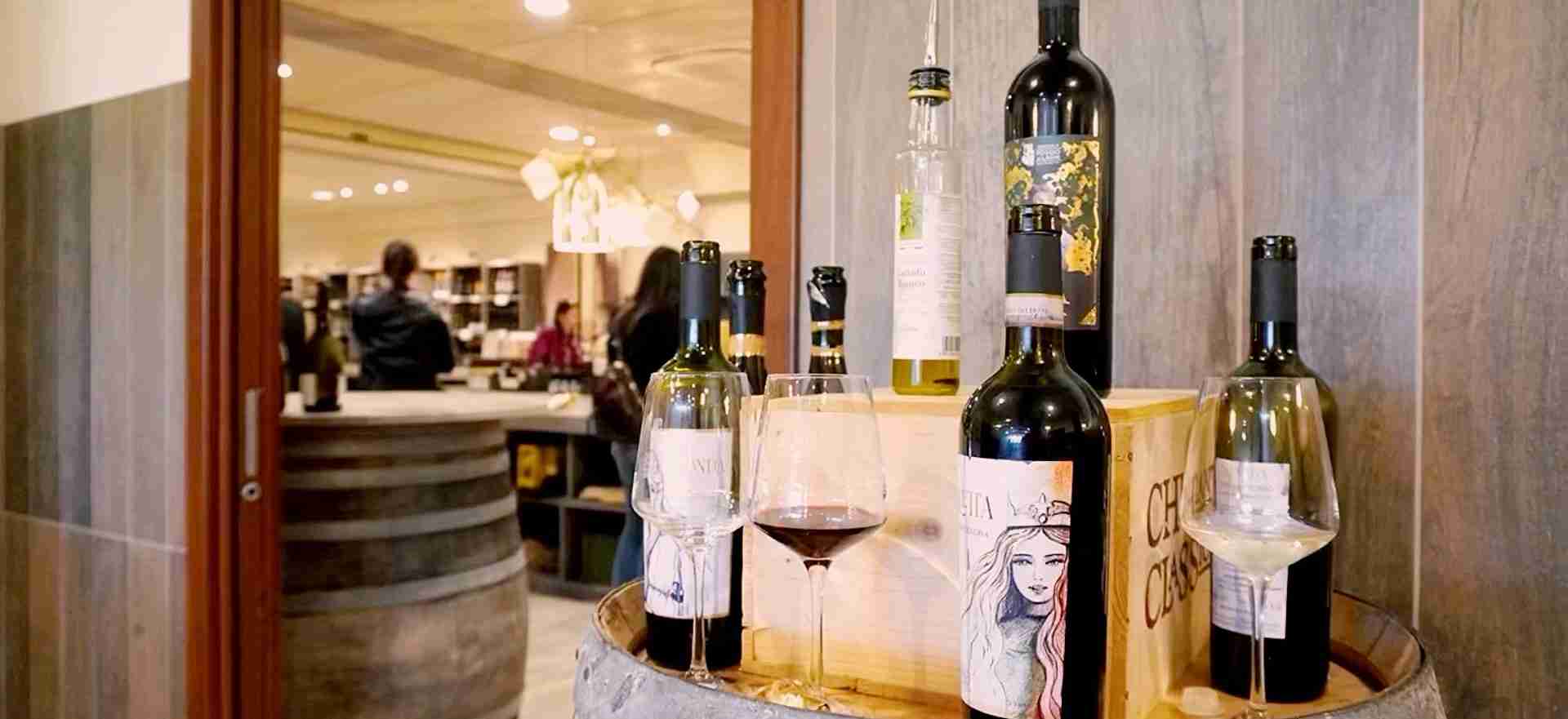
Tuscany Food Guide: Wines, Truffles & Renaissance Cuisine
Tuscany’s culinary landscape shaped European gastronomy through centuries of agricultural innovation, aristocratic patronage, and unwavering dedication to ingredient quality. From the truffle-laden hills of San Miniato to the Chianti vineyards that revolutionized winemaking, this region’s food traditions reflect the same creative brilliance that produced Renaissance masterpieces in Florence’s galleries and Siena’s medieval squares.
Key Takeaways: Tuscan Culinary Heritage
- Renaissance Cooking Principles: Tuscan cuisine emerged from 14th-16th century Medici court innovations that emphasized ingredient purity over medieval spice-heavy preparations, establishing culinary philosophies that influenced French haute cuisine and modern Italian cooking
- Terroir-Driven Agriculture: Seven UNESCO World Heritage Sites across Tuscany demonstrate agricultural landscapes shaped by Renaissance ideals—the Val d’Orcia’s carefully cultivated hillsides, Chianti’s vineyard engineering, and San Gimignano’s saffron cultivation created regional specialties impossible to replicate elsewhere
- Truffle Traditions: Truffle hunting and extraction in Tuscany represents UNESCO Intangible Cultural Heritage (designated 2021), with practices dating to Etruscan civilization preserved through generations of tartufai using trained dogs in forests between October and March
- Wine Evolution: Tuscan winemaking evolved from Etruscan amphora fermentation through medieval monastery viticulture to modern DOCG classifications, with Chianti Classico, Brunello di Montalcino, and Vino Nobile di Montepulciano representing distinct terroir expressions within 100 kilometers
- Cucina Povera Philosophy: Traditional Tuscan cooking transformed peasant necessity into culinary sophistication through techniques like bread recycling (ribollita, panzanella), offal mastery (lampredotto, trippa), and bean-based proteins that showcase ingredient respect over extravagance
- Seasonal Market Culture: Tuscan cuisine remains inseparable from agricultural cycles, with porcini mushroom foraging (September-November), wild boar hunting (autumn-winter), and artichoke harvests (March-May) dictating restaurant menus and home cooking throughout the region
People Also Ask About Tuscany Food Culture
What makes Tuscan cuisine different from other Italian regional cooking?
Tuscan cuisine distinguishes itself through unsalted bread traditions, emphasis on high-quality olive oil over butter or lard, and cooking methods that highlight ingredient quality rather than mask it with heavy sauces. The region’s culinary philosophy emerged from Renaissance humanism, which valued natural flavor purity—Medici court cooks rejected the medieval practice of drowning meats in spiced sauces, instead developing roasting and grilling techniques that became hallmarks of modern Italian cooking. Geographic factors reinforced these preferences: Tuscany’s hills provided exceptional olive cultivation but limited dairy pastures, making olive oil the primary cooking fat. The bread tradition stems from a 12th-century salt tax protest—Pisan bakers refused to use taxed salt, creating pane sciocco (unsalted bread) that remains traditional across the region, serving as the base for dishes like panzanella and ribollita that depend on bread’s neutral flavor to absorb other ingredients.
Which UNESCO World Heritage Sites in Tuscany are most important for understanding food traditions?
The Val d’Orcia (UNESCO-designated 2004) represents the quintessential agricultural landscape where Renaissance farming principles created the terroir for pecorino di Pienza cheese, Brunello di Montalcino wine, and Chianina cattle breeding. This carefully managed pastoral region demonstrates how human cultivation shaped flavor profiles—cypress windbreaks protected grain fields, hillside terracing enabled vine cultivation, and seasonal pasture rotation developed the sheep’s milk characteristics essential to pecorino cheese production. The Historic Center of Siena (designated 1995) preserves medieval market structures and guild regulations that codified food quality standards centuries before modern food law—butchers’ guilds established the protocols for producing Cinta Senese pork, while the Palio horse race traditions maintain seasonal feast customs tied to the agricultural calendar. The Medici Villas and Gardens (designated 2013) showcase the aristocratic agricultural experimentation that introduced New World crops, developed grafting techniques for fruit cultivation, and established the villa-fattoria system combining aristocratic leisure with scientific farming that transformed Tuscan agriculture.
How did Renaissance Florence influence Tuscan cooking?
Renaissance Florence revolutionized European cuisine through Medici court patronage that funded agricultural innovation, culinary treatises, and the development of sophisticated dining customs that spread across Europe when Catherine de’ Medici became Queen of France in 1533. Florentine cooks documented techniques in manuscripts like Domenico Romoli’s “La Singolare Dottrina” (1560), establishing principles of seasonal cooking, ingredient quality assessment, and flavor balance that contradicted medieval cuisine’s spice-heavy preparations. The Medici family’s botanical gardens at Villa di Castello and Boboli introduced cultivation of artichokes, asparagus, and citrus fruits previously unknown in northern Italy, while their hunting estates in the Tuscan countryside developed game preparation techniques and wild mushroom cuisine. Florence’s wealthy merchant class funded elaborate banquets that required kitchen innovations—the development of the fork as a dining utensil, creation of elaborate sugar sculptures, and introduction of multiple-course meal structures originated in Florentine Renaissance dining halls and later became standard European practice.
What role do truffles play in traditional Tuscan cuisine?
Truffles have anchored Tuscan cuisine since Etruscan civilization, with truffle hunting and extraction designated UNESCO Intangible Cultural Heritage in 2021 for preserving sustainable wild-harvesting traditions across centuries. Tuscan truffle varieties include the prized white truffle (Tuber magnatum) found in San Miniato’s forests from October to December, the black truffle (Tuber melanosporum) harvested in the Crete Senesi from November to March, and the summer truffle (Tuber aestivum) gathered from May to August in Chianti woodlands. Traditional tartufai (truffle hunters) use trained Lagotto Romagnolo dogs to locate underground fungi without disturbing forest ecology—a practice regulated by regional law to prevent overharvesting and habitat destruction. Tuscan cooking treats truffles as enhancement rather than ingredient—paper-thin shavings crown dishes like tagliatelle, eggs, or beef tagliata, allowing the truffle’s aroma to amplify without overwhelming other flavors. This restraint contrasts with modern truffle oil or paste preparations, maintaining the Renaissance principle of ingredient clarity that defines Tuscan cuisine.
Extended multi-day tours – 5+ days
Featured Tuscany Multi-Day Tour Packages

4 days
The Best of Tuscany: Florence, Chianti & Cinque Terre Escape | 4 Days
- ✓ Comprehensive Tuscany tour
- ✓ Expert local guides included
- ✓ All accommodation arranged
- ✓ Transportation provided
3 days
Taste of Tuscany: A San Gimignano Wine Escape | 3 Days
- ✓ Booking needs min. 2 travelers
7 days
Tuscany to Cinque Terre: Wines, Villages & Unforgettable Walks
- ✓ Comprehensive Tuscany tour
- ✓ Expert local guides included
- ✓ All accommodation arranged
- ✓ Transportation provided
5 days
5 Day Tuscan Food & Wine Tour Package
- ✓ Comprehensive Tuscany tour
- ✓ Expert local guides included
- ✓ All accommodation arranged
- ✓ Transportation provided
Multi-day tour packages powered by TourRadar. Prices and availability subject to change.
Introduction: Understanding Tuscany’s Gastronomic Heritage
Tuscany’s culinary identity emerged from the convergence of Etruscan agricultural mastery, Roman colonization, medieval guild structures, and Renaissance intellectual revolution. The region’s seven UNESCO World Heritage Sites preserve not merely architectural monuments but living agricultural landscapes where food production methods remain inseparable from cultural identity. The Historic Center of Florence, designated UNESCO heritage in 1982, serves as the epicenter where Medici patronage transformed cooking from medieval craft into Renaissance art—the same intellectual climate that produced Michelangelo’s sculptures and Brunelleschi’s architectural innovations elevated cuisine through systematic study of ingredient properties, seasonal variations, and flavor chemistry.
The Val d’Orcia’s undulating hills and the Chianti region’s vineyard-striped slopes represent agricultural engineering achievements where human cultivation enhanced rather than dominated natural characteristics. Renaissance agronomists understood terroir centuries before the term existed—they recognized that the clay-limestone soils of Montalcino produced wine distinct from volcanic soils near Bolsena, that sheep grazing on Val d’Orcia’s specific grasses created pecorino cheese impossible to duplicate elsewhere, and that Chianina cattle required particular pasture compositions to develop their legendary beef quality.
This guide explores Tuscan gastronomy through the lens of its UNESCO-recognized cultural landscapes, examining how food traditions evolved from Etruscan olive cultivation through medieval guild regulations to modern denominazione controllata systems. Understanding Tuscan cuisine requires appreciating cucina povera’s ingenious resourcefulness—transforming stale bread into ribollita soup, using every part of the animal in preparations like lampredotto and lardo di Colonnata, and developing preservation techniques like olive oil curing and wine vinegar aging that extended seasonal ingredients throughout the year.
Historical Evolution of Tuscan Gastronomy
Etruscan Agricultural Foundations
Etruscan civilization (9th-1st century BCE) established the agricultural infrastructure underlying modern Tuscan cuisine through advanced irrigation systems, terraced hillside cultivation, and sophisticated food preservation techniques. Etruscan farmers introduced olive tree cultivation to Tuscany around 800 BCE, developing pressing methods that produced oil for cooking, preservation, and religious ceremonies. Their amphora production enabled wine fermentation and transportation, while underground storage chambers maintained stable temperatures for grain preservation—techniques visible today in archaeological sites near Chiusi and Cortona.
Etruscan dietary patterns emphasized grain-based foods (farro wheat preceded modern grain varieties), legume cultivation, and wild game hunting supplemented by limited livestock farming. They developed early forms of bread baking using wood-fired ovens, created wine from indigenous grape varieties, and practiced systematic foraging for mushrooms, herbs, and wild greens. The Etruscan practice of truffle hunting with pigs evolved into the modern tartufai tradition using trained dogs, preserving sustainable wild-harvesting methods across 3,000 years.
Roman Integration and Medieval Guild Development
Roman conquest absorbed Etruscan agricultural knowledge while introducing new cultivation practices and trade networks. Roman colonization brought advanced viticulture techniques, established systematic livestock breeding programs, and created market structures connecting Tuscan agriculture to broader Mediterranean trade. The Via Cassia and Via Aurelia—major Roman roads traversing Tuscany—facilitated ingredient exchange and culinary influence that shaped regional cooking patterns.
Medieval period (5th-15th centuries) witnessed the formation of guild systems that codified food production standards and regulated quality. Florence’s Arte dei Medici e Speziali controlled spice trade and pharmaceutical preparations, while the Arte dei Beccai (butchers’ guild) established meat quality standards and animal welfare requirements. Monastic communities preserved Roman agricultural knowledge through manuscript copying and experimental cultivation—Benedictine and Cistercian monasteries developed vineyard management techniques, perfected cheese aging methods, and maintained herb gardens that supplied medicinal and culinary plants.
The medieval salt tax dispute created Tuscany’s distinctive unsalted bread tradition. When Pisa and Florence engaged in 12th-century conflicts, Pisan control of salt supplies prompted Florentine bakers to develop pane sciocco (unsalted bread), which became culturally embedded despite the tax’s later removal. This bread’s neutral flavor profile influenced Tuscan cooking philosophy—dishes developed to provide the salinity and flavor intensity that bread lacked, creating the region’s characteristically bold preparations.
Renaissance Culinary Revolution
Renaissance Florence (14th-16th centuries) revolutionized European gastronomy through intellectual approaches that treated cooking as both art and science. Medici patronage funded agricultural experimentation at villa estates, botanical gardens testing crop varieties, and court kitchens developing sophisticated techniques. Renaissance humanist philosophy emphasized natural ingredient expression over medieval practice of masking flavors with heavy spicing—this shift profoundly influenced cooking methods, transforming roasting, grilling, and simple preparation techniques into refined culinary arts.
Catherine de’ Medici’s 1533 marriage to France’s future King Henry II brought Florentine cooking techniques and dining customs to the French court. Her retinue included Florentine cooks who introduced multiple-course meal structures, fork usage, vegetable preparation methods, and dessert concepts that transformed French cuisine. Historical debate continues regarding the extent of Italian influence on French cooking, but documentary evidence confirms that Renaissance Florentine dining customs shaped European aristocratic food culture.
Renaissance agricultural treatises documented systematic approaches to cultivation, harvest timing, and ingredient assessment. Writers like Pier de’ Crescenzi produced agricultural encyclopedias detailing soil composition effects on crop flavors, seasonal planting calendars optimizing yields, and preservation techniques extending seasonal produce availability. This scientific approach to agriculture laid groundwork for modern terroir concepts and quality designation systems.
Terroir and Agricultural Landscapes: UNESCO Heritage Sites
Val d’Orcia: Renaissance Agricultural Engineering
The Val d’Orcia landscape (UNESCO-designated 2004) represents Renaissance agricultural philosophy implemented across 61,000 acres of southern Tuscany. This carefully engineered agricultural region demonstrates how human cultivation enhanced natural characteristics rather than dominated them—cypress windbreaks protect grain fields from wind erosion, hillside terracing enables vine cultivation on steep slopes, and seasonal pasture rotation systems maintain soil fertility while developing distinctive livestock characteristics.
Val d’Orcia’s agricultural products reflect terroir created through centuries of cultivation management. Pecorino di Pienza cheese derives distinctive flavor from sheep grazing on the valley’s specific grass compositions—wildflowers, aromatic herbs, and native grasses impart flavor compounds into milk that transfer through cheese aging. Brunello di Montalcino wine originates from vineyards planted on the valley’s eastern edge, where clay-limestone soils and elevation variations create microclimates producing Sangiovese grapes with exceptional aging potential. Chianina cattle, one of Europe’s oldest breeds, developed in Val d’Orcia pastures where specific grass compositions and seasonal migration patterns produced the muscle structure and fat distribution creating legendary bistecca alla fiorentina.
The valley’s visual characteristics—rolling hills dotted with isolated farmhouses (case coloniche), cypress-lined roads, and golden wheat fields—represent agricultural landscape design principles developed during the 15th-16th centuries. These landscapes appear in Renaissance paintings by artists of the Sienese School, who depicted agricultural harmony as aesthetic ideal and moral example.
Chianti Region: Viticultural Innovation
The Chianti region between Florence and Siena developed viticultural techniques that revolutionized Italian winemaking. Medieval sharecropping systems (mezzadria) created the podere landscape—small mixed farms combining olive groves, vineyards, wheat fields, and vegetable gardens that produced the cucina povera cuisine characterizing Tuscan cooking. Each podere maintained self-sufficiency through diversified cultivation, developing preservation techniques and seasonal cooking patterns that utilized every ingredient.
Chianti Classico wine production evolved through centuries of viticultural experimentation. The 1716 Cosimo III decree establishing geographical boundaries for Chianti production represents one of history’s first wine appellations, predating French systems by centuries. Baron Bettino Ricasoli’s 19th-century formula combining Sangiovese, Canaiolo, and white grape varieties codified Chianti production methods, though modern regulations now permit 100% Sangiovese and various blending options under DOCG standards.
Contemporary Chianti landscape preserves historical agricultural patterns despite modern mechanization. Ancient terracing systems prevent erosion on steep hillsides, stone walls marking medieval property boundaries contain vineyard microclimates, and interspersed olive groves maintain the diversified cultivation characterizing traditional farming. These landscapes produce not only wine but also olive oil, vin santo (sweet wine from dried grapes), and seasonal ingredients like porcini mushrooms and wild asparagus that define regional cuisine.
Florence and the Medici Agricultural Legacy
The Medici Villas and Gardens (UNESCO-designated 2013) showcase agricultural experimentation that introduced new crops and cultivation techniques throughout Tuscany. Twelve villas and two formal gardens scattered across the Tuscan countryside served as agricultural research centers where Medici patronage funded botanical experimentation, grafting technique development, and livestock breeding programs.
Villa di Castello’s botanical garden introduced artichoke cultivation to Tuscany during the 16th century, transforming this North African native into a regional staple. The gardens at Villa La Petraia tested citrus cultivation techniques—lemons, oranges, and citrons grown in terracotta pots that could be moved indoors during winter, creating the limonaia structures still visible at historic villas. These citrus fruits became essential ingredients in Tuscan cooking, providing acidity for fish preparations and enabling the development of preserved lemon condiments.
Medici hunting estates developed game management practices balancing sport with conservation. Wild boar populations in estates near Maremma and the Casentino forests were maintained through seasonal hunting regulations and habitat management—practices that continue today, providing the wild boar (cinghiale) central to Tuscan autumn and winter cuisine. Venison, pheasant, and hare preparations developed in Medici kitchens influenced regional cooking, establishing game as sophisticated cuisine rather than peasant necessity.
Essential Tuscan Ingredients and Products
Olive Oil: Liquid Gold of Tuscany
Tuscan olive oil represents the region’s agricultural soul, with cultivation dating to Etruscan civilization and production methods refined across millennia. Extra virgin olive oil from Tuscany exhibits distinctive characteristics—peppery finish, herbaceous notes, and green color indicating high polyphenol content—resulting from specific olive varieties, harvest timing, and pressing techniques. The primary varieties include Frantoio (providing structure and pepperiness), Leccino (contributing smoothness), Moraiolo (adding fruitiness), and Pendolino (serving as pollinator and minor blending component).
Tuscan olive cultivation follows hillside patterns where elevation, sun exposure, and soil composition create distinct flavor profiles. Oils from Chianti’s higher elevations exhibit more pronounced pepperiness than those from coastal Maremma’s gentler terrain. Harvest timing profoundly affects flavor—early harvest (October-November) produces oils with intense green color, strong peppery notes, and higher polyphenol content ideal for finishing dishes and salads, while later harvest oils develop mellower, more rounded flavors suitable for cooking.
Traditional olive oil production involves hand-harvesting to prevent fruit bruising, same-day pressing to avoid oxidation, and cold extraction maintaining temperatures below 27°C to preserve flavor compounds. Modern frantoio (olive mills) use continuous centrifugal systems replacing historical stone grinding, though some producers maintain traditional methods for premium oils. Protected designation systems include DOP Toscano (covering entire region) and DOP Chianti Classico (specific to that wine region), establishing production standards and quality benchmarks.
Tuscan cooking uses olive oil as ingredient rather than mere cooking medium. Raw oil finishes soups (ribollita, pappa al pomodoro), dresses salads and vegetables, and accompanies bread for fettunta (toasted bread rubbed with garlic and soaked in oil). The region’s unsalted bread exists specifically to showcase olive oil’s flavor—without salt interference, the bread’s neutral canvas allows oil’s complexity to dominate. Oil quality assessment follows sensory protocols evaluating fruitiness intensity, pepperiness level, and absence of defects like rancidity or fermentation off-flavors.
Wine: From Chianti to Super Tuscans
Tuscan wine production encompasses ancient traditions and modern innovations, from DOCG-classified regional wines to Super Tuscan proprietary blends challenging traditional regulations. Sangiovese, the region’s primary grape variety, exhibits extraordinary terroir sensitivity—the same variety produces elegant Brunello di Montalcino, structured Vino Nobile di Montepulciano, and accessible Chianti depending on soil composition, elevation, and microclimate.
Chianti Classico (DOCG designation 1996) originates from the historical region between Florence and Siena, marked by the Gallo Nero (black rooster) consortium symbol. Production regulations require minimum 80% Sangiovese with optional native or international varieties, aging periods varying by classification (12 months for base Chianti Classico, 24 for Riserva, 30 for Gran Selezione), and maximum yields limiting vine productivity to enhance quality. The region’s galestro soils (clay-schist composition) and elevation variations (200-600 meters) create diverse microclimates producing wines from fresh and fruity to complex and age-worthy.
Brunello di Montalcino (DOCG designation 1980) represents Sangiovese’s most prestigious expression, produced exclusively from Sangiovese Grosso clone in the hills surrounding Montalcino. Regulations mandate 100% Sangiovese, minimum five years aging (including two years in oak barrels) before release, and additional aging for Riserva classifications. Montalcino’s location south of Siena provides warmer temperatures and longer growing seasons than Chianti, producing wines with greater concentration, higher alcohol levels, and exceptional aging potential exceeding 20-30 years for top vintages.
Vino Nobile di Montepulciano (DOCG designation 1980, not to be confused with Montepulciano d’Abruzzo grape variety) requires minimum 70% Sangiovese (locally called Prugnolo Gentile) with optional native varieties. Production regulations mandate two years aging including 12-24 months in oak, creating wines balancing Chianti’s elegance with Brunello’s structure. The town of Montepulciano’s location southeast of Siena and volcanic soil components distinguish these wines from other Tuscan Sangiovese expressions.
Super Tuscan wines emerged during the 1970s-1980s when producers challenged DOC regulations by creating proprietary blends using international varieties (Cabernet Sauvignon, Merlot, Syrah) or 100% Sangiovese outside traditional aging requirements. Initially classified as table wines (Vino da Tavola) despite premium quality and pricing, many Super Tuscans now carry IGT Toscana designation. Notable examples include Sassicaia (Cabernet Sauvignon/Cabernet Franc from Bolgheri), Tignanello (Sangiovese/Cabernet blend from Chianti), and Ornellaia (Bordeaux-style blend from Bolgheri). These wines demonstrated Tuscany’s capacity for international varieties and challenged assumptions about Italian wine classifications.
Vin Santo represents Tuscany’s traditional dessert wine, produced by drying white grapes (typically Trebbiano and Malvasia) on straw mats or hanging racks for several months, concentrating sugars before fermentation in small oak or chestnut barrels called caratelli. The wine ages minimum three years in sealed barrels stored in attics where temperature fluctuations accelerate oxidative aging, developing amber color, nutty flavors, and sweet-to-dry profiles. Vin Santo traditionally accompanies cantucci (almond biscotti), with the biscotti dipped into the wine—a ritual concluding Tuscan meals.
Truffles and Mushroom Culture
Tuscan forests yield diverse fungi species integral to regional cuisine, with truffle hunting representing UNESCO-recognized Intangible Cultural Heritage. The tartufai tradition preserves sustainable wild-harvesting methods using trained dogs (typically Lagotto Romagnolo breed) to locate underground truffles without disturbing forest ecology or future harvests. Regional regulations restrict truffle hunting to licensed tartufai during specific seasons, prohibit pig use (which damage truffle mycelia through aggressive digging), and mandate reburying of unripe specimens to ensure future productivity.
White truffles (Tuber magnatum) represent Tuscany’s most prized fungi, harvested October through December in forests around San Miniato, San Giovanni d’Asso, and the Crete Senesi. These intensely aromatic truffles command premium prices (€300-500 per 100 grams in average seasons, higher in poor years) and receive minimal cooking—paper-thin shavings crown finished dishes like tagliatelle, eggs, or beef carpaccio, allowing aroma compounds to disperse without heat degradation. San Miniato’s annual truffle festival (November weekends) celebrates the harvest with market stalls, cooking demonstrations, and competitive truffle hunts.
Black winter truffles (Tuber melanosporum) harvested November through March in southern Tuscan forests provide more accessible pricing (€80-150 per 100 grams) and withstand cooking better than white varieties. Tuscan preparations include black truffle-infused butter, truffle paste for spreading on crostini, and whole truffles cooked in foil packets with olive oil and garlic. The Mugello region northeast of Florence produces notable black truffle harvests, with the town of Firenzuola hosting March festivals celebrating the season’s end.
Porcini mushrooms (Boletus edulis) appear in Tuscan forests during autumn rains (September-November) and spring moisture (April-May), though autumn harvests provide superior flavor and texture. These meaty mushrooms feature prominently in Tuscan cooking—grilled with olive oil and garlic, sautéed for pasta sauces, preserved in olive oil, or dried for year-round use. Regulations permit recreational mushroom foraging with proper licensing, requiring participants to pass identification tests ensuring they distinguish edible species from toxic lookalikes. The Casentino forests, Pratomagno slopes, and Monte Amiata woodlands yield abundant porcini during favorable seasons.
Chianina Beef and Heritage Livestock
Chianina cattle, one of Europe’s oldest cattle breeds with Etruscan origins, produce the beef essential to bistecca alla fiorentina. These massive white cattle (bulls exceed 1,800 kilograms, cows 1,000 kilograms) developed in Val di Chiana and Val d’Orcia through selective breeding emphasizing muscle development and lean meat characteristics. Traditional raising methods require pasture grazing, seasonal migration between lowland winter pastures and mountain summer meadows, and slow growth periods producing the meat’s distinctive flavor and texture.
Authentic bistecca alla fiorentina must derive from Chianina (or certified Maremmana) cattle aged 18-24 months, cut to include both sirloin and tenderloin separated by T-shaped bone, with minimum thickness of 4-5 centimeters. The steak weighs approximately 1-1.5 kilograms, serving two people as traditional portion. Cooking follows specific protocols—meat reaches room temperature before grilling, charcoal fire provides intense heat creating exterior char while maintaining rare interior, and no seasoning beyond salt and pepper respects meat quality. The result exhibits deep red interior (al sangue), charred exterior crust, and the grass-fed Chianina’s characteristic sweet, mineral-rich flavor.
Cinta Senese pigs represent Tuscany’s indigenous pork breed, characterized by distinctive white band circling black bodies. This semi-wild breed forages in oak forests consuming acorns, chestnuts, and woodland plants that impart unique flavor to meat and fat. The breed nearly disappeared during mid-20th century industrialization but has been revived through DOP protection and consumer appreciation for heritage flavors. Cinta Senese produces prosciutto, salami, and lardo with more intense, complex flavors than commercial pork—the meat’s higher fat content and outdoor raising creates marbling and taste impossible to replicate with modern breeds.
Pecorino Cheese Tradition
Pecorino (sheep’s milk cheese) production represents Tuscany’s oldest cheese-making tradition, with methods preserved since Roman era. The term encompasses various expressions—fresh pecorino fresco consumed within weeks, semi-aged pecorino stagionato (2-4 months aging), and fully aged pecorino vecchio (8-12 months aging) developing crystalline texture and intense flavors. Production requires whole sheep’s milk (no pasteurization for traditional methods), lamb or kid rennet for coagulation, and aging in temperature-controlled rooms where natural rind development protects interior while allowing moisture evaporation that concentrates flavors.
Pecorino Toscano DOP (Protected Designation of Origin since 1996) establishes production standards covering specific geographic zones, sheep breeds (primarily Sardinian and Apennine Mountain breeds), aging requirements, and flavor profiles. The designation divides between pecorino dolce (soft, aged 20 days minimum, mild flavor) and pecorino stagionato (firm, aged 120 days minimum, sharp flavor). Traditional production occurs between November and June when sheep lactate, though modern methods extend production throughout the year.
Pienza in Val d’Orcia produces Tuscany’s most celebrated pecorino, with local sheep grazing on wildflower-rich pastures imparting distinctive aromatic complexity. Pienza’s pecorino ranges from fresh varieties enjoyed with raw fava beans (traditional spring combination) to aged wheels developing granular texture and nutty sweetness. Local producers mature cheese in natural caves or climate-controlled rooms, sometimes wrapping wheels in walnut leaves or burying them in chestnut leaves and grape pomace to impart additional flavors—techniques dating to pre-refrigeration preservation methods.
Traditional Tuscan Dishes and Preparations
Bread-Based Cucina Povera
Tuscany’s unsalted bread tradition created unique dishes transforming stale bread into substantial meals, exemplifying cucina povera’s resourcefulness. These preparations represent not poverty cuisine but ingenious technique—using ingredients fully while creating complex flavors through layering and technique rather than expensive components.
Ribollita (“reboiled”) embodies Tuscan resourcefulness through twice-cooked vegetable soup layered with stale bread. Traditional preparation begins with soffritto (diced carrots, celery, onion sautéed in olive oil), adds Tuscan black kale (cavolo nero), cannellini beans, and other seasonal vegetables, then simmers for hours developing flavor complexity. The first cooking produces vegetable soup; refrigeration overnight allows flavors to meld. The second day’s “reboiling” incorporates layers of stale bread absorbing liquid until the soup achieves porridge-like consistency, finished with raw olive oil drizzle creating the dish’s signature green-streaked appearance. Ribollita tastes best the third day after additional refrigeration and reheating, when bread fully integrates with vegetables and flavors reach peak intensity.
Panzanella transforms summer ingredients—stale bread, ripe tomatoes, cucumbers, red onions, basil—into refreshing salad through simple technique. Bread soaks in water until softened, then gets squeezed to remove excess moisture before mixing with vegetables, olive oil, and wine vinegar. The bread’s sponge-like texture absorbs dressing while maintaining structure, creating dish that’s neither salad nor soup but unique category. Traditional panzanella uses only these core ingredients; modern variations add mozzarella, tuna, or additional vegetables, though purists consider these corruptions. The dish requires high-quality ingredients—flavorless tomatoes or inferior oil produce mediocre results because nothing masks or enhances the raw components.
Pappa al pomodoro creates tomato-based soup using stale bread, fresh tomatoes, garlic, basil, and olive oil. Unlike ribollita’s vegetable complexity, pappa al pomodoro emphasizes tomato purity—ripe summer tomatoes cooked briefly with garlic and basil, then thickened with bread to create smooth, almost creamy consistency without any dairy. The dish succeeds or fails based on tomato quality; winter tomatoes produce pallid, flavorless results. Proper preparation maintains bright red color and fresh tomato taste despite cooking, finished with generous raw olive oil creating the characteristic green oil slicks floating atop red soup.
Meat and Game Preparations
Tuscan meat cookery emphasizes simple preparations showcasing ingredient quality over elaborate sauces or techniques. This philosophy emerged from Renaissance cooking principles valuing natural flavors and remains central to regional cuisine.
Bistecca alla fiorentina represents Tuscan meat cooking’s apex—thick-cut T-bone from Chianina cattle grilled over charcoal fire until charred exterior contrasts with rare interior. Traditional service presents the whole steak on a wooden board, carved tableside into thick slices revealing deep red center. Accompaniments remain minimal—perhaps white beans dressed with olive oil, roasted potatoes, or simply arugula salad. The steak itself receives only salt and pepper, sometimes a final drizzle of olive oil, allowing the grass-fed beef’s mineral-rich flavor to dominate. Proper execution requires intense heat creating Maillard reaction crust while maintaining rare interior—overcooking to medium or well-done is considered criminal waste of premium beef.
Arista di maiale (roast pork loin) demonstrates Tuscan herb cookery. Pork loin gets studded with rosemary and garlic, rubbed with salt and pepper, then roasted slowly until exterior develops crispy, herb-infused crust. The preparation’s name allegedly derives from Greek “aristos” (best) exclaimed by Greek bishops attending the 1439 Council of Florence. Whether historically accurate or apocryphal, the story illustrates how Renaissance Florence saw itself as cultural arbiter—even meat preparation connected to intellectual and religious history. The dish appears at every Tuscan celebration, sliced thick and served warm or at room temperature.
Wild boar (cinghiale) preparations vary by season and occasion. Autumn and winter hunting seasons provide fresh boar transformed into various preparations—cinghiale in umido (boar stew with tomatoes, red wine, and vegetables), pappardelle al cinghiale (wide ribbon pasta with boar ragù), and cinghiale arrosto (roasted boar leg). The meat’s strong, gamey flavor requires marination in red wine, juniper berries, and aromatics for 24-48 hours before cooking, tenderizing tough muscles while moderating intense taste. Processed boar appears year-round in salami, prosciutto, and sausages, with wild boar salami distinctly different from domestic pork versions—deeper color, more intense flavor, and firmer texture reflecting the animal’s forest diet and active lifestyle.
Offal and Nose-to-Tail Cooking
Tuscan cuisine transforms organ meats into celebrated dishes, representing cucina povera’s complete ingredient utilization. Far from poverty food, these preparations require skill converting challenging ingredients into delicacies.
Lampredotto, Florence’s iconic street food, consists of cow’s fourth stomach (abomasum) simmered for hours in tomato-based broth with vegetables until tender. Street vendors (lampredottai) serve it sliced into sandwich rolls (panini) with salsa verde (parsley, anchovy, caper, garlic sauce) or served in broth-soaked bread. The tripe’s gelatinous texture and mild flavor provide canvas for punchy salsa verde, creating quintessential Florentine lunch. Historic lampredotto stands operate at Mercato Centrale, near Sant’Ambrogio market, and various piazzas—look for the characteristic green carts with steaming pots. Lampredotto remains working-class food, though recent artisan interpretations appear in restaurants seeking authentic Florentine connections.
Fegatelli (pork liver skewers) combine liver pieces with pancetta, bay leaves, and garlic threaded on skewers, then grilled or roasted. The liver cooks quickly, maintaining tender interior while pancetta crisps and bay leaves impart aromatic notes. This simple preparation appears frequently in home cooking but rarely in restaurants, representing the distinction between tourist-facing establishments and authentic Tuscan cooking.
Crostini neri or crostini di milza (black crostini) spread chicken liver or spleen pâté on toasted bread, appearing as antipasto at traditional meals. The livers cook with onions, capers, anchovies, and wine, then get pureed smooth or left slightly chunky depending on preference. The intensely flavored spread requires quality ingredients—fresh livers from properly raised poultry, good olive oil, and appropriate seasoning balance.
Pasta and First Courses
Tuscan pasta traditions emphasize hand-made preparations with simple, ingredient-focused sauces. The region produces several distinctive pasta shapes unknown elsewhere in Italy, each designed for specific sauce pairings.
Pici (also called pinci) represents Siena province’s signature pasta—thick, hand-rolled strands resembling fat spaghetti but with rough, porous texture that grabs sauce. Traditional pici dough contains only flour, water, and olive oil (no eggs), kneaded until elastic then hand-rolled into individual strands. The rolling technique creates pasta with variable thickness, producing texture contrasts in cooked results. Classic sauce pairings include pici all’aglione (garlic and tomato sauce), pici cacio e pepe (pecorino and black pepper), and pici al ragù bianco (white meat sauce without tomatoes). Making pici requires patience—each strand gets individually rolled, making it time-intensive pasta rarely attempted in restaurant kitchens except as special preparation.
Pappardelle, Tuscany’s widest ribbon pasta, traditionally accompanies wild boar ragù, hare sauce, or mushroom preparations. The broad, flat shape (2-3 centimeters wide) provides surface area for chunky sauces to cling while maintaining structural integrity through long cooking times. Egg-based dough creates tender texture contrasting with hearty game sauces. Pappardelle al cinghiale exemplifies the pairing—slow-cooked wild boar ragù with tomatoes, red wine, and aromatics coating wide pasta ribbons that capture meat pieces and sauce in each bite.
Acquacotta (“cooked water”) originated as shepherd’s soup using foraged ingredients—wild greens, onions, tomatoes, stale bread, and eggs. The name derives from its impoverished origins when shepherds created meals from available ingredients plus water. Modern acquacotta retains rustic character—vegetables sautéed in olive oil, simmered with water or broth, poured over toasted bread, and finished with poached egg and grated pecorino. The dish varies by specific location—coastal Maremma versions include fish, while inland preparations emphasize mushrooms or wild greens depending on season. Acquacotta represents Tuscan cooking’s core principle: transform basic ingredients into satisfying meals through technique rather than luxury components.
Wine and Food Pairing Principles
Understanding Tuscan Wine Characteristics
Tuscan wine pairing follows principles balancing wine structure with dish weight, considering tannin levels, acidity, and flavor intensity. Sangiovese-based wines dominate the region, but their expressions vary dramatically by origin—Chianti Classico’s bright cherry fruit and firm acidity differs substantially from Brunello di Montalcino’s concentrated dark fruit and powerful tannins, requiring different food pairings despite shared grape variety.
Tannin levels in Sangiovese wines interact with protein and fat in food, softening wine’s astringency while cleansing palate between bites. Bistecca alla fiorentina paired with Chianti Classico Riserva demonstrates this principle—the beef’s fat and protein tame wine’s tannins, while wine’s acidity cuts through richness, creating harmonious balance. Younger, more tannic wines require fattier preparations, while older wines with softened tannins complement leaner meats or cheese courses.
Acidity in Sangiovese-based wines makes them versatile with tomato-based dishes, which typically clash with low-acid wines. Pappa al pomodoro or tomato-sauced pastas pair excellently with Chianti, the wine’s acidity matching tomatoes’ brightness rather than creating sour clash. This characteristic explains why Tuscan cuisine developed around tomato preparations while the region simultaneously produced high-acid wines—the food and wine evolved together.
Classic Pairings and Regional Combinations
Traditional Tuscan meals follow pairing principles developed through centuries of regional food and wine coevolution. These combinations represent not arbitrary choices but logical marriages considering both components’ characteristics.
Vernaccia di San Gimignano, the region’s most celebrated white wine, pairs ideally with seafood preparations and lighter antipasti. This white wine from indigenous grapes grown around San Gimignano produces crisp, mineral-driven wines with citrus and almond notes. Traditional pairings include fried seafood (fritto misto), grilled fish, and antipasti plates featuring local salumi and pecorino fresco. The wine’s designation as Tuscany’s first DOCG white wine (1993) recognized both quality and historical significance—Giovanni Boccaccio praised Vernaccia in his 14th-century writings.
Vino Nobile di Montepulciano demonstrates ideal pairing with roasted meats and aged cheeses. This wine’s position between Chianti’s elegance and Brunello’s power creates versatility—substantial enough for bistecca but not overwhelming lighter preparations. Traditional pairings include arista di maiale (roast pork), roasted game birds, and pecorino stagionato. The wine’s moderate tannins and balanced acidity make it approachable young while maintaining aging potential for development over 10-15 years.
Brunello di Montalcino reserves pairing with powerful dishes matching its intensity—wild boar preparations, braised meats, and well-aged cheeses. Attempting to pair Brunello with lighter dishes wastes the wine’s complexity and creates imbalance. Cinghiale in umido (wild boar stew) represents classic pairing—the dish’s rich, gamey flavors match wine’s concentration, while long cooking softens meat’s toughness as aging softens wine’s tannins. Both require patience and reward it with extraordinary results.
Vin Santo concludes traditional meals paired with cantucci (almond biscotti). The wine’s sweetness balances biscotti’s dry, crunchy texture, while biscotti’s almond flavor complements Vin Santo’s nutty, oxidative notes. The ritual of dipping biscotti into wine serves functional purpose—softening hard cookies while mingling flavors. This pairing appears universally in Tuscany, from casual trattorias to Michelin-starred restaurants, representing dessert course’s traditional conclusion.
Markets, Shopping, and Sourcing Ingredients
Traditional Market Culture
Tuscan market culture preserves centuries-old trading patterns where farmers sell directly to consumers, maintaining relationships spanning generations. Weekly markets (mercati settimanali) occur in every town and village, with designated market days deeply embedded in local rhythms—residents plan shopping around these fixed schedules, and market days influence restaurant menu planning.
Florence’s Mercato Centrale represents Tuscany’s most famous permanent food market, operating continuously since 1874 in Giuseppe Mengoni’s iron-and-glass structure. Ground floor vendors sell fresh produce, meats, cheeses, fish, and prepared foods, with second-floor restaurants and food stalls added during recent renovations. The lampredotto stands outside the market’s entrances provide authentic street food experience—tripe sandwiches served from steaming carts to crowds of locals. The neighboring San Lorenzo market (leather goods and tourist items) occupies surrounding piazzas but differs entirely from the Mercato Centrale’s food focus.
Siena’s markets occur twice weekly at Fortezza Medicea and La Lizza, where farmers from surrounding Val d’Orcia and Crete Senesi bring seasonal produce. These markets provide ingredients impossible to find in supermarkets—wild greens foraged from hillsides, just-dug artichokes with stems and leaves intact, and chickens processed that morning at small farms. The direct farmer-to-consumer connection ensures freshness while maintaining agricultural biodiversity—small farms growing heritage varieties rather than standardized commercial crops.
Specialized markets include truffle markets during autumn and winter seasons. San Miniato’s November truffle fair attracts buyers from across Italy and international restaurants seeking white truffles. San Giovanni d’Asso hosts year-round truffle museum and autumn market days. These events combine commerce with celebration—cooking demonstrations, truffle hunting exhibitions with dogs, and traditional foods featuring truffles in various preparations.
Specialty Food Shops and Artisan Producers
Norcinerie (pork butcher shops) specialize in salumi production, either curing meats on-premises or representing small regional producers. These shops sell prosciutto toscano DOP (Tuscan cured ham with black pepper and garlic, distinct from Parma’s sweeter version), finocchiona (fennel-flavored salami), and sbriciolona (crumbly salami). Quality norcinerie slice salumi to order rather than selling pre-packaged products, adjusting thickness to customer preference and usage—paper-thin for antipasto, thicker for sandwiches.
Enotecas (wine shops) range from simple bottle shops to elaborate establishments offering tastings and food pairings. Historic enotecas like Siena’s Enoteca Italiana occupy significant cultural space—the Medici Fortress location houses permanent exhibition of Italian wines representing every region. Florence’s enotecas cluster in Oltrarno district, offering curated selections emphasizing small producers and natural wines alongside classic regional bottlings. Many enotecas provide tasting flights allowing comparison of different vintages or producers, educational experiences explaining terroir concepts and production methods.
Olive oil producers welcome visitors for tastings and direct sales. Visiting frantoi (olive mills) during November-December harvest provides opportunity to taste olio nuovo (new oil) immediately post-pressing—cloudy, intensely green, and almost spicy, dramatically different from refined oils found in supermarkets. Many producers offer harvest participation programs where visitors hand-harvest olives and observe pressing, gaining understanding of labor and precision required for quality oil production. Direct purchases from producers ensure freshness and fair pricing while supporting small-scale agriculture.
Seasonal Availability and Agricultural Cycles
Understanding seasonal availability maximizes ingredient quality and authentic experience. Tuscan cuisine remains tied to agricultural rhythms despite modern cold storage and importing—restaurants and home cooks prioritize seasonal ingredients, with menus reflecting what’s currently harvested rather than year-round availability.
Spring (March-May) brings wild asparagus foraged from hillsides, artichokes from coastal gardens, fresh fava beans paired with pecorino fresco, and puntarelle (chicory sprouts) for salads. Wild hop shoots appear briefly in April, prepared like asparagus or added to frittatas. Lamb from Val d’Orcia shepherds reaches optimal size for Easter celebrations. Pecorino production peaks as sheep lactate following winter births.
Summer (June-August) peaks with tomatoes, zucchini, eggplants, and peppers enabling panzanella, pappa al pomodoro, and vegetable-focused dishes. Coastal areas provide seafood for cacciucco (fish stew) and grilled preparations. Stone fruits—peaches, apricots, figs—appear at markets, consumed fresh or preserved for winter. Summer truffles (tuber aestivum) provide more affordable truffle option, though less aromatic than autumn’s white varieties.
Autumn (September-November) marks wild mushroom season, with porcini appearing after rain in chestnut and oak forests. White truffles reach markets in October, commanding premium prices through December. Grape harvest transforms hillsides, with winemakers welcoming visitors for vendemmia participation. Wild boar hunting begins, providing fresh game for ragù and roasts. Chestnuts harvested from mountain forests produce flour for castagnaccio (chestnut cake) and appear roasted at street vendors’ carts.
Winter (December-February) features black truffles, cavolo nero (Tuscan kale) essential for ribollita, citrus fruits from protected coastal growing areas, and preserved foods—dried mushrooms, salumi, aged cheeses. Hunting season continues with pheasant, hare, and venison appearing in restaurants. Carnival period (February-March) brings traditional sweets—cenci (fried dough strips), frittelle di riso (rice fritters), and schiacciata alla fiorentina (sweet focaccia).
Restaurant Culture and Dining Costs
Understanding Tuscan Restaurant Classifications
Tuscan dining establishments follow classification systems helping diners identify appropriate venues for desired experiences. These categories reflect service style, menu complexity, and atmosphere rather than strict quality hierarchies—excellent food appears across all categories depending on establishment and preparation focus.
Trattorie represent traditional family-run restaurants serving classic regional dishes in casual settings. These establishments typically offer paper tablecloths or bare wooden tables, straightforward décor, and menus featuring daily specials based on market availability. Trattoria cooking emphasizes home-style preparations—ribollita, pappa al pomodoro, braised meats, and traditional pastas executed using family recipes perfected across generations. Service remains informal, with owners often greeting diners and waitstaff providing personalized recommendations. Prices reflect the casual atmosphere—primi €8-14, secondi €12-20, typical meal totaling €25-40 per person including wine.
Osterias originally referred to wine-focused establishments serving simple foods accompanying wine tastings. Modern usage blurs distinctions between osteria and trattoria, though osteria often suggests slightly more refined atmosphere while maintaining casual approach. These venues emphasize extensive wine lists featuring both local and broader Italian selections, with food menus designed to complement wines rather than compete. Typical osteria offerings include cheese and salumi boards, bruschetta variations, and simplified pasta dishes—preparations highlighting ingredients without elaborate techniques. Costs parallel trattoria pricing—€30-50 per person depending on wine consumption.
Ristorantes indicate formal dining with white tablecloths, professional service, and more elaborate preparations. These establishments offer extensive menus, formal wine lists with sommelier service, and refined presentations elevating traditional dishes or creating contemporary interpretations. Michelin-starred restaurants fall into this category, though many ristorantes operate without stars while maintaining high standards. Typical costs range €50-100+ per person, with tasting menus at high-end establishments reaching €100-200 per person before wine.
Enotecas serve dual functions as wine shops and casual restaurants, offering extensive bottle selections with by-the-glass options and food menus ranging from cheese-salumi boards to full meals. These venues attract wine enthusiasts seeking specific bottles or comparative tastings, with knowledgeable staff providing guidance. Food typically consists of wine-friendly preparations—cured meats, cheeses, simple pastas, and vegetable preparations designed to complement rather than overpower wines. Costs vary widely depending on wine choices—modest meal with house wine €25-35 per person, premium bottles dramatically increasing total.
Panini shops, pizza al taglio vendors, and street food operations provide quick, affordable options. Florence’s lampredotto carts serve tripe sandwiches (€4-6), while bakeries throughout the region sell focaccia, schiacciata, and pizza slices. These venues cater to working locals seeking fast lunch options and budget travelers, offering authentic experience at minimal cost.
Typical Restaurant Costs and Menu Structure
Understanding typical restaurant costs requires recognizing Italian menu structure differs from other European or American systems. Courses order separately rather than combination plates, with expectations that diners select multiple courses rather than single large portions.
Antipasti (appetizers) range €5-15 depending on venue and selection. Simple crostini with chicken liver or bruschetta with tomatoes cost €5-8, while salumi-cheese boards or more elaborate preparations reach €10-15. Many diners skip antipasti or share single plate, reserving appetite for subsequent courses.
Primi (first courses—pastas, soups, risotti) represent the meal’s heart, typically costing €8-18. Simple preparations like pappa al pomodoro or cacio e pepe occupy the lower range (€8-12), while truffle pastas, pappardelle with wild boar ragù, or more labor-intensive dishes reach €14-18. Primi portions appear modest by American standards—designed as course within multi-course meal rather than standalone entrée.
Secondi (main courses—meats, fish) cost €12-35 depending on protein and preparation. Grilled pork or chicken dishes range €12-18, while bistecca alla fiorentina (priced by weight, typically 1-1.5 kilograms) costs €40-60 total, intended for two diners. Fish preparations, especially at coastal restaurants, reach similar pricing. Importantly, secondi arrive without accompaniments—sides order separately.
Contorni (side dishes) cost €4-8, typically including roasted potatoes, sautéed spinach or chard, white beans with olive oil, or seasonal vegetables. Diners ordering secondi should budget for at least one contorno.
Dolci (desserts) range €5-10, featuring traditional preparations like panna cotta, tiramisu, cantucci with Vin Santo, or seasonal fruit preparations. Many establishments offer complimentary digestivi (grappa, limoncello, amaro) following dessert.
Wine costs vary dramatically by selection. House wine (vino della casa) typically runs €12-20 per liter served in carafes, providing excellent value for everyday drinking. Bottled wines begin around €15-20 for basic regional wines, with quality Chianti Classico Riserva or Brunello di Montalcino ranging €30-60. Premium bottles and aged vintages reach €80-200+. Many establishments offer wines by glass (€4-9), allowing sampling without purchasing full bottles.
The coperto (cover charge) appears on every bill, typically €2-4 per person, covering bread, table linens, and service setup. This fixed charge exists regardless of consumption, adding to meal cost. The coperto tradition dates to historical restaurant economics and remains standard practice throughout Italy.
Sample meal costs demonstrate typical expenditures across dining styles. Casual trattoria meal: Primo €10, secondo €15, contorno €5, house wine €4 (quarter liter), coperto €3, dessert €6—total approximately €43 per person. Mid-range restaurant: Antipasto €8, primo €14, secondo €18, contorno €6, bottled wine €8 (glass), coperto €3, dessert €7—total approximately €64 per person. Budget street food lunch: Lampredotto sandwich €5, canned beverage €2—total €7 per person.
Tipping Customs and Service Expectations
Italian tipping customs differ substantially from American practices, causing confusion for international visitors. Restaurant staff receive regular salaries rather than depending on tips for income, fundamentally changing service expectations and gratuity practices.
The coperto charge and servizio (service charge, if applied separately) compensate for table service—these mandatory fees eliminate tip necessity in most situations. Many Italians leave no additional tip, or round bills to convenient amounts (€48 bill rounded to €50). Exceptional service might warrant 5-10% additional gratuity, but standard service requires no supplementary payment.
When dining at high-end restaurants, slightly more generous tipping (10-15%) is acceptable but not mandatory. Tourists frequently over-tip based on home-country customs, though restaurant staff certainly appreciate generosity. The key distinction: tips constitute genuine gratuity (appreciation for exceptional service) rather than expected compensation supplementing inadequate wages.
Cooking Classes and Culinary Experiences
Agriturismo Cooking Programs
Agriturismo establishments (farm-stay accommodations) throughout Tuscany offer hands-on cooking experiences teaching traditional preparations using farm-grown ingredients. These programs range from single-session classes to multi-day immersive experiences, providing authentic instruction from family cooks maintaining traditional methods.
Typical cooking class formats begin with market or garden visits selecting ingredients, proceed through preparation instruction for 3-4 dishes, and conclude with communal meal enjoying prepared foods. Classes typically last 4-6 hours, cost €80-150 per person, and accommodate 6-12 participants. Popular class themes include handmade pasta techniques (pici rolling, tortelli filling), bread and focaccia baking, traditional desserts (cantuccini, schiacciata), and seasonal specialties utilizing harvest ingredients.
Farm-based classes provide agricultural context alongside culinary instruction—understanding how specific olive varieties affect oil flavor, learning seasonal rhythms influencing menu planning, and appreciating labor intensity underlying simple preparations. Many agriturismos combine cooking with other activities—olive picking during November harvest, grape stomping during September vendemmia, truffle hunting demonstrations with trained dogs.
Culinary Tours and Guided Experiences
Structured culinary tours offer comprehensive introductions to regional cuisine through combinations of tastings, market visits, restaurant experiences, and production facility tours. These programs suit travelers seeking expert guidance without planning individual components, though costs reflect convenience and curation.
Multi-day culinary tours typically visit 3-5 towns, incorporate multiple cooking lessons, arrange exclusive tastings at wineries and producers, and include meals at significant restaurants. Programs range 4-7 days, cost €2,000-4,000 per person, and handle all logistics including transportation, accommodations, and meal arrangements. Itineraries often combine famous destinations (Florence, Siena) with lesser-known areas (Val d’Orcia farms, coastal fishing villages), balancing tourist infrastructure with authentic experiences.
Single-day food tours operate in major cities like Florence and Siena, guiding small groups through markets, specialty shops, and multiple tasting locations while explaining historical and cultural context. These walking tours last 3-4 hours, cost €60-120 per person, and provide practical information about ingredient identification, shopping locations, and restaurant recommendations beyond tour content. Tours typically include sufficient tastings to constitute full lunch, making them efficient options for time-limited visitors.
Wine Education and Tasting Programs
Formal wine education programs range from casual tastings to certified sommelier courses. The Chianti Classico region, Montalcino, and Montepulciano host numerous wineries offering public tastings, while specialized schools provide structured instruction.
Winery visits typically cost €15-45 per person depending on wines sampled and estate prestige, with reservations required for most properties. Basic tastings include 3-4 wines with light appetizers (cheese, salumi, bread), lasting approximately one hour. Premium tastings expand to 5-7 wines, include more substantial foods, and often incorporate cellar or vineyard tours explaining viticulture and production methods. Some estates offer food-wine pairing dinners combining multiple-course meals with specifically selected wines, costing €80-150 per person.
Wine schools like the International Wine Academy of Roma operate Tuscan campuses offering courses from weekend introductions to month-long professional certifications. These programs teach systematic tasting methods, wine production details, food pairing principles, and regional wine knowledge. Costs range dramatically—weekend courses €300-600, intensive certifications €3,000-8,000 depending on duration and credential level.
Frequently Asked Questions
What are the essential ingredients to bring home from Tuscany?
High-quality extra virgin olive oil represents Tuscany’s most significant culinary export, with DOP-certified oils from Chianti Classico or specific production zones offering superior quality to supermarket alternatives. Purchase directly from producers or specialty shops, selecting current-harvest oils in dark glass bottles protecting from light degradation. Dried porcini mushrooms maintain quality for months, rehydrating for pasta sauces and risotti—buy whole mushrooms rather than pieces, inspecting for uniform color and absence of debris. Vin Santo provides unique dessert wine unavailable elsewhere, particularly artisan-produced versions from small estates. Tuscan salumi including finocchiona and sbriciolona should be vacuum-sealed for transport, though regulations restrict bringing meat products into some countries. Saffron from San Gimignano, the highest-quality Italian saffron production, offers affordable luxury compared to Spanish varieties. Avoid purchasing “truffle oil” from tourist shops—most contains synthetic flavoring rather than real truffles, and authentic truffle products require refrigeration for brief shelf life.
How can I identify authentic Tuscan restaurants versus tourist traps?
Several indicators distinguish authentic establishments from tourist-focused venues. Restaurants posting multilingual menus with photos outside their doors typically cater to tourists rather than locals—authentic venues display simple menu boards or assume customers know regional dishes. Locations near major monuments (Florence’s Duomo area, Pisa’s Leaning Tower, Siena’s Campo) overwhelmingly target tourists, while side-street establishments attract local clientele. Observe customer demographics—restaurants filled with Italian speakers likely serve good food at fair prices, while exclusively tourist crowds suggest compromised quality and inflated costs. Authentic menus change seasonally and daily based on market availability, posting handwritten specials rather than laminated year-round offerings. Fixed-price tourist menus signal poor quality—legitimate establishments charge per item rather than bundled “complete Tuscan dinner” packages. Restaurant employees aggressively soliciting customers from sidewalks indicate tourist traps—respected establishments fill through reputation rather than aggressive hawking. Check online reviews from Italian users on Italian platforms like TheFork (La Forchetta) rather than exclusively English-language tourism sites.
What’s the proper way to order and eat bistecca alla fiorentina?
Bistecca alla fiorentina orders by weight rather than individual portion, with typical steaks weighing 1-1.5 kilograms serving two people. Inform the server how many will share, allowing kitchen to select appropriate-sized cut. The steak arrives cooked rare (al sangue)—requesting medium or well-done is inappropriate and many restaurants refuse such requests, considering it waste of premium Chianina beef. The meat comes unseasoned except salt and pepper, sometimes with olive oil drizzle, allowing beef’s natural flavor to dominate. Accompaniments order separately—traditional choices include white beans dressed with olive oil (fagioli all’olio), roasted potatoes, or simply arugula salad. The steak arrives whole at the table, carved into thick slices revealing deep red interior. Eat using knife and fork rather than hands, despite casual appearance. Expect to pay €45-65 for the steak alone (typically quoted as €4-5 per 100 grams on menus), with sides adding €5-8 each. Quality establishments source only certified Chianina or Maremmana cattle—cheaper alternatives use non-traditional breeds producing inferior results.
Are there vegetarian and vegan options in traditional Tuscan cuisine?
Tuscan cuisine naturally accommodates vegetarian diets through numerous vegetable-focused dishes, though strict veganism proves more challenging given dairy and egg usage. Vegetarian options include pappa al pomodoro (tomato-bread soup), ribollita (vegetable-bread soup), panzanella (bread salad), acquacotta with vegetables, numerous pasta preparations (cacio e pepe, pici all’aglione), fagioli all’uccelletto (white beans in tomato sauce), and roasted or sautéed seasonal vegetables. Many restaurants prepare vegetables simply—grilled, roasted, or sautéed with olive oil and garlic—making substitution or combination plates feasible. Explain dietary restrictions clearly using “sono vegetariano/a” (I am vegetarian) or “non mangio carne né pesce” (I don’t eat meat or fish). For vegans, specify “non mangio prodotti animali—niente carne, pesce, uova, formaggio, o burro” (I don’t eat animal products—no meat, fish, eggs, cheese, or butter). Traditional preparations frequently contain hidden animal products—ribollita sometimes includes meat broth, pasta dough contains eggs, and vegetable sides may be cooked in lard. Urban areas like Florence and Siena offer dedicated vegetarian-vegan restaurants, while rural areas and traditional trattorias have fewer options but generally accommodate reasonable requests.
What should I know about truffle season and purchasing truffles?
White truffle season runs October through December, with peak availability in November when San Miniato and San Giovanni d’Asso host truffle festivals and markets. Black winter truffles appear November through March, providing more affordable alternative to white varieties. Fresh truffles require immediate use—they deteriorate rapidly, losing aroma within days of harvest. Purchase from reputable vendors at established markets rather than roadside sellers, who sometimes substitute inferior species or artificially perfume truffles. Fresh white truffles cost €300-500 per 100 grams in average years (prices vary dramatically by harvest quality), while black winter truffles range €80-150 per 100 grams. Whole truffles wrapped in paper towels and stored in sealed glass jars in refrigerators maintain quality for 3-5 days—daily paper towel changes prevent moisture accumulation causing decay. Transport fresh truffles immediately after purchase; attempting to bring them home from trips results in spoilage. Instead, purchase preserved truffle products—truffle butter, truffle honey, or whole truffles in oil (though quality suffers compared to fresh). Avoid “truffle oil” from tourist shops—most contains synthetic flavoring rather than real truffle. Restaurant truffle pricing typically quotes by weight (€5-10 per gram shaved over dishes), with appropriate quantities ranging 5-10 grams per serving.
How do Tuscan wines differ from other Italian wine regions?
Tuscan wines center on Sangiovese grape variety exhibiting high acidity, firm tannins, and cherry-based fruit flavors, contrasting with northern Italy’s Nebbiolo (Barolo, Barbaresco) offering more tannic, rose-scented profiles, or southern regions’ fuller-bodied wines from varieties like Aglianico and Primitivo. Sangiovese’s characteristics make it extraordinarily food-friendly—high acidity cuts through rich foods, tannins soften with protein, and cherry-herb flavors complement rather than overwhelm dishes. The same grape variety produces dramatically different wines across Tuscany: Chianti Classico tends toward elegance and bright fruit, Brunello di Montalcino develops concentration and power, Vino Nobile di Montepulciano balances between these extremes. This terroir sensitivity distinguishes Sangiovese from varieties like Cabernet Sauvignon maintaining similar profiles across regions. Super Tuscan wines demonstrated that international varieties succeed in Tuscan terroir, though they sparked debate about tradition versus innovation. Coastal regions like Bolgheri favor Bordeaux varieties (Cabernet Sauvignon, Merlot) over Sangiovese, producing wines stylistically different from classic inland productions. Tuscan winemaking emphasizes longer aging than many regions—Brunello requires five years before release, Chianti Classico Riserva two years, creating wines showing developed characteristics upon sale rather than requiring extended cellaring.
What are appropriate times for meals and restaurant reservations?
Tuscan meal timing follows traditional Italian patterns that differ from northern European or American schedules. Breakfast (colazione) occurs 7-9 AM, consisting of cappuccino and pastry eaten standing at a bar—seated service costs more. Lunch (pranzo) traditionally spans 12:30-2:30 PM as the main meal, though modern work schedules have shifted this toward lighter midday options and heavier evening meals. Many shops and businesses close 1-3 PM or 1-4 PM for lunch break (pausa pranzo), with restaurants filling during this window. Dinner (cena) begins around 7:30-8 PM, though restaurants don’t fill until 8:30-9 PM—arriving at 7 PM marks you as tourist. Kitchens typically close 10-10:30 PM, with last orders (ultima ordinazione) accepted 30-45 minutes before closure. Weekend dining runs later, particularly in cities, with restaurants serving until 11 PM or midnight. Reservations prove essential for popular restaurants, particularly Friday-Sunday evenings—book several days to weeks ahead for well-regarded establishments. Walk-in attempts at peak times (8:30-9:30 PM Friday-Saturday) rarely succeed at quality venues. Casual trattorias and neighborhood places sometimes operate without reservations, filling on first-come basis, though calling ahead remains advisable. Phone reservations require Italian language ability—have hotel concierge call if unable to communicate directly.
How can I visit wineries and arrange vineyard tours?
Winery visits require advance reservations—showing up unannounced at Tuscan wineries typically results in polite refusal, as properties operate as working farms rather than open tasting rooms. Book directly through winery websites or via phone 3-7 days ahead for mid-week visits, several weeks for weekend appointments. Many estates require minimum party sizes (2-4 people) or charge single-visitor surcharges. Tour-and-tasting combinations last 1-2 hours, including vineyard walks, cellar tours explaining production methods, and structured tastings of 4-6 wines. Basic visits cost €15-30 per person, premium experiences with food pairings range €40-80. Some prestigious estates (especially Brunello producers) limit visits to serious buyers or wine professionals, requiring credentials or documented interest beyond casual tourism. Organized wine tour companies handle logistics for multi-winery days, providing transportation, confirmed appointments, and English-speaking guides—convenient though more expensive than self-organized visits. These tours cost €120-200 per person for full-day programs visiting 2-3 wineries. Independent travelers need rental cars for winery access, as public transportation doesn’t serve rural wine regions. Designate non-drinking drivers or hire private drivers (€250-350 per day) allowing all participants to taste freely. The Strada del Vino consortium roads (Chianti Classico, Brunello, Vino Nobile) mark official wine routes with signs, though detailed maps remain essential for navigating rural areas.
What food-related souvenirs and gifts should I avoid?
Several food products marketed to tourists deliver poor value or quality. Avoid “truffle oil” from gift shops and airport stores—most contain synthetic 2,4-dithiapentane creating artificial truffle aroma rather than real truffle, and products containing genuine truffle lose potency rapidly outside refrigeration. Decorative bottles of oil, vinegar, or limoncello shaped like Florence’s Duomo or Pisa’s tower prioritize packaging over content—these bottles contain low-quality ingredients sold at premium prices. Pre-made pasta packages targeting tourists use inferior wheat and lack the texture of quality dried pasta from reputable Italian brands like Latini, Martelli, or Giuseppe Cocco available at better prices from supermarkets. Packaged biscotti and cookies from tourist shops taste stale and artificial compared to bakery-fresh products—buy from bakeries or delis rather than souvenir shops. “Tuscan spice blend” packages contain generic Italian herbs available anywhere—purchase specific quality ingredients (saffron, dried porcini, particular herbs) rather than pre-mixed blends. Aceto balsamico from Modena (Emilia-Romagna, not Tuscany) sold in Tuscan tourist shops varies dramatically in quality—traditional balsamic vinegar requires minimum 12-year aging and costs €100+ per small bottle, while industrial “balsamic vinegar of Modena” combines wine vinegar with concentrated grape must and caramel coloring at fraction of cost. Most tourist-shop balsamic falls in the latter category despite premium pricing. Wine from tourist-area shops frequently costs 30-50% more than supermarkets or wine shops—buy from enotecas, directly from producers, or supermarket wine sections for better selection and pricing.
How do I navigate food allergies and dietary restrictions in Italian restaurants?
Italian law requires restaurants to maintain allergen information for all menu items, making food allergy communication more standardized than in many countries. The 14 major allergens (including gluten, dairy, eggs, shellfish, nuts, soy) must be documented and available upon request. However, effective communication requires explaining restrictions clearly in Italian or having written cards stating specific allergies. Common phrases include “sono allergico/a a…” (I am allergic to…) followed by specific allergen: glutine (gluten), latte/latticini (milk/dairy), uova (eggs), noci (nuts), arachidi (peanuts), pesce (fish), crostacei (shellfish). Celiac disease (celiac) enjoys significant awareness in Italy, with many restaurants offering gluten-free pasta and specifically marked menu items. The Associazione Italiana Celiachia provides restaurant guide and certification program—look for “AIC approved” establishments guaranteeing celiac-safe preparation. Other allergies require more explanation and verification. Lactose intolerance (intolleranza al lattosio) is common among Italians, so dairy-free substitutions generally accommodate easily, though distinguishing between lactose intolerance and full dairy allergy requires clear communication—many preparations use butter, cream, or cheese integral to dishes and substitution isn’t possible. Nut allergies require extreme caution as many pastries and desserts contain almonds, hazelnuts, or pine nuts not always obvious from menu descriptions. Cross-contamination concerns require explaining severity—”allergia grave” (serious allergy) or “potrebbe causare shock anafilattico” (could cause anaphylactic shock) communicates urgency. Carry antihistamines and epinephrine if prescribed, as rural areas may be far from emergency medical facilities. Urban restaurants and hotels accommodate more readily than rural trattorias with fixed menus—flexibility decreases in very traditional establishments using family recipes unchanged for generations.