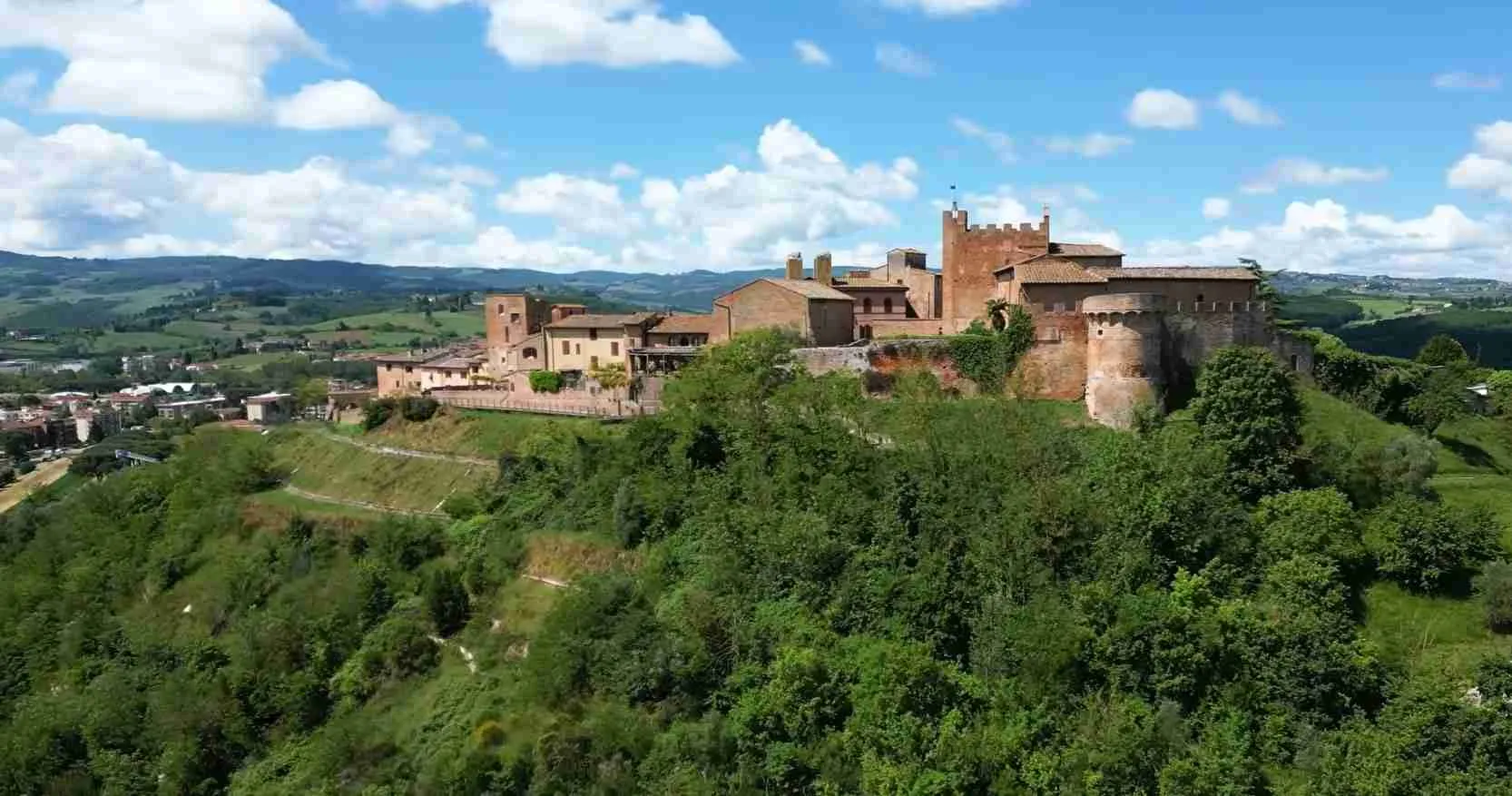
Best Time Visit Tuscany 2026: Seasonal Planning Guide
Tuscany’s distinct seasonal patterns create dramatically different visitor experiences ranging from summer’s Renaissance masterpiece crowds and 35°C heat to winter’s quiet museum halls and truffle-scented trattorias. Strategic 2026 timing decisions balancing weather reliability, accommodation costs, cultural events, and tourist densities fundamentally shape whether travelers encounter authentic Tuscan life or navigate shoulder-to-shoulder through Florence’s galleries, making seasonal planning the most critical component of successful Tuscany travel.
Key Takeaways for Tuscany Travel Timing 2026
- Optimal Value Season 2026: April-May and September-October deliver spring wildflowers or autumn harvest experiences with 25-35% lower accommodation costs (€100-170 nightly mid-range versus €150-250 summer peak), reliable weather (75-80% sunny days), and moderate crowds enabling spontaneous museum visits and restaurant reservations.
- Peak Summer Reality 2026: June-August brings 35-40°C temperatures in Florence and Siena, accommodation premiums 30-50% above shoulder season, advance museum ticket requirements (2-3 weeks for Uffizi and Accademia), and maximum tourist density particularly oppressive during August when Italian locals add millions to visitor numbers.
- Winter Opportunity 2026: November-March offers 30-40% accommodation savings (€70-120 nightly mid-range), immediate access to major museums without advance booking, authentic truffle and winter cuisine experiences, though accepting 8-12 rainy days monthly, 10-15°C temperatures, and reduced daylight hours (9:00 AM-5:00 PM effectively).
- Cultural Event Planning 2026: Palio di Siena (July 2 and August 16) requires accommodation booking 6-9 months advance with 200-300% price premiums, while September-October harvest festivals throughout Chianti, Montalcino, and Montepulciano enable authentic wine culture immersion without extreme advance planning or costs.
- Regional Variation Strategies: Coastal Tuscany (Maremma, Elba Island, Versilia) extends comfortable beach season through September with 25-28°C waters, while hill towns (San Gimignano, Montepulciano, Pienza) provide 3-5°C cooler temperatures than Florence during summer heat, enabling microclimatic escape strategies within single-region trips.
- 2026 Booking Timeline: Shoulder season travel (April-May, September-October) requires 2-3 months advance accommodation booking securing optimal locations at reasonable rates, while summer visits demand 4-6 months advance planning for prime Florence hotels and mandatory museum ticket pre-purchase preventing sold-out disappointments.
People Also Ask About Best Time Visit Tuscany 2026
What is the absolute best month to visit Tuscany in 2026?
May stands as the optimal single month for Tuscany travel in 2026, combining spring wildflower displays across Val d’Orcia meadows and Chianti hillsides, comfortable 20-25°C daytime temperatures ideal for extended walking through Florence’s streets or countryside hiking, 75-80% sunny day probability with minimal rain disruption, and shoulder season pricing delivering mid-range accommodation at €100-150 nightly versus €180-280 during summer peak. May experiences moderate tourist levels enabling same-day or next-day museum ticket availability for most attractions including Uffizi and Accademia, spontaneous trattoria dining without advance reservations, and authentic local atmosphere as Italian school holidays haven’t commenced. The month provides full operational status across all attractions, restaurants, and accommodation options unlike early April when some rural properties remain closed post-winter, while avoiding June’s escalating temperatures and July-August’s overwhelming tourist saturation. September represents equally compelling alternative with harvest season wine experiences, autumn color development in countryside vineyards, similarly comfortable temperatures (18-26°C), and comparable pricing structures, though September’s slightly increased rain probability (5-6 days versus 4-5 in May) and reduced daylight hours (sunset 7:30 PM versus 8:30 PM) give May marginal advantage for photography enthusiasts and extended-day explorers.
Is Tuscany too hot to visit in summer 2026?
Florence and interior valley cities regularly experience 35-40°C temperatures during July-August 2026 with humidity levels creating oppressive conditions for midday sightseeing, museum queuing, and walking tours between major attractions separated by 20-30 minute distances across exposed Renaissance squares and narrow stone-radiating streets. Summer heat proves manageable through strategic adaptations including morning museum visits (8:00-11:00 AM before peak heat), afternoon retreat to air-conditioned accommodations or shaded Boboli Gardens, evening emergence for dining and strolling when temperatures drop to comfortable 25-28°C, and prioritizing coastal destinations (Viareggio, Marina di Pisa, Elba Island) where sea breezes moderate temperatures by 5-8°C compared to interior locations. Hill towns including San Gimignano (334 meters elevation), Montepulciano (605 meters), and Cortona (600 meters) provide natural cooling averaging 3-5°C below Florence’s temperatures while maintaining full Renaissance character and cultural offerings, enabling microclimatic escapes within day-trip distances. Many travelers from hot-climate regions (southern United States, Middle East, tropical Asia) find Tuscan summer heat less extreme than home conditions, while northern Europeans and those unaccustomed to heat struggle significantly, making individual heat tolerance the determining factor in whether summer visits prove enjoyable or merely survivable.
What is the cheapest time to visit Tuscany in 2026?
January-February 2026 delivers lowest Tuscany accommodation costs with mid-range Florence hotels at €70-120 nightly (40-50% below shoulder season rates), Siena and smaller cities at €50-90, and countryside agriturismos at €60-100 including breakfast, though accepting cold 8-15°C daytime temperatures, 10-12 monthly rain days, limited rural property operations (many close December-March), and 9:00 AM-5:00 PM effective daylight creating rushed sightseeing schedules. November represents superior value-to-experience balance with accommodation 30-40% below peak season (€80-130 nightly mid-range), autumn truffle season creating exceptional dining opportunities unavailable other seasons, functional daylight hours (7:30 AM-5:30 PM), and moderate weather (12-18°C, 8-10 rain days monthly) enabling outdoor activities most days. December combines reasonable pricing (€90-140 mid-range excluding Christmas week premium) with festive Christmas market experiences throughout Florence, Siena, and major towns, though New Year’s week accommodation spikes 100-150% above normal winter rates as Europeans flood Tuscany for holiday celebrations. Budget optimization strategies include late-autumn or early-spring travel (early November or late March) capturing near-winter pricing while avoiding coldest, rainiest months, booking refundable rates securing flexibility for weather-dependent activities, and focusing expenditures on exceptional dining and wine experiences rather than premium accommodation when operating on constrained budgets since Tuscany’s cultural and culinary offerings provide greater value than marginal hotel upgrades.
Should I visit Tuscany during harvest season 2026?
September-October 2026 harvest season (vendemmia) transforms Tuscany’s wine regions into working agricultural landscapes with grape picking, crushing, and fermentation operations visible throughout Chianti Classico, Brunello di Montalcino, Vino Nobile di Montepulciano, and Super Tuscan territories, enabling authentic cultural immersion unavailable during other seasons when wineries operate primarily as tourist destinations rather than production facilities. Harvest timing varies by elevation, grape variety, and weather conditions with earlier harvests (late August-early September) at lower elevations and warmer sites progressing to later picks (October) at higher vineyards, meaning extended September-October window provides multiple opportunities witnessing vendemmia activities. Many producers offer harvest participation experiences (€80-150 per person for half-day including lunch and wine tasting) enabling hands-on grape picking, though these require advance booking 2-3 months ahead as capacity limits prevent last-minute additions. Beyond wine activities, harvest season delivers peak truffle availability (white truffles September-December, peak October-November), new olive oil pressings (November), and sagre harvest festivals throughout smaller towns celebrating local products through food stalls, traditional music, and community gatherings providing authentic cultural windows. The practical advantages include comfortable 18-26°C temperatures ideal for countryside exploration, shoulder season accommodation pricing 25-35% below summer peak, reduced tourist crowds compared to June-August enabling easier winery visits and restaurant reservations, and autumn color development in vineyard foliage creating exceptional photography conditions particularly late October when leaves transition golden-red hues contrasting pale limestone buildings and cypress-lined drives defining archetypal Tuscan landscapes.
Extended multi-day tours – 5+ days
Featured Tuscany Multi-Day Tour Packages

4 days
The Best of Tuscany: Florence, Chianti & Cinque Terre Escape | 4 Days
- ✓ Comprehensive Tuscany tour
- ✓ Expert local guides included
- ✓ All accommodation arranged
- ✓ Transportation provided
3 days
Taste of Tuscany: A San Gimignano Wine Escape | 3 Days
- ✓ Booking needs min. 2 travelers
7 days
Tuscany to Cinque Terre: Wines, Villages & Unforgettable Walks
- ✓ Comprehensive Tuscany tour
- ✓ Expert local guides included
- ✓ All accommodation arranged
- ✓ Transportation provided
5 days
5 Day Tuscan Food & Wine Tour Package
- ✓ Comprehensive Tuscany tour
- ✓ Expert local guides included
- ✓ All accommodation arranged
- ✓ Transportation provided
Multi-day tour packages powered by TourRadar. Prices and availability subject to change.
Introduction: Understanding Tuscany’s Seasonal Patterns for 2026 Travel Planning
Tuscany’s Mediterranean climate creates four distinct seasonal experiences fundamentally shaping visitor encounters with this Renaissance heartland. The region stretches from Apennine mountain slopes reaching 2,000 meters elevation in the northeast, through interior valleys including Florence’s Arno basin and Siena’s Chianti hills at 200-600 meters, to Tyrrhenian coastal zones at sea level along the Maremma and Versilia coastlines. This topographic diversity produces microclimatic variations where coastal areas experience maritime moderation with cooler summers and milder winters, interior valleys endure temperature extremes with hot summers and cold winters, and elevated zones including Chianti, Montalcino, and Montepulciano enjoy intermediate conditions with altitude-driven cooling during heat waves.
Tourist patterns overlay seasonal weather creating dramatic variations in crowd densities, accommodation availability, and cultural accessibility. Peak summer season (June-August) concentrates maximum international visitors with Florence, Pisa, and Siena experiencing overwhelming density particularly July-August when Italian domestic tourism adds millions to foreign arrivals as traditional August vacation month empties Italian cities sending residents to coastal resorts and countryside retreats. This convergence creates 200-300% accommodation price premiums in prime locations, mandatory advance booking 4-6 months ahead for Florence city center hotels, and museum ticketing selling out weeks in advance for Uffizi, Accademia, and other major attractions. The shoulder seasons of April-May and September-October attract substantial but manageable visitor numbers enabling more spontaneous travel with 2-3 months advance planning sufficient for quality accommodation and next-day museum ticket availability common for most attractions except peak weekend periods.
Cultural events punctuate Tuscany’s calendar with timing implications for specific destinations. Siena’s Palio horse race on July 2 and August 16 transforms the medieval city into carnival atmosphere with accommodation prices tripling and requiring booking 6-9 months advance, while spaces filling year-over-year as international awareness grows. Florence’s Maggio Musicale festival (late April-June) brings classical music, opera, and ballet performances to the Renaissance capital, attracting culture enthusiasts and marginally increasing accommodation demand during performances. September-October harvest festivals throughout wine regions create localized accommodation pressure in Montalcino, Montepulciano, and Greve during specific festival weekends, though broader regional availability prevents the scarcity experienced during Palio periods.
Agricultural rhythms shape rural Tuscany experiences with olive harvest (October-November), truffle season (white truffles September-December peaking October-November, black truffles November-March), wine vendemmia (September-October), and spring wildflower displays (April-May) creating seasonal specializations. Food-focused travelers timing visits to coincide with fresh truffle season, new olive oil pressings, or harvest activities access authentic experiences unavailable during off-seasons when restaurants serve preserved products and wineries focus on tourism rather than production. The countryside displays dramatically different characters across seasons with spring’s green hills dotted with wildflowers and grazing sheep, summer’s golden wheat fields before harvest creating archetypal Tuscan postcards, autumn’s grape-laden vineyards and turning foliage, and winter’s brown tilled soil and bare vines revealing stark beauty appreciated by landscape photographers and those seeking solitude.
Accommodation pricing structures follow predictable seasonal patterns with variations by property type and location. Florence city center hotels command premium rates year-round given UNESCO heritage status and constant demand, experiencing 30-50% summer surcharges above spring-autumn baseline and 30-40% winter discounts during January-February low season. Countryside agriturismos and villa rentals demonstrate more extreme seasonality with many closing entirely November-March or operating reduced capacity, while open properties offer 40-60% winter discounts versus summer peak. Coastal accommodation follows Mediterranean resort patterns with summer commanding absolute maximum rates and shoulder seasons delivering optimal value, while winter sees many properties closed entirely as beach-dependent tourism evaporates.
Transportation considerations affect seasonal choices with summer bringing maximum flight frequency and competitive pricing to Florence and Pisa airports, while winter reduces options and sometimes increases per-seat costs despite lower demand. Regional train and bus services maintain year-round operations though winter brings reduced frequency on some rural routes, while rental car demand peaks summer requiring advance booking 4-6 weeks ahead for competitive rates versus 1-2 weeks sufficient spring-autumn. Road conditions remain excellent year-round on main routes though secondary mountain roads occasionally close during winter snow events, while summer brings traffic congestion on popular routes including Chianti’s SR222 and coastal highways during August weekends.
Health and safety factors include summer heat creating dehydration and heat exhaustion risks for unprepared visitors attempting full-day sightseeing in 35-40°C conditions, while winter brings minimal cold-related concerns given Tuscany’s mild climate but increased rain requiring appropriate footwear and waterproof layers. Air quality in Florence and Siena sometimes deteriorates during summer heat inversions trapping urban pollution, affecting respiratory-sensitive individuals, while winter brings cleaner conditions though wood-burning smoke occasionally affects smaller hill towns. COVID-19 and other respiratory illness transmission increases during crowded summer peak season particularly in enclosed museum spaces and public transportation, while shoulder seasons reduce exposure through lower density.
This comprehensive guide examines each season and month individually providing weather data, crowd levels, accommodation pricing, cultural events, and strategic recommendations enabling informed 2026 timing decisions aligned with individual priorities whether emphasizing optimal weather and cultural access, budget optimization, specific event attendance, or authentic local experiences avoiding mass tourism. Geographic variations within Tuscany receive attention acknowledging that optimal timing for Florence’s museums differs from Chianti’s wineries or Maremma’s beaches, enabling nuanced strategies maximizing satisfaction across diverse Tuscany sub-regions.
Spring in Tuscany 2026: April-May-June
Spring represents Tuscany’s renaissance with green hillsides, wildflower meadows, comfortable temperatures, and cultural vibrancy as the region awakens from winter quietude. This season divides into early spring (April) with lingering cool and occasional rain, peak spring (May) delivering optimal conditions, and late spring (June) transitioning toward summer heat and crowds. Strategic spring timing enables experiencing Tuscany at its most beautiful without extreme costs or masses, though Easter period creates temporary density surges requiring awareness.
April Weather and Conditions 2026
April delivers classic spring weather with daytime temperatures ranging 15-22°C providing comfortable walking conditions through Florence’s historic center and countryside trails, though morning and evening coolness (8-12°C) requires layered clothing including light jacket or sweater. Rain occurs 6-8 days monthly averaging 70-80mm total precipitation with showers typically brief afternoon or evening events rather than all-day deluges, enabling most planned activities though carrying compact umbrella proves prudent. Sunshine averages 6-7 hours daily with cloudy periods interspersed, creating variable photography lighting though dramatic cloud formations add interest to landscape images compared to summer’s relentless blue skies.
Easter weekend 2026 (April 20-21) brings temporary tourist surge to Florence, Siena, and major destinations with accommodation experiencing 30-40% premiums above normal April rates and advance booking essential 2-3 months ahead for prime locations. Holy Week festivities including Florence’s Scoppio del Carro (Explosion of the Cart, Easter Sunday) attract both religious pilgrims and cultural tourists creating maximum April density though dissipating immediately after Easter Monday as visitors depart. Strategic planning around Easter involves either targeting the week specifically for festive atmosphere and religious processions or avoiding the period entirely booking early April (1-10) or late April (23-30) experiencing standard shoulder season conditions.
Wildflower displays emerge throughout April with poppies beginning to appear in Val d’Orcia meadows, iris blooming in countryside gardens, and fruit tree blossoms (cherry, plum, almond) creating white-pink clouds in orchards. The countryside maintains fresh green appearance from winter rains before summer drought begins browning vegetation, providing optimal landscape conditions for photographers and countryside walkers. Agriturismo properties reopen progressively through April with most operational by mid-month, offering authentic countryside accommodation at shoulder season rates (€80-120 nightly including breakfast) significantly below summer pricing.
May Conditions and Advantages 2026
May represents the peak spring month with optimal weather conditions balancing warm temperatures (18-26°C typical, occasionally reaching 28-30°C late month) with comfortable humidity, minimal rain (4-5 days monthly, 60-70mm total), and extended daylight (6:00 AM-8:30 PM) enabling full-day activities without rushed scheduling. The consistent pleasant weather creates ideal conditions for countryside exploration including Chianti wine tours, Val d’Orcia photography excursions, and coastal day trips to Maremma beaches where air temperatures reach comfortable levels though sea temperatures (17-19°C) remain too cool for extended swimming except for hardy individuals.
Tourist crowds remain moderate during May with Florence experiencing substantial but manageable visitation enabling next-day or even same-day museum ticket availability for most attractions except Uffizi and Accademia which benefit from 3-5 day advance booking. Restaurant reservations remain achievable with 1-2 days notice at quality trattorias, while spontaneous dining proves possible outside peak 8:00-9:00 PM dinner hours. Accommodation rates hold shoulder season levels (mid-range €100-150 Florence, €80-120 countryside) without summer premiums, though booking 2-3 months advance secures optimal locations and rates before last-minute demand drives prices upward.
Cultural events include Maggio Musicale Fiorentino continuing through May with opera, ballet, and classical music performances at Teatro del Maggio Musicale and other Florence venues. The festival attracts classical music enthusiasts creating moderate accommodation demand spikes during major performances, though impact remains localized to specific dates rather than affecting entire month. Advance booking 1-2 months ahead for accommodation coinciding with desired performances prevents sold-out disappointments, while tickets to festival events themselves require earlier advance purchase 2-4 months ahead for premium performances.
Agricultural activities include early wine work with vineyard canopy management visible throughout Chianti and Montalcino, vegetable gardens reaching productivity with fresh asparagus, artichokes, and peas appearing at markets and on restaurant menus, and sheep grazing on hillside pastures with newborn lambs visible in fields. These agricultural rhythms provide authentic context for countryside exploration, enabling travelers to witness working landscapes rather than tourist-focused environments. Farm visits, cooking classes using seasonal produce, and agricultural tourism experiences operate at full capacity during May with advance booking 2-4 weeks ahead recommended for popular programs.
June Transition Toward Summer 2026
June bridges spring and summer with temperatures climbing steadily through the month from comfortable 20-28°C early June to hot 25-32°C late June approaching summer extremes. The escalating heat affects midday comfort levels in Florence and interior cities where stone buildings and narrow streets trap and radiate heat, though morning (7:00-11:00 AM) and evening (6:00-10:00 PM) remain pleasant for activity. Coastal destinations become increasingly attractive during June with Versilia beaches (Viareggio, Forte dei Marmi) and Maremma coast experiencing comfortable 24-28°C air temperatures and warming sea (20-22°C) enabling swimming for most visitors.
Tourist density increases progressively through June with early month maintaining shoulder season character while late June approaches summer peak as European school holidays commence and family travel begins. Museum ticket demand intensifies requiring 1-2 weeks advance booking for Uffizi and Accademia by late June, while restaurant reservations become essential 2-3 days ahead for quality establishments during peak dinner hours. Accommodation rates escalate 20-30% from shoulder season baseline during late June foreshadowing July-August premiums, though early June maintains reasonable pricing (€120-180 mid-range Florence).
June brings maximum sunshine hours (9-10 daily) with minimal rain (3-4 days monthly, 40-50mm) creating optimal outdoor conditions for countryside tours, photography, and extended walking. The long daylight (5:45 AM-9:00 PM) enables ambitious itineraries visiting multiple destinations daily or pursuing sunrise/sunset photography without sacrificing other activities. Landscape character transitions from spring’s green toward summer’s golden wheat fields with harvest beginning late June in lower elevations, creating evolving scenery attractive for repeat visitors experiencing seasonal variations.
Strategic June planning involves targeting early month (1-15) capturing spring remnants with shoulder season pricing and moderate crowds, while avoiding late June (20-30) when summer conditions and density begin without benefit of July-August’s extended operating hours and maximum event programming. Mid-June (15-20) represents compromise balancing good weather with reasonable crowd levels and accommodation costs. Coastal focus becomes increasingly logical as month progresses with beach destinations offering heat relief unavailable in interior Florence and Siena.
Summer in Tuscany 2026: July-August
Summer delivers Tuscany’s maximum heat, crowds, prices, and operational intensity with full festival programming, extended opening hours, and overwhelming tourist density creating both opportunities and challenges. Strategic summer travel requires advance planning, heat adaptation strategies, and realistic expectations about sharing Renaissance masterpieces with masses, though properly managed summer visits provide vibrant cultural experiences and guaranteed optimal weather unavailable during cooler seasons.
July Heat and Festival Season 2026
July temperatures consistently reach 30-35°C in Florence and interior cities with occasional peaks to 38-40°C during heat waves lasting 3-5 days creating genuinely oppressive conditions for midday outdoor activities. Humidity averages 50-60% amplifying heat perception compared to drier climates, while stone buildings and paved streets radiate accumulated heat making Florence’s historic center particularly uncomfortable 12:00-5:00 PM. Adaptation strategies include early museum visits (8:00-11:00 AM before peak heat), afternoon retreat to air-conditioned accommodations or shaded gardens (Boboli Gardens, Bardini Gardens provide respite), and evening emergence for dining and strolling when temperatures moderate to comfortable 25-28°C.
Rain becomes extremely rare during July with 1-2 days monthly averaging 20-30mm total precipitation, though brief afternoon thunderstorms occasionally develop during extreme heat providing temporary relief and dramatic lighting for photography. Sunshine reaches maximum 10-11 hours daily with cloudless skies creating harsh midday photography lighting though golden hour conditions remain excellent. The reliable weather enables confident activity planning without weather-contingency alternatives, though heat itself becomes primary constraint rather than precipitation.
Siena’s Palio on July 2, 2026 represents Tuscany’s most famous cultural event with medieval horse race circling Piazza del Campo preceded by elaborate pageantry. The Palio attracts 40,000-50,000 spectators to the piazza itself (free standing-room attendance) plus tens of thousands more filling Siena’s streets, restaurants, and accommodations. Hotel rooms require booking 6-9 months advance with 200-300% premiums above normal July rates, while many properties implement 3-5 night minimum stays. Travelers attending Palio must accept crowded conditions, limited dining availability (restaurants fully booked for lunch and dinner surrounding race day), and intense heat in packed piazza, though the spectacle provides unparalleled cultural immersion into Tuscan tradition dating to 1633.
Additional July festivals include Puccini Festival in Torre del Lago (opera performances in open-air lakeside setting), Lucca Summer Festival (contemporary music concerts), and Jazz & Wine Festival in Montalcino bringing cultural programming to multiple destinations. These events create localized accommodation demand and activity options for culturally-focused travelers, though requiring advance ticket purchase 1-3 months ahead for popular performances and coordinated accommodation booking in festival towns.
Tourist density peaks during July with Florence’s Uffizi, Accademia, Duomo, and Ponte Vecchio experiencing overwhelming crowds creating 30-60 minute entry queues even with advance-booked timed tickets as volume exceeds facility capacity. Museum experience quality degrades substantially compared to shoulder seasons as masses prevent contemplative art appreciation, though determined visitors willing to accept conditions can access all attractions with proper advance planning. Countryside destinations including Chianti wineries, San Gimignano, and Montepulciano experience similar density particularly weekends when day-trippers from Florence and Siena overwhelm smaller towns.
Accommodation rates reach annual maximum during July with mid-range Florence hotels €180-280 nightly (50-75% above shoulder season), countryside properties €150-220, and coastal hotels €200-350 with minimum stays common and last-minute availability essentially nonexistent. Booking 4-6 months advance proves essential for prime locations with cancellation flexibility valuable given heat uncertainty affecting traveler comfort.
August Peak Tourism and Italian Vacation Month 2026
August brings Tuscany’s highest temperatures averaging 32-36°C with frequent peaks to 38-42°C during extended heat waves, creating conditions challenging even for heat-adapted travelers. The combination of extreme temperature and maximum tourist density from both international visitors and Italian domestic tourists creates Tuscany’s most intense experience with accommodation essentially fully booked throughout the month and premium properties commanding peak rates with multi-night minimum stays standard.
The traditional Italian August vacation (Ferragosto, August 15 particularly significant) empties Italian cities as millions head to beaches and mountains, paradoxically making Florence somewhat less crowded August 10-20 as Roman, Milanese, and Bolognese tourists depart while international visitors maintain presence. However, this phenomenon affects major cities more than countryside destinations where agriturismos and resort properties experience maximum Italian family occupation throughout August. Many small Florence businesses close 1-2 weeks during August for proprietor vacations, though all major restaurants, museums, and tourist services maintain operations.
Siena’s second Palio occurs August 16, 2026 (Assumption Day) with similar dynamics to July 2 event including extreme accommodation scarcity and pricing, massive crowds, and intense heat making it arguably more challenging than July Palio given summer’s accumulated heat. Strategic planning involves committing to Palio experience with advance booking and heat acceptance or avoiding Siena entirely August 14-18 when city becomes essentially inaccessible without expensive advance reservations.
Coastal destinations provide essential heat relief during August with Versilia beaches (Viareggio, Forte dei Marmi), Elba Island, and Maremma coast experiencing 28-32°C air temperatures moderated by sea breezes, warm 24-26°C swimming temperatures enabling extended water time, and evening cooling to comfortable levels. August represents peak beach season with maximum facility operations (beach clubs, water sports, seaside restaurants) though also maximum density requiring advance accommodation booking 4-6 months ahead and acceptance of crowded beaches where premium stabilimenti (beach clubs) charge €30-50 daily for umbrella and lounger pairs.
Agricultural activity slows during August heat with vineyards in maintenance mode awaiting September harvest, though early olive oil mills begin operations late August in warmer zones. Markets display summer produce peak with tomatoes, zucchini, melons, and peaches at maximum quality and quantity, enabling exceptional simple dishes showcasing seasonal ingredients. Restaurant menus emphasize lighter summer fare with cold soups, fresh pasta with seasonal vegetables, and grilled fish reflecting both seasonal availability and appropriate heat-adapted dining.
Autumn in Tuscany 2026: September-October-November
Autumn delivers Tuscany’s second optimal season combining harvest activities, comfortable temperatures, autumn colors, shoulder season pricing, and manageable crowds creating ideal conditions for wine-focused, food-oriented, and photography-centered visits. The season progresses from late-summer warmth (September) through perfect autumn conditions (October) into early winter transition (November) with strategic timing enabling capture of preferred characteristics.
September Harvest Season and Optimal Conditions 2026
September temperatures moderate from August extremes ranging 18-28°C with lingering warm days early month gradually cooling toward comfortable autumn levels late September. The temperature reduction transforms Florence and interior cities from oppressive heat zones into pleasant walking environments enabling full-day sightseeing without heat-adaptation strategies required during summer. Rain increases modestly from summer’s negligible levels to 5-6 days monthly averaging 70-80mm precipitation, though typically brief showers rather than extended systems enabling outdoor activities most days.
Grape harvest (vendemmia) commences early September in warmer, lower-elevation vineyards throughout Chianti, Montalcino, Montepulciano, and coastal zones with picking progressing through month into October for cooler, higher sites. Winery visits during harvest provide authentic experiences witnessing production activities including hand-picking, sorting, crushing, and fermentation beginning, creating educational opportunities unavailable during non-harvest periods when facilities operate primarily for tourism. Many producers offer harvest participation programs (€80-150 per person for half-day including lunch and tasting, check current rates) though requiring advance booking 2-3 months ahead as capacity limits prevent last-minute additions.
Tourist crowds diminish substantially after Labor Day (early September) as families return to school routines and summer vacations conclude, reducing density 40-50% compared to July-August peak. Museum ticketing returns to manageable levels with 2-3 days advance booking sufficient for most attractions including Uffizi and Accademia, while spontaneous restaurant dining becomes possible except peak Friday-Saturday evenings. This crowd reduction dramatically improves experience quality enabling contemplative art appreciation and authentic trattoria atmosphere without tourist masses.
Accommodation pricing drops 25-35% from summer peak during September with mid-range Florence hotels returning to €120-170 nightly, countryside agriturismos €100-140, and coastal properties reducing to shoulder rates €120-180 as beach season winds down. Booking 2-3 months advance secures quality locations though last-minute availability improves compared to summer scarcity. Some rural properties begin closing late September for winter maintenance reducing countryside options though sufficient capacity remains for demand levels.
Harvest festivals (sagre) occur throughout September in smaller towns celebrating local products through food stalls, wine tastings, traditional music, and community gatherings. These festivals provide authentic cultural immersion into agricultural traditions, though creating temporary accommodation scarcity in specific festival towns during event weekends requiring advance booking if targeting particular celebrations. Major September events include Chianti Classico Wine Festival in Greve, Brunello wine celebrations in Montalcino, and numerous village sagre focusing on specific products (chestnuts, mushrooms, specific wines).
October Peak Autumn and Truffle Season 2026
October delivers classic autumn conditions with comfortable 14-22°C daytime temperatures providing ideal hiking, cycling, and countryside exploration weather without summer heat or winter cold. Morning and evening coolness (8-12°C) requires layered clothing including sweater or light jacket, though midday sun remains pleasant for outdoor dining at trattoria terraces throughout countryside destinations. Rain increases to 8-10 days monthly averaging 90-100mm with occasional extended systems bringing multiple consecutive rainy days, requiring weather monitoring and indoor backup plans though clear periods between systems enable most planned activities.
Vineyard foliage turns golden, orange, and red during October creating photographic opportunities as colorful leaves contrast pale limestone buildings, dark cypress trees, and rolling hillside geometry defining archetypal Tuscan landscapes. The autumn color peak occurs mid-to-late October varying by elevation and weather patterns with cooler temperatures accelerating color development. Landscape photographers targeting autumn colors should monitor conditions late September planning October visits when reports indicate color progression, as timing varies annually by 1-2 weeks depending on temperature patterns.
White truffle season reaches peak during October with Tuber magnatum pico commanding €3,000-5,000 per kilogram creating luxury ingredient for restaurant preparations and market displays. San Miniato hosts prestigious white truffle market weekends throughout November attracting dealers and gourmands, while restaurants throughout Tuscany feature truffle-focused menus emphasizing simple preparations (fresh pasta, eggs, risotto) showcasing the ingredient. Truffle hunting experiences (€100-150 per person for 2-3 hours with trained dog and guide) provide insight into this secretive tradition, though requiring advance booking 2-4 weeks ahead for quality programs.
Tourist density remains moderate through October with European travelers taking autumn breaks and mature travelers avoiding summer heat creating steady but manageable visitation. Museum access remains easy with 2-3 days advance booking sufficient, restaurant reservations advisable 1-2 days ahead though spontaneous dining possible outside peak hours, and accommodation availability good with 1-2 months advance booking securing quality properties. October represents sweet spot balancing good weather, authentic experiences, and comfortable density without summer overwhelm or winter closures.
Accommodation pricing holds shoulder season levels (€100-150 mid-range Florence, €90-130 countryside) through October with brief peaks during specific festival weekends but generally favorable rates compared to summer. Some coastal and rural properties close after mid-October for winter maintenance reducing options though sufficient capacity remains for October demand. Florence and major cities maintain full operational status with all museums, restaurants, and services functioning normally.
November Transition and Truffle Peak 2026
November marks winter transition with cooling temperatures 10-16°C daytime and occasional cold snaps bringing 5-8°C creating genuinely chilly conditions requiring warm layers including jacket, sweater, and possibly light gloves for morning/evening. Rain increases to 10-12 days monthly averaging 100-120mm with extended systems sometimes bringing multi-day drizzle creating gray ambiance though also authentic autumn atmosphere appreciated by those seeking uncrowded, contemplative experiences. Daylight reduces significantly (7:00 AM-5:00 PM) creating compressed sightseeing schedules compared to summer’s extended hours.
White truffle season continues through November with peak availability and restaurant focus, creating exceptional culinary opportunities for food-focused travelers willing to accept autumn weather and reduced daylight. The San Miniato truffle festival weekends (typically three November weekends) provide market access and celebratory atmosphere, though creating temporary accommodation scarcity in San Miniato itself while nearby Florence and Pisa maintain availability. New olive oil presses begin producing late November with fresh olio nuovo appearing at markets and specialty shops, providing another seasonal product unavailable most of year.
Tourist crowds drop substantially during November with off-season pricing and minimal density enabling immediate museum access without advance tickets, spontaneous restaurant dining even at popular establishments, and authentic local atmosphere as Florence and Siena return to resident-focused rhythms. This reduced tourism creates both advantages (solitude, lower costs, authentic experiences) and disadvantages (reduced social energy, some businesses closed for maintenance, weather-dependent outdoor activities) requiring acceptance of trade-offs inherent to off-season travel.
Accommodation costs decrease 30-40% below shoulder season with mid-range Florence hotels at €80-120 nightly, countryside properties €70-100 where operational, creating exceptional value for budget-focused travelers. Many rural agriturismos close November-March for winter maintenance with remaining properties offering deep discounts attracting longer-stay visitors (weekly rates €400-600 for couples) using Tuscany as temporary base for slower-paced exploration. Florence and major cities maintain full hotel operations though some offer off-season discounts 20-30% below shoulder rates.
Winter in Tuscany 2026: December-January-February-March
Winter represents Tuscany’s quietest season with minimal tourism, lowest pricing, and authentic local life visible as cities function primarily for residents rather than visitors. Cold, wet conditions and short daylight hours create limitations compared to warmer seasons, though cultural access remains excellent with immediate museum availability and opportunities for contemplative art appreciation without crowds. Strategic winter travel emphasizes cultural immersion, culinary experiences, and budget optimization while accepting weather constraints.
December Holiday Season 2026
December temperatures average 8-14°C daytime with 2-5°C overnight creating cold but rarely freezing conditions requiring warm layers including coat, scarf, and gloves for outdoor exploration. Rain occurs 8-10 days monthly averaging 80-90mm with occasional clear, crisp days providing excellent photography lighting and comfortable walking conditions. Daylight reduces to minimum 8:00 AM-5:00 PM requiring efficient sightseeing planning though electric holiday decorations and illuminations extend evening ambiance in major cities.
Christmas markets throughout Florence, Siena, Pisa, and Lucca create festive atmosphere with German-style wooden chalets selling crafts, decorations, food, and mulled wine, though many Tuscany markets emphasize German traditions over Italian creating somewhat inauthentic experience compared to northern European originals. Florence’s main market in Piazza Santa Croce operates late November through Christmas with moderate local attendance though drawing some international visitors. Markets create temporary accommodation demand early-to-mid December, though far less extreme than summer or major festival periods.
Christmas week (December 23-27) and New Year’s week (December 28-January 2) bring significant Italian domestic tourism as families celebrate holidays, creating accommodation price spikes 80-120% above normal winter rates and advance booking requirements 3-4 months ahead for prime locations. Strategic planning involves either targeting holiday weeks specifically for festive atmosphere and special restaurant menus or avoiding entirely for January-February ultra-low prices and minimal density.
Museum and church visits become particularly rewarding during December with minimal crowds enabling contemplative art appreciation, though some attractions reduce hours during winter requiring verification of schedules. Restaurants create special Christmas and New Year’s menus emphasizing seasonal products including game, chestnuts, and winter truffles, with advance reservations essential Christmas Eve and New Year’s Eve though normal operations other dates. The reduced tourism enables authentic interaction with locals and genuine neighborhood atmosphere as residents reclaim public spaces.
January-February Minimum Tourism 2026
January-February represents Tuscany’s coldest, wettest months with temperatures 6-12°C daytime and occasional freezing nights (0-2°C) creating genuinely chilly conditions, while rain occurs 8-10 days monthly with extended gray periods sometimes lasting 4-5 days. Daylight remains limited (7:30 AM-5:30 PM) though lengthening progressively through February. These conditions create least attractive weather window for tourism, explaining minimal international visitation and maximum discount pricing.
Accommodation rates reach annual minimum during January-February with mid-range Florence hotels at €70-120 nightly (40-50% below shoulder season), budget options €40-70, and available countryside properties €50-90. These exceptional rates enable extended stays for digital nomads, writers, artists, and others seeking affordable European base for winter months, with weekly and monthly rates delivering additional 15-20% savings. Many properties offer free cancellation enabling flexible booking responding to weather developments.
Black truffle season (Tuber melanosporum) peaks January-February with this less prestigious but still valuable truffle (€800-1,500 per kilogram versus white truffle’s €3,000-5,000) featuring prominently on restaurant menus at more accessible price points. Winter vegetables including cavolo nero (Tuscan kale), root vegetables, and dried legumes create hearty soups and stews reflecting traditional Tuscan cucina povera (peasant cooking) appropriate to cold weather. Game season continues through February with wild boar, hare, and pheasant appearing on menus, particularly in countryside trattorias maintaining authentic seasonal cooking traditions.
Museum access becomes effortless during January-February with walk-up admission to all attractions including Uffizi and Accademia rarely requiring more than 10-15 minute entry queues, enabling spontaneous itinerary planning without advance ticket requirements. The solitude allows genuine contemplation of Renaissance masterpieces without tourist masses, creating qualitatively superior art appreciation experiences for those prioritizing culture over weather. Photography benefits from occasional brilliant winter light creating dramatic contrast, though gray days predominate.
March Spring Emergence 2026
March begins winter transition with gradually warming temperatures 10-18°C and increasing sunshine creating first spring-like days late month, though cold, rainy periods persist throughout particularly early-to-mid March. The variable conditions require flexible planning with both warm and cold-weather clothing as temperatures swing 10-15°C between warm fronts and cold snaps. Rain occurs 8-10 days monthly averaging 70-80mm with improving conditions late March as spring approaches.
Tourist numbers begin increasing during March as advance bookings for April-May travel commence and spring-break travelers (late March typically) preview summer destinations, though density remains low-to-moderate enabling easy museum access and spontaneous restaurant dining. Accommodation pricing starts rising late March from winter lows toward shoulder season rates, with mid-range Florence hotels at €90-130 nightly representing 15-20% premium above January-February though still 25-30% below April-May rates.
Agricultural awakening becomes visible during March with almond and cherry trees blooming in warmer zones, wheat fields greening, and vineyard pruning activities preparing for growing season. The countryside displays brown-to-green transition as winter’s bare earth gives way to spring vegetation, creating evolving landscape character interesting for extended-stay visitors witnessing seasonal progression. Markets begin displaying spring vegetables including artichokes, fava beans, and asparagus replacing winter’s root vegetables and preserved products.
Strategic March planning targets late month (March 20-31) capturing emerging spring conditions, warming temperatures, and lengthening days while maintaining winter pricing structures and minimal crowds. Early March (1-15) presents least attractive conditions combining winter weather without winter ultra-low pricing as accommodation rates begin seasonal escalation. Easter occasionally falls in March (2026 Easter is April 20) creating temporary surges if occurring late March, requiring verification of date and advance planning if Easter period coincides with travel dates.
Regional Microclimatic Variations Within Tuscany 2026
Tuscany’s geographic diversity creates distinct microclimates affecting optimal timing by sub-region. Florence and interior valleys experience temperature extremes with hot summers and cooler winters, coastal zones benefit from maritime moderation, and elevated areas enjoy altitude cooling during summer while experiencing colder winters. Understanding these patterns enables strategic destination selection aligning seasonal conditions with visitor preferences and tolerance levels.
Florence and Interior Cities Seasonal Characteristics 2026
Florence, Siena, Arezzo, and interior valley cities experience continental influences creating hot summers (regularly 33-37°C July-August with peaks to 40°C) and cool winters (6-12°C typical, occasional freezing). The valley positions trap heat during summer creating oppressive conditions, while winter brings increased fog and dampness compared to elevated locations. These cities reward spring (April-May) and autumn (September-October) visits when temperatures remain comfortable (15-25°C) for extended walking through historic centers packed with Renaissance architecture requiring hours of outdoor exploration.
Tourist density in Florence, Siena, and Pisa remains substantial year-round given status as primary Tuscany destinations, though experiencing 3-4x summer peaks versus winter lows. Strategic timing emphasizes shoulder seasons (April-May, September-October) balancing weather comfort, manageable crowds, and reasonable accommodation costs, while avoiding July-August extremes unless visitors specifically seek maximum operational intensity and accept heat/crowd trade-offs. Winter visits reward budget-focused, culture-oriented travelers comfortable with cold, wet conditions and reduced daylight in exchange for 40-50% accommodation savings and minimal tourist competition.
Chianti and Wine Country Timing Considerations 2026
Chianti hills (300-600 meters elevation) experience 3-5°C cooler summers than Florence providing modest heat relief while maintaining full vineyard and winery access, making wine country more comfortable June-August base than valley cities. Autumn (September-October) represents absolute optimal timing for Chianti visits coinciding with vendemmia harvest activities, autumn vineyard colors, truffle season, and comfortable hiking/cycling temperatures (15-24°C). Spring delivers green hillsides, wildflowers, and pleasant conditions though lacking harvest’s agricultural intensity.
Accommodation in Chianti ranges from agriturismos (working farm stays) at €80-140 nightly to luxury wine resorts at €300-600, with seasonal pricing following Tuscany patterns though many rural properties closing November-March reducing winter availability. Advance booking 3-4 months ahead recommended for harvest season (September-October) as wine enthusiasts target this period creating heightened demand, while shoulder seasons (April-May) maintain good availability with 1-2 months advance planning sufficient.
Coastal Tuscany Beach Season Extension 2026
Versilia coast (Viareggio, Forte dei Marmi, Marina di Pisa) and Maremma coast provide Mediterranean beach experiences with extended comfortable season compared to interior regions. Sea temperatures reach 23-26°C July-September enabling pleasant swimming, while air temperatures moderate to 26-30°C through sea breeze effects creating 4-6°C relief versus Florence. The coastal advantage proves most valuable during summer heat when beaches become essential escape from interior temperatures exceeding 35-38°C.
Coastal accommodation follows resort patterns with summer commanding absolute premium rates (€200-400 mid-range August) and many properties closing entirely October-April as beach season ends. Strategic timing targets June and September capturing warm swimming conditions (20-24°C water), moderate air temperatures (24-29°C), and shoulder season pricing (30-40% below July-August peak) while avoiding extreme summer density when Italians flood beaches during August vacation exodus. July-August visits require accepting premium pricing and crowded beaches or foregoing coast entirely for interior alternatives.
Hill Towns Temperature Advantages Summer 2026
Elevated towns including San Gimignano (334 meters), Montepulciano (605 meters), Cortona (600 meters), and Montalcino (564 meters) benefit from altitude cooling providing 3-5°C lower temperatures than Florence during summer months. This elevation advantage transforms 38°C Florence heat into 33-35°C in hill towns—still hot but more tolerable—while maintaining Renaissance architecture, cultural offerings, and tourist infrastructure. The cooling effect proves most valuable July-August when Florence becomes nearly unbearable while hill towns remain accessible.
Strategic summer planning incorporates hill town bases or day trips providing heat relief while maintaining cultural engagement. Montepulciano and Montalcino specifically combine elevation cooling with wine culture and medieval atmosphere creating compelling summer alternatives to Florence’s museum marathon. Winter brings reverse effect with hill towns experiencing colder conditions and occasional snow (rare but possible) versus Florence’s milder valley climate, making winter hill town visits less attractive than summer counterparts.
Strategic Accommodation Booking Timeline 2026
Accommodation availability and pricing follow predictable seasonal patterns enabling strategic booking timelines maximizing value and securing preferred locations. Understanding optimal booking windows prevents both excessive advance commitment creating inflexibility and last-minute scarcity forcing expensive or suboptimal choices. Geographic and property-type variations require nuanced strategies rather than one-size-fits-all approaches.
Summer Peak Season Booking Requirements 2026
June-August Florence city center accommodation requires 4-6 months advance booking for prime locations (Santa Croce, Duomo area, Oltrarno) with July-August commanding longest lead times. Mid-range hotels (€180-280 nightly July-August) begin selling out 5-6 months advance for preferred dates, while budget and luxury categories maintain slightly better availability though premium properties sometimes book 8-12 months ahead for peak August weeks. Countryside agriturismos and villa rentals require similar 4-6 months advance planning particularly for multi-bedroom properties accommodating families or groups.
Cancellation flexibility proves valuable for summer bookings made far in advance as weather uncertainty and personal circumstances change. Properties offering free cancellation until 7-14 days before arrival enable risk-free advance booking securing accommodation while maintaining flexibility, though sometimes commanding 5-10% premium versus non-refundable rates. The flexibility premium represents worthwhile insurance given long booking horizons and weather unpredictability affecting summer comfort.
Shoulder Season Optimal Booking Window 2026
April-May and September-October accommodation requires 2-3 months advance booking balancing early planning securing quality properties at reasonable rates against excessive advance commitment. Florence mid-range hotels (€100-170 shoulder season) begin experiencing availability tightness 2.5-3 months before arrival, particularly for weekend dates when short-break travelers compete with extended-stay visitors. Booking 10-12 weeks advance captures optimal pricing before last-minute demand drives rates upward while avoiding 5-6 months commitment required summer planning.
Countryside properties maintain better shoulder season availability than city hotels given greater capacity and lower demand concentration, enabling successful booking 6-8 weeks advance for quality agriturismos and wine resorts. This shorter booking window provides flexibility responding to weather forecasts and personal schedule developments while securing preferred locations. Spontaneous 1-2 week advance bookings sometimes succeed during shoulder seasons outside holiday weekends (Easter, Italian national holidays) though risking limited selection and slightly elevated rates.
Winter and Off-Season Flexibility 2026
November-March accommodation maintains excellent availability enabling booking 3-6 weeks advance for most properties with spontaneous 1-2 week planning often successful. The exception involves Christmas-New Year’s period requiring 3-4 months advance booking as Italian domestic tourism creates temporary demand surge and price premiums. January-February represent absolute easiest booking periods with 2-4 weeks sufficient and last-minute availability common as properties struggle filling capacity during minimum tourism season.
Off-season free cancellation policies become more generous as properties compete for limited winter demand, enabling flexible booking strategies securing space while maintaining cancellation rights if weather deteriorates or plans change. Some properties offer winter discounts for direct bookings bypassing third-party platforms, with 15-25% savings available for traveler communicating directly via email or phone accepting less flexible cancellation terms.
Frequently Asked Questions About Best Time Visit Tuscany 2026
Is September better than May for visiting Tuscany in 2026?
September and May represent equally compelling shoulder seasons with slight advantages varying by visitor priorities. September delivers harvest season experiences including vendemmia wine activities, white truffle availability, and autumn vineyard colors creating cultural and culinary opportunities unavailable May, though experiencing marginally higher rain probability (5-6 days versus 4-5 days monthly) and reduced daylight hours (sunset 7:30 PM versus 8:30 PM) affecting photography and extended-day itineraries. May provides spring wildflower displays, fresh green countryside before summer drought, and slightly better weather statistics though lacking harvest’s agricultural intensity and truffle season’s culinary focus. Accommodation pricing runs comparable between months (€100-150 mid-range Florence) with tourist density similarly moderate enabling spontaneous planning and comfortable experiences. Wine enthusiasts, food-focused travelers, and autumn color photographers favor September, while wildflower enthusiasts, extended-daylight seekers, and those prioritizing marginally drier weather prefer May, with both months delivering superior value-to-quality ratios versus summer peak season.
How bad are the crowds in Florence during August 2026?
Florence during August 2026 experiences overwhelming tourist density with Uffizi Gallery, Accademia (David), Duomo complex, and Ponte Vecchio reaching capacity limits creating 30-60 minute entry queues despite advance-booked timed tickets, while historic center streets become shoulder-to-shoulder masses between major attractions during peak 10:00 AM-6:00 PM tourist hours. Museum interior experiences degrade substantially as hundreds of visitors simultaneously crowd viewing rooms preventing contemplative art appreciation, while outdoor attractions including Piazzale Michelangelo and Boboli Gardens experience similar density overwhelming spaces designed for smaller populations. Restaurant reservations become essential 3-5 days advance for quality establishments during peak 8:00-9:30 PM dinner hours, while spontaneous dining forces acceptance of tourist-focused establishments rather than authentic trattorias frequented by locals. The paradoxical mid-August lull (August 10-20) when Italians vacation elsewhere marginally reduces density though international visitors maintain pressure keeping overall levels far above shoulder season norms. Strategic August survival requires accepting crowd conditions as inevitable cost of guaranteed summer weather, utilizing early morning (7:00-9:00 AM) and late evening (after 7:00 PM) timing when tourists retreat to accommodations or dinner, and incorporating countryside day trips to Chianti or coastal escapes to Versilia reducing Florence time and crowd exposure.
Can I swim in Tuscany during June 2026?
June provides comfortable swimming conditions at Tuscany’s coastal beaches with sea temperatures warming progressively through month from 20-21°C early June to 22-24°C late June, enabling pleasant swimming for most visitors though cooler than peak summer’s 24-26°C July-August waters. Air temperatures reach comfortable 26-30°C creating pleasant beach conditions without extreme summer heat, while reduced tourist density compared to July-August enables easier beach access and more relaxed atmosphere at both free public beaches and commercial stabilimenti (beach clubs). Early June swimming requires some cold-water tolerance or acceptance of brief dips rather than extended water time, while late June approaches optimal conditions combining warm water with moderate crowds. Strategic beach destinations include Versilia coast (Viareggio, Forte dei Marmi) for convenient Florence day trips (90 minutes drive or train), Maremma coast south of Grosseto for wilder, less-developed beaches, and Elba Island for multi-day beach-focused stays in Mediterranean island setting. Inland swimming pools at agriturismos and hotels throughout Chianti and countryside provide alternative refreshment during June heat waves without coastal travel, with many properties featuring pools reaching comfortable 24-26°C temperatures ideal for afternoon cooling between sightseeing activities.
What should I pack for Tuscany in April 2026?
April requires versatile layered clothing addressing variable spring conditions including warm 20-22°C sunny days and cool 8-12°C mornings, evenings, and occasional cold fronts. Essential items include light jacket or cardigan for temperature regulation, long pants or jeans for walking (shorts acceptable during warm afternoon periods), comfortable closed-toe walking shoes with good support for extended Florence sightseeing on cobblestones and uneven Renaissance paving, compact umbrella for brief April showers occurring 6-8 days monthly, and light scarf serving both warmth and church modesty requirements (shoulders must be covered entering religious sites). Layering strategy works best with base t-shirt or light blouse, mid-layer sweater or fleece, and outer windproof layer removed or added responding to conditions throughout day as temperatures fluctuate 10-15°C between morning and afternoon. Sunscreen and sunglasses remain essential despite spring timing as UV intensity increases with longer days and clearer skies compared to winter, while small daypack accommodates layers removed during warm periods, purchased items, and water bottles for hydration during walking. Evening dining at quality restaurants requires smart-casual attire (no shorts, athletic wear, or excessive casualness) though formal dress codes remain rare except luxury hotel restaurants, with general Italian style leaning more formal than typical North American casual standards suggesting avoiding athletic shoes and excessively casual t-shirts favoring neat, put-together appearance even during daytime sightseeing.
Are Tuscany museums open during winter 2026?
Major Florence museums including Uffizi, Accademia, Bargello, and Palazzo Pitti maintain full year-round operations during winter 2026 with standard 8:15 AM-6:50 PM daily hours (closed Mondays) unchanged from summer schedules, while some smaller museums and churches reduce hours operating 10:00 AM-5:00 PM or closing additional weekdays requiring verification of specific attraction schedules. Siena’s museums similarly maintain winter operations with possible reduced hours at smaller institutions, while Pisa’s Leaning Tower and cathedral complex operate year-round though with shorter winter hours (9:00 AM-5:00 PM typical versus 8:00 AM-8:00 PM summer). The key difference versus summer involves reduced advance ticket requirements with winter walk-up admission possible for essentially all attractions including normally-crowded Uffizi and Accademia, eliminating advance planning stress and enabling spontaneous itinerary adjustments responding to weather conditions. Some countryside attractions including specific villa gardens and minor hill town museums close entirely November-March for winter maintenance, particularly properties lacking climate control making winter operation unpleasant or impractical, though all major cultural sites and primary tourist attractions maintain operations serving reduced but consistent winter visitation. Restaurant operations continue year-round in Florence and major cities with full menu availability and service standards unchanged, while some countryside trattorias reduce hours or close additional days during winter low season as local demand decreases and tourist traffic diminishes making full-week operation uneconomical.
How much cheaper is Tuscany in off-season 2026?
January-February 2026 off-season delivers 40-50% accommodation savings versus shoulder season and 50-65% versus summer peak, with mid-range Florence hotels at €70-120 nightly (compared to €100-170 shoulder, €180-280 summer), budget hostels and pensions €40-70 (versus €60-90 shoulder, €90-140 summer), and countryside agriturismos €50-90 where operational (versus €80-130 shoulder, €150-220 summer). November-December and March shoulder months provide intermediate savings 30-40% below peak season with mid-range Florence at €80-130, while April-May and September-October shoulder pricing runs 25-35% below June-August peak. Restaurant meal costs remain relatively stable year-round with trattoria dinner averaging €25-40 per person regardless of season, though winter brings reduced tourist menus and occasional slow-season promotions at quality establishments competing for limited demand. Museum entry fees maintain fixed pricing year-round (Uffizi €20, Accademia €12, various combination tickets €25-40, check current rates) with no seasonal variations, though advance booking fees (€4-6 per ticket) become unnecessary during off-season when walk-up admission proves readily available. Transportation costs (trains, rental cars, fuel) remain largely season-independent though flight prices to Florence and Pisa airports drop 20-30% January-February and November versus summer peak, contributing to overall trip cost reductions. A seven-day mid-range Tuscany trip totals approximately €1,200-1,600 per person during January-February off-season (including accommodation, meals, museums, transportation), versus €1,600-2,200 shoulder season (April-May, September-October), and €2,200-3,000 summer peak (July-August), representing savings of €600-1,400 annually (33-47%) for travelers prioritizing budget over guaranteed sunshine and accepting cold, wet winter conditions trading off against financial advantages.
Does Tuscany close down in winter like some Italian coastal areas?
Florence, Siena, Pisa, and major Tuscan cities maintain full year-round operations during winter with all museums, restaurants, shops, and tourist services functioning normally serving reduced but consistent winter visitation, contrasting dramatically with coastal resort areas (Versilia, Rimini, Adriatic coast) where beach-dependent businesses close October-April creating ghost-town conditions. Countryside agriturismos and rural accommodation experience partial winter closure with approximately 30-40% of properties closing November-March for maintenance and family rest during agricultural off-season, though sufficient capacity remains operational serving winter visitors willing to accept reduced selection and possible longer drives between accommodation and attractions. Restaurants in smaller hill towns sometimes reduce operations closing additional days weekly (Monday-Tuesday typical) or reducing hours during winter as local demand and tourist traffic decrease, though major establishments in San Gimignano, Montepulciano, Montalcino, and tourist-focused towns maintain consistent operations. Coastal beach clubs (stabilimenti) close entirely October-April with beaches reverting to free public access lacking rental facilities, while coastal towns including Viareggio maintain winter life as year-round communities though with reduced restaurant and accommodation options compared to summer peak. Strategic winter Tuscany travel focuses on cities (Florence, Siena, Lucca) maintaining full operational intensity year-round and accessible destinations (Chianti within 30 minutes Florence) where accommodation and dining options remain plentiful, while accepting that remote countryside and coastal areas require more research confirming winter operations before committing to specific locations lacking year-round infrastructure.
What cultural events besides Palio should I plan around in Tuscany 2026?
Maggio Musicale Fiorentino (late April through June) brings opera, ballet, and classical music performances to Florence’s Teatro del Maggio Musicale and historic venues including Teatro della Pergola and Palazzo Vecchio courtyard, creating cultural programming throughout late spring attracting music enthusiasts and marginally increasing accommodation demand during major performances though without Palio’s extreme pricing and scarcity. Puccini Festival in Torre del Lago (July-August) presents opera performances in open-air lakeside theater specializing in Puccini works in composer’s hometown near Viareggio, combining music with beach vacation opportunities. Lucca Summer Festival (July) hosts contemporary music concerts featuring international rock, pop, and jazz performers in Piazza Napoleone creating accommodation demand spikes during major acts. Various September-October harvest festivals throughout wine regions including Chianti Classico Wine Festival in Greve, Brunello celebrations in Montalcino, and countless village sagre celebrating local products create dispersed cultural opportunities without single-event pressure though generating temporary accommodation competition during specific festival weekends. Florence’s calcio storico (historic football, late June) presents violent medieval sport in Piazza Santa Croce combining athletic competition with Renaissance pageantry, though controversial nature and limited seating restrict broad appeal. Arezzo’s Giostra del Saracino (jousting tournament, June and September) delivers medieval spectacle in one of Tuscany’s less-touristed cities providing authentic cultural experience without Florence’s overwhelming density. Strategic event planning requires researching specific 2026 dates (many vary annually) and advance booking 2-4 months ahead for accommodation if targeting major events, while spontaneous travelers avoiding event weekends prevent crowd surges and maintain flexibility exploring Tuscany’s permanent cultural assets (Renaissance art, architecture, cuisine) available year-round regardless of temporary festival programming.
Is Tuscany worth visiting during rainy November weather in 2026?
November Tuscany delivers authentic off-season Italian experience combining white truffle peak season, new olive oil pressings, reduced tourist masses, 30-40% accommodation savings, and immediate museum access trading off against 10-12 monthly rain days, 10-16°C cool temperatures, and 7:00 AM-5:00 PM compressed daylight requiring acceptance of weather limitations and indoor-focused activities. The rain typically arrives as intermittent showers and occasional multi-day systems rather than constant drizzle, enabling outdoor activities during clear periods though requiring weather monitoring and flexible scheduling. Museum visits become particularly rewarding during November when Uffizi, Accademia, and other attractions experience minimal crowds enabling contemplative art appreciation impossible during summer masses, while immediate walk-up admission eliminates advance planning stress allowing spontaneous itinerary development responding to weather conditions. Culinary experiences peak during November with white truffle season delivering luxury ingredient (€3,000-5,000 per kilogram, check current market rates) featured prominently on restaurant menus creating exceptional dining opportunities, while new olive oil (olio nuovo) begins appearing at markets and specialty shops providing seasonal product unavailable most of year. The authentic local atmosphere as cities function primarily for residents rather than tourists enables genuine cultural immersion witnessing actual Italian life rather than tourist-focused environments dominating summer months. November proves worthwhile for travelers prioritizing cultural depth, culinary experiences, budget optimization, and solitude over guaranteed sunshine and extended outdoor time, while disappointing those expecting quintessential sunny Tuscany of postcards and unable to appreciate region’s less-photogenic but equally authentic autumn character. Strategic success requires appropriate mindset acknowledging trade-offs, quality rain gear and layered clothing managing variable conditions, and planned mix of indoor cultural activities (museums, cooking classes, wine tastings) with flexible outdoor components (countryside drives, town wandering) capturing clear periods when weather cooperates.
Can I see all major Tuscany destinations in one week during May 2026?
Seven days enables covering Florence’s major museums (Uffizi, Accademia, Duomo complex), Pisa’s Leaning Tower, Siena’s medieval center, San Gimignano’s towers, and Chianti wine country through efficient itinerary requiring realistic expectations about depth versus breadth trade-offs and acceptance of rushed pace covering Tuscany’s highlights rather than immersive exploration single destination. A practical seven-day circuit allocates 2-3 days Florence (Uffizi, Accademia, Duomo, Ponte Vecchio, sunset at Piazzale Michelangelo, wandering Oltrarno neighborhood), 1 day Pisa (morning, 90 minutes by train from Florence), 1 day Siena (afternoon-evening after Pisa or separate full day), 1 day San Gimignano and Chianti wine towns (requires rental car or organized tour), 1 day countryside exploration Montepulciano-Pienza-Montalcino (Val d’Orcia circuit, rental car essential) creating comprehensive though superficial Tuscany overview. This aggressive schedule sacrifices depth for coverage, allowing 2-4 hours per major attraction providing basic appreciation without contemplative museum time or extended countryside immersion characterizing slower-paced multi-week explorations. May’s comfortable weather (18-26°C), extended daylight (6:00 AM-8:30 PM), and shoulder season logistics (next-day museum tickets available, spontaneous restaurant dining possible) enable efficient movement between destinations versus summer’s heat and advance-booking requirements or winter’s reduced daylight limiting daily capacity. Strategic time allocation prioritizes 2-3 must-see experiences (Renaissance masterpieces for art lovers, wine country for enthusiasts, hill towns for medieval atmosphere seekers) accepting that comprehensive Tuscany coverage requires multiple trips or extended stays, with initial week-long visit serving reconnaissance identifying priorities for deeper future exploration. Alternative approach dedicates full week to Florence-focused stay with day trips to Pisa, Siena, and nearby Chianti maximizing cultural depth and museum time while minimizing transportation logistics, versus circuit approach sampling broader geography at cost of reduced per-destination immersion.