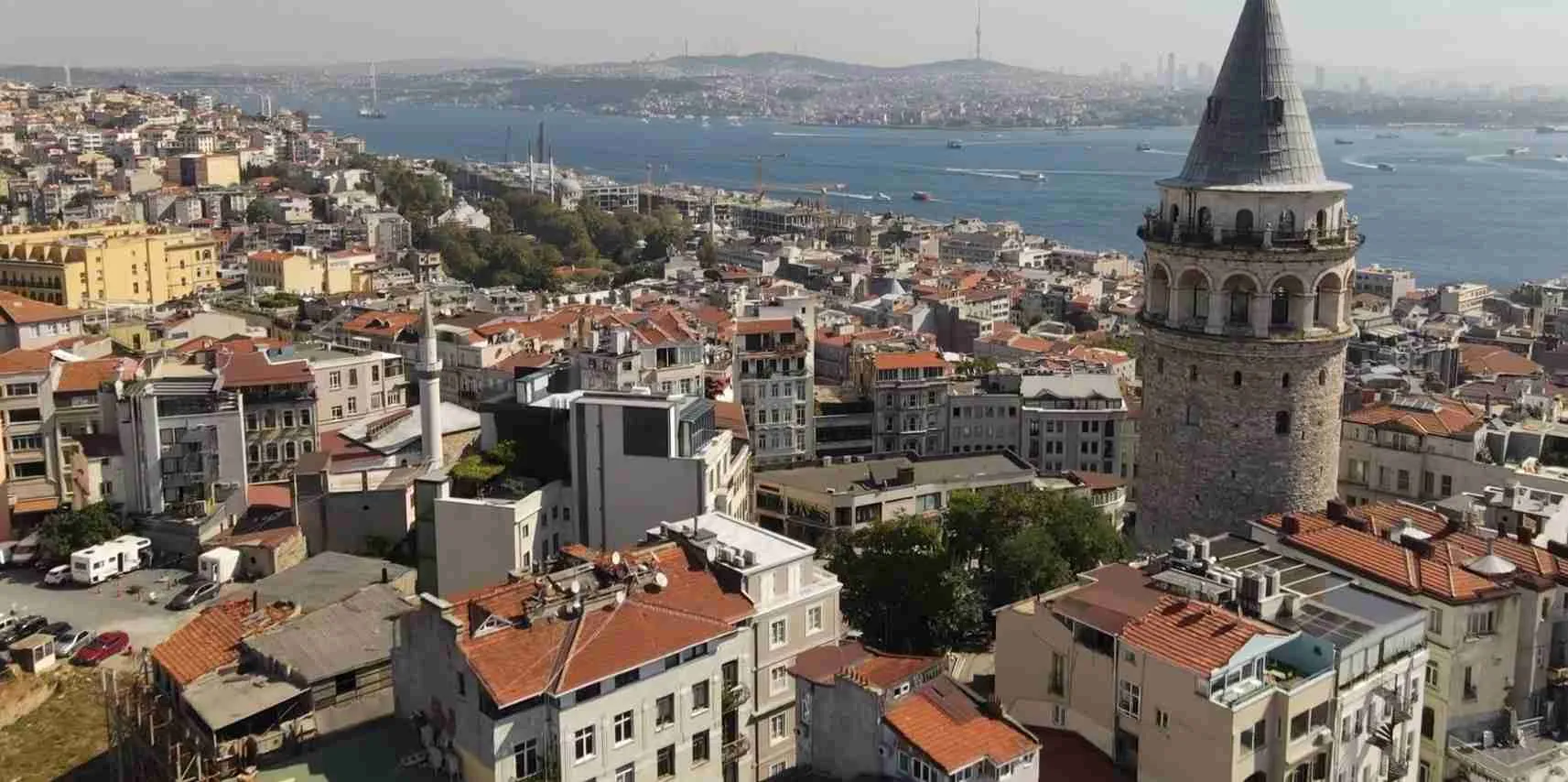
Turkey Budget Guide 2026: Complete Cost Breakdown
Turkey delivers exceptional value for travelers in 2026, combining rich cultural heritage with costs 30-50% lower than Western Europe across accommodation, dining, and attractions. Whether planning a budget backpacking adventure through Istanbul’s bazaars and Cappadocia’s valleys or indulging in luxury cave hotels and private tours, understanding Turkey’s pricing structure ensures you maximize experiences while controlling expenses in this diverse transcontinental destination.
Key Takeaways: Turkey Budget 2026
- Daily Budget Range: Budget travelers spend €30-55 ($30-55) daily including hostels and street food, mid-range travelers €100-150 ($100-150) with comfortable hotels and sit-down restaurants, luxury travelers €200-300+ ($200-300+) for premium experiences and five-star accommodations
- Accommodation Value: Istanbul hostels cost €10-15 ($8-15) per night, mid-range hotels €100-250 ($102 average double room), while Cappadocia’s unique cave hotels range €90-250 offering exceptional value compared to international standards
- Transportation Efficiency: Istanbul’s comprehensive public transport costs just 35 TL (~€0.84 / $0.50) per ride with Istanbulkart, intercity buses connect major cities for €20-25, and domestic flights booked 2-3 weeks ahead provide time-saving alternatives across Turkey’s vast geography
- Attraction Costs: Major Istanbul monuments including Topkapi Palace (2750 TL / ~€75-80) and Hagia Sophia (€25) require significant budgeting, but the Museum Pass Istanbul (€120 for 5 days, 13 museums) delivers substantial savings for culture-focused itineraries
- Signature Experience: Cappadocia hot air balloon flights range €50-280 ($60-500) depending on season, with low season (January-March) offering €50-120 rates and peak season (April-November) commanding €120-280, representing Turkey’s premier bucket-list activity
- Regional Variations: Istanbul and coastal resorts (Bodrum, Antalya) carry highest prices especially in peak summer months, while Eastern Turkey destinations and winter travel deliver 40-60% cost reductions, making seasonal and regional planning crucial for budget optimization
People Also Ask About Turkey Budget 2026
How much does Turkey cost per day in 2026?
Turkey costs €30-55 ($30-55) per day for budget travelers, €100-150 ($100-150) for mid-range travelers, and €200-300+ ($200-300+) for luxury travelers in 2026. Budget travelers stay in hostels at €10-15 nightly, eat street food and local restaurants for €10-15 daily, use public transportation for €5-8, and visit free or low-cost attractions for €5-10. Mid-range travelers occupy comfortable hotels at €100-250 for double rooms (~€50-125 per person), dine at sit-down restaurants for €40-60 daily, mix public transport with occasional taxis for €15-25, and budget €20-40 for entrance fees and activities. Luxury travelers select five-star hotels and boutique properties at €150-300+ nightly, enjoy fine dining for €50-80+ daily, utilize private transfers and rental cars for €40-60, and allocate €80-120 for premium tours and experiences like hot air balloon flights and private guides. These ranges vary significantly by region and season, with Istanbul and coastal areas commanding premium pricing during peak months.
What is the average hotel price in Turkey 2026?
The average hotel price in Turkey for 2026 varies dramatically by category and location, with budget accommodations ranging €25-75 ($25-75) per night, mid-range hotels €100-250 ($102 average for double rooms, approximately $51 per person), and luxury properties €150-300+ ($120-300+) nightly. Istanbul hostels offer dormitory beds at €10-15 and private rooms around €30, while mid-range Istanbul hotels with modern amenities and breakfast inclusion typically cost €100-180. Coastal resorts including Antalya and Bodrum command higher summer rates with four-star hotels reaching $150-200 nightly during peak season (June-August) but dropping to $80-120 in shoulder months. Cappadocia presents exceptional value with unique cave hotels offering mid-range experiences at €90-250 that would cost double in Western destinations, often including breakfast and stunning valley views. Eastern Turkey destinations provide ultra-budget options with guesthouses and hotels at €10-20 nightly. Luxury accommodations including Istanbul’s five-star hotels (€180-320) and heritage palace conversions (€250-900) deliver international standards at costs 30-40% below comparable Western European properties, making Turkey particularly attractive for travelers seeking premium experiences at reasonable prices.
Are restaurants expensive in Turkey 2026?
Restaurants in Turkey range from exceptionally affordable street food at €2-5 ($2-5) per meal to mid-range dining at €15-25 and upscale experiences at €40-80+ per person in 2026, making food one of Turkey’s best travel values. Budget travelers thrive on street food culture with fresh simit (sesame bread) for breakfast at €0.50-1, döner kebab lunches €3-5, and traditional lokantas (local eateries) serving complete meals with soup, main course, and salad for €8-12. Mid-range restaurants offer Turkish specialties including mezze platters (€4-8), grilled meats and seafood (€15-25), and traditional dishes like manti and pide for €10-18, with complete dinners averaging €20-30 per person excluding alcohol. Traditional Turkish breakfast buffets at hotels and restaurants cost €15-20 with unlimited tea, while casual breakfast at local spots runs €4-7. The primary budget consideration involves alcohol, which carries substantial taxes making beer €4.50+ and wine significantly more expensive than EU countries. Fine dining establishments in Istanbul and resort areas charge €50-80+ per person but deliver exceptional quality and ambiance. Regional variations affect pricing significantly, with tourist-heavy Sultanahmet restaurants charging 30-50% premiums over neighborhood lokantas just blocks away, and coastal resort dining commanding summer surcharges. Smart diners walk 2-3 blocks from major monuments and tourist squares to discover authentic restaurants where locals eat, typically halving costs while improving quality and cultural immersion.
Is public transportation cheap in Turkey 2026?
Public transportation in Turkey ranks among the world’s most affordable in 2026, with Istanbul’s comprehensive metro, tram, bus, and ferry network costing just 35 TL (~€0.84 / $0.50-0.75) per ride using the rechargeable Istanbulkart, compared to 50 TL for single paper tickets. The Istanbulkart, purchased for 130 TL and available at metro stations and convenience stores, provides access to all public transport modes including transfers, though tourists pay maximum fares rather than receiving the transfer discounts available to Turkish residents. Intercity transportation maintains exceptional value with modern, comfortable buses connecting major cities including the Istanbul-Cappadocia route (€20-25 / 12 hours) operated by companies like Metro, Pamukkale, and Kamil Koç offering WiFi, snacks, rest stops, and reclining seats that make overnight journeys viable accommodation alternatives for budget travelers. Turkey’s high-speed train system (YHT) efficiently connects Istanbul, Ankara, and Konya often faster than buses at competitive pricing. Other major cities including Izmir (İzmir Metro starting at €0.70), Ankara (ANKARAKART system), and Antalya (tram at €0.80) operate similar affordable smart card networks. Domestic flights through Turkish Airlines, Pegasus, and AnadoluJet booked 2-3 weeks advance offer time-saving alternatives for Turkey’s vast distances, particularly valuable for travelers with limited vacation time covering multiple regions. Taxis operate on meters with Istanbul charging €4 minimum plus €1.25 opening fee and €0.80 per kilometer, reasonably priced for short distances but costs accumulating quickly for longer journeys where public transport delivers superior value.
Extended multi-day tours – 5+ days
Featured Turkey Multi-Day Tour Packages

3 days
Turkey 3-Day Discovery Tour
- ✓ Comprehensive Turkey experience
- ✓ Expert local guides included
- ✓ All accommodation included
- ✓ Transportation provided

5 days
Turkey 5-Day Highlights Experience
- ✓ Comprehensive Turkey experience
- ✓ Expert local guides included
- ✓ All accommodation included
- ✓ Transportation provided

7 days
Turkey 7-Day Cultural Journey
- ✓ Comprehensive Turkey experience
- ✓ Expert local guides included
- ✓ All accommodation included
- ✓ Transportation provided
10 days
Turkey 10-Day Complete Adventure
- ✓ Comprehensive Turkey experience
- ✓ Expert local guides included
- ✓ All accommodation included
- ✓ Transportation provided
Multi-day tour packages powered by TourRadar. Prices and availability subject to change.
Introduction: Understanding Turkey’s Budget Landscape in 2026
Turkey’s position straddling Europe and Asia creates a unique budget travel proposition in 2026, offering Western-standard infrastructure, services, and experiences at costs substantially below comparable European destinations. The Turkish lira’s exchange rate dynamics combined with the country’s robust tourism infrastructure deliver exceptional value across all budget categories, from backpackers exploring ancient ruins and bustling bazaars to luxury travelers experiencing five-star cave hotels and private yacht cruises. Understanding Turkey’s regional price variations, seasonal fluctuations, and strategic booking approaches proves essential for budget optimization, as costs can vary 200-300% between peak summer coastal resort prices and winter Eastern Anatolia guesthouse rates.
Turkey’s budget landscape in 2026 reflects ongoing inflation trends affecting local prices while maintaining strong value propositions for international visitors carrying euros, dollars, and pounds. The country’s tourism industry has adapted to accommodate every budget level with clearly defined tiers: ultra-budget hostels and street food supporting €30-40 daily totals for backpackers; comfortable mid-range hotels, traditional restaurants, and comprehensive sightseeing enabling €100-150 daily experiences; and luxury properties, fine dining, and premium activities like Cappadocia hot air balloons creating memorable €200-300+ daily splurges. Smart travelers leverage Turkey’s strengths including world-class public transportation networks, abundant free attractions like mosques and parks, and intense competition among tour operators and accommodation providers driving quality upward while maintaining competitive pricing.
Regional budget planning requires understanding Turkey’s geographic diversity, with Istanbul commanding premium pricing year-round due to international demand and limited historic district accommodation, Mediterranean and Aegean coastal resorts (Antalya, Bodrum, Fethiye) experiencing dramatic summer surcharges but excellent shoulder season value, Cappadocia maintaining relatively stable mid-range pricing with seasonal balloon flight variations, and Eastern Turkey destinations (Mardin, Van, Kars) offering remarkable value at budget prices rivaling Southeast Asian costs. Seasonal timing dramatically impacts budgets, with April-May and September-October shoulder seasons delivering optimal weather-cost balance, June-August peak summer commanding highest prices particularly at beaches, and November-March winter offering substantial discounts with trade-offs including reduced attraction hours, weather limitations, and some seasonal closures in mountain regions.
The 2026 Turkey budget traveler benefits from advanced booking discounts on major expenses including accommodation (15-25% savings booking 30-60 days ahead), domestic flights (substantial fare reductions booking 2-3 weeks advance), and signature experiences like Cappadocia hot air balloons where early booking secures lower rates and preferred time slots. However, Turkey also rewards spontaneous travelers outside peak summer months, with last-minute hotel deals, walk-up bus tickets at consistent pricing, and negotiable tour packages particularly in shoulder seasons. The Museum Pass systems (Istanbul, Cappadocia, Aegean, Mediterranean) deliver 30-50% savings for culture-focused itineraries visiting multiple sites, while combination tickets for Istanbul’s top three attractions (Hagia Sophia, Topkapi Palace, Basilica Cistern) provide convenience and modest discounts over individual entrance fees.
Accommodation Costs Turkey 2026
Accommodation represents Turkey’s most variable budget category in 2026, with nightly costs ranging from €10 hostel dormitories to €900+ palace suite conversions, yet maintaining exceptional value propositions across all tiers compared to Western European equivalents. Turkey’s accommodation landscape has evolved substantially with international hotel chains establishing presence in major cities alongside traditional boutique properties, family-run pensions, and distinctive options including Cappadocia cave hotels, Ottoman mansion conversions, and coastal resort complexes. Strategic accommodation selection balancing location, amenities, and booking timing delivers significant budget optimization, as properties just 2-3 metro stops from tourist centers often cost 30-50% less while maintaining quality and providing authentic neighborhood experiences.
Budget Accommodation Turkey 2026 (€10-75 / $8-75 Per Night)
Budget accommodation in Turkey centers on hostel dormitories at €10-15 ($8-12) per night in major destinations including Istanbul, Cappadocia, and Antalya, offering shared facilities, common areas for socializing, and often complimentary breakfast that reduces daily food costs. Istanbul’s Sultanahmet and Taksim districts host numerous quality hostels with dormitory beds averaging €12-15, private rooms €25-35, and amenities including 24-hour reception, luggage storage, and tour booking assistance. Cappadocia’s Göreme village features budget cave pensions at €15-25 providing authentic carved-stone accommodations with basic amenities and spectacular valley views. Guesthouses and simple hotels occupy the €25-75 range across Turkey, delivering private rooms with en-suite bathrooms, basic furnishings, and variable breakfast inclusion. Eastern Turkey destinations including Mardin and Van offer exceptional budget value with clean, comfortable guesthouses at €10-20 nightly, often family-operated with generous hospitality and home-cooked meals available.
Budget travelers optimize accommodation costs through several strategies in 2026. Booking direct with properties via phone or email occasionally secures better rates than online platforms, particularly for multi-night stays where negotiation proves viable. Off-season travel (November-March) delivers 40-60% discounts on published rates as properties reduce prices filling rooms during slower periods. Staying slightly outside prime tourist zones utilizing Istanbul’s efficient public transport network or Cappadocia’s compact geography saves substantially while providing more authentic experiences. Many budget properties include breakfast in quoted rates, effectively reducing daily food expenses by €5-10 per person. Hostel dormitories suit solo travelers and those prioritizing budget over privacy, while couples and small groups often find private rooms in budget hotels comparable in total cost to dormitory beds when split, with added privacy and comfort benefits.
Mid-Range Accommodation Turkey 2026 (€100-250 / $100-250 Per Night)
Mid-range accommodation in Turkey delivers exceptional quality and value in 2026, with double rooms averaging €100-250 ($102-250, approximately $51-125 per person) offering modern amenities, comfortable furnishings, central locations, and typically complimentary breakfast buffets. Istanbul’s mid-range hotels in Sultanahmet, Beyoğlu, and Kadıköy districts provide three to four-star properties at €100-180 with air conditioning, WiFi, 24-hour reception, and often rooftop terraces with Bosphorus or Old City views. Cappadocia’s distinctive cave hotels represent the region’s signature mid-range accommodation at €90-250, featuring rooms carved into volcanic rock formations with modern bathrooms, heating systems, authentic décor, and terraces overlooking fairy chimney landscapes and hot air balloon departures.
Coastal destinations including Antalya, Bodrum, and Fethiye offer mid-range resort hotels and boutique properties at €120-220 during summer peak season, dropping to €70-140 in shoulder months (April-May, September-October) while maintaining beachfront locations, pool facilities, and half-board meal options. Mid-range properties across Turkey consistently deliver value exceeding international equivalents, with €150 securing four-star Istanbul hotels featuring spa facilities, rooftop restaurants, and concierge services that would command €300+ in comparable Western European cities. Breakfast inclusions at mid-range hotels provide substantial value, typically offering elaborate Turkish buffets with cheeses, olives, fresh bread, eggs, pastries, fruits, and unlimited tea worth €15-20 if purchased separately, effectively reducing total accommodation costs when factored into daily budgets.
Mid-range travelers maximize value through advance booking 30-60 days ahead securing 15-25% early-bird discounts on published rates, particularly important for Cappadocia cave hotels and summer coastal properties that fill completely during peak periods. Booking directly with properties occasionally yields room upgrades or complimentary services like airport transfers when making reservations by phone or email. Three to four-night minimum stays sometimes trigger modest discounts or bonus nights at independent boutique properties. Mid-range accommodation represents optimal value for most Turkey travelers, balancing comfort, location, and amenities while remaining significantly below luxury tier pricing.
Luxury Accommodation Turkey 2026 (€150-900+ / $120-900+ Per Night)
Luxury accommodation in Turkey rivals international five-star standards while costing 30-40% less than Western Europe equivalents, with rates ranging €150-900+ ($120-900+) per night depending on property category, location, and season. Istanbul’s premier five-star hotels including Four Seasons Sultanahmet, Çırağan Palace Kempinski, and Raffles Istanbul charge €300-700 nightly, delivering Ottoman palace settings, Bosphorus views, world-class spas, Michelin-quality restaurants, and impeccable service. Boutique luxury properties in restored Ottoman mansions and historic buildings offer intimate alternatives at €200-400 with personalized attention, unique architectural details, and exclusive locations in Beyoğlu and Sultanahmet neighborhoods.
Cappadocia’s luxury cave hotels including Museum Hotel, Argos in Cappadocia, and Yunak Evleri command €250-600 nightly, providing sophisticated design within authentic cave architecture, private terraces with panoramic valley views, gourmet restaurants, exclusive hot air balloon launch viewing, and spa facilities. Mediterranean coastal resorts feature luxury beachfront properties and exclusive boutique hotels at €200-500 in destinations like Bodrum and Kas, offering infinity pools, private beach access, water sports facilities, and fine dining. Heritage palace conversions in destinations like Urfa and Gaziantep provide unique luxury experiences at €150-300, combining restored Ottoman architecture with modern luxury amenities at remarkable value compared to equivalent European heritage hotels.
Luxury travelers leverage seasonal timing for optimal value, with shoulder months (April-May, September-October) offering 20-30% discounts on peak summer rates while maintaining excellent weather and reduced crowds. Many luxury properties include extensive breakfast spreads, afternoon tea services, and evening cocktails in published rates, adding €30-50 daily value. Booking luxury accommodation through hotel loyalty programs or premium credit card partnerships occasionally secures complimentary room upgrades, resort credits, and additional benefits. Luxury tier accommodation in Turkey delivers exceptional experiences combining historic settings, contemporary amenities, and attentive service at costs substantially below comparable international luxury destinations.
Food and Dining Budget Turkey 2026
Food and dining in Turkey represents exceptional value and cultural highlight in 2026, with costs ranging from €2 street food meals to €80+ fine dining experiences while consistently delivering fresh ingredients, generous portions, and authentic flavors. Turkish cuisine’s diversity spanning Ottoman palace dishes, regional specialties, Mediterranean influences, and Central Asian traditions provides endless variety across all budget levels. Daily food expenses vary dramatically by dining choices, with budget travelers easily maintaining €10-15 totals through street food and local eateries, mid-range travelers allocating €40-60 for traditional restaurants and occasional upscale meals, and luxury diners spending €50-80+ at fine establishments with wine pairings and premium ingredients.
Budget Dining Turkey 2026 (€10-15 / $10-15 Daily)
Budget dining in Turkey centers on abundant street food culture delivering authentic flavors at €2-5 per meal. Breakfast begins with fresh simit (sesame-crusted bread rings) at €0.50-1 from street vendors, accompanied by Turkish tea (çay) at €0.30-0.50. Lunch options include döner kebab wraps €3-5, lahmacun (Turkish pizza) €2-3, pide (flatbread) €4-6, and kumpir (stuffed baked potatoes) €3-5 from casual eateries throughout cities. Lokantas, traditional working-class restaurants displaying pre-prepared dishes in steam tables, serve complete meals including soup, main course with rice or bulgur, salad, and bread for €8-12. Dinner replicates lunch patterns at similar street food and lokanta establishments, with roasted chestnuts, corn on the cob, and fresh fruit from street vendors providing €1-2 snacks.
Budget travelers optimize food costs through several approaches. Shopping at local markets and supermarkets for breakfast items (bread, cheese, olives, tomatoes, tea) reduces morning expenses to €2-3 compared to €15-20 restaurant buffets. Seeking lokantas in residential neighborhoods away from tourist zones typically delivers 30-40% lower prices than Sultanahmet or Taksim equivalents while improving authenticity. Lunch represents the primary meal in Turkish culture, with many restaurants offering substantial lunch specials at reduced prices compared to identical evening dishes. Free water refills accompany meals at most establishments, while çay (tea) costs minimally at €0.30-0.50 compared to €3-4 for espresso drinks at tourist cafés. Street food purchases from established vendors with visible local customer bases ensure food safety while maximizing value and cultural immersion.
Mid-Range Dining Turkey 2026 (€40-60 / $40-60 Daily)
Mid-range dining in Turkey provides access to traditional restaurants, mezze platters, grilled meats and seafood, and regional specialties at €40-60 daily per person. Traditional Turkish breakfast at restaurants or hotels costs €15-20, delivering elaborate spreads including multiple cheese varieties, olives, honey, jams, menemen (scrambled eggs with vegetables), fresh bread, fruits, and unlimited tea. Lunch at mid-range restaurants ranges €15-25 for meals including mezze starters (hummus, baba ghanoush, ezme, haydari) at €4-8, main courses of grilled meats, fish, or traditional dishes like mantı (Turkish dumplings) and iskender kebab at €12-18, and desserts including baklava and künefe at €3-5.
Dinner experiences at mid-range establishments cost €20-35 per person, with seafood restaurants along coasts charging premiums for fresh fish at market prices (typically €25-40 per kilogram based on daily catch), while inland cities offer lamb and beef specialties at €15-25 for generous portions. Turkish rakı (anise-flavored spirit) accompanies traditional meals at €8-15 per bottle, while beer costs €4.50-6 and wine €15-30 per bottle reflecting substantial alcohol taxes. Mid-range diners balance occasional upscale experiences with traditional eateries, perhaps allocating €50 for special dinners at rooftop restaurants with Bosphorus views or historic Ottoman mansions while maintaining €30-40 averages at quality neighborhood restaurants.
Mid-range dining optimization involves seeking restaurants 2-3 blocks from major tourist squares where menus display prices 30-50% lower for identical dishes. Lunch pricing typically undercuts dinner costs by 20-30% at the same establishments, making substantial afternoon meals followed by lighter evening snacks economically strategic. Fixed-price menus and daily specials offer value compared to à la carte ordering. Complimentary bread, salad, and occasionally appetizers accompany many meals, effectively increasing value. Mid-range dining delivers exceptional quality and atmosphere while maintaining reasonable costs well below Western European equivalents for comparable experiences.
Fine Dining and Alcohol Considerations Turkey 2026
Fine dining in Turkey reaches €50-80+ per person at upscale restaurants featuring contemporary Turkish cuisine, international fusion, Ottoman palace recipes, and premium ingredients. Istanbul’s fine dining scene includes rooftop establishments with Bosphorus panoramas, historic building conversions, and Michelin-quality kitchens where complete dinners with wine pairings reach €80-120 per person. Coastal resort fine dining emphasizes fresh seafood, Mediterranean preparations, and romantic settings at €60-100 per person. Fine dining represents occasional splurges rather than daily expenses for most travelers, delivering memorable experiences combining exceptional food, elegant ambiance, and professional service.
Alcohol constitutes Turkey’s primary dining budget challenge, with substantial government taxes making alcoholic beverages expensive by regional standards. Efes and local beers cost €4.50-6 at restaurants (€2-3 at supermarkets), imported beers €6-8, house wine €15-30 per bottle, quality Turkish wines €30-60, and cocktails €8-15 at upscale establishments. Rakı, Turkey’s traditional anise spirit traditionally accompanying mezze meals, costs €8-15 per bottle at restaurants. Budget-conscious travelers often purchase alcohol at supermarkets for hotel consumption, pre-drink before dining out, or simply reduce alcohol intake during Turkey travels given the pricing structure. Non-alcoholic alternatives including ayran (yogurt drink), freshly squeezed fruit juices, and endless Turkish tea provide flavorful accompaniments at minimal cost.
Transportation Costs Turkey 2026
Transportation in Turkey delivers exceptional value and efficiency in 2026, combining modern infrastructure, comprehensive networks, and competitive pricing across public transit, intercity buses, domestic flights, and taxi services. Istanbul’s integrated public transport system ranks among the world’s most affordable major city networks, while intercity buses provide comfortable long-distance connections at budget-friendly rates, and domestic flights offer time-saving alternatives across Turkey’s substantial geography. Strategic transportation planning balancing cost, time, and comfort proves essential for budget optimization, as choices between overnight buses saving accommodation costs, advance-booked flights reducing travel time, and public transport versus taxis for urban exploration dramatically impact both expenses and experiences.
Istanbul Public Transportation 2026
Istanbul’s comprehensive public transportation network costs just 35 TL (~€0.84 / $0.50-0.75) per ride using the Istanbulkart rechargeable smart card, providing access to metro lines, trams, buses, ferries, funiculars, and cable cars across both European and Asian sides. The Istanbulkart itself costs 130 TL to purchase at metro stations, ferry terminals, and convenience stores like Migros, BIM, and Şok, with unlimited recharging capability and monthly top-up limits of 2,750 TL per card. Single paper journey tickets cost 50 TL, making Istanbulkart essential for anyone using public transport more than twice. Transfer boarding fees add 26.06 TL for connections between different transport modes, though the same card taps separately for multiple passengers traveling together.
Specific Istanbul transport modes operate as follows: Metro, tram, and bus services charge the standard 35 TL Istanbulkart fare, operating primarily 06:00-24:00 with select lines offering night service. Ferries crossing the Bosphorus and Golden Horn cost 38-89 TL depending on route, with tourists paying full fares listed on official schedules. Marmaray trains connecting European and Asian sides via underwater tunnel charge 59.76 TL for the full route. Metrobuses, rapid transit buses using dedicated lanes, calculate fares based on distance (20-44.27 TL range) with initial 40.08 TL charge subject to partial refund after trip completion for registered cards. Tourists utilizing public transport daily in Istanbul typically spend €5-8 (approximately 200-300 TL) covering multiple journeys across the integrated network.
The Tourist Istanbulkart offers alternative unlimited travel options for 1, 3, 5, 7, or 15 days, purchased at airports and major tourist information centers. However, frequent public transport users often find pay-per-ride Istanbulkart more economical except for intensive 3-5 site daily itineraries. Istanbul’s public transport network provides exceptional coverage reaching virtually all tourist attractions, with T1 tram connecting Sultanahmet, Grand Bazaar, and Eminönü, metro lines accessing Taksim and business districts, and ferries offering scenic Bosphorus crossings functional as both transportation and sightseeing experiences. Google Maps and Moovit app provide reliable journey planning integrating all transport modes, estimated times, and platform information.
Intercity Transportation Turkey 2026
Intercity buses represent Turkey’s primary long-distance transport option, connecting major cities, towns, and remote villages through modern, comfortable coaches at budget-friendly rates. The Istanbul to Cappadocia route costs €20-25 ($20-25) for 12-hour overnight journeys operated by major companies including Metro Turizm, Pamukkale, and Kamil Koç, featuring reclining seats, WiFi, entertainment screens, complimentary snacks and beverages, USB charging ports, and rest stop breaks. Overnight buses effectively replace one night’s accommodation for budget travelers while maximizing limited vacation time, though comfort levels vary significantly between standard and luxury service tiers. Other major intercity routes including Istanbul-Izmir, Istanbul-Antalya, and Ankara-Cappadocia maintain similar per-kilometer pricing, with longer journeys rarely exceeding €30-35.
Turkey’s high-speed train network (YHT) connects Istanbul, Ankara, Eskişehir, and Konya, offering comfortable alternative to buses with comparable pricing, faster journey times on select routes, and spacious seating with cafe car services. Domestic flights through Turkish Airlines, Pegasus Airlines, and AnadoluJet provide time-saving options for Turkey’s vast distances, with advance booking 2-3 weeks ahead securing competitive fares often comparable to or only marginally higher than bus tickets. Istanbul to Cappadocia flights cost €40-80 when booked early compared to €20-25 buses, saving 11 hours travel time particularly valuable for travelers with limited vacation duration visiting multiple regions. Budget airlines occasionally offer promotional fares below bus prices during off-peak periods, making fare comparison essential for value optimization.
Regional public transport in secondary cities including Izmir, Ankara, and Antalya mirrors Istanbul’s smart card systems with similar affordability. Izmir Metro operates at €0.70 starting fare with İzmirim Kart providing access across metro, bus, and ferry services. Ankara’s ANKARAKART covers metro, light rail, and EGO city buses. Antalya tram costs €0.80 with additional €0.20 for bus transfers. These systems deliver budget-friendly urban exploration well below taxi costs while providing authentic local experiences and efficient coverage of major attractions and neighborhoods.
Taxis and Private Transportation Turkey 2026
Taxis in Turkey operate on meters with city-specific rates, providing convenient alternative to public transport for luggage-heavy transfers, late-night travel, or time-sensitive connections. Istanbul taxis charge €4 minimum fare with €1.25 opening fee plus €0.80 per kilometer, making short 2-3 kilometer journeys around €6-8 but longer cross-city trips quickly reaching €20-30. Izmir taxis start at €2.55 minimum with €0.80 per kilometer, while Antalya charges €5.55 minimum at €1.20 plus €0.80 per kilometer. Taxi costs become competitive with public transport for groups of 3-4 travelers splitting fares, particularly when carrying luggage or traveling to/from airports at odd hours outside public transport operating times.
Taxi considerations include avoiding common scams by ensuring meters activate at trip start, confirming approximate fares with hotel staff before departing, and having destination addresses written in Turkish to prevent miscommunication. Ride-sharing services including Uber and local alternatives BiTaksi operate in major cities, often providing slightly better rates than street taxis and eliminating cash-handling concerns through app-based payment. Airport transfers represent specific budget consideration, with Istanbul’s new airport located 40+ kilometers from city center generating €40-60 taxi fares compared to €10-15 using HAVAIST shuttle buses or M11 Metro line, making public options substantially more economical for solo travelers and small groups.
Rental cars provide flexibility for exploring regions with limited public transport including Cappadocia, Mediterranean coast, and Eastern Turkey, with daily rates starting €25-40 for compact vehicles from international and local companies. However, rental costs expand significantly when factoring comprehensive insurance (€10-15 daily), fuel at approximately €1.20 per liter (€4.65 per gallon), highway tolls collected electronically through HGS or OGS systems, and urban parking fees €2-5 hourly in city centers. Rental cars prove most cost-effective for groups of 3-4 travelers splitting expenses and covering substantial distances across multiple destinations, while solo travelers and those staying primarily in well-connected cities find public transport more economical and less stressful given Turkey’s assertive urban driving conditions.
Attraction and Activity Costs Turkey 2026
Attraction and activity costs in Turkey vary dramatically between free religious sites, monuments, and parks accessible to all visitors, and premium paid experiences including major museums, palace complexes, and archaeological sites commanding substantial entrance fees. Istanbul’s top three attractions alone total approximately €150 per person (Topkapi Palace 2750 TL / ~€75-80, Hagia Sophia €25, Basilica Cistern 1500 TL / ~€40), making museum pass systems and combination tickets essential for culture-focused itineraries visiting multiple sites. Strategic planning utilizing free attractions, mosque entry outside prayer times, and park exploration balances paid experiences, while UNESCO World Heritage sites and major archaeological complexes throughout Turkey reward investment with exceptional historical and cultural experiences unavailable elsewhere.
Major Istanbul Attractions 2026 Entrance Fees
Topkapi Palace charges 2750 TL (~€75-80 / $90-95) for foreign visitors in 2026, granting access to imperial courtyards, treasury collections, sacred relics, and main palace buildings, with the exclusive Harem section requiring an additional 900 TL or combined tickets bundling Topkapi Palace, Harem, and Hagia Irene Church at 2750 TL total. Children under age 6 enter free with passport verification. Topkapi Palace Museum Pass holders gain standard palace access but must purchase separate Harem tickets, making combined tickets optimal for comprehensive visits requiring 2-3 hours exploring the sprawling 350,000+ square meter complex representing Ottoman imperial power and artistry from the 15th through 19th centuries.
Hagia Sophia operates as a functioning mosque with free ground floor prayer hall access for all visitors, while foreign tourists access the upper gallery historical exhibition and panoramic interior views through €25 (~25 Euro) tickets purchased on-site or online, providing approximately 45-60 minutes of self-guided exploration with informational panels explaining the building’s 1,500-year history as Byzantine cathedral, Ottoman mosque, secular museum, and reconverted mosque. Hagia Sophia remains excluded from all Museum Pass systems requiring separate ticket purchase. Basilica Cistern, Istanbul’s largest surviving Byzantine underground water reservoir, charges 1500 TL (~€40 / $45-50) for atmospheric exploration of the dramatically lit 6th-century marvel featuring 336 marble columns, famous Medusa head sculptures, and haunting musical accompaniment, with 30-45 minute visits recommended during less crowded early morning or late afternoon time slots.
Other significant Istanbul attractions include Istanbul Archaeological Museums (included in Museum Pass Istanbul), Turkish and Islamic Arts Museum (17 Euro / included in Museum Pass), Dolmabahçe Palace with separate pricing from Museum Pass system, and numerous smaller museums, churches, and historic buildings scattered throughout Sultanahmet and Beyoğlu districts. The Blue Mosque (Sultan Ahmed Mosque) maintains free entry outside prayer times with donation boxes accepting voluntary contributions, while Grand Bazaar, Spice Bazaar, Gülhane Park, Emirgan Park, and Süleymaniye Mosque provide exceptional free experiences requiring no admission fees. Strategic daily itinerary planning alternates paid attractions with free sites maximizes both experiences and budget efficiency.
Museum Pass Systems Turkey 2026
The Museum Pass Istanbul costs €120 for 5 days validity, granting unlimited access to 13 state museums and archaeological sites including Topkapi Palace (excluding Harem), Istanbul Archaeological Museums, Hagia Irene, Mosaic Museum, Turkish and Islamic Arts Museum, Galata Mevlevi Lodge Museum, and several additional historic buildings. The pass delivers 30-50% savings for travelers visiting 4-5+ included sites while providing skip-the-line benefits at major attractions experiencing significant queues during peak season. However, notable exclusions including Hagia Sophia, Basilica Cistern, and Dolmabahçe Palace require separate ticket purchases, with Topkapi Palace Harem also excluded necessitating €25-30 additional expense for comprehensive palace exploration.
Regional Museum Passes cover Cappadocia, Aegean Coast, and Mediterranean regions with 5-7 day validity periods, providing access to UNESCO World Heritage sites, archaeological complexes, and regional museums. The Turkey Museum Pass Ultimate offers 15-day nationwide access to 300+ museums and sites from Istanbul to Ephesus, Cappadocia to Antalya, representing optimal value for travelers covering multiple regions with intensive cultural itineraries, though pricing at premium levels requires visiting substantial sites for return on investment. Museum Pass purchases occur at participating museums, tourist information offices, and online through official websites, with physical cards issued immediately for in-person purchases or collected at first site visit for online orders.
Museum pass value calculations require honest assessment of planned itinerary intensity. Travelers visiting 5-7 major sites across 3-5 days typically achieve 40-60% savings with Museum Pass Istanbul compared to individual ticket purchases. However, travelers with limited museum interest visiting only 2-3 top attractions find individual tickets more economical. All museum passes exclude privately-operated sites and recently reconverted mosques including Hagia Sophia and Kariye, requiring budgeting for these significant attractions separately from pass expenses. Advanced online purchase eliminates first-day ticket queue time at busy museums, while physical cards received at museums provide immediate access once activated.
Major Archaeological Sites and Regional Attractions 2026
Ephesus Ancient City on the Aegean coast charges admission fees included in regional Museum Pass Aegean or purchased separately, providing access to one of the Mediterranean’s best-preserved Roman cities featuring the Library of Celsus, Great Theater, and extensive marble-paved streets. Cappadocia’s Göreme Open Air Museum costs approximately €15-20 (included in Museum Pass Cappadocia), delivering access to Byzantine rock-cut churches with precious frescoes carved into volcanic formations. Pamukkale’s travertine terraces and Hierapolis archaeological site combine natural and historical attractions at single admission pricing, while Antalya’s extensive archaeological museum showcases Mediterranean coastal civilization artifacts at modest entrance fees.
Eastern Turkey’s UNESCO World Heritage sites including Göbekli Tepe (world’s oldest known temple complex) and Nemrut Dağı (mountaintop sanctuary with colossal statues) charge nominal entrance fees substantially below Istanbul’s premium pricing, often €5-10 per site, reflecting lower international tourist volumes and regional economic conditions. Many archaeological sites offer student discounts requiring International Student Identity Card presentation, reducing admission 50% at participating locations. Children under 6-8 years (age varies by site) enter free at most museums and archaeological complexes with passport or identification verification, making Turkey family-friendly for traveling with young children.
Major Activities and Experiences Turkey 2026
Major activities and signature experiences in Turkey range from budget-friendly walking tours and public hammam visits to premium adventures like Cappadocia hot air balloon flights and private yacht charters, with strategic selection creating memorable highlights within any budget tier. Cappadocia hot air balloons represent Turkey’s quintessential bucket-list experience, commanding €50-280 ($60-500) depending on season, basket size, and operator prestige, while traditional Turkish bath experiences range €15-100 based on facilities and service levels from basic neighborhood hammams to luxury hotel spas. Activity budget allocation requires prioritizing must-experience highlights against nice-to-have additions, with most travelers earmarking €120-200 specifically for 1-2 signature experiences beyond daily sightseeing, dining, and accommodation expenses.
Cappadocia Hot Air Balloon Flights 2026
Cappadocia hot air balloon flights cost €50-280 ($60-500) per person in 2026, with low season rates (January-March) ranging €50-120, shoulder season (April-June, September-November) reaching €120-180, and peak summer months occasionally commanding €180-280 particularly for premium operators, smaller baskets, and last-minute bookings. Standard economy packages averaging €120-150 include hotel pickup/drop-off, light pre-flight breakfast, approximately 60-minute flight time over fairy chimney valleys and rock formations, post-landing champagne celebration, and flight certificate, accommodating 16-28 passengers per basket with experienced licensed pilots ensuring safety throughout the journey.
Premium “comfort” and “deluxe” packages at €180-250+ offer smaller basket sizes with 8-12 passengers providing enhanced views and personalized attention, extended flight times up to 90 minutes, superior landing precision, and occasionally exclusive flight routes avoiding the main balloon traffic concentrated over Göreme valleys. Ultra-premium private basket charters for couples or small groups reach €500-1000 total, delivering ultimate exclusivity with just 2-4 passengers and customized routing. Balloon flight pricing fluctuates based on fuel costs, pilot salaries, insurance expenses, and Civil Aviation Authority regulations, with reputable companies maintaining strict safety standards, modern equipment, and experienced pilot teams regardless of price tier.
Booking strategies dramatically affect balloon flight costs and experience quality. Advance reservations 30-60 days ahead secure lower early-bird rates (typically 15-25% below walk-up pricing) and guarantee preferred departure slots during peak seasons when flights sell completely weeks ahead. Last-minute bookings 24-48 hours before desired date occasionally find discounted rates from operators with unsold capacity, though this gambles availability during high-demand periods. Winter months (November-March) offer exceptional value at €50-100 combined with fewer crowds, though weather cancellations occur more frequently requiring 2-3 night Cappadocia stays ensuring backup dates if flights cancel due to wind conditions. Balloon flights operate year-round weather permitting, with successful flight rates averaging 250-280 days annually, making multi-night stays strategic for maximizing launch probability especially during less predictable winter months.
Traditional Turkish Bath (Hammam) Experiences 2026
Turkish bath (hammam) experiences range €15-100 depending on facility type, service level, and location, providing cultural immersion through traditional cleansing rituals practiced for centuries across Ottoman territories. Neighborhood hammams serving local residents charge €15-30 for complete experiences including steam room entry, marble platform heating (göbektaşı), vigorous scrubbing (kese), soap massage, and rinses, often gender-segregated with separate sections or alternating hours for men and women. Historic hammams in Istanbul’s tourist districts including Ayasofya Hürrem Sultan Hammam, Süleymaniye Hammam, and Çemberlitaş Hammam charge €40-70 for standard packages, premium tourist pricing justified by stunning Ottoman architecture, convenient locations, and English-speaking staff familiar with tourist expectations.
Luxury hotel spas offering hammam experiences reach €80-150, delivering contemporary interpretations of traditional rituals with modern amenities, extended treatment times, aromatherapy additions, and comfortable relaxation lounges. Many establishments offer tiered service menus ranging from basic self-service steam room access at minimal cost to comprehensive packages including extended massage, body scrubs, facial treatments, and private chambers at premium pricing. Hammam budgeting requires understanding base packages versus add-on services, with scrubbing (kese) and soap massage representing essential traditional components while optional oil massages, face treatments, and private rooms substantially increase final costs.
Traditional hammam etiquette and practical considerations include bringing or renting peştemal (traditional hammam wrap towels), understanding tipping customs (10-15% for attendants providing scrubbing and massage services), and scheduling visits during less crowded periods when experiences prove more relaxing and attendants provide enhanced attention. Mixed-gender hammams cater to couples and families, while single-gender facilities maintain traditional separation appealing to modest visitors. Hammam experiences complement Turkey cultural immersion regardless of budget level, from authentic neighborhood facilities at €15-20 delivering local atmosphere to historic Ottoman hammams at €50-70 providing architectural grandeur and tourist-focused service quality.
Tours and Guided Experiences Turkey 2026
Guided tours and organized experiences in Turkey span free walking tours operating on tip basis to multi-day private guided expeditions commanding €200-500 daily per person, with strategic mix creating enhanced understanding while controlling costs. Istanbul’s free walking tours departing from Sultanahmet Square provide 2-3 hour orientation to Byzantine and Ottoman landmarks, operating on gratuity basis with €10-15 per person considered appropriate tips for quality guides. Paid walking tours focusing on specific themes including Ottoman cuisine, Jewish heritage, or Asian-side neighborhoods cost €30-50 per person for 3-4 hour experiences with expert guides providing deep cultural context unavailable through independent exploration.
Full-day organized tours to Istanbul highlights including Topkapi Palace, Hagia Sophia, Blue Mosque, and Grand Bazaar range €60-100 per person with skip-the-line access, entrance fees, lunch, and professional guide services, delivering convenience for travelers with limited time who prefer structured experiences over independent planning. Bosphorus cruises operate from public ferry services at €5-10 for basic transportation to premium dinner cruises at €60-120 with multi-course meals, live entertainment, and extended routing covering bridges, palaces, and fortress landmarks lining both European and Asian shores.
Cappadocia’s group tours including Red Tour and Green Tour visit valley highlights, underground cities, rock-carved churches, and panoramic viewpoints for €25-40 per person with lunch inclusion, providing cost-effective comprehensive orientation particularly valuable for travelers without rental cars. Private tours with dedicated guides and drivers cost €150-300 per day regardless of group size, proving economical for families or small groups requiring flexible schedules and personalized attention. Multi-day tour packages covering Turkey’s highlights from Istanbul to Ephesus, Cappadocia to Pamukkale operate at €100-200 per person daily for group tours with included accommodation and many meals, or €250-500 daily for private customized itineraries with luxury accommodations and exclusive experiences, delivering convenience at premium pricing but often comparable total costs to independent travel when factoring planning time, transportation logistics, and entrance fees aggregated across full itineraries.
Regional Cost Variations Turkey 2026
Regional cost variations across Turkey create 50-150% pricing differences between destinations, making geographic and seasonal planning essential for budget optimization. Istanbul commands premium pricing year-round due to international tourism demand, limited Old City accommodation inventory, and world-class attraction concentration, with daily budgets typically 30-50% higher than secondary cities at comparable service levels. Mediterranean and Aegean coastal resorts experience dramatic seasonal fluctuations with June-August peak summer commanding 100-150% premiums over November-March winter pricing, particularly affecting accommodation where beachfront properties double or triple rates during high season while offering 40-60% discounts during off-peak months.
Istanbul Premium Pricing 2026
Istanbul represents Turkey’s most expensive destination in 2026, with accommodation averaging €100-250 for mid-range hotels compared to €60-150 in secondary cities, restaurant meals costing 20-40% premiums in tourist-heavy Sultanahmet and Taksim districts, and major attractions commanding highest entrance fees nationally. However, Istanbul’s exceptional public transport network, abundant free attractions including mosques and parks, and intense accommodation competition mitigate costs for budget-conscious travelers willing to stay in neighborhoods like Kadıköy or Beşiktaş rather than prime Sultanahmet locations. Istanbul’s value proposition centers on unmatched historical depth, world-class museums, diverse neighborhoods, and comprehensive infrastructure justifying premium costs through concentrated experiences unavailable in other Turkish destinations.
Budget optimization in Istanbul requires strategic choices: selecting accommodation 2-3 metro stops from major sites (30-50% cost reduction with negligible inconvenience), dining in residential neighborhoods away from tourist concentrations (40-60% lower prices for identical quality), utilizing comprehensive public transport replacing taxis (€5-8 daily versus €30-40+ for equivalent taxi journeys), and prioritizing Museum Pass Istanbul for multi-site visits (30-50% savings). Istanbul supports all budget levels from €40-50 daily backpacker totals to €200-300+ luxury experiences, with mid-range travelers comfortably experiencing the city’s highlights at €100-150 daily through smart accommodation selection, strategic dining, and efficient public transport utilization.
Coastal Resort Seasonal Variations 2026
Mediterranean and Aegean coastal destinations including Antalya, Bodrum, Fethiye, Kaş, and Marmaris experience extreme seasonal pricing variations with peak summer (June-August) commanding double to triple costs compared to shoulder seasons (April-May, September-October) and winter months (November-March). Beachfront hotels charging €200-400 in July-August drop to €80-150 in May or October, while winter rates plummet to €50-100 particularly in resort complexes and larger hotels designed for summer mass tourism. However, shoulder seasons deliver optimal value combining pleasant weather (typically 20-28°C / 68-82°F), swimmable sea temperatures, reduced crowds, and substantially lower prices making April-May and September-October ideal timing for coastal Turkey experiences.
Coastal dining reflects similar seasonal patterns, with beachfront restaurants charging 30-50% premiums during peak summer compared to shoulder month pricing as demand and tourist volumes fluctuate dramatically. Many coastal establishments close entirely November-March when international tourism drops to minimal levels, particularly affecting smaller resort towns where infrastructure specifically targets summer visitors. Budget travelers maximizing coastal value schedule visits during shoulder seasons, enjoying excellent weather and services at mid-range prices while avoiding July-August crowds, intense heat, and premium rates. Luxury travelers conversely find exceptional value in winter coastal stays when five-star resorts offer dramatic discounts despite reduced restaurant and facility operations.
Cappadocia and Interior Anatolia Stable Pricing 2026
Cappadocia maintains relatively stable year-round accommodation pricing with modest seasonal variations, as the region’s appeal centers on geological formations, cave hotels, and balloon flights rather than beach-dependent tourism. Mid-range cave hotels typically charge €120-180 throughout most of the year, with slight 10-20% reductions during winter months (December-February) when balloon flight cancellations increase due to weather conditions and some visitors avoid cold temperatures. However, Cappadocia’s hot air balloon flight pricing fluctuates dramatically by season, ranging from €50-100 in winter to €120-280 during peak April-May and September-October months when optimal weather conditions, minimal cancellations, and maximum tourist demand combine creating substantial pricing pressure.
Interior Anatolia destinations including Konya, Ankara, and Central Turkish cities maintain stable moderate pricing year-round as business travel, domestic tourism, and religious pilgrimage sustain consistent demand buffering seasonal fluctuations. These destinations typically cost 20-40% less than Istanbul for comparable service levels while lacking coastal resort premium pricing entirely, making them excellent value destinations for culture and history focused travelers. Three to four-star hotels in Ankara or Konya range €60-120 year-round compared to €100-200+ in Istanbul, with dining prices reflecting local rather than international tourist economics delivering authentic Turkish food culture at budget-friendly rates.
Eastern Turkey Exceptional Value 2026
Eastern Turkey destinations including Mardin, Van, Kars, Diyarbakır, and Urfa offer exceptional value rivaling Southeast Asian budget destinations while delivering rich history, distinctive architecture, and warm hospitality. Accommodation in Eastern cities ranges €10-30 for guesthouses and simple hotels, €30-60 for mid-range properties, and €80-150 for the region’s limited luxury heritage hotels, representing 40-60% discounts compared to Western Turkish equivalents. Traditional Eastern Turkish meals cost €5-12 for complete dinners at local restaurants, with kebab variations, regional specialties, and generous portions reflecting authentic cuisine at local pricing rather than tourist-inflated rates.
Eastern Turkey’s infrastructure limitations including less developed public transport networks, reduced English signage and communication, and fewer tourist services create trade-offs between exceptional value and increased independent travel challenges. However, travelers with cultural curiosity, modest adventure tolerance, and interest in off-beaten-path experiences discover Eastern Turkey’s remarkable value proposition delivering authentic interactions, uncrowded UNESCO World Heritage sites, and distinctive regional culture at budget prices. Eastern destinations particularly suit longer-term travelers, digital nomads, and cultural enthusiasts willing to navigate occasional language barriers and basic infrastructure in exchange for substantial cost savings and unique experiences unavailable in Turkey’s heavily touristed western regions.
Daily Budget Breakdowns Turkey 2026
Daily budget breakdowns in Turkey illustrate practical spending scenarios across budget, mid-range, and luxury travel styles, demonstrating how accommodation, food, transport, and attraction choices combine creating total costs ranging €30-300+ per person daily. These sample budgets represent typical experiences rather than absolute minimums or maximums, with individual preferences, seasonal timing, and regional variations creating substantial flexibility within each category. Budget travelers prioritizing cost minimization achieve €30-40 daily totals through strategic compromises, mid-range travelers balance comfort and value at €100-150 daily experiencing Turkey’s highlights without significant restrictions, while luxury travelers enjoying premium services and exclusive experiences allocate €200-300+ daily for comprehensive high-end itineraries.
Budget Traveler Daily Costs Turkey 2026 (€30-55 / $30-55)
Budget travelers in Turkey maintain €30-55 daily expenses through hostel dormitories, street food and lokantas, public transportation, and strategic free attraction focus. Accommodation in hostel dormitories €10-15, street food breakfast (simit and tea) €1-2, lunch from lokanta or street vendor €5-7, dinner street food or budget restaurant €6-10, public transport with Istanbulkart €5-8 covering multiple journeys, one paid attraction or museum €5-10 (with many free days visiting mosques, parks, bazaars). Total day cost: €32-52 per person excluding accommodation results in €42-67 including budget hostel.
Budget optimization involves cooking occasional meals using supermarket ingredients when hostels provide kitchen facilities, walking extensively in compact historic districts reducing transport costs, prioritizing free attractions including Blue Mosque, Grand Bazaar, Gülhane Park, and neighborhood exploration, booking overnight buses between cities saving accommodation nights, and scheduling Turkey visits during shoulder or off-season months when costs drop 20-30% while weather remains pleasant. Budget travelers frequently extend Turkey stays beyond initially planned durations, as exceptional value enables stretched itineraries exploring multiple regions at costs comparable to single Western European city stays.
Mid-Range Traveler Daily Costs Turkey 2026 (€100-150 / $100-150)
Mid-range travelers in Turkey allocate €100-150 daily for comfortable hotels, traditional restaurant meals, efficient transportation mixing public transit with occasional taxis, and comprehensive attraction access. Accommodation in mid-range hotel or cave hotel €100-180 for double room (~€50-90 per person), traditional Turkish breakfast at hotel or restaurant €15-20, lunch at mid-range restaurant with mezze and main course €15-25, dinner at traditional restaurant €20-35, public transport and occasional taxi €10-20, attraction entrance fees and occasional activities €15-30 (Museum Pass amortized across multi-day visit). Total day cost: €75-120 per person excluding accommodation results in €125-210 including mid-range hotel shared between two people.
Mid-range travelers balance quality experiences with reasonable costs, perhaps splurging on signature experiences like Cappadocia hot air balloons (€120-150) amortized across trip duration, enjoying occasional upscale dinners at rooftop restaurants while maintaining modest lunch budgets, and selecting comfortable accommodation emphasizing location and amenities over luxury appointments. This travel style represents optimal value for most Turkey visitors, accessing the country’s highlights comfortably while maintaining budgets substantially below Western European equivalents for comparable experiences. Mid-range flexibility enables spontaneous additions like extended hammam treatments, private guides for complex sites, or upgraded hotel rooms when exceptional deals emerge without derailing overall budget plans.
Luxury Traveler Daily Costs Turkey 2026 (€200-300+ / $200-300+)
Luxury travelers in Turkey experience €200-300+ daily combining five-star hotels, fine dining, private transportation, and premium activities. Accommodation in five-star hotel or luxury cave hotel €200-500 for suite (~€100-250 per person), elaborate breakfast buffet included, upscale lunch at hotel restaurant or premium establishment €30-50, fine dining dinner with wine €50-80, private car service or taxis €40-60, premium attractions and private guided tours €80-120, occasional signature experiences like hot air balloon deluxe package, private yacht charter, or exclusive tours. Total day cost: €200-300+ per person including luxury accommodation.
Luxury Turkey travel delivers exceptional value compared to Western European equivalents, with €300 daily budgets accessing five-star Istanbul Bosphorus palaces, Michelin-quality dining, private guides, and exclusive experiences that would command €500-800+ in Paris or London. Turkey’s luxury tier particularly appeals to travelers seeking premium comfort, flawless service, and memorable experiences while maintaining reasonable costs, with shoulder season timing offering 20-30% discounts on already competitive luxury pricing. Luxury travelers often combine ultra-premium highlights including hot air balloon private charter and helicopter transfers with standard luxury services, creating distinctive experiences emphasizing quality and exclusivity rather than quantity of attractions and activities.
Money-Saving Strategies Turkey 2026
Money-saving strategies in Turkey span tactical approaches including advance booking discounts, off-season travel, strategic geographic routing, accommodation optimization, dining location selection, and attraction timing that collectively reduce total trip costs 30-50% compared to last-minute peak season travel without significantly compromising experience quality. Turkey rewards planning and flexibility, as travelers researching optimal timing, comparing transportation options, and understanding regional pricing patterns access exceptional value while spontaneous peak season visitors pay substantial premiums for identical services. These strategies apply across all budget tiers, with both backpackers stretching modest budgets and mid-range travelers seeking enhanced value benefiting from strategic optimization maximizing experiences per euro spent.
Advance Booking and Seasonal Timing Strategies 2026
Advance booking delivers 15-30% savings on major expenses in Turkey, with accommodation booked 30-60 days ahead securing early-bird discounts particularly valuable for Cappadocia cave hotels, Istanbul boutique properties, and summer coastal resorts that fill completely during peak periods. Domestic flights booked 2-3 weeks advance cost 30-50% less than last-minute purchases, while Cappadocia hot air balloon flights reserved early guarantee preferred operators and time slots at lowest available rates before demand-driven increases. However, off-season spontaneous travel occasionally finds superior last-minute deals as properties reduce rates filling unsold inventory, making flexibility valuable outside June-August peak months.
Seasonal timing represents the single most impactful budget optimization strategy, with shoulder seasons (April-May, September-October) delivering optimal weather-cost balance combining pleasant temperatures, reduced crowds, and pricing typically 20-40% below peak summer rates. Winter travel (November-March) offers dramatic 40-60% discounts particularly at coastal resorts and Cappadocia, with trade-offs including occasional attraction closures, reduced restaurant and shop operations, and weather limitations depending on region. Budget travelers prioritizing cost over peak conditions schedule entire Turkey visits during shoulder or winter months, while those with inflexible vacation timing allocate higher budgets accepting peak season premiums for guaranteed weather and full facility operations.
Geographic and Accommodation Optimization 2026
Geographic routing optimization reduces transportation costs and time investment, with efficient itineraries clustering destinations regionally rather than crisscrossing Turkey’s vast geography. Travelers combining Istanbul, Cappadocia, and Ephesus follow logical west-to-east or circular routing minimizing backtracking and redundant transportation expenses, while those adding coastal destinations strategically position beach time between cultural sites avoiding inefficient routing. Eastern Turkey requires substantial time commitment or domestic flight investment due to distances from western tourism centers, making 10+ day itineraries or focused Eastern Turkey trips more efficient than brief add-ons to standard western circuits.
Accommodation location optimization balances proximity convenience against price premiums, with properties 2-3 metro stops from major tourist centers typically costing 30-50% less while remaining easily accessible via Istanbul’s comprehensive public transport network. Beyoğlu, Kadıköy, and Beşiktaş neighborhoods offer excellent value mid-range accommodation with authentic atmosphere, quality restaurants, and efficient metro/tram connections to Sultanahmet historic district, avoiding Sultanahmet’s tourist concentration and associated pricing inflation. Coastal destinations benefit from booking slightly inland properties or less popular beach zones, accessing beach facilities while avoiding premium beachfront rates at established resort areas.
Dining and Attraction Timing Optimization 2026
Dining location selection dramatically impacts costs, with restaurants 2-3 blocks from major tourist squares (Sultanahmet Square, Taksim Square, İstiklal Avenue) offering identical dishes at 30-50% lower prices than establishments directly facing monuments and attractions. Residential neighborhood lokantas and local restaurants provide authentic Turkish cuisine at local pricing rather than tourist-inflated rates, requiring minimal effort walking from tourist zones to discover excellent value. Lunch pricing typically undercuts dinner costs 20-30% at the same establishments, making substantial midday meals followed by lighter evening snacks strategically economical while aligning with traditional Turkish dining patterns emphasizing lunch as the primary daily meal.
Attraction timing optimization involves visiting free sites (mosques, bazaars, parks) on days when major paid museums close (typically Mondays or Tuesdays depending on specific attractions), distributing paid attraction expenses across multiple days rather than clustering costly visits creating budget spikes. Museum Pass systems deliver optimal value when front-loading visits during initial validity days, as 5-day passes activate on first use making intensive initial schedules followed by free attraction days maximize return on pass investment. Early morning attraction visits (arriving at opening times) avoid peak crowds while providing enhanced photography lighting and more intimate experiences with major monuments before tour group arrivals.
Practical Budget Planning Tips Turkey 2026
Practical budget planning for Turkey requires understanding currency considerations, payment methods, tipping customs, and contingency buffer allocation ensuring financial preparedness throughout journeys without over-budgeting or under-estimating actual expenses. Turkey’s inflation dynamics and exchange rate fluctuations create pricing volatility requiring updated information verification close to travel dates, while credit card acceptance varies between modern establishments and traditional businesses necessitating cash backup particularly in smaller towns and rural areas. Budget travelers benefit from tracking daily expenses using smartphone apps or simple notebooks, identifying spending patterns and adjusting remaining itinerary plans optimizing budget allocation across accommodation, food, attractions, and activities based on actual costs versus planning estimates.
Currency and Payment Considerations 2026
Turkey operates on Turkish Lira (TL/₺) with many tourist-focused businesses additionally accepting euros and US dollars, though exchange rates applied typically disadvantage customers compared to currency exchange or ATM withdrawals. ATMs widely available in cities and tourist areas dispense Turkish Lira at competitive exchange rates, making ATM withdrawals upon arrival strategically efficient for obtaining local currency. Credit and debit cards work extensively at hotels, restaurants, shops, and attractions in major destinations, with contactless payment increasingly common particularly in Istanbul and western Turkey. However, smaller establishments, street food vendors, markets, and traditional businesses remain cash-dependent, necessitating maintaining adequate Turkish Lira particularly when traveling beyond primary tourist routes.
Dynamic Currency Conversion (DCC) represents common trap when using credit cards in Turkey, as merchants and ATMs offer processing transactions in home currency rather than Turkish Lira typically applying unfavorable exchange rates. Travelers should always decline DCC and insist on Turkish Lira processing, allowing their home bank to handle conversion at standard interbank rates delivering better value. Currency exchange offices (döviz) proliferate in tourist areas offering cash exchange services with varying rates and commissions, requiring rate comparison and commission fee verification before exchanging substantial amounts. Many travelers find ATM withdrawals provide optimal combination of convenience, competitive rates, and security compared to carrying large cash amounts or accepting merchant currency conversion offers.
Tipping Customs and Service Charges 2026
Tipping in Turkey follows discretionary guidelines rather than mandatory requirements, with 5-10% considered appropriate for satisfactory restaurant service, 10-15% for excellent service, and rounding up to nearest convenient amount common for casual meals and taxi rides. Many upscale restaurants include 10% service charges in bills, though additional tips for exceptional service remain appreciated. Hotel porters expect 5-10 TL per bag, housekeeping staff 10-20 TL daily for multi-night stays, and hammam attendants 10-15% of service cost for scrubbing and massage services. Tour guides receive 10-15% of tour cost for quality experiences, while drivers accompanying guides typically receive 5-10% of guide tips.
Service expectations vary between tourist-focused establishments accustomed to Western tipping patterns and local businesses serving Turkish customers where tipping proves less expected. When uncertain, observing Turkish customers’ behavior provides cultural guidance, while expressing appreciation through modest tips generates goodwill regardless of strict requirements. Many travelers pre-plan tip budgets allocating approximately 10% of total daily expenses for service gratuities, though Turkish culture doesn’t pressure visitors to tip beyond comfortable levels. Credit card payment slips sometimes include tip lines, though cash tips delivered directly to service providers ensure recipients receive full amounts rather than pooled distribution or house deductions.
Contingency Budget and Emergency Reserves 2026
Contingency budgets allocate 10-15% beyond planned expenses accommodating unexpected costs, spontaneous opportunities, and budget estimate variations discovered during actual travel. Hot air balloon weather cancellations requiring extended Cappadocia stays, missed transportation connections necessitating unplanned hotels, attraction closures redirecting itineraries toward alternative experiences, and medical emergencies or equipment replacement represent common contingencies justifying reserve funds. Budget travelers operating on minimal margins should maintain emergency credit cards or cash reserves covering 2-3 days basic expenses, ensuring capability handling unexpected situations without compromising safety or forcing premature trip conclusion.
Travel insurance covering medical emergencies, trip cancellations, and lost belongings provides financial protection against major unexpected expenses, particularly valuable given Turkey’s geographic distance from most travelers’ home countries making emergency returns costly without coverage. Quality travel insurance policies cost 4-7% of total trip expenses, representing sound investment against potentially catastrophic financial impacts from serious medical issues, natural disasters, or political instability requiring trip modifications. Budget planning should account for insurance costs as mandatory rather than optional expenses, while maintaining modest contingency reserves handles minor adjustments without insurance claim complexity.
Frequently Asked Questions: Turkey Budget 2026
Is Turkey expensive for tourists in 2026?
Turkey remains affordable for tourists in 2026 compared to Western Europe and North America, offering 30-50% cost savings across accommodation, dining, and transportation while delivering comparable or superior service quality and experiences. Budget travelers manage €30-55 daily including hostels and street food, mid-range travelers experience comfort at €100-150 daily with quality hotels and restaurants, while luxury seekers enjoy five-star properties and premium dining at €200-300+ substantially below equivalent Western destinations. Regional and seasonal variations create pricing ranges from ultra-budget Eastern Turkey destinations rivaling Southeast Asian costs to premium Istanbul peak season rates approaching European levels, making strategic planning essential for optimizing value regardless of budget tier.
How much cash should I carry in Turkey 2026?
Travelers should carry €200-300 equivalent in Turkish Lira or mixed currency covering 2-3 days expenses as backup, while relying primarily on ATM withdrawals and credit cards for major purchases in 2026. ATMs widely available in cities and tourist areas provide convenient access to Turkish Lira at competitive exchange rates, while credit cards work extensively at hotels, restaurants, and attractions in major destinations. However, cash remains essential for street food purchases, market shopping, small traditional businesses, tipping service providers, and emergency situations when electronic payment systems experience occasional outages. Distributing cash across multiple locations including hotel safes, money belts, and daily-use wallets provides security against loss or theft while maintaining accessibility for routine purchases.
What is the cheapest month to visit Turkey?
January through March represents Turkey’s cheapest travel period in 2026, with accommodation costs dropping 40-60% below peak summer rates particularly at coastal resorts and Cappadocia, domestic flights offering promotional fares, and attractions experiencing minimal crowds enabling relaxed exploration. However, winter trade-offs include cold weather limiting beach activities, reduced restaurant and shop operations particularly in coastal towns, shortened attraction hours, and increased Cappadocia hot air balloon cancellations due to weather conditions. Shoulder seasons (April-May, September-October) deliver superior value balancing moderate pricing with optimal weather, full facility operations, and pleasant touring conditions, making them strategically preferable for most travelers prioritizing overall experience quality alongside cost considerations.
Do I need to tip in Turkey 2026?
Tipping in Turkey follows discretionary guidelines with 5-10% considered appropriate for satisfactory restaurant service, 10-15% for excellent service, while rounding up taxi fares and modest gratuities for hotel staff and hammam attendants represent cultural norms in 2026. Many upscale restaurants include 10% service charges in bills, though additional tips remain appreciated for exceptional service. Budget travelers can maintain modest tip levels or round bills to convenient amounts without cultural offense, while those receiving outstanding service often tip 15-20% reflecting appreciation. Cash tips delivered directly to service providers ensure full receipt rather than potential pooled distribution, with small denomination Turkish Lira notes (5, 10, 20 TL) facilitating appropriate gratuities across situations from hotel porters to tour guides.
Are credit cards widely accepted in Turkey?
Credit cards work extensively at hotels, restaurants, shops, and attractions in Turkey’s major cities and tourist areas in 2026, with contactless payment increasingly common particularly in Istanbul and western regions. However, smaller establishments, street food vendors, traditional markets, neighborhood restaurants, and rural businesses often operate cash-only, necessitating maintaining adequate Turkish Lira for diverse purchasing situations. Visa and Mastercard enjoy broadest acceptance, while American Express recognition proves more limited. Travelers should always decline Dynamic Currency Conversion (DCC) when offered, insisting on Turkish Lira processing allowing home banks to handle currency conversion at better rates. Credit cards provide security advantages over carrying large cash amounts while enabling transaction tracking, though cash backup remains essential for comprehensive Turkey travel particularly beyond primary tourist circuits.
How much does a week in Turkey cost in 2026?
A week in Turkey costs €210-385 for budget travelers staying in hostels using public transport and eating street food, €700-1,050 for mid-range travelers in comfortable hotels with restaurant meals and comprehensive sightseeing, and €1,400-2,100+ for luxury travelers experiencing five-star properties, fine dining, and premium activities in 2026. These ranges exclude international flights to Turkey but include all in-country expenses across accommodation, food, local transportation, attractions, and activities. Regional variations dramatically affect weekly costs, with Istanbul-Cappadocia combinations typically running 20-30% higher than Eastern Turkey or off-season coastal itineraries due to accommodation premiums and attraction concentrations. Signature experiences including Cappadocia hot air balloon flights (€120-150) require additional budget allocation beyond base daily rates, while Museum Pass systems and advance booking discounts reduce total costs 15-25% for prepared travelers versus spontaneous peak season visits.
What is the best value region to visit in Turkey?
Eastern Turkey delivers exceptional value in 2026 with accommodation at €10-30 for guesthouses, complete meals €5-12, and UNESCO World Heritage sites charging nominal €5-10 entrance fees, rivaling Southeast Asian budget destinations while offering rich history, distinctive architecture, and warm hospitality. However, limited tourism infrastructure, reduced English communication, and substantial distances from western Turkey create trade-offs requiring adventure tolerance and time investment. For mainstream travelers balancing value and accessibility, Cappadocia offers optimal combination of unique experiences, moderate pricing, and comprehensive infrastructure with cave hotels at €90-180, organized tours €25-40, and iconic hot air balloon flights €120-150 delivering bucket-list memories at costs substantially below international equivalents for comparable signature experiences.
Should I book Cappadocia hot air balloon in advance?
Advance booking 30-60 days ahead for Cappadocia hot air balloon flights secures 15-25% lower early-bird rates, guarantees preferred operators and time slots, and proves essential during peak seasons (April-May, September-October) when flights sell completely weeks before desired dates in 2026. Last-minute bookings 24-48 hours ahead occasionally find discounted rates from operators with unsold capacity, though this gambles availability during high-demand periods. Weather cancellations occur 80-100 days annually requiring flexible scheduling, making 2-3 night Cappadocia stays strategic ensuring backup dates if initial flights cancel. Winter bookings (November-March) at €50-100 versus €120-180 shoulder season rates deliver exceptional value with trade-offs including increased cancellation probability necessitating extended stays or acceptance of potential missed experiences.
Are museum passes worth buying in Turkey?
Museum Pass Istanbul worth purchasing for travelers visiting 4-5+ included sites across 3-5 days, delivering 30-50% savings compared to individual tickets while providing skip-the-line benefits at major attractions in 2026. The €120 pass covers 13 museums including Topkapi Palace (excluding Harem at 900 TL additional), Istanbul Archaeological Museums, and Turkish and Islamic Arts Museum, requiring €250-300+ equivalent individual ticket purchases for break-even calculation. However, significant exclusions including Hagia Sophia (€25), Basilica Cistern (1500 TL / ~€40), and Dolmabahçe Palace require separate budgeting, while travelers visiting only 2-3 top attractions find individual tickets more economical. Regional passes for Cappadocia, Aegean, and Mediterranean areas deliver similar value propositions requiring honest itinerary intensity assessment determining whether comprehensive multi-site visits justify upfront pass investment versus pay-as-you-go individual entrance fees.
How much should I budget for food per day in Turkey?
Daily food budgets in Turkey range €10-15 for budget travelers eating street food and lokantas, €40-60 for mid-range travelers dining at traditional restaurants with occasional upscale meals, and €50-80+ for luxury travelers enjoying fine dining and premium ingredients in 2026. Budget allocation requires understanding alcohol costs dramatically above food pricing due to substantial taxes, with beer €4.50-6, wine €15-30+ per bottle, and cocktails €8-15 at upscale establishments compared to €2-5 street food meals and €10-18 traditional restaurant main courses. Travelers reducing or eliminating alcohol consumption during Turkey visits often reallocate savings toward enhanced food experiences, upgraded accommodation, or additional activities while maintaining overall budget targets. Breakfast inclusion at many hotels effectively reduces daily food expenses €15-20 per person, making accommodation with breakfast strategically valuable despite slightly higher nightly rates.