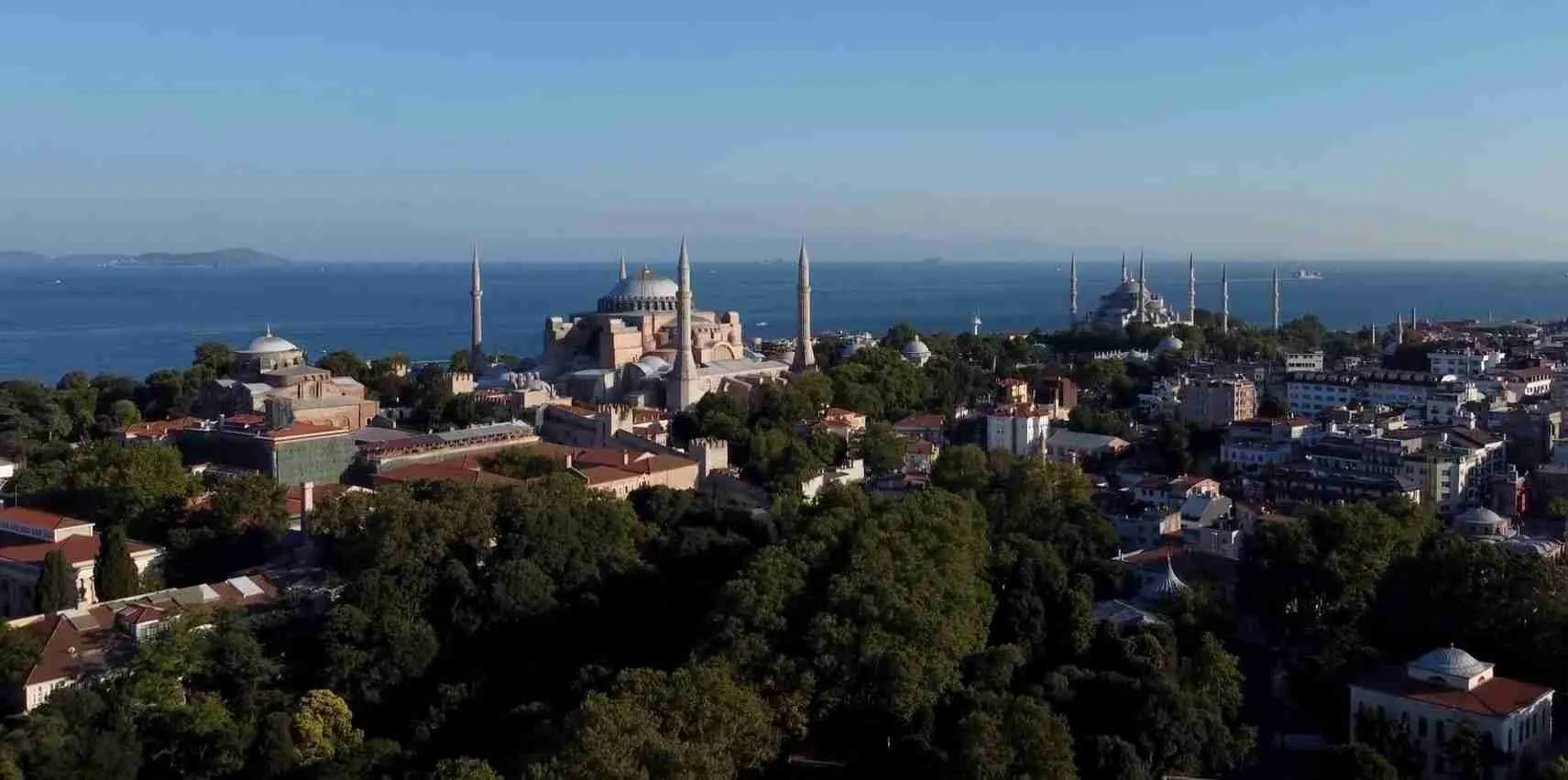
Turkey Best Time Visit 2026: Seasonal Planning Guide
Turkey’s geographic position straddling Europe and Asia creates distinct seasonal windows where Mediterranean coastal warmth, Cappadocian continental extremes, and Black Sea rainfall patterns converge into optimal travel periods during April-May and September-October shoulder seasons. These 2026 planning windows deliver 15-25°C comfortable temperatures, 30-50% lower accommodation costs versus peak summer, and manageable crowds at UNESCO World Heritage sites including Hagia Sophia, Ephesus, and Pamukkale, transforming timing decisions into the difference between overwhelming heat exhaustion and ideal sightseeing conditions across Turkey’s diverse regions.
Key Takeaways
- Spring (April-May) and fall (September-October) represent optimal Turkey visit windows in 2026, delivering 15-25°C temperatures ideal for monument touring, Cappadocia hot air balloon reliability exceeding 85% flight success rates, and accommodation pricing 25-35% below peak summer levels across Istanbul, coastal regions, and inland destinations
- Summer peak season (June-August 2026) brings Mediterranean coast perfection with 27-32°C water temperatures but creates inland torture chambers where Cappadocia and eastern regions exceed 35-40°C daily, forcing morning-only ancient site visits and midday hotel refuge while accommodation costs surge 40-60% above shoulder season rates
- Winter low season (November-March 2026) reduces Turkey travel costs by 40-50% through rock-bottom hotel pricing and minimal crowds, trading comfortable weather for 5-15°C coastal temperatures, snow-covered Cappadocia creating surreal landscapes, and ski resort access in Uludağ and Palandöken mountains unavailable during warmer months
- Regional climate variations create simultaneous optimal conditions across different Turkish zones, with April-May perfect for inland Cappadocia and Aegean archaeological sites while September-October extends Mediterranean swimming seasons and delivers harvest festival experiences in wine regions unavailable during spring visits
- Ramadan 2026 (February 17-March 19) and Eid holidays affect restaurant operating hours, accommodation availability, and domestic tourism patterns, with Turkish families concentrating travel during these periods driving 25-40% price increases and requiring advance booking 2-3 months ahead versus standard 3-4 week planning windows
- Hot air balloon experiences in Cappadocia achieve maximum reliability during May and September 2026 when stable weather patterns deliver 90%+ flight completion rates versus July-August thermal instability causing 30-40% cancellations, justifying shoulder season timing for travelers prioritizing this signature Turkish experience
People Also Ask About Best Time Visit Turkey 2026
What is the best month to visit Turkey in 2026?
May represents the single best month to visit Turkey in 2026, combining ideal weather conditions (18-25°C nationwide), Istanbul’s tulip festival peak bloom, reliable Cappadocia hot air balloon flights exceeding 90% completion rates, and accommodation pricing 20-30% below summer peaks before June’s tourist surge begins. May delivers Mediterranean coastal warmth reaching 24°C water temperatures enabling swimming without July-August’s 35°C+ air temperatures that create midday discomfort, while inland Cappadocia maintains comfortable 20-25°C ranges perfect for valley hiking and underground city exploration. Spring wildflower displays peak across Anatolia during May, creating photographic landscapes impossible during other seasons, while harvest-related food festivals haven’t yet commenced as they do during September-October fall periods. The month precedes European school holiday influxes beginning mid-June, maintaining manageable crowd levels at major attractions including Hagia Sophia, Topkapi Palace, and Ephesus where queue waits remain 20-30 minutes versus July-August’s 60-90 minute delays even with advance tickets.
Is Turkey cheaper to visit in 2026 during winter or summer?
Winter (November-March 2026) delivers 40-50% cheaper Turkey travel versus peak summer (June-August), with Istanbul hotel rooms dropping from $80-150 nightly summer rates to $40-80 winter pricing, Cappadocia cave hotels reducing from $200-400 to $100-200, and coastal resort closures eliminating beach accommodation options entirely while inland cultural destinations maintain full operations at minimum annual pricing. Domestic flight costs between Istanbul-Cappadocia routes decrease 30-40% during winter months as Turkish Airlines and Pegasus reduce frequencies matching lower demand, while restaurant prices remain stable year-round though tourist-oriented establishments offer 15-25% winter discounts attracting limited visitor numbers. Winter tradeoffs include 5-15°C coastal temperatures requiring warm clothing unsuitable for beach activities, Cappadocia hot air balloon cancellations reaching 50-60% due to weather instability versus summer’s heat-driven cancellations, and reduced daylight hours (9-10 hours versus summer’s 15 hours) limiting daily sightseeing windows. Budget travelers accepting weather compromises maximize savings during January-February when accommodation bottoms out and attraction entries maintain fixed pricing providing identical UNESCO World Heritage access at fraction of summer total trip costs.
What months should I avoid visiting Turkey in 2026?
July and August represent Turkey’s least favorable visit months in 2026, combining extreme heat (35-40°C inland, 30-35°C coastal), maximum tourist crowds creating 60-90 minute monument queue waits, and peak accommodation pricing 50-70% above shoulder season rates while delivering beach perfection offset by ancient site exploration becoming physically punishing during midday hours. January-February winter extremes create opposite challenges with 5-10°C Istanbul temperatures, frequent rain and occasional snow, Cappadocia freezing conditions (-5 to 5°C), and many coastal hotels closing entirely eliminating Mediterranean itinerary options, though these months suit budget travelers and winter sports enthusiasts accessing Uludağ ski slopes. Ramadan periods (February 17-March 19 in 2026) complicate travel through altered restaurant operating hours with many establishments closing during daylight fasting hours, though major tourist restaurants in Istanbul and coastal zones maintain normal schedules, while Eid holidays following Ramadan (March 19-22 for Ramadan Bayramı, May 27-31 for Kurban Bayramı) create domestic tourism surges driving 30-40% accommodation price spikes and transport booking challenges requiring 6-8 week advance reservations versus typical 3-4 week windows.
How many days do I need to visit Turkey in 2026?
Ten to fourteen days provides optimal Turkey exploration balancing Istanbul (3-4 days), Cappadocia (2-3 days), coastal regions or archaeological sites (3-4 days), and Pamukkale or additional destinations (2-3 days) with travel days between regions via domestic flights or overnight buses, enabling comprehensive experiences without rushed schedules or superficial monument visits that plague abbreviated 5-7 day itineraries. Istanbul alone justifies 3-4 days covering Sultanahmet UNESCO monuments (Hagia Sophia, Blue Mosque, Topkapi Palace), Bosphorus experiences, Grand Bazaar shopping, and Beyoğlu modern districts, while Cappadocia requires minimum 2 nights supporting sunrise hot air balloon flights, valley hiking, underground cities, and Göreme Open Air Museum exploration impossible within single-night stopover approaches. Coastal itineraries choosing between Aegean archaeology (Ephesus, Pergamon) or Mediterranean beach resorts (Antalya, Fethiye, Kaş) add 3-5 days, while Pamukkale’s travertine terraces merit 1-2 days including Hierapolis Roman ruins, with travel logistics between regions consuming 4-6 hours via domestic flights or 8-12 hours via overnight bus services. First-time visitors targeting core highlights accomplish satisfying 10-day circuits (Istanbul-Cappadocia-Pamukkale-coastal region-Istanbul), while 14+ day durations enable relaxed pacing, secondary destination additions, or beach leisure time rather than constant movement between cities.
Extended multi-day tours – 5+ days
Featured Turkey Multi-Day Tour Packages
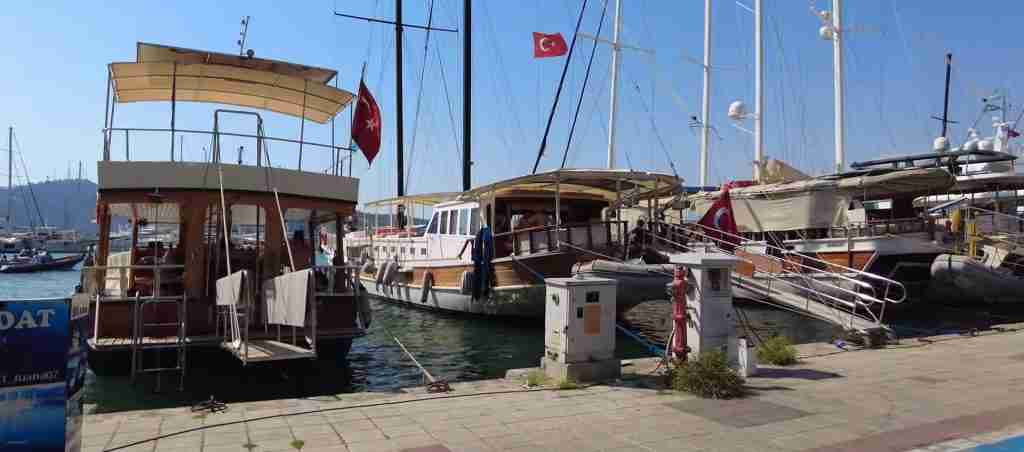
3 days
Turkey 3-Day Discovery Tour
- ✓ Comprehensive Turkey experience
- ✓ Expert local guides included
- ✓ All accommodation included
- ✓ Transportation provided

5 days
Turkey 5-Day Highlights Experience
- ✓ Comprehensive Turkey experience
- ✓ Expert local guides included
- ✓ All accommodation included
- ✓ Transportation provided

7 days
Turkey 7-Day Cultural Journey
- ✓ Comprehensive Turkey experience
- ✓ Expert local guides included
- ✓ All accommodation included
- ✓ Transportation provided
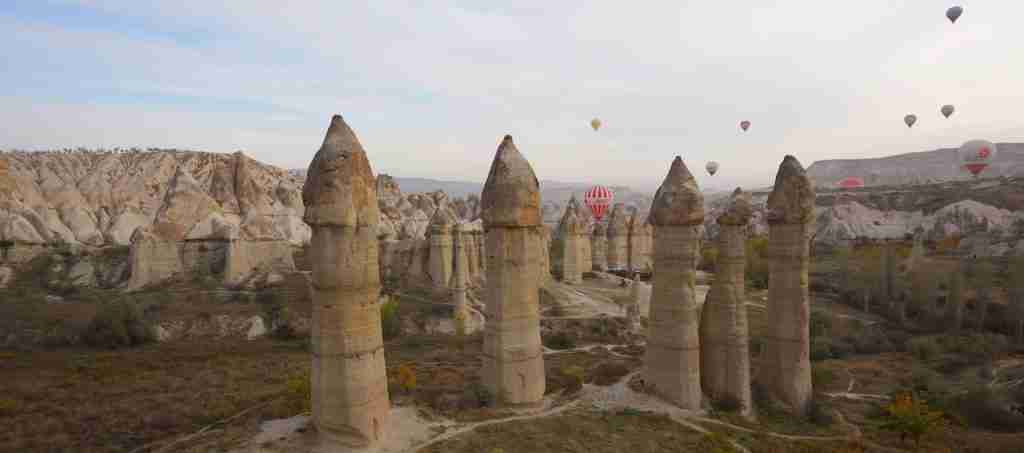
10 days
Turkey 10-Day Complete Adventure
- ✓ Comprehensive Turkey experience
- ✓ Expert local guides included
- ✓ All accommodation included
- ✓ Transportation provided
Multi-day tour packages powered by TourRadar. Prices and availability subject to change.
Introduction: Understanding Turkey’s Seasonal Dynamics for 2026 Travel Planning
Turkey’s 783,562 square kilometer expanse stretches across seven geographical regions experiencing simultaneous weather extremes where Mediterranean Antalya’s January averages 15°C while eastern Erzurum freezes at -10°C, creating seasonal planning complexities absent in climatically uniform destinations. The country’s position bridging European and Asian continents generates distinct microclimates ranging from Black Sea coastal rainfall exceeding 2,500mm annually to central Anatolian continental dryness receiving just 300-400mm, requiring region-specific timing strategies rather than universal “best month” recommendations applicable nationwide.
Tourism patterns in 2026 reflect post-pandemic normalization with international arrivals projected at 58-62 million visitors matching pre-2020 levels, concentrated during April-October windows when weather supports outdoor monument touring and coastal activities dominating Turkish travel experiences. Peak summer months (July-August) absorb 35-40% of annual visitor volumes despite heat extremes, driven by European school holiday constraints and beach-focused travel priorities, while shoulder seasons (April-May, September-October) capture increasingly sophisticated travelers prioritizing weather comfort and crowd avoidance over rigid summer vacation schedules.
The 2026 planning landscape incorporates Ramadan observance (February 17-March 19) affecting restaurant operations and domestic tourism patterns, tulip festival timing in Istanbul (early April), Cappadocia hot air balloon seasonal reliability variations, and coastal resort operating schedules where many properties close November-March eliminating Mediterranean beach options during winter months. Understanding these temporal factors transforms abstract “when to visit Turkey” questions into strategic decisions balancing personal weather tolerance, budget flexibility, specific interest priorities (archaeological sites versus beaches versus cultural festivals), and crowd management preferences determining whether May’s moderate temperatures outweigh September’s harvest festivals or July’s beach perfection justifies extreme inland heat.
This guide provides month-by-month weather analysis, regional climate variations, activity-specific timing recommendations, and budget considerations enabling informed 2026 Turkey visit planning aligned with individual priorities rather than generic shoulder season endorsements ignoring legitimate summer beach requirements or winter ski opportunities serving distinct traveler segments.
Turkey’s Four Distinct Seasons Overview 2026
Turkey experiences pronounced seasonal transitions reflecting its continental interior position and Mediterranean coastal influences, with spring (April-May) and fall (September-October) delivering transitional periods favored for cultural tourism, summer (June-August) dominating beach-focused travel despite heat extremes, and winter (November-March) serving budget travelers and winter sports enthusiasts while challenging coastal itineraries through resort closures and reduced daylight hours.
Spring Season Characteristics 2026 (April-May)
Spring temperatures progress from 12-18°C April averages to 18-25°C May ranges across major destinations, with Istanbul experiencing 15-20°C April conditions rising to 20-25°C by late May, Cappadocia maintaining cooler 10-18°C April temperatures warming to 15-23°C through May, and Mediterranean coastal regions (Antalya, Fethiye) reaching 18-24°C April climates extending to 22-28°C May warmth enabling early season swimming. Rainfall decreases progressively through spring with April experiencing 40-60mm monthly precipitation in Istanbul and coastal zones before May’s 30-40mm reductions create increasingly stable sunny conditions, though occasional showers require umbrella preparation throughout the season.
Spring’s defining characteristic involves wildflower bloom transformations across Anatolia where winter dormancy yields to carpets of poppies, daisies, and endemic species creating photographic landscapes peaked during April-early May before summer heat desiccation. Istanbul’s tulip festival (early April 2026) showcases millions of planted bulbs in Sultanahmet Square, Gülhane Park, and Emirgan Grove celebrating the flower’s Ottoman historical significance, while agricultural regions display fruit tree blossoms (cherry, apricot, apple) through April concentrated in Cappadocia valleys and Black Sea coastal areas.
Tourist crowds build progressively through spring from moderate April levels (70-80% of peak capacity) to near-maximum May densities (90-95% of summer peaks) as European visitors initiate pre-summer travel and Turkish domestic tourism accelerates. Major monuments including Hagia Sophia, Topkapi Palace, and Ephesus maintain 20-40 minute queue waits during April without advance tickets, extending to 40-60 minutes by late May as tour group concentrations increase. Accommodation pricing remains 20-30% below summer peaks through April, rising to within 10-15% of maximum rates by mid-May as demand escalates.
Summer Peak Season 2026 (June-August)
Summer delivers Turkey’s temperature extremes with coastal Mediterranean and Aegean zones reaching 28-35°C air temperatures and 24-28°C water temperatures perfect for swimming and water sports, while inland regions including Cappadocia, Ankara, and eastern Anatolia experience 32-40°C daily highs creating physically challenging conditions for midday ancient site exploration. Istanbul averages 26-30°C through summer with occasional 35°C+ peaks during July-August, Antalya coastal regions maintain 30-35°C ranges moderated by sea breezes, and Cappadocia endures 32-38°C afternoon temperatures forcing sunrise hot air balloon flights and morning-only valley hiking before heat exhaustion risks.
Rainfall effectively ceases across most Turkish regions during June-August with monthly precipitation dropping to 10-20mm in coastal zones and 5-15mm inland, creating extended sunny periods ideal for beach activities but eliminating natural shade absent at archaeological sites like Ephesus, Pergamon, and ancient Troy where limited tree cover and stone ruins amplify heat exposure. Coastal resort infrastructure operates at maximum capacity with beach clubs, restaurants, and water sports facilities fully staffed, while inland cultural attractions implement extended evening hours (open until 22:00-23:00 at major sites) enabling sunset monument visits avoiding midday heat extremes.
Tourist volumes peak during July-August when international arrivals reach maximum levels concentrated at coastal resorts (Bodrum, Marmaris, Fethiye, Kaş), creating accommodation scarcity requiring 6-12 week advance booking for preferred properties and 40-60% price premiums versus shoulder season rates. Istanbul maintains high but manageable crowds as beach-focused visitors bypass the city for direct coastal flights, while Cappadocia experiences moderate summer densities as extreme heat deters some visitors despite continued hot air balloon operations subject to 30-40% morning cancellation rates due to thermal instability.
Fall Shoulder Season 2026 (September-October)
Fall temperatures decline from 24-30°C September averages to 15-22°C October ranges, with coastal regions maintaining warmer conditions (25-28°C September, 20-25°C October) extending swimming seasons through early October before water temperatures drop below comfortable 20°C thresholds. Istanbul experiences pleasant 22-26°C September weather moderating to 15-20°C October conditions ideal for walking tours, Cappadocia delivers comfortable 20-28°C September ranges declining to 12-18°C October temperatures requiring layered clothing for morning balloon flights, and Mediterranean coastal zones preserve summer-like 26-30°C September warmth before October’s 20-25°C cooling.
Rainfall increases through fall with September maintaining relatively dry conditions (20-40mm monthly) before October’s 50-80mm precipitation brings more frequent showers particularly along Black Sea coast and western regions, though rain typically arrives as brief afternoon thunderstorms rather than all-day events disrupting itineraries. Autumn foliage transforms inland regions during October with deciduous forests displaying yellow-gold colors and vineyard harvest activities creating cultural festival opportunities in Cappadocia wine regions celebrating new vintage releases.
Tourist crowds decrease dramatically from summer peaks with September maintaining 70-80% capacity before October’s decline to 50-60% levels, creating significantly shorter monument queue waits (15-30 minutes without advance tickets), improved accommodation availability, and 25-35% price reductions from peak summer rates. Fall represents preferred timing for photographers capturing Cappadocia sunrise balloon flights against autumn-colored valleys, cultural travelers exploring archaeological sites at comfortable temperatures, and culinary enthusiasts experiencing harvest season produce and wine festivals unavailable during spring visits.
Winter Low Season 2026 (November-March)
Winter brings significant temperature drops with coastal Istanbul averaging 8-12°C, Antalya Mediterranean regions maintaining milder 12-18°C ranges, Cappadocia experiencing freezing -3 to 8°C conditions with regular snow cover, and eastern Anatolia facing severe -10 to 0°C temperatures creating winter sports conditions at Uludağ, Erciyes, and Palandöken ski resorts. Daylight hours contract to 9-10 hours during December-January versus summer’s 15-hour windows, limiting daily sightseeing schedules and forcing earlier dinner timing as darkness arrives 17:00-18:00.
Precipitation increases across most regions during winter months with Istanbul receiving 80-120mm monthly rainfall, Black Sea coast experiencing 150-200mm creating persistently wet conditions, and inland regions converting precipitation to snow accumulation particularly in Cappadocia where snow-covered fairy chimneys create surreal Instagram-worthy landscapes appealing to photography-focused travelers. Coastal resort zones largely shut down with 60-80% of hotels closing November-March eliminating Mediterranean beach itinerary options, while Istanbul and Cappadocia maintain year-round hotel operations at minimum annual pricing.
Tourist volumes reach annual lows during January-February when international arrivals drop 60-70% below summer peaks, creating empty museum halls, zero monument queue waits, and authentic local atmosphere absent during warmer months. Winter suits budget travelers accepting weather tradeoffs for 40-50% accommodation savings, cultural enthusiasts prioritizing indoor attractions (museums, mosques, covered bazaars) and Turkish bath (hamam) experiences heightened by cold exterior temperatures, and photographers capturing unique snow-covered Cappadocia landscapes and winter atmosphere impossible during other seasons.
Regional Climate Variations 2026
Turkey’s geographic diversity creates simultaneous climate extremes requiring destination-specific timing strategies rather than nationwide seasonal generalizations, with Mediterranean coastal warmth, Black Sea rainfall, Aegean moderate conditions, central Anatolian continental extremes, and eastern mountain cold forming distinct planning considerations affecting optimal visit windows across different regional itineraries.
Istanbul and Marmara Region 2026
Istanbul experiences temperate oceanic climate influenced by surrounding seas creating mild winters (8-12°C January-February averages) and warm summers (26-30°C July-August), with spring and fall shoulder seasons delivering ideal 18-25°C conditions during April-May and September-October. Rainfall distributes relatively evenly year-round averaging 60-100mm monthly with December-January peaks reaching 100-130mm, requiring waterproof preparation regardless of season though summer months (June-August) experience driest conditions at 20-40mm monthly precipitation.
Optimal Istanbul visit timing centers on April-May when tulip festivals peak and 18-22°C temperatures enable comfortable monument touring without summer heat or winter cold extremes, and September-October when 20-24°C conditions maintain outdoor activity comfort while tourist crowds diminish 30-40% from summer levels. Summer visits (June-August) serve travelers prioritizing Bosphorus boat tours and outdoor dining despite occasional 32-35°C heat waves, while winter months suit budget-conscious cultural tourists accepting 8-12°C temperatures and frequent rain in exchange for 40-50% hotel savings and minimal crowds at Hagia Sophia, Topkapi Palace, and museum attractions.
Mediterranean Coast 2026 (Antalya, Fethiye, Kaş)
Mediterranean Turkey maintains distinct beach season (May-October) when water temperatures exceed comfortable 20°C swimming thresholds, peaking at 27-28°C during August-September before declining through autumn. Air temperatures range 25-35°C during peak summer (June-August) moderated by coastal breezes, with shoulder seasons delivering 22-28°C May warmth and 20-28°C September-early October ranges extending swimming opportunities beyond compressed northern European summer windows.
Optimal coastal visit timing depends on heat tolerance and crowd acceptance, with May and September-early October representing sweet spots combining 24-26°C water temperatures, 25-28°C air warmth, and 30-40% fewer tourists versus July-August peaks. June serves travelers wanting established beach season infrastructure without extreme heat or maximum crowds, while July-August deliver peak swimming conditions (27-28°C water) for visitors accepting 30-35°C air temperatures, dense beach club crowds, and 40-60% accommodation price premiums. November-March eliminates coastal itineraries as 60-80% of hotels close and 12-18°C temperatures preclude swimming, redirecting winter visitors toward inland cultural destinations.
Cappadocia and Central Anatolia 2026
Cappadocia’s continental climate creates extreme seasonal temperature variations ranging from -5 to 5°C winter averages with regular snow cover to 30-38°C summer peaks, making shoulder seasons (April-May, September-October) overwhelmingly preferable for comfortable valley hiking and outdoor exploration. Hot air balloon flights achieve maximum reliability during May and September when stable atmospheric conditions deliver 90%+ completion rates versus summer’s thermal turbulence causing 30-40% cancellations and winter’s freezing temperatures and precipitation creating 50-60% cancellation frequencies.
Optimal Cappadocia timing targets May when 15-25°C temperatures enable all-day outdoor activities including valley hikes between Göreme, Uçhisar, and Çavuşin, underground city tours, and sunrise balloon flights under clear skies, or September when 18-28°C ranges maintain comfort while autumn colors enhance landscape photography and grape harvest activities create wine tasting opportunities. July-August visits require morning-only outdoor schedules as 32-38°C afternoon temperatures create heat exhaustion risks during valley hiking, while January-February appeal to photographers capturing snow-covered fairy chimneys and travelers accepting 50-60% balloon cancellation rates for 40-50% hotel savings and surreal winter landscapes.
Aegean Coast 2026 (İzmir, Ephesus, Bodrum)
Aegean regions balance Mediterranean warmth with slightly cooler temperatures than southern coastal zones, experiencing 28-33°C summer peaks, 22-28°C spring/fall shoulders, and 10-15°C winter lows with more rainfall than Mediterranean counterparts. Water temperatures reach 24-26°C during peak summer enabling swimming through September-early October before dropping below comfortable 20°C thresholds by November.
Optimal Aegean timing emphasizes April-May for archaeological site exploration at Ephesus, Pergamon, and Aphrodisias when 18-25°C temperatures prevent heat exhaustion during extensive walking tours across exposed ancient ruins lacking natural shade, and September-October when 22-28°C conditions extend beach seasons while reducing summer’s overwhelming tourist crowds at major sites. Summer visits (June-August) combine beach resort access with early morning archaeological tours (7:00-10:00 AM) before 30-35°C midday heat makes outdoor exploration uncomfortable.
Black Sea Coast 2026
Black Sea regions receive Turkey’s highest annual rainfall (1,500-2,500mm) distributed relatively evenly across months, creating perpetually green landscapes but limiting reliable sunny weather windows. Temperatures remain moderate year-round with 22-28°C summer ranges lacking Mediterranean extremes and 8-12°C winter averages milder than inland regions, while humidity levels exceed other Turkish zones creating muggy summer conditions.
Black Sea timing proves challenging as no season guarantees dry weather, though May-September provides warmest conditions (20-28°C) with slightly reduced precipitation versus winter months. This region suits travelers specifically interested in unique Sumela Monastery, Ayder Plateau highland scenery, or Black Sea cultural experiences rather than general Turkey itineraries, with July-August offering best weather probability accepting continued rain risk.
Month-by-Month Weather and Travel Conditions 2026
Detailed monthly analysis enables precise Turkey visit timing aligned with specific weather requirements, budget constraints, and seasonal activity availability across the country’s diverse regions, with each month presenting distinct advantages and challenges affecting different traveler priorities from beach access to winter sports to cultural festival participation.
January 2026 Turkey Travel Conditions
January represents Turkey’s coldest month with Istanbul averaging 6-10°C, Antalya Mediterranean coast maintaining milder 10-15°C ranges, Cappadocia experiencing -5 to 3°C with regular snow cover, and eastern regions facing -15 to -5°C severe cold enabling winter sports at Uludağ, Erciyes, and Palandöken ski resorts. Coastal resort zones operate at minimal capacity with 70-80% of properties closed, while Istanbul and Cappadocia maintain full hotel availability at annual minimum pricing 40-50% below summer peaks.
January advantages include rock-bottom accommodation costs, zero tourist crowds enabling empty museum experiences at Topkapi Palace and archaeological sites, authentic local atmosphere absent during warmer seasons, and winter sports access for skiing and snowboarding enthusiasts. Disadvantages encompass short daylight hours (9-10 hours), frequent rainfall in Istanbul and coastal zones, snow conditions disrupting Cappadocia hot air balloon flights (50-60% cancellation rates), and cold temperatures requiring substantial winter clothing unsuitable for year-round travel packing strategies. January suits budget travelers, winter sports participants, and cultural tourists prioritizing indoor attractions (museums, mosques, covered bazaars, hamams) accepting weather tradeoffs for maximum cost savings.
February 2026 Turkey Travel Conditions
February maintains January’s cold temperatures with slight warming toward month-end as spring approaches, averaging 6-11°C Istanbul, 11-16°C Antalya coast, and -3 to 5°C Cappadocia with continued snow presence. Ramadan 2026 begins February 17 and continues through March 19, affecting restaurant operating hours as many establishments close during daylight fasting periods though major tourist restaurants in Istanbul, Antalya, and coastal zones typically maintain normal schedules serving non-Muslim visitors.
February represents final opportunity for winter budget travel before spring price increases begin mid-March, offering 35-45% accommodation savings versus shoulder season April-May rates. The month attracts valentine-focused couples seeking romantic Istanbul experiences or Cappadocia snow landscapes, winter sports enthusiasts accessing peak ski conditions, and photographers capturing surreal snow-covered fairy chimney imagery impossible during warmer months. Ramadan’s presence creates cultural immersion opportunities through evening iftar (fast-breaking) meals and festival atmospheres in traditional neighborhoods, though requiring advance research on restaurant availability and adjusted meal timing expectations.
March 2026 Turkey Travel Conditions
March signals spring’s gradual arrival with temperatures rising to 8-14°C Istanbul, 14-20°C Mediterranean coast, and 2-12°C Cappadocia as snow begins melting and daylight extends to 11-12 hours. Ramadan continues through March 19 with Ramadan Bayramı (Eid al-Fitr) holiday March 19-22 creating domestic tourism surge as Turkish families travel during the three-day celebration, driving 30-40% accommodation price increases in popular destinations and requiring 6-8 week advance booking versus typical 3-4 week planning windows.
March represents transitional month balancing winter’s tail-end cold and rain against spring’s emerging warmth, with early March maintaining winter conditions while late March (post-Ramadan Bayramı) initiates shoulder season characteristics. Tourist crowds remain light through mid-March before Bayramı holiday and spring break travelers begin arriving, creating final opportunities for quiet monument experiences before April-May shoulder season crowds materialize. March suits flexible travelers accepting variable weather (mix of rain, occasional late snow, emerging sunshine) in exchange for continued low-season pricing and minimal crowds, or those specifically timing visits for Ramadan cultural immersion and iftar dining experiences.
April 2026 Turkey Travel Conditions
April delivers spring’s full arrival with temperatures reaching 12-18°C Istanbul, 16-22°C Mediterranean coast, and 8-16°C Cappadocia as wildflowers bloom across Anatolia and tulip festivals peak in Istanbul parks (early April timing). Rainfall remains significant averaging 40-60mm monthly in Istanbul and coastal zones with frequent April showers requiring umbrella preparation, though precipitation arrives as brief periods rather than all-day events and sunny intervals become increasingly common through month’s progression.
April represents optimal shoulder season beginning with 25-30% lower accommodation costs versus peak summer, moderate tourist crowds (70-80% of maximum capacity), comfortable temperatures enabling all-day outdoor activities, and spring bloom landscapes creating photographic opportunities. Istanbul’s International Tulip Festival (early April) showcases millions of planted bulbs in Sultanahmet, Gülhane Park, and Emirgan Grove celebrating Ottoman tulip cultivation traditions, while Cappadocia valleys display wildflower carpets peaked during mid-late April before May’s heat begins desiccation. April disadvantages include continued rain frequency and variable weather requiring flexible daily planning, though advantages overwhelmingly favor this month for first-time Turkey visitors balancing weather comfort, crowd levels, and budget considerations.
May 2026 Turkey Travel Conditions
May achieves near-perfect Turkey travel conditions with 17-23°C Istanbul averages, 20-26°C Mediterranean warmth enabling early swimming as water reaches 22-24°C, and 15-23°C Cappadocia ranges ideal for valley hiking and outdoor exploration. Rainfall decreases significantly to 30-40mm monthly across most regions with increasingly stable sunny weather, while daylight extends to 14+ hours providing ample sightseeing windows and late sunset dining opportunities on restaurant terraces.
May represents the single best month for comprehensive Turkey itineraries combining Istanbul cultural monuments, Cappadocia outdoor activities including hot air balloon flights (90%+ completion rates under stable May weather), and early beach access at Mediterranean coastal resorts beginning operations for summer season. Tourist crowds build through May reaching 85-90% of summer peak capacity by month-end, creating moderate queue waits at major attractions (30-45 minutes without advance tickets) while maintaining manageable levels, and accommodation pricing rises to within 10-15% of summer peaks as demand accelerates. May’s primary disadvantage involves rapidly escalating prices and crowds compared to April while delivering only marginal weather improvements, though superior Cappadocia balloon reliability and beach swimming temperatures justify premium for many travelers.
June 2026 Turkey Travel Conditions
June initiates peak summer season with temperatures reaching 24-28°C Istanbul, 26-32°C Mediterranean coast, and 22-30°C Cappadocia as heat builds toward July-August extremes. Water temperatures warm to 24-26°C enabling comfortable swimming without thermal shock, while rainfall drops to minimal 15-25mm monthly creating extended sunny periods ideal for beach activities. Coastal resort infrastructure operates at full capacity with all restaurants, beach clubs, and water sports facilities staffed for summer season.
June balances established summer conditions (warm weather, full resort operations, minimal rain) against moderate crowds and pricing not yet reaching July-August peaks, serving as compromise month for beach-focused travelers wanting summer swimming without extreme heat or maximum tourist densities. Accommodation costs increase 30-40% above shoulder season April-May rates but remain 15-20% below August maximums, while monument crowds at inland sites like Cappadocia and Istanbul approach 95% capacity requiring advance tickets for efficient entry avoiding 45-60 minute queue waits. June disadvantages include building heat making midday archaeological site tours increasingly uncomfortable and hot air balloon cancellations rising to 25-30% as thermal instability increases, though early morning touring strategies and evening monument access (many sites open until 22:00-23:00 June-October) mitigate heat challenges.
July-August 2026 Turkey Travel Conditions
July-August represent absolute peak season with maximum temperatures averaging 28-32°C Istanbul (35°C+ heat waves common), 30-36°C Mediterranean coast moderated by sea breezes, and 32-40°C Cappadocia creating physically challenging afternoon conditions. Water temperatures peak at 27-28°C providing bath-like swimming comfort, while rainfall effectively ceases (5-15mm monthly) ensuring beach vacation sun guarantees. Tourist volumes reach annual maximum with accommodation requiring 8-12 week advance booking and commanding 50-70% premiums versus shoulder season rates.
July-August justify peak season premiums exclusively for beach-focused travelers prioritizing swimming, water sports, and coastal resort experiences where 27-28°C water temperatures, guaranteed sunshine, and full resort operations (beach clubs, restaurants, nightlife) create ideal conditions despite crowding. Inland cultural tourism suffers during July-August as 35-40°C temperatures make midday ancient site exploration dangerous, forcing morning-only touring (6:00-10:00 AM) before heat exhaustion risks mandate hotel retreat, while Cappadocia hot air balloon cancellations reach 30-40% due to thermal turbulence. Budget travelers and heat-sensitive visitors should absolutely avoid July-August in favor of April-May or September-October shoulder seasons delivering superior comfort and value, while beach enthusiasts accepting crowd tradeoffs experience Turkey’s coastal regions at Mediterranean swimming perfection impossible during cooler months.
September 2026 Turkey Travel Conditions
September delivers fall shoulder season initiation with temperatures moderating to 24-28°C Istanbul, 26-32°C Mediterranean coast, and 22-30°C Cappadocia maintaining summer warmth during early month before mid-September cooling begins. Water temperatures remain peak at 26-27°C through early September before gradual decline to 23-24°C by month-end, extending swimming seasons significantly beyond northern European summer windows while reducing beach crowding as European school terms resume.
September represents optimal timing for travelers seeking summer weather conditions without peak season crowds and pricing, delivering 25-30% accommodation savings versus August rates, significantly shorter monument queue waits (20-35 minutes without advance tickets), and comfortable temperatures enabling both beach activities and cultural site exploration without July-August’s oppressive heat. Cappadocia hot air balloon reliability improves to 85-90% completion rates as thermal instability decreases, while grape harvest activities in wine regions create festival opportunities and autumn landscape colors begin emerging by late month. September disadvantages remain minimal beyond slightly increased rainfall frequency (20-40mm monthly) versus summer’s near-zero precipitation, making this month arguably superior to May for comprehensive Turkey itineraries when beach access and harvest season cultural experiences outweigh spring bloom landscapes.
October 2026 Turkey Travel Conditions
October signals autumn’s progression with temperatures declining to 18-24°C Istanbul, 22-28°C Mediterranean coast, and 14-22°C Cappadocia requiring layered clothing for morning activities. Water temperatures drop to 21-23°C early month remaining swimmable through mid-October before cooling to 18-20°C by month-end approaching thermal comfort thresholds for most swimmers. Rainfall increases to 50-80mm monthly particularly in western regions and Black Sea coast with more frequent afternoon thunderstorms, though sunny morning periods typically enable monument touring before weather deterioration.
October advantages include 30-40% accommodation savings versus summer peaks, minimal crowds (50-60% of maximum capacity) creating shortest annual monument queue waits, autumn foliage transforming inland landscapes, and harvest festival opportunities in wine regions celebrating new vintage releases. Cappadocia maintains excellent hot air balloon reliability (85-90% completion rates) while autumn colors enhance sunrise flight photography, and comfortable temperatures enable all-day hiking without summer heat constraints. October disadvantages involve variable weather requiring flexible daily planning around rain patterns, reduced beach viability as water temperatures drop and coastal resort operations wind down toward November closures, and shorter daylight hours (11-12 hours) versus spring/summer’s extended windows. October suits cultural tourists, photographers, and outdoor enthusiasts prioritizing comfort and value over beach access, representing final opportunity for comprehensive Turkey itineraries before winter conditions begin November.
November-December 2026 Turkey Travel Conditions
November-December transition into winter season with temperatures falling to 10-15°C Istanbul, 14-18°C Mediterranean coast, and 5-10°C Cappadocia as snow begins accumulating inland. Coastal resort closures accelerate through November with 60-80% of properties shuttered by December, eliminating beach itinerary options while inland cultural destinations (Istanbul, Cappadocia, Ankara) maintain year-round operations. Daylight contracts to 9-10 hours during December solstice period limiting daily sightseeing schedules, while rainfall increases significantly creating wet conditions particularly in Istanbul and western regions.
November-December deliver maximum budget opportunities with accommodation costs dropping 40-50% below summer peaks, minimal tourist crowds, and authentic local atmosphere as international visitors largely disappear. These months suit cultural enthusiasts prioritizing indoor attractions (museums, mosques, covered bazaars), hamam experiences enhanced by cold exterior temperatures, and photographers capturing unique winter atmospheres. December specifically enables winter sports access at ski resorts (Uludağ, Erciyes, Palandöken) beginning operations as snow accumulates, while Christmas-New Year period creates brief domestic tourism surge driving temporary price increases and booking requirements. November-December prove ideal for budget travelers accepting weather compromises, winter sports participants, and repeat Turkey visitors having completed major monument tours during previous warmer season trips.
Activity-Specific Best Time Recommendations 2026
Optimal Turkey visit timing varies significantly based on primary travel activities, with beach vacations, archaeological touring, hot air balloon experiences, winter sports, and cultural festivals each requiring different seasonal windows maximizing specific activity success while potentially conflicting with other interest areas within comprehensive multi-activity itineraries.
Best Time for Beach Holidays 2026
June-September represents optimal Turkey beach season when Mediterranean and Aegean water temperatures exceed comfortable 23°C swimming thresholds, peaking at 27-28°C during August-September before declining through autumn. Late May initiates early beach season with 22-24°C water temperatures suitable for heat-tolerant swimmers, while early October extends seasons to 21-23°C ranges before mid-October cooling drops below 20°C comfort levels for most visitors.
Peak beach perfection occurs July-August when 27-28°C water temperatures, guaranteed sunshine (5-10mm monthly rainfall), and full resort operations create ideal swimming conditions, though accepting 30-35°C air temperatures, maximum crowds, and 50-70% accommodation premiums versus shoulder seasons. September delivers superior beach value combining 26-27°C water warmth, reduced crowding as European school terms resume, 25-30% lower hotel costs versus August, and comfortable 26-30°C air temperatures enabling both beach activities and cultural site exploration impossible during July-August heat extremes. May and June serve travelers wanting established beach season infrastructure and warm water (22-26°C) without extreme summer heat or maximum crowds, representing optimal windows for combining beach time with inland cultural touring at Cappadocia and archaeological sites.
Best Time for Archaeological Sites 2026
April-May and September-October represent ideal windows for archaeological site exploration at Ephesus, Pergamon, Troy, Hierapolis (Pamukkale), and numerous lesser-known ancient cities when 18-28°C temperatures prevent heat exhaustion during extensive walking tours across exposed ruins lacking natural shade. Summer visits (June-August) prove physically challenging as 30-38°C temperatures and intense sun exposure create dangerous midday conditions, forcing 6:00-10:00 AM touring schedules before heat makes outdoor exploration uncomfortable or unsafe.
Spring (April-May) offers advantages including wildflower bloom landscapes enhancing archaeological site photography, increasing daylight hours extending evening golden hour timing, and progressive warming through season enabling visitors to target cooler April or warmer May based on personal temperature preferences. Fall (September-October) counters with autumn light quality preferred by photographers, harvest season produce enhancing regional dining experiences, and slightly warmer conditions versus spring enabling comfortable all-day touring without layered clothing requirements. Winter archaeological touring (November-March) becomes viable for cold-tolerant visitors accepting 8-18°C temperatures in exchange for zero crowds, empty site experiences impossible during warmer months, and 40-50% accommodation savings, though short daylight hours (9-11 hours) limit daily exploration windows.
Best Time for Cappadocia Hot Air Balloon Flights 2026
May and September achieve maximum Cappadocia hot air balloon reliability with 90-95% flight completion rates under stable atmospheric conditions, compared to July-August’s 60-70% reliability compromised by thermal instability and winter’s 40-50% rates challenged by freezing temperatures, precipitation, and strong winds. Balloon operators require specific weather parameters including wind speeds below 15 km/h, no precipitation, and visibility exceeding 5 kilometers, with stable spring and fall conditions meeting requirements more consistently than summer’s thermal turbulence or winter’s variable precipitation.
Optimal balloon timing prioritizes May when 15-25°C temperatures enable comfortable morning flights without extreme cold requiring excessive layering, wildflower bloom creates colorful valley landscapes below, and stable weather patterns maximize flight probability for travelers with limited Cappadocia duration (2-3 nights) unable to absorb multiple cancellation days. September delivers comparable reliability with autumn colors enhancing landscape photography and grape harvest cultural activities supplementing balloon experiences, though slightly increased precipitation frequency versus May creates marginally higher cancellation risk. Summer balloon flights (June-August) operate successfully 60-70% of mornings despite thermal challenges, serving beach-focused itineraries incorporating brief Cappadocia stops, while winter flights appeal to photographers capturing surreal snow-covered fairy chimney imagery accepting 50-60% cancellation rates and freezing pre-dawn temperatures (-5 to 5°C) during successful launch days.
Best Time for Istanbul Cultural Experiences 2026
April-May and September-October deliver optimal Istanbul visit conditions combining comfortable 18-25°C temperatures for extensive walking tours across Sultanahmet monuments and Beyoğlu districts, manageable tourist crowds creating 20-40 minute monument queue waits versus summer’s 60-90 minute delays, and cultural events including April’s Tulip Festival and fall’s arts performances. Year-round Istanbul viability supports visit timing based on broader Turkey itinerary requirements rather than city-specific constraints, as major attractions (Hagia Sophia, Topkapi Palace, Blue Mosque, Grand Bazaar) operate fully throughout seasons.
Winter Istanbul (November-March) suits budget travelers and repeat visitors having completed major monument tours, offering 40-50% hotel savings, empty museum experiences, authentic local atmosphere, and hamam thermal bath experiences enhanced by 8-12°C exterior temperatures. Summer Istanbul (June-August) proves viable despite 28-32°C heat through Bosphorus ferry rides providing cooling breezes, evening monument access (sites open until 22:00-23:00), and rooftop restaurant dining capitalizing on extended daylight hours, though maximum crowds and peak pricing reduce value versus shoulder seasons. Istanbul’s position as Turkey entry/exit hub enables flexible timing coordinated with regional itinerary requirements rather than city-specific seasonal optimization.
Best Time for Winter Sports 2026
December-March represents Turkey ski season when snow accumulation at mountain resorts including Uludağ (near Bursa), Erciyes (near Kayseri), and Palandöken (near Erzurum) creates skiing and snowboarding conditions rivaling European Alps at significantly lower costs. Peak winter sports conditions occur January-February when snow depth maximizes and temperatures remain consistently below freezing, though December and March shoulder periods offer adequate conditions with reduced crowding and 20-30% lower accommodation pricing.
Turkish ski resorts provide modern lift infrastructure, equipment rentals, ski schools, and slope-side hotels at 40-60% below Western European equivalent resort costs, serving budget-conscious winter sports enthusiasts and regional travelers from Middle East and Caucasus lacking alpine access. Combining winter sports with cultural tourism proves viable through Istanbul stopover routing to/from mountain resorts, creating unique winter Turkey itineraries absent from typical beach/archaeology summer patterns dominating international tourism.
Budget Considerations and Seasonal Pricing 2026
Turkey accommodation, tour, and activity pricing fluctuates 40-70% between low season winter minimums and peak summer maximums, with shoulder seasons (April-May, September-October) delivering moderate pricing 20-35% below peaks while maintaining superior weather and crowd conditions justifying premium over winter bargains for comfort-prioritizing travelers. Understanding seasonal price dynamics enables strategic timing balancing budget constraints against weather requirements and activity availability.
Accommodation Pricing Patterns 2026
Istanbul hotel rates range from $40-80 per night winter lows (November-March) to $80-150 summer peaks (June-August), with shoulder seasons commanding $60-110 representing 25-35% savings versus maximum rates. Cappadocia cave hotels fluctuate more dramatically from $100-200 winter minimums to $250-450 summer peaks, reflecting concentrated tourism season and limited property inventory creating supply constraints during high demand periods. Mediterranean coastal resorts experience most extreme variations as many properties close entirely November-March eliminating supply, while operational summer rates reach $150-350 nightly representing 50-80% premiums versus shoulder season $80-180 ranges.
Advance booking requirements correlate with seasonal demand, with winter months enabling 1-2 week booking windows, shoulder seasons requiring 3-4 weeks advance reservations for preferred properties, and summer peaks demanding 8-12 week planning securing desirable hotels before inventory depletion. Budget travelers maximize savings through winter timing accepting weather tradeoffs, while value-focused visitors optimize shoulder seasons balancing moderate pricing against superior comfort versus winter conditions and reduced crowds versus summer peaks.
Tour and Activity Costs 2026
Cappadocia hot air balloon flights maintain relatively stable €200-350 per person pricing year-round as operational costs (fuel, balloon maintenance, insurance, pilot salaries) remain constant regardless of season, though summer demand enables operators to favor higher price points while winter cancellation frequencies reduce revenue requiring maintained rates during successful flight days. Multi-day guided tours increase 20-40% during peak summer as accommodation and transport costs rise, while museum entrance fees remain fixed year-round at government-set rates (Hagia Sophia €25, Topkapi Palace 2,400 TL) providing budget predictability across seasons.
Bosphorus boat tours, hamam experiences, and cooking classes maintain stable pricing throughout year as operational costs don’t fluctuate seasonally, though some operators offer 15-25% winter discounts attracting limited tourist numbers. Domestic flight costs (Istanbul-Cappadocia, Istanbul-Antalya) vary 30-50% between winter lows and summer peaks as Turkish Airlines and Pegasus adjust capacity and pricing matching demand patterns, with advance booking (6-8 weeks) securing lower fares regardless of season.
Overall Daily Budget Ranges 2026
Budget travelers targeting $40-60 daily spending accomplish this through winter timing (November-March) when hostel accommodation ($15-25), street food and lokanta meals ($15-25), and public transport ($5-8) combine with minimal activity costs as free monuments (Blue Mosque, Grand Bazaar) and self-guided exploration dominate itineraries. Mid-range travelers spending $120-180 daily achieve this year-round through 3-star hotels ($60-90 including breakfast), restaurant dining ($40-60), selective paid activities ($20-40), and domestic flights versus overnight buses, with shoulder seasons delivering superior value through moderate pricing and comfortable weather versus winter’s budget maximum and summer’s inflated costs.
Luxury travelers exceeding $300 daily access this tier during any season as 5-star hotels, private guides, premium restaurants, and exclusive experiences (private hot air balloon flights, yacht charters, helicopter transfers) maintain consistent premium positioning, though shoulder and winter seasons deliver 20-30% superior value as hotels discount luxury rooms and tour operators offer premium service additions attracting limited high-end visitors during quieter periods.
Crowd Management and Peak Season Avoidance 2026
Tourist density at major Turkish attractions varies 70-80% between winter lows and summer peaks, with shoulder seasons maintaining 60-75% of maximum capacity creating manageable crowds and strategic timing within optimal April-May and September-October windows further reducing congestion through weekday visits and early morning monument access avoiding 10:00-14:00 tour group concentrations.
Understanding Turkish Holiday Patterns 2026
Ramadan 2026 (February 17-March 19) and subsequent Eid holidays (Ramadan Bayramı March 19-22, Kurban Bayramı May 27-31) create domestic tourism surges as Turkish families utilize holiday periods for travel, driving 30-40% accommodation price increases in popular destinations and requiring 6-8 week advance booking versus typical 3-4 week windows. These holidays affect international visitors through restaurant hour alterations during Ramadan daylight fasting periods, though major tourist establishments in Istanbul and coastal zones maintain normal operations, and temporary crowd increases at domestic tourism favorites including Pamukkale, Cappadocia, and Mediterranean resorts during holiday weeks.
Summer weekend crowds intensify at coastal regions during June-August as Istanbul and Ankara residents escape to beach destinations creating Friday-Sunday density peaks, while weekday visits (Monday-Thursday) maintain 20-30% lower tourist volumes. Conversely, cultural destinations like museums and archaeological sites experience opposite patterns with weekend domestic visitor increases offset by weekday international tourist concentrations, creating minimal viable avoidance strategies beyond shoulder season timing reducing overall density regardless of specific day selection.
Monument Visit Timing Strategies 2026
Major Istanbul attractions (Hagia Sophia, Topkapi Palace) experience 9:00-10:00 AM opening rush as tour groups concentrate early entries, creating 45-60 minute queue waits during peak season versus 15-20 minute delays for 11:00-12:00 arrivals after initial surge disperses through vast palace grounds. Ephesus archaeological site demonstrates opposite patterns as summer heat forces morning-only visits creating 8:00-10:00 AM maximum density before midday exodus, while shoulder season enables all-day touring spreading visitors across extended hours reducing congestion at any specific time.
Evening monument access during June-October when major sites remain open until 22:00-23:00 provides crowd avoidance opportunities as tour groups depart by 17:00-18:00, enabling sunset photography and atmospheric experiences impossible during harsh midday light. Advance ticket purchasing for Hagia Sophia and Topkapi Palace eliminates queue time entirely, justifying online booking fees through time savings particularly during peak season when walk-up ticket lines extend 60-90 minutes versus immediate entry for pre-purchased timed admissions.
Festivals and Cultural Events Calendar 2026
Turkey’s cultural calendar features seasonal festivals enhancing specific visit timing through unique experiences unavailable during other periods, from Istanbul’s spring tulip displays to Cappadocia’s fall grape harvest celebrations to winter whirling dervish performances in Konya, creating timing incentives beyond pure weather and crowd considerations.
Spring Events 2026
Istanbul International Tulip Festival (early April) showcases millions of planted tulip bulbs in Sultanahmet Square, Gülhane Park, Emirgan Grove, and numerous neighborhood parks celebrating the flower’s Ottoman historical significance and Istanbul’s position as historic tulip cultivation center. The festival coincides with optimal spring weather and moderate crowds, enhancing April’s appeal for first-time Istanbul visitors. International Istanbul Film Festival (April) brings cinema screenings, director appearances, and cultural programming to venues across the city, while Hıdrellez Festival (May 5-6) celebrates spring’s arrival through street performances, traditional gypsy music, and cultural activities in neighborhoods including Ahırkapı and Kadıköy.
Summer Events 2026
Aspendos International Opera and Ballet Festival (June-July) hosts performances by international companies within the spectacular Roman theater setting near Antalya, combining cultural programming with Mediterranean coastal access. Istanbul Music Festival (June-July) presents classical music concerts in historic venues including Hagia Irene and Topkapi Palace courtyards. Cappadocia Balloon Festival (early August) concentrates hot air balloon activities and competitions beyond daily tourist flights, creating enhanced photography opportunities though coinciding with extreme summer heat affecting ground-level comfort.
Fall Events 2026
Grape harvest festivals across Cappadocia wine regions (September-October) celebrate new vintage releases through tastings, vineyard tours, and cultural programming timed with optimal fall weather and autumn landscape colors. These events provide cultural depth to Cappadocia visits beyond standard hot air balloon and underground city itineraries. Various regions host local harvest festivals celebrating seasonal produce including olives, figs, and pomegranates through October, creating authentic cultural experiences concentrated in smaller towns versus major tourist destinations.
Winter Events 2026
Whirling Dervish Festival in Konya (December) commemorates Rumi’s death anniversary through Sema ceremony performances demonstrating Sufi spiritual traditions, attracting cultural tourists and spiritual seekers despite winter cold. New Year celebrations (December 31-January 1) transform Istanbul into festive atmosphere with Bosphorus fireworks, restaurant celebrations, and hotel special events, creating brief peak season pricing and booking requirements during otherwise low-season winter period.
Practical Planning Considerations for 2026
Beyond weather and crowd patterns, successful Turkey visit timing incorporates practical factors including advance booking requirements, flight availability and pricing, visa processing timelines, packing considerations for seasonal temperature ranges, and itinerary routing optimizing regional climate variations across comprehensive multi-destination trips.
Advance Booking Timeline 2026
International flights to Istanbul achieve optimal pricing 10-14 weeks advance booking for shoulder and peak seasons, with winter flights permitting shorter 6-8 week windows maintaining competitive fares. Accommodation booking requirements vary by season from 1-2 weeks winter to 3-4 weeks shoulder seasons to 8-12 weeks summer peaks, with popular properties (specific Cappadocia cave hotels, Istanbul boutique hotels) requiring maximum advance planning during any season due to limited inventory. Cappadocia hot air balloon flights demand 4-6 week advance booking during peak season (April-May, September-October) ensuring preferred operators and timed slots, while summer accepts shorter 2-3 week windows and winter enables 1-2 week last-minute reservations matching reduced demand.
Packing for Seasonal Temperature Ranges 2026
Spring (April-May) requires layered clothing accommodating 12-25°C temperature ranges with light jackets for morning/evening cooling, rain protection (umbrella, waterproof layer) for April showers, and sun protection (hat, sunglasses, sunscreen) for increasing UV exposure. Summer (June-August) demands minimal clothing (shorts, t-shirts, sundresses) appropriate for 28-40°C heat, though mosque visits require shoulders and knees covered necessitating lightweight long pants or maxi skirts plus scarves for women, and evening layers as some inland regions experience significant day-night temperature swings.
Fall (September-October) parallels spring requirements with 15-28°C ranges demanding versatile layering, increasing rain protection requirements through October, and comfortable walking shoes for extended monument touring at ideal temperatures. Winter (November-March) necessitates substantial cold weather gear including warm jackets, layers for 5-15°C temperatures, waterproof protection for frequent rainfall, and warm accessories (gloves, scarves, hats) for Cappadocia and eastern regions experiencing freezing conditions, though Istanbul’s moderate 8-12°C winter enables lighter preparation versus European winter destinations.
Multi-Region Itinerary Timing Strategies 2026
Comprehensive Turkey itineraries covering Istanbul, Cappadocia, and coastal regions benefit from shoulder season timing (April-May, September-October) when all zones experience simultaneously optimal conditions, versus summer when coastal perfection conflicts with inland heat extremes or winter when coastal resort closures eliminate Mediterranean options entirely. Travelers prioritizing specific regions optimize timing accordingly: beach-focused itineraries target June-September when water temperatures enable swimming despite inland heat, while cultural/archaeological priorities favor April-May or September-October maximizing monument touring comfort.
Regional routing sequences can leverage seasonal progression, with spring itineraries beginning in warmer Mediterranean coast (earlier seasonal warming) before progressing to cooler inland Cappadocia (later spring arrival), or fall trips reversing this pattern as coastal warmth extends beyond inland cooling. Winter itineraries concentrate on year-round destinations (Istanbul, Cappadocia cultural attractions) while incorporating ski resort access unavailable during warmer months, creating specialized winter Turkey experiences serving distinct traveler segments versus typical summer archaeology/beach patterns.
Frequently Asked Questions About Best Time Visit Turkey 2026
When is the cheapest time to visit Turkey in 2026?
January-February 2026 represent absolute cheapest Turkey visit months with accommodation costs 40-50% below summer peaks as Istanbul hotels drop to $40-80 nightly from $80-150 summer rates, Cappadocia cave properties reduce to $100-200 from $250-450 peaks, and coastal zones offer minimal options as 70-80% of properties close but operational hotels discount remaining inventory 50-60% attracting scarce winter visitors. Domestic flight costs between Istanbul-Cappadocia routes decrease 30-40% during winter months as airlines reduce frequencies matching lower demand, while restaurant prices remain stable year-round though tourist-oriented establishments offer 15-25% winter discounts compensating for reduced customer volumes. Winter tradeoffs include 5-15°C temperatures requiring warm clothing, frequent rainfall in coastal zones and Istanbul averaging 80-120mm monthly, Cappadocia snow conditions disrupting hot air balloon flights (50-60% cancellation rates), and reduced daylight hours (9-10 hours versus summer’s 15 hours) limiting daily sightseeing schedules. November and March serve as alternative cheap months commanding similar 35-45% discounts versus peak season while offering slightly warmer temperatures (10-18°C) and transitional weather between winter extremes and shoulder season comfort, suitable for budget travelers accepting continued rain frequency and variable conditions in exchange for maximum cost savings and minimal tourist crowds creating empty monument experiences impossible during warmer periods.
What is the best time to visit Turkey for hot air balloon rides in Cappadocia in 2026?
May and September 2026 achieve optimal Cappadocia hot air balloon conditions with 90-95% flight completion rates under stable atmospheric patterns, compared to summer’s 60-70% reliability compromised by thermal turbulence and winter’s 40-50% success challenged by freezing temperatures, precipitation, and strong winds affecting safe flight parameters. Balloon operators require specific weather conditions including wind speeds below 15 km/h, zero precipitation, visibility exceeding 5 kilometers, and stable atmospheric pressure, with spring (April-May) and fall (September-October) shoulder seasons meeting these requirements most consistently versus summer’s thermal instability or winter’s variable precipitation creating frequent cancellations disappointing travelers with limited Cappadocia duration unable to absorb multiple cancelled flight mornings. May specifically delivers 15-25°C comfortable temperatures enabling pleasant pre-dawn balloon basket standing without extreme layering, wildflower bloom creating colorful valley landscapes photographed from above, and stable high-pressure systems dominating weather patterns through the month, while September offers comparable reliability with autumn colors enhancing landscape photography, grape harvest cultural activities supplementing balloon experiences, and slightly reduced tourist crowds versus spring’s building density. Summer balloon flights (June-August) operate successfully 60-70% of mornings despite afternoon thermal challenges that prevent safe flights after 7:00-8:00 AM launches, serving beach-focused itineraries incorporating brief Cappadocia stops, while winter flights appeal exclusively to photographers capturing surreal snow-covered fairy chimney imagery accepting 50-60% cancellation rates and freezing pre-dawn temperatures (-5 to 5°C) during successful flight mornings when stable high-pressure systems temporarily dominate typically variable winter weather patterns.
Is Turkey too hot to visit in July and August 2026?
July-August 2026 bring extreme heat to inland Turkish regions with Cappadocia experiencing 32-40°C afternoon temperatures, eastern Anatolia reaching 35-38°C, and even coastal zones hitting 30-35°C moderated somewhat by sea breezes but still creating physically challenging midday conditions. Mediterranean and Aegean coasts deliver peak beach perfection during July-August when 27-28°C water temperatures, guaranteed sunshine (5-15mm monthly rainfall), and full resort operations justify summer timing for beach-focused travelers accepting heat tradeoffs, though inland cultural tourism suffers as ancient site exploration becomes dangerous during 10:00-16:00 hours when temperatures peak and sun exposure intensifies. Istanbul maintains somewhat moderate 28-32°C summer ranges with occasional 35°C+ heat waves creating uncomfortable but manageable conditions for monument touring through early morning strategies (7:00-10:00 AM), extended midday breaks returning to air-conditioned hotels, and evening site access as major attractions remain open until 22:00-23:00 June-October enabling sunset photography and atmospheric experiences. Cappadocia summer visits require strict morning-only outdoor schedules with hot air balloon flights launching 5:00-6:00 AM before thermal turbulence, valley hiking concluding by 10:00-11:00 AM before dangerous afternoon heat, and afternoon retreat to hotel pools or air-conditioned spaces until 18:00-19:00 when temperatures moderate enabling evening activities, though 30-40% balloon cancellation rates due to thermal instability create disappointment for travelers prioritizing this signature experience. Heat-sensitive visitors, families with young children, elderly travelers, and those prioritizing extensive archaeological site exploration should avoid July-August in favor of April-May or September-October shoulder seasons delivering 20-28°C comfortable ranges, while beach enthusiasts, coastal resort seekers, and heat-tolerant travelers maximize July-August’s swimming perfection accepting inland touring limitations and peak pricing premiums (40-60% above shoulder seasons) as necessary tradeoffs for Mediterranean coastal paradise conditions impossible during cooler months.
Can you swim in Turkey in May and October 2026?
May delivers marginal early-season swimming conditions with Mediterranean water temperatures reaching 22-24°C by late month, suitable for heat-tolerant swimmers and those acclimated to cooler waters but falling short of comfortable 25°C+ thresholds preferred by most beachgoers, while October maintains viable swimming through early month at 21-23°C before mid-October cooling drops below 20°C approaching thermal comfort limits. Optimal beach timing targets June-September when water temperatures exceed comfortable 24°C thresholds and peak at 27-28°C during August-September, delivering bath-like swimming experiences justifying Mediterranean coastal resort stays, versus May and October serving as compromise months enabling beach access for warm-weather-adapted visitors while maintaining comfortable air temperatures (22-28°C) for combined beach/cultural itineraries visiting inland archaeological sites impossible during July-August heat extremes. Regional variations affect swimming viability with southern Mediterranean coast (Antalya, Kaş, Kalkan) warming earlier and retaining heat longer versus northern Aegean zones (Çeşme, Bodrum) experiencing delayed spring warming and earlier fall cooling, creating 1-2 week seasonal extensions favoring southern coastal regions for shoulder season beach access. May advantages include building warmth through month enabling improved swimming by late May versus early month’s cooler 20-22°C conditions, wildflower bloom landscapes enhancing coastal scenery, and moderate crowds (70-80% capacity) providing beach space and reasonable accommodation availability, while October benefits from retained summer warmth during early month, autumn light quality preferred by photographers, and dramatically reduced crowds (50-60% capacity) creating quiet beach experiences impossible during summer peaks though accepting declining water temperatures through month progression and increased rainfall frequency (50-80mm monthly) versus May’s 30-40mm drier conditions affecting beach day reliability.
What is the rainy season in Turkey in 2026?
Turkey’s rainy season varies significantly by region with no universal wet period applicable nationwide, though November-March generally represents highest precipitation months across most zones excluding summer-dry Mediterranean coastal areas experiencing minimal year-round rainfall. Istanbul and western regions receive 80-120mm monthly precipitation during December-January peaks with frequent rain showers averaging 15-20 rainy days monthly, while Black Sea coast experiences year-round rainfall totaling 1,500-2,500mm annually with no distinct dry season creating persistently wet conditions particularly intense during autumn-winter (October-March) when monthly totals reach 150-200mm. Mediterranean and Aegean coastal zones follow classic Mediterranean climate patterns with summer drought (June-August receiving just 5-15mm monthly) and winter concentration (November-March averaging 60-100mm monthly) though remaining significantly drier than northern regions, while central Anatolia including Cappadocia maintains continental semi-arid patterns with modest 300-400mm annual totals distributed relatively evenly creating no distinct rainy season but occasional snow during winter months. April and October represent transitional months experiencing increased precipitation versus summer dryness but reduced frequency versus winter peaks, with April showers (40-60mm monthly) bringing wildflower blooms across Anatolia and October rainfall (50-80mm) initiating autumn wet season after summer’s extended drought, though both months maintain majority sunny days with rain arriving as brief afternoon thunderstorms rather than all-day events. Travelers timing visits around precipitation avoidance should target May-September when most regions except Black Sea coast experience driest conditions, accepting extreme summer heat (June-August) versus comfortable shoulder season temperatures (May, September) as weather tradeoff for minimized rain frequency, or embrace winter travel (November-March) understanding consistent precipitation requires waterproof preparation but delivers 40-50% accommodation savings and minimal crowds compensating for wet conditions affecting outdoor activity reliability.
Is Ramadan a bad time to visit Turkey in 2026?
Ramadan 2026 (February 17-March 19) creates mixed impacts for Turkey visitors with restaurant hour alterations during daylight fasting periods affecting dining availability though major tourist establishments in Istanbul, Antalya, and coastal zones typically maintain normal operations serving non-Muslim visitors, while evening iftar (fast-breaking) meals create unique cultural experiences as neighborhoods transform into festive atmospheres with special food offerings and community celebrations. Many traditional restaurants and street food vendors close during daylight hours (approximately 6:00 AM-6:00 PM varying by sunrise/sunset times through month) observing Ramadan fasting requirements, though tourist-oriented establishments in Sultanahmet, Taksim, and major hotel properties continue standard schedules recognizing international visitor needs, creating dining challenges in less-touristed neighborhoods while maintaining adequate options in core visitor zones. Positive Ramadan aspects include cultural immersion opportunities through evening iftar attendance as Turkish families often invite foreigners to share fast-breaking meals demonstrating renowned hospitality, reduced monument crowds during daylight hours as local visitors decrease, and unique atmospheric experiences as cities transform at sunset with special Ramadan decorations, food markets, and evening activities extending late into night creating vibrant street life absent during other periods. Ramadan Bayramı (Eid al-Fitr) holiday following Ramadan (March 19-22 in 2026) creates opposite challenges through domestic tourism surge as Turkish families utilize three-day celebration for travel, driving 30-40% accommodation price increases, transportation booking difficulties, and maximum crowds at popular destinations requiring 6-8 week advance reservations versus typical 3-4 week planning windows, though post-Bayramı period (late March onward) initiates spring shoulder season with excellent weather and moderate crowds justifying Ramadan-period visits for travelers comfortable navigating altered restaurant schedules and capitalizing on unique cultural experiences impossible during non-Ramadan months.
What should I pack for Turkey in April 2026?
April 2026 requires versatile layered clothing accommodating 12-22°C temperature ranges with cooler 12-15°C morning/evening periods and warmer 18-22°C afternoon peaks, waterproof rain protection for frequent April showers averaging 40-60mm monthly precipitation, and sun protection for increasing UV exposure as spring progresses despite variable cloud cover. Essential items include light jacket or sweater for morning/evening cooling and air-conditioned indoor spaces, long pants or jeans suitable for walking tours and mosque visits requiring covered knees, comfortable closed-toe walking shoes with waterproof capability as rain creates wet cobblestone conditions in historic districts, and umbrella or packable rain jacket addressing April’s shower frequency without excessive bulk in daypack. Women should pack lightweight long-sleeve shirts or cardigans and scarves for mosque visits requiring shoulder covering and optional head covering, choosing breathable fabrics suitable for 18-22°C afternoon warmth while providing modesty layers, and men need long pants and shirts (t-shirts acceptable outside mosque contexts) with one collared shirt for upscale restaurant dining. Additional April essentials include hat and sunglasses for sunny intervals, sunscreen (SPF 30-50) as UV intensity increases through spring despite cooler temperatures versus summer, small daypack for carrying layers as temperatures fluctuate throughout day, and power adapter for Turkey’s European-style two-pin outlets charging phones and camera equipment. Istanbul and coastal regions permit lighter packing focused on 15-20°C ranges, while Cappadocia visits require warmer layers for 10-18°C conditions including fleece or warm jacket for early morning hot air balloon flights experiencing 8-12°C pre-dawn temperatures, and evening wear for hotel dinners and cultural performances beyond daytime sightseeing casual attire. Avoid excessive formal clothing as Turkey travel remains relatively casual even at mid-range restaurants and hotels, though one smart-casual outfit enables upscale dining or cultural event attendance, and pack minimal items planning laundry service or self-washing during extended stays versus overpacking for every contingency creating luggage burden throughout trip.
How far in advance should I book Turkey travel for 2026?
International flights to Turkey achieve optimal pricing booking 10-14 weeks in advance for shoulder seasons (April-May, September-October) and peak summer (June-August), with earlier 14-16 week booking sometimes capturing promotional fares though risking schedule inflexibility, while winter flights (November-March) permit shorter 6-8 week windows maintaining competitive pricing due to reduced demand. Accommodation booking timelines vary by season from 1-2 weeks winter to 3-4 weeks shoulder seasons to 8-12 weeks summer peaks, with specific high-demand properties (popular Cappadocia cave hotels like Museum Hotel or Argos, Istanbul boutique hotels in Sultanahmet) requiring maximum advance planning during any season as limited inventory creates year-round booking competition, particularly for optimal room categories (Cappadocia cave rooms with balloon views, Istanbul Bosphorus-facing rooms). Cappadocia hot air balloon flights demand 4-6 week advance booking during peak reliability seasons (April-May, September-October) ensuring preferred operators like Butterfly Balloons or Royal Balloon and desired flight times, while summer accepts shorter 2-3 week windows and winter enables 1-2 week last-minute reservations matching reduced demand though risking cancellations due to weather instability. Domestic flights between Istanbul-Cappadocia, Istanbul-Antalya, and other regional routes benefit from 6-8 week advance booking securing lower Turkish Airlines and Pegasus fares versus 1-2 week last-minute purchases commanding 30-50% premiums, though winter routes permit shorter planning as reduced tourism decreases seat demand. Multi-day guided tours require 6-10 week booking during shoulder and peak seasons as group departures fill through tour operator marketing and past customer retention, while private custom tours accept shorter 3-5 week planning as operators maintain flexibility adjusting guide and vehicle allocation matching confirmed bookings. Strategic booking approach involves securing flights and accommodation 8-12 weeks in advance for peak season Turkey visits (June-August, April-May, September-October) locking foundational logistics, then adding activities and tours 4-6 weeks ahead as daily itinerary crystallizes, versus winter trips permitting compressed 4-6 week total planning from flights through accommodation and activities due to minimal availability pressure and last-minute inventory discounts incentivizing delayed booking.
Can I visit Turkey year-round or are some months impossible for tourism in 2026?
Turkey supports year-round tourism across all twelve months with no seasons rendering country completely inaccessible, though winter months (November-March) eliminate Mediterranean coastal beach itineraries as 60-80% of resort properties close and 12-18°C temperatures preclude swimming, redirecting winter visitors toward inland cultural destinations (Istanbul, Cappadocia, Ankara) maintaining full operations. Istanbul and Cappadocia specifically function as true year-round destinations with hotels, restaurants, and major attractions operating 365 days annually, serving winter visitors through cultural site access (museums, mosques, covered bazaars unaffected by weather), winter sports opportunities at nearby ski resorts (Uludağ near Istanbul, Erciyes near Cappadocia), and hamam thermal bath experiences enhanced by cold exterior temperatures, though accepting 5-15°C weather requiring warm clothing and frequent rain/snow reducing outdoor comfort. Regional variations create simultaneous optimal conditions across different Turkish zones enabling year-round visit viability through strategic destination selection, with January-March perfect for winter sports in mountain regions (Uludağ, Erciyes, Palandöken) while uncomfortable for coastal beach access, and July-August ideal for Mediterranean swimming while creating dangerous heat extremes for inland archaeological touring. Every month serves specific traveler segments with January-February attracting budget tourists maximizing 40-50% accommodation savings and winter sports enthusiasts, March-April transitioning to spring shoulder season cultural tourists, May-June building to summer beach vacations, July-August delivering peak Mediterranean coastal conditions, September-October serving fall cultural travelers, and November-December returning to winter budget patterns and ski resort access, creating continuous tourism cycle rather than discrete “impossible” months though individual itinerary types (beach vacations, archaeological touring, winter sports) require specific seasonal windows matching activity requirements.