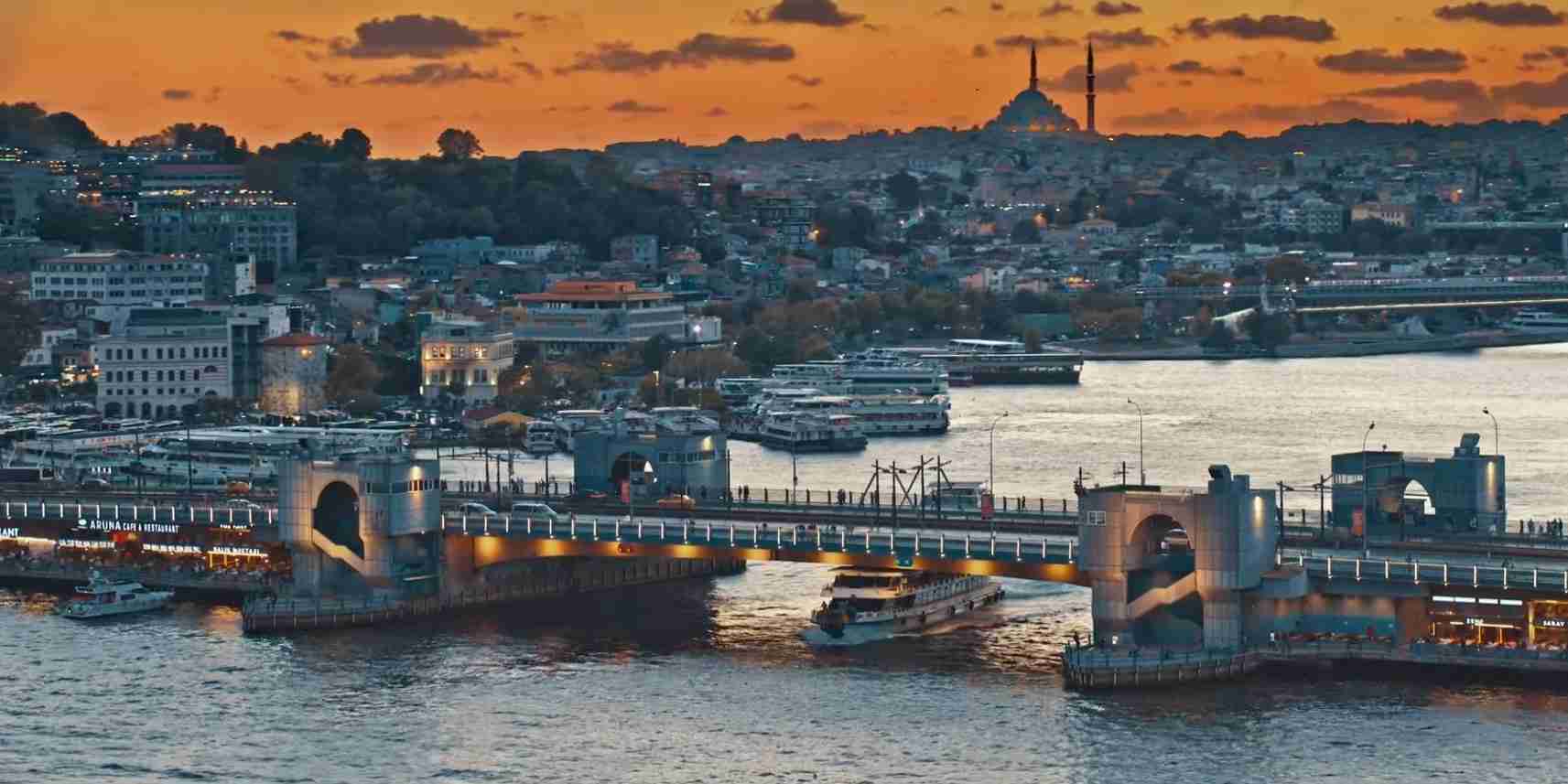
Turkey Best Tours & Walking Routes 2026: Complete Travel Guide & Planning Resource
Turkey’s UNESCO World Heritage Sites and natural landscapes support over 200 guided tour operators and 15+ established walking routes ranging from half-day city explorations to month-long wilderness treks. Multi-day guided tours covering Istanbul-Cappadocia-Ephesus circuits average €800-1,400 per person (5-7 days, including accommodation and transport), while self-guided walking options span Cappadocia’s valley networks (7-15 kilometers), the 540-kilometer Lycian Way coastal trail, and Istanbul’s UNESCO Historic Areas pedestrian routes, offering travelers flexibility to balance structured expertise with independent exploration across Mediterranean coastlines, volcanic landscapes, and imperial cities.
Key Takeaways
- Guided multi-day tours provide comprehensive UNESCO site coverage with average pricing €150-250 per day including 4-star accommodation, licensed guides, domestic flights, entrance fees, and most meals, offering structured efficiency for first-time visitors targeting maximum coverage in limited timeframes
- Cappadocia’s self-guided valley walking network features 12+ marked trails spanning 3-15 kilometers through Rose Valley, Red Valley, Love Valley, and Ihlara Valley, requiring 2-8 hours and zero entrance fees while accessing Byzantine cave churches, fairy chimney formations, and sunset viewpoints independently
- The 540-kilometer Lycian Way long-distance trail sections cost €15-35 daily for accommodation and meals when hiking independently, with 25-30 days required for complete thru-hiking versus 3-10 day partial sections accessible via dolmuş public transport connecting major coastal towns between Fethiye and Antalya
- Istanbul walking tours range from free 2.5-hour Sultanahmet orientation walks (tip-based €10-20) to €80-150 full-day private guided experiences covering Historic Areas, Bosphorus districts, and Asian side neighborhoods across 8-12 kilometers daily walking
- Optimal tour timing targets April-May or September-October shoulder seasons providing 25-35% lower prices than June-August peak, smaller group sizes (8-12 versus 15-20 participants), and comfortable 18-28°C temperatures for extensive daily walking versus summer’s 35-42°C inland heat
- Tour booking lead times vary by season: 4-6 weeks advance for shoulder season small group tours, 8-12 weeks for peak summer departures, and 2-4 weeks for off-season winter tours when reduced operator schedules limit departure frequency but provide maximum flexibility and lowest pricing
People Also Ask About Turkey Tours and Walking Routes 2026
Are guided tours or independent travel better for visiting Turkey’s UNESCO sites in 2026?
Guided tours provide superior value for first-time visitors targeting comprehensive UNESCO site coverage within 7-14 days, offering licensed guide expertise, logistical efficiency with included domestic flights and accommodation, and group cost advantages averaging €150-250 daily versus €180-320 daily for independent travel achieving equivalent coverage pace. Tour operators handle complex multi-city routing (Istanbul-Cappadocia-Ephesus-Pamukkale) that independent travelers struggle to optimize without extensive pre-trip research, while English-speaking guides provide historical context impossible to replicate through audio guides or independent exploration. Independent travel excels for flexible schedules allowing extended stays in preferred locations, deeper regional immersion beyond standard tourist circuits, and budget reduction through hostel accommodation and street food versus tour package mid-range standards. The hybrid approach booking 3-5 day regional tours (Cappadocia adventure tour, Aegean coast archaeological tour) while maintaining independent flexibility for Istanbul and other self-navigable cities provides optimal balance, capturing guided tour expertise for complex regions while preserving independent exploration for straightforward urban destinations with abundant public transport and accommodation options.
How difficult are Cappadocia’s walking trails for average fitness levels?
Cappadocia’s valley trails rate easy-to-moderate difficulty for average fitness walkers, featuring 150-300 meter elevation changes over 7-15 kilometer distances requiring 2-5 hours completion time on predominantly sandy and rocky surfaces with minimal technical challenges. Rose Valley and Red Valley loops (combined 10-12 kilometers, 3-4 hours) represent the region’s most accessible routes with gradual ascents, established pathways, and multiple café rest stops, suitable for travelers aged 8-70 maintaining regular walking activity without specialized hiking experience. Steeper sections exist entering and exiting valleys (15-20% grades for 200-300 meters) but remain manageable with slow pacing and rest breaks, while summer heat (32-38°C afternoon temperatures) poses greater challenge than terrain difficulty, requiring early morning starts (6:00-7:00 AM) and 2-3 liters water consumption. Meskendir Valley connections and Love Valley extensions add moderate difficulty through ladder climbing, narrow passages, and loose scree requiring careful foot placement, appropriate for confident hikers but skippable via alternative routes maintaining easier difficulty standards. The 14-kilometer Ihlara Valley riverside walk provides easiest option with minimal elevation change along shaded canyon floor, ideal for families with young children or travelers preferring leisurely nature walks over strenuous hiking, though requiring 90-kilometer drive from Göreme reducing accessibility versus valley network surrounding town.
Can you hike the Lycian Way without camping or do you need camping gear?
The Lycian Way accommodates non-camping hikers through guesthouse, pension, and hotel accommodation available every 10-25 kilometers along most route sections, eliminating camping requirement except for one remote 3-day segment between Bel and Alinca requiring wild camping or 50-kilometer road bypass. Village guesthouses cost €15-30 nightly for basic rooms with shared bathrooms, while coastal town hotels charge €25-50 for private bathroom mid-range standards, both typically including breakfast and reducing pack weight by eliminating tent, sleeping bag, and cooking equipment. The town-to-town approach increases daily costs €20-35 versus camping (guesthouse €15-30, restaurant meals €15-20 versus camping free, camp stove meals €5-8) but provides hot showers, comfortable beds, and social interaction with Turkish families operating pensions along the route. Advance booking remains unnecessary except July-August peak season, as abundant accommodation availability allows flexible daily distance adjustments based on energy levels and weather conditions, with dolmuş minibus transport enabling easy bailout to next town if terrain or fatigue exceeds comfortable limits. Spring and fall shoulder seasons (March-May, September-November) offer best conditions for guesthouse hiking with comfortable temperatures, guaranteed accommodation availability, and minimal crowds versus summer’s heat and winter’s reduced pension operating schedules limiting non-camping feasibility.
What’s included in typical Turkey multi-day tour packages for 2026?
Standard 5-7 day Turkey tour packages include domestic flights between major cities (Istanbul-Cappadocia, Cappadocia-Izmir or Istanbul returns), 4-star hotel accommodation with breakfast, licensed English-speaking guides for all site visits, entrance fees to major UNESCO properties, private coach transportation between sites, and 50-70% of meals (all breakfasts, 3-5 lunches, 2-4 dinners depending on operator and itinerary). Typical exclusions requiring additional budget include international flights to/from Istanbul, optional activities like Cappadocia hot air balloon rides (€150-250), premium entrance fees for special sections (Ephesus Terrace Houses €15, Topkapı Palace Harem €20), alcoholic beverages with included meals, travel insurance, and gratuities for guides and drivers (recommended €5-8 daily per traveler). Small group tours (maximum 12-16 participants) versus larger groups (20-25 participants) add €100-200 to package costs but provide superior guide interaction, more flexible pacing, and easier group coordination for photography stops and questions. Private tours for 2-4 travelers cost 40-60% premiums over small group rates but allow complete itinerary customization, preferred hotel selection, and flexible daily schedules versus fixed group departure times, worthwhile for travelers with specific interests, mobility limitations, or desire for photography-focused pacing impossible in larger groups maintaining schedule efficiency.
Extended multi-day tours – 5+ days
Featured Turkey Multi-Day Tour Packages
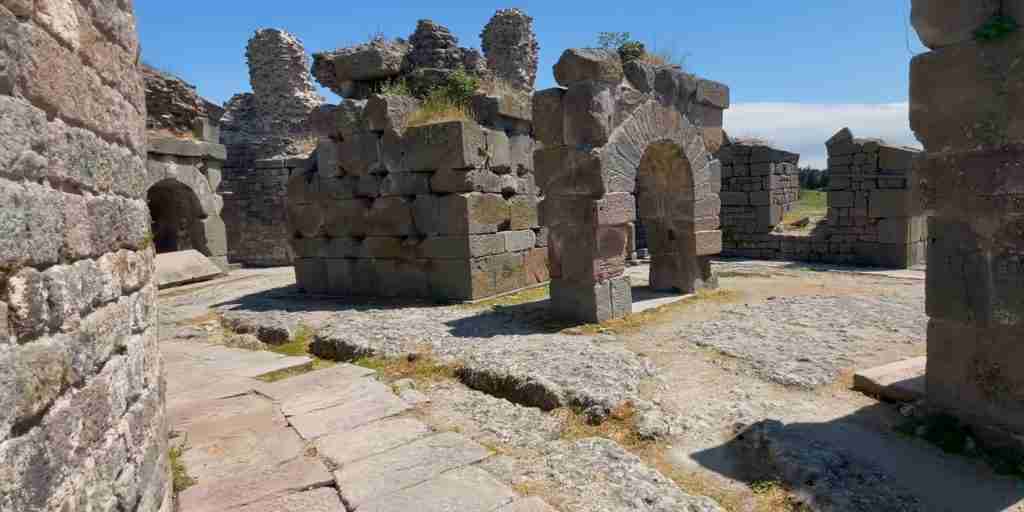
3 days
Turkey 3-Day Discovery Tour
- ✓ Comprehensive Turkey experience
- ✓ Expert local guides included
- ✓ All accommodation included
- ✓ Transportation provided

5 days
Turkey 5-Day Highlights Experience
- ✓ Comprehensive Turkey experience
- ✓ Expert local guides included
- ✓ All accommodation included
- ✓ Transportation provided

7 days
Turkey 7-Day Cultural Journey
- ✓ Comprehensive Turkey experience
- ✓ Expert local guides included
- ✓ All accommodation included
- ✓ Transportation provided
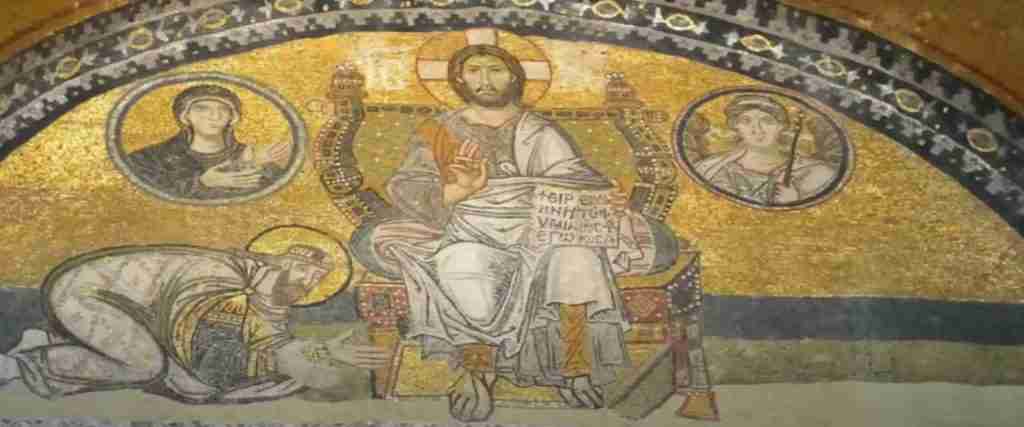
10 days
Turkey 10-Day Complete Adventure
- ✓ Comprehensive Turkey experience
- ✓ Expert local guides included
- ✓ All accommodation included
- ✓ Transportation provided
Multi-day tour packages powered by TourRadar. Prices and availability subject to change.
Introduction: Turkey’s Diverse Tour and Walking Landscape 2026
Turkey’s tourism infrastructure supports dual exploration models: structured guided tours maximizing efficiency and expertise, and self-guided walking routes enabling flexible independent discovery across diverse landscapes and heritage sites. The guided tour market matured dramatically since 2010, with over 200 licensed operators now offering specialized programming from classic Istanbul-Cappadocia-Ephesus circuits to niche archaeological deep-dives, adventure-focused Lycian coast explorations, and culinary heritage experiences. Multi-day packages evolved beyond basic monument viewing into comprehensive cultural immersion incorporating cooking classes, village homestays, traditional craft workshops, and local market explorations responding to traveler demand for authentic engagement beyond superficial sightseeing.
Simultaneously, Turkey’s walking route network expanded from the pioneering 1999 Lycian Way establishment into comprehensive trail systems throughout coastal and interior regions. Cappadocia’s valley trails gained international recognition through social media exposure driving independent trekking popularity, while lesser-known routes like the Carian Trail, St. Paul Trail, and Evliya Çelebi Way attract adventure-oriented travelers seeking uncrowded alternatives to mainstream tourism patterns. The 2020-2023 pandemic accelerated self-guided exploration popularity as travelers sought outdoor activities avoiding crowded buses and indoor attractions, with trail infrastructure improvements (waymarking upgrades, digital navigation apps, expanded accommodation networks) responding to increased independent hiking demand.
The 2026 landscape presents unprecedented options balancing convenience and independence. Budget-conscious travelers complete comprehensive UNESCO circuits through strategic tour booking (3-5 day regional packages) combined with independent city exploration, achieving €100-150 daily all-inclusive costs versus €200-300 for complete tour packages or independent travel matching equivalent coverage pace. Technology enablement through GPS navigation apps, real-time translation, and digital booking platforms reduced traditional barriers to independent travel, making self-guided walking increasingly accessible for travelers previously reliant on organized tours for navigation and communication support.
Tour pricing remains competitive despite 2024-2026 inflation pressures, with Turkish Lira weakness (€1 = ₺36-38 projected 2026 exchange rates) offsetting domestic cost increases and maintaining favorable value propositions for international visitors. Multi-day tour packages averaging €800-1,400 (5-7 days) deliver comprehensive experiences including domestic flights, quality accommodation, expert guides, and logistical coordination impossible to replicate independently at equivalent pricing when accounting for solo traveler accommodation surcharges, inefficient routing, and time costs for research and booking coordination.
Guided Multi-Day Tour Options and Pricing 2026
Turkey’s multi-day guided tour market segments into four primary categories: classic UNESCO circuit tours (5-8 days, Istanbul-Cappadocia-Ephesus-Pamukkale), regional specialist tours (4-6 days focusing Aegean coast, Lycian region, or Eastern Anatolia), adventure-oriented tours (7-12 days combining hiking, cycling, and cultural experiences), and luxury boutique experiences (7-14 days, cave hotels, private guides, exclusive access). Pricing varies dramatically by category, group size, accommodation standards, and inclusion levels, requiring careful comparison of specific packages rather than headline pricing alone.
Classic UNESCO Circuit Tours: Istanbul-Cappadocia-Ephesus 2026
The standard 5-7 day circuit covering Istanbul (2 days), Cappadocia (2 days), and Ephesus-Pamukkale (1-2 days) represents Turkey’s most popular tour format, offered by 50+ operators at pricing €800-1,400 per person depending on group size, accommodation standards, and seasonal timing. Small group tours (8-12 participants maximum) average €180-220 per day including 4-star boutique hotels, all domestic flights, private coach transportation, licensed guides, major entrance fees, breakfast daily plus 3-5 additional meals, and airport transfers. Budget group options (16-25 participants, standard 3-star hotels) reduce costs to €140-170 daily, while luxury small groups (6-8 participants, 5-star and cave hotels, extended free time) increase to €250-320 daily.
Typical 7-day itinerary structure allocates Istanbul days 1-2 covering Historic Areas (Hagia Sophia, Blue Mosque, Topkapı Palace, Grand Bazaar, Basilica Cistern), day 3 morning flight to Cappadocia with afternoon Göreme Open Air Museum and Paşabağ fairy chimneys, day 4 full Cappadocia exploration (underground city, valley hikes, pottery workshop), day 5 morning flight to Izmir with afternoon Ephesus tour, day 6 Pamukkale travertines and Hierapolis, and day 7 return flight Istanbul with evening departure flexibility. This pacing allows adequate site coverage without excessive rushing, though independent travelers often prefer extending Cappadocia to 3-4 days and Istanbul to 3 days for deeper exploration versus tour package efficiency priorities.
Shoulder season booking (April-May, September-October) provides optimal value with 20-30% lower pricing than June-August peak, smaller guaranteed group sizes (tours consolidate less during shoulder season creating more intimate groups), and superior weather conditions (22-28°C versus 35-42°C summer inland temperatures). Early booking 8-12 weeks before departure secures lowest shoulder season rates, while last-minute deals (2-4 weeks before departure) occasionally offer 15-25% discounts on unsold inventory though limiting accommodation and flight quality as operators fill remaining spaces with budget options.
Regional Specialist Tours and Niche Programs 2026
Regional focus tours concentrating 4-6 days exploring single geographic areas (Lycian coast, Cappadocia region, Aegean archaeological sites, Black Sea highlands, Eastern Anatolia) appeal to return visitors, special interest travelers, and those preferring depth over breadth. Aegean archaeological tours €700-1,000 (5 days) cover Ephesus, Pergamon, Aphrodisias, Hierapolis-Pamukkale, and Troy with extended time at each site versus quick stops on classic circuits, targeting history enthusiasts and archaeology students seeking detailed guide interpretation and extended photography opportunities. Cappadocia adventure tours €600-900 (4-5 days) emphasize hiking (Rose Valley, Ihlara Valley, Soğanlı Valley), hot air ballooning, horseback riding, and cultural immersion (village cooking class, carpet weaving demonstration) over monument touring, attracting active travelers and families seeking outdoor experiences.
Culinary heritage tours €900-1,300 (6-7 days) combine cooking classes, market tours, wine tastings, and regional specialty restaurants across multiple regions, providing food-focused alternative to monument-heavy standard tours. Photography tours €1,200-1,800 (7-10 days) schedule sunrise/sunset timing at key locations (Cappadocia balloon launches, Pamukkale travertines, Nemrut summit, Ani ruins), offer extended free time for composition and lighting experimentation, and limit group sizes to 6-8 participants ensuring individual attention from photo-specialist guides. These niche programs command 30-50% premiums over classic tours but deliver specialized expertise and pacing impossible in general-interest group tours.
Eastern Anatolia cultural tours €800-1,100 (6-8 days) explore Göbekli Tepe, Nemrut, Ani, and Southeastern cities (Şanlıurfa, Diyarbakır, Mardin) largely bypassed by mainstream tourism, attracting adventurous travelers comfortable with more basic accommodation standards and longer driving days in exchange for uncrowded access to world-class heritage sites. Limited operator offerings (5-10 companies versus 50+ for classic circuits) and small group requirements (minimum 4-6 participants) create less frequent departures but provide exclusive experiences for travelers prioritizing distinctive itineraries over mainstream comfort.
Private Tour Customization and Costs 2026
Private tours for 2-6 travelers cost €250-400 per person daily (€500-2,400 total daily cost for couple or family) providing complete itinerary control, preferred hotel selection, flexible daily schedules, and personalized guide attention impossible in fixed-departure group tours. The private format benefits families with children requiring flexible pacing and child-friendly activity mix, older travelers with mobility limitations needing slower walking speeds and frequent rest breaks, photography enthusiasts demanding sunrise/sunset timing and extended shooting opportunities, and special interest travelers (archaeology professionals, architecture students, religious pilgrimage groups) requiring deep specialist expertise beyond general guide capabilities.
Private tour economics improve dramatically with participant count: couples pay €250-320 per person daily (€500-640 total), while 4-person groups reduce to €160-200 per person (€640-800 total), and 6-person groups achieve €140-170 per person (€840-1,020 total) approaching small group tour pricing while maintaining private tour flexibility advantages. Multi-day packages (5-7 days) typically discount 10-15% versus daily rate calculations, with longer tours (10-14 days) negotiating 20-25% reductions as operators secure extended guide and vehicle commitments reducing per-day overhead.
Customization extends beyond simple itinerary modifications into specialized programming: private archaeological tours incorporating site access outside public hours, culinary experiences including private chef demonstrations and market shopping with guide translation, adventure combinations like private hot air balloon with champagne breakfast and professional photography, and luxury enhancements (5-star hotels, private yacht Bosphorus cruise, helicopter transfers) elevating standard programs into bespoke experiences. Operators typically require 6-8 weeks advance booking for complex customizations ensuring guide specialization, special access arrangements, and preferred accommodation securing.
Cappadocia Valley Walking Routes: Self-Guided Trails 2026
Cappadocia’s valley network offers Turkey’s most accessible self-guided walking with 12+ established trails ranging 3-15 kilometers requiring 1-6 hours through volcanic landscape formations, Byzantine cave churches, and traditional villages. The trail system surrounds Göreme town providing walking-distance trailhead access (1-3 kilometers) for most routes, eliminating transportation requirements and supporting casual exploration fitting flexible daily schedules. Zero entrance fees for valley access (versus €20-40 for major museum sites) enable unlimited repeat visits testing different routes, times, and conditions without cost accumulation.
Rose Valley and Red Valley Loop: Essential Cappadocia Walking Experience
The combined Rose Valley-Red Valley loop constitutes Cappadocia’s signature walking route, covering 10-12 kilometers through pink-hued Rose Valley volcanic formations and crimson Red Valley landscapes in 3-4 hours moderate hiking. Multiple starting points accommodate different approaches: Göreme town walk (add 2-3 kilometers, 45 minutes), Rose Valley direct trailhead access via 10-minute drive or 20-minute dolmuş ride, or Meskendir Valley connection creating extended 14-16 kilometer full-day route. The loop structure enables flexible directional choice, though clockwise routing (Rose Valley first, Red Valley second) provides gentler initial ascents before steeper Red Valley climbs, preferred for average fitness hikers.
Rose Valley’s 5-kilometer section features sandy valley floor walking through pink rock formations with multiple cave church branches requiring brief scrambles up carved rock steps. Hacli Church (Cross Church) represents the valley’s highlight with well-preserved 12th-century frescoes accessed via wooden ladder, positioning small café providing rest opportunities at trail midpoint. The valley route alternates between narrow canyon passages and open formations, with minimal shade requiring sun protection and 1.5-2 liters water capacity, though multiple café stops every 2-3 kilometers enable water refills and rest breaks for slower-paced hikers.
Red Valley’s 5-7 kilometer continuation ascends from Rose Valley connection onto ridgeline paths providing panoramic Cappadocia views extending toward Üçhisar Castle and Göreme town. The final 2 kilometers approach Red Valley sunset viewpoint (€1.50 entrance fee), Cappadocia’s premier sunset location where red-orange rock illumination peaks during golden hour creating dramatic photography opportunities. Sunset timing requires backward calculation from viewpoint: arrive 45 minutes before sunset for photography positioning, add 2-hour walking time from Rose Valley start, totaling 2.75-3 hours before sunset departure from Göreme ensuring adequate light throughout route.
Trail navigation follows red-white paint blazes on rocks and trees though markings vary in clarity with some sections requiring GPS navigation apps (Maps.me, Komoot, or TrailSmart Cappadocia). Download offline maps before departure as cellular coverage becomes intermittent in valley bottoms, and ignore contradictory spray-painted arrows left by local guides pointing various directions creating confusion. The route maintains moderate difficulty with 250-300 meter cumulative elevation gain over rolling terrain, manageable for average fitness walkers maintaining steady pacing and accepting occasional steep 100-meter sections requiring slow climbing.
Love Valley and Meskendir Valley Extended Routes
Love Valley’s distinctive phallic fairy chimney formations create Cappadocia’s most photographed landscape, accessible via 6-kilometer out-and-back trail from Göreme (3 hours roundtrip) or as northern extension to Rose-Red Valley loop adding 4-5 kilometers and 1.5-2 hours. The valley floor walk passes through towering formations reaching 20-30 meters height, providing scale perspective impossible from roadside viewpoints popular with tour buses making brief photo stops. Multiple cave dwellings and rock-cut passages invite exploration, though some require moderate scrambling and headlamp usage for dark interior sections.
Meskendir Valley provides quieter alternative to popular Rose-Red routes, featuring 7-kilometer narrow canyon walk from northern Göreme outskirts connecting to Rose Valley southern sections. The valley maintains more enclosed character with higher rock walls creating partial shade preferable during summer heat, though reducing panoramic vistas versus exposed Red Valley ridge walking. Several rock-cut churches hide in valley walls requiring careful observation to locate, rewarding exploratory instincts with personal discovery satisfactions beyond signed highlight churches experiencing constant visitor flow.
Combination routing creates ambitious 14-18 kilometer full-day circuits connecting Meskendir-Rose-Red or Love-Rose-Red valleys, requiring 5-7 hours active hiking plus rest breaks and church exploration time. These extended routes appeal to fit hikers seeking comprehensive valley experience in single day versus multiple shorter walks, though requiring early starts (6:00-7:00 AM summer, 7:00-8:00 AM shoulder season) ensuring completion before afternoon heat peaks and sunset viewpoint timing.
Ihlara Valley Canyon Walk: Riverside Alternative
Ihlara Valley’s 14-kilometer riverside trail through 100-meter-deep canyon provides Cappadocia’s easiest extended walk, following Melendiz River along shaded valley floor with minimal elevation change over 4-5 hours leisurely hiking. The canyon location 90 kilometers southwest of Göreme requires car rental or tour booking (€40-60 per person day trip including transportation, lunch, and guide), limiting accessibility versus valley network surrounding Göreme town but offering distinct landscape and climate versus fairy chimney formations.
Most visitors walk the central 3-kilometer maintained section between Ihlara village and Belisirma village (1-1.5 hours) featuring rock-cut churches, riverside restaurants, and paved pathway sections suitable for families with young children or travelers preferring gentle nature walks over strenuous hiking. The full 14-kilometer route from Ihlara village to Selime monastery extends difficulty through less-maintained trail sections and increased distance, though remaining technically easy without significant climbing beyond the initial 300-step descent into canyon at Ihlara entrance.
Entrance fees (€10 per person at main access points) and remote location position Ihlara as secondary priority versus free Göreme valley network, though the canyon’s distinct character, abundant water, lush vegetation, and cooler microclimate (3-5°C below surrounding plateau) create appealing contrast to arid fairy chimney landscapes. Spring visit timing (April-May) maximizes wildflower displays and comfortable temperatures, while summer provides welcome shade unavailable in exposed Göreme valleys.
Lycian Way Long-Distance Trail: Coastal Trekking 2026
The Lycian Way’s 540-kilometer marked trail between Fethiye and Antalya represents Turkey’s premier long-distance hiking route, combining Mediterranean coastal scenery, ancient Lycian city ruins, and traditional village encounters across 25-30 days complete thru-hiking or selective 3-10 day sections accessible via public transport. The trail conception by Kate Clow in 1999 established Turkey’s first waymarked long-distance path, now attracting international trekking community recognition as Mediterranean region’s premier coastal hiking route balancing scenic beauty, cultural interest, physical challenge, and logistical accessibility.
Route Overview and Section Planning 2026
The complete Lycian Way divides into 29 official stages averaging 15-25 kilometers daily, though most thru-hikers adjust daily distances based on terrain difficulty, accommodation locations, and personal pacing preferences. Elevation profile varies dramatically from sea-level coastal stretches to 1,800-meter mountain passes, accumulating 14,000+ meters total ascent equivalent to 50% more climbing than Camino de Santiago despite shorter distance. Rocky, uneven surfaces dominate trail character with minimal flat sections, requiring ankle-supporting footwear and trekking pole usage reducing knee stress on steep descents.
Popular partial sections for 3-10 day hikers include: Fethiye to Kalkan (120 kilometers, 5-7 days) covering Butterfly Valley, Kabak Beach, Patara ancient city, and Xanthos ruins; Kalkan to Kaş to Üçağız (80 kilometers, 4-5 days) featuring Antiphellos theater, Kekova sunken city boat tours, and Simena castle; Olympos to Çıralı to Tekirova (60 kilometers, 3-4 days) passing Chimaera eternal flames and beach relaxation opportunities. These sections maintain trail highlights while avoiding remote segments requiring camping and providing frequent accommodation options and bailout transport.
West-to-east (Fethiye to Antalya) versus east-to-west directionality creates different experiences: westbound faces afternoon sun on coastal sections but descends major climbs, eastbound enjoys morning coastal light but climbs major elevation gains. Most hikers choose westbound following trail creator’s original conception and benefiting from prevailing wind patterns reducing heat exposure, though either direction succeeds with appropriate planning and seasonal timing.
Accommodation and Costs for Independent Lycian Way Hiking
Guesthouse and pension availability every 10-25 kilometers along most route sections eliminates camping requirement except one 50-kilometer remote segment (Bel to Alinca) requiring wild camping or road bypass. Village pensions charge €15-25 nightly for basic rooms with shared bathrooms and breakfast inclusion, while coastal town hotels provide €30-50 private bathroom standards. Restaurant meal costs average €12-18 lunch, €15-25 dinner in village establishments, with trail-side cafés charging €3-5 beverages, €5-8 simple meals (gözleme, soup, köfte).
Total daily costs range €30-50 for budget hikers choosing cheapest pensions and cooking occasional meals versus restaurant dependence, €50-75 for mid-range travelers selecting nicer guesthouses and restaurant meals, and €80-120 for comfort-oriented hikers booking hotels and enjoying quality dining. These costs exclude gear, transportation to/from trailheads (€50-100 depending on routing), and optional activities (boat tours, site entrance fees). Complete thru-hike costs total €900-1,800 (30 days) for budget to mid-range spending levels, dramatically below equivalent European long-distance trail costs and enabling extended hiking within modest budgets.
Camping option reduces accommodation costs to zero but requires carrying tent, sleeping mat, sleeping bag, and cooking equipment adding 3-5 kilograms pack weight. Water source frequency (every 5-15 kilometers marked on trail apps) and wild camping tolerance from locals supports self-sufficient hiking, though summer forest fire risk creates camping restrictions during July-August peak fire danger periods. The camping versus guesthouse decision balances budget reduction (€15-25 daily savings) against comfort, social interaction with Turkish families, and lighter pack weight enabling faster daily progress and reduced joint strain.
Navigation, Safety, and Seasonal Timing
Waymarking follows GR (Grande Randonnée) red-white paint blazes on rocks and trees plus yellow directional signs at junctions, though marking quality varies with some sections requiring careful attention and GPS backup. Essential navigation apps include Culture Routes Society’s official Lycian Way guide, TrekRight Lycian Way (€10 paid app with detailed route descriptions, water sources, and accommodation listings), and Maps.me offline navigation. Download complete route maps before departure as cellular coverage becomes intermittent in remote coastal and mountain sections.
Spring (March-May) and fall (September-November) provide optimal hiking conditions with 15-28°C daytime temperatures, minimal precipitation, and comfortable sleeping weather for campers. Summer hiking (June-August) faces intense heat (30-40°C) requiring dawn starts, extended midday rest, and substantial water carrying (3-4 liters), with many experienced hikers avoiding summer entirely despite longer daylight hours. Winter (December-February) brings cold, wet conditions unsuitable for thru-hiking though offering pleasant coastal section day-hiking for visitors based in coastal resorts.
Safety considerations include livestock guardian dog encounters (common in pastoral areas, typically chained but occasionally free-roaming), occasional snake sightings (rarely aggressive, give wide berth), navigation errors on poorly marked sections (GPS essential preventing hours lost retracing), and heat-related issues during summer attempts. The trail maintains moderate objective hazards versus true wilderness routes, with villages every 10-25 kilometers providing emergency assistance access and dolmuş transport enabling easy bailout if conditions or fitness issues arise.
Istanbul Historic Areas: UNESCO Walking Routes 2026
Istanbul’s four UNESCO Historic Areas (Sultanahmet Archaeological Park, Süleymaniye Conservation Area, Zeyrek Conservation Area, Land Walls Conservation Area) support extensive self-guided walking complemented by free and paid guided tour options. The compact Sultanahmet district concentrates major monuments within 2-kilometer radius enabling full-day comprehensive coverage on foot, while extended routes incorporating Süleymaniye, Zeyrek, and waterfront neighborhoods create multi-day walking itineraries exploring Byzantine and Ottoman heritage layers beyond mainstream tourist circuits.
Essential Sultanahmet Walking Route: Half-Day UNESCO Core
The essential Sultanahmet walk covers 3-4 kilometers in 2-3 hours of walking time plus 4-6 hours monument exploration, connecting UNESCO inscription’s defining landmarks: Hippodrome Square (start point), Hagia Sophia (1.5 hours exploration), Blue Mosque (45 minutes), Topkapı Palace main sections (2 hours minimum, 3-4 hours comprehensive), and Basilica Cistern (45 minutes). This linear route proceeding northeast from Hippodrome through Sultanahmet core enables logical monument sequence without backtracking, concluding near Grand Bazaar for shopping and lunch opportunities.
Morning start timing (8:00-9:00 AM) provides optimal crowd avoidance at Hagia Sophia and Topkapı Palace before 10:00 AM tour bus arrivals, with Tuesday or Thursday targeting minimizing weekend crowds while avoiding Monday (Hagia Sophia reduced hours) and Tuesday (Topkapı Palace closure). Entrance fees total €25 Hagia Sophia upper gallery, €40 Topkapı Palace main sections (€60 including Harem), €10 Basilica Cistern, representing €75-95 monument costs before meals and beverages, justifying Istanbul Museum Pass consideration (€100 for 5 days covering these sites plus 15+ others).
Self-guided navigation requires minimal effort given compact district, clear signage, and landmark visibility, though morning guide hiring (€60-80 for 3-hour Sultanahmet orientation walk covering exteriors and selected interiors) provides historical context dramatically enhancing monument appreciation. Audio guide rentals (€5-10 at major sites) offer compromise between independent exploration freedom and guide expertise, though quality varies and lacks interactive question-answer capability live guides provide.
Extended Historic Areas: Full-Day Istanbul Walking Circuit
Full-day walking (8-12 kilometers, 6-8 hours plus breaks) extends Sultanahmet core through Süleymaniye district, waterfront neighborhoods, and Spice Bazaar, creating comprehensive Historic Areas experience. Morning Sultanahmet coverage (8:00 AM-12:00 PM) completes core UNESCO monuments before afternoon expansion: Grand Bazaar shopping exploration (30-60 minutes), walk to Süleymaniye Mosque via commercial districts (2 kilometers, 30 minutes), Süleymaniye complex visit (1 hour), descent to Eminönü waterfront via steep neighborhood streets (1.5 kilometers, 30 minutes), Spice Bazaar exploration (30 minutes), and optional Bosphorus ferry ride or return tram to hotel.
This extended route incorporates authentic Istanbul beyond Sultanahmet tourist bubble, passing residential neighborhoods, local restaurants, and commercial zones where daily Turkish life proceeds independent of tourism economies. Lunch opportunities transition from Sultanahmet tourist restaurants (€15-30 per person) to Süleymaniye area lokanta casual eateries (€8-15 for substantial meals), Eminönü fish sandwich stands (€5-8), or Spice Bazaar surroundings offering diverse Turkish regional cuisines at local pricing.
Zeyrek Conservation Area addition (Byzantine Pantocrator Monastery, now Zeyrek Mosque) requires additional 3-kilometer roundtrip from Süleymaniye or separate half-day allocation, appealing to Byzantine architecture enthusiasts willing to explore less-touristed districts for exceptional monastery complex viewing. Land Walls Conservation Area walking demands full separate day covering 6-kilometer wall sections from Yedikule to Ayvansaray, combining UNESCO heritage with authentic neighborhood immersion absent in Sultanahmet’s concentrated tourism environment.
Free Walking Tours and Guided Options Istanbul 2026
Free walking tours operate daily 10:00 AM and 2:00 PM departures from Sultanahmet Square (Pudding Shop meeting point), covering 2.5-3 hour Sultanahmet orientation including Hippodrome, Hagia Sophia exterior, Blue Mosque, German Fountain, and neighborhood streets with English-speaking guides working for tips (€10-20 per person typical). Multiple operators (Free Istanbul Tours, Walkative Istanbul, various independent guides) provide competition ensuring consistent quality and daily availability without advance booking, though shoulder season small group sizes (6-12 participants) enable better interaction than summer’s 20-25 person groups.
Paid guided options range from €30-50 per person half-day Sultanahmet group tours including major site entries and licensed guide expertise, to €80-150 full-day private tours providing itinerary customization, flexible pacing, and personalized attention for 2-6 participants. Specialist tours (Ottoman architecture deep-dive, Byzantine art focus, culinary walking tour, Jewish heritage, Armenian heritage) command €60-100 per person (3-4 hours) delivering niche expertise beyond general history guides’ capabilities, appealing to return visitors or specialized interest travelers.
Combination audio-guide self-touring supplemented by free walking tour introduction provides budget-optimal approach: morning free tour establishes orientation and historical framework (€10-15 tip), afternoon independent exploration using museum audio guides or smartphone apps (free to €10) enables personal pacing and extended time at preferred monuments. This hybrid captures guided tour educational value while maintaining independent exploration freedom at fraction of full paid tour costs.
Ephesus and Aegean Coast Walking Experiences 2026
Ephesus Ancient City’s 2-kilometer marble street walking route from upper (Magnesia) gate to lower (harbor) gate requires 2-3 hours comprehensive exploration covering Library of Celsus, Great Theater, Terrace Houses, Temple of Hadrian, and commercial agora. The site’s UNESCO inscription and exceptional preservation support both independent exploration using site maps and informational plaques, and guided tours (€60-100 for 2-3 hours, 2-10 participants) providing detailed architectural and historical interpretation enhancing understanding beyond visible ruins.
Self-guided walking following downhill route from upper gate entrance provides natural progression through chronological layers, though uphill return to entrance requires 1-kilometer ascent or shuttle bus (€3-5). Most visitors arrive via Kuşadası cruise ships or Selçuk town accommodation, with entrance fee €40 (including new Ephesus Experience Museum), Terrace Houses additional €15, audio guide rental €10. Morning arrival before 9:00 AM or late afternoon after 3:00 PM reduces crowd density, though summer afternoon heat (35-40°C) makes early morning essential for comfortable extensive walking on unshaded marble surfaces.
Extended walking routes combine Ephesus with House of Virgin Mary (7 kilometers uphill from main site, €10 entrance, typically visited via taxi or tour bus), Basilica of St. John in Selçuk town (3 kilometers from Ephesus lower gate, €10 entrance, impressive hilltop ruins), and Ephesus Archaeological Museum (Selçuk town center, €10 entrance, artifact collections contextualizing site visit). Independent travelers using Selçuk as base enable walking between sites across half-day or full-day programs, while Kuşadası-based visitors require transportation for Selçuk connections.
Pergamon Acropolis and Asclepeion Walking Trails
Pergamon’s UNESCO site divides between hilltop acropolis (theater, temples, library foundation, defensive walls) and valley-floor Asclepeion healing sanctuary, requiring separate visits 3 kilometers apart connected by local transport or energetic walking. Acropolis cable car (€12 roundtrip) eliminates steep 300-meter approach hike, delivering visitors to upper citadel for 2-3 hours plateau walking between monuments. Alternative walking ascent via ancient sacred way (4 kilometers, 1.5 hours, steep grades) rewards fit hikers with traditional pilgrimage route experience and exercise avoiding cable car costs.
Site entrance €25 covers both acropolis and Asclepeion when visited same day, with Asclepeion’s flat 1-kilometer circuit requiring 1-1.5 hours exploration of Roman medical complex including sacred spring, treatment rooms, and tunnel systems. The dual-site combination creates full-day program: morning acropolis via cable car or hiking ascent (3-4 hours including exploration), midday break in Bergama town for lunch, afternoon Asclepeion visit (1.5-2 hours), totaling 6-8 hours comprehensive coverage. Guided tours (€80-120 full day including both sites and transportation) provide archaeological expertise valuable for interpreting partially ruined foundations and understanding ancient medical practices.
Pamukkale Travertine Terraces: Thermal Pool Walking
Pamukkale’s distinctive white calcium travertine terraces require barefoot walking across 1-kilometer thermal pool formations from lower Pamukkale town entrance ascending 100 meters to upper plateau Hierapolis ancient city, combining natural wonder with archaeological site in single €30 admission. The barefoot requirement protects delicate travertine surfaces from footwear damage, necessitating shoe carrying in bags throughout lower terrace section before reaching Hierapolis where footwear resumes for ancient city exploration.
Optimal route starts lower entrance for morning travertine walking (20-30 minutes uphill, slippery surfaces requiring careful footing), transitions to Hierapolis archaeological zone (2-3 hours walking circuit covering theater, necropolis, and museum), and concludes with thermal pool swimming (€8 additional entrance to Cleopatra’s Pool, famous submerged column ruins) before departing upper gate. This sequencing enables cooler morning temperatures for exposed travertine ascent and afternoon Hierapolis shade under ancient ruins and tree cover.
Photography timing favors late afternoon golden hour when low sun illuminates white terraces creating enhanced color saturation, though this creates reverse routing challenges requiring either ascent during hot afternoon or overnight Pamukkale accommodation enabling multiple-visit flexibility. Day-trippers from Selçuk, Kuşadası, or Antalya typically accept morning lighting compromise versus adding overnight costs for optimal sunset photography.
Tour Operator Selection and Booking Strategies 2026
Turkey’s tour operator landscape includes international chains (Intrepid, G Adventures, Rick Steves offering Turkish programs through local partners), Turkish nationals (companies like One Nation Travel, Turkey Travel Tours operating exclusively in Turkey), and local specialist boutique operators focusing specific regions or themes. Selection criteria balance pricing, group size, guide quality, accommodation standards, and inclusion transparency, requiring careful comparison beyond headline costs alone.
Evaluating Tour Operators and Reading Inclusions
Tour comparison requires examining specific inclusions rather than total price alone, as seemingly comparable tours vary dramatically in actual value. Key inclusion questions: accommodation star rating and specific hotels (named properties versus “4-star equivalent” allowing operator flexibility), meal quantity and type (breakfast-only versus half-board including lunches or dinners), entrance fees coverage (major sites versus selective coverage requiring traveler payment for premium attractions), transportation quality (private coach versus public bus, domestic flight classes), and group size maximums (8-12 intimate versus 20-25 standard).
Guide quality assessment examines licensing requirements (Turkish Ministry of Tourism licensed guides for legal museum guiding), English fluency levels, and specialist expertise (archaeology degree, regional specialization, photography skills for photo tours). Review platforms (TripAdvisor, TourRadar, Google Reviews) provide customer feedback patterns, though recognizing operator solicitation of positive reviews creates selection bias. Video reviews and guide-specific mentions indicate exceptional individuals worth requesting when booking.
Small group tour definitions vary by operator: “small group” descriptions range from 8 maximum (truly intimate) to 18 maximum (mid-sized), requiring specification checking. Guaranteed departure policies indicate tours proceeding regardless of participant count versus minimum thresholds (typically 4-6 participants) risking cancellation or alternative date forced changes for bookings below minimums. Cancellation policies balance free cancellation periods (typically 30-60 days before departure) against graduated penalty schedules, with travel insurance covering unforeseen medical or emergency cancellations within penalty windows.
Direct Booking Versus Aggregator Platforms
Direct operator booking through company websites typically provides 5-10% discounts versus aggregator platforms (Viator, GetYourGuide, TourRadar) charging commission fees built into pricing, though aggregators offer unified booking interface, comparison tools, and centralized review collections simplifying research. Direct booking enables better communication for custom requests, dietary requirements, and itinerary questions, while aggregators provide payment protection and standardized cancellation policies independent of individual operator policies.
Local operator direct booking (Istanbul-based companies, Cappadocia specialists) maximizes value by eliminating international middleman markups, though requiring more research validating legitimacy and quality standards. International operator booking provides familiar brand recognition and Western customer service standards, appealing to risk-averse travelers prioritizing reliability over absolute cost optimization. The hybrid approach researching options on aggregator platforms but booking directly with preferred operators captures comparison efficiency while securing direct booking savings.
Seasonal Booking Timing and Last-Minute Opportunities
Optimal booking windows balance early-bird discounts (15-25% off peak rates for bookings 16+ weeks ahead) against last-minute deals (15-30% off for bookings 2-4 weeks before departure on unsold inventory). Shoulder season tours (April-May, September-October) frequently offer last-minute opportunities as operators reduce prices filling remaining spaces, while peak summer tours typically sell out 8-12 weeks ahead limiting last-minute availability. Winter off-season provides greatest last-minute flexibility with dramatic discounts (30-50% off peak) though reduced departure frequency limits date options.
Group travel (4+ participants) benefits from booking 12-16 weeks ahead ensuring accommodation availability and cohesive group placement versus fragmented separate bookings if delayed. Solo travelers enjoy greater last-minute flexibility fitting single spaces easier than couple or family groups, though accepting potential roommate pairing or single supplement payment (typically 30-50% total tour cost) for private room guarantee.
Shoulder season represents sweet spot for balanced advance planning: 6-8 weeks provides adequate selection avoiding sold-out situations while capturing early-booking discounts and preferred departure dates. This timing allows itinerary research, flight booking coordination, and accommodation research for pre/post tour independent days without excessive advance commitment risking life changes forcing cancellation.
Self-Guided Walking Planning and Resources 2026
Successful self-guided walking requires comprehensive pre-trip planning covering navigation tools, accommodation booking strategies, weather monitoring, and realistic daily distance assessment. The planning investment (15-25 hours researching routes, booking accommodation, downloading maps, and arranging logistics) pays substantial dividends through cost savings (30-50% below guided tour equivalents), schedule flexibility, and personal accomplishment satisfaction impossible in structured tour environments.
Essential Navigation Apps and Offline Mapping
GPS navigation apps eliminate traditional trail following challenges, transforming self-guided walking from expert-only activity into accessible option for average travelers. Essential apps include Maps.me (free, offline capability, comprehensive Turkey trail coverage including Lycian Way and Cappadocia valleys), Komoot (free basic features, €20 regional pack for detailed navigation and route planning), TrailSmart specialized apps (Lycian Way €10, Cappadocia €8 providing water sources, accommodation locations, and precise waypoint navigation), and standard Google Maps (excellent urban navigation, limited trail coverage).
Offline map downloads require WiFi access before departure, consuming 500MB-2GB storage depending on coverage area. Download entire Turkey for Lycian Way thru-hiking, or regional maps for specific areas (Cappadocia, Istanbul) saving storage space. Battery management critical for multi-day hiking: carry 10,000-20,000mAh power bank providing 3-5 phone full charges, enable airplane mode reducing battery drain, and download offline maps eliminating continuous data connection drain.
Paper map backup provides insurance against technology failures though increasingly unnecessary given smartphone reliability and power bank availability. Kate Clow’s Lycian Way guidebook (€25-30) remains essential Lycian Way resource despite digital alternatives, providing cultural context, accommodation listings, and water source locations supplementing GPS navigation. Cappadocia valley walking succeeds with smartphone apps alone given short distances, town proximity, and abundant café stops enabling charging opportunities.
Accommodation Booking for Self-Guided Trails
Lycian Way guesthouse booking requires minimal advance planning given abundant availability, with most hikers booking same-day or one-day-ahead via phone calls from previous night’s accommodation host. Shoulder season (March-May, September-November) provides guaranteed space availability, while peak summer (July-August) occasionally requires 2-3 days advance booking in popular coastal towns (Kalkan, Kaş, Çıralı). Turkish pension hosts universally assist with forward booking phone calls, overcoming language barriers and securing next destination accommodation during evening planning discussions.
Cappadocia accommodation benefits from advance booking ensuring preferred cave hotel selection and competitive pricing, with 4-6 weeks ahead securing best shoulder season rates and 8-12 weeks for peak summer. Budget travelers accepting standard hotels versus cave properties succeed with 2-3 weeks advance booking or last-minute walk-in for ultimate flexibility. Booking.com, Hotels.com, and Airbnb provide English-language interfaces and free cancellation policies (most properties offer cancellation up to 24-48 hours before arrival), eliminating commitment anxiety while securing accommodation certainty.
Istanbul accommodation concentrates in Sultanahmet (walking distance to UNESCO sites, maximum tourist density and pricing), Beyoğlu-Galata (modern nightlife, restaurants, authentic neighborhoods, 20-30 minutes public transport to Sultanahmet), and Asian side Kadıköy (residential character, local atmosphere, 30-40 minutes ferry to European monuments). Sultanahmet suits first-time visitors prioritizing convenience and UNESCO site concentration, while Beyoğlu appeals to repeat visitors seeking local food scenes and nightlife, and Kadıköy attracts budget-conscious travelers accepting longer commutes for authentic Turkish neighborhood immersion at 30-40% lower pricing.
Weather Monitoring and Seasonal Considerations
Turkey’s diverse climate zones create region-specific optimal timing: Istanbul and Aegean coast favor April-June and September-October (18-28°C, minimal rain), Cappadocia prefers April-May and September-October (15-25°C daily range, cool evenings), Mediterranean coast succeeds March-June and September-November (20-30°C, beach swimming possible), and Eastern Anatolia requires May-September only (winter snow, spring mud, fall early cold). Multi-region itineraries targeting various areas require compromise timing or seasonal routing (spring western regions transitioning to summer eastern highlands).
Real-time weather forecasting through weather.com, yr.no (excellent European coverage), and Turkish Meteorological Service enables departure timing flexibility for walking activities. Lycian Way coastal sections tolerate light rain (rare outside December-March) but make rocky surfaces dangerously slippery, warranting rest days or coastal town exploration during precipitation. Cappadocia valley walking succeeds year-round except winter snow (December-February), though summer heat (35-40°C) necessitates dawn starts and midday rest versus comfortable spring/fall all-day hiking.
Lightning risk minimal in Turkey’s Mediterranean climate (occasional summer thunderstorms in mountain areas), though Lycian Way high elevation sections warrant weather monitoring and early descent if afternoon storms develop. Heat exhaustion poses greater actual risk than dramatic weather events, requiring adequate water carrying (2-3 liters minimum summer walking, 1.5-2 liters shoulder season), sun protection (hat, sunscreen, long sleeves), and conservative pacing during hottest afternoon hours.
Family-Friendly Tours and Walking Options 2026
Family travel with children ages 6-16 succeeds through tour programs designed for mixed-age groups, self-guided walking routes offering flexibility for child pacing, and strategic activity mixing balancing cultural sites with outdoor adventures and rest periods. Turkey’s family-friendly cultural attitudes, abundant child-appropriate activities (beach time, balloon viewing, underground cities, castle exploring), and moderate pricing enable multi-generational travel and family groups economically accessing experiences requiring prohibitive costs in Western Europe.
Family Tour Programs and Kid-Friendly Itineraries
Specialist family tour operators offer programs targeting ages 8+ (G Adventures Family Turkey) or 6+ (Intrepid Family Turkey), structuring itineraries around age-appropriate activities: shorter daily walking distances (3-5 kilometers versus adult 8-12 kilometers), hands-on experiences (pottery making, cooking classes, carpet weaving demonstrations), natural attractions (Cappadocia valleys, Pamukkale pools, Mediterranean beaches), and accommodation including family rooms or connecting options. Pricing €1,200-1,800 per adult (7-10 days) plus 15-30% child discounts (ages 6-15) positions family tours 20-40% above standard adult programs reflecting smaller group sizes and specialized programming.
Independent family travel booking standard tours requires assessing child suitability beyond age minimums: extensive daily walking (8+ kilometers), long coach segments (3+ hours), early wake times (5:00 AM balloon viewing, dawn site arrivals), and museum-heavy programming challenge children under 10-12 regardless of operator acceptance. Private family tours provide optimal solution: customized pacing, child-interest activity emphasis, flexible daily schedules accommodating naps and rest, and elimination of other travelers’ expectations, though commanding premium pricing (€250-400 per person daily, €1,000-1,600 daily for family of four).
Child-Appropriate Self-Guided Walking Routes
Cappadocia valleys suit family walking given short distances (Love Valley 3 kilometers roundtrip, Pigeon Valley 4 kilometers, Rose Valley 5-7 kilometers selective sections), fascinating landscapes maintaining child interest, cave exploration opportunities, and abundant café stops enabling rest and reward breaks. Simplified routing using single valleys versus complex loops reduces navigation challenges and enables conservative distance planning (4-6 kilometers maximum for ages 6-10, 8-10 kilometers for ages 11-15), with rental car access allowing partial valley driving and selective walking sections rather than comprehensive hiking.
Istanbul Sultanahmet walking adapts well to family exploration through attraction mix (Basilica Cistern underground mystery, Topkapı Palace treasury riches, Grand Bazaar shopping sensory overload), manageable distances (2-3 kilometer core route), and frequent rest opportunities (numerous cafés, park spaces, street vendors). Breaking full-day programming into morning session (3-4 hours, 2-3 attractions) and afternoon session (3-4 hours after midday hotel rest) maintains child engagement versus marathon 8-hour days causing fatigue meltdowns.
Beach integration along Mediterranean and Aegean coasts provides essential balance for children tolerating cultural site visiting: Pamukkale combining white terraces and thermal pool with afternoon beach at nearby Karahayit Lake, Ephesus morning visit followed by afternoon Pamucak Beach swimming, Kaş or Kalkan coastal town exploring ancient theaters with beach breaks. This mixed programming prevents cultural-site burnout and maintains family morale through reward systems balancing educational exposure with recreational fun.
Adventure and Active Tour Specialists 2026
Adventure tour operators emphasize outdoor activities over monument visiting, appealing to active travelers seeking physical challenges and natural landscape immersion. Multi-sport tours combining hiking, cycling, sea kayaking, and rafting across 7-12 days provide varied daily programming avoiding repetitive single-activity fatigue, while specialist single-sport deep-dives (trekking-only, cycling-only) attract dedicated enthusiasts seeking comprehensive regional coverage within activity focus.
Cappadocia Adventure Tours: Beyond Balloon Rides
Cappadocia adventure programming extends beyond iconic hot air balloon experiences (€150-250 per person, 1-hour flight) into multi-day packages (€600-900, 4-5 days) combining valley hiking (Red-Rose loop, Ihlara Canyon, Soğanlı Valley), horseback riding through formations (€40-60, 2-3 hours), ATV sunset tours (€35-50, 2 hours), and cultural activities (pottery workshops, wine tastings, village cooking class). These active programs appeal to younger travelers (20s-40s demographics) and families with teenagers seeking physical outdoor engagement over traditional sightseeing bus touring.
Rock climbing development around Göreme establishes Cappadocia as emerging sport climbing destination, with guided climbing days (€80-120 per person including equipment and instruction) introducing beginners to volcanic tuff formations or challenging experienced climbers on established routes. Multi-day climbing tours (€700-1,000, 5-7 days) combine climbing with hiking and cultural exploration, though requiring pre-existing climbing experience for safety and efficiency.
Lycian Way Trekking Packages and Guided Hiking
Guided Lycian Way trekking packages (€900-1,400, 8-12 days covering 120-200 kilometers selective sections) provide luggage transfer between accommodations (eliminating full pack carrying), daily guide services (navigation, cultural interpretation, lunch coordination), and accommodation booking across typical 8-10 participant groups. This supported approach appeals to hikers seeking trail experience without full self-sufficiency requirements, particularly international travelers uncomfortable with Turkish language barriers affecting independent pension negotiation and meal ordering.
Self-guided packages (€500-800, 8-12 days) provide pre-booked accommodation, luggage transfer, navigation materials, and 24-hour emergency support while maintaining independent daily hiking freedom. The cost premium over completely independent hiking (€400-600 for equivalent timeframe) buys logistical simplification and backup support, worthwhile for first-time Turkey visitors or hikers prioritizing trail experience over budget minimization. Luggage transfer service alone (€15-25 per transfer) enables hybrid independent hiking with support services reducing pack weight from 12-15 kilograms full self-sufficiency to 6-8 kilograms day-pack comfort.
Photography-Focused Tours and Optimal Shooting Locations 2026
Photography tours structure itineraries around golden hour timing, permit sunrise/sunset shooting at prime locations impossible in standard tour schedules, and limit group sizes (4-8 participants maximum) enabling individual attention and position selection. Specialist photo guide expertise covers technical instruction (composition, exposure, HDR bracketing) plus location knowledge (optimal viewpoints, seasonal lighting, weather timing) justifying €200-300 daily costs versus €150-220 standard tour pricing.
Cappadocia Hot Air Balloon Photography and Valley Sunrise
Cappadocia photography tours prioritize 4:30 AM wake times for balloon launch photography from ground viewpoints (Love Valley ridges, Red Valley panoramas, Göreme town rooftops), then 6:00-8:00 AM valley hiking during golden hour illumination of fairy chimneys. The demanding early schedule conflicts with standard tour group preferences creating photography tour necessity for serious image-makers, while casual photographers succeed with single dedicated early morning independent wake-up attempting sunrise shooting before resuming standard tour programming.
Balloon flight photography from basket (€150-250 including flight) provides dramatic aerial perspectives though challenges include crowded basket limiting composition freedom, early morning low light requiring high ISO settings, and logistics preventing ground shooting of balloons against formations during same morning. Photography-dedicated travelers often allocate both balloon flight morning and separate ground shooting morning, accepting €150-250 balloon cost plus second dawn wake-up, recognizing these represent Cappadocia’s signature photographic opportunities justifying extra investment.
Istanbul Architecture and Street Photography Routes
Istanbul photography focuses Sultanahmet monuments (Hagia Sophia dome interior, Blue Mosque courtyard symmetry, Topkapı Palace tiled pavilions), Süleymaniye panoramas across Golden Horn, Grand Bazaar atmospheric light rays through ceiling apertures, and street photography in Balat’s colorful buildings and Karaköy’s waterfront warehouse conversions. Timing requirements vary by location: Hagia Sophia morning light (9:00-11:00 AM), Süleymaniye afternoon sun (3:00-5:00 PM), Grand Bazaar late afternoon (4:00-6:00 PM slanting light through domes), requiring multi-day allocation for optimal conditions versus single-day rush attempting everything.
Bosphorus photography combines morning ferry rides (7:00-9:00 AM side-lighting palaces and neighborhoods), sunset waterfront shooting (Ortaköy Mosque with bridge backdrop, Maiden’s Tower isolation), and night photography of illuminated bridges and shoreline buildings. Photography tour programs coordinate timing eliminating daytime dead hours through museum visits or rest periods, then repositioning for optimal light conditions versus independent photographers figuring timing through trial-error requiring multiple location revisits.
Frequently Asked Questions About Turkey Tours and Walking 2026
Do I need trekking poles for Cappadocia valley walks or Lycian Way sections?
Trekking poles provide valuable support for Lycian Way hiking reducing knee stress on steep rocky descents and improving stability on uneven surfaces, worthwhile for multi-day sections or thru-hiking attempts though optional for casual day-hikers with strong knees and good balance. Cappadocia valley trails generally avoid poles necessity given shorter distances (3-12 kilometers), moderate difficulty, and sandy surfaces absorbing impact better than Lycian Way’s rocky character, though hikers with knee issues or preferring four-point stability benefit from pole usage anywhere. Collapsible poles (€30-80 quality models) pack efficiently in checked luggage or purchase locally in Göreme outdoor shops (€40-70) if avoiding airline baggage complications, then gift to subsequent hikers or donate to pensions for future guest usage rather than return shipping. The Lycian Way’s 540-kilometer distance and 14,000+ meter cumulative elevation gain makes poles near-essential for thru-hikers preventing cumulative joint damage, while 3-5 day section hikers assess personal preference and knee condition determining necessity.
Can older travelers (60s-70s) handle Turkey’s walking tours and valley hikes?
Older travelers with maintained fitness (regular walking 5+ kilometers weekly, no serious mobility limitations) successfully complete Cappadocia valley walks and moderate tour programs pacing themselves appropriately and accepting longer completion times than younger hikers. Rose Valley and Red Valley loops accommodate ages 60-75 through slow steady pacing (4-5 hours versus 3-hour standard time), frequent rest breaks at valley cafés, and early morning starts avoiding afternoon heat, with the primary limitation heat tolerance rather than terrain difficulty for otherwise healthy seniors. Standard multi-day tours present greater challenges through lengthy daily walking (8-12 kilometers touring Ephesus, Istanbul, other sites), early wake times (5:00 AM balloon viewing), and sustained coach sitting (3+ hour segments), though private tours customizing pacing and incorporating more rest breaks enable successful participation for fit seniors. Lycian Way thru-hiking generally exceeds 65+ age fitness requirements given sustained multi-week physical demands, though 3-5 day easier coastal sections (Kalkan-Kaş, Olympos-Çıralı) succeed for experienced hikers in 60s maintaining regular training. Medical consultation recommended for travelers over 70 or those with heart conditions, joint replacements, or limited recent hiking experience attempting extended walking programs, with travel insurance including medical evacuation coverage essential for remote trail sections far from quality healthcare facilities.
Are Turkey’s walking routes safe for solo female travelers?
Solo female travelers successfully and safely complete Cappadocia valley walks, Istanbul urban exploring, and Lycian Way sections through standard precautions: avoiding isolated trail sections at dusk/dark, staying in established accommodations over wild camping, and maintaining awareness in crowded urban areas, with Turkey generally providing welcoming safe environment for independent female travel. Cappadocia valleys experience heavy daytime traffic (hundreds of hikers daily on popular Rose-Red loop) providing constant companionship and assistance availability if needed, while Turkish hospitality culture creates protective attitudes toward foreign women hiking alone with local families often providing unsolicited assistance and refreshment offers. Istanbul urban safety matches other major European cities requiring standard vigilance against pickpocketing in crowded areas (Grand Bazaar, tram stations) but low violent crime risk, with Sultanahmet and Beyoğlu tourist zones maintaining visible security presence and abundant international traveler traffic. Lycian Way presents greater isolation on remote sections though guesthouse-to-guesthouse hiking maintains daily human contact and emergency assistance access, while Turkish village hospitality provides genuine care for foreign trekkers’ wellbeing. Female travelers report occasional verbal attention (compliments, conversation attempts) from Turkish men requiring polite but firm disengagement, though actual harassment or aggressive behavior remains rare, particularly in tourist-frequented areas where professional standards prevail. Solo female hiking pairs naturally form along Lycian Way among independent trekkers sharing similar pace, providing companionship and mutual support while maintaining flexibility versus organized group constraints.
What fitness level realistically handles multi-day Turkey tour walking requirements?
Standard multi-day tours rate moderate fitness requirements equivalent to comfortably walking 8-12 kilometers daily (5-7 miles) at tourist pace with breaks, climbing 10-15 flights of stairs without excessive breathlessness, and standing 30-45 minutes for guide explanations, representing realistic demands for ages 12-75 maintaining regular activity without serious mobility limitations. Specific challenging elements include Ephesus 2-kilometer marble street walking (uneven ancient surfaces, limited shade, summer heat), Istanbul’s hilly terrain (steep neighborhood streets between Sultanahmet and Süleymaniye, Grand Bazaar inclines), Pamukkale barefoot travertine ascent (slippery calcium surfaces, 100-meter elevation gain), and extended museum standing during guide explanations. Travelers primarily exercising through gym cardio machines versus outdoor walking often underestimate tour physical demands, with uneven ancient site surfaces, sustained daily walking accumulation, and heat exposure creating greater challenges than expected, suggesting 4-6 weeks advance training program (daily 5-8 kilometer outdoor walks including hills) for sedentary participants booking tours. The cumulative effect of consecutive 8-12 kilometer days without rest creates progressive fatigue by tour day 5-7, with fit 50-year-olds often handling demands better than inactive 30-year-olds, emphasizing conditioning over age as primary success factor. Private tours enable fitness-appropriate pacing through flexible walking speeds, extended rest breaks, strategic taxi usage bypassing difficult sections, and daily schedule modifications responding to fatigue levels, worthwhile consideration for participants uncertain about keeping standard group pace.
Can I join Turkey tours mid-itinerary or leave early if needed?
Tour operators generally prohibit mid-itinerary joining or early departure with proportional refunds, as package pricing reflects comprehensive group logistics (transportation, accommodation, guide scheduling) making partial participation financially non-viable for operators though technically feasible for travelers. Fixed-departure group tours calculate per-person pricing assuming full participation across entire itinerary, with early departure resulting in forfeited costs for remaining unused days (accommodation, included meals, guide services, remaining entrance fees) without refund eligibility per standard terms and conditions. Late joining similarly receives no discount as operator absorbed costs for your accommodation and planning throughout full program, though operators occasionally accommodate emergency early departures (family emergency, medical issues, flight changes) through goodwill without financial adjustment. Private tours provide complete flexibility for mid-itinerary modifications, early departure with prorated refunds (unused accommodation, cancelled guides, skipped entrance fees), and late starts joining in-progress itineraries, though commanding premium pricing reflecting this customization capability. The optimal approach books tours matching available time with certainty, purchases comprehensive travel insurance covering trip interruption and cancellation, and builds independent pre/post tour days into overall Turkey visit enabling flexibility around fixed-departure tour core.
How much should I tip guides and drivers on Turkey tours?
Tour guide tipping typically ranges €5-8 per person per day for satisfactory service, €8-12 for excellent guides, with full-day guides receiving higher end (€10-12) versus half-day guides (€5-8), totaling €35-85 for standard week-long tour depending on service quality and personal generosity. Driver tipping averages €3-5 per person per day, reflecting less intensive interaction than guides but recognizing professional driving and luggage handling across multi-day programs. Group collections simplify tipping logistics with tour leader organizing envelope contributions on final day, though direct personal cash handover to guides and drivers enables individual acknowledgment and allows adjustment for exceptional or disappointing service. Turkish service culture appreciates tips as performance recognition rather than obligatory charges, with genuine service excellence warranting generous rewards (€15-20 daily for outstanding guides transforming understanding and enjoyment) while mediocre minimum-effort guiding justifies reduced contributions matching delivered value. Private tour tipping scales higher reflecting intensive personalized attention, with €15-20 daily for private guides and €8-12 for private drivers typical for excellent service, recognizing their full-day dedicated focus versus group tour guides dividing attention among 12-16 participants. Restaurant servers receive 10-15% on bill total if service not already included, hotel porters €1-2 per bag, and hamam/spa attendants €5-10 depending on service complexity, creating total tipping budget €100-200 for week-long Turkey visit including tour, restaurants, and incidental services.
Are Turkey’s trails well-marked or do I need serious navigation skills?
Cappadocia valley trails maintain inconsistent marking varying from clear painted blazes and directional signs to confusing contradictory spray-painted arrows and absent markings in remote sections, requiring GPS navigation app backup (Maps.me, Komoot) rather than sole reliance on trail markings for confident independent hiking. The Rose-Red Valley loop’s popularity generates multiple social trails and painted markers (official red-white, unofficial colored arrows, faded historical marks) creating navigational confusion at junctions, though GPS apps showing real-time position relative to saved trails prevent serious route-finding errors enabling successful completion without expert orienteering skills. Lycian Way follows GR standard red-white paint blazes plus yellow junction signs theoretically providing complete waymarking, though actual on-ground conditions include faded marks on sun-bleached rocks, missing signs at critical junctions, and waymark-free town connections requiring GPS confirmation, making comprehensive offline mapping essential rather than optional for independent hiking. The navigation reality requires smartphone with offline mapping capability, downloaded GPX tracks for intended routes, and basic map-reading skills interpreting phone screen position versus terrain features, representing moderate technical demands manageable for average travelers willing to invest pre-trip learning rather than expert-only requirements. Alternative approaches include guided day-hikes eliminating navigation responsibility (Cappadocia valley tours €40-60 per person), self-guided packages providing detailed written directions supplementing GPS (Lycian Way supported programs), or hiking popular routes during peak season when following other trekkers maintains correct route versus isolated shoulder-season navigation challenges.
What’s the cancellation and refund policy for Turkey tour bookings in 2026?
Standard tour operator cancellation policies implement graduated penalty schedules: free cancellation until 60 days before departure, 25-50% penalty 30-60 days before departure, 50-75% penalty 14-30 days before, and 100% forfeiture within 14 days of departure, though specific terms vary by operator requiring careful policy review during booking. These penalties reflect operator costs already committed for accommodation deposits, guide bookings, and transportation arrangements on traveler’s behalf, with longer advance cancellations enabling resale to replacement participants minimizing operator losses and justifying reduced penalties. Travel insurance providing cancellation coverage for medical emergencies, family deaths, job loss, and other qualifying reasons costs 4-7% of total trip price (€40-70 insurance for €1,000 tour) and reimburses non-refundable cancellation penalties when covered events occur, worthwhile protection for travelers booking expensive tours months ahead when future circumstances remain uncertain. Some operators offer cancel-for-any-reason insurance upgrades (8-10% trip cost) allowing cancellation without qualifying reason though typically reimbursing only 75% of penalties, appealing to travelers prioritizing maximum flexibility over absolute cost optimization. The COVID-19 pandemic created temporary flexible booking policies (free cancellation until 30 days before departure, date changes without penalty) though most operators returned to standard policies by 2024-2026 as pandemic disruption normalized, making travel insurance resuming primary cancellation protection rather than relying on operator goodwill. Private tour cancellation policies often provide more flexibility given individual bookings versus fixed-departure group logistics, though still implementing penalty schedules as guides and hotels require advance commitments, typically 50% deposit at booking and 50% balance 30 days before start with graduated cancellation penalties if traveler withdraws.
Can I combine independent travel with joining organized tours for specific regions?
The hybrid approach booking 3-5 day regional tours (Cappadocia adventure package, Ephesus-Pamukkale circuit) while maintaining independent flexibility for Istanbul and other self-navigable cities provides optimal balance capturing guided tour expertise for complex regions while preserving independent exploration for straightforward destinations, representing increasingly popular strategy among experienced travelers. Regional tour availability enables booking Cappadocia from Istanbul (3-4 days including flights, accommodation, guides), Ephesus from either Istanbul or Cappadocia (2-3 days), and Eastern Anatolia circuits from various starting points, creating modular components assembling into comprehensive Turkey exploration without full-tour commitment or cost. This approach requires individual coordination booking regional tours 6-8 weeks ahead ensuring preferred dates, arranging connecting transportation between independent segments and tour start/end points, and managing accommodation for independent Istanbul days before/after regional tour components. The cost comparison shows hybrid advantages: complete 10-day tour package €1,600-2,200 versus hybrid 10-day program combining 5 independent days Istanbul (€400-600 including accommodation, meals, transport, self-guided monument entries) plus 5-day Cappadocia-Ephesus tour (€700-900) totaling €1,100-1,500 with greater flexibility and personal pacing. Online booking platforms (Viator, GetYourGuide) facilitate easy regional tour comparison and booking with clear start/end points, pickup/dropoff coordination, and inclusion transparency, simplifying hybrid itinerary assembly versus contacting multiple local operators requiring more research investment but potentially better pricing through direct booking relationships.
What language barriers should I expect on self-guided walks and tours?
English fluency varies dramatically by region and context: Istanbul tourist zones (Sultanahmet, Beyoğlu), Cappadocia, and Aegean coastal resorts maintain moderate-to-high English proficiency in hotels, restaurants, and tour operators, while rural villages, eastern Turkey, and local transportation networks rely on Turkish exclusively requiring translation app usage or gesture communication. Tour guides possess professional English capability as Turkish Ministry of Tourism licensing requires demonstrated fluency, though accent comprehension varies with native Turkish speakers sometimes difficult to understand for listeners unfamiliar with Turkish-influenced English pronunciation patterns. Self-guided walking faces language challenges primarily in accommodation booking (phone calls to pensions), restaurant meal ordering in village eateries, and emergency assistance requests in remote areas, manageable through Google Translate offline download (essential), basic Turkish phrase learning (greetings, numbers, directions), and patient gesture-based communication leveraging Turkish hospitality and assistance willingness. Cappadocia’s tourism saturation creates extensive English signage, menu translations, and hotel staff fluency making independent navigation easier than expected, while Lycian Way village pensions operate by Turkish families with limited English necessitating more creative communication though rarely creating serious problems given accommodating local attitudes. The smartphone revolution transformed language barriers from major obstacle to minor inconvenience, with real-time translation apps, photo-based menu translation, and text message communication enabling functional conversation even without shared language, making self-guided independent travel increasingly accessible for monolingual English speakers willing to embrace occasional communication awkwardness. Pre-trip Turkish learning investment (Duolingo 30-day program, basic phrase memorization) demonstrates cultural respect and facilitates smoother interactions, though remaining unnecessary for basic survival and navigation with digital translation backup providing functional communication capability.