Turkey 14-Day Itinerary 2026: Ultimate Heritage Route
Turkey’s position bridging Europe and Asia creates one of Earth’s most concentrated collections of cultural treasures, with 22 UNESCO World Heritage Sites spanning 10,000 years of human civilization. This comprehensive 14-day itinerary connects Istanbul’s Byzantine and Ottoman masterpieces with Cappadocia’s fairy chimneys, Ephesus’s marble streets, and Pamukkale’s travertine terraces, creating a journey through empires that shaped world history while providing practical planning details for accommodation, transportation, entrance fees, and daily budgets across Turkey’s most significant heritage destinations in 2026.
Key Takeaways for Planning Turkey Heritage Route 2026
- Turkey contains 22 UNESCO World Heritage Sites (20 cultural, 2 mixed) accessible across a 14-day journey connecting Istanbul, Cappadocia, Ephesus, and Pamukkale
- Mid-range travelers budget €80-120 daily (€1,120-1,680 for 14 days excluding international flights), covering 3-4 star hotels, restaurant meals, domestic transportation, and entrance fees
- Domestic flights between major heritage regions cost $30-70 when booked advance, while overnight buses offer budget alternatives at €20-25 but consume valuable sightseeing time
- Museum Pass Turkey (€165 for 15 days) provides access to Ephesus, Goreme, Hierapolis, Topkapi Palace and 300+ sites, paying for itself after visiting 5-6 major attractions
- Shoulder seasons (April-May, September-October) offer optimal conditions with 30-40% lower accommodation costs, smaller crowds at major sites, and comfortable temperatures for extensive walking through archaeological zones
- Book Cappadocia hot air balloon rides, Istanbul hotel accommodations, and domestic flights 6-8 weeks advance during peak seasons to secure availability and better rates
People Also Ask About Turkey Heritage Itinerary 2026
How Much Does a 14-Day Turkey Heritage Trip Cost in 2026?
A 14-day Turkey heritage itinerary costs €1,120-1,680 for mid-range travelers (€80-120 daily) covering 3-4 star hotels at €40-70 nightly, restaurant meals at €25-35 daily, domestic transportation including two flights at €60-100 total, entrance fees to major UNESCO sites totaling €200-250, and occasional taxi transfers. Budget travelers manage €700-840 (€50-60 daily) using hostel accommodation at €10-15 nightly, street food and local restaurants at €10-15 daily, overnight buses instead of flights, and prioritizing free attractions. Luxury travelers spend €2,800-4,200 (€200-300 daily) on boutique cave hotels in Cappadocia, 5-star properties in Istanbul, fine dining experiences, private guides, and premium experiences like exclusive hot air balloon flights. These ranges exclude international flights to Turkey but include all in-country transportation, accommodation, meals, and attraction entries.
What’s the Best Route for Visiting Turkey’s UNESCO Sites in 14 Days 2026?
The optimal 14-day UNESCO heritage route in 2026 begins with 4 days in Istanbul covering Historic Areas including Hagia Sophia, Topkapi Palace, and Sultanahmet Archaeological Park, flies to Cappadocia for 3 days exploring Goreme National Park’s rock-hewn churches and underground cities, continues to coastal Izmir/Kusadasi for 3 days visiting Ephesus Ancient City and Hierapolis-Pamukkale, dedicates 2 days to Antalya region accessing Xanthos-Letoon, and returns to Istanbul for 2 final days covering remaining historic quarters. This circular route minimizes backtracking through Turkey’s large geography while connecting the country’s most significant heritage sites in logical sequence, using two domestic flights (Istanbul-Cappadocia, Pamukkale-Antalya) and bus connections between closer destinations to optimize time efficiency across 14 days.
When Should I Book Accommodations for Turkey Heritage Trip 2026?
Book Istanbul hotel accommodations 6-8 weeks in advance for visits during April-October peak season, when properties in Sultanahmet and Beyoglu districts fill rapidly as Turkey attracted 63.9 million visitors in 2025. Cappadocia cave hotels require 8-10 weeks advance booking for April-May and September-October shoulder seasons when hot air balloon companies operate at full capacity and boutique properties reach maximum occupancy. Coastal destinations including Kusadasi and Antalya accept shorter 3-4 week booking windows except July-August European vacation period. November-March low season permits flexible 1-2 week advance bookings with 30-40% lower rates, though Cappadocia experiences flight cancellations from December-February weather conditions that may disrupt travel plans requiring backup accommodation flexibility.
Is Museum Pass Turkey Worth It for 14-Day Heritage Itinerary 2026?
Museum Pass Turkey costs €165 for 15 days and becomes worthwhile after visiting 5-6 major paid attractions on a 14-day heritage itinerary covering Istanbul, Cappadocia, Ephesus, and Pamukkale. The pass includes Topkapi Palace (€70-80 value), Goreme Open Air Museum (€20), Ephesus Ancient City (€40), Hierapolis Archaeological Site, and 300+ additional museums and archaeological parks. A comprehensive 14-day itinerary typically visits 8-12 Museum Pass sites totaling €250-350 in individual entrance fees, creating €85-185 savings while providing skip-the-line benefits at high-traffic locations during peak seasons. The pass excludes Hagia Sophia (€25, requires separate ticket), Basilica Cistern (privately managed), and the Goreme Dark Church (€6 supplement), requiring budget allocation for these popular attractions beyond the Museum Pass coverage.
Extended multi-day tours – 5+ days
Featured Turkey Multi-Day Tour Packages
3 days
Turkey 3-Day Discovery Tour
- ✓ Comprehensive Turkey experience
- ✓ Expert local guides included
- ✓ All accommodation included
- ✓ Transportation provided
5 days
Turkey 5-Day Highlights Experience
- ✓ Comprehensive Turkey experience
- ✓ Expert local guides included
- ✓ All accommodation included
- ✓ Transportation provided
7 days
Turkey 7-Day Cultural Journey
- ✓ Comprehensive Turkey experience
- ✓ Expert local guides included
- ✓ All accommodation included
- ✓ Transportation provided
10 days
Turkey 10-Day Complete Adventure
- ✓ Comprehensive Turkey experience
- ✓ Expert local guides included
- ✓ All accommodation included
- ✓ Transportation provided
Multi-day tour packages powered by TourRadar. Prices and availability subject to change.
Introduction to Turkey’s Ultimate Heritage Route
Turkey stands among Earth’s most historically layered destinations, with 22 UNESCO World Heritage Sites representing continuous human occupation spanning Neolithic settlements at Göbekli Tepe (11,500 years old) through Hittite, Greek, Roman, Byzantine, and Ottoman civilizations to modern republican Ankara. The concentration of heritage sites across Turkey’s 783,000 square kilometers creates natural touring circuits connecting archaeological parks, historic cities, and cultural landscapes accessible within 14-day itineraries that balance extensive ground coverage with meaningful engagement at individual locations.
This 14-day route prioritizes Turkey’s most significant UNESCO properties while incorporating practical considerations of geographic proximity, transportation efficiency, accommodation availability, and daily budget management specific to 2026 travel conditions. The itinerary dedicates 4 days to Istanbul’s Historic Areas UNESCO site encompassing four distinct conservation zones across Byzantine and Ottoman imperial capitals, allocates 3 days to Cappadocia’s Goreme National Park and Rock Sites of Cappadocia mixed UNESCO property combining geological phenomena with rock-hewn Christian heritage, provides 3 days for Aegean coast heritage including Ephesus and Hierapolis-Pamukkale, and includes 2 days in Antalya region accessing Mediterranean UNESCO sites.
The route acknowledges Turkey’s substantial geography by incorporating two strategic domestic flights—Istanbul to Cappadocia (1.5 hours versus 10-12 hours by bus) and a coastal transfer flight—maximizing sightseeing time while maintaining mid-range budget parameters. Transportation between closer destinations utilizes Turkey’s extensive intercity bus network operated by companies including Metro Turizm, Pamukkale, and Kamil Koç, providing comfortable overnight options with WiFi and rest stops that can substitute for one night’s accommodation while traveling between heritage zones.
Budget planning for 2026 reflects Turkey’s favorable exchange rate dynamics where the Turkish Lira depreciation creates exceptional value for travelers carrying USD, Euro, or GBP currencies, with mid-range daily costs of €80-120 delivering experiences that would cost €200-300 in Western European heritage destinations of comparable significance. The itinerary balances paid major attractions requiring entrance fees of €20-40 per site with free experiences including mosque visits outside prayer times, bazaar exploration, coastal promenades, and panoramic viewpoints across Turkey’s diverse landscapes.
Seasonal timing significantly impacts both costs and experience quality, with April-May and September-October shoulder seasons providing optimal conditions through 30-40% lower accommodation rates, reduced crowds at major sites like Ephesus (which receives 3+ million annual visitors), and comfortable temperatures of 18-25°C ideal for extensive walking through archaeological zones. Peak summer months of July-August bring highest prices, maximum crowds, and temperatures exceeding 35°C in Cappadocia and Aegean regions that challenge outdoor exploration comfort.
Turkey Heritage Route Overview 2026
Turkey’s 22 UNESCO World Heritage Sites distribute across seven geographic regions, with this 14-day itinerary concentrating on the four regions containing the highest density of accessible heritage properties: Marmara Region (Istanbul), Central Anatolia (Cappadocia), Aegean Region (Ephesus, Aphrodisias, Pergamon), and Mediterranean Region (Xanthos-Letoon, Hierapolis-Pamukkale). The newest UNESCO inscription, Sardis Ancient City and Lydian Tumuli of Bin Tepe added in 2025, demonstrates Turkey’s continuing recognition of world heritage significance with additional sites on the tentative list including 79 properties awaiting evaluation.
The 14-day route creates a cultural narrative arc beginning with Istanbul’s Byzantine-Ottoman imperial synthesis where Hagia Sophia represents architectural innovation spanning three religious traditions across 1,500 years, progressing to Cappadocia’s unique geological formations housing early Christian cave monasteries that preserved Byzantine frescoes in volcanic tufa rock, continuing to Ephesus where Greco-Roman urbanism achieved monumental expression in the Library of Celsus and 25,000-seat theater, and culminating at Pamukkale where natural travertine formations integrate with Hierapolis’s Roman spa city demonstrating ancient wellness culture.
Geographic distances between heritage clusters necessitate strategic transportation planning, with Istanbul to Cappadocia covering 730 kilometers requiring either 1.5-hour flights (€60-100 when booked advance through Turkish Airlines, Pegasus, or AnadoluJet) or 10-12 hour overnight buses (€20-25). The Aegean coast heritage circuit from Cappadocia involves either flying to Izmir (1 hour) or taking scenic 10-hour bus journeys through central Anatolian plateau landscapes. Southern transitions between Pamukkale and Antalya Mediterranean sites require 3-4 hour bus connections through mountain passes offering views of Taurus Range geography.
Accommodation distribution across the route alternates between major tourism hubs offering hundreds of hotel options across all budget categories and smaller heritage towns where boutique properties and guesthouses predominate. Istanbul’s Sultanahmet district alone contains 500+ hotels within walking distance of major UNESCO sites, while Goreme village in Cappadocia offers 200+ cave hotels carved into volcanic formations providing unique heritage accommodation experiences. Coastal Kusadasi and Pamukkale town serve as bases for Ephesus and Hierapolis access with accommodation ranging from €30 budget pensions to €150+ luxury thermal spa resorts.
Days 1-4: Istanbul Historic Areas UNESCO Site Exploration 2026
Day 1: Sultanahmet Archaeological Park and Byzantine Heritage
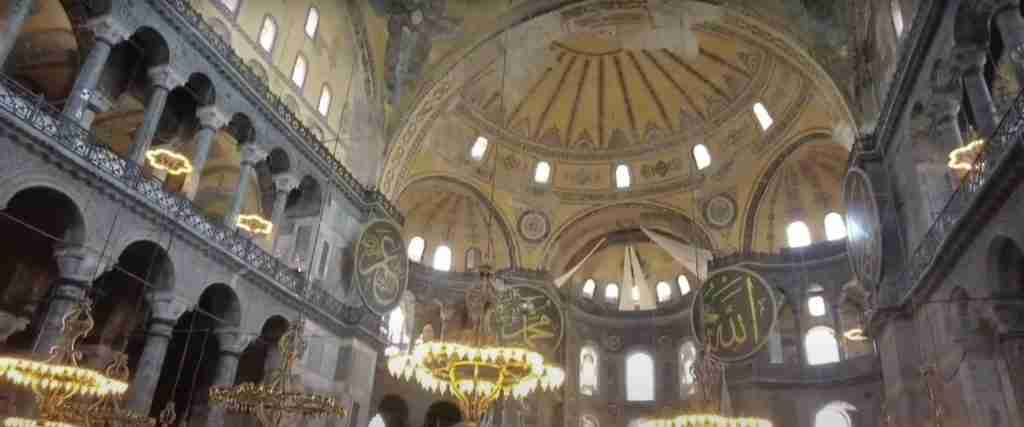
Istanbul’s Historic Areas UNESCO designation encompasses four conservation zones: Sultanahmet Archaeological Park, Suleymaniye Mosque Conservation Area, Zeyrek Conservation Area, and Land Walls Conservation Area. Day 1 concentrates on Sultanahmet, the Byzantine-Ottoman imperial core where monuments span 1,700 years of continuous occupation from Roman Hippodrome through Ottoman palace complexes. Start early (8:00 AM in summer, 9:00 AM in winter) at Hagia Sophia to access the upper gallery visiting area before main crowds, experiencing the 537 CE architectural masterpiece that pioneered pendentive dome construction and houses Byzantine mosaics spanning six centuries of Christian worship before Ottoman conversion to mosque in 1453.
Hagia Sophia entrance costs €25 for the tourist visiting area accessing upper galleries with panoramic interior views and historical mosaics, requiring separate tickets beyond Museum Pass Turkey coverage (check official website for current requirements as 2024 regulations introduced controlled tourist access distinct from ground-floor prayer areas). Adjacent Blue Mosque (Sultan Ahmed Mosque) offers free entry outside five daily prayer times, showcasing 17th-century Ottoman architecture with six minarets and 20,000+ Iznik tiles creating the blue interior lighting effects that inspired the popular name. The Hippodrome of Constantinople immediately west preserves the Byzantine chariot racing arena’s outline with surviving monuments including the Egyptian Obelisk (1479 BCE, transported to Constantinople 390 CE) and Serpent Column (479 BCE from Delphi).
Afternoon exploration continues to Topkapi Palace, the Ottoman imperial residence from 1461-1856 where 25 sultans administered an empire spanning three continents. The combined entrance ticket costs 2,400-2,750 TL (approximately €70-80) including access to main courtyards, Harem section where sultans’ private apartments and concubine quarters preserved Ottoman palace life, and Hagia Irene Church within the first courtyard. Museum Pass Turkey covers Topkapi Palace entry, providing significant value given individual ticket costs. Allocate 2-3 hours minimum for comprehensive palace exploration across four courtyards containing Treasury displaying Topkapi Dagger and Spoonmaker’s Diamond, Imperial Council chambers, and Sacred Relics rooms housing items attributed to Prophet Muhammad and other Islamic holy figures.
Evening options include Basilica Cistern (800 TL daytime entry, privately managed and excluded from Museum Pass), the 6th-century underground water reservoir featuring 336 columns and famous Medusa head sculptures, or leisurely exploration of Sultanahmet’s restaurant district where traditional Turkish meals cost €15-25 per person at establishments serving meze platters, grilled meats, and regional specialties. Accommodation in Sultanahmet 3-star hotels ranges €40-70 nightly with breakfast included, providing walking distance access to all day 1 sites while Beyoglu district across Golden Horn offers similar rates with tram connections to historic peninsula.
Day 1 costs: Hagia Sophia €25, Topkapi Palace €70-80 (or Museum Pass credit), Basilica Cistern €23 optional, lunch €15-20, dinner €20-30, local transport €5. Total €150-180 per person excluding accommodation.
Day 2: Suleymaniye Conservation Area and Golden Horn Heritage
Day 2 explores the Suleymaniye Conservation Area component of Istanbul’s UNESCO Historic Areas, centering on the Suleymaniye Mosque complex designed by master architect Mimar Sinan and completed in 1557 during Sultan Suleiman the Magnificent’s reign. The mosque represents Ottoman classical architectural peak with its 53-meter central dome, harmonious proportions integrating multiple smaller domes, and extensive complex including madrasa (Islamic schools), hospital, library, and hammam demonstrating the kulliye (religious-social complex) concept central to Ottoman urban planning. Entry remains free outside prayer times, with interior showcasing Iznik tile work, stained glass windows, and Sinan’s engineering solutions creating earthquake-resistant construction that survived multiple seismic events across five centuries.
Adjacent to Suleymaniye, the Grand Bazaar (Kapali Carsi) operates Monday-Saturday 9:00 AM-7:00 PM as one of world’s oldest covered markets, containing 4,000+ shops across 61 streets within a vaulted Ottoman commercial complex dating to 1455. While shopping requires budget allocation based on individual interests (carpets, ceramics, jewelry, leather goods, textiles), bazaar exploration remains free with atmospheric wandering through historic lanes revealing architectural details including painted ceiling vaults, carved fountains, and original han (caravanserai) courtyards. Spice Bazaar (Egyptian Bazaar) near Eminonu waterfront offers similar free exploration with vendors selling spices, dried fruits, Turkish delight, and regional food products ideal for cultural immersion without purchase obligations.
Afternoon activities include Istanbul Archaeological Museums complex near Topkapi Palace (covered by Museum Pass Turkey, approximately 450 TL/€13 individual entry), housing over 1 million artifacts including the Alexander Sarcophagus from 4th century BCE Sidon, extensive Mesopotamian collections, and Ottoman-era architectural fragments. The complex encompasses three buildings: Archaeological Museum with ancient Mediterranean collections, Museum of the Ancient Orient displaying pre-Islamic Middle Eastern artifacts, and Tiled Kiosk Museum featuring Ottoman and Seljuk ceramics. Allocate 2 hours minimum for comprehensive exploration of collections spanning Neolithic through Ottoman periods.
Evening Bosphorus experience options range from budget-friendly public ferries (30-45 TL with Istanbulkart, operating 7:00 AM-11:00 PM on main routes) offering 90-minute round-trip cruises between European and Asian shores, to organized dinner cruises (€40-80 per person) including meals, entertainment, and extended cruising under illuminated bridges connecting continents. Public ferry option provides authentic local experience at fraction of tour prices while accessing identical Bosphorus views of Ottoman palaces, fortresses, and waterfront mansions lining both European and Asian coastlines.
Day 2 costs: Archaeological Museums €13 (or Museum Pass), lunch €12-18, dinner €20-30, Bosphorus ferry €1.50 or dinner cruise €40-80 optional, local transport €5. Total €50-145 per person excluding accommodation.
Day 3: Beyoglu Cultural Quarter and Ottoman Modernization Heritage
Day 3 shifts to Beyoglu district across Golden Horn, exploring 19th-century Ottoman modernization era through Pera (historical European quarter) architecture, Istiklal Avenue commercial culture, and Galata Tower medieval fortifications. Begin at Galata Tower (850 TL entry, approximately €25), the 67-meter Genoese tower constructed 1348 providing panoramic Istanbul views spanning seven hills, Bosphorus, Golden Horn, and Asian shore. Early morning (9:00 AM opening) visits avoid elevator queues that develop mid-day during peak seasons when the tower receives thousands of daily visitors attracted to 360-degree observation deck photography opportunities.
Istiklal Avenue, Istanbul’s premier pedestrian boulevard running 1.4 kilometers from Taksim Square to Tunel funicular, preserves 19th-century commercial architecture housing international boutiques, bookstores, galleries, cafes, and restaurants within ornate Ottoman-era buildings featuring Art Nouveau and Neoclassical facades. The nostalgic red tram (27 TL per ride with Istanbulkart) operates the avenue’s full length, though walking provides better access to side streets containing churches of various Christian denominations, historic passages including Cicek Pasaji flower market, and contemporary arts venues. Istiklal exploration remains free aside from optional shopping and refreshment stops at legendary establishments like Mandabatmaz for Turkish coffee (€2-3) or Saray Muhallebicisi for Ottoman desserts (€3-5 per portion).
Afternoon options include Dolmabahce Palace (€40-50 entry, privately managed and excluded from Museum Pass), the 19th-century European-style Ottoman palace where Ataturk died in 1938, featuring Bohemian crystal chandeliers, French furniture, and Bosphorus waterfront gardens. Alternatively, explore Zeyrek Conservation Area (part of Istanbul UNESCO site) containing Zeyrek Mosque, originally Pantocrator Monastery church complex from Byzantine era, surrounded by historic Ottoman residential architecture undergoing restoration. This lesser-visited UNESCO zone provides authentic neighborhood atmosphere away from Sultanahmet tourist concentrations.
Evening dining in Beyoglu’s Asmalimescit or Cihangir neighborhoods offers diverse options from traditional meyhane (tavern-style restaurants) serving meze and raki for €25-40 per person to contemporary fusion restaurants, international cuisine, and rooftop venues with Bosphorus views ranging €30-60 per person. Accommodation in Beyoglu 3-star hotels costs similar €40-70 nightly to Sultanahmet equivalents, with better proximity to nightlife, galleries, and contemporary culture while maintaining tram access (M2 metro and T1 tram lines) to historic peninsula sites.
Day 3 costs: Galata Tower €25, lunch €12-18, dinner €25-40, optional Dolmabahce €40-50, local transport €8. Total €70-140 per person excluding accommodation.
Day 4: Asian Shore and Princes’ Islands Day Trip
Day 4 explores Istanbul’s Asian shore neighborhoods and optional Princes’ Islands excursion, experiencing residential districts away from Western tourist circuits while accessing Ottoman-era wooden mansions, waterfront parks, and island car-free environments preserving late 19th-century leisure culture. Ferry crossing from Eminonu or Karakoy to Kadikoy costs 30-45 TL with Istanbulkart (operated by Sehir Hatlari municipal ferry company), providing 20-25 minute Bosphorus transit with views of Maiden’s Tower, Topkapi Palace sea walls, and Asian shore architecture.
Kadikoy district offers authentic Istanbul experience through Kadikoy Market (Carsi) where locals shop for produce, cheese, olives, and regional foods at prices substantially lower than touristic Sultanahmet equivalents, with exploration remaining free and street food options including simit (sesame bread rings, €0.50), midye dolma (stuffed mussels, €2-3 for 8-10 pieces), and balik ekmek (fish sandwiches, €3-5). Moda neighborhood south of Kadikoy center features Belle Epoque apartment buildings, seaside promenade, parks, and cafes popular with Istanbul’s creative professionals, providing leisurely walking areas for cultural observation without entrance fees.
Princes’ Islands day trip alternative involves ferry connections from Kabatas or Eminonu to Buyukada, the largest island 20 kilometers southeast of central Istanbul (ferry €1.50-3 with Istanbulkart, 90 minutes journey). The island preserves Ottoman summer resort architecture across car-free environment where transportation occurs via walking, bicycle rental (€5-8 per day), or horse-drawn carriage tours (€25-40 for island circuit). Buyukada’s highlights include Aya Yorgi Church and Monastery crowning island’s highest point (accessible via 45-minute uphill walk), historic wooden mansions including Trotsky’s 1929-1933 exile residence, and swimming beaches along island’s perimeter during summer months. Budget full day for islands including travel time, lunch at island restaurants (€15-25 per person), and leisure exploration of pine-forested trails and historic neighborhoods.
Return to European shore by evening allows final Istanbul dinner in Ortakoy neighborhood beneath Bosphorus Bridge, where waterfront restaurants serve grilled fish (€20-35 per person) and famous Ortakoy kumpir (loaded baked potatoes, €5-8) while street vendors offer Turkish coffee, fresh-squeezed juice, and seasonal roasted chestnuts. This location provides spectacular night photography opportunities with illuminated bridge spanning straits connecting Europe and Asia.
Day 4 costs: Ferry crossings €5-8, lunch €15-25, optional island activities €10-20, dinner €20-35, local transport €8. Total €60-95 per person excluding accommodation.
Days 5-7: Cappadocia Goreme National Park UNESCO Site 2026
Day 5: Istanbul to Cappadocia Transfer and Goreme Valley Introduction
Depart Istanbul for Cappadocia via domestic flight from Istanbul Airport (IST) or Sabiha Gokcen Airport (SAW) to Kayseri Erkilet Airport (ASR) or Nevsehir Kapadokya Airport (NEV). Flights operate 1.5 hours with frequencies throughout day via Turkish Airlines, Pegasus Airlines, and AnadoluJet at €60-100 when booked 3-4 weeks advance (prices increase significantly closer to departure dates). Kayseri Airport requires 60-75 minute shuttle transfer to Goreme village (€5-8 per person via shared shuttle services operated by Argeus Tourism or Rock Valley Travel), while Nevsehir Airport sits 40 minutes from Goreme with similar shuttle costs.
Alternative overnight bus from Istanbul Esenler bus station to Goreme operates 10-12 hours (€20-25 with Metro Turizm, Pamukkale, or Kamil Koc companies) departing evening around 8:00-10:00 PM and arriving Goreme morning 6:00-8:00 AM. This budget option eliminates one night’s accommodation cost while consuming valuable daylight hours that could be spent sightseeing, creating time-money tradeoff calculations where mid-range travelers often prefer flight efficiency despite higher expense.
Goreme village serves as optimal Cappadocia accommodation base given walking distance to Goreme Open Air Museum, valley hiking trailheads, and concentration of 200+ hotels including signature cave properties carved into volcanic tufa formations. Cave hotel accommodation ranges €60-150 nightly for mid-range properties featuring carved stone rooms, underfloor heating, terraces with valley views, and included breakfast spreads featuring regional specialties. Budget cave pensions operate €30-50 nightly with simpler facilities while luxury cave suites reach €200-400 in properties offering spa services, private terraces, and premium design elements.
Afternoon arrival allows sunset exploration of Goreme village surroundings, with Rose Valley and Red Valley offering marked hiking trails (free access) through volcanic rock formations displaying pink, red, and cream color variations from mineral oxidation. The 3-4 kilometer valley trails connect cave churches, pigeon houses carved into rock faces for agricultural purposes, and panoramic viewpoints overlooking Cappadocia’s fairy chimney landscape. Trails remain accessible year-round though winter months (December-February) may encounter snow or ice requiring appropriate footwear.
Advance booking essential for Day 6 hot air balloon flights, as companies often reach capacity weeks ahead during April-May and September-October shoulder seasons when weather conditions provide highest flight reliability. Standard balloon flights cost €180-250 per person for 60-90 minute sunrise experiences floating above fairy chimneys, valleys, and historic cave dwellings, with luxury small-basket options reaching €300-400. Book through reputable operators including Butterfly Balloons, Royal Balloon, Cappadocia Balloon Flights, or Kapadokya Balloons holding safety certifications and experienced pilot teams.
Day 5 costs: Flight €60-100 or bus €20-25, airport shuttle €5-8, lunch €10-15, dinner €15-25. Total €90-175 per person excluding accommodation.
Day 6: Goreme Open Air Museum and Valley Hiking
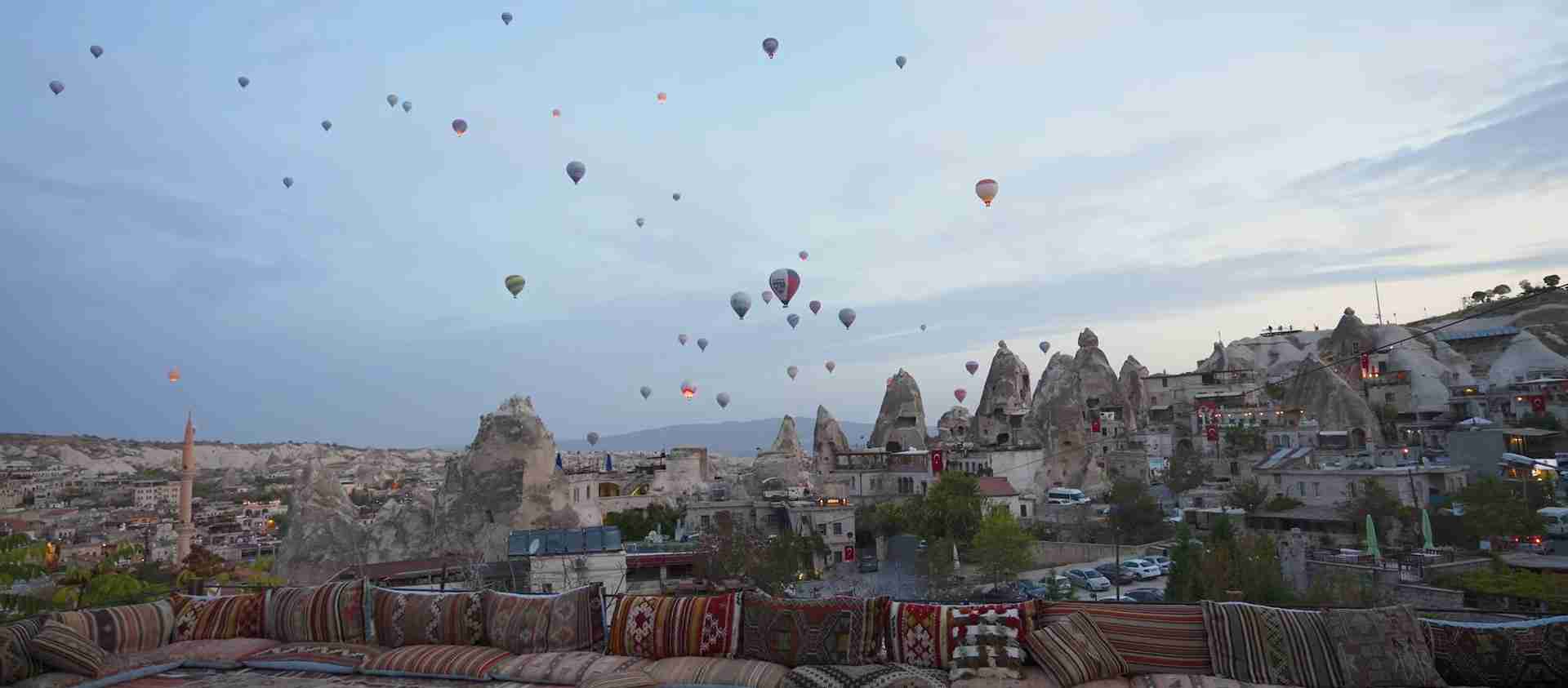
Begin Day 6 with optional hot air balloon flight departing pre-dawn (5:00-6:00 AM depending on season), providing aerial perspectives of Goreme National Park and Rock Sites of Cappadocia UNESCO mixed heritage site combining geological phenomena with human cultural adaptation. The balloon experience lasts 60-90 minutes with champagne celebration upon landing, returning to hotel by 8:00-9:00 AM for breakfast before museum exploration. Companies provide hotel pickup-dropoff as part of package pricing, with flights subject to weather cancellation requiring flexible scheduling backup plans.
Goreme Open Air Museum (€20 entrance, covered by Museum Pass Turkey) opens 8:00 AM in summer season (April-October) and represents Cappadocia’s premier attraction showcasing Byzantine monastic complex with 10+ rock-hewn churches preserving 10th-12th century frescoes depicting Biblical scenes in vivid pigments. The Dark Church (Karanlik Kilise) requires additional €6 supplement beyond museum entry and Museum Pass coverage, justified by exceptional fresco preservation resulting from limited light exposure across centuries. Allocate 2 hours minimum for comprehensive museum exploration including churches dedicated to various saints, refectory spaces, and monasteries carved into volcanic tufa rock providing natural insulation and structural stability.
Afternoon hiking through Pigeon Valley connects Goreme to Uchisar Castle village (4 kilometers, 1.5-2 hours moderate difficulty) via marked trail passing hundreds of pigeon houses carved into cliff faces where Ottoman-era farmers collected droppings for vineyard fertilization. Uchisar Castle (€5 entrance) crowns volcanic rock outcrop with chambers, tunnels, and summit providing 360-degree Cappadocia panoramas spanning dozens of kilometers across valleys, fairy chimneys, and agricultural plains. The walking route remains free beyond Uchisar Castle entrance, with valley trail offering dramatic landscapes without tour company requirements.
Evening options include Turkish Night shows (€40-60 per person) presenting folk dances, music, and cultural performances with dinner in Avanos town caves, or sunset panoramic dinner at restaurants overlooking Goreme valleys (€25-40 per person for traditional Cappadocian pottery kebabs cooked in sealed clay vessels and regional wine from local vineyards cultivated in volcanic soil). Advance reservations recommended for popular viewpoint restaurants during peak seasons when tables fill by early afternoon.
Day 6 costs: Optional balloon flight €180-250, Goreme Museum €20 (or Museum Pass), Dark Church €6, lunch €12-18, Uchisar Castle €5, dinner €25-40. Total €70-340 per person excluding accommodation.
Day 7: Underground Cities and Regional Exploration
Day 7 explores Cappadocia’s underground cities carved by early Christian communities creating elaborate subterranean refuges from Arab raids during 7th-10th centuries. Derinkuyu Underground City (€10 entrance) extends eight levels reaching 85 meters depth with capacity for 20,000 people, featuring ventilation shafts, wells, wine storage, stables, chapels, and rolling stone doors sealing passages during siege conditions. Kaymakli Underground City alternative (€10 entrance) offers similar experience across five accessible levels in slightly less crowded setting. Both cities require moderate physical fitness for navigating narrow passages, steep stairs, and low ceilings, with claustrophobic individuals potentially preferring valley hiking alternatives.
Underground city visits typically occupy 1-2 hours before continuing to Ihlara Valley, a 16-kilometer canyon containing the Melendiz River and 100+ rock-cut churches decorated with Byzantine frescoes in various preservation states. The 3.5-kilometer hiking trail section between Ihlara Village and Belisirma Village (€3 entrance) provides accessible valley experience along riverside path passing churches including Agacalti Church and Yilanli Church, with riverside restaurants in Belisirma offering lunch (€10-15 per person) featuring fresh trout from valley stream. Complete valley hiking requires 4-5 hours for full 16-kilometer length from Ihlara to Selime, though most visitors explore 3.5-kilometer section as manageable half-day activity.
Avanos pottery town north of Goreme provides afternoon cultural experience through traditional ceramic workshops where artisans demonstrate pottery techniques using red clay from Kizilirmak River. Workshop tours remain free with optional pottery purchasing (€10-50+ based on size and quality), allowing observation of wheel throwing, glazing, and kiln firing processes maintaining techniques spanning Hittite through Ottoman civilizations. Avanos also offers carpet and kilim weaving demonstrations in family workshops maintaining textile traditions, with pressure-free viewing welcome even without purchase intentions.
Return to Goreme by evening allows final Cappadocia dinner at panoramic terrace restaurants or traditional village lokanta (local restaurant) serving home-style Turkish dishes at €12-20 per person. Pack for morning departure to Aegean coast heritage destinations via overnight bus (10 hours to Izmir/Selcuk, €25-30) departing evening 8:00-10:00 PM, or domestic flight option from Kayseri to Izmir (1 hour, €50-80 when booked advance).
Day 7 costs: Underground city €10, Ihlara Valley €3, lunch €10-15, dinner €12-20, local transport €10-15. Total €45-65 per person excluding accommodation.
Days 8-10: Ephesus and Aegean Coast Heritage 2026
Day 8: Cappadocia to Kusadasi/Selcuk and Ephesus Introduction
Transfer from Cappadocia to Aegean coast via overnight bus arriving Kusadasi or Selcuk morning 6:00-8:00 AM (€25-30 for Goreme to Izmir/Kusadasi route operated by major bus companies), or domestic flight Kayseri to Izmir (1 hour, €50-80) followed by 80-kilometer transfer south to Kusadasi/Selcuk region (€15-20 shared shuttle or bus). Kusadasi resort town offers extensive hotel infrastructure with beachfront properties and marina district, while Selcuk town positioned 3 kilometers from Ephesus provides smaller-scale accommodation closer to archaeological site entrance with authentic Turkish town atmosphere and budget-friendly pensions.
Selcuk accommodation ranges €30-60 nightly for 3-star hotels and pensions including breakfast, with Kusadasi hotels spanning €40-80 for comparable category based on distance from coast and marina. Both towns connect to Ephesus via dolmus (shared minibus, €2 per ride) operating frequent service throughout day, or walking distance from Selcuk (approximately 3 kilometers, 30-40 minutes) for morning access before temperatures peak during summer months.
Afternoon exploration of Selcuk town includes Basilica of St. John (€10 entrance, covered by Museum Pass Turkey), the Byzantine church constructed over traditional burial site of John the Apostle following his years in nearby Ephesus. The hilltop location provides views across Selcuk valley toward Aegean coast with restored basilica foundations, columns, and baptistery demonstrating early Christian architectural development. Adjacent Isa Bey Mosque (free entry outside prayer times) represents 1375 Seljuk architecture incorporating elements from nearby Roman and Byzantine structures including reused columns and capitals.
Temple of Artemis site in Selcuk center preserves minimal remains of the Seven Wonders of the Ancient World monument destroyed by Gothic raids 268 CE, with single reconstructed column and marshy foundation area providing historical context without extensive architectural survival (free access with explanatory panels). Ephesus Museum in Selcuk (€10 entrance) houses artifacts from Ephesus excavations including marble sculptures, Artemis cult statues, and finds from Terrace Houses, complementing archaeological site visit through indoor collection displaying items too fragile for open-air preservation.
Evening in Kusadasi offers marina waterfront promenade dining with harbor views (€20-35 per person for seafood restaurants), or Selcuk town center lokantas serving traditional Turkish meals at €10-18 per person including regional specialties like incik (lamb shank), manti (Turkish dumplings), and Aegean vegetable dishes featuring locally grown produce and olive oil.
Day 8 costs: Bus €25-30 or flight plus transfer €65-100, lunch €12-18, Basilica of St. John €10 (or Museum Pass), Ephesus Museum €10, dinner €15-30. Total €75-200 per person excluding accommodation.
Day 9: Ephesus Ancient City Comprehensive Exploration
Dedicate full Day 9 to Ephesus Ancient City (€40 entrance including new Ephesus Experience Museum, covered by Museum Pass Turkey), one of Mediterranean’s best-preserved Greco-Roman cities where marble-paved streets, monumental facades, and public buildings demonstrate ancient urban sophistication at scale receiving 3+ million annual visitors. Summer opening hours operate 8:00 AM-7:00 PM (April-October) with winter hours 8:30 AM-5:00 PM (November-March), and early arrival strongly recommended during peak season to experience Library of Celsus, Great Theater, and marble streets before tour group concentrations develop mid-morning.
Enter via either Upper Gate (Magnesia Gate) near Terrace Houses or Lower Gate (harbor entrance) near Great Theater, with most guided tours preferring Upper Gate entry allowing downhill walking through site to Lower Gate exit. The 2-hour walking circuit covers Odeon theater, Prytaneum (town hall), Temple of Hadrian featuring ornate facade relief work, Curetes Street lined with statue bases and column fragments, Trajan Fountain, Scholastica Baths, and Library of Celsus with restored two-story facade housing 12,000 scrolls in ancient era. Great Theater seating 25,000 spectators offers acoustically perfect auditorium mentioned in Biblical Acts 19 where Paul’s preaching caused silversmiths riot over Artemis cult economic interests.
Terrace Houses (€15 additional entrance beyond main Ephesus ticket, not covered by Museum Pass Turkey) preserve luxury residences of Ephesus aristocracy with intact wall frescoes, floor mosaics, marble decorations, and under-floor heating systems demonstrating Roman domestic architecture at highest refinement level. The covered walkway system allows all-weather viewing of six residential units spanning 1st century BCE to 7th century CE with explanatory panels detailing family life, social customs, and architectural development. Budget 60-90 minutes for Terrace Houses exploration, worthwhile for visitors interested in daily life aspects beyond public monuments.
House of Virgin Mary located 7 kilometers south of Ephesus on Bulbul Mountain (€10 entrance, dolmus transport €3-5 each way) represents pilgrimage site where Catholic tradition places Mary’s final residence following Jesus’s crucifixion, with papal recognition and fountain producing water considered holy by believers. The stone chapel structure dates mostly to Byzantine era with some earlier foundations, set within peaceful mountain forest environment offering views to Aegean coast. Optional afternoon addition requiring 1-2 hours including transport time.
Return to Kusadasi/Selcuk by afternoon allows beach time at Ladies Beach (Kadinlar Plaji) in Kusadasi (free access, sunbed rentals €5-8) during summer months, or exploration of Sirince village in hills above Selcuk (dolmus €3, 15 minutes), a Greek Orthodox settlement now Turkish village famous for fruit wines, preserved Greek architecture, and handcraft shops in traffic-free cobblestone lanes. Sirince restaurants serve traditional Aegean meze and grilled meats (€15-25 per person) with hillside terrace views.
Day 9 costs: Ephesus €40 (or Museum Pass), Terrace Houses €15, lunch €12-18, optional Virgin Mary House €10, transport €8-12, dinner €20-30. Total €95-135 per person excluding accommodation.
Day 10: Priene, Miletus, Didyma Circuit or Pamukkale Transfer
Day 10 offers two route options: remain Kusadasi/Selcuk area exploring additional Ionian coast archaeological sites (Priene, Miletus, Didyma), or transfer north to Pamukkale region for UNESCO Hierapolis heritage site. The archaeological circuit option visits three ancient Greek cities via organized tour (€40-60 per person including transport, guide, and lunch) or independent dolmus/rental car access requiring budget allocation for multiple site entrances totaling €20-30. Priene preserves Hellenistic urban planning on steep mountainside with Temple of Athena offering panoramic Meander River delta views, Miletus contains massive Roman theater seating 15,000 with Baths of Faustina and Harbor Monument, while Didyma Temple of Apollo showcases monumental Ionic columns and oracle sanctuary architecture rivaling Delphi in ancient religious significance.
Alternative Pamukkale transfer option involves 3-hour bus journey from Selcuk/Kusadasi to Denizli/Pamukkale (€15-20) operated by Pamukkale company and local services running multiple daily departures. Pamukkale town accommodation ranges €30-60 nightly for standard hotels to €80-150 for thermal spa resorts utilizing natural hot springs feeding the travertine terraces. Afternoon arrival allows evening stroll along travertine lower terraces (entrance gates remain open until 9:00 PM during summer months with sunset timing providing optimal photography lighting conditions).
Travelers choosing archaeological circuit return to Kusadasi/Selcuk for final Aegean coast evening before next day’s Pamukkale transfer, while those opting direct Pamukkale route settle into accommodation and prepare for comprehensive Day 11 Hierapolis-Pamukkale exploration. The routing decision depends on archaeological site interest levels versus desire for maximum time at Pamukkale thermal formations and Hierapolis ruins.
Day 10 costs for archaeological circuit: Tour €40-60 or independent sites €20-30, lunch €12-18, dinner €15-25, transport €5-10. Total €75-125 per person excluding accommodation.
Day 10 costs for Pamukkale transfer: Bus €15-20, lunch €10-15, dinner €15-25. Total €40-60 per person excluding accommodation.
Days 11-12: Pamukkale-Hierapolis UNESCO Site 2026
Day 11: Hierapolis Ancient City and Pamukkale Travertines
Pamukkale-Hierapolis UNESCO World Heritage Site combines natural calcium carbonate travertine formations with extensive Greco-Roman archaeological park spanning 2nd century BCE Attalid founding through Byzantine abandonment following 1354 earthquake. The site entrance costs €30 (covered by Museum Pass Turkey) with unified ticketing providing access to both travertine terraces and Hierapolis ancient city ruins, opening 6:30 AM and operating until 9:00 PM during summer season allowing full day exploration plus sunset terrace photography optimal during early evening golden hour lighting.
Begin at upper entrance near Hierapolis archaeological zone, exploring Roman theater seating 15,000 with exceptional preservation of stage building facade featuring relief panels depicting Dionysus and Apollo myths, and offering panoramic views across Denizli plain and distant mountain ranges. Adjacent Hierapolis Archaeology Museum (included in site entrance) occupies restored Roman bath complex displaying sculptures, sarcophagi, and artifacts from city’s thermal spa culture that attracted ancient Roman visitors seeking therapeutic bathing in hot springs rising at 35°C through geological fault systems.
Hierapolis Necropolis extends north and east of city walls containing 1,200+ tombs spanning Hellenistic through early Christian periods, representing one of Anatolia’s most extensive ancient burial grounds with diverse sarcophagus types, chamber tombs, and tumuli demonstrating burial customs across social classes and religious traditions. The Apollo Temple and Plutonium grotto mark ancient sanctuary where toxic gases emerging from geological vents created oracle site associated with Pluto (Hades) worship, with modern viewing platform allowing observation while preventing access to dangerous carbon dioxide concentrations.
Descend to travertine terraces via marked pathway requiring shoe removal on designated calcium carbonate pools to protect formations from damage (waterproof bag recommended for valuables). The terraces cascade 200 meters vertical over 2.7-kilometer width, created by calcium-rich hot spring waters depositing minerals as flow cools and evaporates. Wade through shallow pools (10-35°C temperature range depending on spring proximity) while photographing brilliant white formations against blue sky and green plain backgrounds. Afternoon timing provides optimal lighting avoiding harsh midday shadows, though sunrise and sunset periods offer dramatic golden hour conditions popular with photographers.
Cleopatra’s Pool (separate €10 entrance beyond main site ticket) provides swimming experience in thermal pools containing submerged Roman column fragments from ancient structures destroyed by earthquakes, with 35°C naturally carbonated water creating unique bathing environment popular since antiquity. The pool complex includes changing facilities, sun terraces, and cafe serving beverages and light meals (€5-12), operating until evening throughout tourist season.
Evening Pamukkale town dining offers traditional Turkish restaurants (€12-20 per person) serving regional specialties including tandır lamb, pide (Turkish flatbread pizza), and Aegean meze, with several establishments featuring rooftop terraces overlooking illuminated travertines creating romantic dinner atmosphere particularly during summer months when extended daylight allows post-dinner terrace visits.
Day 11 costs: Hierapolis-Pamukkale €30 (or Museum Pass), Cleopatra’s Pool €10, lunch €10-15, dinner €12-20, transport €5. Total €65-80 per person excluding accommodation.
Day 12: Aphrodisias Day Trip and Transfer to Antalya Region
Day 12 incorporates morning excursion to Aphrodisias Ancient City UNESCO site located 80 kilometers east of Pamukkale, accessible via organized tour (€40-50 including transport and guide) or rental car allowing independent exploration. Aphrodisias earned UNESCO inscription in 2017 for exceptional preservation of marble sculpture school that supplied statues throughout Roman Empire, with site museum displaying hundreds of remarkably detailed works including Aphrodite statues, emperor portraits, and mythological scenes demonstrating technical mastery in marble working traditions spanning five centuries.
Site entrance costs €10 (covered by Museum Pass Turkey) providing access to stadium seating 30,000 (best preserved in Mediterranean world), Temple of Aphrodite converted to Byzantine church with surviving columns and altar platform, Sebasteion (imperial cult complex) featuring three-story portico with relief panels, theater, baths, and agora complex. Dedicate 2-3 hours for comprehensive Aphrodisias exploration including museum visit, with morning timing optimal for marble photography under softer light conditions before midday intensity washes out stone surface details.
Afternoon transfer to Antalya region involves 4-hour bus journey from Pamukkale/Denizli (€20-25) traversing Taurus Mountain passes and descending to Mediterranean coastal plain. Antalya city serves as regional hub with extensive accommodation infrastructure ranging from €40-80 for 3-4 star hotels in Kaleici (old town) to €100-200 for beachfront resorts in Lara and Konyaalti districts. Alternative Kas or Kalkan smaller coastal towns offer boutique hotel options (€60-120 nightly) with harbor atmospheres and proximity to Lycian heritage sites.
Evening arrival in Antalya allows Kaleici old town exploration, the Ottoman quarter containing restored mansions converted to boutique hotels, restaurants, and shops within preserved city walls surrounding ancient harbor. Dinner at harbor-view restaurants costs €20-35 per person for Mediterranean seafood, grilled meats, and regional meze, with atmospheric setting beneath Hadrian’s Gate Roman triumphal arch and surrounding historic architecture.
Day 12 costs: Aphrodisias tour €40-50 or site entry €10 (Museum Pass), lunch €12-18, bus to Antalya €20-25, dinner €20-35. Total €90-140 per person excluding accommodation.
Days 13-14: Mediterranean Heritage and Return to Istanbul 2026
Day 13: Xanthos-Letoon UNESCO Site and Lycian Coast
Day 13 explores Mediterranean Turkey’s Lycian heritage through Xanthos-Letoon UNESCO World Heritage Site representing ancient Lycia’s federal capital and religious sanctuary. Xanthos archaeological park (€10 entrance, covered by Museum Pass Turkey) located 65 kilometers southwest of Antalya near Fethiye preserves remarkable Lycian pillar tombs, Roman theater, Byzantine basilica, and defensive walls on acropolis overlooking Esen River valley. The site demonstrates Lycian cultural uniqueness through distinctive burial monuments including Harpy Tomb and Lion Tomb featuring relief panels depicting mythological scenes, with inscriptions in Lycian language providing crucial evidence for ancient Anatolian civilization understanding.
Letoon sanctuary site 4 kilometers from Xanthos (€5 entrance, covered by Museum Pass Turkey) served as Lycian Federation’s religious center dedicated to Leto and her children Apollo and Artemis, with three side-by-side temples and theater preserving Hellenistic architecture and inscriptions. The mosaic floor remains in Apollo temple despite exposure to elements, while site museum displays archaeological finds including trilingual inscription (Lycian, Greek, Aramaic) that enabled Lycian language decipherment. Combined Xanthos-Letoon exploration requires organized tour (€60-80 from Antalya) or rental car providing access flexibility for photography timing and extended exploration.
Alternative Day 13 activities include Perge and Aspendos archaeological sites closer to Antalya. Perge (€10 entrance, Museum Pass coverage) contains extensive Roman city ruins including columned streets, monumental gates, stadium seating 12,000, and theater, representing Pamphylia region’s prosperity during imperial period. Aspendos (€15 entrance) features Mediterranean’s best-preserved Roman theater designed by architect Zeno, seating 15,000 with intact stage building allowing summer opera and ballet performances continuing venue’s 1,800-year performance tradition. Combined Perge-Aspendos tour costs €50-70 including transport and guide from Antalya hotels.
Evening in Antalya Kaleici offers final Turkish heritage exploration through Ottoman architecture, with Yivli Minare (Fluted Minaret) mosque representing 13th-century Seljuk monument, and streets preserving traditional wooden houses with overhanging upper stories and carved details. Dining options range from budget-friendly lokantas (€10-15 per person) to upscale meyhane taverns and seafood restaurants (€25-40 per person) featuring Mediterranean cuisine emphasizing fresh fish, olive oil-based vegetable dishes, and regional wines.
Day 13 costs: Tour €60-80 or independent sites €15-20, lunch €12-18, dinner €20-35, transport €10-15. Total €95-170 per person excluding accommodation.
Day 14: Antalya to Istanbul Return and Final Heritage Exploration
Depart Antalya for Istanbul via domestic flight (1.5 hours, €70-120 depending on booking timing and airline) operating frequent service throughout day via Turkish Airlines, Pegasus, and AnadoluJet. Morning flight option allows afternoon-evening in Istanbul for final heritage site visits or shopping, while later departures permit morning Antalya Museum exploration (€10 entrance, Museum Pass coverage) housing exceptional Roman statue collection from Perge excavations and regional archaeological finds spanning Bronze Age through Ottoman periods.
Istanbul afternoon arrival enables final heritage experiences at previously unvisited sites including Chora Church/Kariye Museum (€20 entrance) containing exquisite 14th-century Byzantine mosaics and frescoes depicting Biblical scenes with remarkable artistic detail rivaling Ravenna’s famous mosaics, or Rumeli Fortress (€10 entrance) constructed 1452 by Mehmed II controlling Bosphorus prior to Constantinople conquest. Alternative shopping in Grand Bazaar or Spice Bazaar allows souvenir acquisition including Turkish ceramics (€15-100+), carpets and kilims (€100-1,000+), textiles, leather goods, spices, and regional food products.
Final Istanbul evening offers celebratory dinner at rooftop restaurants overlooking Hagia Sophia and Blue Mosque (€30-60 per person) or traditional Ottoman cuisine at establishments in Sultanahmet and Beyoglu (€25-40 per person), with opportunities for Turkish coffee, baklava desserts, and raki aperitif marking journey completion through Turkey’s remarkable heritage circuit spanning 14 days across four major UNESCO regions.
Accommodation near Istanbul Airport available for early morning international departure flights, with shuttle hotels offering €40-70 rates including airport transfer (15-20 minutes journey). Alternative overnight in Sultanahmet or Beyoglu requires morning taxi or metro connection to airport (60-90 minutes depending on traffic and location), with costs of €20-30 for taxi or €1-2 for public metro-bus combination using Istanbulkart.
Day 14 costs: Flight to Istanbul €70-120, lunch €12-18, optional museum €10-20, dinner €25-60, airport transfer €2-30. Total €120-250 per person excluding accommodation.
Accommodation Strategy Turkey Heritage Route 2026
Turkey’s 14-day heritage itinerary accommodation requirements span diverse property types from Istanbul’s urban hotels to Cappadocia’s cave boutiques and coastal resort options, with strategic hotel selection based on location convenience to UNESCO sites, transportation hub proximity, and value-for-money considerations specific to 2026 market conditions. Mid-range travelers budget €40-70 nightly for 3-4 star properties with breakfast included, private bathrooms, WiFi, and central locations minimizing transportation costs and time waste, while budget travelers access €30-50 pensions and simpler hotels, and luxury seekers invest €150-300+ in boutique cave hotels, historic Ottoman mansions, and waterfront resorts.
Istanbul accommodation strategy prioritizes Sultanahmet or Beyoglu districts for walkable access to major UNESCO sites, metro/tram connections for expanded exploration, and restaurant-shopping infrastructure supporting evening activities. Sultanahmet offers higher concentration of budget-mid range hotels (€40-70) within historic Ottoman buildings, though some properties suffer from tourist-oriented atmospheres and aggressive carpet shop adjacency. Beyoglu provides contemporary boutique hotels, better dining diversity, and authentic neighborhood feeling while maintaining tram access to historic peninsula, with similar price points (€40-70 for 3-4 star category) and superior nightlife proximity.
Cappadocia accommodation concentrates in Goreme village for maximum convenience, with 200+ hotels including signature cave properties ranging €60-150 for mid-range category featuring carved stone rooms, underfloor heating, terrace views, and substantial breakfast spreads. Reserve cave hotels 6-8 weeks advance for April-May and September-October shoulder seasons when balloon companies operate at full capacity and quality properties reach maximum occupancy, with later bookings forcing acceptance of less desirable locations or conventional above-ground hotels lacking cave experience authenticity. Urgup and Ortahisar villages provide alternative accommodation with slightly lower concentrations but similar property standards and pricing.
Aegean coast accommodation bases include Selcuk (budget-friendly town atmosphere, walking distance to Ephesus, €30-60 for pensions and 3-star hotels) or Kusadasi (beachfront resort infrastructure, marina district dining, €40-80 for comparable category). Selcuk appeals to archaeological site-focused travelers prioritizing budget efficiency and authentic Turkish town experience, while Kusadasi suits visitors desiring beach time, evening promenade atmosphere, and wider restaurant-entertainment options. Both connect to Ephesus via frequent dolmus service (€2 per ride) eliminating location disadvantage for non-walking distances.
Pamukkale town accommodation ranges €30-60 for standard hotels to €80-150 for thermal spa resorts incorporating natural hot springs into property amenities through pools, hammam facilities, and wellness centers. The thermal resort option provides relaxation compensation after extensive archaeological site walking while offering unique Turkish spa culture immersion, though budget-conscious travelers find adequate comfort in simpler properties given Pamukkale’s single-night typical allocation within broader itineraries. Book thermal resorts advance if prioritizing spa experiences, as popular properties fill during peak season weekends.
Antalya region accommodation divides between Kaleici old town (€40-80 for boutique hotels in restored Ottoman mansions, atmospheric harbor-proximate dining, limited beach access) and modern resort districts of Lara-Konyaalti (€60-120 for beachfront properties, pools, all-inclusive options, requiring transport to old town heritage sites). Smaller coastal towns including Kas and Kalkan offer harbor-atmosphere boutique hotels (€60-120) with better proximity to Lycian heritage sites like Xanthos-Letoon, though requiring rental car for maximum touring flexibility versus bus-based Antalya hub strategy.
Book all accommodations with free cancellation policies when possible given Turkey’s occasional political-economic volatility affecting travel conditions, with most properties on Booking.com and similar platforms offering flexible cancellation until 24-72 hours prior to arrival. Read recent guest reviews (past 3-6 months) rather than relying on overall ratings that may reflect outdated property conditions, with particular attention to WiFi reliability, breakfast quality, noise levels, and staff English proficiency impacting visitor experience quality across all budget categories.
Transportation Between Destinations 2026
Turkey’s 14-day heritage itinerary requires strategic transportation planning to balance time efficiency against budget constraints across distances of 730 kilometers Istanbul-Cappadocia, 500 kilometers Cappadocia-Aegean coast, 200 kilometers Pamukkale-Antalya, and 550 kilometers Antalya-Istanbul return. Mid-range itinerary budgets incorporate two domestic flights (Istanbul-Cappadocia €60-100, one coastal/return segment €50-80) plus intercity buses for shorter connections (€15-30 per journey), creating total transportation costs of €150-250 per person for complete circuit excluding local transport within destination cities.
Domestic flight strategy prioritizes Istanbul-Cappadocia segment where 1.5-hour flight versus 10-12 hour overnight bus creates substantial time-value equation favoring air travel for travelers with limited vacation duration. Turkish Airlines, Pegasus Airlines, and AnadoluJet operate frequent flights from Istanbul Airport (IST) and Sabiha Gokcen Airport (SAW) to Kayseri (ASR) and Nevsehir (NAV) airports serving Cappadocia, with advance booking 3-4 weeks prior securing €60-100 fares while last-minute purchases reach €150-200. Airport shuttle services to Goreme cost €5-8 per person via shared transfers operated by Argeus Tourism and Rock Valley Travel, with private transfers available at €40-60 per vehicle for 2-4 passengers.
Intercity bus network operated by Metro Turizm, Pamukkale, and Kamil Koc companies provides comfortable alternatives for medium-distance segments including Cappadocia-Izmir/Selcuk (10 hours, €25-30), Selcuk/Kusadasi-Pamukkale (3 hours, €15-20), and Pamukkale-Antalya (4 hours, €20-25). Modern buses feature reclining seats, WiFi, onboard refreshments, and rest stop breaks every 2-3 hours, with overnight services providing tea-coffee service and attendant assistance. Purchase tickets through company websites, bus terminal offices, or hotel reception desk arrangements, with advance booking recommended for weekend and holiday period travel ensuring seat availability.
Overnight bus strategy eliminates one accommodation night while traveling between distant destinations, though sacrificing sleep quality and arriving morning hours potentially before hotel check-in times requiring lobby waiting or early check-in fees. Budget travelers frequently accept this tradeoff on Cappadocia-Aegean coast segment saving €40-70 accommodation cost, while mid-range and luxury travelers prioritize comfort and daylight sightseeing hours justifying flight expenses. Night buses depart typically 8:00-10:00 PM arriving destination 6:00-8:00 AM, with luggage storage beneath bus and overhead compartments accommodating standard suitcases without size-weight restrictions common on budget airlines.
Local transportation within destinations relies on public systems in Istanbul (metro, tram, ferry, bus using Istanbulkart at 27 TL per ride with transfer discounts), dolmus shared minibuses in smaller towns (€2-3 fixed routes), and occasional taxis for hotel-station transfers or late evening returns. Istanbul’s Istanbulkart available at metro stations, kiosks, and ferry terminals for 50 TL deposit plus initial load (minimum 100 TL recommended for multi-day use) provides substantial per-ride savings versus single tickets while enabling seamless transfers across all public transport modes including ferries crossing Bosphorus and Golden Horn.
Rental car consideration applies primarily to Aegean-Mediterranean segments where archaeological sites like Xanthos-Letoon, Perge-Aspendos, and Aphrodisias require either organized tours or independent vehicle access. Compact car rentals cost €25-40 daily including basic insurance with international driving permits recommended despite Turkey accepting most national licenses, and highway tolls requiring prepaid HGS electronic transponder cards available at rental agencies. The rental car option provides maximum touring flexibility and photographic timing control while adding fuel costs (€40-60 for week’s regional driving) and navigation challenges in cities with complex traffic patterns and limited parking near heritage sites.
Food and Dining Costs Turkey 2026
Turkey’s diverse culinary traditions ranging from Ottoman palace cuisine to Aegean seafood and Central Anatolian specialties provide exceptional dining value across all budget categories, with mid-range travelers allocating €25-35 daily for three meals and beverages while experiencing authentic regional dishes in restaurants frequented by local populations rather than tourist-targeted establishments charging premium prices for inferior quality. Budget travelers manage €10-15 daily through street food, bakeries, and lokanta cafeterias serving home-style Turkish cooking, while luxury diners invest €50-80 daily in upscale restaurants, meyhane taverns with extensive meze selections, and rooftop venues offering Bosphorus views alongside refined presentations of traditional recipes.
Breakfast (kahvalti) typically included in hotel rates across all accommodation categories features substantial spreads of white cheese (beyaz peynir), olives, tomatoes, cucumbers, bread, butter, jam, honey, eggs prepared to order, and regional specialties varying by location—Aegean coast properties add olive oil-based vegetable dishes, Cappadocia hotels incorporate local pastirma (air-dried beef) and honey from plateau flowers, while Istanbul establishments may include borek (phyllo pastries) and simit (sesame bread rings). Budget standalone breakfast at cafes costs €3-5 per person for simpler versions, rising to €8-12 at dedicated kahvalti restaurants serving expanded selections with unlimited tea service.
Lunch strategy balances budget consciousness with energy requirements for afternoon sightseeing, with lokantas (ready-food restaurants) offering daily specials of stewed meats, vegetable dishes, rice, and soup for €5-8 per person including beverage. These worker-oriented establishments display prepared dishes in steam tables allowing visual selection without Turkish language requirements, operating 11:00 AM-3:00 PM weekdays with weekend closures in business districts. Pide (Turkish flatbread pizza) restaurants provide satisfying €4-7 meals featuring minced meat, cheese, or egg toppings on oval dough boats baked in stone ovens, while doner kebab wraps cost €3-5 for portable options requiring minimal dining time.
Street food supplements budget dining through simit vendors (€0.50 for sesame bread rings), roasted chestnut sellers during autumn-winter (€2-3 per serving), midye dolma (stuffed mussels, €2-3 for 8-10 pieces), and fresh-squeezed orange or pomegranate juice stands (€2-3 per glass). Balik ekmek (fish sandwiches) along Istanbul’s Golden Horn and coastal towns cost €4-6 for grilled mackerel in crusty bread with lettuce, onions, and lemon, representing quintessential Turkish fast food consumed at outdoor counters overlooking water. Corn on the cob (misir) from beachfront vendors runs €1-2, while gozleme (stuffed flatbreads) at village markets cost €3-5 with cheese, spinach, or potato fillings cooked on circular griddles.
Dinner represents primary daily meal where Turkish dining culture emphasizes leisurely multi-course experiences beginning with meze appetizer selections, progressing through main course grilled meats or fish, and concluding with desserts and Turkish coffee or tea. Mid-range restaurant dinners cost €15-25 per person for kebab varieties (Adana, urfa, shish), grilled chicken or lamb chops, oven-baked specialties like kuzu tandir (slow-roasted lamb), and accompaniments of rice, bulgur, salad, and bread. Seafood restaurants along Aegean and Mediterranean coasts charge €20-35 per person for grilled fish sold by weight (sea bass, sea bream, mackerel), calamari, shrimp, and octopus salads.
Meyhane tavern dining offering extensive meze selections with raki anise-flavored spirit costs €25-40 per person for authentic Turkish eating experience featuring 8-12 small dishes including eggplant spreads, white bean salads, fried calamari, cheese plates, grilled octopus, stuffed grape leaves, and seasonal vegetables preceding main course fish or meat. This communal dining style suits groups sharing dishes while sampling diverse flavors across Turkey’s regional cuisines, though solo travelers may find portions excessive requiring selective ordering or accepting leftovers.
Beverages add €3-8 daily depending on alcohol consumption, with bottled water costing €0.50-1, tea (cay) €0.50-1 per glass, Turkish coffee €2-3, fresh juices €2-4, soft drinks €1.50-2.50, domestic beer €2-4, wine €3-6 per glass (€15-30 per bottle), and raki €4-8 per serving. Tap water in major cities meets potable standards though most visitors prefer bottled water for digestive comfort, with large 5-liter containers purchased at supermarkets (€1-1.50) providing economical hydration for hotel room use.
Supermarket shopping supplements restaurant dining for budget travelers and those desiring breakfast-lunch flexibility beyond hotel offerings, with Migros, Carrefour, and Sok chains operating throughout Turkey selling bread (€0.50-1.50), cheese (€3-6 per 500g), produce at significantly lower prices than tourist area shops, yogurt (€1-2 per 500ml), packaged snacks, and beverages. Markets near bus stations and airports charge premium prices, with better value found in neighborhood branches requiring 10-15 minute walks from hotel concentrations.
Daily Budget Breakdown Turkey Heritage Route 2026
Comprehensive daily budget estimates for Turkey’s 14-day heritage itinerary vary substantially based on accommodation choices, dining preferences, transportation methods, and entrance fee payment strategies, with three distinct budget categories—Budget (€50-60 daily), Mid-range (€80-120 daily), and Luxury (€200-300+ daily)—providing frameworks for expense planning and trip customization according to financial parameters and experience priorities. These per-person daily costs exclude international flights to Turkey but include accommodation, meals, local transportation, attraction entries, and occasional tour participation typical of heritage-focused itinerary visiting multiple UNESCO sites.
Budget Category (€50-60 Daily Total): Hostel dormitory or budget pension accommodation €10-15 nightly with shared bathrooms and basic facilities, breakfast at hotel or cafe €3-5, lunch from lokantas and street food vendors €5-8, dinner at budget restaurants €8-12, local transportation via public buses and dolmus €5-8 daily, entrance fees to major sites averaged across days €8-12 (some free days with mosques-bazaars, others requiring €30-40 for major archaeological parks), bottled water and incidental expenses €3-5. Budget travelers prioritize free attractions including mosque visits, bazaar exploration, valley hiking in Cappadocia, and beach access, while limiting paid museums to highest priority UNESCO sites and utilizing Museum Pass Turkey (€165 for 15 days) amortizing costs across multiple entries. Transportation emphasizes overnight buses between major destinations eliminating accommodation nights, public ferries versus private cruises, and walking instead of taxis when distances permit.
Mid-range Category (€80-120 Daily Total): Three-four star hotel accommodation €40-70 nightly with private bathroom, WiFi, breakfast included, and central location reducing transportation needs, lunch at sit-down restaurants €12-18, dinner at traditional restaurants with full meze-main course-dessert progression €20-30, occasional upscale dining at rooftop or seafood restaurants €30-45, local transportation mixing public options with occasional taxis €8-15 daily, entrance fees to all major UNESCO sites and museums €15-25 averaged daily, beverages including bottled water, coffee, and occasional alcohol €5-10, tour participation for specialized experiences like Cappadocia balloon flights (€180-250 amortized across days €13-18) and Aegean archaeological circuits (€40-60). Museum Pass Turkey provides excellent value for mid-range category covering €250-350 worth of individual site entries while skip-the-line benefits save time during peak seasons.
Luxury Category (€200-300+ Daily Total): Boutique cave hotels in Cappadocia, 5-star properties in Istanbul, and thermal spa resorts €150-300 nightly with premium amenities including rooftop terraces, pools, spa services, and concierge assistance, fine dining restaurants featuring contemporary Turkish fusion cuisine €40-60 per meal, upscale meyhane taverns and waterfront seafood establishments €50-80, private guides for archaeological site tours providing personalized attention and flexible scheduling €80-120 daily, private transfers instead of shared shuttles €40-60 per journey, premium experiences including small-basket hot air balloon flights €300-400 and exclusive evening entertainment €60-100, wine with dinner and premium beverage selections €15-25 daily, spa treatments and wellness services at hotel properties €50-150. Luxury travelers often book comprehensive tour packages (€2,000-3,000 for 14 days) bundling accommodation, transportation, guides, and premium experiences with coordinated logistics eliminating individual booking requirements.
Sample mid-range daily budget distribution: Accommodation €55 (averaging €40-70 range across 14 nights including both basic Selcuk pensions and upgraded Cappadocia cave hotels), breakfast included in accommodation, lunch €15, dinner €25, local transport €10, entrance fees €18 (amortized Museum Pass daily equivalent plus supplements for sites excluded from pass), beverages and incidentals €8, occasional tour or experience €12 (spreading balloon flight, evening entertainment, and other premium activities across 14-day period). Total €143 daily factoring premium experience amortization, or €95 daily on non-premium-experience days, averaging approximately €110 across complete itinerary consistent with mid-range category parameters.
Actual daily costs fluctuate significantly based on specific day activities, with Istanbul and Cappadocia premium experience days (balloon flights, Bosphorus dinner cruises, upscale dining) reaching €200-300 daily for mid-range travelers, while smaller town transit days and budget-dining periods cost €60-80. The 14-day itinerary total for mid-range category ranges €1,120-1,680 (€80-120 × 14 days) plus domestic flights €150-250 previously allocated in transportation section, creating comprehensive in-country costs of €1,270-1,930 per person excluding international airfare to Turkey. Budget category achieves €700-840 total (€50-60 × 14 days) plus flights, while luxury reaches €2,800-4,200 (€200-300 × 14 days) plus premium transportation alternatives.
Money-Saving Strategies Turkey Heritage Route 2026
Turkey’s favorable currency exchange dynamics and competitive tourism infrastructure create numerous opportunities for cost reduction without sacrificing experience quality, with strategic implementation of multiple savings tactics enabling 20-40% expenditure reduction compared to default tourist-oriented consumption patterns while accessing identical UNESCO sites, accommodation quality levels, and dining experiences through informed local knowledge and flexible scheduling approaches applicable across all budget categories.
Museum Pass Turkey represents single most significant heritage itinerary cost reduction, with €165 fifteen-day pass providing unlimited access to 300+ museums and archaeological sites including Topkapi Palace (€70-80 value), Ephesus (€40), Goreme Open Air Museum (€20), Hierapolis-Pamukkale (€30), Archaeological Museums Istanbul (€13), and numerous regional collections totaling €250-350 individual entrance fees on comprehensive 14-day circuit visiting 8-12 major paid attractions. Purchase pass at first major site (Topkapi Palace, Goreme Museum, Ephesus) or Istanbul airport booth, with activation occurring at initial use and 15-day validity clock beginning that moment requiring strategic timing if itinerary extends beyond coverage period. The pass excludes Hagia Sophia (€25 separate ticket), Basilica Cistern, Dolmabahce Palace, and private museums, necessitating budget allocation for these popular attractions beyond pass coverage.
Shoulder season travel during April-May and September-October delivers 30-40% accommodation cost reduction compared to June-August peak summer rates while providing superior experience quality through smaller crowds at major sites like Ephesus receiving 3+ million annual visitors, comfortable temperatures of 18-25°C ideal for extensive archaeological site walking versus 35°C+ summer heat, and higher balloon flight reliability in Cappadocia due to stable weather patterns versus summer afternoon thermal turbulence causing cancellations. October particularly offers value with post-summer season rates combining with harvest season culinary experiences, autumn color transitions in Cappadocia valleys, and reduced European tourist concentrations following school term resumption.
Advance booking for domestic flights (3-4 weeks minimum), Cappadocia hot air balloon rides (6-8 weeks during shoulder seasons), and Istanbul hotels in desirable Sultanahmet-Beyoglu locations (6-8 weeks peak season) secures availability at substantially lower rates versus last-minute purchases forcing acceptance of premium prices, less convenient properties, or sold-out disappointment on bucket-list experiences. Turkish Airlines, Pegasus, and AnadoluJet operate sales 2-3 months advance for shoulder season periods, with Tuesday-Wednesday departures typically pricing €15-25 lower than Friday-Sunday travel. Compare prices across airline websites, Skyscanner, and Google Flights rather than booking first search result, as fare differences of €30-50 per flight segment create meaningful 14-day itinerary savings.
Eating where locals eat instead of tourist-concentrated areas around Sultanahmet, Goreme center, and Kusadasi marina reduces meal costs 30-50% while often improving quality through authentic preparations using regional ingredients rather than generic tourist menu formulas. Walk 5-10 minutes from major attraction concentrations to find lokantas serving workers, neighborhood restaurants with Turkish-language menus, and family-run establishments where English speakers may be limited but welcome remains warm and prices fair. Download Google Translate app for menu navigation, or utilize photo menus and pointing when language barriers arise, with most restaurateurs accustomed to international visitors even in primarily local establishments.
Public transportation over taxis generates substantial savings with Istanbul’s comprehensive metro-tram-ferry-bus network operating at 27 TL (€0.84) per ride using Istanbulkart versus €8-15 typical taxi fares for equivalent journeys across city, though occasional taxi use justified for late evening returns, luggage-laden hotel transfers, and time-constrained situations where public transport routing requires multiple connections consuming 45-60 minutes versus 15-20 minute direct taxi routes. Download BiTaksi or Uber apps for transparent pricing and GPS routing preventing overcharging common when hailing street taxis near major tourist sites.
Free and low-cost experiences constitute 30-40% of recommended 14-day itinerary activities including Blue Mosque visits outside prayer times, Grand Bazaar and Spice Bazaar exploration, Bosphorus public ferries (€1.50 versus €40-80 organized cruises), Cappadocia valley hiking through Rose Valley and Pigeon Valley trail systems, Istanbul Asian shore neighborhood wandering, Antalya Kaleici old town strolling, and sunset viewpoint photography opportunities at locations throughout route. UNESCO World Heritage designation doesn’t necessarily correlate with entrance fee requirements, as Istanbul’s Suleymaniye Mosque complex, numerous Cappadocia valleys outside Goreme Open Air Museum, and architectural heritage in Antalya-Kusadasi old quarters provide world-class heritage experiences without ticket purchases.
Overnight buses between distant destinations eliminate one accommodation night (€40-70 mid-range savings) while providing comfortable transport through modern vehicles with reclining seats, WiFi, and refreshment service, though this time-money tradeoff sacrifices sleep quality and creates morning arrival hours before typical hotel check-in times requiring lobby waiting or supplemental early check-in fees. Budget travelers routinely accept this equation on Cappadocia-Aegean coast and return segments, while mid-range and luxury categories evaluate individual comfort priorities against financial considerations with flexibility based on overall trip budget parameters.
Shared rather than private tours for specialized experiences like Cappadocia balloon flights, Pamukkale day trips, and Aegean archaeological circuits reduces per-person costs 40-60% compared to private guide-vehicle arrangements, with group sizes typically capping at 8-12 passengers maintaining personalized attention while distributing transport-guide expenses across multiple participants. Solo travelers particularly benefit from shared tour economics eliminating single supplement premiums charged for private experiences, though couples and families evaluate group versus private tradeoffs based on schedule flexibility desires and interaction preference with other travelers.
Best Time Visit Turkey Heritage Route 2026
Turkey’s heritage itinerary optimal timing concentrates in April-May spring and September-October autumn shoulder seasons when weather conditions, crowd levels, and cost factors align creating superior experience quality compared to peak summer (July-August) and winter (December-February) periods across the four major regions encompassed in 14-day UNESCO circuit. Shoulder season advantages include 30-40% lower accommodation rates versus peak summer, comfortable temperatures of 18-25°C ideal for extensive archaeological site walking without excessive heat exhaustion common during 35°C+ summer days, reduced tourist concentrations at major attractions like Ephesus and Hagia Sophia allowing better photography opportunities and more contemplative heritage engagement, and higher Cappadocia hot air balloon flight reliability due to stable atmospheric conditions minimizing weather-related cancellations.
April-May spring period offers fresh Cappadocia valley wildflowers, green agricultural landscapes before summer drought stress, comfortable Istanbul temperatures averaging 15-20°C with occasional rain requiring packable jacket, and Aegean coast conditions perfect for archaeological site exploration without scorching marble surface heat that makes barefoot walking painful at Ephesus-Hierapolis during midsummer. Drawbacks include higher spring precipitation probability particularly in Istanbul and Cappadocia (10-12 rainy days monthly versus 2-4 in summer), occasional cool evenings requiring layered clothing, and later season start translating to smaller hotel-restaurant selections in coastal areas where many establishments operate May-October schedules.
September-October autumn period provides stable weather with minimal precipitation across all regions, warm Mediterranean sea temperatures (22-25°C) permitting comfortable swimming through October, harvest season culinary experiences including grape festivals in Cappadocia wine regions and olive oil production observations along Aegean coast, autumn color transitions in Cappadocia’s deciduous valley vegetation, and reduced crowds as European families return home following summer vacation period. Istanbul museums and monuments maintain comfortable interior temperatures versus overheated summer conditions, while Ephesus marble streets cool sufficiently for afternoon exploration previously limited to early morning hours during peak summer heat.
Peak summer months of July-August deliver warmest weather (25-35°C Istanbul, 30-38°C Cappadocia and interior regions, 28-35°C coastal areas) permitting beach time integration with heritage touring, longest daylight hours extending sightseeing time windows, and maximum hotel-restaurant-tour operator availability as all seasonal businesses operate full capacity. Negative factors include highest accommodation rates reaching 40-60% premiums over shoulder seasons, maximum tourist concentrations creating queues at popular sites like Topkapi Palace and Basilica Cistern, temperatures exceeding comfortable walking thresholds particularly in Cappadocia and Aegean archaeological parks requiring early morning starts (6:00-7:00 AM) and midday heat avoidance, and Cappadocia balloon flight afternoon thermal turbulence increasing cancellation frequency despite morning flight operations.
Winter months (December-February) offer lowest prices with 40-50% discounts on accommodation compared to summer rates, minimal tourist crowds providing private experiences at major UNESCO sites, and Istanbul’s Christmas-New Year period creating festive atmosphere with decorations and special events. Limitations include cold temperatures (5-10°C Istanbul, -5 to 5°C Cappadocia with frequent snow) requiring substantial warm clothing, reduced daylight hours (8-9 hours versus 14-15 summer) constraining sightseeing schedules, Cappadocia balloon flight suspensions during December-February due to winter weather patterns and frozen ground conditions, coastal region hotel-restaurant closures outside Antalya city which maintains year-round tourism infrastructure, and occasional winter storms disrupting domestic flight schedules particularly to Cappadocia airports.
Specific month recommendations prioritize May and September-October as optimal heritage itinerary timing, with April acceptable for budget-conscious travelers willing to accept higher precipitation probability and cooler conditions, June offering compromise between shoulder and peak season, November extending autumn shoulder season for cold-tolerant visitors, and July-August reserved for travelers constrained by school vacation schedules or beach time priorities superseding heritage focus. Ramadan timing (dates vary annually based on Islamic lunar calendar) affects dining availability during daylight hours as many restaurants close, though tourist areas maintain operations and major heritage sites continue normal schedules with reduced domestic visitor numbers offsetting international tourist presence.
Regional climate variations across Turkey’s diverse geography create different optimal periods, with Istanbul and Aegean coast enjoying longer comfortable seasons (April-October) while Cappadocia’s continental climate concentrates best conditions in May-June and September-October avoiding both winter cold and summer heat extremes, and Mediterranean coast extending swimming season through November but experiencing concentrated summer tourism July-September when European visitors maximize beach resort stays. Heritage-focused travelers prioritizing archaeological site quality over beach activities achieve best overall experience timing in late April-May and September-early October when all regions offer acceptable conditions without any location suffering extreme weather or crowd factors.
Practical Tips Turkey Heritage Route 2026
Turkey heritage itinerary success requires attention to numerous practical considerations spanning visa requirements, currency management, communication technologies, health preparations, cultural protocols, and safety awareness, with preparation in these areas preventing common traveler frustrations while enabling smooth navigation through two-week journey covering diverse regions, multiple transportation modes, varied accommodation types, and intensive daily schedules visiting 8-12 major UNESCO World Heritage Sites plus numerous secondary attractions and cultural experiences.
E-visa requirements apply to most Western nationalities including US, UK, Canada, Australia, and EU citizens, with online application at evisa.gov.tr processing within minutes for €20-35 depending on nationality and providing 90-day stay authorization within 180-day validity period. Complete e-visa application 24-48 hours before departure rather than airport arrival, printing multiple copies for presentation at immigration alongside passport valid 6+ months beyond entry date. Turkey maintains standard tourism entry procedures with brief questioning about visit purpose and duration, seldom requiring proof of onward travel or accommodation bookings though maintaining digital copies on phone provides backup if requested.
Currency management centers on Turkish Lira (TRY) obtained through ATM withdrawals at significantly better exchange rates than airport currency exchange booths charging 10-15% commissions, with major bank ATMs (Garanti, Isbank, Akbank, Yapi Kredi) located throughout cities accepting international cards for fee-based withdrawals. Notify home bank of Turkey travel dates preventing card freezes from fraud detection algorithms, carry backup credit card in separate location from primary withdrawal card, and record card issuer international contact numbers for lost-stolen reporting. Many heritage sites, hotels, and restaurants accept credit cards (Visa, Mastercard widely accepted) though smaller establishments and street vendors require cash, with daily ATM withdrawal of 1,000-2,000 TRY (€30-60) providing adequate spending money while minimizing per-transaction fees.
Mobile connectivity options include Turkish SIM cards purchased at Istanbul airport (Turkcell, Vodafone, Türk Telekom kiosks) offering tourist packages with 10-30GB data, unlimited domestic calls, and limited international minutes for €15-30 depending on data allocation and validity period. Passport presentation required for SIM registration completing at kiosk within 10-15 minutes, with data-heavy travelers prioritizing higher capacity packages enabling Google Maps navigation, WhatsApp communication, restaurant-attraction research, and social media photo uploads without exhaustion concerns. Alternative eSIM services like Airalo provide data-only packages downloadable before departure eliminating airport kiosk queues, though lacking voice call capabilities requiring WiFi-based messaging apps for communication.
Health preparations require no mandatory vaccinations for Turkey entry from Western countries, though routine immunizations (measles-mumps-rubella, diphtheria-tetanus, hepatitis A) should be current per general travel medicine recommendations. Pack prescription medications in original containers with doctor’s letter for controlled substances, purchase travel insurance covering medical evacuation and emergency treatment (€30-80 for 14-day policies depending on age and coverage limits), and carry basic first aid supplies including anti-diarrheal medication, pain relievers, antihistamines, and blister treatments for extensive walking through archaeological sites. Tap water in major cities meets potable standards though most visitors prefer bottled water for digestive comfort and taste preferences, with large bottles purchased at supermarkets (€1-1.50 for 5 liters) more economical than individual bottles from kiosks and tourist shops.
Dress codes require modest coverage at mosque visits (shoulders-knees covered for both genders, women additionally covering hair with provided scarves) with similar conservative approach appreciated at smaller towns and rural areas, though coastal resort areas and Istanbul’s contemporary districts accept standard Western casual wear. Pack layers for temperature variations across regions and seasons, comfortable closed-toe walking shoes with good arch support for extensive archaeological site exploration on uneven marble-stone surfaces, sun protection including hat and sunscreen for exposed site visits, and weatherproof outer layer given occasional rain probability in shoulder seasons. Cappadocia cave hotel stays may require warm sleeping clothes as stone rooms maintain cool temperatures despite heating systems.
Safety conditions in tourist areas remain generally excellent with standard urban precautions against pickpocketing in crowded locations (Grand Bazaar, Sultanahmet tram stations, ferry terminals) through secure bag closure, front pocket wallet storage, and awareness of surroundings. Turkey experienced enhanced security measures following past incidents, with police presence increased at major heritage sites, hotels implementing security screening at entrances, and authorities maintaining vigilant monitoring particularly in Istanbul. Solo female travelers report positive experiences with respectful treatment in tourist zones, though conservative dress and confidence avoiding unwanted attention prove beneficial particularly in less touristed areas where Western women attract curiosity.
Tipping practices follow moderate expectations with 10% gratuity standard at sit-down restaurants when service charge not included, hotel porters receiving €1-2 per bag, housekeeping €1-2 per night left daily, guided tour drivers-guides meriting €5-10 per person for full-day services, and taxi drivers rounding up to nearest 5-10 TRY. Confusion sometimes arises around service charges listed on restaurant bills, with 10% service fees theoretically going to staff though adding small additional cash tip (5% of bill or rounding up) ensures server gratitude. Bargaining expected in bazaars and carpet shops with 20-40% reductions from initial asking prices achievable through polite negotiation, though fixed prices apply in regular shops, restaurants, and transportation avoiding haggling requirements.
Photography permissions generally allow unrestricted shooting at outdoor archaeological sites and monuments, with flash photography and tripods sometimes prohibited at indoor museums protecting light-sensitive artifacts and preventing obstruction of visitor circulation. Hagia Sophia, Topkapi Palace, and other major attractions permit personal photography excluding flash and commercial tripod setups requiring special permits, with clear signage indicating restricted areas where photography banned (Topkapi Treasury, certain Hagia Sophia sections). Respect prayer times at active mosques avoiding photography during worship services and maintaining quiet reverence when visitors permitted in mosque spaces during non-prayer periods. Cappadocia valleys and panoramic viewpoints offer exceptional sunrise-sunset photography opportunities with no restrictions beyond standard courtesy to other photographers and private property respect.
Frequently Asked Questions Turkey Heritage Itinerary 2026
Do I need a visa to visit Turkey in 2026?
Most Western nationalities including US, UK, Canada, Australia, and EU citizens require e-visa obtained online at evisa.gov.tr before arrival, processing within minutes for €20-35 depending on nationality with 90-day stay authorization within 180-day validity period. Complete application 24-48 hours before departure printing multiple copies for immigration presentation alongside passport valid 6+ months beyond entry date. Turkish citizens of some countries including Germany and France enjoy visa-free entry for tourism stays up to 90 days, while other nationalities may require traditional embassy-issued visas prior to travel requiring 2-4 week processing times and personal appearance for some applicants.
Is Turkey safe for tourists visiting heritage sites in 2026?
Tourist areas including Istanbul, Cappadocia, Ephesus, and Mediterranean coast maintain excellent safety records with minimal incident rates affecting international visitors, supported by enhanced security measures at heritage sites including police presence at major UNESCO properties, hotel security screening, and vigilant government monitoring prioritizing tourism sector protection. Standard urban precautions against pickpocketing in crowded locations (Grand Bazaar, public transport, ferry terminals) through secure bags and awareness prevent most issues, while Turkey’s overall crime rates affecting tourists remain substantially lower than many Western European destinations. Solo female travelers report positive experiences with respectful treatment in tourist zones when employing conservative dress and confident bearing, though political-security situations merit monitoring through government travel advisories as regional dynamics occasionally affect specific areas outside primary tourist circuits.
What is the best month to visit Turkey’s UNESCO sites avoiding crowds?
Late April-May and September-October shoulder seasons provide optimal conditions combining comfortable temperatures of 18-25°C ideal for archaeological site walking, 30-40% lower accommodation costs versus peak summer, reduced tourist concentrations at major attractions like Ephesus receiving 3+ million annual visitors, and superior weather reliability versus winter period. September particularly excels with stable weather patterns, warm Mediterranean swimming temperatures through month-end, harvest season culinary experiences, autumn color transitions in Cappadocia valleys, and reduced crowds as European families return home following summer vacation period. Early May offers fresh Cappadocia wildflowers and green landscapes before summer drought while avoiding highest May-June balloon season demand, though occasional spring precipitation requires flexible planning and weatherproof gear for outdoor activities.
How much time should I allocate for Cappadocia hot air balloon experiences?
Cappadocia balloon flights occupy 3-4 hours total including pre-dawn hotel pickup at 4:30-5:30 AM depending on season, transfer to launch site, 60-90 minute flight floating above fairy chimneys and valleys, champagne celebration upon landing, and return to hotel by 8:00-9:00 AM allowing breakfast and full day sightseeing afterward. Companies require booking 6-8 weeks advance during April-May and September-October shoulder seasons when weather conditions provide highest flight reliability and demand peaks from international visitors, with standard flights costing €180-250 per person in group baskets (16-20 passengers) or €300-400 for luxury small-basket options (8-12 passengers) providing more spacious viewing and enhanced service. Weather cancellations occur 10-20% of days requiring flexible scheduling with 2-3 day Cappadocia stays increasing odds of successful flight completion, with companies rescheduling or refunding when conditions prevent safe operations.
Can I visit Hagia Sophia and Blue Mosque on the same day?
Hagia Sophia and Blue Mosque located 200 meters apart in Istanbul’s Sultanahmet district allow combined same-day visits with 2-3 hours total allocation including walking time and exploration, though coordinating around five daily prayer times at Blue Mosque (when tourist access prohibited for 30-40 minutes during worship) requires timing flexibility. Optimal schedule visits Hagia Sophia at 8:00-9:00 AM opening (summer season) when crowds remain minimal, allocates 60-90 minutes for upper gallery exploration and mosaic viewing, walks to Blue Mosque arriving mid-morning between 10:30-11:30 AM prayer periods, spends 30-45 minutes admiring interior tilework and architecture, and continues afternoon to nearby Basilica Cistern or Topkapi Palace maximizing Sultanahmet walking circuit efficiency. Friday noon prayer (Jummah) creates longest Blue Mosque closures with tourist access resuming 1:30-2:00 PM, making Friday afternoons less optimal for efficient multi-site touring versus other weekdays with briefer prayer interruptions.
What should I wear when visiting mosques in Turkey?
Mosque dress codes require shoulders and knees covered for both genders (no shorts, sleeveless shirts, or revealing clothing), with women additionally covering hair using scarves provided at major tourist mosques like Blue Mosque and Suleymaniye or personal scarves brought from home. Shoes removed before entering prayer halls and stored in provided racks or plastic bags carried during visit, making slip-on footwear preferable to complicated lacing boots requiring extensive removal-replacement time. Modest dress extending beyond minimum requirements (long pants for men, long skirts or loose pants for women, covered shoulders rather than tight sleeveless coverage) demonstrates cultural respect appreciated by mosque communities, while excessive skin exposure attracts disapproving attention potentially including access denial at smaller mosques lacking tourist infrastructure tolerance for Western casual wear standards.
Is Museum Pass Turkey worth purchasing for 14-day heritage itinerary?
Museum Pass Turkey costs €165 for 15 days and provides excellent value for comprehensive 14-day heritage itinerary visiting Istanbul, Cappadocia, Ephesus, and Pamukkale regions where included attractions total €250-350 in individual entrance fees. The pass covers Topkapi Palace (€70-80), Ephesus Ancient City (€40), Goreme Open Air Museum (€20), Hierapolis-Pamukkale (€30), Istanbul Archaeological Museums (€13), and 300+ additional museums and archaeological sites, paying for itself after visiting 5-6 major attractions typically achieved within first week of 14-day circuit. Exclusions including Hagia Sophia (€25 separate ticket required), Basilica Cistern (privately managed), Goreme Dark Church (€6 supplement beyond museum entry), and Ephesus Terrace Houses (€15 additional) necessitate budget allocation beyond pass coverage, though skip-the-line benefits at high-traffic locations during peak seasons provide time-saving value beyond pure cost calculation.
What transportation option works best between Istanbul and Cappadocia?
Domestic flights between Istanbul (IST or SAW airports) and Cappadocia (Kayseri ASR or Nevsehir NAV) operate 1.5 hours providing optimal time efficiency for travelers with limited vacation duration, costing €60-100 when booked 3-4 weeks advance through Turkish Airlines, Pegasus, or AnadoluJet with frequent daily departures. Overnight bus alternative from Istanbul Esenler station to Goreme operates 10-12 hours (€20-25) departing evening 8:00-10:00 PM and arriving morning 6:00-8:00 AM through Metro Turizm, Pamukkale, or Kamil Koc companies, eliminating one accommodation night (€40-70 value) while sacrificing sleep quality and consuming daylight hours that could be spent sightseeing. Mid-range travelers typically prioritize flight efficiency despite higher expense given time value considerations, while budget backpackers and extended-duration travelers accept bus tradeoff equation saving €40-80 total costs (flight versus bus plus accommodation).
Are Cappadocia cave hotels comfortable or just tourist gimmicks?
Authentic Cappadocia cave hotels carved into volcanic tufa formations provide unique heritage accommodation experiences combining historical architecture with modern amenities including underfloor heating, private bathrooms, WiFi, and comfortable bedding, though quality varies substantially across 200+ properties ranging from €30 budget caves with minimal facilities to €200+ luxury suites featuring spa services and premium design elements. Well-reviewed mid-range cave hotels (€60-150 nightly) deliver memorable stays through carved stone rooms maintaining cool summer temperatures and cozy winter warmth via thermal mass properties, terrace views overlooking fairy chimney valleys, and substantial breakfast spreads featuring regional specialties. Budget travelers sometimes report disappointment with cheapest cave accommodations suffering from dampness, limited natural light, noise transmission through thin-carved walls, and minimal differentiation from standard above-ground budget hotels beyond marketing emphasis on cave construction, making quality research through recent reviews essential before booking rather than accepting any property claiming cave designation.
How challenging is the walking required at major archaeological sites?
Turkey’s premier UNESCO archaeological sites including Ephesus, Hierapolis-Pamukkale, and Istanbul’s Topkapi Palace require 2-4 hours continuous walking on uneven marble-stone surfaces, steep inclines at locations like Pergamon acropolis and Ephesus Terrace Houses, and minimal shade exposure during summer months creating moderate physical demands best managed through appropriate footwear (closed-toe shoes with arch support), early morning start times avoiding peak heat (8:00-9:00 AM summer arrivals recommended), regular hydration breaks, and realistic assessment of individual fitness capabilities. Ephesus’s 2-kilometer main circuit descends 70 meters elevation from Upper Gate to Lower Gate allowing downhill walking preference, while Hierapolis-Pamukkale requires 200-meter vertical climbing via staircases and sloped travertine paths necessitating reasonable cardiovascular fitness. Visitors with mobility limitations appreciate Topkapi Palace’s multiple courtyard levels allowing selective exploration without requiring complete circuit completion, and rental wheelchairs available at major sites though limited accessibility over historic uneven surfaces and absence of elevators at most locations except purpose-built museums.