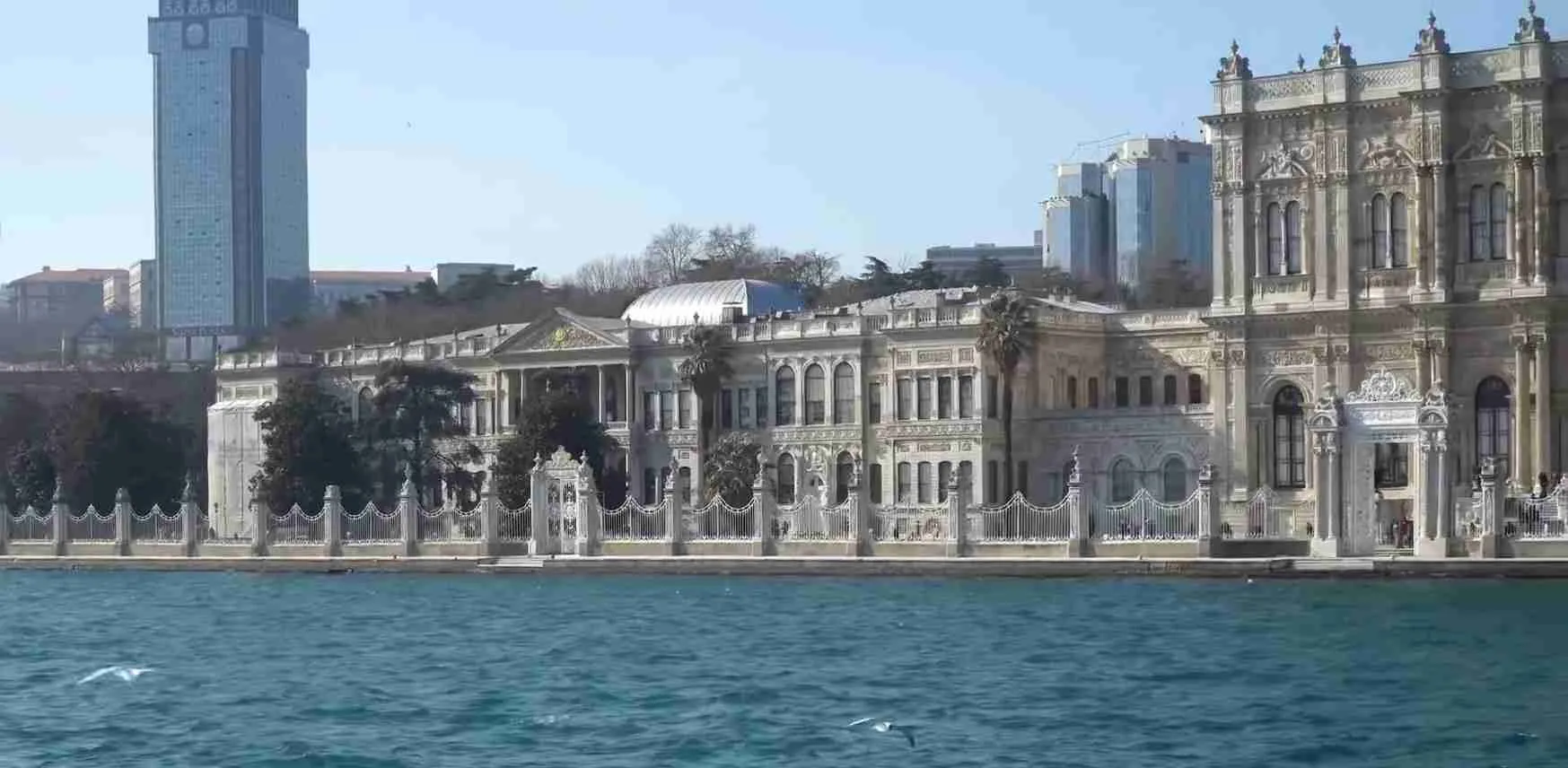
Istanbul 3-Day Itinerary 2026: First-Time Visitor Guide
Istanbul delivers the extraordinary collision of East and West across three days that transform ancient Byzantine basilicas into Ottoman mosques, underground Byzantine cisterns into atmospheric spaces, and bustling bazaars into sensory overload. This first-time visitor itinerary balances Istanbul’s UNESCO World Heritage Historic Areas with practical 2026 logistics including current entrance fees, optimized public transport routes, and strategic timing to minimize crowds at Hagia Sophia, Topkapi Palace, and the Blue Mosque.
Key Takeaways
- Istanbul’s Historic Peninsula concentrates major monuments within walking distance of the T1 tram line, enabling efficient sightseeing without extensive daily transport beyond a 165 TL Istanbulkart and occasional 35 TL tram rides
- Major monument entrance fees in 2026 reach €25 for Hagia Sophia and 2,400 TL for Topkapi Palace including the Harem, requiring advance online booking to bypass ticket lines that extend 45-90 minutes during peak morning hours
- Three days provides sufficient time to explore Sultanahmet’s core monuments (Day 1), experience Bosphorus ferries and Asian-side neighborhoods (Day 2), and discover Grand Bazaar shopping plus Galata district atmosphere (Day 3) without overwhelming first-time visitors
- Mid-range travelers budget 2,500-3,500 TL daily per person in 2026 covering accommodation, dining at local lokantas, public transport, and major attraction entries, while strategic street food choices and free monuments like the Blue Mosque significantly reduce costs
- Summer months (June-August 2026) bring intense heat exceeding 30°C and maximum tourist crowds, while spring (April-May) and fall (September-October) offer optimal weather conditions and 30-40% fewer visitors at major sites
- Istanbul’s public ferry system delivers authentic Bosphorus experiences for 35 TL per crossing versus commercial tourist cruises costing 500-1,200 TL, providing identical water views while connecting European and Asian neighborhoods
People Also Ask About Istanbul 3-Day Itineraries 2026
How much does 3 days in Istanbul cost in 2026?
Three days in Istanbul costs 7,500-10,500 TL (approximately $225-315 USD) per person for mid-range travel in 2026, covering accommodation at 3,000-4,000 TL per night, daily meals at local restaurants totaling 900-1,400 TL, public transport via Istanbulkart at 100-150 TL daily, and major monument entries including Hagia Sophia (€25), Topkapi Palace (2,400 TL), and Basilica Cistern (800 TL). Budget travelers reduce costs to 3,600-5,400 TL total by selecting hostel accommodation at 1,500-2,200 TL nightly, emphasizing street food at 150-300 TL per meal, and prioritizing free attractions like the Blue Mosque and Grand Bazaar alongside selective paid monument visits.
What is the best area to stay in Istanbul for 3 days in 2026?
Sultanahmet provides optimal first-time visitor positioning for 3-day Istanbul itineraries in 2026, placing accommodation within 5-10 minutes walking distance of Hagia Sophia, Blue Mosque, Topkapi Palace, and Basilica Cistern while offering direct T1 tram access to Grand Bazaar, Spice Bazaar, and Eminönü ferry terminals. Alternative neighborhoods including Beyoğlu near Taksim Square and Karaköy along the Golden Horn deliver lower accommodation costs at 2,500-3,500 TL nightly versus 3,500-5,000 TL in Sultanahmet, trading monument proximity for modern Istanbul atmosphere, contemporary dining options, and superior nightlife access while maintaining excellent public transport connections via M2 metro and T1 tram lines.
Can you see Istanbul properly in 3 days in 2026?
Three days allows thorough exploration of Istanbul’s core UNESCO World Heritage Historic Areas including Sultanahmet’s major monuments, Bosphorus strait experiences, and Grand Bazaar shopping while providing surface-level exposure to neighborhoods like Beyoğlu, Karaköy, and Asian-side Kadıköy. First-time visitors accomplish comprehensive coverage of must-see attractions including Hagia Sophia, Topkapi Palace, Blue Mosque, Basilica Cistern, and a Bosphorus ferry crossing within this timeframe, though extended stays of 5-7 days enable deeper neighborhood immersion, day trips to Princes’ Islands or Büyükada, and leisurely exploration of secondary museums including the Turkish and Islamic Arts Museum and Istanbul Archaeological Museums complex.
Do I need to book Istanbul attractions in advance for 2026?
Advance online booking for Hagia Sophia and Topkapi Palace prevents 45-90 minute ticket line waits during 2026 peak season (April-October), particularly for morning arrivals between 9:00-11:00 AM when tour groups concentrate entries. Hagia Sophia requires €25 advance payment with timed entry slots managing tourist flow to the upper gallery museum sections, while Topkapi Palace offers skip-the-line access for the 2,400 TL combined ticket including Harem and Hagia Irene sections. The Basilica Cistern accepts walk-up tickets at 800 TL but experiences shortest queues during early morning (9:00-9:30 AM) and late afternoon (16:30-18:00) periods, while the Blue Mosque requires no advance booking as a functioning mosque with free entry outside prayer times.
Extended multi-day tours – 5+ days
Featured Istanbul Multi-Day Tour Packages
3 days
3 Days – Cappadocia Tour from Istanbul
- ✓ Comprehensive Istanbul tour
- ✓ Expert local guides included
- ✓ All accommodation arranged
- ✓ Transportation provided

3 days
3 Days Cappadocia from/to Istanbul w/cave hotel+optional balloon
- ✓ Comprehensive Istanbul tour
- ✓ Expert local guides included
- ✓ All accommodation arranged
- ✓ Transportation provided

1 days
Daily Bursa City Tour from Istanbul
- ✓ Comprehensive Istanbul tour
- ✓ Expert local guides included
- ✓ All accommodation arranged
- ✓ Transportation provided
3 days
3 DAYS – Cappadocia Tour from/to Istanbul with Optional Balloon Ride
- ✓ Comprehensive Istanbul tour
- ✓ Expert local guides included
- ✓ All accommodation arranged
- ✓ Transportation provided
Multi-day tour packages powered by TourRadar. Prices and availability subject to change.
Introduction: Planning Your First Istanbul Visit in 2026
Istanbul presents first-time visitors with the rare urban condition where a single weekend captures 2,500 years of continuous human civilization spanning Roman, Byzantine, and Ottoman empires, all concentrated within the UNESCO World Heritage Historic Areas of Sultanahmet and surrounding districts. Three days provides sufficient time to experience the city’s essential monuments, cross between Europe and Asia via Bosphorus ferries, navigate labyrinthine covered bazaars, and sample Turkish culinary traditions from street-level simit vendors to rooftop restaurant terraces overlooking the Golden Horn.
The 2026 tourism landscape in Istanbul reflects post-pandemic recovery with entrance fees reaching €25 for Hagia Sophia and 2,400 TL for Topkapi Palace including Harem access, representing 15-20% increases from 2024 pricing driven by inflation and heritage site maintenance requirements. Public transport maintains exceptional value with the rechargeable Istanbulkart costing 165 TL for the physical card plus 35 TL per metro, tram, or bus ride, delivering access across 15 million residents’ daily transit network spanning two continents connected by bridges, ferries, and the underwater Marmaray tunnel.
This itinerary balances major monument visits requiring 2-3 hours each with neighborhood wandering, ferry crossings, bazaar exploration, and strategic meal breaks at local lokantas delivering authentic Turkish cuisine at 350-650 TL per person versus tourist-oriented restaurants charging 700-1,200 TL for comparable quality. The day-by-day structure follows logical geographic clusters minimizing backtracking while accounting for monument opening hours, prayer time closures at functioning mosques, and crowd patterns that concentrate tour groups at Hagia Sophia and Topkapi Palace between 10:00-14:00 daily.
Istanbul’s infrastructure supports independent exploration through comprehensive public transport including the T1 tram connecting airport shuttles to Sultanahmet’s monument cluster, M2 metro serving modern Beyoğlu and Taksim districts, and Şehir Hatları public ferries crossing the Bosphorus for 35 TL versus commercial tourist cruises costing 500-1,200 TL. English-language signage appears throughout tourist zones, though learning basic Turkish phrases including “merhaba” (hello), “teşekkür ederim” (thank you), and “hesap lütfen” (bill please) enhances interactions with vendors, restaurant staff, and local residents navigating daily life alongside visitor flows.
Understanding Istanbul’s Geography and Neighborhoods 2026
Istanbul sprawls across 5,461 square kilometers straddling the Bosphorus strait that separates Europe from Asia, with the Historic Peninsula’s 14 square kilometers containing 90% of monuments relevant to first-time three-day itineraries. The European side divides into Old Istanbul (Sultanahmet and Fatih districts south of the Golden Horn) and Modern Istanbul (Beyoğlu, Taksim, and Beşiktaş north of the Golden Horn), while the Asian side encompasses residential neighborhoods including Kadıköy and Üsküdar offering authentic local atmosphere away from concentrated tourist infrastructure.
Sultanahmet functions as the geographic and historical core where Byzantine Constantinople’s Great Palace once stood, now hosting the Blue Mosque, Hagia Sophia, Topkapi Palace, Basilica Cistern, and Hippodrome ruins within a compact 800-meter radius walkable in 10-12 minutes. The T1 tram bisects this zone along Divan Yolu providing rapid access westward to the Grand Bazaar (Kapalıçarşı stop, 8 minutes), Spice Bazaar and Eminönü ferry terminals (Eminönü stop, 12 minutes), and continues across the Galata Bridge to Karaköy and the Galata Tower neighborhood.
The Bosphorus strait stretches 31 kilometers connecting the Black Sea to the Sea of Marmara, with public ferries operated by Şehir Hatları offering multiple crossing routes including the popular Eminönü-Kadıköy line (20 minutes, 35 TL) and longer Bosphorus tours departing from Eminönü or Kabataş piers (90-120 minutes, 100-150 TL for full strait tours). Asian-side neighborhoods accessible via these ferries maintain lower tourist densities while offering excellent local dining in Kadıköy’s Moda district, fish markets near the ferry terminal, and waterfront walking promenades with European skyline views across the strait.
Beyoğlu district north of the Golden Horn centers on pedestrianized İstiklal Caddesi (Independence Avenue), a 1.4-kilometer shopping street connecting Taksim Square to the Tünel funicular station above Karaköy, lined with international retailers, cafes, historic passages, and the nostalgic red tram that shuttles tourists and locals between endpoints. The M2 metro serves Taksim directly from Yenikapı station near Sultanahmet (6 stops, 18 minutes, 35 TL), while the F1 funicular connects Taksim downhill to Kabataş ferry and tram terminal (2 minutes, 35 TL), demonstrating the integrated public transport system that enables efficient cross-city movement.
Major Monuments Entrance Fees 2026
Istanbul’s major heritage sites implement tiered pricing systems in 2026 with foreign visitors paying premium rates compared to Turkish citizens, entrance fees denominated in euros or Turkish lira depending on administration, and combination tickets offering modest savings for multi-site visits. Understanding these pricing structures and purchasing strategies prevents unexpected costs while navigating Sultanahmet’s monument cluster.
Hagia Sophia Entrance Fee 2026
Hagia Sophia charges foreign tourists €25 for access to the guided “Visiting Area” encompassing the upper gallery museum sections with panoramic interior views, purchased online through official ticketing platforms or at on-site counters near the separate tourist entrance. Children under 8 years accompanied by adults enter free with passport or ID verification. The €25 fee applies specifically to museum zone access as Hagia Sophia functions as an active mosque with free ground floor entry for worshippers, while tourists must use designated upper gallery routes outside prayer times. Purchase tickets at least 24-48 hours in advance during peak season (April-October 2026) to secure preferred time slots as daily entry quotas limit visitor numbers, with morning slots (9:00-10:30) filling fastest among tour group bookings.
Topkapi Palace Combined Ticket 2026
Topkapi Palace offers foreign visitors a comprehensive combined ticket at 2,750 TL covering palace grounds, Hagia Irene, and crucially the Harem section where Ottoman sultans maintained private quarters and the imperial family resided. Purchasing this combined entry prevents the frustration of touring palace courtyards only to discover Harem access requires a separate 900 TL supplement purchased at different ticket counters with independent queues. Individual component pricing reaches 1,600 TL for palace grounds, 900 TL for Harem section, and 900 TL for Hagia Irene when purchased separately, making the 2,750 TL combined option the financially logical choice delivering 850 TL savings. The Museum Pass Istanbul card accepts Topkapi Palace grounds but excludes both Harem and Hagia Irene sections, limiting its value for comprehensive palace exploration.
Basilica Cistern and Other Major Sites 2026
The Basilica Cistern entrance fee reaches 800 TL in 2026 for daytime visits, with evening sessions commanding premium pricing at 1,300 TL for atmospheric lighting and reduced crowds. The Blue Mosque maintains free entry as a functioning mosque, though donations support maintenance and restoration work ongoing since the 2018-2023 comprehensive renovation. The Grand Bazaar and Spice Bazaar charge no entrance fees, operating as active commercial markets where vendor interactions and purchase negotiations form the primary experience rather than museum-style exhibits requiring admission control.
The Istanbul Archaeological Museums complex charges 350 TL covering three distinct buildings displaying artifacts from Mesopotamian, Hellenic, Roman, and Byzantine civilizations, while the Turkish and Islamic Arts Museum costs 250 TL for collections housed in the Ibrahim Pasha Palace overlooking the Hippodrome. The Museum Pass Istanbul, priced at 1,750 TL with 5-day validity, covers 12 state-operated museums including the Archaeological Museums and several mosques-turned-museums like Chora (Kariye), though excluding the most visited sites (Hagia Sophia, Topkapi Harem, Basilica Cistern) limits its value unless visitors plan extensive museum touring beyond the standard three-day first-visit itinerary.
Transportation in Istanbul 2026
Istanbul’s public transport network operates through the rechargeable Istanbulkart system working across metro, tram, bus, ferry, and funicular services with standardized fares delivering exceptional value compared to taxis or tour operator transfers. Understanding card purchase locations, fare structures, and route planning through smartphone apps transforms Istanbul navigation from overwhelming challenge into straightforward logistics.
Istanbulkart Purchase and Pricing 2026
The Istanbulkart physical card costs 165 TL purchased at Biletmatik yellow vending machines located at Istanbul Airport, metro stations, tram stops, and major ferry terminals, with the initial 165 TL covering only card issuance requiring additional credit loading for actual travel. Standard fares across metro, tram, and public buses charge 35 TL per ride in 2026 when using Istanbulkart, compared to 50 TL for single-use paper tickets or contactless credit card payments. Public ferries including the popular Eminönü-Kadıköy crossing cost 35 TL with Istanbulkart matching land transport rates, while the Marmaray underwater metro connecting Europe to Asia charges premium 59.76 TL for tourists using non-personalized cards.
Load sufficient credit at purchase to avoid mid-journey top-up requirements, with 500-700 TL covering 3-4 days of intensive sightseeing including 4-6 daily rides across various transport modes. Vending machines at stations accept cash Turkish lira and major credit cards with English-language menu options guiding the top-up process. Multiple travelers can share a single Istanbulkart by tapping separately for each person boarding, though this proves inconvenient during rush hour crowding when rapid boarding flow discourages pause-and-tap-again sequences blocking other passengers.
Key Public Transport Routes for Tourists 2026
The T1 tram line serves as the primary tourist transport corridor connecting Kabataş ferry terminal through Sultanahmet to Bağcılar, with key stops including Sultanahmet (Hagia Sophia, Blue Mosque), Beyazıt-Kapalıçarşı (Grand Bazaar), Eminönü (Spice Bazaar, ferries), Karaköy (Galata Tower base), and Kabataş (funicular to Taksim). Trams run every 5-7 minutes during daytime hours (6:00-23:00) with journey time from Sultanahmet to Eminönü requiring just 8 minutes versus 20-30 minutes walking the same distance through crowded streets.
The M2 metro connects Yenikapı (near Sultanahmet, accessible via M1 metro or tram transfer) to Taksim Square and continues north through modern business districts to Hacıosman, providing air-conditioned rapid transit bypassing surface traffic congestion. The F1 funicular descends from Taksim to Kabataş in 2 minutes (versus 25-minute walking descent), where connections to T1 tram and ferries enable seamless transport integration across Istanbul’s geographic complexity.
Şehir Hatları public ferries operate multiple Bosphorus routes with the short Eminönü-Kadıköy crossing (20 minutes, 35 TL) delivering Asian-side access for dining and neighborhood exploration, while longer Bosphorus tours departing Eminönü travel north past waterfront palaces, Ottoman fortresses, and suspension bridges connecting continents (90-120 minutes, 100-150 TL). The Karaköy-Kadıköy ferry (15 minutes, 35 TL) offers an alternative European-Asian crossing serving travelers based in Beyoğlu or exploring Galata Tower before continuing to Asian neighborhoods.
Accommodation Recommendations 2026
Istanbul hotel pricing in 2026 spans budget hostels at 1,500-2,200 TL per night for dormitory beds or basic private rooms to luxury Bosphorus-view properties exceeding 8,000 TL nightly, with mid-range 3-4 star hotels in strategic locations averaging 3,000-5,000 TL. Neighborhood selection balances monument proximity against nightly costs, as Sultanahmet commands premium pricing for steps-to-attractions convenience while Beyoğlu, Karaköy, and Asian-side Kadıköy deliver 20-30% lower rates with excellent public transport connections maintaining practical access.
Budget Accommodation Options 2026
Budget travelers targeting 1,500-3,000 TL nightly find concentration in Sultanahmet’s side streets away from direct Blue Mosque and Hagia Sophia views, with small family-run hotels and renovated Ottoman houses offering basic amenities including breakfast, WiFi, and air conditioning essential during summer months. Hostel dormitory beds in Sultanahmet and Beyoğlu cost 800-1,500 TL per night with shared bathroom facilities and common areas facilitating social interaction among backpackers, while private rooms in the same establishments reach 2,000-2,800 TL comparable to budget hotel pricing but with hostel atmosphere and younger demographic.
Kadıköy on the Asian side presents excellent budget value with local hotels charging 1,800-2,500 TL for clean, modern rooms near the ferry terminal, though requiring 20-minute Bosphorus crossings to reach Sultanahmet monuments adding transport time and 35 TL per crossing to daily logistics. The tradeoff delivers authentic residential neighborhood atmosphere, superior local dining options at 300-500 TL per meal versus 500-800 TL in Sultanahmet tourist restaurants, and genuine interaction with Istanbul residents conducting daily life rather than serving visitor economies.
Mid-Range Hotel Selection 2026
Mid-range accommodation at 3,000-5,500 TL nightly positions in Sultanahmet for monument proximity, Beyoğlu for modern Istanbul atmosphere and İstiklal Caddesi shopping access, or Karaköy for waterfront location near Galata Tower with excellent ferry connections to Asian neighborhoods. Three-star and four-star properties at this price point deliver air-conditioned rooms, private bathrooms, breakfast buffets, rooftop terraces with varying view quality, and English-speaking reception staff assisting with tour bookings and transport guidance.
Sultanahmet mid-range hotels occupy renovated historic buildings and purpose-built structures within 400-800 meters of major monuments, enabling morning walks to Hagia Sophia before tour bus arrivals and evening returns without transport requirements. Beyoğlu and Karaköy alternatives trade some monument proximity for neighborhood character, contemporary design aesthetics, and proximity to modern restaurants, bars, and contemporary art galleries serving Istanbul’s creative industries alongside tourist infrastructure.
Day 1: Sultanahmet Historic Peninsula 2026
Day one concentrates on Sultanahmet’s UNESCO World Heritage monuments including Hagia Sophia, Blue Mosque, Topkapi Palace, Basilica Cistern, and Hippodrome, all accessible within a 600-meter radius enabling walking connections between sites while using strategic rest breaks at local çay (tea) houses to manage summer heat and monument queue recovery. Start early at 9:00 AM to beat tour bus concentrations peaking 10:30-13:30, and plan 7-8 hours including monument visits, lunch, and breaks before concluding with sunset views from Sultanahmet Square.
Morning: Hagia Sophia and Blue Mosque 2026
Arrive at Hagia Sophia for 9:00 AM opening to experience the vast interior before crowd density obscures architectural details and photographic opportunities, with pre-purchased €25 tickets bypassing 30-45 minute queue lines forming by 9:30 AM. Allocate 90 minutes exploring the ground floor’s Ottoman-era Islamic elements including massive calligraphic medallions and sultan’s loge, ascending to the upper gallery museum sections displaying Byzantine Christian mosaics depicting emperors, religious scenes, and the famous Deësis mosaic showing Christ flanked by the Virgin Mary and John the Baptist. Audio guides available for 200 TL provide historical context impossible to absorb from visual inspection alone, explaining the building’s 537 CE Byzantine construction as Hagia Sophia cathedral, 1453 Ottoman conversion to mosque, 1935-2020 museum period, and 2020 reconversion to functioning mosque creating the current dual worship-tourist access system.
Exit Hagia Sophia by 10:30-11:00 AM and walk 250 meters southwest across Sultanahmet Square to the Blue Mosque (Sultan Ahmed Mosque), entering free outside five daily prayer times when tourist access closes for 30-45 minutes during worship periods. Remove shoes at designated entry areas and dress modestly with shoulders and knees covered, with free scarves provided for women requiring head covering though increasingly optional for non-Muslim visitors. The interior’s 20,000+ İznik ceramic tiles in blue, white, and turquoise hues create the “Blue Mosque” nickname, while 260 windows flood the prayer hall with natural light revealing intricate calligraphy and geometric patterns across domes and semi-domes. Allocate 45-60 minutes for Blue Mosque visit including exterior courtyard photography and interior contemplation, noting the active worship function means respectful silence and photography restrictions during prayers.
Midday: Topkapi Palace Complex 2026
Walk 400 meters north from Blue Mosque to Topkapi Palace main entrance (Imperial Gate), arriving around 11:30 AM-12:00 PM with pre-purchased 2,750 TL combined tickets avoiding separate queue lines for palace grounds, Harem, and Hagia Irene sections. The palace complex sprawls across four courtyards and multiple pavilions requiring 2.5-3.5 hours for thorough exploration, with priority routing to the Harem section as this area implements visitor quotas that may close by mid-afternoon during peak season despite holding valid tickets.
Begin at the Harem entrance in the Second Courtyard (left side after passing through the Gate of Salutation), touring the 300+ rooms where Ottoman sultans maintained private family quarters, concubines resided, and power politics unfolded through the Valide Sultan (queen mother) controlling access and influence. The Harem requires 45-60 minutes following guided routes through the Courtyard of the Eunuchs, Imperial Hall, Sultan’s chambers, and princes’ education rooms displaying İznik tile work, carved woodwork, and stained glass demonstrating Ottoman artistic achievements.
Continue to the Third Courtyard housing the Treasury collection displaying the Topkapi Dagger with emerald-encrusted hilt, the 86-carat Spoonmaker’s Diamond, and sacred relics including Prophet Muhammad’s cloak, footprint, and sword stored in the Sacred Safekeeping Rooms. The Fourth Courtyard provides Bosphorus and Golden Horn views from elevated terraces and garden pavilions where sultans received guests and contemplated empire administration. Exit via the Imperial Gate around 14:30-15:00, having covered palace grounds, Harem, and key pavilions within the allocated 2.5-3 hour visit window.
Afternoon: Basilica Cistern and Hippodrome 2026
Walk 500 meters south from Topkapi Palace returning to Sultanahmet Square, stopping for lunch at local lokantas along Divan Yolu charging 350-500 TL per person for soup, main course with rice or bulgur, fresh bread, and unlimited tea or ayran (yogurt drink). The Basilica Cistern (Yerebatan Sarnıcı) entrance lies 100 meters west of Hagia Sophia on Yerebatan Caddesi, with 800 TL admission providing access to the atmospheric 6th-century Byzantine underground water reservoir featuring 336 marble columns supporting vaulted brick ceilings and shallow water reflecting dramatic lighting effects.
Allocate 45 minutes exploring the cistern’s raised wooden walkways threading between columns, photographing the famous Medusa head column bases repurposed from earlier Roman structures, and absorbing the cool underground environment providing summer heat relief. Exit by 16:00-16:30 to visit the nearby Hippodrome, the Byzantine-era chariot racing venue and social gathering space now preserved as an elongated park displaying the Egyptian Obelisk (390 BCE), Serpent Column from Delphi (479 BCE), and German Fountain (1900 CE) representing Istanbul’s multi-layered historical accumulation.
Conclude Day 1 with çay and baklava at Sultanahmet Square cafes offering outdoor seating with Blue Mosque and Hagia Sophia views, watching evening light transform the monuments’ stone facades while reviewing the day’s experiences. Return to accommodation by 18:00-19:00 for rest before dinner, or extend to evening strolls through Sultanahmet’s illuminated streets where monument lighting creates photographic opportunities impossible during harsh midday sun.
Day 2: Bosphorus and Asian Side 2026
Day two shifts focus from monuments to Istanbul’s defining geographic feature—the Bosphorus strait separating Europe from Asia—through public ferry crossings, Asian-side neighborhood exploration in Kadıköy, and waterfront walking promenades delivering skyline views absent from landlocked Sultanahmet. This day requires more transport coordination than Day 1’s walking-focused Sultanahmet cluster, budgeting 150-200 TL in Istanbulkart rides across tram, ferry, and metro connections.
Morning: Grand Bazaar and Spice Bazaar 2026
Start Day 2 at the Grand Bazaar (Kapalıçarşı), accessible via T1 tram from Sultanahmet to Beyazıt-Kapalıçarşı stop (3 stops, 6 minutes, 35 TL) or 15-minute uphill walk west along Divan Yolu. The bazaar opens Monday-Saturday at 9:00 AM (closed Sundays and religious holidays), with early arrival providing rare crowd-free photography in the vaulted corridors before 10:30 AM tour group arrivals transform the space into sensory overload of vendor calls, carpet displays, jewelry glitter, and tourist haggling.
The Grand Bazaar sprawls across 30,750 square meters containing 4,000+ shops organized by historical trade guilds into districts specializing in gold jewelry, carpets, ceramics, leather goods, textiles, and tourist souvenirs at varying quality and price points. Allocate 90 minutes for initial exploration walking the main arterial streets (Kalpakcılar Caddesi for jewelry, Halıcılar Caddesi for carpets) while understanding that serious shopping requires return visits after price comparison across multiple vendors. Exit via Nuruosmaniye Gate on the bazaar’s northeast side, walking 600 meters downhill through local shopping streets to reach the Spice Bazaar (Mısır Çarşısı) near Eminönü ferry terminals.
The Spice Bazaar concentrates in a compact L-shaped building housing 85 shops selling Turkish delight, dried fruits, nuts, honey, saffron, spices, and tea varieties at prices moderately inflated for tourist traffic but still representing better value than airport purchases. Allocate 30-45 minutes exploring the aromatic corridors, sampling offered pistachios and Turkish delight before purchasing, and photographing the colorful pyramids of spices displaying turmeric, sumac, and dried chilies arranged for maximum visual impact. Exit by 11:30 AM-12:00 PM heading to adjacent Eminönü ferry terminal for Bosphorus crossing.
Midday: Bosphorus Ferry to Asian Side 2026
Eminönü ferry terminal operates Şehir Hatları public ferries to multiple Asian-side destinations, with the Eminönü-Kadıköy route departing every 15-20 minutes (20 minutes crossing time, 35 TL with Istanbulkart). Board the 12:00-12:30 PM departure for optimal midday Bosphorus light and reduced commuter crowds that pack ferries during 8:00-9:30 AM and 17:00-19:00 rush hours. Stand on outer decks during the crossing for unobstructed skyline views spanning from Topkapi Palace on the Historic Peninsula to modern Beşiktaş towers rising north along the European shore.
The 20-minute crossing delivers the essential Bosphorus experience without the commitment and cost of 2-hour commercial tourist cruises charging 500-1,200 TL for guided commentary and snack service adding minimal value beyond the water views achievable on public ferries. Photograph the Maiden’s Tower (Kız Kulesi) sitting on its small island offshore, track container ships and tankers navigating the strait’s shipping lanes connecting the Black Sea to Mediterranean via the Sea of Marmara, and observe waterfront palaces and yalıs (Ottoman wooden mansions) lining both shores demonstrating the Bosphorus’s historical role as elite residential district.
Afternoon: Kadıköy Neighborhood Exploration 2026
Disembark at Kadıköy ferry terminal around 12:30-13:00 PM, entering the Asian side’s most vibrant neighborhood mixing residential life, shopping streets, local markets, and dining options serving Istanbul residents rather than tourist groups. Walk 300 meters east to the Kadıköy Produce Market (Salı Pazarı) displaying fresh fruits, vegetables, cheeses, olives, and prepared foods at neighborhood prices creating stark contrast to Sultanahmet’s tourist inflation.
Lunch in Kadıköy’s local restaurants or street food stalls delivers authentic Turkish cuisine at 250-450 TL per person, with specialties including balık ekmek (fish sandwich) from waterfront vendors near the ferry terminal, tantuni (spiced meat wraps) from Mersin-style restaurants on side streets, and traditional Turkish breakfast spreads served all day at neighborhood cafes charging 300-400 TL for platters of cheeses, olives, tomatoes, cucumbers, honey, jam, and fresh bread with unlimited tea.
Post-lunch exploration extends south to Moda neighborhood, a 20-minute walk along tree-lined residential streets reaching Moda waterfront promenade offering panoramic European-side views across the Bosphorus toward Sultanahmet’s distant minarets and domes. Moda Seaside Park provides grassy areas for afternoon rest, local ice cream vendors, and cafes serving Türk kahvesi (Turkish coffee) in traditional cups, frequented by Istanbul families and young professionals rather than tourist flows. Allocate 2-3 hours total for Kadıköy and Moda exploration before returning to the European side via ferry.
Evening: Return and Galata District 2026
Board return ferries from Kadıköy to Karaköy (15 minutes, 35 TL) or Eminönü (20 minutes, 35 TL) departing every 15-20 minutes through evening hours. The Karaköy route positions for Galata Tower visits and Beyoğlu evening exploration, while Eminönü returns directly to Sultanahmet via T1 tram for those preferring earlier accommodation return.
Galata Tower (Galata Kulesi) stands 67 meters above Karaköy district, accessible via steep uphill walks through characterful streets or the Tünel funicular climbing from Karaköy to Galata neighborhood (2 minutes, 35 TL). Tower entrance costs 650 TL for foreign visitors with elevator access to upper viewing platforms providing 360-degree Istanbul panoramas across the Golden Horn, Bosphorus, and Historic Peninsula as sunset transforms the cityscape through golden hour lighting. Evening hours (18:00-21:00) bring reduced crowds versus midday peak while maintaining sufficient daylight for photography and orientation of landmarks visited across the previous 1.5 days.
Dinner options in Galata and Karaköy neighborhoods range from traditional meyhanes (taverns) serving mezze small plates and rakı (anise-flavored spirit) at 600-900 TL per person to modern fusion restaurants at 800-1,400 TL, with waterfront fish restaurants along Karaköy’s Mumhane Caddesi delivering Bosphorus views and fresh seafood grilled tableside. Return to Sultanahmet accommodation via T1 tram from Karaköy stop (6 stops, 12 minutes, 35 TL) or walk to Taksim via İstiklal Caddesi for those extending evening exploration into Beyoğlu nightlife.
Day 3: Beyoğlu and Modern Istanbul 2026
Day three explores modern Istanbul north of the Golden Horn including İstiklal Caddesi pedestrian shopping street, Taksim Square, contemporary art galleries, and optional excursions to outlying attractions like the Dolmabahçe Palace or Ortaköy neighborhood depending on energy levels and specific interests after two intensive monument and neighborhood exploration days.
Morning: İstiklal Caddesi and Taksim Square 2026
Access İstiklal Caddesi via T1 tram to Karaköy, then Tünel funicular climbing to Tünel Square at İstiklal’s southern terminus (2 minutes, 35 TL from Karaköy), arriving around 9:30-10:00 AM before midday shopping crowds fill the pedestrian street. The 1.4-kilometer İstiklal Caddesi connects Tünel to Taksim Square lined with international fashion retailers, Turkish chains, historic passages (pasajlar) housing small boutiques and cafes, foreign consulate buildings, and the nostalgic red tram shuttling tourists unwilling to walk the gradually uphill route.
Allocate 90-120 minutes for İstiklal exploration including detours into Çiçek Pasajı (Flower Passage) and adjacent Avrupa Pasajı displaying Belle Époque architecture now housing fish restaurants and meyhanes, visiting the Galatasaray Fish Market (Balık Pazarı) offering vibrant displays of Mediterranean seafood, and stopping for Turkish coffee or simit at historic cafes preserving 19th-century atmospheres amid modern commercial development. Photography opportunities include the red tram against Ottoman-era facades, street performers and musicians gathering near Galatasaray Square, and architectural details demonstrating Istanbul’s European cultural orientation during Tanzimat reform periods.
Taksim Square at İstiklal’s northern terminus functions as modern Istanbul’s symbolic center, anchored by the Republic Monument (1928) and recently redesigned pedestrian spaces replacing the former traffic chaos. The square itself offers limited sightseeing value beyond symbolic importance, with surrounding streets providing access to modern hotels, the Atatürk Cultural Center (AKM) hosting performances and exhibitions, and metro connections to Asian-side districts via Marmaray underwater tunnel. Allocate 20-30 minutes for Taksim orientation before continuing to specific morning activity selections.
Midday Options: Dolmabahçe Palace or Ortaköy 2026
Option A: Dolmabahçe Palace requires 90-minute minimum visits exploring the ornate 19th-century Ottoman palace housing 285 rooms decorated with crystal chandeliers, European furniture, and baroque/rococo architectural elements demonstrating Western cultural influence during the empire’s final decades. Access via T1 tram from Taksim to Kabataş (F1 funicular, 2 minutes, 35 TL), walking 600 meters along Bosphorus shore to palace entrance. Entry costs 950 TL for palace section, with 450 TL additional for Harem quarters, totaling 1,400 TL for comprehensive access less interesting than Topkapi’s exotic Ottoman mystique but architecturally significant for imperial history scholars.
Option B: Ortaköy neighborhood sits 3 kilometers north of Dolmabahçe accessible via bus 40 or 22 from Kabataş (10 minutes, 35 TL), offering Bosphorus waterfront atmosphere around the baroque Ortaköy Mosque (free entry), Sunday craft markets (seasonal), and Istanbul’s famous kumpir (stuffed baked potatoes) vendors lining the square charging 150-250 TL for massive portions customized with unlimited toppings. The 15 Temmuz Şehitler Köprüsü (Bosphorus Bridge) towers overhead creating dramatic photographic backdrops, while waterfront cafes provide extended rest opportunities watching ferries navigate the strait and local families enjoying weekend promenades.
Afternoon: Contemporary Istanbul Art and Culture 2026
Istanbul Modern (İstanbul Modern Sanat Müzesi) relocated in 2023 to purpose-built waterfront facilities in Karaköy district, housing permanent collections of Turkish contemporary art from the Republican period (1923-present) and rotating international exhibitions. Entry costs 350 TL with museum cafes and outdoor terraces providing Bosphorus views and respite from gallery touring. Allocate 90 minutes for comprehensive exploration across three floors, or 45-60 minutes for highlights touring if museum fatigue sets in after two days of intensive monument visits.
Alternative cultural options include Pera Museum (Pera Müzesi) on İstiklal Caddesi displaying Orientalist paintings, Anatolian weights and measures, and Kütahya ceramics (300 TL entry), or the Istanbul Naval Museum (Deniz Müzesi) in Beşiktaş showcasing Ottoman maritime history through elaborate imperial caiques (rowing boats) used for sultan Bosphorus processions (200 TL entry). These smaller museums suit specific interest areas rather than general first-time visitor itineraries, but provide focused cultural depth for those extending Istanbul stays beyond initial three-day frameworks.
Evening: Final Bosphorus Views and Departure Preparation 2026
Conclude the three-day itinerary with sunset views from waterfront restaurants in Karaköy or Ortaköy neighborhoods, or return to Sultanahmet for final photographs of illuminated monuments creating evening atmospheres distinct from midday visits. Turkish Airlines, Pegasus, and international carriers operate late evening departures from Istanbul Airport allowing full day exploration before airport transfers via Havaist shuttles (150-200 TL, 90 minutes) or M11 metro (35 TL, 75 minutes plus connections).
Departure logistics for next-day flights include evening packing, confirming airport transport arrangements, and settling hotel bills accounting for minibar charges, laundry services, or late checkouts extending beyond standard 12:00 PM policies. Those extending Istanbul stays beyond three days consider day trips to Princes’ Islands via ferry (90 minutes each way, 50-75 TL), Edirne’s Selimiye Mosque (2.5 hours by bus, UNESCO World Heritage site), or relaxation days in neighborhood cafes absorbing local rhythm rather than intensive monument touring schedules.
Dining and Food Costs 2026
Istanbul’s culinary landscape spans from 150 TL simit (sesame-covered bread rings) sold by street vendors to 1,500+ TL per person fine dining experiences in Bosphorus-view restaurants, with the vast middle ground of local lokantas, kebab houses, and neighborhood cafes delivering authentic Turkish cuisine at 350-800 TL per meal. Understanding dining price tiers and strategic meal planning prevents budget overruns while maximizing food quality and cultural experience.
Street Food and Quick Meals 2026
Istanbul’s street food delivers filling meals at 150-350 TL per person, with simit vendors charging 15-25 TL for the sesame bread rings eaten plain or with white cheese and tomatoes as impromptu breakfasts. Doner kebab wraps (dürüm) cost 200-350 TL depending on meat choice and vendor location, with tourist areas like Sultanahmet Square commanding 30-40% premiums versus neighborhood shops in Kadıköy or residential Fatih districts.
Balık ekmek (fish sandwiches) from Eminönü waterfront vendors near the ferry terminal reach 120-180 TL for freshly grilled mackerel served in bread with lettuce and onions, representing Istanbul’s signature street food requiring immediate consumption while hot. Kumpir (stuffed baked potatoes) in Ortaköy neighborhood cost 150-250 TL for massive portions customized with unlimited toppings including cheese, corn, pickles, olives, and various salads creating complete meals rather than side dishes. Fresh-squeezed orange or pomegranate juice from street carts charges 80-120 TL per glass, while bottled water costs 15-25 TL from kiosks versus 5-10 TL from supermarkets planning ahead.
Local Restaurants and Lokantas 2026
Lokantas function as traditional Turkish “homestyle food” restaurants displaying daily-prepared dishes in steam table arrangements where customers point at selections rather than ordering from menus, charging by portion size at 350-650 TL per person including soup, main course, side dishes, bread, and unlimited tea. These establishments concentrate along Divan Yolu between Sultanahmet and the Grand Bazaar, in Kadıköy’s market district, and throughout residential neighborhoods serving working-class Istanbulites rather than tourist demographics.
Speciality restaurants focusing on specific regional cuisines or preparation methods charge 500-900 TL per person, with meyhanes (tavern-style restaurants) serving cold and hot mezze small plates and rakı reaching 600-1,000 TL per person when alcohol consumption accompanies extensive mezze ordering. Kebab houses preparing Adana kebab, İskender kebab, or various regional kebab styles charge 400-700 TL per person for complete meals including grilled meats, rice or bulgur, salad, and bread, with portion sizes typically exceeding Western restaurant standards creating potential sharing opportunities reducing individual costs.
Mid-Range to Upscale Dining 2026
Restaurants in prime locations (Sultanahmet Square views, Galata Tower vicinity, Bosphorus waterfront) charge 800-1,400 TL per person for three-course meals excluding alcohol, with wine and beer adding 300-600 TL per person to final bills. Rooftop restaurants overlooking Blue Mosque and Hagia Sophia deliver unmatched photographic backdrops during sunset dining but represent poor value as food quality rarely justifies 40-60% location premiums versus equivalent cuisine served in side-street establishments.
Fine dining experiences in modern Nişantaşı, Karaköy, or Bebek neighborhoods reach 1,500-2,500+ TL per person for innovative Turkish-international fusion cuisines, tasting menus with wine pairings, and celebrity chef establishments marketing to wealthy Istanbul residents and business expense accounts. These restaurants suit special occasion dining or culinary-focused travelers but represent unnecessary expense for typical three-day first-visit itineraries where authentic local lokantas and strategic street food deliver superior cultural experience and budget efficiency.
Sample 3-Day Budget Breakdown 2026
A realistic three-day Istanbul mid-range budget totals 7,500-10,500 TL per person (approximately $225-315 USD at 2026 exchange rates) covering accommodation, dining, transport, and major attraction entries. This breakdown demonstrates how costs accumulate across categories while identifying areas for budget reduction or selective upgrades.
Accommodation Costs Over 3 Days 2026
Mid-range hotel accommodation in Sultanahmet or Beyoğlu at 3,500-4,500 TL per night totals 10,500-13,500 TL across three nights, representing 60-65% of total trip costs for solo travelers or 30-35% for couples sharing double rooms. Budget travelers reduce accommodation to 1,800-2,500 TL nightly in hostels or basic hotels totaling 5,400-7,500 TL for three nights, while luxury preferences reaching 6,000-9,000+ TL nightly create three-day accommodation costs of 18,000-27,000 TL before other expense categories.
Major Monument Entry Fees 2026
Core monument entries total approximately 4,000-4,500 TL per person across three days: Hagia Sophia €25 (approximately 1,100 TL at 2026 exchange rates), Topkapi Palace combined ticket 2,750 TL, Basilica Cistern 800 TL, and optional entries to Dolmabahçe Palace 950 TL, Galata Tower 650 TL, or Istanbul Modern 350 TL. Budget-conscious travelers eliminate optional sites reducing monument costs to 4,650 TL total (Hagia Sophia, Topkapi, Basilica Cistern only), while comprehensive museum enthusiasts adding Archaeological Museums (350 TL), Turkish and Islamic Arts Museum (250 TL), and specialty museums reach 5,500-6,500 TL across three days.
Daily Food and Dining Budget 2026
Mid-range dining patterns consuming one street food meal (250-350 TL), one lokanta lunch or dinner (400-600 TL), plus coffee, snacks, and bottled water (150-250 TL) total 800-1,200 TL per person daily, reaching 2,400-3,600 TL across three days. Budget travelers emphasizing street food and eliminating sit-down restaurant meals reduce food costs to 450-700 TL daily (1,350-2,100 TL for three days), while upscale preferences for waterfront dining and rooftop restaurants inflate food budgets to 1,500-2,200 TL daily (4,500-6,600 TL total).
Transportation Costs 2026
Istanbulkart card purchase (165 TL) plus daily rides averaging 4-6 transits at 35 TL each (140-210 TL daily, 420-630 TL for three days) plus occasional Marmaray tunnel crossings at 60 TL and ferry rides at 35 TL creates three-day transport budgets of 750-1,000 TL per person. This assumes public transport exclusivity avoiding taxis that charge 150-300 TL for typical cross-city journeys versus 35 TL equivalent public transport routes, though late-night returns or luggage transport to airports may justify selective taxi usage adding 200-400 TL to three-day totals.
Complete Three-Day Total Budget 2026
Combining all expense categories for mid-range solo travelers: accommodation 10,500-13,500 TL (three nights), monuments 4,650-5,500 TL, food 2,400-3,600 TL, transport 750-1,000 TL. Total three-day cost 18,300-23,600 TL per person (excluding accommodation). Couples sharing double rooms halve accommodation costs per person to 5,250-6,750 TL, creating per-person three-day totals of 13,050-16,850 TL when accounting for monument, food, and transport expenses remaining constant.
Money-Saving Strategies for Istanbul 2026
Strategic cost reduction across accommodation, dining, and transport categories maintains quality Istanbul experiences while significantly reducing three-day total budgets from mid-range 18,000-24,000 TL toward budget-conscious 8,000-12,000 TL ranges without sacrificing core attractions or cultural authenticity.
Accommodation Cost Reduction 2026
Shift accommodation from Sultanahmet to Kadıköy on the Asian side reduces nightly costs by 30-40% (from 3,500-4,500 TL to 2,200-3,000 TL) while requiring 20-minute ferry crossings and 35 TL transport costs accessing European-side monuments. The tradeoff delivers authentic neighborhood immersion, superior local dining options, and genuine interaction with residential Istanbul versus tourist-zone dynamics, though requiring more disciplined morning departures catching early ferries for 9:00 AM monument openings.
Consider hostel private rooms versus hotels when traveling solo or as couples, with clean modern hostels in Sultanahmet and Beyoğlu offering ensuite private rooms at 2,000-2,800 TL nightly versus 3,500-4,500 TL comparable hotel rates. Shared dormitories reduce costs further to 800-1,500 TL per bed, though sacrificing privacy and potentially encountering social hostel atmospheres incompatible with early morning monument schedules requiring 7:30-8:00 AM departures and 22:00-23:00 returns after evening dining.
Dining Budget Optimization 2026
Emphasize street food and lokantas over tourist-oriented restaurants, with two street food meals (300-600 TL combined) and one lokanta sit-down lunch (350-500 TL) totaling 650-1,100 TL daily versus three restaurant meals reaching 1,500-2,000+ TL. Purchase bottled water and snacks from supermarkets at 30-50% discounts versus tourist area kiosks, with 1.5-liter water bottles costing 10-15 TL in supermarkets versus 25-35 TL from Sultanahmet Square vendors.
Avoid alcohol consumption or limit to one beer/glass of wine with dinner, as Turkish alcohol taxes create restaurant wine costs of 200-400 TL per glass and beer at 100-150 TL versus non-alcoholic ayran (yogurt drink) at 25-40 TL or unlimited çay (tea) often provided free with meals. This single elimination reduces daily food costs by 200-600 TL while maintaining full dining experiences and authentic beverage traditions.
Free and Low-Cost Attractions 2026
Prioritize free monuments including the Blue Mosque, Grand Bazaar, Spice Bazaar, Hippodrome, and waterfront promenades over paid sites after covering essential Hagia Sophia and Topkapi Palace entries. The 35 TL public ferry crossing delivers identical Bosphorus views and experiences to 500-1,200 TL commercial tourist cruises, while neighborhood walking through Balat’s colorful houses, Fener’s Greek Orthodox Patriarchate, and Karaköy’s street art provides photographic opportunities and cultural immersion at zero cost beyond occasional çay purchases at 20-30 TL per glass.
Skip peripheral museums like the Naval Museum, Rahmi M. Koç Museum, or Sakıp Sabancı Museum unless specific interest areas justify 200-500 TL entry fees, as three days barely accommodates Sultanahmet’s core monuments without museum addition creating rushed schedules and reduced enjoyment. Save second-tier museum visits for return Istanbul trips when major monument familiarity allows deeper cultural exploration and specialized interest pursuit.
Best Time to Visit Istanbul in 2026
Istanbul experiences distinct seasonal patterns affecting weather comfort, tourist crowd densities, and accommodation/attraction pricing, with shoulder seasons (April-May and September-October) delivering optimal balances versus peak summer heat and winter cold extremes. Understanding 2026’s seasonal dynamics enables strategic visit timing matching personal weather preferences against budget considerations and crowd tolerance levels.
Spring Season (April-May 2026)
Spring temperatures range 15-23°C in April rising to 18-26°C by May, providing comfortable walking weather for monument touring without summer’s 30-35°C+ heat that creates midday exhaustion and reduced outdoor comfort. April brings occasional rain showers requiring umbrella preparation but clearing quickly, while May delivers increasingly sunny stable weather ideal for Bosphorus ferry rides and outdoor dining on restaurant terraces.
Tourist crowds build progressively through spring from moderate April levels to near-peak May densities as European school holidays commence and cruise ship arrivals increase. Hagia Sophia and Topkapi Palace maintain manageable queue lines in April (20-30 minutes without advance tickets) extending to 45-60 minutes by late May during peak 10:30-13:30 hours. Accommodation prices remain 15-20% below peak summer rates through April, rising to summer-equivalent levels by mid-May as demand increases. The tulip festival in April showcases millions of tulips planted in Sultanahmet and Gülhane Park creating photographic opportunities celebrating the flower’s Ottoman historical significance.
Summer Peak Season (June-August 2026)
Summer delivers maximum daylight hours (15+ hours in June) enabling extended evening exploration and sunset monument photography, offset by intense heat reaching 30-35°C regularly with occasional 38-40°C extremes creating physical challenges for midday walking between attractions. Coastal Bosphorus breezes moderate temperatures versus inland Sultanahmet, while underground cisterns and air-conditioned museums provide essential heat relief breaks during peak afternoon hours.
July and August represent absolute peak tourist season with maximum accommodation pricing, intense monument crowds creating 60-90 minute queue waits without advance tickets, and local Istanbulites departing for beach vacations leaving neighborhoods to tourist dominance. Consider August’s Islamic calendar observances (dates vary annually) when Ramadan daytime fasting closes some restaurants and alters dining schedules, though Istanbul’s secular character maintains broader tourist infrastructure versus more conservative Turkish cities.
Fall Shoulder Season (September-October 2026)
Fall temperatures moderate from 22-28°C September highs to 15-22°C October ranges creating ideal walking conditions without summer exhaustion, though September maintains summer-level warmth and humidity in early weeks before October’s crisp autumn air arrives. Rain frequency increases through October requiring jacket preparation, while November transitions into winter cold falling outside optimal visit windows for three-day first-visit itineraries.
Tourist crowds decline significantly from peak summer levels, with September maintaining moderate densities before October’s dramatic reduction creating near-ideal conditions balancing monument access against atmospheric emptiness. Accommodation prices drop 25-30% from summer peaks by October, while restaurant and attraction operations remain full-schedule versus winter’s reduced hours and seasonal closures. The grape harvest season creates excellent wine availability in restaurants and markets, while fall produce including pomegranates, figs, and chestnuts appear in street vendor offerings.
Winter Low Season (November-March 2026)
Winter temperatures average 5-12°C with occasional snow creating postcard scenes of Ottoman monuments under white coverage, though persistent rain, cold winds, and short daylight hours (9-10 hours) challenge outdoor monument touring and ferry rides. Indoor attractions including museums and covered bazaars gain relative importance versus summer’s outdoor emphasis, while hamam (Turkish bath) experiences deliver welcomed warmth and cultural authenticity.
Minimum tourist crowds create empty monument halls and zero queue waits, though some seasonal attractions and tours operate reduced schedules or close entirely through winter months. Accommodation reaches lowest annual pricing with 40-50% discounts versus summer peaks, while restaurant deals and attraction special offers target limited winter visitor numbers. Winter suits return visitors seeking deeper cultural immersion and budget optimization over first-time visitors expecting optimal weather and full operational schedules.
Essential Practical Information for Istanbul 2026
Beyond itinerary planning and budgeting, successful Istanbul navigation requires understanding practical details including visa requirements, currency exchange, internet connectivity, safety considerations, and cultural etiquette affecting visitor experiences throughout three-day explorations across Europe and Asia.
Visa and Entry Requirements 2026
Most Western passport holders (USA, Canada, EU, UK, Australia) receive 90-day tourist visa exemptions for Turkey requiring only passport validity extending 6 months beyond entry date. Some nationalities require e-Visas purchased online at www.evisa.gov.tr prior to departure, costing $50-60 USD with instant approval for most applications. Check specific nationality requirements as regulations change periodically, with embassy consultations recommended for uncommon passport situations or extended stay intentions.
Currency and Payment Methods 2026
Turkey uses the Turkish Lira (TRY/TL) with 2026 exchange rates fluctuating around 40-45 TL per US dollar reflecting ongoing inflation dynamics. ATM withdrawals from bank machines in airports, metro stations, and commercial districts provide better exchange rates than currency exchange offices (döviz) charging 3-5% commissions, though checking home bank foreign transaction fees prevents unexpected charges. Most restaurants and shops accept credit cards (Visa/Mastercard widespread, American Express less common), though street vendors, small shops, and public transport require cash TL.
Carry 500-1,000 TL daily cash for street food, taxis, small purchases, and public transport top-ups, using credit cards for major restaurant bills, hotel payments, and shop purchases above 200-300 TL minimums. Negotiate prices at Grand Bazaar and street vendors expecting 20-30% reductions from initial asking prices, though fixed pricing dominates modern shops and restaurants eliminating bargaining traditions except traditional market contexts.
Internet and Mobile Connectivity 2026
Istanbul offers widespread free WiFi in hotels, cafes, restaurants, and some public spaces including metro stations and ferry terminals, though connection quality varies dramatically from fast reliable hotel networks to barely functional cafe systems. Purchase Turkish SIM cards from Turkcell, Vodafone, or Türk Telekom shops at Istanbul Airport or throughout the city for 300-500 TL including 10-20GB data allowances sufficient for three-day navigation, translation apps, and social media posting, with passport registration required for activation under Turkish telecommunications regulations.
Download offline map applications including Google Maps (download Istanbul region via WiFi before departure) and City Mapper (Istanbul transit routes) enabling navigation without constant data connectivity. Turkish keyboard on smartphones assists with business name searches and address entry, though English-language apps adequately serve tourist infrastructure concentrated in Sultanahmet, Beyoğlu, and major commercial districts.
Safety and Security Considerations 2026
Istanbul maintains safe tourist environments in major visitor districts with petty theft (pickpocketing, bag snatching) representing primary concerns in crowded areas including Grand Bazaar, T1 tram during rush hours, and tourist restaurant concentrations in Sultanahmet. Use front pockets for wallets, secure bags with zippers, and maintain awareness in dense crowds while avoiding overt wealth displays including expensive jewelry and camera equipment left unattended.
Scams targeting tourists include shoe shiners “accidentally” dropping brushes prompting conversations leading to inflated service charges, friendly strangers inviting to bars resulting in massive bills for watered drinks, and taxi drivers claiming meters are broken proposing fixed fares 3-5x normal rates. Politely decline unsolicited assistance, use ride-hailing apps (BiTaksi, Uber) instead of street taxis, and verify restaurant bills carefully before payment avoiding automatic service charges and kuver (cover charges) added without clear menu disclosure.
Women traveling solo or in female groups encounter generally safe environments in tourist districts, though conservative dress (covered shoulders and knees) when visiting mosques and avoiding late-night solo walking in less-touristed neighborhoods prevents unwanted attention. LGBTQ+ travelers should note Turkey’s conservative social attitudes creating limited public displays of affection acceptance despite Istanbul’s relative liberalism versus other Turkish cities.
Cultural Etiquette and Mosque Visit Guidelines 2026
Remove shoes before entering mosques, using provided plastic bags or designated shoe racks at entrances. Women cover hair with scarves (provided free at major tourist mosques), while both genders ensure shoulders and knees covered with loose-fitting clothing avoiding shorts or sleeveless shirts. Maintain quiet respectful behavior during mosque visits, avoid photography during prayer times (five daily periods when tourist access may close for 30-45 minutes), and refrain from walking in front of praying individuals or touching Quran copies without permission.
Tipping practices expect 10-15% gratuity for restaurant table service added to bills or left as cash, though many tourist restaurants include 10% service charges eliminating additional tipping requirements. Taxi drivers receive rounded-up fares (140 TL ride rounds to 150 TL), while hotel porters appreciate 20-30 TL per bag for luggage assistance to rooms. Hamam attendants providing scrub and massage services expect 50-100 TL gratuities beyond base service fees.
Frequently Asked Questions About Istanbul 3-Day Itineraries 2026
Is 3 days enough time to visit Istanbul in 2026?
Three days provides adequate time to explore Istanbul’s major UNESCO World Heritage Historic Areas including Sultanahmet monuments (Hagia Sophia, Blue Mosque, Topkapi Palace, Basilica Cistern), experience Bosphorus ferry crossings between European and Asian sides, shop the Grand Bazaar and Spice Bazaar, and sample Turkish culinary traditions across street food to sit-down restaurants. First-time visitors accomplish comprehensive coverage of must-see attractions within this timeframe, though extended stays of 5-7 days enable deeper neighborhood immersion in districts like Balat, Fener, and Kadıköy, day trips to Princes’ Islands or the Black Sea coast, and secondary museum visits including the Istanbul Archaeological Museums complex and Chora Museum without rushed schedules. Three days represents the minimum recommended duration for meaningful Istanbul exploration beyond brief cruise ship port calls or business trip add-ons.
How much money should I budget per day in Istanbul in 2026?
Budget travelers spending 1,200-1,800 TL daily (approximately $35-55 USD) per person cover hostel accommodation at 1,500-2,200 TL nightly, street food and lokanta meals totaling 450-700 TL, public transport via Istanbulkart at 100-150 TL, and selective major monument entries. Mid-range travelers budget 2,500-3,500 TL daily ($75-105 USD) covering comfortable hotels at 3,000-4,500 TL nightly, restaurant dining at 800-1,200 TL, full public transport access, and comprehensive monument entries including Hagia Sophia, Topkapi Palace, and optional museums. Luxury-focused visitors spending 4,500-6,500+ TL daily ($135-195+ USD) afford boutique accommodation, upscale dining with Bosphorus views, selective taxi usage, guided tours, and hamam experiences. Daily budgets exclude one-time costs including monument entries concentrated on specific days, creating variation where Topkapi Palace visit days (2,750 TL entry) significantly exceed Grand Bazaar shopping days requiring minimal entrance fees.
What is the best area to stay in Istanbul for first-time visitors in 2026?
Sultanahmet offers optimal first-time visitor positioning, placing accommodation within 5-15 minutes walking distance of Hagia Sophia, Blue Mosque, Topkapi Palace, and Basilica Cistern while providing direct T1 tram access to Grand Bazaar, ferry terminals, and connections to modern Beyoğlu district. The concentration of tourist infrastructure including English-speaking hotel staff, money exchange offices, and international restaurant options simplifies logistics for visitors unfamiliar with Turkish language and customs. Alternative neighborhoods trade some monument proximity for authentic atmosphere and budget advantages: Beyoğlu near Taksim Square delivers modern Istanbul character with contemporary dining and nightlife at 20-25% lower accommodation costs; Karaköy positions near Galata Tower and ferry terminals with waterfront atmosphere; and Kadıköy on the Asian side reduces hotel prices by 30-40% while requiring 20-minute ferry crossings to reach European-side monuments. Choose Sultanahmet for maximum convenience and walkable monument access during limited three-day itineraries, or alternative neighborhoods when return visits enable deeper neighborhood exploration beyond core tourist sites.
Do I need to book Hagia Sophia and Topkapi Palace tickets in advance for 2026?
Advance online booking for Hagia Sophia and Topkapi Palace prevents 45-90 minute queue waits during peak season (April-October 2026), particularly for morning arrivals between 9:00-11:00 AM when tour groups concentrate entries creating maximum line congestion. Hagia Sophia implements timed entry slots managing tourist flow to upper gallery museum sections, requiring €25 advance purchase with specific arrival windows (typically 30-minute slots) guaranteeing access versus walk-up tickets subject to daily quotas potentially selling out by midday during July-August peak periods. Topkapi Palace accepts walk-up tickets year-round but experiences significantly shorter wait times with online skip-the-line purchases, while the combined 2,750 TL ticket including Harem access purchased in advance eliminates the common frustration of touring palace grounds only to discover Harem entry requires returning to separate ticket counters with independent queues. Book tickets 3-7 days in advance during shoulder seasons (April-May, September-October) and 1-2 weeks ahead for peak summer (June-August) ensuring preferred time slots and dates, using official ticketing platforms or reputable third-party services rather than unofficial resellers offering questionable skip-the-line claims at inflated pricing.
Is Istanbul safe for tourists in 2026?
Istanbul maintains generally safe tourist environments in major visitor districts including Sultanahmet, Beyoğlu, and Kadıköy, with violent crime against tourists remaining rare and police presence visible around monument concentrations and transport hubs. Primary security concerns involve petty theft (pickpocketing, bag snatching) in crowded areas including Grand Bazaar, T1 tram during rush hours, and tourist restaurant zones where opportunistic thieves target distracted visitors photographing monuments or consulting maps. Use standard urban travel precautions including front pockets for wallets, secured bags with zippers, awareness in dense crowds, and avoiding overt wealth displays while remaining alert to common tourist scams including shoe-shine brush drops, friendly bar invitations resulting in massive bills, and taxi drivers claiming broken meters proposing inflated fixed fares. Women traveling solo encounter safe conditions in tourist districts with conservative dress (covered shoulders and knees) in mosques and avoiding late-night solo walking in less-touristed neighborhoods preventing unwanted attention, while LGBTQ+ travelers should note Turkey’s conservative social attitudes creating limited public displays of affection acceptance despite Istanbul’s relative liberalism. Consult embassy travel advisories for current security assessments and register with embassy systems enabling emergency contact during unexpected incidents, though the vast majority of Istanbul visitors complete three-day itineraries without security incidents beyond minor inconveniences.
Can I use US dollars or euros in Istanbul or do I need Turkish lira in 2026?
Turkish lira (TRY/TL) represents the required currency for daily Istanbul transactions including public transport, street food, small shop purchases, and taxi payments, with US dollars and euros accepted only at limited upscale hotels, major shopping centers, and some tourist-oriented restaurants at unfavorable exchange rates creating 10-20% value losses versus official bank rates. ATM withdrawals from bank machines in airports, metro stations, and commercial districts provide optimal exchange rates converting dollars or euros to Turkish lira, though checking home bank foreign transaction fees (typically 1-3%) and ATM operator charges (50-100 TL per withdrawal) prevents unexpected costs eroding exchange advantages. Carry 500-1,000 TL daily cash for street vendors, public transport Istanbulkart top-ups, and small purchases, using credit cards for major restaurant bills, hotel payments, and shop purchases above 200-300 TL minimums where Visa and Mastercard acceptance reaches near-universal levels in tourist zones. Exchange currency at bank offices or official exchange booths (döviz) displaying current rates versus airport and hotel exchange counters offering significantly worse rates, with some travelers preferring to arrive with small amounts of Turkish lira (200-300 TL) obtained from home country banks or airport ATMs eliminating first-day exchange logistics and enabling immediate public transport access via Istanbulkart purchase and loading.
What should I wear when visiting mosques in Istanbul in 2026?
Mosque visits require conservative clothing covering shoulders and knees for both men and women, with loose-fitting pants or long skirts preferred over tight jeans or leggings drawing attention to body contours. Women cover hair with scarves at major tourist mosques including the Blue Mosque and Süleymaniye Mosque, using free scarves provided at entrances or bringing personal scarves avoiding rental lines, while men remove hats maintaining bare heads during prayer hall visits. Remove shoes before entering mosque prayer areas, using provided plastic bags to carry shoes while touring or designated shoe racks at entrances, with socks recommended as bare feet contact potentially dirty carpet areas. Tank tops, shorts, sleeveless shirts, and revealing clothing prevent mosque entry, requiring wardrobe changes or cover-up rentals (free at major tourist mosques, charged 50-100 TL at smaller venues) creating delays and inconvenience. Plan mosque-appropriate clothing throughout three-day itineraries as spontaneous mosque visits arise when exploring neighborhoods, packing lightweight long-sleeve shirts and loose pants or maxi skirts that work in non-mosque contexts while enabling immediate entry without wardrobe changes. Modest dress extends beyond mosque visits serving as general guideline for Istanbul’s conservative districts and reducing unwanted attention, particularly for women traveling solo or in female groups navigating less-touristed neighborhoods where Western casual wear (shorts, tank tops) creates cultural disconnects versus local dress norms.
How do I get from Istanbul Airport to Sultanahmet in 2026?
Istanbul Airport (IST) connects to Sultanahmet via three primary transport options: Havaist airport shuttle buses (Route IST-20, 90 minutes, 150-200 TL) providing direct service to Sultanahmet with intermediate stops at Mecidiyeköy and Taksim; M11 metro line to Gayrettepe followed by M2 metro to Yenikapı and tram connection to Sultanahmet (total 75-90 minutes, 35 TL per segment with Istanbulkart); or private taxis charging fixed 800-1,200 TL for the 50-kilometer journey depending on traffic conditions and time of day. Havaist buses operate 24 hours with departures every 30-60 minutes depending on flight arrival patterns, selling tickets at airport counters or via mobile app with luggage storage underneath and WiFi connectivity during journeys, though traffic congestion extends travel times to 120+ minutes during morning (7:00-10:00) and evening (17:00-20:00) rush hour periods. The M11 metro provides fastest journey times during traffic-free hours but requires two transfers (M11 to M2 at Gayrettepe, M2 to T1 tram at Yenikapı) challenging for first-time visitors managing luggage through Istanbul’s crowded metro stations, though 35 TL Istanbulkart cost per segment creates substantial 80-85% savings versus Havaist shuttle pricing. Taxis and ride-hailing apps (BiTaksi, Uber) deliver door-to-door convenience eliminating transfers and schedule dependence, costing 800-1,200 TL split among multiple travelers reducing per-person expense to competitive levels with Havaist shuttles while avoiding public transport navigation challenges during jet-lagged arrivals.
What is the best way to get around Istanbul during a 3-day visit in 2026?
Public transport via rechargeable Istanbulkart delivers optimal value and efficiency for three-day Istanbul navigation, with the T1 tram connecting Sultanahmet monuments to Grand Bazaar, ferry terminals, and Karaköy providing primary tourist corridor access at 35 TL per ride. The integrated system covering metro, tram, bus, ferry, and funicular services enables seamless cross-city movement at standardized 35 TL fares (except Marmaray underwater tunnel at 60 TL), with the 165 TL card purchase plus 500-700 TL loaded credit covering 3-4 days of intensive sightseeing including 4-6 daily rides across various transport modes. Walking forms the secondary transport method within concentrated monument zones like Sultanahmet’s 600-meter radius containing Hagia Sophia, Blue Mosque, Topkapi Palace, and Basilica Cistern, enabling free monument-to-monument transitions while experiencing street-level neighborhood atmosphere and photographic opportunities impossible from enclosed tram cabins. Ferries deliver essential Bosphorus crossing experiences connecting European Sultanahmet to Asian Kadıköy (20 minutes, 35 TL) or providing longer Bosphorus tours past waterfront palaces (90-120 minutes, 100-150 TL), functioning as both transport and sightseeing activity combining practical logistics with atmospheric strait navigation. Avoid taxis except late-night returns to accommodation or airport transfers, as Istanbul traffic congestion creates unpredictable journey times and 150-300 TL fares for routes achievable via 35 TL public transport, though ride-hailing apps (BiTaksi, Uber) provide safer alternatives to street taxis eliminating meter manipulation scams when taxi usage becomes necessary.
Should I buy a Museum Pass Istanbul for a 3-day visit in 2026?
The Museum Pass Istanbul at 1,750 TL with 5-day validity covers 12 state-operated museums including Istanbul Archaeological Museums, Turkish and Islamic Arts Museum, and several mosques-turned-museums like Chora (Kariye), but excludes the most-visited sites relevant to three-day itineraries: Hagia Sophia (€25), Topkapi Palace Harem (included in 2,750 TL combined ticket), and Basilica Cistern (800 TL). First-time three-day visitors rarely justify Museum Pass purchase as core monument priorities (Hagia Sophia, Topkapi Palace, Blue Mosque, Basilica Cistern, Grand Bazaar) cost 4,650-4,900 TL combined when Hagia Sophia, Topkapi, and Basilica Cistern are purchased individually, with free sites (Blue Mosque, Grand Bazaar, Spice Bazaar) requiring no pass coverage. The Museum Pass becomes worthwhile only when visitors plan extensive museum touring beyond standard first-visit circuits, attending 4+ included museums like Archaeological Museums (350 TL), Chora Museum (250 TL), Mosaic Museum (200 TL), and Galata Mevlevi Museum (200 TL) creating combined savings versus individual entry fees. Most three-day itineraries lack sufficient time for museum additions beyond core monuments without creating rushed schedules and reduced enjoyment, making individual ticket purchases more logical and flexible allowing spontaneous schedule adjustments versus committing to 1,750 TL pass requiring intensive museum touring to achieve cost recovery. Consider Museum Pass for return Istanbul visits when major monument familiarity enables secondary museum exploration and specialized interest pursuit, or for 5-7 day extended stays building comprehensive cultural understanding beyond abbreviated three-day monument highlights.