
Turin Travel Tips 2026: Essential Planning & Practical Advice
Planning a Turin visit in 2026 requires understanding the city’s public transportation systems, cost-effective multi-attraction passes, optimal visiting seasons, and practical strategies for navigating Italian customs from meal timing to museum reservations. This comprehensive guide provides verified practical information enabling efficient trip planning, budget management, and smooth on-the-ground navigation through one of Italy’s most rewarding but often overlooked cultural destinations.
Key Takeaways
- Turin+Piemonte Card in 2026 offers best value at approximately €29-49 for 1-5 days, providing unlimited public transport plus free admission to 250+ museums and royal residences throughout Piedmont
- Airport transfers in 2026 cost €3.70 by train (30 minutes) or €7.50 by bus (45-50 minutes), with advance online bus tickets reducing costs to €2.99-3.99
- Public transport in Turin 2026 uses contactless tap-and-go system charging €1.90 digital/€2 paper for single tickets, €3.70/€4.50 for daily passes, eliminating traditional ticket machine requirements
- Optimal visiting periods balance weather and crowds: April-May and September-October offer pleasant conditions with moderate tourist numbers, while July-August brings heat and some business closures
- Italian dining customs require adaptation: lunch service runs 12:30-2:30 PM with kitchens closing at 2 PM, dinner begins 7:30-8 PM, and reservations prove essential for popular restaurants particularly weekends
- Safety in Turin 2026 remains high with primary concerns limited to pickpocketing in tourist areas and around Porta Nuova station, easily mitigated through standard urban precautions
People Also Ask About Turin Travel in 2026
How Much Does It Cost to Visit Turin in 2026?
Daily Turin costs in 2026 vary dramatically based on accommodation choices, dining preferences, and attraction priorities, with budget travelers managing €50-70 daily while mid-range visitors typically spend €100-150 per person. Budget breakdown: hostel dormitories cost €20-35 nightly, budget hotels €60-90, mid-range hotels €100-150, and upscale options €180-300+ per night. Meals range from €8-12 for casual lunch at neighborhood trattorias, €15-25 for sit-down restaurant dinners, and €30-60 at higher-end establishments serving refined Piedmontese cuisine. The Turin+Piemonte Card (€29-49 depending on duration) eliminates individual museum admission costs while providing unlimited public transport, delivering substantial savings for visitors planning multiple cultural site visits. Single GTT public transport tickets cost €1.90 digital version, daily passes €3.70, making unlimited-ride tourist passes economical after 3-4 journeys. Budget-conscious strategies include purchasing groceries at local markets for some meals (€5-10 daily), taking advantage of aperitivo culture offering substantial food with drink purchases (€8-15 for drink plus food), and visiting state museums on first Sunday monthly when admission becomes free. Mid-range travelers balancing experiences with reasonable spending should budget €100-130 daily including mid-range accommodation, two restaurant meals, museum admissions, and public transport. Luxury experiences incorporating Michelin-starred dining, palace hotels, and private guides easily exceed €250-400 daily per person depending on service levels.
Is the Turin+Piemonte Card Worth Buying in 2026?
The Turin+Piemonte Card delivers exceptional value for visitors planning museum-focused itineraries with 2+ days in the region, while offering marginal benefits for casual sightseers visiting only 1-2 major sites. Cost-benefit analysis: three-day card approximately €40 provides unlimited public transport plus free admission to Egyptian Museum (€18), Royal Palace (€15), Mole Antonelliana/Cinema Museum (€11), Palazzo Madama (€10), Venaria Reale (€15), and 240+ additional sites. Visitors attending just these five attractions save €69 in admission fees alone while gaining unlimited bus, tram, and metro access worth €11+ for three days of frequent travel. The card becomes increasingly valuable when incorporating day trips to Stupinigi (€12), Sacra di San Michele (€8), and other Piedmont destinations accessible via included regional transport. Break-even point typically occurs at two major museum visits plus moderate public transport use, achieved easily during focused cultural touring. The card proves less beneficial for visitors prioritizing food experiences, casual neighborhood exploration, or focusing primarily on Langhe wine region where estate visits require separate payment. Additional card advantages include skip-the-line access at popular museums during peak periods and simplified entry processes avoiding repeated ticket purchases. Strategic activation begins at first use rather than purchase time, enabling evening purchase before intensive touring days. Digital card option accessible through mobile app provides contactless convenience while physical cards distributed at tourist offices suit visitors preferring traditional formats.
When Is the Best Time to Visit Turin in 2026?
Optimal Turin visiting periods in 2026 balance pleasant weather, manageable crowds, and seasonal event programming, with April-May and September-October delivering ideal conditions for most travelers. Spring (April-May) brings mild temperatures averaging 15-20°C, blooming parks and gardens, manageable tourist numbers below summer peaks, and reasonable accommodation rates. Major spring events include cherry blossom festival at Venaria Reale (late March-early April) and various cultural programming launching seasonal exhibition schedules. Autumn (September-October) offers similar temperature ranges, harvest season atmosphere, beginning of white truffle season in nearby Alba, and excellent lighting conditions for photography. Summer (June-August) attracts maximum tourists creating crowds at major attractions, delivers hot weather often exceeding 30°C making afternoon sightseeing uncomfortable, and sees some restaurants and shops close for August holidays particularly mid-month around Ferragosto. However, summer enables extended evening hours at cafés and piazzas, outdoor cinema and concert programming, and generally guaranteed dry weather for outdoor exploration. Winter (November-March) brings cold temperatures (0-10°C), occasional fog reducing visibility, significantly reduced tourist crowds enabling peaceful museum visits, and lowest accommodation rates. Christmas period (late November-early January) creates festive atmosphere with holiday markets, special museum programming, and seasonal food traditions. White truffle season (October-December) in nearby Alba creates regional draw potentially increasing accommodation prices and requiring advance restaurant reservations. Extreme heat or cold sensitivity, crowd aversion, or specific seasonal event interests should guide timing selection within these general patterns.
Do You Need to Speak Italian to Visit Turin in 2026?
Turin visits succeed without Italian language skills though basic phrase knowledge and cultural awareness significantly enhance experiences, particularly in restaurants, markets, and neighborhood interactions beyond main tourist areas. English proficiency varies considerably by context: major museums including Egyptian Museum, Royal Palace, and Cinema Museum provide comprehensive English audio guides, signage, and often English-speaking staff. Tourist-focused hotels, international chain establishments, and restaurants near major sites generally employ English-capable staff. However, neighborhood trattorias, local shops, public transport staff, and market vendors typically possess limited English, requiring gestures, translation apps, or basic Italian phrases for effective communication. Essential Italian phrases providing disproportionate value include: “Buongiorno/Buonasera” (greetings), “Per favore/Grazie” (please/thank you), “Parla inglese?” (Do you speak English?), “Il conto, per favore” (the check, please), “Dov’è…?” (Where is…?), and “Quanto costa?” (How much does it cost?). Download translation apps like Google Translate enabling camera-based menu translation and offline text translation for situations without internet access. Restaurant dining benefits from learning food category terms: antipasti (appetizers), primi (first courses/pasta), secondi (main courses), contorni (side dishes), and dolci (desserts), enabling basic menu navigation even without detailed Italian. Transportation proves largely language-independent through clear signage, route numbers, and destination displays, though asking directions requires either Italian phrases or pointing at maps combined with questioning gestures. Compared to Rome, Florence, or Venice, Turin sees fewer international tourists, meaning locals encounter English speakers less frequently and may feel less confident attempting English communication. This creates more authentic Italian experiences but requires greater patience and creative communication strategies than more tourist-saturated cities.
Extended multi-day tours – 5+ days
Featured Turin Multi-Day Tour Packages
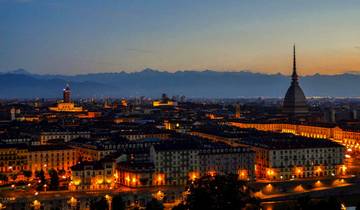
7 days
7 Days Italian Riviera and Piedmont Tour – from Milan
- ✓ Comprehensive Turin tour
- ✓ Expert local guides included
- ✓ All accommodation arranged
- ✓ Transportation provided
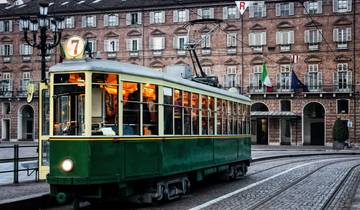
7 days
Magic of Milan, Genoa and Turin
- ✓ Comprehensive Turin tour
- ✓ Expert local guides included
- ✓ All accommodation arranged
- ✓ Transportation provided
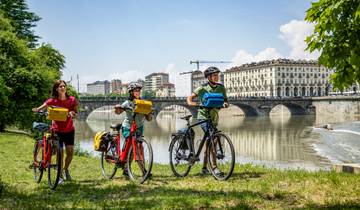
7 days
Star Tour Piedmont – Italy's insider tip 7 Days
- ✓ Comprehensive Turin tour
- ✓ Expert local guides included
- ✓ All accommodation arranged
- ✓ Transportation provided
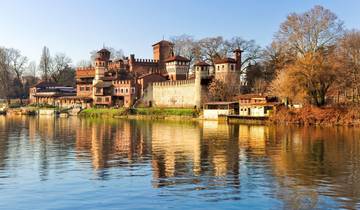
4 days
Discovering Turin
- ✓ Comprehensive Turin tour
- ✓ Expert local guides included
- ✓ All accommodation arranged
- ✓ Transportation provided
Multi-day tour packages powered by TourRadar. Prices and availability subject to change.
Introduction
Turin rewards prepared travelers who understand its transportation systems, cultural rhythms, and practical necessities before arrival. Unlike Venice’s pedestrian-only navigation or Florence’s compact medieval center, Turin sprawls across modernized grid patterns requiring public transport mastery for efficient sightseeing. The city’s character as working industrial and administrative center rather than pure tourist destination means services, schedules, and cultural expectations follow local Italian norms more strictly than in cities adapted to international visitor patterns. Successful navigation requires understanding these local systems and adapting accordingly rather than expecting tourist-focused infrastructure at every turn.
The 2026 Turin tourism landscape continues evolving post-pandemic with enhanced digital services including contactless transport payment, online museum ticketing, and mobile app integration for cultural sites. The Turin+Piemonte Card has expanded coverage while maintaining competitive pricing, creating even stronger value propositions for museum-focused visitors. Public transportation modernization through GTT’s tap-and-go system eliminates traditional ticket machine frustrations enabling seamless bus, tram, and metro boarding through contactless credit cards or smartphone payments. These technological improvements particularly benefit international visitors unfamiliar with Italian ticket systems previously requiring machine navigation or tobacconist purchases.
Seasonal considerations significantly impact Turin experiences beyond simple weather variations. The city’s position as regional capital means business, cultural, and educational calendars affect restaurant availability, accommodation pricing, and local atmosphere throughout the year. University terms influence neighborhood vitality, summer closures affect smaller businesses, and major cultural events like CioccolaTò chocolate festival or Salone del Libro book fair draw crowds requiring advance planning. Understanding these rhythms enables strategic visit timing matching personal preferences for crowd levels, event access, and seasonal conditions.
Budget management in Turin balances exceptional cultural value through free or low-cost museum options against accommodation and dining expenses matching other Northern Italian cities. The city offers superior value compared to Milan, Venice, or Florence through lower hotel rates for equivalent quality, excellent aperitivo food offerings reducing meal costs, and comprehensive museum passes providing major site access at fraction of individual admission totals. Strategic visitors leveraging these advantages while accepting modest accommodations and mixing restaurant meals with market-sourced food experience world-class cultural offerings on moderate budgets impossible in more tourist-focused Italian destinations.
Safety concerns in Turin remain minimal with crime rates low compared to other major Italian cities and violent crime against tourists virtually nonexistent. Primary safety considerations involve standard urban precautions against pickpocketing in crowded tourist areas, train stations, and public transport, easily mitigated through awareness and basic security measures. The city’s reputation as serious, northern Italian business center rather than party destination creates orderly nightlife with fewer late-night safety concerns than Rome or Naples. Female travelers, families, and solo visitors generally report feeling safe throughout central Turin with standard precautions.
This guide addresses essential practical aspects of Turin travel including transportation options and costs, accommodation strategies, dining customs and timing, museum and cultural site access, safety and health considerations, communication and language, money and payment systems, and seasonal planning. Each section provides specific, verified information for 2026 enabling confident pre-trip planning and smooth on-the-ground navigation. The emphasis throughout remains on practical application rather than general tourism promotion, recognizing that successful Turin visits depend primarily on understanding local systems and adapting to Italian cultural norms rather than expecting the city to adapt to tourist expectations.
Getting to Turin and Airport Transfers in 2026
Turin Caselle Airport (TRN) serves as primary international gateway positioned 16 kilometers north of city center with multiple transfer options balancing cost, speed, and convenience. Understanding these options enables strategic selection based on arrival time, luggage quantities, budget priorities, and final destination within Turin. The airport itself maintains compact, efficient layout facilitating quick movement from aircraft to ground transportation within 15-20 minutes of baggage claim.
Train service provides fastest and most economical airport transfer through SFM4 and SFM7 regional lines connecting Caselle Airport station to multiple Turin stations including Porta Susa, Dora, and Lingotto. Trains depart every 30 minutes weekdays from approximately 6 AM to 10:30 PM with journey time of 30 minutes to Porta Susa, Turin’s main station. The €3.70 ticket purchased from station machines, Trenitalia app, or using contactless tap-and-go payment at validators represents exceptional value compared to other European city airport connections. The station “Torino Aeroporto di Caselle” sits behind airport parking area with clear signage guiding arriving passengers through 2-3 minute walk from terminal. Trains provide luggage storage space, comfortable seating, and reliable scheduling though lacking dedicated express service or premium amenities.
Arriva Italia operates dedicated airport bus service departing Piazza Carlo Felice (near Porta Nuova station) with stops at Porta Susa before continuing to airport terminal. The service runs every 15-30 minutes from approximately 5:20 AM to midnight with 45-50 minute journey time including intermediate stops. Standard fare costs €7.50 one-way or €11 round-trip when purchased in advance, though buying tickets onboard adds €1 surcharge bringing one-way price to €8.50. Family tickets enable two adults plus two children under 17 to travel for €23 total. Torino+Piemonte Card holders receive discounted €6.50 fare. The bus stops directly outside airport arrivals hall making it most convenient option for passengers with significant luggage or mobility limitations who wish to avoid train station walking distances.
Flibco competitor bus service offers lower fares starting at €2.99 for advance online purchase with promotional periods sometimes reducing round-trip costs to €9.98. However, Flibco departures operate from different Turin location (Corso Vittorio Emanuele near courts building) creating potential confusion for visitors unfamiliar with city geography. The service maintains similar frequency and journey times to Arriva but requires more careful advance booking to secure promotional pricing. Walk-up Flibco tickets cost approximately €6, eliminating price advantage over Arriva for spontaneous travelers. The dramatic price variation between online advance purchase and onboard/day-of purchase rewards planning ahead but penalizes flexible travelers.
Taxi service provides door-to-door convenience from airport to any Turin destination at fixed rates approximately €30-45 depending on final address and traffic conditions. Official white taxis queue outside arrivals hall with no advance booking required, though ride-sharing apps function at airport for travelers preferring app-based payment and service. The 15-20 minute journey time to central Turin makes taxis economical for groups of 3-4 splitting costs or travelers arriving late-night when public transport options cease. Avoid unofficial drivers soliciting passengers inside terminal; use only authorized taxi queue or pre-booked services.
Arriving passengers should note that train and bus options terminate at different Turin stations affecting onward connection convenience based on accommodation location. Porta Susa serves as main intercity rail hub with metro line access, while Porta Nuova sits closer to historic center and pedestrian areas. Travelers should identify which station provides easiest access to accommodations when selecting between transport modes. Those continuing directly to Alba, Asti, or other Piedmont destinations benefit from train arrival at Porta Susa enabling seamless regional train transfers without crossing Turin.
Public Transportation System in Turin 2026
GTT (Gruppo Torinese Trasporti) operates Turin’s integrated public transport network encompassing buses, trams, and single metro line serving city and immediate suburbs through unified fare system. Understanding this network proves essential as Turin’s scale exceeds comfortable walking distances between major attractions, making public transport mastery critical for efficient sightseeing. The 2026 system incorporates extensive digital enhancements through tap-and-go contactless payment eliminating traditional ticket machine complexity that frustrated earlier visitors.
Single journey tickets valid 100 minutes from validation cost €1.90 for digital versions purchased through TO Move app or Moovit, or €2 for physical “chip on paper” tickets from machines and authorized retailers. The 100-minute validity allows unlimited transfers between buses, trams, and single metro journey within time limit, enabling efficient multi-leg trips across the city. Tickets require validation upon first use through onboard validators (buses/trams) or turnstiles (metro) with violation fines reaching €50+ for invalid or unvalidated tickets discovered during spot checks.
Daily passes provide unlimited travel until end of service day (roughly midnight) with digital versions costing €3.70 and physical versions €4.50. These passes become economical after 2 journeys for digital or 2.5 journeys for physical versions, making them default choice for visitors planning any significant sightseeing day. The pass activates upon first validation rather than purchase time, allowing strategic evening purchase for next full touring day. Multi-day tourist passes covering 48 hours (€9.50) or 72 hours (€12.50) extend unlimited travel over consecutive days with first validation starting countdown timer.
The revolutionary tap-and-go contactless payment system deployed throughout GTT network allows travelers to board buses, trams, and metro using any contactless credit/debit card (Visa, Mastercard, American Express) or digital wallet (Apple Pay, Google Pay) without purchasing separate tickets. Yellow-and-blue card readers on vehicle doors and metro turnstiles recognize contactless payment methods, automatically deducting appropriate fare and tracking daily usage. The system implements automatic daily capping calculating best fare based on actual usage, effectively converting to daily pass rate after several journeys without requiring manual pass purchase. Not all older buses feature tap-and-go capability, with yellow door signs indicating equipped vehicles. This system particularly benefits international visitors avoiding ticket machine navigation while providing competitive digital pricing.
The metro (Linea 1) operates as Italy’s first fully automated driverless system running 13.2 kilometers with 21 stations connecting major points including Porta Nuova, Porta Susa, and Lingotto. However, the single line provides limited tourist utility as most major attractions cluster in historic center lacking metro access. Useful tourist-relevant stops include Porta Nuova (Egyptian Museum vicinity), Porta Susa (intercity trains), Re Umberto (near Mole Antonelliana), and Bernini (connecting tram to Juventus Stadium). Trains operate approximately 5 AM to midnight with 3-4 minute headways during peak periods extending to 6-8 minutes during quieter hours.
The tram network consisting of 9 lines totaling 220 kilometers of track represents Turin’s most characterful public transport option, with historic rolling stock operating alongside modern vehicles. Key tourist-relevant routes include Line 13 serving Egyptian Museum area and Lingotto, Line 16CD forming circular route around city center, and Line 15 connecting Porta Nuova to riverside districts. Trams operate roughly 5 AM to midnight with 8-12 minute frequency on major routes. The extensive network rewards exploration but requires route planning using GTT website or apps showing real-time arrival information.
Over 80 bus routes provide comprehensive coverage reaching all neighborhoods and suburban areas. Star 1 electric bus route specifically serves tourist purposes connecting central parking facilities to major attractions through traffic-restricted historic center. Night Buster services operate Friday-Saturday nights from midnight to 5 AM serving popular nightlife areas for late-night travelers. Standard buses lack luggage storage making them less suitable for airport transfers or major shopping excursions but perfectly adequate for daily sightseeing with daypack or small bags.
Ticket purchase locations include approximately 750 authorized retailers (tobacconists, newsstands, bars) displaying GTT logos throughout Turin, metro station vending machines, mobile apps (TO Move for Android, various multi-platform options), and increasingly through contactless payment replacing traditional purchases entirely. The TO Move app enables advance ticket purchase, QR code presentation for validation, and trip planning integrated with real-time service information. Tourists should download this app before arrival or utilize contactless payment options avoiding language barriers at physical sales points.
Turin+Piemonte Card: Maximizing Value in 2026
The Turin+Piemonte Card represents Turin tourism’s signature value proposition, providing free admission to 250+ museums, monuments, and royal residences across Piedmont region plus unlimited public transportation within coverage area. Understanding card benefits, limitations, and optimal usage strategies enables maximizing return on investment while simplifying sightseeing logistics through consolidated access replacing individual ticket purchases.
Card durations and approximate 2026 pricing: 1 day (€29), 2 days (€35), 3 days (€40), 5 days (€49). These prices include both museum admissions and unlimited GTT urban/suburban public transport, though verification through official channels recommended as periodic price adjustments occur. The card activates upon first use at any covered site or public transport rather than purchase time, allowing evening purchase before touring days without wasting validity period. Both physical cards (available at tourist offices and participating hotels) and digital versions (accessible through mobile app) function identically with digital option providing contactless convenience eliminating physical card loss concerns.
Covered Turin attractions generating highest individual ticket values include: Egyptian Museum (€18 individual admission), Royal Palace (€15), Mole Antonelliana/Cinema Museum (€11), Palazzo Madama (€10), GAM Modern Art Gallery (€10), Automobile Museum (€15), and Stupinigi hunting lodge (€12). Venaria Reale palace complex (€15) and Sacra di San Michele monastery (€8) rank among most valuable day trip inclusions. A tourist visiting Egyptian Museum, Royal Palace, Cinema Museum, and Palazzo Madama on three-day card saves €54 in admission fees alone while gaining unlimited transport worth additional €11+ for three days of frequent use. This €65 total value against €40 card cost represents 62% savings before considering additional sites visited.
Strategic card usage maximizes value through intensive site visiting concentrated within card validity period. Three-day card holders should plan major museum visits across consecutive days rather than scattered throughout week-long stay, potentially structuring itinerary around card period with lighter activities before and after. Some visitors purchase card for middle portion of stay concentrating museum visits then shifting to food experiences, neighborhood wandering, and activities not requiring admission during non-card days. This approach optimizes economic value though creates less natural touring rhythm than spreading museums evenly across entire visit.
Card limitations require understanding to avoid disappointing assumptions. The card covers admission but typically excludes special exhibitions requiring supplemental fees at major museums. Royal Residences included in card may restrict access to certain areas or tours requiring separate payment. Some smaller included sites maintain limited hours or seasonal closures making advance schedule verification advisable. The public transport benefit excludes Trenitalia regional trains to Alba, Asti, and destinations beyond GTT service area, requiring separate ticketing for day trips despite card possession. Food, beverage, shopping, entertainment, and experiences beyond covered cultural sites still require separate payment as expected.
The card provides skip-the-line access at many popular museums through dedicated entrance lanes during peak periods, delivering time savings difficult to quantify economically but highly valuable during summer tourist season. However, some sites still require advance online reservation even for cardholders during special exhibitions or periods, making card possession guarantee of free admission rather than guaranteed immediate access without any planning. Checking individual museum booking requirements before visit prevents disappointment at sites requiring timed entry.
Families should evaluate card economics carefully as children under certain ages (typically 6 or 18 depending on site) receive free admission to many museums regardless of card purchase, reducing family value proposition compared to solo travelers or couples. Some sites offer family cards or reduced rates for children though pricing structures vary. The unlimited public transport benefit delivers clearer family value as all family members require transport tickets creating substantial savings across multi-day stays.
Alternative passes including Royal Pass focus specifically on Savoy residences without broader museum coverage or public transport, appealing to visitors prioritizing architectural tourism over diverse cultural offerings. Comparison between cards depends on individual itinerary emphasis though Turin+Piemonte Card’s broader scope suits most general tourists while Royal Pass serves niche interests in baroque palace architecture.
Accommodation Strategies and Neighborhoods in 2026
Turin accommodation options span budget hostels to luxury palace hotels with pricing generally 15-25% lower than Milan, Venice, or Florence for comparable quality and location. Strategic neighborhood selection balances proximity to major attractions, public transport access, local atmosphere, and budget constraints. Understanding neighborhood characters and transportation connections enables optimal location choice matching trip priorities while managing costs.
Centro Storico (Historic Center) positions visitors within walking distance of Egyptian Museum, Royal Palace, Mole Antonelliana, and prime shopping streets including Via Roma and Via Garibaldi. This area commands premium accommodation rates (€100-200+ mid-range, €200-400+ upscale) justified by exceptional convenience, pedestrian-friendly streets, and immediate access to concentrated tourist attractions. The neighborhood suits visitors prioritizing convenience, those with limited mobility benefiting from reduced walking distances, and travelers willing to invest higher accommodation budgets for prime location. However, the area offers fewer authentic neighborhood dining options as restaurants increasingly target tourist traffic with corresponding price premiums and occasional quality compromises.
San Salvario immediately southeast of Porta Nuova station provides multicultural, working-class character with diverse dining options, evening street life, and significantly lower accommodation rates (€60-120 mid-range) than adjacent historic center. The neighborhood attracts younger travelers, those seeking authentic Turin experience beyond tourist bubble, and budget-conscious visitors accepting 10-15 minute walks or short tram rides to major sites. Some streets maintain grittier character with occasional late-night noise and street activity that bothers light sleepers or those expecting pristine tourist environment. However, the area delivers genuine local atmosphere, excellent value restaurants serving various cuisines, and easy Porta Nuova access for regional train travel.
Quadrilatero Romano north of city center preserves medieval street patterns within ancient Roman walls, hosting aperitivo culture, boutique shopping, and nightlife alongside residential character. Accommodation here balances historic atmosphere with moderate pricing (€80-150 mid-range) and good public transport connections. The neighborhood suits travelers valuing local character over tourist convenience, food enthusiasts seeking authentic restaurants and wine bars, and those comfortable with 15-20 minute walks to major museums. Evening activity creates vibrant atmosphere weekends but potentially disturbs early-retiring visitors in street-facing rooms.
Crocetta and San Paolo residential neighborhoods south of center offer quiet, safe, residential character with local shops, traditional restaurants, and excellent public transport. Accommodation pricing (€70-130 mid-range) provides good value for comfortable, spacious options exceeding comparable budget in tourist areas. These neighborhoods suit longer stays, visitors seeking rest and quiet bases between sightseeing days, families preferring residential safety and space, and those comfortable with 20-30 minute public transport journeys to attractions. The areas lack walking-distance tourist amenities requiring transit dependence for all sightseeing and dining.
Accommodation types and budget expectations for 2026: Hostel dormitories €20-35 per bed with shared facilities attracting backpackers and budget solo travelers. Budget hotels and guesthouses €60-90 double room providing basic private accommodation with varying service levels and amenity inclusion. Mid-range hotels €100-150 offer reliable quality, typically breakfast inclusion, and professional service suitable for most travelers balancing comfort and cost. Upper mid-range €150-220 provides superior comfort, often historic buildings or boutique properties, enhanced services, and prime locations. Luxury hotels €220-400+ deliver exceptional service, refined design, premium locations, and comprehensive amenities justifying costs for special occasions or travelers prioritizing accommodation quality.
Booking timing significantly affects rates with early reservations (3-6 months advance) securing better availability and occasional promotional rates while last-minute bookings (within 2 weeks) sometimes capture cancellation deals or unsold inventory at discounted rates though limiting selection. Peak periods including Easter week, May-June, September-October, and Christmas markets command premium rates often 20-40% above shoulder season pricing. August paradoxically offers deals despite nominal summer high season as Italian holidays empty cities reducing business travel demand offsetting tourist presence.
Airbnb and apartment rentals provide alternatives to traditional hotels particularly for stays exceeding 3-4 nights when per-night rates drop substantially. Entire apartments in residential neighborhoods cost €70-120 nightly enabling self-catering, laundry access, and more spacious living than hotel rooms. However, apartment rentals require more self-service, lack daily cleaning, and often impose minimum stay requirements and cleaning fees affecting shorter visit economics. The format suits families, small groups splitting costs, and longer-stay visitors appreciating kitchen facilities reducing meal expenses.
Dining Customs and Restaurant Navigation in 2026
Successful Turin restaurant experiences require understanding Italian dining customs, meal timing expectations, reservation protocols, and tipping conventions that differ significantly from other countries. Adapting to these local practices prevents frustrating encounters while enabling access to authentic culinary experiences unavailable to tourists expecting international service norms.
Meal timing follows strict Italian patterns with lunch service operating 12:30-2:30 PM and dinner 7:30-10 PM. Restaurant kitchens typically stop accepting lunch orders at 2 PM regardless of later table occupancy, with similar cutoffs around 9:30-10 PM for dinner. Arriving for lunch at 2:15 PM results in polite refusal even at otherwise empty restaurants, just as requesting dinner at 6 PM marks diners as foreigners unfamiliar with local customs. Tourist-accommodating establishments near major attractions sometimes offer earlier dinner seating but maintaining authentic Italian schedule opens broader restaurant choices and demonstrates cultural awareness appreciated by staff.
Meal structure consists of multiple distinct courses: antipasti (appetizers), primi (first courses typically pasta or risotto), secondi (main courses of meat or fish), contorni (side dishes sold separately from secondi), dolci (desserts), and caffè (espresso to conclude). Ordering one selection from each category creates traditional full meal though not mandatory; acceptable alternatives include antipasto plus primo, or primo plus secondo with shared contorno, or simply primo as light meal. Side dishes never accompany secondi automatically requiring separate ordering if vegetable accompaniment desired. This structure enables flexible spending control but confuses visitors accustomed to automatic side inclusion with main courses.
Coperto (cover charge) of €2-5 per person appears on all restaurant bills covering bread, table service, and general overhead. This standard Italian practice sometimes surprises visitors viewing it as hidden charge, but functions transparently as automatic tip equivalent appearing on menus and bills. Coperto applies regardless of bread consumption and represents non-negotiable restaurant operational practice rather than optional service add-on.
Servizio (service charge) occasionally appears as separate 10-15% addition particularly for larger groups. When servizio is included on bills, additional tipping remains optional and limited to rounding up bill or leaving €5-10 for exceptional service. When servizio is not included, leaving 5-10% for good service proves appropriate though Italian tipping culture involves smaller percentages than countries like United States where servers depend primarily on gratuities. Servers receive actual wages making moderate tipping acceptable rather than offensively stingy. Cash tips left on table rather than added to credit card payments often reach staff more reliably.
Reservations prove essential for weekend dinners at popular restaurants, advisable for weekday dinners at well-reviewed establishments, and unnecessary for casual lunchtime trattorias or cafes. Booking 2-7 days ahead secures tables at most restaurants outside extreme peak periods, while prestigious establishments or tiny venues require weeks advance planning. Restaurants accepting walk-ins during slower periods still appreciate phone calls earlier in day requesting table for evening, demonstrating respect for their planning while maintaining flexibility.
Water service requires explicit requesting “acqua naturale” (still water) or “acqua frizzante” (sparkling water) as servers automatically provide (and charge for) bottled water rather than free tap water common in some countries. Requesting tap water (“acqua dal rubinetto”) technically possible but sometimes met with resistance or confusion as bottled water sales contribute restaurant revenue. Budget-conscious diners should simply request least expensive bottled water option rather than pushing for free tap water creating unnecessary friction.
Coffee culture follows specific rules: cappuccino drinks only before noon with afternoon/evening cappuccino orders marking tourists as they’re considered too heavy after meals; espresso concludes meals as single shot consumed quickly standing or sitting; never request cappuccino immediately after dinner as locals drink espresso exclusively post-meal. Adapting to these coffee customs demonstrates cultural awareness appreciated by servers and fellow diners though violations carry no serious consequences beyond mild amusement.
Menu comprehension improves with basic category knowledge and common preparation term recognition. Primi typically feature: agnolotti (filled pasta), tajarin (thin egg noodles), risotto preparations, or soup variations. Secondi emphasize: brasato (braised beef), bollito misto (mixed boiled meats), vitello tonnato (veal with tuna sauce), or various grilled meats. Contorni include: insalata (salad), patate (potatoes prepared various ways), verdure (seasonal vegetables), or spinaci (spinach). Understanding these basics enables informed ordering even without detailed Italian fluency. Many restaurants provide English menus though quality varies; using Italian menu with translation app often yields better understanding than potentially inaccurate English translations.
Museum Tickets and Cultural Site Access in 2026
Turin’s major museums and cultural sites maintain distinct ticketing systems, hours, and reservation requirements that benefit from advance understanding enabling efficient visit planning and avoiding disappointment at sold-out or fully-booked venues. The Turin+Piemonte Card simplifies much of this process though some nuances affect even cardholders requiring awareness.
Online advance ticketing becomes increasingly standard at major museums with Egyptian Museum, Royal Palace, and Cinema Museum all offering (and sometimes requiring) timed entry reservations through respective websites. Advance booking delivers multiple benefits: guaranteed admission particularly during peak summer months or special exhibitions, skip-the-line access avoiding ticket office queuing, and controlled visitor flow preventing overcrowding. Many sites charge modest €1-2 booking fees above standard admission though the convenience generally justifies this cost. Turin+Piemonte Card holders still benefit from advance booking at busy sites even though admission itself costs nothing, as cards guarantee free entry but not necessarily immediate access during capacity-limited periods.
Standard museum hours typically operate Tuesday-Sunday 10 AM-6 PM or similar patterns with Monday closures common across Italian museums. However, specific institutions vary this pattern with some opening Mondays, others extending Thursday evening hours, and seasonal variations affecting summer versus winter schedules. Egyptian Museum maintains 9 AM-6:30 PM hours Tuesday-Sunday, Royal Palace opens 9 AM-7 PM Tuesday-Sunday, and Cinema Museum runs 9 AM-7 PM Wednesday-Monday (closed Tuesdays unlike other institutions). Checking specific museum websites before visit prevents wasted trips to unexpectedly closed venues or arriving near closing time insufficient for proper viewing.
First Sunday monthly brings free admission to all state museums throughout Italy including Turin’s Egyptian Museum, Royal Palace, GAM Modern Art Gallery, and other nationally-administered institutions. This monthly opportunity attracts significant local and tourist crowds creating lengthy queues and crowded galleries that diminish viewing experience despite eliminating admission cost. Budget travelers willing to accept crowding benefit enormously from this program, while those prioritizing comfortable viewing conditions should avoid first Sundays or arrive at opening time before crowds build.
Special exhibitions at major museums typically require supplemental admission fees beyond standard tickets or card inclusion. The Egyptian Museum, Palazzo Madama, and GAM frequently host temporary exhibitions charging €5-10 supplements even for Turin+Piemonte Card holders. Checking current exhibition schedules and associated fees before visiting enables informed decisions about supplement value and budgeting. Some temporary shows justify supplements through exceptional content while others disappoint relative to cost, with online reviews providing guidance for uncertain visitors.
Audio guides enhance museum experiences through detailed explanations, object spotlighting, and narrative frameworks unavailable from wall text alone. Most major museums offer audio guides in multiple languages including English for €5-8 rentals. The Egyptian Museum and Royal Palace particularly benefit from audio guide context as collections include less familiar ancient Egyptian and Savoy dynasty content requiring background knowledge for full appreciation. Budget-conscious visitors should prioritize audio guides at primary interest museums while potentially skipping them at secondary sites where basic appreciation suffices.
Photography policies vary by institution and exhibition with many allowing non-flash photography in permanent collections while restricting or prohibiting images in temporary shows. The Egyptian Museum permits photography throughout most areas, Royal Palace allows it in many but not all rooms, and special exhibitions frequently impose strict no-photography rules protecting borrowed objects or exhibition rights. Checking policies before visiting or observing posted signage prevents violations requiring image deletion or causing disruptions.
Smaller museums and specialty sites including Automobile Museum, Cinema Museum, and numerous historic house museums maintain more variable schedules sometimes closing additional weekdays or operating seasonal hours. These institutions reward advance online research confirming hours and avoiding disappointment of travel to closed venues. The Cinema Museum’s location in Mole Antonelliana enables combining panoramic tower viewing with film history exhibition in single visit maximizing both time and admission value.
Safety, Health, and Emergency Information for 2026
Turin maintains reputation as one of Italy’s safest major cities with violent crime against tourists virtually nonexistent and property crime limited primarily to pickpocketing in crowded tourist areas. Understanding likely risk scenarios and implementing basic precautions enables worry-free visits while avoiding the small percentage of avoidable incidents affecting unprepared travelers.
Pickpocketing concentrates around Porta Nuova station, Egyptian Museum vicinity, crowded trams and buses, and major tourist sites during peak periods. Standard precautions include: using front pockets or cross-body bags for valuables rather than backpacks or rear pockets, maintaining awareness in crowded situations particularly during boarding/exiting public transport, keeping phones and cameras secured rather than loosely held or placed on tables, and avoiding displaying expensive jewelry or electronics unnecessarily. The risks remain lower than Rome, Naples, or many other Italian cities but basic vigilance prevents opportunistic theft.
Late-night safety around Porta Nuova station and adjacent streets declines compared to daytime conditions as the area attracts some drug activity, homeless populations, and occasional harassment of solo females or vulnerable-appearing individuals. Avoiding lingering in the station area late evening and taking taxis for late-night arrivals by train represents prudent approach. San Salvario neighborhood maintains more active late-night street life that some find vibrant while others perceive as threatening depending on personal comfort with urban environments and crowds.
Scams targeting tourists occur infrequently compared to Rome or Florence but visitors should remain alert for classic schemes: unofficial taxi drivers charging inflated rates, restaurant menu pricing surprises from unclear pricing, fake petition signature collections serving as pickpocket distraction, and overly friendly strangers offering unsolicited help potentially creating obligation for payment. Politely declining unsolicited assistance and using only official taxi stands prevents most scam exposure.
Emergency services in Italy use 112 as universal emergency number connecting to police, medical, and fire services with English-speaking operators available. Pharmacies (farmacie) identified by green crosses provide over-the-counter medications, basic first aid supplies, and professional medical advice for minor ailments. Pharmacies operate rotating after-hours schedules with posted signage indicating nearest open location during evenings and Sundays. Farmacie di Turno apps or local tourism websites list current overnight/holiday pharmacies.
Healthcare for EU citizens operates under European Health Insurance Card (EHIC) providing access to Italian public health system at local rates. Non-EU visitors should verify travel insurance coverage for medical care as tourist medical treatment costs can mount quickly for serious illnesses or injuries. Private clinics and English-speaking doctors exist throughout Turin for travelers preferring familiar service models over public health system navigation, though costs exceed public options.
Water quality throughout Turin meets high European standards making tap water completely safe for drinking without filtration or boiling. Restaurants serving bottled water do so as revenue source rather than water quality necessity, with tap water (“acqua dal rubinetto”) available upon request though sometimes met with resistance. Budget travelers should drink freely from public fountains and fill reusable bottles from accommodation taps without safety concerns.
Air quality in Turin periodically falls below ideal levels during winter thermal inversions trapping pollution in Po Valley, potentially affecting sensitive individuals or those with respiratory conditions. Summer and transitional seasons typically maintain good air quality. Real-time air quality monitoring through apps enables high-sensitivity visitors to adjust outdoor activities during poor air quality episodes.
COVID-19 and future pandemic considerations may affect 2026 travel with requirements potentially including masks in certain settings, health declarations, or proof of vaccination depending on evolving global health situations. Checking current Italian health requirements before travel prevents arrival complications or denied entry. General illness prevention through standard hygiene practices, avoiding crowded enclosed spaces during flu season, and hand washing provides reasonable disease avoidance without excessive paranoia.
Money, Payments, and Budget Management in 2026
Understanding Italian payment systems, currency exchange options, tipping customs, and strategic budget management enables controlling costs while avoiding common tourist financial pitfalls. Turin’s position as serious business city rather than tourist-dependent destination means payment practices follow local Italian norms more strictly than in cities heavily adapted to international visitors.
Euro currency operates throughout Italy with cash remaining more important than in some countries despite increasing card acceptance. ATMs (Bancomat in Italian) dispense euros throughout Turin with major banks offering best exchange rates through ATM withdrawals rather than currency exchange services. Using ATMs affiliated with major international banking networks (Plus, Cirrus, Mastercard, Visa) ensures functionality with foreign cards. Maximum withdrawal limits typically range €200-500 per transaction with multiple transactions possible though each potentially incurring bank fees from both Italian ATM operator and visitor’s home bank. Verifying foreign transaction fees and ATM charges with home bank before departure enables cost management or selection of low-fee cards if available.
Credit cards achieve wide acceptance at hotels, larger restaurants, museums, and chain retailers though small trattorias, market vendors, and neighborhood shops often operate cash-only or impose minimum charges for card use. Carrying €50-100 cash provides flexibility for situations where cards fail or aren’t accepted while avoiding excessive cash holdings creating theft risk. The increasing prevalence of contactless payment systems including public transport tap-and-go reduces cash necessity for tourists comfortable with card-based travel.
Dynamic currency conversion offers appearing during card payment should always be declined in favor of euro currency charging. When merchants or ATMs offer to convert transactions to home currency at point of sale, selecting euro charging rather than home currency conversion saves 3-5% through avoiding unfavorable conversion rates built into dynamic currency offers. Simply declining conversion and accepting charge in euros enables home bank to convert at better rates.
Budget management strategies enabling controlled spending include: purchasing multi-day public transport passes eliminating per-ride costs and decision fatigue, utilizing Turin+Piemonte Card for museum admission consolidation, mixing restaurant meals with market/grocery self-catering, taking advantage of aperitivo culture for evening food-inclusive drinks replacing separate dinner costs, and visiting free churches, parks, and neighborhoods between paid attractions. A realistic daily budget tracking hotel, meals, transport, and attractions enables mid-stay adjustments preventing end-trip financial surprises.
Grocery shopping at local markets and supermarkets provides substantial savings over restaurant meals for budget-conscious travelers. Porta Palazzo market operates daily offering fresh produce, cheese, salumi, bread, and prepared foods at local prices far below tourist restaurant charges. Eataly Turin’s largest location near Porta Susa provides upscale grocery shopping with quality prepared foods, wine selection, and specialty ingredients enabling elevated self-catering. Supermarket chains including Carrefour, Esselunga, and Coop operate throughout Turin selling standard groceries at reasonable prices.
Aperitivo culture offers exceptional evening value with drinks (typically €8-15) accompanied by substantial buffet offerings ranging from chips and olives at basic bars to elaborate spreads including pasta salads, cured meats, cheeses, and hot dishes at quality establishments. Strategic aperitivo participation around 6-8 PM provides evening sustenance replacing or supplementing dinner at fraction of traditional restaurant costs. San Salvario and Quadrilatero Romano concentrate quality aperitivo options with locals and students creating authentic atmosphere.
Museum admission costs add substantially to cultural tourism budgets making Turin+Piemonte Card economics compelling for museum-focused visitors. Individual site admissions ranging €10-18 for major museums quickly accumulate, with comprehensive four-day cultural itinerary easily generating €50-80 per person admission costs versus €40 three-day card including unlimited transport. Even visitors attending only two major museums benefit marginally from card purchase when including transport value.
Seasonal Planning and Weather Considerations for 2026
Turin’s climate follows northern Italian patterns with distinct seasons affecting comfort, crowd levels, costs, and activity options throughout the year. Understanding seasonal variations enables strategic visit timing matching weather preferences, tolerance for crowds, budget flexibility, and interest in seasonal programming like truffle markets or chocolate festivals.
Spring (March-May) brings gradually warming temperatures from cool March (8-15°C) through pleasant May (13-22°C) with moderate rainfall requiring occasional rain gear. April-May deliver optimal weather for sightseeing with comfortable temperatures, blooming parks and gardens, and reasonable crowd levels below summer peaks. Spring accommodation costs remain moderate except Easter week commanding premium pricing. Major spring events include Venaria Reale’s cherry blossom festival (late March-early April) attracting massive crowds but creating spectacular garden displays, Salone del Libro book fair (typically mid-May) drawing literary enthusiasts and authors, and various cultural season openings. Spring rewards visitors prioritizing comfortable weather and garden visits while accepting occasional rain disruptions.
Summer (June-August) delivers hot weather often exceeding 30°C during July-August making midday sightseeing uncomfortable and favoring morning/evening activity patterns. June maintains moderate temperatures and longer daylight enabling extended touring hours. Summer brings maximum tourist crowds at major museums, higher accommodation rates, and some restaurant/shop closures during August as Italian holidays empty cities. However, summer enables outdoor cultural programming, extended museum evening hours, lively piazza atmosphere, and guaranteed dry weather for outdoor activities. Summer suits visitors tolerating heat and crowds for guaranteed weather, those with school-calendar constraints requiring summer travel, and travelers prioritizing evening outdoor culture and café life.
Autumn (September-October) mirrors spring with comfortable temperatures (September 16-24°C declining to October 10-18°C) and moderate rainfall. September-early October provide excellent visiting conditions with summer heat subsiding, tourist crowds diminishing, and harvest season atmosphere. White truffle season beginning mid-October in nearby Alba creates regional draw affecting Turin accommodation pricing particularly weekends. Autumn delivers ideal photography lighting, harvest food focus in restaurants, and comfortable walking weather. The season suits visitors prioritizing weather, crowds balance, and food experiences while accepting higher Alba-focused weekend costs.
Winter (November-February) brings cold temperatures (2-10°C) with occasional freezing conditions, shorter daylight hours, and possible fog reducing visibility though snow remains relatively rare in city center. Winter delivers lowest tourist crowds enabling peaceful museum visits, minimum accommodation costs, and access to Christmas markets and seasonal programming. Cultural activities shift indoors with concert seasons, theater programming, and winter exhibitions filling cold weather hours. The season suits budget travelers, those preferring quiet exploration over vibrant atmosphere, visitors focusing on museums over outdoor activities, and travelers willing to accept cold, potentially dreary weather for crowd-free experiences and cost savings.
Specific 2026 events and festivals affecting visiting patterns include: CioccolaTò chocolate festival (typically November) creating weekend crowds and chocolate-focused programming throughout city, Salone del Libro book fair (mid-May) attracting publishing industry and readers, Artissima contemporary art fair (early November) drawing art world figures, and various music festivals scattered throughout year. Checking specific 2026 event dates during trip planning enables either targeting interesting events or avoiding crowded periods depending on preferences.
Communication, Language, and Cultural Norms in 2026
Successful Turin travel requires adapting to Italian communication patterns, language realities, and cultural expectations that differ from other countries’ tourist norms. Turin’s character as working city rather than tourist-dependent destination means fewer locals speak English and fewer businesses cater to international visitor expectations compared to Venice, Florence, or Rome.
English proficiency varies dramatically by context with major museums, international chain hotels, and tourist-focused businesses employing English-capable staff while neighborhood restaurants, local shops, and service providers typically possessing limited English. This creates necessity for basic Italian phrases, translation apps, and creative communication through gestures, pointing, and patience. Essential Italian phrases providing disproportionate value include greetings (buongiorno/buonasera), basic courtesies (per favore/grazie/scusi), questions (parla inglese?/dov’è?/quanto costa?), and dining terms (il conto per favore). These phrases demonstrate cultural respect even when subsequent conversation requires English or translation assistance.
Mobile data access through international roaming, local SIM cards, or eSIM services enables translation app functionality, mapping, real-time transport information, and emergency communication throughout Turin. Google Translate offline language packs downloaded before departure provide translation capability without data connectivity. WiFi availability at accommodations, museums, and some cafés supplements mobile data for information access and communication. However, relying solely on WiFi without mobile data capability creates gaps during street navigation and unplanned situations requiring immediate information access.
Cultural norms affecting visitor interactions include: addressing service staff and strangers formally using “Lei” rather than informal “tu,” greeting shop owners upon entering with “buongiorno/buonasera” before requesting service, waiting for restaurant seating rather than choosing tables independently, and maintaining appropriate voice levels in public spaces as loud American-style conversation draws disapproval. These courtesies demonstrate cultural awareness appreciated by locals potentially affecting service quality and interaction warmth.
Dress codes remain more formal than casual American patterns with torn jeans, athletic wear, and very casual clothing appearing less frequently than in US cities. Restaurants, museums, and churches particularly expect reasonable presentation with very short shorts, tank tops, or beach wear considered inappropriate. While enforcement remains minimal, dressing moderately conservatively demonstrates respect and helps blend with locals rather than standing out as obvious tourists potentially attracting unwanted attention.
Church visiting etiquette requires modest dress covering shoulders and knees, silence or very quiet conversation inside sacred spaces, and avoiding visits during mass unless participating in services. Major churches including Turin Cathedral (Duomo) maintain stricter standards than small neighborhood churches though basic modesty and respect expected everywhere. Photography policies vary by church with some prohibiting all images while others allow non-flash photography excluding altar areas.
Business hours follow Italian patterns with shops typically closing 1-3:30 PM for lunch/rest (riposo), most businesses closing Sundays, and reduced hours Saturdays. This pattern affects shopping, services, and even some restaurant availability requiring planning around closures. Major chain stores and tourist-area establishments increasingly maintain continuous hours though neighborhood shops generally observe traditional schedules. Banking hours typically run 8:30 AM-1:30 PM and 2:30-4 PM weekdays only, creating inconvenience for visitors requiring banking services.
Frequently Asked Questions
Do I Need to Make Restaurant Reservations in Turin in 2026?
Restaurant reservation necessity in Turin 2026 depends on dining time, establishment type, and day of week, with weekend dinners at popular venues requiring advance booking while weekday lunches at neighborhood trattorias often accepting walk-ins. Friday-Saturday dinner reservations prove essential for well-reviewed restaurants, locations near major tourist sites, and tiny venues with limited seating, ideally booked 3-7 days ahead though last-minute same-day calls sometimes succeed during slower periods. Thursday evenings increasingly attract crowds as Italians begin weekend celebrations making reservations advisable. Sunday lunch traditionally brings family gatherings creating high demand at restaurants near residential neighborhoods. Weekday lunch service generally accommodates walk-ins at all but most popular establishments, with calling earlier in day still appreciated at quality restaurants. The reservation culture intensity in Turin falls between Rome’s extreme booking requirements and smaller city flexibility, reflecting Turin’s size and tourist volume. Prestigious restaurants, those earning Michelin recognition, or tiny venues (under 20 seats) require weeks advance planning particularly peak seasons. Casual pizza restaurants, chains, and tourist-area establishments typically accommodate walk-ins though prime 8-9 PM Friday-Saturday slots may fill. The safest approach makes reservations for any special-occasion or must-visit restaurant while maintaining flexibility for spontaneous meals at backup options accepting walk-ins. OpenTable and TheFork (La Forchetta) enable online reservations at many Turin restaurants, though calling directly sometimes reveals availability systems show as booked. Basic Italian suffices for phone reservations: state date, time, number of people, and name, with many restaurants attempting English when recognizing foreign callers.
How Walkable is Turin Compared to Other Italian Cities in 2026?
Turin’s walkability combines excellent historic center pedestrian accessibility with overall city scale requiring public transport for efficient comprehensive sightseeing, ranking moderately walkable compared to compact Florence or Venice but more pedestrian-friendly than sprawling Rome or Milan. The historic center bounded roughly by Porta Nuova, Porta Susa, and river concentrates Egyptian Museum, Royal Palace, Mole Antonelliana, major shopping streets, and numerous restaurants within comfortable walking distances of 10-20 minutes between major points. This core area features wide arcaded sidewalks, pedestrian zones along Via Garibaldi and Piazza Castello, and generally flat terrain enabling easy walking without Venice’s bridges or San Francisco’s hills. However, significant attractions including Venaria Reale, Stupinigi, Automobile Museum, and certain neighborhoods exceed comfortable walking distance from central accommodations requiring bus, tram, or metro use. The city’s grid pattern and Po River reference point simplify navigation compared to medieval Italian city confusion, with numbered streets and logical layout reducing disorientation common in twisted ancient centers. Visitors staying central and focusing primarily on Egyptian Museum, Royal sites, and historic center explore comfortably on foot supplementing with occasional transport for outlying destinations. Those pursuing comprehensive itineraries including multiple neighborhoods, automotive museum, and day trips require regular public transport creating hybrid walk-transit touring pattern. Turin compares favorably to most major cities for pedestrian infrastructure through arcaded sidewalks providing weather protection, reasonable traffic respect for crosswalks, and adequate pedestrian signals, though still falling short of Northern European walking safety standards. The flat terrain particularly benefits visitors with mobility limitations or stamina concerns compared to hilly cities like Genoa or northeastern hill towns requiring significant stair climbing.
What’s the Best Way to Get to Alba and the Langhe Wine Region from Turin in 2026?
Reaching Alba and Langhe wine region from Turin in 2026 offers multiple options balancing convenience, cost, and wine-tasting flexibility, with direct trains providing most economical access though car rental or organized tours enabling comprehensive wine estate visits impossible via public transport alone. Trenitalia operates hourly direct regional trains from Turin Porta Susa to Alba requiring 1 hour 20-24 minutes and costing €9 round-trip, representing exceptional value for visitors focusing on Alba town exploration or joining organized wine tours departing from Alba. The train schedule accommodates morning departures enabling full Alba days with evening returns, though latest trains depart around 7-8 PM requiring dinner timing consideration or overnight stays. However, trains reach only Alba itself while prestigious Barolo, Barbaresco, and wine estate visits scattered across Langhe hills require additional transportation from Alba through local tours, taxi arrangements, or car rental. Organized wine tours from Turin priced €80-150 per person provide comprehensive solutions including round-trip transportation, visits to 2-4 wine estates with guided tastings, expert commentary, and sometimes lunch, eliminating logistics while enabling full wine tasting without designated driver limitations. These tours suit solo travelers, couples both wanting to taste, and visitors prioritizing professional guidance over independent exploration. Car rental costs €40-60 daily plus fuel enabling couples to share €60-90 total expenses across two people while accessing remote estates and hilltop villages at will, though drivers must completely abstain from tasting eliminating primary visit motivation unless groups include non-drinking designated drivers. The hybrid approach combining morning train to Alba, joining afternoon local wine tour from Alba, then evening train return provides efficient car-free access to both town and estates for €60-100 total (€9 train, €60-90 Alba-based tour). Pure train-only visits restricting experiences to Alba’s historic center, restaurants, and Enoteca Regionale tastings suit casual wine appreciation but disappoint serious enthusiasts seeking cellar tours and producer encounters.
Are Turin Museums Crowded in 2026?
Turin museum crowding remains moderate compared to Florence’s Uffizi or Rome’s Vatican museums, with peak summer months and first-Sunday free admission creating genuine crowds while shoulder seasons and weekdays offer comfortable viewing conditions at most institutions. The Egyptian Museum as Turin’s most visited cultural attraction experiences highest traffic particularly July-August afternoons and first Sundays monthly when free admission attracts massive local and tourist attendance. However, even Egyptian Museum peak crowding rarely reaches Florence or Rome levels that prevent comfortable viewing, with advance timed-entry tickets virtually eliminating queuing while managing interior visitor flow. Arriving at museum opening times (typically 9-10 AM) provides quietest viewing before midday tour groups and afternoon visitors accumulate. Royal Palace, Palazzo Madama, and smaller museums maintain comfortable attendance most periods with occasional tour groups creating temporary room congestion that disperses within 15-20 minutes. First Sunday monthly free admission paradoxically creates worst crowding through attracting budget tourists and locals who wouldn’t otherwise visit, resulting in 30-60 minute entry queues and packed galleries diminishing experience despite eliminating admission cost. Visitors prioritizing comfortable viewing should avoid first Sundays or arrive at opening before lines develop. Winter months (November-February excluding Christmas holidays) deliver most peaceful museum experiences with minimal crowds enabling leisurely contemplation, though some find empty galleries less energetic than busier periods. The Turin+Piemonte Card skip-the-line benefit primarily assists during peak summer periods at Egyptian Museum and Royal Palace where ticket office lines occasionally extend 15-30 minutes, though rarely reaching hour-plus waits common at major Florence or Rome museums. Overall, Turin museum crowding concerns rank low compared to other Italian art cities, with basic timing strategies (weekday mornings, shoulder seasons, advance tickets) ensuring comfortable experiences even at busiest institutions.
Can I Use Contactless Payment Everywhere in Turin in 2026?
Contactless payment acceptance in Turin 2026 has expanded significantly particularly on public transport and at major businesses, though cash remains necessary for small purchases at markets, neighborhood shops, and some traditional restaurants maintaining cash-only operations. The GTT public transport system’s comprehensive tap-and-go implementation enables contactless credit/debit cards (Visa, Mastercard, American Express) and digital wallets (Apple Pay, Google Pay) for all bus, tram, and metro access without purchasing separate tickets, representing the most complete contactless integration. Major museums, hotels, chain restaurants, and larger retailers consistently accept contactless payments often with tap-and-go terminals replacing signature or PIN requirements for small amounts. However, traditional neighborhood trattorias, market vendors, small shops, and cafés frequently operate cash-only or impose €10-15 minimum charges for card acceptance creating situations requiring euro notes and coins. Porta Palazzo market and other food markets function almost entirely cash-based with occasional vendors accepting cards through mobile point-of-sale devices. Street food vendors, gelato shops, and bakeries increasingly accept cards though cash remains more universally accepted. The expansion of contactless acceptance means travelers can rely primarily on cards supplemented with €50-100 cash reserve for situations where cards fail or aren’t accepted, a substantial reduction from previous years requiring more significant cash holdings. ATM networks provide easy euro access throughout Turin when cash needs arise, with contactless-enabled ATMs allowing cardless withdrawals in some cases. Digital wallet Apple Pay and Google Pay function identically to physical contactless cards where accepted, though some older payment terminals require physical card presentation. The contactless payment spread in Turin parallels general European trends lagging slightly behind Northern European comprehensive coverage but advancing beyond Mediterranean patterns where cash remains king. Travelers should expect to use cards successfully for 70-80% of transactions while maintaining cash backup for the 20-30% of situations still requiring physical euros.
How Easy is Day-Tripping from Turin in 2026?
Day-tripping from Turin in 2026 proves exceptionally accessible through frequent regional trains, organized tour options, and proximity to diverse destinations including wine regions, royal palaces, Alpine mountains, and neighboring cities reachable within 60-90 minutes. The most popular day trip to Langhe wine region centered on Alba requires 1 hour 20 minutes by hourly direct train (€9 round-trip) or organized wine tours (€80-150) visiting multiple estates, with trip feasibility depending on wine-tasting priorities versus town exploration. Venaria Reale palace complex sits just 25-30 minutes from central Turin via frequent trains and buses, creating easy half-day or full-day royal residence visits requiring minimal planning beyond museum hours verification. Stupinigi hunting lodge positions 9 kilometers southwest requiring 35-45 minute bus journey or short drive for another readily accessible royal architecture experience. Sacra di San Michele monastery day trips involve 35-minute train to Sant’Ambrogio followed by 1.5-hour uphill hike or Sunday direct bus service, creating more physically demanding but achievable mountain monastery visits. The Susa Valley extending west toward French border provides Roman ruins at Susa (55-70 minutes by train), medieval fortifications, and higher Alpine access suitable for hiking or skiing depending on season. Neighboring cities including Asti (50-60 minutes by train), accessible for medieval architecture and additional wine region exploration, and Ivrea (45-50 minutes) with industrial architecture and annual orange battle carnival traditions. Milan lies 60-90 minutes by frequent intercity trains enabling reverse day trips for travelers based in less expensive Turin using it as base for Milan sightseeing. The regional transportation network’s reliability, frequency, and reasonable costs make day-tripping logistically simple compared to areas requiring complex connections or infrequent service. However, comprehensive day trip planning requires verifying destination operating hours, return train times preventing late-evening stranding, and realistic time budgeting accounting for travel time reducing actual destination hours. Most successful day trips allow 4-6 hours at destination after deducting 2-3 hours total round-trip travel time from standard 12-hour touring day, adequate for focused experiences though insufficient for exhaustive exploration.
What Should I Know About Tipping in Turin Restaurants in 2026?
Tipping in Turin restaurants follows Italian norms differing substantially from American practices, with moderate gratuities appreciated but not obligatory and coperto cover charges replacing automatic tipping expectations. Most restaurant bills include coperto (cover charge) of €2-5 per person covering bread, table service, and general overhead functioning as built-in automatic tip. Some establishments add servizio (service charge) of 10-15% particularly for larger groups, clearly indicated on bills and menus. When bills include both coperto and servizio, no additional tipping remains necessary though small amounts (€5-10 or rounding up to next convenient number) for exceptional service demonstrate appreciation without obligation. When bills show coperto without servizio, leaving 5-10% of total bill for good service proves appropriate and appreciated, significantly below American 18-20% norms but aligned with Italian expectations where servers receive actual wages rather than depending primarily on tips. The reduced tipping percentages reflect different compensation structures and cultural norms, making 10% for excellent service generous rather than cheap. Cash tips left on tables rather than added to credit card payments reach servers more reliably as some establishments pool or retain card-added gratuities. For truly exceptional experiences, personal service, or assistance beyond normal expectations, €10-20 tips demonstrate genuine appreciation without excessive amounts. Cafés and bars serving espresso or drinks at counter require no tipping beyond potential small coin (€0.20-0.50) left in tip jar for regular customers, though again completely optional. Table service at cafés adds small sitting premium but again requires no obligatory tip beyond rounding up bill to convenient amount. The most common tipping mistake involves American tourists leaving 20% gratuities based on US customs, unnecessarily enriching servers while perpetuating expectation inflation affecting subsequent visitors. Conversely, leaving nothing despite good service when servizio is not included marks diners as cheap or culturally unaware. The balanced approach matches tipping to included charges: coperto alone warrants 5-10% additional, coperto plus servizio warrants rounding up only, neither coperto nor servizio warrants 10-15% though this scenario rarely occurs at sit-down restaurants.
How Does Turin Compare to Other Italian Cities for First-Time Italy Visitors in 2026?
Turin offers distinct advantages and trade-offs for first-time Italy visitors compared to Rome, Florence, or Venice, excelling in value, crowds, and baroque architecture while offering fewer iconic globally-recognized monuments than rivals. Turin’s primary strengths include significantly lower tourist crowds enabling comfortable museum visits and authentic local interactions, accommodation costs 15-30% below Venice or Florence for equivalent quality, exceptional Egyptian Museum ranking globally alongside London and Cairo, spectacular royal palace complex rivaling Versailles for baroque grandeur, and serious food culture rooted in local traditions rather than tourist catering. These attributes particularly benefit visitors who enjoy museums over monument exterior sightseeing, prefer authentic local atmosphere to tourist bubbles, travel on moderate budgets making Venice or Rome costs challenging, or seek Northern Italian sophistication rather than Mediterranean warmth. However, Turin’s weaknesses for first-time visitors include limited world-famous landmarks beyond Mole Antonelliana creating less instagrammable “proof of Italy visit” opportunities, smaller historic center requiring less time than Rome or Florence for comprehensive sightseeing, and reduced international recognition making it harder to convey visit impressions to friends unfamiliar with Turin’s significance. The city functions better as second or third Italian destination after visitors establish baseline Italian experience in more iconic locations, or for travelers actively seeking alternatives to overcrowded tourist magnets willing to accept reduced name recognition for superior value and comfort. First-timers with 7-10 days Italy time often find satisfaction combining Turin (2-3 days) with more famous destination like Florence or Venice rather than dedicating entire trip to single lesser-known city. The Turin+Piedmont combination enables exceptional week-long visit incorporating royal architecture, wine country, food culture, and Alpine scenery creating comprehensive Northern Italian experience, though missing Rome’s ancient monuments, Florence’s Renaissance art concentration, or Venice’s unique canal geography that define many travelers’ essential Italy experiences. Turin ultimately rewards visitors who value depth over breadth, local authenticity over tourist infrastructure, and cultural sophistication over picturesque medieval charm, making it excellent choice for specific travel styles while remaining less universally appealing than blockbuster Italian destinations.
What COVID-19 or Health Measures Should I Expect in Turin in 2026?
Health measure expectations for Turin 2026 remain uncertain as pandemic-related requirements continue evolving based on global health situations, though current trends suggest minimal formal restrictions absent major new outbreak waves. As of late 2025/early 2026, Italy has largely dropped COVID-specific entry requirements, mask mandates, and capacity limitations that characterized 2020-2022 travel, with most cultural sites, restaurants, and public spaces operating normally without health check requirements. However, individual businesses occasionally maintain voluntary precautions including mask availability, hand sanitizer stations, or preferential ventilation particularly at healthcare facilities, pharmacies, and during seasonal flu periods. Travelers should monitor Italian health ministry announcements and US State Department travel advisories in months preceding 2026 trips as situations potentially change requiring updated documentation, testing, or vaccination proof. General illness prevention through standard hygiene practices including hand washing, avoiding touching face, and maintaining reasonable personal space during crowded situations provides sensible disease avoidance without excessive paranoia. Italy’s healthcare system maintains high standards with readily available medical care for travelers experiencing illness during visits, though costs for non-EU visitors without travel insurance can escalate quickly for serious conditions. Travel insurance covering medical care, evacuation, and trip interruption remains advisable for all international travel regardless of specific pandemic concerns, providing financial protection for various health scenarios beyond COVID. Seasonal influenza consideration suggests avoiding excessive crowds during winter peak flu months, particularly for elderly travelers or those with compromised immune systems, while accepting normal crowd exposure during other periods. The practical impact on 2026 Turin tourism likely remains minimal compared to pre-pandemic “normal” unless significant new developments emerge before travel dates, making current planning processes nearly identical to pre-2020 patterns while maintaining flexibility for potential requirement changes.
Should I Buy Travel Insurance for a Turin Trip in 2026?
Travel insurance for Turin 2026 visits delivers value dependent on trip cost, traveler health status, cancellation flexibility, and risk tolerance, with comprehensive coverage strongly recommended for expensive trips, medical concerns, or non-refundable bookings. Standard travel insurance policies costing 4-10% of total trip cost cover three primary areas: trip cancellation/interruption reimbursing non-refundable expenses if illness, family emergency, or other covered events prevent travel; emergency medical care and evacuation covering healthcare costs and emergency transportation for sudden illness or injury; and baggage loss/delay compensating for lost luggage or delayed delivery. The medical coverage particularly benefits non-EU travelers whose domestic health insurance often excludes or limits international coverage, creating potential exposure to substantial out-of-pocket costs for emergency care, hospitalization, or evacuation. Even minor incidents like appendicitis or fractures requiring emergency room treatment can generate €1,000-5,000+ bills, while serious conditions or evacuations potentially reach €20,000-100,000+. The trip cancellation component protects expensive pre-paid elements including flights, accommodation deposits, and non-refundable tour bookings if covered circumstances prevent departure. Typical policies define covered cancellation reasons narrowly to documented illness, injury, death in family, jury duty, job loss, or natural disasters rather than vague “change of plans” or work schedule adjustments. Careful policy review ensures understanding of actual coverage versus assumed protection. The baggage coverage addresses lost, stolen, or significantly delayed luggage providing reimbursement for emergency purchases and personal items replacement, though coverage limits typically range €500-2,500 total requiring separate valuable item coverage for expensive electronics or jewelry exceeding standard limits. For low-cost trips under €1,000 where travelers accept potential loss and possess health insurance covering international care, insurance becomes optional depending on personal risk tolerance. For expensive trips exceeding €3,000-5,000, trips involving elderly travelers or those with health conditions, or situations where non-refundable deposits constitute significant financial exposure, insurance cost represents reasonable protection against potentially catastrophic losses. The decision balances insurance premium (typically €100-300 for multi-thousand euro trip) against financial and health risks, with conservative travelers preferring protection while risk-tolerant budget travelers often declining coverage for cost savings.