
Turin Free Things to Do 2026: Complete Budget Travel Guide
Turin delivers zero-cost cultural exploration through baroque piazzas designed by 17th-century royal architects, 18 kilometers of weather-protected porticoed walkways connecting major monuments, and first-Sunday-monthly free access to world-class museums including the Egyptian Museum and Royal Palace. This former Savoy capital combines always-free churches housing Guarino Guarini baroque masterpieces, riverside parks stretching along the Po River, and Alpine-backdrop viewpoints accessible via public pathways, creating comprehensive budget-friendly experiences rivaling paid attractions at Venice or Florence.
Key Takeaways: Turin Free Attractions 2026
- First Sunday of every month provides free entry to major state museums including Royal Palace complex, Egyptian Museum, National Cinema Museum, and GAM modern art gallery throughout 2026
- Piazza Castello, Piazza San Carlo, and Piazza Vittorio Veneto offer always-free access to baroque architectural masterpieces, royal palace exteriors, and grand urban spaces without admission charges
- 18 kilometers of covered porticoes protect weather-independent walking routes connecting Via Roma shopping street, Via Po riverside path, and historic center monuments under arcaded shelter
- Turin Cathedral houses Holy Shroud chapel with free admission daily, while San Lorenzo church displays Guarino Guarini’s innovative baroque dome without entrance fees
- Parco del Valentino provides 50 hectares of Po River parkland, botanical gardens, and Castello del Valentino baroque palace exteriors completely free year-round
- Monte dei Cappuccini hillside church offers panoramic city and Alps views accessible via free public pathway requiring 10-minute uphill walk from river level
People Also Ask About Turin Free Attractions 2026
What Museums in Turin Are Free on First Sundays in 2026?
Turin state museums offer free admission on the first Sunday of every month throughout 2026 as part of Italy’s nationwide Domenica al Museo initiative. Free access includes Royal Palace complex with state rooms and Royal Armoury, Egyptian Museum containing 40,000+ artifacts, National Cinema Museum housed in Mole Antonelliana, GAM modern and contemporary art gallery, Palazzo Madama medieval castle, Museum of Italian Risorgimento, Pietro Micca military history museum, and Museum of the Mountain. Expect increased crowds during free Sundays requiring early arrival to secure entry before daily visitor caps fill, particularly at Egyptian Museum and Royal Palace where queues extend 60-90 minutes by mid-morning.
Are Turin’s Baroque Piazzas Free to Visit in 2026?
All Turin baroque piazzas including Piazza Castello, Piazza San Carlo, Piazza Carignano, and Piazza Vittorio Veneto remain free to access 24 hours daily throughout 2026 without admission charges or restricted areas. These grand urban spaces designed during 17th-18th century Savoy dynasty rule showcase baroque architecture, royal palace exteriors, twin churches, and porticoed cafés visitors explore without costs beyond optional refreshment purchases. Piazza Castello functions as historic center hub surrounded by Royal Palace, Palazzo Madama, Royal Theatre, and Royal Library buildings viewable from exterior free of charge while interior museum visits require separate paid admission.
Can I Walk Along Turin’s Po River for Free in 2026?
Po River walkways and Parco del Valentino parkland provide completely free access throughout 2026 spanning 50+ hectares of riverside green space, tree-lined paths, botanical gardens, and Castello del Valentino baroque palace exterior viewing. Public pathways extend several kilometers along both river banks connecting Gran Madre di Dio church, Borgo Medievale reconstructed village (exterior access free though interior currently closed for renovation until February 26, 2026), and Monte dei Cappuccini hillside accessed via free pedestrian bridges including Ponte Vittorio Emanuele I. River paths accommodate walking, jogging, cycling, and picnicking without fees or time restrictions year-round.
What Are the Best Free Viewpoints in Turin for 2026?
Monte dei Cappuccini provides Turin’s premier free panoramic viewpoint accessible via 10-minute uphill walk from Po River level reaching hilltop church and terrace overlooking historic center, Mole Antonelliana, and Alpine mountain backdrop. The viewpoint operates free access daily year-round with sunrise and sunset timing delivering optimal lighting conditions for photography. Alternative free elevated perspectives include Basilica di Superga reached via €1.50 public bus or €6 roundtrip tramvia cogwheel railway, though summit church access itself remains free after transportation costs. Piazza Vittorio Veneto riverside square and Gran Madre di Dio church steps provide ground-level free river and city views without hillside climbing requirements.
Extended multi-day tours – 5+ days
Featured Turin Multi-Day Tour Packages
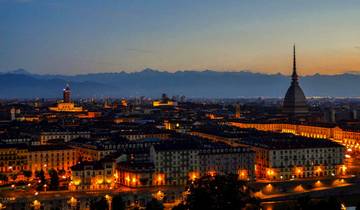
7 days
7 Days Italian Riviera and Piedmont Tour – from Milan
- ✓ Comprehensive Turin tour
- ✓ Expert local guides included
- ✓ All accommodation arranged
- ✓ Transportation provided
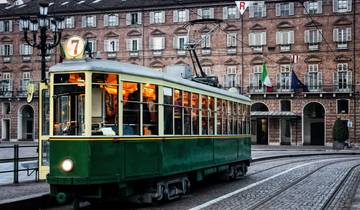
7 days
Magic of Milan, Genoa and Turin
- ✓ Comprehensive Turin tour
- ✓ Expert local guides included
- ✓ All accommodation arranged
- ✓ Transportation provided
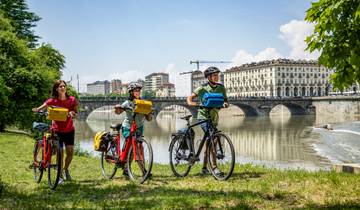
7 days
Star Tour Piedmont – Italy's insider tip 7 Days
- ✓ Comprehensive Turin tour
- ✓ Expert local guides included
- ✓ All accommodation arranged
- ✓ Transportation provided
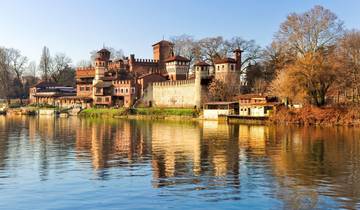
4 days
Discovering Turin
- ✓ Comprehensive Turin tour
- ✓ Expert local guides included
- ✓ All accommodation arranged
- ✓ Transportation provided
Multi-day tour packages powered by TourRadar. Prices and availability subject to change.
Introduction: Understanding Turin’s Free Cultural Landscape in 2026
Turin operates as Italy’s most underappreciated budget-friendly destination, delivering world-class cultural experiences through always-free baroque piazzas, monthly no-cost museum access, and extensive green spaces accessible without admission charges. Unlike Venice’s €5 day-visitor fees or Florence’s overcrowded Duomo requiring timed reservations, Turin maintains open public access to major monuments, squares, and parks while implementing strategic free museum days providing zero-cost entry to collections rivaling paid institutions elsewhere. This accessibility stems from the city’s dual identity as former royal capital with magnificent public spaces and modern commitment to cultural democratization.
The Savoy dynasty’s 1563-1865 rule created baroque urban planning still defining Turin’s physical character. Royal architects including Guarino Guarini, Filippo Juvarra, and Carlo di Castellamonte designed interconnected piazzas, palaces, and churches as unified architectural ensemble rather than isolated monuments. This comprehensive planning resulted in coherent historic center where major attractions cluster within 2-kilometer radius connected by weather-protected porticoed walkways. These arcaded sidewalks totaling 18 kilometers enable year-round exploration immune to rain or summer heat affecting open-air sightseeing in other Italian cities.
Turin’s commitment to free cultural access extends beyond always-available outdoor monuments to strategic museum programming. The first-Sunday-monthly free admission initiative launched nationwide over a decade ago provides scheduled zero-cost access to state institutions including Egyptian Museum ranking second globally after Cairo, Royal Palace complex encompassing five distinct cultural sites, and Cinema Museum celebrating Italian film history. This programmatic free access distinguishes Turin from cities charging universal admission regardless of visit timing, allowing budget-conscious travelers to schedule itineraries maximizing free museum days.
The city’s compact geography concentrates free attractions within walkable distances eliminating public transport costs for historic center exploration. Porta Nuova train station positions 15-20 minute walks from Piazza Castello central hub, while major piazzas, churches, and river parklands interconnect through pedestrian-friendly streets and porticoed arcades. This walkability enables zero-cost daily itineraries covering significant cultural ground without €1.70 per-ride public transport expenses or taxi fares exceeding €10 for short journeys.
Seasonal variations minimally impact free attraction accessibility compared to other European destinations. Outdoor piazzas, churches, and parks remain accessible year-round regardless of weather conditions, while covered porticoes provide all-season walking routes. Summer June-August extends daylight hours enabling evening piazza visits and riverside walks until 9:00 PM sunsets, while winter November-February reduces crowds at free museums during first-Sunday openings creating calm viewing conditions unavailable during peak tourist months at paid attractions.
Turin’s free offerings balance architectural heritage with natural landscapes absent from purely urban Italian destinations. The Po River creates green corridor through city center with parklands, tree-lined paths, and Alpine-backdrop viewpoints complementing baroque palace exteriors and church interiors. This combination enables varied daily itineraries alternating cultural monument visits with outdoor recreation without admission costs restricting activity options to budget-determined choices rather than interest-driven preferences.
The local cultural context enhances free experiences through authentic Italian atmosphere less commercialized than Venice or Florence tourist zones. Historic cafés lining Piazza San Carlo and Via Po operate as genuine gathering spaces for Turinese residents rather than exclusively tourist-oriented establishments. This authentic character allows budget travelers to observe local life through free piazza people-watching and market browsing at Porta Palazzo without feeling excluded from experiences requiring payment to participate fully.
Free Baroque Piazzas and Squares 2026: Zero-Cost Architectural Masterpieces
Piazza Castello functions as Turin’s geographic and historical heart, providing always-free access to baroque grandeur surrounding royal power’s former epicenter. This massive rectangular square measuring approximately 40,000 square meters hosts Royal Palace baroque facade, Palazzo Madama medieval-baroque hybrid architecture, Royal Theatre opera house exterior, and San Lorenzo church dome visible from ground level. The square operates 24-hour unrestricted access throughout 2026 enabling sunrise photography capturing golden light on palace facades and evening visits observing illuminated monuments after dark.
The piazza’s central position connects all major historic center walking routes making it inevitable crossing point during Turin exploration. Visitors accessing free attractions throughout the city pass through Piazza Castello multiple times daily, creating natural gathering space and orientation landmark. Surrounding porticoes house cafés and shops where window browsing costs nothing though refreshment purchases follow standard pricing: espresso €1.50-2.50, cappuccino €2-3, gelato €3-5 depending on vendor location and quality.
Royal Palace occupies Piazza Castello’s northern edge, displaying elaborate baroque facade designed by 17th-century architects expanding original 16th-century core. Exterior appreciation costs nothing while interior visits require €15 admission except first Sundays when free entry applies. Palace gates designed by Pelagio Palagi feature bronze statues Castor and Pollux (the Dioscuri) viewable from public square without entering palace grounds. Royal Gardens behind palace provide free access as part of complex, though reaching gardens requires walking through paid admission areas on non-free Sundays.
Palazzo Madama presents dual architectural identity visible from free square viewing: medieval brick towers and fortress walls on rear elevation contrasting with baroque marble facade designed by Filippo Juvarra facing Piazza Castello. This architectural contrast demonstrates Turin’s layered history spanning Roman foundations through baroque transformation. Exterior observation from multiple square angles reveals how architects incorporated existing medieval structure rather than demolishing for complete baroque rebuild, creating unique hybrid architecture unavailable elsewhere in Italy.
Piazza San Carlo nicknamed Turin’s “drawing room” represents baroque urban planning perfection accessible without admission fees throughout 2026. The elongated rectangular square designed by Carlo di Castellamonte in 1640s features symmetrical twin churches Santa Cristina and San Carlo anchoring southern end, equestrian statue Duke Emanuele Filiberto commanding central space, and uniform porticoed buildings creating enclosed architectural environment. The square measures approximately 170 meters length enabling full architectural appreciation from multiple vantage points observing how baroque designers created harmonious ensemble through regulated building heights and facade treatments.
Historic cafés including Caffè San Carlo and Caffè Torino lining Piazza San Carlo porticoes serve as observation posts for free people-watching while consuming affordable espresso. These 18th and 19th-century establishments maintain original interiors though interior viewing requires entering as paying customer. Window displays and exterior architectural details including belle époque signage and decorative facades provide zero-cost visual interest during square circuits. The piazza hosts occasional free public events including concerts, political rallies, and holiday markets throughout year creating dynamic public space beyond static architectural monument.
Piazza Carignano displays Guarino Guarini’s distinctive curved baroque facade housing Museum of Italian Risorgimento where 1861 Kingdom of Italy proclamation occurred. The unusual convex-concave facade creates theatrical architectural effect viewable free from square and surrounding streets. Guarini’s innovative geometry demonstrates how baroque architects manipulated perspective and spatial perception through non-linear building forms, anticipating modern architectural experimentation. The facade’s brick construction contrasts with stone-clad palaces elsewhere in Turin, revealing how architects adapted designs to available materials and structural requirements.
Egyptian Museum and Palazzo Carignano frame opposite square sides creating architectural dialogue between neoclassical Egyptian Museum facade and baroque palace complexity. This juxtaposition demonstrates how Turin’s 19th-century expansion integrated new institutions within existing baroque urban fabric. The square functions as transitional space between Via Roma commercial corridor and quieter residential neighborhoods eastward, providing contemplative atmosphere distinct from busier Piazza Castello and San Carlo tourist activity.
Piazza Vittorio Veneto represents Europe’s largest porticoed square, stretching from Po River to Via Po intersection across approximately 32,000 square meters. The neoclassical arcades designed during early 19th-century expansion create monumental scale contrasting with intimate baroque piazzas. River views framed by portico arches provide natural backdrop absent from inland squares, while broad open center accommodates large public gatherings. The square hosts Saturday antique and flea markets offering free browsing opportunities viewing vintage goods, books, and collectibles without purchase obligations.
Gran Madre di Dio church stands across Ponte Vittorio Emanuele I bridge from Piazza Vittorio Veneto, providing neoclassical counterpoint to baroque churches dominating historic center. The church’s columned facade and dome silhouette visible from western river bank create iconic photographic composition framing architecture against Alpine backdrop. Church interior visits remain free daily with opening hours typically 7:30 AM-12:00 PM and 3:30 PM-7:00 PM, though verify current schedules as hours vary seasonally. The church steps function as elevated viewing platform overlooking river and city center without interior entry requirements.
Free Churches and Religious Sites 2026: Baroque Architecture Without Admission Fees
Turin Cathedral (Duomo di Torino) dedicated to Saint John the Baptist provides free admission to Renaissance architecture and Holy Shroud chapel throughout 2026. The cathedral completed 1498 represents Turin’s only surviving Renaissance building, predating baroque transformation dominating the city. Main church features three-nave plan with marble columns, frescoed ceilings, and side chapels decorated with 17th-18th century artwork viewable during standard opening hours Monday-Saturday 7:00 AM-12:30 PM and 3:00 PM-7:00 PM, Sunday 8:00 AM-12:30 PM and 3:00 PM-7:00 PM.
Chapel of the Holy Shroud accessed through cathedral provides free viewing of baroque architecture housing controversial relic claimed as Christ’s burial cloth. Guarino Guarini’s innovative dome design completed 1680 demonstrates geometric complexity characteristic of his architectural approach. The actual Shroud remains stored in climate-controlled preservation unavailable for public display except rare special occasions, though chapel displays detailed replicas and explanatory materials discussing scientific analysis, religious significance, and authenticity debates. Photography restrictions apply throughout sacred spaces respecting religious function.
San Lorenzo church positioned within Royal Palace complex offers free access to extraordinary baroque dome and interior decoration despite palace location. The church entrance facing Piazza Castello provides public access independent of palace admission, allowing visitors to experience Guarino Guarini’s masterwork without €15 Royal Palace ticket costs. Opening hours typically follow 8:30 AM-12:00 PM and 4:00 PM-7:00 PM schedule Monday-Saturday, 9:00 AM-1:00 PM and 4:00 PM-7:00 PM Sunday, though hours fluctuate for religious services and special events requiring verification before visits.
Guarini’s San Lorenzo dome represents architectural innovation employing intersecting ribs creating star pattern and central lantern flooding interior with natural light. The complex geometry demonstrates how baroque architects pushed structural limits while creating theatrical spatial effects. Interior decoration includes marble revetment, gilded stucco work, and frescoed pendentives contributing to ornate atmosphere characteristic of Counter-Reformation church design. The relatively compact dimensions intensify decorative impact compared to larger cathedrals where ornament disperses across greater volume.
Santa Cristina and San Carlo churches anchoring Piazza San Carlo southern end provide free entry to baroque interiors matching elaborate exterior facades. Santa Cristina completed 1639 features single-nave plan with side chapels, decorated vault, and baroque high altar. San Carlo built 1619 displays similar architectural organization though distinct decorative program. Both churches maintain active liturgical functions requiring respectful behavior and modest dress codes covering shoulders and knees. Photography policies vary between churches; check posted signage or ask clergy before capturing interior images.
Consolata Sanctuary located northwest of Piazza Castello represents major pilgrimage destination attracting devotees of Virgin Mary’s local cult. The sanctuary combines baroque and neoclassical elements across multiple construction phases from 17th-19th centuries. Free admission provides access to ornate baroque main church, neoclassical oval side chapel, and underground crypt. Opening hours extend 6:30 AM-12:30 PM and 3:00 PM-7:30 PM daily with extended evening hours during special feast days and pilgrimage seasons.
Gran Madre di Dio church discussed in piazzas section merits separate architectural consideration for neoclassical design contrasting baroque dominance. The 1831 completion commemorated Austrian occupation’s end and King Vittorio Emanuele I’s return. Interior follows circular plan under central dome creating unified spatial volume distinct from longitudinal nave churches. Minimal decoration emphasizes architectural geometry rather than baroque ornamental complexity, demonstrating how 19th-century architects rejected excessive decoration favoring classical restraint.
Superga Basilica positioned on hilltop 10 kilometers northeast of center provides free church access though reaching summit requires €1.50 bus fare or €6 roundtrip tramvia cogwheel railway. The baroque church designed by Filippo Juvarra 1717-1731 displays distinctive circular plan topped by impressive dome visible across Turin. Royal Tombs of Savoy dynasty occupy basilica crypt with separate admission though church nave and dome remain free. The hillside location provides panoramic views rivaling Monte dei Cappuccini without separate viewpoint admission charges.
Church visiting etiquette requires modest clothing covering shoulders and knees; sleeveless shirts, shorts, and short skirts typically prohibited. Many churches provide disposable paper coverings at entrances for inadequately dressed visitors, though bringing appropriate clothing proves simpler. Silence and respectful behavior expected during active services when tourism secondary to liturgical function. Flash photography generally prohibited while tripod use requires advance permission rarely granted. Donation boxes positioned near entrances accept voluntary contributions supporting church maintenance though zero obligation exists for free-entry visitors.
Free Parks and Green Spaces 2026: Riverside Recreation and Gardens
Parco del Valentino extends 50 hectares along Po River’s western bank providing Turin’s largest free green space accessible throughout 2026 without admission charges or time restrictions. The park stretches approximately 1.5 kilometers from Ponte Umberto I to Ponte Isabella Isabella offering tree-lined pathways, botanical gardens, riverside promenades, and multiple free-entry monuments including Castello del Valentino baroque riverside palace viewable from exterior though interior visits require scheduled guided tour admission.
Botanical Garden within Parco del Valentino operates free access displaying 4,000+ plant species across thematic sections including Alpine flora, aquatic plants, medicinal herbs, and tropical greenhouse collections. Garden paths interconnect teaching visitors regional and exotic botanical diversity through labeled specimens. Opening hours typically follow park schedule sunrise to sunset year-round though greenhouse sections maintain restricted hours requiring verification at entrance gates. Botanical enthusiasts allocate 45-60 minutes exploring garden thoroughly while casual visitors pass through 15-20 minutes appreciating landscaped environments.
Borgo Medievale reconstructed medieval village occupies Parco del Valentino northern section, built 1884 for International Exposition demonstrating 15th-century Piedmontese architecture and urban planning. Exterior village access remains free throughout 2026 though interior castle currently closed for renovation until February 26, 2026. Visitors walk cobblestone streets observing architectural details, artisan workshops, and defensive structures without admission fees during closure period. Post-renovation opening will reinstate castle interior tours requiring separate tickets while village streets remain perpetually free.
The village recreates authentic medieval environment through period-appropriate construction methods and decorative elements copied from surviving Piedmont castles and fortifications. Stone buildings, wooden arcades, fountain squares, and defensive towers demonstrate how 15th-century communities organized urban space for commerce, defense, and daily life. Educational signage explains architectural features and historical context enriching free visits beyond simple aesthetic appreciation. The wooded park setting surrounds village creating immersive experience contrasting modern city visible beyond tree canopy.
Po River pathways extend several kilometers both riverbanks providing free walking and cycling routes connecting Parco del Valentino with upstream and downstream neighborhoods. Western bank paths from Gran Madre di Dio church southward pass park attractions continuing toward suburban reaches, while eastern bank paths offer quieter tree-shaded alternatives with residential neighborhood views. Cyclists share paths with pedestrians requiring awareness and courtesy during busy weekend periods when local families populate riverside areas.
Riverside benches positioned at regular intervals provide free resting points and picnic locations overlooking water. Bring food from supermarkets or bakeries purchasing supplies outside expensive tourist zones: focaccia €3-5, panini €4-6, fresh fruit €2-4 per kilogram at Porta Palazzo market. Floating cafés moored along riverbanks offer refreshments at premium pricing though no obligation exists to purchase anything during park visits. Public restrooms operate limited hours and locations; plan accordingly as facilities remain sparse along extended river paths.
Royal Gardens (Giardini Reali) behind Royal Palace provide formal French-style landscaping accessible free during palace complex opening hours. Geometric parterre beds, fountains, tree-lined allées, and baroque statuary demonstrate how 17th-century garden design complemented palace architecture creating unified aesthetic environment. Garden access through palace gates requires walking through free-entry Royal Gardens section without paying general palace admission affecting interior museum areas. Gardens close 30 minutes before palace closing time ensuring visitor evacuation before nightfall security procedures.
Giardini Cavour positioned northeast of Porta Nuova station offers neighborhood park scaled to residential use rather than monumental grandeur characterizing Parco del Valentino. Tree-shaded pathways, playground equipment, and open lawns provide local recreation space frequented by Turinese families. The park represents authentic neighborhood rather than tourist destination, delivering genuine local atmosphere unavailable at major monuments. Free access year-round during daylight hours follows standard Italian park schedules sunrise to sunset.
Park safety follows standard urban precautions: avoid isolated areas after dark, secure valuables against pickpockets, maintain awareness of surroundings especially in crowded locations. Turin maintains relatively low crime rates compared to Rome or Naples though opportunistic theft targets distracted tourists in any Italian city. Parks remain well-maintained and regularly patrolled during daylight though nighttime security varies by location and season. Parco del Valentino central sections maintain safe atmosphere evening hours while peripheral areas warrant avoidance after sunset.
Free Museum Access Days 2026: First Sundays and Special Opportunities
First Sunday of every month throughout 2026 provides free admission to Italian state museums nationwide including major Turin institutions as part of Domenica al Museo initiative. This program grants zero-cost access regardless of visitor nationality, age, or residency eliminating standard ticket fees for everyone on designated dates. Turin participants include Royal Palace complex (normally €15), Egyptian Museum (normally €18), National Cinema Museum (normally €12 museum-only), GAM modern art gallery (normally €10), Palazzo Madama (normally €10), Museum of Italian Risorgimento (normally €10), Pietro Micca Museum (normally €8), and Museum of the Mountain (normally €10).
Free Sunday museum visits require strategic planning managing increased visitor volumes and potential entry queuing. Egyptian Museum and Royal Palace experience highest demand with queues forming by 9:30-10:00 AM extending 60-90 minutes before gaining admission. Arrive 30-45 minutes before opening securing early queue positions, or time visits midday-afternoon accepting crowds but avoiding worst morning congestion. Some museums implement daily visitor caps on free Sundays potentially closing entry after reaching capacity; early arrival guarantees access before limits trigger.
Advance online booking typically unavailable for free admission days; entry operates first-come first-served basis through standard ticket office processing. This contrasts with paid admission days allowing timed-entry reservations weeks in advance. The booking restriction creates uncertainty around precise entry times necessitating flexible schedules accommodating potential wait periods. Plan backup free activities if preferred museum reaches capacity before gaining entry: alternative free museums, piazza visits, or park walks substitute without schedule disruption.
Royal Palace complex free Sunday admission encompasses all five component sites: Royal Palace state rooms, Royal Armoury weapon collection, Chapel of the Holy Shroud, Sabauda Gallery paintings, and Museum of Antiquities archaeology. This comprehensive access normally costing €15 provides exceptional free-day value exceeding single-collection institutions. Allocate 3-4 hours minimum covering all sections adequately during free Sundays when crowds slow circulation through galleries and viewing time extends competing for sight lines near popular objects.
Egyptian Museum free Sundays attract largest crowds among Turin institutions given its international reputation and €18 standard admission. The museum’s chronological display across four floors requires 2.5-3 hours minimum for highlights tour extending to 4+ hours for thorough examination. Audio guides remain available for rental fees during free admission days providing commentary unavailable through signage alone. The 40,000+ artifact collection spanning 4th century BC to Greco-Roman periods warrants multiple visits; first-Sunday introduction provides orientation for potential return visits during paid admission days when crowds diminish.
National Cinema Museum housed in Mole Antonelliana offers free museum access on first Sundays though panoramic elevator to observation deck maintains separate €8 fee regardless of free museum days. Budget travelers choosing between museum and elevator should prioritize elevator for unique Turin skyline and Alps views unavailable elsewhere, as cinema exhibits while interesting lack exclusive content unavailable in film museums globally. Combined visits during paid admission days cost €18 versus €8 elevator-only on free Sundays representing €10 savings through strategic timing.
GAM (Galleria Civica d’Arte Moderna e Contemporanea) provides free access first Sundays to modern and contemporary art collection spanning 19th-21st centuries. The collection strength focuses on Italian movements including Futurism, Arte Povera, and Transavanguardia complemented by international artists. Reduced crowds compared to Egyptian Museum and Royal Palace create pleasant viewing conditions during free Sundays. The museum’s Via Magenta location positions 20-minute walk from historic center deterring casual tourists concentrating at central monuments, benefiting serious art enthusiasts seeking contemplative experiences.
Additional museums offering first-Sunday free admission include Museum of Italian Risorgimento documenting Italian unification in baroque Palazzo Carignano, Pietro Micca Museum presenting 1706 Turin siege history through underground tunnel access, and Museum of the Mountain at Monte dei Cappuccini exploring Alpine culture and mountaineering. These smaller institutions experience minimal free-Sunday crowding providing excellent alternatives when major museums reach capacity or queue lengths discourage waiting.
Free museum Sundays enable ambitious single-day itineraries visiting multiple institutions without cumulative admission costs. Strategic planning sequences morning Royal Palace visit (arrive 8:30 AM for 9:00 AM opening), midday Egyptian Museum after initial crowds clear (arrive 12:00-1:00 PM), and afternoon GAM or smaller museum (arrive 3:00-4:00 PM). This ambitious schedule requires stamina and museum tolerance though determined budget travelers save €53 combined standard admissions through free-Sunday coordination.
Certain museums maintain always-free admission separate from first-Sunday initiative. Centro Storico Fiat automobile museum operates free entry Sundays only throughout the week as permanent policy rather than monthly program. Royal Library monumental hall provides free access weekdays 9:00 AM-6:30 PM, Saturdays 9:00 AM-1:30 PM displaying Vivaldi musical scores and Leonardo da Vinci drawings. Pietro Micca Museum requests voluntary donations rather than mandatory admission functioning as effectively free year-round though first-Sunday designation removes ambiguity about payment obligations.
Free Walking Routes and Porticoed Streets 2026: 18 Kilometers Weather-Protected Exploration
Turin’s 18 kilometers of porticoed walkways (portici) provide year-round weather-protected walking routes connecting major attractions, shopping districts, and residential neighborhoods without exposure to rain or summer heat. These covered arcaded sidewalks originated from 17th-century Savoy royal requirements ensuring safe dry passage between palaces, eventually extending throughout historic center and beyond. The porticoes represent Turin’s most distinctive urban feature enabling exploration impossible in cities lacking similar infrastructure during inclement weather conditions.
Via Roma forms Turin’s primary porticoed commercial corridor stretching 1 kilometer from Porta Nuova station to Piazza Castello through continuous arcaded sidewalks lined with shops, cafés, and boutiques. The 1930s fascist-era reconstruction replaced narrower medieval streets with monumental 20-meter width accommodating showcase retail spaces. Walking Via Roma’s full length requires 12-15 minutes at steady pace though window shopping and periodic café stops extend duration to 30-45 minutes for leisurely exploration. The route passes Piazza San Carlo midpoint providing architectural interlude between commercial stretches.
Galleria Subalpina intersects Via Roma near Egyptian Museum, providing covered passage connecting to Piazza Carignano. This 1874 glass-roofed arcade contains historic bookshops, cafés, and specialized boutiques in belle époque setting contrasting modern Via Roma storefronts. The galleria represents classic 19th-century covered shopping architecture found across European capitals, though Turin examples remain less famous than Milan’s Galleria Vittorio Emanuele II. Free passage through galleria provides architectural appreciation and shortcut between parallel streets avoiding outdoor exposure.
Via Po extends diagonally from Piazza Castello to Piazza Vittorio Veneto and Po River across 800 meters of continuous porticoes sheltering sidewalk book stalls (bancarelle) selling antiquarian volumes, vintage prints, and second-hand texts. The bancarelle operate mornings and afternoons weather permitting, creating outdoor market atmosphere under covered arcades. Browsing books costs nothing though proprietors expect serious interest rather than casual page flipping without purchase intent. The street’s width and arcade height create airy atmosphere contrasting narrower porticoed streets elsewhere in historic center.
University district porticoes along Via Po house student cafés, budget restaurants, and specialty shops serving local university community rather than tourist market. This authentic character delivers genuine neighborhood atmosphere and competitive pricing compared to tourist-oriented Via Roma establishments. Window shopping reveals local consumption patterns and retail options unavailable in luxury shopping districts. The route connects historic center to riverside parkland making it primary pedestrian corridor for locals commuting between residential neighborhoods and central workplaces.
Via Pietro Micca and Via Cernaia north of Piazza Castello continue porticoed walking routes toward Porta Susa station and residential neighborhoods. These streets experience less tourist traffic revealing everyday Turin beyond major monument circuit. Local shops, hardware stores, and neighborhood markets punctuate arcade spaces demonstrating how porticoes serve practical community functions beyond tourist amenities. Walking these peripheral routes requires 20-30 minutes from Piazza Castello reaching areas rarely visited by short-stay tourists focused on central attractions.
Quadrilatero Romano represents Turin’s oldest neighborhood containing Roman-era street plan and medieval buildings within grid bordered by Via Garibaldi, Corso Regina Margherita, Via Milano, and Via della Consolata. Narrow streets partially covered by porticoes create intimate neighborhood atmosphere contrasting grand baroque piazzas. The area houses cafés, wine bars, artisan shops, and restaurants attracting evening aperitivo crowds during 6:00-9:00 PM period when locals populate outdoor tables and porticoed sidewalks. Daytime exploration reveals quieter neighborhood character and architectural details easily overlooked during nighttime activity.
Porticoed walking route planning requires minimal navigation as arcades follow logical major street alignments. Standard city maps indicate portico locations though direct observation proves sufficient as continuous covered sidewalks guide pedestrians instinctively. Signage at major intersections orients visitors toward key destinations though Turin’s geometric street grid prevents serious disorientation. Smartphone maps applications provide backup orientation for users requiring confirmation of position and direction.
Weather protection advantages manifest during spring March-May and autumn September-November when rainfall occurs 8-10 days monthly. Summer thunderstorms dropping sudden heavy rain also highlight portico value as shoppers and diners continue activities under arcade shelter while outdoor pedestrians scramble for cover. Winter protection from cold rain and occasional snow enables comfortable walking maintaining tourism activities during seasons deterring exploration in less-sheltered cities. The constant protection regardless of weather creates reliable year-round touring conditions impossible elsewhere.
Portico architecture varies between simple vaulted ceilings in older sections to elaborate decorated arcades near major palaces and churches. Observing architectural evolution reveals how construction standards and decorative ambitions shifted across three centuries of portico expansion. Earlier modest commercial porticoes contrast with later monumental arcades designed as integrated components of baroque palace complexes. This architectural variety prevents monotony during extended portico walks as each street section presents distinct aesthetic character.
Evening portico walks after business closures empty pedestrian traffic enabling architecture appreciation without crowds. Arcade lighting illuminates vaulted ceilings and storefronts creating atmospheric conditions distinct from daytime bustle. Some stretches darken after shops close reducing safety and visibility; stick to well-lit major routes Via Roma, Via Po, and streets surrounding major piazzas. The dramatic lighting contrasts of illuminated arcades against dark street centers create photographic opportunities unavailable during uniform daylight conditions.
Free Panoramic Viewpoints 2026: Alps and City Vistas
Monte dei Cappuccini provides Turin’s premier free panoramic viewpoint accessible via 10-minute uphill walk from Po River level reaching 283-meter summit overlooking historic center, Mole Antonelliana, and Alpine mountain backdrop. The hillside path starts near Ponte Vittorio Emanuele I bridge eastern end, ascending through switchback stairs and paved paths gaining approximately 80 meters elevation. Moderate fitness levels suffice though steep sections challenge mobility-limited visitors; no elevator or mechanized access alternatives exist for this entirely pedestrian route.
Church of Santa Maria positioned at summit provides additional architectural interest beyond viewpoint function. Free church access operates typical hours 8:30 AM-12:00 PM and 3:00 PM-6:00 PM with variations for religious services and special events. The baroque church interior features marble decoration and religious artwork though most visitors prioritize exterior terrace viewpoint over interior church appreciation. Museum of the Mountain occupies adjacent building requiring separate admission though viewpoint access remains free independent of museum visits.
Optimal viewpoint timing depends on lighting preferences and weather conditions. Morning 8:00-10:00 AM provides eastern light illuminating historic center facades while Alps remain backlit, afternoon 3:00-5:00 PM creates even lighting across full panorama, and evening 6:00-8:00 PM during summer delivers golden hour and sunset colors dramatically transforming cityscape. Clear weather essential for Alps visibility as clouds and haze obscure mountain backdrop reducing photographic impact. Winter months November-February increase clear-day frequency as stable high-pressure systems bring cloudless skies and enhanced visibility.
Photography considerations include wide-angle lens requirements capturing full panoramic sweep from Turin center to distant Alps. Standard smartphone cameras suffice though dedicated cameras with 24-35mm equivalent focal lengths optimize composition. Tripods permitted though crowded terrace areas during peak visitation complicate setup. Sunrise and sunset periods attract photography enthusiasts creating competition for optimal positions; arrive 30-45 minutes before golden hour securing desired spots before crowds accumulate.
The hillside location positions 25-30 minute walks from Piazza Castello requiring time allocation beyond simple viewpoint visit. Combined with Parco del Valentino and Po River walk, Monte dei Cappuccini integrates into broader riverside itinerary rather than isolated destination. This geographical positioning discourages casual spontaneous visits from historic center explorers, reducing crowds compared to hypothetical central-location viewpoints. The approach walk through residential neighborhoods and parkland provides transition from urban intensity to elevated natural setting.
Alternative viewpoints include Basilica di Superga hilltop positioning 10 kilometers northeast of center though requiring €1.50 public bus fare or €6 roundtrip tramvia cogwheel railway eliminating completely free access. The substantially higher 670-meter elevation provides more dramatic panoramas encompassing greater geographic area though transportation costs and 30-45 minute journey times exceed Monte dei Cappuccini’s city-edge convenience. Budget purists prioritizing zero-cost experiences choose Monte dei Cappuccini over Superga despite superior views available from higher elevation.
Gran Madre di Dio church steps provide ground-level free viewing position facing historic center across Po River without hillside climbing requirements. The neoclassical church facade frames city views as architectural element within photographic composition rather than pure landscape panorama. This accessible alternative suits mobility-limited visitors unwilling or unable to attempt Monte dei Cappuccini ascent. The river-level perspective emphasizes horizontal city spread rather than vertical comprehension gained from elevated viewpoints.
Piazza Vittorio Veneto riverside square edges provide similar ground-level free viewpoints oriented toward Gran Madre di Dio church and eastern hillsides. The broad square dimensions enable step-back distance achieving wide views encompassing river, church, and background hills within single composition. Sunset timing positions sun setting behind western city creating backlit silhouettes of monuments and buildings when viewed from this eastern vantage point. The square’s popularity as local gathering space creates authentic atmosphere during evening aperitivo hours 6:00-9:00 PM when Turinese populate outdoor cafés and promenade areas.
Mole Antonelliana observation deck reached via panoramic elevator provides Turin’s highest publicly accessible viewpoint though €8 admission eliminates free qualification. Budget travelers choosing between Monte dei Cappuccini free hillside views and Mole €8 paid access should consider perspective preferences: Monte provides external city overview including Mole as subject within panorama, while Mole interior position orients views outward toward Alps and surrounding cityscape without self-referential architecture. Both viewpoints merit visits during multi-day stays though single-day budgets favor free Monte dei Cappuccini.
Free Cultural Experiences 2026: Markets, Street Life, and Local Traditions
Porta Palazzo market operates Europe’s largest open-air market spanning approximately 51,000 square meters with 1,000+ vendor stalls selling produce, flowers, clothing, household goods, and regional specialties. The market functions Monday-Friday 8:00 AM-2:00 PM, Saturday 8:00 AM-7:30 PM providing free browsing opportunities observing Turin’s multiethnic diversity and local shopping patterns. Zero admission charges enable wandering market aisles examining products, comparing prices, and absorbing authentic atmosphere without purchase obligations though vendors expect serious shoppers rather than pure tourism gawking.
Market sections organize by product category: fresh produce occupies central covered halls, flowers cluster outdoor perimeter, clothing vendors line western edge, and household goods scatter throughout. This logical organization simplifies navigation locating specific items while random wandering reveals unexpected discoveries. Regional Piedmont specialties including white truffles seasonal November-December, hazelnuts year-round, and artisanal cheeses demonstrate local agricultural traditions and culinary heritage unavailable in generic supermarket chains.
Photography at Porta Palazzo requires vendor courtesy and discretion; ask permission before photographing individual vendors or their displays. Many appreciate interest and consent readily while others prefer privacy and commercial discretion. General market atmosphere shots from public walkways raise fewer objections than close-up vendor portraits or product documentation. Respectful behavior maintaining local market function for residents rather than purely tourist spectacle ensures continued welcoming atmosphere for responsible visitors.
Saturday flea market section adds antiques, vintage goods, collectibles, and bric-a-brac to standard weekday offerings creating enhanced browsing variety. Serious antique hunters arrive early 8:00-9:00 AM securing best selections before picked-over afternoon inventories. Casual browsers timing midday visits after initial crowds dissipate find vendors more willing to negotiate prices as sales day winds down. Even without purchase intentions, flea market browsing provides insight into Italian material culture, vintage design, and collectibles markets.
Balôn flea market operates second Sunday monthly in Borgo Dora neighborhood near Porta Palazzo, expanding flea market offerings across multiple streets with 200+ additional vendors. This monthly event attracts collectors and treasure hunters citywide creating festival atmosphere beyond standard weekly markets. Completely free admission and browsing make this ideal budget activity during monthly occurrence. Verify exact dates before planning visits as second-Sunday timing shifts monthly and occasional holiday conflicts alter schedules.
Street art viewing throughout San Salvario and Barriera di Milano neighborhoods provides free contemporary art appreciation beyond traditional museum contexts. Large-scale murals by local and international artists transform building facades into public galleries accessible 24 hours without admission charges. The ever-changing street art landscape reflects current artistic movements and social commentary unavailable in permanent museum collections. Walking routes discovering street art require 1-2 hours covering significant examples though comprehensive documentation necessitates dedicated half-day explorations.
Aperitivo culture observation during 6:00-9:00 PM period reveals authentic Turin social traditions without participation costs beyond optional beverage purchases. Cafés and wine bars throughout Quadrilatero Romano and San Salvario display elaborate buffets accompanying alcohol orders, creating early-dinner alternative for price-conscious diners. Observing from outdoor seating areas or standing at bar provides cultural immersion as Turinese gather for post-work socializing. The ritual demonstrates how food and drink integrate into Italian daily life beyond simple sustenance function.
Free walking tours operate tip-based models where guides work for gratuities rather than fixed fees. These typically start from Piazza Castello at scheduled morning and afternoon times accommodating walk-up participants. While advertised as free, social convention expects €10-15 tips per person for 2-hour tours making them reduced-cost rather than truly zero-expense. Quality varies significantly between individual guides; research TripAdvisor reviews identifying highly-rated tour leaders maximizing tip-based value received.
Public concerts and festivals occur periodically throughout year in major piazzas and parks without admission charges. Summer months June-August bring increased free outdoor programming including classical concerts, jazz performances, and cultural celebrations. Verify event calendars before visits as scheduling remains irregular and advance promotion minimal for free events. Tourist information offices at Porta Nuova station and Piazza Castello provide current event listings and recommendations for free activities during specific travel dates.
Gelato tasting through window shopping without purchase enables zero-cost exposure to Turin gelato artistry while maintaining strict budget discipline. Artisan gelaterias display elaborate flavor selections, decorative presentations, and seasonal specialties visible through storefronts. Observing local ordering patterns reveals preferred flavors and consumption customs: typical portions involve two flavors in small cone costing €3-4. Budget compromise involves single small cone shared between two people or daily gelato replacing sit-down dessert as economical indulgence fitting zero-cost touring strategies.
Money-Saving Strategies 2026: Maximizing Free Experiences
First-Sunday museum visit planning requires careful schedule coordination maximizing free access opportunities during limited monthly windows. Multi-day Turin stays should calendar arrival and departure around first-Sunday dates when possible, dedicating free museum days to expensive attractions like Egyptian Museum €18 and Royal Palace €15 saving €33 combined. Secondary days pursue always-free piazzas, churches, and parks while third days accommodate paid attractions unavailable during free Sundays like Mole Antonelliana elevator or Cinema Museum interior visits.
Torino+Piemonte Card purchased for paid museum days provides cost recovery when visiting 2-3 paid attractions offsetting €30-40 card cost through included admissions plus unlimited public transport. However, strategic first-Sunday timing eliminates card necessity for budget travelers willing to constrain museum visits to monthly free days. Calculate potential savings comparing card cost against planned itinerary: visitors attending only first-Sunday free museums save €30-40 avoiding card purchase while multi-day stays mixing free and paid attractions benefit from card convenience.
Accommodation location near Porta Nuova station enables walking-distance access to historic center eliminating public transport costs averaging €5 daily for day passes or €1.70 per ride. Hotels and hostels within 1-kilometer radius maintain 15-20 minute walking times to Piazza Castello creating car-free stay entirely on foot. Budget €60-80 nightly hostel dormitories or €80-120 budget hotels in this area rather than €150-250 historic center premium locations where foot-traffic convenience commands pricing surcharges.
Supermarket shopping for breakfast and lunch supplies reduces daily food costs from €30-40 restaurant meals to €10-15 supermarket purchases. Esselunga, Carrefour, and Lidl supermarkets near Porta Nuova provide full grocery selection: fresh bread €1-2, sliced meats and cheese €3-5, fruit €2-3, beverages €1-2. Picnic locations include Parco del Valentino, riverside benches, and piazza perimeter seating consuming purchased food without restaurant service charges or cover fees. Dinner represents single daily restaurant meal budgeting €15-25 for trattoria fixed-price menus or pizzeria meals.
Public water fountains (fontanelle or “toret”) scattered throughout Turin provide free drinking water eliminating bottled water purchases costing €1.50-3 per bottle. These distinctive green cast-iron fountains designed 19th century dispense potable municipal water continuously. Carry reusable water bottle refilling at fountains throughout day maintaining hydration without expenditure. Approximately 800 fountains operate citywide ensuring accessibility wherever exploration leads.
Free WiFi at cafés requires beverage purchase though minimum espresso €1.50-2 provides hours of connectivity for trip planning, email checking, and social media updating. Major piazzas and some museums offer free public WiFi though connection reliability and speeds vary unpredictably. Mobile data roaming or Italian SIM card purchases provide consistent connectivity independent of free WiFi availability; evaluate data needs determining whether free WiFi suffices or paid mobile data becomes necessary investment.
Seasonal timing impacts budget effectiveness through accommodation pricing and crowd density. Winter November-February brings hotel rates 25-35% below summer peaks enabling longer stays within fixed budgets while reduced tourist crowds ease free museum Sunday entry. Spring and autumn shoulder seasons April-May and September-October balance moderate pricing with pleasant weather optimizing budget-friendly comfortable exploration. Summer June-August commands premium pricing though extended daylight hours enable longer daily touring without evening meal expenses consuming additional budget.
Photography as free souvenir creates lasting memories without retail purchases depleting budgets. Smartphone cameras provide adequate quality for social media sharing and personal archives. Compose photographs emphasizing baroque architectural details, piazza perspectives, river parkland vistas, and hilltop panoramas creating visual documentation supplementing experience memory. Digital photography costs nothing beyond smartphone battery drain enabling unlimited image creation unlike film-era photograph rationing based on roll limits.
Walking as primary transportation eliminates public transport expenses while maintaining fitness and enabling spontaneous discoveries impossible from bus or tram windows. Turin’s compact historic center measuring approximately 2 kilometers diameter creates entirely walkable touring radius. Daily step counts reaching 15,000-20,000 represent typical tourist activity covering major attractions without excessive exertion. Comfortable walking shoes essential as cobblestone piazzas and uneven historic pavements cause foot fatigue during 6-8 hour daily touring schedules.
Seasonal Considerations 2026: Weather Impact on Free Activities
Spring months March-May deliver mild 12-20°C temperatures ideal for outdoor free activities including piazza visits, park walks, and hillside viewpoints. Cherry blossoms and spring flowers peak April creating photogenic conditions in Parco del Valentino and Royal Gardens. Rainfall averaging 8-10 days monthly highlights porticoed walkway value enabling continued exploration during wet weather. Easter week brings increased domestic tourism though crowds remain manageable compared to summer peaks. Spring timing enables first-Sunday museum visits during comfortable moderate weather avoiding summer heat and winter cold extremes.
Summer June-August brings peak tourist season with 25-32°C temperatures and extended daylight lasting until 9:00 PM sunsets. High temperatures discourage midday outdoor activities making morning 8:00-11:00 AM and evening 5:00-8:00 PM optimal for piazza visits and park walks. Air-conditioned churches provide free midday respite during extreme heat while porticoed streets offer shaded walking routes. River parklands become popular evening gathering spaces as locals escape apartment heat seeking outdoor cooling. Free museum Sundays experience maximum crowds requiring very early arrival securing entry before daily caps trigger.
First-Sunday museum programs operate year-round though July-August free days coincide with peak tourist presence creating most crowded conditions. Strategic travelers prioritizing free museum access schedule visits shoulder months May, September, or October avoiding summer congestion while maintaining pleasant weather. However, budget-constrained travelers lacking seasonal flexibility must accept summer crowds as inevitable tradeoff for free admission timing beyond personal control.
Autumn September-November provides ideal free touring conditions through comfortable 15-22°C temperatures, reduced crowds after summer departures, and fall foliage color in parks and hillside areas. Truffle season beginning late September brings culinary interest to Porta Palazzo market as vendors display white Alba truffles commanding premium prices observable free through browsing. Wine harvest activities in surrounding Piedmont region create regional seasonal interest though Turin-based free activities remain similar year-round. Autumn rainfall frequency similar to spring requires same porticoed walkway appreciation.
Winter November-February delivers cold 2-8°C temperatures with occasional snow though city functions normally unlike mountain resort closures. Reduced tourist numbers create calm conditions at free attractions and minimal first-Sunday museum queues enabling leisurely visits impossible during busy months. Christmas markets operating late November through early January occupy Piazza Castello and surrounding squares providing free browsing atmospheric festive installations. Winter timing suits culture-focused travelers prioritizing museums and churches over outdoor activities constrained by short daylight hours and cold weather.
Luci d’Artista light art installations illuminate historic center November through January transforming piazzas and streets through large-scale contemporary light sculptures. This free public art event attracts evening visitors photographing installations against baroque architectural backdrops. Installations operate nightly sunset to midnight creating extended free activity options during winter’s early darkness. Special evening walking tours focus on installations though standard self-guided viewing costs nothing beyond optional guided tour participation.
Weather preparation varies seasonally: summer requires sun protection including hats, sunscreen, and water bottles combating intense UV exposure and heat, spring and autumn demand rain gear including compact umbrellas and water-resistant footwear protecting against sudden showers, winter necessitates warm layered clothing enabling temperature regulation between heated churches and cold outdoor piazzas. Turin’s Continental climate creates distinct seasons unlike Mediterranean coastal cities maintaining milder year-round conditions.
Practical Information 2026: Access, Hours, and Visitor Services
Piazza and monument access operates 24 hours daily year-round without gate closures or time restrictions. Visitors explore baroque squares, palace exteriors, and porticoed streets at any hour though safety considerations and lighting conditions affect optimal timing. Daytime hours 8:00 AM-8:00 PM provide best visibility and personal security while evening hours after 9:00 PM create atmospheric lighting but reduced pedestrian traffic in peripheral areas warranting caution especially for solo travelers.
Church opening hours vary between institutions though typical schedules follow 7:30-8:00 AM opening for morning masses, midday closure 12:00-12:30 PM to 3:00-4:00 PM, and evening reopening until 6:00-7:00 PM. Sunday schedules adjust accommodating additional masses and altered service timing. Verify current hours at individual churches before planning visits as schedules shift for religious holidays, special events, and seasonal variations. Major churches including Turin Cathedral and San Lorenzo maintain more consistent hours than smaller parish churches operating restricted visitor access.
Park and garden hours follow sunrise to sunset schedules year-round with gates closing approximately 30 minutes after sunset preventing overnight access. Summer extended daylight enables park visits until 9:00-9:30 PM while winter shortened days close parks by 5:00-5:30 PM. Royal Gardens behind Royal Palace close 30 minutes before palace complex closing ensuring visitor evacuation before security procedures. Borgo Medievale currently closed for renovation until February 26, 2026 though exterior village streets remain accessible within Parco del Valentino general park hours.
Free museum Sundays operate standard museum hours typically 9:00-10:00 AM opening through 6:00-7:00 PM closing with last entry 30-60 minutes before closing. Individual museum schedules vary; Egyptian Museum opens 9:00 AM Monday, 9:00 AM-6:30 PM Tuesday-Sunday, Royal Palace opens 9:00 AM-7:00 PM Tuesday-Sunday (closed Monday), Cinema Museum opens 9:00 AM-7:00 PM Monday/Wednesday/Thursday, 9:00 AM-8:00 PM Friday-Sunday (closed Tuesday). Verify current schedules as hours change seasonally and special closures occur unpredictably.
Tourist information offices operate at Porta Nuova station main hall and Piazza Castello providing free city maps, event calendars, and staff assistance answering questions. Services include accommodation booking assistance, public transport information, and attraction recommendations tailored to visitor interests and budgets. Opening hours typically 9:00 AM-6:00 PM Monday-Saturday, 9:00 AM-3:00 PM Sunday though exact schedules vary seasonally. Staff language capabilities include English, French, German, and Spanish supplementing Italian.
Public restrooms remain sparse throughout historic center with limited free facilities. Churches occasionally provide restroom access for visitors though availability varies unpredictably. Café restrooms require beverage purchases; espresso €1.50-2 grants restroom access though some establishments restrict facilities to paying customers only. Museum restrooms available during visits though first-Sunday free admission creates crowding and queuing at facilities. Plan restroom stops strategically during daily touring avoiding urgent needs in areas lacking accessible facilities.
Accessibility for mobility-limited visitors varies significantly across free attractions. Baroque piazzas and porticoed streets provide level flat surfaces suitable for wheelchairs and walkers though cobblestone surfaces in some areas create challenges. Churches feature threshold steps and interior level changes complicating wheelchair access. Parco del Valentino maintains paved paths suitable for mobility devices though Borgo Medievale cobblestones and Monte dei Cappuccini hillside stairs prove impossible without full ambulatory capability. Museums offering free Sundays provide elevator access though some Royal Palace sections remain inaccessible as noted in paid tours section.
WiFi availability at piazzas and parks remains limited though some venues offer free public networks. Connection reliability and bandwidth vary unpredictably; avoid sensitive financial transactions over public WiFi protecting personal information. Mobile data via Italian SIM cards or international roaming plans provides consistent connectivity for navigation, translation, and research during touring. Major museums including Egyptian Museum and Royal Palace offer free WiFi during visits though connection quality varies by location within buildings.
Safety in Turin maintains above-average standards for Italian cities though standard urban precautions apply. Pickpocketing targets tourists in crowded piazzas and public transport; secure valuables in interior pockets or concealed bags. Avoid isolated areas after dark especially parks and peripheral neighborhoods. Women traveling solo should exercise normal caution though harassment levels remain low compared to southern Italian cities. Emergency numbers include 112 general emergency, 113 police, 118 medical ambulance. Tourist police office at Via Pietro Micca assists visitors with theft reports and emergency assistance in multiple languages.
Sample Free Turin Itineraries 2026: One-Day and Two-Day Plans
One-day free itinerary maximizes zero-cost highlights across compact timeframe starting 8:30 AM Piazza Castello exploration viewing Royal Palace exterior, Palazzo Madama architecture, and San Lorenzo church interior free access. Walk 5 minutes to Turin Cathedral 9:00 AM visiting Renaissance church and Holy Shroud chapel before tourist crowds arrive. Continue 10 minutes to Piazza San Carlo 10:00 AM appreciating baroque symmetry and twin churches Santa Cristina and San Carlo. Browse Via Roma porticoed shopping street northward returning to Piazza Castello 11:00 AM.
Midday continue Egyptian Museum exterior viewing and photo opportunities 11:30 AM without interior admission, then walk 15 minutes eastward through Quadrilatero Romano neighborhood observing authentic residential character and local shops. Reach Po River 12:30 PM purchasing supermarket picnic supplies €8-12 for riverside lunch in Parco del Valentino. Allocate 90 minutes park exploration including Castello del Valentino exterior, Botanical Garden pathways, and Borgo Medievale external village viewing.
Afternoon 2:30 PM cross Ponte Vittorio Emanuele I to eastern riverbank visiting Gran Madre di Dio church and climbing Monte dei Cappuccini hillside for panoramic viewpoints. Summit arrival 3:15 PM allows photography during favorable afternoon lighting with 45-60 minutes viewpoint time and church visit. Descend 4:30 PM returning to Piazza Vittorio Veneto for riverside promenade walk and square observation.
Evening 5:30 PM walk Via Po porticoes browsing book stalls and observing student neighborhood character. Reach Piazza Castello 6:00 PM for sunset illumination of monuments and evening atmosphere. Budget dinner option involves €15-20 pizzeria meal in Quadrilatero Romano 7:00 PM or continued free touring with supermarket dinner supplies consumed in hotel room. This ambitious schedule covers major free attractions without admission costs totaling zero expenses beyond optional meals and minimal supermarket purchases.
Sample one-day costs: breakfast supermarket supplies €5, lunch picnic €10, dinner pizza €18, incidentals €7. Total €40 per person daily budget (excluding accommodation).
Two-day free itinerary distributes attractions across relaxed schedule enabling deeper exploration without rushed transitions. Day one follows standard Piazza Castello, churches, and Piazza San Carlo circuit morning 9:00 AM-12:00 PM. Afternoon dedicates 3 hours Parco del Valentino thorough exploration including extended botanical garden time, riverside path walks, and Castello del Valentino exterior appreciation from multiple angles. Evening 6:00-8:00 PM explores Quadrilatero Romano neighborhood during aperitivo period observing local social customs and vibrant street life.
Day two morning 8:30 AM focuses first-Sunday museum visits (if travel dates align) starting Royal Palace complex opening securing early entry before crowds. Allocate 3 hours comprehensive five-site exploration finishing 11:30 AM. Alternative non-first-Sunday morning pursues Via Po porticoed walks, book stall browsing, and university neighborhood exploration. Midday 12:00 PM visits Porta Palazzo market observing authentic local shopping and regional product displays.
Day two afternoon 2:00 PM dedicates Monte dei Cappuccini panoramic viewpoint and extended hillside time photographing city and Alps from multiple terrace positions. Descent 4:00 PM enables riverside walk along Po eastern bank connecting to Piazza Vittorio Veneto 5:00 PM for grand square appreciation and Gran Madre di Dio church visit. Evening concludes Via Roma porticoed stroll window shopping luxury boutiques and observing evening pedestrian activity without purchase obligations.
Sample two-day costs: meals €80 (€40 daily), incidentals €20. Total €100 per person two-day budget (excluding accommodation). Two-day schedule enables first-Sunday museum timing when dates align adding Royal Palace €15 and Egyptian Museum €18 value without expenditure.
Frequently Asked Questions About Turin Free Attractions 2026
Is It Possible to Visit Turin Completely Free in 2026?
Turin enables entirely zero-cost tourism through strategic focus on always-free piazzas, churches, parks, and porticoed walking routes combined with first-Sunday museum access when travel dates align. Complete daily itineraries visiting Piazza Castello, San Lorenzo church, Piazza San Carlo, Parco del Valentino, Monte dei Cappuccini viewpoint, and Po River walkways cost absolutely nothing beyond accommodation and food necessities. First-Sunday timing adds Royal Palace, Egyptian Museum, and other major institutions to free itinerary expanding cultural depth without expenditure. However, truly comprehensive Turin appreciation eventually requires some paid admissions accessing Mole Antonelliana elevator panorama, Cinema Museum interiors, and specialty attractions unavailable free even during first-Sunday programs.
How Crowded Are Turin Free Museums on First Sundays in 2026?
First-Sunday free museum access attracts significantly increased visitor volumes compared to typical paid admission days, particularly at Egyptian Museum and Royal Palace experiencing 60-90 minute entry queues by mid-morning. Crowd management strategies include arriving 30-45 minutes before 9:00 AM opening securing early queue positions, timing visits midday-afternoon after initial morning rush clears, or selecting less-popular museums like GAM or Pietro Micca experiencing minimal free-Sunday crowding. Some institutions implement daily visitor caps potentially closing entry after reaching capacity; early arrival guarantees access before limits trigger closing doors to additional visitors.
Are Turin’s Porticoed Streets Really Useful for Budget Travelers in 2026?
Turin’s 18 kilometers of porticoed walkways provide exceptional practical value for budget travelers enabling year-round exploration immune to weather conditions affecting outdoor sightseeing elsewhere. Rain protection during spring and autumn wet seasons maintains touring schedules without weather-driven cancellations or uncomfortable outdoor exposure. Summer shade reduces heat exposure during 30°C+ temperatures making midday walking feasible under arcaded shelter. Winter protection from cold rain and occasional snow enables comfortable exploration maintaining activities during seasons deterring tourism in less-sheltered cities. The continuous weather-independent walking routes distinguish Turin from comparably-sized Italian cities lacking similar infrastructure creating unique touring advantages impossible to replicate elsewhere.
What Free Activities Work Best for Families with Children in Turin 2026?
Families with children maximize free Turin experiences through Parco del Valentino extensive green space enabling running, playing, and outdoor recreation supplementing cultural monument visits. The park’s playground equipment, open lawns, and tree-shaded paths accommodate active children requiring physical outlets beyond museum gallery touring. Borgo Medievale exterior village exploration (interior currently closed until February 26, 2026) creates historical education through reconstructed medieval environment children find engaging beyond abstract architectural concepts. First-Sunday free museum access enables cultural exposure without financial risk if children lose interest requiring early exits before completing full visits. Piazza fountain watching and pigeon feeding provide simple entertainment costing nothing maintaining young attention spans during square visits.
Can I See Turin’s Best Architecture Without Paying Admission in 2026?
Turin’s finest baroque architecture remains accessible through always-free exterior viewing and select interior church access throughout 2026. Guarino Guarini’s innovative San Lorenzo dome viewed free from church interior demonstrates baroque geometric complexity rivaling any paid museum architectural display. Palazzo Madama dual-facade architecture visible from Piazza Castello shows medieval-baroque architectural evolution without interior museum admission. Royal Palace, Palazzo Carignano, and Castello del Valentino exteriors display baroque grandeur from public squares and parks creating comprehensive architectural education without entrance fees. However, interior state room decoration, royal furnishings, and elaborate frescoes require paid admissions or first-Sunday free timing accessing complete architectural experiences beyond exterior facades.
What Should I Know About First-Sunday Museum Booking in Turin 2026?
First-Sunday free museum admission operates without advance online booking; all entry processes through standard ticket office first-come first-served basis. This contrasts with paid admission days allowing timed-entry reservations weeks in advance. The booking restriction creates entry time uncertainty requiring flexible schedules accommodating potential queue waits. Some museums implement daily visitor caps on free Sundays potentially closing entry after reaching capacity regardless of queue length; early arrival before opening guarantees access before limits trigger. Budget travelers planning museum-focused first-Sunday itineraries should identify backup free outdoor activities if preferred museums reach capacity before gaining entry.
Are Turin Churches Really Free to Enter Throughout 2026?
Major Turin churches including Cathedral (Duomo), San Lorenzo, Santa Cristina, San Carlo, Consolata, and Gran Madre di Dio maintain free admission throughout 2026 without charges or donation requirements despite being active places of worship. Free access enables viewing baroque architecture, religious artwork, and historic interiors at zero cost year-round. However, appropriate behavior and modest dress codes apply: shoulders and knees must be covered, silence maintained during services, photography permissions vary by church. Some smaller parish churches operate restricted visitor hours or request donations though no mandatory admission exists. Holy Shroud chapel within Cathedral provides free access though actual Shroud remains in preservation storage unavailable for public viewing except rare special occasions announced unpredictably.
How Do I Access Monte dei Cappuccini Viewpoint for Free in 2026?
Monte dei Cappuccini hillside viewpoint accesses via entirely free public pathway starting near Ponte Vittorio Emanuele I bridge eastern end and ascending approximately 80 meters elevation through switchback stairs and paved paths requiring 10-minute moderate-intensity walk. Zero admission fees, gate charges, or access restrictions exist year-round enabling unlimited visits during daylight hours. Summit church operates free entry typical hours 8:30 AM-12:00 PM and 3:00 PM-6:00 PM while exterior viewpoint terrace remains accessible 24 hours though darkness and safety considerations limit practical evening use. The completely pedestrian access eliminates mechanized transport costs contrasting Basilica di Superga requiring €1.50 bus fare or €6 tramvia railway eliminating pure zero-cost access.
What Free Viewpoints Compete with Paid Mole Antonelliana in Turin 2026?
Monte dei Cappuccini free hillside viewpoint provides comprehensive Turin panorama including historic center, Mole Antonelliana structure itself, and Alpine backdrop without €8 Mole elevator cost. The external hillside perspective enables photographs incorporating Mole as subject within cityscape composition impossible from Mole’s interior observation deck. Gran Madre di Dio church steps and Piazza Vittorio Veneto riverside positions offer ground-level free alternatives emphasizing horizontal city spread and river integration. However, Mole’s 85-meter elevation substantially exceeds Monte dei Cappuccini’s height providing superior vertical perspective and 360-degree views impossible from hillside’s directional orientation. Budget travelers choosing between options should consider whether comprehensive architectural subject inclusion (Monte free viewpoint showing entire city including Mole) or maximum elevation perspective (Mole paid viewpoint offering highest vantage) aligns with personal photography and viewing priorities.
Can I Experience Turin’s Food Culture Free in 2026?
Turin food culture exploration through free Porta Palazzo market browsing enables zero-cost observation of regional products, seasonal specialties, and local shopping customs without mandatory purchases. Market vendors display Piedmont hazelnuts, white truffles (seasonal November-December), artisanal cheeses, and cured meats visible through walk-through examination. Historic café exteriors along Piazza San Carlo showcase bicerin chocolate-coffee drink traditional presentation and belle époque interiors viewable through windows without entering as paying customers. However, authentic food culture participation eventually requires modest expenditure: single espresso €1.50-2.50 provides café seating and cultural immersion, market purchases of local cheeses or chocolates cost €5-10 enabling tasting, aperitivo beverage €8-10 grants buffet access during 6:00-8:00 PM period. Complete zero-cost food culture appreciation remains possible though limited to observational rather than participatory experiences.