
Turin Travel Guide 2026: Baroque Capital of Italy
Turin, Italy’s first capital and home to the Savoy dynasty, combines breathtaking Baroque architecture with world-class museums, royal palaces, and vibrant café culture. This comprehensive guide helps you plan an unforgettable 2026 visit to Piedmont’s elegant capital, covering UNESCO World Heritage sites, museum tickets, accommodation options, dining costs, and practical travel strategies for experiencing Turin’s rich cultural heritage.
Key Takeaways for Turin 2026
- Turin houses 22 UNESCO-listed Royal Residences of the House of Savoy, including Palazzo Reale and the spectacular Reggia di Venaria Reale
- The Torino+Piemonte Card (€29 for 3 days) provides free admission to over 200 museums and includes public transportation across the city
- Mid-range travelers spend €90-150 daily including accommodation, while budget-conscious visitors manage €60-80 per day
- Turin’s walkable historic center concentrates major attractions within 2 kilometers, making sightseeing efficient and enjoyable
- Book Egyptian Museum tickets in advance during peak season (April-October) to avoid queues exceeding 90 minutes
- The city offers exceptional value compared to Milan or Florence, with museum tickets averaging €12-15 and excellent dining under €30 per person
People Also Ask About Turin Travel 2026
What is the best time to visit Turin in 2026?
April through June and September through October offer the best weather and fewer crowds in 2026. Spring (April-May) brings temperatures of 15-20°C and blooming Royal Gardens, while autumn (September-October) delivers pleasant 18-22°C days perfect for walking tours of Baroque palaces. Summer (July-August) sees temperatures reaching 28-32°C with many locals on vacation, creating lighter crowds at museums but reduced restaurant options. Winter (December-February) provides the least expensive accommodation (30-40% lower rates) and access to nearby Alpine skiing, though some royal residences operate reduced hours. March and November represent shoulder seasons with moderate prices and manageable tourist numbers.
How many days do you need in Turin in 2026?
Three to four days allows thorough exploration of Turin’s essential attractions in 2026. A three-day itinerary covers the Egyptian Museum, Royal Museums complex, Mole Antonelliana, and one suburban royal residence like Venaria Reale or Stupinigi. Four days permits deeper immersion, adding the National Cinema Museum, contemporary art galleries, and day trips to nearby destinations. Weekend visitors (2 days) should prioritize the historic center’s UNESCO palaces and the Egyptian Museum. One week enables comprehensive coverage including multiple royal residences, the Langhe wine region day trip, and leisurely appreciation of Turin’s café culture and artisan chocolate shops.
Is Turin expensive for tourists in 2026?
Turin remains one of Italy’s most affordable major cities for tourists in 2026, with daily costs 30-40% lower than Rome or Florence. Budget travelers spend €60-80 daily including hostel accommodation (€25-35), street food and casual dining (€25-30), and public transport. Mid-range visitors allocate €90-150 daily for 3-star hotels (€75-90), restaurant meals (€40-50), and museum admissions. Luxury travelers spend €200-300+ daily on 5-star properties (€210-300), fine dining (€80-100), and private tours. The Torino+Piemonte Card (€29) provides exceptional value, covering admission to 200+ attractions and public transportation. Restaurant pricing offers particular value—excellent traditional Piedmontese dinners cost €25-35 versus €45-60 in Venice or Florence.
What is Turin famous for in 2026?
Turin’s international reputation in 2026 centers on five distinctive elements: the world’s second-largest Egyptian collection at Museo Egizio (after Cairo), 22 UNESCO-listed Baroque palaces of the Savoy dynasty, status as birthplace of Italian cinema and home to the National Cinema Museum, historical significance as Italy’s first capital (1861-1865), and reputation as chocolate and café capital of Italy where bicerin was invented. The city also houses the Holy Shroud in Turin Cathedral and serves as headquarters for Fiat and Juventus Football Club. Recent cultural developments include contemporary art galleries at Castello di Rivoli and innovative culinary movements blending traditional Piedmontese cuisine with modern techniques.
Extended multi-day tours – 5+ days
Featured Turin Multi-Day Tour Packages
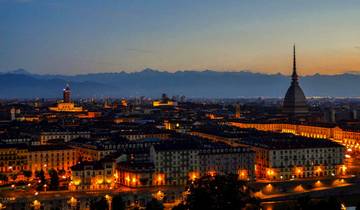
7 days
7 Days Italian Riviera and Piedmont Tour – from Milan
- ✓ Comprehensive Turin tour
- ✓ Expert local guides included
- ✓ All accommodation arranged
- ✓ Transportation provided
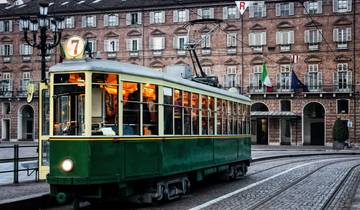
7 days
Magic of Milan, Genoa and Turin
- ✓ Comprehensive Turin tour
- ✓ Expert local guides included
- ✓ All accommodation arranged
- ✓ Transportation provided
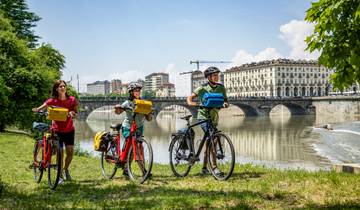
7 days
Star Tour Piedmont – Italy's insider tip 7 Days
- ✓ Comprehensive Turin tour
- ✓ Expert local guides included
- ✓ All accommodation arranged
- ✓ Transportation provided
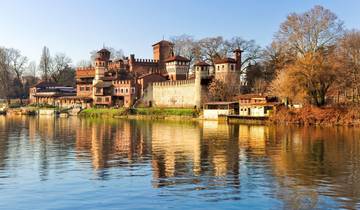
4 days
Discovering Turin
- ✓ Comprehensive Turin tour
- ✓ Expert local guides included
- ✓ All accommodation arranged
- ✓ Transportation provided
Multi-day tour packages powered by TourRadar. Prices and availability subject to change.
Introduction: Why Turin Deserves Your Attention in 2026
Turin stands as one of Italy’s most underrated cultural capitals, a sophisticated metropolis where grand Baroque boulevards frame UNESCO World Heritage palaces and world-class museums rival those of Rome or Florence—yet without the overwhelming crowds. As Italy’s first capital following unification in 1861, Turin developed a regal character that persists today through elegant arcaded streets, historic cafés serving traditional bicerin, and the spectacular Crown of Delights royal residences radiating from the city center. The 2026 travel landscape presents ideal conditions for discovering Turin: improved rail connections from Milan (1 hour), enhanced museum digital booking systems, and expanded English-language guided tours across major attractions.
The city’s cultural significance extends far beyond its political history. Turin houses the Museo Egizio, the world’s oldest museum dedicated solely to Egyptian culture and home to over 40,000 artifacts including the complete Tomb of Kha. The Royal Museums complex encompasses five institutions within Palazzo Reale, displaying Leonardo da Vinci’s self-portrait, the Sabauda Gallery’s Flemish masterpieces, and one of Europe’s finest armor collections. The Mole Antonelliana, Turin’s iconic 167-meter landmark, hosts the interactive National Cinema Museum celebrating Italy’s pioneering role in film history. These institutions benefit from recent renovations and modern interpretive technology while maintaining authenticity.
Turin’s practical advantages for 2026 travelers include exceptional value compared to more touristy Italian cities, comprehensive public transportation, manageable distances between attractions, and authentic local experiences. The historic center’s grid layout makes navigation intuitive, while the metro and extensive tram network efficiently connect outlying royal residences like the magnificent Reggia di Venaria Reale. English proficiency among tourism professionals has improved significantly, and contactless payment systems now operate across museums and public transport. The Torino+Piemonte Card streamlines sightseeing logistics, providing admission to over 200 regional attractions and unlimited public transport.
Piedmont’s gastronomic traditions elevate Turin beyond typical sightseeing. The region pioneered the slow food movement and produces exceptional wines including Barolo and Barbaresco from nearby Langhe hills. Historic chocolate shops craft gianduiotti using local hazelnuts, while traditional cafés maintain elegant Belle Époque interiors where intellectuals once debated Italian unification. Restaurant pricing remains remarkably reasonable—traditional three-course dinners with local wine cost €25-35 at neighborhood trattorias serving agnolotti del plin, vitello tonnato, and other Piedmontese specialties prepared from family recipes passed through generations.
This guide provides comprehensive planning resources for maximizing your Turin experience in 2026, from detailed UNESCO palace descriptions and museum ticketing strategies to neighborhood accommodation recommendations and sample daily budgets. Whether you’re drawn by Egyptian antiquities, Baroque architecture, culinary traditions, or simply seeking authentic Italian culture away from mass tourism, Turin delivers sophisticated experiences at accessible prices.
Turin’s UNESCO World Heritage Site: Residences of the Royal House of Savoy
The Residences of the Royal House of Savoy represent Turin’s defining UNESCO World Heritage inscription, comprising 22 palaces and villas inscribed in 1997 for their outstanding testimony to Baroque architecture and absolute monarchy. When Emmanuel Philibert, Duke of Savoy, transferred his capital from Chambéry to Turin in 1562, he initiated a vast building program demonstrating Savoy power through architectural magnificence. This comprehensive system radiates from the Command Area in Turin’s historic center to suburban pleasure residences known as the Corona di Delizie (Crown of Delights), creating a unique urban-rural dynastic landscape designed by leading Baroque architects including Filippo Juvarra, Guarino Guarini, and Amedeo di Castellamonte.
Eleven UNESCO components occupy Turin’s city center, concentrated around Piazza Castello and forming the political-administrative core. Palazzo Reale serves as the complex’s centerpiece, housing the Royal Palace proper, Palazzo Chiablese, Royal Armory, Royal Library (containing Leonardo da Vinci’s self-portrait), and the Chapel of the Holy Shroud. Palazzo Madama, featuring Juvarra’s spectacular Baroque façade overlaying medieval foundations, displays Turin’s Museum of Ancient Art. Palazzo Carignano, with its distinctive curved brick façade, witnessed the birth of Italy’s first king Victor Emmanuel II and now houses the National Museum of the Italian Risorgimento. These central palaces demonstrate the evolution of Baroque architecture from austere 17th-century designs to exuberant 18th-century Rococo interiors.
The suburban residences, eleven properties located 5-50 kilometers from Turin’s center, served recreational purposes including hunting, summer retreats, and courtly entertainments. The Reggia di Venaria Reale, often called Piedmont’s Versailles, sprawls across 80,000 square meters with the breathtaking Galleria Grande stretching 44 meters and formal gardens extending over 60 hectares. The Palazzina di Caccia di Stupinigi, Juvarra’s masterpiece hunting lodge, features a distinctive central dome topped with a bronze stag and magnificent Rococo interiors including the stunning Hall of Mirrors. Castello di Rivoli, transformed from medieval fortress to Baroque palace, now houses one of Europe’s premier contemporary art museums while maintaining original royal apartments. The Castle of Racconigi offers extensive landscaped parks designed by 19th-century architect Xavier Kurten with lakes, grottoes, and romantic follies.
Lesser-known residences reward dedicated visitors with unique experiences and lighter crowds. Villa della Regina, perched on Turin’s hillside, provides spectacular city views from its terraced Italian gardens and preserves original 17th-century frescoes. The Castle of Moncalieri maintains authentic royal kitchens and private apartments demonstrating daily life of Savoy nobility. Agliè Castle impresses with its theatrical façade and vast park, while the Castle of La Mandria’s 3,000-hectare nature reserve offers hiking trails through forests where Savoy kings once hunted. The Royal Castle of Pollenzo and Agenzia di Pollenzo, located in the Langhe wine region, now incorporate the University of Gastronomic Sciences, blending historical preservation with contemporary culinary education.
Visiting these residences requires strategic planning in 2026. Palazzo Reale and the Egyptian Museum (adjacent but separate) anchor central Turin explorations with combined visits requiring 4-5 hours. Venaria Reale demands half-day excursions (3-4 hours minimum) accessible via Venaria Express bus from city center. Stupinigi works well for afternoon visits (2-3 hours) easily reached by public transport. Many suburban residences operate reduced winter hours (November-March) or close Mondays, requiring advance schedule verification. English-language guided tours operate at major properties including Palazzo Reale, Venaria, and Stupinigi, though booking 48 hours ahead ensures availability during peak season. The UNESCO website maintains updated access information and restoration schedules affecting individual residences.
Essential Turin Museums and Attractions for 2026
Museo Egizio (Egyptian Museum) ranks among the world’s most important Egyptological collections, housing over 40,000 artifacts spanning 4,000 years of Egyptian civilization. Established in 1824, it preceded Cairo’s Egyptian Museum and maintains unparalleled holdings including the complete Tomb of Kha and Merit (Dynasty XVIII), statues from the Temple of Karnak, the Turin Royal Canon papyrus listing Egyptian pharaohs, and extensive mummy collections with modern scientific analysis displays. The museum’s 2015 renovation introduced chronological organization across four floors, interactive multimedia stations explaining hieroglyphics and religious beliefs, and climate-controlled environments preserving delicate papyri and textiles. Ground-floor galleries immerse visitors in monumental statuary, while upper floors present daily life artifacts, funerary practices, and Nubian culture.
The Musei Reali (Royal Museums) complex integrates five institutions within Palazzo Reale: the Royal Palace proper with gilded throne rooms and private royal apartments, Sabauda Gallery displaying Piedmontese, Flemish, and Dutch paintings from 14th-18th centuries, Royal Armory containing 5,000 weapons and armor pieces representing one of world’s finest collections, Royal Library housing Leonardo da Vinci’s celebrated self-portrait and illuminated manuscripts, and Museum of Antiquities preserving Roman archaeological finds including the silver Marengo Treasure. The Royal Gardens, designed by André Le Nôtre (Versailles’ landscape architect), provide free access to Baroque garden design principles with geometric parterres, fountains, and city views. Recent renovations (2020-2025) improved accessibility, though Royal Kitchens remain temporarily closed for restoration through 2026.
The National Cinema Museum occupies the iconic Mole Antonelliana, Turin’s 167-meter architectural symbol originally designed as a synagogue. The museum chronicles film history from pre-cinema shadow theater through contemporary digital productions using interactive exhibits, original equipment including magic lanterns and early projectors, costume displays from famous Italian films, and the remarkable central hall where visitors recline in viewing chaises watching film clips projected on the dome ceiling. The panoramic elevator ascends to the observation deck at 85 meters, providing 360-degree views across Turin to the Alps—particularly spectacular at sunset. The museum dedicates substantial space to Italian cinema’s pioneering role (Turin hosted Italy’s first film studios) and explores cinema’s relationship with other arts including literature, theater, and music.
Palazzo Madama’s Museum of Ancient Art spans 2,000 years from Roman foundations through 18th-century decorative arts. The building itself fascinates—medieval castle towers anchoring the structure, Renaissance courtyard, and Juvarra’s theatrical Baroque staircase and façade. Collections emphasize Piedmontese artistic production including medieval sculptures, Renaissance maiolica ceramics, ivory carvings, and 18th-century porcelain from the royal Vinovo factory. The Portrait Gallery assembles Savoy family representations demonstrating evolving artistic styles and court fashions. Temporary exhibitions often showcase Turin’s lesser-known artistic movements or explore connections between Piedmontese and broader European cultural developments.
Contemporary art enthusiasts appreciate Castello di Rivoli’s Museum of Contemporary Art (20 kilometers west), housed within a partially completed Baroque royal palace where unfinished 18th-century spaces contrast dramatically with cutting-edge installations. The permanent collection emphasizes Arte Povera movement (Turin was epicenter) and significant post-1960 international artists. The GAM (Galleria d’Arte Moderna) in central Turin complements Rivoli with 45,000 works spanning 19th-20th centuries including Italian modernists and international figures from Chagall to Warhol. Both institutions maintain active temporary exhibition schedules announced on their websites 3-6 months ahead.
Planning Your 2026 Turin Visit: Best Times and Seasons
Spring (April-June) emerges as Turin’s optimal visiting period in 2026, offering pleasant temperatures 15-22°C, blooming Royal Gardens at their peak beauty, and moderate tourist numbers below summer peaks. April sees Easter celebrations and the International Book Fair (Salone Internazionale del Libro, typically mid-May), Italy’s largest publishing event attracting 150,000 visitors to Lingotto conference center. May provides ideal conditions for exploring suburban royal residences when gardens display maximum floral beauty—Venaria’s parterres bloom with 80,000 flowers, while Racconigi’s English-style park showcases azaleas and rhododendrons. June maintains excellent weather before peak summer heat, though accommodation prices increase 15-20% compared to April-May as vacation season approaches.
Summer (July-August) presents mixed advantages for 2026 Turin visitors. Temperatures climb to 28-32°C with occasional peaks reaching 35°C, making morning or late afternoon museum visits most comfortable—many institutions extend evening hours through August. The traditional Italian vacation period (early-mid August) empties the city of locals, creating uncrowded museums and shorter restaurant wait times, but many neighborhood trattorias close 2-3 weeks. Suburban royal residences and parks provide respite from urban heat—Stupinigi’s shaded forests and Villa della Regina’s hillside location offer cooler microclimates. Cultural programming intensifies: Mole Antonelliana hosts open-air cinema projections (Cinema Ritrovato), while Parco del Valentino presents outdoor concerts and performances. Accommodation availability remains good despite peak season, as business hotel capacity supplements tourist properties.
Autumn (September-October) rivals spring for optimal visiting conditions in 2026. September delivers consistently pleasant 18-24°C weather, reduced crowds as schools resume, and excellent cultural programming including Artissima (November), Italy’s premier contemporary art fair. October coincides with white truffle season in nearby Alba—Turin restaurants feature truffle-focused menus, and weekend market excursions become popular activities. The Salone del Gusto biennial event (October in even years including 2026) showcases Slow Food movement innovations and regional Italian gastronomy. Autumn foliage transforms royal residence parks, particularly dramatic at Racconigi and La Mandria where chestnut and oak forests display golden hues. Accommodation pricing drops 20-25% compared to summer, while restaurant reservations become easier to secure.
Winter (November-March) offers the most economical Turin experience in 2026 with hotel rates 30-40% below peak season and minimal museum queues. December brings Christmas markets transforming Piazza Castello and Via Po into festive shopping destinations, while Turin’s famous chocolate shops and historic cafés provide atmospheric warmth. January-February temperatures hover 2-8°C but rarely drop below freezing—sunny days compensate for cool weather, and indoor attractions dominate itineraries. Proximity to Alpine ski resorts (Via Lattea, Sestriere, Bardonecchia) located 60-90 minutes away makes Turin an excellent base for combining culture with winter sports. Several suburban residences operate reduced hours or close entirely Monday-Wednesday during low season—verify opening schedules when planning winter visits. The Torino Film Festival (late November) attracts international cinema enthusiasts, while limited tourist presence allows authentic local experiences.
Weather patterns and crowd dynamics in 2026 require consideration beyond seasonal averages. Italian national holidays (April 25, May 1, June 2, August 15, November 1, December 8) create long weekends when domestic tourists flood the city—book accommodation well ahead for these dates. Museum “first Sunday” free admission (select state museums including Royal Museums) generates substantial queues making paid visits other days more enjoyable. Exhibition openings at major museums (Palazzo Madama, GAM) typically occur October-November and March-April, drawing significant attendance but enriching cultural programming. Regional wine harvest seasons (September-October for grapes, November for white truffles) make Langhe day trips particularly rewarding though advance winery visit reservations become essential.
Accommodation Guide: Where to Stay in Turin 2026
Turin’s accommodation landscape in 2026 spans budget hostels at €25-35 nightly through luxury five-star properties reaching €210-300, with strategic neighborhood selection significantly impacting sightseeing efficiency and local atmosphere. The historic center (Centro Storico) surrounding Piazza Castello concentrates premium hotels and delivers walking distance access to major museums, royal palaces, and historic cafés. Mid-range three-star hotels in this zone average €75-90 nightly in shoulder season (April-May, September-October) and €90-110 during peak summer. Four-star properties like NH Collection Torino Santo Stefano or Turin Palace Hotel charge €150-180 offering elegant accommodations, central locations, and buffet breakfasts featuring regional specialties.
Budget-conscious travelers find excellent value in Turin’s hostel sector and budget hotels. Combo Torino, the city’s premier hostel, charges €25-35 for dormitory beds and €60-75 for private rooms with ensuite bathrooms, located near Porta Nuova station providing instant public transport access. Tomato Backpackers and Ostello Torino offer similar pricing with communal kitchens reducing dining expenses. Budget hotels like Albergo Alba (€55-70 nightly) and Hotel Astoria (€60-80) provide clean, comfortable accommodations with private bathrooms and continental breakfast, typically occupying converted historic buildings with character despite basic amenities. Areas immediately surrounding Porta Nuova and Porta Susa stations concentrate budget options with trade-offs between convenience and atmospheric charm.
Luxury accommodations emphasize historic properties, rooftop terraces, and spa facilities. The Grand Hotel Sitea (€210-280 nightly) occupies a 19th-century palazzo near Piazza San Carlo with elegant Belle Époque interiors, Michelin-recommended restaurant, and personalized concierge services arranging private palace tours or truffle hunting excursions. Principi di Piemonte | UNA Esperienze (€240-320) provides five-star sophistication with panoramic rooftop bar, wellness center, and prime Piazza Castello location steps from Royal Museums. These properties include extensive breakfast buffets, afternoon tea service, and cultural programming like wine tastings featuring Piedmont’s finest Barolo and Barbaresco vintages. Mid-week business travel traditionally filled luxury capacity but weekend rates (Friday-Sunday) often drop 20-30% making splurges more accessible.
Neighborhood character varies substantially across Turin’s accommodation zones. San Salvario, immediately south of Porta Nuova station, emerged as multicultural dining and nightlife district with mid-range hotels (€70-90) and numerous aperitivo bars serving Piedmontese wines and small plates. The area skews younger and livelier, potentially too energetic for visitors seeking tranquility. Crocetta, east of city center, offers residential elegance, tree-lined streets, and excellent 3-4 star hotels (€80-120) favored by business travelers. San Donato and Aurora neighborhoods north of center provide authentic local atmosphere, lower accommodation costs (€60-85 for comfortable three-star properties), and proximity to Porta Palazzo market—Europe’s largest open-air market—though distances to major museums extend to 20-30 minute walks or tram rides.
Apartment rentals through platforms like Booking.com or Airbnb suit longer stays (4+ nights) or families, with one-bedroom flats averaging €70-100 nightly and two-bedroom units €110-150 in central locations. These options provide laundry facilities, full kitchens reducing dining costs, and local neighborhood immersion. Verify precise addresses ensuring proximity to metro/tram lines—Turin’s grid layout means addresses just 3-4 blocks apart can differ significantly in walkability to attractions. Free cancellation policies prove essential given 2026’s unpredictable travel conditions; most hotels offer flexible bookings when reserving directly through property websites rather than third-party aggregators. Breakfast inclusion varies—€8-15 daily supplements are common, though nearby cafés often provide superior cappuccino and cornetti experiences at €5-7.
Museum Tickets and City Pass Strategies for 2026
The Torino+Piemonte Card emerges as 2026’s essential purchase for multi-day Turin visits, providing free admission to over 200 museums, royal residences, and cultural sites across Piedmont plus unlimited public transportation on GTT urban networks. Available in 2-day (€25), 3-day (€29), and 5-day (€34) versions, the card activates upon first museum entry or public transport use, remaining valid for the specified consecutive hours. Three-day cards represent optimal value for typical itineraries—admission to Egyptian Museum (€15), Royal Museums (€15), Cinema Museum (€12), and Venaria Reale (€25) alone totals €67, immediately justifying the €29 investment before calculating public transport value (€4 daily passes × 3 days = €12) and additional attraction entries.
Individual museum pricing in 2026 follows standardized state museum policies for major institutions. The Museo Egizio charges €15 standard admission with free entry for visitors under 18 and reduced €3 tickets for EU residents aged 18-25. Online advance booking through the official website (museoegizio.it) adds no surcharge and guarantees entry times—essential April-October when walk-up queues exceed 90 minutes during 10am-2pm peak hours. The Musei Reali complex charges €15 covering all five institutions (Royal Palace, Sabauda Gallery, Royal Armory, Royal Library, Museum of Antiquities) plus temporary exhibitions, with similar youth/senior reductions. Royal Gardens access remains free without ticket requirements. Cinema Museum admission costs €12 standalone or €18 combined with panoramic elevator—the elevator-only option (€10) permits observation deck access without museum entry.
Suburban royal residences implement varied pricing reflecting property size and restoration costs. Reggia di Venaria Reale charges €15 for palace-only admission or €25 including formal gardens and temporary exhibitions in the Citroniera greenhouse. The property’s scale justifies the premium—three hours represents minimum visit duration. Palazzina di Stupinigi costs €12 including palace and park access with €5 reductions for youth/seniors. Castello di Rivoli’s Contemporary Art Museum charges €10 (€6.50 reduced) with combination tickets available covering both Rivoli and GAM modern art museum (€13 combined). Most suburban residences participate in the Torino+Piemonte Card, making multi-property itineraries economically favorable compared to individual tickets.
Strategic booking timing maximizes convenience and value in 2026. Purchase Torino+Piemonte Cards from Tourist Information offices in Piazza Castello (daily 9am-6pm) or online through the official Turismo Torino website, though physical pickup at the office remains necessary for online purchases. Cards activate automatically upon first use rather than purchase date, allowing advance acquisition without wasting validity periods. Book Egyptian Museum tickets 48-72 hours ahead for weekday visits or 7+ days for weekends, selecting 9am opening or post-3pm afternoon slots avoiding mid-day crowds. Royal Museums accept advance booking but rarely require it except during major temporary exhibitions—walk-up entry typically available within 30 minutes except Sunday mornings when locals visit before family lunches.
Free admission opportunities supplement paid visits. Most state museums (Royal Museums, Palazzo Madama) offer free entry on the first Sunday of each month, though 10am-12pm queues stretch substantially—arrive at 8:30am for 9am opening or visit after 2pm when crowds thin. Under-18 visitors enter state museums free year-round with ID verification. The Biblioteca Reale (Royal Library) within Musei Reali complex opens free Tuesday-Sunday 9am-7pm for scholarly visits though Leonardo da Vinci self-portrait viewing requires general admission ticket. Royal Gardens, Church of San Lorenzo, and numerous Baroque churches including Santuario della Consolata maintain free access. Student discounts require ISIC cards or university ID demonstrating current enrollment—standard student cards often fail to qualify for €3 reduced rates.
Daily Budget Planning: Turin Costs in 2026
Budget travelers effectively explore Turin on €60-80 daily in 2026 through strategic accommodation, dining, and activity choices. Hostel dormitory beds (€25-35) or budget hotel shared rooms (€30-40 per person when doubled) anchor economical stays. Breakfast at hostel (included) or nearby café (€4-6 for cappuccino and cornetto) starts days affordably. Museum admission focuses on one major paid attraction daily (€12-15) supplemented by free options like Royal Gardens, Baroque churches, and neighborhood explorations. Public transport single tickets (€1.70 per ride, typically 2-3 daily rides) or day passes (€4) keep mobility costs minimal. Dining emphasizes lunch at markets (€8-12 for prepared foods at Porta Palazzo), afternoon aperitivo offering substantial free buffets with €6-8 drink purchase, and pizza dinners (€8-12). Daily total: Accommodation €30, meals €24-28, museums €12-15, transport €4-6, miscellaneous €8-10 = €78-89 per day.
Mid-range travelers allocate €90-150 daily for comfortable Turin experiences balancing value with quality in 2026. Three-star hotel accommodation (€75-90 for standard double room, €37-45 per person when shared) provides private bathrooms, air conditioning, and central locations. Breakfast buffets at hotels (€8-12 if not included) or quality café service (€8-10) start days properly. Museum admissions expand to 2-3 paid attractions using Torino+Piemonte Card (€29 amortized across 3 days = €10 daily) plus transport inclusion. Dining upgrades to sit-down restaurant lunch (€15-25 per person) and traditional trattoria dinner with local wine (€30-40 per person). Gelato breaks (€3-5), afternoon coffee at historic cafés (€4-6), and occasional taxi rides for convenience (€10-15 per trip) enhance comfort. Daily total: Accommodation €40-45, meals €50-65, activities €10-12, transport (included in card), miscellaneous €15-20 = €115-142 per day.
Luxury experiences in Turin 2026 command €200-300+ daily for five-star accommodation, fine dining, and exclusive cultural access. Deluxe hotels (€210-300 per room, €105-150 per person sharing) deliver rooftop terraces, spa facilities, and concierge services. Gourmet breakfast buffets with regional specialties and prosecco (€25-35 if not included) rival restaurant meals. Private guided tours of royal palaces (€150-200 for 3-hour exclusive access), museum skip-the-line services (€20-30 supplements), and premium activities like truffle hunting (€180-250 per person) elevate cultural programming. Dining emphasizes Michelin-starred restaurants for dinner (€80-150 per person with wine pairings), refined lunch at trattorias serving high-end Piedmontese cuisine (€40-60), and afternoon tea at historic hotels (€25-35). Taxis or private drivers (€100-150 for full-day availability) ensure effortless mobility. Daily total: Accommodation €120-150, meals €150-200, activities/tours €50-80, transport €30-40, miscellaneous €40-60 = €390-530 per day.
Sample one-day budget breakdowns illustrate practical spending across different traveler types in 2026. Budget explorer: Hostel bed €30, café breakfast €5, Egyptian Museum €15, Porta Palazzo market lunch €10, aperitivo with buffet €8, pizza dinner €10, gelato €4, public transport day pass €4, coffee €3 = Total €89. Mid-range culturalist: 3-star hotel (per person) €42, hotel breakfast €10, Royal Museums €15, trattoria lunch €22, Cinema Museum + elevator €18, traditional Piedmontese dinner with wine €35, coffee at Caffè San Carlo €5, tram tickets (covered by city card) €0, gelato €4 = Total €151. Luxury connoisseur: 5-star hotel (per person) €140, gourmet breakfast €30, private Venaria Reale guided tour €85 (per person half-day rate), refined lunch at Del Cambio €55, afternoon chocolate tasting at Guido Gobino €25, Michelin-starred dinner at Piano35 €120, taxi transport €35, miscellaneous (shopping, tips) €50 = Total €540.
Money-saving strategies extend budgets in 2026 without sacrificing experience quality. Purchase Torino+Piemonte Cards even for 2-3 day visits given exceptional value covering both museums and transport—break-even occurs after just 2-3 major museum visits. Time restaurant meals strategically: lunch menus (pranzo) offer two-course meals €15-20 versus dinner (cena) pricing €25-35 for identical quality. Exploit aperitivo culture 6-8pm when bars provide free buffets with drink purchase (€6-8)—substantial offerings at student-area venues like San Salvario constitute complete dinners. Buy groceries at neighborhood markets (Porta Palazzo, Crocetta neighborhood shops) rather than tourist-zone supermarkets saving 20-30% on identical products. Avoid taxis except necessity—extensive tram network reaches all major attractions efficiently. Book accommodation directly through hotel websites rather than aggregators, often securing 10-15% discounts or complimentary breakfast upgrades. Visit during shoulder seasons (April-May, September-October) when accommodation rates drop 20-25% below peak summer pricing while weather remains excellent and cultural programming continues robustly.
Transportation and Getting Around Turin 2026
Turin’s integrated public transportation system operated by GTT (Gruppo Torinese Trasporti) comprises one metro line, 8 tram routes, and 80+ bus lines providing comprehensive urban coverage in 2026. The metro line runs east-west connecting Collegno suburb through city center stations at Porta Susa and Porta Nuova (main train stations) to Lingotto conference district, operating daily 5:30am-12:30am with 6-minute frequencies during peak hours. Tram lines radiate from central Piazza Castello reaching major districts and attractions—Line 4 serves Palazzo Madama and continues to Falchera, Line 13 reaches San Salvario dining district, Line 15 connects Porta Nuova to Villa della Regina. Bus network fills coverage gaps though tourists primarily rely on metro-tram combinations for sightseeing efficiency.
Public transport ticketing follows zone-based pricing with standard City 100 tickets costing €1.70 (paper ticket) or €1.90 (digital via TO Move app/contactless payment). These tickets validate for 100 minutes permitting unlimited bus/tram transfers plus one metro ride, requiring validation at yellow/orange machines upon boarding each vehicle. Day passes (Giornaliero) cost €4 providing unlimited travel across entire urban network from first validation until service ends (approximately midnight)—economical for 3+ journeys daily. Multi-day options include 48-hour passes (€9.50) and 72-hour passes (€12.50). The Torino+Piemonte Card bundles transport with museum admission representing superior value versus standalone transport passes for multi-day cultural itineraries.
Strategic transport use maximizes sightseeing efficiency in 2026. Central Turin’s grid layout makes walking ideal for historic core attractions—Piazza Castello to Egyptian Museum requires 5 minutes, Egyptian Museum to Mole Antonelliana 10 minutes, creating compact walking circuits. Tram services efficiently reach peripheral attractions: Tram 15 to Villa della Regina hillside palace (20 minutes from center), Tram 4 to Superga Basilica connection point (terminus transfers to historic rack railway), and Sassi-Superga rack railway itself (€6 return, stunning hilltop views). Suburban royal residences require dedicated transport: Venaria Express shuttle bus from Piazza Repubblica direct to Reggia di Venaria (35 minutes, €8 return or free with Torino+Piemonte Card), Bus 41 to Stupinigi Hunting Lodge (25 minutes), metro Line 1 to Rivoli Castle (terminal station then 10-minute walk).
The Tap & Go contactless payment system revolutionized Turin transport in 2024-2025, now fully operational in 2026. Simply tap credit/debit cards (Visa, Mastercard) or digital wallets (Apple Pay, Google Pay) on yellow readers at metro turnstiles or bus/tram validators—system automatically charges daily cap ensuring you never overpay (€4 maximum equivalent to day pass). This eliminates ticket purchase hassles at tobacco shops or vending machines, particularly valuable for short-stay visitors. Note validators require actual tap completion with audible confirmation beep—merely hovering cards fails to register, risking €50 fines if inspectors check tickets. The system also supports BIP rechargeable cards (€2 purchase price) preloaded with tickets or multi-day passes, favored by frequent visitors planning multiple Turin trips across 2026.
Taxi and ride-sharing alternatives supplement public transport when convenience outweighs cost. Official taxis (white vehicles with “Taxi” roof signs) use meters starting at €5.50 with €1.40-1.50 per kilometer rates—typical €15-20 covers most central destinations to suburban locations like Stupinigi. Pre-book through Radio Taxi Torino (+39 011 5737) or use the TO Move app for integrated taxi/public transport journey planning. Ride-sharing services Uber and FreeNow operate in Turin though driver availability varies by time/location—airport runs reliably served but midnight returns from suburban residences may require extended waits. Bicycle sharing through TO Bike system (€5 daily pass, stations throughout center) suits short hops along Po River parkway but requires comfort with Italian traffic patterns and cobblestone street navigation. Most tourists find tram/metro combinations sufficiently convenient that taxis remain occasional splurges rather than daily necessities.
Turin Dining and Food Experiences 2026
Piedmontese cuisine distinguishes Turin’s dining landscape in 2026 through rich meat-based traditions, white truffle excellence, and sophisticated wine culture. Traditional antipasti include vitello tonnato (cold veal with tuna-caper sauce), insalata russa (Russian salad with vegetables and mayonnaise), and carne cruda all’albese (raw beef with lemon and olive oil). First courses emphasize tajarin (thin egg pasta) with butter and truffles, agnolotti del plin (small stuffed pasta with meat filling), and risotto variations. Main courses feature brasato al Barolo (beef braised in Barolo wine), fritto misto (mixed fried meats and vegetables), and finanziera (traditional organ meat stew). The region pioneered Italy’s slow food movement celebrating local products, seasonal ingredients, and traditional preparation methods over industrial convenience.
Budget dining options deliver authentic Piedmontese flavors at €10-20 per person in 2026. Porta Palazzo market (Europe’s largest open-air market, Saturday morning peak) offers prepared foods, fresh produce, and local cheeses at rock-bottom prices—complete lunch under €10 combining market purchases. Neighborhood pizzerias throughout San Salvario and Aurora districts charge €8-12 for excellent Neapolitan-style pizzas with local beer €4-6. Aperitivo culture (6-8pm) provides strategic budget opportunities—bars like Centralino (Via Cesare Battisti) and Pastis (Piazza Emanuele Filiberto) offer €6-8 drinks with extensive free buffets featuring pasta, rice dishes, vegetables, and cheeses constituting complete dinners. Traditional osterie like Osteria Antiche Sere (Via Cenischia) serve two-course lunch menus €15-18 including primo (pasta), secondo (main), and house wine.
Mid-range restaurants (€25-40 per person) showcase refined Piedmontese cooking in atmospheric settings. Trattoria Valenza (Via Borgo Dora 39) specializes in traditional agnolotti and brasato with excellent Barolo wine list, typical bills €30-35 per person with wine. Consorzio (Via Monte di Pietà 23) emphasizes seasonal local products in modern interpretations of classic dishes—their vitello tonnato and tajarin with truffles earn local acclaim. Porto di Savona (Piazza Vittorio Veneto 2) delivers riverside dining with Po River views, extensive Piedmontese wine selection, and generous portions justifying €35-40 per person averages. Ristorante del Cambio (Piazza Carignano 2), Turin’s most historic restaurant founded 1757, maintains Belle Époque interiors where Cavour dined during Italian unification—tasting menus €60-80 represent splurge-worthy experiences with Michelin-quality cooking.
Fine dining in 2026 elevates Piedmontese traditions to Michelin standards. Piano35 (Via Nizza 230, 35th floor of Intesa Sanpaolo tower) holds one Michelin star delivering innovative cuisine with stunning city-Alps panoramas, tasting menus €120-150 with wine pairings adding €60-80. Combal.Zero at Castello di Rivoli (Piazza Mafalda di Savoia) earned three Michelin stars for chef Davide Scabin’s avant-garde interpretations—expect €200+ per person for complete dining experience. Vintage 1997 (Piazza Solferino 16) combines one-star excellence with approachable atmosphere, €80-100 tasting menus balancing creativity with recognizable Piedmontese flavors. These restaurants require advance reservations (2-4 weeks for weekends) and dress codes ranging from smart casual to formal depending on establishment—verify when booking.
Turin’s café culture and chocolate heritage warrant dedicated attention in 2026. Historic cafés maintain 18th-19th century elegance where bicerin (layered drink of espresso, chocolate, and cream) was invented. Caffè Al Bicerin (Piazza della Consolata 5) serves original bicerin in period setting since 1763—€5 includes cultural experience beyond beverage quality. Caffè San Carlo (Piazza San Carlo 156) and Caffè Torino (Piazza San Carlo 204) face each other across Turin’s “drawing room,” their mirrored interiors and gilded fixtures creating theatrical backdrops for €4-6 cappuccinos. Chocolate shops including Guido Gobino (Via Cagliari 15) and Peyrano (Corso Moncalieri 47) craft gianduiotti (hazelnut-chocolate confections) using traditional methods—€8-15 purchases supply memorable souvenirs. Eataly Lingotto (Via Nizza 230) concentrates artisan producers under one roof with guided tastings (€15-25) exploring regional specialties from white truffles to Barolo wine.
Day Trip Opportunities from Turin 2026
The Langhe wine region, 90 minutes south of Turin, constitutes Piedmont’s premier day trip destination in 2026 combining UNESCO vineyard landscapes, medieval hill towns, and Italy’s finest wine production. Alba serves as regional hub, famous for October-November white truffle season and weekly Saturday market. Barolo and Barbaresco villages produce world-renowned wines from Nebbiolo grapes—winery visits require advance booking (2-4 weeks) but offer intimate tastings (€20-40 per person) with direct producer access. La Morra provides panoramic vineyard views, while Neive’s medieval center rewards exploration. Public transport proves challenging—rental cars (€50-70 daily) or organized tours (€90-140 per person full-day including winery visits and lunch) facilitate access. Return to Turin by evening for dinner, making this an intensive but rewarding single-day excursion.
Sacra di San Michele, Piedmont’s most dramatic abbey perched 1,000 meters above Susa Valley 40 kilometers west of Turin, offers spectacular Alpine views and medieval architecture. The abbey inspired Umberto Eco’s “The Name of the Rose” with its atmospheric Scalone dei Morti (Stairway of the Dead) leading to 12th-century church containing elaborate zodiac floor mosaics. Accessible via train to Avigliana (30 minutes) then taxi/bus to abbey base plus steep 45-minute uphill walk, or direct car rental (50-minute drive). Admission €6, open Tuesday-Sunday 9:30am-5pm. Combine with lunch in Avigliana’s medieval center or return via Rivoli for Castello di Rivoli contemporary art museum visit, creating full-day cultural circuit.
Aosta Valley 120 kilometers north delivers dramatic Alpine scenery, Roman ruins, and medieval castles. Aosta city preserves Roman theater, triumphal arch, and cryptoporticus alongside medieval cathedral. The valley floor (accessible via A5 autostrada, 90-minute drive) lines with spectacular castles including Fénis Castle (€10 admission, intact medieval interiors and frescoes) and Issogne Castle (€6, Renaissance courtyard fountain). Winter visits (December-March) permit skiing at renowned resorts including Courmayeur and Cervinia beneath Mont Blanc and Matterhorn respectively—combined culture-skiing day trips feasible with early starts. Summer hiking around Gran Paradiso National Park (Italy’s oldest, established 1922) reveals alpine wildlife including ibex and chamois. Regional cuisine emphasizes French influences with fondue and raclette featuring prominently—budget €60-80 for car rental, castle admissions, and mountain lunch.
Milan’s proximity (55 minutes via high-speed rail, €12-22 tickets) creates opportunities for architecture, shopping, and complementary cultural programming. Leonardo da Vinci’s “Last Supper” in Santa Maria delle Grazie requires advance booking (2-3 months) but justifies effort for 15-minute viewing slot. Duomo cathedral offers rooftop terrace access, while Galleria Vittorio Emanuele II provides iconic glass-roofed shopping arcade. Brera Art Gallery houses Northern Italian Renaissance masterpieces. Day-trippers departing Turin 7-8am reach Milan by 9am for full museum day, returning via 7-8pm trains for Turin dinner—total budget €40-60 including rail transport, museum admissions, and Milan lunch. Alternatively, evening Milan departures permit Milanese aperitivo experiences in Navigli canal district before late return.
Lake Maggiore, 90 minutes northeast via car or train-bus combinations, delivers Italian Lakes scenery without Como’s overwhelming tourist density. Stresa serves as elegant lakeside base with belle époque hotels and cafés. Borromean Islands (Isola Bella, Isola Madre, Isola dei Pescatori) reached by frequent ferries (€13 day pass) preserve Baroque palace-gardens (Isola Bella) and botanical gardens (Isola Madre). Verbania’s Villa Taranto showcases extraordinary gardens spanning 16 hectares with 20,000 plant species. Budget full-day excursion €50-70 including rail transport, island ferries, villa admissions, and lakeside lunch. Alternatively, shorter morning visits to Venaria Reale combine with afternoon/evening Lake Orta (smaller, quieter alternative) creating diverse day blending royal palace and lake tranquility—90-minute drive from Venaria to Orta village.
Practical Travel Tips for Turin 2026
Turin-Caselle Airport (TRN) located 16 kilometers northwest of city center connects to major European hubs and Italian cities, though Milan Malpensa (MXP, 120 kilometers west) offers broader international flight options. Airport-city center transport operates via SADEM bus service (€7.50 one-way, €12.50 return, 40-50 minutes) departing every 30 minutes 5am-11pm daily, terminating at both Porta Nuova and Porta Susa train stations. The Sfm1 regional train line (€3, 30 minutes) connects airport to Dora railway station with transfers to city center metro/tram—less convenient but economical for budget travelers. Taxis charge fixed €30-35 for airport-center runs, useful for groups sharing costs or travelers with heavy luggage. Pre-book through official providers avoiding unlicensed drivers soliciting at arrivals—legitimate white taxis display meters and Turin city authorization.
International rail connections position Turin as Northern Italy rail hub in 2026. High-speed Frecciarossa trains reach Milan Centrale in 55-65 minutes (€12-35 depending on advance booking), continuing to Venice (4 hours 15 minutes, €35-75) and Rome (4 hours 30 minutes, €50-120). TGV services connect Paris Gare de Lyon via Mont Cenis tunnel (5 hours 40 minutes, €45-110), while standard services reach Geneva (3 hours), Lyon (4 hours), and coastal Genoa (2 hours). Book high-speed tickets 3-4 months ahead via Trenitalia or Italo websites securing lowest fares—last-minute walk-up prices double or triple advance bookings. Porta Nuova station serves most long-distance services, while Porta Susa handles TGV and some high-speed routes—verify departure station when booking. Luggage storage facilities operate at both stations (€6 for 5 hours, €1 per additional hour) enabling arrival-day sightseeing before hotel check-in.
Language considerations remain relevant though Turin’s tourism infrastructure increasingly accommodates English speakers in 2026. Major museums provide English audio guides, signage, and wall text—Egyptian Museum, Royal Museums, Cinema Museum all maintain comprehensive English interpretation. Restaurant menus in tourist zones include English translations though neighborhood trattorias may not—learning basic food vocabulary (primo, secondo, contorno, dolce) or using translation apps facilitates ordering. Hotel reception, ticket offices, and tourist information centers reliably staff English speakers, while street-level interactions (markets, cafés, shops) vary. Italians appreciate greeting attempts in Italian (buongiorno, grazie, per favore) even if conversations switch to English. German and French also prove useful given proximity to francophone and germanophone regions—historical ties mean older generations sometimes speak French more readily than English.
Safety in Turin ranks favorably compared to larger Italian cities, with violent crime rare and tourist-targeted issues limited to petty theft and pickpocketing. Exercise standard urban precautions: secure valuables in front pockets or cross-body bags, remain aware in crowded areas like Porta Nuova station and Porta Palazzo market, avoid deserted areas after dark particularly around Aurora and Barriera di Milano neighborhoods. Tram and metro pickpocketing occurs occasionally—maintain bag awareness during rush-hour crowding. Scams targeting tourists remain less prevalent than Rome or Florence though restaurant bill verification and taxi meter confirmation prevent occasional overcharging. Emergency numbers: 112 (general emergency), 113 (police), 118 (ambulance), 115 (fire). Tourist police office (Polizia di Stato – Ufficio Stranieri) at Via Verdi 4 handles passport issues and crime reports requiring documentation for insurance claims.
Practical information for smooth 2026 Turin visits includes tipping expectations, business hours, and essential etiquette. Restaurant service charges (coperto €1-3 per person) appear on bills covering bread and table service—additional tipping remains discretionary, with €5-10 on €50-100 bills indicating satisfaction for exceptional service. Cafés expect no tips for counter service though leaving €0.50-1 change at bar is customary. Taxi tips round to nearest euro or add €1-2 for luggage assistance. Business hours follow Italian patterns: most shops open 9:30am-1pm and 3:30-7:30pm Monday-Saturday with Sunday closures (major chains and center shops maintain continuous hours). Restaurants serve lunch 12:30-2:30pm and dinner 7:30-10:30pm—arriving at 6pm finds kitchens closed. Museums generally open Tuesday-Sunday with Monday closures, though major sites increasingly operate daily. August sees numerous restaurant and shop closures as families vacation—verify specific establishments before visiting mid-August.
Turin for Specific Traveler Types in 2026
Families with children discover surprisingly child-friendly Turin in 2026 combining educational museums with green spaces and interactive experiences. The Cinema Museum’s hands-on exhibits engage all ages—shadow theater demonstrations, vintage equipment testing, and the remarkable central hall with reclining viewing chaises prove particularly popular with 6-12 year-olds. The adjacent Mole Antonelliana panoramic elevator thrills children and adults equally with glass-floor viewing pods ascending to 85-meter heights. Egyptian Museum offers family-oriented audio guides and Saturday workshop programs (€8-12 per child, advance booking required) teaching hieroglyphics and mummification processes through age-appropriate activities. Parco del Valentino along Po River provides extensive playgrounds, paddle boat rentals (€10-15 per half-hour), and Borgo Medievale mock medieval village (free entry) recreating 15th-century Piedmont with castle, craftsmen demonstrations, and period gardens.
Solo travelers find Turin welcoming and navigable with appropriate precautions in 2026. Hostel common areas at Combo Torino and Tomato Backpackers facilitate meeting fellow travelers, while organized group tours (€40-60 for half-day palace tours) create social opportunities beyond independent exploration. Safety concerns remain minimal—women traveling alone report comfort walking central areas into evening, though standard urban awareness regarding bag security and route planning applies. Solo dining proves straightforward—trattorias readily seat single diners, and counter service at cafés and wine bars creates opportunities for casual interactions. Museums and cultural sites suit solitary appreciation allowing flexible pacing. Solo room supplements at mid-range hotels typically add 30-40% to published double occupancy rates—apartment rentals sometimes offer better value for 3+ night stays. Group tour discounts often apply when solo travelers join existing scheduled tours rather than requiring private guides.
Business travelers benefit from Turin’s compact geography, excellent rail connections, and efficient infrastructure in 2026. Major conference venues include Lingotto Conference Center (former Fiat factory with iconic rooftop test track), Torino Incontra Congress Center, and various hotel properties offering 50-300 capacity meeting spaces. Business hotels concentrate near Porta Susa and Porta Nuova stations—NH Collection, Golden Palace, and Pacific Hotel provide executive facilities, same-day laundry, and business centers. Coworking spaces including Toolbox Coworking and The Best Western offer day passes (€25-35) with high-speed internet, meeting rooms, and central locations. After-hours business dining emphasizes traditional Piedmontese restaurants where regional specialties and wine facilitate client entertainment—Del Cambio and Consorzio balance formality with authentic local character. Weekend extensions permit cultural exploration blending business productivity with leisure reward.
Accessibility-conscious travelers find improving but imperfect infrastructure in 2026. Major museums including Egyptian Museum and Royal Museums provide wheelchair access via elevators and ramps, though some Royal Palace sections including Royal Kitchens remain inaccessible. Cinema Museum accommodates wheelchairs throughout main floor exhibits but panoramic elevator capacity limitations may require wait times. Historic center’s arcaded porticos create covered walkway networks though cobblestones challenge wheelchair navigation—Via Po and Piazza San Carlo maintain smoother surfaces. Metro stations feature elevators (though occasional mechanical issues arise), while tram network accessibility varies—newer vehicles accommodate wheelchairs but older rolling stock presents step barriers. Hotels built post-2000 generally meet accessibility standards though historic properties in converted palaces often cannot fully accommodate mobility impairments—verify specific requirements when booking. Accessible taxi services (Radio Taxi Torino, 011 5737) operate on request.
Cultural enthusiasts and art historians discover rich rewards beyond mainstream attractions in 2026. The Biblioteca Reale preserves illuminated manuscripts, incunabula, and Leonardo’s self-portrait in climate-controlled exhibition spaces (admission included with Royal Museums ticket). Palazzo Madama’s collections span Roman archaeological fragments through 18th-century Baroque decorative arts revealing Turin’s layered history. Specialized museums including the Museum of the Italian Risorgimento (Palazzo Carignano) document national unification centered on Turin’s role as first capital, while the Automobile Museum traces transportation evolution reflecting Turin’s industrial heritage. Contemporary art extends beyond Castello di Rivoli to GAM, Fondazione Merz, and emerging galleries in San Salvario—current exhibition calendars appear on Turismo Torino website. Architecture walks explore Baroque planning principles visible in Via Po’s uniform porticos, Piazza San Carlo’s theatrical symmetry, and Stupinigi’s radiating hunting lodge design demonstrating absolute monarchy’s spatial manifestations.
Shopping and Souvenirs in Turin 2026
Turin’s shopping landscape balances luxury boutiques, artisan workshops, and traditional markets offering distinctive souvenirs in 2026. Via Roma, Turin’s main shopping boulevard connecting Piazza Castello to Porta Nuova station, concentrates international luxury brands including Gucci, Prada, and Louis Vuitton within elegant arcaded setting—window shopping costs nothing while purchases reach predictable designer price points. Via Garibaldi, Europe’s longest pedestrian street at 900 meters, mixes high-street chains (Zara, H&M) with local boutiques offering mid-range fashion at €50-150 for quality items. San Salvario and Quadrilatero Romano neighborhoods feature independent designers, vintage shops, and craftsmen selling unique pieces—budget €80-200 for distinctive clothing or leather goods supporting local artisans rather than corporate chains.
Food products constitute Turin’s most authentic and portable souvenirs in 2026. Gianduiotti chocolate (hazelnut-chocolate confections invented in Turin) from historic producers including Peyrano (Corso Moncalieri 47) and Guido Gobino (Via Cagliari 15) start at €8-12 for 250-gram boxes, scaling to €25-40 for premium selections or elaborate gift packaging. Barolo and Barbaresco wines purchased at Eataly Lingotto or specialty enotecas like Bruni e Gaetano (Via Bellezza 30) range €20-80 for quality bottles—verify customs regulations regarding alcohol quantities before committing to multiple bottles. Vermouth di Torino, the aperitif originated here, offers lighter alternative at €12-25 for brands like Carpano and Cocchi. Hazelnuts from Piedmont’s Langhe region, rice from Vercelli (risotto varieties), and white truffle products (oils, pastes, though fresh truffles require October-November visits) represent culinary heritage in shelf-stable formats.
Artisan crafts and design objects reward seekers of distinctive non-food souvenirs in 2026. Lavazza (Via San Tommaso 10) sells premium coffee blends and elegant espresso equipment unavailable internationally—moka pots (€25-60) and specialty ground coffee (€8-15 per 250 grams) transport Italian coffee culture home. Antique markets at Gran Balon (second Sunday monthly, Piazza Repubblica) and Balon (Saturday mornings) offer vintage posters, period glassware, and decorative objects at negotiable prices—arrive early for best selection, budget €20-200 depending on finds. Contemporary design shops like Paola C. (Via Santa Teresa 19) showcase Italian industrial design from emerging designers. Book lovers appreciate rare editions and art publications at Libreria Luxemburg (Via Cesare Battisti 7) and Libreria Comunardi (Via Bogino 2), particularly resources on Baroque architecture and Savoy history unavailable outside Italy.
Markets provide economical shopping and authentic local atmosphere in 2026. Porta Palazzo (Piazza della Repubblica, Monday-Friday 8am-2pm, Saturday until 7:30pm) claims Europe’s largest open-air market status with 1,000+ stalls selling produce, cheeses, cured meats, flowers, and household goods at prices 30-50% below supermarkets. The clothing section (west side) offers budget fashion though quality varies. Porta Palazzo’s covered fish and meat halls showcase Piedmontese specialty products including Fassone beef and regional cheeses like Castelmagno and Toma. Crocetta neighborhood market (Via Marco Polo, weekday mornings) attracts locals seeking quality produce and prepared foods in more manageable scale than Porta Palazzo’s sometimes overwhelming size. Christmas markets (late November through early January) transform Piazza Castello and surrounding streets into festive shopping destinations selling handicrafts, regional foods, and seasonal decorations—prices typically exceed year-round market rates but atmosphere justifies modest premiums.
Shopping practicalities for 2026 Turin visits include VAT refund procedures for non-EU residents, luggage considerations, and payment methods. Tax refunds apply to purchases exceeding €154.94 from retailers displaying Tax Free signs—request Global Blue or Planet forms at purchase, have customs validate at airport before departure, and claim refunds at designated counters or via mail. Major retailers and department stores accept credit cards universally, but neighborhood markets, small boutiques, and some cafés prefer cash—maintain €50-100 readily available particularly for market purchases. Store hours follow Italian patterns with lunch closures 1-3:30pm except major chains and center shops. August sales (saldi) run late July through August offering 30-70% discounts on fashion and homegoods. Pack expandable luggage or bring collapsible bag for acquired items—excess baggage fees on budget airlines can eliminate shopping savings.
Turin Cultural Events and Festivals 2026
Turin’s cultural calendar in 2026 peaks during spring and autumn with internationally significant festivals complementing year-round museum programming. The Salone Internazionale del Libro (International Book Fair, typically second week of May 2026) attracts 150,000 visitors to Lingotto conference center for Italy’s premier publishing event featuring 1,500 exhibitors, author signings, panel discussions, and children’s literature programming. Daily admission €8-12, three-day passes €18-25 offer economical access to comprehensive book culture spanning literary fiction through academic publishing. The event extends beyond Lingotto to citywide readings at cafés and bookshops, creating festival atmosphere throughout Turin’s intellectual community. Accommodation books rapidly for these dates—reserve 2-3 months ahead or consider Alba/Asti accommodations (40-60 kilometers south) with daily rail commutes.
Salone del Gusto, Slow Food’s biennial celebration (held even years including October 2026), transforms Turin into global gastronomy capital. The event occupies multiple venues including Parco Dora, Lingotto, and city center locations, presenting artisan food producers from 130+ countries, cooking demonstrations, wine tastings, and Terra Madre conference bringing together food communities worldwide. Five-day passes (€30-40) permit unlimited access to exhibitions, while individual tastings require separate tickets (€5-15 per session). The festival emphasizes biodiversity, sustainable agriculture, and traditional food cultures threatened by industrial production—expect significant international attendance and plan accommodation 3-4 months ahead. Restaurant reservations throughout Turin become challenging during Salone weeks as visiting chefs and food professionals fill capacity—book immediately upon confirming travel dates.
The Torino Film Festival (late November, typically final week) represents Italy’s second most important cinema celebration after Venice Film Festival. Programming emphasizes independent productions, documentaries, and experimental cinema across 20+ venue locations including Cinema Massimo, Teatro Regio, and the Cinema Museum itself. Festival passes (€40-60 for full access) enable comprehensive viewing though single screening tickets (€8-12) suit casual participants. The festival coincides with year-end cultural programming including theater season openings and temporary museum exhibitions launching for holiday audiences. November weather (6-12°C, occasional rain) requires appropriate clothing, while shorter daylight hours (sunset 4:45pm) create atmospheric conditions for film-focused visits. Hotels maintain shoulder-season pricing despite festival attendance, making this excellent value period combining cultural richness with economic accessibility.
Religious and traditional celebrations punctuate Turin’s calendar in 2026. Easter Holy Week (March 30-April 5, 2026) features elaborate church ceremonies, particularly at Turin Cathedral housing the Holy Shroud (exhibited only on special occasions, not regularly displayed). The Feast of San Giovanni (June 24), honoring Turin’s patron saint, brings fireworks over Po River, outdoor concerts, and neighborhood festivals—locals traditionally prepare cuisine featuring walnut sauce on this date. The Fiera di Sant’Ambrogio (first week December) transforms Piazza Carlo Alberto into Christmas market selling handicrafts, regional foods, and holiday decorations. Notte delle Luci (Festival of Lights, early November) illuminates monuments and public spaces with artistic light installations, free to public and creating photographic opportunities across historic center. These traditional events provide authentic local culture beyond museum experiences, though accommodation availability rarely constrains as most attract regional rather than international audiences.
Summer cultural programming (June-August 2026) pivots outdoor as theaters and concert halls reduce programming. Estate Torinese (Turin Summer) coordinates open-air cinema in Parco del Valentino and Piazza Castello, free concerts ranging from classical music to contemporary jazz, and performance art in public spaces. The Mole Antonelliana presents Cinema Ritrovato (Restored Cinema) showcasing classic film restorations under stars on panoramic terrace—magical setting compensates for hard seating on hot evenings (bring cushion). Many museums extend Thursday-Saturday evening hours through August, permitting visits during cooler late afternoon-evening periods. The contemporary art scene maintains momentum with gallery openings concentrated Thursday evenings in San Salvario district—wine flows freely, admission costs nothing, and emerging artists present work in intimate settings. Turismo Torino website publishes comprehensive monthly events calendar covering major festivals through neighborhood concerts and gallery exhibitions.
Frequently Asked Questions About Turin Travel 2026
What is the best way to see Turin’s royal palaces in 2026?
Purchase the 3-day Torino+Piemonte Card (€29) covering admission to all 22 UNESCO royal residences plus public transportation. Prioritize Palazzo Reale and Egyptian Museum on Day 1 (both in Piazza Castello, combined visit 5-6 hours), dedicate Day 2 to Reggia di Venaria Reale (half-day minimum via Venaria Express bus from city center), and explore Stupinigi or Rivoli on Day 3 depending on interests (Baroque hunting lodge versus contemporary art). Book Egyptian Museum tickets 48-72 hours ahead even with city card to guarantee entry times. Most suburban residences close Mondays—plan itineraries Tuesday-Sunday when all properties operate full schedules.
Can you visit Turin on a day trip from Milan in 2026?
Yes, Turin makes feasible though rushed Milan day trip given 55-minute high-speed rail journey. Depart Milan 7-8am arriving Turin 8-9am, focus on compact historic center: Egyptian Museum (2 hours), quick Palazzo Reale exterior viewing and Royal Gardens walk (30 minutes), lunch in Quadrilatero Romano (1 hour), Mole Antonelliana Cinema Museum or panoramic elevator (1-2 hours), café stop at historic Caffè San Carlo (30 minutes), then 6-7pm return train reaching Milan for evening plans. This itinerary sacrifices depth for overview—true Turin appreciation requires 2-3 full days minimum. Consider instead overnight Milan-Turin, full Turin day, then evening return maximizing time while maintaining Milan accommodation base if already established there.
Is the Torino+Piemonte Card worth buying in 2026?
The card delivers exceptional value for visitors planning 2-3+ museum visits over consecutive days in 2026. The 3-day card (€29) breaks even after visiting Egyptian Museum (€15), Royal Museums (€15), and using public transport twice (€8 in day passes)—any additional attractions represent pure savings. The card covers over 200 sites including all suburban royal residences, contemporary art museums, and regional attractions extending to Langhe castles and Turin Film Museum. Free public transport eliminates ticket purchasing hassles. Skip the card only if visiting exclusively free attractions (Royal Gardens, churches) or spending fewer than two days with minimal museum interest. Purchase at Tourist Information office Piazza Castello or online (requires physical pickup before first use).
What should I not miss in Turin in 2026?
Essential Turin experiences combine UNESCO heritage, museum excellence, and cultural traditions. Unmissable attractions: Egyptian Museum (world’s second-largest collection), Royal Museums complex in Palazzo Reale (five museums, magnificent interiors), Mole Antonelliana panoramic elevator (stunning 360-degree views), and at least one suburban royal residence (Venaria Reale most impressive, Stupinigi most accessible). Cultural essentials: aperitivo in San Salvario district (6-8pm, free buffets with €6-8 drinks), chocolate tasting at historic shop like Peyrano or Guido Gobino, coffee at Caffè Al Bicerin where bicerin was invented, and traditional Piedmontese dinner at neighborhood trattoria (agnolotti del plin, brasato al Barolo). Even rushed 48-hour visits should include these six elements capturing Turin’s architectural grandeur, museum riches, and gastronomic traditions.
Where is the best area to stay in Turin for first-time visitors in 2026?
Centro Storico (historic center) surrounding Piazza Castello offers optimal first-visit location placing major attractions within walking distance. Via Po, Via Roma, and streets radiating from Piazza San Carlo contain excellent mid-range hotels (€75-120 nightly) delivering authentic atmosphere, proximity to museums/palaces, and extensive restaurant options. Budget travelers should target areas immediately around Porta Nuova station—10-minute walks to historic center with lower accommodation costs (€55-80 for comfortable 3-star properties). Avoid Aurora and Barriera di Milano neighborhoods north of center lacking tourist infrastructure and safety. Crocetta offers elegant residential alternative east of center with local character but 15-20 minute walks/tram rides to attractions—suitable for visitors seeking quieter ambiance over central convenience.
How much Italian do I need to know for Turin in 2026?
Basic courtesy phrases (buongiorno, grazie, per favore, scusi) combined with English creates workable communication in 2026 Turin. Major museums provide comprehensive English audio guides, signage, and wall text. Hotels, tourist information offices, and ticket desks reliably employ English speakers. Restaurants in historic center typically offer English menus or staff assistance, though neighborhood trattorias may not—photograph translation apps help decode menus, or point to neighboring tables’ appealing dishes. Taxi drivers, market vendors, and shop assistants vary in English proficiency—prepare for gestures, smartphone translation, and patience. Learning food vocabulary (primo, secondo, contorno, conto) and numbers proves particularly useful. Turin’s proximity to France means French sometimes serves as backup language, particularly among older generations—German less commonly spoken despite nearby border.
Can families with young children enjoy Turin in 2026?
Turin suits family travel remarkably well in 2026 balancing cultural attractions with child-friendly experiences. Egyptian Museum engages children 6+ through mummies, sarcophagi, and interactive displays—Saturday family workshops (€8-12 per child, book ahead) teach hieroglyphics and ancient Egyptian daily life. Cinema Museum’s hands-on exhibits, vintage equipment, and central hall viewing area entertain all ages. Parco del Valentino offers extensive playgrounds, Po River walks, Borgo Medievale mock medieval village (free entry), and summer paddle boat rentals. Mole Antonelliana panoramic elevator thrills with glass-floor pods and city-Alps views. Restaurants welcome children—order simple pasta with butter/tomato sauce if kids resist traditional Piedmontese dishes. Many museums offer reduced family tickets and children under 18 enter state museums free. Select accommodations with breakfast included simplifying morning logistics with young travelers.
What are the best restaurants in Turin for traditional Piedmontese cuisine in 2026?
Authentic Piedmontese dining spans budget trattorias through fine dining establishments in 2026. Traditional excellence at moderate prices (€25-35 per person): Trattoria Valenza (Via Borgo Dora 39) for perfect agnolotti and brasato, Consorzio (Via Monte di Pietà 23) emphasizing seasonal local ingredients in refined preparations, Porto di Savona (Piazza Vittorio Veneto 2) delivering riverside setting and generous portions, and Osteria Antiche Sere (Via Cenischia 9) serving neighborhood favorites in convivial atmosphere. Historic splurge: Ristorante del Cambio (Piazza Carignano 2), Turin’s most celebrated restaurant since 1757, maintaining Belle Époque grandeur and Michelin-quality cuisine (€60-80 tasting menus). Budget authentic: Osteria Rabezzana (Corso Vercelli 226) offering two-course lunch menus €15 including wine. Reserve 3-5 days ahead for dinner at popular establishments, particularly Friday-Saturday. Verify seasonal closures—many restaurants close 2-3 weeks in August.
How safe is Turin for tourists in 2026?
Turin maintains good safety standards for tourists in 2026 with violent crime rare and issues limited to petty theft and pickpocketing. Exercise standard urban precautions: secure valuables in front pockets or cross-body bags, maintain awareness in crowded areas (Porta Nuova station, Porta Palazzo market, trams during rush hour), and avoid poorly lit areas after dark particularly in Aurora and northern peripheral neighborhoods. City center, San Salvario, and major tourist zones remain safe into evening—millions visit annually without incident. Women traveling alone report comfortable experiences walking central areas after dark using common sense route planning. Scams remain less prevalent than Rome or Florence. Emergency number 112 connects to English-speaking operators. Keep hotel address and emergency numbers in phone contacts. Report theft/losses to Polizia di Stato (Ufficio Stranieri, Via Verdi 4) for insurance documentation.
What is unique about Turin compared to other Italian cities in 2026?
Turin distinguishes itself from Rome, Florence, and Venice through five unique characteristics in 2026. UNESCO palace concentration: 22 Baroque royal residences create coherent architectural narrative unmatched in Italy, from central Palazzo Reale through suburban Crown of Delights—Venice has individual palaces, but Turin presents systematic dynastic landscape. Egyptian Museum: world’s second-largest Egyptian collection outside Cairo provides specialist focus impossible in Rome’s broader archaeological museums. Café culture heritage: historic cafés maintain 18th-19th century elegance where bicerin originated and Italian intellectual movements developed—more atmospheric than generic Italian bars. Chocolate traditions: gianduiotti hazelnut confections and artisan chocolate shops reflect industrial innovation and Alpine ingredients creating distinctive sweets unavailable elsewhere. Authenticity quotient: mass tourism concentrates on Venice/Florence/Rome leaving Turin relatively undiscovered despite world-class museums—authentic local life persists in ways vanished from more famous destinations. Value proposition: 30-40% lower costs than major tourist cities for equivalent quality accommodation, dining, and cultural experiences.