
Turin Hidden Gems Guide: Secret Spots & Lesser-Known Treasures
Turin reveals its most authentic character beyond the celebrated Egyptian Museum and Mole Antonelliana, where quiet courtyards hide Renaissance masterpieces, underground tunnels preserve centuries of military history, and obscure museums house collections that rival Europe’s finest institutions. This former capital of Italy rewards explorers who venture past tourist landmarks into neighborhoods where locals gather in centuries-old cafés, architectural marvels stand unnoticed on residential streets, and forgotten palaces showcase art without admission queues.
Key Takeaways: Discovering Turin’s Hidden Side
- Underground Historical Network: Turin preserves 14 kilometers of 18th-century siege tunnels beneath city streets, accessible through guided tours that explore military fortifications, royal ice storage chambers, and wartime air raid shelters not visible from surface level.
- Scientific Museum Treasures: Lesser-known university museums house extraordinary collections including 1,100 hyper-realistic wax fruit models from the 1800s, criminal anthropology exhibits, and anatomical specimens that document centuries of scientific research with minimal visitor crowds.
- Architectural Secrets: Art Nouveau facades, hidden courtyards within Baroque palaces, and elegant 19th-century covered arcades reveal Turin’s layered architectural evolution across neighborhoods that receive fraction of attention compared to central royal residences.
- Free Cultural Experiences: Many hidden gems require no admission fees—tranquil church crypts, panoramic hillside paths, historic café interiors, public palace courtyards, and neighborhood markets offer authentic encounters with Turinese culture at zero cost.
- Local Cultural Hubs: Working-class neighborhoods like San Salvario and Quadrilatero Romano preserve traditional craft workshops, family-run trattorias serving regional specialties, and community markets where residents shop daily, creating immersive cultural experiences absent from tourist districts.
- Strategic Exploration: Hidden gems cluster in specific zones—university district for scientific museums, Valentino Park area for botanical gardens and medieval reconstructions, hillside Monte dei Cappuccini for panoramic views, and residential streets radiating from Piazza Vittorio for Art Nouveau architecture.
People Also Ask About Turin Hidden Gems
What Makes Turin Different From Other Italian Cities for Hidden Gem Exploration?
Turin maintains remarkably low tourist density compared to Rome, Florence, or Venice, meaning even moderately lesser-known attractions remain genuinely undiscovered. The city’s systematic arcade system—18 kilometers of covered walkways—creates protected exploration routes connecting hidden courtyards, unmarked palace entrances, and neighborhood cultural centers that visitors never encounter without local guidance. Turin’s industrial heritage transformed former factories into contemporary art spaces and community hubs, while its university legacy preserved scientific collections and research institutions as public museums. The Savoy royal family’s extensive palace network scattered across the metropolitan area means world-class architecture and art collections exist in suburban locations that see fewer than 100 daily visitors despite UNESCO World Heritage status.
How Do Turin’s Lesser-Known Museums Compare to Famous Collections?
Turin’s hidden museums often surpass famous counterparts in quality and historical significance while attracting minimal crowds. The Fruit Museum’s 1,100 wax pomological specimens represent the world’s most comprehensive collection of artificial botanical models, documenting agricultural biodiversity that no longer exists in modern cultivation. The Lombroso Criminal Anthropology Museum houses disturbing but historically significant materials that shaped 19th-century forensic science, offering scholarly depth impossible in mainstream institutions. Palazzo Madama’s lesser-visited upper floors display decorative arts—ceramics, textiles, glasswork—that equal Metropolitan Museum quality without reservation requirements. The Royal Armoury maintains one of Europe’s most extensive weapons collections, yet visitors wander through galleries alone while tourist groups pack the adjacent palace rooms. Free admission days and combined tickets make these specialized collections accessible at costs far below equivalent institutions in other European capitals.
Which Turin Neighborhoods Reveal the Most Authentic Local Culture?
San Salvario preserves working-class Turinese culture with minimal gentrification, where Ethiopian restaurants occupy former workers’ cafés, Balôn flea market draws antique hunters every Saturday, and Moorish-style synagogue stands as architectural masterpiece among residential buildings. Quadrilatero Romano maintains its medieval street grid with craft workshops—violin makers, bookbinders, frame gilders—operating in centuries-old storefronts alongside family trattorias serving Piedmontese cuisine unchanged for generations. Borgo Dora hosts Balon flea market and Gran Balon monthly antique fair, where locals negotiate over vintage textiles, military memorabilia, and household items in dialect exchanges that exclude tourists entirely. Vanchiglia east of the Po River combines student energy with traditional osterie, independent bookshops, and community gardens that transform abandoned lots into neighborhood gathering spaces. These districts operate on local rhythms—morning markets, afternoon closure, evening aperitivo—creating authentic cultural immersion impossible in historic center tourist zones.
What Underground Attractions Exist Beneath Turin’s Streets?
Turin’s subterranean network encompasses multiple distinct layers spanning different historical periods and functions. The Pietro Micca Museum provides access to 18th-century siege tunnels—narrow passages with low brick vaulting where soldiers defended the city during the 1706 French siege, preserved exactly as military engineers constructed them with ventilation shafts, explosive chambers, and strategic choke points visible today. Royal ice storage caves beneath aristocratic palaces demonstrate pre-refrigeration preservation techniques, where servants harvested winter ice from Alpine sources and maintained year-round cold storage in rock-carved chambers. World War II air raid shelters reinforced with concrete and steel remain beneath major piazzas, offering sobering glimpse into civilian wartime experience during Allied bombing campaigns. Roman archaeological remains occasionally surface during construction projects, with accessible ruins beneath Palazzo Madama and Duomo crypts. Private tour operators offer specialized underground experiences combining these elements, though individual sites like Pietro Micca Museum welcome independent visitors through advance-booked guided tours.
Extended multi-day tours – 5+ days
Featured Turin Multi-Day Tour Packages
7 days
7 Days Italian Riviera and Piedmont Tour – from Milan
- ✓ Comprehensive Turin tour
- ✓ Expert local guides included
- ✓ All accommodation arranged
- ✓ Transportation provided
7 days
Magic of Milan, Genoa and Turin
- ✓ Comprehensive Turin tour
- ✓ Expert local guides included
- ✓ All accommodation arranged
- ✓ Transportation provided
7 days
Star Tour Piedmont – Italy's insider tip 7 Days
- ✓ Comprehensive Turin tour
- ✓ Expert local guides included
- ✓ All accommodation arranged
- ✓ Transportation provided
4 days
Discovering Turin
- ✓ Comprehensive Turin tour
- ✓ Expert local guides included
- ✓ All accommodation arranged
- ✓ Transportation provided
Multi-day tour packages powered by TourRadar. Prices and availability subject to change.
Introduction: Beyond Turin’s Famous Landmarks
Most visitors to Turin follow identical itineraries—Egyptian Museum, Mole Antonelliana, Royal Palace, perhaps Palazzo Madama—before departing convinced they’ve experienced the city’s essence. This approach misses Turin’s fundamental character, which reveals itself not in ticket queues at famous monuments but in unmarked doorways leading to Renaissance courtyards, university museums housing world-class scientific collections, underground passages preserving military history, and residential neighborhoods where Art Nouveau facades rise above family-run botteghe. The city’s true treasures remain hidden in plain sight, accessible to anyone willing to venture beyond Piazza Castello’s perimeter and explore with curiosity rather than guidebook efficiency.
Turin’s hidden gem landscape differs fundamentally from other Italian cities. Rome’s lesser-known churches still attract art history students and religious pilgrims. Florence’s side-street museums draw Renaissance enthusiasts seeking specific masterpieces. Venice’s quieter districts become Instagram backdrops during golden hour. Turin’s hidden treasures genuinely hide—scientific museums see 50 visitors weekly, neighborhood markets operate for locals exclusively, architectural masterpieces stand on residential streets without explanatory plaques, underground tunnels require advance booking just to access. This authenticity creates both challenge and reward. Finding these places demands research, often requires Italian language skills, sometimes involves navigating working-class neighborhoods uncomfortable for luxury hotel guests. The effort yields encounters impossible elsewhere in Italy: examining 19th-century wax fruit alone in mahogany display cases, descending into siege tunnels with volunteer historians, ordering bicerin in cafés where philosophers conceived their greatest works.
The city’s geographic layout concentrates hidden gems in specific zones worth systematic exploration. The university district between Corso San Maurizio and Valentino Park clusters scientific and medical museums within historic institutional buildings. Residential streets radiating from Piazza Vittorio showcase Turin’s finest Art Nouveau architecture on ordinary apartment blocks where residents hang laundry from period balconies. Monte dei Cappuccini hillside offers panoramic views rivaling any paid attraction, accessed via public walkways locals use for evening exercise. Porta Palazzo market vicinity hides ethnic restaurants, craft workshops, and centuries-old churches serving specific immigrant communities. Each zone rewards methodical wandering more than destination-hopping, revealing layers of history, culture, and daily life that tourist districts sanitize away.
Understanding Turin’s hidden gem ecosystem requires recognizing how the city’s history shaped its cultural geography. Savoy monarchy concentrated patronage in specific palaces and churches, leaving other districts to develop organic working-class character. Industrialization transformed former agricultural neighborhoods into factory zones, creating social dynamics that persist despite contemporary gentrification. University presence since 1404 established research collections and institutional archives that evolved into public museums. Resistance to mass tourism—deliberate municipal strategy prioritizing resident quality of life—preserved authentic neighborhood commerce rather than converting historic centers into souvenir districts. These factors combine to create hidden gem landscape where world-class experiences hide in unexpected locations, require local knowledge to access, and reward patient exploration over efficiency-maximizing itineraries.
Underground Turin: Tunnels and Hidden Passages
Turin’s subterranean world preserves 14 kilometers of military tunnels, royal storage chambers, and wartime shelters that document the city’s strategic importance across centuries of conflict and peacetime prosperity. The Pietro Micca Museum provides primary access to this underground network through mandatory guided tours exploring 18th-century siege fortifications that saved Turin from French occupation in 1706. Entry costs €5 including audio guide, with tours departing Tuesday through Saturday at 10:30 AM, 2:30 PM, and 4:30 PM, plus additional 3:30 PM Sunday tour. Advanced booking remains essential through phone +39 011 0116 7580 or email [email protected], as walk-up admission rarely succeeds due to limited tour capacity and volunteer guide scheduling.
The tunnel system itself reveals military engineering sophistication that modern visitors struggle to comprehend without guided interpretation. Narrow brick-vaulted passages—barely 30 inches wide in defensive choke points—connect larger chambers where soldiers stored explosives and maintained surveillance of French siege works above ground. Original ventilation shafts still function, drawing fresh air through cunningly concealed surface openings that attackers never identified. Tour guides demonstrate period lighting techniques using lanterns that recreate soldiers’ visual limitations while navigating these passages during combat. The explosion site where Pietro Micca sacrificed himself to destroy advancing French forces preserves commemorative plaque and physical evidence—scorched brickwork, structural damage—of the blast that altered Italian history. Damp floors, low ceilings, and tight spaces make tours challenging for visitors with mobility limitations or claustrophobia, though the historical significance justifies discomfort for those able to manage underground conditions.
Beyond Pietro Micca’s military tunnels, Turin’s underground network includes royal ice storage caves that demonstrate pre-refrigeration preservation ingenuity. Aristocratic families carved chambers deep into hillside bedrock where consistent cool temperatures maintained ice harvested from Alpine lakes throughout summer months. Some storage caves connect to palace kitchens via service tunnels that allowed servants to retrieve ice without surfacing into public view, maintaining social separation between nobility and working staff. These ice depots occasionally open for specialized tours organized by cultural associations, though access remains irregular and Italian-language only. The architectural sophistication—precise chamber dimensions, drainage systems, air circulation patterns—reveals how seriously Savoy courts took culinary luxury and social display centered on iced desserts and chilled beverages unavailable to common citizens.
World War II air raid shelters represent the most recent layer in Turin’s underground evolution, with reinforced concrete bunkers beneath major piazzas that protected civilians during Allied bombing campaigns targeting FIAT factories and military infrastructure. Shelter design balanced capacity, ventilation, structural integrity, and rapid access from surface level during air raid warnings. Some shelters connected to subway tunnels and utility corridors, creating emergency evacuation routes if direct hits collapsed primary entrances. Post-war municipal government sealed most shelters, though specialized underground tours occasionally access preserved examples containing period signage, benches, emergency supplies, and wall inscriptions documenting civilian experiences. The contrast between elegant Belle Époque buildings above and austere survival architecture below captures Turin’s 20th-century transformation from royal capital to industrial powerhouse to modern service economy.
Accessing Turin’s underground attractions requires advance planning and flexibility around limited tour schedules. Pietro Micca Museum offers most reliable entry point, with professional guides providing historical context in Italian plus occasional English tours by arrangement. Private tour operators run afternoon Underground Turin Walking Tours (€40-45 per person) combining multiple subterranean sites not accessible independently, though these emphasize atmospheric experience over scholarly depth. Visitors should wear comfortable closed-toe shoes with good traction, bring light jacket for consistently cool underground temperatures (around 15°C year-round), and prepare for steep staircases and uneven surfaces. Photography proves challenging due to dim historic lighting, but this authenticity creates immersive experience impossible in modernized tourist attractions. The underground network remains among Turin’s most distinctive hidden gems precisely because accessibility limitations prevent mass tourism from overwhelming these historically significant spaces.
Scientific Collections and University Museums
The Museo della Frutta Francesco Garnier Valletti houses 1,100 hyper-realistic wax fruit models created in the late 1800s by botanist-artist Francesco Garnier Valletti, representing the world’s most comprehensive pomological collection documenting agricultural biodiversity that largely disappeared during 20th-century industrial farming. Entry costs €5 for single admission or €10 combined ticket with Museum of Human Anatomy and Lombroso Museum of Criminal Anthropology, all located within the Palazzo degli Istituti Anatomici at Via Pietro Giuria 15. The museum opens Monday through Saturday 10:00 AM to 6:00 PM, remaining closed Sundays. Free admission occurs first Sunday monthly when the museum reopens for special events, though website verification (museodellafrutta.it) confirms current schedule.
Garnier Valletti’s fruit models demonstrate craftsmanship that modern visitors initially mistake for real specimens until close examination reveals their artificial nature. Each apple, pear, peach, and plum captures variety-specific details—skin mottling, stem attachment points, ripeness stages, even pest damage and disease symptoms—that allowed agricultural researchers to study fruit characteristics without accessing actual orchards. The collection documents over 600 apple varieties and similar numbers of pear cultivars, most now extinct as commercial agriculture standardized around handful of supermarket-friendly types. Display cases preserve original 19th-century mahogany and glass construction from the Royal Agricultural Chemistry Station, creating museum-within-museum effect where both fruit models and exhibition furniture qualify as historical artifacts. Interpretive materials explain Garnier Valletti’s revolutionary technique combining plaster, wax, and rosin to achieve unprecedented durability and lifelike texture, including downy peach skin created by applying powdered wool to wax surfaces.
The same building complex houses Museum of Human Anatomy Luigi Rolando, displaying anatomical specimens, wax models of human organs, and medical teaching materials documenting evolution of medical education in Turin’s university system. Pathological specimens show disease effects on organs and tissues, while comparative anatomy exhibits demonstrate structural similarities across mammalian species. The collection’s disturbing beauty—preserved organs arranged aesthetically, wax models achieving artistic quality beyond medical function—creates unsettling museum experience that few visitors forget. The Lombroso Museum of Criminal Anthropology occupies adjacent galleries, preserving controversial 19th-century criminology research that attempted correlating physical characteristics with criminal behavior. Skulls, death masks, and instruments of execution document both scientific inquiry and profound ethical failures, creating historical record valuable precisely because modern viewers recognize its flawed premises.
Visiting this museum cluster requires navigating university campus between Valentino Park and city center, accessible via bus lines 1, 9, 16, and 18 stopping at Corso Massimo d’Azeglio. The combined €10 ticket provides remarkable value considering collection quality and rarity, though visitors should allocate minimum 2-3 hours to properly examine all three museums plus restored chemistry station laboratories. English signage remains limited, making Italian language skills or translation apps helpful for understanding exhibit context. The museums attract primarily scholars, local students, and culturally curious travelers rather than general tourists, creating contemplative viewing environment where spending 20 minutes examining apple variety details seems perfectly normal rather than eccentric. Photography is permitted, though many exhibits benefit more from careful observation than documentation.
These scientific museums reveal Turin’s university heritage and research legacy in ways palace collections and art museums cannot match. The city’s Agricultural Chemistry Station pioneered food preservation research, soil analysis techniques, and pest management strategies that transformed Italian agriculture. Medical school anatomical collections trained generations of physicians who advanced surgical techniques and disease understanding. Even ethically problematic criminology research contributed to forensic science development and eventual rejection of biological determinism. The museums preserve these histories honestly, neither celebrating problematic past nor erasing uncomfortable truths. For visitors interested in science history, agricultural heritage, or medical education evolution, these collections offer resources and experiences unavailable elsewhere in Italy at any price level, much less the modest admission fees Turin’s university museums charge.
Architectural Hidden Gems: Art Nouveau and Baroque Secrets
Turin’s residential streets preserve Italy’s finest Art Nouveau architecture hiding in plain sight on apartment buildings where no admission fees or visiting hours restrict access to exterior appreciation. Casa Fenoglio-LaFleur at Corso Francia 8-10 exemplifies the style’s organic flowing forms and floral decoration, designed by Pietro Fenoglio in 1902 as his personal residence and professional statement. The facade integrates wrought iron balconies, ceramic tile panels, and sculptural details into unified composition where natural motifs—flowers, vines, water lilies—transform conventional apartment block into architectural masterpiece. Palazzo della Vittoria nearby continues Art Nouveau vocabulary with additional geometric elements anticipating Art Deco’s eventual dominance. Both buildings function as private residences, meaning interior access remains impossible, but exterior examination from public sidewalks reveals craftsmanship and artistic vision comparable to Gaudí’s Barcelona or Horta’s Brussels examples.
Systematic Art Nouveau exploration requires walking Corso Francia between Piazza Statuto and Politecnico University, where dozen significant examples cluster within 15-minute route. Early morning or late afternoon light enhances facade details, particularly wrought iron shadows and ceramic tile color variations. Photography benefits from crossing to opposite sidewalk for full elevation views unobstructed by parked cars. No official walking tour maps exist, requiring either guidebook research or specialized Art Nouveau tour bookings through local cultural associations. The neighborhood maintains authentic residential character—laundry hanging from period balconies, ground-floor shops serving local clientele, minimal tourist presence—creating context where architectural appreciation occurs alongside ordinary Turinese daily life rather than sanitized heritage preservation zones.
Baroque architectural secrets hide within palazzo courtyards and church interiors that tourists rush past without noticing from street level. Galleria Subalpina connects Piazza Castello to Piazza Carlo Alberto through elegant 19th-century iron and glass arcade lined with historic cafés and upscale shops, functioning as weather-protected shortcut locals use daily. The refined architecture represents transitional moment between earlier covered markets and later Art Nouveau style, creating intimate scale absent from Milan’s famous Galleria Vittorio Emanuele. Entry remains free and accessible during normal business hours, with several cafés offering traditional Turinese coffee service in original period interiors. The gallery’s social function—meeting place, shopping destination, architectural promenade—continues unchanged since construction, making it living example of 19th-century urban design rather than preserved museum piece.
Palazzo Carignano presents unique undulating Baroque facade by Guarino Guarini facing Piazza Carignano, with brick construction creating wave-like movement unprecedented in Italian architecture. The palace now houses Museum of the Risorgimento documenting Italian unification, but certain courtyards and temporary exhibition spaces accessible without museum admission reveal architectural details and spatial organization. The building’s historical significance—birthplace of two Italian kings, site of first Italian parliament—adds layers of meaning beyond pure architectural appreciation. Guided tours occasionally access roof terraces and upper galleries not included in standard museum route, offering perspectives on Guarini’s structural innovations and engineering solutions. These special access opportunities require monitoring museum website or contacting cultural associations organizing architectural study tours, as scheduling remains irregular and capacity limited.
Church interiors throughout Turin preserve Baroque and earlier architectural periods with minimal tourist presence despite artistic and historical significance. San Filippo Neri on Via Maria Vittoria features spectacular dome by Filippo Juvarra plus altarpieces by important Piedmontese painters, yet welcomes perhaps ten daily visitors outside mass times. The church functions primarily for local parish rather than tourist attraction, creating authentic religious atmosphere where quiet contemplation suits the space better than tour group photography. Santa Cristina and San Carlo Borromeo frame Piazza San Carlo with twin facades, but interior details—ceiling frescoes, marble work, sculptural programs—reward careful examination impossible during crowded plaza crossings. These churches maintain free admission and daytime visiting hours respecting worship schedules, offering architectural experiences equivalent to Rome’s famous churches without crowds or admission fees.
Parks, Gardens, and Outdoor Hidden Gems
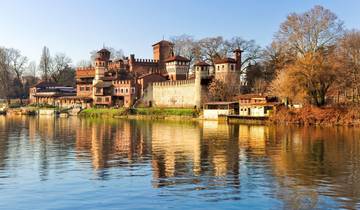
Parco del Valentino extends along Po River’s left bank for 500,000 square meters, containing multiple hidden attractions within Turin’s oldest public park dating to 1852. The Borgo Medievale occupies northern park section as faithful reconstruction of 15th-century Piedmontese village created for 1884 International Exhibition, featuring workshops, towers, drawbridge, and castle interior accessible for €6 admission. The village functions as open-air museum preserving medieval architectural details and craft traditions, with artisan workshops demonstrating traditional techniques during weekend programming. Free exploration of village streets and plaza remains possible outside castle interior, creating affordable cultural experience within larger park setting. The reconstruction’s historical accuracy makes it valuable educational resource despite artificial origins, offering tangible understanding of medieval urban organization impossible from ruins or text descriptions.
Giardino Roccioso (Rock Garden) occupies hillside section of Valentino Park often overlooked by visitors focused on riverside paths and main monuments. This alpine garden recreates mountain landscape within urban setting, featuring rock formations, native plants, and water features designed for both aesthetic pleasure and botanical education. The garden’s elevation provides views over park and river without requiring hillside ascent to Monte dei Cappuccini, creating accessible scenic outlook for visitors avoiding steep climbs. Seasonal flower displays peak in spring when alpine species bloom simultaneously, though the garden maintains interest year-round through structural plantings and landscape architecture. No admission fee or restricted hours limit access, as the garden integrates into park’s continuous public space network accessible dawn to dusk.
Monte dei Cappuccini hillside rises 325 meters above city center on Po River’s opposite bank, offering panoramic views rivaling any paid observation deck. Public walkways ascend from river level at Ponte Vittorio Emanuele I through tree-shaded paths requiring moderate fitness but no technical climbing. The hilltop church Santa Maria del Monte dei Cappuccini opens for visits, plus adjacent museum housing mountain-themed paintings documenting Alpine culture and landscape. The true attraction remains the panoramic terrace viewing Turin’s grid layout against Alpine backdrop—the same vista that framed world’s first cityscape photograph in 1839. Sunset timing draws local residents walking dogs and exercising, creating authentic neighborhood gathering place where tourists remain welcome observers rather than primary audience. The walk down after dark reveals city lights and illuminated monuments from perspective impossible at street level.
Parco della Pellerina northwest of city center provides Turin’s largest green space at 830,000 square meters, though tourists rarely venture this direction lacking major monuments or tourist infrastructure. The park serves primarily local recreational needs—soccer fields, cycling paths, picnic areas, dog parks—creating authentic glimpse into ordinary Turinese leisure activities. Weekend afternoons see families grilling, children playing, amateur sports leagues competing, creating vibrant community atmosphere absent from historic center’s tourist-focused spaces. The park’s scale allows genuine escape from urban density despite location within city limits, with interior sections achieving surprising tranquility where bird song drowns traffic noise. Free access, minimal facilities, and utilitarian design prioritize function over aesthetics, making this hidden gem valuable for authentic cultural observation rather than scenic beauty or architectural significance.
Botanical Garden of Turin (Orto Botanico) adjacent to Valentino Park preserves scientific plant collections established 1729 for medical research and botanical education. The garden maintains greenhouses with tropical and desert climate zones, systematic plantings organized by plant family, and heritage specimens including centuries-old trees predating modern park development. Academic research continues alongside public access, creating living museum of plant diversity and horticultural history. Entry remains free, though opening hours vary seasonally and university calendar—verify current schedule before visiting. The garden’s small scale (4 hectares) and scientific focus attract specialized interest rather than mass tourism, making it ideal hidden gem for botany enthusiasts or visitors seeking contemplative garden experience without tourist crowds.
Neighborhood Markets and Local Food Culture
Porta Palazzo operates Europe’s largest open-air market with 1,000 vendors occupying Piazza della Repubblica and surrounding streets Monday through Friday 7:30 AM to 2:00 PM, plus Saturday extending to 7:00 PM. The market’s scale and diversity overwhelm first-time visitors—entire sections dedicated to regional cheeses, Piedmontese salumi, fresh pasta, seasonal vegetables, imported spices, household goods, clothing, and electronics. This remains working-class shopping destination serving residential neighborhoods rather than tourist attraction, meaning genuine bargaining, dialect exchanges, and local shopping rhythms dominate rather than souvenir purchasing and photo opportunities. The Saturday Balôn flea market extends market territory into adjacent streets, where antique dealers, vintage clothing sellers, and household item vendors create treasure-hunting atmosphere drawing both serious collectors and casual browsers.
Navigating Porta Palazzo successfully requires understanding market geography and vendor specialization. Covered pavilions house permanent food vendors maintaining higher quality standards and longer operating hours than outdoor stalls. The central clock tower building contains specialty food products—truffle dealers, artisanal cheese producers, premium salumi vendors—with corresponding premium prices justified by product quality. Outdoor produce vendors concentrate near Corso Regina Margherita, where seasonal specialization (spring asparagus, summer stone fruit, autumn mushrooms, winter citrus) creates constantly evolving selection. Ethnic food vendors cluster near market edges, where North African spice merchants, Asian grocers, and Eastern European bread bakers serve immigrant communities maintaining culinary traditions. Cash remains preferred payment, negotiation expected for larger purchases, and Italian language skills helpful though hand gestures and calculator math overcome communication barriers.
The Mercato Centrale food hall occupies restored Porta Palazzo building as contemporary gastronomic destination combining traditional market vendors with modern restaurant concepts. Artisan food producers operate permanent stalls selling regional specialties—vermouth from historic distilleries, hazelnuts from Langhe region, rice from Vercelli paddies—alongside contemporary food businesses offering prepared meals, craft beer, and innovative takes on Piedmontese cuisine. The space functions as hybrid between traditional market and modern food hall, attracting both local shoppers seeking quality ingredients and food enthusiasts exploring regional culinary heritage. Prices exceed outdoor market levels but remain reasonable compared to restaurant dining, particularly during weekday lunch when workers queue for pasta, roasted meats, and vegetable sides served cafeteria-style at various vendor stalls.
Crocetta neighborhood market operates Tuesday and Friday mornings at Piazza Madama Cristina, serving residential district south of Valentino Park with smaller scale and more refined clientele than Porta Palazzo’s working-class energy. Vendors emphasize organic produce, artisanal breads, specialty cheeses, and prepared foods targeting middle-class professionals and retirees. The market atmosphere remains authentically local—regular customers recognized by vendors, shopping bags hand-carried rather than wheeled carts, social exchanges extending beyond commercial transactions. This makes Crocetta market ideal introduction for visitors uncomfortable with Porta Palazzo’s intensity, offering genuine neighborhood commerce at manageable scale. Small cafés around plaza perimeter fill with market shoppers taking morning coffee, creating natural observation points for cultural immersion without active participation.
Historic food shops scattered across central neighborhoods preserve traditional commerce and culinary heritage that supermarkets cannot replicate. Specialty stores sell single product categories at quality levels impossible in general retail—pasta shops offering 50 dried shapes plus fresh egg pasta varieties, cheese shops aging wheels in temperature-controlled caves, chocolate shops crafting pralines and gianduja following century-old recipes. These businesses survive through customer loyalty and quality differentiation, serving clientele willing to pay premium prices for authentic products and expert service. Engaging with these traditional food merchants requires respecting shop culture—greeting upon entry, waiting for service rather than self-browsing, accepting recommendations, purchasing reasonable quantities. The investment of time and cultural adaptation yields access to products and knowledge unavailable through impersonal shopping experiences, plus potential conversations revealing local food culture perspectives tourists never encounter.
Historic Cafés and Drinking Culture
Caffè Al Bicerin at Piazza della Consolata 5 operates in original 1763 interior where philosopher Friedrich Nietzsche conceived portions of “Thus Spoke Zarathustra” while consuming the café’s signature bicerin—layered drink combining espresso, chocolate, and cream served in small glasses. The establishment preserves period marble tables, carved wood paneling, and mirrored walls creating intimate atmosphere unchanged across 250 years of continuous operation. Ordering bicerin (€6) grants access to this living museum where locals maintain morning coffee rituals and tourists briefly occupy same spaces where historical figures contemplated ideas that shaped modern philosophy. The café’s small size limits seating to perhaps twenty patrons, meaning peak morning hours see queues extending onto sidewalk. Mid-afternoon visits provide better access plus opportunity observing traditional café culture—gentlemen reading newspapers at marble tables, ladies enjoying pastries with aperitivi, servers delivering orders with practiced efficiency.
Caffè Mulassano on Piazza Castello claims invention of the tramezzino (triangular tea sandwich) in 1925, adding historical significance to Belle Époque interior featuring Art Nouveau tilework, carved mahogany counters, and original display cases. The café functions primarily as standing-room bar where professionals consume quick espresso or aperitivo during work breaks, creating authentic local atmosphere despite prime tourist location. Traditional service occurs at elevated bar counter where customers stand rather than sit, following Italian café etiquette that distinguishes rapid coffee consumption from leisured table service. The tramezzini selection spans twenty variations filled with tuna, prosciutto, vegetables, and seafood combinations, served on white bread with crusts removed according to original recipe. Prices remain moderate—espresso €1.20 standing / €2.50 seated, tramezzini €3-4—considering location and historical significance.
Caffè San Carlo and Caffè Torino face each other across Via Roma creating rival institutions that shaped Turinese café culture across two centuries. San Carlo’s gilded interior, crystal chandeliers, and frescoed ceiling create palace-like grandeur where afternoon tea service and evening aperitivo maintain formal traditions. Torino’s more contemporary renovation preserves original architectural elements while updating service style and menu offerings. Both cafés charge premium seated service fees (€4-5 espresso, €8-10 aperitivo) justified by interior atmosphere, strategic location, and historical continuity. The rivalry itself provides entertainment—local customers maintain fierce loyalty to one establishment while dismissing the other, creating cultural division that transcends mere commercial competition. Visitors gain perspective experiencing both establishments, noting subtle service differences, décor variations, and clientele demographics that reflect Turin’s social complexity.
Vermouth consumption defines Turin’s drinking culture as the spirit’s birthplace and continuing production center. Carpano established first commercial vermouth operation in 1786, followed by Cinzano, Martini & Rossi, and numerous smaller producers creating distinct styles and recipes. Contemporary vermouth renaissance brought renewed appreciation for quality production and traditional consumption methods—served over ice with orange slice or soda water splash, consumed as aperitivo rather than cocktail ingredient. Specialized vermouth bars like Bar Cavour and Enoteca Mulassano maintain extensive selections spanning historical brands and contemporary craft producers, offering tasting flights that demonstrate flavor variations across production styles. These establishments educate consumers about vermouth’s complexity and regional significance while creating social spaces where local traditions meet contemporary craft beverage culture. Prices range €4-8 per glass depending on producer and vintage, with multi-vermouth tastings providing educational value for spirits enthusiasts exploring Turin’s signature contribution to global drinking culture.
Religious Architecture and Sacred Spaces
The Chapel of the Holy Shroud (Cappella della Sacra Sindone) represents Guarino Guarini’s architectural masterpiece, though fire damage in 1997 limited public access during decades of restoration work recently completed. The chapel’s geometric dome creates unsettling visual effect—concentric circles of diminishing arches ascending toward central oculus—described historically as provoking “terror of the human soul” through mathematical precision rather than organic forms. The structure connects Royal Palace to Turin Cathedral, allowing Savoy family private access for shroud veneration without mixing with common worshippers. Current access policies vary based on restoration progress and liturgical calendar, requiring Cathedral visit verification or advance arrangement through diocesan offices. The architectural significance alone justifies whatever access limitations exist, as Guarini’s structural innovations influenced Baroque architecture across Europe despite remaining lesser-known than contemporaries Borromini and Bernini.
The lower crypt beneath the chapel opens occasionally for quiet reflection, offering atmospheric views of the Holy Shroud’s climate-controlled display case without Cathedral crowds. This underground space maintains contemplative atmosphere suited to spiritual reflection regardless of religious beliefs, creating rare urban silence where architectural proportions and reduced lighting foster introspection impossible in tourist-packed Cathedral nave. Access remains unpredictable, depending on Cathedral staff discretion and special event scheduling. Visitors interested in this experience should inquire at Cathedral information desk about crypt access possibilities, understanding refusal represents normal occurrence rather than personal slight. The effort required to access this hidden space mirrors broader Turin hidden gem pattern—rewards proportional to persistence and cultural sensitivity.
Gran Madre di Dio church occupies prominent position across Po River from city center, with neoclassical facade visible from multiple viewpoints creating iconic Turin image. The church’s location at Ponte Vittorio Emanuele I terminus makes it natural starting point for Monte dei Cappuccini ascent, while interior spaces preserve religious art and architectural details justifying dedicated visit beyond exterior photograph. The plaza fronting the church hosts weekend markets and community events, creating social function beyond liturgical purpose. Evening illumination transforms the facade into architectural sculpture, particularly effective when viewed from riverside paths or hillside overlooks. The church represents relatively recent construction (1831) compared to Turin’s medieval and Baroque heritage, demonstrating neoclassical style’s Italian interpretation during period when European capitals embraced Greco-Roman architectural references.
The Synagogue of Turin at Piazzetta Primo Levi presents stunning Neo-Moorish architecture in San Salvario neighborhood, designed by Enrico Petiti and completed 1884. The exotic facade—horseshoe arches, geometric tile work, twin towers—creates architectural contrast with surrounding residential buildings and Baroque churches, representing Italian Jewish community’s public assertion of cultural identity during liberal unification period. Interior access requires contacting community offices for tour arrangements, as security concerns and worship schedules limit casual visiting. The synagogue’s architectural significance extends beyond religious function, documenting how European Jewish communities navigated between cultural preservation and national integration during late 19th century. San Salvario neighborhood context adds layers of meaning, as historically Jewish quarter transformed into multicultural district where Ethiopian restaurants, Egyptian groceries, and Southeast Asian shops now occupy former Jewish commercial spaces.
Santuario della Consolata combines multiple architectural periods within complex honoring Madonna Consolata, Turin’s patron saint. The Baroque church by Guarini connects to Romanesque belltower and Renaissance side chapels, creating architectural palimpsest documenting eight centuries of devotional additions and renovations. The sanctuary attracts local pilgrims throughout year, particularly during feast days when processions and special masses fill the complex beyond capacity. Caffè Al Bicerin’s location facing sanctuary plaza demonstrates commercial-religious symbiosis, as café provided refreshment for pilgrims while religious traffic sustained business through economic downturns. Contemporary visitors experience sanctuary primarily as architectural monument, though understanding its continuing devotional function enriches appreciation beyond aesthetic analysis. The adjacent free-standing Baroque campanile offers unique example of tower architecture, though climbing access remains restricted to special occasions organized by cultural heritage associations.
Industrial Heritage and Contemporary Culture
Lingotto building represents FIAT’s most ambitious industrial architecture—five-story factory with rooftop test track spiraling around perimeter, designed by Giacomo Mattè-Trucco and completed 1923. Automotive production ceased 1982, followed by comprehensive renovation transforming factory into mixed-use complex containing hotel, conference center, shopping galleries, and Pinacoteca Giovanni e Marella Agnelli art museum. The rooftop test track remains accessible via hotel guests and museum ticket holders, offering unique architectural experience walking concrete ribbons where Fiat 500s once tested acceleration and handling. Panoramic city views from 28-meter elevation rival observation decks while providing context for Turin’s industrial heritage and contemporary economic transformation from manufacturing to service industries.
The Pinacoteca Agnelli occupies purpose-built gallery designed by Renzo Piano within Lingotto complex, displaying private collection of Giovanni and Marella Agnelli including works by Canaletto, Matisse, Picasso, and Modigliani. Entry costs €10 with temporary exhibitions frequently enhancing permanent collection. The museum’s intimate scale and selective curation create contemplative viewing environment contrasting with comprehensive encyclopedic collections at civic museums. Contemporary art installations periodically occupy rooftop test track, creating dialogue between industrial architecture and artistic production. Combined museum visit and rooftop exploration requires 2-3 hours, accessible via metro Line 1 to Lingotto station plus 10-minute walk through shopping galleries to museum entrance.
OGR – Officine Grandi Riparazioni represents more recent industrial conversion, transforming 1895 railway repair workshops into contemporary arts center hosting exhibitions, performances, and technology innovation programs. The massive brick buildings preserve industrial character while accommodating flexible event spaces, permanent installations, and rotating exhibitions spanning visual arts, design, architecture, and new media. Programming emphasizes experimental and emerging practices rather than historical collections, attracting younger audiences and creative professionals distinct from traditional museum demographics. Free admission to ground-floor spaces and courtyard areas makes OGR accessible cultural destination, though special exhibitions and performances charge variable fees based on programming scope. The center’s location in San Salvario neighborhood contributes to district’s ongoing transformation from working-class residential area to creative economy hub.
Contemporary art galleries cluster in San Salvario and Quadrilatero Romano neighborhoods, occupying former workshops and industrial spaces repurposed for exhibition and studio functions. Fondazione Sandretto Re Rebaudengo maintains significant contemporary collection in converted industrial building, presenting Italian and international artists through rotating exhibitions that challenge conventional museum presentation strategies. Smaller galleries focus on emerging artists, experimental media, and regional talent, creating vibrant art scene operating outside traditional institutional frameworks. Gallery visiting requires understanding Italian art world customs—scheduled viewing hours, appointment preferences, expectation of serious engagement rather than casual browsing. Many galleries participate in periodic open studio and late-night gallery walk events, providing accessible entry points for visitors unfamiliar with contemporary art protocols.
Day Trips from Turin: Lesser-Known Destinations
Sacra di San Michele perches dramatically on mountain peak 40 kilometers west of Turin, occupying site where monastery foundations date to 10th century. The complex combines Romanesque church, medieval fortifications, and vertiginous staircases ascending 243 steps through rock-cut passages connecting multiple building levels. The monastery inspired Umberto Eco’s “The Name of the Rose,” providing atmospheric medieval setting that continues attracting literary pilgrims alongside architectural enthusiasts. Access requires car or organized tour, as public transport connections remain limited and complicated. The mountain location provides panoramic views across Susa Valley toward Alps, while monastery interiors preserve frescoes, sculptures, and architectural details spanning multiple medieval building campaigns. Entry costs €8 with reduced hours during winter months—verify current schedule before planning visit.
Avigliana lakes and medieval town occupy strategic position along Via Francigena pilgrimage route 25 kilometers west of Turin, accessible via regional train from Porta Susa station (€4, 30 minutes). The two glacial lakes—Lago Grande and Lago Piccolo—offer swimming, kayaking, and shoreline hiking within natural park protecting wetland ecosystems and bird habitat. The medieval town center preserves 13th-century layout with castle ruins, historic churches, and traditional architecture increasingly rare in modernized Piedmont towns. Saturday morning market fills central plaza with local food producers, making market visit combinable with lake recreation for full-day excursion. Avigliana sees primarily Italian visitors rather than international tourism, maintaining authentic small-town character where English signage and tourist services remain limited. This accessibility through genuine local culture rather than tourist infrastructure creates rewarding day trip for visitors comfortable navigating Italian regional contexts.
Stupinigi Royal Hunting Lodge represents Savoy dynasty’s grandest suburban palace, located 10 kilometers southwest of Turin with Baroque architecture by Filippo Juvarra surrounded by extensive hunting grounds and gardens. The palace interior contains furniture, paintings, and decorative arts illustrating royal lifestyle and courtly entertainment during 18th-century height of Savoy power. UNESCO World Heritage status recognizes architectural and historical significance within network of Savoy residences surrounding Turin. Access requires car or bus 41 from Lingotto (45 minutes), as train service doesn’t extend to palace location. Entry costs €12 including guided tour through royal apartments—self-guided visiting not permitted. The palace’s distance from central tourist circuits means relatively light visitation despite world-class architecture and collections, creating hidden gem experience within UNESCO-recognized monument.
Vercelli rice paddies stretch across Po Valley 80 kilometers east of Turin, creating landscape transformed by water and agricultural infrastructure that supplied rice for risotto and other Piedmontese specialties. The town of Vercelli maintains significant art collections at Museo Borgogna—particularly 19th-century Piedmontese painters—plus medieval architectural monuments justifying cultural visit beyond agricultural landscape appreciation. Seasonal timing matters enormously, as spring flooding creates mirror-like water surfaces reflecting sky and surrounding Alps, while autumn harvest leaves dry stubble fields lacking visual interest. Local rice producers operate agriturismo accommodations and farm shops selling specialty rice varieties unknown in export markets, creating agricultural tourism opportunities for food-focused travelers. The experience suits travelers interested in food production contexts and agricultural landscapes rather than conventional monument visiting, representing hidden gem category based on specialized rather than mass appeal.
Practical Exploration Strategies for Hidden Gems
Successful hidden gem exploration requires abandoning efficiency-focused tourism approaches that maximize famous monuments per day in favor of patient wandering allowing unexpected discoveries. The Torino+Piemonte Card provides unlimited public transport plus free admission to 200+ museums and monuments, reducing cost anxiety that otherwise restricts spontaneous exploration. The card costs €29 (24 hours), €38 (48 hours), or €44 (72 hours), breaking even after visiting just three paid attractions plus regular transit use. Underground museums, royal residences, and specialty collections all accept the card, converting fixed cost into exploration freedom where failed experiments (visiting museum that doesn’t interest you) impose no financial penalty.
Language preparation significantly enhances hidden gem access, as English signage and services concentrate in major tourist attractions while neighborhood museums, local markets, and residential districts operate primarily in Italian. Basic Italian phrases for greetings, asking questions, and making purchases demonstrates cultural respect that opens interactions otherwise remaining closed. Translation apps provide functional communication for complex explanations, though relying exclusively on technology misses nuanced cultural exchanges that define authentic travel experiences. Many hidden gem destinations—Pietro Micca tunnels, university museums, neighborhood churches—offer more rewarding experiences when understood through Italian-language context rather than translated into English tourist frameworks that simplify cultural complexity.
Time allocation patterns differ markedly between famous attractions and hidden gems. The Egyptian Museum merits 2-3 hours minimum given collection scale and visitor density. Hidden alternatives like Fruit Museum or Lombroso Museum provide comparable satisfaction in 45-60 minutes through focused engagement with specialized collections. This creates opportunity for multiple hidden gem visits within single afternoon, building cumulative impact through variety rather than depth at single location. Morning scheduling suits markets and outdoor sites before afternoon heat or closure, while museums typically operate 10:00 AM to 6:00 PM with weekly closure day (usually Monday). Churches follow unpredictable schedules balancing worship functions and tourist access, requiring flexible timing and willingness to return if initial attempt finds doors locked.
Neighborhood selection strategy determines hidden gem discovery potential, as tourist district concentration around Piazza Castello limits authentic local encounters. San Salvario, Vanchiglia, Crocetta, and Quadrilatero Romano neighborhoods reward systematic walking with cafés, shops, markets, and architectural details that tourist guides omit. Crossing Po River to hillside neighborhoods—Monte dei Cappuccini, Borgo Po—provides different urban character and panoramic perspectives impossible from flat central districts. Each neighborhood maintains distinct identity based on historical development, current demographics, and economic functions, creating mosaic requiring multiple visits to appreciate fully. The investment of time wandering residential streets without specific destinations identified creates conditions where genuine hidden gems reveal themselves to attentive observers willing to investigate unmarked doorways and unplanned detours.
Seasonal Considerations for Hidden Gem Visiting
Winter months (December through February) reduce tourist crowds to minimal levels, creating ideal conditions for hidden gem exploration despite shorter daylight hours and occasional cold temperatures. Museums, underground attractions, and indoor cultural sites function normally, while outdoor exploration requires warm clothing and flexible scheduling around weather conditions. The period between Christmas and Epiphany sees increased Italian domestic tourism as families visit relatives and take holiday trips, though numbers remain insignificant compared to summer international visitors. January and February represent absolute low season when even moderately popular attractions see perhaps 20-30 daily visitors, creating private museum experiences impossible during warmer months.
Spring (March through May) brings optimal weather for outdoor hidden gems—parks, hillside walks, architectural photography—plus agricultural landscapes awakening from winter dormancy. Valentino Park gardens peak in April-May flowering, while Avigliana lakes become accessible for water activities as temperatures warm. Easter week sees increased Italian visitors and some attraction closures for religious observances, requiring schedule verification for specific visiting dates. The period combines manageable tourist numbers with improving weather, creating balanced conditions for both indoor museum visits and outdoor cultural exploration. Spring also activates seasonal farmers markets and outdoor community events that winter weather suspends, increasing opportunities for authentic local cultural encounters.
Summer (June through August) presents weather ideal for outdoor exploration but increased international tourism that diminishes hidden gem authenticity in accessible locations. Underground attractions maintain cool temperatures appealing during heat waves, while hillside parks and riverside paths provide escape from urban heat island effects. Museums implement extended summer hours and special exhibitions, though increased staffing sometimes means more professional but less personal service compared to low-season volunteer guides. The challenge involves distinguishing truly hidden gems maintaining local character from accessible attractions discovered by guidebook-following tourists. Deeper neighborhood penetration and specialized interests (industrial architecture, scientific collections, ethnic food markets) identify experiences remaining genuinely hidden even during peak visitation periods.
Autumn (September through November) combines declining tourist numbers with harvest-related cultural events and optimal photography light. Agricultural landscapes surrounding Turin transform as rice fields dry, vineyard leaves change color, and mushroom foraging intensifies in Alpine foothills. The Truffle Fair in Alba (November) draws food enthusiasts to Piedmont region, creating overflow visitation to Turin while local markets feature seasonal specialties. Shorter daylight hours require efficient daily scheduling, though reduced crowds compensate through easier access to sites requiring advance booking during busier seasons. October represents sweet spot balancing good weather, minimal crowds, and full cultural programming before winter schedule reductions begin November.
Cultural Etiquette and Local Expectations
Hidden gem exploration requires cultural sensitivity exceeding conventional tourist behavior, as many recommended experiences involve entering local spaces where outsider presence remains noticeable and potentially disruptive. Traditional cafés expect specific ordering patterns—standing espresso at bar rather than seated service, consuming quickly rather than lingering for hours, greeting and thanking staff using proper Italian forms. Violating these unwritten rules doesn’t provoke confrontation but marks visitors as culturally incompetent tourists rather than respectful guests attempting authentic engagement. The effort learning and following local customs transforms commercial transactions into cultural exchanges where café staff might offer insider recommendations or neighborhood knowledge unavailable to obviously foreign tourists.
Religious sites require appropriate behavior regardless of visitor’s spiritual beliefs or practices. Churches remain active worship spaces where liturgical functions take precedence over tourist access, meaning visitors should minimize noise, avoid flash photography during services, and dress modestly (covered shoulders and knees). Some churches request voluntary donations rather than charging admission, creating ethical responsibility to contribute reasonably even when financial obligation doesn’t exist. Understanding that church art and architecture serve religious purposes beyond aesthetic appreciation shapes respectful engagement—admiring Baroque altarpieces while recognizing they function primarily as devotional focuses rather than museum displays.
Market interactions involve social protocols extending beyond simple commercial exchange. Vendors expect acknowledgment upon approaching stalls, tolerate examination of displayed goods but discourage excessive handling, and appreciate purchases even when initial intention involved only browsing. Photographing market scenes requires sensitivity about including vendors and customers in frames without permission—some welcome documentation while others find cameras intrusive. Learning basic Italian market vocabulary (quanto costa, troppo caro, va bene) enables participation in normal commercial interactions rather than miming transactions that emphasize language barriers. Regular customers receive preferential treatment—first choice of produce, generous portions, extra items included free—demonstrating how building relationships even during brief Turin stays improves experiences beyond transactional efficiency.
Residential neighborhood wandering should balance exploration curiosity with privacy respect. Courtyard entrances sometimes remain unlocked, tempting architectural enthusiasts to investigate interior spaces technically private property. This creates ethical gray area where cultural benefits (seeing beautiful architecture) conflict with property rights and resident privacy. Conservative approach limits photography to public street views and enters courtyards only when clear public access exists—shops, restaurants, building directories suggesting multiple tenants. More adventurous exploration acknowledges Italian cultural acceptance of respectful architectural appreciation, though prepared to apologize and withdraw if residents object. The question involves determining when curiosity crosses into intrusion, requiring judgment calls that vary based on specific situations and individual comfort levels.
Photography and Documentation Considerations
Underground attractions present significant photography challenges due to dim lighting, confined spaces, and movement restrictions during guided tours. Pietro Micca tunnels permit photography but low light levels and prohibition against flash/tripods limit results to atmospheric shots rather than detailed documentation. High ISO capability and image stabilization become essential technical requirements, while accepting that experience matters more than perfect images allows enjoying tour without constant camera fumbling. Some visitors find taking few shots at designated stops then focusing full attention on guide explanations produces more satisfying overall experience than attempting comprehensive photographic record of spaces designed for human occupation rather than visual documentation.
Church and religious site photography requires understanding institutional policies and liturgical considerations. Some churches prohibit all photography, others allow non-flash images outside service times, still others permit anything except commercial use without explicit permission. Policies often go unenforced until someone complains, creating ambiguous situations where technically forbidden photography continues until staff intervention. Respectful approach involves asking permission when staff are visible, exercising judgment about disruption levels when unsupervised, and prioritizing experience over documentation when conflicts arise. The best architectural details and artwork often occupy positions requiring flash or tripod for proper capture, creating choice between accepting suboptimal images or skipping photography to fully appreciate artwork through direct observation.
Street photography and architectural documentation in residential neighborhoods navigate Italian privacy laws and cultural norms around image capture. Photographing buildings from public spaces remains legally protected, while including identifiable people requires technically obtaining permission though enforcement remains rare for non-commercial use. Cultural sensitivity matters more than strict legality—photographing market vendors or café customers without permission may be legal but risks appearing disrespectful or exploitative. Asking permission often yields enthusiastic cooperation plus opportunities for conversation, transforming potentially awkward documentation into social interaction. Architecture photography benefits from early morning or late afternoon light, though residential streets may remain shadowed by surrounding buildings limiting optimal shooting times to specific seasonal angles.
Social media sharing creates documentation temptation that potentially undermines hidden gem character through excessive publicity. Geotagging underground tunnels, university museums, or neighborhood cafés on Instagram theoretically directs other visitors to these spaces, potentially overwhelming capacity or transforming local character. This raises questions about documentation responsibility versus gatekeeping, with no clear ethical consensus among travel communities. Moderate approach involves sharing experiences without specific location details, allowing interested followers to research destinations while avoiding algorithmic promotion that drives mass visitation. Some hidden gems benefit from increased awareness (struggling museums needing visitor revenue), while others suffer when discovery leads to overcrowding (intimate cafés with limited seating). Individual judgment calls should consider consequences beyond personal documentation desires.
Frequently Asked Questions
How Many Days Should I Spend Exploring Turin’s Hidden Gems?
Meaningful hidden gem exploration requires minimum 4-5 full days beyond time allocated for major attractions like Egyptian Museum and Royal Palace. This timeline allows systematic neighborhood investigation (one per day), underground tour scheduling, multiple museum visits, market experiences, and sufficient flexibility for spontaneous discoveries that planned itineraries miss. Visitors with specialized interests—Art Nouveau architecture, scientific museums, industrial heritage—could justify week-long stays focusing exclusively on niche topics. The hidden gem density means spending more time reveals deeper layers rather than encountering repetitive experiences, as each neighborhood, museum cluster, and cultural tradition opens new exploration dimensions. Shorter stays should prioritize specific hidden gem categories matching personal interests rather than attempting comprehensive coverage.
Are Turin’s Hidden Gems Accessible for Visitors Who Don’t Speak Italian?
English language resources remain limited at most hidden gem locations, creating genuine communication challenges that determined visitors can overcome through preparation and adaptive strategies. University museums typically offer English audio guides or printed materials, while underground tours occasionally accommodate English speakers when advanced requests allow guide scheduling. Markets, neighborhood cafés, and local churches operate entirely in Italian, requiring basic phrase knowledge, translation apps, or willingness to communicate through gestures and context clues. The language barrier actually contributes to hidden gem authenticity—these spaces remain undiscovered partly because accessing them requires cultural adaptation that English-speaking tourists often avoid. Travelers viewing language challenges as part of cultural exploration rather than frustrating obstacles will find hidden gem experiences more rewarding than those expecting convenient English accommodation.
Which Hidden Gems Work Best for Families with Children?
Borgo Medievale in Valentino Park provides interactive historical experience where children explore medieval village architecture, watch artisan demonstrations, and climb castle towers without museum fatigue from static displays. The Automobile Museum, though not technically hidden, receives far less family attention than it deserves given fascinating car collection and interactive exhibits explaining transportation evolution. Pietro Micca underground tunnels appeal to adventure-oriented older children (8+) capable handling confined spaces and historical content, while younger children may find darkness and limited movement frightening. Parco della Pellerina offers extensive playing fields, cycling paths, and open space for energy expenditure between cultural attractions. Markets like Porta Palazzo provide sensory stimulation and cultural immersion accessible to all ages, though crowds and chaos require parental vigilance. The Fruit Museum’s peculiar wax specimens often captivate children’s attention more than traditional art collections, making 30-45 minute visit viable for families who struggle with longer museum experiences.
How Do Hidden Gem Admission Costs Compare to Famous Turin Attractions?
Hidden gems consistently offer superior value compared to major tourist attractions, with specialized museums charging €3-10 compared to €15-18 for Egyptian Museum or Royal Palace. Combined tickets further reduce costs—Fruit Museum plus two university museums costs €10 total versus €10-12 for single major attraction. Many architectural hidden gems (Art Nouveau buildings, Galleria Subalpina, church interiors) require no admission fees, while parks and hillside viewpoints provide free experiences rivaling paid observation decks. The Torino+Piemonte Card amplifies value for hidden gem explorers, as unlimited museum access removes financial pressure to maximize time at expensive major attractions. A strategic visitor could experience 5-6 quality hidden gems daily for less total cost than single Egyptian Museum admission plus one Royal Palace ticket, demonstrating how authenticity-focused exploration often proves more economical than conventional tourist itineraries centered on famous monuments.
Can I Visit Multiple Hidden Gems in Single Day?
Geographic clustering and compact site scales make multi-gem days entirely feasible with strategic planning. The university museum complex (Fruit, Anatomy, Lombroso) occupies single building, allowing all three visits in 2-3 hours. Underground attractions require scheduled tour times that determine daily schedule, but visits consume only 60-90 minutes including museum galleries above ground. Combining neighborhood exploration (Art Nouveau architecture walk, market visit, café stop) with one museum and one underground site creates balanced day mixing cultural activities, physical movement, and rest periods. The challenge involves avoiding overscheduling that reduces hidden gems to checklist items rushed through without proper appreciation. Optimal approach identifies 2-3 primary targets daily plus flexible neighborhood wandering time allowing spontaneous discoveries—unmarked palazzo courtyard, artisan workshop, local festival—that guidebooks cannot anticipate but often provide most memorable experiences.
What Hidden Gems Remain Truly Undiscovered by International Tourists?
University scientific museums see perhaps 70% Italian visitors, mostly students and scholars rather than leisure tourists. Neighborhood markets like Crocetta operate almost exclusively for local residents, with international visitors comprising less than 5% of customers. Residential Art Nouveau buildings receive minimal tourist attention except from architecture specialists deliberately seeking them. Small churches in working-class neighborhoods—San Salvario, Borgo Dora—maintain entirely local congregations with zero tourist presence despite containing significant artwork. The most obscure experiences involve accessing private collections, artisan workshops, or cultural association events requiring Italian language skills and social connections impossible for short-term visitors to develop. These truly undiscovered gems exist but demand investigation intensity and cultural integration beyond typical tourist capabilities, creating spectrum where anyone can find lesser-known alternatives to major attractions while acknowledging some experiences remain inaccessible to outsiders regardless of effort invested.
How Has Tourism Affected Turin’s Hidden Gem Authenticity?
Turin’s deliberate low-tourism development strategy preserved hidden gem authenticity that cities like Florence and Venice lost decades ago. Municipal policies prioritizing resident quality of life over tourist revenue prevented historic center conversion into souvenir districts and chain hotels. Even moderately popular hidden gems like Pietro Micca Museum maintain capacity limits and advance booking requirements preventing mass visitation that overwhelms smaller spaces. The challenge involves preventing discovery itself from destroying authenticity—Instagram posts geotagging intimate cafés potentially direct crowds that transform local gathering places into tourist destinations. Current equilibrium remains fragile, dependent on tourists seeking authentic experiences practicing responsible sharing and cultural sensitivity that preserves rather than exploits discovered spaces. The next decade will determine whether Turin maintains its distinctive balance or follows path where increased visitation gradually erodes the very qualities that attracted initial explorers.
What Time of Day Works Best for Hidden Gem Exploration?
Early morning (7:00-10:00 AM) provides optimal conditions for markets (Porta Palazzo, Crocetta), neighborhood cafés practicing traditional bar culture, and architectural photography in directional sunlight before heat haze. Underground attractions typically begin tours 10:30 AM, making late morning ideal for Pietro Micca visits. Early afternoon suits museums opening standard 10:00 AM – 6:00 PM hours after lunch crowds dissipate. Late afternoon (4:00-7:00 PM) captures golden hour lighting for hillside views, church interior illumination through western windows, and aperitivo culture in historic cafés. Evening hours work best for contemporary arts spaces (OGR) hosting performances and exhibitions, plus neighborhood restaurants serving dinner in authentic local contexts. The strategic approach varies daily activities across time slots matching each hidden gem’s optimal conditions rather than forcing everything into identical schedule regardless of natural rhythms.
Are There Guided Tours Focusing Specifically on Turin Hidden Gems?
Specialized tour operators offer thematic experiences highlighting specific hidden gem categories—Art Nouveau architecture walks, underground network explorations, market food tours, industrial heritage visits. These guided experiences provide expert interpretation, logistical efficiency, and access to locations difficult reaching independently (private palazzos, restricted underground sections, artisan workshops). Cultural associations and volunteer groups occasionally organize member tours visiting sites normally closed to public, though scheduling remains irregular and often requires Italian language participation. The trade-off involves surrendering spontaneous discovery and personal pacing that makes hidden gem exploration rewarding versus gaining insider knowledge and guaranteed access that solo research cannot match. Balanced approach might book one or two specialized tours early in Turin stay to build knowledge foundation, then apply learned insights toward independent exploration during remaining days. Many visitors find post-tour appreciation deepens when returning to locations previously seen with guides, now able to notice details and make connections that initial visits missed.
How Do I Find Hidden Gems Not Mentioned in This Guide?
Systematic exploration strategies yield continuous hidden gem discoveries beyond any published resource. Walking systematic grid patterns through residential neighborhoods reveals architectural details, small museums, local businesses, and cultural spaces that tourist literature ignores. Asking Italian-speaking friends, hotel staff, or shopkeepers for personal recommendations produces insider suggestions rarely appearing in travel guides. Following local residents during morning market visits, evening aperitivo hours, or Sunday family outings demonstrates authentic cultural patterns that visiting alone might miss. Monitoring Italian-language event calendars, cultural association websites, and neighborhood Facebook groups identifies temporary exhibitions, concerts, lectures, and community activities where visitors willing to navigate language barriers encounter genuine local culture. The mindset matters more than specific techniques—approaching Turin as living city rather than open-air museum, prioritizing cultural understanding over sight collection, accepting failed experiments as learning opportunities rather than wasted time. This investigative approach transforms every Turin visit into unique personal discovery rather than reproduction of pre-existing itineraries.