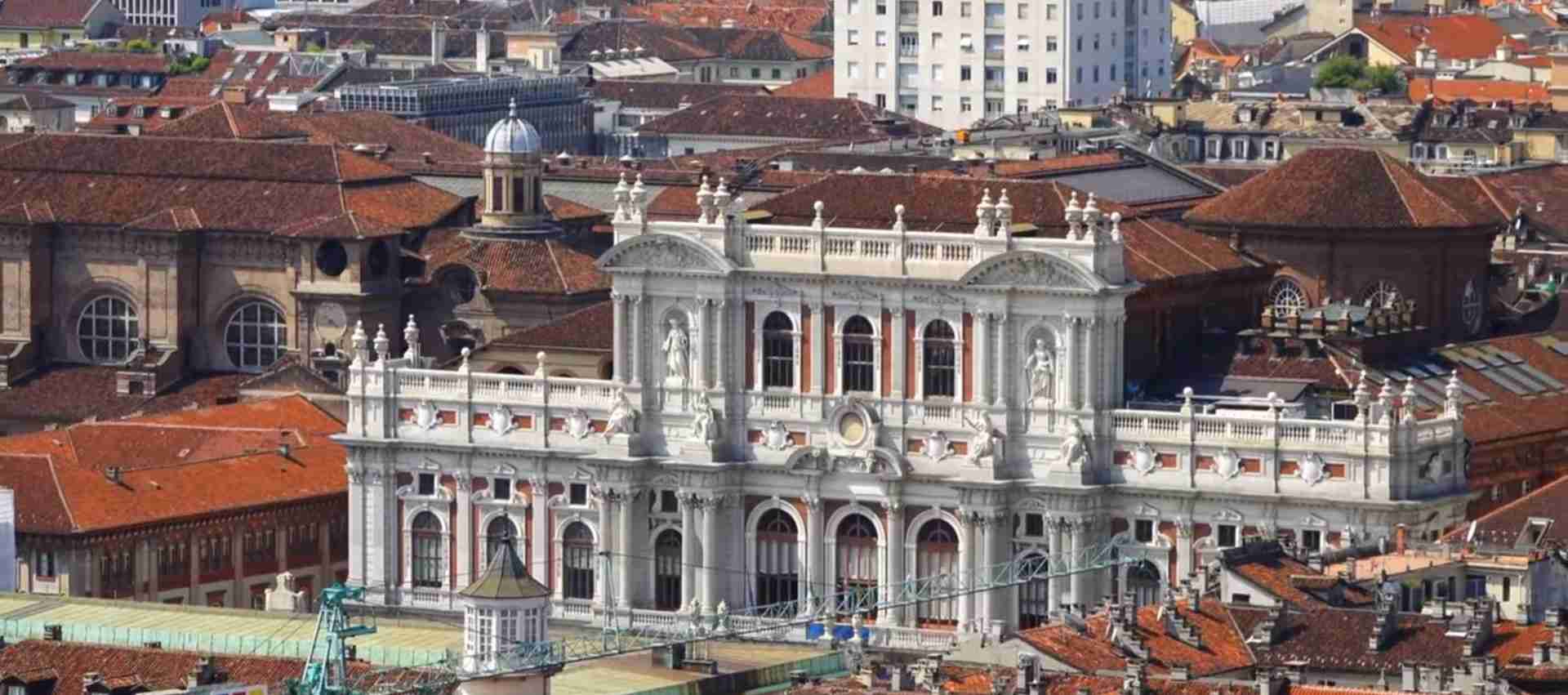
Turin 3-Day Itinerary 2026: First-Time Visitor Guide
This expertly crafted three-day Turin itinerary maximizes your 2026 visit to Italy’s Baroque capital, combining UNESCO World Heritage palaces, world-class museums, and authentic Piedmontese dining experiences. Designed for first-time visitors, this practical guide covers essential attractions from the Egyptian Museum to suburban royal residences, provides detailed daily schedules with walking routes, and includes budget breakdowns, booking strategies, and insider tips for experiencing Turin’s cultural treasures efficiently.
Key Takeaways for Your Turin 3-Day Itinerary 2026
- Purchase the 3-day Torino+Piemonte Card (€29) on arrival—it covers all major museum admissions and unlimited public transport, paying for itself by Day 2
- Book Egyptian Museum tickets 48-72 hours ahead for guaranteed 9am entry, avoiding 90-minute queues that form by 10:30am during peak season
- Budget €90-150 per person daily including mid-range accommodation, museum admissions, three restaurant meals, and local transport
- Dedicate Day 2 afternoon to Reggia di Venaria Reale—this spectacular suburban palace requires 3-4 hours minimum and rivals Versailles in scale
- Reserve restaurants for Friday-Saturday dinners 3-5 days ahead, particularly popular trattorias serving traditional agnolotti and brasato al Barolo
- Strategic timing prevents crowds: visit Royal Museums 3-5pm when morning tour groups depart, explore Piazza Castello early morning for photography without tourists
People Also Ask About Turin 3-Day Itinerary 2026
Is 3 days enough for Turin in 2026?
Three days provides sufficient time to experience Turin’s essential attractions in 2026, covering major museums, UNESCO palaces, and authentic cultural experiences without feeling rushed. This timeframe allows one full day in the historic center visiting the Egyptian Museum and Royal Museums complex, one day exploring a major suburban royal residence (Venaria Reale or Stupinigi) plus contemporary art, and one flexible day combining remaining city attractions, neighborhood exploration, and Piedmontese dining. Visitors seeking comprehensive coverage including multiple suburban residences, Langhe wine region day trips, or in-depth museum study benefit from 4-5 days. Weekend visitors (2 days) must prioritize ruthlessly—Egyptian Museum, Palazzo Reale, Mole Antonelliana, and one traditional dinner constitute the absolute minimum for capturing Turin’s essence.
What is the best way to spend 3 days in Turin in 2026?
The optimal 3-day Turin strategy in 2026 balances iconic attractions with authentic local experiences through geographic clustering and strategic timing. Day 1 concentrates on the historic center within walking distance: Egyptian Museum (morning when crowds are lightest), lunch in Quadrilatero Romano, Royal Museums complex (afternoon), aperitivo in San Salvario (6-8pm), and traditional Piedmontese dinner. Day 2 ventures to suburban treasures: Reggia di Venaria Reale (morning-afternoon via Venaria Express bus), return for late afternoon Mole Antonelliana panoramic elevator at sunset, dinner near Piazza Castello. Day 3 offers flexibility: Cinema Museum or contemporary art at Castello di Rivoli, Porta Palazzo market exploration, final museum visits, souvenir shopping at chocolate shops, and farewell dinner at top trattoria. This rhythm prevents museum fatigue, incorporates diverse experiences, and allows spontaneous discoveries.
How much does a 3-day trip to Turin cost in 2026?
A 3-day Turin trip in 2026 costs €270-450 per person for mid-range travelers, €180-240 for budget-conscious visitors, and €600-900+ for luxury experiences. Mid-range budget breakdown: accommodation €225-270 (3 nights × €75-90 per night for 3-star central hotel double room, divided by 2), meals €150-195 (€50-65 daily for breakfast, lunch, aperitivo, dinner), Torino+Piemonte Card €29 (covers all museums and transport), miscellaneous €45-60 (gelato, coffee, souvenirs). Budget breakdown: hostel accommodation €75-105 (€25-35 nightly dormitory), meals €75-90 (€25-30 daily using markets, aperitivo, pizza), card €29, miscellaneous €30. Luxury breakdown: 5-star hotels €630-900 (€210-300 nightly), fine dining €450-600 (€150-200 daily), card/transport €50, activities/shopping €120-150. These estimates exclude international flights but include all local costs from accommodation through departure.
Where should I stay in Turin for a 3-day visit in 2026?
First-time visitors should prioritize Centro Storico (historic center) accommodation for 3-day Turin itineraries in 2026, placing all Day 1 and Day 3 attractions within 5-15 minute walks. Streets surrounding Piazza San Carlo, Via Po, and Via Roma offer excellent mid-range hotels (€75-120 nightly) including NH Collection properties, Hotel Boston, and Turin Palace Hotel, combining central location with quality breakfast buffets and English-speaking staff. Budget travelers benefit from hostels near Porta Nuova station like Combo Torino (€25-35 dormitory, €60-75 private rooms)—the 10-minute walk to Piazza Castello remains manageable while accessing metro/tram lines efficiently. Luxury seekers appreciate Grand Hotel Sitea or Principi di Piemonte (€210-280) for rooftop terraces, spa facilities, and prime Piazza Castello positioning. Avoid peripheral neighborhoods (Aurora, Barriera di Milano) lacking tourist infrastructure and requiring lengthy commutes that waste precious itinerary time.
Extended multi-day tours – 5+ days
Featured Turin Multi-Day Tour Packages
7 days
7 Days Italian Riviera and Piedmont Tour – from Milan
- ✓ Comprehensive Turin tour
- ✓ Expert local guides included
- ✓ All accommodation arranged
- ✓ Transportation provided
7 days
Magic of Milan, Genoa and Turin
- ✓ Comprehensive Turin tour
- ✓ Expert local guides included
- ✓ All accommodation arranged
- ✓ Transportation provided
7 days
Star Tour Piedmont – Italy's insider tip 7 Days
- ✓ Comprehensive Turin tour
- ✓ Expert local guides included
- ✓ All accommodation arranged
- ✓ Transportation provided
4 days
Discovering Turin
- ✓ Comprehensive Turin tour
- ✓ Expert local guides included
- ✓ All accommodation arranged
- ✓ Transportation provided
Multi-day tour packages powered by TourRadar. Prices and availability subject to change.
Introduction: Planning Your Perfect Turin 3-Day Experience in 2026
Turin rewards strategic planning with cultural riches rivaling Rome or Florence yet without overwhelming crowds or inflated prices. This three-day itinerary leverages geographic proximity of central attractions, efficient public transportation to suburban royal palaces, and optimal timing to maximize experiences while maintaining comfortable pacing. Unlike rushed multi-city tours attempting Venice-Florence-Rome in one week, this focused approach permits genuine immersion in Piedmont’s capital—from morning coffee rituals at historic cafés through evening aperitivo culture in student-filled wine bars. The itinerary prioritizes quality over quantity, selecting Turin’s absolute best offerings while building flexibility for personal interests whether contemporary art, Baroque architecture, or gastronomic exploration.
The routing combines practical efficiency with experiential variety across three distinct daily themes. Day 1 establishes Turin’s cultural foundations through the Egyptian Museum’s unparalleled collections and Royal Museums’ Savoy dynasty treasures, all concentrated within the walkable historic center. Day 2 ventures beyond city limits to experience the spectacular Reggia di Venaria Reale, demonstrating the full scope of Baroque absolutism through palace interiors and formal gardens that required decades and unlimited budgets to complete. Day 3 provides balance—whether exploring cutting-edge contemporary art at Castello di Rivoli, experiencing authentic local life at Porta Palazzo market, or revisiting favorite museums for deeper appreciation. This structure prevents the monotony of three consecutive museum-heavy days while ensuring comprehensive coverage of UNESCO sites, culinary traditions, and authentic neighborhood atmospheres.
Budget considerations influence but need not constrain this itinerary in 2026. The Torino+Piemonte Card (€29 for 72 hours) immediately becomes your most valuable purchase, covering admission to over 200 attractions including every museum and palace in this itinerary plus unlimited public transport—the card pays for itself after just the Egyptian Museum (€15), Royal Museums (€15), and two days of transport (€8). Dining spans €10 market lunches through €35 traditional trattoria dinners, with aperitivo culture (6-8pm) providing substantial free buffets with €6-8 drink purchases when budgets tighten. Accommodation represents the primary variable cost—hostels (€25-35), mid-range hotels (€75-90), or luxury properties (€210-300) all position you identically for sightseeing since Turin’s compact center makes location differences minimal compared to sprawling cities like Milan.
Timing and seasonal considerations significantly impact the 2026 Turin experience. This itinerary functions year-round but reaches peak enjoyment April-June and September-October when 15-22°C temperatures suit extensive walking, Royal Gardens bloom magnificently, and cultural programming operates full schedules. Summer (July-August) requires morning museum visits before 28-32°C afternoon heat, while winter (December-February) concentrates activities indoors though Christmas markets and reduced accommodation costs (30-40% below peak season) compensate for 2-8°C temperatures. Book Egyptian Museum tickets regardless of season—even winter weekends generate queues. Reserve restaurants 3-5 days ahead for Friday-Saturday dinners at popular establishments. The itinerary assumes Tuesday-Sunday execution when all museums operate full hours; Monday closures at many institutions require schedule adjustments if your visit spans Monday.
This guide provides more than simple attraction lists—each day includes precise timing recommendations, walking routes connecting sights efficiently, specific restaurant suggestions at varied price points, and contingency options when weather or personal preferences suggest alternatives. Practical details address common questions: where to buy city cards, which metro lines serve suburban palaces, how to validate transport tickets without incurring fines, and strategies for maximizing the 100-minute ticket validity windows. Whether you’re a museum enthusiast, architecture devotee, food-focused traveler, or simply seeking authentic Italian experiences beyond tourist clichés, these three days deliver comprehensive Turin immersion while maintaining the relaxed pacing that makes Italian travel memorable.
Essential Pre-Trip Planning for Turin 2026
Book Egyptian Museum tickets through the official website (museoegizio.it) immediately after confirming travel dates in 2026, selecting 9am morning entry for your Day 1 visit. This €15 advance reservation guarantees admission and allows direct entry bypassing ticket office queues that exceed 90 minutes by late morning during April-October peak season. The booking process requires selecting specific date and time slot (9am, 10am, 11am, etc.)—choose earliest available for optimal lighting in ground-floor statuary galleries and minimal crowd interference during your 2-3 hour visit. Under-18 visitors enter free but still require advance time slot reservations. Print confirmation emails or save to phone as PDF—museum entrance staff scan QR codes rather than accepting booking reference numbers alone.
Purchase the Torino+Piemonte Card upon Turin arrival rather than online in 2026. While the official website permits advance purchase, physical cards require pickup at Tourist Information office (Piazza Castello, daily 9am-6pm), negating time savings. Simply walk to the office from your hotel after check-in, present passport for identification, pay €29 cash or card, and receive activated card ready for immediate use. The 72-hour validity begins upon first museum entry or public transport use rather than purchase time, allowing same-day acquisition followed by evening activation at dinner-time tram ride. The card covers every museum in this three-day itinerary (Egyptian Museum, Royal Museums, Venaria Reale, Cinema Museum, contemporary art museums) plus unlimited GTT public transport (buses, trams, metro)—total value exceeds €80 making the €29 investment essential for any multi-attraction visit.
Accommodation booking requires 6-8 week advance notice for April-June and September-October 2026 travel, particularly if visiting during Salone del Libro (International Book Fair, mid-May) or Salone del Gusto (biennial gastronomy event, October even years). Search properties within 500-meter radius of Piazza Castello for optimal Day 1 and Day 3 walking convenience—Via Po, Via Roma, and streets around Piazza San Carlo concentrate quality mid-range hotels. Verify exact addresses on Google Maps ensuring tram/metro access if properties fall outside historic center pedestrian core. Free cancellation policies prove essential given 2026’s unpredictable conditions—book directly through hotel websites rather than aggregator platforms for maximum flexibility and occasional complimentary breakfast upgrades. Budget travelers should compare Combo Torino hostel (superior facilities, social atmosphere) against budget hotels near Porta Nuova station where €60-70 rates sometimes secure private rooms with ensuite bathrooms.
Restaurant reservations become necessary for Friday-Saturday dinners at popular traditional trattorias in 2026. Target establishments serving authentic Piedmontese cuisine: Trattoria Valenza (Via Borgo Dora 39), Consorzio (Via Monte di Pietà 23), Porto di Savona (Piazza Vittorio Veneto 2). Email or phone 3-5 days ahead requesting 8-8:30pm seating for your party size—most respond within 24 hours confirming or suggesting alternative times. Tuesday-Thursday typically accommodates walk-ins though 7pm arrival increases availability versus 9pm peak. Verify seasonal closures particularly mid-August when many family-run establishments close 2-3 weeks for vacation. High-end restaurants like Del Cambio or Piano35 require 2-4 week advance booking for weekend tables. Budget-oriented visitors can skip reservations entirely, relying on pizzerias, aperitivo buffets, and market food purchases offering flexibility and authentic local experiences.
Transportation logistics from arrival points require advance planning in 2026. Turin-Caselle Airport (TRN) connects to city center via SADEM bus (€7.50, 40-50 minutes, every 30 minutes 5am-11pm) terminating at Porta Nuova and Porta Susa train stations—purchase tickets at airport kiosk or directly from driver. Budget-conscious travelers use SFM1 regional train (€3, 30 minutes) to Dora station then metro to center, though luggage management proves more challenging than direct bus. Arriving via Milan requires no advance booking—high-speed trains depart hourly 6am-9pm (55-minute journey, €12-35 depending on advance purchase), with walk-up tickets available though 50-100% pricier than online advance fares. Download GTT Torino or TO Move apps before arrival for real-time public transport information and mobile ticket purchases, though contactless credit card tap-and-go now operates across entire network eliminating app necessity if preferred.
Day 1: Historic Center and Egypt’s Treasures in 2026
Begin Day 1 with 7:30am breakfast at your hotel or nearby café—cappuccino and cornetto at authentic establishments like Caffè Mulassano (Piazza Castello 15) costs €4-6 and establishes proper Italian morning rhythm. Walk to Piazza Castello arriving 8:45am for Egyptian Museum’s 9am opening. This UNESCO-caliber collection ranks second globally only to Cairo’s Egyptian Museum, housing over 40,000 artifacts spanning 4,000 years. Your advance reservation permits direct entry while walk-up visitors queue outside. Begin on ground floor with monumental statuary from Karnak Temple—the colossal Ramesses II statue and sphinx gallery create immediate impact. First floor chronological galleries present Old Kingdom through Ptolemaic period with exceptional mummy collections, papyri, and daily life artifacts. Don’t miss the complete Tomb of Kha and Merit (Dynasty XVIII) on second floor—intact burial chamber with furniture, cosmetics, and food offerings demonstrating funerary practices. The Turin Royal Canon papyrus (first floor) lists Egyptian pharaohs providing crucial chronological framework modern Egyptology still references.
Exit Egyptian Museum 11:30am-noon having invested 2.5-3 hours in focused exploration—longer stays risk museum fatigue before afternoon’s Royal Museums. Walk 5 minutes to Quadrilatero Romano, Turin’s historic market district bordered by Via Garibaldi, Via XX Settembre, and Piazza della Repubblica. This atmospheric neighborhood concentrates lunch options at varied price points. Budget choice: Porta Palazzo market’s prepared food stalls (short walk to Piazza della Repubblica) serve complete meals €8-12 including pasta, roasted chicken, vegetables, eaten standing at market or carried to nearby Giardini Reali for picnic. Mid-range: Osteria Rabezzana (Corso Vercelli 226, requires 10-minute tram ride but worth effort) delivers two-course lunch menu €15 including house wine and exceptional agnolotti del plin. Quick option: Pizza slice shops throughout Quadrilatero charge €3-5 for excellent by-the-slice varieties with soft drink. Budget 60-90 minutes for lunch including transit and eating time, departing restaurant 1-1:30pm.
Reach Palazzo Reale (Royal Museums complex) 2pm via short walk from lunch locations—your Torino+Piemonte Card provides free admission to all five integrated institutions: Royal Palace proper, Sabauda Gallery, Royal Armory, Royal Library, and Museum of Antiquities. This €15 value (without card) requires 3-4 hours for comprehensive coverage though 2-3 hours suffices for highlights. Enter through main courtyard, collect free floor plan at information desk, and begin with Royal Palace state apartments on noble floor (primo piano nobile). Gilded throne room, Hall of Mirrors, and private royal chambers demonstrate Savoy power through Baroque excess—Filippo Juvarra and Benedetto Alfieri’s architectural genius created spaces designed to intimidate visiting dignitaries. The Chapel of the Holy Shroud (access through palace) presents Guarini’s mathematical dome though the Shroud itself resides in Turin Cathedral, displayed only on special occasions not currently scheduled for 2026.
Continue to Sabauda Gallery (accessible via internal palace connections) housing Piedmontese and European paintings 14th-18th centuries. Van Dyck portraits, Flemish still lifes, and Italian Renaissance works reward art enthusiasts. The Royal Armory presents one of world’s most comprehensive weapons collections—5,000 pieces spanning medieval swords through ornate ceremonial armor. Allow 45 minutes here for visitors interested in military history, 15-20 minutes for others making quick passage. Royal Library’s highlight—Leonardo da Vinci’s celebrated self-portrait—displays in climate-controlled case requiring general admission ticket (Royal Kitchens section temporarily closed for restoration through 2026). Exit palace complex 5-5:30pm as staff prepare for 6pm closing, having experienced Savoy dynasty’s political and cultural power center where Italy’s unification was orchestrated.
Stroll Royal Gardens (Giardini Reali) behind Palazzo Reale for 20-30 minute break before evening activities—these André Le Nôtre-designed grounds (Versailles’ landscape architect created Turin’s version) provide free access and city views from elevated terraces. Walk Via Po toward Po River arriving San Salvario neighborhood 6-6:30pm as aperitivo hour begins. This multicultural district concentrates wine bars and cafés serving €6-8 drinks with substantial free buffets—Centralino (Via Cesare Battisti 14) and Pastis (Piazza Emanuele Filiberto 11) offer pasta, rice dishes, vegetables, and cheeses constituting light dinners for budget-conscious travelers. The aperitivo tradition combines pre-dinner drinks with socializing—locals consider 7:30-8pm traditional dining time, so aperitivo 6-7:30pm bridges afternoon and evening perfectly.
Dinner options span budget through traditional Piedmontese experiences for Day 1 evening in 2026. Budget choice (€10-15 per person): Pizzeria da Michele near San Salvario serves excellent Neapolitan-style pizza in casual atmosphere—no reservations, arrive 7:30-8pm for immediate seating. Mid-range traditional (€30-40): Trattoria Valenza (Via Borgo Dora 39) specializes in agnolotti del plin and brasato al Barolo—reserve ahead for Friday-Saturday, walk-ins usually succeed Tuesday-Thursday if arriving 7:30pm. Splurge option (€60-80): Ristorante del Cambio (Piazza Carignano 2), Turin’s most historic restaurant (founded 1757), maintains Belle Époque grandeur and Michelin-quality cuisine requiring 1-2 week advance reservations. Conclude evening with gelato at Grom (Piazza Paleocapa 1) or passegiata (evening stroll) through illuminated Piazza San Carlo admiring Turin’s architectural beauty under strategic lighting. Return to accommodation 10-11pm via short walk or evening tram, having completed comprehensive Day 1 covering Egypt’s ancient civilizations, Savoy royal power, and authentic Piedmontese dining.
Day 1 Budget and Timing Breakdown for 2026
Breakfast €4-6 (café cappuccino and cornetto), Egyptian Museum admission €0 (covered by Torino+Piemonte Card, standalone €15), lunch €12-22 (Porta Palazzo market €8-12, trattoria lunch menu €15, pizza €12-15), afternoon coffee €3-4, Royal Museums admission €0 (covered by card, standalone €15), aperitivo €6-8 (drink with free buffet), dinner €10-40 (pizza €10-15, traditional trattoria €30-40, Del Cambio €60-80), gelato €3-5, public transport €0 (all covered by card, standalone day pass €4). Total Day 1 costs per person: €38-86 excluding accommodation depending on lunch and dinner choices.
Schedule: 7:30am breakfast, 9am-11:30am Egyptian Museum (2.5 hours), 11:45am-1:15pm lunch and transit (90 minutes), 2pm-5:30pm Royal Museums (3.5 hours), 5:30-6:15pm Royal Gardens break (45 minutes), 6:30-7:30pm aperitivo (60 minutes), 8pm-10pm dinner (2 hours), 10-10:30pm gelato and evening walk, 11pm return to hotel. Total active time: approximately 14 hours with natural breaks preventing exhaustion. This pacing permits thorough museum exploration without rushing while incorporating authentic Italian dining rhythms.
Day 2: Venaria Reale and Baroque Splendor in 2026
Start Day 2 with 8am hotel breakfast allowing leisurely 9:30am departure for Reggia di Venaria Reale, the day’s centerpiece requiring half-day minimum. Reach Piazza Repubblica via short walk or tram from central hotels—Venaria Express shuttle bus departs every 30 minutes 9am-5pm from clearly marked stop on square’s north side. The €8 return ticket (free with Torino+Piemonte Card) includes 35-minute journey to Venaria with onboard multilingual announcements describing approaching palace complex. Alternatively, Line 11 bus provides slower option stopping at various Venaria town locations before reaching palace entrance. Arrive Reggia 10-10:15am when palace opens daily except Monday, having beaten afternoon tour bus arrivals that peak 2-4pm.
Reggia di Venaria Reale constitutes one of Europe’s largest royal residences—this Baroque masterpiece rivals Versailles in scale and surpasses it in recent restoration quality. The €15 admission (free with card) grants access to palace interiors, temporary exhibitions in the Citroniera greenhouse, and formal gardens though the €25 combined ticket (€10 supplement beyond standard admission) adds expanded garden access sometimes worth the upgrade depending on season and personal interest. Begin with the spectacular Galleria Grande (Great Gallery), a 44-meter hall of mirrors and frescoes representing Baroque architecture’s apex—natural light streaming through massive windows illuminates Pietro Domenico Olivero’s ceiling frescoes depicting House of Savoy military victories. The Diana Gallery follows with intricate stucco work and paintings celebrating hunting themes appropriate to this former hunting residence.
Royal apartments occupy the palace’s eastern wing, presenting fully restored state rooms, private chambers, and service spaces demonstrating court life at its height. The Chapel features Filippo Juvarra’s distinctive architectural style—soaring dome, theatrical lighting effects, and integration of painting, sculpture, and architecture into unified artistic statement. Recent restoration (2007-2020) revealed original 18th-century color schemes underneath later paint layers, now meticulously recreated providing unprecedented historical accuracy. Temporary exhibitions rotate through the massive Citroniera (orange greenhouse)—check current programming on official website as these sometimes warrant extended visits. Budget 2.5-3 hours for comprehensive palace interior exploration covering approximately 2 kilometers of exhibition routes across 80 restored rooms.
Exit palace interiors 1-1:30pm for lunch at Venaria town immediately outside palace gates. Budget option: Bring packed lunch from Turin morning market purchases, eating in palace gardens (permitted in designated areas). Mid-range: Osteria della Canaletto (Via Mensa 25, 5-minute walk from palace) serves traditional Piedmontese lunch menus €18-25 in historic building. Quick option: Multiple cafeterias inside palace complex offer sandwiches, salads, and hot dishes €8-15. Lunch duration 45-60 minutes permits afternoon garden exploration before return bus departure.
Venaria’s formal gardens reopened 2007 after complete restoration based on 17th-century designs and archaeological investigations. The lower gardens immediately behind palace present geometric parterres, fountains, and sculptures—80,000 flowers bloom April-October creating peak visual impact though winter visits reveal underlying design geometry. Upper gardens extend into forested areas with grottos, water features, and viewing pavilions. Garden exploration adds 60-90 minutes beyond palace interiors for visitors seeking comprehensive experience. Alternatively, skip gardens if palace interiors satisfied or weather discourages outdoor time—return buses depart hourly providing flexibility.
Return to Turin city center 3:30-4:30pm depending on garden visit duration. Walk or tram to Mole Antonelliana, Turin’s 167-meter architectural icon housing the National Cinema Museum, arriving 4:30-5pm for late afternoon visit coordinating with sunset panoramic elevator ride. The museum admission costs €12 standalone or €18 combined with elevator (both free with Torino+Piemonte Card)—choose combined option maximizing card value. Museum galleries chronicle film history from pre-cinema shadow theater through contemporary digital production using interactive exhibits, original equipment, costume displays, and film clip screening areas. The central hall features unique design—removing floors creates 85-meter vertical space where visitors recline in viewing chaises watching films projected on dome ceiling, memorable experience though lengthy film clips can consume excessive time better spent exploring other galleries.
Ascend panoramic elevator approximately 6-6:30pm capturing sunset lighting over Turin toward Alpine horizon. The glass-floor elevator pods create vertiginous sensation during 85-meter ascent to observation deck providing 360-degree views—Piazza Castello, Po River, Royal Gardens, and distant Alps including Monte Rosa massif on clear days. Sunset timing varies seasonally (4:30pm December, 8:30pm June)—adjust visit accordingly or prioritize clear weather over optimal lighting if forecast necessitates. Photography from observation deck requires patience working around other visitors in confined circular space—wide-angle lenses capture maximum cityscape. Descend 7-7:30pm exiting Mole as evening begins.
Dinner near Piazza Castello concludes Day 2 with options emphasizing different experiences in 2026. Traditional choice: Consorzio (Via Monte di Pietà 23) emphasizes seasonal local ingredients in refined preparations—€35-40 per person with wine, reservations recommended. Historic splurge: Del Cambio (Piazza Carignano 2) delivers Belle Époque ambiance in room where Cavour plotted Italian unification—€60-80 for exceptional Piedmontese cuisine. Budget option: Return to San Salvario for pizza at Da Michele or aperitivo-as-dinner strategy if Day 1 expenses exceeded budget. Conclude evening with coffee at Caffè San Carlo (Piazza San Carlo 156) experiencing historic café culture where intellectuals debated for centuries—€4-6 cappuccino includes cultural atmosphere beyond beverage quality. Evening stroll through illuminated Piazza Castello reveals Baroque architecture’s theatrical intent, particularly effective under strategic lighting highlighting Palazzo Madama’s Juvarra façade. Return to accommodation 10:30-11pm via short walk, having experienced Baroque absolutism’s material expression at Venaria and cinematic history at Mole Antonelliana.
Day 2 Budget and Timing Breakdown for 2026
Breakfast €0-12 (hotel included or café €4-6 if booking excluded breakfast), Venaria Express bus €0 (covered by card, standalone €8 return), Reggia di Venaria admission €0 (card covers €15 standard or €25 with expanded gardens), Venaria lunch €10-25 (packed lunch €8-10, osteria €18-25), afternoon snack €3-5, Cinema Museum + elevator €0 (covered by card, standalone €18), dinner €15-80 (pizza €15, Consorzio €35-40, Del Cambio €60-80), coffee at historic café €4-6. Total Day 2 costs per person: €32-128 excluding accommodation depending on lunch and dinner selections.
Schedule: 8am breakfast, 9:30am depart Turin for Venaria (35-minute bus), 10:15am-1:15pm Venaria palace interiors (3 hours), 1:15-2pm lunch (45 minutes), 2-3pm gardens optional (60 minutes), 3:30pm return bus departs, 4:15pm arrive Turin, 4:30-6:30pm Cinema Museum (2 hours), 6:30-7:30pm panoramic elevator and sunset viewing (60 minutes), 8pm-10pm dinner, 10-10:30pm café and evening walk, 11pm return to hotel. Total active time: approximately 13.5 hours including Venaria excursion transit. Pacing balances intensive morning palace exploration with relaxed afternoon-evening city activities.
Day 3: Flexible Discoveries and Final Experiences in 2026
Day 3 provides flexibility accommodating personal interests, weather conditions, or fatigue from two intensive sightseeing days. Begin 8:30am hotel breakfast followed by final museum visits, neighborhood exploration, or alternative royal residence excursion. Option A suits contemporary art enthusiasts: Reach Castello di Rivoli via metro Line 1 to terminal Rivoli station (30 minutes from center) then 10-minute walk uphill to castle. This Museum of Contemporary Art occupies partially completed Baroque royal palace creating dramatic contrast between unfinished 18th-century spaces and cutting-edge installations. The permanent collection emphasizes Arte Povera movement (Turin was epicenter in 1960s-70s) alongside significant post-1960 international artists. Admission €10 (€6.50 reduced, free with Torino+Piemonte Card) covers both permanent collection and temporary exhibitions rotating every 3-4 months. Budget 2-2.5 hours for comprehensive visit. Return to Turin 12:30-1pm for lunch.
Option B emphasizes authentic local culture: Visit Porta Palazzo market (Piazza della Repubblica) Saturday morning when Europe’s largest open-air market operates at peak intensity. Over 1,000 vendors sell produce, cheeses, cured meats, flowers, clothing, and household goods at prices 30-50% below supermarkets. The covered fish and meat halls showcase Piedmontese specialties including Fassone beef and regional cheeses like Castelmagno—purchasing picnic supplies here provides economical lunch while supporting traditional commerce. Market operates Monday-Friday 8am-2pm, Saturday until 7:30pm with Saturday morning (8-11am) delivering maximum atmosphere and selection. Combine market visit with exploring surrounding Aurora neighborhood’s multicultural character—immigrant communities from Morocco, Romania, and China create diverse dining and shopping options contrasting with touristy historic center. Budget 2-3 hours for comprehensive market exploration and neighborhood wandering.
Option C targets remaining major museum: Return to Egyptian Museum (your advance ticket permitted single-day entry but Torino+Piemonte Card allows re-entry throughout 72-hour validity) for deeper exploration of sections rushed Day 1, or visit GAM (Galleria d’Arte Moderna, Via Magenta 31) presenting 19th-20th century Italian and international art across 45,000 works. GAM admission €10 (free with card) includes permanent collection plus rotating temporary exhibitions often highlighting Turin’s cultural connections beyond Baroque period. The museum emphasizes Italian modernists and Symbolist movements less represented in Rome or Florence collections. Budget 2 hours for highlights, 3-4 hours for comprehensive visit. Alternatively, Palazzo Madama’s Museum of Ancient Art (Piazza Castello) provides excellent medieval-Renaissance collections if previous days’ Baroque focus created period fatigue—admission €10 (free with card), 2-3 hours recommended.
Lunch options for Day 3 in 2026 depend on morning activity location and budget. After Rivoli visit: Return to Turin for lunch at Consorzio (Via Monte di Pietà 23) if previous days missed this excellent seasonal cuisine, or grab quick pizza slice in center before afternoon activities. After Porta Palazzo market: Consume market purchases as picnic in Giardini Reali (Royal Gardens) behind Palazzo Reale—total cost €8-12 for cheese, bread, salumi, fruit, water. After museum visit: Lunch at Eataly Lingotto (Via Nizza 230) combining high-quality ingredients with educational experience—multiple counters serve fresh pasta, pizza, grilled meats, seafood at €12-25 per person, plus extensive wine selection and artisan product shop for final souvenir purchases. Budget 60-90 minutes for lunch including transit time.
Afternoon activities for Day 3 complete final sightseeing or provide shopping time before departure in 2026. Essential if missed previous days: Mole Antonelliana panoramic elevator (if Day 2 weather prevented clear views), quick Royal Museums return for specific galleries (Leonardo self-portrait, particular Sabauda Gallery paintings), or Turin Cathedral (Duomo di San Giovanni Battista, free admission) viewing Guarini’s Chapel of the Holy Shroud exterior architecture—the Shroud itself displays only during special exhibitions not currently scheduled for 2026. Shopping focus: Turin’s historic chocolate shops including Peyrano (Corso Moncalieri 47) and Guido Gobino (Via Cagliari 15) craft gianduiotti hazelnut chocolates—€8-15 purchases supply memorable souvenirs. Via Garibaldi’s 900-meter pedestrian street combines window shopping high-street chains with independent boutiques. Book lovers appreciate Libreria Luxemburg (Via Cesare Battisti 7) for art and architecture publications.
Final dinner in Turin 2026 deserves special consideration showcasing Piedmontese traditions or revisiting favorite establishments from previous evenings. Traditional excellence: Porto di Savona (Piazza Vittorio Veneto 2) delivers riverside setting, extensive regional wine list, and generous portions—€35-40 per person with wine represents good value for quality. If earlier dinners focused budget options: Splurge on Ristorante del Cambio (Piazza Carignano 2) for farewell meal in Belle Époque elegance—€60-80 tasting menus balance tradition with contemporary techniques. Alternative: Return to successful Day 1 or Day 2 restaurant ordering different regional specialties (agnolotti if you tried brasato, vice versa). Conclude final evening with bicerin at its birthplace Caffè Al Bicerin (Piazza della Consolata 5)—this €5 layered drink of espresso, chocolate, and cream represents Turin’s unique contribution to café culture, invented here 1763. Evening passeggiata through favorite squares captures final impressions before 10-11pm accommodation return, packing, and rest before departure day.
Day 3 Budget and Timing Breakdown for 2026
Breakfast €0-12 (hotel included or café), morning museum admission €0 (Rivoli, GAM, Palazzo Madama all covered by card, standalone €10 each), metro to Rivoli €0 (covered by card, standalone €1.70 each way), market purchases €8-12 (if Porta Palazzo option), lunch €10-30 (market picnic €8-12, restaurant €15-30, Eataly €15-25), afternoon coffee/snack €3-5, shopping/souvenirs €15-50 (chocolate €8-15, books €15-30, discretionary), dinner €20-80 (neighborhood trattoria €20-30, Porto di Savona €35-40, Del Cambio €60-80), bicerin €5. Total Day 3 costs per person: €61-192 excluding accommodation depending on activities and dining choices.
Schedule flexibility: 8:30am breakfast, 9:30am-12:30pm morning activity (Rivoli museum 2.5 hours + transit, Porta Palazzo market 2-3 hours, or central museums 2-3 hours), 12:30-2pm lunch (90 minutes), 2-5pm afternoon activities (shopping, final sightseeing, rest), 5-6pm hotel return and refresh, 7:30-9:30pm final dinner (2 hours), 9:30-10:30pm bicerin and evening walk, 11pm accommodation return. Total active time: approximately 12 hours with afternoon break permitting rest before final dinner. This relaxed pacing prevents exhaustion while allowing comprehensive final day experiences.
Three-Day Budget Summary for Turin 2026
Complete 3-day Turin budget per person in 2026 across spending levels: Budget traveler (hostel, markets, pizza, aperitivo strategy): Accommodation €75-105 (3 nights × €25-35 dormitory), meals €75-90 (3 days × €25-30 daily), Torino+Piemonte Card €29, miscellaneous €20-30 (gelato, coffee, small souvenirs) = Total €199-254. Mid-range traveler (3-star hotel double occupancy, mix restaurant meals and casual options): Accommodation €225-270 (3 nights × €75-90 per night ÷ 2 persons), meals €150-195 (3 days × €50-65 daily), card €29, miscellaneous €40-60 = Total €444-554. Luxury traveler (5-star hotel, fine dining, taxis): Accommodation €630-900 (3 nights × €210-300 ÷ 2), meals €450-600 (3 days × €150-200 daily), card/transport €50, shopping/extras €100-150 = Total €1,230-1,700.
These totals exclude international flights but include all ground costs from arrival through departure. Actual spending depends on accommodation sharing (solo travelers face room supplements), dining choices (€10 pizza versus €40 trattoria dinners), and discretionary expenses (shopping, taxis, high-end experiences). The Torino+Piemonte Card’s €29 cost pays for itself by Day 2 afternoon when combined museum admissions and transport would exceed card price—purchasing the card represents essential rather than optional expense for itineraries visiting 3+ museums over consecutive days. Budget flexibility exists primarily in accommodation and dining categories where conscious choices (hostels versus hotels, aperitivo versus sit-down dinners) create 50-100% cost swings without significantly impacting cultural experience quality.
Getting Around: Transportation Strategies for Your 3-Day Itinerary 2026
Turin’s integrated GTT public transportation system efficiently serves all itinerary destinations in 2026 through metro, trams, and buses operating 5:30am-12:30am daily. Your Torino+Piemonte Card provides unlimited access eliminating individual ticket purchases—simply tap card on yellow/orange validators when boarding trams/buses or entering metro turnstiles. Without the card, single City 100 tickets cost €1.70 (paper) or €1.90 (contactless payment/app), valid 100 minutes permitting unlimited transfers plus one metro ride. Day passes cost €4 providing unlimited travel useful for visitors skipping the city card, though three consecutive day passes (€12) plus museum admissions (€40+) quickly exceed the €29 city card price making standalone transport tickets economically irrational for this itinerary.
Walking constitutes the primary Day 1 and Day 3 transportation within Turin’s compact historic center in 2026. Egyptian Museum to Royal Museums: 200 meters, 3-minute walk across Piazza Castello. Royal Museums to Quadrilatero Romano lunch district: 400 meters, 6-minute walk via Via Po or Via Garibaldi. Piazza Castello to Mole Antonelliana: 850 meters, 12-minute walk along Via Po’s arcaded porticos. Accommodation in recommended centro storico locations positions you 5-15 minute walks from all major Day 1 and Day 3 attractions. Comfortable walking shoes prove essential—Turin’s extensive arcaded sidewalks (18 kilometers of porticos) provide weather protection but historic cobblestones in some areas challenge thin-soled footwear. Download offline Google Maps of Turin before arrival enabling navigation without data connectivity, or pick up free printed maps at Tourist Information office when purchasing city card.
Day 2 Venaria excursion requires dedicated bus transport in 2026. The Venaria Express shuttle departs Piazza Repubblica every 30 minutes 9am-5pm (verify exact schedule on official website as times occasionally adjust seasonally). Board at clearly marked stop on square’s north side—look for distinctive shuttle bus livery rather than standard GTT city buses. The 35-minute journey includes multilingual recorded announcements describing approaching palace. Return buses depart Venaria palace entrance on matching 30-minute schedule—plan palace visit duration accordingly to catch intended return without 30-minute waits. Your Torino+Piemonte Card covers round-trip shuttle at no additional cost; without card pay €8 return directly to driver (exact change appreciated though not required). Alternative Line 11 regular bus connects Turin to Venaria via multiple town stops requiring 50+ minutes—only choose this option if Venaria Express schedule conflicts with your timing preferences.
Metro Line 1 serves specific itinerary needs in 2026 particularly for Day 3 Castello di Rivoli contemporary art option. The fully automated line runs east-west connecting Collegno suburb through central Porta Susa and Porta Nuova stations to Lingotto conference district—Rivoli requires riding westbound to terminal Fermi station (actually located in Collegno) then 10-minute uphill walk to castle or local bus connection. Trains operate 5:30am-12:30am with 6-8 minute frequencies peak hours, 10-12 minutes off-peak. The metro proves less useful than tram network for central sightseeing since the single line bypasses historic core—most visitors board only for specific suburban destinations. Validate city card or ticket at turnstiles; inspectors occasionally check aboard trains with €50 fines for unticketed passengers though enforcement focuses on evening hours rather than tourist-heavy daytime periods.
Taxis supplement public transport for convenience or late evening returns in 2026. Official white taxis with rooftop “Taxi” signs use meters starting €5.50 base fare plus €1.40-1.50 per kilometer. Typical central routes cost €10-15 (accommodation to restaurant across town), suburban trips €20-30 (city center to Stupinigi). Pre-book through Radio Taxi Torino (+39 011 5737) for airport transfers or guaranteed pickups at specific times, or hail streetside at designated taxi ranks (Piazza Castello, Porta Nuova station, major hotels). Ride-sharing services Uber and FreeNow operate though driver availability varies—airport runs reliably served, midnight suburban returns may require extended waits. Taxis make economic sense for groups of 3-4 splitting costs (€5-8 per person for cross-town rides) or when public transport connections require 30+ minute multi-transfer routes versus 10-minute direct taxi journeys. Budget €20-40 total taxi expenses across 3 days for occasional convenience splurges without relying on taxis as primary transport.
Dining Strategies and Restaurant Recommendations for 2026
Piedmontese cuisine emphasizes rich meat-based dishes, white truffles (October-November season), and sophisticated wine culture requiring strategic restaurant selection for authentic 3-day experiences in 2026. Essential dishes to sample: agnolotti del plin (small meat-filled pasta), tajarin (thin egg pasta with butter or truffle), brasato al Barolo (beef braised in Barolo wine), vitello tonnato (cold veal with tuna sauce), and finanziera (traditional organ meat stew for adventurous eaters). Turin pioneered Italy’s slow food movement celebrating local products and traditional methods—seek restaurants emphasizing Piedmontese specialties over generic Italian menus catering to tourists unfamiliar with regional traditions.
Budget dining (€10-20 per person) delivers authentic flavors without expense in 2026. Pizzerias throughout San Salvario and Aurora districts serve excellent Neapolitan-style pizza €8-12 with local beer €4-6—Da Michele (multiple locations) maintains quality. Porta Palazzo market (Piazza della Repubblica, weekdays 8am-2pm, Saturday until 7:30pm) offers prepared foods, fresh produce, and cheeses at rock-bottom prices—complete lunch under €10 combining market purchases. Aperitivo culture 6-8pm provides strategic opportunity: bars like Centralino (Via Cesare Battisti 14) and Pastis (Piazza Emanuele Filiberto 11) charge €6-8 drinks including access to extensive free buffets with pasta, risotto, vegetables, cheeses constituting complete dinners. Neighborhood bakeries sell focaccia, pizza slices, and sandwiches €3-5 perfect for quick lunches between museums. Budget three meals daily at €25-30 total per person without sacrificing quality or authenticity.
Mid-range restaurants (€25-40 per person) showcase refined Piedmontese cooking in atmospheric settings for 2026 special dinners. Trattoria Valenza (Via Borgo Dora 39) specializes in traditional agnolotti and brasato with excellent Barolo wine list—typical bills €30-35 including wine. Consorzio (Via Monte di Pietà 23) emphasizes seasonal local products in modern interpretations maintaining regional authenticity—tasting menu €35-40 represents good value for quality and creativity. Porto di Savona (Piazza Vittorio Veneto 2) delivers riverside dining with Po River views, extensive Piedmontese wine selection, and generous portions—€35-40 per person for complete three-course meal. These establishments require 3-5 day advance reservations for Friday-Saturday dinners, accept walk-ins Tuesday-Thursday if arriving 7:30-8pm before peak 9pm seating rush. Request house wine (vino della casa) for budget-conscious drinking—Piedmont’s table wines often exceed other regions’ premium bottles.
Fine dining elevates Piedmontese traditions to Michelin standards warranting splurge meals in 2026. Ristorante del Cambio (Piazza Carignano 2), Turin’s most historic restaurant founded 1757, maintains Belle Époque interiors where Cavour dined during Italian unification—tasting menus €60-80 with wine pairings adding €40-60, reserve 1-2 weeks ahead for weekend tables. Piano35 (Via Nizza 230, 35th floor of Intesa Sanpaolo tower) holds one Michelin star delivering innovative cuisine with stunning city-Alps panoramas—€120-150 tasting menus with wine pairings €60-80 additional. Combal.Zero at Castello di Rivoli (Piazza Mafalda di Savoia) earned three Michelin stars for avant-garde interpretations—€200+ per person for complete experience, book 2-4 weeks ahead. These restaurants require smart casual minimum dress (no shorts/athletic wear), with Piano35 and Combal.Zero expecting formal attire for dinner service.
Café culture and chocolate experiences complement restaurant dining throughout 3-day itinerary in 2026. Historic cafés maintain 18th-19th century elegance: Caffè Al Bicerin (Piazza della Consolata 5) invented bicerin (layered espresso-chocolate-cream drink) served in original 1763 setting—€5 includes cultural atmosphere beyond beverage. Caffè San Carlo (Piazza San Carlo 156) and Caffè Torino (Piazza San Carlo 204) face each other across Turin’s “drawing room,” their mirrored interiors and gilded fixtures creating theatrical backdrops for €4-6 cappuccinos. Chocolate shops including Peyrano (Corso Moncalieri 47) and Guido Gobino (Via Cagliari 15) craft gianduiotti hazelnut confections using traditional methods—€8-15 purchases supply souvenirs. Budget €12-18 daily for coffee breaks (2-3 × €4-6) maintaining Italian rhythm of morning cappuccino, post-lunch espresso, and afternoon coffee sustaining energy between sightseeing sessions.
Practical Tips and Common Mistakes to Avoid in 2026
Purchase Egyptian Museum tickets immediately after booking Turin travel in 2026—this single advance reservation prevents the itinerary’s most common frustration when arriving 9:30am only to find next available entry slot at 2pm or later during April-October peak season. The museum’s popularity increased substantially following 2015 renovation, with weekend mornings particularly challenging. Even Tuesday-Thursday weekdays benefit from advance booking guaranteeing your preferred 9am time slot. Under-18 visitors enter free but still require advance reservations—the free ticket option appears during online booking process requiring guardian information and age verification. Download confirmation PDFs to phone rather than relying on email access, as museum entrance staff scan QR codes expediting admission.
Validate public transport tickets correctly avoiding €50 fines inspectors enforce rigorously in 2026. With Torino+Piemonte Card, tap card against yellow/orange validators when boarding each bus/tram or entering metro turnstiles—the system doesn’t require validation for every transfer within 100-minute windows but inspectors checking mid-journey expect validated cards showing recent use. Without city card, paper tickets require stamping in yellow machines immediately upon boarding first vehicle—unstamped tickets appear identical to unused tickets triggering fines regardless of purchase proof. The tap-and-go contactless credit card system automatically tracks usage preventing accidental violations, making this option preferable for visitors confused by validation requirements. Inspectors concentrate enforcement on evening tram routes and weekend metro service, wearing civilian clothes with badge identification when checking tickets.
Reserve restaurants for Friday-Saturday dinners or risk disappointment at fully booked establishments serving traditional Piedmontese cuisine in 2026. Popular trattorias including Trattoria Valenza, Consorzio, and Porto di Savona fill completely Friday-Saturday evenings with advance bookings, turning away walk-ins even at 7pm early seating. Email or phone 3-5 days ahead requesting specific date and party size—most respond within 24 hours confirming or suggesting alternatives. Tuesday-Thursday dinners typically accommodate walk-ins with 7:30-8pm arrival increasing success odds versus 9pm peak. High-end restaurants (Del Cambio, Piano35) require 1-4 week advance notice for weekend tables. Budget-oriented pizzerias and aperitivo bars never require reservations, making these reliable fallback options when spontaneity or budget flexibility outweigh traditional dining ambitions.
Wear comfortable walking shoes with cushioned soles and ankle support for extensive Turin exploration in 2026. The three-day itinerary involves 8-12 kilometers daily walking across historic cobblestones, museum floors, and palace courtyards—inadequate footwear guarantees foot pain diminishing enjoyment by Day 2. Turin’s 18 kilometers of arcaded porticos provide weather protection but don’t eliminate walking demands. Break in new shoes before travel or bring proven comfortable footwear. Many museums including Egyptian Museum and Royal Museums prohibit food/drink beyond entrance areas—plan hydration and snack breaks accordingly rather than carrying unopenable water bottles through galleries. Coat check services accept backpacks and large bags while you tour, though valuable items should remain on person given occasional petty theft targeting unattended bags even in museum storage.
Download offline Google Maps of Turin before arrival enabling navigation without mobile data in 2026. The free Tourist Information office printed maps suffice for basic orientation but lack detail for locating specific restaurants or navigating residential neighborhoods. Google Maps offline functionality provides turn-by-turn walking directions, public transport route planning, and business hours verification without data consumption. Download map area covering Turin city center plus Venaria and Rivoli suburban zones. Language considerations: major museums provide comprehensive English signage, audio guides, and wall text. Hotels and tourist services reliably employ English speakers. Restaurants in historic center typically offer English menus or staff assistance, though neighborhood trattorias may not—photograph translation apps help decode menus, or simply point to neighboring tables’ appealing dishes when ordering.
Alternative Options and Itinerary Modifications for 2026
Weather contingencies require backup plans when rain or excessive heat disrupts outdoor-focused Day 2 Venaria excursion in 2026. Alternative A prioritizes indoor cultural experiences: substitute Cinema Museum (Day 2) for Venaria, moving Cinema Museum to Day 3 if weather improves. The museum’s completely indoor environment suits any conditions while Venaria’s palace-garden combination loses significant appeal without garden access in poor weather. Alternative B targets underground Turin: the Pietro Micca Museum (Via Guicciardini 7a, €5 admission) explores 18th-century defense tunnels beneath city center with guided tours navigating subterranean passages and siege warfare history—particularly atmospheric on rainy days when underground exploration beats surface sightseeing. The Museo Nazionale dell’Automobile (Corso Unità d’Italia 40, €12 admission, free with Torino+Piemonte Card) celebrates Turin’s automotive heritage through 200 vehicles spanning 1900s-present, suitable for car enthusiasts or families seeking varied museum experiences beyond art and archaeology.
Extending to four days permits deeper suburban palace exploration or Langhe wine region excursion in 2026. Four-day addition Option A: Visit Palazzina di Caccia di Stupinigi, Juvarra’s Rococo masterpiece hunting lodge 10 kilometers southwest. Bus 41 reaches Stupinigi in 25 minutes from Porta Nuova station (free with city card, €1.70 without). The palace’s €12 admission (free with card) grants access to spectacular central hall with frescoed dome, royal apartments, and surrounding park—2-3 hours suffices for comprehensive visit. Combine Stupinigi with afternoon at Villa della Regina (hillside palace with terraced Italian gardens and city views) creating full-day royal residence immersion alternative to Venaria. Option B: Langhe wine region day trip visiting Alba, Barolo, and La Morra hill towns. Rental car (€50-70 daily) or organized tour (€90-140 per person) facilitates access—winery visits require advance booking (2-4 weeks) offering tastings €20-40 per person with direct producer interaction. Return to Turin by evening maintaining accommodation base while experiencing Piedmont’s viticultural heart.
Solo traveler modifications address different needs versus couples or groups in 2026. Hostels including Combo Torino facilitate meeting fellow travelers through common areas and organized activities—group pub crawls, walking tours, and shared dinners create social opportunities beyond independent exploration. Organized group museum tours (€40-60 for half-day guided palace tours) provide similar benefits while adding educational value from expert guides. Solo dining proves straightforward in Turin—trattorias readily seat single diners without awkwardness, bar/café counter service creates casual interaction opportunities, and wine bars along Via Po welcome solo patrons for aperitivo. Solo room supplements at mid-range hotels typically add 30-40% to published double occupancy rates (€75 double becomes €105-115 single)—apartment rentals sometimes offer better value for 3+ night stays when comparing single hotel room costs versus entire apartment. Safety concerns remain minimal—solo women travelers report comfortable experiences walking central areas into evening using standard urban awareness.
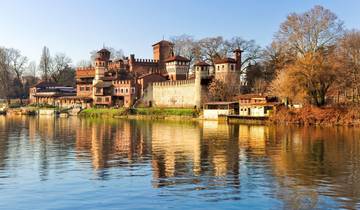
Family itinerary adjustments accommodate children’s shorter attention spans and different interests in 2026. Egyptian Museum engages ages 6+ through mummies and interactive displays—Saturday family workshops (€8-12 per child, book ahead) teach hieroglyphics and ancient Egyptian life through age-appropriate activities. Cinema Museum’s hands-on exhibits, vintage equipment, and central viewing hall entertain all ages more effectively than traditional art museums. Substitute contemporary art museums with Parco del Valentino activities: extensive playgrounds, Borgo Medievale mock medieval village (free entry, castle tours €5), Po River walks, and summer paddle boat rentals (€10-15 per half-hour). Many restaurants welcome children—order simple pasta with butter or tomato sauce if kids resist regional specialties. State museums offer free admission under-18 with family tickets reducing costs. Select accommodation with breakfast included simplifying morning logistics, ideally properties with family rooms sleeping 4 (€120-150 nightly) versus booking two separate doubles.
Frequently Asked Questions About Turin 3-Day Itinerary 2026
Can I visit Turin’s main attractions in 3 days in 2026?
Yes, three days permits comprehensive coverage of Turin’s essential attractions in 2026 including the Egyptian Museum, Royal Museums complex (Palazzo Reale, Sabauda Gallery, Royal Armory, Royal Library), one major suburban royal residence (Venaria Reale), Mole Antonelliana panoramic elevator, and cultural experiences like aperitivo and traditional Piedmontese dining. This itinerary balances iconic UNESCO sites with authentic local atmosphere while maintaining comfortable pacing that prevents museum fatigue. Visitors seeking comprehensive royal residence coverage (visiting 5+ suburban palaces), extensive contemporary art exploration, or Langhe wine region immersion benefit from 4-5 days, but three days captures Turin’s essence for first-time visitors with balanced cultural-gastronomic programming.
Is the Torino+Piemonte Card worth it for a 3-day visit in 2026?
The Torino+Piemonte Card delivers exceptional value for three-day Turin visits in 2026, paying for itself by Day 2 afternoon. The €29 card (72-hour version) covers admission to over 200 attractions including every museum in this itinerary: Egyptian Museum (€15 standalone), Royal Museums (€15), Reggia di Venaria (€15), Cinema Museum + elevator (€18), plus any Day 3 museums (€10 each). The card also includes unlimited public transport (worth €12 for three day passes) and Venaria Express shuttle (€8 return). Total standalone costs for this itinerary’s activities exceed €80-90, making the €29 investment essential rather than optional. Purchase at Tourist Information office Piazza Castello upon arrival—activation begins at first museum entry or transport use rather than purchase time, allowing same-day acquisition followed by evening activation.
What is the best time of year to visit Turin for 3 days in 2026?
April through June and September through October offer optimal conditions for three-day Turin visits in 2026. Spring (April-June) delivers 15-22°C temperatures perfect for extensive walking, blooming Royal Gardens at peak beauty, and moderate tourist numbers below summer peaks. The International Book Fair (mid-May) adds cultural programming though accommodation books rapidly. Autumn (September-October) provides similarly pleasant 18-24°C weather with reduced crowds after school resumption—October coincides with white truffle season making restaurant menus particularly appealing, while Salone del Gusto biennial (even years including 2026) showcases regional gastronomy. Winter (December-February) offers most economical rates (30-40% below peak) and minimal queues though 2-8°C temperatures and reduced hours at suburban residences require adjustments. Summer (July-August) brings 28-32°C heat necessitating morning museum visits and afternoon rest periods, though extended evening hours compensate.
How much walking is involved in this 3-day Turin itinerary for 2026?
This three-day itinerary involves 8-12 kilometers daily walking across city streets, museum galleries, and palace grounds in 2026. Day 1 accumulates approximately 5-6 kilometers: accommodation to Egyptian Museum, Egyptian Museum internal galleries (1.5 kilometers), lunch area, Royal Museums circuits (2 kilometers across five institutions), evening dining neighborhood. Day 2 includes 3-4 kilometers: limited city center walking due to Venaria bus excursion, though Venaria palace interiors span 2 kilometers across 80 rooms, plus gardens if visited. Day 3 varies 4-8 kilometers depending on activities chosen. Comfortable walking shoes with cushioned soles prove essential—Turin’s historic cobblestones and extensive museum floors challenge inadequate footwear. Break in new shoes before travel. The city’s 18 kilometers of arcaded porticos provide weather protection though don’t eliminate walking demands. Visitors with mobility limitations should budget taxi use (€20-40 total across three days) for longer transfers or prioritize single-location days reducing movement between districts.
Should I rent a car for visiting Turin in 2026?
No, rental cars prove unnecessary and counterproductive for three-day Turin city visits in 2026. The compact historic center concentrates Day 1 and Day 3 attractions within walking distance, while Venaria Express shuttle efficiently serves Day 2’s suburban palace excursion. Turin’s limited traffic zone (ZTL) restricts non-resident vehicles in city center, parking costs €2-3 hourly at central garages (€20-30 daily), and one-way street systems frustrate unfamiliar drivers. The Torino+Piemonte Card’s unlimited public transport covers all itinerary destinations at no additional cost beyond €29 card price. Rent cars only if extending itinerary to Langhe wine region (60-90 minutes south, poor public transport) or visiting multiple dispersed suburban palaces single day—even then, organized tours (€90-140 per person) often prove more economical than car rental (€50-70 daily) plus fuel (€15-25) and parking when comparing group costs.
What restaurants should I book in advance for Turin in 2026?
Reserve tables at traditional Piedmontese trattorias 3-5 days ahead for Friday-Saturday dinners in 2026, particularly Trattoria Valenza (Via Borgo Dora 39, excellent agnolotti and brasato), Consorzio (Via Monte di Pietà 23, seasonal local cuisine), and Porto di Savona (Piazza Vittorio Veneto 2, riverside setting and generous portions). High-end restaurants require longer notice: Ristorante del Cambio (Piazza Carignano 2, historic Belle Époque setting) needs 1-2 week advance booking for weekends, while Michelin-starred Piano35 and Combal.Zero require 2-4 weeks. Tuesday-Thursday dinners at these establishments typically accommodate walk-ins with 7:30-8pm arrival. Budget pizzerias, aperitivo bars, and casual dining never require reservations. Email or phone preferred restaurants when confirming travel dates—most respond within 24 hours. Verify seasonal closures particularly mid-August when family-run trattorias often close 2-3 weeks. Booking ensures trying specific regional specialties (agnolotti del plin, brasato al Barolo, finanziera) at establishments Piedmontese residents recommend versus settling for tourist-oriented generic Italian restaurants.
Can I do this itinerary if I don’t speak Italian in 2026?
Yes, this three-day Turin itinerary functions smoothly for English-only speakers in 2026 though basic Italian courtesy phrases (buongiorno, grazie, per favore) enhance interactions. Major museums provide comprehensive English audio guides, signage, and wall text—Egyptian Museum, Royal Museums, Cinema Museum, and Venaria all maintain professional English interpretation. Hotels, tourist information offices, and ticket desks reliably employ English speakers. Restaurants in historic center typically offer English menus or staff assistance explaining dishes, though neighborhood trattorias may not—smartphone translation apps decode menus, or simply point to neighboring tables’ appealing dishes when ordering. Public transport requires minimal language—tap Torino+Piemonte Card on validators or use contactless credit cards, with route planning via Google Maps obviating need for asking directions. French proves useful as backup language given proximity to francophone regions—older generations sometimes speak French more readily than English. Learning basic food vocabulary (primo/first course, secondo/main, contorno/side dish, conto/bill) facilitates restaurant navigation.
What should I pack for a 3-day Turin trip in 2026?
Pack comfortable walking shoes (cushioned soles, broken-in before travel), layered clothing accommodating 10-15°C daily temperature swings and air-conditioned museums, small daypack for museum visits and purchases, reusable water bottle (refill at fountains), portable phone charger, and any prescription medications. Season-specific additions: Spring/autumn (April-June, September-October) bring light jacket and compact umbrella for occasional rain. Summer (July-August) requires sun hat, sunglasses, and light breathable fabrics for 28-32°C heat plus one smart casual outfit for nicer dinners. Winter (December-February) needs warm coat, scarf, and gloves for 2-8°C temperatures though many sightseeing hours occur indoors. Dress codes: Museums permit casual wear including shorts in summer though shoulders and knees covered shows respect at Turin Cathedral. Upscale restaurants (Del Cambio, Piano35) expect smart casual minimum—no athletic wear, shorts, or flip-flops. Electrical adapters: Italy uses Type F/L outlets (230V)—bring EU-compatible adapter for electronics charging.
Is Turin safe for tourists in 2026?
Turin maintains good safety standards for tourists in 2026 with violent crime rare and issues limited to petty theft and pickpocketing in crowded areas. Exercise standard urban precautions: secure valuables in front pockets or cross-body bags, maintain awareness in crowded locations (Porta Nuova station, Porta Palazzo market, trams during rush hour), and avoid poorly lit areas after dark particularly in Aurora and northern peripheral neighborhoods. City center, San Salvario, and major tourist zones remain safe into evening hours—millions visit annually without incident. Women traveling alone report comfortable experiences walking central areas after dark using common sense route planning. Scams remain less prevalent than Rome or Florence. Emergency number 112 connects English-speaking operators. Report theft/losses to Polizia di Stato (Ufficio Stranieri, Via Verdi 4) for insurance documentation. Keep hotel address and emergency contacts in phone. Overall, Turin presents lower crime risk than larger Italian cities while requiring same awareness tourists exercise in any urban environment.
What makes Turin different from other Italian cities in 2026?
Turin distinguishes itself from Venice, Florence, and Rome through five unique characteristics in 2026. UNESCO palace concentration: 22 Baroque royal residences create coherent architectural narrative from central Palazzo Reale through suburban Crown of Delights—more systematic than individual palaces elsewhere. Egyptian Museum specialization: world’s second-largest Egyptian collection provides focused excellence impossible in Rome’s broader archaeological museums. Café culture authenticity: historic 18th-19th century cafés where bicerin originated and intellectuals debated Italian unification maintain atmosphere vanished from more touristy cities. Industrial heritage: FIAT’s headquarters shaped 20th-century identity visible in Lingotto’s rooftop test track (now conference center) and Automobile Museum. Value proposition: 30-40% lower costs than major tourist destinations for equivalent quality accommodation, dining, and cultural experiences. Mass tourism concentrates on Venice/Florence/Rome leaving Turin relatively undiscovered despite world-class museums—authentic local life persists in ways lost to more famous destinations, while sophisticated cultural programming matches or exceeds better-known cities.