Turin Food Guide: Chocolate, Bicerin & Piemontese Cuisine
Turin stands as Italy’s undisputed chocolate capital and home to some of Piedmont’s most celebrated culinary traditions. From the invention of gianduja chocolate during Napoleon’s cocoa embargo to the legendary bicerin coffee drink served since 1763, this northern Italian city offers food experiences that blend aristocratic refinement with rustic Alpine heritage.
Key Takeaways
- Turin invented gianduja chocolate in 1852 by blending cocoa with Piedmont hazelnuts during cocoa shortages, creating the foundation for modern favorites like Nutella
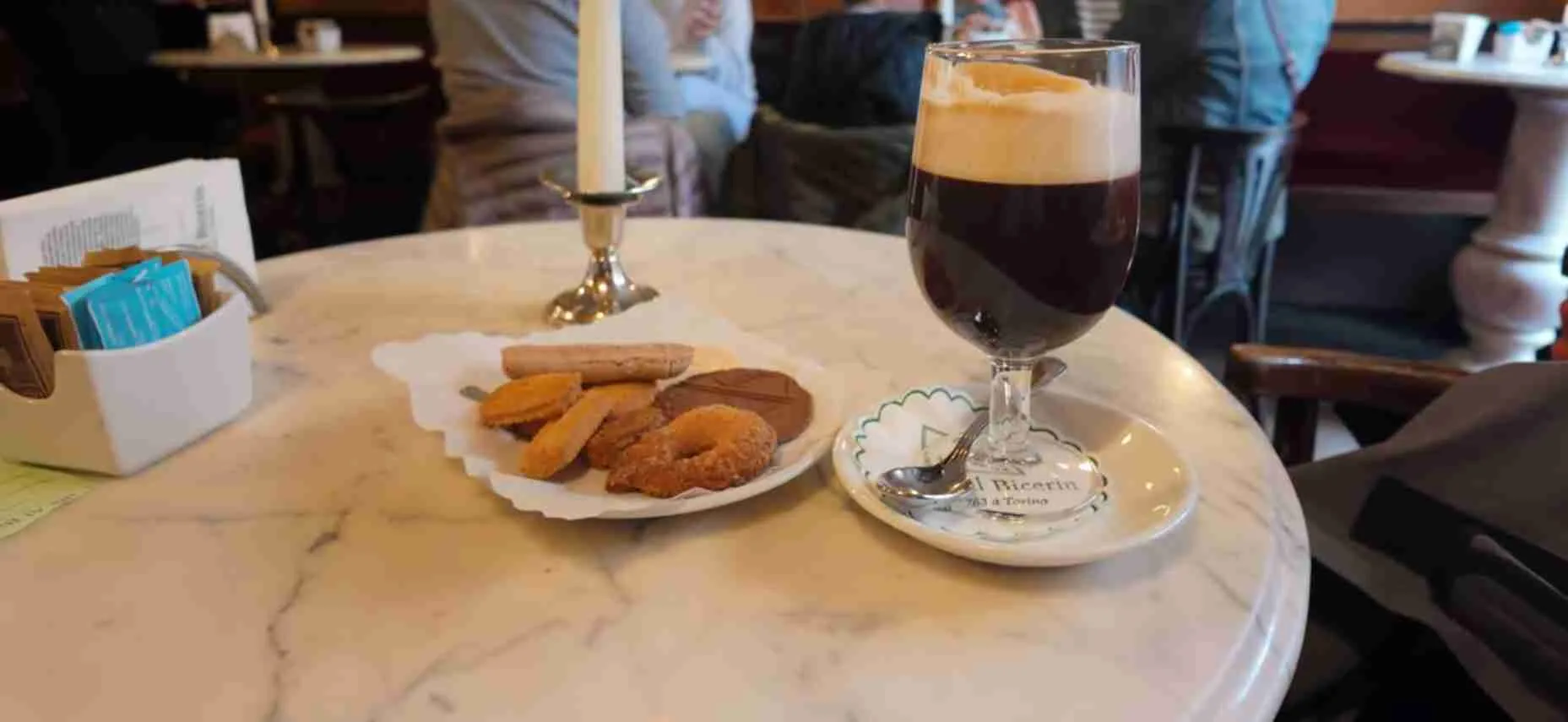
- Bicerin, Turin’s signature layered drink of espresso, chocolate, and cream, originated at Caffè al Bicerin in 1763 and remains the city’s most iconic beverage
- Traditional Piemontese cuisine emphasizes rich antipasti like vitello tonnato and bagna cauda, handmade pastas like agnolotti del plin, and wine-braised meats
- Historic chocolate shops including Caffarel, Guido Gobino, and Peyrano maintain centuries-old traditions while Turin’s food markets offer access to regional ingredients
- The city’s culinary identity reflects three influences: peasant traditions emphasizing resourcefulness, bourgeois refinement, and Savoy court aristocratic techniques
- Seasonal eating defines Piemontese cooking, with bagna cauda and brasato in winter, vitello tonnato in summer, and white truffle dishes during autumn harvest
People Also Ask About Turin Food and Cuisine
What Makes Turin the Chocolate Capital of Italy?
Turin earned its reputation as Italy’s chocolate capital through centuries of innovation and refinement. The city received its first chocolate-making license in 1678, nearly two centuries before the invention of gianduja. When Napoleon’s early 19th-century trade embargoes restricted cocoa imports, Turin chocolatiers blended locally abundant Langhe hazelnuts with scarce cocoa supplies, creating gianduja in 1852. This innovation transformed chocolate-making worldwide and established production techniques still used today. Major Italian chocolate companies including Caffarel, Ferrero, and Streglio originated in Turin, while artisan chocolatiers maintain traditional hand-crafting methods. The city hosts CioccolaTò, Italy’s largest chocolate festival, every November, attracting master chocolatiers from across Europe.
What is Bicerin and Where Can You Try It?
Bicerin is Turin’s signature hot beverage consisting of three distinct layers: espresso on the bottom, rich chocolate in the middle, and whole milk cream on top, served in a small glass without stirring. The drink evolved from bavareisa, an 18th-century favorite of Princess Marie Jeanne Baptiste of Savoy combining chocolate, coffee, milk, and cream. Caffè al Bicerin in Piazza della Consolata invented the modern bicerin in 1763 and still serves it following the original secret recipe. The historic café, operating continuously for over 260 years, maintains period furnishings including marble tables, wood paneling, and candlelit ambiance. Beyond the original café, Turin establishments throughout the city serve bicerin, though purists seek out Caffè al Bicerin for the authentic experience. The drink traditionally accompanies no food, as its richness satisfies both caffeine and sweet cravings simultaneously.
What Are the Most Important Traditional Piemontese Dishes?
Piemontese cuisine centers on several iconic dishes representing the region’s culinary heritage. Agnolotti del plin are small stuffed pasta pockets filled with roasted meats, sealed with characteristic pinches and typically served with meat jus or butter and sage. Vitello tonnato features thinly sliced roast veal topped with creamy tuna-caper sauce, served cold as a summer antipasto. Bagna cauda is a communal warm dip of anchovies, garlic, and olive oil for raw and cooked vegetables, traditionally enjoyed during colder months. Tajarin are thin egg noodles often topped with white truffle during autumn season. Brasato al Barolo showcases beef slowly braised in Barolo wine with aromatics. These dishes reflect Piedmont’s agricultural abundance, including rice from Vercelli plains, hazelnuts from Langhe hills, cattle from alpine valleys, and wines from celebrated vineyards.
How Does Turin’s Food Culture Reflect Its History?
Turin’s culinary identity developed from three distinct social classes merging over centuries. Peasant traditions emphasized resourcefulness and preservation, creating dishes like agnolotti from leftover roasted meats and bagna cauda from preserved anchovies traded from Liguria. The bourgeois merchant class introduced written recipes and refined techniques, documenting preparations and elevating ingredient quality. Savoy court aristocracy brought French influences and exotic ingredients, establishing elaborate presentations and sophisticated flavor combinations. This fusion intensified when Turin served as Italy’s first capital from 1861 to 1865, attracting chefs and ingredients from across the unifying nation. The chocolate industry exemplifies this blend: gianduja emerged from wartime scarcity but evolved into luxury confections sold in elegant boutiques. Modern Turin cuisine maintains this balance, offering rustic osteria fare alongside Michelin-starred interpretations of traditional recipes.
Extended multi-day tours – 5+ days
Featured Turin Multi-Day Tour Packages
7 days
7 Days Italian Riviera and Piedmont Tour – from Milan
- ✓ Comprehensive Turin tour
- ✓ Expert local guides included
- ✓ All accommodation arranged
- ✓ Transportation provided
7 days
Magic of Milan, Genoa and Turin
- ✓ Comprehensive Turin tour
- ✓ Expert local guides included
- ✓ All accommodation arranged
- ✓ Transportation provided
7 days
Star Tour Piedmont – Italy's insider tip 7 Days
- ✓ Comprehensive Turin tour
- ✓ Expert local guides included
- ✓ All accommodation arranged
- ✓ Transportation provided
4 days
Discovering Turin
- ✓ Comprehensive Turin tour
- ✓ Expert local guides included
- ✓ All accommodation arranged
- ✓ Transportation provided
Multi-day tour packages powered by TourRadar. Prices and availability subject to change.
Introduction
Turin’s position at the crossroads of alpine valleys and Piedmont plains created a culinary tradition unlike anywhere else in Italy. While Rome claims carbonara and Naples boasts pizza, Turin contributed gianduja chocolate, bicerin coffee, and refined Piemontese cuisine to the world’s gastronomic repertoire. This northern Italian city, once capital of the Kingdom of Sardinia and briefly of unified Italy, developed food culture reflecting both peasant frugality and royal opulence.
The Savoy dynasty ruled from Turin for centuries, bringing French culinary techniques that merged with local Alpine and Mediterranean influences. Proximity to France influenced cooking methods and presentation styles, while trade routes from Liguria supplied preserved anchovies and olive oil that became Piemontese staples. The surrounding landscape provided exceptional ingredients: rice from Vercelli, hazelnuts from Langhe, white truffles from Alba, cattle from alpine valleys, and wines from celebrated vineyards producing Barolo, Barbaresco, and Barbera.
Turin’s chocolate heritage began in 1560 when Emanuele Filiberto of Savoy celebrated moving the ducal capital from Chambéry by serving hot chocolate throughout the city. By the 1700s, Caffè al Bicerin perfected its legendary coffee-chocolate-cream combination. The early 19th century brought chocolate innovation when Napoleonic wars disrupted cocoa imports, forcing Turin chocolatiers to experiment with hazelnut paste. This necessity produced gianduja, the chocolate-hazelnut blend that would inspire countless modern confections.
Today’s Turin food scene honors these traditions while embracing contemporary interpretations. Historic cafés maintain recipes unchanged for centuries alongside modern chocolate boutiques experimenting with single-origin cocoa and innovative flavors. Traditional trattorias serve agnolotti and bagna cauda exactly as nonne prepared them, while Michelin-starred restaurants deconstruct classic dishes with modern techniques. Food markets overflow with regional products, from Fassona beef to Castelmagno cheese, enabling both home cooks and professional chefs to access Piedmont’s agricultural bounty.
This guide explores Turin’s essential food experiences, from chocolate shops that shaped confectionery history to restaurants preserving Piemontese culinary heritage. Understanding Turin’s food requires appreciating how geography, history, and social class combined to create distinctive flavors and preparations. Whether savoring a bicerin in the café where it originated, tasting handcrafted gianduiotti from artisan chocolatiers, or sharing bagna cauda around a communal pot, Turin offers food experiences rooted in centuries of tradition yet remaining vibrantly relevant today.
Turin’s Chocolate Heritage: From Royal Courts to Global Innovation
Turin’s relationship with chocolate spans over four centuries, transforming the city into Italy’s undisputed chocolate capital and a global center of confectionery innovation. The story begins in 1560 when Emanuele Filiberto of Savoy marked Turin’s establishment as ducal capital by serving piping hot chocolate throughout the city, introducing this exotic New World import to Piedmont aristocracy. What started as royal indulgence evolved into an industry that would revolutionize chocolate-making worldwide.
The Savoy court’s passion for chocolate drove Turin’s early development as a chocolate center. By the 17th century, Turin chocolatiers had invented new mechanisms to mix cacao, vanilla, water, and sugar into malleable paste, enabling transformation of liquid chocolate into solid bars. This breakthrough allowed creation of individually wrapped chocolates, pralines, truffles, and bon bons, establishing Turin’s reputation for innovation. The city’s chocolatiers received official licensing to sell chocolate in 1678, formalizing an industry that would define Turin’s identity.
The early 19th century brought Turin’s most significant chocolate innovation through adversity. Napoleon’s Continental System from 1806 onward imposed trade restrictions limiting British cocoa imports precisely when chocolate consumption was expanding across Europe. Faced with scarce and expensive cocoa, Piedmontese chocolatiers turned to Langhe hazelnuts, particularly the prized Tonda Gentile delle Langhe variety known for low bitterness, superior taste, and creamy texture. Blending finely ground hazelnuts with chocolate extended limited cocoa supplies while creating an entirely new confection.
In 1852, chocolatier Michele Prochet perfected the chocolate-hazelnut blend that became known as gianduja, named after the cheerful Piedmontese commedia dell’arte character Gianduia representing regional identity. The exact ratio developed over time, settling around 30% chocolate to 50% hazelnut, creating signature smooth, nutty sweetness. This innovation laid groundwork for Turin to establish itself as one of the world’s chocolate capitals throughout the 1900s, a reputation celebrated annually during CioccolaTò, the city’s massive November chocolate festival.
Turin chocolate tradition extends beyond gianduja to numerous iconic confections. Cremino, invented in 1911 for a Fiat automobile contest, features three layers with outer gianduja and inner filling of chocolate, coffee, lemon, or hazelnut cream. Boero chocolates encase liqueur-soaked cherries from Pecetto hills in three chocolate layers, balancing fruit, alcohol, and chocolate elegantly. Tris di nocciole presents three roasted hazelnuts covered in dark, milk, or white chocolate. Alpino chocolates contain creamy liqueur centers. Each represents Turin chocolatiers’ commitment to quality ingredients and refined technique.
The city’s chocolate industry today includes both historic companies and contemporary artisans. Caffarel, founded in 1826, contributed significantly to gianduiotto development and maintains traditional production methods. Ferrero, originating in nearby Alba, built on Piedmont’s chocolate-hazelnut tradition to create Nutella and Ferrero Rocher, bringing gianduja concepts to global markets. Lavazza, Caffè Vergnano, and Caffè Costadoro, all founded in Turin during the 1880s-1890s, supply coffee that complements chocolate in countless Turin cafés.
Turin’s chocolate heritage reflects the city’s broader culinary philosophy: transforming necessity into luxury, honoring tradition while embracing innovation, and maintaining unwavering commitment to ingredient quality. The hazelnut-chocolate combination born from Napoleonic scarcity became foundation for some of the world’s most beloved confections, demonstrating how Turin consistently turns constraints into creative breakthroughs that shape global food culture.
Gianduiotti: Turin’s Iconic Chocolate Creation
Gianduiotti represent Turin chocolate tradition in its most recognizable form: small, individually wrapped chocolates shaped like upturned boats, made from the signature gianduja blend of chocolate and hazelnut paste. These confections embody Turin’s chocolate heritage, combining practical origins with refined execution that transformed a wartime substitute into one of Italy’s most celebrated sweets.
During Carnival celebrations in 1865, Caffarel chocolate company officially unveiled gianduiotti to the public, having perfected the gianduja formula developed by Michele Prochet in 1852. The company dressed Carnival performers as Gianduia, the traditional Piedmontese character known for his brown jacket, yellow waistcoat, and perpetual optimism, to distribute these new chocolates to crowds. The triangular boat shape became instantly recognizable, wrapped in golden foil that has remained the standard presentation for over 150 years.
The traditional gianduiotto consists of approximately 30% chocolate and 50% finely ground Tonda Gentile delle Langhe hazelnuts, the remainder being sugar and often a small amount of cocoa butter. This ratio creates the signature texture: softer and creamier than pure chocolate, melting smoothly on the tongue while releasing layered hazelnut and cocoa flavors. The grinding process for hazelnuts proves crucial, requiring fine milling to achieve the smooth paste that gives gianduiotti their characteristic mouthfeel without graininess.
Production methods vary between artisan chocolatiers and industrial producers, though both honor basic gianduiotto principles. Artisan makers like Guido Gobino, Peyrano, and Caffarel craft gianduiotti by hand in small batches, controlling every aspect from hazelnut roasting to chocolate tempering. Each chocolatier guards proprietary ratios and techniques, resulting in subtle variations that loyal customers can distinguish. Industrial producers including larger Caffarel operations manufacture gianduiotti at scale while maintaining quality standards and traditional boat shape.
The name gianduiotto derives from Gianduia, the beloved Carnival character who symbolizes Piedmontese identity: resourceful, cheerful, and proud of regional heritage. Associating the chocolate with this figure transformed gianduja from wartime expedient into symbol of Piedmontese culture and ingenuity. The choice proved marketing genius, creating emotional connection between chocolate and regional pride that persists today. Gianduiotti appear at celebrations, holidays, and special occasions as quintessentially Piedmontese gifts.
Modern gianduiotti variations expand on classic formulations while respecting core elements. Dark chocolate versions use higher cocoa percentages with hazelnuts for more intense flavor. Milk chocolate gianduiotti offer sweeter, gentler taste appealing to broader audiences. Some chocolatiers add sea salt, citrus zest, or single-origin cocoa while maintaining the fundamental chocolate-hazelnut balance. Premium versions use specific hazelnut harvests or rare cocoa varieties, creating limited editions for collectors and connoisseurs.
Gianduiotti inspired numerous derivative products that spread gianduja flavor globally. Nutella, developed by Ferrero in 1964 using Piedmont hazelnuts, adapted gianduja into spreadable form with adjusted ratios and added palm oil. Ferrero Rocher combines whole hazelnuts with gianduja filling wrapped in chocolate and wafer. Gianduja bars, spreads, and pastry fillings appear in countless variations. Despite these offshoots, traditional gianduiotti remain the purest expression of Turin’s chocolate innovation, unchanged in essential character since 1865.
Experiencing authentic gianduiotti in Turin means visiting historic chocolate shops and comparing interpretations. Each maker’s gianduiotti reveal subtle differences in hazelnut intensity, chocolate depth, sweetness levels, and textural smoothness. Some prefer Guido Gobino’s carefully balanced versions, others favor Peyrano’s traditional approach or Caffarel’s historic formula. Tasting across multiple producers demonstrates how a single concept yields infinite variations while maintaining recognizable identity as Turin’s signature chocolate.
Bicerin: Turin’s Signature Coffee Drink
Bicerin stands as Turin’s most iconic beverage, a meticulously layered composition of espresso, chocolate, and cream served in a small glass without stirring. This deceptively simple drink encapsulates Turin’s talent for transforming basic ingredients into refined experiences through precise technique and unwavering commitment to quality. Understanding bicerin requires appreciating both its historical evolution and the specific ritual surrounding its consumption.
The drink evolved from bavareisa, an 18th-century favorite created by chef Giovanni Antonio Ari for Princess Marie Jeanne Baptiste of Savoy in the 1600s. Bavareisa combined 300 grams dark chocolate, 160 milliliters coffee, 100 milliliters whole milk, 100 milliliters liquid cream, and 20 milliliters sugar syrup into a rich, decadent hot chocolate flavored with coffee. This elaborate preparation delighted the Savoy court but proved impractical for café service.
Caffè al Bicerin revolutionized this concept in 1763 by separating and layering the components, creating the modern bicerin. The café, located in Piazza della Consolata across from the Sanctuary of Our Lady of Consolation, initially offered three variations: pur e fiur (similar to cappuccino), pur e barba (coffee and chocolate), and ‘n poc’ d tut (“a little of everything”). The third variation achieved lasting fame, becoming simply “bicerin” – Piedmontese dialect for the small glass vessel used for serving.
Proper bicerin construction requires specific technique and sequencing. Espresso forms the bottom layer, providing caffeine intensity and bitter foundation. Chocolate occupies the middle position, not melted chocolate (too thick) nor hot chocolate (too thin) but a precisely calibrated consistency that lies between milk and espresso, temporarily separating the two. Frothy whole milk cream crowns the top, creating visual contrast and providing sweetness to balance bitter coffee and rich chocolate. The glass vessel reveals all three distinct layers, making bicerin as much visual art as beverage.
Consuming bicerin follows specific etiquette that enhances the experience. A spoon accompanies the drink not for stirring but for carefully spooning through layers, tasting transitions from sweet cream through chocolate to intense espresso. Mixing the ingredients defeats bicerin’s essential character; the progression through distinct flavors and temperatures creates the intended experience. Eventually, near the glass bottom, the layers become impossible to distinguish, and the final gulp combines all elements in lukewarm conclusion that signals completion.
Caffè al Bicerin maintains the original recipe as a closely guarded secret, with staff contractually bound not to reveal preparation details. The café operates continuously since 1763, making it one of Italy’s oldest functioning cafés and a living museum of 18th-century Torinese culture. Interior furnishings remain largely original: small marble tables, wood paneling, mirrors, showcases, and candlelit ambiance transport visitors to previous centuries. The café seats only a handful of customers in intimate, crowded quarters where winter coats and careful maneuvering become necessary to avoid disturbing neighbors’ drinks.
The café closes Wednesdays and observes specific closure periods: mid-January for renovation, portions of June, and most of August. Christmas and Easter periods maintain special schedules. These closures reflect Italian café tradition where businesses close for family holidays and staff vacations, requiring advance planning for visitors hoping to experience bicerin at its birthplace. Caffè al Bicerin’s location in Piazza della Consolata, just minutes from Piazza Castello and Via Garibaldi, makes it accessible during Turin city center exploration.
Beyond Caffè al Bicerin, numerous Turin cafés serve bicerin, each with slight variations in chocolate intensity, milk frothiness, and espresso strength. Some use whipped cream topping rather than frothed milk, creating different textural experience. Others adjust chocolate thickness or espresso concentration. These variations demonstrate how a traditional drink adapts across establishments while maintaining core identity. Historic cafés including those along Piazza San Carlo and Via Po offer bicerin alongside other traditional Torinese refreshments.
Bicerin typically costs €4-6 at Turin cafés, positioning it as special treat rather than everyday drink. The price reflects ingredient quality, preparation care, and often historic café settings where ambiance forms part of the experience. Unlike espresso consumed quickly at café counters, bicerin invites leisurely enjoyment, encouraging patrons to linger and savor both drink and environment. This slower pace aligns with bicerin’s origins as social gathering catalyst rather than mere caffeine delivery.
The drink occupies unique position in Turin’s beverage culture: too special for casual consumption, too accessible for formal occasions, acceptable at any hour from morning through after-dinner. Italians who might take only espresso and cornetto for breakfast consider bicerin sufficient alone, its richness replacing both caffeine and pastry. The drink’s versatility reflects Turin’s broader approach to food culture, where traditions adapt to contemporary life while maintaining essential character and quality standards developed over centuries.
Historic Chocolate Shops and Producers
Turin’s historic chocolate shops represent living links to the city’s confectionery heritage, maintaining traditional production methods while continuing to innovate within artisan frameworks. These establishments range from companies operating since the 1800s to contemporary chocolatiers building on centuries of Piedmontese technique. Visiting multiple shops reveals how Turin chocolate tradition encompasses both preservation and evolution.
Caffarel, founded in 1826, holds special significance as contributor to gianduiotto development and one of Turin’s oldest chocolate companies. The company collaborated with Michele Prochet to perfect the chocolate-hazelnut blend in 1852 and introduced gianduiotti to the public during 1865 Carnival celebrations. Caffarel’s current boutique continues producing gianduiotti following traditional methods, selling chocolates by weight and offering the full range of historic Turin confections. The golden-wrapped gianduiotti maintain their characteristic boat shape and creamy texture, while Caffarel’s other offerings include cremini, pralines, and chocolate bars. The shop provides chocolate club membership with loyalty discounts, recognizing regular customers who return repeatedly for favorite confections.
Guido Gobino represents Turin’s newer generation of artisan chocolatiers, having opened only in the late 1990s yet establishing reputation as perhaps the finest gianduiotto maker in the city. Gobino focuses intensely on ingredient quality, sourcing specific hazelnut harvests and carefully selecting cocoa origins. His gianduiotti achieve exceptional balance, with neither chocolate nor hazelnut dominating but rather creating harmonious blend that exemplifies the form. The cremino with sea salt and olive oil demonstrates Gobino’s willingness to innovate within traditional frameworks, adding unexpected flavors that enhance rather than obscure classic preparations. The Via Maria Vittoria shop operates Tuesday through Saturday with midday closures and Sunday morning hours, following traditional Italian retail schedules.
Peyrano, established in 1915, built reputation on dedication to Turin chocolate tradition and refusal to compromise on ingredient quality. The company’s range includes pralines, gianduiotti, and numerous specialty chocolates made with exceptionally high-quality components. Tasting Peyrano chocolates reveals difference between carefully crafted artisan products and mass-produced alternatives; the attention to detail in tempering, flavor balance, and texture becomes immediately apparent. The shop, located opposite Parco del Valentino on the Po River’s far side, maintains elegant presentation reflecting early 20th-century retail aesthetics. Peyrano experienced ownership changes in recent years but the family regained control, presumably maintaining quality standards that established the company’s reputation.
Stroppiana operates on smaller scale than Caffarel or Peyrano but maintains complete commitment to traditional methods, wrapping each gianduiotto by hand in characteristic golden foil. This labor-intensive approach limits production volume but ensures individual attention to each piece. Stroppiana’s chocolates represent pure expression of artisan tradition, with production methods largely unchanged since the company’s founding. The shop appeals to purists seeking chocolates made exactly as they were a century ago, without modern production shortcuts or machinery that might compromise texture or flavor.
G. Pfatisch, founded in 1915, occupies special place in Turin chocolate heritage as creator of a forthcoming chocolate museum in the shop’s basement where chocolate was historically produced. Pfatisch maintains traditional chocolate-making while expanding into education and preservation of Turin’s confectionery history. The museum, opening soon, will trace chocolate-making evolution from early Savoy court indulgence through industrial revolution to contemporary artisan production, offering visitors deeper understanding of how Turin became Italy’s chocolate capital. The shop continues selling traditional chocolates while preparing to share its heritage more broadly through museum exhibitions and demonstrations.
Croci Delice offers something beyond standard Turin chocolates: specialty confections combining regional ingredients in innovative ways. Their gianotti (a variant of gianduiotti) use carefully sourced hazelnuts and single-origin cocoa. The cioccolatini ripieni alle ciliegie delle Colline di Pecetto showcase cherries from Pecetto hills hand-depitted and dipped in three chocolate layers, creating elegant cordials that avoid cloying sweetness plaguing lesser chocolate-covered cherries. The Divini collection fills chocolates with fine Piedmont and Tuscan wines including Barolo, Barbaresco, and Brunello, creating confections that appeal to wine enthusiasts and demonstrate how terroir concepts apply beyond vineyards. Croci offers 45-minute factory tours providing behind-scenes view of small-batch production methods.
Galup, while primarily known for traditional panettone, produces delightful chocolates extending beyond Christmas specialties into year-round offerings. The company demonstrates how Turin chocolate tradition intersects with broader Italian pastry-making, creating confections that complement baked goods while standing alone as worthy chocolate creations. Galup’s approach reflects Turin’s position at intersection of multiple culinary traditions, borrowing techniques and flavor combinations from various Italian regions while maintaining distinctly Piedmontese identity.
Visiting Turin chocolate shops requires understanding shopping customs. Most sell chocolate by weight, allowing customers to select individual pieces creating personalized assortments. Prices typically hover around €60 per kilogram for gianduiotti, with variations based on complexity and ingredient cost. Shops provide elegant packaging for gifts but also simple bags for personal consumption. Staff generally encourage tasting before purchasing, recognizing that chocolate preference is highly personal and customers benefit from sampling before committing to larger quantities. Many shops close for portions of August and maintain midday closures, following Italian retail tradition that prioritizes work-life balance over continuous availability.
Traditional Piemontese Antipasti
Piemontese cuisine accords antipasti unusual importance compared to other Italian regional cuisines, influenced by French entrée traditions from centuries of Savoy court cultural exchange. Turin restaurants typically offer extensive antipasti selections representing the meal’s opening act and opportunity to showcase regional ingredients before progressing to primi and secondi courses. Understanding Piemontese antipasti reveals the cuisine’s emphasis on bold flavors, preserved ingredients, and seasonal eating.
Vitello tonnato stands as Piedmont’s most famous antipasto and one of the region’s most recognizable dishes beyond its borders. Thinly sliced roast veal lies beneath creamy, tangy sauce made from tuna, capers, anchovies, eggs, and occasionally lemon, creating unexpected but harmonious combination of land and sea flavors. The dish traces origins to 18th-century Savoy court where French techniques merged with Piedmontese ingredients, though its name derives from local dialect “vitel tonnè” rather than French connections. Vitello tonnato appears primarily during warm months, served chilled as refreshing antipasto when cold dishes prove more appealing than hot preparations.
Authentic vitello tonnato requires careful preparation starting with roasting veal to tender doneness without drying, then slicing as thinly as possible once cooled. The sauce traditionally begins with egg yolks emulsified with oil to create mayonnaise base, then incorporates tuna, capers, and anchovies pounded to smooth paste. Some cooks add veal cooking liquid to thin consistency and deepen flavor. Modern variations using prepared mayonnaise compromise authenticity but save time; purists insist on sauce made entirely from scratch. The dish rests for several hours allowing flavors to meld before serving, with sauce completely coating veal slices and capers often scattered across the top.
Vitello tonnato appears on family tables during Ferragosto (August 15th) and other warm-weather holidays when cold dishes suit long afternoon meals. The ability to prepare entirely in advance makes it ideal for entertaining, requiring no last-minute cooking while still presenting impressively. Despite its elegance, vitello tonnato remains accessible, appearing in both simple trattorias and upscale restaurants throughout Piedmont. The dish’s balance between refinement and practicality exemplifies Piemontese cooking’s core philosophy.
Bagna cauda occupies unique position in Piemontese antipasti, functioning simultaneously as appetizer, communal experience, and full meal depending on context and quantity. This warm dip combines anchovies, garlic, and olive oil, served in terracotta containers called fojòt kept warm over small flames, with raw and cooked seasonal vegetables for dipping. The name translates literally as “hot bath,” describing both temperature and the act of bathing vegetables in garlicky, anchovy-rich sauce.
Traditional bagna cauda preparation starts with substantial garlic quantity, often halved and with green germs removed to moderate pungency. The garlic slices slowly cook in olive oil and butter until soft and sweet, losing raw harshness while retaining characteristic flavor. Salt-cured anchovies, desalinated through soaking and cleaned of bones, dissolve into the oil-garlic mixture through gentle heat and stirring, creating thick, intensely flavored sauce. Some recipes add cream or milk to moderate intensity; others use only oil, butter, garlic, and anchovies in pure expression of the dish’s essential character.
Bagna cauda traditionally accompanies specific vegetables that stand up to the sauce’s intensity. Cardoons, particularly the prized cardo gobbo di Nizza Monferrato, provide classic pairing with their slight bitterness complementing rich sauce. Bell peppers, both raw and roasted, offer sweet contrast. Onions, either raw or oven-baked until caramelized, add another dimension. Boiled potatoes, roasted beets, steamed cauliflower, and raw celery all appear depending on season and preference. Bread provides final vehicle for finishing sauce remaining after vegetables are consumed.
The dish emerged from agricultural traditions, reportedly served by vineyard workers celebrating wine harvest completion. The communal aspect proved essential: workers gathered around central pot, dipping vegetables directly into shared sauce after long days in vineyards. This tradition continues today, with bagna cauda served as shared experience rather than individual portions. The strong garlic presence means everyone at the table must participate; one person eating bagna cauda while others abstain creates social awkwardness that runs counter to the dish’s communal spirit.
Bagna cauda appears primarily during autumn and winter months when robust, warming dishes suit cold weather and seasonal vegetables reach peak quality. The dish demands planning as the garlic-anchovy aroma permeates clothing, breath, and surroundings for days after consumption. Despite or perhaps because of this intensity, bagna cauda maintains devoted following among Piemontese who view it as essential expression of regional identity. Restaurants specializing in traditional cuisine offer bagna cauda as seasonal feature, often requiring advance ordering to ensure proper vegetable selection and serving equipment.
Carne cruda all’albese represents another essential Piemontese antipasto, showcasing the region’s exceptional Fassona beef in raw preparation. Hand-chopped beef (never ground, as this compromises texture) combines with olive oil, lemon juice, garlic, and sometimes white truffle during autumn season, served immediately to prevent oxidation and maintain vibrant red color. The dish requires absolute trust in beef quality; only the finest, freshest meat suits raw consumption. This antipasto demonstrates Piedmontese confidence in regional ingredients and willingness to let exceptional products speak for themselves through minimal preparation.
Local salumi platters provide another standard antipasto option, featuring Piedmontese specialties including salame della duja (salami preserved in lard), lardo d’Arnad, and various local prosciuttos. These cured meats often accompany polenta tart, a savory preparation that provides texture contrast to silky meats. Acciughe al verde presents salt-cured anchovies topped with vibrant green parsley sauce containing garlic, capers, and occasionally green tomatoes, offering intensely flavored small bites that awaken palate for courses to follow.
Agnolotti del Plin: Piedmont’s Signature Pasta
Agnolotti del plin represent Piedmont’s most celebrated pasta creation, small rectangular packages of egg pasta filled with roasted meats and vegetables, sealed with characteristic pinches that give the dish its name. These stuffed pastas embody Piemontese resourcefulness, refined technique, and commitment to transforming simple ingredients into sophisticated dishes through care and skill. Understanding agnolotti requires appreciating both their humble origins and the precision required for proper execution.
The term “plin” derives from Piedmontese dialect meaning “pinch,” describing the motion used to seal each individual agnolotto between thumb and forefinger. This technique creates small, tightly sealed packages ensuring filling remains enclosed during cooking while creating distinctive ruffled appearance along sealed edges. The pinching method requires practice to execute consistently, with experienced cooks sealing dozens per minute while maintaining uniform size and tight seals. This hand-crafting distinguishes agnolotti del plin from ravioli and other stuffed pastas using different sealing techniques.
Traditional agnolotti filling originated as clever use of leftover roasted meats, reflecting rural Piedmontese values of waste reduction and resourcefulness. After Sunday roast dinners, remaining meat was finely chopped and combined with cooked vegetables (often spinach or Swiss chard), eggs, grated cheese, and sometimes breadcrumbs soaked in broth. This mixture provided rich, complex filling that transformed leftovers into special preparation for subsequent meals. The filling’s exact composition varied by household and available ingredients, creating infinite variations while maintaining recognizable character as agnolotti.
Modern agnolotti preparations often use meat roasted specifically for filling rather than relying on leftovers, ensuring consistent quality and flavor. Common meat combinations include veal, pork, and rabbit, though beef sometimes appears. The meats roast separately with aromatics before chopping, then combine with braised vegetables, Parmigiano-Reggiano, eggs, and nutmeg. The mixture achieves fine, almost paste-like consistency through patient chopping or brief food processor pulses, avoiding chunks that might tear delicate pasta during forming.
The pasta dough for agnolotti follows egg pasta tradition using flour, eggs, and sometimes olive oil, rolled extremely thin to create delicate wrappers that don’t overwhelm the filling. The thinness distinguishes Piedmontese pasta from heartier preparations in other Italian regions; properly made agnolotti have pasta so thin it becomes nearly translucent, allowing filling color to show through. This delicacy requires skill both in rolling and handling, as the pasta tears easily and demands gentle touch during filling and sealing.
Sauce selection for agnolotti varies by tradition and occasion. The most traditional accompaniment, sugo d’arrosto, uses the roasting pan juices from the meat that provided the filling, creating perfectly matched sauce that reinforces filling flavors. This approach exemplifies Piemontese cooking philosophy: nothing wasted, everything harmonious. Butter and sage provide simpler but equally classic dressing, with butter’s richness complementing meat filling while sage adds aromatic depth. Some preparations use light meat broth, allowing agnolotti to shine without sauce competition. Ragù-style meat sauce appears occasionally, though this risks overwhelming the delicate pasta and subtle filling.
Agnolotti del plin appear on Turin restaurant menus year-round, though their rich filling makes them particularly appealing during cooler months. Restaurants specializing in traditional Piemontese cuisine prepare them fresh daily, with some establishments offering views into kitchens where pasta-makers pinch agnolotti throughout service. The dish appears as primo course, following antipasti and preceding secondi, though substantial portions might serve as main course for lighter appetites.
Several variations on classic agnolotti exist throughout Piedmont. Agnolotti al brasato features filling incorporating braised beef with Barolo wine, creating darker, more intensely flavored version. Vegetarian agnolotti use combinations of ricotta, spinach, and other vegetables, appealing to non-meat eaters while maintaining traditional pasta-making techniques. Some modern interpretations experiment with unexpected fillings like pumpkin, squash, or fish, pushing boundaries while respecting fundamental agnolotti structure.
Preparing agnolotti at home requires time commitment but rewards patience with incomparable results. The process typically spans several hours: preparing and roasting meat filling, making pasta dough and resting it, rolling dough thin, forming and sealing individual agnolotti, and cooking them in well-salted water. Many Piedmontese families maintain agnolotti-making traditions, with multiple generations gathering to prepare large batches for freezing, ensuring ready supply of handmade pasta for family meals and celebrations. This communal preparation reinforces the dish’s role not just as food but as carrier of family tradition and regional identity.
Tajarin and Other Traditional Pastas
Beyond agnolotti, Piemontese pasta tradition encompasses several distinctive shapes and preparations that showcase the region’s egg-rich pasta heritage and seasonal ingredient focus. Tajarin, ultra-thin egg noodles cut by hand, represent the pinnacle of Piedmontese pasta craftsmanship, while other shapes like ravioli del plin and gnocchi maintain important places in the regional repertoire.
Tajarin distinguish themselves through exceptional thinness and high egg content, with recipes often calling for 20-30 egg yolks per kilogram of flour, creating rich, golden pasta that cooks in moments and has almost buttery texture. The name derives from Piedmontese dialect for tagliatelle, though tajarin are substantially thinner than their Emilian cousins, closer to angel hair pasta in width but with far higher egg content and richer flavor. Proper tajarin require hand-cutting for precise, consistent width, though modern pasta cutters produce acceptable results.
The most celebrated tajarin preparation involves topping with generous shavings of white truffle from Alba during autumn truffle season, typically October through December. The pasta’s richness and delicate flavor provide perfect vehicle for truffle’s intense aroma and earthy complexity, neither overwhelming the other but creating harmonious balance. Butter melted over the pasta helps truffle perfume distribute throughout the dish, with perhaps a dusting of Parmigiano-Reggiano but nothing that might compete with truffle’s precious fragrance.
Outside truffle season, tajarin appear with various sauces that respect the pasta’s delicacy. Sugo d’arrosto (roasting juices from meat) creates simple but deeply flavored dressing. Butter and sage offer clean preparation highlighting pasta itself. Fonduta, Piedmontese fondue made with Fontina cheese, white wine, egg yolks, and occasionally white truffle, enrobes tajarin in rich, creamy sauce perfect for winter meals. Meat ragù occasionally appears, though lighter preparations generally suit tajarin better than heavy sauces.
Gnocchi appear in Piedmontese cuisine with several variations. Potato gnocchi follow familiar Italian template: boiled potatoes combined with flour and egg, formed into small dumplings, and cooked in boiling water. Piemontese versions often feature richer sauces than found elsewhere, including gorgonzola cream, castelmagno cheese sauce, or butter with walnuts. Gnocchi alla bava use Fontina or other melting cheese, creating stringy, indulgent preparation. The dish typically appears as winter comfort food, its heartiness matching cold-weather appetites.
Ravioli del plin, similar to agnolotti but generally larger and square rather than rectangular, feature various fillings depending on region and season. Pumpkin ravioli appear during autumn, their sweet filling balanced by sage butter and amaretti cookie crumbs. Ricotta and spinach ravioli offer vegetarian option available year-round. Meat-filled ravioli follow similar principles to agnolotti but with different proportions and occasionally more rustic fillings that celebrate chunky texture over smooth paste.
Risotto and Rice Dishes
Piedmont’s eastern plains surrounding Vercelli and Novara produce exceptional rice, making risotto fundamental to regional cuisine rather than occasional preparation. Piemontese risotto differs from Venetian, Milanese, and other Italian regional styles through specific rice varieties, cooking techniques, and flavor combinations that reflect local ingredients and traditions. Understanding Piemontese risotto requires appreciating the region’s rice-growing heritage and how geography influences gastronomy.
Risotto al Barolo represents Piedmont’s most distinctive rice preparation, combining two regional products: rice from Vercelli plains and Barolo wine from Langhe hills. The dish achieves deep burgundy color and complex, wine-forward flavor through progressive Barolo additions during cooking, with final mantecatura (vigorous stirring with butter and cheese) creating characteristic creamy consistency. The wine’s tannins and acidity cut rice’s richness, while rice’s starch softens wine’s intensity, creating balance neither ingredient achieves alone.
Proper risotto al Barolo begins with soffritto of finely diced onion, sometimes including celery and carrot, sweated in butter and olive oil until soft and sweet. Rice (typically Carnaroli or Vialone Nano varieties) toasts briefly in fat, developing light golden color and nutty aroma. Barolo replaces the traditional white wine for deglassing, immediately staining rice purple-red. Subsequent cooking proceeds through gradual broth additions, with more Barolo splashed in periodically to intensify color and flavor. The result: risotto that tastes unmistakably of Barolo while maintaining creamy risotto texture.
Other Piemontese risotto preparations showcase seasonal ingredients. Risotto ai funghi porcini features wild porcini mushrooms collected from Piedmont forests during autumn, their earthy intensity complemented by garlic, parsley, and perhaps white truffle shavings for special occasions. Risotto alla piemontese takes multiple forms depending on specific regional area, but generally involves rich meat broth, butter, and Parmigiano-Reggiano in straightforward preparation that highlights rice quality over complex flavoring.
Paniscia novarese, specific to Novara province, combines rice with borlotti beans, salame della duja, red wine, and vegetables in hearty dish straddling soup and risotto categories. This rustic preparation demonstrates how rice dishes adapt to local ingredients and eating patterns, with paniscia providing complete meal rather than serving as primo course. The dish appears less frequently in Turin than in its Novara birthplace but occasionally surfaces in restaurants emphasizing regional diversity.
Secondi: Main Courses and Meat Preparations
Piemontese secondi courses emphasize quality meats prepared with wine-based sauces, slow braising techniques, and careful attention to bringing out ingredient flavor rather than masking it with heavy seasoning. The region’s cattle farming, particularly Fassona beef from alpine valleys, provides exceptional raw materials that inform cooking approaches emphasizing rather than concealing meat quality.
Brasato al Barolo stands as Piedmont’s most celebrated meat dish, requiring patient slow-cooking that transforms tough beef cuts into tender, wine-infused perfection. The preparation begins with selecting proper cut: beef chuck, brisket, or similar cuts with enough connective tissue and marbling to remain moist during extended cooking. The meat ties with butcher’s twine to maintain shape, receives light flour dredging, then sears in olive oil until deeply browned on all sides, developing fond that will enrich final sauce.
After searing, aromatics join the pot: onions, carrots, celery, garlic, bay leaves, rosemary, and sometimes cloves, all cooked until softened. Barolo wine covers the meat, providing cooking liquid and fundamental flavor. The covered pot simmers over low heat for three to four hours, with meat occasionally turned and wine replenished as needed. The extended cooking allows wine to penetrate meat while alcohol cooks off, leaving wine’s complex flavors without harsh alcoholic bite. Connective tissue breaks down into gelatin, creating silky sauce and fall-apart tender meat.
Quality wine proves essential for brasato; subpar wine produces subpar results. The traditional wisdom “cook with wine you’d drink” applies particularly to this dish where wine provides primary flavoring. Using authentic Barolo rather than lesser wines honors both the dish’s name and its intended flavor profile. The recipe requires nearly two bottles of wine, making ingredient cost significant but worthwhile for special occasions when brasato’s deep, complex flavor justifies the investment.
Finanziera, a savory stew of veal offal including sweetbreads, brain, liver, cockscombs, and other variety meats, represents Piemontese cooking’s aristocratic peasant fusion. The dish originated in Savoy court kitchens but utilized cuts peasant cooks reserved rather than discarded, creating elaborate preparation from humble ingredients. Modern versions often omit more challenging offal pieces like cockscomb, focusing on sweetbreads and liver while maintaining the dish’s rich, complex character. Finanziera appears less frequently than in past generations but remains on traditional restaurant menus and home kitchens of dedicated practitioners.
Bollito misto, mixed boiled meats served with various sauces, provides another essential Piemontese secondo showcasing multiple meat types and sauce preparations. The dish involves separately cooking different meats in seasoned broth: beef cuts, chicken, tongue, cotechino sausage, and sometimes veal head. Each meat cooks to appropriate doneness before slicing and arranging on platters with accompanying sauces including bagnet verde (green parsley-anchovy sauce), bagnet ross (red tomato sauce), and mostarda (fruit preserve with mustard). Bollito misto appears particularly during winter months and festive occasions when substantial, warming dishes suit the season and celebration.
Fritto misto alla piemontese represents the region’s comprehensive approach to frying, incorporating sweet and savory elements in single preparation. The dish includes organ meats (sweetbreads, brain, liver), lamb chops, vegetables including zucchini and artichokes, semolina custard pieces, amaretti cookies, and sometimes apple slices, all battered and fried until golden. This ambitious preparation demonstrates Piedmontese resourcefulness and refusal to waste any edible portion of animals, transforming variety meats into crispy, delicious components alongside more conventional fried items.
Wine and Aperitivo Culture
Piedmont’s position as one of Italy’s premier wine regions fundamentally shapes Turin’s food culture, with wine pairing influencing dish development and seasonal rhythms dictating when certain wines and foods appear together. Beyond formal wine service with meals, Turin developed distinctive aperitivo tradition that spread throughout Italy but maintains special character in its birthplace. Understanding Turin’s beverage culture requires appreciating both wine’s centrality and aperitivo’s social function.
The region produces some of Italy’s most celebrated wines: Barolo and Barbaresco from Nebbiolo grapes, Barbera in various expressions, Dolcetto for approachable everyday drinking, and Arneis and Gavi among white varieties. These wines don’t merely accompany Piemontese food but actively shape it; dishes like brasato al Barolo and risotto al Barolo incorporate wine as primary ingredient, while other preparations develop with specific wine pairings in mind. The interaction between food and wine in Piedmont represents genuine co-evolution where neither exists independently of the other.
Traditional wine pairings follow established patterns reflecting generations of culinary experience. Dolcetto accompanies agnolotti, its fruity, approachable character balancing rich meat filling without overwhelming delicate pasta. Arneis or other crisp whites pair with carne cruda, refreshing the palate between bites of rich raw beef. Barbera suits vitello tonnato, its bright acidity cutting through creamy tuna sauce. Barolo or Barbaresco match brasato and other rich meat preparations, with wine’s tannins and complexity standing up to intense flavors. Moscato d’Asti provides sweet, lightly sparkling counterpoint to bonet and other desserts, its residual sugar complementing rather than competing with sweet preparations.
Beyond wine, Piedmont created vermouth, the aromatized fortified wine that became essential cocktail component worldwide. Turin’s Carpano, Martini & Rossi, and Cinzano established vermouth production, creating both sweet and dry styles that found applications in countless mixed drinks. Original vermouth consumption in Turin involved drinking it neat or over ice as aperitivo, a tradition that persists in the city even as vermouth primarily appears in cocktails elsewhere. The bitter-sweet flavor profile and moderate alcohol content make vermouth ideal appetite stimulant before meals.
Aperitivo culture in Turin follows specific rituals and timing. The tradition centers on early evening hours, typically 6-8 PM, when workers finish daily obligations but dinner remains hours away. Bars and cafés offer aperitivo drinks at standard prices, accompanied by complimentary food ranging from simple potato chips and olives to elaborate buffets rivaling full meals. The social aspect proves equally important to consumption; aperitivo provides opportunity for friends and colleagues to gather, discuss the day’s events, and decompress before heading home or continuing to dinner.
Classic aperitivo drinks include Negroni (gin, sweet vermouth, Campari), Americano (sweet vermouth, Campari, soda water), Negroni Sbagliato (prosecco replacing gin), and Spritz variations. These bitter, low-alcohol cocktails stimulate appetite while providing enough alcoholic content to signal day’s end and evening’s beginning. The bitterness, derived from Campari, Aperol, or other amari, follows Italian belief that bitter flavors promote digestion and prepare stomach for food intake.
Turin’s aperitivo scene includes both historic cafés maintaining centuries-old traditions and modern bars reinterpreting classic formats. Historic venues like Caffè San Carlo and Caffè Torino offer elegant settings where aperitivo connects to Turin’s aristocratic past. Contemporary establishments provide more casual environments while respecting fundamental aperitivo principles: quality drinks, complimentary food, social atmosphere, and timing that bridges work and dinner. Some locations charge higher prices for more extensive food offerings, creating “apericena” (aperitivo-dinner combination) that serves as full evening meal.
Seasonal Specialties and Festival Foods
Piemontese cuisine follows seasonal rhythms more strictly than many Italian regional cuisines, with specific dishes appearing only during appropriate months when key ingredients reach peak quality. This seasonal approach reflects both agricultural realities and cultural traditions that view eating seasonally as essential to proper cooking and dining. Understanding these patterns helps visitors time Turin visits to experience particular specialties.
Autumn brings white truffle season, transforming Turin’s food scene from mid-October through December. Tuber magnatum pico from Alba commands astronomical prices but appears shaved over tajarin, risotto, and eggs in restaurants throughout Turin. The truffle’s intense aroma and earthy complexity require minimal accompaniment; simple butter, good pasta or rice, and fresh eggs provide sufficient vehicle. Truffle hunters and dealers gather in Alba for the annual truffle fair, but Turin restaurants receive regular supplies throughout the season, making the city accessible truffle destination.
Autumn also brings fresh porcini mushrooms collected from Piedmont forests, appearing in risottos, pasta sauces, and alongside roasted meats. Cardoons reach peak quality, making this prime bagna cauda season when the traditional dish appears on restaurant menus and home tables. Game season opens, bringing cinghiale (wild boar), lepre (hare), and other wild meats to restaurant menus for rich preparations that suit cooling weather.
Winter features bollito misto and brasato al Barolo, their long cooking times and rich flavors matching cold weather and holiday celebrations. Polenta appears frequently, often enriched with Castelmagno, Toma, or other mountain cheeses. Panettone production intensifies through December, with Turin pastry shops producing traditional versions alongside local variations. Christmas and New Year meals emphasize agnolotti, bollito, and other festive preparations that require time and care, reflecting special occasion importance.
Spring brings fresh vegetables including asparagus, artichokes, and fava beans that appear in lighter preparations after winter’s heavy foods. Vitello tonnato begins appearing as weather warms, its cold presentation suiting spring and summer temperatures. Fresh herb availability improves, influencing sauce preparations and pasta dishes. Easter traditions include specific pastries and egg-based dishes reflecting religious significance and seasonal timing.
Summer emphasizes cold antipasti including vitello tonnato, carne cruda, and various vegetable preparations showcasing seasonal produce. Lighter pasta dishes replace winter’s rich agnolotti and tajarin, while grilled meats and fish provide secondo options that don’t require extended cooking in hot kitchens. Peaches from Piedmont orchards appear in desserts and salads, their sweetness balanced by savory ingredients like prosciutto. Ferragosto (August 15th) brings family gatherings featuring cold dishes suitable for warm weather and outdoor dining.
CioccolaTò, Turin’s annual chocolate festival occurring each November, transforms Piazza San Carlo and Via Roma into chocolate wonderland featuring over 100 master chocolatiers from Italy and internationally. The festival includes tastings, workshops, competitions, demonstrations, and street performances, creating carnival atmosphere celebrating Turin’s chocolate heritage. For chocolate enthusiasts, CioccolaTò timing provides opportunity to sample countless interpretations of gianduja and other Turin specialties while enjoying festival programming.
Where to Experience Traditional Piemontese Cuisine in Turin
Turin’s restaurant landscape ranges from simple trattorias preserving home cooking traditions to Michelin-starred establishments reinterpreting regional classics with modern techniques. Selecting appropriate venues depends on desired experience level, budget considerations, and specific dishes sought. This section provides guidance for finding authentic Piemontese food across various restaurant categories without recommending specific establishments that may change ownership or quality.
Traditional osterie and trattorias maintain the most authentic connection to home cooking traditions, often featuring limited menus that change daily based on market availability and seasonal appropriateness. These establishments typically occupy residential neighborhoods rather than tourist centers, require reservations for dinner service, and maintain fixed tasting menus on weekends. Expect handmade pasta, proper meat preparations, and house wines served in simple settings prioritizing food over décor. Prices remain moderate, with complete meals including multiple courses, wine, and coffee typically costing €30-50 per person.
Mid-range restaurants targeting both local regulars and informed visitors offer broader menus while maintaining traditional preparation methods. These establishments provide good introduction to Piemontese cuisine for visitors unfamiliar with specific dishes, offering explanations and accommodating dietary restrictions while staying true to regional character. Service tends toward professional without pretension, wine lists include solid regional selections, and prices range €40-70 per person for complete meals. Reservations prove advisable, particularly for weekend dinners.
High-end restaurants and Michelin-starred venues deconstruct and reinterpret traditional dishes using contemporary techniques while respecting fundamental flavors and concepts. Agnolotti might arrive deconstructed with filling presented separately, brasato could feature molecular gastronomy elements, and presentations emphasize visual artistry. These experiences suit diners interested in seeing how traditional cuisine evolves while maintaining connections to heritage. Expect extensive wine lists emphasizing prestigious producers, refined service, and prices from €100-200+ per person. Advanced reservations essential, often requiring weeks or months of lead time.
Finding authentic restaurants requires research beyond tourist guidebooks and hotel recommendations. Local food blogs, Italian restaurant guides like Gambero Rosso, and conversations with food-focused Turin residents yield better results than generic travel advice. Restaurants displaying “Locali Storici” designation maintain historical significance and often traditional cooking, though this guarantees atmosphere more than food quality. Establishments with hand-written daily menus, limited selections, and wait staff explaining dishes in Italian rather than multiple languages typically indicate serious food focus.
Lunch service provides opportunity to experience traditional restaurants at lower prices than dinner, with many establishments offering fixed-price menus (menu del giorno) including primo, secondo, contorno, and coffee for €15-25. This tradition serves working people seeking proper midday meals, making lunch service less formal than dinner while maintaining food quality. Some restaurants serve traditional bollito misto exclusively at lunch on specific days, requiring advance knowledge of schedules.
Neighborhood selection influences restaurant character and clientele. San Salvario offers immigrant-influenced diversity alongside traditional establishments. Quadrilatero Romano provides tourist-friendly venues with varying authenticity. Crocetta and San Paolo neighborhoods feature residential restaurants serving local regulars with minimal tourist presence. Venturing beyond immediate city center generally improves authenticity and value while requiring more planning and potentially longer travel times.
Turin’s Food Markets and Specialty Shops
Turin’s food markets and specialty shops provide access to Piedmont’s agricultural bounty, offering ingredients for home cooking alongside ready-to-eat preparations. These venues range from sprawling daily markets to tiny shops specializing in single product categories, collectively representing the supply network supporting both home and professional kitchens. Understanding market culture and shopping customs enhances the experience and ensures proper ingredient selection.
Porta Palazzo, Europe’s largest open-air market, operates Monday through Saturday mornings in Piazza della Repubblica. The market sprawls across multiple sections: produce vendors offering seasonal fruits and vegetables, meat and poultry stands, fish counters, cheese specialists, and dry goods sellers. Saturday sees maximum vendor participation and customer crowds, making it ideal for experiencing market atmosphere but challenging for efficient shopping. Weekday mornings offer easier navigation with slightly reduced vendor selection.
Porta Palazzo provides opportunity to observe Piedmontese ingredient preferences and seasonal availability. Autumn brings fresh porcini mushrooms, white truffles (at astronomical prices from specialized dealers), cardoons for bagna cauda, and chestnuts from mountain regions. Spring features asparagus, artichokes, and fresh fava beans. Summer showcases tomatoes, peaches from local orchards, and endless vegetable varieties. Winter emphasizes storage crops including potatoes, onions, squash, and cabbage varieties that sustain households during cold months.
Cheese shops (caserie) throughout Turin sell Piedmontese specialties alongside national Italian and international selections. Toma cheeses from various mountain valleys, Castelmagno aged in caves, fresh robiola, Gorgonzola (though technically Lombard, widely produced in Piedmont), and Raschera represent must-try local products. Knowledgeable staff offer tastings and pairing suggestions, understanding that cheese selection requires guidance for optimal results. Prices vary dramatically based on aging time and production methods, with DOP-certified versions commanding premiums over industrially produced alternatives.
Salumerie specialize in cured meats, offering house-made preparations alongside commercial products. Salame della duja, preserved in lard following ancient techniques, provides distinctly Piedmontese experience. Various prosciutto types, coppa, and local sausages appear in cold cases, with staff slicing to order and offering samples. Many salumerie also stock cheese, pasta, wine, and other staples, functioning as general food shops beyond their cured meat specialization.
Pasta shops (laboratori di pasta) produce fresh pasta daily, selling completed shapes ready for cooking and sometimes offering filled pastas like agnolotti and ravioli prepared following traditional recipes. These establishments provide alternative to making pasta at home while avoiding dried commercial products lacking fresh pasta’s texture and flavor. Tajarin, agnolotti, and ravioli appear alongside more common shapes, with prices reflecting handwork involved in production.
Wine shops (enoteche) range from simple bottle shops to elaborate venues offering tastings, food pairings, and educational programming. Serious wine shops stock extensive Piedmont selections organized by region and producer, with staff capable of discussing vineyard locations, vintage variations, and appropriate food pairings. Prices span from basic daily-drinking Barbera at €8-12 per bottle to prestigious Barolo and Barbaresco at €50-200+ for single bottles, making wine shops accessible at multiple budget levels.
Bakeries (panetterie and pasticcerie) produce daily bread alongside regional specialties including grissini (thin breadsticks Turin claims to have invented), focaccia, and various sweet and savory baked goods. Pasticcerie emphasize cakes, cookies, and pastries, offering both traditional preparations like baci di dama (hazelnut cookies) and modern creations. Quality varies enormously; seeking out establishments where locals queue rather than tourist-oriented shops generally ensures superior products.
Turin Desserts and Pastries Beyond Chocolate
While chocolate dominates Turin’s sweet offerings, the city’s pastry tradition extends to numerous other preparations reflecting Piedmontese ingredients and historical influences. These desserts range from simple cookies showcasing hazelnuts to elaborate cream-filled cakes, collectively demonstrating how Turin applies its culinary refinement across all meal courses including conclusions.
Bonet, a silky chocolate-amaretti pudding flavored with coffee and amaretto liqueur, represents Turin’s signature dessert beyond chocolate confections. The name derives from the traditional mold’s hat-like shape, though modern preparations often use various vessels. Creating bonet involves combining eggs, milk, sugar, cocoa powder, crushed amaretti cookies, and rum or amaretto into custard mixture that bakes in caramel-lined mold. The resulting texture falls somewhere between flan and panna cotta, with chocolate intensity balanced by amaretti’s almond character and caramel’s bitter-sweet notes. Bonet appears on traditional restaurant menus year-round as reliable sweet conclusion that avoids excessive richness while providing satisfying dessert experience.
Panna cotta, while claimed by multiple Italian regions, appears frequently in Piedmontese dessert repertoires prepared with exceptional cream from alpine dairies. The simplest version involves sweetened cream set with gelatin and served with berry coulis, chocolate sauce, or caramel. Piedmontese versions often incorporate local hazelnuts, chocolate, or coffee, creating variations that reference the region’s signature flavors while maintaining panna cotta’s essential character as showcase for quality dairy products.
Baci di dama (“lady’s kisses”) are small sandwich cookies consisting of two hazelnut cookie rounds joined with dark chocolate filling. These delicate confections emphasize Piedmont hazelnuts in both cookie dough and often in pairing with chocolate. The cookies’ small size and refined appearance suit afternoon tea or coffee accompaniment, providing sweet bite without overwhelming richness. Quality versions maintain crisp texture contrasting with smooth chocolate, though inferior examples become soggy or use excessive chocolate that obscures hazelnut flavor.
Torta di nocciole (hazelnut cake) showcases Piedmont hazelnuts in dense, moist cake that often includes chocolate, honey, or both depending on recipe variation. The cake typically avoids excessive sweetness, allowing hazelnut flavor to dominate, and often omits frosting in favor of simple dusting with powdered sugar. This cake appears at family gatherings and traditional holidays as less elaborate alternative to chocolate-centered desserts while still celebrating regional ingredients.
Zabaglione, a warm custard of egg yolks, sugar, and Marsala wine, appears in both simple preparations served alone and as component in more elaborate desserts. Traditional zabaglione preparation requires whisking ingredients in double boiler until thick and foamy, then serving immediately while still warm. The dessert’s richness comes entirely from eggs and minimal sugar, making it lighter than cream-based preparations despite luxurious texture. Zabaglione pairs excellently with fresh berries, appears as filling for pastries, and sometimes enriches panna cotta or other cream desserts.
Marron glacé, whole candied chestnuts preserved in sugar syrup, represent extremely labor-intensive confection requiring careful preparation to keep chestnuts intact through multiple sugar syrup immersions. While not exclusive to Piedmont, the region’s chestnut production and Turin’s confectionery expertise make the city notable marron glacé source. These expensive delicacies appear during autumn and winter months, serving as luxury gifts and special occasion sweets rather than everyday desserts.
Practical Dining Information for Turin Visitors
Understanding Italian dining customs and Turin-specific practices enhances restaurant experiences and prevents common visitor mistakes. This section addresses practical aspects of eating in Turin including meal timing, reservation protocols, service expectations, and navigation of Italian restaurant culture.
Italian meal timing follows different schedules than many countries. Lunch service runs approximately 12:30-2:30 PM, with kitchens often closing at 2:00 PM sharp. Arriving at 2:15 PM typically results in turned-away disappointment even if the restaurant remains open. Dinner service begins around 7:30-8:00 PM, though many restaurants don’t see significant crowds until 8:30 PM or later. Requesting dinner reservations for 6:00 PM marks visitors as foreigners unfamiliar with local customs; restaurants may decline such early requests or seat parties in otherwise empty dining rooms.
Reservations prove essential for popular restaurants, particularly Friday and Saturday evenings and Sunday lunch. Booking several days to a week in advance for traditional establishments ensures availability, while prestigious restaurants may require weeks or months of planning. Many restaurants maintain policies limiting reservations to specific time slots, accepting bookings for 7:30-8:00 PM or 9:00-9:30 PM with expectation that tables will turn for second seatings. Respecting these time windows and arriving punctually shows consideration for restaurant operations.
Service pace in Italian restaurants runs slower than many visitors expect, with multi-course meals easily lasting two to three hours. Courses arrive sequentially rather than simultaneously: antipasti clear before primi appear, primi plates disappear before secondi arrive, and so forth. Servers won’t rush the progression, viewing meal pacing as essential to proper dining experience. Requesting faster service or all courses together generally fails and marks diners as lacking cultural understanding. Embracing slower pace and viewing the meal as evening’s entertainment rather than mere fueling provides more satisfying experience.
Coperto (cover charge) of €2-5 per person appears on most restaurant bills, covering bread, breadsticks, and table service. This standard Italian practice sometimes confuses visitors who view it as hidden charge, but it functions similarly to service charges in other countries while remaining more transparent. Coperto charges apply regardless of bread consumption and represent non-negotiable restaurant operating practice.
Service (servizio) sometimes appears as separate charge of 10-15% on bills, particularly for larger parties. When servizio is included, additional tipping remains optional and typically limited to rounding up bill or leaving small additional amount. When servizio is not included, leaving 5-10% for good service proves appropriate, though tipping culture in Italy remains less generous than in countries like the United States. Servers receive actual wages rather than depending primarily on tips, making moderate tipping acceptable rather than offensively stingy.
Menu comprehension requires understanding course structure. Antipasti (appetizers) include items like vitello tonnato and carne cruda. Primi (first courses) encompass pasta, risotto, and soup. Secondi (main courses) feature meat and fish preparations served without automatic side dishes. Contorni (side dishes) must be ordered separately to accompany secondi. Dolci (desserts) conclude meals alongside or instead of cheese courses. Ordering one item from each category creates traditional full meal, though lighter eaters might combine antipasto and primo while skipping secondo, or share courses between dining companions.
Wine ordering spans from house wine served by carafe or glass to prestigious bottled selections. House wine (vino della casa) offers economical option at €10-20 per liter, typically featuring acceptable quality regional wines suitable for casual meals. Ordering by bottle from wine lists provides better quality and selection, with prices starting around €15-20 for basic regional wines and extending to hundreds of euros for prestigious bottles. Staff can recommend pairings for specific dishes, though requesting Piedmontese wines generally ensures appropriate matches for local cuisine.
Dietary restrictions and preferences require advance communication and realistic expectations. Vegetarian options exist within traditional Piemontese cuisine (risotto, certain pasta dishes, vegetable preparations) but vegan choices prove more limited given butter, cheese, and egg prominence. Gluten-free pasta appears increasingly in restaurants, though traditional preparations emphasize egg pasta that cannot be modified. Communicating restrictions when making reservations allows kitchens to prepare appropriate alternatives rather than improvising during service.
Frequently Asked Questions
What Makes Gianduja Chocolate Different from Regular Chocolate?
Gianduja contains approximately 30% chocolate and 50% finely ground hazelnuts (with the remainder being sugar), creating a distinct confection that differs fundamentally from pure chocolate. The hazelnut addition produces creamier, softer texture that melts more readily than chocolate, releasing nutty flavor alongside cocoa notes. This combination emerged from 19th-century cocoa scarcity when Turin chocolatiers blended Langhe hazelnuts with limited chocolate supplies, discovering that the mixture offered unique appeal beyond simple chocolate extension. The specific Tonda Gentile delle Langhe hazelnut variety contributes low bitterness and buttery texture essential to authentic gianduja character. While chocolate emphasizes cocoa bean terroir and roasting techniques, gianduja balances two primary ingredients requiring different sourcing, processing, and proportioning to achieve harmonious result. Industrial products like Nutella adapt gianduja concepts with higher sugar content and spreadable consistency, but traditional gianduja maintains firmer texture and more pronounced hazelnut presence that clearly distinguishes it from pure chocolate.
Can You Make Bicerin at Home?
Creating bicerin at home proves possible but challenging due to the precise layering technique required to maintain distinct espresso, chocolate, and cream layers without mixing. The process begins with preparing thick hot chocolate using quality cocoa powder or melted dark chocolate, milk, and sugar heated together until smooth and slightly thickened—consistency should fall between melted chocolate and standard hot cocoa. Brew strong espresso using espresso machine or moka pot, ensuring sufficient intensity to balance chocolate richness. Prepare frothed whole milk or lightly whipped cream, avoiding stiff peaks that prevent proper layering. Pour espresso into small glass first, then carefully spoon or slowly pour chocolate over the espresso using the back of a spoon to diffuse flow and prevent mixing. Finally, add frothed milk or cream on top, again using spoon to control placement. Success requires patience, gentle hand, and acceptance that home versions may not achieve the perfection seen at Caffè al Bicerin. The drink tastes excellent even if layers partially mix, so imperfect results shouldn’t discourage attempts. Consuming bicerin involves spooning through layers rather than stirring, experiencing transitions from sweet cream through chocolate to bitter espresso.
What Wine Pairs Best with Traditional Piemontese Dishes?
Pairing wines with Piemontese cuisine follows established regional traditions reflecting generations of experience matching local wines with local foods. Barbera, with its bright acidity and moderate tannins, suits agnolotti, vitello tonnato, and lighter meat preparations, cutting through richness while avoiding overwhelming delicate flavors. Dolcetto provides approachable, fruity pairing for pasta dishes and casual meals, offering lower tannins than Barolo or Barbaresco while maintaining adequate structure. Nebbiolo-based Barolo and Barbaresco match brasato, bollito, and other substantial meat preparations, with the wine’s tannins and complexity standing up to intense flavors without either element dominating. White wines including Arneis and Gavi pair with carne cruda, fish preparations, and lighter antipasti, providing refreshing contrast and cleansing acidity. Moscato d’Asti’s sweet, lightly sparkling character complements desserts like bonet without excessive heaviness, offering gentle sweetness that enhances rather than competes with prepared sweets. For bagna cauda, robust reds like Barbera or even Nebbiolo handle the dish’s garlicky intensity, while some traditionalists prefer white wines to moderate the strong flavors. The fundamental principle involves matching wine weight and intensity to food richness, ensuring neither overpowers the other while creating complementary rather than competing flavor profiles.
When is the Best Time to Visit Turin for Food Experiences?
Optimal timing for Turin food visits depends on specific interests and desired experiences. Autumn (October-December) offers the most diverse culinary offerings with white truffle season, fresh porcini mushrooms, bagna cauda appearing on menus, and the November CioccolaTò chocolate festival creating chocolate-focused carnival atmosphere. This period showcases Piedmont at its culinary peak but coincides with higher prices and increased tourist presence. Winter (January-March) features traditional dishes like brasato and bollito at their seasonal best, while reduced tourist crowds make restaurant reservations easier and allow more authentic interactions with local food culture. Spring (April-May) brings fresh vegetables, lighter preparations, and pleasant weather for market exploration and outdoor dining. Summer (June-August) presents challenges as many restaurants close for August vacations and hot weather makes heavy traditional dishes less appealing, though cold preparations like vitello tonnato shine during this period. The city experiences reduced activity during August when many locals vacation elsewhere, resulting in limited restaurant and shop hours. For chocolate specifically, visiting outside July-August ensures full selection availability, as high temperatures limit production and shipping. For comprehensive food experiences balancing weather, availability, and cultural immersion, October-November or April-May provide ideal conditions with appropriate seasonal dishes, manageable crowds, and pleasant exploration weather.
How Much Does a Typical Meal Cost in Turin?
Meal costs in Turin vary dramatically based on restaurant category, course selection, and wine choices, making “typical” difficult to define. Casual lunch at simple trattoria choosing menu del giorno (daily fixed menu) costs €15-25 including primo, secondo, contorno, and coffee, representing excellent value for substantial food. Mid-range dinner at traditional osteria selecting à la carte antipasto, primo, secondo, contorno, dessert, and house wine runs €35-50 per person, providing authentic Piemontese cuisine without luxury pricing. Higher-end restaurants charge €60-100+ per person for similar course progressions with premium ingredients and broader wine selection. Michelin-starred and destination restaurants command €100-200+ per person, often requiring tasting menus rather than à la carte ordering. Coperto (cover charge) of €2-5 per person adds to all bills, and service charges sometimes increase totals by 10-15% for larger parties. Wine significantly impacts final costs: house wine by carafe adds €10-15, mid-range bottles cost €20-40, while prestigious Barolo or Barbaresco selections reach €50-200+ per bottle. Chocolate purchases at artisan shops run approximately €60 per kilogram for gianduiotti and standard offerings, with premium products and gift boxes commanding higher prices. A bicerin at Caffè al Bicerin costs around €5. Food market shopping for ingredients enables economical meals for those with cooking facilities, with produce, cheese, and meats available at reasonable prices compared to restaurant dining.
Are Turin’s Historic Cafés Worth Visiting for Food Quality?
Turin’s historic cafés merit visits primarily for atmosphere, cultural significance, and specific specialty items rather than comprehensive food quality across all offerings. Caffè al Bicerin justifies its reputation specifically for bicerin itself; the drink tastes exceptional and experiencing it in the original 18th-century setting creates memorable occasion worth the tourist crowds and sometimes lengthy waits. The café’s other offerings prove acceptable but unremarkable, making bicerin the sole reason to visit. Similarly, historic cafés along Via Po and Piazza San Carlo offer beautiful belle époque or art nouveau interiors, impeccable service, and connection to Turin’s aristocratic past, but food and beverage quality doesn’t always match the elegant settings. These establishments function as cultural experiences where ambiance and history justify premium prices even when food proves merely adequate. For best results, visit historic cafés for specific specialties like bicerin, aperitivo in stunning surroundings, or afternoon pastries and coffee while appreciating architecture and service traditions. For serious meals emphasizing food quality over atmosphere, contemporary restaurants and traditional trattorias often provide superior cuisine despite less impressive décor. The ideal approach combines both: experience historic cafés for their unique offerings and cultural value, while seeking out food-focused establishments for substantial dining. This strategy maximizes both culinary quality and cultural immersion, acknowledging that different venues serve different purposes within comprehensive Turin food exploration.
What Distinguishes Piemontese Cuisine from Other Northern Italian Regional Cuisines?
Piemontese cuisine differs from neighboring Lombard, Ligurian, and Venetian traditions through specific ingredient emphasis, French influence from Savoy court heritage, and distinctive preparations reflecting Alpine and plain geography. Unlike Lombardy’s butter-and-cream-heavy cooking, Piedmont balances butter with olive oil (acquired through Ligurian trade) and emphasizes wine in cooking more prominently than most Italian regions. The prevalence of antipasti served at meal beginnings reflects French entrée traditions absorbed during Savoy dynasty rule, creating more elaborate opening courses than found in other Italian cuisines. Piedmont’s hazelnut production fundamentally shapes its sweets and chocolate tradition, producing gianduja and related confections impossible to create elsewhere without imported nuts. Rice from Vercelli plains makes risotto central to Piemontese cuisine rather than occasional preparation, while pasta shapes like agnolotti and tajarin differ from Emilian tortellini or Venetian bigoli. The emphasis on organ meats and variety cuts (finanziera, fritto misto) demonstrates resourcefulness shared with French peasant cooking but less common in other Italian regions. Seasonal eating particularly around white truffle and porcini mushroom harvests creates distinct autumn culinary period more pronounced than in neighboring regions. Wine integration into dishes like brasato al Barolo and risotto al Barolo showcases Piedmont’s viticultural significance while creating preparations unique to areas producing specific wine types. The fundamental character emerges as robust yet refined, combining peasant frugality with aristocratic sophistication in ways that reflect Piedmont’s specific historical and geographical circumstances rather than general Northern Italian patterns.
How Can You Identify Authentic Restaurants Serving Traditional Piemontese Food?
Identifying authentic traditional restaurants requires observing multiple indicators that collectively suggest serious commitment to Piemontese cuisine rather than tourist-oriented approximations. Hand-written daily menus changing based on market availability and seasonal appropriateness indicate kitchens cooking from fresh ingredients rather than following fixed formulas accommodating year-round tourist expectations. Limited menu selections, particularly menus featuring 3-4 primi and similar number of secondi rather than extensive multi-page offerings, suggest focused cooking of dishes the kitchen executes well rather than attempting to satisfy every possible preference. Pricing that seems reasonable for quality suggested rather than either suspiciously cheap or inflated for tourist areas often indicates restaurants serving local clientele who wouldn’t accept poor value. Staff speaking primarily Italian and requiring translation or simplified communication for non-Italian speakers suggests establishments catering to locals rather than international visitors, though this indicator alone proves insufficient as some excellent restaurants employ multilingual staff. Kitchen visibility allowing observation of cooking techniques and preparation methods provides transparency that tourist-trap restaurants avoid, revealing whether staff truly make pasta by hand and properly prepare traditional dishes. Proper seasonal offerings, particularly bagna cauda appearing only in autumn/winter and vitello tonnato primarily in warm months, demonstrates understanding of and commitment to appropriate seasonal eating. Wine lists emphasizing Piedmontese producers with depth in Barolo, Barbaresco, Barbera, and other regional wines rather than token selections among international bottles shows commitment to regional food-wine pairing. “Locali Storici d’Italia” membership indicates historical significance and often traditional approach, though this guarantees atmosphere more than food quality and should be considered alongside other factors. Location in residential neighborhoods rather than tourist centers often but not always indicates authentic character, as locals support nearby restaurants serving food they want to eat regularly.
What Food Souvenirs Should You Bring Home from Turin?
Selecting Turin food souvenirs depends on transportation constraints, customs regulations for destination countries, and recipients’ preferences, with certain items traveling better than others. Gianduiotti from artisan chocolatiers like Guido Gobino, Peyrano, or Caffarel represent quintessential Turin gifts that pack easily, survive transport reasonably well in cool weather, and directly connect to the city’s most distinctive food tradition. Purchase these in late autumn or winter when temperature supports transport; summer heat risks melting and spoilage. Other chocolate specialties including cremini, chocolate-covered hazelnuts, and artisan bars provide alternatives to standard gianduiotti while maintaining chocolate theme. Packaged baci di dama and other hazelnut cookies travel excellently and offer longer shelf life than chocolate, making them practical gifts for extended journeys. Gianduja or other chocolate-hazelnut spreads in jars provide spreadable alternatives to solid chocolates, though weight and glass containers create packing challenges. Dried porcini mushrooms from Piedmont forests pack light, last indefinitely, and enable recipients to prepare risotto ai funghi or other preparations requiring these prized ingredients. Jarred items including bagna cauda sauce, prepared tartufo products, and regional preserves survive transport well but add significant luggage weight. Rice from Vercelli suitable for risotto, particularly Carnaroli or Vialone Nano varieties, allows home cooks to recreate Piemontese rice dishes, though weight again becomes consideration. Small bottles of high-quality olive oil, hazelnut oil, or aged balsamic vinegar provide cooking ingredients connecting to regional cuisine. Wine presents challenges due to weight, fragility, and customs limitations, but special bottles of Barolo, Barbaresco, or other Piedmont wines make memorable gifts for wine enthusiasts willing to manage careful transport. Avoid bringing meat products including salumi, as most countries prohibit or severely restrict importing cured meats, making confiscation at customs likely despite product quality. Purchase foods designed for gifting with proper packaging rather than attempting to transport items from home cooking, as professional packaging protects products during travel and presents more attractively.
Do You Need to Speak Italian to Enjoy Turin’s Food Scene?
Italian language skills enhance Turin food experiences but aren’t absolutely essential, particularly in restaurants and shops accustomed to international visitors, though some knowledge proves more important here than in more tourist-focused Italian cities. Central Turin restaurants, historic cafés, and chocolate shops frequented by visitors typically employ staff with functional English allowing basic communication about menu items, dietary restrictions, and recommendations. Hand gestures, pointing at menu items, and smartphone translation apps enable ordering even without shared language, though this limits understanding of dishes’ composition, cooking methods, and optimal consumption. Markets present greater challenges as vendors rarely speak English and rapid transactions in crowded environments leave little time for careful translation, but pointing at desired items and showing fingers for quantity enables basic purchasing. Learning food-related Italian vocabulary dramatically improves market and restaurant interactions: basic terms for meats, vegetables, cooking methods, and course types (antipasto, primo, secondo) allow better understanding of menu descriptions and vendor offerings. Several crucial phrases prove particularly valuable: “Cosa mi consiglia?” (What do you recommend?), “Sono vegetariano/vegana” (I’m vegetarian/vegan), “Senza [ingredient]” (Without [ingredient]), “Il conto, per favore” (The check, please), and “Posso prenotare?” (Can I make a reservation?). In residential neighborhoods and traditional establishments serving primarily local clientele, English proficiency drops significantly, making these interactions more challenging but also more authentic. Many Turinese, particularly younger residents and those in hospitality, possess some English knowledge but may feel self-conscious about speaking it; attempting Italian first, even basic phrases, often encourages helpful responses and creates better interactions than immediately defaulting to English. For deeper engagement with food culture including conversations about preparation methods, ingredient sourcing, and regional traditions, intermediate Italian opens significantly richer experiences that purely English interactions cannot access. Consider this trade-off when planning: surviving without Italian remains possible in central Turin, but genuine immersion in food culture rewards Italian language investment with insights and interactions impossible to achieve through translation alone.