
Turin Best Tours & Walking Routes 2026: Complete Travel Guide
Turin transforms guided exploration with chocolate-tasting walks through baroque piazzas, skip-the-line Royal Palace tours revealing Savoy dynasty splendor, and Juventus stadium experiences in one of Europe’s most technologically advanced arenas. This Piedmontese capital combines 2,000 years of Roman foundations with Italy’s finest Egyptian collection and industrial heritage that shaped modern Italy, all accessible through expertly curated tours and self-guided walking routes that reveal both UNESCO monuments and hidden neighborhood treasures.
Key Takeaways: Turin Tours and Walking Routes 2026
- Chocolate tours combine historic café visits with gianduiotto and bicerin tastings from $38 for group experiences to $222 for private guided walks through Turin’s confectionery heritage dating to the 16th century
- Royal Palace complex tickets cost €15 and include access to five major sites: Royal Palace, Royal Armoury, Chapel of the Holy Shroud, Sabauda Gallery, and Museum of Antiquities with skip-the-line guided tours available
- Egyptian Museum ranks as the world’s second-largest Egyptian collection after Cairo with €18 standard tickets and mandatory advance online booking with timed 30-minute entry slots
- Juventus Allianz Stadium tours provide behind-the-scenes access to one of Europe’s most technologically advanced football venues, while match tickets range €35-90 depending on opponent and seating section
- Self-guided walking routes cover Turin’s compact historic center in 3-4 hours connecting major landmarks: Royal Palace, Egyptian Museum, Piazza San Carlo, Mole Antonelliana, and Parco del Valentino without navigation tools required
- Turin+Piemonte Card offers best value for multiple attractions: 48-hour cards provide free entry to Egyptian Museum, Royal Palace, Mole Antonelliana, and 200+ regional sites plus public transport
People Also Ask About Turin Tours 2026
What Are the Best Chocolate Tours in Turin for 2026?
Turin chocolate tours focus on the city’s 16th-century confectionery tradition culminating in three signature tastings: gianduiotto pralines invented in 1852, bicerin coffee-chocolate drink created at Caffè Bicerin in 1763, and cremino multi-layered chocolates. Private guided tours cost approximately $222 per person and include visits to historic chocolatiers, artisan shops near Piazza San Carlo, and traditional cafés where you sample chocolate creations while learning how Turin supplied European royal courts from the 18th century onward.
How Much Do Juventus Stadium Tours Cost in 2026?
Juventus Allianz Stadium tours provide access to locker rooms, pitch side, and club museum showcasing 36 Serie A championships and European trophies. Match tickets range €35-90 for regular Serie A fixtures depending on seating section, with behind-the-goal seats starting at €35 and central East or West sections reaching €90. High-demand matches including Derby d’Italia against Inter Milan or Champions League fixtures start from higher base prices and frequently sell out weeks in advance.
Is the Turin Royal Palace Worth Visiting in 2026?
Royal Palace of Turin justifies visits through its €15 comprehensive ticket providing access to five distinct cultural sites: the opulent Royal Palace state rooms where Italian unification was orchestrated, the Royal Armoury containing 5,000+ weapons and armor pieces, the Chapel of the Holy Shroud housing the controversial relic, Sabauda Gallery displaying Old Masters paintings, and Museum of Antiquities with archaeological treasures. Skip-the-line guided tours eliminate 60+ minute peak season queues and provide historical context explaining how the House of Savoy transformed Turin from regional capital to seat of unified Italy.
How Long Should I Spend at the Egyptian Museum Turin in 2026?
Egyptian Museum Turin requires 2.5-3 hours minimum for standard visits covering permanent collection highlights including the Temple of Ellesiya, Drovetti papyrus collection, and 500+ mummies chronologically displayed across four floors. Audio guide users or deep-dive enthusiasts allocate 4+ hours to fully appreciate 40,000+ artifacts spanning 4th century BC to Greco-Roman period. The museum mandates advance online booking with timed 30-minute entry slots preventing door purchases, so secure €18 standard tickets weeks before popular travel dates.
Extended multi-day tours – 5+ days
Featured Turin Multi-Day Tour Packages

3 days
Turin 3-Day Discovery Tour
- ✓ Comprehensive Turin experience
- ✓ Expert local guides included
- ✓ All accommodation included
- ✓ Transportation provided
5 days
Turin 5-Day Highlights Experience
- ✓ Comprehensive Turin experience
- ✓ Expert local guides included
- ✓ All accommodation included
- ✓ Transportation provided
7 days
Turin 7-Day Cultural Journey
- ✓ Comprehensive Turin experience
- ✓ Expert local guides included
- ✓ All accommodation included
- ✓ Transportation provided
10 days
Turin 10-Day Complete Adventure
- ✓ Comprehensive Turin experience
- ✓ Expert local guides included
- ✓ All accommodation included
- ✓ Transportation provided
Multi-day tour packages powered by TourRadar. Prices and availability subject to change.
Introduction: Understanding Turin’s Tour and Walking Route Landscape in 2026
Turin operates as Northern Italy’s most underrated cultural destination, combining royal palace grandeur with industrial heritage, Egyptian antiquities rivaling Cairo’s collections, and chocolate craftsmanship perfected across five centuries. The city’s compact historic center concentrates major attractions within a 2-kilometer radius connected by porticoed arcades providing weather-protected walking routes year-round. Unlike Florence or Venice where tourist saturation diminishes authentic experiences, Turin maintains manageable visitor numbers even during peak summer months, allowing leisurely exploration without overwhelming crowds.
The Savoy dynasty’s 1563 decision to relocate Piedmont’s capital from Chambéry to Turin initiated three centuries of architectural transformation. Baroque planning created Italy’s most geometrically organized city with 18 kilometers of arcaded walkways linking four major baroque piazzas: San Carlo, Castello, Carignano, and Carlo Alberto. This rational urban design simplifies self-guided navigation while providing shade during summer heat and rain protection during spring showers. Walking tours capitalize on this accessibility, connecting major monuments through elegant streetscapes rather than requiring frequent transit changes.
Turin’s dual identity as both royal capital and industrial powerhouse shaped its museum landscape. The 1824 Egyptian Museum founding predates Italian unification, reflecting Savoy dynasty aspirations to rival European powers through cultural sophistication. FIAT’s 1899 establishment transformed Turin into Italy’s Detroit, creating wealth that funded additional cultural institutions including the National Cinema Museum now housed in the Mole Antonelliana. This industrial heritage extends to Juventus Football Club, whose Allianz Stadium represents modern architectural ambition matching historical palace complexes.
The 2026 tour landscape balances traditional guided experiences with technology-enhanced self-exploration. Museums increasingly require advance online booking with timed entry preventing overcrowding while ensuring guaranteed access. Skip-the-line tours justify premium pricing through time savings exceeding 60 minutes at Royal Palace and Egyptian Museum during peak seasons. Simultaneously, self-guided audio apps and printed walking route maps enable independent exploration for budget-conscious travelers comfortable navigating without professional guides.
Seasonal considerations significantly impact tour planning. Summer months June-August bring 30°C+ temperatures making morning or late afternoon walking tours preferable, while air-conditioned museum visits provide midday respite. Winter November-February reduces crowds at major attractions but increases reliance on indoor cultural tours as outdoor walking becomes less appealing during cold rain. Spring April-May and autumn September-October offer ideal conditions: mild temperatures, reduced tourist volumes, and extended daylight for evening walks along the Po River.
Turin’s culinary tourism represents a distinct tour category centered on chocolate, vermouth, and aperitivo traditions. The city’s 16th-century adoption of chocolate from Spanish-controlled territories created confectionery expertise culminating in gianduiotto invention during the 1850s. Food-focused walking tours combine historic café visits with tastings, providing cultural context explaining how Turin’s location between Swiss Alps and Mediterranean influenced Piedmontese cuisine. These gastronomic experiences complement architectural and museum tours, creating comprehensive cultural immersion.
The city’s UNESCO World Heritage designation covers 14 Savoy Residences including Royal Palace, Palazzo Madama, and suburban venues like La Venaria Reale and Stupinigi Hunting Lodge. Day trips extend Turin exploration beyond the urban core, accessing baroque complexes set within landscaped gardens. These excursions require advance planning coordinating tour schedules with public transport connections or rental car logistics, but reward effort with less-crowded venues showcasing Savoy architectural ambition across three centuries.
Turin’s compact geography and efficient public transport system enable ambitious single-day itineraries combining multiple tour types. A typical day might start with early-morning Egyptian Museum access before crowds arrive, transition to midday chocolate tour providing café lunch, continue with afternoon Royal Palace guided tour, and conclude with evening Mole Antonelliana ascent for sunset city views. Multi-day visits allow deeper exploration: second days might focus on Juventus Stadium tours, Cinema Museum visits, and Po River walks, while third days accommodate day trips to Venaria Reale or regional wine country.
Chocolate and Food Tours Turin 2026: Prices and Experiences
Turin chocolate tours cost $38-222 per person in 2026 depending on group size and tour duration, with private experiences commanding premium pricing while semi-private small-group tours offer budget-friendly alternatives. Check tour operator websites for current official rates as pricing varies seasonally. Turin’s chocolate heritage dates to 1560 when Duke Emanuele Filiberto moved the capital from Chambéry, bringing chocolate knowledge from Spanish-controlled territories and establishing confectionery traditions that eventually supplied European royal courts throughout the 18th and 19th centuries.
Private chocolate tours priced at approximately $222 per person provide 2-hour intimate experiences with dedicated guides navigating historic cafés and artisan chocolatiers. These exclusive tours accommodate 1-6 participants, ensuring personalized attention and flexibility to linger at preferred locations. Guides explain chocolate’s arrival in Piedmont, the 1852 gianduiotto invention combining hazelnuts with cocoa to extend limited chocolate supplies during import restrictions, and the creamy cremino development layering milk and dark chocolate in striped pralines.
Semi-private chocolate tours starting from $38 join small groups of 8-12 participants for cost-effective exploration covering identical landmarks at reduced per-person rates. These group experiences visit 3-4 historic locations over 2-2.5 hours, including tastings of gianduiotti, cremini, and bicerin the traditional coffee-chocolate-cream beverage created at Caffè Bicerin in 1763. Tour routes typically start at Piazza Carignano, proceed through elegant arcaded streets to Piazza San Carlo known as Turin’s “drawing room,” and conclude near Piazza Castello where multiple historic chocolatiers cluster within 200 meters.
Bicerin tastings form centerpiece moments during chocolate tours. This iconic drink combines espresso, drinking chocolate, and heavy cream served in layers without stirring, creating distinct flavor profiles as you sip from top to bottom. Historic cafés including Caffè Bicerin, Caffè San Carlo, and Caffè Torino prepare bicerin using original 18th and 19th-century recipes. Guides explain the drink’s role as warming refuge for Turin’s intellectual class during cold winters when home heating remained expensive luxury for artists and scholars frequenting these establishments.
Gianduiotto chocolate tastings introduce Turin’s signature praline created when 1850s import restrictions limited chocolate availability. Chocolatiers combined ground hazelnuts from Piedmont’s Langhe hills with reduced cocoa quantities, creating creamy texture and distinctive flavor profile. Modern gianduiotti maintain traditional boat-shaped form and gold foil wrapping, though recipes vary between traditional chocolatiers emphasizing hazelnut flavor and contemporary makers experimenting with dark chocolate ratios and added ingredients.
Food tours extending beyond chocolate incorporate vermouth tastings, aperitivo experiences, and regional specialties. Comprehensive 3-4 hour food walks priced €60-90 per person combine chocolate stops with visits to historic cafés serving gourmet sandwiches, wine bars offering Piedmontese wines, and markets displaying local cheeses and cured meats. These culinary experiences explain Turin’s role developing Italian aperitivo culture during the 19th century when vermouth production centered in the city and cafés created elaborate pre-dinner spreads encouraging wine consumption.
CioccolaTO chocolate festival transforms Turin into chocolate celebration during March each year, featuring outdoor tastings, chocolate sculpture displays, and workshops throughout the historic center. The 2025 edition established Turin as annual chocolate capital with events across Piazza San Carlo, Via Roma, and Piazza Castello. Festival attendance requires no admission fee for outdoor activities, though specialized workshops and master classes charge €15-30 participation fees. Chocolate tours during festival weeks incorporate festival events, providing insider access to premier chocolatiers and special tastings unavailable during standard tours.
Chocolate museum visits complement walking tours for deep-dive enthusiasts. Though Turin lacks dedicated chocolate museum, chocolate history exhibitions appear within the Museo Nazionale del Risorgimento and select historic cafés maintain small displays explaining confectionery evolution. Some private tours arrange chocolate factory visits at suburban production facilities, allowing behind-the-scenes observation of gianduiotto molding, cremino layering, and praline enrobing processes though these require advance booking weeks before desired dates.
Tour timing significantly impacts experience quality. Morning tours beginning 9:30-10:00 AM access cafés during calm pre-lunch periods when guides can explain details without competing with café crowds. Late afternoon tours starting 4:00-5:00 PM coincide with Italian merenda snack traditions when locals frequent historic cafés, providing authentic cultural immersion observing Turinese chocolate consumption rituals. Avoid midday 12:00-2:00 PM tours when café crowds and lunch service complicate tastings and extended conversations with chocolatiers.
Vegetarian and lactose-free dietary accommodations require advance notification when booking chocolate tours. While traditional gianduiotti and bicerin contain dairy, many contemporary chocolatiers produce dark chocolate variations and lactose-free alternatives. Guides adjust tour routes visiting establishments offering suitable options, though expect slightly reduced tasting variety compared to standard tours. Vegan chocolate options exist at select artisan shops though remain less common than vegetarian-friendly dark chocolate selections.
Egyptian Museum and Cultural Tours 2026: Comprehensive Pricing and Visitor Information
Egyptian Museum Turin charges €18 standard adult admission in 2026 with mandatory advance online booking requiring timed entry slot selection at 30-minute intervals throughout operating hours. Check the official Museo Egizio website for current rates as pricing varies for reduced tickets benefiting children 6-18 years, university students, and visitors over 70 years. Children under 6 years and people with disabilities enter free. The museum houses the world’s second-largest Egyptian collection after Cairo with 40,000+ artifacts displayed chronologically across four floors within an 18th-century baroque palazzo.
Skip-the-line guided tours cost €70 for 60-minute experiences or €100 for 90-minute comprehensive tours plus entrance tickets for groups of 1-6 people. These private guided options eliminate waiting periods during peak seasons when general admission queues extend 60+ minutes before security screening. English, French, German, and Spanish language guides provide expert commentary explaining artifact significance, archaeological context, and conservation techniques preserving millennia-old materials. Advance reservation through the museum’s official booking system at 011 4406903 or [email protected] secures preferred dates and language options.
The museum’s permanent collection chronologically displays Egyptian civilization from predynastic periods through Greco-Roman era. Ground floor galleries feature monumental sculptures including the Temple of Ellesiya reconstructed stone-by-stone after UNESCO’s 1960s Nubian rescue campaign saved it from Lake Nasser flooding. First floor exhibits focus on daily life artifacts: ceramic vessels, furniture, cosmetic implements, and textile fragments revealing ancient Egyptian material culture. Second floor houses the world-renowned papyrus collection including funerary texts, administrative documents, and the famous Royal Canon listing pharaonic dynasties.
The mummy collection comprising 500+ preserved bodies represents museum highlights attracting extensive visitor attention. Third and fourth floor galleries display sarcophagi, funerary masks, canopic jars, and mummified animals alongside human remains. Conservation laboratories visible through gallery windows demonstrate ongoing preservation work maintaining artifact integrity. Informational panels explain mummification techniques, religious beliefs surrounding death and afterlife, and scientific analysis methods including CT scanning revealing mummy ages, health conditions, and cause of death without destructive unwrapping.
Audio guide rentals enhance self-guided visits for visitors preferring independent exploration over structured group tours. Audio devices available in multiple languages provide 90+ minutes of commentary covering collection highlights, though comprehensive coverage of all 40,000 artifacts remains impractical. Visitors typically allocate 2.5-3 hours for satisfying museum experiences covering permanent collection core, while enthusiasts studying specific periods or artifact categories invest 4+ hours examining detailed displays and reading extensive wall texts.
Combined tickets pairing Egyptian Museum with other Turin attractions provide cost savings for multi-site itineraries. Turin+Piemonte Card offers best value: 48-hour cards provide free Egyptian Museum entry plus access to Royal Palace, Mole Antonelliana, Palazzo Madama, and 200+ regional museums. Three-day and five-day card options extend coverage for longer stays. Purchase cards online before arrival or at tourist information offices near Porta Nuova station and major attractions, then activate upon first use at any participating venue.
Temporary exhibitions supplement permanent collection displays, focusing on specific pharaohs, archaeological discoveries, or thematic explorations of Egyptian culture. These special exhibitions require no additional admission beyond standard €18 tickets, providing added value during exhibition periods typically running 3-6 months. Check museum website before visiting to identify current temporary displays and adjust time allocation accordingly as popular exhibitions attract increased visitor traffic extending average visit durations.
Museum accessibility accommodations include wheelchair access throughout all floors via elevators, though some gallery arrangements in historic palazzo create tight passages challenging for large mobility devices. Free WiFi enables visitors to access supplementary online resources during visits. Cloakroom facilities provide complimentary storage for bags and coats, mandatory for large backpacks and suitcases exceeding carry-on dimensions. Photography without flash is permitted throughout permanent collection galleries though temporary exhibitions may impose stricter restrictions.
Visiting strategies optimize limited time while avoiding crowds. Morning entry at 9:00 AM opening provides calm viewing conditions before tour groups arrive mid-morning. Tuesday through Sunday schedules offer 9:00 AM-6:30 PM access, while Monday shortened hours run 9:00 AM-2:00 PM. Plan visits for Tuesday-Friday midweek dates avoiding weekend crowds when local visitors and regional tourists increase substantially. Summer months July-August bring international tourist peaks making advance booking essential securing preferred entry times.
The museum location at Via Accademia delle Scienze 6 positions it within 5-minute walks from both Porta Nuova train station and Royal Palace, enabling efficient multi-attraction itineraries. Surrounding streets offer numerous restaurants, cafés, and shops for breaks between museum visits. Underground paid parking lots serve drivers though public transport provides superior access with multiple bus and tram lines stopping within 100 meters of museum entrance.
Royal Palace and Savoy Residences Tours 2026: Skip-the-Line Access and Heritage Sites
Royal Palace of Turin tickets cost €15 in 2026 and provide comprehensive access to five major cultural sites: Royal Palace state rooms, Royal Armoury weapon collection, Chapel of the Holy Shroud housing the controversial relic, Sabauda Gallery Old Masters paintings, and Museum of Antiquities archaeological treasures. This single admission represents exceptional value consolidating multiple attractions under unified ticketing. Skip-the-line guided tours eliminate 60+ minute queuing periods during peak spring and summer seasons when independent visitors face extended waits before security screening and admission.
The Royal Palace complex operates Tuesday-Sunday 9:00 AM-6:00 PM with Monday closures throughout the year. Last entry occurs 5:00 PM allowing final visitors one hour before closing procedures begin. Peak season April-October requires advance online booking securing timed entry slots, while winter months November-March typically permit walk-up purchases though popular weekend dates still benefit from advance reservations. Guided tours must be pre-booked weeks before desired dates as small group sizes limit daily capacity.
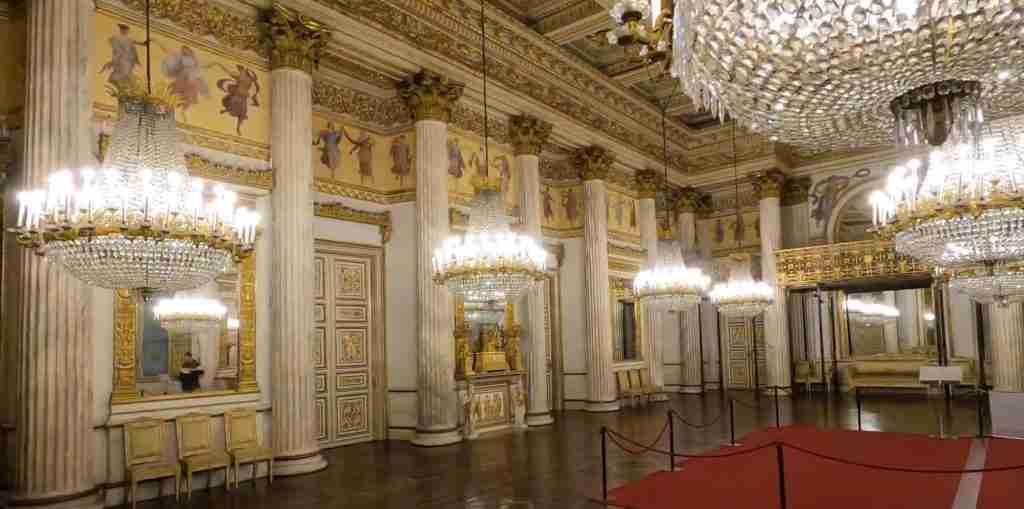
Royal Palace state rooms occupy the heart of the complex, displaying 17th-19th century opulence where House of Savoy conducted governance transforming Piedmont from regional duchy into Kingdom of Sardinia and eventually unified Italy. Throne Room, Ballroom, and royal apartments showcase baroque and neoclassical decoration including ceiling frescoes, gilded stucco work, silk wall coverings, and period furniture. Guides explain how specific rooms witnessed crucial historical moments: the 1861 proclamation of Italian Kingdom, diplomatic receptions hosting European royalty, and private family life of Italy’s royal family until 1946 referendum establishing the Italian Republic.
Chapel of the Holy Shroud presents controversial relic claimed as Jesus Christ’s burial cloth despite scientific dating suggesting medieval origins. The chapel itself represents architectural masterpiece designed by Guarino Guarini featuring innovative baroque dome geometry. While the actual Shroud remains stored in climate-controlled preservation away from public view, the chapel displays replicas and detailed explanatory materials discussing scientific analysis, religious significance, and ongoing scholarly debates regarding authenticity. Photography restrictions apply throughout this sacred space respecting its religious function.
Royal Armoury contains 5,000+ weapons, armor suits, and military artifacts spanning six centuries of European warfare. This collection ranks among world’s most important armories featuring ceremonial suits worn by Savoy dukes, tournament equipment, firearms evolution from arquebuses to modern rifles, and Asian weapons acquired through diplomatic exchanges. Guided tour commentary explains technological developments transforming medieval hand-to-hand combat into modern mechanized warfare while discussing artistry decorating ceremonial weapons and armor.
Sabauda Gallery occupies renovated palace wings displaying Savoy family art collection assembled across four centuries. Old Master paintings include works by Van Dyck, Veronese, and regional Piedmontese artists whose careers benefited from ducal patronage. Collection strengths focus on 16th-17th century Flemish and Italian baroque works, though acquisitions extended into neoclassical and romantic periods. Gallery layout follows chronological organization allowing visitors to trace European artistic developments through Savoy collecting patterns.
Museum of Antiquities presents archaeological discoveries from Piedmont region and broader Mediterranean world. Roman artifacts dominate displays including sculpture, mosaics, and everyday objects excavated from Turin’s ancient Augusta Taurinorum settlement. Egyptian objects predate Egyptian Museum’s 1824 founding, representing early Savoy acquisitions later transferred when dedicated institution opened. Greek pottery and Etruscan bronzes round out collections providing comprehensive survey of pre-medieval Mediterranean civilizations.
Royal Palace gardens extend behind the palace providing baroque landscaping with geometric parterres, fountains, and tree-lined allées. Garden access requires no additional fee beyond standard €15 palace admission and offers peaceful retreat from crowded interior galleries. Spring April-May brings flowering displays while summer provides shaded walking paths. Garden gates close 30 minutes before palace closing time ensuring visitor evacuation before nightfall.
Palazzo Madama stands in Piazza Castello adjacent to Royal Palace, requiring separate €10 admission. This medieval castle transformed during baroque period displays contrasting architectural styles: medieval brick towers on rear facade, elaborate baroque marble front designed by Filippo Juvarra facing the piazza. Interior houses Civic Museum of Ancient Art with decorative arts collection including ceramics, furniture, and medieval/renaissance artifacts. Combined Royal Palace and Palazzo Madama visits require 4-5 hours minimum covering both venues thoroughly.
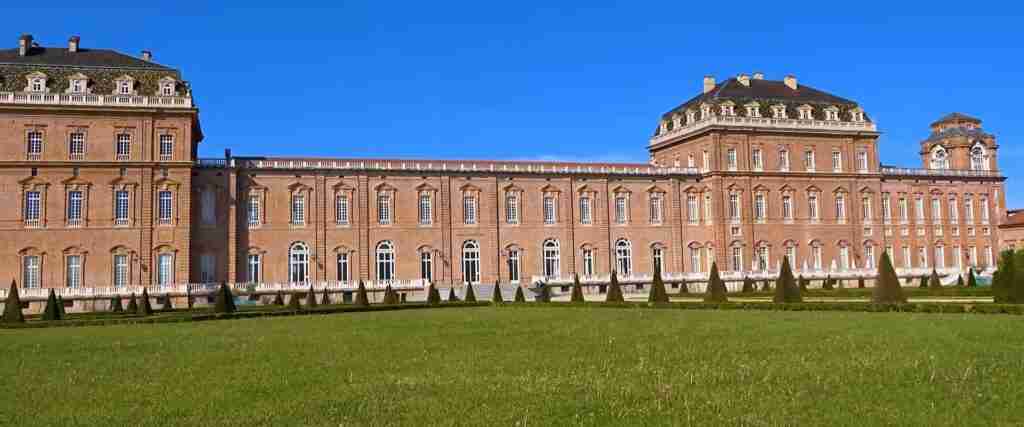
La Venaria Reale represents most ambitious Savoy residence located 10 kilometers northwest of Turin center accessible via regional train or direct bus service. This massive baroque complex features 80,000 square meters of palace interiors plus 60 hectares of restored French-style gardens. Day trips allocate full days as travel time, palace tour, and garden walks consume 5-6 hours. The venue hosts temporary art exhibitions supplementing permanent displays of Savoy royal furnishings and baroque architecture. Separate admission tickets cost €15-20 depending on temporary exhibition content.
Stupinigi Hunting Lodge positioned 10 kilometers southwest of Turin showcases rococo excess through Filippo Juvarra’s 1729 hunting palace design. The distinctive cruciform plan topped by bronze stag sculpture creates unmistakable silhouette visible across surrounding parkland. Interior decorations include trompe-l’oeil paintings, elaborate stuccowork, and hunting-themed murals. Accessible via bus from Turin center, this venue suits half-day excursions allocating 2-3 hours for palace tour and grounds exploration.
Juventus Stadium Tours and Match Experience 2026: Complete Fan Guide
Juventus Allianz Stadium match tickets range €35-90 in 2026 for regular Serie A fixtures depending on opponent strength and seating section. Seats behind the goal in Curva Sud or Curva Nord cost €35 representing most affordable match day access, while central East and West tribune sections reach €90 for prime midfield viewing positions. High-demand matches including Derby d’Italia against Inter Milan, Derby della Mole versus Torino, and UEFA Champions League fixtures command premium pricing starting from higher baselines and frequently sell out weeks before match dates.
The 45,666-capacity stadium opened in 2011 as Italy’s first privately-owned, purpose-built football venue and maintains UEFA Category 4 status hosting Champions League finals and international competitions. Technological innovations include advanced acoustics amplifying crowd noise, unobstructed sightlines from every seat, and weather-protected sections. The steep-angled stands position spectators close to pitch action creating intense atmosphere rivaling Europe’s most celebrated football cathedrals despite relatively recent construction.
Match ticket purchasing requires Juventus membership for most fixtures, though secondary market sites including StubHub and LiveFootballTickets offer alternatives starting from €34. Official club website juventus.com provides primary ticket source with priority phases benefiting season ticket holders, then j1897 members, black & white members, and stadium members before general public sales. Each purchaser can buy maximum 4 tickets per match with valid ID required for all attendees. Children under 5 years enter free without requiring tickets.
Season ticket packages for 2025-26 campaign start at €29.90 per match through STAR designation covering Serie A fixtures, four Champions League group stage matches, and Coppa Italia round of 16. BASE and FULL season ticket tiers offer graduated pricing and match inclusion. Premium seating starting from €3,250 plus VAT provides Juventus Premium Club access with exclusive hospitality lounges, pre-match dining, and superior viewing positions. Payment plans split season ticket costs across three interest-free monthly installments up to €2,500 maximum.
Stadium tours provide behind-the-scenes access to locker rooms, player tunnel, pitch side, and club museum chronicling Juventus’ record 36 Serie A championships, 15 Coppa Italia titles, and European success including two Champions League victories. Tours operate on non-match days with advance booking required through official channels. Museum displays trophy collection, historic jerseys worn by club legends including Michel Platini, Roberto Baggio, and Cristiano Ronaldo, and interactive exhibits exploring tactical evolution and memorable matches across 127-year club history.
Match day experience begins 2 hours before kickoff when stadium gates open, though majority of supporters arrive within 30 minutes of start time. Pre-match atmosphere builds through tifo displays coordinated by organized supporter groups, chanting led from Curva Sud ultras section, and walk-out ceremonies as teams emerge from tunnel. First-time visitors should arrive 60+ minutes early navigating security screening, locating seats, and absorbing stadium environment before competitive intensity focuses attention on pitch action.
Hospitality packages elevate match experiences beyond standard seating through club lounges offering pre-match dining, premium beverage service, and climate-controlled viewing from superior positions. Club Sivori package channels easy-going sports bar atmosphere dedicated to 1961 Ballon d’Or winner Omar Sivori, while T 100 luxury option provides refined upscale environment. JHotel VIP Experience positions hospitality off-site at partner hotel within walking distance, combining luxury accommodation with premium stadium access.
Accessing Allianz Stadium from Turin center requires public transport as parking availability limits and surrounding areas restrict match day vehicle access to permit holders. Metro Line 1 GTT serves Bernini station within 15-minute walk of stadium. Dedicated shuttle buses operate from Porta Nuova and Porta Susa stations during match days providing direct service. Advance online parking purchases reduce costs compared to on-site match day rates for visitors driving personal vehicles.
Rivalry fixtures create heightened atmosphere and increased demand. Derby d’Italia against Inter Milan represents Italy’s most significant rivalry pitting northern powerhouses in matches often deciding championship outcomes. Derby della Mole against crosstown Torino FC generates intense local passion though occurs less frequently with teams competing in different divisions recent seasons. Champions League knockout rounds bring elite European opposition creating must-see spectacles for traveling football enthusiasts.
Stadium regulations prohibit large bags, backpacks exceeding carry-on dimensions, weapons, flares, and outside food/beverages. Security screening mirrors airport procedures with metal detectors and bag searches. Fans wearing opposing team colors must sit in designated away sections preventing confrontations between rival supporters. Photography is permitted though commercial filming and professional camera equipment require advance authorization from club officials.
Self-Guided and Free Walking Routes 2026: Historic Center Circuit
Turin historic center walking routes cover 3-4 hours connecting major landmarks across compact 2-kilometer radius without requiring navigation apps or professional guides. The city’s geometric baroque planning creates intuitive wayfinding as major streets follow cardinal directions and porticoed arcades provide continuous weather protection. Self-guided routes eliminate per-person tour costs while allowing flexible pacing, extended stops at preferred attractions, and spontaneous detours exploring discovered cafés or shops.
The classic route begins at Porta Palatina, Turin’s best-preserved Roman gate dating to 1st century BCE when Emperor Augustus founded Augusta Taurinorum military colony. Twin 30-meter brick towers flanking central archway demonstrate Roman engineering while adjacent archaeological park displays forum foundations and amphitheater remnants. This starting point provides chronological framework positioning subsequent medieval and baroque monuments as architectural evolution building upon Roman foundations.
Piazza Castello forms historic center’s geographic heart containing Palazzo Madama medieval castle, Royal Palace baroque complex, Royal Theatre opera house, and Royal Library manuscript collection. The massive square hosts year-round events including Christmas markets, summer concerts, and political rallies continuing traditions spanning centuries. Free access to square and exterior building views allows photo opportunities and architectural appreciation without museum admission costs. Surrounding porticoes contain cafés offering espresso breaks while observing square activity.
Via Roma pedestrian shopping street connects Piazza Castello southward to Piazza San Carlo through 18 blocks of arcaded commercial district. This 1930s fascist-era reconstruction replaced narrower medieval streets with monumental width accommodating showcase shops, luxury boutiques, and international brands. The route passes Galleria Subalpina, an elegant 1874 glass-roofed arcade containing historic cafés and bookshops worth brief exploration before continuing southward.
Piazza San Carlo nicknamed Turin’s “drawing room” represents baroque urban planning perfection with symmetrical twin churches Santa Cristina and San Carlo di Piazza San Carlo anchoring opposite ends. Bronze equestrian statue of Duke Emanuele Filiberto dominates square center commemorating the duke who relocated Piedmont’s capital from Chambéry to Turin in 1563. Surrounding porticoes house historic cafés including Caffé San Carlo and Caffé Torino where bicerin chocolate-coffee drinks maintain 18th-century recipes. This represents ideal refreshment stop dividing walking route into manageable segments.
Egyptian Museum positioned between Piazza San Carlo and Piazza Carignano merits exterior viewing even for visitors skipping interior admission. The neoclassical palazzo facade hints at treasures within while surrounding streets contain additional baroque architecture including Church of San Filippo Neri adjacent to museum entrance. Piazza Carignano’s distinctive curved baroque facade designed by Guarino Guarini houses Museum of Italian Risorgimento where Italian unification proclamation occurred.
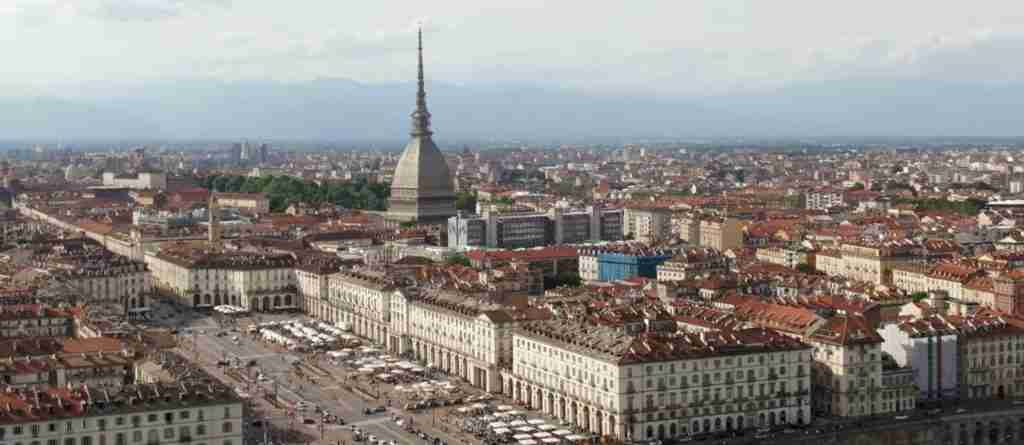
Mole Antonelliana Turin’s most recognizable landmark soars 167.5 meters as tallest unreinforced brick building worldwide. Originally commissioned as synagogue, the structure now houses National Cinema Museum with panoramic elevator ascending to observation deck providing 360-degree city and Alps views. Exterior appreciation and photography require no admission fees, though €12 museum entrance or €8 elevator-only tickets unlock interior access. The structure stands 10-minute walk east from Piazza Carignano through residential neighborhoods showing everyday Turin beyond tourist monuments.
Po River and Parco del Valentino extend walking routes into green space contrasting historic center’s urban intensity. Cross Ponte Vittorio Emanuele I bridge reaching Gran Madre di Dio church whose neoclassical facade overlooks river toward city center. Return via Parco del Valentino riverside park stretching 1 kilometer along west bank containing Castello del Valentino baroque riverside palace and Borgo Medievale, an 1884 reconstruction of medieval village built for international exposition. Park benches provide rest points while tree canopy offers summer shade.
Monte dei Cappuccini hill accessible via steep 10-minute climb from park level rewards effort with sweeping panoramic views encompassing historic center, Mole Antonelliana, and Alpine backdrop. The summit Church of Santa Maria hosts small Mountain Museum documenting Alpine climbing history. Sunset timing creates optimal lighting for city photography as setting sun illuminates baroque facades with golden light while Alps background transitions through color gradients.
Free walking tour companies operate tip-based models where guides work for gratuities rather than fixed fees. These typically start from Piazza Castello at scheduled morning and afternoon times accommodating walk-up participants. While advertised as free, social convention expects €10-15 tips per person for 2-hour tours, though no mandatory payment exists. Quality varies significantly between individual guides making trip advisor research valuable identifying highly-rated tour leaders.
Self-guided audio apps including GPSmyCity and Rick Steves Audio Europe provide smartphone-based commentary following predetermined routes. Free versions offer basic functionality while paid upgrades unlock additional content. Downloaded content enables offline use avoiding international data charges. These apps suit travelers preferring structured narration without committing to group tour schedules or social dynamics.
Printed walking maps distributed free at tourist information offices near Porta Nuova station and major squares outline suggested routes with landmark descriptions. These analog resources function without battery concerns or connectivity requirements appealing to travelers preferring tangible references. Combined with smartphone maps applications for specific address location, printed guides provide sufficient orientation navigating compact historic center.
Day Trip Tours from Turin 2026: Venaria Reale and Wine Country Excursions
Venaria Reale located 10 kilometers northwest of Turin represents Piedmont’s most spectacular Savoy residence accessible via 30-minute regional train journey or direct bus service. The UNESCO World Heritage palace complex contains 80,000 square meters of baroque interiors, 60 hectares of French-style gardens, and rotating contemporary art exhibitions attracting 1+ million annual visitors. Day trip planning allocates full days as venue exploration combined with travel time consumes 5-6 hours minimum for satisfying experiences.
Venaria Reale admission tickets cost €15-20 in 2026 depending on temporary exhibition content supplementing permanent displays. The palace showcases Savoy royal living quarters, state reception rooms, and Bucintoro stables designed to impress visiting dignitaries with architectural grandeur. Gardens feature geometric parterre designs, fountains, and tree-lined perspectives extending toward Alpine foothills. Spring April-June brings peak garden beauty while summer evening concerts and autumn foliage create seasonal variations.
Transportation from Turin center utilizes regional trains departing Porta Nuova or Porta Susa stations every 30 minutes reaching Venaria station within 25-30 minutes. From station, 15-minute walks or connecting buses complete final approach to palace gates. GTT bus line 11 provides alternative direct service from Turin center though longer journey times of 45-50 minutes make trains preferable option. Return trains operate until evening allowing full-day visits without transportation concerns.
Stupinigi Hunting Lodge positioned 10 kilometers southwest requires separate day trip planning as combining both Venaria Reale and Stupinigi in single day creates rushed experiences diminishing enjoyment. Stupinigi bus access via GTT lines from Porta Nuova requires 40-50 minutes including connections. The distinctive rococo hunting palace features Filippo Juvarra’s 1729 design with cruciform floor plan, bronze stag roof sculpture, and extensive hunting-themed decoration. Admission costs €12-15 with guided tours available in Italian, English, and French languages.
Langhe wine region day trips target serious wine enthusiasts willing to invest 10-12 hours exploring Barolo, Barbaresco, and Alba located 60-90 kilometers south of Turin. Organized wine tours with minibus transportation, winery visits, and tasting sessions cost €90-150 per person providing convenient access to hillside vineyards and medieval wine towns. These experiences require advance booking weeks before desired dates as small group sizes limit capacity. Self-drive alternatives suit travelers comfortable navigating Italian rural roads and arranging independent winery appointments.
Sacra di San Michele monastery perched on Monte Pirchiriano represents dramatic mountaintop religious complex 40 kilometers west of Turin inspiring Umberto Eco’s “The Name of the Rose” novel. The 10th-century abbey clings to rocky summit accessed via steep staircases rewarding visitors with Alpine panoramas and romanesque architectural details. Regional trains to Avigliana followed by connecting buses or taxis reach monastery in 90 minutes total journey time. Admission €6 includes self-guided exploration while occasional guided tours provide historical context.
Lake Maggiore and Stresa town positioned 90 kilometers northeast offer water recreation and belle époque resort atmosphere contrasting Turin’s urban character. Summer day trips combine lake ferry cruises visiting Borromean Islands with waterfront promenade walks and lakeside dining. Direct trains from Porta Nuova require 90-120 minutes reaching Stresa with hourly departures enabling flexible scheduling. Winter months November-March reduce appeal as cooler temperatures and shortened daylight limit outdoor activities.
Oropa Sanctuary near Biella located 80 kilometers northeast attracts religious pilgrims and alpine hikers through massive baroque complex set in mountain valley. The sanctuary contains Black Madonna shrine, monumental colonnaded plaza, and network of hillside chapels accessible via mountain paths. Cable car system extends access to higher elevations providing hiking trailheads and summit viewpoints. Regional trains to Biella followed by connecting buses complete journey in 2+ hours requiring early morning departures for day trip feasibility.
Organized day tour companies offer packaged excursions eliminating independent planning complexity. Typical offerings include Langhe wine tours €120-140, Lake Maggiore cruises €80-100, and Venaria Reale guided visits €60-80 per person including transport, admissions, and guide services. These group experiences depart Turin center with guaranteed return times suiting travelers prioritizing convenience over flexibility. Small group sizes typically 8-12 participants enable manageable experiences avoiding overcrowded bus tours common at other Italian destinations.
Specialty Interest Tours 2026: Cinema Museum, Underground Turin, and Architecture Walks
National Cinema Museum housed within Mole Antonelliana offers €12 admission exploring film history through interactive exhibits, historic equipment displays, and screening rooms showing classic cinema. The museum ascends through building’s distinctive dome structure with exhibits spiraling upward culminating at panoramic elevator accessing observation deck. Combined museum and elevator tickets cost €18 providing exceptional value for 3-4 hour comprehensive visits. The venue attracts film enthusiasts and casual visitors equally through engaging multimedia presentations explaining cinema evolution from silent era through contemporary digital productions.
Underground Turin tours explore Roman-era archaeological remains and medieval tunnels beneath modern city streets. These 90-minute guided experiences cost €15-20 per person and require advance booking through specialized tour operators as underground access remains restricted for safety and preservation. Tours descend into climate-controlled subterranean spaces revealing ancient water systems, defensive tunnels, World War II bomb shelters, and archaeological excavations showing layered construction spanning 2,000+ years. Limited group sizes create intimate experiences though advance planning weeks before desired dates proves essential securing spots.
Architecture walking tours focus on Turin’s baroque and Art Nouveau heritage through expert-guided 2-3 hour explorations. Liberty-style (Italian Art Nouveau) routes examine early 20th-century buildings featuring decorative facades, ornate balconies, and organic design motifs concentrated in Crocetta and San Salvario neighborhoods. Baroque tours analyze Guarino Guarini and Filippo Juvarra masterworks explaining geometric innovations and theatrical spatial effects characterizing Piedmontese baroque. Private architecture tours cost €150-200 for 1-4 participants while small group tours reduce per-person rates to €35-45.
Automotive heritage tours celebrate Turin’s identity as FIAT founding city through visits to Museo Automobile displaying 200+ vintage vehicles chronicling Italian automotive design evolution. The museum located 3 kilometers south of historic center charges €15 admission and operates Tuesday-Sunday with Monday closures. Exhibits range from 1890s pioneering automobiles through contemporary supercars with special sections dedicated to FIAT models, Lancia innovations, and Ferrari racing heritage. Automotive enthusiasts allocate 2-3 hours exploring three floors of permanent displays plus rotating special exhibitions.
Vermouth production facility tours introduce Turin’s 18th-century creation of aromatized fortified wine now experiencing global renaissance. Historic producers including Carpano and Martini maintain facilities within Turin region offering guided tours explaining botanical ingredient selection, wine fortification processes, and aging techniques. These 60-90 minute experiences cost €12-18 including tastings of multiple vermouth styles from dry white to sweet red variations. Advance booking proves essential as tour schedules operate limited days weekly coordinating with production activities.
Aperitivo culture walking tours combine historic café visits with contemporary wine bars explaining Turin’s role developing Italian pre-dinner drinking and snacking traditions during 19th century. These 2-3 hour evening experiences cost €50-70 per person including guided walks, vermouth tastings, wine samples, and traditional appetizer selections. Tours typically start 5:00-6:00 PM coinciding with traditional aperitivo timing when cafés and bars display elaborate food spreads encouraging drink consumption. Routes visit 3-4 establishments ranging from historic cafés maintaining century-old traditions to modern wine bars interpreting aperitivo through contemporary perspectives.
Jewish heritage tours explore Turin’s historic Jewish quarter and elaborate synagogue combining architectural appreciation with cultural history. The 1884 Mole Antonelliana originally commissioned as synagogue before structural concerns led Jewish community to construct alternative 1880s synagogue still functioning today. Guided tours require advance arrangement through Jewish community offices and occur limited days weekly respecting religious calendar. These specialized experiences suit history enthusiasts interested in Italy’s Jewish heritage beyond better-known Venice and Rome communities.
Photography tours cater to serious photographers seeking optimal vantage points and lighting conditions. Dawn photography walks capture sunrise illuminating baroque facades while evening sessions exploit golden hour and blue hour lighting. These 2-3 hour experiences led by professional photographers cost €80-120 per person providing technical guidance on camera settings, compositional techniques, and post-processing approaches. Small group sizes maximum 4-6 participants enable personalized instruction while accessing locations including rooftop viewpoints and restricted-access courtyards unavailable to general public.
Street art tours reveal Turin’s contemporary urban art scene concentrated in San Salvario, Barriera di Milano, and Borgo San Paolo neighborhoods. These 2-hour walking experiences cost €20-30 per person exploring large-scale murals, stencil works, and paste-up installations created by local and international artists. Guides explain street art evolution from 1980s graffiti subculture through current institutional recognition with commissioned public murals. Routes change periodically as new works appear and older pieces fade, making recent tour dates essential capturing current landscape.
Seasonal Tour Considerations 2026: Weather, Crowds, and Special Events
Spring months April-May provide optimal Turin touring conditions with mild 15-22°C temperatures, blooming gardens at Royal Palace and Venaria Reale, and manageable tourist volumes preceding summer peaks. Easter week brings increased domestic visitors and religious processions though remains less crowded than Rome or Florence equivalents. Spring rainfall averages 8-10 days monthly requiring portable umbrellas though porticoed arcades shelter most historic center walking routes protecting from brief showers.
Summer June-August brings peak tourist season with 25-30°C+ temperatures making morning or late afternoon tours preferable while midday heat encourages museum visits and café breaks. Egyptian Museum and Royal Palace air conditioning provides respite during scorching afternoon hours. Extended daylight lasting until 9:00 PM enables evening walking tours and aperitivo experiences along Po River parklands. Hotel prices increase 30-40% above shoulder season rates while advance booking for popular tours and attractions becomes essential securing preferred dates and times.
CioccolaTO chocolate festival during March transforms historic center into outdoor chocolate celebration with tastings, demonstrations, and artisan displays throughout Piazza San Carlo and Via Roma. The event requires no general admission though specialized workshops charge €15-30 participation fees. Chocolate tour operators incorporate festival activities into standard routes providing insider access to premier chocolatiers and limited-edition creations unavailable during non-festival periods. Hotel availability tightens during festival week requiring advance reservations months before desired dates.
Autumn September-October delivers ideal touring weather with 15-20°C temperatures, reduced crowds after summer peak, and foliage displays in park and garden settings. Truffle season beginning late September brings culinary tourism focusing on white Alba truffles through market visits and truffle-hunting demonstrations. Wine harvest activities in Langhe region create opportunities for grape-picking experiences and new wine tastings. Cultural programming intensifies during autumn with theater season openings, art exhibition launches, and classical music concert series.
Winter November-February reduces tourist volumes creating excellent value periods with hotel rates dropping 25-35% below summer peaks and major attractions experiencing minimal queues. Indoor cultural tours focusing on museums, palaces, and historic cafés suit cold weather while reducing reliance on outdoor walking routes. Christmas markets operating late November through early January animate Piazza Castello and surrounding squares with wooden chalets selling crafts, regional foods, and mulled wine. Turin’s proximity to Alps enables day trips combining urban cultural tours with mountain skiing at resorts 90-120 minutes drive westward.
Salone del Libro book fair during May attracts 150,000+ literature enthusiasts to Lingotto convention center for five-day publishing industry event featuring author readings, panel discussions, and extensive book vendors. While primarily Italian-language focused, international authors appear and English-language events occur. The fair coincides with broader city literary programming including bookshop readings and café discussions. Festival attendance requires separate admission beyond standard tour activities though literary enthusiasts appreciate timing visits during this period.
Luci d’Artista light art installations illuminate historic center November through January transforming major squares and thoroughfares through large-scale contemporary light sculptures. This free public art event attracts evening visitors photographing installations against baroque architectural backdrops. Special evening walking tours focus on installations explaining artistic concepts and highlighting optimal viewing angles. Winter evening temperatures dropping near freezing require warm clothing for extended outdoor viewing sessions.
Auto Show (Salone dell’Auto) occurring biennially at Lingotto convention center showcases automotive innovations from international manufacturers with particular emphasis on Italian brands including FIAT, Ferrari, Maserati, and Lamborghini. The event typically operates during June across 10 days attracting 500,000+ automotive enthusiasts. Admission tickets cost €15-25 for day passes with advance online purchase reducing queuing at venue entrances. Automotive heritage tours coordinate with Auto Show scheduling enabling comprehensive immersion in Turin’s motor vehicle culture.
Practical Planning Information 2026: Booking, Transportation, and Money-Saving Strategies
Advance booking timelines vary significantly between attraction types and seasons. Egyptian Museum and Royal Palace require 2-4 weeks advance booking during spring and summer peaks securing preferred timed entry slots, while winter months permit 3-7 day advance reservations. Juventus match tickets for high-demand fixtures sell out 4-6 weeks before match dates necessitating early planning, whereas regular season matches against mid-table opponents remain available weeks after initial sale. Chocolate and food tours book solid 1-2 weeks ahead during peak months though last-minute availability often exists during shoulder seasons.
Turin+Piemonte Card provides exceptional value for multi-attraction itineraries offering free entry to 200+ museums and monuments plus unlimited public transport. The 48-hour card costs approximately €30, three-day €35, and five-day €40 with activation beginning upon first use at any participating venue. Cards purchased online arrive via email for mobile presentation while tourist information offices sell physical cards. Calculate potential savings comparing card cost against planned individual admission fees: Egyptian Museum €18, Royal Palace €15, Mole Antonelliana €12, Palazzo Madama €10 totaling €55 versus €30 card price representing €25 savings plus transport value.
Public transportation GTT system operates integrated metro, tram, and bus network with single tickets costing €1.70 valid 90 minutes including transfers. Day passes €5 provide unlimited travel through midnight enabling multiple trip days visiting dispersed attractions without per-ride costs. Weekly passes cost €17.50 benefiting stays exceeding three days. Purchase tickets from tobacco shops, newsstands, metro stations, or GTT app before boarding as on-vehicle sales incur surcharges. Validate tickets immediately upon boarding to avoid €50 fine penalties during random inspections.
Porta Nuova train station serves as primary arrival point for visitors reaching Turin via national rail network from Milan 60 minutes, Genoa 2 hours, Venice 4 hours, and Rome 5 hours. The station positions within 10-minute walks from major hotels and 15 minutes from historic center core. Station facilities include luggage storage, tourist information, and taxi ranks. Advance train ticket purchases online through Trenitalia or Italo reduce costs 30-50% compared to same-day purchases while enabling seat reservations on premium services.
Accommodation locations significantly impact walking distances and convenience accessing major attractions. Hotels within Roman Quadrilateral bounded by Via Garibaldi, Corso San Maurizio, Via Accademia Albertina, and Po River position nearest to Egyptian Museum, Royal Palace, and restaurant districts. Porta Nuova area hotels offer excellent train connections though require 15-20 minute walks reaching historic center. San Salvario neighborhood provides budget-friendly alternatives with immigrant-influenced dining scene though positions 20-25 minutes walking from major monuments.
Restaurant strategies balance cost control against culinary quality. Lunch fixed-price menus (pranzo fisso) available at trattorias cost €12-18 including primo, secondo, and beverage providing substantial midday meals at fraction of à la carte dinner pricing. Aperitivo traditions allow €8-12 drink purchases accessing elaborate food buffets during 6:00-8:00 PM periods essentially providing light dinner alternatives. Sunday lunch represents weekly family dining ritual when restaurants feature special menus and extended operating hours contrasting typical Monday closures.
Free attraction opportunities reduce costs without sacrificing experiences. Baroque piazzas including San Carlo, Castello, and Carignano provide architectural appreciation without admission fees. Po River parklands offer recreational walking and picnicking spaces. Free walking tours operate tip-based models enabling guide-led exploration at discretionary costs. Church visits including San Lorenzo, Consolata, and Gran Madre di Dio access ornate baroque interiors without charges though modest dress codes apply and photography restrictions vary by venue.
Tourist scams in Turin remain relatively minor compared to Rome or Venice though awareness prevents problems. Unauthorized tour guides approach tourists at major monuments offering services at inflated prices lacking proper credentials or liability insurance. Restaurant menus displaying prices without per-person clarification may charge coperto (cover charges) and servizio (service fees) unexpectedly inflating final bills. Taxi drivers occasionally suggest broken meters requiring cash-only payment at arbitrary rates; insist on meter operation or use ride-sharing apps establishing prices before departure.
Weather preparation requirements shift seasonally. Summer sun protection includes hats, sunscreen, and water bottles as arcaded streets provide shade but open squares expose visitors to direct sunlight during midday hours. Winter layered clothing enables temperature regulation moving between heated indoor venues and cold outdoor streets. Spring and autumn rain gear including compact umbrellas and water-resistant footwear prevent discomfort during sudden showers common during transitional seasons.
Mobile connectivity through Italian SIM cards or international roaming plans enables real-time navigation, attraction booking, and communication. Prepaid Italian SIM cards from TIM, Vodafone, or Wind cost €15-25 providing 20-30GB data sufficient for two-week stays. Free WiFi availability at major museums, cafés, and hotels supplements data plans though security concerns recommend avoiding financial transactions over public networks. Offline map downloads through Google Maps or Maps.me ensure navigation capability if connectivity fails in underground metro stations or remote park areas.
Sample Turin Tour Itineraries 2026: One-Day, Two-Day, and Three-Day Plans
One-day intensive itinerary maximizes limited time focusing on essential highlights accessible within compact historic center. Start 9:00 AM Egyptian Museum opening securing timed entry slot booked weeks in advance, allocating 2.5 hours exploring collection highlights including Temple of Ellesiya, mummy galleries, and papyrus displays. Exit midday proceeding 5-minute walk to Royal Palace arriving 12:30 PM for 2-hour guided tour covering state rooms, Royal Armoury, and Chapel of the Holy Shroud. Lunch 2:30 PM at nearby trattoria consuming fixed-price menu provides substantial meal within budget constraints.
Afternoon continues 3:30 PM chocolate walking tour departing Piazza Carignano visiting historic cafés for bicerin tastings and artisan chocolatiers distributing gianduiotto samples across 2-hour exploration concluding Piazza San Carlo. Evening 6:00 PM elevator ascent to Mole Antonelliana observation deck captures sunset city views and Alpine panorama. Dinner 8:00 PM in San Salvario neighborhood samples regional Piedmontese cuisine including agnolotti pasta and brasato beef braised in Barolo wine. This ambitious schedule covers major attractions though limited time at each venue suits overview-focused first visits rather than deep exploration.
Sample one-day costs: Egyptian Museum €18, Royal Palace guided tour €100 (private, 1-4 people), lunch €15, chocolate tour €38, Mole Antonelliana €8, dinner €30, public transport €5. Total €214 per person for private Royal Palace tour or €147 utilizing small-group alternatives (excluding accommodation).
Two-day itinerary distributes attractions across relaxed schedule enabling deeper engagement without rushed transitions. Day one mirrors single-day Egyptian Museum and Royal Palace morning, though extends Royal Palace visit to 3 hours self-guided exploration eliminating tour costs. Afternoon free time explores Galleria Subalpina arcade, Via Roma shopping street, and Piazza Castello outdoor cafés. Evening Juventus match if scheduling aligns or alternative Cinema Museum visit for non-football enthusiasts. Day two morning dedicates 3-4 hours to Venaria Reale day trip departing 9:00 AM via regional train returning early afternoon.
Two-day afternoon continues Stupinigi Hunting Lodge visit via bus departing 3:00 PM for 2-hour palace tour returning 6:30 PM. Evening aperitivo walking tour explores vermouth bars and traditional cafés during 6:30-9:00 PM golden hour. This two-day approach balances major cultural attractions with culinary experiences and relaxed pacing preventing exhaustion common in overscheduled itineraries. Accommodation selection near Porta Nuova optimizes train access for Venaria excursion.
Sample two-day costs: Egyptian Museum €18, Royal Palace €15, Venaria Reale €18, Stupinigi €15, Juventus match or Cinema Museum €35-70, aperitivo tour €60, meals €90 (€45 daily), public transport €10 (day passes). Total €261-296 per person (excluding accommodation).
Three-day comprehensive itinerary adds specialty interest tours and neighborhood exploration beyond central monuments. Day one and two follow two-day structure covering Egyptian Museum, Royal Palace, chocolate tour, and evening activities. Day three morning 9:00 AM Underground Turin tour reveals archaeological layers followed by 11:00 AM Automotive Museum visit celebrating FIAT heritage. Lunch in Borgo Dora neighborhood near Porta Palazzo market exposes authentic working-class Turin contrasting tourist-focused central districts.
Three-day afternoon explores San Salvario neighborhood street art and immigrant-influenced dining scene through 2-hour walking exploration. Evening 6:00 PM Po River parkland stroll crosses Ponte Vittorio Emanuele I reaching Monte dei Cappuccini hillside climb for sunset panoramic views. Farewell dinner at traditional osteria featuring regional specialties including finanziera organ meat stew, bagna cauda anchovy-garlic dip, and bonet chocolate-amaretto pudding concludes comprehensive Turin immersion showcasing culinary traditions beyond tourist-oriented restaurants.
Sample three-day costs: All two-day expenses plus Underground tour €20, Automotive Museum €15, street art tour €25, additional meals €45. Total €366-401 per person (excluding accommodation). Three-day stays enable Turin+Piemonte Card purchase optimizing value through unlimited museum access and transport justifying €35 card cost.
Frequently Asked Questions About Turin Tours 2026
Do I Need to Book Turin Tours in Advance for 2026?
Egyptian Museum and Royal Palace require advance online booking securing timed entry slots, particularly during spring April-June and summer July-August peak seasons when walk-up access becomes unavailable. Book Egyptian Museum 2-4 weeks before desired dates and Royal Palace guided tours 3-4 weeks ahead ensuring preferred times. Chocolate and food tours benefit from 1-2 week advance reservations during busy periods though last-minute availability often exists shoulder seasons. Juventus match tickets for Derby d’Italia, Champions League, and other high-demand fixtures sell out 4-6 weeks before match dates requiring early planning through official club channels or reliable secondary markets.
What Languages Are Available for Turin Guided Tours in 2026?
Major Turin attractions including Egyptian Museum, Royal Palace, and chocolate walking tours offer English, French, German, and Spanish language options through professional licensed guides. Book language-specific tours weeks in advance as English-language guide availability exceeds other languages requiring earlier reservations. Italian-language tours occur most frequently with multiple daily departures while English tours typically operate 1-3 times daily depending on season and demand. Private tours accommodate additional languages including Portuguese, Russian, and Japanese given sufficient advance notice allowing guides to arrange interpreters or specialized language experts for premium fees.
Are Turin Walking Tours Accessible for People with Mobility Limitations in 2026?
Turin’s porticoed historic center provides weather-protected flat pathways suitable for wheelchair users and limited-mobility visitors, though cobblestone surfaces in certain piazzas and older neighborhoods create challenges. Egyptian Museum and Royal Palace offer wheelchair access via elevators reaching all floors, though some gallery arrangements within historic buildings create tight passages complicating large mobility device navigation. Underground Turin tours involve stair descents unsuitable for wheelchair users lacking elevator alternatives. Request accessibility information when booking tours as operators can modify routes eliminating stair-dependent locations while maintaining core experience quality. Juventus Stadium provides dedicated accessible seating sections with companion spaces and elevator access throughout the venue.
How Much Should I Budget for Turin Tours Per Day in 2026?
Budget-conscious visitors allocate €50-80 daily covering one major paid attraction (Egyptian Museum €18 or Royal Palace €15), lunch fixed-price menu €12-18, self-guided walking routes free, and gelato €3-5. Mid-range budgets €120-180 daily add chocolate or food tours €38-60, second museum admission, dinner at traditional trattoria €25-35, and Mole Antonelliana elevator €8. Luxury experiences €250-400+ daily include private guided tours €100-220, premium dining experiences €60-90 per meal, Juventus hospitality packages €150-300, and wine country day trips €120-150. These estimates exclude accommodation costs varying €60-250 nightly depending on hotel category and location relative to historic center.
What Is the Best Time of Day to Take Turin Walking Tours in 2026?
Morning tours beginning 9:00-10:00 AM access major piazzas and monuments before midday crowds while enjoying cooler temperatures during summer months. Morning light provides optimal photography conditions illuminating baroque facades from eastern angles. Afternoon tours starting 4:00-5:00 PM coincide with Italian merenda snack traditions when historic cafés host local regulars, providing authentic cultural immersion during chocolate and food experiences. Avoid midday 12:00-2:00 PM tours during summer when heat exceeds comfort levels and many shops close for afternoon riposo breaks. Evening tours beginning 6:00-7:00 PM capture golden hour lighting and aperitivo culture though winter months’ early darkness November-February limits this timing to spring-summer-autumn periods.
Can I Visit Both Egyptian Museum and Royal Palace in One Day in 2026?
Both Egyptian Museum and Royal Palace fit comfortably within single-day itineraries given strategic timing and advance timed-entry reservations. Start 9:00 AM at Egyptian Museum allocating 2.5-3 hours for highlights tour, exit 11:30 AM-12:00 PM, walk 5 minutes to Royal Palace arriving 12:00-12:30 PM for 2-3 hour comprehensive visit. This schedule requires stamina navigating museum fatigue though provides satisfying overview of Turin’s premier cultural attractions. Consider guided tours eliminating decision fatigue about which artifacts or rooms merit extended attention as expert commentary highlights essential elements within limited timeframes. Lunch between venues or following Royal Palace visit restores energy levels for afternoon activities.
Do Turin Chocolate Tours Accommodate Dietary Restrictions in 2026?
Turin chocolate tours accommodate vegetarian, lactose-free, and some vegan dietary requirements given advance notification when booking. Traditional gianduiotti and bicerin contain dairy products, though many contemporary chocolatiers produce dark chocolate variations and lactose-free alternatives. Guides modify tour routes visiting establishments offering suitable options though expect reduced tasting variety compared to standard tours featuring full dairy product range. Vegan chocolate options exist at select artisan shops though remain less common requiring specific tour operator inquiries confirming vegan-friendly route availability. Gluten-free requirements typically accommodate easily as chocolate products rarely contain wheat ingredients beyond certain filled pralines easily avoided during tastings.
Are There Combination Tickets for Multiple Turin Attractions in 2026?
Turin+Piemonte Card represents best multi-attraction value offering 48-hour cards €30, three-day €35, and five-day €40 providing free entry to Egyptian Museum, Royal Palace, Palazzo Madama, Mole Antonelliana, and 200+ regional museums plus unlimited public transport. Cards activate upon first use at any participating venue with validity counting consecutive hours rather than calendar days, maximizing value through strategic timing. Purchase online before arrival via official Turismo Torino website or at tourist information offices near Porta Nuova station and major attractions. Individual two-attraction combinations rarely exist though some tour operators bundle Egyptian Museum and Royal Palace guided visits at slight discounts versus separate bookings.
How Crowded Are Turin Tours During Summer 2026?
Summer June-August brings peak tourist season to Turin though crowd levels remain significantly lower than Venice, Florence, or Rome equivalents. Egyptian Museum timed entry system prevents overcrowding though popular morning slots book solid requiring afternoon alternatives during July-August peaks. Royal Palace queues extend 60-90 minutes for walk-up visitors though advance online bookings or skip-the-line tours eliminate waits entirely. Chocolate walking tours maintain small group sizes 8-12 participants preventing overwhelming crowding at café and chocolatier stops. Juventus match attendance fills stadium’s 45,666 capacity during high-demand fixtures though regular season matches often maintain empty sections. Overall, Turin provides manageable summer touring conditions compared to overtouristed Italian destinations while maintaining full attraction operations and extended hours.
What Should I Wear for Turin Walking Tours in 2026?
Comfortable walking shoes with cushioned soles prove essential as Turin tours cover 5-8 kilometers daily across cobblestone piazzas, marble museum floors, and uneven historic pavements. Avoid new shoes risking blister development and open-toe sandals providing insufficient foot support during extended standing periods. Summer June-August requires sun protection including hats, sunglasses, and sunscreen as open piazza exposure combines with strong Alpine-region UV radiation. Light layers accommodate temperature variations between air-conditioned museum interiors and 30°C+ outdoor heat. Spring and autumn demand rain gear including compact umbrellas and water-resistant jackets protecting against sudden showers. Winter November-February necessitates warm coats, scarves, and gloves for outdoor portions though heated museum visits allow coat removal. Modest attire covering shoulders and knees enables church entries respecting religious venue protocols.