
Turin Budget Guide 2026: Complete Cost Breakdown
Turin combines affordability with cultural richness, offering visitors Northern Italy’s most economical major city experience without sacrificing quality or authenticity. Located at the foot of the Alps in the Piedmont region, this former capital of Italy delivers world-class museums, Baroque architecture, and refined Piedmontese cuisine at prices 20-30% below Rome, Florence, or Venice, making it an exceptional value destination for travelers seeking Italian sophistication on moderate budgets in 2026.
Key Takeaways About Turin Costs in 2026
- Daily costs in Turin 2026 range €50-70 for budget travelers staying in hostels and eating street food, €120-180 for mid-range visitors using 3-star hotels and restaurants, and €250-350+ for luxury experiences with upscale accommodations and fine dining
- Turin’s public transportation operates on flat-rate pricing with single tickets at €2.00 (€1.70 via app or contactless card), making it 30-40% cheaper than Milan or Rome while providing efficient metro, tram, and bus coverage across the metropolitan area
- The Torino+Piemonte Card grants free entry to over 200 regional attractions including the Egyptian Museum, Royal Palace, and Cinema Museum, plus public transport access, creating savings of 40-60% compared to individual ticket purchases for culturally-focused itineraries
- Restaurant meals cost significantly less than Italy’s tourist centers, with traditional Piedmontese trattorias serving full three-course lunches for €15-25 and dinner at mid-range establishments averaging €30-45 per person including house wine
- Accommodation pricing follows clear seasonal patterns with summer months (June-September) commanding premium rates €20-40 higher per night than shoulder seasons (April-May, October) and winter months (November-March excluding Christmas) offering the deepest discounts at 30-50% below peak pricing
- Turin’s location enables budget-friendly day trips to Alba, Barolo wine region, and Alpine valleys using regional trains costing €5-15 round-trip, extending the destination’s value proposition beyond the urban core without requiring expensive tours or car rentals
People Also Ask About Turin Budget 2026
How much money do I need per day in Turin in 2026?
Budget travelers need €50-70 daily in Turin 2026, covering hostel dormitory accommodation (€20-30), street food and self-catered meals (€15-25), public transport day pass (€4.50), and one paid attraction or activity (€10-15). Mid-range travelers should budget €120-180 daily, allocating €60-90 for 3-star hotel rooms, €40-60 for restaurant dining including wine, €10-15 for transportation, and €15-30 for museum entries and activities. Luxury travelers spending €250-350+ daily enjoy 4-star or boutique hotels (€120-200), upscale restaurant dining (€80-120), private transportation or taxis (€20-40), and premium experiences like guided tours or wine tastings (€40-80). These estimates assume double occupancy for accommodation costs, with solo travelers adding 30-50% for single room supplements. Actual daily costs fluctuate based on season, with summer 2026 commanding 20-30% premiums over shoulder seasons and winter offering 30-40% discounts. The city’s compact geography permits extensive walking, reducing transport costs, while numerous free attractions including Parco del Valentino, architectural walking routes, and window shopping in elegant arcades allow budget flexibility without sacrificing experiences.
Is Turin cheaper than Rome or Florence in 2026?
Turin costs 25-35% less than Rome and 20-30% less than Florence across all spending categories in 2026, making it Northern Italy’s most economical major city for quality experiences. Accommodation shows the starkest differences: 3-star Turin hotels average €80-120 nightly versus €120-180 in Rome and €100-150 in Florence, while budget hostels cost €20-35 in Turin compared to €35-50 in Rome and €30-45 in Florence. Restaurant pricing follows similar patterns, with traditional trattorias serving three-course dinners for €25-35 in Turin versus €35-50 in Rome and €30-45 in Florence. Museum admissions demonstrate smaller but meaningful gaps: Turin’s Egyptian Museum charges €17-20 standard entry versus €20-25 for Rome’s Colosseum or Florence’s Uffizi, though Turin’s Torino+Piemonte Card creates additional savings unavailable in most competing destinations. Transportation costs prove nearly identical in absolute terms—single transit tickets around €1.50-2.00 citywide—but Turin’s compact scale requires fewer journeys than sprawling Rome. The cumulative effect across a five-day visit saves mid-range travelers €200-350 choosing Turin over Rome or €150-250 versus Florence, money reallocatable to experiences, upgraded meals, or extended stays. Turin’s value proposition intensifies during peak summer months when Rome and Florence experience dramatic price inflation while Turin’s less touristy profile maintains moderate seasonal adjustments.
What is the cheapest month to visit Turin in 2026?
January and February 2026 offer Turin’s lowest prices, with hotel rates 40-50% below summer peaks and restaurants offering winter menus at €15-25 for multi-course meals that cost €30-40 during high season. November and early December (pre-Christmas) present the second-cheapest window, discounting accommodations 30-40% while maintaining pleasant weather and full cultural programming. These winter months attract minimal tourists compared to summer’s crowds, creating additional value through shorter museum queues, easier restaurant reservations, and more attentive service at equivalent or lower prices than peak periods. However, winter visitors accept trade-offs: shorter daylight hours limiting sightseeing to 9:00-17:00, occasional cold rain requiring indoor contingencies, and some rural wine estates or mountain attractions operating reduced schedules or closing entirely. Early April and late October provide optimal value-weather balance, discounting summer rates 15-25% while offering mild temperatures (10-18°C), longer daylight than deep winter, and full operational schedules across all attractions. March sees unpredictable weather alternating between pleasant spring days and late winter storms but maintains low pricing similar to January-February. December before Christmas week combines festive atmosphere through holiday markets and decorations with relatively moderate pricing, though the final week of December through January 6th (Epiphany) sees sharp price increases approaching summer levels. Budget-conscious travelers willing to accept winter weather maximize savings by visiting January-February, while those prioritizing comfortable conditions alongside value select April or October for optimal compromise between cost and experience quality.
Does Turin have a tourist card for attractions and transport in 2026?
The Torino+Piemonte Card provides free entry to over 200 museums, monuments, and attractions across Turin and Piedmont region, plus unlimited public transportation within the urban area, available in 2-day (€35-40), 3-day (€45-50), and 5-day (€55-60) options for 2026. The card grants immediate access without queuing to major attractions including the Egyptian Museum (normally €17-20), Royal Palace (€15), Cinema Museum (€11), Automobile Museum (€12), and Venaria Royal Palace (€15-25), creating break-even value after visiting just 3-4 paid sites. Public transport inclusion eliminates separate ticket purchases, adding €9-25 value depending on card duration and travel frequency. Additional benefits include discounts at participating restaurants, shops, and tour operators, plus reduced-price entries to special exhibitions and temporary shows. The card activates upon first use at any included attraction or public transport validation, then remains valid for consecutive 24-hour periods matching purchased duration. Visitors planning culturally intensive itineraries with 2-3 museum visits daily benefit substantially, potentially saving €40-80 over card cost during 3-5 day stays. However, casual travelers visiting only 1-2 major museums may find individual tickets more economical than purchasing the full card. The card purchases online through official Turin tourism websites or at Turin tourism offices in Piazza Castello, major train stations, and the airport, with digital versions delivered via email for smartphone presentation. Families benefit from children’s cards (ages 6-18) priced at discounted rates, though children under 6 enter most Turin attractions free regardless. The Royal Pass offers an alternative focused exclusively on Savoy Royal Residences, priced €30-35 for 5-day access to palaces and estates, optimal for visitors prioritizing historical residences over general museum touring.
Extended multi-day tours – 5+ days
Featured Turin Multi-Day Tour Packages
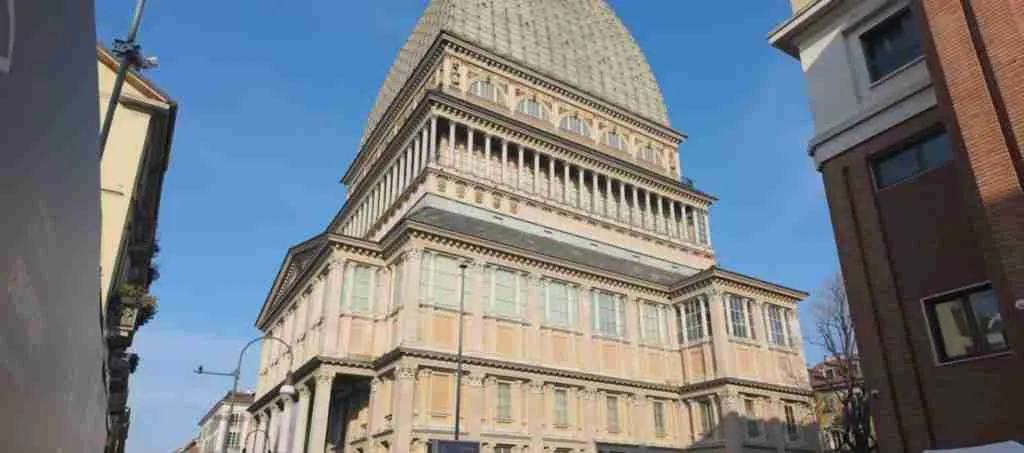
3 days
Turin 3-Day Discovery Tour
- ✓ Comprehensive Turin experience
- ✓ Expert local guides included
- ✓ All accommodation included
- ✓ Transportation provided
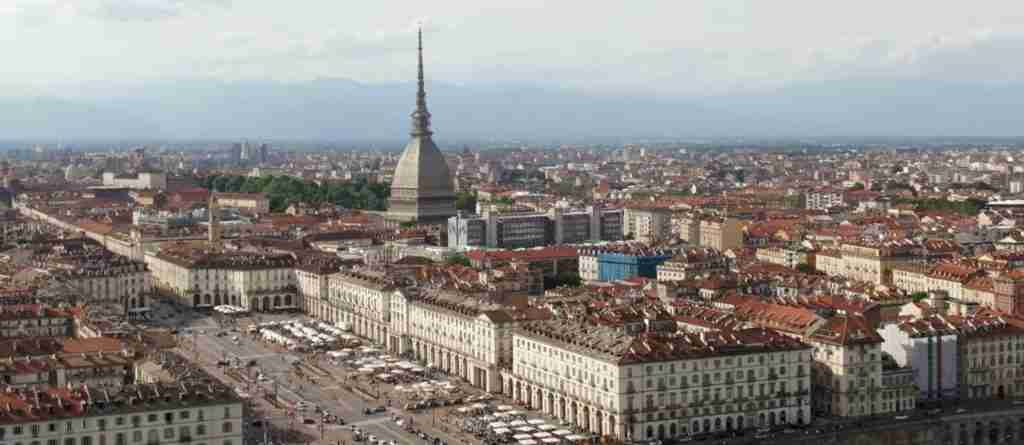
5 days
Turin 5-Day Highlights Experience
- ✓ Comprehensive Turin experience
- ✓ Expert local guides included
- ✓ All accommodation included
- ✓ Transportation provided
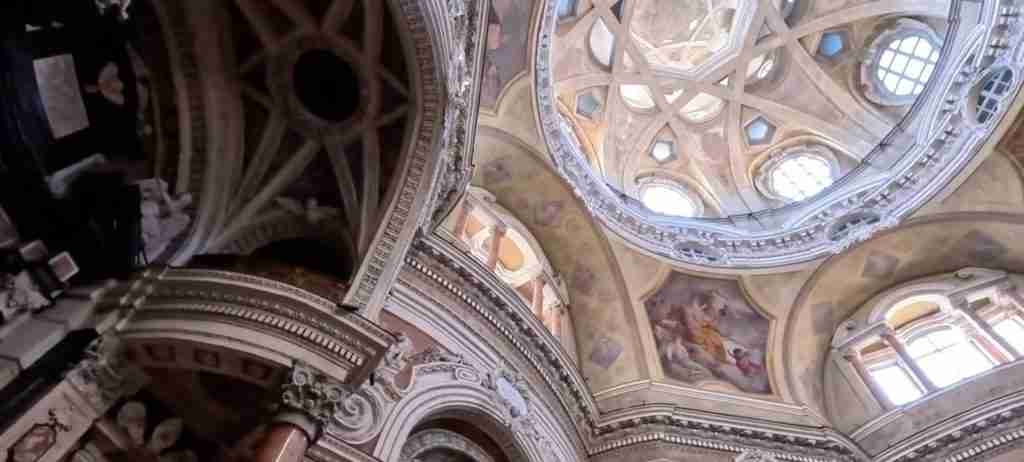
7 days
Turin 7-Day Cultural Journey
- ✓ Comprehensive Turin experience
- ✓ Expert local guides included
- ✓ All accommodation included
- ✓ Transportation provided
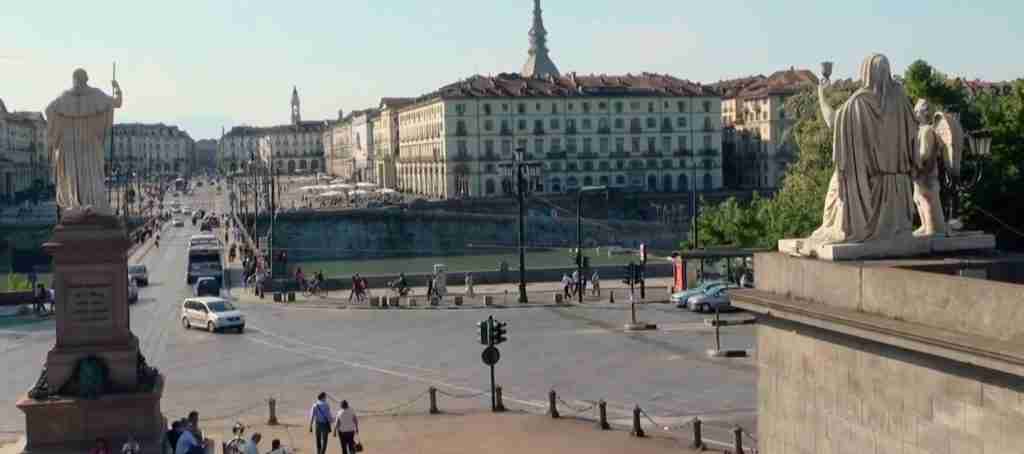
10 days
Turin 10-Day Complete Adventure
- ✓ Comprehensive Turin experience
- ✓ Expert local guides included
- ✓ All accommodation included
- ✓ Transportation provided
Multi-day tour packages powered by TourRadar. Prices and availability subject to change.
Introduction: Understanding Turin’s Budget Appeal in 2026
Turin’s position as Italy’s best-value major city stems from economic and cultural factors that distinguish it from the country’s over-touristed destinations. As Piedmont’s capital and Italy’s fourth-largest city with 850,000 metropolitan residents, Turin maintains genuine working-city character rather than existing primarily as tourist attraction, creating authentic local economies where prices reflect residents’ means rather than visitors’ willingness to overpay. The city’s industrial heritage—FIAT’s headquarters and manufacturing base for over a century—fostered middle-class prosperity and infrastructure development without the luxury-market orientation that inflates costs in Florence or Venice. Turin’s transformation from manufacturing center to cultural destination occurred relatively recently, beginning with the 2006 Winter Olympics that catalyzed urban renewal and tourism development while avoiding the decades of mass tourism that entrenched high pricing elsewhere.
Geographic positioning contributes additional value. Turin’s location between Alps and wine country creates year-round appeal dividing visitors across multiple seasons rather than concentrating demand into summer months, moderating seasonal price fluctuations compared to coastal or art cities with pronounced summer peaks. The Alpine foothills produce winter sports traffic offsetting traditional low season, while spring and autumn wine harvests attract oenophiles distributing demand more evenly than purely summer-dependent destinations. This balanced tourism calendar prevents the extreme winter discounting common in beach towns or the aggressive summer gouging affecting Rome and Venice, creating more stable pricing beneficial to budget-conscious travelers across all seasons.
Cultural richness relative to tourism intensity defines Turin’s exceptional value proposition. The city houses Italy’s largest Egyptian collection outside Cairo, the world’s most comprehensive automobile museum, stunning Baroque architecture rivaling anything in Rome, and the mysterious Shroud of Turin, yet receives a fraction of Florence’s or Venice’s visitor numbers. This imbalance creates situations where world-class attractions charge half what inferior museums demand in over-touristed cities—Turin’s Egyptian Museum at €17-20 offers superior collections and fewer crowds than Florence’s Uffizi at €20-25. Restaurant quality follows similar patterns: Michelin-starred establishments in Turin charge €80-120 for tasting menus that cost €150-250+ in comparable Rome or Florence venues, while traditional trattorias serving authentic Piedmontese cuisine operate at prices reflecting local rather than tourist markets.
Piedmont’s wine and culinary traditions enhance budget travelers’ experiences through exceptional quality-price ratios. The region produces Barolo, Barbaresco, and Barbera wines commanding €50-200 bottles in international markets but available at €15-40 in Turin restaurants and €8-20 at wine bars, while the slow food movement originating in nearby Bra emphasizes local ingredients and traditional preparation accessible at moderate prices. Piedmontese specialties—agnolotti pasta, brasato beef, bagna cauda—appear on €15-25 trattoria menus using premium ingredients that would cost €35-50 in tourist-oriented establishments elsewhere. Turin’s historic cafes, where Italian aperitivo culture developed, serve elaborate buffets with purchase of €8-12 cocktails, providing substantial evening meals at wine bar prices while occupying gilded Belle Époque interiors rivaling Venetian palaces.
Practical infrastructure supports budget travel through comprehensive public transportation, walkable urban design, and abundant free or low-cost activities. The metro, tram, and bus network operates on €2.00 flat fares (€1.70 contactless) covering the entire metropolitan area, contrasting with Rome’s complex zone systems and higher base fares. Turin’s compact historic center permits extensive walking—traversing the entire central district requires 25-30 minutes—eliminating transport costs while providing continuous architectural interest along porticoed streets designed to protect pedestrians from weather. Free attractions include Parco del Valentino’s riverside paths and botanical gardens, the Mole Antonelliana’s exterior panoramas, window shopping in elegant Via Roma arcades, and numerous church interiors containing Baroque masterpieces and Renaissance art.
The 2026 economic context positions Turin favorably for budget travelers as Italy emerges from post-pandemic inflation with prices stabilizing while tourism demand concentrates on traditional destinations. Rome, Florence, and Venice face overtourism pressures generating regulatory responses including visitor caps, reservation requirements, and entrance fees for historic centers that increase costs and complexity. Turin avoids these pressures, maintaining open access, spontaneous exploration, and pricing reflective of actual value rather than artificial scarcity. European budget airlines serve Turin Airport extensively with connections throughout the continent, while high-speed rail from Milan (1 hour), Genoa (2 hours), and France (3-4 hours) provides alternatives to flying, creating competitive transportation markets that keep access costs reasonable.
Student populations from University of Turin and Politecnico technical university sustain budget dining, accommodation, and entertainment infrastructure unavailable in cities catering exclusively to tourists. University cafeterias open to public serve subsidized meals €5-8, student housing areas contain inexpensive restaurants and bars, and cultural programming targets local young residents at accessible prices. This genuine economy serving permanent populations ensures availability of budget options across all categories rather than forcing choice between expensive tourist traps and complete absence of affordable services.
Accommodation Costs Turin 2026
Accommodation costs in Turin 2026 range from €20-30 per bed in hostel dormitories through €80-150 for mid-range 3-star hotels to €150-250+ nightly for luxury 4-5 star properties, with significant seasonal variation creating 30-50% price differentials between peak summer months and low winter season. Budget hostels including Tomato Backpackers, Ostello Torino, and CX Turin Marconi charge €20-35 per dormitory bed during summer 2026, decreasing to €15-25 during winter months (November-March), with private hostel rooms at €50-80 providing economical alternatives to budget hotels for couples or small groups. These properties cluster near Porta Susa and Porta Nuova train stations, offering convenient access to public transportation and central Turin within 10-15 minute walks, with typical amenities including free Wi-Fi, shared kitchens, common areas, and basic breakfast at no additional charge.
Budget 2-star hotels and guesthouses occupy the €50-80 price range during summer peak season, dropping to €40-60 in shoulder months (April-May, October) and €35-50 during winter excluding Christmas holidays. Properties like Hotel Astoria, Art Hotel Boston, and Albergo Alba provide private rooms with ensuite bathrooms, Wi-Fi, and often breakfast, located within walking distance of major attractions in Centro or San Salvario neighborhoods. These establishments offer basic but clean accommodations suitable for travelers prioritizing location and price over luxury amenities, with room sizes averaging 12-16 square meters for doubles and typically including air conditioning, television, and minimal daily housekeeping. Some budget properties occupy historic buildings adding character despite modest furnishings, while others represent modern budget chains emphasizing functionality over atmosphere.
Mid-range 3-star hotels dominate Turin’s accommodation market, charging €80-120 during summer 2026 and €60-90 during shoulder seasons for comfortable rooms with modern amenities in central locations. NH Hotels, Best Western properties, and independent boutique hotels like Hotel Bologna and Hotel Roma e Rocca Cavour provide larger rooms (16-20 square meters), superior breakfast buffets, 24-hour reception, and often business facilities including meeting rooms and desk spaces. These properties cluster in Centro near Piazza Castello and along Corso Vittorio Emanuele II, placing guests within 5-10 minute walks of Egyptian Museum, Royal Palace, and restaurant districts while maintaining sufficient distance from nightlife areas to ensure quiet sleeping conditions. Mid-range hotel standards include air conditioning, satellite television, safes, and minibars, with many offering additional amenities like fitness centers, airport shuttles, or rooftop terraces.
Upscale 4-star hotels command €120-200 nightly during peak season, offering spacious rooms (20-28 square meters), luxury bathrooms, concierge services, and often on-site restaurants or bars. Turin Palace Hotel, NH Collection properties, and Principi di Piemonte represent this category, occupying historic buildings near Porta Nuova station with elegant period details, marble bathrooms, and sophisticated breakfast rooms. These establishments cater to business travelers and affluent tourists, providing services including luggage storage, restaurant reservations, tour arrangements, and sometimes spa facilities or rooftop terraces with mountain views. Room quality approaches luxury standards with high-thread-count linens, premium toiletries, and attention to design details, though official 5-star ratings remain rare in Turin compared to Rome or Milan.
Luxury 5-star properties and boutique hotels price rooms €200-350+ nightly, delivering exceptional service, unique design, and comprehensive amenities. Grand Hotel Sitea and select NH Collection flagships offer this tier, featuring rooms 28-40 square meters, marble bathrooms with luxury fixtures, pillow menus, and turndown service. These properties maintain excellent locations in historic palaces or landmark buildings, serving elaborate breakfast buffets, operating sophisticated restaurants, and providing concierge teams arranging everything from car services to private museum tours. However, Turin’s luxury accommodation market remains smaller and more affordable than comparable offerings in Florence, Rome, or Venice, where similar quality demands €350-600+ nightly.
Apartment rentals through Airbnb and similar platforms provide alternative accommodation starting €40-70 for studio apartments and €80-150 for one-bedroom units during summer 2026, increasing to €120-200 for two-bedroom apartments suitable for families or groups. These rentals prove particularly economical for stays exceeding 3-4 nights when apartment nightly rates fall below hotel equivalents while providing kitchen facilities enabling grocery shopping and self-catering that reduces overall daily food costs by €15-30 per person. Apartment locations vary from central historic district (premium pricing) to residential neighborhoods requiring 15-25 minute transit rides to major attractions (discounted rates), with quality ranging from basic furnished flats to designer apartments with modern amenities and architectural character.
Seasonal pricing patterns follow predictable curves with peak rates during summer months (June-September), particularly July-August when Italian domestic tourism peaks alongside international visitors. Shoulder seasons (April-May, September-October) discount summer rates 15-25%, offering ideal combinations of pleasant weather and moderate pricing. Winter months (November-March excluding Christmas-New Year and mid-February during Carnival) provide deepest discounts at 35-50% below summer peaks, though cold weather and shorter daylight hours reduce outdoor activity appeal. Major events including the Turin Marathon (late March/early April), Salone del Libro book fair (May), and Christmas markets (December) create localized price spikes requiring advance booking, while August paradoxically offers good value as Italian businesses close for summer holidays, reducing business travel demand that typically supports weekday pricing.
Location significantly affects accommodation costs within Turin, with centro storico (historic center) commanding 20-30% premiums over peripheral neighborhoods. Properties near Porta Nuova station balance convenience and price, offering excellent public transport connections while avoiding the absolute highest central rates. San Salvario and Vanchiglia neighborhoods provide budget-friendly alternatives popular with students and young travelers, featuring lower accommodation costs alongside inexpensive restaurants and bars, though requiring 15-20 minute walks or brief tram rides to reach major tourist sites. Residential areas like Crocetta or districts beyond the inner ring road offer substantial savings (30-50% discounts) suitable for travelers with cars or those comfortable using public transportation extensively.
Booking timing influences prices independently of season, with reservations made 2-3 months advance typically securing best rates through early-bird discounts and maximum availability. Last-minute bookings (within 2 weeks) occasionally find deals as hotels discount unsold inventory, though this strategy risks limited availability or being forced into higher-priced alternatives. Flexibility on specific travel dates within a general timeframe enables cherry-picking lowest rates, while rigid schedules often accept whatever prices prevail. Comparison shopping across booking platforms (Booking.com, Hotels.com, hotel direct websites) reveals price variations of 10-20% for identical rooms, with direct hotel bookings sometimes offering perks like free breakfast or room upgrades unavailable through intermediaries.
Dining and Food Expenses Turin 2026
Restaurant dining costs in Turin 2026 span from €8-15 for casual quick meals through €25-45 for sit-down trattoria dinners to €60-100+ at upscale restaurants, with traditional Piedmontese cuisine offering exceptional quality-price ratios compared to tourist-oriented establishments in Rome, Florence, or Venice. Breakfast typically costs €3-7 at standing bars where locals consume cornetti (Italian croissants) and cappuccino before work, providing economical starts to sightseeing days, while hotel breakfasts included in accommodation rates vary from basic continental spreads at budget properties to elaborate buffets at upscale hotels justifying €10-15 standalone charges when purchased separately. Lunch represents the day’s best dining value, with numerous trattorias serving fixed-price menus (menu fisso or menu del giorno) at €12-20 including primi (pasta), secondi (protein), contorni (vegetables), bread, and sometimes wine or water, offering substantially more food than tourist-oriented restaurants charge €25-35 for inferior quality.
Budget dining in Turin relies on street food, bakeries, and self-service options costing €5-12 per meal. Focaccia shops sell thick Ligurian-style flatbread topped with cheese, vegetables, or cured meats for €3-6 per substantial portion, while pizza-by-the-slice establishments charge €2-4 per piece with toppings. Alimentari (grocery shops) prepare fresh sandwiches €4-7 using premium ingredients including local cheeses, salumi, and vegetables, providing quality matching sit-down restaurants at fraction of prices. University cafeterias near campus areas serve complete meals €5-8 to students but welcome general public, offering legitimate local food at subsidized rates unavailable in tourist districts. Markets including Porta Palazzo (Europe’s largest open-air market) sell fresh produce, cheeses, and bread enabling picnic assembly for €8-15 per person, ideal for consuming in Parco del Valentino or riverside benches along the Po.
Trattoria lunches and dinners represent Turin’s quintessential dining value, delivering authentic Piedmontese cuisine in family-operated establishments charging €25-35 per person for three-course meals including house wine. Restaurants like Fratelli Bruzzone, Piola da Cianci, and Consorzio specialize in regional dishes including agnolotti del plin (meat-filled pasta), brasato al Barolo (beef braised in wine), vitello tonnato (veal with tuna sauce), and tajarin (thin egg noodles), prepared using traditional recipes and local ingredients at prices reflecting neighborhood economics rather than tourist premiums. Primi courses (pasta or risotto) cost €10-15, secondi (meat or fish) €14-22, and contorni (side vegetables) €4-7, with most diners ordering two courses plus bread and wine totaling €25-35 including coperto (cover charge €1.50-3). These establishments operate primarily evening service with lunch available weekends, require reservations for dinner during peak tourist months, and often display handwritten daily menus based on market availability rather than fixed printed offerings.
Mid-range dining spans €35-55 per person at better-appointed restaurants offering refined takes on Piedmontese cuisine, updated presentations, and curated wine lists emphasizing regional producers. Establishments in this category occupy historic settings, maintain English-speaking staff, and provide service standards exceeding basic trattorias while avoiding luxury restaurant formality. Multi-course meals typically include antipasti (€8-14), primi (€12-18), secondi (€18-28), dessert (€6-10), and wine (€15-30 per bottle), totaling €45-60 with cover charges and service. These restaurants concentrate in centro storico near Piazza San Carlo and Via Po, attracting mix of locals celebrating special occasions and tourists seeking elevated dining without luxury prices.
Fine dining and Michelin-starred restaurants charge €70-150 per person for tasting menus representing Piedmont’s culinary apex, utilizing premium ingredients including white truffles (seasonal), Fassona beef, and estate-bottled Barolo wines. Turin’s Michelin establishments including Piano35 and Cannavacciuolo Bistrot deliver sophisticated cuisine approaching international standards while maintaining pricing 30-40% below equivalent Rome or Milan restaurants. Tasting menus run €70-100 for 5-7 courses, wine pairings add €40-70, and à la carte dining permits selecting individual dishes at €20-35 per course. These restaurants require advance reservations (2-4 weeks in peak season), enforce dress codes (smart casual minimum), and allocate 2.5-3 hours for complete dining experiences including multiple courses, wine service, and post-dinner digestifs.
Aperitivo culture provides Turin’s signature dining bargain, transforming €8-12 cocktails into substantial evening meals through elaborate buffets served 18:00-21:00 at bars and cafes throughout the city. This Piedmontese tradition predating Happy Hour offers foods ranging from simple chips and olives at basic bars to sophisticated spreads including pasta salads, grilled vegetables, cheeses, cured meats, and warm dishes at upscale establishments, all included with drink purchase. Strategic aperitivo timing (18:30-19:00 arrival) permits sampling multiple dishes while consuming one or two drinks, creating €10-18 dinners rivaling restaurant meals’ substance if not formality. Historic cafes like Caffè Mulassano and Caffè San Carlo maintain aperitivo traditions in Belle Époque settings, charging €10-15 for cocktails with buffet access in gilded interiors featuring frescoed ceilings and marble counters.
Wine and beverage costs significantly impact dining expenses, with house wines (vino della casa) running €10-18 per bottle at trattorias, mid-range Piedmont labels €20-40, and premium Barolo or Barbaresco €40-100+ depending on producer and vintage. Ordering wine by the glass (€4-8) or half-bottles permits sampling without committing to full bottles, while house wine delivers reliable quality at minimal cost in establishments serving neighborhood clienteles. Bottled water costs €2-4 per liter at restaurants (tap water remains uncommon on Italian tables), beer €4-7 per pint, and soft drinks €3-5, with total beverage expenses adding €8-20 per person to meal costs depending on consumption.
Grocery shopping for self-catering costs significantly less than restaurant dining, with supermarket chains including Carrefour, Coop, and Esselunga offering competitive pricing on staples. Basic grocery basket for breakfast and light meals costs €25-40 weekly per person buying bread (€2-4 per loaf), local cheese (€8-15 per kg), pasta (€1-3 per package), fresh produce (€2-8 per kg), and prepared foods. Specialty shops including salumerie (cured meats) and cheese shops charge premium prices but deliver superior quality justifying 30-50% markups over supermarket equivalents. Local markets provide fresh produce, cheeses, and meats at competitive or lower prices than supermarkets while supporting local vendors and offering superior quality, particularly for seasonal fruits, vegetables, and regional specialties.
Coffee culture remains central to Italian daily life and budget management, with standing-bar espresso costing €1.00-1.50, cappuccino €1.50-2.50, and table service adding 100-200% surcharges transforming €1.20 standing espresso into €3.00-4.00 seated coffee. Locals consume coffee at bars standing at counter, avoiding table service premiums while embracing rapid consumption matching traditional Italian coffee culture. Tourist-oriented cafes in Piazza San Carlo or near major attractions charge €4-6 for seated coffee service in atmospheric settings, pricing that budget-conscious travelers avoid by adopting local standing-bar habits.
Transportation Costs Turin 2026
Public transportation in Turin 2026 operates on affordable flat-rate pricing with single tickets costing €2.00 at vending machines and tobacco shops or €1.70 when purchased through the ToMove smartphone app or contactless bank cards, valid for 100 minutes unlimited transfers on buses, trams, and one metro journey. This unified fare structure covering the entire urban and suburban network administered by GTT (Gruppo Torinese Trasporti) provides exceptional value compared to zone-based systems in larger Italian cities, eliminating confusion while maintaining affordable access to all neighborhoods and suburban destinations. Day passes cost €4.50 for unlimited 24-hour travel from first validation, representing break-even value after just 2-3 journeys and optimal choice for visitors planning multiple daily trips between accommodations, attractions, and dining areas.
Multi-day tourist passes specifically designed for visitors include 48-hour tickets at €9.50 and 72-hour passes at €12.50, providing consecutive-hour validity from first validation with unlimited journeys on the complete GTT network including metro, buses, and trams. These passes prove economical for tourists making 4-6 daily trips while sightseeing, though casual travelers limiting transit to 1-2 rides daily may find single tickets more cost-effective. The 7-day pass at €17.50 serves longer-term visitors or those making Turin a temporary base for regional exploration, though the Torino+Piemonte Card combines public transport with attraction entries at potentially better overall value for culture-focused itineraries. All passes require validation at yellow machines when first used on buses/trams or at metro turnstiles, after which validity period begins running continuously regardless of actual usage hours.
The metro system operates Italy’s first fully-automated driverless line (VAL technology on Line 1) serving 21 stations from Fermi through Porta Nuova and Porta Susa to Lingotto, covering the city’s north-south axis efficiently with 3-4 minute intervals during daytime hours. Metro travel proves fastest for longer cross-city journeys, running from major train stations to southern districts in 20-25 minutes versus 35-50 minutes by bus during traffic hours. However, the single-line system limits coverage, requiring tram or bus connections to reach eastern, western, and certain central neighborhoods not aligned with the north-south metro corridor. Line 2 operates partial service with plans for eventual expansion, though tourists primarily rely on Line 1’s comprehensive coverage of key destinations.
Tram and bus networks provide extensive coverage across Turin’s urban area through 8 tram lines and 80+ bus routes, maintaining 5:00-midnight service on most routes with reduced frequencies after 21:00. Trams prove particularly scenic for tourist journeys, following historic routes along Via Po and through centro storico while offering comfortable rides in modern air-conditioned vehicles. Night Buster service operates Friday and Saturday nights until 5:00 AM on 10 bus lines connecting suburbs with Piazza Vittorio Veneto near nightlife districts, though reduced frequency (hourly departures) requires careful schedule planning. Real-time arrival information appears on digital displays at major stops and through the ToMove app, though service reliability remains generally excellent with delays uncommon except during rush hours (7:30-9:00, 17:30-19:00) or special events.
Walking represents the most economical and often fastest transportation mode for exploring Turin’s compact centro storico, with the complete historic district traversable in 25-30 minutes at moderate pace. Porticoed sidewalks (18 km total) provide weather protection while connecting major attractions, enabling comfortable pedestrian routing regardless of conditions. The flat terrain (Turin sits on Po River plain at 240m elevation) eliminates the hill-climbing challenges affecting other Italian cities, making walks pleasant for all fitness levels. Dedicated pedestrian zones including Via Garibaldi and sections of Via Roma exclude vehicles, creating pleasant strolling environments day and evening. Strategic walking between adjacent attractions—Egyptian Museum to Royal Palace (3 minutes), Mole Antonelliana to Po riverside (8 minutes), Piazza Castello to Porta Palazzo market (10 minutes)—saves transit fares while permitting architectural appreciation impossible from buses or metro.
Bicycle sharing through ToBike municipal program offers 24-hour subscriptions €2-5 with bike rentals included for trips under 30 minutes, creating economical transportation for longer distances than walking while avoiding transit waits and route restrictions. The system operates 100+ stations throughout urban core and surrounding neighborhoods, with smartphone app locating nearest available bikes and docking points. Turin’s flat terrain and expanding bike lane network (130 km+) create favorable cycling conditions, though heavy traffic on major thoroughfares and aggressive Italian driving discourage inexperienced urban cyclists. E-scooter rentals from commercial providers (Lime, Bird) cost €1 unlock plus €0.15-0.25 per minute, suitable for quick point-to-point journeys though accumulating costs that exceed public transit for longer rides or full-day usage.
Taxis charge metered rates starting €3.50 daytime (€6.50 nights and holidays) plus €1.70-2.00 per kilometer, making them expensive for routine transportation but occasionally justified for airport transfers, late-night returns, or luggage-heavy journeys. Typical centro rides cost €8-15, while airport transfers run €30-50 depending on traffic and exact destination. Uber operates limited service in Turin at prices comparable to traditional taxis, offering the convenience of cashless payment and upfront pricing but requiring smartphone app and credit card. Budget-conscious travelers avoid taxis except when public transit proves impractical, relying instead on extensive bus/tram/metro coverage operating until midnight and Night Buster service on weekend evenings.
Airport transportation from Turin Caselle Airport to city center costs €1.70 using regular urban bus service (routes requiring transfers and 50-70 minutes), €15-20 for express bus services (SADEM, GTT) reaching Porta Nuova and Porta Susa stations in 40-50 minutes, or €30-50 for taxis completing the 16 km journey in 20-30 minutes barring traffic. Budget travelers choose regular bus accepting standard €1.70-2.00 city transit tickets, while those prioritizing convenience select express buses balancing cost and speed effectively. The airport bus terminal locations at major train stations enable immediate connections to accommodation areas via metro, tram, or walking, avoiding additional taxi charges for final legs that catch unwary travelers.
Regional train connections from Turin serve Piedmont destinations at economical fares, with Trenitalia regional services reaching Alba (€7-10, 1.5 hours), Asti (€5-8, 1 hour), Cuneo (€12-18, 2 hours), and Ivrea (€6-9, 1 hour) on frequent schedules enabling day trips. These services operate on slower regional rolling stock with unassigned seating and modest amenities but deliver functional transportation at fraction of high-speed train costs, ideal for budget travelers exploring beyond Turin without car rentals. Day trip economics favor trains over car rentals when considering rental fees (€40-60 daily), fuel costs (€15-25), parking fees (€10-20), and highway tolls (€5-15), making round-trip train fares of €10-20 substantially cheaper for solo or couple travelers.
Attractions and Museum Costs Turin 2026
Museum and attraction entry fees in Turin 2026 range from €5-8 for smaller collections through €12-20 for major institutions to €25-35 for premium sites including Venaria Royal Palace, with the city offering more affordable cultural access than Rome, Florence, or Venice while maintaining world-class collections and experiences. The Egyptian Museum (Museo Egizio), Turin’s premier attraction housing the world’s second-largest Egyptian collection, charges €17-20 standard adult admission including all permanent galleries and rotating special exhibitions, with reduced rates at €10-12 for youth ages 15-18, students, and seniors over 65, while children under 15 enter free. Online advance booking adds €2-3 service fees but guarantees entry at specific times avoiding queues that extend 30-60 minutes during peak summer months and weekends, justifying the surcharge for time-conscious visitors.
The Royal Palace (Palazzo Reale) complex including the palace apartments, Royal Armory, and Royal Library costs €15 adult admission with €10-12 reduced rates, providing access to elaborately decorated state rooms, Savoy family collections, and temporary exhibitions in one of Italy’s most significant royal residences. Combination tickets covering Royal Palace plus Royal Gardens (€3 supplement) or extended to include nearby Palazzo Madama create modest savings versus separate purchases. The Cinema Museum housed in the iconic Mole Antonelliana landmark charges €11 adult entry, €9 reduced, for its innovative film history exhibitions and the building’s panoramic elevator to observation deck (€8 additional if purchased separately, €3 supplement with museum ticket), offering 360-degree views across Turin to the Alps worth the additional investment for photography enthusiasts and first-time visitors.
The Automobile Museum (Museo Nazionale dell’Automobile) prices admission at €12 adults, €10 reduced, displaying over 200 vehicles from 80 manufacturers spanning automotive history with particular emphasis on Italian brands including Fiat, Lancia, and Alfa Romeo. This specialized collection appeals primarily to car enthusiasts but offers sufficient interactive exhibits and historical context to engage general audiences, particularly families with children interested in vehicle design and technology. The Venaria Royal Palace (Reggia di Venaria), located 10 km outside Turin centro, commands €15-25 admission depending on sections visited, with basic tickets covering palace interiors and €20-25 options including extensive gardens designed by André Le Nôtre modeled after Versailles. This sprawling Baroque complex requires 3-4 hours minimum exploration, justified for architecture and garden enthusiasts but potentially overwhelming casual visitors who may prefer focusing on more accessible central Turin attractions.
The Torino+Piemonte Card delivers substantial savings for culturally-intensive itineraries, priced at €35-40 for 2 days, €45-50 for 3 days, or €55-60 for 5 days, including free entry to 200+ regional museums and attractions plus unlimited public transportation. The card creates break-even value visiting just 3-4 major paid attractions: Egyptian Museum (€17-20) + Royal Palace (€15) + Cinema Museum (€11) + Automobile Museum (€12) totals €55-67 in individual admissions before transport costs, making the 3-day card at €45-50 economically rational for travelers planning comprehensive museum touring. However, casual visitors limiting themselves to 1-2 museums daily alongside non-collection activities (walking tours, parks, shopping, dining) may find individual tickets more economical than purchasing the full card they’ll underutilize.
Secondary museums including Palazzo Madama (€10), GAM contemporary art museum (€10), Risorgimento Museum (€10), and Oriental Art Museum (€10) charge moderate fees creating additional expenses if visited without the Torino Card, though these institutions frequently offer free admission on specific days each month or during European Heritage Days (September). Civic museums operated by the city foundation typically implement “museum Tuesdays” or “first Sundays” with complimentary entry, rewarding flexible travelers who schedule around these opportunities. Special exhibitions at major museums command surcharge admissions €5-10 beyond base entry fees, with blockbuster shows reaching €15-18 supplemental charges that may or may not be covered by Torino Cards depending on specific agreements.
Churches including Turin Cathedral (housing Shroud of Turin chapel), Superga Basilica, and numerous Baroque churches throughout centro storico charge no admission for general entry, providing free access to significant architecture and art while permitting donation-based support. The Shroud Museum adjacent to the cathedral costs €5-7 entrance explaining the controversial relic’s history and scientific analysis, though the actual shroud appears only during infrequent public displays scheduled unpredictably at roughly 10-20 year intervals (most recently 2015, next unknown). Superga Basilica offers free basilica entry with €5-8 optional climb to the dome providing panoramic views rivaling Mole Antonelliana at fraction of cost, plus separate €8-10 admission to Savoy royal tombs housing dynasty members’ remains in elaborately decorated crypt.
Walking tours operate at varied price points from free tip-based tours through €20-35 guided group walks to €80-150+ private tours, creating options across budget levels. Free walking tours (actually tip-expected model) operate daily from Piazza Castello covering centro storico highlights in 2-3 hours, relying on guide tips averaging €10-20 per person for service quality. Official guided tours organized by tourism office or professional companies charge €20-35 per person for themed walks (Baroque Turin, chocolate tours, underground tunnels) with guaranteed English-language guides and 15-20 person maximum groups. Private tours cost €80-150 for 2-3 hour experiences but provide personalized attention, flexible pacing, and ability to customize itineraries matching specific interests, economically viable when split among couples or small groups.
Seasonal events create admission costs or opportunities depending on timing. Christmas markets (November-December) operate free entry with purchasing optional for artisan crafts, food, and drinks, while Salone del Libro book fair (May) charges €15-20 daily admission for extensive author events, publisher displays, and literary programming. The Turin Marathon (late March/early April) requires €40-60 entry fees for runners but provides free spectating opportunities along the route through centro storico. Outdoor summer concerts in parks and piazzas often operate free admission supporting tourism promotion while commercial concerts at venues charge typical €30-100 ticket prices depending on artists and seating.
Sample Daily Budgets Turin 2026
Budget traveler daily costs total €50-70 in Turin 2026, allocating €20-30 for hostel dormitory bed, €15-25 for self-catered meals and street food, €4.50 for public transport day pass, €5-10 for one paid attraction, and €5-10 remaining for incidentals including coffee, snacks, or beer. This scenario assumes hostel accommodation with breakfast included or self-prepared, lunch assembled from market or grocery ingredients (€6-10), dinner combining aperitivo buffet with purchased drink (€10-12) or budget trattoria pizza (€8-12), and strategic use of free attractions including church visits, park walks, and window shopping in historic arcades. A typical budget day begins with hostel breakfast or standing-bar cappuccino and cornetto (€3-4), visits Egyptian Museum using reduced student rate or Torino Card (€10-12 or included), enjoys picnic lunch in Parco del Valentino purchased from Porta Palazzo market (€8), explores free attractions including Royal Guards changing ceremony and Mole Antonelliana exterior photography, participates in aperitivo at neighborhood bar (€10), and concludes with evening stroll along Po riverside. Total daily cost: €55-65 excluding accommodation already budgeted.
Mid-range traveler daily expenses reach €120-180, covering €60-90 for private 3-star hotel room (double occupancy, per person cost), €40-60 for restaurant meals including trattoria lunch and dinner, €10-15 for public transport including day pass and occasional taxi, €20-35 for museum admissions or organized tour, and €10-20 for extras including wine, gelato, coffee, or shopping. This budget permits comfortable exploration with air-conditioned accommodations, authentic Piedmontese dining at quality establishments, and comprehensive cultural programming without luxury indulgence. A representative mid-range day includes hotel breakfast buffet (included in room rate), morning Egyptian Museum visit (€17-20), lunch at traditional trattoria with wine (€25-30), afternoon Royal Palace tour (€15), gelato break (€3-5), dinner at mid-range restaurant (€35-40), and post-dinner digestivo at historic cafe (€8-10). Total daily cost: €145-165 including accommodation allocation.
Luxury traveler daily budgets exceed €250-350, allocating €120-200 for upscale 4-5 star hotel or boutique property (per person double occupancy), €80-120 for refined dining including one upscale restaurant meal, €40-60 for private transportation or premium tour experiences, €30-50 for cultural activities, and €30-50 for premium purchases including wine, artisan chocolates, or luxury goods. This level enables experiencing Turin’s finest offerings including Michelin-starred dining, personalized guided tours, premium wine tastings, and exclusive shopping. A luxury day features elaborate hotel breakfast overlooking Alps (included), private morning walking tour with art historian (€40-60), lunch at Michelin-starred bistro (€50-70), afternoon Barolo wine tasting in hotel wine bar (€25-35), pre-dinner aperitivo at Belle Époque cafe (€15), multi-course dinner at fine dining establishment with wine pairings (€100-140), and late evening cognac at rooftop bar (€15-20). Total daily cost: €300-380 including deluxe accommodation.
Weekly budget estimates multiply daily costs by 6-6.5 rather than 7 full days, accounting for arrival/departure days with reduced activity levels and periodic rest days without expensive outings. Budget travelers manage €350-450 weekly including accommodation, mid-range visitors spend €800-1,200, and luxury travelers exceed €1,750-2,400. These weekly totals assume moderate variation in daily spending—not every day involves paid museums, restaurant meals, or tours—with some days dedicating budgets to experiences (wine country day trip, Venaria Palace visit) while others emphasize free activities and economical meals balancing overall expenditure.
Couple travel creates economies of scale reducing per-person costs 20-30% through shared accommodation, reducing double room supplements to per-person rates of €30-45 budget, €40-75 mid-range, €80-150 luxury. Shared meals enable ordering multiple dishes for tasting without doubling food costs, apartment rentals provide kitchen facilities for breakfast and light meals, and private tours or taxis split between two prove more economical per person than solo alternatives. Family travel (2 adults + 2 children) generates both economies and expenses—apartment rentals accommodate four for marginally more than couples’ costs, many museums offer family tickets or free child admission, and children’s menu options reduce dining costs, though overall daily family budgets reach €180-280 budget tier, €350-500 mid-range, €600-900+ luxury depending on children’s ages and accommodation requirements.
Solo travelers face the most challenging budget dynamics, paying full prices for accommodations without sharing capacity and limited ability to split costs for taxis, tours, or apartment rentals that prove economical for couples or groups. Hostel dormitories maintain affordable solo pricing (€20-35), but private hotel rooms command single supplements increasing effective per-night rates 40-80% over per-person couple rates. Solo dining at trattorias designed for multi-course ordering faces portion challenges—ordering 2-3 courses generates excess food while single-course meals appear miserly to traditional service staff. Solo budgets therefore increase 30-50% over per-person couple costs across most categories, with daily totals reaching €70-90 budget, €150-220 mid-range, €300-450+ luxury.
Seasonal budget variations reflect accommodation price swings of 30-50% between winter lows and summer peaks, plus secondary impacts on tour pricing and restaurant specials. January-February trips save €20-40 daily on accommodation versus July-August while accessing identical attractions and services, making winter an optimal choice for budget-conscious travelers accepting weather trade-offs. Shoulder months (April-May, October) balance moderate weather with 15-25% accommodation discounts, creating sweet spots for value-conscious visitors. Holiday periods including Easter week, Christmas-New Year, and August 15th (Ferragosto) inflate prices 20-40% through increased demand and reduced supply as Italians vacation domestically.
Money-Saving Strategies Turin 2026
Accommodation savings maximize through strategic timing and booking platforms, with 2-3 month advance reservations capturing early-bird discounts 15-25% below last-minute rates while maintaining cancellation flexibility through free-cancellation options on Booking.com or direct hotel policies. Traveling during shoulder seasons (April-May, October) or winter months (November-March excluding holidays) discounts peak summer rates 30-50% while accessing identical cultural programming and restaurant options under more comfortable crowd conditions. Selecting hotels in residential neighborhoods like San Salvario or Vanchiglia rather than centro storico reduces nightly costs €20-40 while requiring only 10-15 minute tram rides to major attractions, a worthwhile tradeoff for budget-conscious travelers comfortable using public transit. Hostel private rooms accommodate couples at €50-80 versus €80-120 for budget hotels, while apartment rentals prove economical for stays exceeding 3-4 nights when kitchen facilities enable breakfast and lunch self-catering saving €15-25 daily on restaurant meals.
Transportation costs minimize through strategic walking maximizing Turin’s compact geography and comprehensive pedestrian infrastructure, with most centro attractions located within 20-30 minute walks eliminating multiple daily transit fares. Purchasing 48-hour (€9.50) or 72-hour (€12.50) tourist transport passes rather than accumulating single tickets saves money for visitors making 4-6 daily journeys, while travelers limiting transit to 1-2 rides daily find single €1.70 contactless card payments more economical than day passes they won’t fully utilize. Downloading ToMove app enables €1.70 ticket purchases versus €2.00 paper tickets, saving 15% on each journey. Avoiding taxis except essential situations (late-night returns, heavy luggage, airport transfers at off-hours) prevents €8-15 rides easily replaced by €1.70-2.00 public transit with minimal time penalty during daytime service hours.
Dining economies achieve through embracing local eating patterns rather than tourist-oriented restaurant schedules, including standing-bar breakfast (€3-4) instead of seated cafe service (€8-12), fixed-price lunch menus at trattorias (€12-20 for 3 courses) versus à la carte dinner pricing (€25-35 for equivalent meal), and strategic aperitivo participation 18:00-20:00 creating substantial buffet dinners with €8-12 drink purchase. Market shopping at Porta Palazzo for picnic supplies costs €8-15 per person for quality cheese, salumi, bread, and fruit versus €25-35 restaurant equivalents, while supermarket breakfast provisions (yogurt, fruit, pastries) run €3-5 daily compared to €10-15 hotel breakfast fees when not included in room rates. University cafeterias near campus areas serve subsidized complete meals €5-8 welcoming general public, and seeking restaurants on side streets rather than piazza-front locations reduces prices 20-30% for comparable food quality from establishments serving neighborhood residents rather than tourist traffic.
Cultural access optimizes through Torino+Piemonte Card purchase for itineraries including 3+ major paid attractions over 2-5 day periods, creating break-even value after Egyptian Museum (€17-20), Royal Palace (€15), and Cinema Museum (€11) visits before accounting for public transport inclusion. However, casual visitors limiting museum time to 1-2 attractions benefit from individual ticket purchases saving €20-35 versus card costs they won’t fully utilize. Visiting during monthly free admission days at civic museums (typically first Sundays or specific weekdays) eliminates entry fees entirely, while free attractions including churches, Parco del Valentino, market browsing, and architectural walking tours provide quality experiences without admission costs. Student, senior, and youth travelers present appropriate ID documents securing 30-50% discounts at most museums, with under-18 entry typically free at major cultural institutions.
Wine and food shopping targets local businesses rather than tourist-oriented boutiques, with enotecas (wine shops) selling quality Piedmont labels at €8-20 retail versus €25-50 restaurant markups, enabling apartment or hotel room consumption at fraction of dining-out costs. Chocolate purchases from local chocolatiers rather than tourist-shop chains provide superior quality at comparable or lower prices, supporting traditional businesses while avoiding markup premiums. Avoiding conversion at hotels, airports, or tourist-area cambio offices prevents 5-15% unfavorable rates compared to ATM withdrawals at bank-network rates, though checking home bank foreign transaction fees ensures optimal overall exchange economics.
Free walking tour participation (tip-based model) provides quality guided experiences €10-15 total outlay versus €20-35 commercial tour charges, while self-guided exploration using downloaded maps and researched itineraries eliminates guide costs entirely for independent travelers comfortable navigating without professional assistance. Photography from ground-level perspectives captures Turin’s architecture and ambiance without paying observatory admission fees at Mole Antonelliana (€8-11), though the iconic perspective from altitude justifies cost for visitors prioritizing comprehensive photographic documentation. Evening entertainment focuses on free concerts in summer park series, wandering illuminated centro storico streets and piazzas, or window shopping in elegant arcades rather than ticketed performances or clubs charging cover fees.
Day Trip Costs from Turin 2026
Regional day trips from Turin leverage Piedmont’s wine country, Alpine valleys, and historic towns at economical costs using regional trains and local transport rather than expensive organized tours or car rentals. Alba and Barolo wine region access via Trenitalia regional trains costs €7-10 round-trip from Turin Porta Nuova with 1.5-hour journey time, creating affordable wine country exploration when combined with walking between town centers and wineries offering tasting-room experiences €10-20 per person. Bus connections from Alba to smaller Langhe villages including Barolo, La Morra, and Barbaresco run €3-5, though limited schedules require careful planning or accepting 2-3 hour waits between services. Self-guided wine touring proves most economical, with tastings at producer facilities charging €10-25 for 3-5 wine flights while commercial tour packages from Turin total €80-150 including transport, multiple winery visits, and lunch.
Asti reaches Turin via regional trains in 1 hour at €5-8 round-trip cost, providing access to another major Piedmont wine town with numerous enotecas offering tastings and historic centro worth 2-3 hour exploration. The town hosts major events including Asti Wine Festival (September) and Palio horse race requiring separate event admission but creating festive atmosphere throughout the city. Ivrea lies 1 hour north via regional trains at €6-9 round-trip, famous for February’s Battle of the Oranges carnival creating unique cultural experience if visiting matches event dates, while year-round offering pleasant medieval centro and Olivetti company museum examining industrial design history.
Sacra di San Michele abbey perches dramatically on mountain crag 40 km west of Turin, accessed via train to Avigliana (€5-7) plus local bus or taxi (€15-25) to the summit, with €6-8 abbey admission. The dramatic Romanesque monastery inspiring Umberto Eco’s “The Name of the Rose” provides spectacular valley views and medieval architecture, though transport complications requiring bus schedules coordination or accepting taxi costs make this destination more challenging for budget travelers than train-accessible alternatives. Organized tours from Turin simplify logistics at €40-60 per person including abbey entry and transport.
Stupinigi Royal Palace reaches Turin’s outskirts via urban bus routes using standard €1.70-2.00 tickets in 30-40 minutes from centro, with €12-15 palace admission providing access to spectacular Baroque hunting lodge and grounds. This economical day trip combines low transport costs with quality architectural experience, suitable for visitors exhausting central Turin attractions while seeking royal residence tours without Venaria’s distance or costs. Lake Maggiore and Stresa lie 90 minutes from Turin via regional trains at €10-15 round-trip, offering lake scenery, island excursions (Borromean Islands boat tours €15-25), and Alpine mountain backdrop, though full-day itinerary planning required to justify journey time.
Genoa reaches Turin in 2 hours via regional trains at €15-20 round-trip, providing coastal city experience, aquarium access (€25-30 admission), and fresh seafood dining unavailable in landlocked Turin. The journey’s length makes this ambitious day trip better suited to overnight accommodation enabling proper exploration, though determined visitors manage morning departure, afternoon sightseeing, and evening return schedules. Milan lies 1 hour from Turin via high-speed trains at premium €20-40 round-trip costs versus 2-hour regional services at €10-18, creating accessibility tradeoff between time and budget for accessing Italy’s business capital, fashion district, and cultural attractions.
Val di Susa Alpine valleys access via regional trains running €8-12 round-trip to destinations including Susa (Roman ruins, medieval architecture), Bardonecchia (summer hiking, winter skiing), and Oulx (trail access), providing mountain scenery and outdoor activities at moderate costs. Summer hiking proves free beyond transport expenses, while winter skiing requires lift tickets €35-50 daily plus equipment rentals €20-40 if not owned, making snow sports significantly more expensive than summer alternatives though still economical compared to major Alpine resorts. Organized day tour packages to these destinations cost €60-100 including transport and guide services but limited flexibility compared to independent regional train travel.
Overall day trip economics favor independent travelers using regional trains (€5-15 round-trip typical costs) over organized tours (€40-100+ typical pricing) when comfortable navigating without guides and accepting public transit schedules. Solo travelers find group tours occasionally more economical when tour per-person pricing undercuts combined costs of independent transport, admissions, and meals, particularly for wine country destinations requiring multiple transfers or rural sites with limited public transit. Couples and small groups benefit consistently from independent travel splitting transport and admission costs, while families’ day trip budgets vary based on children’s ages affecting admission fees and whether discounted family tickets or under-12 free entry apply.
Seasonal Budget Variations Turin 2026
Summer peak season (June-September) in Turin 2026 sees accommodation costs reach annual maximums with hostel beds at €25-35, budget hotels €65-90, and mid-range properties €100-150, representing 25-40% premiums over shoulder season rates while providing guaranteed warm weather, extended daylight hours until 21:00+, and full operational schedules across all attractions and restaurants. Peak summer combines highest tourist volumes with Italian vacation season (particularly August) creating accommodation scarcity that forces early booking or accepting elevated rates for remaining inventory. However, summer benefits include extensive outdoor dining options in piazza-front terraces, evening cultural programming in parks and squares, and optimal conditions for Alpine day trips and wine country touring when vineyard landscapes display full green foliage and tasting rooms maintain longest hours.
Shoulder seasons (April-May, September-October) deliver optimal value-weather combinations, discounting summer accommodation rates 15-25% while maintaining pleasant temperatures (12-22°C), manageable tourist volumes, and comprehensive attraction accessibility. Spring months feature blooming Alpine valleys and emerging wine country vegetation creating photogenic landscapes, while autumn brings grape harvest activities in wine regions and comfortable walking temperatures ideal for urban exploration without summer heat exhaustion. Shoulder season accommodation runs €18-28 hostel dormitories, €50-70 budget hotels, €70-110 mid-range properties, creating daily savings of €15-30 compared to summer peaks that accumulate to €100-200+ over week-long stays. Restaurant pricing remains stable year-round, though autumn’s white truffle season (October-December) creates premium-priced specialty menus at upscale establishments while trattorias maintain standard pricing on non-truffle dishes.
Winter low season (November-March excluding Christmas-New Year) provides maximum savings with accommodation costs dropping 35-50% below summer peaks, creating hostel rates €15-22, budget hotels €35-55, mid-range €55-90 nightly. These deep discounts enable luxury experiences at mid-range budgets or extend trip durations for travelers working with fixed total expenditure. However, winter trade-offs include cold temperatures (0-8°C), significant rain probability, abbreviated daylight (sunset 17:00 in December), and occasional snow/ice affecting Alpine access. Museums and indoor attractions operate normal schedules, while restaurant availability concentrates weekends as some establishments close Mondays-Wednesdays during lowest-demand periods. Christmas markets (late November-December) and Carnival (February) create brief demand spikes restoring summer-level pricing for specific event weeks, requiring either early booking or flexible travel dates avoiding these concentrated periods.
Event-driven pricing impacts specific weeks throughout 2026 calendar, with Turin Marathon (late March/early April), Salone del Libro book fair (May), and major sporting events at Juventus Stadium creating localized accommodation premiums €20-50 per night and requiring 2-3 month advance booking for reasonable rates near event venues. The Shroud of Turin’s rare public displays (unpredictable 10-20 year intervals, most recently 2015) generate extraordinary demand surges if occurring during 2026, though no current announcements confirm display timing. Summer concerts and festivals create neighborhood-specific impacts—areas near Parco Dora or Parco del Valentino see brief weekend price increases during major outdoor performances while other districts maintain normal rates.
Weekly patterns show negligible price variation in Turin compared to leisure destinations with pronounced weekend premiums, as business travel supporting weekday demand balances weekend tourist arrivals. Monday-Thursday hotel rates average 5-10% below Friday-Sunday pricing at business-oriented properties but remain essentially flat at tourist-focused accommodations and hostels. This stable weekly pricing benefits weekend visitors avoiding the 30-50% Friday-Saturday premiums common at beach resorts or wine country hotels, while business travelers find limited midweek discounting compared to other Italian cities where corporate demand dominates.
Restaurant pricing remains remarkably stable across seasons and weeks, with menus and portion sizes maintaining consistency year-round unlike coastal areas dramatically reducing tourist-menu portions and quality during off-season. Piedmontese culinary traditions emphasizing seasonal ingredients create menu composition changes—summer features lighter preparations and fresh vegetables while winter emphasizes braised meats and rich sauces—but pricing structures remain constant with three-course trattoria meals at €25-35 and mid-range dining €40-60 regardless of calendar. The exception emerges during white truffle season (October-December) when specialty menus command €50-100+ supplements for truffle-enhanced dishes while non-truffle selections maintain standard pricing.
Transport costs remain absolutely consistent year-round with €1.70-2.00 single tickets, €4.50 day passes, and multi-day tourist cards maintaining fixed pricing regardless of season. However, winter schedules reduce night service frequency while summer extends evening transit operations, creating functional value differences in service availability even at identical fares. Museum admission prices typically remain stable annually with periodic modest increases (€1-2) implemented January 1st based on prior year inflation, though special exhibitions command seasonal surcharges €5-10 affecting total cultural costs during temporary show periods.
Frequently Asked Questions About Turin Budget 2026
What is a realistic daily budget for Turin in 2026?
Realistic daily budgets range €50-70 for budget travelers using hostels, self-catering, and free attractions, €120-180 for mid-range visitors staying in 3-star hotels with restaurant dining and comprehensive museum visits, and €250-350+ for luxury experiences including upscale accommodations and fine dining. These estimates assume double occupancy for accommodation costs, with solo travelers adding 30-50% for single supplements. Budget allocation typically divides as: accommodation 35-45%, food 30-40%, attractions 15-20%, transport 5-10%, with specific percentages varying based on individual priorities such as emphasizing dining over museums or extensive walking reducing transport costs to minimal levels.
Is the Torino+Piemonte Card worth buying in 2026?
The Torino+Piemonte Card delivers value for visitors planning 3+ paid attraction visits over 2-5 days, with €35-40 (2-day), €45-50 (3-day), or €55-60 (5-day) pricing creating break-even economics after Egyptian Museum (€17-20), Royal Palace (€15), Cinema Museum (€11), and Automobile Museum (€12) entries totaling €55-67 before transport inclusion. The card proves most economical for intensive cultural itineraries averaging 2-3 museum visits daily plus frequent public transit use, while casual travelers visiting 1-2 attractions over multi-day stays benefit from individual tickets avoiding card costs they won’t fully utilize. Calculate specific planned visits’ individual admission totals, add projected public transport expenses (€4.50 per day), then compare against applicable card price to determine personal value proposition.
How much should I budget for food per day in Turin in 2026?
Food budgets range €15-25 daily for self-catering and street food combining market shopping, bakery purchases, and occasional budget restaurant meals, €40-60 for restaurant dining including trattoria lunch, mid-range dinner, and coffee/snacks throughout the day, or €80-120+ for upscale dining experiences including one Michelin-starred or fine dining meal. These costs assume lunch as primary restaurant meal taking advantage of fixed-price menus €12-20, strategic aperitivo participation creating evening meals €10-15, and breakfast via standing-bar coffee and cornetto €3-4 rather than seated cafe service €8-12. Wine significantly impacts dinner costs, with house bottles adding €10-18, mid-range Piedmont labels €20-40, or premium Barolo selections €40-100+, making beverage choices critical to overall daily food expenditure.
What are the cheapest months to visit Turin in 2026?
January and February offer Turin’s lowest prices with accommodation rates 40-50% below summer peaks and minimal tourist crowds, though cold temperatures (0-8°C) and short daylight hours (sunset 17:00) create experience trade-offs. November and early December provide secondary savings at 30-40% discounts while maintaining milder conditions than deep winter. Early April and late October balance value with weather, discounting summer rates 15-25% while offering pleasant temperatures (12-18°C) and longer daylight than winter months. These shoulder periods deliver optimal compromise between cost savings and comfortable touring conditions for visitors prioritizing both economic efficiency and experience quality over absolute minimum pricing regardless of seasonal impacts.
How expensive is transportation in Turin compared to other Italian cities in 2026?
Turin’s public transportation costs 15-30% less than Rome and Milan with single tickets at €2.00 (€1.70 contactless) versus Rome’s €1.50-2.00 zone-based system requiring multiple tickets for suburban destinations or Milan’s €2.20 base fare, while offering comparable service quality and coverage density. Day passes at €4.50 prove exceptionally economical compared to Rome’s €7.00 or Milan’s €7.60 equivalents, making Turin Italy’s most affordable major city for public transit. The compact geography reduces overall transport needs compared to sprawling Rome, creating functional savings beyond nominal fare differences. Taxi rates remain similar across major Italian cities with €3.50-6.50 base fares and €1.70-2.00 per kilometer, though Turin’s smaller scale means typical in-city rides cost €8-15 versus €12-25 in Rome or Milan covering equivalent trip purposes.
Can I visit Turin on a budget during summer 2026?
Budget travel remains feasible during summer 2026 though requiring strategic planning to manage 25-40% accommodation premiums and increased tourist competition for hostel beds and budget hotels. Booking 2-3 months advance secures lowest available summer rates while maintaining cancellation flexibility, staying in residential neighborhoods like San Salvario rather than centro storico saves €20-40 nightly, and emphasizing free attractions, self-catered meals, and walking over paid activities controls non-accommodation costs. Summer’s extended daylight until 21:00+ enables full sightseeing days without restaurant lunch expenses through picnic options in parks, while evening hours permit walking tours and architectural appreciation after museums close. Budget-conscious summer travelers manage €60-80 daily combining hostel accommodation, market-sourced food, selective museum visits using Torino Card, and comprehensive use of free attractions unavailable in more expensive Italian destinations.
What typical hidden costs should I budget for in Turin 2026?
Hidden costs include coperto (cover charges) at restaurants €1.50-3.00 per person added to bills regardless of consumption, table service surcharges at cafes doubling or tripling standing-bar coffee prices (€1.20 standing becomes €3.00-4.00 seated), toilet access fees €0.50-1.00 at train stations or tourist areas, and water bottles €2-4 at restaurants versus free tap water unavailable on Italian tables. Museum audio guides command €4-6 supplements beyond admission when not included, baggage storage at stations costs €5-8 daily, and tourist-area ATMs may impose €3-5 transaction fees above standard bank charges. Hotel city taxes (tassa di soggiorno) add €1.50-4.00 per person nightly depending on property classification, collected at checkout and frequently not included in online booking totals. These minor charges accumulate to €10-20 daily impact on budgets if unplanned, though awareness permits either avoiding situations generating fees (standing-bar coffee, free museum audio via smartphone apps) or appropriately budgeting for unavoidable expenses.
How much does wine tasting cost in Turin and nearby regions in 2026?
Wine tastings range from free informal samples at enotecas encouraging purchases through €10-20 structured tastings of 3-5 wines at producer facilities in Alba and Barolo regions to €30-60 premium experiences including cellar tours, food pairings, and rare vintages. Turin urban enotecas offer accessible introductions €8-15 for 3-4 glass flights showcasing Piedmont varieties, while day trips to wine country enable producer-direct tastings at estates where €15-25 typical fees include 4-6 wines and informal education about viticulture and winemaking. Organized wine tours from Turin package transportation, multiple winery visits, and lunch at €80-150 per person, providing comprehensive experiences but limiting time at each location and imposing tour operator selections versus independent exploration. Budget wine enthusiasts maximize value through enoteca tastings in Turin (€10-15) combined with independent train travel to Alba (€7-10 round-trip) for self-guided producer visits (€10-20 per estate), creating full wine country experiences €30-50 total cost versus €80-150 commercial tour packages.
Should I use cash or cards in Turin in 2026?
Cards work universally in Turin 2026 at hotels, restaurants, museums, and shops, though carrying €50-100 cash proves prudent for small purchases at markets, standing-bar coffee, street food, tip-based walking tours, and occasional shops preferring cash for small transactions. Contactless payment cards enable direct €1.70 public transport fares at metro turnstiles and onboard buses without purchasing separate tickets, creating convenience and savings versus €2.00 cash fares. ATM withdrawals at bank-network machines provide optimal exchange rates avoiding 5-15% markups at currency exchange offices, though verifying home bank foreign transaction fees and ATM rebate policies prevents unexpected charges. Most merchants accept major credit cards (Visa, Mastercard) though American Express sees limited acceptance outside upscale establishments, while cash remains preferred at small family-operated trattorias, alimentari, and market stalls conducting traditional commerce without card processing infrastructure.
How does Turin’s cost of living affect tourist budgets in 2026?
Turin’s moderate cost of living—25-35% below Rome and 20-30% below Florence—directly benefits tourists through lower restaurant prices, affordable accommodations, and reasonable service costs reflecting local rather than tourist-inflated economics. The genuine working-city economy prevents the artificial pricing common where tourism dominates, creating situations where trattorias serve residents and visitors identically at €25-35 three-course dinners versus €40-60 tourist-targeted equivalents elsewhere. University populations sustain budget infrastructure including inexpensive restaurants, student-oriented accommodations, and affordable entertainment absent from exclusively tourist-focused destinations. This authentic economy means mid-range tourist budgets access near-luxury experiences—Michelin-starred dining, boutique hotels, comprehensive cultural programming—that require luxury budgets in Rome or Venice, effectively upgrading travel experiences within existing financial constraints or enabling significant savings versus comparable quality in pricier Italian cities.