
Tromsø Budget Guide 2026: Complete Cost Breakdown
Norway’s reputation as one of the world’s most expensive countries is well-earned, and Tromsø—perched 350 kilometers north of the Arctic Circle—reflects these high costs. However, understanding the specific price structures and implementing strategic planning transforms an Arctic adventure from prohibitively expensive to achievable for various budget levels, whether you’re backpacking or seeking mid-range comfort.
Key Takeaways
- Daily Budget Ranges 2026: Budget travelers can manage on 1,350-1,800 NOK ($125-165) daily in shoulder seasons, mid-range visitors spend 2,800-3,500 NOK ($260-325) year-round, while luxury experiences require 5,000+ NOK ($460+) daily.
- Biggest Cost Drivers: Accommodation (80-450 NOK / $75-415 nightly) and Northern Lights tours (1,200-2,000 NOK / $110-185 per person) represent the largest expenses, requiring strategic booking and timing.
- Money-Saving Strategies: Apartment rentals with kitchens reduce food costs by 60%, lunch specials cost half of dinner prices, and shoulder season visits (March, September-October) offer 30-40% savings on accommodation.
- Transportation Efficiency: Tromsø’s compact city center eliminates car rental needs—airport buses cost 125 NOK ($12) versus 250-400 NOK ($25-40) taxis, and most attractions lie within walking distance.
People Also Ask About Tromsø Budget 2026
How much money do I need per day in Tromsø in 2026?
Daily budgets in Tromsø 2026 range from 1,350 NOK ($125) for budget travelers in shoulder seasons to 3,200 NOK ($295) for mid-range comfort in winter, excluding major tours. Budget travelers staying in hostels, cooking most meals, and limiting paid activities manage on 1,350-1,800 NOK ($125-165) daily. Mid-range travelers using 3-star hotels, eating one restaurant meal daily, and taking occasional tours need 2,800-3,500 NOK ($260-325). Luxury travelers with 4-star hotels, regular restaurant dining, and premium tours require 5,000-6,500 NOK ($460-600) or more daily. These estimates exclude Northern Lights tours (1,200-2,000 NOK) and dog sledding (1,500-2,500 NOK), which significantly impact budgets when added.
Is it cheaper to visit Tromsø in winter or summer 2026?
Winter (December-February) represents Tromsø’s most expensive season, with accommodation prices 40-60% higher than shoulder seasons and Northern Lights tour demand driving overall costs upward. Shoulder seasons (March, September-October) offer the best value—accommodation drops 30-40%, fewer tourists mean better availability, and you retain strong Northern Lights opportunities in March or autumn colors in September-October. Summer (June-July) prices fall between peak winter and shoulder seasons, with moderate accommodation costs but no Northern Lights tours to budget for. The absolute cheapest time to visit Tromsø is April-May or September, when winter activities wind down or haven’t yet begun, though you sacrifice some Arctic experiences.
Can I visit Tromsø on a budget without missing major experiences in 2026?
Yes, budget travel in Tromsø remains possible with strategic planning. Stay in hostels (850-1,300 NOK / $80-120 nightly) or apartments with kitchens, cook breakfast and dinner while splurging on lunch specials (200-300 NOK versus 400-500 NOK for dinner), take free or low-cost experiences like hiking Mount Storsteinen or exploring the Polar Museum (free with some tourist cards), join budget Northern Lights tours (1,200-1,500 NOK versus premium 2,000+ NOK options), and visit during shoulder seasons when prices drop significantly. The key involves prioritizing which paid experiences matter most—budget one major tour like Northern Lights or dog sledding, then fill remaining time with free activities.
What are hidden costs I should budget for in Tromsø 2026?
Hidden costs that surprise visitors include alcohol prices (beer 100-130 NOK / $10-13, wine 120-160 NOK / $12-15 per glass), making drinking significantly more expensive than dining; winter gear rental (thermal suits, boots) if tours don’t provide them (200-400 NOK / $20-40 daily); tipping for exceptional service, though not required (5-10% appreciated); souvenir prices considerably higher than continental Europe; and pharmacy/personal care items at premium prices. Budget an additional 300-500 NOK ($30-50) daily buffer for these incidental expenses beyond accommodation, meals, and major tours.
Extended multi-day tours – 5+ days
Featured Tromso Multi-Day Tour Packages
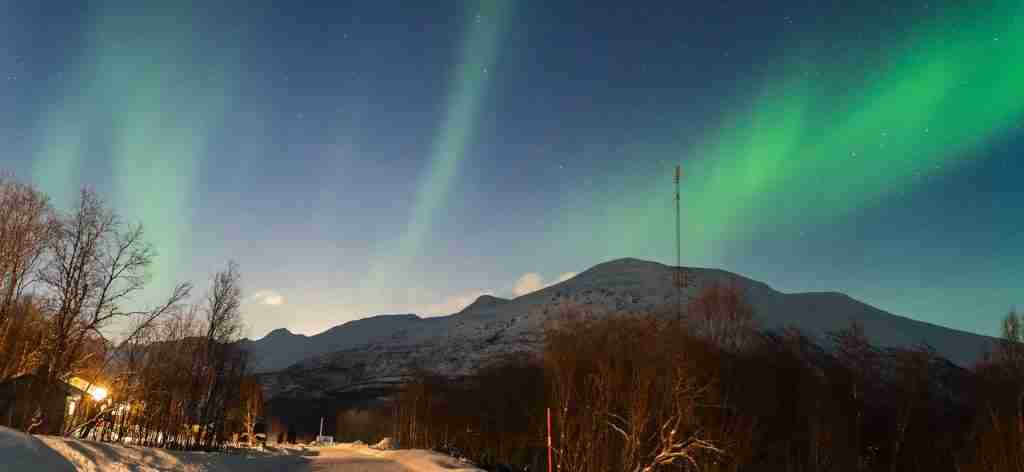
3 days
Tromso 3-Day Discovery Tour
- ✓ Comprehensive Tromso experience
- ✓ Expert local guides included
- ✓ All accommodation included
- ✓ Transportation provided
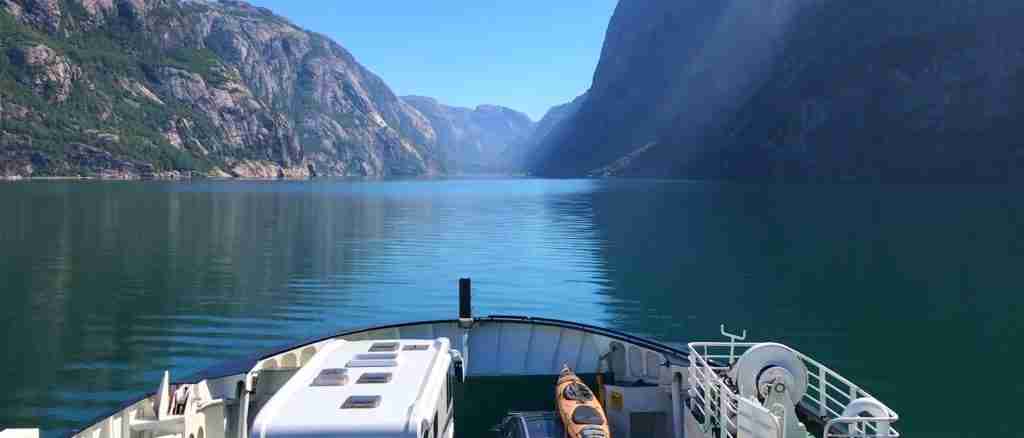
5 days
Tromso 5-Day Highlights Experience
- ✓ Comprehensive Tromso experience
- ✓ Expert local guides included
- ✓ All accommodation included
- ✓ Transportation provided
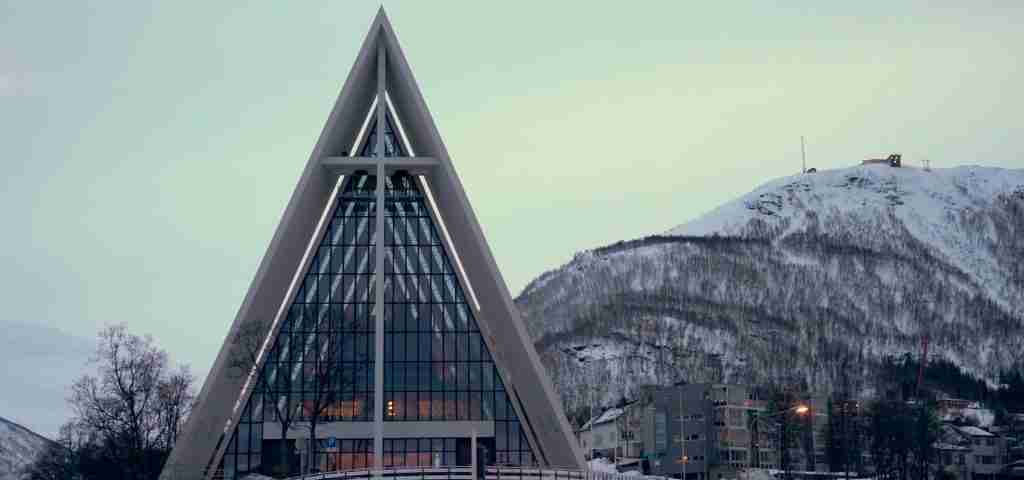
7 days
Tromso 7-Day Cultural Journey
- ✓ Comprehensive Tromso experience
- ✓ Expert local guides included
- ✓ All accommodation included
- ✓ Transportation provided
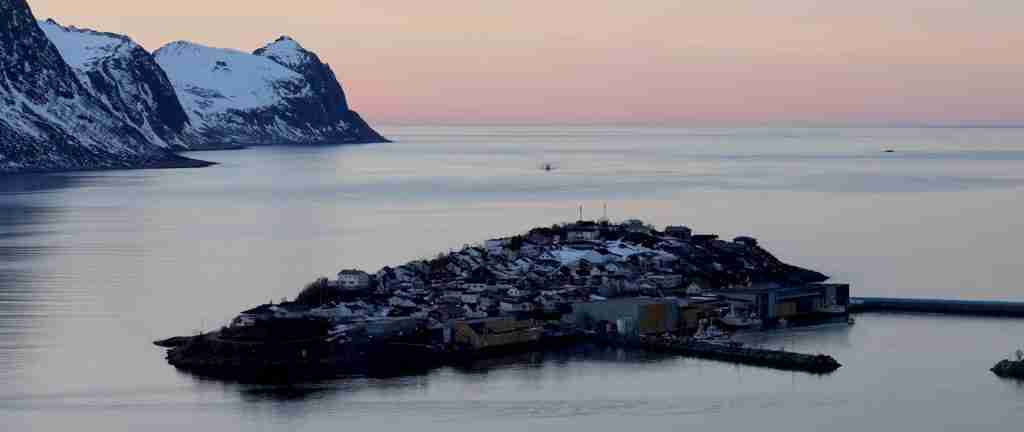
10 days
Tromso 10-Day Complete Adventure
- ✓ Comprehensive Tromso experience
- ✓ Expert local guides included
- ✓ All accommodation included
- ✓ Transportation provided
Multi-day tour packages powered by TourRadar. Prices and availability subject to change.
Introduction: Understanding Tromsø’s Cost Structure in 2026
Tromsø’s high prices reflect Norway’s strong economy, high wages, and remote Arctic location. Everything from imported groceries to hotel operations costs more when delivered 350 kilometers above the Arctic Circle. However, the city isn’t uniformly expensive—understanding which categories drive costs highest and where savings opportunities exist allows budget-conscious travelers to experience Arctic magic without financial catastrophe.
The Norwegian Krone (NOK) exchange rate significantly impacts costs for international visitors. As of February 2026, 1 USD equals approximately 10.80 NOK, with rates fluctuating daily. This guide provides prices in both NOK and USD equivalents, but verify current exchange rates before your trip as fluctuations of 5-10% can materially impact budgets.
Seasonal pricing variations in Tromsø exceed typical tourist destinations. Peak winter season (December-February) sees accommodation prices 50-80% higher than shoulder seasons, while summer (June-July) brings moderate increases. The most dramatic savings appear in March-April and September-October, when prices drop while maintaining many Arctic experiences. This seasonality creates opportunities for budget travelers willing to visit during transitional periods.
Accommodation Costs 2026: Budget to Luxury
Accommodation represents Tromsø’s largest single expense, ranging from budget hostels to luxury hotels. Understanding the options across price points helps identify the best fit for your budget and travel style.
Budget Accommodation: Hostels and Guesthouses
Tromsø’s hostel scene offers the most affordable accommodation, though “affordable” remains relative in Arctic Norway. Dorm beds in mixed or gender-specific dormitories cost 850-1,300 NOK ($80-120) per night in 2026. These high hostel prices reflect Norway’s overall cost structure—the same dorm bed might cost $25-40 elsewhere in Europe but $80-120 represents Tromsø’s budget baseline.
Private rooms in hostels or budget guesthouses range 1,500-1,950 NOK ($140-180) per night, offering more privacy while remaining significantly cheaper than hotels. These rooms typically include shared bathroom facilities but provide secure, quiet sleeping quarters. Many hostels include free WiFi, common kitchens for meal preparation, and social areas where travelers meet and share experiences.
Hostels cluster in Tromsø’s city center, within walking distance of restaurants, shops, and tour departure points. Proximity to amenities eliminates transportation costs and maximizes time efficiency. However, book well ahead for peak season (December-February), as even budget accommodation sells out 2-3 months before winter’s Northern Lights high season.
Mid-Range Accommodation: Apartments and 3-Star Hotels
Apartment rentals represent excellent mid-range value, particularly for groups or stays longer than 3-4 nights. Apartments cost 2,100-4,300 NOK ($195-400) per night depending on size, location, and season. The primary advantage involves kitchen facilities—cooking meals reduces daily food costs by 60% or more compared to restaurant dining, quickly offsetting higher nightly rates versus hostels.
Three-star hotels in Tromsø charge 2,300-3,200 NOK ($215-295) per night in 2026, with significant seasonal variation. These properties offer private bathrooms, daily housekeeping, breakfast (sometimes included, sometimes additional charge), and hotel amenities like WiFi and reception services. Location matters significantly—central hotels command premium prices but eliminate transportation needs, while properties 10-15 minutes from center offer savings.
Winter season (December-February) pushes mid-range hotel prices toward the higher end of these ranges, while shoulder seasons (March-April, September-October) bring rates down 30-40%. Summer pricing falls between these extremes. Booking early (3-4 months ahead for winter, 6-8 weeks for summer) secures better rates and choice of properties.
Luxury Accommodation: 4-5 Star Hotels
Tromsø’s luxury hotels provide premium Arctic experiences with prices to match. Four-star properties charge 3,800-5,400 NOK ($355-500) nightly, while five-star options reach 5,000-7,000 NOK ($470-650) or more. These hotels feature restaurants, bars, spas, concierge services, and prime locations with potential Northern Lights viewing from rooms.
Luxury accommodation makes sense for visitors prioritizing comfort and convenience over budget concerns, those celebrating special occasions, or travelers with limited time who want maximum efficiency. The included services, central locations, and high-quality amenities justify premium prices for many visitors. However, budget-conscious travelers find better value in mid-range properties, as Arctic experiences occur outdoors rather than in hotel rooms.
Accommodation Booking Strategies for 2026
Early booking provides the most significant savings across all accommodation categories. Peak season (December-February) requires 3-4 months advance booking to secure reasonable prices. Properties sell out completely during Christmas and New Year weeks, forcing late bookers toward expensive last-minute options or accommodation far from city center.
Shoulder season visits (March-April, September-October) allow more flexibility while offering 30-40% savings. These periods require less advance booking—6-8 weeks typically suffices—while still providing strong Northern Lights opportunities (March) or beautiful autumn conditions (September-October).
Consider properties slightly outside the compact city center if budget is primary concern. Tromsø’s excellent public transport system makes locations 10-15 minutes from center perfectly viable, often with 20-30% savings versus central properties. However, factor in transportation costs and time when evaluating these options.
Food and Dining Costs 2026
Food represents Tromsø’s second-largest expense category, with restaurant meals significantly more expensive than continental Europe or North America. However, strategic approaches dramatically reduce dining costs without sacrificing the Arctic culinary experience.
Restaurant Dining: Breakfast, Lunch, and Dinner
Restaurant breakfast in Tromsø costs 100-200 NOK ($10-20) for café options or 150-250 NOK ($15-25) for hotel buffets. Many mid-range and luxury hotels include breakfast in nightly rates—verify this when booking, as paying separately adds 150-250 NOK daily per person to costs.
Lunch provides Tromsø’s best dining value. Many restaurants offer dagens rett (daily dish) lunch specials costing 200-300 NOK ($19-28), the same meal that would cost 400-500 NOK ($39-47) at dinner. This price difference creates opportunities for budget-conscious travelers—eat your main meal at lunch, then have lighter, cheaper options like sandwiches or soup for dinner.
Dinner at mid-range restaurants costs 250-450 NOK ($24-42) for main courses, with full three-course meals reaching 600-900 NOK ($56-83) per person before drinks. Upscale restaurants charge 400-600 NOK ($37-56) for mains, with tasting menus starting around 900 NOK ($83) and climbing to 1,800 NOK ($167) or more at Tromsø’s finest establishments.
Alcohol dramatically increases dining costs. Beer costs 100-130 NOK ($10-13) for 0.5L, wine runs 120-160 NOK ($12-15) per glass, and cocktails reach 150-200 NOK ($15-20). A couple sharing a bottle of wine adds 800-1,200 NOK ($75-110) to dinner costs. Many budget travelers avoid alcohol entirely given these prices.
Casual Dining and Fast Food Options
Casual dining offers middle ground between full restaurant meals and self-catering. Cafés and bakeries serve sandwiches, soups, and light meals for 140-240 NOK ($13-22). Mathallen Tromsø, the city’s food hall, provides various options at 90-170 NOK ($9-16) per item, allowing sampling of local and international flavors at lower costs than formal restaurants.
Fast food follows Norwegian pricing—McDonald’s or Burger King meals cost 150 NOK ($15), individual burgers run 45-60 NOK ($5-6), and coffee with pastry reaches 80-100 NOK ($8-10) at chains. While cheaper than restaurants, fast food in Tromsø still costs double or triple equivalent meals in many countries.
Traditional Norwegian foods worth trying include reindeer dishes (typically 350-450 NOK / $33-42), fresh Arctic seafood like cod and salmon (300-500 NOK / $28-46), and local specialties like finnbiff (reindeer stew). Budget one special meal to experience authentic Arctic cuisine, then use cheaper options for remaining meals.
Grocery Shopping and Self-Catering
Self-catering dramatically reduces food costs. Norwegian supermarkets—Rema 1000, Kiwi, Coop—offer reasonable prices comparable to other European markets, though fresh produce costs more given Arctic transport requirements. Typical grocery costs include milk 23 NOK ($2.40) per liter, bread 30-45 NOK ($3-5) per loaf, pasta/rice 25-40 NOK ($2.50-4) per package, chicken breast 150-200 NOK ($15-20) per kilogram, and canned/dried goods at moderate prices.
A week’s groceries for one person cooking simple meals costs 700-1,000 NOK ($65-93), averaging 100-150 NOK ($10-15) daily. Compare this to 800-1,200 NOK ($75-110) daily for three restaurant meals, and the savings become clear. Travelers staying in apartments or hostels with kitchen access can cut food costs by 60% or more through self-catering.
Prepared foods in Norwegian supermarkets remain limited—expect to do actual cooking rather than just heating pre-made meals. This requires accommodation with proper kitchen facilities, not just a microwave. However, basic cooking skills and simple meals (pasta, sandwiches, simple protein and vegetables) provide substantial savings.
Money-Saving Food Strategies
The lunch special strategy offers maximum savings while maintaining dining experiences. Eat dagens rett lunch specials (200-300 NOK) as your main meal, breakfast from grocery items (30-50 NOK), and simple dinner from supermarket ingredients or casual takeaway (100-150 NOK). This approach totals 330-500 NOK ($31-46) daily versus 800-1,200 NOK ($75-110) for three restaurant meals.
Bakeries provide breakfast value—coffee and pastry costs 60-80 NOK ($6-8) versus 150-200 NOK ($15-20) for café breakfast. Many bakeries offer early-bird discounts before 10 AM, providing additional savings on fresh baked goods.
Pack snacks and drinks for day activities. A sandwich, fruit, and water bottle from supermarket costs 50-70 NOK ($5-7) versus 150-200 NOK ($15-20) at tourist locations. This becomes particularly important for full-day tours when options may be limited or expensive.
Transportation Costs 2026
Tromsø’s compact size eliminates extensive transportation needs for visitors staying in the city center. However, understanding available options and their costs helps optimize mobility and budget allocation.
Airport Transfers
Tromsø Airport (Langnes) sits 5 kilometers from city center, with several transfer options. The Flybuss Airport Express costs 125 NOK ($12) one-way or 200 NOK ($20) return for adults, with children (4-15) paying 80 NOK ($8) one-way or 130 NOK ($13) return. This service takes 15 minutes to city center, stopping at major hotels. Buses coordinate with flight arrivals, running roughly every 25 minutes during peak hours.
Public city buses (routes 40, 42) provide the cheapest option at 48 NOK ($5) per adult, 24 NOK ($2.50) for children. Journey time extends to 20 minutes with multiple stops, but savings of 77 NOK per trip (62% less than Flybuss) add up for budget travelers. Purchase tickets through the Svipper app or from machines—cash is not accepted on buses.
Taxis charge 250-400 NOK ($25-40) from airport to city center depending on time (weekday daytime cheapest, weekend/night more expensive). A 20 NOK ($2) airport surcharge applies to all taxi fares. For solo travelers, taxis cost 2-3 times more than Flybuss without significant time savings. For groups of 3-4, the per-person cost becomes competitive with Flybuss while providing door-to-door service.
City Transportation
Tromsø’s compact city center measures roughly 1.5 kilometers across, making walking the primary transportation method for most visitors. The waterfront, main shopping street (Storgata), Arctic Cathedral, and most restaurants lie within easy walking distance of central accommodation. Good winter boots with grip become essential for navigating icy sidewalks, but otherwise, walking provides free transport.
City buses serve outlying areas and connect to attractions like the Polar Museum, Arctic Cathedral, and residential neighborhoods. Single tickets cost 48 NOK ($5) for adults, 24 NOK ($2.50) for children, purchased through the Svipper app or ticket machines. Day passes aren’t available, making multiple journeys expensive—walking or limiting bus trips saves money.
The Fjellheisen Cable Car to Mount Storsteinen costs approximately 265 NOK ($25) return for adults, 140 NOK ($13) for children. This represents one of Tromsø’s best-value paid attractions, offering spectacular panoramic views over the city, fjords, and surrounding mountains. Clear days provide visibility extending to the Lyngen Alps, while winter visits might include Northern Lights viewing from the summit.
Car Rental Considerations
Car rental makes sense only for visitors planning extensive exploration beyond Tromsø or self-driving Northern Lights hunting. Daily rental costs 600-1,000 NOK ($56-93) depending on vehicle type and season, with mandatory winter tires adding nothing extra (standard in winter). Insurance adds 150-300 NOK ($15-30) daily, and fuel costs approximately 21 NOK ($2) per liter.
However, Tromsø’s city center offers limited parking, with charges reaching 30-40 NOK ($3-4) per hour in central areas. Hotels charge 200-300 NOK ($20-30) nightly for parking, adding significantly to car costs. For visitors staying in Tromsø without day trips to outlying areas, car rental wastes money—walking and occasional buses provide sufficient transport.
If planning self-driven Northern Lights hunting or day trips to places like Sommarøy or Kvaløya, car rental provides value. However, consider whether organized tours (which include transport) offer better value and convenience versus renting a car and self-navigating Arctic roads in winter conditions.
Northern Lights Tours and Activity Costs 2026
Northern Lights tours and Arctic activities represent Tromsø’s unique value propositions—experiences unavailable elsewhere. These activities also drive costs significantly higher, requiring careful budgeting and prioritization.
Northern Lights Tours
Northern Lights tours range from 1,200 NOK ($110) for large bus tours to 2,500+ NOK ($230+) for small-group photography-focused experiences. Most standard tours cost 1,500-2,000 NOK ($140-185) per person, including transportation from city center, several hours chasing aurora displays, warm drinks and light snacks, and often professional photography services.
Tour duration typically runs 6-8 hours, departing around 6-7 PM and returning near midnight or later. Guides monitor weather forecasts and aurora predictions, driving as far as 200 kilometers to find clear skies when necessary—sometimes crossing into Finland or Sweden for optimal conditions. This mobility significantly increases success rates versus staying in Tromsø.
Budget Northern Lights tours (1,200-1,500 NOK) use larger buses with 40-50 participants, providing basic aurora chasing without specialized photography guidance. Mid-range tours (1,500-2,000 NOK) limit group sizes to 15-25 people, offer better guide interaction, and provide professional photos. Premium tours (2,000-3,000 NOK) feature small groups (8-15), photography instruction, and sometimes specialized experiences like boat tours or reindeer farm visits combined with Northern Lights viewing.
Some operators offer “Northern Lights guarantees”—if aurora doesn’t appear during your tour, you receive a 50% discount or free second tour. These policies acknowledge the unpredictable nature of the phenomenon while demonstrating operator confidence. Always verify guarantee terms before booking.
Dog Sledding Experiences
Dog sledding represents one of Tromsø’s most popular winter activities beyond Northern Lights tours. Day tours (4-6 hours) cost 1,500-2,500 NOK ($140-230) per person, including transport to kennels outside Tromsø, dog sled experience (usually 2-3 hours of actual sledding), and often lunch or snacks.
Evening dog sledding combined with Northern Lights hunting costs 2,200-3,000 NOK ($205-280), offering dual experiences in single tours. These combo tours provide good value for visitors on tight schedules wanting multiple Arctic activities without spending entire days on each.
Multi-day dog sledding expeditions exist for serious adventurers, costing 8,000-15,000 NOK ($750-1,400) for 2-3 day wilderness experiences with overnight camping. These intensive programs suit experienced outdoor enthusiasts rather than casual visitors but offer authentic Arctic adventure.
Fjord Cruises and Boat Tours
Summer and winter fjord cruises explore Tromsø’s stunning coastal landscapes. Daytime fjord tours cost 800-1,500 NOK ($75-140) for 3-6 hour excursions, typically including refreshments and sometimes meals. Winter whale watching tours (November-February in areas north of Tromsø) cost 1,500-2,200 NOK ($140-205), with sightings of orcas and humpback whales feeding on herring.
Evening Northern Lights cruises combine fjord sailing with aurora viewing, costing 1,500-2,000 NOK ($140-185). These provide unique perspective on Northern Lights reflecting across water, though effectiveness depends on cloud cover and aurora activity—boat tours can’t chase clear skies like land-based tours.
Other Arctic Activities
Snowmobiling adventures cost 1,800-2,800 NOK ($167-260) for 3-4 hour tours, requiring valid driver’s license and often minimum age restrictions. Reindeer sledding and Sami cultural experiences range 1,200-1,800 NOK ($110-167), combining traditional transportation with indigenous culture and often Northern Lights viewing. Ice fishing tours cost 800-1,200 NOK ($75-110), while ski touring or snowshoeing with guides runs 900-1,500 NOK ($85-140).
Free or low-cost activities balance expensive tours. Hiking Mount Storsteinen (free except cable car if you prefer not to hike up), exploring Tromsø’s museums (Polar Museum 100 NOK / $10, some museums free with tourist cards), visiting the Arctic Cathedral (80 NOK / $8), walking harbor areas, and attempting self-guided Northern Lights viewing (check aurora forecasts and take buses or taxis to dark areas outside city) provide enriching experiences without tour costs.
Complete Daily Budget Breakdowns for 2026
Understanding realistic daily costs helps plan overall trip budgets. The following breakdowns represent typical spending for different travel styles in Tromsø 2026.
Budget Travel: 1,350-1,800 NOK ($125-165) Daily
Accommodation: Hostel dorm bed 850-1,100 NOK ($80-100) per night
Breakfast: Bakery pastry and coffee 60-80 NOK ($6-8)
Lunch: Dagens rett special 200-300 NOK ($19-28)
Dinner: Supermarket ingredients, simple cooking 100-150 NOK ($10-15)
Local transport: Walking (free) or occasional bus 0-96 NOK ($0-9)
Activities: Free hiking, museums with tourist card, self-guided exploration 0-200 NOK ($0-20)
Total: 1,210-1,926 NOK ($112-178) daily, averaging 1,350-1,800 NOK ($125-165)
This budget requires hostel accommodation with kitchen access, cooking most meals, limiting alcohol consumption to none or very minimal, choosing free activities over paid tours, and walking rather than taking taxis. Budget one major tour (Northern Lights or dog sledding) every 3-4 days rather than daily paid activities. Shoulder season visits reduce accommodation costs, bringing daily totals toward the lower range.
Mid-Range Travel: 2,800-3,500 NOK ($260-325) Daily
Accommodation: 3-star hotel or apartment 2,100-3,200 NOK ($195-295) per night
Breakfast: Hotel breakfast included or café 100-200 NOK ($10-20)
Lunch: Restaurant dagens rett 250-350 NOK ($24-33)
Dinner: Casual restaurant or self-catered 200-400 NOK ($20-40)
Local transport: Occasional taxis, buses 100-200 NOK ($10-20)
Activities: One museum/attraction 100-300 NOK ($10-30)
Total: 2,850-4,650 NOK ($265-430) daily, averaging 2,800-3,500 NOK ($260-325)
This budget allows comfortable 3-star hotels or apartments, mix of restaurant dining and self-catering, occasional beer or wine with meals, regular museum visits and attractions, and transportation convenience. Budget one major tour (Northern Lights, dog sledding, fjord cruise) every 2-3 days. This represents realistic comfortable travel without significant luxury or excessive frugality.
Luxury Travel: 5,000-6,500 NOK ($460-600+) Daily
Accommodation: 4-5 star hotel 3,800-6,500 NOK ($355-600) per night
Breakfast: Hotel breakfast buffet (often included) 0-200 NOK ($0-20)
Lunch: Quality restaurant 400-600 NOK ($37-56)
Dinner: Upscale restaurant with wine 800-1,500 NOK ($75-140)
Local transport: Taxis as needed 200-400 NOK ($20-40)
Activities: Premium experiences, private tours 500-1,500 NOK ($47-140)
Total: 5,700-10,700 NOK ($530-990+) daily, averaging 5,000-6,500 NOK ($460-600)
This budget provides luxury hotels, restaurant meals including alcohol, premium tour experiences, and maximum convenience. Daily activities might include private Northern Lights tours, helicopter excursions, fine dining experiences, and spa treatments. Most luxury travelers budget multiple major tours and premium experiences throughout their stay.
Sample 4-Day Budget Breakdowns by Season
Winter Peak Season: December-February 2026
Day 1 – Arrival and City Exploration (Mid-Range Example)
Accommodation: 3-star hotel city center 2,800 NOK ($260)
Airport transfer: Flybuss 125 NOK ($12)
Lunch: Restaurant dagens rett 280 NOK ($26)
Dinner: Casual restaurant 400 NOK ($37)
Arctic Cathedral visit: 80 NOK ($8)
Coffee break: 90 NOK ($8)
Day total: 3,775 NOK ($350) per person
Day 2 – Northern Lights Tour
Accommodation: 2,800 NOK ($260)
Breakfast: Hotel included 0 NOK
Lunch: Dagens rett 300 NOK ($28)
Light dinner before tour: Sandwich and coffee 150 NOK ($15)
Northern Lights tour: 1,800 NOK ($167)
Day total: 5,050 NOK ($468) per person
Day 3 – Dog Sledding Adventure
Accommodation: 2,800 NOK ($260)
Breakfast: Hotel included 0 NOK
Dog sledding day tour (lunch included): 2,000 NOK ($185)
Dinner: Restaurant 450 NOK ($42)
Day total: 5,250 NOK ($487) per person
Day 4 – Local Exploration and Departure
Breakfast: Hotel included 0 NOK
Polar Museum: 100 NOK ($10)
Lunch: Restaurant 320 NOK ($30)
Cable car to Mount Storsteinen: 265 NOK ($25)
Airport transfer: Flybuss 125 NOK ($12)
Day total (no accommodation): 810 NOK ($77) per person
4-Day Winter Peak Season Total: 14,885 NOK ($1,382) per person excluding accommodation departure day
Shoulder Season: March or September-October 2026
Day 1 – Arrival and City Exploration (Budget Example)
Accommodation: Hostel private room 1,500 NOK ($140)
Airport transfer: City bus 48 NOK ($5)
Lunch: Food hall 140 NOK ($13)
Dinner: Self-catered from supermarket 120 NOK ($11)
Free walking tour of city: 0 NOK
Day total: 1,808 NOK ($168) per person
Day 2 – Northern Lights Tour
Accommodation: 1,500 NOK ($140)
Breakfast: Bakery 70 NOK ($7)
Lunch: Dagens rett 250 NOK ($24)
Dinner: Supermarket ingredients 100 NOK ($10)
Budget Northern Lights tour: 1,400 NOK ($130)
Day total: 3,320 NOK ($308) per person
Day 3 – Hiking and Free Activities
Accommodation: 1,500 NOK ($140)
Breakfast: Self-catered 50 NOK ($5)
Lunch: Packed lunch from supermarket 80 NOK ($8)
Dinner: Casual restaurant 280 NOK ($26)
Hike Mount Storsteinen (free)
Polar Museum: 100 NOK ($10)
Day total: 2,010 NOK ($187) per person
Day 4 – Departure
Breakfast: Bakery 70 NOK ($7)
Lunch: Sandwich 120 NOK ($11)
Airport bus: 48 NOK ($5)
Day total (no accommodation): 238 NOK ($22) per person
4-Day Shoulder Season Budget Total: 7,376 NOK ($685) per person excluding accommodation departure day
These examples demonstrate how season choice, accommodation level, and activity selection dramatically impact total costs. The mid-range winter example totals 14,885 NOK ($1,382) versus the budget shoulder season at 7,376 NOK ($685)—a 101% difference for similar experiences at different times and comfort levels.
Money-Saving Strategies for Tromsø 2026
Timing Your Visit for Maximum Value
March offers the best value-to-experience ratio in Tromsø. Accommodation costs 30-40% less than December-February peak season, Northern Lights remain visible with good probability, temperatures moderate to -5°C to 5°C making outdoor activities comfortable, daylight increases to 6-8 hours allowing daytime activities, and tourist crowds thin significantly. March combines winter Arctic experiences with shoulder season savings.
September-October provides alternative shoulder season value with autumn colors, mild temperatures, first Northern Lights opportunities (mid-September onward), and significantly reduced accommodation costs. The primary trade-off involves cloudier weather compared to winter months, though this affects Northern Lights viewing rather than daytime activities.
Accommodation Savings Strategies
Book early—3-4 months for winter peak, 6-8 weeks for shoulder seasons—to secure best rates before prices rise. Properties often release limited “early bird” rates significantly below standard pricing. Consider locations 10-15 minutes from city center for 20-30% savings with minimal inconvenience given Tromsø’s excellent public transport.
Apartment rentals with kitchens save 60% on food costs. While nightly rates may exceed hostels, the cooking facilities allow dramatically reduced daily spending. For stays of 4+ nights, apartments often provide better overall value than cheaper accommodation without kitchens.
Look for hotels including breakfast in rates. A breakfast buffet worth 150-250 NOK included in your accommodation rate provides substantially better value than properties charging separately. Calculate total costs (room + breakfast) when comparing options.
Food Cost Reduction
The lunch special strategy delivers maximum savings while maintaining dining experiences. Dagens rett lunch specials cost 200-300 NOK ($19-28) for the same meals priced at 400-500 NOK ($39-47) during dinner service. Make lunch your restaurant meal, then eat supermarket dinners or casual takeaway.
Shop at discount supermarkets (Rema 1000, Kiwi) rather than higher-priced chains. Prices vary 15-25% between cheapest and most expensive supermarkets for identical products. These budget chains cluster throughout Tromsø, making them accessible from most accommodation.
Avoid alcohol given extreme costs. Beer at 100-130 NOK ($10-13), wine at 120-160 NOK ($12-15) per glass, and cocktails at 150-200 NOK ($15-20) quickly double or triple meal costs. Budget travelers who drink purchase alcohol at Vinmonopolet (state alcohol store) for apartment consumption rather than restaurant drinking.
Activity and Tour Savings
Balance paid tours with free activities. Budget one major tour (Northern Lights, dog sledding) every 2-3 days rather than daily paid activities. Fill other days with free hiking, museum visits (some museums free with tourist cards), waterfront walks, and exploring neighborhoods.
Book tours directly with operators rather than through hotel concierges or third-party agencies. Direct booking eliminates commission markups of 15-25%. Most Tromsø tour operators accept online booking with competitive pricing.
Join budget Northern Lights tours (1,200-1,500 NOK) using larger buses rather than premium small-group experiences (2,000-3,000 NOK). While premium tours offer superior guide interaction and photography instruction, budget tours provide the same aurora viewing opportunities—you’re paying for group size and specialization rather than fundamentally different experiences.
Tourist Cards and Discount Programs 2026
Tromsø offers limited tourist card programs compared to some European cities. However, understanding available options helps identify potential savings.
Tromsø Museum Pass
Some museums offer combination tickets providing access to multiple institutions at reduced rates compared to individual entry fees. Verify current programs when planning your visit, as these cards change annually. Typical savings range 15-25% versus individual museum admissions.
Northern Lights Guarantee Programs
Several tour operators offer “Northern Lights guarantees” providing discounted or free repeat tours if aurora doesn’t appear during your first attempt. While not true guarantees (no one can guarantee natural phenomena), these policies acknowledge the uncertainty and provide value for visitors on tight schedules. Common structures include 50% discount on second tour or free second tour after full-price first tour without Northern Lights.
Hidden Costs and Budget Surprises
Several cost categories surprise visitors who haven’t researched Tromsø’s pricing thoroughly. Planning for these hidden expenses prevents budget overruns.
Alcohol Costs
Norway’s alcohol prices rank among the world’s highest. Restaurant beer costs 100-130 NOK ($10-13), wine runs 120-160 NOK ($12-15) per glass, and spirits reach 150-200 NOK ($15-20) per drink. A couple sharing a bottle of wine at dinner adds 800-1,200 NOK ($75-110) to meal costs. Many visitors dramatically underestimate alcohol expenses, assuming prices similar to home countries. Budget-conscious travelers often avoid restaurant alcohol entirely or limit consumption to special occasions.
Winter Gear Rental
Many Northern Lights tours provide thermal suits, but not all do. If your tour doesn’t include gear and your own clothing proves insufficient for Arctic conditions, rental costs run 200-400 NOK ($20-40) daily for thermal suits, insulated boots, and extreme cold accessories. Verify what tours provide before booking, and pack appropriate layers to avoid rental costs.
Tipping Expectations
Norway doesn’t maintain strong tipping culture—service charges include in prices, and staff earn living wages without relying on tips. However, rounding up bills or leaving 5-10% for exceptional service is appreciated. Budget 50-100 NOK ($5-10) daily for occasional tips if you receive outstanding service, though this remains optional rather than expected.
Souvenirs and Shopping
Tromsø souvenirs cost significantly more than continental European equivalents. Traditional Norwegian items—sweaters, trolls, reindeer products—carry premium prices reflecting local economy. Budget 500-1,000 NOK ($47-93) for quality souvenirs if shopping is important to you, or skip tourist shops entirely to save money.
Payment Methods and Money Management 2026
Norway leads the world in cashless transactions—most Tromsø businesses accept cards for any amount, and some establishments refuse cash entirely. This cashless culture creates both convenience and considerations for visitors.
Credit and Debit Cards
Visa and Mastercard acceptance reaches nearly 100% in Tromsø. American Express works at major hotels and restaurants but less reliably at smaller establishments. Contactless payment (<500 NOK typically) allows quick transactions without PIN entry. Norway’s cashless culture means carrying cards for all transactions rather than cash reserves.
Verify your bank’s foreign transaction fees before traveling. Many banks charge 2-3% on international transactions, adding significantly to total costs. Some credit cards waive foreign transaction fees—using these cards provides 2-3% savings on every purchase. Additionally, select “charge in local currency (NOK)” when paying, as dynamic currency conversion often includes unfavorable exchange rates.
ATMs and Cash
While Norway embraces cashless payments, having some cash provides backup for rare situations where cards fail. ATMs cluster throughout Tromsø city center, typically charging 50-75 NOK ($5-7) withdrawal fees. Your home bank may add additional fees. Withdraw larger amounts less frequently to minimize fee impact.
However, carrying substantial cash proves unnecessary. Many visitors complete entire Tromsø trips using only cards, never withdrawing local currency. If you prefer cash comfort, 500-1,000 NOK ($47-93) provides sufficient backup without excessive amounts.
Seasonal Budget Variations
Understanding how costs fluctuate seasonally helps optimize your Tromsø budget through strategic timing.
Peak Winter Season: December-February
Peak winter brings Tromsø’s highest costs across all categories. Accommodation increases 50-80% versus shoulder seasons, Northern Lights tours fill months ahead at premium prices, restaurant reservations become necessary, and overall tourist demand drives costs upward. Christmas and New Year weeks see the most extreme pricing—some hotels charge 100% premiums during this period.
Budget 25-40% more for peak winter visits compared to shoulder seasons. The combination of premium accommodation, sold-out tours requiring advance booking at higher prices, and general tourist demand creates compounding cost increases. However, peak winter also offers maximum Northern Lights opportunities, Polar Night experiences, and guaranteed winter conditions for activities like dog sledding.
Shoulder Seasons: March-April, September-October
Shoulder seasons provide 30-40% overall savings compared to peak winter. Accommodation drops dramatically, tours remain available with shorter advance booking, restaurants accommodate walk-ins easily, and overall tourist pressure decreases. March combines these savings with excellent Northern Lights potential and comfortable winter activities, while September-October offers autumn beauty and first aurora opportunities.
The primary trade-off involves slightly less optimal conditions—March sees increasing daylight that shortens Northern Lights viewing windows, September experiences cloudier weather, and both periods lack peak winter’s guaranteed snow and ice conditions. However, for budget-conscious travelers, these minor compromises deliver substantial financial benefits.
Summer Season: June-August
Summer costs fall between peak winter and shoulder seasons. Accommodation reaches moderate levels (20-30% below winter peaks but higher than April/September), activities shift from Northern Lights tours to hiking and fjord cruises (generally less expensive), and dining costs remain constant. The Midnight Sun experience replaces Northern Lights as the primary natural phenomenon, offering unique adventures without winter’s extreme costs.
Summer budgets benefit from elimination of expensive Northern Lights tours, ability to pack picnic lunches for all-day hikes, longer daylight hours allowing more free outdoor activities, and milder weather reducing heating and gear costs. However, summer accommodation still costs more than shoulder seasons despite being cheaper than winter peaks.
Frequently Asked Questions About Tromsø Budget 2026
Is Tromsø more expensive than Oslo or other Norwegian cities in 2026?
Tromsø costs are comparable to Oslo with some categories higher due to Arctic location. Accommodation prices in Tromsø match or slightly exceed Oslo during peak Northern Lights season (December-February), while Oslo maintains more consistent year-round pricing. Restaurant costs remain similar between the two cities—both reflect Norwegian pricing levels with meals 250-450 NOK for mains. However, Tromsø’s tourist activities (Northern Lights tours, dog sledding) cost more than Oslo’s city-based attractions. Bergen and Stavanger fall slightly below Tromsø and Oslo in overall costs, while smaller Norwegian cities cost 10-20% less across most categories.
Should I exchange currency before arriving in Tromsø or use ATMs in 2026?
Use ATMs in Tromsø rather than exchanging currency before arrival. Airport exchange services and currency exchange offices charge higher fees and provide unfavorable rates compared to ATM withdrawals. Norwegian ATMs typically charge 50-75 NOK ($5-7) per withdrawal, significantly better than typical currency exchange markups of 3-5%. However, given Tromsø’s cashless culture, minimize ATM withdrawals entirely—most visitors complete trips using only credit/debit cards. If you do withdraw cash, take larger amounts less frequently to reduce fee impact. Always select “charge in local currency (NOK)” at ATMs to avoid dynamic currency conversion fees.
Can I negotiate prices or find discounts on tours in Tromsø 2026?
Norwegian business culture doesn’t embrace negotiation—posted prices are final. However, discounts exist through other means: booking directly with tour operators (avoiding 15-25% third-party markups), early booking discounts for winter peak season tours (book 3-4 months ahead), group discounts for parties of 4+ on some tours, student/senior discounts on select attractions and museums, and combination tour packages bundling multiple activities at reduced rates. Watch for shoulder season promotions—March and September sometimes see special offers as operators fill tours during quieter periods.
Are credit card travel insurance or points redemption good value for Tromsø in 2026?
Premium travel credit cards offering trip insurance, no foreign transaction fees, and points/miles redemption provide excellent value for Tromsø visits. The combination of expensive accommodation (where points provide maximum value), high overall trip costs (making insurance valuable), and cashless payment culture (where foreign transaction fees add up quickly) makes premium cards worthwhile. Cards waiving foreign transaction fees save 2-3% on all purchases. Additionally, hotel points redemption often provides better value in expensive destinations like Tromsø compared to cheaper locations—a 30,000-point redemption saving 3,000 NOK ($280) delivers better value than the same points saving $150 elsewhere.
How much should I budget for a couple visiting Tromsø for one week in winter 2026?
A couple visiting Tromsø for one week in peak winter season (December-February) should budget 35,000-55,000 NOK ($3,250-5,100) total, or 2,500-3,900 NOK ($230-360) per person daily. This mid-range budget includes 3-star accommodation or apartment (2,800-3,500 NOK nightly), mix of restaurant meals and self-catering (800-1,200 NOK daily for both), two major tours like Northern Lights and dog sledding (4,000-5,000 NOK per person), local transportation (1,000-1,500 NOK for the week), and museums/attractions (800-1,200 NOK per person). Budget travelers can reduce costs to 25,000-30,000 NOK ($2,300-2,800) total using hostels and extensive self-catering, while luxury travelers should budget 70,000-100,000 NOK ($6,500-9,300) or more for premium experiences.
What’s the single biggest money-saving tip for Tromsø in 2026?
Choose shoulder season timing (March or September-October) over peak winter for immediate 30-40% savings across accommodation, lower tour demand allowing better prices and availability, excellent Northern Lights opportunities (March) or beautiful autumn conditions (September-October), and fewer crowds improving overall experience quality. This single decision—timing your visit during shoulder rather than peak season—provides more budget impact than any other individual choice. A couple saving 1,000 NOK ($93) nightly on accommodation over seven days saves 7,000 NOK ($650), equivalent to two Northern Lights tours. Combined with moderately lower food costs and better tour availability, shoulder season timing provides the largest single budget optimization.
Is it worth paying extra for small-group Northern Lights tours versus large bus tours in 2026?
The value depends on your priorities and photography interest. Large bus tours (1,200-1,500 NOK) provide identical Northern Lights viewing opportunities as small-group tours (2,000-3,000 NOK)—both chase aurora displays and travel to optimal locations. However, small-group tours offer significant advantages for photographers (personalized instruction, longer stops for photography, better guide interaction), those seeking intimate experiences (8-15 people versus 40-50), and visitors prioritizing quality over savings. If Northern Lights photography represents a primary trip goal, premium tours justify their cost. If you simply want to see aurora displays without specialized photography needs, budget tours provide excellent value.
Can I see Northern Lights without paying for a tour in Tromsø 2026?
Yes, self-guided Northern Lights viewing is possible and free, though success rates are lower than guided tours. Check aurora forecasts (several apps and websites provide predictions), take city buses or taxis to dark areas outside Tromsø (20-30 minutes from center), find locations without light pollution, and wait during peak viewing hours (9 PM-2 AM). However, tours provide substantial advantages: guides monitor real-time weather and chase clear skies (sometimes driving 200+ kilometers), expert knowledge increases viewing success significantly, warm campfires and hot drinks combat Arctic cold, and professional photography services capture memories. For serious Northern Lights viewing, tours significantly increase success probability despite costs.
Are there any free activities in Tromsø that are actually worth doing in 2026?
Tromsø offers several excellent free experiences. Hiking Mount Storsteinen provides spectacular panoramic views (free if hiking rather than taking cable car), waterfront walks along Tromsø’s harbor showcase Arctic atmosphere and architecture, the city center features charming streets and historic buildings worth exploring, free city walking tours operate seasonally (tip-based), and aurora viewing from dark areas outside city center costs nothing beyond transportation. The Arctic Cathedral requires admission (80 NOK) but the exterior and surrounding area provide free photography opportunities. These free activities, combined with one or two paid tours, create balanced Tromsø experiences without excessive costs.
Should I pre-book all restaurants in Tromsø for 2026, especially during winter?
Pre-booking restaurants becomes essential only for peak winter season (December-February) dinners at popular establishments. During this period, top restaurants fill weeks ahead for evening service. However, lunch reservations remain unnecessary even in peak season—dagens rett lunch specials accommodate walk-ins easily. Shoulder seasons and summer allow walk-in dining at most restaurants for both lunch and dinner. For budget-conscious travelers focusing on lunch specials and casual dining, reservations prove unnecessary. If you’re targeting specific upscale restaurants for special occasion dinners during peak winter, book 2-3 weeks ahead.