Tromsø Best Time Visit 2026: Seasonal Planning Guide
Tromsø, Norway’s Arctic capital, offers dramatically different experiences throughout the year, from the magical Northern Lights and Polar Night to the endless days of the Midnight Sun. Planning your 2026 visit around these natural phenomena ensures you’ll experience Tromsø at its most spectacular, whether you’re chasing aurora displays across frozen landscapes or hiking under the sun at midnight.
Key Takeaways
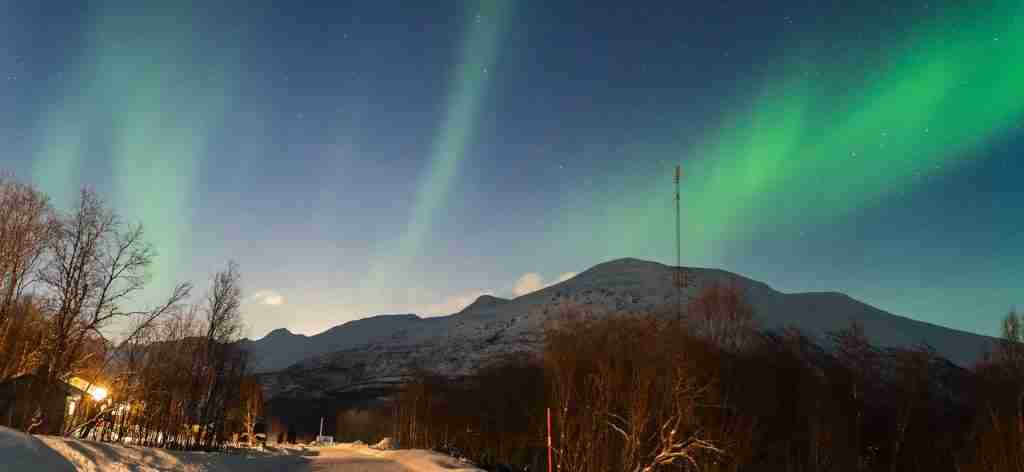
- Northern Lights Peak Season 2026: November through February offers the best viewing conditions with long dark nights and clearer skies, though the aurora season runs September to April.
- Solar Maximum Advantage: 2026 marks the end of the solar maximum cycle, making it the last year for potentially stronger and more colorful Northern Lights displays before solar activity declines.
- Midnight Sun Experience: May 20 to July 20 brings 24-hour daylight, transforming Tromsø into a summer adventure playground with hiking, kayaking, and midnight photography opportunities.
- Polar Night Magic: Late November to late January features continuous twilight with stunning blue-hour light, creating perfect conditions for Northern Lights photography and Arctic atmosphere.
People Also Ask About Tromsø Best Time to Visit 2026
What is the absolute best month to see Northern Lights in Tromsø in 2026?
January 2026 combines the Polar Night’s long darkness with typically clear, dry weather conditions and the solar maximum’s enhanced aurora activity. The month offers up to 20 hours of darkness daily, increasing viewing opportunities significantly. Late January also marks the sun’s return after two months, creating spectacular twilight colors that complement Northern Lights displays. November, December, and February also provide excellent conditions with similar darkness hours and weather patterns.
Can I see both Northern Lights and experience daylight in Tromsø during 2026?
Yes, March and late September/early October 2026 offer this unique combination. March provides Northern Lights viewing opportunities during long nights while offering 6-8 hours of daylight for activities like dog sledding and fjord cruises. Late September and early October bring the first aurora displays of the season with milder temperatures and autumn colors, though weather tends to be cloudier. These shoulder months let you experience both Arctic phenomena without the extreme darkness of winter or continuous daylight of summer.
Is summer worth visiting Tromsø even without Northern Lights in 2026?
Absolutely. June and July 2026 transform Tromsø with the Midnight Sun (May 20-July 20), creating unique opportunities unavailable in winter. Temperatures reach 10-15°C (50-59°F), perfect for hiking the surrounding peaks, kayaking in fjords, and midnight photography under golden light. Summer also brings whale watching opportunities, vibrant nightlife under endless daylight, and access to remote areas inaccessible during winter. The city’s festival season peaks in summer, offering cultural experiences that complement the natural phenomena.
How many days should I plan for Tromsø in 2026 to see Northern Lights?
Plan at least 4-5 nights in Tromsø for 2026 Northern Lights viewing. Arctic weather changes rapidly, and cloudy conditions can block aurora displays even during high solar activity. Multiple nights significantly increase your success rate—if the first night is cloudy, you have additional opportunities. This timeframe also allows you to experience other Arctic activities like dog sledding, fjord cruises, and the cable car, ensuring your trip remains rewarding even if Northern Lights prove elusive on particular evenings.
Extended multi-day tours – 5+ days
Featured Tromso Multi-Day Tour Packages
3 days
Tromso 3-Day Discovery Tour
- ✓ Comprehensive Tromso experience
- ✓ Expert local guides included
- ✓ All accommodation included
- ✓ Transportation provided
5 days
Tromso 5-Day Highlights Experience
- ✓ Comprehensive Tromso experience
- ✓ Expert local guides included
- ✓ All accommodation included
- ✓ Transportation provided
7 days
Tromso 7-Day Cultural Journey
- ✓ Comprehensive Tromso experience
- ✓ Expert local guides included
- ✓ All accommodation included
- ✓ Transportation provided
10 days
Tromso 10-Day Complete Adventure
- ✓ Comprehensive Tromso experience
- ✓ Expert local guides included
- ✓ All accommodation included
- ✓ Transportation provided
Multi-day tour packages powered by TourRadar. Prices and availability subject to change.
Introduction: Understanding Tromsø’s Seasonal Extremes in 2026
Located 350 kilometers north of the Arctic Circle, Tromsø experiences seasonal variations unlike anywhere else on Earth. The city’s position directly beneath the auroral oval makes it one of the world’s best Northern Lights destinations, while its proximity to the warming Gulf Stream creates surprisingly mild Arctic winters. Understanding these seasonal patterns is essential for planning your 2026 visit.
The year 2026 holds special significance for Northern Lights chasers—it marks the final year of the solar maximum, an 11-year cycle when solar activity peaks. This means stronger, more colorful aurora displays with increased frequency before solar activity begins declining. The combination of Tromsø’s prime location and 2026’s enhanced solar conditions creates optimal viewing opportunities.
Tromsø’s seasons divide into distinct periods, each offering unique experiences. Winter brings the Polar Night and Northern Lights, spring offers transitional opportunities with both aurora and daylight, summer explodes with Midnight Sun and outdoor adventures, and autumn marks the aurora season’s return with milder conditions. Your ideal visit timing depends on which phenomena matter most to your Arctic experience.
Northern Lights Season 2026: September to April
The Northern Lights season in Tromsø runs from mid-September through early April when darkness returns to the Arctic. However, not all months within this window offer equal viewing opportunities. Understanding the distinctions helps maximize your chances of witnessing spectacular aurora displays.
Peak Viewing Months: November Through February 2026
November through February represents Tromsø’s Northern Lights prime time in 2026. These months combine the longest nights with typically clearer, drier weather conditions. November brings up to 18 hours of darkness daily, while December through January experiences the Polar Night when the sun never rises above the horizon. This continuous darkness means aurora displays can occur at any time, though they’re most visible during evening hours between 9 PM and 2 AM.
January 2026 stands out as particularly exceptional. The month offers the deepest darkness of Polar Night during its first two weeks, then celebrates the sun’s return during the final week—an event that brings special excitement to the city. Weather statistics show January typically experiences less precipitation than surrounding months, providing clearer skies for viewing. The combination of maximum darkness hours, typically dry conditions, and the solar maximum’s enhanced activity makes January ideal for serious aurora chasers.
February continues the excellent conditions with slightly milder temperatures (-5°C to -10°C versus January’s -8°C to -12°C) while maintaining long dark nights. The month offers a sweet spot between winter’s deepest cold and spring’s increasing daylight, with 12-14 hours of darkness providing ample viewing opportunities.
Shoulder Season: September, October, March, and April 2026
Late September and early October mark the aurora season’s beginning as darkness returns to the Arctic. These months offer several advantages: milder temperatures (0°C to 5°C), autumn colors in the landscape, and fewer tourists than peak winter months. However, September and October typically experience more precipitation and cloudier conditions, which can obstruct Northern Lights viewing. The nights are also shorter—September offers 8-10 hours of darkness, gradually increasing through October.
March and April 2026 provide the season’s opposite bookend. March delivers excellent Northern Lights opportunities with 12-14 hours of darkness while offering warmer weather and the bonus of daytime activities under beautiful twilight colors. The month combines winter’s aurora chances with spring’s improving conditions. April marks the season’s end as daylight hours rapidly expand, though determined viewers can still catch displays during the darkest hours. Weather in March and April tends to be calmer than autumn months, though these months typically see more precipitation than mid-winter.
Solar Maximum 2026: Enhanced Aurora Activity
The solar maximum, occurring roughly every 11 years, brings increased solar activity that enhances Northern Lights displays. The current cycle peaks in 2025-2026, making 2026 the final year of maximum activity before the cycle begins declining. This means stronger auroras with more vibrant colors—particularly increased reds alongside the classic greens—and displays visible farther south than typical years.
Higher solar activity creates more frequent geomagnetic storms, the events that trigger spectacular aurora displays. While Tromsø’s location beneath the auroral oval ensures good Northern Lights chances regardless of solar cycles, the solar maximum significantly increases the probability of witnessing extraordinary, multi-colored displays that dance dramatically across the entire sky rather than subtle green curtains on the horizon.
Polar Night: Late November to Late January 2026
The Polar Night, when the sun never rises above the horizon, defines Tromsø’s deepest winter. In 2026, this phenomenon runs from late November through late January, though exact dates vary slightly year to year. Despite the sun’s absence, Polar Night doesn’t mean complete darkness—rather, the landscape bathes in beautiful twilight colors during midday hours.
The Blue Hour Experience
During Polar Night, Tromsø experiences the “blue hour” phenomenon for several hours daily. When the sun approaches the horizon without rising, it creates deep blue and purple hues that bathe the snow-covered landscape in an ethereal glow. This magical light occurs roughly between 11 AM and 2 PM, depending on the month, creating perfect conditions for photography and experiencing the Arctic’s unique atmosphere.
The combination of blue-hour twilight and potential Northern Lights makes Polar Night particularly special for photographers. The blue twilight provides enough ambient light for capturing landscape details while remaining dark enough for aurora displays. This duality creates images impossible to capture during other times of year.
Activities During Polar Night 2026
Polar Night transforms typical daily rhythms. Activities adapt to the continuous darkness, with Northern Lights tours running from early evening through late night, dog sledding adventures taking advantage of twilight hours, and winter sports occurring under headlamps or floodlights. Many visitors find Polar Night’s extended darkness initially disorienting but ultimately captivating—the city embraces the phenomenon with atmospheric lighting, cozy restaurants, and unique cultural events.
The sun’s return in late January 2026 becomes a celebrated event in Tromsø. Locals gather to welcome the first sunrise after two months of darkness, marking a turning point in the Arctic year. Experiencing this moment provides profound insight into Arctic life and the deep connection between northern communities and their extreme environment.
Midnight Sun Season: May to July 2026
The Midnight Sun, when daylight lasts 24 hours, creates Tromsø’s opposite extreme. In 2026, this phenomenon officially runs from May 20 to July 20, though extended twilight makes nights very bright from mid-April through early August. This continuous daylight transforms the Arctic into an adventure playground with endless opportunities for outdoor activities.
Peak Midnight Sun: June and July 2026
June and July represent Tromsø’s summer peak with temperatures reaching 10-15°C (50-59°F) and the sun circling the horizon without setting. These months offer ideal conditions for hiking Tromsø’s surrounding peaks, kayaking in fjords, and exploring islands like Sommarøy and Kvaløya. The midnight hours provide magical golden light for photography, with warm hues that contrast beautifully with the Arctic landscape.
Wildlife watching thrives during summer months. Whale watching opportunities continue through early summer as orcas and humpbacks feed in nearby fjords. Seabird colonies on coastal islands reach peak activity, and the long daylight hours allow for extended wildlife photography sessions. Fishing in the fjords and Arctic Ocean becomes particularly productive.
Summer Activities and Festivals 2026
Tromsø’s cultural calendar peaks during Midnight Sun season. Music festivals take advantage of the endless daylight, outdoor concerts occur at midnight under golden sun, and the city’s vibrant nightlife extends into the early morning hours. Hiking trails that remain snow-covered through spring become accessible, revealing Alpine wildflowers and panoramic Arctic views.
Summer also brings challenges—accommodation prices peak, tourist numbers increase significantly, and the continuous daylight can disrupt sleep patterns for visitors unaccustomed to Arctic conditions. Blackout curtains in hotel rooms become essential. However, the unique experience of midnight adventures under endless sun creates memories impossible to replicate elsewhere.
Spring Transition: March and April 2026
March and April represent Tromsø’s spring transition, offering perhaps the most balanced Arctic experience. These months combine winter’s remaining snow and Northern Lights opportunities with increasing daylight and warming temperatures. March delivers 6-8 hours of daylight that rapidly expands through April, while nights remain dark enough for aurora viewing.
Winter Activities with Spring Conditions
Spring months allow visitors to experience classic Arctic activities—dog sledding, snowmobiling, ice fishing—under more comfortable conditions than deep winter. Temperatures typically range from -5°C to 5°C (23°F to 41°F), significantly milder than January and February while maintaining sufficient cold for snow-based activities. The combination creates ideal conditions for families and visitors less comfortable with extreme cold.
Daylight hours increase dramatically through April, providing beautiful twilight colors that last for hours. The extended golden hours create perfect photography conditions, with snow-covered landscapes illuminated by warm light. This transitional period offers unique atmospheric conditions unavailable during either deep winter or full summer.
Weather Considerations for Spring 2026
Spring weather in Tromsø can be unpredictable. March and April typically see increased precipitation compared to mid-winter months, with snow gradually transitioning to rain as temperatures rise. However, the weather also tends to be calmer than autumn months, with fewer severe storms. Visitors should prepare for variable conditions and pack layers suitable for both winter cold and spring mildness.
Autumn Transition: September and October 2026
September and October mark the Northern Lights season’s beginning as darkness returns to the Arctic. These months offer several unique advantages for visitors seeking to avoid peak tourist season while still experiencing aurora displays. Temperatures remain relatively mild (0°C to 8°C / 32°F to 46°F), autumn colors transform the landscape, and hotel prices haven’t yet reached winter peaks.
Early Aurora Season Opportunities
Mid-September brings the first aurora viewing opportunities as nights become dark enough to see the displays. Early autumn offers reasonable Northern Lights chances while maintaining comfortable temperatures and longer daylight hours for sightseeing. Late September through October provides progressively better conditions as darkness increases, with October offering 12-14 hours of darkness by month’s end.
The primary challenge in autumn is weather. September and October typically experience Tromsø’s highest precipitation levels, with frequent cloud cover that can obstruct Northern Lights viewing. Storm systems moving across the Norwegian Sea often bring unsettled conditions. However, autumn also sees dramatic weather changes—cloudy conditions can suddenly clear, revealing spectacular aurora displays.
Autumn Landscapes and Photography
Autumn transforms Tromsø’s surrounding landscapes with vibrant colors. Birch forests display golden yellows, mountain vegetation turns red and orange, and the combination with early snow creates striking contrasts. These colors, combined with returning darkness, create unique photography opportunities unavailable during other seasons. The autumn light quality—softer than summer’s brightness, warmer than winter’s cold tones—adds special character to landscape photography.
Weather Patterns and Packing Guidance for 2026
Tromsø’s weather varies significantly by season, requiring different packing strategies depending on your visit timing. Understanding these patterns helps ensure comfort throughout your Arctic adventure.
Winter Weather: November Through March
Winter temperatures typically range from -8°C to -12°C (18°F to 10°F) in January and February, warming to -5°C to 5°C (23°F to 41°F) in March. However, Tromsø’s coastal location and Gulf Stream influence create milder conditions than inland Arctic locations at similar latitudes. Wind chill significantly affects perceived temperature, making proper layering essential.
Winter packing requires thermal base layers, insulated mid-layers, windproof and waterproof outer shells, insulated boots rated for -20°C or lower, warm hat covering ears, insulated gloves or mittens, and neck gaiter or scarf. Northern Lights tours often last 6-8 hours in freezing conditions, requiring serious cold-weather preparation. Many tour operators provide thermal suits, but personal warm layers remain important.
Spring and Autumn Weather
Spring (March-April) and autumn (September-October) temperatures range from -5°C to 8°C (23°F to 46°F), requiring versatile layering. These transitional seasons experience the most variable weather, with conditions potentially shifting from snow to rain within hours. Waterproof outer layers become particularly important, as does flexibility in your packing.
Layering strategies for shoulder seasons include moisture-wicking base layers, insulating fleece or wool mid-layers, waterproof and breathable outer shell, versatile footwear suitable for both snow and rain, and accessories that can be added or removed easily. The key is adaptability—conditions can change rapidly in spring and autumn.
Summer Weather: June Through August
Summer temperatures reach 10-15°C (50-59°F), occasionally climbing to 20°C (68°F) during exceptional warmth. Despite continuous daylight, temperatures rarely become uncomfortably hot. However, weather remains changeable, with rain possible at any time. Summer visitors should pack light layers, rain jacket, comfortable hiking shoes, sun protection (including sunglasses and sunscreen—the midnight sun can cause sunburn), and possibly light gloves and hat for early morning or evening outdoor activities.
Crowd Levels and Pricing Throughout 2026
Understanding crowd patterns and pricing variations helps optimize your Tromsø experience and budget. Peak tourist season brings both vibrant atmosphere and higher costs, while shoulder seasons offer better value and fewer crowds.
Peak Season: December Through February
December through February represents Tromsø’s busiest tourist period, particularly the Christmas and New Year weeks. Northern Lights tourism drives this peak, with visitors from around the world seeking aurora experiences. Accommodation prices reach their highest levels, Northern Lights tours sell out weeks in advance, and popular restaurants require reservations. However, peak season also brings special atmosphere—Christmas markets, festive lighting, and the excitement of fellow aurora chasers create unique energy.
Booking 3-4 months in advance becomes essential for peak season visits. Hotels in the 200-400 NOK ($185-370) nightly range often fill completely, forcing late bookers toward more expensive options or accommodation outside the city center. Northern Lights tours similarly require advance booking, particularly small-group photography-focused options.
Shoulder Season: September Through November, March Through April
Shoulder season brings significant advantages for budget-conscious travelers. Accommodation prices drop 30-40% compared to peak winter, Northern Lights tours remain available with shorter advance booking, and restaurants accommodate walk-ins more easily. The reduced crowds mean more intimate Northern Lights viewing experiences and less competition for photography locations.
March and early April offer particularly good value—you retain strong Northern Lights opportunities while benefiting from lower prices and fewer crowds as tourist season winds down. September and October provide similar benefits at the season’s beginning, though weather challenges increase.
Summer Season: May Through August
Summer tourism focuses on different activities—hiking, kayaking, Midnight Sun experiences—and attracts a different visitor demographic. While summer isn’t as crowded as peak Northern Lights season, accommodation prices remain elevated, particularly in June and July. However, the extended daylight hours and outdoor activity focus create a different atmosphere than winter’s Northern Lights intensity.
Special Events and Cultural Experiences 2026
Tromsø’s cultural calendar includes several events worth planning around, each enhancing the seasonal experience with unique Arctic cultural expressions.
Sun Return Celebration: Late January
The sun’s return after Polar Night, typically occurring in late January, brings special celebration to Tromsø. While not a formal festival, the event carries deep significance for locals and offers visitors insight into Arctic life’s rhythms. Experiencing this moment—when the sun first appears above the horizon after two months of absence—provides profound understanding of northern communities’ connection to light cycles.
Midnight Sun Marathon: June
The Midnight Sun Marathon, held in June under 24-hour daylight, attracts runners from around the world to race through Tromsø’s streets and surrounding areas under the midnight sun. The event combines athletic challenge with Arctic spectacle, creating unique atmosphere as participants and spectators celebrate endless daylight.
Northern Lights Festival: January/February
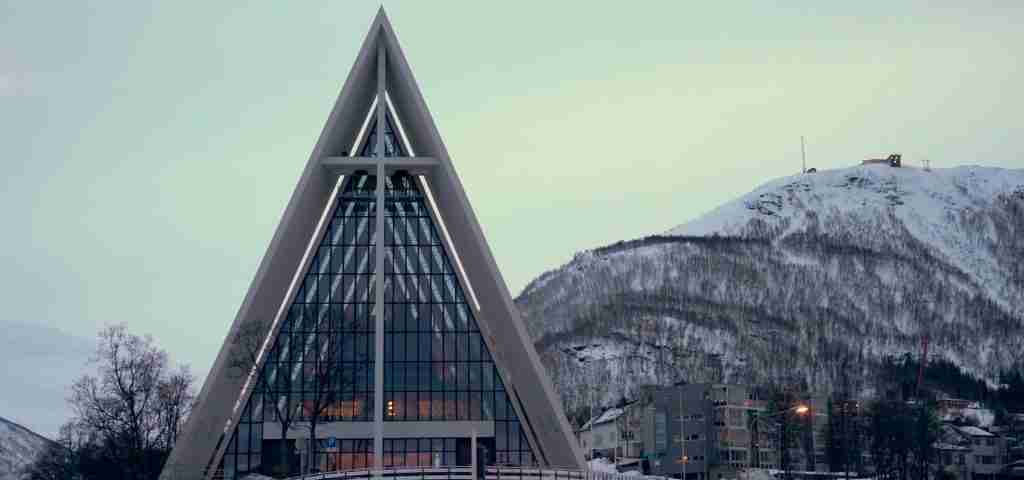
The Northern Lights Festival, typically held in late January or early February, celebrates contemporary music under the aurora. Classical music performances in the Arctic Cathedral, contemporary concerts in various venues, and the combination of cultural events with Northern Lights viewing opportunities make this period particularly special for culture-focused visitors.
Month-by-Month Planning Guide for 2026
January 2026
Best For: Serious Northern Lights chasers, photographers, Polar Night experience
Daylight: 0-2 hours (Polar Night until late month)
Temperature: -8°C to -12°C (18°F to 10°F)
Crowds: High (peak season)
Special Notes: Solar maximum’s final year, sun returns late month, Northern Lights Festival
February 2026
Best For: Northern Lights viewing with slightly milder conditions
Daylight: 3-6 hours (rapidly increasing)
Temperature: -5°C to -10°C (23°F to 14°F)
Crowds: High (peak season continuing)
Special Notes: Still excellent aurora conditions, improving weather
March 2026
Best For: Balanced experience with Northern Lights and daylight activities
Daylight: 6-10 hours
Temperature: -5°C to 5°C (23°F to 41°F)
Crowds: Moderate to High
Special Notes: Best overall month for combining winter activities with comfortable conditions
April 2026
Best For: Spring skiing, last Northern Lights opportunities
Daylight: 12-16 hours
Temperature: 0°C to 8°C (32°F to 46°F)
Crowds: Moderate
Special Notes: Aurora season ending, spring transition beginning
May 2026
Best For: Early Midnight Sun, fewer crowds, spring hiking
Daylight: 20-24 hours (Midnight Sun begins May 20)
Temperature: 5°C to 12°C (41°F to 54°F)
Crowds: Low to Moderate
Special Notes: Excellent value, weather improving, snow melting in lower elevations
June 2026
Best For: Peak Midnight Sun experience, hiking, outdoor activities
Daylight: 24 hours
Temperature: 10°C to 15°C (50°F to 59°F)
Crowds: High
Special Notes: Midnight Sun Marathon, warmest weather, best hiking conditions
July 2026
Best For: Midnight Sun, kayaking, coastal exploration
Daylight: 24 hours (until July 20)
Temperature: 12°C to 15°C (54°F to 59°F)
Crowds: High
Special Notes: Peak summer tourism, highest prices, vibrant atmosphere
August 2026
Best For: Long daylight without Midnight Sun intensity, hiking
Daylight: 16-20 hours
Temperature: 10°C to 14°C (50°F to 57°F)
Crowds: Moderate
Special Notes: Darkness returning, cooler temperatures, autumn approaching
September 2026
Best For: First Northern Lights, autumn colors, fewer crowds
Daylight: 10-14 hours
Temperature: 5°C to 10°C (41°F to 50°F)
Crowds: Low to Moderate
Special Notes: Aurora season begins mid-month, variable weather, beautiful autumn landscapes
October 2026
Best For: Northern Lights with milder conditions
Daylight: 6-10 hours
Temperature: 0°C to 5°C (32°F to 41°F)
Crowds: Moderate
Special Notes: Increasing darkness, cloudy weather common, competitive prices
November 2026
Best For: Northern Lights as peak season begins, Polar Night approaching
Daylight: 2-6 hours
Temperature: -3°C to 2°C (27°F to 36°F)
Crowds: Moderate to High
Special Notes: Polar Night begins late month, snow accumulation, winter activities starting
December 2026
Best For: Christmas atmosphere, Polar Night, Northern Lights
Daylight: 0-2 hours (Polar Night)
Temperature: -5°C to -8°C (23°F to 18°F)
Crowds: Very High (Christmas week)
Special Notes: Festive atmosphere, highest prices during holidays, magical winter experience
Making Your Final Decision for 2026
Choosing the best time to visit Tromsø depends on your priorities and what Arctic experiences matter most to you. Northern Lights chasers should target November through February, with January offering optimal conditions. Those seeking the Midnight Sun and outdoor adventures thrive during June and July. Visitors wanting balanced experiences with both Northern Lights potential and comfortable daytime activities should consider March or late September.
Budget-conscious travelers benefit significantly from shoulder season visits—March, April, September, and October offer substantial savings while maintaining strong aurora opportunities or Midnight Sun experiences. The trade-offs involve slightly less optimal conditions but often more authentic experiences with fewer crowds.
Remember that 2026 represents the final year of the solar maximum, making it particularly special for Northern Lights enthusiasts. The enhanced aurora activity won’t return until the mid-2030s, creating a unique window for experiencing the strongest displays possible at this latitude. Combined with Tromsø’s position beneath the auroral oval, 2026 offers exceptional opportunities for witnessing spectacular Northern Lights.
Weather always plays a role in Arctic travel, regardless of season. Building flexibility into your itinerary and maintaining realistic expectations helps ensure satisfaction even if conditions don’t cooperate perfectly. Tromsø offers rich experiences beyond its most famous phenomena—Sami culture, Arctic cuisine, stunning fjord landscapes, and the unique atmosphere of life above the Arctic Circle all enhance your visit regardless of when the Northern Lights appear or how long the sun stays up.
Frequently Asked Questions About Visiting Tromsø in 2026
Is it better to visit Tromsø in November or February for Northern Lights in 2026?
Both months offer excellent Northern Lights opportunities, but with different characteristics. November provides increasing darkness as Polar Night approaches, typically experiences less extreme cold (-3°C to 2°C versus February’s -5°C to -10°C), and often has lower accommodation prices before peak season fully arrives. February offers established winter conditions, slightly longer darkness hours, and typically clearer weather with less precipitation. For first-time visitors prioritizing Northern Lights above all else, February provides more consistent viewing conditions. For those seeking good Northern Lights chances with milder weather and better value, November works well.
Can I see Northern Lights from Tromsø city center or do I need to join a tour in 2026?
Northern Lights can sometimes be visible from Tromsø city center on very clear nights with strong aurora activity. However, city light pollution significantly reduces visibility and intensity of displays. Joining a tour provides several advantages: guides monitor weather forecasts and aurora predictions, choosing locations with clearest skies; travel to dark areas without light pollution reveals fuller aurora displays; expert guides maximize viewing opportunities by moving to optimal locations; and tour operators often include backup plans if initial locations prove cloudy. For serious Northern Lights viewing, tours significantly increase success probability compared to staying in the city.
What happens if I visit during Polar Night—do I need special equipment or preparation for 2026?
Polar Night requires some specific preparation but remains perfectly safe with proper planning. The continuous darkness can initially disorient visitors, but most adapt within 1-2 days. Hotels provide blackout curtains unnecessarily but offer excellent sleeping conditions. Vitamin D supplements help some visitors during extended darkness periods. Activities continue normally—restaurants, shops, and attractions maintain regular schedules, and the blue-hour twilight provides atmospheric lighting during midday. The primary preparation involves warm clothing for outdoor activities and understanding that your internal clock may feel confused for the first day or two.
Is the Midnight Sun too bright for sleeping during summer 2026 visits?
The Midnight Sun can significantly disrupt sleep for visitors unaccustomed to continuous daylight. Most Tromsø hotels provide blackout curtains or blinds specifically for this purpose—always verify this amenity when booking summer accommodation. Eye masks offer additional insurance for sensitive sleepers. The continuous daylight affects people differently; some adapt quickly while others struggle throughout their stay. Planning activities that keep you active during traditional daytime hours helps maintain normal sleep patterns. Many visitors find the experience energizing rather than draining, but individual reactions vary considerably.
How far in advance should I book accommodation and tours for peak season 2026?
For peak season visits (December through February), book 3-4 months in advance to secure best options and prices. Northern Lights tours, particularly small-group photography tours, often sell out even further ahead. Accommodation in the 200-400 NOK nightly range fills quickly, forcing late bookers toward more expensive options. Christmas and New Year weeks require even earlier booking—6 months ahead ensures availability. Shoulder season visits (September-November, March-April) allow more flexibility, with 6-8 weeks advance booking typically sufficient. Summer accommodation also requires advance planning due to Midnight Sun tourism, though typically less urgently than winter.
Can I combine Northern Lights viewing with skiing or winter sports in Tromsø during 2026?
Yes, Tromsø offers excellent opportunities for combining Northern Lights experiences with winter sports, though the area isn’t a traditional ski resort destination. The surrounding mountains provide exceptional ski touring and backcountry skiing opportunities, with local guides offering tours suitable for various skill levels. The small alpine ski area on Mount Storsteinen (accessible by cable car) operates during winter months for downhill skiing. Cross-country skiing trails extend throughout the region. Most visitors combine skiing/winter sports during daylight hours (or twilight during Polar Night) with Northern Lights tours in evening and night hours, creating full Arctic adventure days.
What’s the weather like during the shoulder seasons—can I still enjoy outdoor activities in March or September 2026?
March and September offer excellent conditions for outdoor activities, often more comfortable than peak winter or summer. March provides winter activities—dog sledding, snowmobiling, skiing—under improving conditions with temperatures warming to -5°C to 5°C and increasing daylight creating beautiful golden hours. Snow coverage remains reliable in March. September brings hiking opportunities under autumn colors, mild temperatures (0°C to 8°C), and the first aurora possibilities. The primary weather concern in September involves increased precipitation and cloudier conditions compared to winter months. March typically experiences better weather than September, with calmer conditions and clearer skies.
Are there any Northern Lights guarantees or refund policies from tour operators in 2026?
Some Tromsø Northern Lights tour operators offer “Northern Lights guarantees” that typically provide discounted or free repeat tours if aurora doesn’t appear during your first attempt. These aren’t true guarantees—no operator can guarantee natural phenomena—but rather policies acknowledging the uncertainty. Common guarantee structures include 50% discount on second tour if no Northern Lights appear on first tour, or free second tour after paying full price for first unsuccessful tour. Read terms carefully; guarantees usually require clear skies without aurora activity, not situations where clouds prevent viewing. Tour quality matters more than guarantees—experienced guides who actively chase clear skies provide better overall value.
How does weather change throughout the day in Tromsø, and should I pack differently for 2026?
Tromsø weather can change rapidly throughout the day, particularly during shoulder seasons. Winter weather tends to be more stable—once conditions establish themselves, they often persist for days. Spring and autumn experience the most variability, with conditions potentially shifting from snow to rain to clear skies within hours. This volatility requires versatile packing focused on layering. Always include waterproof outer layers regardless of forecast, as conditions can deteriorate quickly. Multiple lighter layers work better than single heavy layers, allowing adjustment as conditions and activity levels change. Temperature fluctuations of 10°C (18°F) within a day occur commonly in spring and autumn.
Is it worth visiting Tromsø if I’ve already seen Northern Lights elsewhere in 2026?
Tromsø offers value beyond Northern Lights alone, making it worthwhile even for experienced aurora viewers. The combination of Polar Night atmosphere, blue-hour twilight, Arctic culture, stunning fjord scenery, and winter activities creates experiences unavailable elsewhere. The city itself—often called the “Paris of the North”—provides cultural richness unusual for Arctic locations, with excellent restaurants, vibrant nightlife, and strong Sami cultural presence. Summer visits offer completely different appeal with Midnight Sun, hiking, and coastal exploration. Even visitors primarily interested in Northern Lights benefit from Tromsø’s infrastructure, tour quality, and probability of clear skies compared to many other aurora destinations.