
Tromsø Travel Guide 2026: Gateway to Arctic Norway
Tromsø stands as Norway’s Arctic capital, offering travelers an extraordinary blend of natural phenomena, outdoor adventures, and vibrant urban culture. Located 350 kilometers north of the Arctic Circle, this dynamic city of 75,000 residents provides the perfect base for experiencing the Northern Lights, midnight sun, whale watching, and authentic Arctic activities while enjoying modern amenities and infrastructure that make Arctic exploration accessible and comfortable.
Key Takeaways
- Northern Lights Season 2026: September through March offers prime aurora viewing, with peak darkness November through January during Polar Night providing maximum viewing opportunities
- Whale Watching Winter 2026: November to January brings orcas and humpback whales to Skjervøy fjords, creating one of Europe’s best marine mammal viewing experiences with tours starting at €165
- Budget Planning: Mid-range travelers should budget €150-200 daily per person including accommodation (shared), meals, local transport, and activities, with 3-day trips totaling €1,400-1,800 for couples
- Advance Booking Essential: Dog sledding, whale watching, and Northern Lights tours sell out 2-3 weeks ahead during peak season (November-January), requiring early reservation to secure spots
- Accessible Arctic City: Unlike remote Arctic destinations, Tromsø offers university-town atmosphere with excellent restaurants, hotels, public transport, and English-speaking services while maintaining authentic wilderness access
- Seasonal Extremes: Winter brings Polar Night (no sunrise late November to mid-January) while summer offers Midnight Sun (no sunset late May to late July), creating dramatically different but equally compelling experiences
People Also Ask About Tromsø Travel 2026
How much does a trip to Tromsø cost in 2026?
A 3-day winter trip to Tromsø costs €1,400-1,800 for two people traveling mid-range, including accommodation, meals, local transport, and one guided tour. Budget travelers staying in hostels and cooking meals can manage €900-1,000 total, while luxury trips with upgraded hotels, private tours, and fine dining exceed €2,500. Daily costs per person average €60-80 budget, €150-200 mid-range, or €300+ luxury when sharing accommodation. Major expenses include hotels (€110-180 per night mid-range), Northern Lights tours (€110-165), whale watching (€165-260), and dog sledding (€110-165).
What is the best month to visit Tromsø in 2026?
December and January 2026 offer the best combination of Northern Lights viewing, winter activities, and Polar Night atmosphere, though these months see highest prices and crowds. November provides excellent aurora chances with slightly fewer tourists and better availability. September and March offer shoulder season advantages with Northern Lights still visible, some daylight returning, lower accommodation costs, and easier booking. May and July-August bring Midnight Sun, hiking opportunities, and lowest prices, though without aurora viewing. Christmas and New Year weeks book earliest and cost most.
Is Tromsø expensive compared to other European destinations in 2026?
Tromsø costs significantly more than most European destinations, with prices 1.5-2 times higher than major Western European cities. Hotel rooms average €110-180 mid-range versus €80-120 in comparable European cities. Restaurant meals run €25-45 per person versus €15-30 elsewhere. Norway’s high wages, excellent social services, and strong economy drive prices upward, while Tromsø’s Arctic location and tourism demand add premiums. However, public transport remains affordable (€4.30 per ride), free activities like Northern Lights viewing from city outskirts cost nothing, and the unique Arctic experiences justify premium pricing for most visitors.
Can you see the Northern Lights from Tromsø city center in 2026?
Northern Lights appear over Tromsø city center during strong aurora activity, though light pollution reduces visibility compared to darker locations. Telegrafbukta beach and other waterfront areas within walking distance offer darker viewing spots while remaining accessible by foot or local bus. However, guided tours to remote locations 30-60 kilometers from the city provide significantly better viewing conditions, professional photography assistance, and backup location options when clouds form. Tours cost €110-320 depending on group size and service level. Clear skies and KP index 3+ enable city viewing, while weaker aurora displays require darker rural locations.
Extended multi-day tours – 5+ days
Featured Tromso Multi-Day Tour Packages

7 days
Magical Tromsø: Northern Lights, Reindeer, Whales and Dog Sledding
- ✓ Booking needs min. 2 travelers

5 days
Northern Norway in Winter
- ✓ Comprehensive Tromso tour
- ✓ Expert local guides included
- ✓ All accommodation arranged
- ✓ Transportation provided

5 days
Tromso and the Northern Lights – 5 days
- ✓ Comprehensive Tromso tour
- ✓ Expert local guides included
- ✓ All accommodation arranged
- ✓ Transportation provided
7 days
Norway Fjords and Northern Lights (Winter 2026/2027)
- ✓ Comprehensive Tromso tour
- ✓ Expert local guides included
- ✓ All accommodation arranged
- ✓ Transportation provided
Multi-day tour packages powered by TourRadar. Prices and availability subject to change.
Introduction: Planning Your Tromsø Adventure for 2026
Tromsø has evolved from a small Arctic trading post into Scandinavia’s most accessible Arctic destination, combining genuine wilderness experiences with urban sophistication. The city’s unique position 350 kilometers north of the Arctic Circle places it directly within the Northern Lights belt while maintaining year-round accessibility through modern airport infrastructure and excellent road connections. Unlike remote Arctic locations requiring expedition-level planning, Tromsø offers comfortable hotels, diverse restaurants, reliable public transport, and English-speaking services, making Arctic adventures feasible for all traveler types.
The 2026 season presents exceptional opportunities for Arctic experiences. Winter months (November-March) deliver peak Northern Lights viewing combined with snow-based activities including dog sledding, snowmobiling, and whale watching. The Polar Night period from late November to mid-January creates 24-hour darkness ideal for aurora hunting, while the magical twilight hours produce spectacular photography conditions. Summer visitors (May-August) experience the Midnight Sun phenomenon, enabling hiking, kayaking, and wildlife viewing under 24-hour daylight, with July offering warmest temperatures and most outdoor activity options.
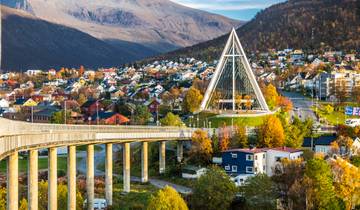
Tromsø’s compact size makes navigation straightforward. The city center occupies Tromsøya island, connected by bridges to mainland Norway and neighboring Kvaløya island. Most attractions, hotels, and restaurants cluster within walking distance, while iconic sites like the Arctic Cathedral sit just across the bridge. The university presence creates a youthful, international atmosphere unusual for Arctic cities, supporting diverse dining options, active nightlife, and cultural events throughout the year.
Successful trip planning requires understanding seasonal variations and booking timelines. Peak winter season (November-January) demands 2-3 week advance reservations for popular activities, with Christmas and New Year weeks requiring even earlier booking. Accommodation prices fluctuate dramatically by season, with winter rates reaching €250-400 per night mid-range versus €150-250 in shoulder seasons. Tours operate year-round but with different focuses: winter emphasizes Northern Lights, dog sledding, and whale watching, while summer centers on hiking, midnight sun tours, and coastal activities.
This comprehensive guide provides verified 2026 information for trip planning, including current activity prices, accommodation options, transportation details, seasonal considerations, and practical tips for maximizing your Arctic experience while managing costs effectively.
Understanding Tromsø’s Unique Arctic Location 2026
Tromsø sits at 69.6°N latitude, placing it 350 kilometers north of the Arctic Circle and within the prime Northern Lights viewing zone. This extreme northern position creates dramatic seasonal variations in daylight, with the Polar Night (Mørketiden) bringing no sunrise from approximately November 27 to January 15, and the Midnight Sun providing constant daylight from roughly May 20 to July 22. These phenomena shape every aspect of visiting Tromsø, from activity scheduling to photography opportunities to psychological adjustment.
The city occupies Tromsøya island (20 square kilometers) in Tromsøysundet strait, surrounded by dramatic Arctic landscapes. Snow-capped mountains rise directly from sea level, creating stunning backdrops for urban areas. Kvaløya island to the west provides wilderness access within 30 minutes’ drive, while the mainland to the east offers extensive forest and mountain terrain. Fjords penetrate deeply into the landscape, creating sheltered waterways ideal for boat-based activities while maintaining relatively mild temperatures despite the extreme latitude.
Despite its Arctic location, Tromsø experiences surprisingly moderate climate due to the North Atlantic Current (Gulf Stream extension) warming the coastal waters. Winter temperatures average -4°C to -1°C, considerably warmer than inland Arctic locations at similar latitudes. This maritime influence prevents the extreme cold typical of continental Arctic regions, making winter activities comfortable with proper clothing. However, weather changes rapidly, with clear skies turning cloudy within hours and temperatures fluctuating significantly between coastal and inland areas.
The combination of northern location, maritime climate, and mountainous terrain creates ideal conditions for Arctic experiences while maintaining accessibility. The Northern Lights appear frequently overhead during winter months, whale migrations concentrate in nearby fjords, and unique light conditions produce spectacular photography opportunities. The Gulf Stream keeps the port ice-free year-round, enabling year-round flights and boat activities impossible in many Arctic locations.
Best Time to Visit Tromsø 2026: Seasonal Planning Guide
Peak Northern Lights Season: November through January 2026
November through January represents peak season for Northern Lights viewing, combining maximum darkness hours with reliable aurora activity. The Polar Night begins November 27, creating 24-hour darkness ideal for aurora hunting at any time. Clear sky frequency peaks in December and January, though temperatures drop to -4°C to -8°C requiring proper Arctic clothing. This period sees highest tourist numbers, tightest accommodation availability, and premium pricing, with hotels reaching €250-400 per night mid-range and tours booking 2-3 weeks ahead.
December particularly attracts visitors seeking magical winter atmosphere, with Christmas markets, festive lighting, and traditional celebrations adding cultural experiences to natural phenomena. The month combines reliable Northern Lights viewing with developed winter activity infrastructure, as snow accumulation ensures optimal dog sledding and snowmobiling conditions. However, December 15-January 5 represents absolute peak period, requiring earliest booking and highest budgets. January after New Year offers similar conditions with somewhat reduced crowds and better last-minute availability.
Shoulder Season Excellence: September, October, February, March 2026
September and early October provide excellent Northern Lights viewing with added benefits of some daylight hours, autumn colors, and lower accommodation costs (€150-250 versus €250-400 peak season). September temperatures remain mild (5°C to 10°C), enabling comfortable outdoor activities without heavy Arctic gear. Snow arrives gradually through October, with dog sledding typically starting November once snow depth permits. These months offer significantly easier booking, with tours and hotels available 1-2 weeks ahead versus 3-4 weeks required in peak season.
February and March extend Northern Lights season while bringing returning daylight. February experiences similar darkness to December with fewer tourists and better availability, though prices remain elevated. March sees rapid daylight increase (sunrise returns mid-January, with March experiencing 12+ hours daylight), creating unique opportunities to combine aurora viewing with daytime activities. Late March temperatures rise toward 0°C, making outdoor activities more comfortable while snow conditions remain excellent for winter sports. These months suit travelers seeking balance between winter experiences and reasonable prices.
Midnight Sun Season: May through July 2026
Late May through July offers the Midnight Sun phenomenon, with 24-hour daylight enabling round-the-clock activities and photography. The sun never fully sets from approximately May 20 to July 22, creating magical golden-hour lighting throughout the night. This period attracts hikers, photographers, and wildlife enthusiasts, with mountain trails becoming accessible as snow melts and temperatures rise to 10°C-15°C. Accommodation costs drop 30-40% versus winter peak, with mid-range hotels averaging €150-220 per night.
June and July provide warmest conditions and most stable weather, ideal for hiking, kayaking, boat tours, and coastal exploration. Wildlife viewing peaks with bird breeding colonies accessible on nearby islands and marine mammals visible in fjords. However, Northern Lights viewing becomes impossible due to continuous daylight, and some winter-focused tour operators reduce schedules. July attracts most summer tourists, particularly Norwegian families on holiday, creating accommodation competition comparable to (though less intense than) December’s Northern Lights peak.
Choosing Your 2026 Travel Dates
Select November-January for prime Northern Lights viewing, winter activities, and authentic Polar Night experience, accepting premium prices and advance booking requirements. Choose September-October or February-March for excellent aurora chances with lower costs, easier availability, and milder weather. Consider May-July for Midnight Sun photography, hiking access, and budget-friendly travel, understanding Northern Lights viewing won’t be possible. Avoid late January through April for weakest value proposition, as Northern Lights season ends while winter pricing and conditions continue.
Getting to Tromsø 2026: Transportation Options
Flying to Tromsø Airport 2026
Tromsø Airport Langnes (TOS) serves as the primary gateway, located 5 kilometers from city center with excellent connections throughout Scandinavia and Europe. Direct flights operate year-round from Oslo (1.5 hours, multiple daily departures), Bergen, Trondheim, and Bodø. Norwegian, SAS, and Widerøe provide main service, with prices varying dramatically by season and booking timing. Winter peak season (November-January) sees Oslo-Tromsø roundtrip fares starting €200-350 when booked 2-3 months ahead, rising to €400-600 for last-minute bookings. Summer and shoulder seasons offer €150-250 roundtrip with advance purchase.
International travelers typically connect through Oslo, though some winter charter services operate direct from European cities. Stockholm, Copenhagen, and Helsinki offer convenient connection points with competitive pricing. Book flights 2-3 months ahead during winter peak season to secure reasonable rates, as prices escalate sharply within 4-6 weeks of departure. Consider flexible dates when possible, as midweek travel often costs €50-100 less than weekend departures.
Airport to City Center Transfer 2026
Flybussen airport bus provides most economical transfer, departing every 20-30 minutes during peak hours and costing 42 NOK (€4 / $4.30) per person one-way. The bus stops at major hotels and terminates at city center, taking 15-20 minutes depending on traffic. Purchase tickets onboard with cash or card, or pre-book through the Flybussen app for slight discount. City buses 40 and 42 offer even cheaper alternatives at 42 NOK per ride, though less convenient with luggage due to regular bus configuration versus Flybussen’s luggage racks.
Taxis cost 200-300 NOK (€18-27 / $18-27) for the 10-minute journey, reasonable for groups of 3-4 sharing costs but expensive for solo travelers. Most hotels arrange shuttle services for guests, sometimes included in room rate or offered at fixed price of 100-150 NOK per person. Pre-arrange hotel transfers when booking accommodation to secure best rates. Rental cars become necessary only for independent exploration beyond Tromsø, as the compact city center requires no vehicle and parking costs add €15-20 daily.
Alternative Arrival Options 2026
Hurtigruten coastal steamer connects Tromsø with other Norwegian coastal cities, offering scenic multi-day voyages combining transportation with sightseeing. Southbound ships arrive from Nordkapp, Honningsvåg, and Hammerfest, while northbound services connect from Trondheim, Bergen, and points south. The experience emphasizes journey over pure transportation, with prices starting €200-300 for basic cabin accommodations plus several days sailing time. Hurtigruten suits travelers building extended Norwegian coastal itineraries rather than flying directly to Tromsø.
Driving to Tromsø requires commitment, with 1,700 kilometers from Oslo necessitating 24-30 hours driving time over 3-4 days. The E6 and E8 highways provide year-round access, though winter driving demands Arctic experience, proper equipment, and flexibility for weather-related delays. Rental cars from Oslo cost €80-120 daily plus fuel (22 NOK / €2 per liter), making driving expensive unless visiting multiple Northern Norway destinations. Most international visitors find flying significantly more practical and cost-effective.
Where to Stay in Tromsø 2026: Accommodation Guide
Budget Accommodation Options 2026
Tromsø Activities Hostel provides the city’s primary budget accommodation, offering dormitory beds and private rooms in central location. Dormitory beds theoretically start around 330 NOK (€30) per night, though winter availability proves extremely limited with prices often rising to €80-100 when beds remain available. Book 3-4 months ahead for winter season, as the hostel fills quickly with Northern Lights chasers seeking economical lodging. The hostel provides kitchen facilities enabling meal preparation (critical for budget management), common areas for socializing, and tour booking assistance.
Budget hotel chains including Comfort Hotel Xpress and Thon Hotels offer rooms starting €100-130 in shoulder seasons, rising to €150-180 during winter peak. These properties provide private bathrooms, basic breakfast, and professional service while maintaining affordable pricing. Smart Hotel Tromsø emphasizes compact, modern rooms with self-service check-in, reducing costs through streamlined operations. Budget hotels cluster near city center, providing walking access to restaurants, shops, and tour departure points without requiring transportation expenses.
Mid-Range Hotel Selection 2026
Clarion Hotel The Edge represents Tromsø’s premier mid-range option, offering contemporary 4-star comfort in central waterfront location. Rates average €220-280 per night winter season, including breakfast buffet, fitness facilities, and harbor views from most rooms. The Edge’s central position places guests within walking distance of Arctic Cathedral, Polar Museum, and restaurant districts while providing tour company pickup points directly outside. Modern amenities, professional English-speaking staff, and reliable service justify the premium pricing for travelers seeking comfort without luxury rates.
Scandic Ishavshotel and Radisson Blu Hotel Tromsø face each other across Strandgata, both offering 4-star service at €200-260 per night including breakfast. These hotels serve as primary tour pickup locations, with Northern Lights, dog sledding, and whale watching operators departing directly from the hotels’ front entrances. The convenience factor reduces stress about finding meeting points and ensures punctual tour departures. Both properties feature restaurants, bars, and Arctic-themed public spaces reflecting Tromsø’s northern character.
Enter Hotels operate several properties throughout Tromsø at varying price points, from the budget-focused Enter Amalie Hotel (€140-180 with breakfast) to mid-range Enter Skansen Hotel (€180-220) near the Polar Museum. These locally-owned properties emphasize Scandinavian design, sustainable practices, and personal service. Consider Enter properties for authentic Norwegian atmosphere and supporting local business while maintaining international service standards.
Luxury and Unique Stays 2026
Moxy Tromsø brings Marriott’s lifestyle brand to the Arctic, offering design-forward rooms with industrial-chic aesthetic at €200-280 per night. The property targets younger travelers and design enthusiasts, featuring bold interiors, social common spaces, and central location. While not traditional luxury, Moxy delivers contemporary comfort and Instagram-worthy spaces at premium mid-range pricing.
Vacation rentals through Airbnb and Booking.com provide apartment options for groups and families, typically offering more space than hotel rooms at comparable or slightly lower prices. However, the proliferation of short-term rentals creates housing affordability issues for Tromsø residents, prompting tourism officials to discourage vacation rental use when hotel rooms remain available. Travelers should weigh the convenience and social benefits of supporting traditional accommodation infrastructure against the space advantages of vacation rentals.
Accommodation Booking Strategy 2026
Book December and January accommodation 3-4 months ahead to secure preferred properties and reasonable rates. November and February require 2-3 month advance reservations, while shoulder seasons (September-October, March) allow 4-6 week booking windows. Summer accommodation (May-July) books 1-2 months ahead, with last-minute availability often possible in June and August. Winter prices peak €250-400 mid-range, dropping to €150-250 shoulder seasons and €120-200 summer. Always compare rates across booking platforms (Booking.com, Hotels.com, Expedia) and hotel direct websites, as prices vary significantly and direct booking sometimes offers best rates or added amenities.
Things to Do in Tromsø 2026: Top Activities and Attractions
Northern Lights Tours 2026
Northern Lights tours represent the primary winter activity, with dozens of operators offering evening excursions to dark-sky locations 30-60 kilometers from the city. Tours typically depart 6:00-7:00 PM and return midnight-1:00 AM, traveling to remote locations based on real-time weather and aurora forecasting. Large bus tours (30-40 passengers) start at 1,200 NOK (€110 / $110), providing economical aurora access with professional photography guidance and warm drinks included. Minibus tours (12-15 passengers) cost 1,800 NOK (€165), offering more intimate experience and flexibility to relocate if clouds form.
Premium small-group tours (maximum 8 passengers) start at 2,500-3,500 NOK (€230-320), featuring expert aurora guides, professional photography instruction, high-quality equipment, and gourmet meals at wilderness camps. These tours target serious photographers and travelers seeking exclusive experience rather than basic aurora viewing. Aurora Camp tours (960-1,890 NOK) provide semi-permanent wilderness facilities with heated shelters, toilets, and campfire areas, creating comfortable viewing environments during long waiting periods between aurora displays.
Self-guided Northern Lights viewing costs nothing beyond transport to dark locations accessible by rental car or local bus. Telegrafbukta beach (accessible by city bus 20) provides reasonable darkness within city limits, though aurora visibility decreases compared to remote locations. Check aurora forecasts through Norwegian Meteorological Institute or aurora-tracking apps before heading out, and prepare for waiting 1-3 hours in -10°C to -20°C conditions. Success rates vary significantly based on solar activity, cloud cover, and patience, with tours offering higher success through professional forecasting, mobility, and backup locations.
Whale Watching Expeditions 2026
November through January brings orcas and humpback whales to Skjervøy fjords (100 kilometers northeast of Tromsø), creating Europe’s premier winter whale watching destination. These marine mammals follow herring migrations that concentrate in Arctic fjords, providing reliable sightings during the 10-week season. Tours depart Tromsø early morning (7:00-8:00 AM), travel 2 hours by bus or 2.5 hours by boat to Skjervøy, spend 4-5 hours searching for whales, then return evening (5:00-6:00 PM), creating full-day 10-12 hour excursions.
Brim Explorer operates hybrid-electric catamarans departing from Tromsø harbor, switching to silent electric mode near whale feeding grounds to minimize disturbance. The stable, spacious vessels provide indoor heated lounges, outdoor viewing decks, underwater drone cameras, and onboard facilities, ideal for travelers prioritizing comfort. Cost is 1,790 NOK (€165 / $165) including transport from Tromsø, with food and drinks available for purchase onboard. The company emphasizes sustainable whale watching practices, maintaining proper distances and limiting engine noise.
RIB (Rigid Inflatable Boat) tours provide closer whale encounters in smaller groups (4-12 passengers), traveling faster and maneuvering near whales more effectively than larger vessels. Green Gold of Norway charges approximately 3,000 NOK (€280) for RIB tours including Arctic flotation suits, heated facilities between viewing sessions, and expert guides. Explore 70° offers similar RIB experiences at 2,000 NOK (€185) for travelers accepting slightly larger groups. RIB tours suit adventurous travelers comfortable with faster boats and potentially rougher conditions in exchange for intimate wildlife encounters.
Success rates exceed 90% during peak season (mid-November through mid-January), with typical sightings including multiple pods of orcas, humpback whales performing surface behaviors, and dramatic Arctic mountain backdrops. Tours operate ethically following Norwegian wildlife viewing guidelines, maintaining minimum distances and limiting time near whale groups. The experience combines world-class marine mammal viewing with spectacular Arctic scenery during the brief twilight hours of Polar Night.
Dog Sledding Adventures 2026
Dog sledding epitomizes Arctic adventure, with multiple operators maintaining husky kennels 20-45 minutes from Tromsø center. Standard half-day tours (4-5 hours total, 60-90 minutes actual sledding) cost 1,200-1,800 NOK (€110-165 / $110-165) including round-trip transport, Arctic gear (thermal suits, boots, gloves), instruction, dog team assignment, and refreshments. Tours operate November through April on snow, switching to wheeled carts June through October during snow-free months when temperatures remain cool enough for dogs to run comfortably.
Most tours involve self-drive sledding, with two passengers per sled taking turns as musher (driver) and passenger. Professional guides lead convoys of 4-6 guest sleds through forest trails and across frozen lakes, maintaining safe spacing and providing assistance when needed. The experience emphasizes interaction with eager huskies, learning traditional mushing commands, and experiencing Arctic silence broken only by sled runners on snow and occasional dog communication. Midway stops enable passengers to switch positions, with brief breaks for photos and snacks.
Premium dog sledding experiences cost 2,455-2,790 NOK (€230-260), offering extended sledding time (2-3 hours), smaller groups, visits to remote wilderness areas, and enhanced meals. Aurora Husky and similar operators provide evening tours combining dog sledding with Northern Lights viewing, though success depends on aurora activity during limited viewing window. Budget-conscious travelers can visit husky farms for kennel tours and puppy interaction (500-800 NOK) without the full sledding experience, though most find the premium for actual sledding worthwhile given the unique nature of the activity.
Book dog sledding tours 2-3 weeks ahead during winter peak season, as kennels maintain limited dog teams and tours sell out quickly. Most operators set minimum age requirements (4-6 years) with weight restrictions for self-drive sledding, though passenger positions accommodate most travelers. The activity requires moderate fitness for maintaining balance and occasionally assisting dogs on uphill sections, but professional guides provide support ensuring successful experiences for first-time mushers.
Arctic Cathedral and Fjellheisen Cable Car 2026
The Arctic Cathedral (Ishavskatedralen) ranks among Norway’s most photographed buildings, its distinctive triangular architecture rising against mountain backdrops on Tromsdalen mainland. The 1965 modernist structure features 140-square-meter stained glass window and distinctive white concrete panels suggesting Arctic ice formations. Entry costs 70 NOK (€6.50 / $7) with self-guided visits requiring 30-45 minutes. Summer concerts (May-August) provide opportunities to hear organ and choir performances in the cathedral’s exceptional acoustics, with tickets at 170-220 NOK (€15-20) depending on performance type.
Fjellheisen Cable Car ascends Mount Storsteinen (421 meters elevation), providing panoramic views of Tromsø, surrounding islands, mountains, and fjords. The 4-minute ride costs 285 NOK (€26 / $27) roundtrip for adults, operating year-round except during extreme weather or annual maintenance (typically October). Winter visitors experience sunset colors (despite no actual sunset during Polar Night) painting mountains and creating spectacular photography conditions, while summer offers midnight sun viewing and hiking access to ridgetop trails. The summit cafe serves refreshments at premium prices, though many visitors bring snacks enjoying the views without additional expense.
Visit the Arctic Cathedral during afternoon twilight hours (11:00 AM-2:00 PM in December-January) when limited natural light creates optimal conditions for photographing the glass window and white panels against mountain backdrops. Combine the cathedral visit with Fjellheisen ride during same trip, as both attractions sit on Tromsdalen mainland across the bridge from city center. Budget 2-3 hours total for both attractions including transport time, enabling return to city center for other activities or meals.
Museums and Cultural Attractions 2026
Polaria Arctic Experience Center presents Arctic wildlife through aquarium exhibits featuring bearded seals, cold-water fish species, and interactive displays about Arctic climate, ecosystems, and research. Entry costs 185 NOK (€17 / $18) for adults, with daily seal feeding demonstrations at scheduled times creating popular family attractions. The center’s distinctive slanted architecture resembles ice blocks pushed by Arctic storms, making the building itself a notable landmark. Budget 1-2 hours for comprehensive visit including film presentations about Northern Lights and Svalbard environments.
The Polar Museum (Polarmuseet) occupies historic customs house buildings on the waterfront, documenting Norwegian polar exploration history, Arctic hunting traditions, and famous expeditions by Nansen, Amundsen, and other explorers. Entry costs 100 NOK (€9 / $10) with extensive exhibits about Svalbard trapping, seal hunting, and the dramatic conditions faced by Arctic pioneers. The museum provides essential context for understanding Tromsø’s role as Arctic gateway and base for polar expeditions spanning 150 years.
Tromsø Museum (University Museum) covers Northern Norwegian culture, Sami traditions, Arctic nature, and regional history through permanent and temporary exhibitions. Entry is 100 NOK (€9) with separate sections devoted to indigenous peoples, natural history, and regional archaeology. The Northern Lights planetarium presents aurora science through multimedia presentations, operating September through March when actual aurora viewing remains possible. Combined tickets covering multiple museums offer modest savings for visitors planning museum-heavy itineraries.
The Classic Pass costs 1,306 NOK (€120 / $120) covering Fjellheisen cable car, Polaria, Polar Museum, Tromsø Museum, Arctic Cathedral, and additional attractions. The pass suits visitors planning 3-4 days with multiple attraction visits, providing savings versus individual tickets while simplifying entry (show pass instead of purchasing separate tickets). Calculate whether the pass saves money based on planned visits, as travelers focusing primarily on tours rather than attractions may find individual tickets more economical.
Additional Winter Activities 2026
Snowmobile safaris explore wilderness areas 45-60 minutes from Tromsø, traveling through forests and across frozen lakes while surrounded by Arctic mountain scenery. Tours cost 1,800-2,400 NOK (€165-220) for 2-3 hour experiences including equipment, instruction, and guide service. Riders share snowmobiles with partners, taking turns driving, though single-rider options cost premium rates. Evening tours combine snowmobiling with Northern Lights viewing opportunities when conditions permit.
Reindeer sledding and Sami culture experiences provide gentler traditional Arctic transportation combined with indigenous cultural education. Tours visit Sami camps 30-45 minutes from Tromsø, featuring reindeer feeding, short sledding rides (15-30 minutes), traditional lavvu tent visits, storytelling about Sami history and traditions, and authentic meals. Costs range 1,000-1,500 NOK (€90-140) for half-day experiences emphasizing cultural learning over high-adrenaline adventure. These tours suit families with young children and travelers interested in indigenous perspectives on Arctic life.
Ice fishing, snowshoeing, and cross-country skiing enable independent exploration of winter landscapes at minimal cost. Equipment rental from outdoor shops costs 200-350 NOK (€18-32) daily, with popular trails accessible by city bus or short drives. Guided snowshoe tours (1,690-1,890 NOK) lead groups to viewpoints overlooking Tromsø and surrounding fjords, combining exercise with photography opportunities and sometimes Northern Lights viewing during evening departures.
Summer Activities 2026
Midnight Sun hiking accesses mountains surrounding Tromsø during continuous daylight May through July. Popular trails include Tromsdalstinden (1,238 meters, 6-8 hours roundtrip with cable car descent option), Fløya (550 meters, 3-4 hours roundtrip from city center), and Bønntuva (435 meters, 2-3 hours with gentle slopes suitable for families). Trails require no special equipment beyond proper hiking boots, rain gear, and layers for variable mountain weather. Trail conditions vary significantly by season, with June offering snow-free access to most routes and July providing warmest conditions.
Sea kayaking explores fjords and coastlines during stable summer conditions, with guided tours (1,950-2,200 NOK / €180-200) departing from Tromsø harbor or nearby islands. Routes pass bird colonies, seal haul-outs, and dramatic coastal scenery while providing unique perspectives on Arctic marine environments. No previous kayaking experience required, as guides provide instruction and maintain groups within protected waters. Winter kayaking tours operate November through March for adventurous travelers seeking unusual Arctic activities, though cold conditions and darkness create significantly different experiences from summer paddling.
Fishing tours target cod, halibut, and other Arctic species, with boat departures from Tromsø harbor running May through September. Half-day tours (1,200-1,600 NOK) provide equipment, guidance, and sometimes fish processing/packaging enabling travelers to ship catches home. Arctic waters produce exceptional fish quality, with fresh catches prepared by local restaurants creating memorable meals. Fishing requires no previous experience, with professional guides handling navigation, fish location, and technique instruction.
Tromsø Budget Planning 2026: Daily Cost Breakdown
Budget Traveler: €60-80 per day
Budget travelers sleeping in hostel dormitories (€30-40 shared accommodations, €40-50 private budget hotel rooms), cooking meals using supermarket groceries (€15-20 daily food costs), walking within compact city center (free local transport), and limiting paid activities to 1-2 tours during entire stay achieve daily costs of €60-80 per person. Northern Lights viewing from accessible dark locations like Telegrafbukta beach costs nothing beyond bus fare (€4.30). Hikes on surrounding mountains remain free, with Fløya and other trails accessible directly from city center. Free museums including university campus facilities and outdoor attractions enable sightseeing without admission fees.
Budget grocery options include Rema 1000, Kiwi, and Coop Prix supermarkets throughout Tromsø. Basic meal components cost: pasta and sauce €5-7, breakfast supplies (oats, bread, cheese) €8-10 for 3-4 days, sandwich ingredients €6-8. Hostel kitchens provide cooking equipment, enabling budget-conscious travelers to avoid restaurant expenses almost entirely. Allocate one restaurant meal (pizza or burger €15-20) or cafe lunch (soup and bread €12-15) as occasional treats without destroying budget discipline.
Mid-Range Traveler: €150-200 per day
Mid-range travelers booking 3-star hotels or quality Airbnb accommodations (€55-90 per person sharing double room), mixing restaurant meals with occasional self-catering (€40-60 daily food costs), using taxis selectively alongside buses (€10-15 transport), and participating in 1-2 guided tours every other day achieve daily costs of €150-200 per person. This budget enables participation in major activities (Northern Lights tours €110, whale watching €165, dog sledding €110-165) while maintaining comfortable accommodation and varied dining experiences.
Restaurant meals in Tromsø average €20-30 lunch, €35-50 dinner per person including drinks. Popular spots like Fiskekompaniet (seafood), Smak (contemporary Norwegian), and Bardus Bistro (international) represent mid-range dining delivering quality food without luxury pricing. Budget €25-35 for casual lunches at cafes or lighter restaurants, €40-60 for full dinners at recommended establishments. Dinner reservations prove advisable during peak winter season when popular restaurants fill quickly.
Luxury Traveler: €300+ per day
Luxury travelers selecting 4-star hotels (€110-180 per person in double rooms), dining exclusively at quality restaurants (€80-120 daily), using taxis freely (€20-30 daily), and booking private tours or small-group premium experiences (€230-320 per tour) spend €300-400+ daily per person. This budget enables participation in all desired activities without cost concerns, staying at properties like Clarion Hotel The Edge, and experiencing Tromsø’s best restaurants including high-end seafood establishments charging €60-90 per person for multi-course dinners.
Private Northern Lights tours (€320+ per person small group), private whale watching expeditions (€500-800 for boat charter divided by group), and exclusive experiences create premium alternatives to standard tours. Helicopter tours, private guides, and customized itineraries serve travelers seeking personalized experiences beyond group tour limitations. However, Tromsø’s relatively limited luxury infrastructure means premium travelers often experience similar activities as mid-range visitors but with enhanced service, smaller groups, and superior guides rather than fundamentally different experiences.
Sample 3-Day Budget Breakdown 2026
Budget Traveler (€240-300 total per person): Hostel dormitory €30-40 × 3 nights = €90-120. Supermarket food €15-20 × 3 days = €45-60. Bus transport €15 total. Northern Lights self-viewing free. Fjellheisen cable car €26. One budget restaurant meal €15. City walking tours free. Total: €191-236 accommodation and meals, €41-64 activities, €240-300 complete trip.
Mid-Range Traveler (€525-675 total per person): Hotel double room €110-140 × 3 nights = €165-210 per person sharing. Restaurant meals €40-60 × 3 days = €120-180. Local transport/taxis €25. Northern Lights minibus tour €165. Dog sledding €110. Fjellheisen + Arctic Cathedral €33. Total: €310-415 accommodation and meals, €215-260 activities, €525-675 complete trip.
Luxury Traveler (€1,050-1,350 total per person): Clarion Hotel The Edge €220-260 × 3 nights = €330-390 per person sharing. Fine dining €80-120 × 3 days = €240-360. Transport €50. Private Northern Lights tour €320. Whale watching (full day) €165. Dog sledding €165. Museums and attractions €60. Total: €620-800 accommodation, meals, transport; €430-550 activities; €1,050-1,350 complete trip.
Getting Around Tromsø 2026: Local Transportation
Walking the Compact City Center
Tromsø’s city center spans 2-3 kilometers end-to-end, making walking the primary transportation method for exploring downtown attractions, restaurants, and waterfront areas. Major hotels cluster within 500-1,000 meters of each other, with the main shopping street (Storgata), harbor, university district, and most dining options accessible within 15-20 minute walks from any central hotel. Winter conditions demand proper footwear with good traction, as ice and packed snow create slippery conditions despite regular maintenance.
Key walking routes include the harbor promenade connecting cruise terminals with city center, the bridge to Arctic Cathedral (10-15 minute walk from Scandic Ishavshotel), and the university campus area 15 minutes south of center. Tromsø Bridge provides dedicated pedestrian walkway separated from vehicle traffic, enabling safe crossing with excellent photography opportunities midway. The compact, flat central island makes walking practical even during Polar Night darkness, as streetlighting ensures adequate visibility and limited vehicle traffic creates pedestrian-friendly environment.
City Bus System 2026
Tromsø’s city bus network covers residential areas, suburbs, and key attractions beyond walking distance from center. Single tickets cost 42 NOK (€4 / $4.30) purchased from drivers (cash or card accepted), providing 60-minute transfer window for connecting routes. Day passes (104 NOK / €9.50) enable unlimited travel 24 hours, worthwhile for visitors making 3+ trips daily. Routes 20, 24, and 26 serve popular destinations including Telegrafbukta beach (Northern Lights viewing), Cable Car, and residential areas.
Buses run approximately 6:00 AM-11:00 PM weekdays with reduced weekend schedules and limited late-night service. Route maps and schedules appear at major stops, though mobile apps (Troms Fylkestrafikk) provide real-time departure information and route planning. Buses accommodate modest luggage but prohibit large suitcases during peak hours, making airport transfers impractical on regular city routes (use Flybussen instead). Winter weather occasionally disrupts schedules, though service reliability generally remains high even during significant snow events.
Taxi Services 2026
Taxis provide convenient point-to-point transport at premium prices reflective of Norway’s high cost structure. Base fares start around 100 NOK (€9 / $9-10) with per-kilometer charges adding 18-22 NOK (€1.60-2), making typical city center trips 150-200 NOK (€14-18) and longer journeys proportionally expensive. Order taxis through apps (Tromsø Taxi, Cabonline) or phone dispatch, as street hailing proves difficult outside central hotel areas. Taxis accept cards universally, eliminating cash requirements for travelers.
Taxis become most valuable for airport transfers (200-300 NOK), late-night returns from restaurants or Northern Lights viewpoints, and reaching trailheads beyond bus service. Groups of 3-4 sharing costs reduce per-person expenses to reasonable levels, particularly for direct airport transfers avoiding bus connections. However, advance booking proves essential during peak winter season when demand exceeds supply, especially late night when tour groups return simultaneously from Northern Lights excursions.
Car Rental Considerations 2026
Rental cars provide flexibility for exploring areas beyond Tromsø but add significant costs without delivering proportional value for most visitors. Daily rental rates start €80-120 in winter, with mandatory winter tires, insurance, and fuel (22 NOK / €2 per liter) pushing total costs to €100-150 daily. Add parking fees (€15-20 daily in city center) and winter driving challenges, and cars benefit only travelers planning extensive independent exploration or visiting multiple Northern Norway destinations beyond tour-accessible areas.
Most popular activities (Northern Lights tours, whale watching, dog sledding) include hotel pickup/dropoff, eliminating car necessity. Museums, restaurants, and city attractions cluster within walking distance. Rental cars make sense for travelers planning multi-day regional trips visiting Lyngen Alps, Senja Island, or other areas requiring extensive driving. For 3-4 day Tromsø stays focused on standard activities, avoid rental cars, relying on included tour transport, buses, and occasional taxis instead.
Where to Eat in Tromsø 2026: Dining Guide
Signature Norwegian Dining
Fiskekompaniet occupies harbourside location serving exceptional seafood emphasizing Arctic species including cod, halibut, king crab, and locally-sourced shellfish. Expect €50-70 per person for multi-course dinners featuring sophisticated preparations of traditional Norwegian ingredients. The restaurant operates primarily dinner service (book ahead during winter peak season) with harbor views and traditional Norwegian decorative elements creating upscale Arctic atmosphere. Signature dishes include Arctic char, reindeer preparations, and seasonal shellfish platters.
Emma’s Dream Kitchen (Emmas Drømmekjøkken) serves contemporary Norwegian cuisine in cozy atmosphere emphasizing traditional recipes with modern presentations. Dinner costs €40-60 per person with emphasis on local game meats, fish, and seasonal vegetables. The restaurant’s intimate size (limited seating) requires advance reservations during peak season, though the personal service and attention to detail justify booking effort. Menu changes seasonally reflecting ingredient availability and chef preferences.
Smak offers modern Scandinavian small plates in shared dining concept, with dishes priced €12-20 enabling guests to sample multiple flavors in single meal. Expect €40-50 per person for satisfying dinner including 3-4 plates. The restaurant emphasizes natural wines, creative presentations, and relaxed atmosphere contrasting traditional formal Norwegian dining. Walk-in seating often available, particularly weekday evenings, though weekend reservations remain advisable.
Casual and Budget-Friendly Options
Mathallen Tromsø food hall presents multiple vendors offering diverse cuisines including Thai, Mexican, pizza, burgers, and Norwegian classics in casual market atmosphere. Individual meals cost €12-20 with shared seating creating social environment. The food hall provides excellent option for groups with varying preferences, enabling each person to select different cuisine while eating together. Open lunch through dinner with some late-night weekend hours.
Burgr and Raketten Bar & Pølse serve quality burgers and hot dogs at €12-18 per meal, providing satisfying budget-conscious dining exceeding fast-food quality. These casual spots welcome travelers seeking quick meals between activities or late-night post-Northern Lights tour food. Burgr particularly receives praise for creative burger combinations and quality ingredients sourcing.
Risø Mat & Kaffebar serves breakfast, lunch, and dinner with emphasis on vegetarian and healthy options at €15-25 per meal. The cafe atmosphere suits solo travelers, remote workers utilizing WiFi, and groups seeking casual meetings over quality coffee and simple food. Breakfast offerings (€8-15) provide economical alternatives to hotel buffets for travelers without included breakfast.
Supermarket and Self-Catering Options
Rema 1000, Kiwi, and Coop Prix supermarkets throughout Tromsø enable budget-conscious travelers to prepare meals using hostel or apartment kitchen facilities. Expect €8-12 for sandwich ingredients serving 2-3 meals, €10-15 for pasta dinner ingredients (pasta, sauce, vegetables, cheese), and €5-8 for breakfast supplies (oats, yogurt, fruit) serving multiple days. Norwegian supermarkets emphasize quality with excellent fresh bread, cheese, and meat selections despite premium pricing versus Southern European equivalents.
Wine and beer purchasing requires understanding Norwegian alcohol regulations. Supermarkets sell beer up to 4.7% alcohol until 8:00 PM weekdays, 6:00 PM Saturdays, no Sunday sales. Stronger beer, wine, and spirits require Vinmonopolet (government alcohol shop) purchases with more restricted hours (weekdays 10:00 AM-6:00 PM, Saturdays 10:00 AM-3:00 PM, closed Sundays). Plan alcohol purchases during store hours to avoid disappointment, as restaurants and bars sell alcohol at significant premiums (beer €8-12, wine €12-18 per glass).
Practical Tips for Visiting Tromsø 2026
Packing for Arctic Conditions 2026
Winter visitors require layered clothing system for managing temperatures ranging from warm hotel interiors to -15°C outdoor conditions. Base layers (merino wool or synthetic thermal underwear), mid-layers (fleece or wool), and outer shell (waterproof/windproof jacket and pants) enable temperature regulation through activity and environment changes. Quality winter boots with excellent traction prevent slips on ice and packed snow, while warm gloves, hat covering ears, and neck gaiter or scarf protect exposed skin from wind chill.
Tour operators provide Arctic-grade equipment (thermal suits, extreme-cold boots) for activities like dog sledding and RIB boat whale watching, reducing personal packing requirements. However, quality everyday winter wear proves essential for walking in city, waiting for tours, and Northern Lights viewing periods requiring 1-3 hours standing outdoors. Many travelers underestimate clothing needs, discovering insufficient insulation only after arrival, so err toward excessive preparation rather than inadequate gear.
Photography equipment requires special consideration. Extra batteries drain quickly in Arctic cold (keep spares in warm inside pockets), and tripods prove essential for Northern Lights photography requiring long exposures. Memory cards, lens cleaning supplies, and weather-protective camera bags complete photography preparations. Travelers serious about aurora photography should research long-exposure techniques and appropriate camera settings before arrival, as Northern Lights appearances don’t provide learning opportunities.
Weather and Seasonal Preparations 2026
December and January temperatures average -4°C to -8°C with occasional cold snaps reaching -15°C to -20°C. However, maritime influences moderate extremes compared to inland Arctic locations, preventing the -30°C to -40°C conditions experienced at similar latitudes in continental climates. Wind amplifies perceived cold significantly, making -8°C feel considerably colder along exposed waterfront or during boat tours. Check weather forecasts daily, as Arctic conditions change rapidly with storm systems moving through within hours.
Polar Night darkness requires psychological adjustment for many visitors. The sun doesn’t rise above horizon from late November to mid-January, though 2-3 hours of twilight around midday provide limited natural light. This extended darkness enables all-day Northern Lights viewing but can affect mood and energy levels. Maintain normal sleep schedules despite darkness, using hotel lighting and regular meal times to support circadian rhythms. Many hotels provide specialized lighting supporting winter wellness.
Summer visitors face opposite challenges. Midnight Sun’s constant daylight disrupts sleep patterns, requiring blackout curtains or sleep masks for quality rest. Temperatures remain cool (10°C-15°C) despite 24-hour sunshine, with occasional warm spells reaching 18°C-20°C. Pack layers anticipating variable conditions, as sunny mornings can transition to cool, rainy afternoons within hours. Mosquitoes appear in June-July around wetlands and forests, making insect repellent necessary for hiking activities.
Money, Payments, and Tipping 2026
Norway operates as nearly-cashless society, with cards accepted universally including small purchases and public transport. Major credit cards (Visa, Mastercard) work everywhere, while American Express receives less acceptance. Contactless payments (tap) function for amounts under 400 NOK (€37), simplifying transactions. ATMs throughout Tromsø dispense Norwegian Kroner (NOK) for travelers requiring cash, though most visitors complete entire trips using cards exclusively.
Currency exchange rates fluctuate, but approximate conversions help budget planning: 1 EUR = 10.5-11.5 NOK, 1 USD = 10-11 NOK. Credit cards provide better exchange rates than cash conversion, making card payments preferable even when cash remains accepted. Notify your bank of Norway travel to prevent card blocks due to unusual activity patterns.
Tipping remains optional in Norway, as service charges incorporate fair wages. Restaurant bills include service, with small tips (rounding up or 5-10%) appreciated for exceptional service but never expected. Tour guides sometimes receive tips from satisfied customers (50-100 NOK per person for full-day tours), though no obligation exists. Taxi drivers don’t expect tips beyond rounding up to nearest convenient amount.
Language and Communication 2026
Norwegian serves as official language, though English proficiency approaches universal among Tromsø residents. Hotels, restaurants, tour operators, and shops communicate fluently in English, eliminating language barriers for international visitors. Signs, menus, and information displays typically include English translations alongside Norwegian text. Travelers comfortable with English-only communication face no difficulties navigating Tromsø, booking activities, or handling practical matters.
Learning basic Norwegian phrases (hello: “hei”, thank you: “takk”, excuse me: “unnskyld”) demonstrates respect and generates positive interactions, though Norwegians typically respond in English recognizing foreign accents. Pronunciation proves challenging for many, as Norwegian includes unique vowel sounds uncommon in other languages. Most locals appreciate attempts at Norwegian greetings even when conversations continue in English.
Safety and Health Considerations 2026
Tromsø maintains extremely low crime rates with petty theft uncommon and violent crime nearly non-existent. Standard precautions (securing valuables in hotel safes, watching belongings in public spaces) provide adequate security. Solo travelers, including women, experience Tromsø as very safe destination with comfortable evening walking even during Polar Night darkness.
Cold weather presents the primary health consideration, with frostbite and hypothermia risks for improperly dressed individuals spending extended periods outdoors. Follow layering advice, cover all exposed skin during extreme cold, and seek indoor warmth if shivering or losing sensation in extremities. Most organized tours monitor participants for cold-related issues and provide warming breaks, while independent travelers must manage exposure carefully.
European Health Insurance Cards (EHIC) provide coverage for EU citizens seeking medical care in Norway, while travelers from other countries should verify insurance coverage before departure. Medical facilities in Tromsø meet high standards with University Hospital serving as regional trauma center. Pharmacies (apotek) sell over-the-counter medications for common ailments, with several locations in city center offering extended hours.
Responsible Arctic Tourism 2026
Arctic environments demonstrate particular fragility requiring conscious travel practices. Stay on designated trails when hiking to prevent tundra vegetation damage, as Arctic plant growth proceeds slowly and disturbances persist decades. Follow Leave No Trace principles, packing out all waste including biodegradable items like fruit peels, as decomposition rates slow dramatically in cold climates.
Wildlife viewing demands appropriate distances and behaviors. Commercial tours follow strict guidelines maintaining minimum distances from whales, reindeer, and other species. Independent travelers should research proper wildlife observation practices, using telephoto lenses rather than approaching animals closely, and never feeding wild species. Northern Lights viewing causes no environmental impact, though vehicles reaching remote viewing locations contribute emissions, making carbon-offset programs worth considering for environmental-conscious travelers.
Support local and sustainable businesses when possible. Tromsø’s economy benefits when visitors choose locally-owned accommodations, restaurants, and tour operators over international chains. Select whale watching companies emphasizing sustainable practices (silent electric engines near whales, strict distance protocols), and avoid operators cutting corners on environmental standards to reduce prices. The slightly higher costs for responsible operators directly support Arctic conservation and community wellbeing.
Frequently Asked Questions About Tromsø Travel 2026
Do I need a visa to visit Tromsø in 2026?
Norway participates in the Schengen Agreement, allowing visa-free entry for EU/EEA citizens and passport-only entry for 90-day stays by citizens of 60+ countries including USA, Canada, Australia, New Zealand, Japan, South Korea, and most Latin American nations. Visitors from countries requiring Schengen visas must apply through Norwegian embassy or consulate in their home country, providing proof of accommodation, return tickets, and financial means (bank statements showing approximately €95 daily for stay duration). Apply 3-6 months before travel as processing times vary. Tromsø’s airport operates as international entry point with full passport control facilities.
What’s the likelihood of seeing Northern Lights in Tromsø during winter 2026?
Tromsø’s position within the aurora belt delivers approximately 200 annual Northern Lights nights, though visibility depends on cloud cover, solar activity, and viewing location. December and January offer highest success rates with peak darkness, while November, February, and March provide excellent secondary options. Individual night success rates vary significantly (20-60%) based on weather patterns, but multi-night stays dramatically improve overall chances. Tours increase success through professional forecasting, mobility to reach clear skies, and patience waiting for activity increases. Self-viewing from dark locations matches tour success during optimal conditions but requires more effort and weather knowledge.
Can I visit Tromsø without joining organized tours in 2026?
Independent travel in Tromsø proves entirely feasible, with compact city center accessible by walking, excellent public transport reaching surrounding areas, and numerous free or low-cost activities. Northern Lights viewing costs nothing beyond transport to dark locations like Telegrafbukta beach (city bus access), hiking requires only proper gear and trail navigation, and museums charge modest admission fees. However, specific activities (whale watching, dog sledding) require professional operators due to specialized equipment, remote locations, and safety considerations. Balance independent exploration of city attractions with selective tour participation for unique Arctic activities beyond individual access.
What accommodation booking timeline ensures best availability and rates for winter 2026?
Book December and January stays 3-4 months ahead to secure preferred hotels at reasonable rates, as winter peak season fills hotels quickly while driving prices upward. November and February require 2-3 month advance reservations, particularly for mid-range and budget properties with limited capacity. Shoulder seasons (September-October, March) allow 4-6 week booking windows with better last-minute availability. Summer (May-July) permits 1-2 month advance booking except during July peak. Flexible date travelers can monitor rates 6-8 weeks ahead, sometimes finding deals as hotels adjust pricing for soft demand periods, though winter peak rarely offers significant discounts.
How difficult is dog sledding for first-time participants in 2026?
Dog sledding requires moderate fitness and balance but proves manageable for most healthy adults without specialized training. Professional guides provide comprehensive instruction covering sled control, brake operation, commands, and safety procedures before departure. The dogs know trails intimately and follow lead sleds, reducing navigational challenges. Participants occasionally assist dogs on uphill sections by running alongside or pushing sleds, requiring brief physical exertion at -10°C to -15°C. Sleds accommodate passengers unable to mush independently, enabling couples to split responsibilities. Most operators set minimum ages 4-6 years with adult accompaniment, making family participation possible with appropriate expectations and support.
What’s the best strategy for maximizing Northern Lights photography success in 2026?
Successful Northern Lights photography requires DSLR or mirrorless camera with manual controls, wide-angle lens (14-24mm ideal), sturdy tripod, multiple spare batteries (cold drains power rapidly), and remote shutter release or self-timer. Settings typically include ISO 1600-3200, aperture f/2.8 or wider, 10-25 second exposures depending on aurora brightness and movement. Practice manual focusing on distant light sources before aurora appears, as autofocus fails in darkness. Guided photo tours provide instruction, location knowledge, and technical support, though self-sufficient photographers succeed independently at free viewing locations. Aurora displays vary from subtle arcs requiring long exposures to brilliant curtains enabling faster shutter speeds, demanding technical flexibility and patience.
Are Tromsø restaurants expensive, and how can I manage dining costs in 2026?
Restaurant meals cost €20-30 lunch, €35-50 dinner per person at mid-range establishments, substantially higher than most European destinations. Budget management strategies include breakfast at hotel (when included in room rate), lunches at casual cafes or food halls (€12-20), and cooking dinners using supermarket ingredients (€8-15 per person). Dinner at quality restaurants 1-2 times during trip provides cultural experience and culinary highlights without destroying budgets. Alcohol drives costs upward significantly (beer €8-12, wine €12-18 per glass), making supermarket pre-dinner drinks or alcohol-free meals effective savings strategies. Budget travelers prioritizing activities over dining comfortably sustain themselves on €20-30 daily food costs through smart shopping and meal planning.
What distinguishes RIB boat whale watching from standard boat tours in 2026?
RIB (Rigid Inflatable Boat) tours provide faster travel, closer whale approaches, and smaller groups (4-12 passengers) than large catamarans (50-100 passengers), creating more intimate wildlife encounters and flexibility pursuing whale movements. RIBs enable positioning near feeding whales more effectively, though rides prove rougher and wetter despite provided Arctic flotation suits. Large boats offer stable platforms with indoor heated areas, restrooms, food service, and weather protection, suiting travelers prioritizing comfort and facilities. Both tour types achieve 90%+ success rates during peak season, making vessel choice depend on adventure versus comfort preferences rather than whale sighting likelihood. RIB tours cost €80-120 more than standard boats, justifiable for travelers seeking premium wildlife experience.
Does Tromsø offer activities and attractions during summer Midnight Sun season 2026?
Summer Tromsø (May-July) transforms completely from winter focus, offering hiking, kayaking, fishing, boat tours, and wildlife viewing under continuous daylight. Midnight Sun tours reach mountain viewpoints for golden-hour photography lasting hours, while hiking trails across surrounding mountains become snow-free and accessible. Sea kayaking operates in calm summer conditions, coastal boat tours explore bird colonies and seal haul-outs, and fishing excursions target Arctic species. Museums, cable car, and cultural attractions operate year-round. However, Northern Lights viewing becomes impossible due to continuous daylight, and some winter-focused operators reduce summer schedules. Summer attracts fewer international tourists than winter, creating easier booking and lower accommodation costs while delivering equally compelling (though dramatically different) Arctic experiences.
What’s the most effective approach to managing cold weather during Tromsø winter visits 2026?
Successful cold weather management requires layering system enabling temperature regulation across varying activities and environments. Start with base layer (merino wool or synthetic thermal underwear) wicking moisture while insulating, add mid-layer (fleece or wool) providing bulk insulation, and top with shell layer (waterproof windproof jacket and pants) protecting from wind and precipitation. Quality winter boots with excellent traction prevent falls on ice while maintaining warm feet, and accessories (warm gloves, hat covering ears, neck gaiter) protect exposed skin. Tour operators provide specialized extreme-cold gear (thermal suits, -40°C boots) for activities like dog sledding and whale watching, reducing personal equipment requirements for those specific activities. Manage exertion levels to prevent sweating, which reduces insulation effectiveness, and take regular warming breaks in heated spaces during extended outdoor periods.