
Trogir Day Trip from Split 2026: Complete Travel Planning Guide
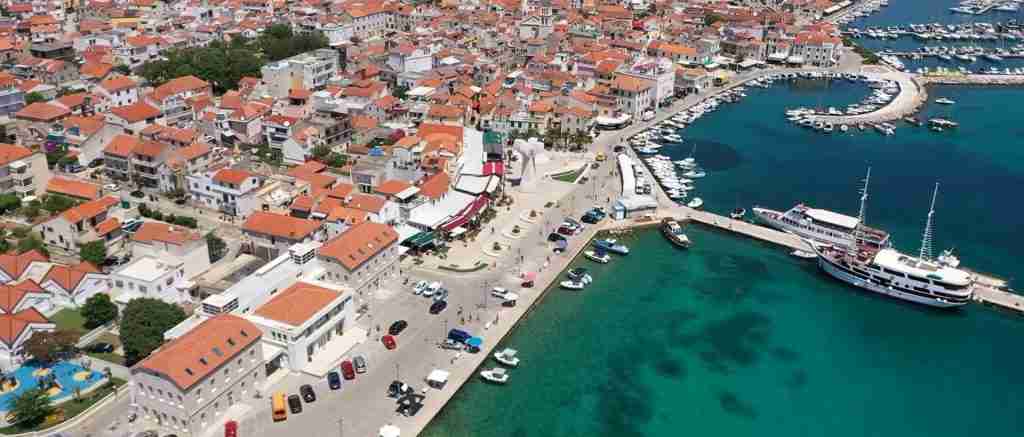
Medieval Trogir sits 27 kilometers west of Split on a small island connected by bridges to the mainland and Čiovo Island. This UNESCO World Heritage Site preserves Central Europe’s finest Romanesque-Gothic complex through 2,000 years of continuous urban development, offering travelers an accessible escape from Split into authentic Dalmatian island life where Venetian palaces line cobblestone streets barely wider than a man’s outstretched arms.
Key Takeaways for Visiting Trogir from Split in 2026
- Multiple Transportation Options: Direct buses run every 30 minutes at €2-5 for a 30-minute journey, seasonal ferries operate from May to October at €7 for a scenic 1-hour cruise, and taxis cost approximately €40 for door-to-door service
- Budget-Friendly Admission: The old town itself costs nothing to explore, with paid attractions limited to Kamerlengo Fortress (€5) and Cathedral of St. Lawrence with bell tower access (€5-10)
- Compact Walking Distance: The entire UNESCO-protected historic center measures just 400 meters across, allowing visitors to see all major monuments within a 3-4 hour walking tour
- Optimal Timing Strategy: Arrive before 10 AM or after 4 PM in summer to avoid cruise ship crowds that fill the narrow streets between mid-morning and mid-afternoon
- Combined Visit Efficiency: Trogir sits just 5 kilometers from Split Airport, making it perfect for first-day arrivals or last-day departures when combined with flight schedules
- Year-Round Accessibility: Unlike island destinations, Trogir operates fully throughout 2026 with consistent bus service and restaurant options even in winter months when ferry services pause
People Also Ask About Trogir Day Trips from Split 2026
How much does a day trip to Trogir from Split cost in 2026?
A budget day trip to Trogir from Split costs €12-22 per person in 2026 including round-trip bus transportation (€4-10), one paid attraction (€5-10), and a meal (€8-15). Mid-range visitors spending €35-55 can add the seasonal ferry experience, visit both major monuments, and enjoy a waterfront dinner. The total excludes Split accommodation but includes all Trogir-specific expenses from transportation to dining.
Is Trogir worth visiting from Split in 2026?
Trogir absolutely merits a day trip from Split in 2026 for travelers interested in medieval architecture, UNESCO heritage sites, or authentic Croatian island culture. The town preserves what Split’s Diocletian’s Palace represents on a more intimate scale: complete Romanesque-Gothic streetscapes where every building contributes to the historic ensemble rather than isolated monuments surrounded by modern development. Half-day visitors see the essential highlights while full-day excursions allow for swimming at Čiovo beaches and exploring hidden courtyards beyond the main tourist route.
How do I get from Split to Trogir in 2026?
Public buses depart Split’s main terminal every 30 minutes throughout 2026 for Trogir, operated by Arriva Croatia, Nomago, and Brioni Pula with tickets costing €2-5 for the 30-minute journey. Seasonal Bura Line ferries run from Split harbor to Trogir waterfront three times daily from May through October 2026 at €7 per person for a 1-hour scenic cruise. Taxis and rideshare services provide direct door-to-door service at approximately €40 for groups of 2-4 passengers.
What are the must-see attractions in Trogir for a 2026 day trip?
The Cathedral of St. Lawrence with Master Radovan’s 13th-century portal and 47-meter bell tower viewing platform ranks as Trogir’s essential monument, offering panoramic perspectives over the UNESCO-protected townscape. Kamerlengo Fortress from 1437 provides alternative sunset views and summer cultural performances in its open-air courtyard. The waterfront Riva promenade, medieval town gates, Cipiko Palace, and the labyrinth of narrow streets between constitute the living museum requiring no admission fees beyond simple exploration.
Extended multi-day tours – 5+ days
Featured Trogir Multi-Day Tour Packages

3 days
Trogir 3-Day Discovery Tour
- ✓ Comprehensive Trogir experience
- ✓ Expert local guides included
- ✓ All accommodation included
- ✓ Transportation provided

5 days
Trogir 5-Day Highlights Experience
- ✓ Comprehensive Trogir experience
- ✓ Expert local guides included
- ✓ All accommodation included
- ✓ Transportation provided

7 days
Trogir 7-Day Cultural Journey
- ✓ Comprehensive Trogir experience
- ✓ Expert local guides included
- ✓ All accommodation included
- ✓ Transportation provided
10 days
Trogir 10-Day Complete Adventure
- ✓ Comprehensive Trogir experience
- ✓ Expert local guides included
- ✓ All accommodation included
- ✓ Transportation provided
Multi-day tour packages powered by TourRadar. Prices and availability subject to change.
Introduction: Trogir as Split’s Premier Day Trip Destination in 2026
Trogir occupies a unique position among Croatian coastal towns as the most accessible UNESCO World Heritage Site from Split, combining medieval architectural preservation with active island life just 30 minutes from Dalmatia’s transportation hub. Founded as Tragurion by Greek settlers from Vis in the 3rd century BC, the settlement developed through Hellenistic, Roman, Byzantine, Croatian, and Venetian periods into the orthogonal street plan visible today, where each successive ruler contributed palaces, churches, and fortifications without destroying previous architectural layers.
UNESCO recognized Trogir in 1997 specifically for this “remarkable example of urban continuity” where Hellenistic city planning remains readable beneath Romanesque churches, Gothic palaces, Renaissance loggias, and Baroque facades. The island settlement measures just 400 meters east to west and 250 meters north to south, yet within these compact dimensions stand 10 churches, 3 monasteries, several palaces, a fortress, defensive towers, and hundreds of stone houses spanning 2,000 years of Mediterranean architecture. Unlike museum towns frozen in single historical periods, Trogir functions as a living community of 13,000 residents who maintain shops, restaurants, and homes within the medieval walls.
Split travelers choose Trogir for distinct reasons compared to island excursions like Hvar or Brač: immediate accessibility via frequent public transportation eliminates ferry dependencies and scheduling stress; compact size allows comprehensive exploration within 3-6 hours without exhausting walks or complex navigation; authentic small-town atmosphere contrasts with Split’s urban intensity without requiring overnight stays; and architectural density delivers maximum cultural exposure per hour invested. The 2026 season brings enhanced transportation with upgraded bus routes and extended seasonal ferry operations, making spontaneous visits more practical than previous years.
Day-trippers allocate time based on interests: architecture enthusiasts spend 4-5 hours examining Radovan’s portal details, climbing both viewpoints, and photographing palace courtyards; casual visitors complete essential highlights in 2-3 hours covering the cathedral, fortress, and Riva promenade; food-focused travelers extend visits to 5-6 hours including waterfront lunches and konoba explorations; and beach seekers combine 2 hours of old town sightseeing with afternoon swimming at Čiovo Island beaches reached via the footbridge from Trogir’s south gate.
This guide provides comprehensive 2026 planning information for Split-based travelers visiting Trogir as a day excursion, covering transportation logistics, architectural highlights, strategic timing, budget planning, and practical considerations for both first-time visitors and returning travelers seeking deeper engagement with this medieval island town.
Getting from Split to Trogir: Transportation Options and Strategies 2026
Split to Trogir transportation in 2026 offers three distinct options serving different priorities, from budget efficiency to scenic experience to time optimization. The 27-kilometer distance along the coastal Adriatic Highway creates short travel times regardless of chosen method, with the primary decision factors being cost sensitivity, schedule flexibility, and whether the journey itself contributes to the day’s experience or simply serves as transfer time.
Public Bus Service Split to Trogir 2026
Intercity buses provide the most frequent and economical Split-Trogir connection in 2026, with departures every 30 minutes throughout daylight hours operated by three companies: Arriva Croatia, Nomago, and Brioni Pula. Tickets cost €2-5 depending on operator and booking method, with the journey taking 30-45 minutes depending on traffic and the number of intermediate stops along the coastal route.
Split buses depart from the main Sukoišanska terminal located 1.5 kilometers northeast of Diocletian’s Palace, reachable via city bus routes or a 20-minute walk from the old town. Early morning departures begin at 5:00 AM with the final evening service around 8:00 PM, though weekend and off-season schedules reduce frequency to hourly intervals. Trogir-bound buses display “Trogir” or “Airport” as destinations since many routes continue to Split Airport located 5 kilometers beyond Trogir center.
The bus journey follows the Adriatic Highway past Solin archaeological site, Kaštela bay settlements, and modern marina developments before entering Trogir via the mainland bridge at the bus terminal. This terminal sits 300 meters north of the old town walls, requiring a short walk through the North Land Gate to reach the historic center. Return buses to Split depart from the same terminal with similar frequency, though afternoon and evening services may experience delays during summer traffic peaks.
Advantages of bus transportation include minimal advance planning required, flexible departure timing allowing spontaneous schedule adjustments, lowest per-person cost suitable for solo travelers and groups, and direct service without transfers or intermediate steps. Disadvantages involve terminal locations requiring walks at both ends, possible standing room only during peak summer hours, and no onboard amenities or scenic route emphasis compared to ferry alternatives.
Seasonal Ferry Service Split to Trogir 2026
Bura Line operates passenger ferries connecting Split harbor directly to Trogir waterfront from May through October 2026, providing a scenic alternative to the land route. Ferries depart Split’s main ferry port three times daily with the journey taking approximately 1 hour including a brief stop at Slatine on Čiovo Island. One-way tickets cost €7 per person with no advance reservation system — passengers purchase tickets onboard immediately before departure.
The ferry advantage lies in the experience rather than efficiency: departures leave from Split’s central harbor beside the old town, arrivals dock at Trogir’s Riva promenade within 50 meters of the Cathedral Square, and the journey provides coastal perspectives of Split’s Marjan peninsula, small island passages, and Trogir’s waterfront approach impossible from the highway bus route. Summer schedules typically offer morning, midday, and late afternoon departures timed for both day-trippers and Čiovo Island residents, though exact timing varies by season and weather conditions.
Ferry limitations include seasonal operation restricting use to May-October months, weather dependency with cancellations during storms or high winds, fixed departure times requiring schedule coordination, and higher per-person cost compared to buses making it less economical for budget travelers or larger groups. The service works best for visitors prioritizing the maritime experience, avoiding bus terminal walks, or combining Trogir visits with Čiovo beach time using the Slatine stop.
Taxi and Private Transfer Services 2026
Licensed taxis and rideshare services operate the Split-Trogir route at approximately €40 for the 30-minute direct journey, providing door-to-door service from any Split location to specific Trogir addresses. This option serves travelers prioritizing convenience over cost efficiency, particularly groups of 3-4 people where the per-person expense (€10-13 each) approaches bus pricing while delivering superior comfort and flexibility.
Taxis excel for specific scenarios: early morning or late evening travel outside regular bus schedules, elderly or mobility-impaired visitors avoiding terminal walks and bus steps, luggage-heavy trips combining airport connections with Trogir sightseeing, and group excursions where multiple passengers distribute costs approaching bus economy. The service allows negotiation for round-trip rates including driver wait time or predetermined return pickup, though this typically adds €60-80 to the base fare depending on waiting duration.
Disadvantages involve higher absolute cost making it impractical for solo budget travelers, variable pricing requiring advance confirmation, and potential availability issues during peak summer weekends when demand exceeds supply. Booking through hotel concierges or established rideshare apps provides price transparency and service reliability compared to negotiating with waterfront taxis, which may quote inflated tourist rates for the route.
Strategic Transportation Recommendations for 2026
Budget-conscious solo travelers should use public buses for both directions, accepting the terminal walks as minor inconveniences compared to €14-16 total transportation cost versus €40-80 for alternatives. Couples and small groups calculate the break-even point: two passengers splitting a €40 taxi pay €20 each (comparable to round-trip ferry €14 per person) while gaining 30 minutes of extra sightseeing time versus bus terminal walks, making taxis increasingly attractive for groups of three or four.
First-time visitors benefit from taking the ferry one direction to experience Trogir’s waterfront arrival, then returning via bus to understand the full transportation picture for potential future visits. Architecture photographers and sunset seekers should time outbound buses for mid-afternoon arrival, allowing 3-4 hours of golden-hour photography before returning on the 7:00-8:00 PM bus after optimal lighting conditions. Visitors combining Trogir with airport connections should use taxis for luggage convenience, scheduling Trogir exploration during the 2-3 hour window between hotel checkout and flight departure.
Winter travelers (November-April) rely exclusively on bus service due to ferry suspension, though reduced tourist crowds compensate for the lack of maritime transfer options. Summer weekends require earlier bus arrivals before 9:00 AM to experience Trogir before tour group invasions that fill the narrow streets between 10:00 AM and 4:00 PM, with second-wave arrivals after 5:00 PM enjoying emptier lanes as day-trippers depart.
Exploring Trogir’s UNESCO World Heritage Site in 2026
Trogir’s entire historic center functions as the attraction rather than individual monuments requiring entrance fees, though several specific sites enhance the overall experience through paid access. The UNESCO designation encompasses the complete island settlement within its medieval walls, recognizing the integrated urban fabric where streets, squares, gates, palaces, churches, and defensive structures create a cohesive architectural ensemble representing 2,000 years of Mediterranean urban evolution.
Understanding Trogir’s Historical Layers and Urban Layout
The modern visitor encounters Trogir through its orthogonal street grid established during the Hellenistic period when Greek colonists from Vis laid out the settlement according to geometric planning principles. The main east-west street (ancient decumanus) runs from the Land Gate through Cathedral Square to the South Gate, intersected by a central north-south axis (ancient cardo) creating the urban framework still governing movement patterns today. This Greco-Roman foundation received medieval embellishment as Croatian, Norman, and Venetian rulers added churches, palaces, and fortifications without abandoning the original street system.
Walking Trogir requires understanding this layered development: ground-floor stonework often dates from Romanesque or Gothic periods (12th-14th centuries) while upper stories display Renaissance and Baroque features (15th-17th centuries) representing vertical expansion as the island’s limited area forced upward building rather than outward sprawl. Narrow side streets barely 2 meters wide preserved medieval dimensions as wider redesign proved impossible within the constrained island space, creating the intimate pedestrian atmosphere distinguishing Trogir from conventional cities where automobile accommodation widened historic thoroughfares.
The town’s defensive character appears most dramatically at entry points: the North Land Gate from 1593 features a Venetian lion relief and served as the primary mainland connection; the South Gate opens onto the bridge to Čiovo Island and includes remnants of the original medieval defenses; and the Sea Gate on the western waterfront once controlled harbor access. Walking the approximately 1-kilometer perimeter along the Riva promenade and northern moat reveals how the defensive walls, now largely absorbed into later building facades, once completely encircled the settlement.
Cathedral of St. Lawrence: Trogir’s Architectural Masterpiece
The Cathedral of St. Lawrence dominates both Cathedral Square and Trogir’s architectural hierarchy as the most significant monument in the UNESCO ensemble. Construction began in 1213 on the foundations of an earlier church destroyed by Saracens in 1123, with building continuing into the 17th century as successive generations added the Gothic vaulting, Renaissance chapel, and Baroque elements to the Romanesque foundation. This extended construction timeline creates the cathedral’s defining characteristic: a complete survey of Dalmatian architectural evolution from medieval to early modern periods within a single building.
Master Radovan’s western portal from 1240 represents the cathedral’s artistic pinnacle and one of medieval Dalmatia’s supreme sculptural achievements. The portal’s elaborate relief program depicts biblical scenes across multiple registers: the central tympanum shows the Nativity, side columns feature the Annunciation and Visitation, and the lower register presents the months of the year through agricultural allegories. Adam and Eve riding lions frame the composition at eye level, while fantastic creatures and geometric patterns fill every available surface. Visitors should allocate 15-20 minutes solely for portal examination as the sculptural details reward extended observation impossible to appreciate from hurried passing glances.
The cathedral interior follows a three-nave basilica plan with Gothic ribbed vaulting from the 15th century spanning the Romanesque walls and columns. The Chapel of Blessed John of Trogir by Nikola Firentinac (1468) exemplifies Renaissance architecture imported from Italy, featuring delicate stone carving and harmonious proportions contrasting with the heavier medieval structures. The treasury museum displays ecclesiastical silver, illuminated manuscripts, and vestments spanning centuries of diocesan history, though access requires the paid admission ticket rather than free access to the main nave during religious services.
The 47-meter bell tower began construction in the late 14th century and required nearly 200 years to complete, with each level representing different architectural periods: the base shows Venetian Gothic influence, the middle floors display Renaissance classicism, and the uppermost section features Baroque elements. Climbing the bell tower requires purchasing the combined cathedral-tower ticket (€10 in 2026) and navigating steep, narrow stairs with over 100 steps in confined spaces. The viewing platform provides Trogir’s premier elevated perspective, showing the old town’s terracotta roofs, the surrounding waterways, Čiovo Island, and distant mountains in a 360-degree panorama particularly stunning at sunset when golden light bathes the limestone buildings.
Cathedral admission in 2026 operates on a tiered system: the nave and Radovan portal can be viewed free during non-service hours, the baptistery and treasury require a €5 ticket, and bell tower access costs €10 including cathedral interior entry. Opening hours typically run 9:00 AM to 7:00 PM daily from May through September, with reduced hours (9:00 AM to 5:00 PM) during off-season months. Services on Sunday mornings restrict tourist access until noon, making Saturday or weekday mornings optimal for photography without congregation presence or liturgical constraints.
Kamerlengo Fortress and Defensive Structures
Kamerlengo Fortress anchors Trogir’s western defensive perimeter where the island meets the sea channel separating it from Čiovo. Built by Venetian ruler Marin Radoj in 1437-1440 as part of defensive expansion following Ottoman threat escalation, the fortress takes its name from the Venetian administrative official (camerlengo/chamberlain) responsible for treasury management during Venetian rule. The trapezoidal structure features circular corner towers, thick walls designed to mount artillery, and an interior courtyard that now hosts summer concerts and open-air cinema rather than military activities.
The fortress visit centers on walking the wall perimeter and climbing the main tower for alternative views to those from the cathedral bell tower. While the cathedral provides east-facing perspectives across the old town and mainland, Kamerlengo offers west and south views over the harbor, Čiovo coastline, and sunset vistas impossible from the eastern cathedral position. The interior courtyard contains minimal exhibition content beyond historical plaques and an orientation video, with the attraction lying primarily in the defensive architecture itself and the elevated viewing access it provides.
Admission costs €5 in 2026 with typical operating hours from 9:00 AM to 8:00 PM during summer months (May-September) and reduced hours 9:00 AM to 5:00 PM in off-season. The fortress particularly attracts sunset photographers and romantic couples seeking the dramatic backlight effect as the sun descends over the Adriatic, though summer crowds at the main tower can create queues during the prime 6:00-7:30 PM golden hour window. Early morning or midday visits encounter minimal crowds, trading the sunset atmosphere for easier photography and unrestricted wall walking.
St. Mark’s Tower rises north of Kamerlengo as a separate defensive structure from the same Venetian period, featuring Renaissance architectural details and originally mounting guns on its roof for harbor defense. The tower typically opens during summer cultural events but maintains irregular access otherwise, functioning more as an architectural landmark viewed from outside rather than an interior visit destination. Walking the northern town perimeter from Kamerlengo past St. Mark’s Tower to the Land Gate provides the most complete understanding of Trogir’s defensive system, showing how the fortress, towers, and walls created interlocking protection against both sea and land approaches.
Palaces, Churches, and Hidden Architectural Treasures
Beyond the major monuments requiring admission, Trogir’s UNESCO value manifests through dozens of palaces, churches, and civic buildings freely accessible via the public streets and squares. Cipiko Palace facing Cathedral Square represents aristocratic Venetian Gothic architecture at its Dalmatian finest, with elegant windows, stone balconies, and the Čipiko family coat of arms demonstrating 15th-century wealth and political influence. The palace functions as a school and cultural center rather than a museum, with limited interior access but exceptional facade preservation providing architectural study opportunities from the exterior.
The Church of St. John the Baptist (Dominican Church) dates from the 13th-14th centuries and contains an important collection of medieval and Renaissance art including a pieta by Nicolo Fiorentino and 15th-century frescoes. The church typically opens for morning and evening prayers with free entry during open hours, though specific visiting times vary by season and clerical schedule. The adjacent Dominican monastery maintains cloisters and chapter houses showcasing Gothic vaulting and Renaissance stonework, though monastery access proves more restricted than the church proper.
St. Sebastian’s Church from 1476 stands as a votive church built in gratitude after plague deliverance, featuring a Renaissance facade by Niccolo di Giovanni Fiorentino decorated with sculptures of St. Sebastian and Christ the Savior. The two-story clock tower rising from the church front serves as one of Trogir’s primary landmarks, though the church itself often remains closed outside service times, limiting interior access to determined visitors willing to inquire at parish offices about special opening arrangements.
Hidden courtyards and side streets reveal Trogir’s living medieval character beyond the main tourist circuit between the cathedral and fortress. The narrow lane called Gradska Vrata connects the Land Gate to Cathedral Square through a covered passage where laundry hangs from upper windows above street-level workshops maintaining traditional crafts. Small squares like Trg Ivana Pavla II provide neighborhood gathering spaces where residents socialize around local bars and cafes, offering glimpses into contemporary island life within the historic shell. Exploring these secondary routes rewards visitors willing to wander beyond obvious attractions, discovering Renaissance wellheads, Gothic doorways, and Baroque facades in unexpected corners.
The Riva Waterfront Promenade
Trogir’s southern waterfront—locally called the Riva—functions as the town’s social center where evening promenades (korzo), outdoor dining, and harbor activities create Mediterranean coastal atmosphere. The promenade extends approximately 400 meters from the ferry landing past the cathedral to the bridge connecting Čiovo Island, lined continuously with cafes, restaurants, gelato shops, and occasional craft stalls targeting summer tourists while also serving year-round local traffic.
The Riva offers the essential Dalmatian experience of sitting at waterfront tables watching boats navigate the channel while neighboring tables fill with multigenerational family groups and tourist couples attempting to photograph sunset reflections in the harbor waters. Summer evenings transform the promenade into an outdoor salon where half the town appears to stroll between 6:00-9:00 PM, creating the people-watching theater central to Mediterranean urban culture. Off-season visits find the Riva quieter but still active with fishing boats, local lunch crowds, and the occasional hearty tourist enjoying reduced-price off-season meals.
Architectural perspectives from the Riva show Trogir’s waterfront development through successive building periods: Gothic palace facades rising directly from the quay, Baroque churches marking squares, and the cathedral bell tower providing vertical emphasis against the horizontal roofline. Yacht moorings fill the harbor during summer months as sailing tourists stop for provisions and meals, while winter sees working fishing boats dominating the reduced maritime traffic. The promenade provides Trogir’s most accessible public space, requiring no admission, following an obvious linear route, and accommodating mobility-impaired visitors via completely flat stonework.
Strategic Timing and Seasonal Considerations for Trogir Visits in 2026
Trogir experiences dramatic seasonal fluctuations in crowds, prices, and atmosphere while maintaining year-round accessibility unlike island destinations dependent on ferry schedules. Understanding these patterns allows visitors to optimize timing based on whether they prioritize minimal crowds and low prices versus full service availability and vibrant summer atmosphere.
Peak Summer Season: June through September 2026
The June-September period brings maximum crowds, highest prices, extended opening hours, and the fullest range of services including seasonal ferry operations. July and August represent the absolute peak when cruise ships disgorge passengers into the narrow streets between 10:00 AM and 4:00 PM, creating pedestrian congestion that makes photography difficult and forces restaurant waiting. Summer high season advantages include guaranteed attraction access with consistent daily hours, widest restaurant selection with waterfront tables filled for lively atmosphere, ferry service availability for scenic Split connections, and pleasant weather permitting swimming at Čiovo beaches combined with old town exploration.
Disadvantages involve crowds that sometimes make the 2-meter-wide side streets feel claustrophobic, higher restaurant prices targeting peak-season tourists, potential ferry and fortress queues during late afternoon sunset hours, and heat exceeding 30°C (86°F) making midday walking uncomfortable without frequent cafe breaks. Strategic timing within summer season helps: June and September offer shoulder conditions with 70% of services but 50% of crowds; early morning (before 9:00 AM) and evening (after 5:00 PM) hours avoid cruise ship peaks; and weekday visits encounter fewer crowds than Friday-Sunday weekend surges when Split residents join international tourists.
Shoulder Seasons: April-May and October 2026
The April-May and October shoulder seasons deliver Trogir’s optimal balance between service availability and manageable crowds. April temperatures reach 15-20°C (59-68°F) with occasional rain, May offers 20-25°C (68-77°F) with increasing sunshine, and October provides 18-23°C (64-73°F) with stable weather before November rains begin. Ferry service commences in May and continues through October, capturing most shoulder season visitors while spring and fall months avoid July-August intensity.
Shoulder advantages include 30-40% lower restaurant prices compared to summer peaks, minimal queues at Kamerlengo and cathedral, comfortable walking temperatures for extended exploration, and local character more apparent as resident daily life dominates over tourist masses. Disadvantages involve variable weather requiring flexible backup plans, some reduced opening hours particularly in April and October edges, and quieter evening atmosphere as fewer tourists support the promenade korzo tradition. Photographers particularly value shoulder seasons for dramatic cloud formations, variable lighting conditions, and crowd-free compositions impossible during summer saturation.
Winter Season: November through March 2026
Trogir’s winter season from November through March sees the smallest crowds, lowest prices, and most authentic local atmosphere while maintaining core services that disappear entirely on seasonal islands. Winter temperatures range 8-15°C (46-59°F) with December-February averaging the coolest months and March beginning the spring warm-up. Ferry service suspends from November through April, restricting Split connections to bus transportation exclusively.
Winter advantages include virtually empty streets allowing unrestricted photography, local restaurants serving residents rather than tourists with corresponding price reductions and authentic menu focus, immediate accommodation availability without advance booking, and the medieval atmosphere most palpable when modern tourist infrastructure recedes. Disadvantages involve reduced opening hours for attractions (9:00 AM – 5:00 PM typical), some restaurants closing entirely for winter break, cooler temperatures unsuitable for swimming or extensive outdoor sitting, and occasional rain requiring indoor backup plans.
Winter visitors should confirm specific attraction hours in advance as churches and fortress may close certain weekdays during the lowest traffic months. The cathedral and Kamerlengo maintain daily operations but with abbreviated schedules. December holiday season brings Christmas markets and decoration to Cathedral Square, creating brief animation in otherwise quiet winter months. January-February represent the absolute low season when visitor numbers approach zero and Trogir functions entirely as a working town rather than a tourist destination, offering maximum authenticity for travelers willing to accept reduced services.
Daily Timing Strategy Within Any Season
Regardless of overall season, daily timing patterns affect Trogir experience significantly. Cruise ships deposit passengers between 10:00 AM and 11:00 AM for 3-4 hour visits before returning to ships by 3:00-4:00 PM, creating a mid-day crowd surge compressing visitors into the narrow streets and popular cafes. Arriving before 9:00 AM allows photography of empty lanes, Riva walking without pedestrian traffic, and cafe selection without competition. The 9:00 AM cathedral opening permits first access before group tour arrivals, while Kamerlengo fortress opening at the same hour offers similar early-bird advantages.
Late afternoon and evening visits reverse the morning calm, with cruise departures between 3:00-4:00 PM clearing streets for second-wave visitors who arrive around 5:00 PM for sunset and dinner. The evening promenade tradition peaks 6:00-8:00 PM when locals emerge for the korzo walk, filling waterfront cafes and creating the most animated social atmosphere despite relatively few tourists present compared to midday. Sunset times vary by season (approximately 8:30 PM in June, 5:00 PM in December) but always draw photographers to Kamerlengo’s western perspectives and the Riva’s waterfront vantage.
Cathedral of St. Lawrence and Bell Tower Visit Planning 2026
The Cathedral of St. Lawrence stands as Trogir’s most significant monument and primary visitor attraction, requiring strategic planning for admission, timing, and exploration to maximize the architectural and artistic experience. The cathedral complex includes the main church nave, Radovan’s portal, the Renaissance chapel, the treasury museum, and the 47-meter bell tower, each element contributing to the complete visit while operating under different access rules.
Admission Pricing and Ticketing System 2026
Cathedral admission in 2026 follows a tiered pricing structure allowing visitors to match expenditure to interest level. The main church nave and Radovan’s portal maintain free access during non-service hours, permitting all visitors to experience the primary sculptural masterpiece without payment. Full interior access including the Chapel of Blessed John and treasury museum requires a €5 ticket purchased at the entrance desk inside the cathedral. Combined cathedral and bell tower access costs €10, providing the only route to the tower viewing platform for visitors seeking Trogir’s premier elevated perspective.
Budget-conscious visitors can experience significant cathedral content for free by viewing Radovan’s portal from the exterior square, entering the nave during free access periods, and photographing the interior architecture without visiting the restricted treasury areas. Photography is generally permitted throughout the cathedral except during religious services, though tripods and professional equipment may require permission from staff. The €5 treasury ticket adds relatively modest content for casual visitors but includes pieces of genuine historical and artistic merit justifying the cost for art history enthusiasts or comprehensive architectural tourists.
The €10 bell tower ticket represents the most significant cathedral expense but provides unique value impossible to replicate elsewhere in Trogir: the 360-degree elevated viewing platform showing the complete old town layout, surrounding waterways, Čiovo Island, and distant mountain ranges in perspectives unavailable from ground level or the lower Kamerlengo fortress viewpoint. Visitors must assess whether tower views merit the €10 expense (€15 total when combined with the €5 fortress admission) recognizing that panoramic photography and comprehensive architectural understanding benefit substantially from the elevated vantage impossible to achieve through street-level exploration alone.
Bell Tower Climb: Physical Requirements and Experience
The cathedral bell tower climb involves ascending over 100 steps through increasingly narrow staircases as the tower tapers toward the summit. The route begins with relatively wide stone steps, transitions to wooden stairs in the mid-levels, and culminates in a steep ladder-like final section requiring both hands for secure climbing. The climb typically takes 5-8 minutes ascending and 4-6 minutes descending, though elderly visitors or those with knee issues may require additional time and should honestly assess their physical capabilities before purchasing tickets.
The staircase design dates from medieval and Renaissance periods when safety standards differed dramatically from modern expectations: narrow width allows only single-file passage with limited passing points for descending versus ascending traffic, handrails appear intermittently rather than continuously, and the final ladder section requires upper body strength to pull oneself through the tight opening onto the viewing platform. Visitors with claustrophobia, fear of heights, or significant mobility limitations should skip the tower climb, while those with moderate fitness can successfully complete the ascent through steady pacing with rest breaks at intermediate levels.
The viewing platform accommodates approximately 10-12 people comfortably, creating crowd management challenges during peak hours when tour groups attempt simultaneous access. Summer midday and late afternoon periods (11:00 AM – 12:30 PM and 5:00-7:00 PM) see the highest tower traffic, while early morning hours immediately after 9:00 AM opening and early-to-mid afternoon (2:00-4:00 PM) offer relative solitude for photography and unhurried viewing. The platform features waist-high walls providing secure enclosure while allowing clear sight lines in all directions, with the best compositions typically requiring 10-15 minutes to photograph the four cardinal directions plus detail shots of architectural features visible from above.
Optimal Timing for Cathedral and Tower Visits
Cathedral visiting strategy depends on whether tower access is planned and what lighting conditions best serve photography goals. The cathedral faces west, meaning Radovan’s portal receives ideal natural lighting for photography during morning hours approximately 9:00 AM – 11:00 AM when angled sunlight illuminates the sculptural details without harsh shadows or direct glare. Afternoon light creates dramatic side-lighting on the portal from 4:00-6:00 PM though with stronger shadows that may obscure detail in deeper recesses.
Tower views remain compelling throughout the day with different atmospheric qualities: morning light from the east illuminates the old town facades sharply while the western Adriatic appears slightly backlit; midday sun provides even illumination ideal for documentary photography though with minimal shadow drama; and late afternoon-sunset hours deliver golden warmth across the terracotta roofs with potential for dramatic sky colors over the Adriatic horizon. Photographers seeking specific lighting conditions should research sunset times for their visit date and arrive 45 minutes early to complete the tower climb before optimal light occurs.
Sunday morning services restrict tourist access until approximately noon, making Saturday or weekday visits preferable for full flexibility. The cathedral typically opens at 9:00 AM daily May-September and maintains reduced hours November-April (often 10:00 AM opening with 5:00 PM closing), though exact schedules vary annually and should be confirmed through Trogir tourist office resources if timing proves critical. First-entry visitors immediately after opening encounter completely empty spaces ideal for photography without other tourists in frame, though this requires arriving at Split bus terminal sufficiently early to reach Trogir by opening time.
Kamerlengo Fortress: Alternative Viewpoint and Medieval Defensive Architecture 2026
Kamerlengo Fortress provides Trogir’s second major paid attraction, offering experiences complementary to rather than duplicative of the cathedral: western and southern views versus the cathedral’s eastern perspectives, lower elevation but more extensive wall walking, sunset orientation ideal for evening visits, and medieval military architecture contrasting with the cathedral’s religious monumentality. Visitors allocating time for both monuments gain comprehensive understanding of Trogir’s architectural range, while budget-conscious tourists must choose between cathedral concentration or fortress addition based on interest priorities.
Fortress Admission and Operating Details 2026
Kamerlengo Fortress charges €5 admission in 2026, half the cathedral tower price while providing different but comparably valuable perspectives on Trogir’s UNESCO landscape. The fortress operates daily from approximately 9:00 AM to 8:00 PM during summer season (May-September) and reduces to 9:00 AM – 5:00 PM hours during off-season months (October-April), with exact schedules subject to variation and early closure during poor weather when exposed walls become hazardous.
The fortress entrance desk collects admission and provides basic orientation materials, though no formal guided tours or audio guides operate. The visit is self-directed: enter the main gate, explore the interior courtyard, climb the main tower, walk the wall perimeter, and exit through the same gate after 20-40 minutes depending on photography intensity and wall-walking thoroughness. The courtyard hosts summer cultural events including open-air concerts and cinema screenings, which may restrict access during performance setup or evening showtime hours — visitors should inquire about event schedules if afternoon/evening access is critical.
Wall Walking and Tower Viewpoints
The fortress allows complete perimeter wall walking along the top of the defensive walls, providing elevated but not vertiginous perspectives approximately 8-10 meters above ground level. The walls feature protective battlements and solid footing, making the circuit accessible to visitors uncomfortable with the cathedral tower’s extreme height and steep climb. Walking the complete perimeter takes 15-20 minutes at leisurely pace with photo stops, revealing progressive views across the harbor entrance, the Čiovo channel, the town’s western neighborhoods, and the open Adriatic beyond.
The main tower rising from the fortress’s northwest corner provides the maximum elevation approximately 20 meters above water level, accessed via stone stairs significantly easier than the cathedral tower’s steep final sections. The tower platform accommodates 6-8 people comfortably and offers the fortress’s signature perspective: westward over the harbor mouth toward sunset, southward along Čiovo’s developed coastline, and northward across Trogir’s residential districts. While lower than the cathedral tower’s 47-meter height, the fortress position at the island’s edge provides uniquely open water views impossible from the cathedral’s landlocked position.
Sunset Visiting and Photography Strategy
Kamerlengo’s western orientation makes it Trogir’s premier sunset viewing location, drawing photographers and romantic visitors during the final hour before darkness. Summer sunset timing (approximately 8:00-8:30 PM June-July) falls near fortress closing time, requiring arrival by 7:00-7:15 PM to complete entry, wall walking, and tower positioning before the sun contacts the horizon. The fortress occasionally extends hours past posted closing time during peak sunset season, though this remains unofficial and visitors should not assume late access will be guaranteed.
Optimal sunset photography requires understanding the seasonal sun path: summer months place sunset northwest over the distant Adriatic and offshore islands, while winter sunset shifts south-southwest toward the Čiovo coastline. June-July sunsets over open water create the most dramatic compositions with island silhouettes, while March-April and September-October sunsets behind Čiovo provide different but equally valid lighting on the old town when shooting eastward with backlight. Clouds determine whether sunset produces the dramatic color many visitors seek or simply gradual dimming, making the experience somewhat weather-dependent beyond fortress control.
Crowd management becomes challenging during summer sunset hours when 30-40 people attempt to occupy limited tower and wall space simultaneously. Arriving 45-60 minutes before sunset allows securing position at preferred vantage points before the final-hour rush, though this requires extended waiting time. Alternative strategies include visiting during mid-afternoon for uncrowded wall walking and returning to the exterior Riva area for sunset views, or accepting that optimal tower positioning may prove impossible and being satisfied with whatever wall section remains available during the critical golden hour minutes.
Dining and Restaurant Options in Trogir 2026
Trogir offers dining options spanning tourist-oriented waterfront establishments, local konobase serving traditional Dalmatian cuisine, casual pizzerias and cafes, and grocery provisions for budget-conscious visitors. Restaurant prices reflect the old town’s tourist appeal but remain noticeably lower than equivalent Split waterfront venues while delivering comparable food quality and atmospheric setting.
Waterfront Riva Restaurants: Atmosphere Premium Dining
The southern waterfront promenade hosts continuous restaurant terraces where premium location commands premium prices: expect €15-25 for pasta dishes, €20-35 for fresh fish preparations, and €8-12 for pizzas. These establishments trade on harbor views, people-watching opportunities, and immediate accessibility from the main tourist flow, delivering pleasant but not exceptional cuisine at 20-30% markup versus interior konoba pricing. The atmosphere value proves highest during evening hours when the promenade fills with korzo strollers and sunset light bathes the scene, while midday visits offer little advantage over side-street alternatives beyond the water view.
Budget-conscious diners should avoid waterfront restaurants for full meals while potentially stopping for coffee (€2-3), gelato (€3-5), or afternoon drinks (€4-7) that justify the location premium through extended sitting time and included people-watching value. The restaurants serve acceptable food without severe tourist-trap quality degradation, but value-focused visitors find equivalent cuisine inland at 30% savings. Summer reservations for dinner tables become necessary during peak July-August weekends when walk-in availability disappears by 7:00 PM.
Interior Konobase and Traditional Dalmatian Restaurants
Trogir’s side streets one block inland from the Riva host traditional konobase and family-run restaurants delivering authentic Dalmatian cuisine at moderate prices: €10-15 for pasta and risotto, €15-25 for grilled fish and seafood, €8-12 for meat preparations, and €12-18 for traditional dishes like pašticada (braised beef) or peka (slow-cooked meat or seafood under a bell-shaped lid). These establishments focus on food quality over location premium, serving local residents alongside knowledgeable tourists willing to walk 2-3 minutes from obvious waterfront options.
Recommended strategies include asking Split locals or hotel staff for specific konoba recommendations, observing which establishments attract Croatian-speaking patrons versus exclusively foreign tourists, and avoiding places with multilingual picture menus designed to overcome language barriers — these visual menus typically indicate tourist-focused operations with corresponding quality compromises. Traditional konobase maintain Croatian menus with English translations, serve generous portions, and employ family members rather than imported seasonal staff.
Typical lunch timing runs 12:00-3:00 PM with dinner service 6:00-10:00 PM, though hours extend during summer and contract during winter when some establishments close 2:00-6:00 PM or operate dinner-only schedules. Reservations prove unnecessary except summer Saturday evenings, with walk-in seating generally available within 10-15 minutes even during moderately busy periods.
Casual Dining: Pizzerias, Cafes, and Quick Options
Budget visitors and casual diners find pizzerias throughout the old town serving quality pizzas €7-12, sandwiches €4-7, and simple pastas €8-12 in no-atmosphere interiors or basic outdoor seating. These establishments function effectively for quick refueling without the extended service, multi-course structure, or premium pricing of traditional restaurants. Bakeries (pekarne) offer burek (savory pastries with cheese or meat filling €2-4), sandwiches €3-5, and sweet pastries €1-3 for the most economical eating option beyond grocery self-provisioning.
Cafes dominate Trogir’s social life, serving coffee €1.50-3, soft drinks €2-3.50, beer €3-5, and wine by the glass €4-7 in settings designed for extended sitting rather than rapid turnover. The cafe tradition involves claiming a table with a single drink order and occupying it for 1-2 hours of conversation, reading, or people-watching without pressure to order additional items. Tourist-area cafes tolerate this pattern though with visible preference for faster turnover during peak hours, while neighborhood cafes serving local regulars actively support the extended-sitting tradition as part of Dalmatian social culture.
Grocery Shopping and Self-Catering Options
Small grocery stores (trgovine) scattered through the old town sell bottled water €1-2, snacks €1-3, fresh fruit €2-4 per kilogram, bread €1-2, cheese €8-12 per kilogram, and basic provisions for budget picnicking or supplementing restaurant meals. The main market operates mornings near the mainland bridge, offering fresh produce, local cheese, cured meats, and seasonal fruit at prices significantly below restaurant menu costs. Day-trippers without hotel kitchens can assemble waterfront picnics combining grocery items with Riva public bench dining, though municipal regulations technically prohibit eating outside designated areas making discreet consumption advisable.
Swimming and Beach Access: Combining Old Town with Coastal Recreation 2026
Trogir’s appeal extends beyond architectural tourism to include swimming opportunities at nearby beaches on Čiovo Island, connected to the old town via a short bridge crossing reachable by a 5-minute walk from Cathedral Square. This proximity allows combined cultural-recreational day trips pairing morning architectural exploration with afternoon beach time, particularly attractive to families, summer visitors, or active travelers seeking physical activity beyond walking tours.
Medena Beach: Closest Developed Beach Access
Medena Beach sits approximately 2.5 kilometers southeast of Trogir old town on Čiovo Island, accessible via a 30-minute walk along the coastal road or short taxi/bus ride for €5-8. The beach features developed facilities including parking, changing cabins, beach bars, water sports rentals, and organized sunbed/umbrella hire (€15-20 daily for set), making it suitable for families and visitors expecting resort-style amenities rather than natural coastal wilderness.
The beach combines pebble sections with concrete platforms providing direct water access, typical of Croatian Adriatic beaches where sand proves rare due to geological conditions. Water quality maintains high standards with clear visibility and moderate temperatures (20-24°C June-September), though cooler than Mediterranean destinations further south. Advantages include proximity to old town allowing easy morning/afternoon scheduling splits, full facility development eliminating self-sufficiency requirements, and calm protected waters safe for children and non-confident swimmers.
Disadvantages involve crowds during July-August peaks when beach capacity approaches saturation, commercial resort atmosphere lacking natural beauty emphasis, and entry costs for sunbed rental making free beach towel use on pebbles the only budget option. Visitors seeking quick swimming breaks after cultural touring find Medena practical, while those prioritizing beach quality over convenience should explore more distant Čiovo locations via rental car or extended taxi service.
Alternative Čiovo Beaches and Swimming Spots
Čiovo Island features numerous coves, pebble beaches, and swimming points distributed around its 15-kilometer coastline, with better natural beauty but reduced accessibility from car-free Trogir starting points. Okrug Gornji on Čiovo’s south coast offers the island’s largest sandy beach (rare in Croatia) with extensive development targeting package tourists, reachable via 15-20 minute taxi or seasonal bus connections. Smaller coves like Kava, Mavarstica, and Tatinja provide less developed swimming with clearer water and reduced crowds, though requiring either rental car access or substantial walking distance from bus stops.
Swimming strategy for day-trippers depends on mobility options and beach priority level: visitors with rental cars can explore multiple Čiovo locations selecting optimal combinations of beach quality and crowd levels; taxi users should negotiate round-trip rates including driver wait time or predetermined pickup for the most economical multi-location access; and walking-dependent tourists concentrate on Medena as the only practical car-free option without excessive time allocation to transportation logistics.
Integrating Beach Time with Old Town Cultural Touring
Combined cultural-beach days require careful time allocation recognizing that beach visits consume 2-4 hours minimum when including travel time, changing, swimming, and drying periods before returning to architectural touring. Optimal scheduling places morning hours (8:00 AM-noon) in the old town when early light favors photography and cruise crowds remain absent, transitions to beach during midday heat (12:00-4:00 PM) when swimming provides relief from architectural walking, and potentially returns to town for late afternoon/evening (5:00-8:00 PM) after day-tripper departures create emptier streets.
Alternative scheduling inverts this pattern: afternoon old town touring (2:00-8:00 PM) allows morning beach focus when water feels coolest and crowds minimal, trading architectural photography light quality for uncongested swimming conditions. Families with children often prioritize beach emphasis with cultural touring abbreviated to 1-2 hours of essential highlights, while architecture enthusiasts reverse the balance using swimming as minor recreation after comprehensive monument exploration.
Day Trip Budget Planning: Complete Cost Breakdown for Trogir Visits 2026
Trogir day trip costs from Split vary dramatically based on transportation choices, attraction priorities, and dining selections, with budgets ranging from €12 for extreme economy to €100+ for comprehensive comfort visiting. Understanding cost components allows travelers to design experiences matching financial constraints while maximizing value within chosen budget parameters.
Transportation Costs Split to Trogir Round-Trip 2026
Round-trip transportation between Split and Trogir ranges from €4 for budget bus service to €80 for round-trip taxi with waiting time. Public buses cost €2-5 per direction (€4-10 round-trip total) representing the most economical option suitable for solo travelers and budget-conscious groups. Seasonal ferries charge €7 per direction (€14 round-trip) providing scenic experience at moderate premium over buses. Taxis cost approximately €40 one-way (€80-100 round-trip with waiting) serving groups of 3-4 where per-person costs approach bus pricing while delivering superior convenience.
Transportation budget recommendations suggest €5-10 per person for budget travelers using buses both directions, €15-25 per person for mid-range visitors combining ferry one direction with bus return, and €25-40 per person for comfort-focused travelers using taxis or private transfers. Groups of four splitting €100 taxi costs pay €25 each for maximum convenience, while solo budget travelers spending €5 on round-trip buses allocate savings toward attractions or dining upgrades.
Attraction Admission Expenses 2026
Trogir’s paid attractions total €15 maximum for visitors purchasing full cathedral-tower access (€10) plus Kamerlengo fortress admission (€5). Budget alternatives include cathedral nave free access plus fortress entry (€5 total), cathedral with tower only (€10 total), or complete free exploration limited to exterior architecture, churches during service hours, and public streets and squares (€0 total). The old town’s UNESCO value manifests substantially through free-access streets and exteriors, making comprehensive architectural appreciation possible without admission expenditure for budget-constrained visitors.
Mid-range visitors allocating €10-15 for attractions gain access to Trogir’s premium perspectives through combined cathedral tower and fortress admission, while budget tourists limiting expenses to €5 or €0 sacrifice elevated viewpoints but maintain street-level architectural engagement. Premium visitors might add cathedral treasury ticket, monastery donations, or guided tour fees potentially reaching €25-35 total attraction costs, though these additions provide diminishing returns compared to the essential €10-15 cathedral-fortress combination.
Dining and Refreshment Budget Ranges
Meal costs vary from €3-8 for basic bakery and grocery provisions to €35-50 for full sit-down restaurant dining with appetizers, wine, and premium seafood selections. Budget travelers allocating €8-15 for food can purchase bakery burek breakfast (€3), grocery-assembled lunch (€5-7), and simple pizzeria dinner (€8-10) maintaining subsistence without restaurant atmosphere. Mid-range visitors spending €20-35 enjoy one restaurant meal (€15-25) plus cafe breaks and snacks (€5-10), while premium diners allocating €40-60 accommodate two full restaurant meals with wine and extended waterfront sitting time.
Beverage costs add €5-15 daily depending on consumption patterns: water bottles from grocery stores cost €1-2, cafe coffee runs €2-3, beer costs €3-5, and wine by glass ranges €4-7. Summer heat increases water consumption significantly, while cafe culture temptation may expand originally modest coffee budgets through extended sitting sessions. Budget recommendations suggest €25-35 total daily food costs for comfortable mid-range dining without severe restriction, with potential reduction to €12-18 for committed budget eating or expansion to €50-70 for indulgent multi-course restaurant experiences.
Complete Daily Budget Scenarios by Travel Style
Budget day trip (€22-35 per person total): Round-trip bus €5, cathedral free access plus fortress entry €5, bakery breakfast and grocery lunch €8, simple pizzeria dinner €10, water and one coffee €4. This budget delivers complete Trogir experience including transportation, primary attraction, sustenance, and basic refreshment while avoiding restaurants, premium viewpoints, or comfort expenditures.
Mid-range day trip (€45-70 per person total): Round-trip transportation combining ferry and bus €18, cathedral tower plus fortress admission €15, restaurant lunch €20, cafe breaks €8, water and beverages €6. This approach balances economy with experience quality, accessing premium attractions and one full restaurant meal while using mixed transportation for scenic variety.
Comfortable day trip (€75-110 per person total): Round-trip taxi split among group €30 per person, full cathedral-fortress access €15, two restaurant meals €45, multiple cafe stops and drinks €12, miscellaneous €8-15. This budget eliminates financial stress while delivering comprehensive Trogir experience without extreme luxury elements.
These scenarios exclude Split accommodation costs as most visitors base in Split for multiple days with Trogir representing one daily excursion rather than destination requiring dedicated lodging. Total costs scale based on group size for shared taxi expenses, with solo budget travelers spending minimum €22-25 using buses and free attractions while groups of four achieve comfortable experiences at €35-45 per person through transportation cost distribution.
Combining Trogir with Split Airport Connections 2026
Split Airport sits just 5 kilometers northwest of Trogir, creating opportunities for travelers to combine airport transfers with Trogir sightseeing during arrival or departure days. This strategic timing maximizes travel efficiency by converting otherwise dead airport transit hours into cultural experiences, particularly valuable for visitors with afternoon flight departures or morning arrivals allowing 3-4 hours of old town exploration before continuing to Split accommodation.
Arrival Day Trogir Visits
Travelers landing at Split Airport before 2:00 PM can store luggage at Trogir accommodation (many hotels allow early check-in or bag storage), explore the old town 2-3 hours, then continue to Split by bus or taxi. This approach works best for light packers with carry-on luggage only, avoiding checked bag complications and allowing immediate post-flight cultural engagement rather than passive hotel waiting during early check-in restriction periods. The strategy proves particularly effective for late-morning or early-afternoon arrivals creating awkward 3-4 PM hotel check-in timing — Trogir exploration fills the gap productively.
Airport to Trogir transportation costs €8-15 via taxi (5-kilometer distance, 10-minute drive) or €2-5 via public bus when schedules align with flight arrivals. Split-bound airport buses pass through Trogir, though schedule coordination requires research of specific flight timing versus bus departure windows. The key advantage lies in eliminating separate Trogir transportation later in the trip: visitors see Trogir immediately while bags remain minimal, then proceed to Split for accommodation and subsequent days of island excursions or Dalmatian touring.
Departure Day Trogir Scheduling
Departure day Trogir visits work well for afternoon or evening flights departing after 4:00 PM, allowing morning hotel checkout in Split, Trogir sightseeing 10:00 AM-2:00 PM, and airport arrival by 3:00 PM for typical 2-hour advance international flight check-in. Morning flights eliminate Trogir possibilities unless travelers plan extremely early visits (6:00-8:00 AM old town walking before 10:00 AM departures), which proves impractical for attraction access and rushed for quality architectural appreciation.
The ideal departure scenario involves late afternoon flights (5:00-7:00 PM departures): checkout from Split hotel at 11:00 AM, taxi to Trogir with luggage (€40-50), explore old town 11:30 AM-2:30 PM, continue to airport by 3:00 PM, check in by 3:30 PM for 5:00-6:00 PM departure. This maximizes final day productivity converting otherwise wasted pre-flight hours into UNESCO site exploration. Some Trogir restaurants and cafes allow luggage storage for dining patrons, though this remains discretionary rather than guaranteed service requiring polite inquiry and modest consumption obligation.
Luggage Management Considerations
The airport-Trogir-Split routing succeeds or fails based on luggage solutions: carry-on only travelers enjoy maximum flexibility, wheeled suitcase carriers navigate Trogir’s flat waterfront Riva successfully but struggle with side-street cobblestones and steps, and large checked bags prove impractical without taxi assistance and prearranged storage. Hotels and some cafes offer luggage holding, though security varies and valuable items should remain personally supervised. The practical limit suggests one wheeled carry-on per person maximum for comfortable Trogir walking, with larger luggage requiring taxi coordination and potentially abbreviated sightseeing to avoid extended bag supervision.
Photography Guide: Capturing Trogir’s Medieval Architecture in 2026
Trogir’s compact size, architectural density, and island setting create exceptional photography opportunities spanning narrow medieval streets, Romanesque-Gothic monuments, waterfront perspectives, and elevated panoramas. Understanding optimal timing, position, and technical approaches maximizes photographic results whether using professional equipment or smartphone cameras.
Essential Photographic Perspectives and Locations
Radovan’s portal requires morning light (8:00-11:00 AM) when angled eastern sun illuminates sculptural details without harsh shadows obscuring the deep relief carving. Position slightly offset from direct frontal view to emphasize three-dimensional depth, using moderate telephoto focal lengths (85-135mm equivalent) to compress perspective and isolate specific sculptural panels from the broader facade. Late afternoon side-light (5:00-7:00 PM) creates dramatic shadows though with potential detail loss in recessed areas, serving artistic interpretation over documentary accuracy.
Cathedral tower views benefit from clear weather and appropriate seasonal timing: summer mornings show sharp light on east-facing town facades, midday provides even illumination for documentary coverage, and late afternoon delivers golden warmth ideal for romantic atmospheric imagery. Wide-angle lenses (24-35mm equivalent) capture panoramic townscape while moderate focal lengths (50-85mm) isolate specific architectural details and compressed roof patterns. The tower platform’s 360-degree access allows sequential coverage of all cardinal directions, with best results typically combining multiple vantage points rather than single comprehensive wide-angle shots.
Kamerlengo fortress excels during golden hour and sunset (final 90 minutes before darkness) when western light creates warm tones on waterfront buildings and dramatic sky colors over the Adriatic horizon. Position facing eastward to photograph the old town backlit by sunset, or westward to capture the sun itself descending toward Čiovo Island and distant mountains. The fortress walls provide elevated but not extreme height ideal for environmental portraits combining architecture and human subjects, while the main tower serves pure landscape and architectural photography without human distractions.
Narrow street photography works throughout the day though with different character by timing: morning creates sharp directional light emphasizing building facades and street texture; midday produces even illumination reducing dramatic shadow but improving detail visibility; and late afternoon delivers warm tones and long shadows generating atmospheric depth. Position perpendicular to street axes to capture vanishing point perspectives showing the linear medieval layout, or parallel to walls to isolate architectural details and texture patterns. The 2-meter street width often limits focal length to wide or moderate ranges (24-50mm) as telephoto compression proves impossible within confined spaces.
Seasonal Lighting and Weather Considerations
Summer months (June-August) provide extended daylight hours allowing photography from 6:00 AM through 9:00 PM, though midday heat haze may reduce image sharpness and harsh overhead sun creates unflattering contrast. The golden hours extend proportionally with longer days: 6:00-8:00 AM morning and 7:00-9:00 PM evening provide optimal light quality, while 10:00 AM-6:00 PM delivers acceptable but less dramatic conditions. Summer crowds complicate photography as pedestrian traffic fills narrow streets and popular viewpoints, requiring patience for people-free compositions or creative crowd incorporation.
Shoulder seasons (April-May, September-October) offer excellent photography conditions combining comfortable temperatures, variable weather creating dramatic cloud formations, and reduced crowds allowing unrestricted framing. Spring light tends toward cooler blue tones while autumn produces warmer golden quality, both enhancing medieval stonework through color temperature variation. Variable weather requires flexible scheduling: photograph architectural details during overcast conditions when even light eliminates harsh shadows, reserve clear days for tower panoramas and fortress sunset work, and use rain breaks for cafe editing and shot planning.
Winter photography (November-March) provides minimal crowds, dramatic light quality from lower sun angle, and potential storm systems creating moody atmospheric conditions. Shorter days compress golden hours (8:00-9:30 AM, 4:00-5:30 PM) requiring disciplined timing, while cool temperatures reduce battery performance and create condensation challenges when moving between cold exterior and warm interior spaces. Winter advantages include completely empty streets allowing unlimited composition time, authentic local atmosphere without tourist distraction, and potential for rare snow or dramatic storms creating unique imagery impossible during tourist season standardization.
Equipment Recommendations and Technical Settings
Full-frame or APS-C mirrorless cameras with moderate zoom lenses (24-120mm equivalent range) serve most Trogir photography needs, though capable smartphone cameras produce acceptable results for casual documentation. Wide-angle capability proves essential for interior cathedral shots and narrow street compositions, while moderate telephoto (85-135mm) allows detail isolation on facades and portal sculptures. Tripods prove difficult in crowded summer streets though valuable for early morning empty lane photography and long exposure evening work.
Technical settings depend on lighting conditions and creative intent: shoot RAW format for maximum post-processing flexibility with Trogir’s high-contrast stone architecture; use apertures f/8-f/11 for landscape panoramas maximizing depth of field, f/4-f/5.6 for selective focus isolating architectural details; maintain ISO 100-400 in good light, accepting ISO 800-3200 for interior cathedral photography without flash; and bracket exposures ±1-2 stops when uncertain about optimal exposure given limestone’s tendency to fool automatic metering.
Practical Information and Visitor Tips for Trogir 2026
Beyond transportation and major attractions, successful Trogir day trips benefit from understanding practical details covering restrooms, tourist information, mobile connectivity, safety considerations, and weather preparation. These elements rarely determine overall experience quality but can significantly affect comfort and efficiency when overlooked.
Tourist Information and Orientation Resources
Trogir’s tourist information office operates from a waterfront location on the Riva promenade, providing free maps, attraction schedules, accommodation assistance, and general visitor guidance. Summer hours typically run 8:00 AM-8:00 PM daily with reduced winter schedules (9:00 AM-4:00 PM, potential weekend closures). The office distributes English-language materials including walking tour brochures, restaurant lists, and event calendars, though information quality and staff English proficiency vary by staffing and season.
Mobile data connectivity through Croatian or EU roaming plans allows real-time information access eliminating dependency on paper materials or tourist office hours. Free WiFi appears at many Riva cafes and some municipal spaces, though connection quality varies and personal data plans provide more reliable service. Offline map downloads before visiting enable navigation without data consumption, particularly valuable for exploring secondary streets where orientation within the orthogonal grid occasionally proves challenging despite the compact overall size.
Restroom Access and Facilities
Public restroom availability in Trogir centers on cafe and restaurant facilities, with minimal dedicated public toilets beyond the bus terminal location. The cathedral complex includes restrooms accessible to paid admission ticket holders, while Kamerlengo fortress maintains facilities for visitors. The standard approach involves purchasing minimal cafe items (coffee €2-3) to access restroom facilities ethically, though some establishments tolerate non-customer use during low-traffic periods with varying hospitality levels.
Family travelers and those with medical needs should identify restroom locations early in visits to avoid emergency situations in the narrow street network where alternative options prove limited. The bus terminal facilities serve as emergency backup though requiring 5-minute walks from central areas, while waterfront cafe concentration along the Riva provides most convenient access at modest consumption cost.
Weather Preparation and Seasonal Clothing
Summer visits require sun protection including hats, sunscreen, and sunglasses as the limestone architecture reflects intense UV radiation during midday hours. Lightweight clothing and breathable fabrics prevent overheating during extended walking, while modest covering respects cathedral entrance requirements prohibiting bare shoulders or very short shorts. Water bottles prove essential with refill opportunities at cafe water taps (request “voda iz slavine”) or grocery purchases, though tap water quality varies and many visitors prefer bottled options.
Winter and shoulder season visits need layered clothing accommodating temperature variation from cool morning starts through potential midday warmth and evening chill. Light rain jackets protect against Mediterranean shower frequency while remaining packable when weather clears. Comfortable walking shoes with good traction handle cobblestone surfaces, while fashion footwear risks discomfort during extended exploration periods.
Safety, Security, and Scam Awareness
Trogir maintains low serious crime rates with primary risks involving petty theft targeting tourist bags and pickpocketing in crowded summer streets. Standard precautions include secure bag closures, awareness in dense pedestrian traffic, avoidance of valuable item display, and separation of cash, cards, and documents across multiple pockets or bags. Violent crime targeting tourists remains essentially nonexistent, though excessive alcohol consumption may impair judgment creating vulnerability to opportunistic theft.
Restaurant and cafe scams prove rare though not impossible: verify menu prices before ordering to avoid inflated bills, check final charges match ordered items before payment, and request itemized receipts if totals seem inconsistent with expectations. The waterfront premium pricing may shock budget travelers accustomed to inland costs, though this represents location economics rather than active scamming. Legitimate businesses display pricing clearly and provide receipts without resistance, while suspicious establishments may deflect pricing questions or refuse documentation.
Language and Communication Considerations
English proficiency in tourist-facing establishments (restaurants, hotels, shops) reaches high levels allowing comfortable communication without Croatian language knowledge. Older residents and non-tourist businesses may speak limited English though basic courtesy phrases and patience generally overcome communication barriers. Learning basic Croatian greetings (“dobar dan” for hello, “hvala” for thank you, “molim” for please) demonstrates respect and often generates positive responses even when further conversation continues in English.
Restaurant menus appear in Croatian with English translations at tourist-oriented establishments, while local konobase may offer Croatian-only menus requiring translation apps or staff assistance. Food photography on menus indicates tourist-focused operations though potentially signals quality compromises, while text-only Croatian menus suggest local authenticity though communication complexity. Pointing and gesture communication works effectively for simple transactions when language barriers prove insurmountable.
Frequently Asked Questions About Trogir Day Trips from Split 2026
How long should I spend in Trogir on a day trip from Split?
Most day-trippers allocate 4-6 hours in Trogir including transportation time, allowing 3-4 hours of actual sightseeing covering the cathedral and portal, fortress views, Riva promenade walking, and a meal. Architecture enthusiasts and photographers may extend to 6-8 hours for comprehensive coverage including both tower and fortress climbs, detailed portal study, and multiple cafe breaks. Minimum viable visits compress essential highlights into 2-3 hours, though this rushed approach sacrifices the relaxed Mediterranean atmosphere Trogir offers. Half-day visitors typically arrive mid-morning (10:00-11:00 AM) and depart mid-afternoon (2:00-3:00 PM), while full-day excursions might span 9:00 AM to 6:00 PM capturing optimal morning light and late afternoon atmosphere.
Can I visit Trogir without a guided tour?
Trogir functions excellently as a self-guided destination due to its compact size, clear layout, and well-preserved architectural ensemble requiring minimal interpretation beyond visual appreciation. The orthogonal street grid prevents disorientation, major monuments display obvious prominence, and free tourist office maps provide basic navigation. Guided tours add value through historical context, architectural detail explanation, and access to stories invisible from exterior observation, but remain entirely optional for independent travelers comfortable with self-directed exploration. Audio guides exist for the cathedral though prove unnecessary for casual visitors appreciating the portal and tower views without deep art historical analysis.
Is Trogir suitable for families with children?
Trogir accommodates families well through flat walking terrain, compact size preventing child exhaustion, traffic-free old town streets eliminating vehicle dangers, and beach proximity allowing activity variety. The 2-meter street width creates adventure atmosphere for children exploring maze-like lanes, while waterfront gelato shops and cafes provide treats and rest breaks. Disadvantages include cathedral tower stairs potentially challenging for young children, limited playground facilities within the old town, and midday heat requiring shade breaks during summer visits. Families combining morning cultural touring with afternoon Čiovo beach time create balanced experiences preventing boredom from excessive monument focus.
What’s the best time of day to visit Trogir from Split?
Early morning arrivals before 9:00 AM capture empty streets ideal for photography and peaceful exploration before cruise ship crowds arrive around 10:30 AM. Late afternoon visits after 4:00 PM reverse this pattern, allowing sunset fortress photography and evening Riva promenade atmosphere after day-trippers depart. Midday visits (11:00 AM-3:00 PM) encounter maximum crowds but also fullest service availability and vibrant social energy. Photography priorities favor early morning light on Radovan’s portal, while sunset seekers should time fortress visits for the final 90 minutes before darkness. Off-season visits prove pleasant throughout the day due to minimal crowd variance.
Are there ATMs and currency exchange in Trogir?
Several ATMs operate in Trogir’s old town providing euro cash withdrawals for visa and Mastercard holders, with typical international transaction fees (€3-5) plus home bank foreign withdrawal charges. Exchange offices appear near the bus terminal and main square, though rates prove less favorable than ATM withdrawals for most visitors. Credit cards work at nearly all restaurants, hotels, and shops, though small cafes and market vendors may prefer cash. Budget €50-100 daily cash for meals, attractions, and incidentals, using cards for larger expenses and emergency backup. Croatia adopted the euro in 2023, eliminating previous kuna currency complications.
Can I swim in Trogir’s old town waterfront?
The old town waterfront along the Riva serves as a harbor and marina rather than swimming area, with boat traffic, commercial operations, and urban development preventing safe or pleasant swimming directly from the promenade. Swimming requires crossing to Čiovo Island via the southern bridge, where developed beaches appear within 5-30 minutes walking distance depending on chosen location. Medena Beach closest to town (2.5 kilometers) provides easiest access for day-trippers without cars, while more distant Čiovo coves offer better water quality and natural settings requiring transportation. The harbor water quality meets safety standards but lacks the clarity and cleanliness of dedicated beach areas.
Is Trogir accessible for wheelchair users and people with mobility issues?
Trogir’s waterfront Riva promenade and main east-west street provide flat, paved access suitable for wheelchairs and mobility devices, allowing significant architectural appreciation without stairs or steep grades. The cathedral portal and exterior, Riva cafes, and most shops maintain ground-level accessibility. However, narrow side streets feature cobblestones and occasional steps limiting secondary route exploration, while the cathedral tower and Kamerlengo fortress walls prove completely inaccessible to wheelchair users due to stairs and narrow passages. Museums and some churches include steps at entrances without ramp alternatives. Overall accessibility allows partial engagement with Trogir’s UNESCO heritage though with inevitable limitations compared to fully mobile visitors.
What’s the difference between visiting Trogir and just seeing Split’s Diocletian’s Palace?
Trogir and Split’s Diocletian’s Palace represent different aspects of Dalmatian heritage: the palace preserves Roman imperial architecture embedded within a living city with modern development surrounding ancient walls, while Trogir offers complete medieval island townscape where the entire urban fabric contributes to UNESCO significance rather than isolated monuments. Visitors interested specifically in Roman antiquity find greater satisfaction in Split, while medieval architecture enthusiasts prefer Trogir’s Romanesque-Gothic focus. The compact Trogir experience allows comprehensive coverage in one day versus Split’s dispersed attractions requiring multiple days. Combined visiting provides chronological progression from Roman (Split palace) through medieval (Trogir) to Venetian periods (both cities) creating fuller understanding of Dalmatian architectural evolution.
Are there direct ferries from Trogir to islands like Hvar or Brač?
Trogir lacks regular ferry connections to major Dalmatian islands, with island routes operating primarily from Split’s larger ferry port. Visitors must return to Split to access Hvar, Brač, Vis, or Korčula ferry services. The seasonal Bura Line ferry connects only Trogir-Slatine (Čiovo)-Split without continuing to offshore islands. This transportation reality makes Trogir function best as a mainland day trip from Split rather than an island-hopping waypoint. Travelers attempting to combine Trogir with island visits should base in Split for ferry access, visiting Trogir as a separate mainland excursion rather than attempting sequential routing through Trogir to islands.
Can I visit Trogir in winter when many Croatian coastal towns close?
Trogir maintains year-round operations unlike seasonal island destinations, with the cathedral, fortress, restaurants, hotels, and shops functioning throughout winter months (November-March) albeit with reduced hours and limited selection. Ferry service suspends during winter restricting transportation to buses and taxis, while some waterfront restaurants close for annual renovation or winter break. However, sufficient establishments remain open to support comfortable visits without the ghost-town abandonment affecting smaller coastal settlements. Winter advantages include minimal crowds, lower prices, authentic local atmosphere, and dramatic weather creating moody photography conditions. Disadvantages involve reduced daylight hours (approximately 8:00 AM-5:00 PM), cooler temperatures (8-15°C), potential rain, and abbreviated attraction hours. Winter visits succeed for travelers prioritizing cultural authenticity over resort convenience or beach activities.