Exploring the ancient ruins of Machu Picchu is a bucket-list adventure, but bringing young children adds unique layers of preparation. The journey from New York to Peru involves multiple steps: flights to Lima, a connecting trip to Cusco, and a scenic train ride through the Sacred Valley to Aguas Calientes. While the destination inspires awe, parents often find the logistics—especially altitude adjustments and unpredictable toddler needs—demand careful planning.
Altitude acclimatization is critical. Cusco sits at 11,152 feet, higher than Colorado’s Breckenridge, requiring gradual adaptation to avoid discomfort. Many families spend a day or two in the Sacred Valley before ascending. PeruRail’s train services offer comfort, but packing essentials like snacks and toys keeps little ones content during transit.
This guide shares practical tips from seasoned travelers, balancing adventure with practicality. Learn how to navigate crowded sites, manage nap times, and prioritize safety while soaking in the wonder of Machu Picchu. Whether it’s securing the best flight connections or choosing toddler-friendly hikes, these insights turn challenges into cherished memories.
Key Takeaways
- Acclimatize gradually to high elevations to minimize altitude-related issues.
- Break up travel with stops in the Sacred Valley before visiting Machu Picchu.
- Pack strategically for train rides and unpredictable weather in Aguas Calientes.
- Prioritize flexible itineraries to accommodate nap times and toddler moods.
- Use trusted transportation like PeruRail for a smoother journey.
- Contact us for a comfortable and personalized itinerary (Free Service)
Understanding the Challenges of Traveling with Toddlers
Family trips to iconic destinations often come with unexpected trials, especially when managing energetic toddlers. The journey to Peru’s Sacred Valley involves navigating crowded buses, tight schedules, and altitude adjustments—all while keeping little ones safe and engaged. Parents frequently report that coordinating transportation modes like buses and trains adds layers of complexity, particularly during peak travel hours.
Long wait times for tickets and unpredictable delays test even seasoned travelers. For example, securing bus seats from Cusco to Ollantaytambo can take hours, with lines stretching during high season. Train schedules often require advance bookings, leaving little room for spontaneity. Add fussy moods or sudden nap times, and a carefully planned day can unravel quickly.
| Challenge | Impact | Quick Tip |
|---|---|---|
| Bus Availability | Limited seats during peak hours | Book tickets online 48+ hours ahead |
| Crowded Stations | Safety risks in busy areas | Use child harnesses or carriers |
| Altitude Shifts | Fatigue or irritability | Schedule rest days in lower valleys |
Balancing safety with exploration becomes critical at bustling sites. Narrow pathways and steep steps demand constant vigilance. Meanwhile, shifting weather in Aguas Calientes—from sunshine to rain—requires adaptable gear. Crowds of people can overwhelm toddlers, making breaks essential for resetting moods.
By anticipating these hurdles, families can focus less on logistics and more on creating meaningful moments. Later sections will dive into strategies to simplify ticketing, streamline transit, and maintain harmony during your adventure.
Exploring the “Hardest age to travel to Machu Picchu with a toddler” Concept
Determining the optimal age for family adventures involves balancing a child’s evolving needs with logistical realities. Parents often debate whether 18–24 months presents the toughest phase due to toddlers’ growing independence paired with limited communication skills. One parent noted in a travel forum: “Our little one wanted to explore every step but couldn’t grasp safety boundaries—exhausting during crowded train rides.”
Coordinating ticket reservations with nap schedules becomes a high-stakes puzzle. Trains and buses in Peru rarely align with predictable routines, forcing families to build buffer time between activities. A family from Boston shared how their 20-month-old’s meltdown delayed their Sacred Valley tour by two hours, nearly missing their booked slots.
Developmental milestones add complexity. Toddlers at this age often reject unfamiliar food, creating challenges in regions with limited kid-friendly options. Parents emphasize packing familiar snacks while allowing flexibility for local tastes. Mobility surges also demand constant supervision on uneven pathways—a concern echoed by multiple travel blogs.
Despite these hurdles, many families describe the journey as transformative. Balancing structure with spontaneity helps turn potential stressors into shared experiences. As one mother summarized: “Watching her eyes light up at the llamas wandering Machu Picchu made every logistical headache worth it.”


Planning Your Journey: Flights, Trains, and Ground Transportation
Organizing a seamless journey to Peru’s iconic sites requires meticulous coordination across flights, trains, and buses. Families should prioritize flexible itineraries that align with nap schedules and acclimatization needs. For example, morning flights from New York to Lima often connect smoothly with afternoon hops to Cusco, minimizing layover stress.
Flight Details and Accommodations
Book flights early to secure bulkhead seats or bassinet spaces for younger children. Major airlines like Delta and LATAM offer family-friendly amenities on routes to Lima. Upon arrival, consider staying at Sacred Valley lodges like Tambo del Inka, which provide oxygen-enriched rooms to ease altitude transitions for all years old.
Train and Bus Ticketing Strategies
PeruRail’s Vistadome trains feature panoramic windows ideal for engaging curious toddlers during the 3.5-hour ride to Aguas Calientes. Expedition trains offer budget-friendly fares but fewer amenities. Secure tickets 60+ days ahead during peak seasons. For the final leg, bus Aguas Calientes services depart every 15 minutes—purchase round-trip passes online to bypass queues.
| Transport | Booking Tip | Travel Time |
|---|---|---|
| Flights (JFK→LIM) | Pre-order kid meals | 8–10 hours |
| Vistadome Train | Window seats | 3.5 hours |
| Machu Picchu Bus | Early AM departures | 25 minutes |
Coordinate ground transfers through trusted agencies like Peru Hop, which simplifies luggage handling during multi-stop trip Machu Picchu itineraries. Allow 2-hour buffers between connections to accommodate unpredictable toddler moods.
Navigating Altitude and Managing Travel Fatigue
High-altitude destinations demand special considerations, especially when young explorers are involved. At 11,152 feet, Cusco’s elevation surpasses Colorado’s Breckenridge ski area, requiring careful acclimatization. Families often underestimate how thinner air affects energy levels and mood stability in kids.
Altitude Acclimatization and Safety Tips
Gradual exposure is key. Start with 1–2 days in lower valleys like Ollantaytambo (9,160 feet) before ascending. Pediatricians recommend monitoring kids for headaches or excessive fussiness—early signs of altitude sickness. Hydration and light snacks every 90 minutes help maintain energy.
| Symptom | Adults | Kids | Response |
|---|---|---|---|
| Headache | Common | Rare | Rest, water, ibuprofen |
| Fatigue | Moderate | Severe | Shorten activities |
| Loss of appetite | Occasional | Frequent | Offer favorite snacks |
Strategies for a Smooth Travel Experience
Pacing prevents burnout. Break the trip Machu journey into stages—explore Lima’s sea-level parks before heading higher. Use carriers instead of strollers on uneven trails to keep kids secure. One family shared how afternoon naps in Aguas Calientes helped their child adjust before they planned to enter Machu Picchu at dawn.
Make sure to book bus Aguas Calientes tickets in advance for stress-free transfers. Guides suggest limiting daily elevation gains to 1,000 feet and prioritizing shaded rest areas during site visits. As one parent noted: “Slow travel isn’t just safer—it lets everyone savor the magic.”
Exploring Machu Picchu: A Family Day-Long Adventure
Watching dawn break over the mist-shrouded ruins transforms a family trip into a timeless experience. The day begins early in Aguas Calientes, where buses line up near the river for the 25-minute ascent. Arrive by 6:30 AM to avoid crowds at the entrance gate—key for families balancing strollers and diaper bags.
Step-by-Step Guide from Aguas Calientes to the Site
Secure bus tickets online the night before to skip queues. Boarding starts at 5:30 AM, with carriers recommended over strollers for the winding ride. At the entrance, guides check passports and tickets—keep them accessible. Pro tip: Pack a baby carrier with sun protection for the open-air upper deck views.
Child-Friendly Attractions and Historic Highlights
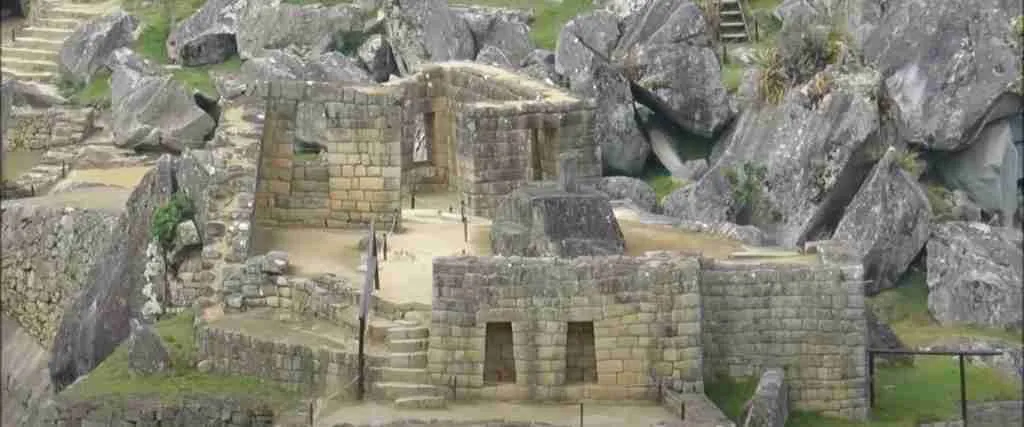
The Temple of the Condor captivates young minds with its wing-like stone formations. Guides often share kid-friendly tales of Inca engineering, like how terraces prevented landslides. Frequent breaks at shaded spots help manage altitude effects, while llama sightings offer natural distractions.
For multi-generational groups, split exploring time: grandparents can rest at the Guardhouse while parents hike to the Sun Gate. One mother noted: “Our 3-year-old loved ‘helping’ spot rocks shaped like animals—it turned history into a game.” Wrap up by noon to avoid midday heat and return for naps, ensuring energy lasts through the evening train ride.
Insider Tips and Essential Gear for Traveling with Toddlers
Preparing for a family adventure requires more than just enthusiasm—it demands smart gear choices and local insights. From navigating cobblestone streets to sudden rain showers, parents benefit from tested strategies that balance safety and discovery.

Recommended Baby Carriers and Toddler Essentials
Sturdy carriers like the Ergobaby Omni 360 or Deuter Kid Comfort excel on uneven trails. These distribute weight evenly, freeing hands for maps or cameras. For unpredictable weather, pack lightweight rain covers and UV-protective hats.
| Item | Key Feature | Best For |
|---|---|---|
| Osprey Poco AG | Sunshade & hydration pocket | Full-day hikes |
| Tushbaby Carrier | Hip-support design | Short walks in towns |
Choose hotels near central squares, like Casa del Sol in Aguas Calientes, which offers cribs and early check-ins. Local guides prove invaluable—they know shaded rest spots and kid-friendly storytelling techniques. “Our guide rearranged the itinerary when clouds rolled in, saving the day,” shared one mother.
Pack collapsible snack containers and electrolyte packets for energy boosts. In crowded places, attach GPS trackers to jackets for peace of mind. Rotate toys to maintain interest during bus rides—think reusable stickers or mini binoculars.
Finally, embrace flexibility. A well-stocked diaper bag matters, but so does pausing to admire llamas or share a fresh mango from a market vendor. With thoughtful preparation, challenges become stepping stones to unforgettable moments.
Booking Tickets and Managing Reservations
Efficient booking processes can transform a potentially stressful task into a seamless part of your adventure. Families must navigate both government portals and transportation systems while accounting for unique needs. Proper preparation ensures smooth transitions from ticket counters to trailheads.
Step-by-Step Reservation Guide
Start by visiting Peru’s Ministry of Culture website to purchase entry passes. Each family member needs passport details uploaded during checkout. Print physical copies—digital scans aren’t accepted at gates. “We saved 40 minutes by having documents ready,” shared one parent.
Family Discounts and Age Policies
Children under 12 receive 50% discounts on entry tickets and train fares. Bring birth certificates or passports for verification. Book buses from Aguas Calientes to the site 72+ hours early—peak hours sell out quickly. Carriers with organizational pockets help keep papers accessible.
| Ticket Type | Child Discount | Booking Timeline |
|---|---|---|
| General Admission | 50% off | 3+ months ahead |
| Train + Bus Combo | 40% off | 60+ days ahead |
Online reservations enhance safety by reducing time in crowded queues. Use filtered water bottles during waits to stay hydrated. For last-minute changes, contact authorized agencies like PeruRail directly—they often hold emergency slots for families.
Conclusion
Journeying through Peru’s Sacred Valley with young children demands thoughtful preparation, but the rewards far outweigh the hurdles. By combining early ticket bookings, altitude-aware itineraries, and local insights, families transform logistical challenges into opportunities for connection. From navigating bustling city hubs like Lima to securing window seats on scenic trains, each step builds confidence and comfort.
Sturdy shoes, hydration packs, and adaptable schedules prove essential for exploring ancient pathways. Prioritizing rest days in lower valleys and leveraging expert tips—like packing familiar snacks—ensures smoother transitions between destinations. Even unexpected delays become stories worth sharing when met with patience.
While balancing nap times and safety concerns requires effort, witnessing a toddler’s wonder amid misty ruins creates irreplaceable memories. Every family’s adventure reflects careful planning paired with the courage to embrace spontaneity. Let this guide inspire your own journey, where preparation meets the magic of discovery.
