Visiting Peru’s iconic ancient citadel requires thoughtful preparation. Nestled high in the Andes, this UNESCO World Heritage Site captivates travelers with its mystical history and breathtaking vistas. While trekking routes like the Inca Trail offer adventure, most visitors arrive via scenic rail journeys—the primary gateway to this wonder.
Choosing where to begin your trip—Cusco or Ollantaytambo—shapes your entire experience. Departing from Cusco, the former capital of the Inca Empire, adds cultural depth with its colonial architecture and vibrant markets. Opting for Ollantaytambo, a charming village closer to the site, reduces travel time while immersing you in authentic Andean landscapes.
This guide simplifies the decision-making process. We’ll compare routes, ticket options, and onboard services to help you prioritize comfort, time, or budget. Whether you seek panoramic views or seamless logistics, understanding these choices ensures your journey aligns with your travel goals.
Key Takeaways
- Two primary departure points offer distinct cultural and logistical advantages.
- Advance planning maximizes comfort and minimizes delays during peak seasons.
- Service tiers vary significantly, from budget-friendly to luxury experiences.
- Travel time differences impact itinerary flexibility and sightseeing opportunities.
- Combining rail journeys with local exploration enhances cultural immersion.
- Contact us for a comfortable and personalized itinerary (Free Service)
Understanding the Machu Picchu Train Journey
For many travelers, the rail adventure to Peru’s ancient wonder rivals the destination itself. The single-track line winds from the Andean highlands near Cusco to Aguas Calientes, the gateway town. This 3-4 hour journey combines efficiency with awe-inspiring vistas, following the Urubamba River through ever-changing landscapes.
Route Map Overview and Scenic Views
Departures begin at Poroy Station, 20 minutes from central Cusco, before descending into the Sacred Valley. Key stops include Ollantaytambo, where many passengers board to shorten travel time. The route showcases dramatic contrasts—snow-capped peaks give way to lush cloud forests, with canyon walls towering beside the tracks.
Key Highlights of the Train Experience
Modern trains feature panoramic windows and skylights for unobstructed photography. Three service tiers cater to different budgets: Expedition (standard), Vistadome (premium views), and Belmond’s luxury Hiram Bingham cars. Onboard services often include live cultural performances and refreshments featuring local ingredients.
The carefully curated experience prepares visitors for the archaeological marvel ahead. Attentive staff share insights about passing ruins and ecosystems, transforming transit into an educational prelude. As the final approach reveals Machu Picchu’s mist-shrouded peaks, passengers understand why this train ride ranks among the world’s most memorable.
Train to Machu Picchu from Cusco or Ollantaytambo ?
Your choice of starting location shapes both practical logistics and cultural immersion. While both routes lead to Peru’s legendary archaeological site, they cater to distinct traveler priorities.
Urban Convenience vs. Scenic Efficiency
Departing from the former Inca capital adds a 20-minute transfer to Poroy Station but lets travelers explore colonial plazas and museums pre-journey. The 3.5-hour cusco machu picchu route winds through highland panoramas before descending into the Sacred Valley.
Ollantaytambo’s station sits 1.5 hours from Aguas Calientes, ideal for those combining rail travel with Sacred Valley tours. Though requiring a 90-minute drive from Cusco, this cusco ollantaytambo option reduces onboard time by 50%—perfect for visitors prioritizing efficiency.
Tailoring the Experience to Your Needs
Consider these factors when deciding:
- Time sensitivity: Morning departures from Ollantaytambo allow same-day citadel visits
- Ticket availability: Poroy Station offers fewer daily services but direct city access
- Cultural depth: Cusco’s hotels and restaurants provide richer pre-trip immersion
First-time visitors often prefer the complete machu picchu experience from Cusco, while repeat travelers or people with tight schedules opt for Ollantaytambo. Recent information shows 62% of luxury service bookings originate in Cusco, reflecting its appeal to comfort-focused explorers.


How to Book Your Machu Picchu Train Tickets
Securing passage to Peru’s crown jewel requires strategic planning. With limited daily departures and high demand, understanding reservation systems ensures your spot aboard these iconic rail services.
Navigating Official Booking Platforms
Begin by visiting PeruRail or Inca Rail’s websites—the only authorized ticket sellers. Select your departure station, travel date, and preferred service tier. Pro tip: Create accounts on both platforms to compare real-time availability.
Follow these steps for smooth reservations:
- Enter passenger details matching passport information exactly
- Review cancellation policies before payment
- Use credit cards without foreign transaction fees
Many travelers report payment declines due to bank security protocols. Contact your financial institution beforehand to authorize international purchases.
When Tours Simplify the Process
Organized packages eliminate logistical headaches. Reputable operators handle tickets, transfers, and timed citadel entries—critical during peak seasons. “Our guided group secured window seats and priority boarding effortlessly,” shares recent visitor Clara M.
Key tour benefits include:
- Combined rail/hotel/accommodation discounts
- Bilingual guides managing schedule changes
- Assistance with alternative routes during disruptions
Whether booking independently or through agencies, confirm reservations 72 hours pre-trip. Printed confirmations and digital backups prevent entry issues at stations.
Exploring Train Services and Classes
Selecting the ideal rail service elevates your journey through Peru’s Andes. Both PeruRail and Inca Rail provide distinct train services, blending comfort with cultural immersion. Understanding their differences helps travelers match expectations to reality.
PeruRail vs Inca Rail: Service Comparison
PeruRail dominates the market with three tiers: Expedition (basic), Vistadome (panoramic windows), and Hiram Bingham (luxury dining). Their services emphasize traditional hospitality, featuring live Andean music and alpaca wool seat covers. Inca Rail counters with modern flair—Voyager class includes complimentary snacks, while 360° cars have glass ceilings for unobstructed photography.
Key distinctions emerge in onboard experiences. PeruRail’s premium options include multi-course meals paired with Pisco sours. Inca Rail focuses on interactive elements, like bilingual guides explaining passing ruins. Budget-conscious travelers often prefer PeruRail’s Expedition class, while design-focused visitors lean toward Inca’s sleek 360° cabins.
Overview of Class Options and Amenities
Class tiers directly impact comfort and cost. Here’s what distinguishes each:
- Economy: Reclining seats, snack service, and fold-out tables (both operators)
- Premium: Larger windows, gourmet meals, and souvenir gifts (PeruRail’s Vistadome vs Inca’s First Class)
- Luxury: Private lounges, champagne receptions, and onboard live bands (Hiram Bingham exclusively)
“The open-air observation car in Inca Rail’s 360° service made every curve photogenic,” notes travel blogger Elena Torres. Both companies limit luggage to 11 lbs in overhead bins, prioritizing passenger mobility.
Ultimately, your choice depends on whether you value Peruvian tradition (PeruRail) or contemporary innovation (Inca Rail). Both deliver unforgettable journeys to Machu Picchu, weaving modern comforts into ancient landscapes.
Travel Times, Ticket Prices, and Booking Tips
Smart travelers know timing and budgeting make or break their Andean adventure. Rail services to Peru’s legendary site operate on precise schedules with pricing that reflects demand and comfort levels.
Estimated Journey Durations and Schedules
Trips from Poroy Station near Cusco take 3.5 hours, while Ollantaytambo departures reach Aguas Calientes in 1 hour 45 minutes. Most trains run 8 AM–4 PM, with 12–15 daily departures across operators. Peak season (June–August) sees increased frequency but higher fares.
Understanding Price Ranges and Booking Tips
Fares range from $104 for basic seats to $589+ for luxury cabins. Three factors impact costs:
- Service tier: Panoramic windows and meals add $80–$150
- Departure time: Morning rides cost 15% more than afternoon
- Advance purchase: Booking 90+ days early saves up to 25%
Secure the best deals by:
- Comparing PeruRail and Inca Rail websites weekly
- Using flexible date filters to find lower rates
- Checking for last-minute cancellations 48 hours pre-trip
One recent traveler noted: “Switching our departure by two days saved us $92 per ticket.” With strategic planning, visitors optimize both time and budget for this bucket-list journey.
Navigating From Cusco to Ollantaytambo
Reaching the Sacred Valley’s transport hub requires strategic planning. While rail journeys dominate final approaches, land transfers from Cusco offer flexibility for travelers seeking cost-effective solutions. Reliable ground services bridge the 45-mile gap efficiently, blending practicality with scenic valley views.
Reliable Ground Transport Options
Shared vans and private transfers operate daily between these key locations. Operators like Peru Hop and Inka Express provide service every 30-60 minutes from 5:00 AM to 8:00 PM. Most rides take 1 hour 45 minutes, though afternoon traffic can add 15-20 minutes.
| Transport Type | Cost (per person) | Duration | Booking Flexibility |
|---|---|---|---|
| Shared Van | $10–$15 | 1h45m–2h15m | 24-hour advance |
| Private Taxi | $40–$60 | 1h30m | Same-day |
| Tourist Bus | $25 | 2h | 72-hour advance |
Tips for a Smooth Transfer Experience
Book through verified platforms like Viator or local agencies near Plaza de Armas. Confirm pickup points match your hotel’s location—many providers include stations near central Cusco. “Drivers familiar with mountain roads make all the difference during rainy season,” advises tour operator Marco Quispe.
- Arrive 15 minutes early for shared rides
- Verify luggage space when booking
- Carry small bills for roadside snack vendors
Seasoned providers streamline transfers to Ollantaytambo’s rail terminal, ensuring seamless connections. Their expertise minimizes delays, letting travelers focus on unfolding Andean vistas before boarding their train.
Important Travel Information and Luggage Guidelines
Preparing for your Andean adventure requires attention to practical details. Strict baggage policies and timed transfers ensure everyone enjoys the journey without logistical hiccups. Let’s simplify these essentials for stress-free exploration.
Luggage Restrictions and Tips for Packing Light
Rail operators enforce a 5 kg (11 lb) carry-on limit per passenger. Storage space resembles airline overhead bins—compact and shared. Follow this packing strategy:
- Use compression cubes for versatile outfits
- Carry collapsible water bottles to save space
- Pack multipurpose layers like moisture-wicking scarves
Leave bulky suitcases at Cusco hotels—most offer free storage. “Wearing my hiking boots instead of packing them freed 30% of my bag,” notes frequent traveler Gina Rodriguez.
Shuttle Bus Details and Timings
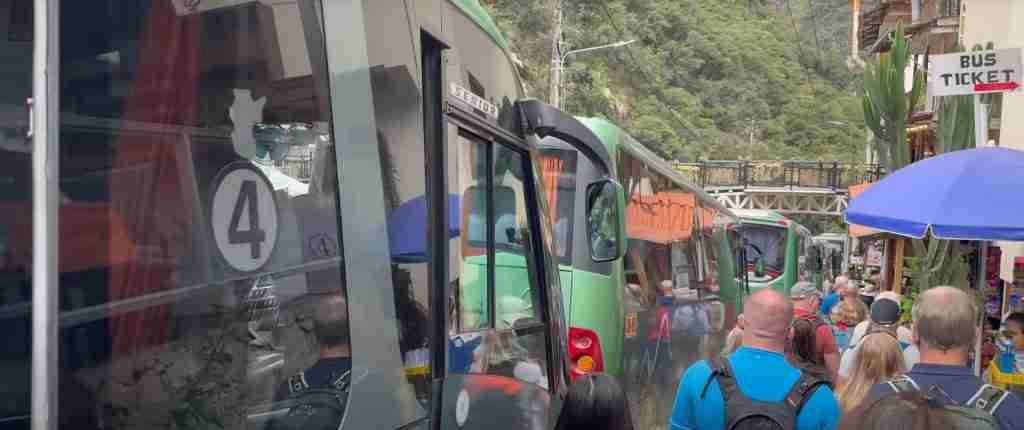
Buses depart Aguas Calientes every 15 minutes from 5:30 AM to 3:30 PM. The 25-minute ride covers 8 zigzagging miles to the citadel entrance. Purchase tickets online or at the station—they’re linked to your entry time.
Peak hour waits (7-9 AM) can extend to 45 minutes. Avoid delays by:
- Securing bus passes when booking rail tickets
- Arriving 20 minutes before your scheduled departure
- Keeping documents in waterproof sleeves
This streamlined approach lets you focus on the unfolding majesty of Machu Picchu rather than logistics.
Conclusion
Your choice between Peru’s cultural heart and scenic valley hub defines the rhythm of your journey. Departures from the historic city immerse passengers in colonial charm, while valley stations prioritize swift access to legendary destinations. Each path offers distinct advantages for different travel styles.
Early ticket bookings unlock prime departure times and preferred service levels. Operators craft experiences for photographers, history enthusiasts, and comfort-seekers alike. Morning trips showcase sunlit peaks, while afternoon rides suit relaxed exploration.
Streamline your day-to-day plans by confirming transfer logistics and packing essentials. These steps transform potential stress into seamless transitions between vistas and ancient wonders.
With thoughtful preparation, your adventure becomes a curated blend of discovery and ease. Let this guide illuminate your path—every informed decision enhances the journey’s magic, from bustling stations to misty mountain arrivals.
