Peru’s ancient landscapes hold countless treasures, but few capture the imagination like the enigmatic ceremonial site nestled near Cusco. This location, steeped in Inca heritage, offers a rare glimpse into rituals and traditions that shaped a civilization. Its strategic position high in the Andes provided both spiritual significance and a vantage point overlooking the Sacred Valley.
Carved directly into limestone bedrock, the intricate stone formations here defy time. Unlike many Inca landmarks, these structures survived Spanish conquest, preserving their original grandeur. Narrow passageways and altars hint at ceremonies once performed, while the air hums with whispers of the past.
Scholars still debate the site’s exact purpose, adding layers of intrigue. Was it a temple for astronomical studies? A sacred space for initiation rites? The mysteries invite curiosity, making it a must-visit for history enthusiasts.
Our journey through this guide will uncover its architectural marvels, cultural legacy, and practical tips for modern explorers. Prepare to step into a world where history feels alive.
Key Takeaways
- Located near Cusco, this site served as a key spiritual hub for the Inca Empire.
- Its well-preserved stone carvings escaped destruction during colonial invasions.
- The layout suggests ceremonial use, possibly linked to astronomy or rituals.
- Many unanswered questions about its origins deepen its allure.
- Visitors today can walk through tunnels and chambers unchanged for centuries.
- Contact us by filling out the trip planner form, our expert travel advisors will work closely with you to create your tailor-made itinerary (Free Service)
Exploring Peru’s Ancient Wonders
Peru’s highlands whisper tales of civilizations past through their stone monuments. Among these marvels, a ceremonial site near Cusco stands out. It blends natural rock formations with precise stonework, creating a harmony between earth and human artistry.
Guided tours unlock secrets hidden in the complex‘s design. Experts point out water channels carved into bedrock and ceremonial platforms aligned with celestial patterns. These details reveal how Inca builders transformed raw landscapes into spiritual spaces.
Key attractions include:
- Serpentine tunnels winding through limestone
- Altars shaped like celestial constellations
- Acoustic chambers amplifying ritual chants
| Tour Type | Duration | Highlights |
|---|---|---|
| Self-Guided | 1-2 hours | Flexible exploration, photo opportunities |
| Expert-Led | 3 hours | Historical context, hidden symbols |
| Group | 2.5 hours | Cost-effective, shared insights |
Morning visits capture sunlight illuminating carved symbols. Evening tours showcase how shadows align with solstice markers. Whether wandering independently or with guides, visitors connect with a world where rock became ritual.
Historical Background and Inca Civilization
Long before the Inca Empire reshaped South America, diverse cultures left their mark on the Andean highlands. Early inhabitants mastered terraced farming and stone carving, creating foundations later refined by Inca engineers. Their legacy survives in subtle details—symbols etched into bedrock and water channels adapted over time.
Pre-Inca Influences and Early Inhabitants
Archaeological evidence suggests earlier civilizations used this area for spiritual gatherings. Circular plazas and weathered carvings hint at rituals honoring mountain deities. These groups developed:
- Advanced agricultural systems using microclimates
- Symbolic art blending animal motifs with geometric patterns
- Ceremonial spaces aligned with seasonal changes
Rise and Expansion of the Inca Empire
By the 15th century, the Inca Empire transformed the region through strategic innovation. Their architecture merged practicality with sacred geometry, seen in Q’enco’s zigzagging tunnels and altar placements. The site’s labyrinth-like design mirrors its Quechua name meaning “twisted” or “zigzag,” reflecting both physical complexity and spiritual journeys.
Inca builders incorporated celestial markers into stonework, tracking solstices and equinoxes. This precision helped coordinate planting cycles and religious festivals across their vast territory. As one researcher notes: “Their mastery of time through astronomy became the heartbeat of imperial governance.”
Q’enco Archaeological Complex: Overview
Carved into the rugged hills just beyond Cusco lies a masterpiece of ancient engineering. This archaeological complex seamlessly merges natural limestone formations with precisely carved structures. Visitors today can explore serpentine tunnels and ceremonial platforms that have endured for centuries.
The site’s design showcases how builders transformed raw bedrock into functional spaces. Water channels follow natural fissures, while altars align with mountain peaks visible on the horizon. Such harmony between human effort and geology remains awe-inspiring.
Located mere miles from the historic city of Cusco, the area offers sweeping views of valleys and distant ruins. Its elevated position likely held spiritual significance, connecting ceremonies to both earth and sky.
Key features include:
- Labyrinth-like corridors winding through solid rock
- Ceremonial niches shaped like celestial symbols
- Observation points framing panoramic landscapes
Local stone forms the backbone of every structure. Massive blocks fit together without mortar, a testament to Inca craftsmanship. This robust construction explains why walls and passageways remain intact despite centuries of exposure.
While mysteries about its exact purpose linger, the complex’s preserved state invites deeper exploration. Subsequent sections will delve into theories about its role in Inca society and celestial observations.


Origins, Purpose, and Theories
Scholars remain divided over the origins of this enigmatic stone sanctuary near Cusco. While its precise timeline eludes experts, three competing theories dominate academic discussions.
Debated Origins and Cultural Interpretations
Some researchers argue earlier civilizations shaped the site’s foundation. Circular depressions in bedrock resemble pre-Inca ritual platforms found elsewhere in the Andes. These features suggest:
- Possible astronomical observation points predating Inca rule
- Water-centric ceremonies honoring mountain deities
- Symbolic carvings adapted by later cultures
The purpose of the carved channels sparks particular interest. Recent studies show they align with natural springs, potentially guiding sacred liquids during ceremonies. A local historian notes: “These grooves likely held chicha beer or blood offerings during solstice rituals.”
| Theory | Key Evidence | Main Proponents |
|---|---|---|
| Pre-Inca Ritual Site | Non-Inca carvings | Cultural anthropologists |
| Inca Temple | Celestial alignments | Archaeoastronomers |
| Hybrid Creation | Mixed construction styles | Historical architects |
Its name, meaning “labyrinth,” perfectly captures the experience of navigating its winding passages. This maze-like design may symbolize spiritual journeys or mirror constellations visible during night ceremonies.
While most agree it served as a temple, debates continue about specific rituals performed here. The interplay of light, stone, and water channels suggests multiple purposes evolving across generations. These unanswered questions keep historians returning to study its secrets.
Architectural Marvels and Engineering Feats
Ancient builders transformed raw materials into sacred spaces through revolutionary techniques. Their stone mastery shines in surviving structures that merge artistry with earthquake-resistant design. This section explores how rock became both canvas and foundation for enduring architecture.
Intricate Rock Carvings and Sculptures
Precision marks every surface of the carved stone elements. Chisels made from harder stones shaped symbolic patterns into limestone without metal tools. Zigzag channels and celestial motifs show millimeter-level accuracy, even after 500 years of erosion.
Three standout features demonstrate their skill:
- Interlocking niches that align with solstice sunlight
- Serpent carvings following natural rock contours
- Drainage systems disguised as decorative grooves
Ingenious Stone Construction Techniques
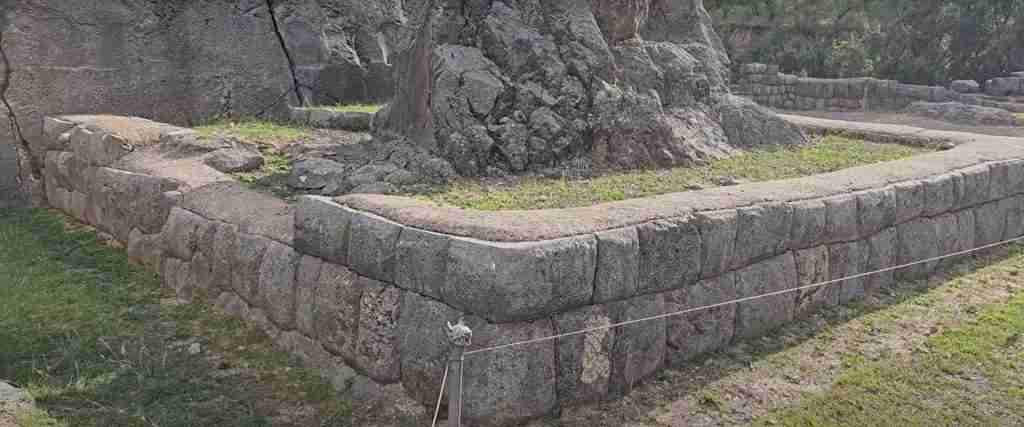
Builders employed methods still studied by engineers today. They fitted irregular stone blocks using a process called “ashlar masonry” – no mortar needed. This technique allowed walls to shift during earthquakes before settling back into place.
| Technique | Purpose | Modern Influence |
|---|---|---|
| Rock matching | Blend natural formations with carvings | Eco-architecture principles |
| Gravity walls | Create stable terraces on slopes | Landslide prevention systems |
| Shadow casting | Mark seasonal changes | Solar calendar designs |
One researcher observes: “Their carved stone work wasn’t just durable – it turned geology into poetry.” These methods explain why ceremonial platforms remain perfectly level, despite centuries of Andean weather. Visitors today can touch walls where ancient hands once placed each stone with purpose.
Ritual Ceremonies and Astronomical Observations
High in the Andes, ancient architects crafted a spiritual nexus where earth met sky. This sacred space functioned as both a stage for rituals and a precision instrument tracking celestial cycles. The interplay of carved stone and sunlight reveals how deeply astronomy shaped spiritual practices.
Sun Worship and the Intiwatana
At the heart of the site stands the Intiwatana, a carved stone pillar central to Inca cosmology. Known as the “sun’s hitching post,” it measured the star’s shifting angles throughout the year. Priests used these readings to schedule planting seasons and religious festivals.
Key functions included:
- Marking solstices and equinoxes with shadow patterns
- Guiding offerings to ensure agricultural abundance
- Synchronizing rituals across the empire’s astronomical observatories
Alignments with the Winter Solstice
During the winter solstice, sunlight pierces narrow windows, illuminating altars hidden in shadow all year. This phenomenon occurs when the sun reaches its lowest arc—a moment symbolizing rebirth in Inca tradition. Modern visitors witness the same golden beams that once signaled time for renewal ceremonies.
| Celestial Event | Site Alignment | Cultural Significance |
|---|---|---|
| Winter Solstice | Light strikes central altar | Rebirth of the sun god Inti |
| Summer Solstice | Shadows frame serpent carvings | Peak growing season blessings |
| Equinoxes | Equal light distribution | Balance between earth and sky |
Beneath the main plaza, underground chambers hint at darker rituals. Archaeologists found altars stained with iron oxide—possible evidence of blood offerings to appease mountain gods. These spaces may have hosted initiation rites or sacrifices during celestial crises like eclipses.
The site’s design shows how astronomy and faith intertwined. As one scholar notes: “Their calendar wasn’t just practical—it was a dialogue with the divine.”
Myths, Legends, and Cultural Narratives
Whispers of hidden chambers and guardian spirits cling to the weathered stones of this ancient site. For generations, local storytellers have woven tales that transform its passageways into realms of magic and mystery.
Guardians of Stone and Shadow
Among the most enduring legends is that of a spectral puma said to patrol the ruins after dark. Villagers describe glowing eyes in moonlit corridors, believed to protect sacred offerings buried beneath carved altars. These stories gained traction when 19th-century explorers reported finding animal-shaped remains near ceremonial platforms.
Three persistent narratives shape modern interpretations:
- Secret tunnels designed to mislead Spanish conquistadors
- Star-aligned pathways used by priests during solstice rites
- Burial chambers holding gold tributes to mountain deities
| Legend Type | Key Symbol | Modern Impact |
|---|---|---|
| Guardian Spirits | Puma imagery | Inspires local art and festivals |
| Celestial Guides | Star carvings | Attracts astronomy enthusiasts |
| Hidden Wealth | Sealed chambers | Fuels archaeological research |
Recent discoveries add fuel to these tales. A 2022 ground-penetrating radar survey revealed voids beneath the main plaza—spaces matching descriptions of ritual vaults from colonial-era manuscripts. As one guide explains: “Every cracked stone here holds a story waiting to be unearthed.”
These legends do more than entertain. They connect visitors to the stars that guided ancient rituals and the earthbound puma guarding its secrets. For travelers seeking more than photos, the site offers a bridge between imagination and history.
Practical Visitor Information and Site Access
Planning a visit to this historic landmark near Cusco requires smart preparation. Nestled just 15 minutes from the Plaza de Armas, the site offers easy access for travelers balancing cultural exploration with time constraints. Here’s how to maximize your experience while respecting its high-altitude environment.
Visiting Hours, Entrance Fees, and Ticket Options
The site operates daily from 7:00 AM to 5:30 PM. Admission is included in the Tourist Ticket Cusco, valid for 10 days and covering 16 attractions. Single-entry passes ($20) are available for shorter stays. Note the elevation: at 11,800 feet above sea level, visitors should acclimate in Cusco for 1-2 days beforehand.
| Ticket Type | Cost | Best For |
|---|---|---|
| Full Tourist Ticket | $70 | Multi-day explorers |
| Single Entry | $20 | Short visits |
| Student Discount | $35 | ID holders |
Transport Options from Cusco and Site Accessibility
Reach the site via:
- Taxi: 10-minute ride from the Plaza de Armas ($5-7)
- Foot: Scenic 45-minute walk through San Blas district
- Tourist buses: Group shuttles ($3) departing hourly
Budget-conscious travelers can hike the route on foot, though steep sections require sturdy shoes. Most tourist itineraries allocate 1-2 hours here. Local guides near the entrance offer 30-minute tours ($10) for deeper insights.
Guided Tours, Local Experts, and Experiences
Walking through ancient stone corridors, visitors often miss the whispers of history etched into weathered walls. This is where a knowledgeable guide transforms sightseeing into time travel. Local experts decode symbols hidden in carvings and reveal how celestial patterns shaped rituals.
Advantages of Booking a Guided Tour
Expert-led tours unlock layers of meaning invisible to untrained eyes. Guides explain how zigzag tunnels mirrored constellations or why altars align with solstice sunrises. One traveler noted: “Our guide pointed out constellations carved into stone we’d walked right past.”
Options cater to different preferences:
- Group tours (2-3 hours): Affordable shared journeys with lively discussions
- Private tours: Tailored deep dives into architectural secrets
- Specialty tours: Night walks showcasing star-aligned carvings
| Tour Type | Duration | Perks |
|---|---|---|
| Group | 2.5 hours | Local legends, Q&A sessions |
| Private | Flexible | Photo stops, family-friendly pacing |
Guides often share generational stories absent from guidebooks. A Cusco-born guide explained: “My grandfather taught me how moonlight reveals hidden animal shapes in the rock.” These insights turn stone formations into chapters of a living history.
Economic Impact and Peru’s Tourism Legacy
Heritage sites like Q’enco serve as bridges between past civilizations and present-day communities, creating economic opportunities that ripple through regions. The city of Cusco thrives as visitors flock to explore its ancient wonders, directly supporting local artisans, guides, and hospitality businesses.
How It Fuels Regional Growth
Ticket sales and guided experiences generate critical revenue for preservation efforts. A portion of every admission funds:
- Restoration projects protecting fragile stonework
- Educational programs training local historians
- Infrastructure upgrades benefiting nearby villages
Over 40% of Cusco’s tourist itineraries include this site, driving demand for hotels and cultural tours. International visitors often extend stays to explore the city’s markets and restaurants, multiplying economic benefits.
Recent investments in sustainable tourism ensure future generations can experience its legacy. By balancing accessibility with conservation, Peru maintains both cultural heritage and a thriving modern economy rooted in its storied past.
Conclusion
Peru’s stone-carved mysteries continue to captivate travelers through their silent dialogue with history. The site stands as a testament to Inca ingenuity, where walls etched with celestial patterns and ceremonial channels reveal an empire’s spiritual depth. Each curve in the rock whispers of rituals that once bridged earth and sky.
To fully grasp its narrative, join a guided tour. Experts decode symbols invisible to untrained eyes, transforming labyrinthine paths into chapters of a living story. Many tours include stops at Machu Picchu, creating a seamless journey through Andean heritage.
Just minutes from Cusco’s bustling Plaza Armas, this landmark pairs perfectly with other iconic attractions. Plan a multi-day itinerary to absorb its atmosphere at sunrise or under star-studded skies.
From the precision of its channels to the endurance of its stonework, the legacy endures. For explorers seeking cultural immersion, this destination remains an essential thread in Peru’s rich tapestry of wonders.
