
Torres del Paine Travel Tips 2026: Essential Planning & Practical Advice
Key Takeaways
- Book accommodations 6-8 months ahead for peak season (December-February 2026) as refugios and campsites reach 95% capacity by September
- Pack a layering system for extreme weather changes – temperatures swing 20-30°F within hours, with wind speeds reaching 60+ mph year-round
- Budget $150-200 daily for mid-range travel including meals, transportation, and activities, with park entry at $40 USD in 2026 (check CONAF official rates)
- Bring Chilean pesos cash for refugios and smaller establishments – ATMs are limited in Puerto Natales, and card acceptance decreases inside the park
- Purchase comprehensive travel insurance covering trekking up to 3,000 meters and emergency evacuation – medical facilities are basic and helicopter rescue costs $3,000-8,000
- Download offline maps and trail information before arrival as WiFi is extremely limited throughout the park and non-existent on most trails
Planning Your Torres del Paine Experience in 2026
Torres del Paine National Park presents unique logistical challenges that separate it from typical national park visits. Located in remote southern Patagonia, this UNESCO Biosphere Reserve demands careful preparation across multiple dimensions – from extreme weather management to complex booking systems for overnight accommodations. The 2026 season brings updated entry procedures, modified trail regulations, and enhanced visitor management systems designed to preserve the park’s fragile ecosystems while accommodating growing international interest.
Success in Torres del Paine depends on understanding the park’s operational realities rather than idealized trekking fantasies. The famous W Trek and O Circuit require coordinated camping or refugio reservations across multiple providers, weather contingency planning for sudden storms that can close trails, and physical preparation for challenging terrain that includes steep ascents, river crossings, and exposed ridgelines. The park’s infrastructure, while improving, remains deliberately basic to minimize environmental impact, meaning visitors must be self-sufficient in ways uncommon for modern travel destinations.
The 2026 season introduces several operational changes that affect visit planning. The park authority CONAF has implemented new capacity limits on popular trails, mandatory advance registration for day visitors during peak months, and enhanced environmental protection measures including stricter waste management enforcement. These changes, combined with Chile’s evolving tourism infrastructure and updated health protocols, create a planning landscape that requires attention to detail months before your departure date.
People Also Ask About Torres del Paine Travel Tips 2026
What should I pack for Torres del Paine in 2026?
Pack a comprehensive layering system for Torres del Paine in 2026: base layers (merino wool or synthetic), insulating mid-layers (fleece or down jacket), waterproof shell jacket and pants rated for 60+ mph winds, warm hat, buff, gloves, and sun protection including glacier glasses rated UV400. Footwear requires waterproof hiking boots with ankle support, broken in before arrival, plus camp shoes or sandals. Essential gear includes a 40-50L backpack with rain cover, sleeping bag rated to 10°F (-12°C) for refugio stays or 0°F (-18°C) for camping, trekking poles for stability, and a 2-3L hydration system. Technical items: headlamp with extra batteries, portable battery bank for devices, dry bags for electronics and clothing, first aid kit with blister treatment, and sunscreen SPF 50+. Optional but recommended: lightweight binoculars for wildlife viewing, micro-spikes for icy sections (September-November and March-April), and a compact travel towel. Check CONAF website for current prohibited items list as regulations update annually.
How much money should I budget for Torres del Paine in 2026?
Budget $150-200 daily per person for mid-range Torres del Paine experiences in 2026. This breakdown includes: park entry $40 USD per person (check CONAF for current official rates as pricing may vary), refugio dormitory accommodation $80-120 per night with meals, or camping $30-40 per site with meal service $45-60 per day. Day visitors spending from Puerto Natales budget: transportation $50-80 round trip, packed lunch $15-20, and optional guided excursions $100-180. Budget travelers camping with their own equipment and cooking meals can reduce costs to $80-100 daily, while luxury travelers staying at high-end lodges budget $400-600 daily including full board and guided activities. Factor additional costs: travel insurance with evacuation coverage $80-150 for trip duration, gear rental in Puerto Natales (if needed) $30-50 daily for sleeping bags, packs, and trekking poles, and emergency cash reserve $200-300 for weather delays or trail closures requiring alternative transportation. Credit cards work in Puerto Natales but cash (Chilean pesos) is essential for refugios, park entrances, and emergency situations throughout the park.
When should I book Torres del Paine accommodations for 2026?
Book Torres del Paine refugios and campsites 6-8 months before your 2026 travel dates for peak season (December-February), 4-6 months for shoulder season (November and March), and 2-3 months minimum for low season (April-October). Popular refugios along the W Trek reach 95% capacity by mid-September for December-January dates. The booking system operates through three main concessionaires (Vértice Patagonia, Fantástico Sur, and CONAF campsites), each managing different sections of the trail network, requiring separate reservations and payment processes. Priority booking windows for return visitors open in May-June for the following season. Alternative accommodation strategies for 2026: hotel-based day hiking from Puerto Natales eliminates refugio booking challenges, base yourself at one or two locations and plan day hikes rather than full circuit treks, or join organized group tours where accommodation is pre-arranged. Cancellation policies vary by provider but most are non-refundable or charge 50-75% fees for changes within 60 days of arrival. Book directly through official concessionaire websites rather than third-party platforms to avoid markup fees and ensure accurate reservation records.
What safety considerations are essential for Torres del Paine in 2026?
Essential Torres del Paine safety considerations for 2026 include comprehensive travel insurance covering trekking activities up to 3,000 meters and emergency helicopter evacuation costing $3,000-8,000 in remote areas. Weather safety: carry emergency shelter (space blanket minimum), know hypothermia symptoms, and monitor weather forecasts through CONAF stations or refugio staff – storms develop within 30 minutes in Patagonia. Navigation safety: download offline GPS maps before entering the park as cell coverage is absent on most trails, carry physical backup maps, and inform refugio staff of your intended route and estimated arrival time. Medical preparedness: pack comprehensive first aid including blister treatment (most common injury), pain relievers, anti-diarrheal medication, and any prescription medications with extras for weather delays. Physical safety: use trekking poles on steep descents and river crossings, stay on marked trails to avoid damaging fragile vegetation and getting lost, never approach guanacos or pumas (rare but present), and carry water purification tablets as not all water sources are safe despite appearing clean. Communication: leave detailed itinerary with someone outside the park, understand that emergency response requires hours not minutes in remote sections, and know that helicopter rescue depends on weather windows. Fire safety: absolutely no fires or smoking outside designated areas as the 2011 fire destroyed 17,000 hectares from a single cigarette. Register with park rangers at entry points and check in at exit points so authorities can track visitor movements and respond to missing person reports.
Extended multi-day tours – 5+ days
Featured Park Torres Del Paine National Park Multi-Day Tour Packages
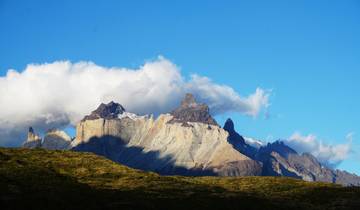
4 days
4-Days Discovery Puerto Natales & Torres del Paine
- ✓ Comprehensive Park Torres Del Paine National Park tour
- ✓ Expert local guides included
- ✓ All accommodation arranged
- ✓ Transportation provided
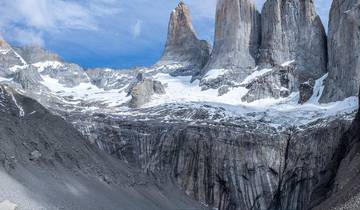
8 days
8 – Days Experience in San Pedro de Atacama & Torres del Paine National Park
- ✓ Comprehensive Park Torres Del Paine National Park tour
- ✓ Expert local guides included
- ✓ All accommodation arranged
- ✓ Transportation provided
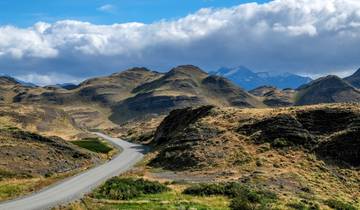
6 days
Torres del Paine – The W Trek
- ✓ Comprehensive Park Torres Del Paine National Park tour
- ✓ Expert local guides included
- ✓ All accommodation arranged
- ✓ Transportation provided

10 days
Full Circuit Patagonia
- ✓ Comprehensive Park Torres Del Paine National Park tour
- ✓ Expert local guides included
- ✓ All accommodation arranged
- ✓ Transportation provided
Multi-day tour packages powered by TourRadar. Prices and availability subject to change.
Essential Planning Information for 2026 Visits
Park Entry and Registration Requirements 2026
Torres del Paine National Park entry for 2026 costs $40 USD for international adult visitors during high season (October-April), $20 USD low season (May-September), with Chilean residents and children under 18 receiving discounted rates (check CONAF official website for current rates as pricing may vary). Payment accepted in Chilean pesos, US dollars, or credit cards at main entrance stations: Laguna Amarga (primary entrance from El Calafate), Portería Sarmiento (from Puerto Natales), and Portería Laguna Azul (northern entrance). Entry tickets are valid for the duration of your registered stay and must be presented at refugios and ranger checkpoints throughout the park.
The 2026 registration system requires online pre-registration through the CONAF website for all overnight visitors and day visitors during peak months (December-February). Pre-registration captures visitor information, emergency contacts, intended itinerary, and accommodation confirmations. This system enables CONAF to monitor trail capacity, provide accurate weather and trail condition updates, and coordinate emergency response when necessary. Day visitors without overnight bookings can register on-site at entrance stations but may face entry restrictions when daily capacity limits are reached, particularly for popular viewpoints like Base Torres and Valle Francés.
Visitors must present valid passports at entry stations, proof of accommodation reservations or camping permits for overnight stays, and travel insurance documents upon request. The registration process takes 10-15 minutes per vehicle or group during peak hours, with potential 30-45 minute waits at main entrances during morning rush hours (8-10 AM). Arrive during off-peak hours (before 8 AM or after 11 AM) to minimize entry delays, or use alternative entrance points like Portería Laguna Azul which experiences lower traffic volumes.
Understanding the 2026 Reservation System
The Torres del Paine accommodation system operates through three primary concessionaires managing different sections of the park’s trail network. Vértice Patagonia (formerly Fantástico Sur) manages central refugios including Paine Grande, Grey, and Dickson. Fantástico Sur operates eastern refugios including Las Torres, Chileno, and Los Cuernos. CONAF manages designated camping areas throughout the park including free camping zones at Italiano, Británico, and Torres. Each concessionaire maintains separate booking systems, payment processes, and cancellation policies, requiring visitors to coordinate multiple reservations for complete circuit treks.
The booking process for 2026 begins 8-10 months before your intended travel dates when online systems open for the following season. Popular dates (late December through mid-February) reach 80-95% capacity within the first 2-3 weeks of booking availability. The system operates on a first-come, first-served basis with no priority queues or guaranteed availability for return visitors, though some concessionaires offer early access windows for previous season guests. Booking confirmation requires immediate full payment with most providers offering no refunds or 50-75% penalties for cancellations within 60 days of arrival dates.
Alternative strategies for securing accommodation in 2026 include flexible date approaches – peak season treks departing mid-week (Tuesday-Thursday) typically show better availability than weekend departures. Consider reverse-circuit trekking (counterclockwise on the W Trek or O Circuit) as most visitors hike clockwise, creating less competition for east-to-west refugio spaces. Hotel-based day hiking from Puerto Natales eliminates refugio booking challenges entirely while still providing access to park highlights through daily transportation services. Organized tour operators secure block bookings months in advance, offering guaranteed space for group departures though at premium prices.
Packing Essentials for 2026 Torres del Paine Visits
The Layering System for Patagonian Weather
Successful Torres del Paine packing for 2026 centers on the layering system designed for extreme temperature fluctuations and persistent wind. Base layers should be merino wool or synthetic fabrics that wick moisture and dry quickly – pack three sets for multi-day treks to allow rotation and drying time. Avoid cotton entirely as it retains moisture, loses insulating properties when wet, and dries slowly in Patagonia’s humid conditions. Mid-layers provide insulation: bring two fleece or synthetic jackets in different weights (lightweight for hiking, midweight for camp), and a puffy down or synthetic insulated jacket for evening wear and rest stops. The outer shell layer protects against wind and rain: invest in a quality waterproof, breathable jacket and pants rated for sustained 60+ mph winds with fully sealed seams and adjustable hoods that fit over warm hats.
Temperature management in Torres del Paine requires constant adjustment throughout each day. Morning temperatures in summer (December-February) start at 35-45°F, warming to 60-70°F by afternoon, then dropping rapidly after sunset. Wind chill factors add 15-25°F of perceived cold, meaning a 50°F day with 40 mph winds feels like 25°F. Pack clothing that allows quick layering adjustments without removing your backpack: front-zip jackets, pants with side zippers for ventilation, and easily accessible pockets for gloves and hats. Include sun protection layers for glacier and high-altitude sections where UV radiation intensifies – lightweight sun hoodies, buff/neck gaiter, and wide-brimmed hats prevent painful sunburns common on exposed ridgelines and glacier approaches.
Footwear and Sock Strategy for 2026
Footwear makes or breaks Torres del Paine experiences more than any other gear component. Waterproof hiking boots with full ankle support and aggressive tread patterns handle the park’s terrain: muddy trails, steep rocky ascents, river crossings, and icy sections. Break in boots thoroughly before your trip – walk 30-50 miles in them with a loaded backpack to identify pressure points and ensure proper fit. The 2026 trail conditions include improved boardwalks in high-traffic areas but still require traditional hiking boot capabilities for 85% of trail surfaces.
Bring three pairs of hiking socks: one pair currently worn, one clean dry pair in pack accessible compartment, and one pair drying or reserved. Choose merino wool or synthetic trekking socks with cushioning zones and moisture-wicking properties. Liner socks worn under hiking socks reduce blister formation by managing friction and moisture. Gaiters are essential accessories for Torres del Paine, protecting boots and lower legs from mud, rain, and trail debris while adding wind protection in exposed sections. Camp shoes or lightweight sandals provide relief for feet after long hiking days and prevent tracking mud into refugios and tents – choose closed-toe designs that can handle short walks to bathrooms and dining areas rather than flip-flops that expose feet to cold and injury.
Technical Gear and Electronics for 2026 Conditions
Technical gear requirements for Torres del Paine 2026 include a properly fitted backpack in the 40-50L range for multi-day treks or 25-30L for day hikes. The backpack should feature a rain cover, multiple compartment access points, integrated hydration sleeve, and adjustable hip belt that transfers weight from shoulders to hips. Load the pack correctly: heavy items close to your back and centered vertically, frequently needed items in top or side pockets, and waterproof bags protecting electronics, extra clothing, and sleeping gear from inevitable moisture exposure.
Trekking poles are essential rather than optional gear for Torres del Paine terrain. Poles reduce knee stress by 25-30% on descents, improve stability on uneven terrain and river crossings, and provide additional support on steep ascents. Choose adjustable poles with carbide or rubber tips, shock absorption, and comfortable grips. Learn proper pole technique before arrival: poles should create triangular support patterns with legs, with pole length adjusted for terrain (shorter for uphills, longer for downhills).
Hydration systems for 2026 should provide 2-3 liters capacity through bladder systems or water bottles. Rivers and streams throughout the park provide abundant water sources, but bring purification tablets or filters as backup despite water appearing clean – giardia and other pathogens exist throughout Patagonia. Portable battery banks are crucial for multi-day treks where refugios offer limited or no charging access. Bring 20,000+ mAh capacity to recharge phones, cameras, and GPS devices multiple times. Pack a headlamp with extra batteries for bathroom trips, early morning starts, and emergency situations – choose LED models rated 200+ lumens with adjustable beam patterns and waterproof construction.
Weather and Clothing Strategies for 2026 Visits
Understanding Patagonian Weather Patterns in 2026
Torres del Paine weather operates on its own rules largely divorced from traditional seasonal patterns. Summer months (December-February) provide the longest daylight hours (18-20 hours), warmest temperatures (45-70°F), and highest visitor volumes, but also the strongest winds and most unpredictable storm systems. Shoulder season (November and March) offers shorter days (14-16 hours), cooler temperatures (35-60°F), fewer crowds, and potentially more stable weather patterns with less intense wind events. Winter (June-August) brings extreme challenges: temperatures to 20°F, limited daylight (8-10 hours), closed refugios, and trail closures due to snow and ice – only experienced mountaineers with proper equipment attempt winter visits.
Patagonian storms develop with remarkable speed, turning blue skies into horizontal rain and 60+ mph winds within 30 minutes. These storm systems arrive primarily from the west, drawing moisture from Pacific Ocean currents and crashing into the Andes mountain barrier. Learn to read weather signs: lens-shaped lenticular clouds indicate approaching high winds, rapid barometric pressure drops precede storms, and dramatic temperature swings signal front passages. CONAF posts weather forecasts at ranger stations and refugios, but conditions can vary dramatically between different park sections due to microclimate effects from glaciers, lakes, and mountain barriers.
Clothing Management During Daily Activities
Active temperature regulation prevents both overheating during exertion and dangerous cooling during rest stops. Start hiking in minimal layers – base layer plus light fleece or windshirt – even if feeling chilly, as body heat increases rapidly once moving with a loaded pack. Remove or add layers preemptively rather than waiting until uncomfortable: take off insulation before sweating begins, add layers during rest stops before feeling cold. Wet clothing from sweat or rain loses insulating properties, so manage moisture through ventilation (unzip jackets, roll up sleeves, open pit zips) and strategic layer changes.
Pack clothing in waterproof dry bags or compression sacks within your backpack, grouping items by function: one bag for base layers and socks, another for insulating layers, third for electronics and valuables. Keep rain gear and insulation layer accessible in backpack top or side pockets for rapid deployment when weather changes. Separate wet clothing from dry items to prevent moisture migration, and take advantage of any sunny periods to dry damp items by attaching them to backpack exterior using carabiners or pack straps.
Evening clothing management at refugios and campsites requires dedicated camp clothing that stays dry: insulated jacket or vest, warm pants (not jeans which dry slowly and provide poor insulation), warm hat, and camp shoes. Never wear sweat-damp hiking clothes inside sleeping bags as moisture reduces bag warmth and creates condensation. Air out hiking clothing overnight when possible, though high humidity often prevents complete drying. Bring extra base layers specifically for sleeping to ensure dry layers against skin throughout the night.
Money and Banking Strategies for 2026
Currency and Payment Systems in Torres del Paine
Chilean pesos (CLP) are the primary currency throughout Torres del Paine and surrounding communities, though US dollars receive wide acceptance at major establishments with exchange rates 5-10% less favorable than official bank rates. The 2026 exchange rate fluctuates between 800-950 pesos per USD (check current official rates before travel). Credit cards work at hotels, restaurants, and established tour operators in Puerto Natales, but cash dominates inside the park at refugios, CONAF camping areas, and emergency situations requiring alternative transportation or supplies.
Withdraw sufficient Chilean pesos from ATMs in Puerto Natales before entering Torres del Paine – ATMs inside the park don’t exist, and the nearest machines sit 80+ kilometers away in town. Puerto Natales ATMs dispense maximum 200,000-300,000 pesos per transaction with fees ranging $5-8 per withdrawal. Plan cash needs carefully: calculate total days in park, meals at refugios (if not pre-paid), snacks and beverages, park entry fees if paying cash, tips for guides and refugio staff, and 20-30% emergency buffer for unexpected costs like weather delays requiring extra accommodation or meals.
Budget Management During 2026 Park Visits
Daily cost tracking helps maintain budget discipline during multi-day Torres del Paine experiences. Pre-paid accommodation and meals eliminate many spontaneous purchases, but additional costs accumulate: hot showers at refugios ($3-5 per shower), beer and wine at evening meals ($5-10 per drink), chocolate bars and energy snacks ($3-5 each), equipment rental if needed ($30-50 daily), and tips for excellent service (10-15% recommended at refugios, $10-20 per day for guides). These seemingly small purchases compound quickly over 4-7 day treks, adding $100-200 to base costs.
Money-saving strategies for 2026 include bringing your own tent and camping equipment (saves $50-90 per night compared to refugio dormitories), cooking your own meals at designated camping areas with stove fuel ($15-20 daily versus $45-60 for refugio meals), traveling during shoulder season when some services offer reduced rates, and forming small groups to share guide costs and transportation expenses. Budget accommodation in Puerto Natales starts at $25-35 per night in hostels versus $80-120 in mid-range hotels, while meals in town range $10-15 for simple almuerzo (set lunch menu) versus $25-40 for dinner at tourist-oriented restaurants.
Emergency Financial Preparedness
Maintain emergency cash reserves separate from daily spending money: $200-300 in Chilean pesos and $100-200 in US dollars stored securely in hotel safe or hidden money belt. Emergency scenarios requiring extra funds include weather delays forcing additional nights in refugios or Puerto Natales ($80-150 per night), trail closures requiring alternative return transportation ($100-200 for private vehicle versus $30-50 for scheduled buses), equipment replacement if gear fails ($50-150 for critical items like sleeping bags or rain gear), and medical situations requiring evacuation to Puerto Natales clinic or Punta Arenas hospital (covered by insurance but may require upfront payment). Credit cards provide backup for major emergencies but shouldn’t be relied upon as primary financial safety net in remote areas.
Safety and Health Considerations for 2026
Medical Preparedness and First Aid
Torres del Paine medical facilities consist of basic first aid stations at major refugios staffed by personnel with wilderness first responder training, but serious injuries or illnesses require evacuation to Puerto Natales (80+ kilometers) or Punta Arenas (250+ kilometers) for proper medical care. Comprehensive travel insurance covering trekking activities up to 3,000 meters elevation and emergency evacuation is mandatory for responsible park visits – policies cost $80-150 for typical trip durations with $50,000+ evacuation coverage and $100,000+ medical coverage. Document pre-existing conditions clearly and verify policy terms before purchasing as some insurers exclude specific activities or destinations.
Pack a comprehensive first aid kit containing blister treatment supplies (the most common injury in Torres del Paine): moleskin, blister bandages, medical tape, and antiseptic wipes. Include pain relievers (ibuprofen for inflammation, acetaminophen for general pain), anti-diarrheal medication, antihistamines for allergic reactions, and any prescription medications with extras for weather delays. Bring elastic bandages for sprains, pain-relieving gel for muscle soreness, and antibiotic ointment for cuts and scrapes. Personal medical supplies should include prescription medications in original containers, copies of prescriptions, documentation of medical conditions in Spanish, and emergency contact information for family and insurance provider.
Weather-Related Health Risks in 2026
Hypothermia presents the most serious weather-related danger in Torres del Paine where temperatures, wind, and rain combine to create dangerous cooling conditions year-round. Recognize early hypothermia symptoms: uncontrollable shivering, confusion, slurred speech, loss of coordination, and fatigue. Prevention strategies include maintaining dry layers, eating regular high-calorie snacks for metabolic heat production, staying hydrated, and seeking shelter immediately when conditions deteriorate. Carry emergency shelter (space blanket minimum) for unexpected weather delays or injuries preventing continued movement.
Sun exposure at high altitude and on reflective surfaces (glaciers, snow, lakes) causes severe sunburn despite cool temperatures. Apply broad-spectrum sunscreen SPF 50+ every 2 hours during sunny periods, reapplying after sweating or rain exposure. Protect eyes with glacier glasses or sunglasses rated UV400 or higher – snow blindness from UV reflection causes painful temporary vision impairment. Cover exposed skin with clothing rather than relying solely on sunscreen: sun hoodies, buffs, wide-brimmed hats, and neck protection prevent burns on commonly missed areas.
Dehydration occurs surprisingly easily in Patagonian conditions where dry wind, cold air, and physical exertion increase fluid loss even when not feeling thirsty. Drink 3-4 liters of water daily during active trekking, more during hot conditions or strenuous ascents. Monitor urine color as hydration indicator – dark yellow indicates insufficient intake. Water sources throughout Torres del Paine are abundant from rivers and streams, but bring purification tablets or filters as backup despite apparent clarity – giardia and other pathogens exist throughout Patagonia, and one source contamination can ruin entire treks.
Wildlife Safety and Environmental Hazards
Torres del Paine wildlife encounters are common and generally safe when visitors maintain appropriate distance and behavior. Guanacos (wild relatives of llamas) graze throughout the park in herds ranging from small family groups to hundreds of animals – observe from 20+ meters distance and never feed or approach animals. Pumas inhabit the park and prey on guanacos, but human encounters are extremely rare and attacks essentially non-existent – if encountering a puma, maintain eye contact, appear large by raising arms or jacket, back away slowly without running, and make noise to encourage the animal to leave.
Trail hazards for 2026 include unstable terrain on steep ascents and descents, river crossings with fast-flowing cold water, and icy sections particularly in shoulder seasons (November and March-April). Use trekking poles for stability, cross rivers at designated crossing points during early morning when water levels are lowest, and consider micro-spikes for icy trail sections. Stay on marked trails to avoid damaging fragile vegetation and getting lost – many areas show misleading unofficial trails created by previous visitors that lead to dangerous terrain or dead ends.
Fire danger remains critical in Torres del Paine following the devastating 2011 fire that destroyed 17,000 hectares from a single carelessly discarded cigarette. Absolutely no fires outside designated areas (many camping zones prohibit fires entirely), no smoking on trails or outside designated areas at refugios, and strict adherence to stove use regulations at camping areas. Violators face massive fines and potential criminal charges under Chilean law. Report any smoke or fire immediately to nearest ranger station or refugio staff.
Communication and Connectivity Strategies for 2026
Limited Connectivity Reality in Torres del Paine
Cell phone coverage in Torres del Paine exists only near main entrance stations, some refugios with signal boosters, and high elevation points with line-of-sight to towers in Puerto Natales – expect no connectivity for 80-90% of your park time. The Chilean carriers Entel, Movistar, and Claro provide varying coverage with Entel showing strongest performance in Patagonia region. Purchase Chilean SIM cards in Puerto Natales ($10-15) with data packages ($15-30 for 5-10GB) for connectivity during town stays and occasional park signals.
WiFi availability at refugios varies by location and provider: Vértice Patagonia refugios offer limited WiFi (often evening hours only) included with accommodation or available for purchase ($5-10 for limited time blocks), while CONAF camping areas provide no connectivity. Connection speeds where available are slow (suitable for messaging and basic web browsing but not video calls or large downloads) and unreliable during peak usage times (6-9 PM when guests attempt evening communication).
Navigation and Safety Communication for 2026
Download offline maps before entering Torres del Paine as cell connectivity cannot be relied upon for navigation. The maps.me app provides detailed trail maps with offline functionality, current trail conditions, and refugio locations. Gaia GPS offers more detailed topographic information and waypoint marking for experienced navigators. GPS coordinates and waypoints work without cell coverage as devices use satellite positioning, though bring physical paper maps as backup for device failure or battery depletion.
Safety communication protocols for 2026 include leaving detailed itinerary information with someone outside the park – specify daily locations, expected arrival times at refugios, emergency contacts, and planned exit date. Inform refugio staff of your next destination and estimated arrival time when departing each morning – this informal check-in system helps rangers identify missing hikers when someone fails to arrive as expected. Register at park entry points and check out at exit stations so CONAF can track visitor movements and respond to missing person reports efficiently.
Satellite communication devices (Garmin inReach, SPOT) provide emergency communication capability throughout the park independent of cell coverage – devices cost $300-400 to purchase or $40-60 per week to rent, with subscription fees for message services. These devices enable two-way text communication and emergency SOS activation that contacts emergency response coordinators with GPS location. Consider satellite devices for solo travelers, groups with medical conditions requiring potential evacuation, or anyone traveling outside peak season when ranger presence decreases.
Transportation Tips for 2026 Park Access
Getting to Torres del Paine from Gateway Cities
Puerto Natales serves as the primary gateway to Torres del Paine, located 80 kilometers from main park entrances with regular bus service and tour operator departures. Buses to the park depart Puerto Natales daily during tourist season (October-April) with reduced schedules in low season (May-September). Bus companies including Bus Sur, Buses Fernández, and Buses Pacheco operate morning departures (7-8 AM) to various park entrance points with return services in late afternoon (2-4 PM). Round-trip bus transportation costs $50-80 per person with advance booking recommended during peak season when buses reach capacity. Journey time ranges 2.5-3 hours depending on entrance point and road conditions.
Private transportation offers flexibility for groups and travelers with specific timing requirements. Rental cars in Puerto Natales cost $60-90 daily for compact vehicles (check official booking platforms for current rates), $80-120 daily for SUVs with better capability on unpaved park roads, plus gasoline averaging $5.50 per gallon in Chile (2026 pricing). Drive carefully on Ruta 9 which features gravel sections, dramatic wind exposure, and wildlife crossings – rental insurance specifically covering gravel road damage costs extra $15-25 daily but provides essential protection. Organized tours with transportation included range $150-250 per person for day trips, $800-1,500 for multi-day guided experiences with all logistics managed.
Internal Park Transportation for 2026
Torres del Paine internal transportation consists primarily of catamaran service across Lago Pehoé connecting the park’s western and central sections. The catamaran operates year-round with increased frequency during peak season (November-March): 4-6 daily crossings versus 2-3 in low season. Crossing time is 30 minutes with one-way fares at $30 per person for day travelers, included in accommodation packages for guests staying at Paine Grande refugio. The catamaran connects Pudeto (accessible by road) with Paine Grande (accessible only by boat or trekking), enabling access to Grey Glacier, Valle Francés, and western park sections without hiking the full circuit.
Free shuttle buses operate during peak season between popular trailheads and entrance stations: Laguna Amarga to Hotel Las Torres trailhead (20 minutes), and Pudeto to Administration Centro (15 minutes). These shuttles reduce trailhead parking congestion and provide convenient transportation for hikers completing point-to-point routes. Schedule information posted at ranger stations and refugios, with departures roughly every 1-2 hours during peak traffic times (8-11 AM and 4-7 PM).
Accommodation Booking Strategies for 2026
Understanding Refugio vs. Camping Options
Refugios provide dormitory-style accommodation with bunk beds, shared bathrooms, common areas, and meal service (breakfast and dinner included, lunch available for purchase). Refugio dormitory stays cost $80-120 per person per night in 2026 (check concessionaire websites for current official rates), including bedding (sleeping bag liner required, sleeping bags available for rent $15-20 per night). Refugios offer hot showers ($3-5), electricity for device charging (sometimes limited hours or extra fee), WiFi (limited and often unreliable), and social atmosphere for meeting other trekkers. Book refugios 6-8 months ahead for peak season dates.
Camping options include concessionaire-managed campsites adjacent to refugios ($30-40 per person per night with access to refugio facilities and optional meal service) and free CONAF camping areas throughout the park requiring camping permit reservation but no fees. Camping requires bringing full equipment including tent, sleeping bag rated 0°F (-18°C), sleeping pad, cooking stove and fuel, cooking equipment, and food supplies. Camping offers flexibility, cost savings, and immersion in nature but requires carrying heavier packs and managing equipment in challenging Patagonian weather. Campsite bookings require 4-6 months advance reservation during peak season.
Hotel-Based Day Hiking Alternative Strategy
Hotel-based day hiking from Puerto Natales eliminates refugio booking challenges while still providing access to park highlights. Stay in Puerto Natales hotels ($60-150 per night for mid-range options with breakfast included), join daily bus tours or rent a vehicle for park access, and complete different day hikes on successive days. This strategy works particularly well for 2026 visits during peak season when refugio availability is limited or for travelers preferring comfortable hotel amenities over basic refugio conditions.
Recommended day hike itinerary from Puerto Natales: Day 1 – Base Torres hike (18 kilometers round trip, 8 hours), Day 2 – Valle Francés viewpoint (16 kilometers round trip, 6 hours), Day 3 – Lago Grey and glacier viewpoint (11 kilometers round trip, 4 hours), Day 4 – Salto Grande waterfall and Nordenskjold viewpoint (easy walks, 2-3 hours). This approach provides flexibility to adjust plans based on weather, requires no advance refugio bookings, and offers hot showers and comfortable beds each evening while experiencing Torres del Paine’s main attractions.
Food and Dining Strategies for 2026
Refugio Meal Service and Options
Refugio meal service in 2026 provides substantial portions designed for trekker energy requirements: breakfast features bread, cheese, ham, cereal, coffee and tea, and occasionally eggs or scrambled breakfast dishes. Dinner consists of soup or salad, main course (typically chicken, beef, or pasta with vegetables), and dessert. Vegetarian and vegan options are available with advance notice during booking. Refugio meals cost $45-60 per day for breakfast and dinner combined when purchased separately from accommodation packages.
Pack lunch preparation at refugios allows purchasing supplies evening before or morning of hiking days: sandwiches, energy bars, fruit, and cookies available for $15-20 per packed lunch. Some trekkers prefer bringing their own lunch supplies from Puerto Natales – bread, cheese, cured meats, peanut butter, energy bars, trail mix, and chocolate purchased at supermarkets for $30-40 total covering multiple days versus $60-80 for refugio packed lunches.
Self-Catering Camping Strategy
Campers cooking their own meals bring lightweight camping stoves (canister fuel available in Puerto Natales at outdoor gear shops), cooking pot, eating utensils, and dehydrated or lightweight food supplies. Popular camping meal options include instant oatmeal or cereal for breakfast ($1-2 per serving), tortillas with peanut butter and cheese for lunch ($3-5 daily), and dehydrated camping meals or pasta for dinner ($5-8 per serving). Total food costs for self-catering camping average $15-20 daily versus $60+ for refugio meals, though requires carrying food weight (2-3 pounds daily) and managing cooking in challenging weather conditions.
Pack stove fuel availability in Puerto Natales includes standard canister fuel (isobutane-propane) at outdoor shops including Erratic Rock and Vamos Adventure for $6-8 per canister (sufficient for 4-6 meals). Bring complete stove systems from home or rent locally ($10-15 daily for stove, pot, and utensils). Follow strict Leave No Trace principles: pack out all trash, wash dishes away from water sources using biodegradable soap, and store food properly to avoid attracting wildlife.
Photography and Equipment Tips for 2026
Camera Gear for Patagonian Conditions
Torres del Paine photography opportunities include dramatic mountain landscapes, glacier formations, wildlife encounters, and dynamic weather systems creating remarkable lighting conditions. Camera gear recommendations balance capability with weight constraints: mirrorless cameras provide professional image quality in lightweight packages (1-2 pounds) versus traditional DSLRs (2-3 pounds), crucial when carrying equipment for days of trekking. Bring two camera batteries minimum as cold temperatures reduce battery life, and keep spare batteries in internal pockets warmed by body heat.
Lens selection for 2026 Torres del Paine photography includes ultra-wide zoom (16-35mm) for landscape and architectural shots of mountains and glaciers, standard zoom (24-70mm or 24-105mm) for versatile general photography, and telephoto zoom (70-200mm or 100-400mm) for wildlife photography and distant mountain details. Photographers focused on weight reduction can achieve 90% of desired shots with a single 24-105mm or 24-200mm all-purpose zoom. Include polarizing filters for managing reflections on lakes and increasing color saturation in landscapes, and neutral density filters for long exposure photography of waterfalls and clouds.
Protecting Equipment in Extreme Weather
Patagonian weather demands serious equipment protection: rain covers for camera bags, weather-sealed camera bodies and lenses, and waterproof storage solutions for equipment not currently in use. Never pack cameras in backpack main compartment without waterproof protection – sudden rain storms arrive within minutes, and moisture damage ruins expensive equipment. Bring microfiber cloths for cleaning lens elements from water drops and dust, lens cleaning solution, and spare memory cards (64-128GB cards provide ample storage for multi-day shoots with RAW file formats).
Battery management requires extra planning in cold conditions where lithium batteries lose 30-50% capacity. Bring 3-4 camera batteries for week-long treks, keeping spares warm in interior pockets and swapping fresh batteries when shooting in cold conditions. Portable solar chargers work poorly in Patagonia due to limited sun exposure and pack weight constraints – rely on charged batteries from town and strategic use of refugio electricity when available. Consider bringing portable battery bank specifically for camera charging to supplement limited refugio access.
Photography Timing and Light Conditions
Patagonian summer (December-February) provides extended golden hour periods with sunrise around 5 AM and sunset near 10 PM, creating 4-5 hours daily of optimal photographic light. Blue hour photography opportunities extend another 45-60 minutes before sunrise and after sunset. Plan hiking schedules around photographic priorities: arrive at Base Torres viewpoint for sunrise (requires 4 AM start from Chileno refugio), shoot Valle Francés during midday when clouds create dramatic sky compositions, and capture Grey Glacier during evening golden hour.
Weather conditions dramatically affect photographic opportunities: overcast days with dramatic cloud formations often produce more interesting images than clear blue skies, while partial clearing after storms creates remarkable light quality with dramatic contrast. Patience rewards photographers in Torres del Paine – conditions change rapidly, and waiting 15-30 minutes during unsettled weather often reveals extraordinary light and atmospheric effects.
Common Mistakes to Avoid in 2026 Torres del Paine Visits
Planning and Preparation Errors
Underestimating booking timelines represents the most common planning failure – waiting until 2-3 months before travel to secure refugio reservations during peak season (December-February) results in sold-out accommodations forcing expensive alternatives or trip cancellation. Book 6-8 months ahead for summer dates, and create backup date flexibility if primary choices are unavailable. Related mistake: failing to coordinate reservations across multiple concessionaires for circuit treks, resulting in gaps forcing expensive private transportation or missed trail sections.
Insufficient physical preparation causes struggles on Torres del Paine trails: steep 600-800 meter ascents, 8-10 hour hiking days, and challenging terrain carrying 15-20 pound backpacks demand fitness beyond casual weekend hiking. Begin training program 3-4 months before travel including progressive distance increases, elevation gain training, and loaded backpack carries simulating actual conditions. Arriving unprepared results in painful experiences, increased injury risk, and inability to complete planned itineraries.
Inadequate weather preparation stems from underestimating Patagonian conditions based on summer timing expectations. Visitors arriving with inadequate rain gear, insufficient warm layers, or cotton clothing face miserable experiences and potential safety risks. Pack for worst-case weather scenarios rather than hoped-for conditions, and test all gear before departure to identify deficiencies while still able to address them.
On-Trail Behavior Mistakes
Poor pace management exhausts hikers early in multi-day treks: starting too fast on day one depletes energy reserves and causes muscle soreness affecting subsequent days. Maintain conservative pace allowing conversation without breathlessness, take regular rest breaks (5-10 minutes every hour), and save energy for end-of-day camp setup and meal preparation. Related mistake: inadequate hydration and calorie intake during hiking – drink water before feeling thirsty, eat snacks every hour to maintain blood sugar levels and energy availability.
Navigation errors occur when hikers rely solely on following other people rather than consulting maps and markers. Trail junctions, particularly in Valle Francés and around Italiano camping, confuse visitors who miss turnoffs or follow misleading unofficial trails. Study map sections before each day’s hike, carry physical and digital map backup, and pay attention to CONAF trail markers (yellow-painted posts or colored tape markings).
Inadequate waste management harms park environment: visitors leaving toilet paper and human waste visible near trails or campsites, disposing of food scraps improperly, or failing to pack out all trash including seemingly biodegradable items like orange peels and apple cores. Follow strict Leave No Trace ethics: bury human waste 6-8 inches deep at least 200 feet from trails and water sources, pack out all toilet paper and hygiene products, dispose of cooking water away from natural water sources, and pack out every single item brought into the park.
Social and Cultural Mistakes
Disrespecting refugio quiet hours and communal spaces frustrates fellow trekkers: loud conversations after 10 PM, early morning pack rustling before 6 AM, and monopolizing limited electrical outlets or common areas creates tension in shared spaces. Maintain consideration for others sharing dormitories and common areas, pack essentials evening before to minimize morning noise, and be generous with outlet access and drying space.
Neglecting Spanish language basics hampers interactions with Chilean staff and creates communication difficulties in emergency situations. Learn essential Spanish phrases for greetings, directions, emergencies, and food ordering. Download offline translation apps providing basic conversation capability without internet connection. Chilean staff appreciate efforts to communicate in Spanish even when English is available, and language attempts build rapport improving service quality and creating positive cultural exchanges.
Time Management and Itinerary Planning for 2026
Multi-Day Trek Time Requirements
The W Trek represents Torres del Paine’s most popular multi-day route requiring 4-5 days depending on pace and weather conditions. Standard W Trek itinerary: Day 1 – Las Torres base hike (18 kilometers round trip, 8 hours), Day 2 – Valle Francés exploration (16 kilometers, 6-7 hours), Day 3 – Glacier Grey viewpoint (11 kilometers, 4-5 hours), Day 4 – return to park entrance or extend with additional day hikes. Add buffer days for weather delays or trail closures – plan 5-6 day window for 4-day trek itinerary to accommodate Patagonian unpredictability.
The O Circuit encompasses the full Torres del Paine loop requiring 7-9 days with camping or refugio stays at multiple locations. The circuit includes more challenging sections than the W Trek with longer daily distances (15-20 kilometers), steeper elevation changes, and exposure to more severe weather in the park’s remote northern sections. O Circuit hikers need advanced planning including coordination across multiple accommodation providers, comprehensive gear including navigation equipment and emergency supplies, and physical conditioning for sustained multi-day trekking with full backpack weight.
Day Hike Timing and Schedule
Base Torres day hike from Hostería Las Torres parking area requires 8-10 hours round trip covering 18 kilometers with 600+ meters elevation gain to the spectacular viewpoint beneath the three granite towers. Start by 6-7 AM to avoid afternoon winds increasing in intensity throughout the day, and arrive at Base Torres for optimal morning light and less crowded viewpoint conditions. Bring packed lunch, 3+ liters water, and all-weather gear as conditions change rapidly at high elevation.
Valle Francés day hike from Paine Grande refugio involves 16 kilometers round trip with 6-8 hours hiking time including stops at multiple viewpoints throughout the valley. The route features stunning mountain scenery, hanging glaciers, and dramatic rock formations. Start early (7-8 AM) to complete the hike before evening catamaran departure if returning to Pudeto, and pack substantial snacks as no food services exist along the trail.
Glacier Grey day hike offers multiple route options from Grey refugio or alternative trailheads: short 2-hour hike to Mirador Grey viewpoint (4 kilometers round trip), or extended 6-hour trek to Grey Beach and glacier viewpoint (11 kilometers round trip). Ice trekking on Glacier Grey itself requires booking specialized ice hiking tours ($120-150 per person with equipment and guide included – check tour operator websites for current rates).
Weather Delay Contingencies
Plan flexible itineraries accounting for weather delays and trail closures affecting 20-30% of peak season days in Torres del Paine. Strong winds (60+ mph) close exposed ridgeline sections including Valle Francés viewpoints and Base Torres approach. Heavy rain creates dangerous river crossing conditions closing trails until water levels decrease. Snow and ice (common in shoulder seasons) make high elevation sections impassable without specialized equipment. Build 1-2 buffer days into multi-day trek itineraries allowing schedule adjustments without missing flights or subsequent travel connections.
Alternative activities during weather delays include: short nature walks near refugios and developed areas, wildlife observation from sheltered locations (guanacos, Andean condors, and occasional foxes visible near infrastructure), cultural presentations and evening programs offered at some refugios, or simply relaxing with books and card games while waiting for conditions to improve. Accept weather delays as inevitable aspects of Patagonian travel rather than frustrating interruptions – some of the most memorable travel moments occur during enforced rest days when weather prevents planned activities.
Frequently Asked Questions About Torres del Paine Travel in 2026
What level of fitness is required for Torres del Paine?
Torres del Paine requires moderate to advanced fitness depending on chosen routes and activities. Day hikers tackling Base Torres need ability to hike 18 kilometers with 600 meters elevation gain over 8-10 hours carrying day pack. W Trek participants should comfortably complete 15-20 kilometer days with 500+ meter elevation changes while carrying 15-20 pound backpacks. O Circuit demands advanced fitness for 7-9 consecutive days of trekking similar distances. Training program 3-4 months before travel should include progressive distance increases (work up to 15+ kilometer hikes), elevation gain training on hills or stairs, and loaded backpack carries simulating actual weight. Cardiovascular base from running, cycling, or swimming supports hiking endurance but doesn’t replace specific hiking training with elevation gain and weight. Age matters less than current fitness – properly trained 60-year-olds complete circuits successfully while unprepared 25-year-olds struggle on day hikes. Consult doctor before trip if existing health conditions might affect high-exertion activities at moderate altitude (up to 1,000 meters).
Can I visit Torres del Paine without booking accommodations in advance?
Visiting Torres del Paine without advance accommodation booking is risky during peak season (December-February) when refugios and designated campsites reach 95% capacity months before arrival. Walk-up availability exists occasionally due to last-minute cancellations but relying on this strategy often results in no accommodation forcing return to Puerto Natales daily ($100-160 for private transportation) or sleeping in unauthorized areas (illegal with heavy fines). Low season (May-September) and shoulder season (November and March-April) offer better walk-up accommodation prospects as visitor numbers decrease 60-70% from peak levels. Alternative strategies avoiding advance booking requirements: base yourself in Puerto Natales hotels and complete day hikes with daily park transportation, join organized tours where accommodations are pre-arranged by operator, or bring full camping equipment and camp at free CONAF sites (still require advance camping permit reservation but more availability than refugio bookings). If arriving without bookings, visit refugio offices in Puerto Natales (Vértice Patagonia and Fantástico Sur) and CONAF office to check current availability and secure any open spaces, but expect limited options during peak months.
What is the best time to visit Torres del Paine in 2026?
Best Torres del Paine timing in 2026 depends on priorities and preferences. Peak season (December-February) provides warmest temperatures (45-70°F), longest daylight (18-20 hours), full refugio and service availability, but strongest winds, highest accommodation costs, and maximum crowds. Shoulder season (November and March-April) offers moderate temperatures (35-60°F), medium daylight hours (14-16 hours), fewer visitors (50-60% of peak numbers), reduced accommodation costs, potentially more stable weather patterns, but some service limitations and higher trail closure risk from snow. Low season (May-October) brings cold temperatures (25-45°F), short daylight (8-12 hours), most refugios closed, substantial trail closures, but absolute solitude for experienced winter mountaineers with proper equipment. Optimal 2026 timing for most visitors: late November or early March for shoulder season benefits of fewer crowds and lower costs while maintaining reasonable weather and full service availability. December-February suits families, less experienced trekkers, and those prioritizing comfort over solitude. Avoid late February and March if photographing dramatic landscapes as autumn colors peak transforms scenery from green to golden-orange.
How difficult is the Base Torres hike?
Base Torres hike presents the single most challenging day hike in Torres del Paine with 18 kilometers round trip, 600+ meters elevation gain, and 8-10 hours hiking time including photo stops. The difficulty comes primarily from the final ascent: steep boulder field requiring scrambling over loose rocks with significant exposure, testing both physical endurance and mental determination after already hiking 9 kilometers to reach the base of the final climb. Lower trail sections are well-maintained but still demand solid fitness for sustained uphill grades over 2-3 hours. Success factors beyond physical fitness: early start (6-7 AM) avoiding afternoon winds that can reach 60+ mph making the exposed final section dangerous or impossible, proper footwear with ankle support and aggressive tread for boulder field navigation, trekking poles providing stability and reducing knee stress on steep descents, and mental preparation for sustained effort when already fatigued. Most visitors in reasonable fitness complete the hike successfully with determination, but expect soreness the following day and plan rest day or easier hike activity. The reward – viewing three massive granite towers rising vertically from turquoise lake – ranks among world’s most spectacular mountain viewpoints justifying the effort required to reach it. Consider hiring guide ($80-100 per person in small group) for first-time visitors providing route finding assistance, safety management, and cultural context enhancing the experience.
Is travel insurance really necessary for Torres del Paine?
Travel insurance covering trekking activities and emergency evacuation is absolutely necessary for responsible Torres del Paine visits. The park’s remote location means serious injuries or illnesses require helicopter evacuation to Puerto Natales or Punta Arenas costing $3,000-8,000 without insurance coverage. Medical facilities inside the park consist only of basic first aid stations at major refugios – anything beyond minor injuries needs professional medical care accessible only through evacuation. Comprehensive policies cost $80-150 for typical trip durations providing $50,000+ evacuation coverage, $100,000+ medical coverage, and trip cancellation/interruption protection. Policy must specifically cover trekking activities up to 3,000 meters elevation as some standard policies exclude outdoor adventure activities or high-altitude trekking. Document pre-existing medical conditions clearly during application as failure to disclose can void coverage when needed. Beyond medical emergencies, insurance covers trip cancellation for weather causing extended delays and missed connections, lost or damaged equipment, and travel delays affecting accommodation and flight bookings. Don’t skip this essential protection – horror stories of uninsured travelers facing $8,000 evacuation bills or $15,000 medical treatments in Chilean hospitals are real and potentially financially devastating. Consider annual multi-trip policies if planning other adventure travel in 2026 as they often cost less than multiple single-trip policies while providing year-round coverage.
Can I complete Torres del Paine without speaking Spanish?
Completing Torres del Paine without Spanish is possible but more challenging and less rewarding than with basic Spanish skills. Refugio staff at popular locations speak functional English for booking, meal ordering, and basic directions. Puerto Natales tourism infrastructure accommodates English speakers with tour operators, hotels, and restaurants providing English-language service. However, emergency situations, interactions with park rangers, navigation assistance from locals, and deeper cultural exchanges require Spanish capability for effective communication. Rangers and Chilean visitors speak limited or no English, creating communication gaps during trail condition inquiries, weather forecast discussions, or emergency assistance needs. Learn essential Spanish phrases before travel: greetings, basic questions (dónde está/where is, cuánto cuesta/how much), emergency terms (ayuda/help, doctor, emergencia), trail terminology (sendero/trail, refugio, campamento/campsite), and food/water requests. Download offline translation apps (Google Translate offline mode, Microsoft Translator) providing basic conversation capability without internet connection. Bring printed emergency phrase card in Spanish: “I need help,” “I am injured,” “Please contact emergency services,” “Do you speak English?” Chilean Spanish differs from other Spanish dialects with unique slang and pronunciation, but comprehension efforts are universally appreciated even when vocabulary is limited. Making basic Spanish attempts builds rapport with staff, improves service quality, creates positive cultural exchanges, and provides safety backup for situations where English isn’t available.
What happens if weather prevents completing my planned itinerary?
Weather delays and trail closures affect approximately 20-30% of peak season days in Torres del Paine, with higher percentages during shoulder season when snow, ice, and extreme wind events increase. CONAF closes trails when conditions become dangerous: winds exceeding 60 mph close exposed ridgelines and high passes, heavy rain creates unsafe river crossing conditions, and snow/ice makes trails impassable without specialized equipment. When trails close, refugio reservations and payments are typically non-refundable – you’re charged for accommodation whether using it or not. Strategies for managing weather delays: build 1-2 buffer days into multi-day trek itineraries allowing schedule compression or elimination of less critical trail sections, purchase travel insurance covering trip interruption and weather delays, maintain flexible return transportation from Puerto Natales (book changeable flights rather than ultra-discount non-refundable tickets), and accept that weather contingencies are fundamental aspects of Patagonian travel rather than frustrating interruptions. Alternative activities during forced rest days include: short nature walks near refugios when conditions permit, wildlife observation from sheltered locations, cultural presentations at refugios, reading/games in common areas, and simply enjoying enforced rest while waiting for weather to improve. Some visitors report weather delay days becoming highlights of trips – enforced slowing of pace, deeper conversations with fellow trekkers, and appreciation of refugio comfort during harsh conditions outside create memorable experiences impossible during perfect weather days when everyone rushes through packed itineraries.
Should I bring my own camping equipment or rent in Puerto Natales?
The camping equipment decision depends on gear ownership, comfort with equipment, luggage constraints, and total trip costs. Bringing your own camping equipment makes sense if you already own quality gear suitable for Patagonian conditions (tent rated for 60+ mph winds, sleeping bag rated 0°F/-18°C, reliable backpacking stove), have luggage space for additional weight (camping gear adds 15-20 pounds), and plan extended South America travels where equipment rental costs accumulate across multiple destinations. Advantages: familiarity with your own gear, confidence in equipment quality and reliability, and no rental costs ($30-50 daily for complete camping setup adds $180-300 for week-long treks). Renting equipment in Puerto Natales makes sense for travelers flying specifically for Torres del Paine without other camping plans, those wanting to minimize luggage weight and airline fees, or visitors testing camping before investing in expensive gear. Puerto Natales rental shops (Erratic Rock, Vamos Adventure) provide: tents ($15-20 daily), sleeping bags ($12-18 daily), sleeping pads ($8-12 daily), backpacks ($10-15 daily), and stoves with cookware ($8-12 daily). Total rental cost for complete camping setup runs $50-70 daily, substantial expense for week-long treks but eliminates luggage challenges and airline overweight fees ($100-200 each direction for extra bags). Inspect rental equipment carefully before leaving town: check tent condition for tears or broken poles, verify sleeping bag loft and temperature rating, test stove operation, and ensure backpack fits properly with adjustable hip belt and shoulder straps. Bring your own sleeping bag liner (required regardless of equipment source) and consider personal items like camping pillow for comfort. Some hybrid travelers rent major items (tent, sleeping bag) while bringing smaller personal gear (backpack, stove, trekking poles) they already own, balancing cost savings with luggage management.