
Torres del Paine 3-Day Itinerary 2026: First-Time Visitor Guide
Key Takeaways
- Three-day Torres del Paine visit costs $280-380 per person excluding accommodation, covering park entry, guided hikes, meals, and transportation
- W Trek’s most iconic sections fit perfectly into 3-day itinerary: Torres Base, French Valley, and Grey Glacier viewpoints deliver maximum impact
- Book refugios 4-6 months ahead for 2026 peak season (December-February), securing preferred locations along W Trek route
- Physical preparation matters: moderate fitness level handles 4-6 hour daily hikes with 500-800m elevation gain across varied Patagonian terrain
- Weather variability defines Torres del Paine experience: pack layered clothing system for conditions ranging from 5°C to 20°C within single day
- Early morning starts maximize photography opportunities and trail availability, with sunrise lighting transforming granite towers into golden masterpieces
Planning Your Torres del Paine 3-Day Adventure in 2026
Torres del Paine National Park stands as Patagonia’s most spectacular hiking destination, where jagged granite peaks pierce endless skies above turquoise lakes and sprawling glaciers. For first-time visitors arriving in 2026, a carefully planned three-day itinerary captures the park’s essence through its most iconic trails and viewpoints, delivering unforgettable Patagonian wilderness experiences without the time commitment of full W Trek completion.
This comprehensive guide designs your perfect 3-day Torres del Paine adventure, balancing ambitious hiking objectives with realistic physical demands and logistical constraints. The itinerary focuses on the W Trek’s greatest hits: the legendary Torres Base viewpoint, the dramatic French Valley, and the imposing Grey Glacier, creating a condensed yet complete Torres del Paine experience that showcases why UNESCO recognized this region’s outstanding universal value.
The 3-day format serves multiple purposes for 2026 visitors. It provides sufficient time to experience Torres del Paine’s diverse ecosystems and dramatic landscapes while accommodating travelers with limited vacation days or broader Patagonian itineraries including El Calafate, El Chaltén, or Ushuaia. The pace allows proper acclimatization to Patagonian weather conditions and physical demands while maintaining flexibility for weather-related adjustments that characterize mountain environments.
Success in Torres del Paine depends on understanding the park’s operational realities and environmental conditions. Weather changes dramatically throughout single days, trail conditions vary by season and recent precipitation, refugio availability requires advance planning, and physical preparation determines enjoyment levels on challenging terrain. This guide addresses each factor systematically, ensuring your 2026 visit maximizes both safety and satisfaction.
Your 3-day Torres del Paine journey begins months before departure through careful planning and booking. Peak season accommodation fills 4-6 months ahead, particularly for refugios along the W Trek route. Transportation from Puerto Natales operates on fixed schedules requiring coordination with your hiking plans. Physical conditioning builds stamina for sustained elevation gain across multiple consecutive days. Weather monitoring influences packing decisions and backup plans for trail closures or dangerous conditions.
People Also Ask About Torres del Paine 3-Day Itinerary 2026
Is 3 days enough for Torres del Paine in 2026?
Three days provides sufficient time to experience Torres del Paine’s most iconic trails and viewpoints, covering approximately 40-50 kilometers of the W Trek’s highlights. This duration captures the park’s essential character through Torres Base, French Valley, and Grey Glacier hikes while maintaining manageable daily distances of 12-18 kilometers. The itinerary works perfectly for travelers balancing Torres del Paine with broader Patagonian exploration including El Calafate’s glaciers or El Chaltén’s hiking trails.
The 3-day format delivers complete Torres del Paine experiences without requiring the 4-5 day commitment of full W Trek completion. You witness the park’s signature granite towers, dramatic valleys, massive glaciers, and diverse wildlife across varied terrain and ecosystems. Daily hiking distances remain moderate at 4-6 hours, allowing time for photography, rest stops, and weather adjustments while avoiding the exhaustion that diminishes enjoyment on overly ambitious itineraries.
How much does a 3-day Torres del Paine trip cost in 2026?
A 3-day Torres del Paine visit costs $280-380 per person excluding accommodation, covering park entry ($38), meals ($90-120 for 3 days), guided day tours if selected ($85-120 per day), snacks and supplies ($25-35), and transportation contingencies ($40-65). Accommodation adds $240-450 for 2 nights depending on refugio choice versus camping, with full-service refugios charging $120-150 per night including meals while camping sites cost $15-25 per night.
Budget optimization strategies reduce costs significantly. Camping instead of refugio accommodation saves $200-250 over 2 nights. Bringing your own food rather than refugio meals cuts $60-80 from the total. Sharing transportation from Puerto Natales with other travelers reduces per-person costs by 30-40%. Booking directly through CONAF for camping permits and Vertice Patagonia or Fantástico Sur for refugios avoids third-party markups adding 15-20% to accommodation expenses.
What fitness level do you need for Torres del Paine 3-day itinerary in 2026?
Moderate fitness level handles Torres del Paine’s 3-day itinerary comfortably, with daily hikes ranging 12-18 kilometers and 500-800 meters elevation gain over 4-6 hours. The trails feature well-maintained paths with some steep sections, river crossings on bridges, and occasional boulder fields requiring careful foot placement. Previous hiking experience helps but isn’t essential if you maintain regular cardiovascular activity and can carry a 8-12 kilogram backpack for extended periods.
Physical preparation starts 6-8 weeks before your 2026 visit. Build cardiovascular endurance through 45-60 minute sessions 3-4 times weekly including hiking, running, cycling, or stair climbing with gradually increasing intensity. Strengthen leg muscles through squats, lunges, and step-ups that simulate uphill hiking demands. Practice carrying loaded backpacks on progressively longer walks, conditioning shoulders and core muscles for sustained weight distribution across uneven terrain.
When should you book Torres del Paine accommodations for 2026?
Book Torres del Paine refugios 4-6 months ahead for peak season visits (December-February 2026), with reservations opening October-November 2025 for summer season availability. The W Trek’s most popular refugios including Las Torres, Los Cuernos, and Paine Grande fill within weeks of booking windows opening, particularly for private room accommodation versus dormitory beds. Camping sites offer more flexibility but still require advance permits through CONAF during high season.
Shoulder season visits (November, March) provide 6-8 weeks booking flexibility as refugios maintain availability closer to travel dates. However, early booking still delivers benefits including preferred location choices, guaranteed availability for backup weather days, and coordinated transportation scheduling from Puerto Natales. For 2026 planning, secure accommodations first, then book transportation and additional activities around confirmed refugio dates.
Extended multi-day tours – 5+ days
Featured Park Torres Del Paine National Park Multi-Day Tour Packages
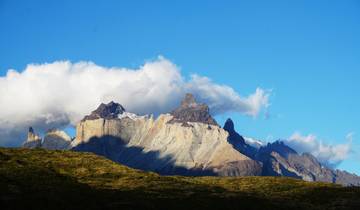
4 days
4-Days Discovery Puerto Natales & Torres del Paine
- ✓ Comprehensive Park Torres Del Paine National Park tour
- ✓ Expert local guides included
- ✓ All accommodation arranged
- ✓ Transportation provided
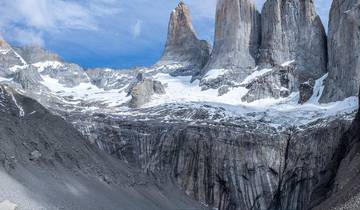
8 days
8 – Days Experience in San Pedro de Atacama & Torres del Paine National Park
- ✓ Comprehensive Park Torres Del Paine National Park tour
- ✓ Expert local guides included
- ✓ All accommodation arranged
- ✓ Transportation provided
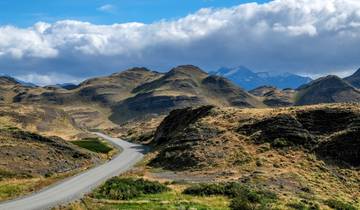
6 days
Torres del Paine – The W Trek
- ✓ Comprehensive Park Torres Del Paine National Park tour
- ✓ Expert local guides included
- ✓ All accommodation arranged
- ✓ Transportation provided

10 days
Full Circuit Patagonia
- ✓ Comprehensive Park Torres Del Paine National Park tour
- ✓ Expert local guides included
- ✓ All accommodation arranged
- ✓ Transportation provided
Multi-day tour packages powered by TourRadar. Prices and availability subject to change.
Essential Planning Information for 2026
Park Entry Requirements and Costs 2026
Torres del Paine National Park charges $38 per person for international visitors during high season (October-April), $23 during shoulder season (May-September) in 2026 (check CONAF official website for current rates as pricing may vary). Entry fees remain valid for the duration of your stay, requiring payment only once regardless of days spent inside park boundaries. CONAF accepts cash Chilean pesos, credit cards, and debit cards at park entrance stations including Laguna Amarga, Portería Sarmiento, and Guardería Grey.
Purchase entry permits at park entrances upon arrival rather than advance online booking, as CONAF’s system operates through on-site transactions. Arrive during entrance station operating hours 8:30 AM to 7:30 PM in summer, 9:00 AM to 6:00 PM in shoulder seasons. Keep your entry receipt throughout your visit as rangers conduct periodic checks along trails and at refugios, with lost receipts requiring repurchase of entry permits.
Additional permits become necessary for camping, requiring separate reservations through CONAF’s online system or refugio operators managing specific campground zones. Camping permits cost $15-25 per night depending on location and services provided, with some sites including hot showers and cooking shelters while basic sites offer only tent platforms and toilets. Book camping permits simultaneously with refugio reservations to ensure complete accommodation coverage across your 3-day itinerary.
Transportation Planning from Puerto Natales 2026
Transportation from Puerto Natales to Torres del Paine operates through multiple bus companies departing 7:00-7:30 AM and 2:00-2:30 PM daily during 2026 season, with additional departures added during peak summer months (December-February). Bus Gomez, Bus Sur, and other local operators charge $15-20 per person one-way for the 2-hour journey to park entrances at Laguna Amarga or Pudeto, with return services departing the park 12:30 PM and 6:00-6:30 PM matching ferry and hiking schedules.
Book transportation 1-2 weeks ahead during high season as buses fill quickly with W Trek hikers and day tour participants. Coordinate departure times with your Day 1 hiking plans, selecting morning buses for Torres Base hikes requiring early starts or afternoon buses if beginning with shorter trails near park entrances. Return transportation on Day 3 needs advance confirmation, ensuring bus schedules align with your final hiking completion times and ferry connections from Paine Grande.
Private transfers offer flexibility for groups of 3-4 travelers, costing $80-120 total for one-way transport with customizable departure times and drop-off locations. Shared shuttles organized through hostels and travel agencies in Puerto Natales provide middle-ground options at $20-25 per person with semi-flexible timing. Consider booking round-trip transportation packages saving 10-15% compared to separate one-way purchases, with many operators offering combined bus-ferry packages coordinating W Trek logistics.
Weather Conditions and Packing Requirements 2026
Torres del Paine weather changes dramatically throughout single days, with temperature variations of 10-15°C common between early morning and afternoon across 2026 season. Summer months (December-February) see daytime highs of 15-20°C dropping to 5-8°C overnight, while shoulder seasons (November, March) range 10-15°C daytime and 0-5°C nighttime. Wind remains constant, with gusts reaching 50-70 kilometers per hour creating significant wind chill and requiring secure tent staking and careful balance on exposed ridgelines.
Pack clothing in layers accommodating rapid weather transitions: moisture-wicking base layers manage perspiration during uphill hiking, insulating mid-layers (fleece or down jacket) provide warmth during breaks and evenings, waterproof outer shells protect against rain and wind occurring without warning. Patagonia’s weather delivers “four seasons in one day” with sunshine, rain, wind, and occasional snow possible during any month, making versatile clothing systems essential for comfort and safety.
Essential gear for 3-day Torres del Paine itinerary includes 35-45 liter backpack with rain cover, waterproof hiking boots broken in before arrival, trekking poles reducing knee strain on steep descents, water bottles or hydration system carrying 2-3 liters capacity, high-energy snacks supplementing refugio meals, sun protection including SPF 50+ sunscreen and UV-blocking sunglasses, and headlamp for early morning starts and evening refugio use.
Pre-Trip Preparation and Booking Strategy 2026
Accommodation Booking Timeline 2026
Begin Torres del Paine accommodation booking 4-6 months before your 2026 visit, with October-November 2025 representing optimal timing for December-January peak season reservations. The W Trek features two main refugio operators: Vertice Patagonia managing Torres Central sector including Las Torres refugio, and Fantástico Sur operating remaining W Trek refugios including Los Cuernos, Italiano, and Paine Grande. Book directly through their websites avoiding third-party markups of 15-20%.
Refugio accommodation offers two categories affecting both cost and experience. Full-service refugios provide beds in shared dormitories or private rooms, three daily meals, hot showers, electricity charging stations, and common areas with heating, costing $120-150 per person per night with meals included. Camping options adjacent to refugios offer tent platforms or designated zones, access to bathroom facilities and sometimes hot showers, optional meal service, and sheltered cooking areas, priced at $15-25 per night for campsites plus $30-40 for optional meals.
Strategic booking sequences your accommodations supporting efficient itinerary flow. For 3-day visits, secure Night 1 at Las Torres or Los Cuernos depending on Day 1 hiking objectives, Night 2 at Paine Grande positioning for Day 3 Grey Glacier access or return transportation. Book backup dates 1-2 days on either side of preferred schedule, allowing flexibility for weather delays or physical recovery needs without losing refugio availability during peak periods.
Physical Conditioning Program 2026
Start physical preparation 6-8 weeks before your 2026 Torres del Paine visit, building cardiovascular endurance and leg strength supporting sustained hiking across consecutive days. Design training programs incorporating cardiovascular exercise 3-4 times weekly for 45-60 minutes, strength training focusing on lower body and core muscles twice weekly, and practice hikes with loaded backpack approaching distances and elevation gains matching your itinerary.
Cardiovascular conditioning develops the aerobic capacity necessary for 4-6 hour daily hikes at elevation. Activities including trail running, road cycling, swimming, or stair climbing build endurance while minimizing injury risk from overtraining. Gradually increase training session duration and intensity, reaching 60-75 minutes at moderate-high intensity 4 weeks before departure. Include interval training alternating high-intensity bursts with recovery periods, simulating the variable pace of mountain hiking with steep climbs and flat sections.
Strength training prevents injury and reduces fatigue on Torres del Paine’s demanding terrain. Focus exercises on quadriceps, hamstrings, glutes, and calves supporting extended uphill and downhill hiking: squats with added weight, lunges in multiple directions, step-ups on elevated platforms, calf raises for ankle stability, and planks for core strength maintaining proper posture under backpack load. Practice hikes carrying 8-12 kilogram backpacks familiarize your body with sustained weight distribution and identify equipment adjustments needed before arrival.
Gear Checklist and Equipment Selection 2026
Assemble Torres del Paine gear focusing on weather protection, comfort, and weight management across 3-day hiking itinerary. Backpack selection affects daily comfort significantly: 35-45 liter capacity provides sufficient space for clothing layers, food, water, and emergency supplies while maintaining manageable weight distribution. Choose packs with adjustable hip belts transferring load from shoulders to hips, padded shoulder straps preventing pressure points, multiple compartments organizing gear efficiently, and integrated rain covers protecting contents during Patagonia’s frequent rain showers.
Footwear represents your most critical equipment decision. Waterproof hiking boots with ankle support prevent sprains on uneven terrain, deep tread patterns grip muddy or rocky trails, and broken-in condition eliminates blister risk from new shoes. Break in boots through 30-40 kilometers of training hikes before departure, identifying pressure points requiring adjustment or different sock combinations. Bring backup shoes (trail runners or light boots) providing relief during refugio evenings and emergency alternatives if primary boots develop problems.
Clothing layers adapt to Patagonia’s variable conditions: synthetic or merino wool base layers wick moisture during exertion, insulating layers (fleece jacket, lightweight down jacket) provide warmth during breaks and evenings, hardshell waterproof jacket and pants protect against rain and wind, quick-dry hiking pants and shorts offer versatility across temperature changes, and warm hat plus gloves guard against morning cold and wind chill at high elevations.
Day 1: Torres Base Hike and Acclimatization
Morning: Puerto Natales to Las Torres
Your Torres del Paine adventure begins with 7:00 AM bus departure from Puerto Natales, arriving Laguna Amarga entrance by 9:00 AM after 2-hour drive through Patagonian steppe landscapes. Purchase park entry permits at entrance station, presenting passport for registration and payment of $38 international visitor fee. From Laguna Amarga, connect with shuttle bus to Las Torres Hotel sector (included in some bus tickets, otherwise $4-6 additional), covering 8 kilometers to trailhead starting point for Torres Base hike.
Arrive Las Torres sector by 10:00 AM, allowing time for gear organization, trail orientation, and bathroom facilities before beginning your first major hike. Store unnecessary equipment in hotel luggage storage (if staying at refugio) or secure in rental lockers available at Las Torres Hotel. Fill water bottles at designated filling stations, apply sunscreen and insect repellent, and review trail maps showing route markers and estimated hiking times to Torres Base viewpoint.
Weather conditions influence departure timing and packing decisions. Clear morning skies suggest immediate Torres Base departure capturing optimal lighting on granite towers by early afternoon. Cloudy or windy conditions merit delayed starts allowing weather improvement, as Torres Base viewpoint delivers disappointing experience when clouds obscure tower views. Carry full rain gear regardless of morning conditions, as weather changes rapidly in mountain environments requiring preparation for all scenarios.
Afternoon: Torres Base Trail
The Torres Base trail covers 9 kilometers one-way gaining 800 meters elevation over 3.5-4.5 hours, ranking as Torres del Paine’s most challenging and rewarding day hike. The route divides into three distinct sections: gentle approach through lenga forest on wide trail for 3 kilometers, sustained uphill through Ascencio Valley reaching Chilean Camp at kilometer 6 with moderate grade and rocky footing, and final steep ascent climbing 400 meters through boulder field to Torres Base viewpoint requiring scrambling and careful navigation.
Pace yourself conservatively during initial forest section, warming up leg muscles and establishing sustainable rhythm for upcoming elevation gain. Take short breaks every 30-40 minutes during valley ascent, maintaining hydration and energy levels through snacks and water. The boulder field challenges even experienced hikers with loose rocks requiring three-point contact and careful foot placement, slowing progress to approximately 30 minutes per 100 meters elevation gain.
Reach Torres Base viewpoint by 2:00-3:00 PM, rewarded with spectacular views of three massive granite towers rising 900 meters above turquoise glacial lake. Spend 30-60 minutes at viewpoint photographing towers from multiple angles, eating lunch, and absorbing the magnificent wilderness surroundings that define Torres del Paine’s international reputation. Return descent takes 2.5-3 hours, reaching Las Torres sector by 6:00-7:00 PM with sufficient time for dinner and rest before Day 2.
Evening: Las Torres Refugio
Check into Las Torres refugio or camping area completing first day with comfortable accommodation and substantial meal refueling energy reserves for tomorrow’s hiking. Refugios serve dinner 7:00-9:00 PM with hearty Patagonian cuisine including grilled meats, soups, pasta, and fresh salads providing necessary calories and nutrients for multi-day hiking. Social atmosphere in communal dining areas facilitates trail information exchange with other hikers, weather updates from refugio staff, and route planning adjustments based on current conditions.
Evening routines maximize next-day performance and comfort. Organize gear for morning departure, separating items needed for Day 2 French Valley hike from unnecessary weight left at refugio. Stretch leg muscles reducing soreness and stiffness after 8-9 hours of hiking. Review trail maps and refugio information for tomorrow’s route to Los Cuernos, confirming distances, elevation profiles, and estimated hiking times. Set early alarms allowing breakfast and departure by 7:30-8:00 AM.
Weather monitoring influences Day 2 planning. Check refugio weather forecasts and wind predictions for French Valley, known for particularly strong winds funneling through valley corridors. Discuss trail conditions with refugio staff and returning hikers, learning about recent changes in river crossings, snow patches, or fallen trees affecting route navigation. Prepare backup plans for severe weather including delayed starts, shortened hiking objectives, or alternative activities near Las Torres sector.
Day 1 Cost Summary
Accommodation $120-150 per night at Las Torres refugio with meals included (camping $15-25 plus $30-40 for optional meals). Transportation from Puerto Natales $15-20 per person, park entry $38, packed lunch and snacks $12-18, shuttle to Las Torres sector $4-6. Total day cost: $69-82 per person (excluding accommodation).
Day 2: French Valley and Los Cuernos
Morning: Las Torres to Italian Camp
Depart Las Torres refugio 7:30-8:00 AM, hiking 11 kilometers west toward Campamento Italiano following well-marked W Trek route along Lake Nordenskjöld’s northern shore. The trail maintains mostly flat profile with occasional gentle climbs, covering varied terrain through lenga forest sections, open grasslands with guanaco herds, and shoreline paths offering spectacular lake views framed by Cuernos massif’s distinctive horned peaks.
Hiking pace averages 4-5 kilometers per hour on this relatively easy section, reaching Italian Camp by 11:00 AM-12:00 PM after 2.5-3 hours walking. The route provides excellent wildlife viewing opportunities including guanacos grazing open areas, condors soaring overhead using valley thermals, and foxes hunting rodents in grassland zones. Stop frequently for photography capturing iconic Cuernos reflections in Lake Nordenskjöld’s calm waters, particularly effective during morning light hours.
Italian Camp serves as base for French Valley excursion, offering basic camping facilities and lunch preparation areas but no refugio accommodation. Store heavy backpacks in designated gear storage areas or natural rock shelters, carrying only daypacks with water, snacks, rain gear, and cameras for French Valley hike. Fill water bottles at camp before ascending valley, as no reliable water sources exist along upper valley route.
Midday: French Valley Ascent
The French Valley trail climbs 4.5 kilometers gaining 400 meters elevation to Mirador Frances viewpoint, requiring 2-2.5 hours uphill hiking through progressive landscape zones. Initial forest section shelters hikers from wind while gaining elevation gradually, transitioning to exposed valley slopes where full force of Patagonian wind tests balance and stamina. Upper reaches near viewpoint traverse rocky terrain with loose scree requiring careful footing and trekking pole support.
Reach Mirador Frances by 1:00-2:00 PM, experiencing 360-degree panoramas encompassing hanging glaciers cascading off Paine Grande massif to the west, dramatic French Valley walls rising vertically on both sides, and views back toward Lake Nordenskjöld and Torres towers in the distance. Listen for calving glaciers producing thunderous echoes through valley amphitheater, witnessing massive ice chunks periodically breaking free and crashing onto valley floor below.
Weather conditions determine viewpoint time allocation and photography opportunities. Clear skies justify extended stays of 45-60 minutes capturing multiple perspectives and lighting changes. Cloudy or extremely windy conditions suggest shorter visits of 20-30 minutes before descending to more sheltered terrain. Eat substantial lunch at viewpoint or back at Italian Camp, refueling for afternoon hike to Los Cuernos refugio completing Day 2 objective.
Afternoon: Italian Camp to Los Cuernos
Return to Italian Camp by 3:30-4:00 PM, collecting stored backpacks and continuing 2 kilometers west to Los Cuernos refugio. This final day segment traverses spectacular shoreline trail hugging Lake Nordenskjöld’s edge with minimal elevation change, delivering easy walking after demanding French Valley ascent. The route offers Torres del Paine’s most photographed perspectives: Cuernos peaks reflected in lake waters with characteristic sedimentary cap rocks creating distinctive horned appearance.
Arrive Los Cuernos refugio 4:30-5:00 PM, checking into accommodation positioned perfectly beneath Cuernos massif offering intimate views of these iconic formations. Los Cuernos represents W Trek’s most picturesque refugio location, combining comfortable facilities with breathtaking natural amphitheater setting. Evening hours provide golden hour photography opportunities as setting sun illuminates Cuernos peaks in warm tones contrasting with cool blue shadows and lake reflections.
Dinner service begins 7:00 PM featuring regional specialties and international options accommodating diverse dietary preferences. Evening social time connects hikers from various countries sharing trail stories and photography highlights. Review Day 3 plans with refugio staff, confirming boat schedule from Paine Grande to Pudeto for return transportation to Puerto Natales, and discussing Grey Glacier viewing options based on available time and energy levels.
Day 2 Cost Summary
Accommodation $120-150 per night at Los Cuernos refugio with meals included (camping $15-25 plus $30-40 for optional meals). Packed lunch and trail snacks $12-18, water treatment tablets or filtration supplies $5-8. Total day cost: $17-26 per person (excluding accommodation).
Day 3: Grey Glacier and Return Journey
Morning: Los Cuernos to Paine Grande
Begin final hiking day 7:00-7:30 AM, covering 8 kilometers from Los Cuernos to Paine Grande refugio along Lake Pehoe’s northern shore. The trail maintains gentle terrain with minimal elevation change, providing relatively easy morning hike after two challenging previous days. Walking time averages 2-2.5 hours, arriving Paine Grande by 9:30-10:00 AM with options for Grey Glacier excursion or direct boat departure depending on ferry schedules and physical condition.
Trail conditions along this W Trek section vary seasonally with exposed hillside sections experiencing strong winds and some stream crossings requiring careful navigation during high water periods. Morning hours typically offer calmer conditions before afternoon winds intensify, making early starts advantageous for comfort and safety. The route delivers continuous spectacular views across Lake Pehoe to Cuernos peaks and Paine massif, creating perfect photography opportunities during golden morning light.
Paine Grande refugio serves as W Trek’s central hub, providing trail connections to Grey Glacier, boat dock for ferry service to Pudeto, and accommodation/meal services for hikers. Upon arrival, assess time available before boat departure: 12:30 PM and 6:00 PM ferries create different options for Grey Glacier viewing ranging from quick viewpoint visit to extended lakeside exploration depending on schedule and energy levels.
Late Morning: Grey Glacier Options
Grey Glacier excursion options accommodate varying time constraints and physical condition after 2.5 days of hiking. The short option hikes 1.5 kilometers from Paine Grande to Mirador Grey viewpoint gaining 100 meters elevation over 30-40 minutes, delivering impressive glacier perspectives from elevated vantage point overlooking Grey Lake and massive ice wall. Total round-trip time including viewpoint stay requires 1.5-2 hours, fitting comfortably before 12:30 PM ferry departure.
Extended Grey Glacier route continues 3.5 kilometers beyond viewpoint to Refugio Grey on glacier’s edge, requiring 4-5 hours round-trip with opportunities for much closer glacier viewing and potential ice kayaking activities. This option necessitates 6:00 PM ferry departure, adding 5-6 hours to Day 3 itinerary and demanding significant additional energy reserves. Choose extended route only if physical condition remains strong and weather forecasts predict stable conditions throughout afternoon hours.
Weather considerations heavily influence Grey Glacier visit decisions. Strong winds make exposed lakeside trails unpleasant and potentially dangerous, while rain obscures glacier views reducing photographic opportunities. Clear morning conditions justify extended hiking investment, while marginal weather suggests shorter viewpoint visit or skipping glacier excursion entirely in favor of rest and early ferry departure maximizing comfort on final day.
Afternoon: Ferry Return and Puerto Natales
Board Hielo Sur ferry at Paine Grande dock 30 minutes before scheduled departure, securing tickets purchased advance online or on-site at Paine Grande refugio office. The catamaran crosses Lake Pehoe to Pudeto landing in 30 minutes, providing spectacular perspectives of Cuernos peaks and Paine massif from water level with opportunities for final photographs of Torres del Paine’s iconic formations from unique angles.
Arrive Pudeto by 1:00 PM or 6:30 PM depending on ferry selection, connecting with pre-booked bus service returning to Puerto Natales. Buses depart Pudeto shortly after ferry arrivals, coordinating schedules ensuring minimal waiting time between transportation segments. The return bus journey takes 2 hours, arriving Puerto Natales 3:00-4:00 PM or 8:30-9:00 PM allowing evening rest, celebration dinners, and reflection on accomplished 3-day Torres del Paine adventure.
Final day logistics require coordination between hiking completion, ferry schedules, and bus departures. Confirm all transportation times morning of Day 3, allowing buffer time for hiking delays from weather or physical challenges. Keep small cash reserves for emergency transportation alternatives if missing scheduled services, and maintain charged phone batteries for communication with transportation providers during any timing complications.
Day 3 Cost Summary
Ferry Paine Grande to Pudeto $35-42 per person, bus return to Puerto Natales $15-20, packed lunch and snacks $12-18, celebratory dinner in Puerto Natales $25-35. Total day cost: $87-115 per person (excluding accommodation).
Complete 3-Day Budget Breakdown 2026
Accommodation Costs 2026
Refugio accommodation totals $240-300 for 2 nights including all meals at Las Torres and Los Cuernos, representing comfortable option eliminating cooking requirements and providing social atmosphere with other hikers. Full-service refugios include breakfast, packed lunch, and dinner prepared by professional kitchen staff using fresh ingredients, plus hot showers, electricity charging, heated common areas, and comfortable beds with provided bedding.
Camping alternative costs $30-50 for 2 nights at designated campsites adjacent to refugios, plus $60-80 for optional meal service if not bringing your own food supplies. Camping requires carrying tent, sleeping bag, sleeping pad, cooking equipment, and food adding 5-8 kilograms backpack weight, but delivers significant cost savings of $180-220 over refugio accommodation while maintaining access to refugio facilities including bathrooms, hot showers (sometimes for fee), and sheltered cooking areas.
Hybrid accommodation strategies balance cost and comfort: refugio first night after challenging Torres Base hike prioritizes recovery, camping second night reduces total expenses while physical condition remains strong. Book both accommodation types simultaneously ensuring availability along W Trek route during peak 2026 season, maintaining flexibility for weather-related adjustments while securing guaranteed shelter each night.
Transportation Costs 2026
Round-trip bus transportation between Puerto Natales and Torres del Paine costs $30-40 per person for standard scheduled service, with private transfers charging $160-240 total for groups of 4 making per-person cost comparable while adding convenience and flexibility. Ferry crossing from Paine Grande to Pudeto adds $35-42 essential for efficient W Trek completion and return logistics, bringing total transportation expenses to $65-82 per person.
Transportation optimization opportunities include booking round-trip packages with single operators offering 10-15% discounts versus separate one-way purchases, coordinating shared taxis or private transfers with other travelers met in hostels or online forums reducing per-person costs by 30-40%, and confirming whether bus tickets include shuttle connections within park reducing additional local transportation expenses.
Food and Supplies Budget 2026
Food costs beyond refugio meals include packed lunches and trail snacks totaling $36-54 for 3 days, with energy bars, dried fruits, nuts, chocolate, and electrolyte supplements maintaining energy levels during demanding hikes. Purchase supplies in Puerto Natales before park entry as refugio shop prices include 30-50% markup reflecting transportation costs to remote locations. Budget-conscious hikers bring complete food supplies from Puerto Natales, spending $45-60 total for 3 days versus $90-120 for refugio meal plans.
Water treatment supplies prevent dehydration while minimizing bottled water purchases. Bring water filtration system ($25-45 one-time equipment cost) or purification tablets ($8-12 for 50 tablets) treating stream water along trails and at campsites. Most W Trek water sources run clean and safe with proper treatment, eliminating need for heavy bottled water carrying and reducing plastic waste in national park environment.
Complete Trip Cost Summary 2026
Total 3-day Torres del Paine budget ranges $520-760 per person combining accommodation ($240-450 for 2 nights), park entry ($38), transportation ($65-82), food ($36-54 for trail snacks, $90-120 for refugio meals if not included), and supplies ($25-35 for miscellaneous items). Budget travelers using camping and self-catered meals spend $520-620, mid-range visitors choosing refugios with meal plans invest $650-760, while luxury options including private transfers and additional services exceed $800-900.
Cost-saving strategies compound savings: camping versus refugio accommodation saves $200-250, bringing own food eliminates $90-120 meal costs, sharing transportation reduces per-person expenses by $30-50, and avoiding refugio shops for last-minute purchases prevents markup inflation. Plan comprehensively before departing Puerto Natales, purchasing all supplies in town where prices remain 30-40% lower than in-park options.
Weather Contingency Planning 2026
Understanding Patagonian Weather Patterns
Torres del Paine weather creates the single most unpredictable variable affecting itinerary success, with conditions ranging from calm sunny days to violent windstorms within hours. Summer months (December-February 2026) deliver the most stable weather but still experience sudden changes requiring constant adaptation. Winds reach 50-70 kilometers per hour regularly, rain arrives without warning, and temperature variations of 10-15°C occur between morning and afternoon across single days.
Weather forecasts provide limited reliability in mountain environments where local topography creates microclimates changing rapidly across short distances. Refugio staff offer valuable weather insights based on current observations and incoming weather patterns visible in cloud formations and wind direction changes. Develop weather-reading skills including recognizing lenticular clouds indicating high winds, moisture patterns suggesting approaching rain systems, and barometric pressure changes felt in ear pressure or headache sensations.
Accept weather-related adjustments as normal Torres del Paine experience rather than setbacks or failures. Successful hikers maintain flexible attitudes toward itinerary modifications, weather delay rest days, or alternative activities when conditions make planned hiking dangerous or unpleasant. The park’s magnificent landscapes remain spectacular in all weather conditions, with dramatic clouds and changing light creating unique photographic opportunities unavailable during perfect sunny days.
Trail-Specific Weather Considerations
Torres Base trail becomes particularly challenging during high winds and rain, with exposed boulder field section near viewpoint requiring scrambling on wet rocks creating slip hazards and limited visibility reducing safety margins. Wind speeds above 60 kilometers per hour make upper trail sections dangerous as gusts can knock hikers off balance on steep terrain. Rain reduces rock friction making scrambling treacherous and hypothermia risk increases when wet clothing combines with wind chill at elevation.
French Valley acts as wind tunnel with strongest gusts funneling through valley corridor, sometimes making upper sections impassable during extreme wind events. Loose rocks and scree slopes become particularly hazardous when wet, reducing traction and increasing ankle injury risk. However, partial weather days allow valley hiking during calmer morning hours before afternoon wind intensification, completing ascent by early afternoon before conditions deteriorate.
Grey Glacier route along Lake Grey shoreline exposes hikers to full wind force without forest protection, with lakeside sections particularly vulnerable to strong gusts. Trail closures occur during severe weather when refugio staff assess conditions as unsafe for hiking. Alternative viewpoint options from Paine Grande provide glacier perspectives without extended wind exposure, delivering satisfactory experience when full Grey Glacier route remains closed.
Backup Itinerary Options
Build weather flexibility into your 3-day schedule by identifying alternative hiking options for each day matching varying weather conditions. Day 1 alternatives to Torres Base include shorter trails around Las Torres sector visiting Salto Grande waterfall or Mirador Cuernos viewpoint requiring 1-2 hours versus Torres Base’s 8-9 hour commitment. These options provide scenic Torres del Paine experiences during marginal weather while preserving energy for better-weather days ahead.
Day 2 weather contingencies include skipping French Valley ascent during dangerous wind conditions, instead continuing directly from Italian Camp to Los Cuernos via shoreline trail completing full distance in moderate conditions. This adjustment reduces elevation gain by 400 meters and wind exposure by 2-3 hours while maintaining forward progress along W Trek route. Alternative rest days at Las Torres or additional time exploring Nordenskjöld lakeshore areas provide value when weather makes ambitious hiking impractical.
Day 3 flexibility centers on Grey Glacier visit decisions based on weather and physical condition. Short viewpoint option requires minimal time investment allowing completion in various conditions, while extended route to Refugio Grey demands good weather justifying additional energy expenditure. Ultimate backup involves skipping glacier entirely, departing Paine Grande on earliest ferry to Puerto Natales maximizing rest time before onward travel.
Safety Protocols and Emergency Procedures 2026
Essential Safety Equipment
Carry comprehensive safety equipment exceeding minimum requirements for wilderness hiking in remote mountain environment. First aid kit includes blister treatment supplies (moleskin, tape, antibiotic ointment), pain relievers, anti-inflammatory medication, elastic bandages for sprains, wound cleaning supplies, and any personal prescription medications with extras for delay contingencies. Emergency shelter options include space blanket or lightweight emergency bivy providing protection if weather forces unplanned stops.
Communication devices ensure emergency contact capability throughout Torres del Paine despite limited cell coverage in many areas. Mobile phones work near refugios and major trail junctions but fail in valley bottoms and remote sections. Download offline maps before entering park including GPS-enabled trail maps functioning without cell service. Consider personal locator beacon (PLB) or satellite messenger device for serious emergencies requiring rescue coordination, particularly valuable for solo hikers or those with medical conditions.
Navigation tools prevent getting lost on trails that occasionally lose definition in bad weather or where multiple paths diverge. Carry detailed trail maps, compass for orientation when visibility drops, and charged GPS device or smartphone with offline mapping applications. Familiarize yourself with trail markers and signage systems: colored stakes indicate official routes, cairns mark paths across rocky areas, and refugio signs show distances and directions at major intersections.
Physical Health Management
Blister prevention represents the most common health concern affecting hiking ability and enjoyment. Break in boots thoroughly before arrival, wear properly fitted moisture-wicking socks changing midday during long hikes, apply preventive taping or moleskin to known hot spots before blisters form, and address any irritation immediately rather than hoping it improves with continued hiking. Blisters forming on Day 1 compound exponentially across subsequent days, potentially ending your trek prematurely.
Hydration and nutrition maintain energy levels and prevent altitude-related issues despite Torres del Paine’s modest elevations. Drink 3-4 liters water daily replacing fluids lost through exertion and wind evaporation, consume 300-400 calories per hour during hiking through combination of simple carbohydrates for immediate energy and complex carbohydrates providing sustained fuel. Monitor urine color indicating hydration status: pale yellow suggests adequate hydration while dark yellow signals insufficient fluid intake requiring increased water consumption.
Recognize early warning signs of serious conditions including hypothermia symptoms (uncontrollable shivering, confusion, slurred speech, loss of coordination) requiring immediate warming measures and potential evacuation, altitude sickness indicators (severe headache, nausea, dizziness, difficulty breathing) necessitating descent to lower elevation, and severe weather exposure risks demanding shelter seeking and trip modifications prioritizing safety over itinerary completion.
Emergency Contact Procedures
Torres del Paine emergency response operates through refugio staff and CONAF rangers stationed throughout park. Each refugio maintains radio communication with park headquarters coordinating rescue operations when needed. In emergency situations, reach nearest refugio or flag down passing hikers requesting assistance. Rangers patrol major trails daily during peak season, providing another emergency contact resource for serious situations requiring professional intervention.
Document emergency contact information before entering park including CONAF emergency number, refugio contact details for each night’s accommodation, and local Puerto Natales emergency services. Share detailed itinerary with contacts outside park including daily hiking plans, accommodation locations, and expected return date triggering search procedures if overdue. Register hiking plans at park entrances providing CONAF with current information supporting search and rescue operations if needed.
Packing List Optimization 2026
Essential Clothing System
Build clothing layers accommodating 15-20°C temperature ranges and rapid weather transitions: synthetic or merino wool base layers (2 tops, 1 bottom) wick moisture during exertion and dry quickly when wet, mid-weight fleece jacket provides insulating warmth during breaks and evenings consuming minimal pack space, lightweight down jacket delivers emergency warmth for cold snaps without weight penalty when compressed. Waterproof hardshell jacket and pants create weather protection system handling Patagonia’s frequent rain and wind, requiring fully taped seams and adjustable hoods providing complete coverage in severe conditions.
Lower body clothing balances weather protection with hiking mobility: quick-dry hiking pants offer versatility across varying conditions, convertible pants with zip-off legs transform into shorts during warm weather sections, and waterproof pants layer over base layers creating complete protection during sustained rain. Bring 3-4 pairs hiking socks (synthetic or merino wool) enabling daily changes preventing blisters from accumulated moisture, plus warm sleep socks improving overnight comfort in cool refugios or cold tents.
Accessories complete weather protection: warm beanie covers head during cold mornings and windy sections, sun hat with brim prevents sunburn and reduces glare during bright conditions, neck gaiter or buff provides versatile wind protection and sun coverage, gloves (lightweight and waterproof) protect hands during cold/wet conditions, and sunglasses with UV protection reduce glacier glare and wind irritation.
Technical Equipment Checklist
Backpack 35-45 liter capacity carries all gear comfortably across 3-day itinerary, featuring adjustable hip belt transferring weight from shoulders to hips, padded shoulder straps preventing pressure points during extended wear, multiple compartments organizing gear for quick access, integrated rain cover or separate cover protecting contents during downpours, and compression straps stabilizing load during hiking movements.
Footwear choices determine hiking comfort and injury prevention: waterproof hiking boots with ankle support serve as primary footwear handling varied Torres del Paine terrain, lightweight trail runners or sandals provide backup options and refugio evening wear, and trekking poles reduce knee strain on steep descents and provide stability during river crossings and muddy sections.
Sleep system requirements vary by accommodation choice: sleeping bag rated 0-5°C handles refugio dormitories and summer camping conditions, sleeping pad insulates from ground cold when camping, and earplugs improve sleep quality in refugio dormitories where multiple hikers snore throughout nights.
Food and Hydration Systems
Water carrying capacity 2-3 liters splits between bottles or bladder systems: wide-mouth bottles enable easy filling from streams and cleaning, insulated bottles maintain liquid temperature during cold conditions, hydration bladders with drinking tubes provide convenient access during hiking without stopping. Water treatment options include lightweight filter systems removing bacteria and sediment, purification tablets treating water chemically, or UV sterilization devices handling large volumes quickly.
Snack selection emphasizes calorie density and variety preventing taste fatigue: energy bars provide convenient packaged nutrition with 200-300 calories per bar, trail mix combines nuts, dried fruit, and chocolate delivering sustained energy from healthy fats and carbohydrates, jerky supplies protein maintaining muscle recovery, and electrolyte tablets replace salts lost through perspiration preventing cramps and maintaining hydration effectiveness.
Photography and Electronics
Camera equipment captures Torres del Paine’s spectacular scenery: DSLR or mirrorless camera with versatile zoom lens (24-120mm equivalent) handles most landscape compositions, lightweight travel tripod enables long exposures and stable compositions during low light conditions, extra batteries counter cold weather drainage and ensure adequate power for full hiking days, and protective camera bag with rain cover shields expensive equipment from moisture and impact damage.
Electronics management in remote environment requires planning: portable battery pack charges phone and other USB devices maintaining communication capability, waterproof phone case protects device during rain and stream crossings, headlamp with extra batteries provides essential lighting for early morning starts and evening refugio use, and GPS device or smartphone with downloaded offline maps ensures navigation capability without cell coverage.
Post-Hike Recovery and Reflections
Physical Recovery Strategies
Post-hike recovery begins immediately upon completing your 3-day Torres del Paine adventure, with proper recovery techniques reducing soreness and accelerating return to normal physical condition. Gentle stretching in Puerto Natales hostel or hotel targets major muscle groups stressed during multi-day hiking: quadriceps, hamstrings, calves, hip flexors, and lower back receive 30-60 second holds per stretch. Avoid aggressive stretching of exhausted muscles, focusing instead on gentle range-of-motion movements promoting circulation and flexibility.
Active recovery in following days accelerates healing while maintaining fitness gains from your Torres del Paine experience. Light walking, swimming in Puerto Natales public pool, or easy cycling promotes blood flow to tired muscles without additional strain. Avoid intense exercise for 3-5 days allowing complete recovery, then gradually resume normal training routines. Massage therapy available in Puerto Natales addresses specific tight spots and accumulated tension, providing therapeutic relief while supporting relaxation.
Nutrition supports recovery through increased protein intake rebuilding stressed muscle tissue and anti-inflammatory foods reducing soreness and joint discomfort. Puerto Natales restaurants serve substantial meals replenishing depleted energy stores: grilled Patagonian lamb provides quality protein and essential nutrients, fresh vegetables supply vitamins and minerals, and local craft beer delivers well-deserved celebration beverage after physical achievement. Maintain high hydration levels for 2-3 days post-hike supporting metabolic processes and waste product elimination.
Sharing Your Experience
Document your Torres del Paine adventure through organized photography collections, written journal entries capturing immediate impressions before memories fade, and social media posts sharing highlights with friends and family. Sort photographs in Puerto Natales while memories remain fresh, organizing by day and location with brief captions describing conditions, challenges, and memorable moments. Back up digital images to cloud storage preventing loss from equipment damage or theft during continued travel.
Provide feedback to refugio operators, transportation companies, and tour agencies through online reviews and direct communication improving services for future visitors. Detailed reviews of accommodation quality, staff helpfulness, food service, facility conditions, and overall experience guide other travelers planning 2026 Torres del Paine visits while encouraging operators to maintain high standards. Constructive criticism paired with specific compliments delivers most useful feedback supporting continuous improvement.
Planning Future Patagonian Adventures
Your 3-day Torres del Paine experience often sparks interest in extended Patagonian exploration combining multiple regions into comprehensive itineraries. Consider returning for complete W Trek 4-5 day completion reaching all major viewpoints and valleys, attempting O Circuit 8-9 day circumnavigation providing ultimate Torres del Paine wilderness immersion, or exploring Tierra del Fuego’s Dientes Circuit for challenging alternative to crowded Torres del Paine trails.
Expand Patagonian adventures beyond Torres del Paine visiting El Chaltén for Fitz Roy and Cerro Torre hiking accessing Argentina’s spectacular granite peaks, El Calafate for Perito Moreno Glacier viewing experiencing massive ice wall from multiple perspectives, or Ushuaia for Tierra del Fuego National Park coastal hiking and Antarctic voyage opportunities. Each destination offers unique landscapes and experiences complementing Torres del Paine’s mountain scenery.
Apply lessons learned from your first Torres del Paine visit to future Patagonian adventures: refined packing lists eliminate unnecessary items while ensuring critical gear accompanies each trip, improved physical conditioning enables more ambitious itineraries with greater enjoyment, and enhanced weather-reading skills support better daily decisions about hiking objectives and timing. Torres del Paine serves as excellent introduction to Patagonian wilderness preparing travelers for extended adventures across South America’s wildest landscapes.
Frequently Asked Questions
Can you do Torres del Paine in 3 days without camping?
Yes, complete Torres del Paine 3-day itinerary using refugio accommodation eliminates camping equipment requirements and provides comfortable lodging after demanding daily hikes. Book Las Torres and Los Cuernos refugios for nights 1 and 2, choosing either shared dormitory beds or private rooms depending on budget and preference. Refugios include all meals, hot showers, electricity charging, and heated common areas, creating optimal recovery environment for multi-day hiking efforts.
What’s the hardest day in Torres del Paine 3-day itinerary?
Day 1 Torres Base hike represents the most physically demanding section with 18 kilometers round-trip, 800 meters elevation gain, and challenging boulder field scrambling during final approach to viewpoint. The combination of distance, elevation, and technical terrain creates cumulative fatigue exceeding Day 2’s French Valley or Day 3’s relatively easy routes. However, Day 1 also delivers the most spectacular and iconic Torres del Paine views, justifying the physical investment.
Do you need a guide for Torres del Paine 3-day itinerary?
Independent hiking works well for the standard 3-day W Trek itinerary as trails are well-marked, refugios provide regular spacing along routes, and significant hiker traffic ensures you’re rarely alone on trails. However, guided tours offer benefits including pre-arranged logistics, local knowledge about optimal timing and conditions, emergency support, and social experience with group dynamics. Choose based on your comfort level with independent travel, navigation skills, and budget constraints.
What happens if weather cancels hiking plans in Torres del Paine?
Weather-related cancellations require flexibility and backup planning. Refugios accommodate weather-delayed hikers when possible, though peak season may require paid stays for extra nights. Many travelers build buffer days into Patagonian itineraries anticipating weather delays, booking flexible Puerto Natales accommodation for extra nights if needed. Trail closures occasionally occur during severe weather for safety reasons, with alternative activities including shorter walks near refugios, photography around accommodation areas, or rest days allowing recovery before resuming hiking.
Can beginners complete Torres del Paine 3-day itinerary?
Beginners with moderate fitness level and proper preparation complete the 3-day itinerary successfully, though challenges exist requiring realistic self-assessment. Day 1 Torres Base hike tests endurance and leg strength, while consecutive hiking days accumulate fatigue affecting Day 3 performance. Prior hiking experience helps but isn’t essential if you train adequately: build cardiovascular endurance, practice carrying loaded backpack, and strengthen leg muscles before arrival. Start early each day allowing extra time for breaks and slower pace without rushing to meet accommodation or ferry schedules.
Is Torres del Paine 3-day itinerary safe for solo travelers?
Solo travelers complete Torres del Paine safely following standard precautions and trail etiquette. High hiker traffic during peak season means you’re rarely alone on trails, refugios provide social atmosphere facilitating trail partner connections, and refugio staff plus CONAF rangers offer emergency support throughout park. Share itinerary details with contacts outside park, carry emergency communication devices, and maintain conservative approach to weather decisions and physical limits.
What wildlife might you see on Torres del Paine 3-day itinerary?
Torres del Paine hosts diverse wildlife visible throughout 3-day itinerary including guanacos (wild llama relatives) grazing in herds across grasslands, Andean condors soaring on thermal currents with 3-meter wingspans, foxes hunting rodents in open areas, and occasionally pumas hunting guanacos (though sightings remain rare and unpredictable). Bird species include caracaras, ibis, geese, and ducks around lakes and rivers. Maintain respectful viewing distances, never feed wildlife, and follow CONAF guidelines protecting both visitors and animals.
Can you see penguins near Torres del Paine?
Penguin colonies exist near Puerto Natales requiring separate day trips from Torres del Paine. Magdalena Island hosts large Magellanic penguin colony accessible via boat tour from Punta Arenas (3-4 hours from Puerto Natales), operating October-March during penguin breeding season. Alternative penguin viewing at Seno Otway colony reaches from Puerto Natales via short drive, though smaller colony size delivers less impressive experience than Magdalena Island’s thousands of nesting pairs.
What’s the best month for Torres del Paine 3-day itinerary in 2026?
January and February 2026 offer warmest temperatures, longest daylight hours (until 10:00 PM), and most stable weather patterns ideal for multi-day hiking, though peak season brings maximum crowds and highest accommodation prices. December and March provide shoulder season benefits with fewer hikers, lower costs, and still reasonable weather, accepting slightly shorter days and increased weather variability. November offers wildflower blooms and minimal crowds but unpredictable weather, while April brings autumn colors and solitude with short days and increased precipitation.
How do you charge electronics in Torres del Paine refugios?
Most refugios provide electricity charging stations in common areas with limited outlets serving multiple hikers simultaneously. Bring universal adapter compatible with Chilean Type C/L outlets, portable battery pack pre-charged before entering park, and charging cables for all devices. Charging availability varies by refugio with Las Torres and Paine Grande offering better infrastructure than more remote locations. Some refugios charge small fees (2,000-3,000 Chilean pesos) for electricity access or limit charging to specific hours when generators operate.