
Toronto Travel Tips 2026: Essential Planning Guide
Canada’s largest metropolis combines world-class attractions, diverse neighborhoods, and efficient transit systems with planning considerations unique to 2026, including FIFA World Cup impacts from June through early July. This guide provides verified costs, insider strategies, and practical advice to navigate Toronto’s urban landscape while maximizing your budget and experience during your visit.
Key Takeaways
- Transit Savings 2026: TTC implements fare capping in September 2026—ride free after 47 trips per month. Single fares remain CAD $3.30 ($2.45 USD) with convenient two-hour transfer windows across the entire system.
- Budget Planning 2026: Daily costs range CAD $95-145 ($70-110 USD) per person for budget travelers using hostels, CAD $180-240 ($135-180 USD) per person for mid-range comfort (two sharing hotels), and CAD $450-750 ($335-560 USD) per person for luxury experiences.
- FIFA World Cup Impact: Hotel prices spike 78-233% during tournament matches June 12-July 2, 2026. Book accommodations outside this window or reserve immediately, as downtown properties approach sellout.
- Shoulder Season Value: April-May and September-November deliver optimal weather-to-price ratios, with hotel rates 30-45% lower than summer peaks and comfortable temperatures averaging 15-20°C (59-68°F).
- Neighborhood Strategy 2026: Stay along TTC subway lines in North York, East York, or Bloor-Danforth corridor for hotel savings of CAD $50-100 ($35-75 USD) nightly while maintaining 20-30 minute transit access to downtown attractions.
- Free Experiences: Toronto offers exceptional no-cost attractions including Distillery District architecture, High Park’s 161 hectares, Toronto Islands access (ferry only CAD $9 roundtrip), and pay-what-you-can museum days throughout the year.
People Also Ask About Toronto Travel 2026
How much money should I budget per day for Toronto in 2026?
Budget travelers need CAD $95-145 ($70-110 USD) per person daily staying in hostel dormitories (CAD $35-55), eating supermarket meals and budget restaurants (CAD $30-50 total daily), using TTC transit (CAD $3.30-13.50), and focusing on free or low-cost attractions (CAD $0-20). Mid-range travelers spend CAD $180-240 ($135-180 USD) per person daily, two sharing mid-range hotels (CAD $75-140 per person from CAD $150-280 room rate divided by two), with restaurant meals (CAD $65-100 daily), TTC day pass (CAD $13.50), and paid attractions (CAD $25-47). Luxury visitors invest CAD $450-750 ($335-560 USD) per person daily, two sharing luxury hotels (CAD $160-275 per person from CAD $320-550 room rate divided by two), upscale dining (CAD $135-220), attractions and experiences (CAD $100-200), with additional services like private transportation. These totals include accommodation, meals, transportation, and attraction costs.
Is Toronto expensive compared to other North American cities in 2026?
Toronto positions in the middle tier for North American destination costs in 2026. The city costs less than New York, San Francisco, Vancouver, or Los Angeles but more than Montreal, Chicago, or most U.S. Sunbelt cities. TTC transit fares (CAD $3.30) undercut New York subway prices while hotel rates average 20-30% below Manhattan and San Francisco. Restaurant pricing runs approximately 20% higher than U.S. national averages but significantly lower than coastal California or New York when accounting for quality and portion sizes. The Canadian dollar exchange rate provides additional savings for U.S. visitors, with USD typically converting at favorable 1.30-1.40 rates.
What’s the best way to save money on Toronto attractions in 2026?
Toronto CityPASS delivers the strongest value for attraction-focused itineraries, covering five major sites including CN Tower, Ripley’s Aquarium, Royal Ontario Museum, and Casa Loma for CAD $135 ($100 USD) versus CAD $217 ($160 USD) purchasing separately—a 38% savings. The pass remains valid for nine consecutive days, allowing flexible scheduling. PRESTO transit cardholders receive 15% discounts at CN Tower and various attractions. Many museums offer pay-what-you-can admission on specific weekdays, and Toronto Public Library provides free passes to select museums for cardholders. Free walking tours of neighborhoods like Distillery District, Kensington Market, and Graffiti Alley deliver cultural experiences without admission costs.
How does the FIFA World Cup affect Toronto travel planning in June-July 2026?
FIFA World Cup matches June 12-July 2, 2026 create significant accommodation and transportation impacts. Hotel prices increase 78% minimum (Toronto shows the smallest spike among host cities), with downtown properties approaching CAD $800-1,200 ($600-900 USD) per night during match days. Many hotels impose minimum two or three-night stays and restrict check-in/checkout on match dates. TTC implements enhanced service with extended hours, but expect capacity crowds near BMO Field (temporarily Toronto Stadium). Visitors attending matches should book accommodations six months advance and secure match tickets through official FIFA channels. Travelers avoiding the tournament find excellent value visiting August-September 2026 when rates normalize but weather remains pleasant.
Extended multi-day tours – 5+ days
Featured Toronto Multi-Day Tour Packages
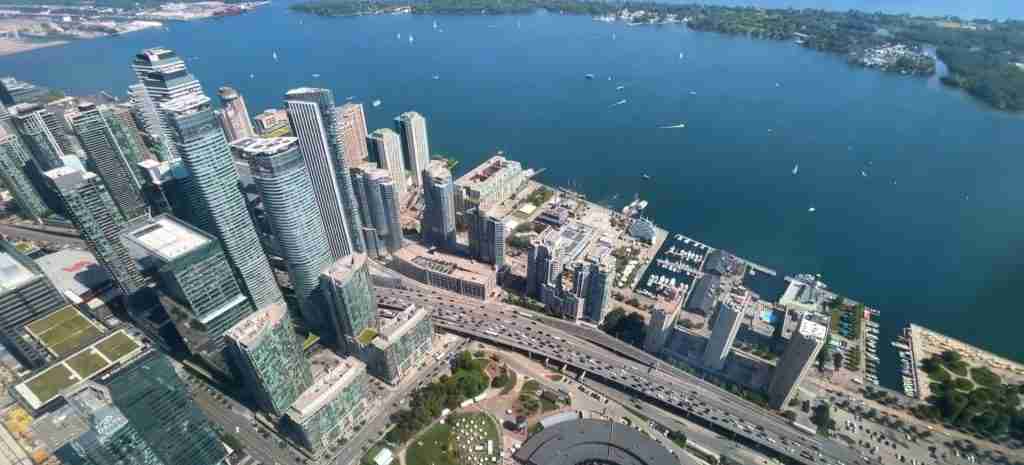
3 days
Toronto 3-Day Discovery Tour
- ✓ Comprehensive Toronto experience
- ✓ Expert local guides included
- ✓ All accommodation included
- ✓ Transportation provided

5 days
Toronto 5-Day Highlights Experience
- ✓ Comprehensive Toronto experience
- ✓ Expert local guides included
- ✓ All accommodation included
- ✓ Transportation provided

7 days
Toronto 7-Day Cultural Journey
- ✓ Comprehensive Toronto experience
- ✓ Expert local guides included
- ✓ All accommodation included
- ✓ Transportation provided
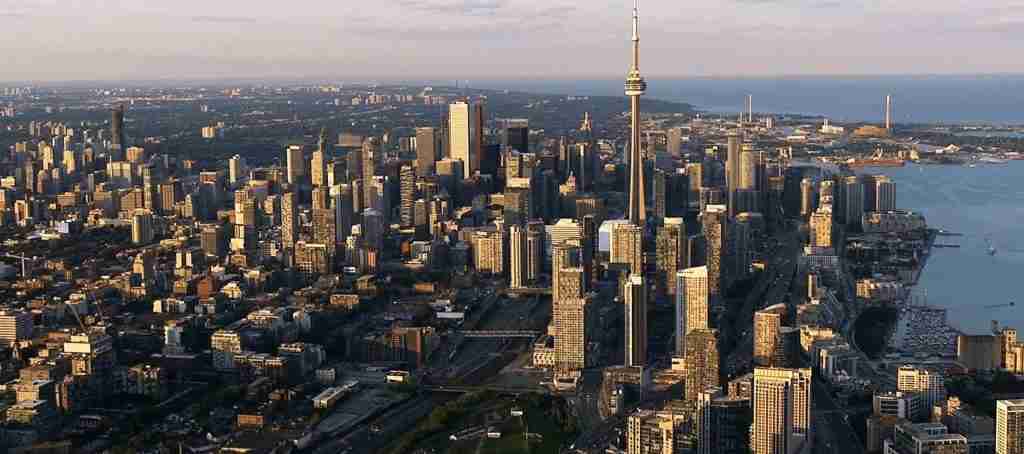
10 days
Toronto 10-Day Complete Adventure
- ✓ Comprehensive Toronto experience
- ✓ Expert local guides included
- ✓ All accommodation included
- ✓ Transportation provided
Multi-day tour packages powered by TourRadar. Prices and availability subject to change.
Introduction
Toronto stands as Canada’s cultural and economic powerhouse, welcoming over 27 million visitors annually to experience its multicultural neighborhoods, iconic skyline, and world-renowned dining scene. Planning a Toronto visit for 2026 requires understanding the city’s transit systems, neighborhood geography, seasonal pricing patterns, and special events that influence costs and availability throughout the year.
The city’s 2026 landscape includes several planning considerations that distinguish this year from typical visits. TTC’s new fare capping system launching September 2026 fundamentally changes transit budgeting for multi-day stays. The FIFA World Cup brings unprecedented accommodation demand and pricing volatility from June 12 through early July, affecting not just match days but surrounding weeks as visitors extend their stays to explore the city. Infrastructure improvements accelerated for the tournament include BMO Field renovations, transit enhancements, and neighborhood beautification projects that enhance the visitor experience year-round.
Toronto’s geographic expanse—covering over 630 square kilometers with more than 150 distinct neighborhoods—can overwhelm first-time visitors. The city spreads along Lake Ontario’s northern shore, with downtown serving as the cultural and commercial nucleus surrounded by residential and commercial districts radiating outward along major arterial routes. Understanding this geography proves essential for accommodation selection, as staying along TTC subway corridors in less central neighborhoods delivers substantial savings while maintaining convenient access to major attractions.
This guide synthesizes verified 2026 pricing, insider knowledge of neighborhood characteristics, transit system intricacies, and practical strategies developed through extensive research and local expertise. The information addresses common planning questions while providing specific, actionable advice for maximizing value and experience during your Toronto visit.
Understanding Toronto Transit Systems 2026
TTC (Toronto Transit Commission) operates North America’s third-largest urban transit network, moving approximately 1.8 million riders daily across subways, streetcars, and buses. Mastering the TTC system transforms Toronto from an expensive taxi-dependent destination into an affordable, accessible city where CAD $3.30 ($2.45 USD) unlocks access to virtually every neighborhood and attraction.
TTC Fare Structure and Payment Options 2026
Single ride costs CAD $3.30 ($2.45 USD) using PRESTO card, contactless credit/debit card, or digital wallet (Apple Pay, Google Pay), or CAD $3.35 ($2.50 USD) paying cash. Youth aged 13-19 pay CAD $2.35 ($1.75 USD), seniors 65+ pay CAD $2.25 ($1.70 USD), and children 12 and under ride free. All PRESTO and contactless payments activate a two-hour transfer window permitting unlimited boarding across the entire TTC system, including backtracking and route changes—a significant advantage over the previous one-way-only transfer restrictions.
The revolutionary fare capping program launches September 2026, automatically providing free rides after 47 trips within a calendar month for all payment methods (PRESTO, contactless credit/debit cards). This system benefits frequent visitors staying multiple weeks or residents, as CAD $155 ($115 USD) in fares caps monthly transit costs without requiring upfront monthly pass purchase. TTC plans reducing the cap to 40 trips in September 2027, further improving value for regular riders.
PRESTO cards cost CAD $6 at subway stations, Shoppers Drug Mart locations, and online at prestocard.ca, with no monthly fees and indefinite validity. Digital PRESTO cards load free into Apple Wallet or Google Wallet, eliminating the physical card requirement. Cash payments require exact change and receive paper transfers valid only for continuous one-way journeys, lacking the two-hour window flexibility.
Subway Lines and Strategic Coverage
Four subway lines form Toronto’s rapid transit backbone. Line 1 (Yonge-University) runs north-south through downtown connecting Union Station (rail hub), Eaton Centre (shopping), Bloor-Yonge (transfer point), and extends to Vaughan Metropolitan Centre in the north. Line 2 (Bloor-Danforth) crosses east-west intersecting Line 1 at Bloor-Yonge and Spadina stations, serving diverse neighborhoods like Greektown (Pape), Little India (Greenwood), and High Park. Line 5 (Eglinton Crosstown LRT) opened February 2026, connecting 25 stations from Mount Dennis to Kennedy with frequent service. Line 6 (Finch West LRT) opened December 2025, serving northwestern neighborhoods with connections to Line 1.
Subway service operates approximately 6:00 AM-1:30 AM weekdays, 8:00 AM-1:30 AM Sundays, with extended hours during special events. Blue Night Network buses replace subway service during closure hours, following similar routes with 30-60 minute frequencies. Typical downtown-to-attraction commutes require 15-30 minutes, with rush hour crowding 7:30-9:30 AM and 4:30-6:30 PM weekdays.
Streetcar and Bus Networks
Eleven streetcar routes serve downtown and inner neighborhoods, including tourist-heavy 510 Spadina (connecting Bloor subway to harbourfront), 501 Queen (east-west through Entertainment District and Queen West), and 504 King (major east-west arterial). Modern Flexity Outlook streetcars provide low-floor accessibility, air conditioning, and spacious interiors on most routes. Service frequency ranges 5-15 minutes depending on route and time of day.
Express bus routes supplement subway coverage, particularly to areas beyond rapid transit reach. Airport Express 900 connects Kipling Station to Pearson Airport in 20-30 minutes, though UP Express train from Union Station provides faster service. Neighborhood buses fill gaps in subway coverage, with frequent routes along major streets like Bathurst, Dufferin, and Woodbine.
UP Express Airport Connection 2026
UP Express provides dedicated rail service between Union Station and Pearson International Airport with 15-minute frequencies and 25-minute journey times. Adult fares cost CAD $13 ($9.50 USD) one-way using PRESTO or CAD $13.35 ($10 USD) without, with youth/senior discounts available. Trains feature luggage storage, power outlets, and WiFi, departing every 15 minutes 5:30 AM-1:00 AM daily. PRESTO users transferring to TTC within two hours receive free connection, making total airport-to-city transit CAD $16.30 ($12 USD) versus CAD $55-85 ($40-65 USD) for taxis or rideshares.
Strategic Transit Tips for Visitors 2026
Download the TTC app or use Google Maps for real-time arrival predictions, route planning, and service alerts. Both applications integrate TTC schedules and provide accurate walking directions to/from stops. Purchase PRESTO digital card in Apple/Google Wallet before arrival for immediate payment capability without hunting physical card vendors.
Validate payment each time you board vehicles, even during the two-hour transfer window—failure to tap creates fare evasion violations (CAD $425 fine). Subway gates accept PRESTO, credit/debit contactless payments, and mobile wallets through designated readers. Surface vehicles (buses, streetcars) feature card readers near all doors.
Avoid weekend subway closures by checking ttc.ca/service-advisories before travel—TTC frequently conducts maintenance requiring shuttle bus replacements on Line 1 and Line 2 sections. These closures typically occur mid-morning to late evening Saturdays/Sundays, with replacement buses adding 15-30 minutes to journey times.
Accommodation Strategies and Neighborhood Selection 2026
Toronto’s accommodation landscape spans from CAD $35 ($25 USD) hostel beds to CAD $600+ ($450+ USD) luxury suites, with location, amenities, and seasonal timing dramatically influencing value. Understanding neighborhood characteristics and transportation connections enables strategic booking that balances cost savings with convenience.
Downtown Core Hotels (Financial District, Entertainment District, Harbourfront)
Downtown properties deliver walking access to CN Tower, Ripley’s Aquarium, Rogers Centre, Scotiabank Arena, and Union Station, eliminating transit dependence for major attractions. Mid-range hotels (Hilton Toronto, Marriott Downtown, Radisson Blu) range CAD $180-280 ($135-210 USD) per night in regular season, CAD $220-360 ($165-270 USD) summer high season, with FIFA World Cup periods pushing rates to CAD $800-1,200+ ($600-900+ USD). Luxury properties (Fairmont Royal York, Four Seasons, Shangri-La) command CAD $320-550 ($240-410 USD) regular season, CAD $400-700 ($300-525 USD) high season.
Budget-conscious travelers find limited downtown options, with Planet Traveler Hostel (College Street) offering dormitory beds CAD $35-55 ($25-40 USD) and private rooms CAD $110-160 ($80-120 USD). Parking adds CAD $35-75 ($25-55 USD) daily at most downtown hotels, while subway access eliminates vehicle necessity.
Mid-Town Neighborhoods (Yorkville, Church-Wellesley, The Annex)
Mid-town areas positioned along Line 1 subway deliver balance between downtown proximity and residential neighborhood character. Hotels in Yorkville cater to luxury market (InterContinental Yorkville CAD $280-450/$210-335 USD), while The Annex near University of Toronto offers mid-range options (Best Western The Primrose CAD $140-210/$105-155 USD). Church-Wellesley Village provides LGBTQ-friendly accommodations and vibrant nightlife within 15-minute subway rides to downtown.
These neighborhoods feature excellent restaurant scenes, independent shops, and residential safety while maintaining rapid transit connections. Grocery stores and casual dining options provide cost-effective alternatives to tourist-area pricing.
Subway Corridor Value Areas (North York, East York, Bloor-Danforth)
North York hotels along Line 1 (Yonge Street corridor) deliver significant savings with quality chain properties. Holiday Inn North York (CAD $120-180/$90-135 USD) and Courtyard Marriott North York (CAD $130-190/$95-140 USD) provide modern amenities, free parking, and 25-minute subway rides to downtown. East York neighborhoods along Line 2 offer similar value with residential safety and diverse dining reflecting Toronto’s multicultural character.
Bloor-Danforth corridor hotels serve the budget-to-mid-range spectrum. Comfort Inn Dundas (CAD $100-150/$75-110 USD) and Quality Inn Bloor (CAD $110-160/$80-120 USD) position near subway stations with convenient downtown access. These areas sacrifice walking-distance attractions for CAD $50-100 ($35-75 USD) nightly savings while maintaining 20-30 minute transit connections.
Airport Area Hotels
Pearson Airport vicinity hotels serve early flights, late arrivals, and business travelers. Sheraton Gateway (CAD $150-220/$110-165 USD) connects directly to Terminal 3, while Hilton Toronto Airport (CAD $140-210/$105-155 USD) offers free shuttle service. These properties provide value for flight-focused itineraries but require UP Express or taxi transfers (CAD $13-65/$9.50-50 USD) for downtown access, limiting suitability for leisure visitors prioritizing city exploration.
Alternative Accommodations 2026
Airbnb and VRBO provide apartment rentals throughout Toronto, with entire units ranging CAD $90-180 ($65-135 USD) nightly in residential neighborhoods, CAD $150-280 ($110-210 USD) downtown. Toronto’s 8.5% Municipal Accommodation Tax applies to short-term rentals, and many buildings restrict or prohibit Airbnb operations, creating availability fluctuations. Vacation rentals suit extended stays and group travel but require careful verification of host legitimacy and building permissions.
Hostels beyond Planet Traveler include HI Toronto (Dundas/Beverley, dormitories CAD $38-58/$28-43 USD, private rooms CAD $95-145/$70-108 USD) and Canadiana Backpackers Inn (Spadina/Dundas, dormitories CAD $35-52/$25-38 USD). Both provide social atmospheres, communal kitchens, and central locations suitable for solo budget travelers and backpackers.
Booking Strategies and Timing 2026
Reserve accommodations three months advance for regular season travel, six months for summer high season (June-August), and immediately for FIFA World Cup periods (June 12-July 2) as downtown properties approach sellout. Shoulder seasons (April-May, September-November) offer flexibility with one month advance booking sufficient and occasional last-minute deals.
Booking.com, Hotels.com, and Expedia frequently discount Toronto properties 10-25% during promotional periods, with additional savings through loyalty programs. Direct hotel bookings occasionally provide rate matching plus perks (free parking, breakfast, room upgrades) unavailable through third-party sites. Compare total costs including all fees and taxes before finalizing reservations.
Daily Budget Planning and Cost Breakdowns 2026
Understanding realistic daily costs enables accurate trip budgeting and prevents overspending surprises. Toronto’s pricing varies significantly by travel style, accommodation tier, and dining choices, with careful planning unlocking substantial savings without sacrificing experience quality.
Budget Traveler Daily Costs 2026
Budget travelers spending CAD $95-145 ($70-110 USD) per person daily achieve comfortable Toronto experiences through strategic choices. Hostel dormitory accommodation CAD $35-55 ($25-40 USD), meals totaling CAD $30-50 ($22-37 USD) daily combining supermarket breakfast/lunch (CAD $6-10 and CAD $10-15) with budget restaurant dinner (CAD $14-25), TTC transportation CAD $6.60-13.50 ($5-10 USD) using two single rides or day pass, one paid attraction CAD $15-30 ($11-22 USD) or focusing on free experiences create verified daily totals CAD $95-145 ($70-110 USD).
Budget strategies include shopping at No Frills, FreshCo, or Food Basics supermarkets for breakfast and lunch supplies, visiting museums on pay-what-you-can days, utilizing Toronto CityPASS for attraction bundling, and walking High Park, Distillery District, and Kensington Market instead of paid experiences. Hostels with kitchen access enable meal preparation, cutting food costs to CAD $25-35 ($18-26 USD) daily.
Mid-Range Traveler Daily Costs 2026
Mid-range travelers spend CAD $180-240 ($135-180 USD) per person daily, two sharing accommodations, combining comfort with value. Hotel accommodation CAD $75-115 ($55-85 USD) per person from CAD $150-230 ($110-170 USD) room rate divided by two, breakfast CAD $12-15 ($9-11 USD), lunch CAD $20-25 ($15-18 USD), dinner CAD $35-42 ($26-31 USD), TTC day pass CAD $13.50 ($10 USD), attractions CAD $25-35 ($18-26 USD) create verified daily totals CAD $180-240 ($135-180 USD) per person.
Mid-range dining targets casual restaurants like Pai Northern Thai Kitchen (CAD $25-40/$18-30 USD per person), Richmond Station (CAD $30-50/$22-37 USD), or St. Lawrence Market vendors (CAD $15-25/$11-18 USD). Hotel breakfast buffets (CAD $18-28/$13-21 USD when included) simplify morning routines, while food courts at Eaton Centre or PATH underground network provide affordable lunch options CAD $12-20 ($9-15 USD).
Luxury Traveler Daily Costs 2026
Luxury visitors invest CAD $450-750 ($335-560 USD) per person daily, two sharing premium hotels, accessing Toronto’s finest experiences. Luxury hotel accommodation CAD $160-275 ($120-205 USD) per person from CAD $320-550 ($240-410 USD) room rate divided by two, upscale breakfast CAD $22-35 ($16-26 USD), lunch CAD $40-65 ($30-48 USD), fine dining dinner CAD $75-120 ($55-90 USD), attractions CAD $50-80 ($37-60 USD), premium experiences or private tours CAD $100-175 ($75-130 USD) create verified daily totals CAD $450-750 ($335-560 USD) per person.
Luxury dining includes Canoe Restaurant (CAD $90-150/$65-110 USD per person), Alo Restaurant (CAD $150-220/$110-165 USD tasting menu), and 360 Restaurant CN Tower (CAD $85-140/$63-105 USD). Private guided tours (CAD $200-400/$150-300 USD for groups), EdgeWalk CN Tower (CAD $199/$148 USD per person), and helicopter tours (CAD $200-350/$150-260 USD per person) provide exclusive experiences.
Sample Day Cost Calculations 2026
Budget Day Example: Hostel bed CAD $45, supermarket breakfast CAD $6, Food Basics lunch CAD $10, budget restaurant dinner CAD $18, TTC two rides CAD $6.60, ROM pay-what-you-can CAD $10, Distillery District free. Total daily cost per person: approximately CAD $95 ($70 USD).
Mid-Range Day Example (Two Sharing Hotel): Hotel accommodation CAD $100 per person (CAD $200 room divided by two), cafe breakfast CAD $15, St. Lawrence Market lunch CAD $22, Richmond Station dinner CAD $42, TTC day pass CAD $13.50, CN Tower general admission CAD $47, Harbourfront walk free. Total daily cost per person: approximately CAD $240 ($180 USD).
Luxury Day Example (Two Sharing Luxury Hotel): Luxury hotel CAD $225 per person (CAD $450 room divided by two), hotel buffet breakfast CAD $28, lunch Buca Yorkville CAD $55, dinner Canoe Restaurant CAD $115, attractions CAD $80, private car service CAD $80. Total daily cost per person: approximately CAD $580 ($430 USD).
Weather Patterns and Optimal Visit Timing 2026
Toronto experiences four distinct seasons with dramatic temperature variations influencing both visitor comfort and travel costs. Understanding seasonal patterns enables strategic timing that balances weather preferences with budget constraints.
Spring Season (April-May 2026)
Spring delivers mild temperatures averaging 10-18°C (50-64°F) with increasing daylight and blooming flora throughout city parks. April experiences occasional cool rainy days requiring layers and rain gear, while May brings consistent pleasant weather ideal for walking tours and outdoor dining. Cherry blossoms peak late April in High Park, attracting massive crowds but creating spectacular photo opportunities.
Hotel rates remain 25-40% below summer peaks, with mid-range properties CAD $130-200 ($95-150 USD) versus CAD $180-280 ($135-210 USD) summer. Attractions operate full hours without summer crowds, creating optimal touring conditions. Pack layers including light jacket, umbrella, and comfortable walking shoes suitable for variable conditions.
Summer Season (June-August 2026)
Summer brings warm temperatures averaging 20-27°C (68-81°F) with high humidity creating feels-like temperatures of 28-32°C (82-90°F) during peak periods. July and August experience occasional heat waves exceeding 30°C (86°F), while nights remain comfortable 16-20°C (61-68°F). Summer delivers Toronto’s festival season including Pride (June), Taste of the Danforth (August), and Canadian National Exhibition (August-September).
Hotel demand peaks June-August creating highest annual rates and limited availability. FIFA World Cup June 12-July 2 compounds pricing pressure with unprecedented spikes. Attractions experience longest wait times, with CN Tower and Casa Loma requiring advance reservations. Patio dining flourishes across neighborhoods, and beaches on Toronto Islands provide urban escape options.
Fall Season (September-November 2026)
Fall transitions from warm September (averaging 18-22°C/64-72°F) through crisp October (11-16°C/52-61°F) to cold November (4-9°C/39-48°F). September ranks among Toronto’s finest months combining comfortable temperatures, reduced crowds, and normalized pricing post-FIFA. Toronto International Film Festival (TIFF) in September brings celebrity sightings and cultural energy throughout Entertainment District.
Hotel rates drop 30-45% from summer peaks, with excellent shoulder-season value. Fall foliage peaks mid-October in High Park and Toronto Islands, creating stunning urban nature displays. Pack layers accommodating 15-degree temperature ranges between morning and afternoon, with warmer jacket necessary for November visits.
Winter Season (December-March 2026)
Winter delivers cold temperatures averaging -5 to 2°C (23-36°F) with frequent snow and wind chill factors creating feels-like temperatures of -10 to -15°C (-5 to 5°F). January and February experience coldest conditions with occasional Arctic outbreaks dropping temperatures below -20°C (-4°F). Snowfall totals 75-125 cm (30-50 inches) annually, with city maintaining excellent snow clearing on major routes and sidewalks.
Winter represents Toronto’s value season with hotel rates 35-50% below summer, creating exceptional deals. Properties averaging CAD $180-280 ($135-210 USD) summer drop to CAD $90-155 ($65-115 USD) January-February. Indoor attractions like ROM, AGO, Ripley’s Aquarium, and St. Lawrence Market provide weather-proof experiences. Christmas markets, skating at Nathan Phillips Square, and winter festivals create seasonal attractions. PATH underground network connects 30 kilometers of climate-controlled shopping and dining downtown.
Winter visitors require serious cold-weather gear including insulated coat, warm boots with traction, gloves, scarf, and hat. Layering systems prove essential as indoor heating creates 25-30°C (77-86°F) temperature swings from outdoor conditions.
Optimal Visit Timing Recommendations 2026
May and September represent ideal timing combining pleasant weather (15-22°C/59-72°F), manageable crowds, and reasonable pricing 20-35% below summer peaks. These months provide comfortable walking conditions for neighborhood exploration while avoiding FIFA impacts and winter extremes.
Budget travelers prioritizing savings over weather target January-February with hotel rates at annual lows and indoor attractions providing excellent value. Festival enthusiasts visit summer accepting higher costs for Pride, outdoor concerts, and cultural events. Film buffs target September TIFF period despite slightly elevated pricing for celebrity access and premiere screenings.
Money-Saving Strategies and Insider Tips 2026
Strategic planning and insider knowledge unlock substantial Toronto savings without compromising experience quality. These proven techniques span accommodation, dining, attractions, and transportation.
Attraction Pass and Discount Programs
Toronto CityPASS delivers maximum attraction value at CAD $135 ($100 USD) adult, CAD $100 ($75 USD) youth covering CN Tower general admission (CAD $47/$35 USD value), choice of Ripley’s Aquarium (CAD $47/$35 USD) or Royal Ontario Museum (CAD $25/$18 USD), plus two additional attractions from Casa Loma, Ontario Science Centre, or Toronto Zoo. Total regular admission value CAD $217 ($160 USD) creates 38% savings — calculation: (217-135)÷217 = 38%. The pass remains valid nine consecutive days, allowing flexible scheduling without daily rush.
PRESTO cardholders receive 15% discounts at CN Tower and various city attractions by showing card at ticket windows. Check prestocard.ca/perks for complete participating venue list updated monthly. ROM, AGO, and Ontario Science Centre offer pay-what-you-can admission specific evenings (typically monthly), providing free or reduced-cost access to world-class collections.
Dining Cost Reduction Tactics
St. Lawrence Market (Tuesday-Saturday) provides exceptional lunch value with international food stalls offering complete meals CAD $12-20 ($9-15 USD). Carousel Bakery’s famous peameal bacon sandwiches cost CAD $9.50 ($7 USD), while international vendors serve authentic cuisine at fraction of restaurant prices. Arrive before noon Saturdays avoiding peak crowds.
Kensington Market and Chinatown feature budget-friendly casual dining with authentic ethnic food CAD $10-18 ($7.50-13 USD) per meal. Seven Lives Tacos (Kensington) serves outstanding tacos CAD $6 ($4.50 USD) each, while Pho Hung (Chinatown) delivers generous Vietnamese bowls CAD $12-16 ($9-12 USD). Food courts at Eaton Centre offer 15-20 vendors with meals CAD $12-18 ($9-13 USD).
Happy hour specials (typically 4:00-6:00 PM) at bars and restaurants provide discounted appetizers and drinks. Entertainment District establishments offer aggressive happy hour pricing competing for after-work crowds, with some venues serving CAD $5-8 ($3.75-6 USD) appetizers and CAD $6-9 ($4.50-6.75 USD) beer/wine.
Supermarket prepared food sections (Loblaws, Metro, Sobeys) sell ready-to-eat meals CAD $7-14 ($5-10 USD), creating convenient budget alternatives to restaurant dining. Many locations feature hot food bars, salad bars, and ethnic food counters with per-weight pricing.
Free and Low-Cost Experiences
Distillery District’s Victorian-era architecture and cobblestone streets create atmospheric pedestrian exploration without admission fees. Weekend artisan markets and seasonal festivals add entertainment value. Graffiti Alley (Queen Street West/Spadina) showcases vibrant street art spanning multiple blocks, constantly evolving with new works.
High Park’s 161 hectares include hiking trails, gardens, playgrounds, sports facilities, and spring cherry blossom displays rivaling Washington DC’s famous trees. Toronto Islands access requires ferry ride (CAD $9/$6.75 USD roundtrip) but delivers beaches, bike paths, picnic areas, and stunning city skyline views. Centre Island and Ward’s Island offer distinct characters with family activities and quieter residential areas respectively.
Harbourfront Centre provides free cultural programming including concerts, art exhibitions, and festivals year-round. Queens Quay lakefront promenade enables scenic walking or cycling with Toronto skyline backdrop. Beach boardwalk stretches from Woodbine Beach to Ashbridges Bay creating car-free waterfront access.
Toronto Public Library branches offer free WiFi, washrooms, and climate control, with Central Branch (Yonge/Bloor) featuring architectural significance. Many branches provide free museum passes for cardholders, though visitors cannot obtain library cards without proof of address.
Transportation Cost Minimization
Walking proves most economical and often fastest method for downtown exploration, with most major attractions within 2-kilometer (1.2-mile) radius of Union Station. Toronto’s generally flat terrain and grid street system enable easy navigation. PATH underground network connects downtown buildings climate-controlled, extending walking viability during winter.
TTC two-hour transfer window permits multi-stop itineraries on single fare. Strategic planning enables visiting 3-4 neighborhood destinations within two hours by combining streetcar and subway, maximizing the CAD $3.30 ($2.45 USD) investment. September 2026 fare capping eliminates concerns about exceeding daily/weekly transit budgets for extended visits.
Bike Share Toronto offers 24-hour access CAD $7 ($5 USD) or 72-hour access CAD $15 ($11 USD), with unlimited 30-minute rides (additional charges apply for trips exceeding 30 minutes). Over 625 stations concentrate downtown and inner neighborhoods, creating convenient point-to-point transportation averaging faster than TTC for short distances under 3 kilometers (1.8 miles).
Accommodation Value Maximization
Book Tuesday-Thursday arrivals when hotels typically discount midweek inventory. Weekend rates increase CAD $30-80 ($22-60 USD) reflecting leisure demand. Extended stays (7+ nights) sometimes unlock negotiated rates or complimentary upgrades through direct hotel contact.
Hotel loyalty programs (Marriott Bonvoy, Hilton Honors, IHG Rewards) provide points earning and status benefits including free WiFi, late checkout, and room upgrades. Status matching between programs occasionally grants instant elite tier access based on competitor program membership.
Corporate rate codes sometimes apply without employment verification, offering 10-20% discounts. AAA/CAA memberships provide similar discounts at many properties. Compare member rates against public booking sites before assuming direct booking provides best value.
Safety Considerations and Practical Advice 2026
Toronto ranks among North America’s safest major cities with low violent crime rates and well-maintained infrastructure. Understanding neighborhood characteristics, common-sense precautions, and emergency resources ensures secure, stress-free visits.
General Safety and Crime Awareness
Downtown core, Entertainment District, Harbourfront, and major tourist areas maintain strong police presence and excellent safety records. Violent crime targeting tourists remains extremely rare, with property crime (pickpocketing, vehicle break-ins) representing primary concerns. Exercise standard urban precautions including securing valuables, avoiding displays of expensive electronics or jewelry, and maintaining awareness in crowded areas like Eaton Centre or subway stations.
Late-night safety varies by neighborhood. Well-lit, high-traffic areas including Yonge Street corridor, Entertainment District, and Church-Wellesley remain safe throughout night. Quieter residential neighborhoods and industrial areas warrant increased caution after midnight, though violent incidents remain uncommon. Women traveling solo report feeling comfortable throughout Toronto with standard precautions.
Panhandling and homelessness concentrate in certain downtown areas, particularly near Dundas/Sherbourne and Queen/Parliament intersections. While encounters prove generally non-threatening, some visitors feel uncomfortable. Toronto operates extensive social services, and aggressive panhandling remains rare. Polite declination typically suffices.
Emergency Services and Healthcare Access
Emergency services (police, fire, ambulance) respond to 911 calls with excellent coverage throughout city. Non-emergency police matters contact 416-808-2222. Toronto Police Services maintain stations throughout city with English-speaking officers and multilingual resources for common languages.
Toronto hospitals provide world-class emergency care, though wait times for non-urgent issues extend 3-6 hours in emergency departments. Major facilities include Toronto General Hospital (University Avenue), St. Michael’s Hospital (Bond Street), and Sunnybrook Health Sciences Centre (Bayview). Visitors without Canadian health coverage face significant costs for emergency treatment (CAD $1,000-5,000+/$750-3,750+ USD for basic emergency visits), making travel insurance essential.
Walk-in clinics throughout Toronto serve non-emergency medical needs, though uninsured costs range CAD $120-250 ($90-185 USD) per visit plus additional charges for tests or procedures. Pharmacies (Shoppers Drug Mart, Rexall) operate extensively with many locations offering 24-hour service. Pharmacists provide minor health consultations without appointment.
Weather-Related Precautions
Summer heat and humidity occasionally trigger Environment Canada heat warnings (humidex exceeding 40°C/104°F). Vulnerable populations should limit outdoor activity during peak afternoon heat, seek air-conditioned spaces, and maintain hydration. Most indoor attractions, shopping centers, and TTC subway stations provide climate control.
Winter extreme cold warnings occur when temperatures drop below -25°C (-13°F) or wind chills reach -35°C (-31°F). Frostbite develops rapidly on exposed skin during these conditions. Cancel outdoor activities during extreme cold advisories, use PATH underground network for downtown movement, and ensure proper cold-weather gear including face covering.
Severe thunderstorms occasionally produce heavy rain, strong winds, and isolated tornadoes late spring through summer. Environment Canada issues weather alerts through smartphone emergency broadcast system. Seek indoor shelter during severe weather, avoid waterfront and parks during lightning, and monitor weather radar apps during unstable atmospheric conditions.
Drinking and Smoking Regulations
Legal drinking age in Ontario is 19 years. Establishments strictly enforce age verification requiring government-issued photo identification (passport, driver’s license). Public alcohol consumption remains illegal throughout Toronto including parks, beaches, and streets. Fines range CAD $100-300 ($75-225 USD) for violations.
Cannabis remains legal for adults 19+ in Ontario with regulated retail stores (Tokyo Smoke, Canna Cabana) selling recreational products. Public consumption rules match tobacco: prohibited in enclosed workplaces, restaurants, bars, and within 9 meters (30 feet) of building entrances, playgrounds, or community centers. Parks permit designated smoking areas. Fines for violations reach CAD $1,000 ($750 USD). Never cross international borders with cannabis products — federal offense at Canadian and U.S. borders.
Smoking tobacco prohibited indoors throughout Ontario including restaurants, bars, hotel rooms, and workplaces. Designated smoking areas exist outside buildings minimum 9 meters from entrances. Most hotels operate entirely smoke-free with violations triggering cleaning fees CAD $200-500 ($150-375 USD).
Scams and Tourist Traps
Fake ticket sellers occasionally operate near CN Tower and Rogers Centre selling counterfeit or invalid event tickets. Purchase attraction tickets exclusively from official box offices or verified online sources (official venue websites, Ticketmaster). Street vendors selling “discounted” CityPASS or attraction tickets run scams.
Unlicensed taxis and rideshare drivers solicit passengers at Pearson Airport. Use only authorized taxi queues or pre-arranged rideshare pickups through Uber/Lyft apps. Licensed taxis display city permit numbers and meters. Refuse solicitations from drivers in parking areas or arrivals halls.
Restaurant pricing includes listed menu prices plus 13% HST (Harmonized Sales Tax) added at payment. Gratuity expectations run 15-20% on pre-tax total for table service, though some establishments automatically add 18% for groups of six or more. Verify bills for automatic gratuity before adding additional tip.
Neighborhood Character and Navigation Guide 2026
Toronto’s vast urban expanse contains over 150 distinct neighborhoods, each offering unique characteristics, dining scenes, and cultural identities. Understanding key areas enables strategic planning matching neighborhood attributes with visitor interests.
Downtown Core and Financial District
Toronto’s business heart features gleaming skyscrapers, PATH underground network, and concentration of major corporate headquarters along Bay Street corridor. Weekday energy transforms to quiet evenings and weekends as office workers depart. Limited residential population creates service gaps for groceries and casual dining after business hours. Scotia Plaza, TD Centre, and Commerce Court anchor area with modernist architecture.
Primary attraction: PATH underground network connecting 30 kilometers (18 miles) of shopping, dining, and services through climate-controlled tunnels linking office towers, hotels, and Union Station. Weekend hours vary by section, with some areas closing entirely Sundays.
Entertainment District and King West
High-energy neighborhood surrounding major venues including Rogers Centre (Blue Jays baseball, concerts), Scotiabank Arena (Maple Leafs hockey, Raptors basketball, concerts), TIFF Bell Lightbox, and Princess of Wales Theatre. King West nightlife concentrates trendy bars, nightclubs, and upscale restaurants. Weekend evenings attract massive crowds creating vibrant but occasionally rowdy atmosphere after midnight.
Dining ranges from celebrity chef restaurants (Buca, Lee, Jacobs & Co) to quick-service chains. Hotel concentration serves business travelers and event attendees. Daytime walking tours explore architecture and public art, while nighttime visits focus on dining and entertainment venues.
Distillery District
Historic pedestrian village preserves Victorian-era distillery buildings converted to galleries, restaurants, boutiques, and event spaces. Cobblestone streets and preserved industrial architecture create Instagram-worthy backdrops. Weekend artisan markets and seasonal festivals add programming. Excellent dining includes Mill Street Brew Pub, Cluny Bistro, and El Catrin Mexican.
Access via streetcar 504 King or 514 Cherry, short walk from Union Station. Evening visits capture beautiful lighting and quieter atmosphere compared to crowded weekends. Completely pedestrian, stroller-friendly, and accessible.
Harbourfront and Waterfront
Lakefront transformation delivers parkland, cultural venues (Harbourfront Centre), and Toronto Islands ferry terminal along Queens Quay boulevard. Year-round programming includes concerts, art exhibitions, and festivals. Summer patio dining proliferates with lake views. Winter skating rink and cultural events maintain activity.
Toronto Islands (Ward’s, Centre, Hanlan’s Point) provide beaches, bike rentals, gardens, and city skyline views. Ferry departures every 15-45 minutes from Jack Layton Ferry Terminal (CAD $9/$6.75 USD roundtrip). Centre Island features amusement park (additional admission), while Ward’s offers quieter residential character.
Queen West and West Queen West
Creative corridor extends from University Avenue west to Roncesvalles featuring independent boutiques, vintage shops, art galleries, and eclectic restaurants. Queen West Village (University to Bathurst) maintains higher-end retail, while West Queen West (Bathurst to Ossington) embraces grittier artistic edge. Graffiti Alley (Rush Lane) showcases constantly-evolving street art.
Dining highlights include Pai Northern Thai, Seven Lives Tacos, and Grand Electric. Live music venues, bars, and coffee shops create neighborhood hangout culture. Streetcar 501 Queen provides direct access. Weekday afternoons offer optimal shopping with minimal crowds.
Kensington Market and Chinatown
Bohemian market neighborhood features vintage clothing stores, international grocers, cheese shops, and casual eateries within walkable blocks. Sunday Pedestrian Sundays (monthly May-October) close streets to vehicles creating festival atmosphere. Adjacent Chinatown stretches along Spadina and Dundas offering authentic Chinese, Vietnamese, and Thai restaurants at budget-friendly prices.
Optimal visit timing: Late morning through afternoon when shops open (many close Mondays). Hot Box Cake Shop, Blackbird Baking Co, and Seven Lives Tacos rank neighborhood dining highlights. Accessible via streetcar 510 Spadina or subway to Spadina Station.
Yorkville
Upscale neighborhood features luxury boutiques (Chanel, Hermès, Tiffany), high-end restaurants, and art galleries within compact walkable area. Transformation from 1960s hippie enclave to luxury shopping district creates fascinating history. Beautiful tree-lined streets, pocket parks, and historic buildings maintain village character despite modern development.
Dining includes Buca Yorkville, Cafe Boulud, and Jacques Bistro du Parc. ROM (Royal Ontario Museum) anchors cultural offerings. Accessible via subway Bloor-Yonge or Bay stations. Window shopping costs nothing while capturing neighborhood sophistication.
The Beaches (The Beach)
Eastern waterfront neighborhood delivers relaxed boardwalk atmosphere with independent shops, cafes, and restaurants along Queen Street East. Sandy beach stretches from Woodbine to Ashbridges Bay with swimming, volleyball, and walking trails. Residential safety and family-friendly character create local favorite destination.
Summer weekends attract crowds to beach and boardwalk, while weekday visits offer peaceful lakefront access. Streetcar 501 Queen reaches neighborhood from downtown (35-45 minutes). Optimal seasons: Late spring through early fall for beach activities, year-round for restaurant/shopping scene.
Little Italy and Little Portugal
College Street corridor (Bathurst to Ossington) features authentic Italian cafes, restaurants, and gelaterias alongside Portuguese bakeries and taverns. Outdoor patio culture thrives late spring through fall with sidewalk dining creating European atmosphere. Soccer culture dominates with sports bars showing international matches.
Café Diplomatico provides classic Italian cafe experience, while Bar Raval delivers Spanish tapas in stunning architectural space. Accessible via streetcar 506 College. Evening visits capture neighborhood energy with patio dining and bar scene.
Communication, Connectivity, and Digital Resources 2026
Staying connected in Toronto requires understanding cellular networks, WiFi availability, essential apps, and digital services that enhance navigation and trip planning.
Cellular Service and International Plans
Canada operates separate cellular networks from U.S. requiring international roaming plans for American visitors. Major U.S. carriers (Verizon, AT&T, T-Mobile) offer Canada add-ons typically CAD $10-15 ($7.50-11 USD) daily or monthly packages including Canada coverage. Verify plan activation before departure avoiding surprise roaming charges reaching CAD $15-30 ($11-22 USD) per megabyte without plans.
Canadian carriers Bell, Rogers, and Telus operate extensive networks providing excellent downtown and suburban coverage. Tourist SIM cards available at Pearson Airport and mobile carrier stores offer prepaid data plans starting CAD $30-50 ($22-37 USD) for 1-3GB data plus limited calling. Physical SIM cards require unlocked phones, while eSIM services (Airalo, Nomad) enable digital activation before arrival.
WiFi calling through hotel or cafe networks enables free communication using WhatsApp, Signal, or FaceTime for international visitors avoiding roaming charges entirely. Most smartphones support WiFi calling, though some carriers restrict this feature when roaming.
Public WiFi Access
TTC provides free WiFi in all subway stations (surface vehicles lack coverage). Network name “TConnect” requires one-time email registration, afterward connecting automatically at stations. Coverage extends platforms and fare-paid areas but not trains.
Downtown core features extensive public WiFi through city-installed equipment and private networks. Yonge-Dundas Square, Nathan Phillips Square, and major parks offer free municipal WiFi (network “TPL Free WiFi”). Tim Hortons, Starbucks, and McDonald’s locations provide free WiFi with purchase, creating backup connectivity throughout city.
Toronto Public Library branches deliver excellent WiFi speeds and quiet working environments with power outlets. Central Branch (Yonge/Bloor) and Reference Library (Yonge/North York Centre) offer extensive seating and resources. No library card required for WiFi access.
Essential Apps for Toronto Navigation 2026
TTC Official App provides real-time vehicle arrival predictions, service alerts, trip planning, and PRESTO card management. Accuracy typically within 2-3 minutes for subway arrivals, 3-5 minutes for surface routes. Download before trip enabling offline schedule access.
Google Maps integrates TTC schedules with walking directions, offering superior trip planning combining multiple transportation modes. Real-time traffic updates inform route choices, while offline map downloads enable navigation without cellular data. Apple Maps provides comparable functionality with slightly different interface.
Transit App simplifies TTC navigation with clean interface showing nearby stops, real-time arrivals, and GO Transit integration. “GO” button provides step-by-step navigation with alerts for stops and transfers. Free version covers full functionality without ads.
Uber and Lyft operate extensively throughout Toronto with competitive pricing and reliable service. Downtown trips typically cost CAD $12-25 ($9-18 USD) for short distances, while airport rides range CAD $40-65 ($30-48 USD) depending on time and demand surge pricing. Both apps accept international credit cards without Canadian phone numbers.
Bike Share Toronto app enables account creation, station location, bike availability checking, and payment processing. Real-time availability prevents arriving at empty stations during peak commute hours. Digital membership cards eliminate physical card requirements.
Weather and Emergency Information Resources
Environment Canada Weather app provides official forecasts, radar, severe weather alerts, and air quality information for Toronto. Most accurate precipitation forecasting with location-based severe weather notifications through smartphone emergency alert system.
City of Toronto app consolidates municipal services including garbage collection schedules, recreation programs, and service requests (potholes, graffiti removal, tree maintenance). Useful for extended stays or understanding city operations.
Toronto Police Service app enables crime reporting, stolen vehicle searches, and police station location. Non-emergency police matters can be initiated through app reducing phone wait times.
Cultural Etiquette and Local Customs
Toronto’s multicultural character creates generally relaxed social expectations, though understanding local norms ensures positive interactions and avoids unintentional offense.
Social Interactions and Politeness Standards
Canadians value politeness and indirect communication styles compared to American directness. “Please,” “thank you,” and “excuse me” feature prominently in interactions. Service workers expect respectful treatment with smiles and greetings. Line-cutting or aggressive behavior meets strong social disapproval.
Tipping expectations mirror U.S. standards: 15-20% for table service restaurants (calculate on pre-tax total), CAD $2-5 ($1.50-3.75 USD) per drink for bartenders, 10-15% for taxi drivers, CAD $2-3 ($1.50-2.25 USD) per bag for hotel porters. Coffee shops and quick-service restaurants increasingly present tipping prompts (15-25% options), though no obligation exists for counter service without table delivery.
Small talk with strangers remains common in casual settings like cafes, shops, or public transit. Weather complaints unite Torontonians, particularly winter cold or summer humidity discussions. Apologizing frequently (“sorry”) represents Canadian stereotype rooted in reality—people apologize for minor inconveniences like brushing past others or perceived slights.
Public Behavior and Social Norms
Queue formation and orderly waiting characterize Toronto culture. Form lines at bus stops, attractions, and service counters rather than crowding. Boarding transit vehicles after passengers exit demonstrates basic courtesy. Offer seats to elderly, pregnant, or disabled passengers on crowded transit.
Public transit etiquette includes moving to rear of vehicles allowing boarding, removing backpacks during crowding, and keeping conversations at reasonable volumes. Phone conversations permitted but modulate volume avoiding disturbing other passengers. Priority seating near vehicle fronts reserved for elderly, disabled, and pregnant passengers—enforcement through social pressure rather than rules.
Pedestrian behavior follows traffic signals strictly. Jaywalking common but technically illegal (CAD $35-50/$26-37 USD fines if enforced). Use designated crosswalks, particularly downtown where enforcement occurs. Bicycles follow vehicle traffic laws using roads or designated bike lanes—sidewalk cycling prohibited (with exceptions for children).
Multicultural Sensitivity
Toronto’s population represents over 230 ethnicities with more than half of residents born outside Canada. This diversity creates expectation of cultural respect and openness. Religious holidays beyond Christmas receive public recognition, with businesses acknowledging Diwali, Eid, Lunar New Year, and other celebrations.
Language diversity means many residents speak English as second language. Patient, clear communication without mockery or frustration demonstrates respect. Many service workers speak multiple languages, and translation apps enable communication when verbal exchange proves difficult.
Discussions of race, immigration, and cultural identity carry different context than U.S. conversations. Canada’s multiculturalism policy encourages cultural preservation rather than assimilation melting pot model. Avoid assumptions about backgrounds or experiences based on appearance.
Practical Differences from United States
Metric system standard throughout Canada. Distances measured in kilometers (1 km = 0.62 miles), temperatures in Celsius (conversion: F = C × 1.8 + 32), beverages in milliliters/liters, food weights in grams/kilograms. Gas stations price per liter rather than gallon (1 gallon = 3.78 liters).
Canadian currency uses $1 and $2 coins (loonie, toonie) rather than paper bills, while eliminating pennies with cash transactions rounding to nearest 5 cents. Credit cards process without rounding. Bills feature different colors and polymer construction compared to U.S. paper currency.
Date format follows international DD/MM/YYYY standard rather than U.S. MM/DD/YYYY, creating confusion on signs, tickets, and documents. Times displayed in 24-hour format (e.g., 14:00 = 2:00 PM) on transit schedules and official documents, though 12-hour format remains common in conversation.
Healthcare system differences mean travel insurance essential for visitors. Canadian pharmacies sell some medications over-counter requiring prescriptions in U.S. (certain allergy medications, low-dose codeine products), while other drugs follow stricter controls. Border officials prohibit importing large quantities of medications without prescriptions.
FIFA World Cup 2026 Impacts and Planning
Toronto hosts six FIFA World Cup matches June 12-July 2, 2026, at BMO Field (temporarily Toronto Stadium), creating unprecedented visitor demand and planning complexities. Understanding tournament impacts enables either strategic participation or timing avoidance.
Match Schedule and Expected Attendance
Toronto’s six matches include Canada’s opening game June 12, attracting massive crowds with national team fervor. BMO Field capacity expands to 45,000 through temporary seating installations. FIFA estimates 300,000 international visitors to Toronto across tournament period, with peak days seeing 60,000-80,000 match attendees plus additional tourists.
Match days create concentrated impacts in Exhibition Place area, Liberty Village neighborhood, and downtown core. TTC implements enhanced service with extended hours and increased frequencies on Line 2 (serving Exhibition Station near venue) and major streetcar routes. Expect capacity crowds on transit 2-3 hours pre-match and 1-2 hours post-match.
Accommodation Pricing and Availability 2026
Hotel rates spike minimum 78% during tournament period (Toronto’s increase ranks lowest among host cities but remains substantial). Downtown properties averaging CAD $180-280 ($135-210 USD) regular season reach CAD $800-1,200+ ($600-900+ USD) match dates. Many hotels impose minimum two or three-night stays and prohibit check-in/checkout on match days, forcing extended bookings.
Boutique and luxury properties command extraordinary premiums, with suites reaching CAD $3,500-9,500 ($2,600-7,100 USD) per night during peak matches. Budget options nearly disappear, with few properties under CAD $400 ($300 USD) available downtown during tournament. Suburban hotels along subway lines provide marginally better value at CAD $300-550 ($225-410 USD) versus typical CAD $120-180 ($90-135 USD).
Visitors requiring Toronto accommodation during World Cup period should book immediately or consider alternative timing. Properties accepting reservations fill rapidly with many already showing limited availability for Canada’s opening match. Cancellation policies typically restrict flexibility with non-refundable rates or heavy penalties.
Alternative Strategies for World Cup Period
Stay in Greater Toronto Area cities (Mississauga, Markham, Vaughan) with GO Transit connections to downtown. Hotels in these suburbs maintain more reasonable pricing (CAD $200-350/$150-260 USD versus CAD $800+/$600+ downtown) while GO trains provide direct access to Union Station in 25-45 minutes. Book accommodation near GO stations for convenient commuting.
Visit Toronto immediately before (June 1-11) or after (July 3-15) World Cup avoiding tournament impacts entirely while experiencing city preparation excitement or post-event celebrations. Early June weather matches tournament period without pricing penalties, while early July typically delivers excellent summer conditions with normalized hotel rates.
Focus itinerary on non-match days if staying during tournament. Toronto hosts matches June 12, 17, 23, 26, 29, and July 2—plan major sightseeing and dining experiences on intervening days avoiding match-day crowds and transit congestion. Book restaurant reservations well in advance for match evenings as capacity fills quickly.
Match Tickets and Official Fan Experiences
FIFA operates exclusive official ticketing through FIFA.com/tickets with sales conducting in phases throughout 2025-2026. Tickets purchased through other sources risk invalidity and denied venue entry. Pricing structures vary by match importance, seating category, and purchase phase, ranging CAD $100-1,000+ ($75-750+ USD) per ticket.
Official Fan Festivals in downtown locations provide free public viewing areas with large screens, entertainment, and cultural programming on match days. Specific locations announced closer to tournament but likely include Nathan Phillips Square, Yonge-Dundas Square, and Harbourfront Centre. These alternatives enable World Cup atmosphere without ticket costs or venue access challenges.
Essential Apps and Digital Resources 2026
Digital tools streamline Toronto navigation, transit planning, dining discovery, and experience booking while enabling offline functionality during connectivity gaps.
Navigation and Transit Planning
TTC Official App (free, iOS/Android) provides core transit functionality including real-time vehicle arrivals, service alerts, trip planning, and PRESTO card balance checking. Vehicle location tracking shows buses and streetcars on map with predicted arrival times updated every 20 seconds. Service alerts push notifications for delays, closures, or emergencies affecting subscribed routes.
Transit App (free, iOS/Android) delivers cleaner interface than official TTC app with simplified trip planning and “GO” button providing step-by-step navigation with vibration alerts for upcoming stops and transfers. Real-time crowding predictions help avoid packed vehicles during rush hours. Integrates GO Transit, UP Express, and Bike Share Toronto for multi-modal journeys.
Google Maps (free, iOS/Android) combines transit directions with walking routes, restaurant information, traffic conditions, and offline map downloads. Superior to dedicated transit apps for complex journeys combining walking, transit, and points of interest. Offline maps essential for data-limited travelers, downloading Greater Toronto Area before arrival.
Dining Discovery and Reservations
OpenTable (free, iOS/Android) dominates Toronto restaurant reservations with thousands of participating establishments ranging casual to fine dining. Availability calendar shows open slots with instant confirmation, while points program rewards frequent diners. Reviews integration helps evaluate options, though Google Maps reviews often provide more authentic perspectives.
Yelp (free, iOS/Android) offers extensive user reviews, photos, and business information for restaurants, attractions, and services. Search filtering by price, cuisine, neighborhood, and features (patio, late-night, vegetarian options) narrows choices. Bookmark feature creates saved lists for trip planning.
Ritual (free, iOS/Android) enables ordering coffee, lunch, or snacks from participating restaurants for pickup without waiting in line. Popular downtown and business districts with hundreds of restaurants offering 5-15% app-only discounts. Useful for grabbing quick meals between sightseeing without lengthy sit-down restaurant stops.
Attraction Booking and Information
City of Toronto app (free, iOS/Android) consolidates municipal information including park locations, recreation programs, community events, and service requests. Event calendar highlights festivals, concerts, and cultural programming across city-run venues. Useful for discovering free or low-cost activities beyond major tourist attractions.
Toronto Tourism app (free, iOS/Android) provides official visitor information including attraction details, neighborhood guides, event listings, and maps. Curated itineraries organize day trips by theme (food tour, architecture walk, family activities). Offline functionality enables reference without data connectivity.
Accommodation and Services
Booking.com (free, iOS/Android) dominates Toronto hotel bookings with competitive pricing, extensive inventory, and reliable reviews. Genius loyalty program provides 10-15% discounts for frequent bookers. Filter options narrow by price, location, amenities, and guest ratings. Last-minute deals sometimes appear 24-48 hours before check-in.
Airbnb (free, iOS/Android) offers apartment and home rentals throughout Toronto with prices often competitive with hotels for groups or extended stays. Extensive filtering by neighborhood, amenities, and house rules helps identify suitable properties. Superhosts badge indicates experienced, highly-rated hosts with reliable service.
Payment and Currency
Wise (formerly TransferWise) (free, iOS/Android) provides multi-currency accounts with CAD balance capability and debit card for ATM withdrawals at favorable exchange rates. Converting USD to CAD through Wise typically saves 2-4% versus credit card foreign transaction fees or airport currency exchanges. Virtual cards enable online purchases in CAD without conversion fees.
Revolut (free, iOS/Android) offers similar multi-currency functionality with instant CAD conversion at interbank rates. Free tier includes limited ATM withdrawals (CAD equivalent ~$300/month) and foreign exchange without markup. Premium tiers expand ATM limits and add travel insurance.
Frequently Asked Questions About Toronto Travel 2026
Do I need a visa to visit Toronto as a U.S. citizen in 2026?
U.S. citizens do not require visas for Canadian tourist visits under 180 days. Bring valid passport book or passport card (air travel requires passport book—passport cards invalid for flights). NEXUS cards enable expedited border processing for enrolled travelers. Visitors may enter Canada for tourism, visiting family/friends, or business meetings but cannot work without proper work permits. Border officers may request proof of onward travel, accommodation bookings, or sufficient funds to support stay.
Can I use my U.S. credit cards in Toronto or should I exchange currency?
Major credit cards (Visa, Mastercard, American Express) work universally throughout Toronto at restaurants, hotels, shops, and attractions. Credit cards deliver better exchange rates than currency exchange booths, typically within 1-2% of interbank rates. Check your card’s foreign transaction fees—many cards charge 2.5-3% fees on international purchases while travel-focused cards (Chase Sapphire, Capital One Venture) waive these fees entirely. Exchange small amount of Canadian cash (CAD $100-200/$75-150 USD) for occasions requiring cash like food trucks, farmers markets, or small vendors. ATM withdrawals from bank machines provide better rates than airport currency exchanges but verify your bank’s international ATM fees (often CAD $5/$3.75 USD per transaction) before extensive withdrawing.
How much time should I spend in Toronto to see major attractions?
Three to four days enables comfortable coverage of Toronto’s major attractions including CN Tower, ROM, Casa Loma, Distillery District, St. Lawrence Market, and one or two neighborhoods without rushing. Five to seven days adds depth for experiencing diverse neighborhoods (Kensington Market, Yorkville, The Beaches), day trips (Niagara Falls 90 minutes, Niagara-on-the-Lake wine region), multiple museum visits, and Toronto Islands exploration. Two-day weekend trips work for focused itineraries prioritizing 3-4 top attractions plus dining experiences. Extended stays (10+ days) suit visitors combining tourism with business, visiting family/friends, or exploring Greater Toronto Area suburbs and regional destinations.
Is Toronto family-friendly for traveling with children in 2026?
Toronto excels for family travel with extensive child-oriented attractions, family-friendly restaurants, and safe neighborhoods. CN Tower captivates all ages with glass floor and high-altitude views. Ripley’s Aquarium mesmerizes young children with underwater tunnels and touch tanks. Ontario Science Centre provides hands-on exhibits across multiple floors. Toronto Zoo houses over 5,000 animals across 287 hectares. TTC children under 12 ride free simplifying family transit budgeting. Many restaurants offer kids menus, high chairs, and accommodating service. High Park features playgrounds, wading pools (summer), and zoo with free admission. Toronto Islands beaches and Centreville Amusement Park create full-day family outings. Chelsea Hotel downtown specializes in family accommodation with waterslides, kids club, and family suites.
What’s the best neighborhood for first-time visitors to stay in 2026?
Entertainment District and downtown core provide first-time visitors optimal convenience with walking access to CN Tower, Ripley’s Aquarium, Rogers Centre, Harbourfront, and Union Station transit hub. Hotel density creates competitive pricing options across budget spectrums. Entertainment District buzzes with energy (sometimes excessive late-night weekend noise) while offering maximum dining and nightlife variety. Midtown Yonge Street corridor (near Bloor-Yonge subway) balances downtown access with neighborhood character, residential safety, and diverse dining at 10-15% lower hotel rates than downtown core. Yorkville delivers upscale experience near ROM and shopping with quieter evening atmosphere. Budget travelers favor College Street (Little Italy) or Bloor-Danforth corridor for value accommodation maintaining subway access to major attractions within 20-30 minutes.
Are taxis or Uber/Lyft better for getting around Toronto in 2026?
Uber and Lyft provide superior value and convenience compared to traditional taxis for point-to-point travel in Toronto. Rideshare apps offer upfront pricing eliminating meter uncertainty, cashless payment through app integration, driver ratings ensuring service quality, and GPS tracking for safety. Typical downtown rides cost CAD $12-25 ($9-18 USD) versus taxi flat rates and meter charges often reaching CAD $18-32 ($13-24 USD) for equivalent distances. Licensed taxis remain valuable for street hailing when smartphone batteries die or cellular data unavailable, airport taxi queues when rideshare pickup points prove confusing, and guaranteed availability during peak demand surges. However, TTC costs only CAD $3.30 ($2.45 USD) per ride with two-hour transfers, making transit dramatically more economical than any car service for budget-conscious travelers. Reserve taxis/rideshares for late-night returns, luggage-heavy trips, or reaching destinations poorly served by transit.
What should I pack for a Toronto visit in different seasons 2026?
Summer (June-August) requires lightweight breathable clothing for 20-27°C (68-81°F) days, light jacket or sweater for air-conditioned buildings and cool evenings, comfortable walking shoes, sunglasses, sunscreen SPF 30+, and umbrella for occasional thunderstorms. Spring/Fall shoulder seasons demand versatile layering system accommodating 10-20°C (50-68°F) temperature ranges—pack medium-weight jacket, long pants, mix of short and long-sleeve shirts, closed-toe walking shoes, and rain gear. Winter (December-March) necessitates serious cold-weather gear: insulated parka rated -20°C (-4°F), warm boots with traction (ice common on sidewalks), thermal layers, gloves, scarf, winter hat covering ears. Indoor heating creates dramatic temperature swings requiring easily removable layers. All seasons: power adapter (Canada uses same outlets as U.S.—no adapter needed for American visitors), reusable water bottle (tap water excellent throughout Toronto), small daypack for carrying purchases/jackets, portable phone charger extending battery during heavy navigation app usage.
How much does a typical Toronto vacation cost for different travel styles in 2026?
Budget travelers spending CAD $95-145 ($70-110 USD) daily for one week need approximately CAD $665-1,015 ($495-755 USD) total including hostel accommodation, budget meals, TTC transit, and mix of free and low-cost attractions. Mid-range travelers at CAD $180-240 ($135-180 USD) daily require approximately CAD $1,260-1,680 ($940-1,250 USD) per person weekly, two sharing mid-range hotels with restaurant dining and paid attractions. Luxury travelers investing CAD $450-750 ($335-560 USD) daily need approximately CAD $3,150-5,250 ($2,345-3,920 USD) per person weekly for premium accommodations, upscale dining, and exclusive experiences. These estimates exclude international flights but include all in-destination costs: accommodation, meals, local transportation, and activities. Shoulder season visits (April-May, September-November) enable 15-25% savings versus summer high season through lower hotel rates while maintaining excellent weather conditions.
Can I drink tap water in Toronto and are public washrooms available?
Toronto tap water meets stringent quality standards and tastes excellent, sourced from Lake Ontario with treatment exceeding Canadian federal guidelines. Drink freely from any tap without health concerns, fill reusable bottles saving money versus purchasing bottled water. Public washroom availability varies dramatically by area. Shopping centers (Eaton Centre, Yorkdale Mall) provide abundant clean facilities. TTC subway stations feature washrooms though cleanliness varies and some stations restrict access during overnight hours. Coffee shops (Starbucks, Tim Hortons) technically reserve washrooms for customers but enforcement varies—purchase CAD $2-3 ($1.50-2.25 USD) coffee or snack gaining access without issue. Major attractions (CN Tower, museums, galleries) include washrooms in admission. Parks and outdoor spaces rarely provide facilities except designated park facilities buildings (often locked evenings). Toronto Public Library branches offer clean washrooms without requiring library cards. Fast food restaurants (McDonald’s, Subway) provide accessible options throughout city. Plan accordingly during extended walking tours, as washroom density downtown exceeds residential neighborhoods.
How accessible is Toronto for travelers with mobility limitations in 2026?
Toronto provides extensive accessibility infrastructure with ongoing improvements, though challenges remain in older neighborhoods and buildings. All TTC subway stations feature elevator access to platforms (verify operational status via TTC app—occasional outages occur). Buses include wheelchair lifts or low-floor ramps with designated seating areas. Modern streetcars (Flexity Outlook) offer level boarding, while older streetcars require step navigation. Book Wheel-Trans paratransit service 1-7 days advance for door-to-door accessible transportation (registration requires advance application unsuitable for tourists). Major attractions (CN Tower, ROM, AGO, Casa Loma) provide wheelchair access, accessible washrooms, and elevators/ramps throughout. Restaurants and shops built or renovated post-2001 meet accessibility codes including wider doorways, accessible washrooms, and barrier-free layouts. Historic buildings in older neighborhoods (Kensington Market, Distillery District) sometimes feature steps, narrow doorways, or limited accessibility—research specific venues before visiting. Sidewalks downtown maintain generally good condition with curb cuts at intersections, though winter ice and snow create hazards even after clearing efforts. Accessibility resources available through city’s Accessibility Services (toronto.ca/accessibility) providing detailed venue information and planning assistance.
What local foods or dishes should I try while visiting Toronto in 2026?
Toronto’s multicultural character creates diverse food scene avoiding single “Toronto cuisine” but offering essential experiences across cultures. Peameal bacon sandwich from St. Lawrence Market’s Carousel Bakery represents Toronto breakfast icon—Canadian back bacon on kaiser roll. Poutine (french fries with gravy and cheese curds) appears throughout city though originated in Quebec—try Poutini’s House of Poutine or Smoke’s Poutinerie. Dim sum in Chinatown delivers authentic Hong Kong-style small plates—Dragon Dynasty or Rol San provide quality experiences CAD $25-40 ($18-30 USD) per person. Roti from Caribbean restaurants (especially along Eglinton West) serves Trinidadian curry-wrapped flatbread—Island Foods excellent. Toronto-style Chinese-Canadian dishes represent fusion cuisine unavailable elsewhere—ginger beef, sweet and sour chicken balls reflect North American Chinese adaptation. Kensington Market serves global street food from Portuguese custard tarts (Tinto Coffee) to Jamaican patties (Patty King) to Mexican tacos (Seven Lives). BeaverTails (fried dough pastry) popular dessert especially Harbourfront and winter outdoor events. Local craft breweries (Amsterdam, Steam Whistle, Bellwoods) produce excellent beer highlighting Ontario ingredients. Grab coffee and bagel from St. Urbain Bagel experiencing Montreal-style bagel influence.