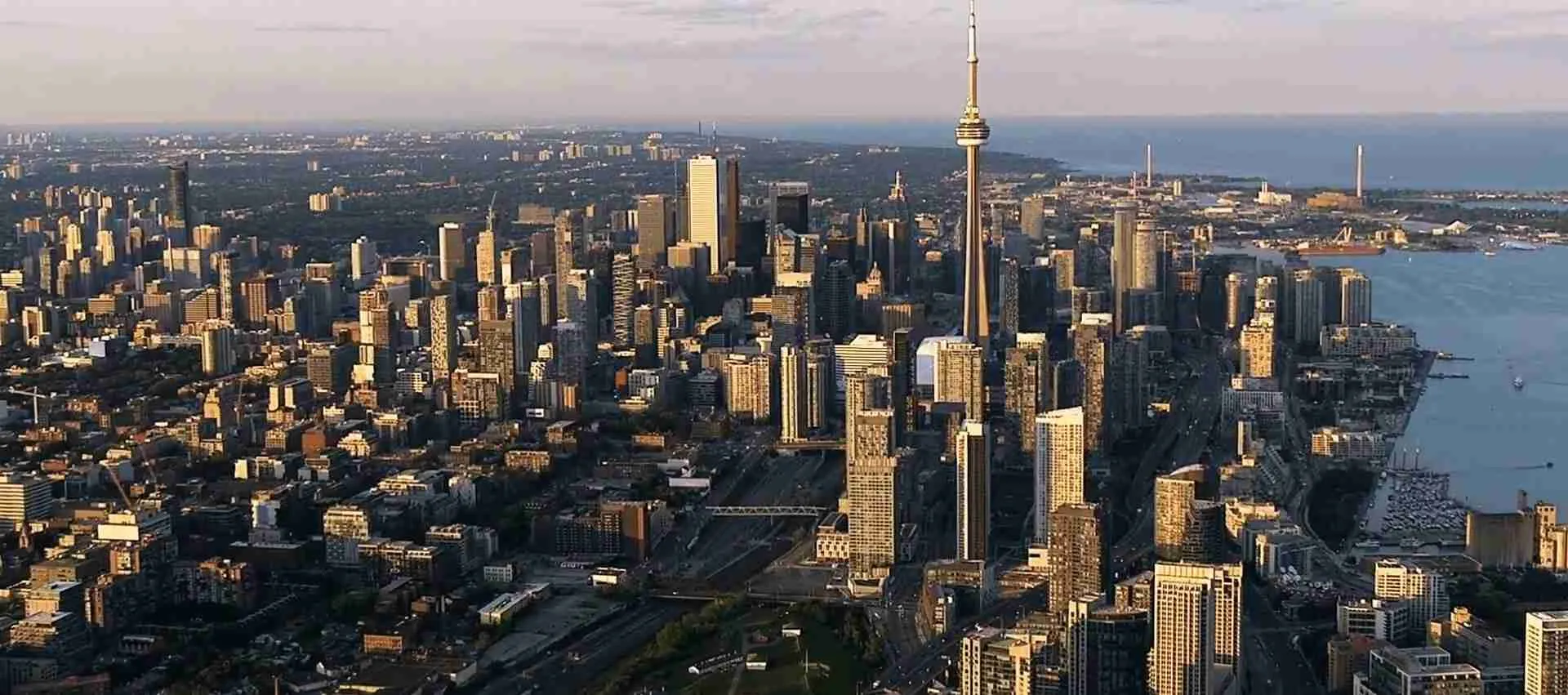
Toronto 3-Day Itinerary 2026: Perfect First Visit
Toronto transforms first-time visitors into devoted fans within three days of exploring Canada’s largest metropolis, where world-class museums, dramatic skyline views, diverse neighborhoods, and exceptional dining create an unforgettable urban experience. This carefully crafted itinerary maximizes your time across iconic attractions, hidden local favorites, and authentic cultural encounters while navigating the city efficiently on public transit. Whether you’re captivated by soaring architecture, fascinated by global cuisine, or eager to understand Canadian culture, these three days deliver Toronto’s essence without overwhelming your schedule or budget.
Key Takeaways for Your Toronto Visit 2026
- Perfect Timing 2026: May through October offers ideal weather for outdoor exploration with temperatures 15-27°C (59-81°F), though spring (April-May) and fall (September-October) provide fewer crowds and lower hotel rates while maintaining pleasant conditions for sightseeing.
- Budget Planning 2026: Expect CAD $205-280 ($150-205 USD) per person daily for mid-range comfort assuming two sharing hotel accommodation, including lodging CAD $90-135 ($65-100 USD) per person, meals CAD $85-105 ($60-75 USD), transit CAD $10-15 ($7-11 USD), and attractions CAD $20-25 ($15-18 USD) when using the Toronto CityPASS.
- Transportation Strategy 2026: The TTC (Toronto Transit Commission) offers comprehensive subway, streetcar, and bus coverage with single fares at CAD $3.30 ($2.40 USD) including two-hour transfers on PRESTO cards or credit/debit tap payments, making public transit the most efficient and economical option for visitors.
- CityPASS Value 2026: The Toronto CityPASS at CAD $130 ($95 USD) for adults delivers access to five major attractions (CN Tower, Ripley’s Aquarium, plus three choices from ROM, Casa Loma, Toronto Zoo, City Cruises, or Art Gallery of Ontario) with savings up to 38% versus individual tickets and nine consecutive days of validity.
- Accommodation Location: Downtown Toronto (especially areas near Yonge-Dundas Square, Entertainment District, or Harbourfront) provides walking distance to many attractions and immediate subway access, while neighborhoods like The Annex or Leslieville offer lower rates with excellent transit connections.
- Dining Diversity 2026: Toronto’s extraordinary culinary scene spans from Kensington Market’s casual international eateries (CAD $12-20 per meal) to Yorkville’s upscale dining (CAD $45-75 per meal), with St. Lawrence Market providing exceptional local food experiences and the city’s ethnic neighborhoods offering authentic cuisine at remarkable value.
People Also Ask About Toronto 3-Day Itinerary 2026
Is 3 days enough time to visit Toronto in 2026?
Three days provides sufficient time to experience Toronto’s essential attractions, major neighborhoods, and cultural highlights for first-time visitors in 2026. This timeframe allows you to visit the CN Tower, Royal Ontario Museum, St. Lawrence Market, Kensington Market, and Distillery District while sampling diverse dining options and understanding the city’s multicultural character. However, Toronto rewards longer stays with deeper neighborhood exploration, day trips to Niagara Falls (90 minutes away), or extended time in world-class institutions like the Art Gallery of Ontario. Three days creates a strong foundation covering must-see experiences, though you’ll likely leave wanting to return for areas you didn’t have time to explore thoroughly.
What is the average cost per day in Toronto for tourists in 2026?
Toronto daily costs in 2026 range CAD $155-405 ($115-295 USD) per person depending on accommodation choices and dining preferences, assuming two people sharing hotel rooms. Budget travelers spending CAD $155-210 ($115-155 USD) daily choose hostel dormitories or budget hotels CAD $45-65 ($33-48 USD) per person, eat primarily at casual restaurants and food markets CAD $55-75 ($40-55 USD), use public transit CAD $10 ($7 USD), and select free or discounted attractions CAD $45-60 ($33-44 USD). Mid-range visitors at CAD $205-280 ($150-205 USD) daily stay in comfortable hotels CAD $90-135 ($65-100 USD) per person, dine at diverse restaurants CAD $85-105 ($60-75 USD), utilize comprehensive transit CAD $10-15 ($7-11 USD), and visit major attractions with CityPASS savings CAD $20-25 ($15-18 USD). Luxury travelers investing CAD $315-405+ ($230-295+ USD) daily book premium downtown hotels CAD $160-215+ ($115-160+ USD) per person, enjoy upscale dining CAD $125-155+ ($90-115+ USD), use taxis or rideshares CAD $15-20 ($11-15 USD), and access exclusive experiences CAD $15-20 ($11-15 USD).
Should I buy the Toronto CityPASS for a 3-day visit in 2026?
The Toronto CityPASS at CAD $130 ($95 USD) for adults represents excellent value for three-day visits if you plan to visit at least three of the included attractions during your 2026 trip. The pass includes mandatory admission to CN Tower (normally CAD $53 / $39 USD) and Ripley’s Aquarium (CAD $45 / $33 USD), plus three choices from ROM (CAD $26-30 / $19-22 USD), Casa Loma (CAD $35 / $26 USD), Toronto Zoo (CAD $34 / $25 USD), City Cruises (seasonal, CAD $38 / $28 USD), or Art Gallery of Ontario (CAD $25 / $18 USD). Visiting five attractions individually costs CAD $199-217 ($145-160 USD), making the CityPASS savings CAD $69-87 ($50-64 USD) or 35-40%. The pass remains valid for nine consecutive days from first use, provides skip-the-line access at some locations, and includes mobile ticket delivery through the My CityPASS app. Purchase the CityPASS if your three-day itinerary emphasizes major attractions; skip it if you prefer neighborhood exploration, shopping, dining experiences, or free activities like walking historic districts.
What is the best area to stay in Toronto for first-time visitors in 2026?
Downtown Toronto, particularly the Entertainment District, Financial District, or Harbourfront areas, offers first-time visitors in 2026 the most convenient base with walking distance to major attractions, extensive restaurant options, and immediate subway access. Hotels near Yonge-Dundas Square or along King Street West place you minutes from CN Tower, Ripley’s Aquarium, St. Lawrence Market, and the Distillery District, with the Yonge-University subway line providing direct connections to Royal Ontario Museum and Yorkville. Mid-range hotels in this zone cost CAD $180-270 ($130-200 USD) per night for two sharing, delivering prime location value. Alternative neighborhoods offering excellent transit access with lower rates include The Annex near University of Toronto (CAD $140-200 / $100-145 USD nightly, bohemian character, close to ROM), Queen West (CAD $150-220 / $110-160 USD nightly, artistic vibe, vintage shops), or Leslieville (CAD $130-190 / $95-140 USD nightly, residential charm, excellent cafes and restaurants). All these areas connect to downtown via streetcar or subway within 15-25 minutes, providing authentic neighborhood experiences while maintaining convenient access to tourist attractions.
Extended multi-day tours – 5+ days
Featured Toronto Multi-Day Tour Packages

7 days
Eastern Canada City Stay: Toronto and Montreal
- ✓ Comprehensive Toronto tour
- ✓ Expert local guides included
- ✓ All accommodation arranged
- ✓ Transportation provided
7 days
Toronto, Niagara and Chicago (6 destinations)
- ✓ Comprehensive Toronto tour
- ✓ Expert local guides included
- ✓ All accommodation arranged
- ✓ Transportation provided

5 days
Ultimate Niagara & East Coast Highlights – 5 days
- ✓ Comprehensive Toronto tour
- ✓ Expert local guides included
- ✓ All accommodation arranged
- ✓ Transportation provided

6 days
Toronto to New York City and Nature Adventure – 6 days
- ✓ Comprehensive Toronto tour
- ✓ Expert local guides included
- ✓ All accommodation arranged
- ✓ Transportation provided
Multi-day tour packages powered by TourRadar. Prices and availability subject to change.
Introduction: Planning Your Perfect 3-Day Toronto Experience in 2026
Toronto stands as Canada’s cultural and economic powerhouse, a city where 140+ languages echo through diverse neighborhoods, world-class museums showcase global treasures, and the iconic CN Tower punctuates a dramatic skyline rising from Lake Ontario’s northern shore. For first-time visitors arriving in 2026, the challenge lies not in finding worthwhile experiences but in strategically selecting among hundreds of compelling options across three days without sacrificing depth for breadth or exhausting yourself through overscheduling.
This comprehensive itinerary balances Toronto’s essential attractions with authentic local experiences, creating a rhythm that alternates between major tourist sites and neighborhood exploration while respecting your energy levels and budget considerations. The three-day structure follows a logical geographic flow: Day 1 establishes orientation through downtown’s iconic attractions including the CN Tower and Harbourfront, Day 2 explores cultural institutions and diverse neighborhoods from the Royal Ontario Museum through Kensington Market to the Distillery District, and Day 3 ventures into specialized interests with options for art galleries, ethnic enclaves, or island escapes depending on personal preferences.
Toronto’s extensive public transit system enables efficient navigation without rental car expenses or parking headaches. The Toronto Transit Commission (TTC) operates an integrated network of subways, streetcars, and buses with service from approximately 6:00 AM to 1:30 AM daily, with the Yonge-University-Spadina Line (Line 1) and Bloor-Danforth Line (Line 2) forming the backbone for tourist movement. Single fares in 2026 cost CAD $3.30 including two-hour transfers when using PRESTO cards, credit/debit tap payments, or the PRESTO mobile app, making unlimited exploration remarkably affordable at CAD $10-13 daily even with multiple trips.
The city’s seasonal character significantly influences your 2026 visit experience. Summer (June-August) delivers peak weather with temperatures 22-27°C (72-81°F), extended daylight until 9:00 PM, and maximum festival activity, but also brings largest crowds and highest hotel rates peaking at CAD $250-400 ($180-295 USD) nightly for mid-range downtown properties. Spring (April-May) and fall (September-October) offer superior value with pleasant 12-20°C (54-68°F) temperatures, vibrant cherry blossoms or autumn foliage, significantly fewer tourists, and hotel rates dropping CAD $140-240 ($100-175 USD) nightly. Winter (November-March) presents the lowest costs at CAD $120-200 ($88-145 USD) nightly with temperatures -5 to 2°C (23-36°F), though indoor attractions like museums, markets, and restaurants remain fully accessible and PATH’s underground walkway system connects 30 kilometers of downtown shopping and dining without outdoor exposure.
Budget considerations for your 2026 Toronto visit extend beyond accommodation and attractions to encompass dining diversity that ranges from casual food markets at CAD $12-18 per meal to upscale restaurants at CAD $45-85 per meal. This itinerary emphasizes mid-range options balancing quality and value, with strategic splurges at signature Toronto experiences and cost-saving opportunities at exceptional casual venues. The Toronto CityPASS delivers tangible savings for attraction-focused visitors, reducing combined admission costs by approximately 35-40% while providing skip-the-line convenience at popular sites requiring advance reservations during peak periods.
Toronto’s multicultural fabric creates North America’s most diverse culinary landscape, with authentic Chinese, Indian, Italian, Portuguese, Korean, Ethiopian, Caribbean, and Middle Eastern restaurants concentrated in distinct ethnic neighborhoods that reward exploration beyond tourist zones. This diversity extends to the city’s cultural institutions, where the Royal Ontario Museum’s world-class collections span ancient Egypt to Canadian natural history, the Art Gallery of Ontario showcases Canadian and European masterworks, and smaller specialized museums celebrate everything from hockey heritage to shoe design.
The following daily itineraries provide detailed hour-by-hour frameworks balancing structured planning with flexibility for spontaneous discoveries. Morning sections typically focus on major attractions requiring advance planning or benefiting from early arrival to avoid crowds, midday blocks emphasize dining and lighter neighborhood exploration, and evenings present options for entertainment, sunset views, or extended dining experiences. Each day incorporates strategic rest periods preventing exhaustion while maintaining momentum through Toronto’s compact downtown geography where many attractions cluster within walking distance.
Safety considerations for 2026 Toronto visitors remain minimal, with the city ranking among North America’s safest major metropolitan areas. Standard urban precautions apply: secure valuables in hotel safes, maintain awareness in crowded tourist areas and transit stations, and avoid isolated parks after dark. Toronto’s comprehensive transit system operates reliably with excellent safety records, though late-night service limitations (last trains depart approximately 1:30 AM) may necessitate taxi or rideshare returns from evening activities. The city’s extensive bike-share program offers another transportation option with 680+ stations and 7,000+ bikes, though winter conditions December through March make cycling less practical for casual visitors.
This itinerary assumes accommodation in downtown Toronto near the Entertainment District or Harbourfront, providing walking access to Day 1 attractions and convenient subway connections for Days 2-3. Adjustments accommodate different hotel locations, personal interests prioritizing art over shopping or food experiences over museums, and energy levels ranging from relaxed pacing to ambitious coverage. The comprehensive structure delivers Toronto’s essential character while maintaining breathing room for the unexpected discoveries that transform good trips into memorable journeys.
Day 1: Downtown Toronto Icons and Waterfront Exploration 2026
Morning: CN Tower and Harbourfront District (9:00 AM – 12:30 PM)
Begin your Toronto adventure at the city’s most recognizable landmark, the CN Tower, opening daily at 9:00 AM with early arrival essential for minimal crowds and optimal photography light. Reserve your admission time in advance through the Toronto CityPASS app or official CN Tower website, securing a 9:00-9:30 AM slot that positions you on the observation levels before mid-morning tourist influx. The tower stands 553 meters tall with General Admission (CAD $53 / $39 USD) including access to the Main Observation Level at 346 meters and Lower Observation Level at 342 meters featuring the famous glass floor where you can stand looking straight down at the city streets below.
The high-speed glass-fronted elevators ascend in just 58 seconds, a thrilling ride that itself becomes part of the experience as Toronto unfolds beneath you during the rapid climb. Upon reaching the observation levels, orient yourself using the floor-to-ceiling windows and informational displays identifying landmarks in all directions: Lake Ontario stretches southward with the Toronto Islands visible just offshore, the Financial District’s skyscrapers cluster to the east, and on exceptionally clear days you can spot Niagara Falls’ mist 130 kilometers to the southeast. The glass floor experience challenges even visitors comfortable with heights—standing on transparent panels with unobstructed views 342 meters down creates genuinely vertigo-inducing perspectives perfect for dramatic photographs.
Budget 45-60 minutes for the Main and Lower Observation Levels before considering the optional SkyPod upgrade (included in your CAD $53 ticket), located 33 stories higher at the tower’s peak and offering the Western Hemisphere’s highest observation platform. The additional height provides perspective but doesn’t dramatically alter the view quality, making the SkyPod optional based on time availability rather than essential. Photography enthusiasts should note that morning light from the east creates ideal conditions for westward shots toward the Rogers Centre and downtown core, while southern exposures benefit from diffused light throughout the day.
After descending from the CN Tower around 10:30-11:00 AM, walk south approximately five minutes to reach Harbourfront Centre, Toronto’s premier waterfront cultural venue hosting free year-round programming including outdoor art exhibitions, craft studios, and weekend festivals. Even if no specific event aligns with your visit date, the Harbourfront promenade delivers exceptional skyline views, lakefront breezes, and people-watching opportunities while you transition from the tower’s intensity to the waterfront’s more relaxed atmosphere.
Continue your waterfront exploration eastward along Queens Quay West, following the Martin Goodman Trail that connects Harbourfront to the broader waterfront trail system extending both directions along Lake Ontario’s shore. This 20-minute walk passes HTO Park’s distinctive yellow beach umbrellas (excellent photo opportunity), the Amsterdam Brewhouse (potential lunch option), and waterfront condominiums representing Toronto’s dramatic residential development along formerly industrial lands. The walk concludes at the Toronto Island Ferry Terminal, positioned perfectly for lunch options at the nearby Harbourfront or for those extending into the afternoon with island exploration (covered as optional Day 3 activity).
Midday: St. Lawrence Market and Old Town (12:30 PM – 3:00 PM)
From the waterfront, walk or take the 121 Fort York-Esplanade streetcar eastbound approximately 15 minutes to St. Lawrence Market, Toronto’s premier food destination and the city’s most vibrant public market since 1803. The market operates Tuesday-Saturday (closed Sunday-Monday), with Saturday mornings featuring the farmers’ market that attracts both locals and tourists for exceptional produce, artisanal products, and prepared foods. The main South Market building houses 120+ permanent vendors selling fresh meats, fish, cheeses, baked goods, prepared foods, and specialty ingredients from around the world.
St. Lawrence Market excels as a lunch destination offering diverse options at CAD $12-22 per meal that dramatically undercut sit-down restaurant prices while delivering superior quality and authenticity. The market’s legendary peameal bacon sandwich from Carousel Bakery (CAD $10, consistently ranked among Canada’s best sandwiches) deserves its reputation with thick-cut Canadian bacon on a fresh kaiser roll—arrive before 12:30 PM on Saturdays to avoid 30+ minute waits. Alternative options span from Buster’s Sea Cove’s fish and chips (CAD $16) to Uno Mustachio’s Italian sandwiches (CAD $14) to the crepe stalls offering sweet and savory variations (CAD $11-15).
Beyond prepared foods, St. Lawrence Market rewards browsing through specialty vendors like Alex Farm Products (exceptional meat selection), Kensington Patty Palace (Jamaican beef patties), the many cheese vendors offering samples, and the remarkable selection of international ingredients reflecting Toronto’s multicultural population. The market’s lower level houses additional prepared food vendors, coffee shops, and the Market Gallery (free admission) displaying Toronto historical photographs and artifacts when exhibitions are mounted.
After lunch, spend 30-45 minutes exploring the St. Lawrence neighborhood surrounding the market, Toronto’s historic core where the city was founded in the 1790s. The compact district bounded by Front, Jarvis, King, and Church Streets preserves Victorian commercial architecture, heritage plaques marking significant sites, and atmospheric streets that evoke 19th-century Toronto before the modern city emerged. Key stops include St. Lawrence Hall at King and Jarvis (1850 meeting hall with impressive facade), St. James Cathedral at King and Church (Toronto’s oldest church, Gothic Revival architecture), and the Flatiron Building at Front and Wellington (1892 triangular structure, now a pub).
The neighborhood’s geographic position between the financial district and waterfront creates constant energy with office workers, residents, and tourists mingling along streets lined with independent boutiques, cafes, and restaurants that maintain local character despite downtown development pressures. The Distillery District lies just southeast of St. Lawrence Market, approximately 10 minutes walking via Mill Street, though this itinerary reserves the Distillery for Day 2’s more comprehensive exploration given time constraints.
Afternoon: Ripley’s Aquarium of Canada (3:00 PM – 5:00 PM)
Return to the CN Tower area via the 504 King or 514 Cherry streetcar westbound (approximately 10 minutes) or walk 20 minutes along Front Street to reach Ripley’s Aquarium of Canada, located directly adjacent to the CN Tower base and included in your Toronto CityPASS. The aquarium operates daily 10:00 AM – 9:00 PM with late afternoon (3:00-5:00 PM) representing a strategic visiting window after morning crowds have departed but before evening groups arrive, though weekend afternoons still attract substantial visitor numbers.
Ripley’s Aquarium houses over 20,000 marine animals across 135,000 square feet of exhibits featuring Canadian waters alongside global ecosystems. The facility’s signature experience, the underwater tunnel through Dangerous Lagoon, surrounds you with 2.9 million liters of water containing sharks, sea turtles, sawfish, and massive groupers swimming overhead and around transparent walls during the moving sidewalk’s five-minute journey. This single exhibit justifies the aquarium visit, creating genuinely immersive perspective impossible in traditional tank viewing.
Beyond Dangerous Lagoon, the aquarium’s ten galleries explore diverse marine environments: Canadian Waters showcases Lake Ontario, St. Lawrence River, and Pacific/Atlantic coastal ecosystems; Rainbow Reef presents Indo-Pacific coral systems with brilliantly colored tropical fish; Discovery Centre offers hands-on touch tanks with horseshoe crabs, stingrays, and other interactive experiences suitable for all ages; and The Gallery features unusual species like giant Pacific octopus, Japanese spider crabs, and nautilus in artistic display settings.
Daily dive shows at the Dangerous Lagoon (multiple times daily, schedule posted at entrance and on aquarium app) provide educational narration about the ecosystem and its inhabitants, while weekday afternoon visits sometimes encounter smaller crowds making photography easier and exhibit viewing more relaxed. The facility’s compact layout allows comprehensive exploration in approximately 90-120 minutes, though visitors can extend their time indefinitely for deeper observation or repeat visits to favorite exhibits.
Plan to exit the aquarium around 5:00 PM, positioning yourself for early dinner in the Entertainment District immediately north of the CN Tower complex or returning to your hotel for rest before evening activities. The aquarium’s gift shop offers typical souvenirs but maintains higher quality than many attraction shops, with proceeds supporting conservation programs and educational initiatives.
Evening Options: Entertainment District Dinner and Nightlife (6:00 PM – 10:00 PM)
The Entertainment District surrounding the CN Tower and Rogers Centre concentrates Toronto’s highest density of restaurants, bars, theaters, and nightlife venues within walking distance of most downtown hotels. Dinner reservations prove essential for popular restaurants, particularly Thursday-Saturday evenings when local crowds join tourists. Mid-range dining options (CAD $25-45 per person before drinks) span diverse cuisines: Pai Northern Thai Kitchen on Duncan Street delivers exceptional Thai cuisine in industrial-chic setting (reservations required, CAD $32-42 per person); Jacobs & Co. Steakhouse offers premium Canadian beef in sophisticated atmosphere (CAD $55-85 per person); Baro offers Latin American fusion rooftop dining (CAD $38-52 per person); and La Société on King West presents French bistro excellence (CAD $42-65 per person).
Budget-conscious alternatives include Guu Izakaya on King West for Japanese small plates (CAD $18-28 per person), Thai Street Food Festival locations for authentic Thai street food (CAD $16-24 per person), or Banh Mi Boys for Vietnamese-fusion sandwiches and rice bowls (CAD $14-20 per person). The Entertainment District’s concentration enables backup options if your first choice requires lengthy waits, though advance reservations eliminate this uncertainty.
Post-dinner entertainment options vary by interest and energy levels. The Royal Alexandra Theatre, Princess of Wales Theatre, and Ed Mirvish Theatre present Broadway-caliber productions with tickets ranging CAD $65-175 depending on show and seating; purchase tickets weeks in advance for popular productions. The Second City Toronto on Mercer Street delivers improvisational comedy in intimate setting (CAD $25-40, shows nightly except Monday), while numerous bars and pubs along King West and Richmond Street offer live music, craft beer selections, and sports viewing.
For a more relaxed evening concluding Day 1, return to the CN Tower area for sunset viewing from street level, walk the illuminated Harbourfront (lights activate around 8:00-9:00 PM seasonally), or visit one of the area’s rooftop patios (Thompson Hotel Rooftop, Lavelle, Clockwork) for cocktails with skyline views (cocktails CAD $16-22). Most visitors feel appropriately tired after Day 1’s walking and stimulation, making early return to accommodations (9:00-10:00 PM) a sensible choice reserving energy for Day 2’s cultural exploration.
Day 1 Budget Summary 2026
Day 1 costs per person assuming two sharing accommodation: hotel CAD $90-135 ($65-100 USD, mid-range downtown hotel divided by two occupants), breakfast CAD $12-18 ($9-13 USD, cafe or hotel), lunch CAD $15-22 ($11-16 USD, St. Lawrence Market), dinner CAD $32-48 ($23-35 USD, Entertainment District mid-range), snacks and coffee CAD $12-15 ($9-11 USD, throughout day), transit CAD $7 ($5 USD, two trips with transfers), attractions CAD $27 ($20 USD, CN Tower and Ripley’s Aquarium via CityPASS daily allocation). Total approximately CAD $195-270 per person daily.
Day 2: Museums, Markets, and Multicultural Neighborhoods 2026
Morning: Royal Ontario Museum (9:00 AM – 12:00 PM)
Day 2 begins at the Royal Ontario Museum (ROM), Canada’s largest museum and one of North America’s premier cultural institutions, opening daily at 10:00 AM with early arrival (9:30 AM for CityPASS holders with advance reservations) providing optimal crowd conditions. The museum stands at the intersection of Bloor Street and Avenue Road, accessible via Museum subway station on the Yonge-University Line 1—exit westbound trains directly into the museum’s lower level. General admission varies by date through ROM’s Plan Ahead Pricing system (CAD $26-30 / $19-22 USD), though your Toronto CityPASS includes entry to permanent galleries and select temporary exhibitions.
The ROM houses over 13 million artifacts and specimens across 40 galleries spanning art, culture, and natural history from ancient civilizations to contemporary Canadian culture. First-time visitors face overwhelming choices, making strategic gallery selection essential to avoid exhaustion and superficial viewing. Recommended three-hour morning priorities include the Level 1 Biodiversity galleries showcasing 3,000+ specimens from the museum’s natural history collections, the Dinosaur Gallery featuring massive skeletons including a Futalognkosaurus and Gordo the Barosaurus, and the Ancient Egypt galleries displaying mummies, artifacts, and the impressive bronze statue of Anubis.
The museum’s Level 2 houses the remarkable Chinese collections including monumental temple art, Buddhist sculptures, and the Ming Tomb Gallery preserving artifacts from a 15th-century aristocrat’s burial site. The European galleries present medieval armor, decorative arts, and period rooms, while the Daphne Cockwell Gallery dedicated to First Peoples art and culture provides essential understanding of Canada’s Indigenous heritage through contemporary and historical works. The ROM’s South Asian galleries, one of the museum’s strongest collections, display textiles, sculptures, and decorative arts from across the Indian subcontinent.
Special exhibitions requiring separate admission (typically CAD $9 / $7 USD additional) frequently enhance the ROM experience, with recent exhibitions including Wildlife Photographer of the Year (through March 2026) and rotating shows on topics from dinosaur discoveries to cultural heritage. Check the ROM website before your visit to determine if special exhibitions align with your interests and justify the additional cost, though the permanent galleries alone provide three hours of compelling viewing.
The museum’s distinctive Michael Lee-Chin Crystal addition, the controversial crystalline structure jutting dramatically from the original 1914 heritage building, creates the ROM’s contemporary identity and houses several gallery spaces within its angular interior. Architecture enthusiasts should allocate time for both exterior photography (best from Bloor Street during morning light) and interior exploration of the unique spatial configurations created by the Crystal’s non-orthogonal walls and ceilings.
ROM visitor amenities include Druxy’s ROM Cafe (Level 1, open 10:00 AM – 4:00 PM) serving sandwiches, salads, and beverages at typical museum pricing (CAD $12-18 per meal), coat check service (free), and the ROM Shop offering higher-quality souvenirs than typical museum stores. Plan to exit around 12:00 noon, positioning yourself for lunch in nearby Koreatown or The Annex neighborhood before afternoon explorations.
Midday: Koreatown and The Annex (12:00 PM – 2:30 PM)
From the ROM’s Bloor Street exit, walk west along Bloor five minutes to enter Koreatown, Toronto’s concentrated strip of Korean restaurants, bakeries, karaoke lounges, and shops extending from Bathurst to Christie Streets. This vibrant neighborhood delivers authentic Korean cuisine at prices significantly below downtown tourist zones, with lunch specials (11:30 AM – 3:00 PM weekdays) offering exceptional value at CAD $13-19 per person for complete meals including banchan (Korean side dishes).
Recommended Koreatown lunch destinations include Daldongnae Korean BBQ for tableside grilling experience (CAD $20-32 per person for complete meal), BCD Tofu House for hearty soups and stews (CAD $15-22 per person), Gachi House for traditional Korean home cooking (CAD $16-24 per person), or Paris Baguette and Butter Avenue bakeries for lighter Korean-French pastries and sandwiches (CAD $8-14). The neighborhood’s strip-mall aesthetic surprises visitors expecting polished restaurants, but this authenticity signals genuine local character rather than tourist-oriented establishments.
Post-lunch, explore The Annex neighborhood surrounding the University of Toronto campus, Toronto’s historic bohemian district that retains distinctive character despite ongoing gentrification. The area bounded by Bloor, Spadina, Dupont, and Bathurst Streets features Victorian and Edwardian houses converted to student housing, independent bookstores, vintage clothing shops, record stores, cafes, and pubs that create intellectual atmosphere unlike downtown’s corporate environment. Bloor Street’s retail corridor includes chain stores and restaurants, but side streets preserve the neighborhood’s original residential scale and quirky independent businesses.
Notable Annex stops include BMV Books (multi-level used bookstore at Bloor and Bathurst), Sonic Boom Records (extensive vinyl and CD selection), Honest Ed’s Alley (remaining section of Toronto’s famous discount department store, closed 2016 but building preserved), and the numerous cafes ideal for afternoon coffee or rest before continuing to Kensington Market. The University of Toronto campus itself deserves brief exploration, with University College’s Romanesque Revival architecture (1859) and Hart House’s Gothic collegiate buildings creating atmospheric academic environments accessible to visitors.
Afternoon: Kensington Market and Chinatown (2:30 PM – 5:30 PM)
From The Annex, walk south via Spadina Avenue or take the 510 Spadina streetcar southbound to College Street, then walk west to reach Kensington Market, Toronto’s most eclectic and multicultural neighborhood occupying just four square blocks with extraordinary cultural density. Designated a National Historic Site of Canada, Kensington developed as Jewish market district in the early 1900s, evolved through successive waves of Portuguese, Caribbean, Latin American, and Asian immigration, and now maintains its bohemian character as artists’ studios, vintage shops, global eateries, and independent businesses resist gentrification pressures surrounding it.
Kensington Market rewards wandering rather than destination-focused visiting. The main streets—Augusta Avenue, Kensington Avenue, and Baldwin Street—and their intersecting alleys contain vintage clothing stores with curated selections (CAD $15-45 for quality pieces), record shops, cheese importers offering samples, global grocery stores, and international restaurants representing dozens of cuisines. The pedestrian-priority streets (cars technically allowed but discouraged) create walking-friendly atmosphere rare in North American cities, particularly on weekend afternoons when crowds of students, artists, and tourists create genuine energy.
Afternoon snacking opportunities abound: empanadas from Jumbo Empanadas (CAD $5-8 for three), Jamaican patties from Rasta Pasta (CAD $3-5 each), fresh juice from Kensington Natural Bakery (CAD $5-7), artisanal ice cream from Bloomer’s (CAD $6-8), or coffee and pastries from Moonbean Coffee Company (CAD $8-12). The market also contains several sit-down restaurants if you prefer a longer break: Seven Lives Tacos y Mariscos (fish tacos, CAD $15-20), Hibiscus Cafe (vegetarian and vegan Caribbean, CAD $16-22), or Wanda’s Pie in the Sky (breakfast all day plus pie, CAD $14-19).
Kensington’s adjacent Chinatown along Spadina Avenue extends the multicultural experience with traditional Chinese grocers, herbalists, bakeries, and restaurants serving authentic Cantonese, Szechuan, and northern Chinese cuisines. The neighborhood’s Chinese population has shifted toward suburban areas like Markham and Richmond Hill, but Chinatown maintains authenticity through businesses serving those communities when they return to the core. Notable shops include Hua Long Supermarket (largest in the area), Ten Ren Tea (traditional tea merchant), and numerous bakeries offering egg tarts, BBQ pork buns, and other Hong Kong-style pastries (CAD $2-4 per item).
The approximately three hours allocated for Kensington Market and Chinatown provides sufficient time for comprehensive exploration without rushing, though the area’s density and constant discoveries easily absorb additional time if your schedule permits. The neighborhood’s authentic character and lack of corporate presence creates refreshing contrast to downtown’s polished tourist zones, offering genuine perspective on Toronto’s multicultural fabric.
Late Afternoon/Evening: Distillery District (5:30 PM – 9:00 PM)
From Kensington Market, take the 510 Spadina streetcar southbound to King Street, transfer to the 504 King streetcar eastbound, and ride approximately 15 minutes to Parliament Street, then walk five minutes south to the Distillery District. Alternatively, ride the subway from Spadina Station (Line 2) eastbound to Castle Frank, transfer to southbound bus, though the streetcar route provides more direct service with less walking. The approximately 30-minute transit journey positions you at the Distillery for late afternoon and evening exploration as natural light transitions to dramatic nighttime illumination.
The Distillery District occupies the restored buildings of the Gooderham and Worts Distillery, once Canada’s largest whiskey producer from 1832 until closing in 1990. The 13-acre pedestrian village preserves 47 Victorian industrial buildings transformed into galleries, boutiques, restaurants, cafes, and performance spaces while maintaining original cobblestone streets, brick architecture, and industrial character. This juxtaposition of heritage preservation and contemporary commerce creates Toronto’s most atmospheric district, particularly during evening hours when strategic lighting accentuates architectural details and creates romantic ambiance.
The Distillery’s compact geography allows comprehensive exploration in 60-90 minutes of walking the three main streets (Mill Street, Trinity Street, Case Goods Lane) and their connecting passages. Key shopping stops include Bergo Designs (handcrafted leather goods), Blackbird Vintage Finds (curated vintage furniture and accessories), Soma Chocolatemaker (single-origin chocolate, tastings available), Tara Natural Wellness (eco-friendly beauty products), and numerous art galleries representing Toronto artists. Prices skew toward premium, reflecting the district’s boutique positioning, though window shopping costs nothing and provides equal atmosphere.
Dinner in the Distillery ranges from casual to upscale, with reservations essential for popular restaurants Thursday-Saturday evenings. El Catrin (55 Mill Street) offers elevated Mexican cuisine in colorful setting with vibrant murals and Day of the Dead decor (CAD $28-42 per person, reservations recommended). Cluny Bistro & Boulangerie delivers French bistro classics in industrial-chic space (CAD $32-48 per person, reservations essential weekends). Archeo presents Italian cuisine emphasizing regional specialties (CAD $35-52 per person). Mill Street Brewery operates the original brewpub serving craft beers and pub fare in relaxed atmosphere (CAD $22-32 per person, no reservations, potential waits).
Budget alternatives include Balzac’s Coffee Roasters for coffee and pastries (CAD $8-14), Lady Marmalade for brunch-all-day options (CAD $16-24 per person, limited hours), or exiting the Distillery to nearby St. Lawrence Market area restaurants. The Distillery’s evening programming varies seasonally, with summer months featuring the weekly Thursday Night Market (May-October, 5:00-10:00 PM) adding live music, artisan vendors, and extended hours, while winter brings the Christmas Market (November-December) transforming the district with holiday decorations, seasonal foods, and craft vendors.
Plan to spend approximately 2.5-3 hours in the Distillery including dinner, exiting around 8:30-9:00 PM as shops close (most close 7:00-8:00 PM weekdays, 9:00 PM weekends) and restaurant crowds diminish. The district’s pedestrian-only status, atmospheric lighting, and preserved architecture create exceptional photography opportunities during evening hours, particularly the Trinity Street courtyard with industrial windows and dramatic lighting.
Day 2 Budget Summary 2026
Day 2 costs per person assuming two sharing accommodation: hotel CAD $90-135 ($65-100 USD, mid-range downtown hotel divided by two occupants), breakfast CAD $12-18 ($9-13 USD, cafe), lunch CAD $16-22 ($12-16 USD, Koreatown), dinner CAD $32-48 ($23-35 USD, Distillery District), snacks and coffee CAD $15-20 ($11-15 USD, Kensington Market and throughout day), transit CAD $10 ($7 USD, three trips with transfers), attractions CAD $13 ($10 USD, ROM via CityPASS daily allocation). Total approximately CAD $188-266 per person daily.
Day 3 Options: Specialized Interests and Flexible Exploration 2026
Day 3 departs from the structured itineraries of Days 1-2, offering flexibility to pursue personal interests, revisit favorite locations, or explore specialized attractions aligned with your passions. The following options represent distinct full-day or half-day experiences that can be mixed based on preferences, energy levels, and weather conditions. Each option includes practical details for independent planning while maintaining the three-day trip’s overall rhythm and budget framework.
Option A: Toronto Islands Escape and Beaches (Full Day, May-October)
The Toronto Islands provide urban escape just 15 minutes by ferry from downtown, offering beaches, parks, bike paths, amusement park (Centre Island), and spectacular skyline views that transform your Toronto perspective. This option works best May through October when weather supports outdoor activities and all ferry services operate (winter service reduced to Ward’s Island only). The islands actually comprise 15 islands connected by bridges and pathways extending 5 kilometers across Toronto’s harbor, created by sediment deposited by Lake Ontario currents over centuries.
Access begins at the Jack Layton Ferry Terminal at the foot of Bay Street (Queen’s Quay West at Bay, accessible via 509 Harbourfront or 510 Spadina streetcars, or 15-minute walk from Union Station). Three ferry routes serve different islands: Centre Island (most popular, families with children, amusement park, beaches), Ward’s Island (residential community, quieter beaches, cafes), and Hanlan’s Point (quieter, clothing-optional beach section, Billy Bishop Airport views). Ferries depart every 15-30 minutes in summer, every 30-60 minutes spring/fall, with round-trip fares CAD $9.11 ($6.70 USD) for adults (exact cash or credit/debit tap payment, no PRESTO accepted despite TTC operation).
Centre Island rewards families and first-time visitors with Centreville Amusement Park (vintage rides, children-focused, admission free but rides require tickets at CAD $5-8 each or day passes CAD $45 / $33 USD all-day), Far Enough Farm (free petting zoo), multiple beaches including Centre Island Beach and Gibraltar Point Beach, and extensive picnic areas with skyline views. Bike rentals (CAD $15-20 / $11-15 USD per hour, CAD $45-65 / $33-48 USD full day) available near ferry docks enable efficient island exploration, though the islands remain walkable with strategic planning focusing on 2-3 key areas.
Ward’s Island appeals to visitors seeking quieter experience with residential neighborhood character (approximately 700 permanent residents occupy grandfathered homes), excellent skyline photography from Ward’s Island Beach, and the Rectory Cafe (CAD $12-18 breakfast/lunch items, seasonal hours) providing island dining without bringing picnic supplies. The walk from Ward’s ferry dock to Centre Island requires approximately 45 minutes, making inter-island exploration time-consuming without bikes.
Hanlan’s Point offers the islands’ most dramatic skyline views, relative solitude compared to Centre Island crowds, and the city’s only clothing-optional beach section (southwest portion, clearly signed). The site also contains Gibraltar Point Lighthouse (1808, Toronto’s oldest surviving structure, exterior viewing only) and Billy Bishop Airport runway views with near-constant aircraft activity from Toronto’s downtown island airport.
Plan for 4-6 hours on the islands including ferry travel (30 minutes round-trip plus waiting), beach time, dining or picnicking, walking or cycling, and skyline photography. Bring sunscreen, water (limited island vendors charge premium prices), and picnic supplies if avoiding on-island food costs. Return ferries run until 11:30 PM summer weekends, earlier on weekdays and shoulder seasons—verify schedule before departing to avoid missing last ferry and requiring expensive water taxi service (CAD $150+ for special departure).
Option B: Art Gallery of Ontario and Queen West Shopping (Half Day + Half Day)
Art enthusiasts allocate Day 3 morning to the Art Gallery of Ontario (AGO), one of North America’s most distinguished art museums with over 95,000 works spanning European masters to contemporary Canadian art. The AGO occupies a dramatically redesigned Frank Gehry building at 317 Dundas Street West (St. Patrick subway station, 5-minute walk), opening Tuesday-Sunday 10:30 AM – 5:00 PM with Wednesday late hours until 9:00 PM. Admission costs CAD $25 ($18 USD) for adults, though your Toronto CityPASS includes general admission (verify your specific CityPASS choices as AGO is among the three optional selections).
The AGO’s Canadian collection deserves primary focus for visitors seeking distinctly Canadian artistic experience, with galleries spanning Indigenous art (historic and contemporary), Group of Seven landscapes capturing Canadian wilderness mythology, and contemporary works by internationally recognized Canadian artists. The European collection presents works by Rubens, Rembrandt, Monet, Renoir, Picasso, and other masters, while the contemporary galleries showcase challenging installations and rotating exhibitions. The museum’s Henry Moore sculpture collection, the world’s largest public collection of Moore’s work, occupies dedicated galleries with over 900 pieces including monumental bronzes.
Plan for 2.5-3 hours to meaningfully engage with the AGO’s highlights without gallery exhaustion. The museum’s size (50,000 square meters) and depth necessitate strategic choices—attempting comprehensive viewing leads to superficial experience and fatigue. First-time visitors should prioritize the Canadian galleries (Levels 2-3), European galleries (Level 2), and one or two contemporary exhibitions aligned with personal interests. The AGO’s cafe (Frank Restaurant) offers lunch with gallery views (CAD $16-28 per person), or exit to nearby Chinatown or Kensington Market for more economical dining.
Queen West (Queen Street West from University Avenue to Bathurst Street) provides Day 3 afternoon shopping and neighborhood exploration as Toronto’s historically artistic district that retains independent character despite ongoing gentrification. The streetcar-lined corridor concentrates vintage clothing boutiques, record stores, independent designers, art galleries, cafes, and restaurants that create browsing-friendly environment distinct from suburban malls or downtown corporate retail. The neighborhood evolved from working-class immigrant district to 1980s-90s arts scene epicenter to current mixed character balancing established businesses with newer commercial tenants.
Key Queen West shopping zones include the 500-700 blocks (Bathurst to Palmerston) for highest vintage concentration, the 800-900 blocks for independent designers and contemporary fashion, and the 200-400 blocks near University Avenue for larger chain stores mixed with remaining independents. Notable shops include Black Market (vintage clothing, 319 Queen West), Courage My Love (vintage and costumes, 14 Kensington Avenue just north of Queen), Fresh Collective (Toronto designer marketplace, 692 Queen West), and Type Books (independent bookstore, 883 Queen West). Shopping budgets vary dramatically based on purchases, though window browsing and cafe breaks cost nothing beyond coffee (CAD $4-7).
Queen West dining options span casual to upscale, with lunch/early dinner recommendations including Grand Electric (excellent tacos and Mexican small plates, 1330 Queen West, CAD $18-28 per person), Banh Mi Boys (Vietnamese fusion, 392 Queen West, CAD $12-18 per person), Terroni (Italian, 720 Queen West, CAD $22-32 per person), or the numerous cafes for lighter fare. The neighborhood’s energy peaks late afternoon and evening when restaurants, bars, and galleries draw post-work crowds, making 3:00-7:00 PM ideal visiting window for shopping combined with early dinner before returning downtown.
Option C: Casa Loma and Forest Hill/Rosedale Walking (Half Day + Half Day)
Casa Loma, Toronto’s fairy-tale castle mansion, provides unique architectural experience unavailable elsewhere in the city. The massive estate occupies a hilltop at 1 Austin Terrace (Dupont subway station, 10-minute walk uphill), opening daily 9:30 AM – 5:00 PM with admission CAD $35 ($26 USD) for adults included in Toronto CityPASS as one of three optional choices. Sir Henry Pellatt, Canadian financier and industrialist, constructed the 98-room Gothic Revival mansion 1911-1914 at a cost of CAD $3.5 million (approximately CAD $80 million in 2026 values), incorporating medieval European architectural elements, lavish interiors, secret passages, and extensive gardens.
Casa Loma rewards 2-3 hours of exploration across the mansion’s decorated rooms showcasing Edwardian luxury, the extensive gardens (particularly spectacular May-June during flowering season), the towers offering city views, the underground tunnel to the carriage house, and the World War I exhibit in the lower level. The self-guided audio tour (included with admission) provides historical context and architectural details essential for understanding the mansion’s significance beyond superficial Instagram photography. The property’s hilltop position creates natural challenges for visitors with mobility limitations, though elevators and ramps provide access to most areas.
Photography enthusiasts find exceptional opportunities in Casa Loma’s library, conservatory, gardens, and towers, though tripods require special permission and some rooms restrict photography during special events. The estate also operates Liberty Cafe serving light meals (CAD $14-24) and afternoon tea service (CAD $45-65, reservations required), though neighborhood options provide better value for quality. Special events including escape room experiences (additional cost) and seasonal programming (Christmas decorations November-December, summer garden events) enhance basic admission depending on visit timing.
Post-Casa Loma exploration extends into surrounding Forest Hill and Rosedale neighborhoods, Toronto’s most affluent residential areas featuring grand homes, mature trees, and quiet streets providing strong architectural interest and peaceful walking. Forest Hill (bounded roughly by Bathurst, Eglinton, Avenue Road, and St. Clair) developed 1920s-40s with substantial houses in various revival styles, while Rosedale (east of Yonge Street, north of Bloor) preserves Toronto’s oldest wealthy neighborhood with Victorian mansions and winding ravine streets creating picturesque environment.
Neither neighborhood offers shopping or dining destinations (affluent residential areas lack commercial corridors), making this option primarily architectural and atmospheric rather than activity-focused. The walking provides exercise and cultural perspective on Toronto’s economic geography, with the dramatic contrast between these privileged enclaves and working-class neighborhoods creating thought-provoking context. Plan for 1.5-2 hours of walking through either Forest Hill or Rosedale (combining both requires 3-4 hours), potentially concluding at Yonge and St. Clair for shopping and dining before returning downtown.
Option D: Toronto Zoo (Full Day, Families with Children)
The Toronto Zoo offers world-class animal experiences for families, though the facility’s location in Scarborough approximately 35 kilometers northeast of downtown requires significant travel time making this strictly full-day commitment. The zoo occupies 287 hectares in Rouge Park, housing 5,000+ animals from 500+ species in naturalistic habitat exhibits organized by geographic region. Access requires GO Transit from Union Station to Rouge Hill (30 minutes, CAD $6.10 / $4.50 USD each way), then TTC bus 85A or taxi/rideshare to zoo entrance (10 minutes). Alternatively, drive if renting car, though parking costs CAD $14 ($10 USD).
The zoo includes admission in Toronto CityPASS as one of three optional choices, with general admission otherwise costing CAD $34 ($25 USD) for adults, CAD $24 ($18 USD) for children 3-12. The facility operates year-round with reduced hours November-March when outdoor exhibits have limited animal visibility due to indoor heated shelters. Summer visits (May-September) provide optimal experience with all exhibits active, though summer weekends attract substantial crowds making weekday visits preferable.
The zoo’s geographic pavilions include African Rainforest (gorillas, hippos, African penguins), Indo-Malaya (orangutans, tigers, elephants), Americas (grizzly bears, jaguars, Caribbean flamingos), Australasia (kangaroos, koalas, Komodo dragons), Eurasia (snow leopards, red pandas), Canadian Domain (bison, cougars, Arctic wildlife), and Tundra Trek (polar bears, Arctic foxes). The extensive grounds require substantial walking (10+ kilometers for comprehensive viewing) or Zoomobile rides (CAD $8 / $6 USD, recommended for families with young children or visitors with mobility limitations).
Plan for 5-7 hours at the zoo including travel time (1 hour each direction downtown to zoo), allowing 3-5 hours for animal viewing, shows, and dining. Pack snacks and water as on-site food costs significantly exceed outside market prices (CAD $12-20 for basic meals), though picnic facilities allow outside food. The zoo’s educational programming, conservation focus, and animal care standards rank among North America’s highest, justifying the visit for families despite the logistical commitment.
Day 3 Budget Variations by Option Selected 2026
Option A (Toronto Islands): hotel CAD $90-135 ($65-100 USD per person two sharing), breakfast CAD $12-18 ($9-13 USD), lunch/snacks CAD $15-25 ($11-18 USD, bring picnic or island dining), dinner CAD $32-48 ($23-35 USD, return to city), transit CAD $13 ($10 USD, TTC plus ferry). Total approximately CAD $162-239 per person. Add CAD $20-32 ($15-24 USD) for optional bike rental.
Option B (AGO and Queen West): hotel CAD $90-135 ($65-100 USD per person two sharing), breakfast CAD $12-18 ($9-13 USD), lunch CAD $18-28 ($13-21 USD, Queen West), dinner CAD $32-48 ($23-35 USD), snacks and coffee CAD $8-12 ($6-9 USD), transit CAD $7 ($5 USD), AGO admission CAD $13 ($10 USD via CityPASS allocation or free if already used three CityPASS attractions). Total approximately CAD $180-261 per person.
Option C (Casa Loma): hotel CAD $90-135 ($65-100 USD per person two sharing), breakfast CAD $12-18 ($9-13 USD), lunch CAD $16-24 ($12-18 USD), dinner CAD $32-48 ($23-35 USD), snacks and coffee CAD $8-12 ($6-9 USD), transit CAD $7 ($5 USD), Casa Loma admission CAD $18 ($13 USD via CityPASS allocation or CAD $35 / $26 USD if paying separately). Total approximately CAD $183-262 per person.
Option D (Toronto Zoo): hotel CAD $90-135 ($65-100 USD per person two sharing), breakfast CAD $12-18 ($9-13 USD), zoo food CAD $25-35 ($18-26 USD unless bringing picnic), dinner CAD $32-48 ($23-35 USD, return to city), snacks CAD $8-12 ($6-9 USD), transit CAD $19 ($14 USD, TTC plus GO Transit), zoo admission CAD $17 ($13 USD via CityPASS allocation or CAD $34 / $25 USD if paying separately). Total approximately CAD $203-285 per person.
Transportation Deep Dive: Navigating Toronto Efficiently in 2026
TTC System Overview and Payment Methods 2026
The Toronto Transit Commission operates North America’s third-largest public transit system serving 1.8 million daily riders across 75+ bus routes, 10 streetcar routes, and 4 subway lines totaling 82 kilometers of rapid transit track. For 2026 visitors, the system’s integration means a single CAD $3.30 fare purchases two hours of unlimited transfers across any combination of subway, streetcar, and bus, making complex multi-modal journeys economical and efficient. The two-hour transfer window applies exclusively to PRESTO card, credit/debit tap payments, or mobile wallet payments—cash payers receive paper transfers valid for one continuous journey only without return trips or extended exploration.
Payment method selection significantly impacts visitor experience and costs. PRESTO cards (CAD $4 at subway station vending machines or Shoppers Drug Mart locations, plus loaded value) provide the most flexibility with automatic two-hour transfer tracking, though purchasing cards makes sense only for multi-day stays. Credit or debit tap payments (including Apple Pay, Google Pay) offer identical pricing and transfer benefits without card purchase, making this method optimal for short visits. Simply tap your contactless payment card or mobile device on the green PRESTO reader when boarding any vehicle or entering subway stations, then tap again within two hours for free transfers.
Fare capping introduces a money-saving feature beginning September 2026, automatically providing free rides after 47 trips in a calendar month for PRESTO and tap payment users. This equals the monthly pass value (CAD $156 / $115 USD), allowing pay-as-you-go riders to achieve pass benefits without upfront costs. For three-day visitors, fare capping provides minimal benefit as reaching 47 trips in 72 hours proves impossible, though the automatic tracking eliminates any concern about exceeding value thresholds.
Subway Lines and Key Tourist Stations 2026
Toronto’s four subway lines intersect at strategic transfer points creating comprehensive network coverage. Line 1 (Yonge-University-Spadina, yellow) runs U-shaped north-south route serving Union Station (rail hub), King Station (Financial District), Queen Station (Eaton Centre shopping), Dundas Station (Yonge-Dundas Square), College Station (Little Italy), Bloor-Yonge Station (Line 2 transfer), Museum Station (ROM), St. George Station (Line 2 transfer, University of Toronto), Spadina Station (Chinatown, Kensington Market), and continues to Vaughan Metropolitan Centre. This line serves majority of tourist destinations and connects to GO Transit regional rail at Union Station.
Line 2 (Bloor-Danforth, green) runs east-west across the city serving Bloor-Yonge Station (Line 1 transfer), Bay Station (Yorkville shopping), St. George Station (Line 1 transfer), Spadina Station (Line 1 transfer), Christie Station (Koreatown), Ossington Station (Queen West access via streetcar), and extends to Kipling (west) and Kennedy (east). This line provides access to neighborhoods beyond downtown’s tourist core and connects to Line 3 Scarborough at Kennedy Station.
Line 3 (Scarborough, light blue) operates elevated/at-grade route from Kennedy to McCowan serving Scarborough neighborhoods with limited tourist relevance except Toronto Zoo access (Kennedy to Midland, then bus). Line 4 (Sheppard, purple) runs short east-west route in North York with minimal tourist utility. The long-delayed Line 5 Eglinton Crosstown (orange) and Line 6 Finch West (brown) light rail lines anticipate 2026 opening dates, though construction delays make confirmed opening uncertain—check TTC website for current status.
Subway service operates approximately 6:00 AM (Sunday 8:00 AM) to 1:30 AM Monday-Saturday, 11:30 PM Sunday, with overnight Blue Night Network bus routes replacing subway service. Security and cleanliness standards have improved following 2024-25 budget investments, though stations vary in condition with newer stations (Vaughan Metropolitan Centre, York University) significantly cleaner than older core stations (Dundas, Queen, King). The system remains very safe by North American transit standards, though standard urban precautions apply particularly at late-night transfers in less-populated stations.
Streetcar Network and Downtown Access 2026
Toronto’s extensive streetcar system (10 routes, 250+ vehicles) provides critical downtown and neighborhood service impossible via subway alone. Key tourist routes include 504 King (serves Entertainment District, Distillery District, Liberty Village, Parkdale), 510 Spadina (connects Harbourfront to Chinatown, Kensington Market, Line 2), 501 Queen (longest streetcar route, serves Queen West shopping, beaches), 505 Dundas (serves Chinatown, Kensington Market, Dundas West), and 509/510 Harbourfront (connects Union Station to Harbourfront Centre, Queens Quay attractions).
Streetcar boarding protocols require attention as procedures differ from buses. New streetcars (Flexity Outlook vehicles) have all-door boarding with PRESTO/payment readers at all doors—tap your payment method when boarding through any door. Older CLRV/ALRV streetcars (being phased out but some remain in service) require front-door boarding for payment or back-door boarding with valid transfer. Accessibility remains excellent on new streetcars (low-floor entry, wheelchair space), adequate on older vehicles (wheelchair lift at rear door).
Streetcar frequency varies by route and time, with major downtown routes (504 King, 501 Queen, 510 Spadina) operating every 3-8 minutes weekday peak hours, every 10-20 minutes midday and weekends. Service delays occur regularly due to traffic congestion, accidents, and the system’s at-grade operation sharing roads with vehicles. Budget extra time for streetcar connections compared to subway travel, particularly on routes like 504 King prone to significant delays during rush hours 7:30-9:30 AM and 4:30-6:30 PM weekdays.
Alternative Transportation: Bikes, Taxis, and Walking 2026
Bike Share Toronto operates 7,000+ bikes at 680+ stations across downtown and inner neighborhoods, providing convenient short-distance transportation for confident urban cyclists. Pricing structure includes single ride (CAD $3.25 for 30 minutes), day pass (CAD $7 / $5 USD for unlimited 30-minute trips in 24 hours), or three-day pass (CAD $15 / $11 USD). Trips exceeding 30 minutes incur overage charges (CAD $4 per additional 30 minutes), though docking and immediately re-borrowing a bike resets the timer making extended rides economical with strategic planning.
Bike Share works well for experienced urban cyclists comfortable with traffic and navigation, though Toronto’s bike infrastructure quality varies dramatically. Protected lanes exist on major downtown corridors (Richmond, Adelaide, Bloor West, Queens Quay), but many routes require sharing roads with vehicles or using painted lanes offering minimal protection. Helmets are not provided with rental bikes (strongly recommended, bring your own or purchase CAD $25-40 at bike shops), and riding on sidewalks is illegal though widely practiced by tourists (CAD $60 fine if caught).
Taxis and rideshares (Uber, Lyft) provide convenient point-to-point service at significant cost premium over public transit. Downtown trips typically cost CAD $12-25 ($9-18 USD) covering distances public transit serves for CAD $3.30, making economic sense primarily for late-night travel after subway closure, mobility limitations, or multiple people sharing costs. Toronto’s taxi supply remains adequate with street hails viable downtown, though app-based booking ensures availability and transparent pricing. Rush hour traffic makes taxis slower than subways for many routes despite perceived convenience.
Walking constitutes essential Toronto transportation with many attractions clustered within walkable distances. The downtown core from CN Tower to St. Lawrence Market spans just 2 kilometers (25 minutes walking), Harbourfront to Yonge-Dundas Square measures 1.5 kilometers (20 minutes), and most Entertainment District destinations fall within 15 minutes of central hotels. Sidewalk infrastructure maintains good condition, though winter ice and snow create hazards December-March requiring appropriate footwear. The PATH underground walkway system connects 30 kilometers of downtown office towers, shopping, and subway stations providing climate-controlled walking particularly valuable during summer heat or winter cold, though PATH orientation challenges confused visitors with limited signage and labyrinthine passages.
Accommodation Strategies and Neighborhood Selection for 2026
Downtown Core: Entertainment District and Financial District
Downtown Toronto hotels between University Avenue and Jarvis Street, King Street and Queens Quay provide maximum convenience for first-time visitors prioritizing proximity to major attractions. This zone encompasses the CN Tower, Ripley’s Aquarium, Rogers Centre, Harbourfront, and hundreds of restaurants within 10-minute walking radius, while Union Station delivers subway and GO Transit access. Hotels in this prime location command premium rates: budget options (CAD $140-200 / $100-145 USD per night for two), mid-range properties (CAD $180-270 / $130-200 USD), and luxury hotels (CAD $320-430+ / $230-315+ USD).
Mid-range hotel recommendations in this zone include Chelsea Hotel Toronto (33 Gerrard Street West, family-friendly, indoor pool, good subway access, CAD $180-240 / $130-175 USD), Hilton Garden Inn Toronto Downtown (92 Peter Street, modern, Entertainment District location, walkable to attractions, CAD $200-260 / $145-190 USD), and The Westin Harbour Castle (1 Harbour Square, lakefront location, excellent CN Tower views, 10-minute walk to attractions, CAD $210-280 / $155-205 USD). These properties deliver reliable quality, convenient locations, and professional service justifying their pricing for visitors maximizing sightseeing efficiency.
Budget travelers find fewer options in the downtown core, with remaining affordable properties including Planet Traveler Hostel (357 College Street, environmentally focused, private rooms available, CAD $90-140 / $65-100 USD for two sharing private room), HI Toronto Hostel (90 Gerrard Street West, institutional but clean, private rooms available, CAD $100-160 / $75-115 USD for two sharing), and budget hotel chains in less central locations requiring transit connections.
Alternative Neighborhoods: The Annex, Queen West, and Leslieville
Neighborhoods beyond downtown’s tourist core offer authentic Toronto character, lower accommodation costs, and excellent transit connections at the expense of immediate walking access to major attractions. The Annex (Bloor-Bathurst area) provides bohemian atmosphere near University of Toronto, independent shops and restaurants, and direct subway service to downtown (10 minutes to Union Station, 5 minutes to ROM). Area hotels and vacation rentals cost CAD $140-200 ($100-145 USD) for two sharing mid-range properties, saving CAD $40-70 nightly versus equivalent downtown hotels.
Queen West (Queen Street between Bathurst and Ossington) delivers artistic neighborhood character with vintage shops, galleries, restaurants, and nightlife attracting younger visitors and creative professionals. Accommodations here skew toward vacation rentals, Airbnb properties, and boutique hotels rather than major chains, with pricing CAD $150-220 ($110-160 USD) for quality two-person accommodations. Transit connections require streetcar to subway (20-30 minutes total to downtown attractions), adding travel time but immersing you in residential Toronto atmosphere.
Leslieville (Queen East from Carlaw to Leslie, east of downtown) offers residential charm with excellent cafes, restaurants, independent shops, and mature-tree-lined streets creating village atmosphere within the urban core. This increasingly popular neighborhood attracts families and professionals, reflected in dining and shopping quality that rivals downtown without tourist-zone pricing. Accommodations cost CAD $130-190 ($95-140 USD) for mid-range properties with 501 Queen streetcar providing downtown access in 30-40 minutes including transfers. The distance makes Leslieville suitable for visitors comfortable with longer commutes in exchange for authentic neighborhood experience and budget savings.
Booking Timing and Strategies for 2026
Toronto hotel rates vary dramatically by season, day of week, and booking timing, making strategic planning essential for budget optimization. Summer peak season (June-August) delivers highest rates with downtown mid-range hotels reaching CAD $250-320 ($180-235 USD) nightly for properties costing CAD $180-220 ($130-160 USD) during shoulder seasons. Major events (Toronto International Film Festival in September, Pride in June, Canadian National Exhibition late August-early September) spike rates an additional 30-50% above typical levels, requiring six-month advance booking for reasonable availability and pricing.
Shoulder seasons (April-May, September-October) offer optimal value proposition with pleasant weather, smaller crowds, and hotel rates dropping 25-35% below summer peaks. Downtown mid-range properties average CAD $180-240 ($130-175 USD) during these months, delivering prime location access without peak pricing. Winter (November-March) provides lowest rates at CAD $140-200 ($100-145 USD) for comparable properties, though cold weather and shorter days limit outdoor activities and require alternative indoor-focused itineraries.
Booking timing significantly affects availability and pricing. Toronto’s hotel market responds to demand fluctuations with dynamic pricing algorithms adjusting rates daily. Early booking (3-6 months advance) generally secures better rates for peak season travel, while last-minute booking (1-2 weeks) sometimes captures deals during low-demand periods as hotels reduce rates to fill inventory. Mid-week stays (Sunday-Thursday nights) cost 20-30% less than weekends (Friday-Saturday) even during same season, making Tuesday-Thursday visit timing a money-saving strategy for flexible travelers.
Alternative accommodation platforms including Airbnb, Vrbo, and vacation rentals provide options for longer stays or groups splitting costs, though Toronto regulations require hosts to register properties and pay Municipal Accommodation Tax (6% of nightly rate). Rental apartments in residential neighborhoods often deliver superior space and kitchen facilities at comparable or lower cost versus hotel rooms, particularly for stays exceeding three nights where higher cleaning fees average across multiple days. However, hotels provide services (daily cleaning, front desk, concierge) and reliability (professional management, consistent quality standards) that justify their pricing for short-stay tourists prioritizing convenience.
Dining Landscape: Toronto’s Multicultural Food Scene 2026
Iconic Toronto Food Experiences
Toronto claims several signature food items and dining experiences impossible or inferior elsewhere, making these culinary priorities for first-time visitors. The peameal bacon sandwich (Canadian bacon coated in cornmeal, grilled, served on kaiser roll) reaches perfection at St. Lawrence Market’s Carousel Bakery (CAD $10), where locals queue Saturday mornings for sandwiches prepared since 1978. This simple preparation showcases Canadian bacon’s unique flavor profile distinct from American bacon, with the cornmeal coating creating textural contrast against tender meat.
Poutine, Quebec’s gift to Canadian cuisine, appears on menus across Toronto with quality varying dramatically. Superior versions requiring hand-cut fries, real cheese curds (not shredded cheese), and rich gravy appear at Poutini’s House of Poutine (CAD $12-15 for classic, CAD $15-20 for loaded varieties), Smoke’s Poutinerie (CAD $10-18, multiple locations, extensive topping options), and Buster’s Sea Cove at St. Lawrence Market (seafood poutine variations CAD $16-20). Avoid poutine from generic restaurants using frozen fries and pre-shredded cheese—proper poutine requires specific ingredients and technique to achieve the ideal combination of crispy fries, squeaky cheese curds, and savory gravy.
Toronto’s incredible Chinese cuisine, particularly Cantonese-style dim sum, reflects the city’s substantial Hong Kong immigrant population and maintains authenticity rivaling Hong Kong itself. Premier dim sum destinations include Rol San (323 Spadina Avenue, CAD $20-32 per person for comprehensive dim sum meal, cash only, expect waits), Crown Princess Fine Dining (3160 Steeles Avenue East in Markham, CAD $25-38 per person, excellent cart service), and Dynasty Chinese Cuisine (69 Yorkville Avenue, CAD $30-45 per person, upscale atmosphere). Dim sum service operates 11:00 AM – 3:00 PM daily with Saturday-Sunday attracting peak crowds requiring waits or advance reservations.
Toronto’s multicultural fabric extends beyond Chinese food to exceptional authentic cuisines from every corner of globe. The city’s Portuguese community (concentrated in Little Portugal along Dundas West) serves grilled chicken, seafood, and pastéis de nata (custard tarts) at restaurants like Churrasqueira Bairrada (CAD $18-28 per person) and bakeries like Nova Era (CAD $5-12 for pastries). The Indian community (multiple enclaves including Gerrard India Bazaar) offers authentic regional cuisines spanning North Indian tandoori and curries to South Indian dosa and Goan seafood specialties at CAD $15-30 per person. Korean, Vietnamese, Thai, Ethiopian, Caribbean, Italian, and Greek cuisines all maintain neighborhood concentrations with restaurants serving expatriate communities ensuring authenticity.
Budget Dining Strategies Maintaining Quality
Toronto’s dining costs scale widely from CAD $8 street food to CAD $100+ tasting menus, making strategic choices essential for budget management without sacrificing culinary experiences. The city’s food markets provide exceptional value with St. Lawrence Market (covered previously), Kensington Market, and ethnic neighborhood grocers offering prepared foods, ingredients, and casual meals at CAD $8-18 versus CAD $25-45 for equivalent restaurant service.
Lunch specials represent Toronto’s best dining value, with many mid-range and upscale restaurants offering fixed-price lunch menus at CAD $15-28 compared to dinner pricing CAD $35-65 for similar quality. Japanese restaurants particularly emphasize lunch specials with bento boxes, ramen, and sushi combinations at CAD $14-22 providing substantial value. Indian restaurants offer lunch buffets (CAD $16-22 all-you-can-eat) showcasing multiple dishes for sampling, while Chinese restaurants reduce dim sum pricing during weekday lunch versus weekend brunch crowds.
Toronto’s food hall trend delivers marketplace concepts combining multiple vendors in renovated heritage spaces or modern developments. The PATH underground network houses numerous food courts with Asian, Middle Eastern, North American, and fusion options at CAD $10-16 per meal. These corporate-focused venues emphasize speed and value for office workers, passing savings to tourists seeking efficient budget meals. Assembly Chef’s Hall (111 Richmond Street West) elevates the food hall concept with curated vendors serving upscale fast-casual cuisine (CAD $16-24 per meal) in design-focused environment.
Grocery stores and supermarkets enable picnic creation and in-room dining for visitors with hotel refrigerators or vacation rental kitchens. Metro, Loblaws, and Whole Foods locations throughout downtown offer prepared foods sections with sandwiches (CAD $7-12), salads (CAD $9-14), hot dishes (CAD $8-16), and complete meal options at dramatic savings versus restaurant meals. This strategy works particularly well for breakfast (prepared yogurt parfaits, pastries, fruit) and lunch (sandwiches, salads) while reserving budget for quality dinner experiences.
Dining Neighborhoods and Ethnic Enclaves
Toronto’s ethnic neighborhoods concentrate authentic cuisines creating destination dining experiences beyond individual restaurant excellence. Greektown (Danforth Avenue from Broadview to Pape) lines 2 kilometers with Greek restaurants, bakeries, and grocers serving taverna classics, souvlaki, seafood, and desserts at CAD $18-32 per person. The annual Taste of the Danforth festival (August weekend) attracts 1+ million visitors for street food, entertainment, and Greek cultural celebration, though the neighborhood rewards visiting year-round for authentic daily-life dining.
Little Italy (College Street from Bathurst to Ossington) provides Italian cafes, restaurants, gelaterias, and bakeries creating European streetlife atmosphere rare in North American cities. The neighborhood attracts University of Toronto students, local residents, and tourists to its sidewalk patios (seasonal), traditional trattorias (CAD $22-38 per person), and modern Italian fusion restaurants (CAD $28-48 per person). Bar Diplomatico (594 College Street), operating since 1968, epitomizes the neighborhood character with its iconic neon sign, tiny patio, espresso counter, and people-watching opportunities.
Gerrard India Bazaar (Gerrard Street East from Greenwood to Coxwell) functions as Toronto’s Little India with shops, restaurants, and grocers serving the South Asian community. The compact district delivers exceptional value with vegetarian thalis (CAD $12-18), biryanis (CAD $14-22), and regional specialties at CAD $15-28 per person from restaurants like Lahore Tikka House (Pakistani), Udupi Palace (South Indian vegetarian), and Banjara Indian Cuisine (North Indian). The neighborhood also houses sweet shops selling traditional Indian desserts, chai vendors, and grocers with ingredients impossible to source at mainstream supermarkets.
These ethnic enclaves provide cultural immersion beyond food, with shops selling cultural products, community centers hosting events, and streetscapes reflecting homeland aesthetics through signage, architecture, and public art. Visiting these neighborhoods rewards culturally curious travelers seeking authentic experiences versus curated tourist zones, though the distances from downtown (most ethnic enclaves occupy inner suburbs) require transit commitment justified by exceptional food quality and value.
Money-Saving Strategies for Toronto Visits in 2026
Toronto CityPASS Value Analysis and Optimization
The Toronto CityPASS at CAD $130 ($95 USD) for adults delivers confirmed savings of CAD $69-87 ($50-64 USD) when visiting all five included attractions. Breaking down the value: CN Tower general admission normally costs CAD $53 ($39 USD), Ripley’s Aquarium CAD $45 ($33 USD), Royal Ontario Museum CAD $26-30 ($19-22 USD, variable pricing), Casa Loma CAD $35 ($26 USD), and Toronto Zoo CAD $34 ($25 USD). Selecting the three most expensive optional attractions (ROM at CAD $30, Casa Loma, Toronto Zoo) creates maximum value with total regular admission CAD $197 ($145 USD), saving CAD $67 ($49 USD) or 34%.
However, CityPASS value depends critically on whether you would visit these specific attractions paying full price. If your interests emphasize neighborhoods, dining, shopping, or free attractions (beaches, parks, architecture, markets) rather than paid museums and tourist sites, the CityPASS costs money versus selective individual admissions. The pass’s nine-day validity provides flexibility for visitors staying longer than three days, though most tourists cannot visit five major attractions during three-day trips without sacrificing neighborhood exploration and creating exhausting itineraries.
Alternative attraction passes including Toronto Unlimited (different attraction selection) and individual museum memberships (AGO, ROM offer memberships at CAD $95-140 providing year-round admission) create additional options, though the CityPASS maintains advantages of recognized brand, mobile ticketing convenience, and skip-the-line access at some locations during peak periods. First-time visitors planning to visit CN Tower, Ripley’s Aquarium, and ROM should purchase CityPASS for confirmed savings and convenience, while returning visitors or those preferring experiential over attraction-focused tourism should skip passes and pay selectively for specific interests.
Free and Low-Cost Attraction Strategies
Toronto offers numerous free attractions and experiences delivering high-quality cultural engagement without admission costs. The Art Gallery of Ontario operates free admission Wednesday evenings 6:00-9:00 PM, allowing complete gallery access (excluding special exhibitions) for budget-conscious visitors willing to adjust schedules. The ROM offers free admission third Tuesday evenings monthly 4:00-8:30 PM, though crowding during free periods creates less pleasant viewing than paid admission during quieter times.
Toronto’s extensive ravine system, parks, and waterfront trails provide unlimited free outdoor recreation spanning walking, cycling, photography, and nature observation. The Martin Goodman Trail extends 22 kilometers along Lake Ontario’s waterfront from Etobicoke to the Beaches, connecting numerous parks, beaches, and neighborhoods while delivering continuous skyline and lake views. High Park (400 acres, west end) offers gardens, trails, zoo (free), sports facilities, and cherry blossoms (late April-early May attracting massive crowds). Toronto Islands charge only ferry fare (CAD $9.11 round-trip) for access to beaches, parks, and scenic views worth hours of free exploration.
The city’s diverse neighborhoods reward free walking tours (self-guided using online resources or guidebooks) through Kensington Market, Chinatown, the Distillery District, Queen West, and historic areas like Cabbagetown (Victorian residential district) and Yorkville (upscale shopping). These explorations deliver cultural understanding, photography opportunities, and atmospheric experiences costing nothing beyond transit and optional cafe breaks. St. Lawrence Market operates free admission with no obligation to purchase, allowing browsing, sampling at cheese vendors and specialty shops, and observing local life without spending.
Free cultural programming appears throughout Toronto including Harbourfront Centre’s year-round events (outdoor performances, exhibitions, festivals), Nathan Phillips Square activities (winter skating, summer concerts), and neighborhood festivals celebrating various cultural communities. The Toronto Public Library branches provide free WiFi, reading rooms, and washroom facilities valuable for budget travelers, while branch programming often includes author talks, film screenings, and community events open to all.
Seasonal Pricing Patterns and Booking Windows
Understanding Toronto’s seasonal pricing cycles enables budget optimization through strategic visit timing and booking windows. Hotel rates peak during summer (June-August) when international tourism maximizes, conventions fill properties, and school vacations drive family travel. Rates during this period average 40-60% higher than winter (November-March) for identical properties, with downtown mid-range hotels reaching CAD $250-320 ($180-235 USD) versus winter CAD $140-200 ($100-145 USD).
Shoulder seasons (April-May, September-October) balance favorable weather with reduced costs, delivering optimal value for quality-conscious budget travelers. Spring particularly rewards visits with cherry blossoms (late April-early May), fewer crowds than summer, and pleasant 12-18°C (54-64°F) temperatures ideal for walking and outdoor dining. Fall provides autumn foliage (October), harvest season bounty at markets, and comfortable 10-18°C (50-64°F) conditions before winter’s arrival. Hotel rates during shoulder seasons drop 25-35% below summer peaks while maintaining most seasonal attractions and restaurants fully operational.
Day-of-week pricing creates additional savings opportunities with Sunday-Thursday nights costing 20-30% less than Friday-Saturday for identical accommodations, even within the same season. Travelers with flexible schedules save CAD $40-80 ($30-60 USD) nightly by visiting Tuesday-Friday and departing Sunday versus arriving Friday and departing Sunday. Restaurant pricing similarly varies, with lunch substantially cheaper than dinner and many upscale restaurants offering discounted early-bird dinner specials (5:00-6:30 PM seatings) at 20-30% below standard pricing.
Advance booking provides savings on attractions through online pricing discounts averaging CAD $2-5 per ticket versus walk-up window pricing, while avoiding sold-out situations during peak periods. Hotels typically release inventory 12-18 months ahead with lowest rates appearing 6-12 months before arrival as properties build bookings. Last-minute booking (under two weeks) sometimes captures deals when properties discount unsold inventory, though this strategy risks limited availability and higher costs when demand exceeds supply. The most reliable budget approach books accommodations 3-6 months ahead locking confirmed availability at moderate advance-purchase rates, then watches for last-minute flight deals requiring flexible date adjustment within booked hotel stay.
Practical Planning: Weather, Packing, and Safety for 2026
Seasonal Weather Patterns and Clothing Requirements
Toronto experiences four distinct seasons with dramatic temperature variations requiring appropriate clothing planning for comfortable visits. Summer (June-August) delivers warm to hot conditions with daytime temperatures 22-27°C (72-81°F), occasionally exceeding 30°C (86°F) during heat waves with high humidity creating uncomfortable 35-38°C (95-100°F) feels-like conditions. Summer visitors pack light, breathable clothing (shorts, t-shirts, sundresses), sun protection (hat, sunglasses, sunscreen SPF 30+), comfortable walking shoes, and layers for air-conditioned indoor spaces where temperature differentials reach 10°C+ from outdoor conditions. Brief afternoon thunderstorms occur regularly July-August, making compact umbrella or light rain jacket essential despite generally dry conditions.
Spring (April-May) and fall (September-October) require layering strategies accommodating 8-10°C temperature swings from morning to afternoon and unpredictable weather systems bringing cold snaps or warm stretches. Core wardrobe includes long pants, long-sleeve shirts, light sweater or fleece, waterproof jacket, and closed-toe walking shoes. Spring particularly brings variable conditions with some days reaching 20°C (68°F) while others hover near 5°C (41°F), often within the same week. Fall starts warm (September averaging 18°C / 64°F) but cools substantially by late October (averaging 10°C / 50°F) as winter approaches.
Winter (November-March) transforms Toronto into genuinely cold environment requiring serious cold-weather gear for outdoor activities. Average January temperatures hover -5 to 0°C (23-32°F), but cold snaps regularly reach -15 to -20°C (5 to -4°F) with wind chill creating feels-like temperatures of -25°C (-13°F) or colder. Winter visitors need insulated coat rated for extreme cold, warm hat covering ears, insulated gloves, scarf, thermal base layers, warm socks, and waterproof winter boots with good traction for ice and snow. The PATH underground walkway system enables downtown navigation without outdoor exposure for approximately 30 kilometers of shopping, dining, and transit connections, making winter visits feasible for those with appropriate clothing and willingness to limit outdoor time.
Precipitation occurs year-round with Toronto averaging 830mm (33 inches) annually distributed relatively evenly across months. Summer thunderstorms deliver intense downpours lasting 20-60 minutes then clearing, while winter precipitation falls as snow (averaging 110cm / 43 inches annually) creating accumulation and slippery conditions December-March. Spring and fall bring steady rain requiring waterproof jacket and potentially umbrella for extended outdoor exploration.
Essential Packing List and Tourist Practicalities
Beyond seasonal clothing, Toronto visitors benefit from thoughtful packing addressing urban exploration needs. Comfortable walking shoes with good support prove essential as daily walking easily reaches 15,000-25,000 steps (10-16 kilometers) during active sightseeing days. Break in shoes before your trip to prevent blisters during Toronto exploration—new shoes worn for first time during vacation create guaranteed discomfort. Backup walking shoes provide relief when primary shoes cause issues, particularly important for multi-day visits.
Technology considerations include Canadian power adapters (Type A/B outlets, same as United States, 110V), though international visitors from countries using different standards need adapter plugs. Power banks or portable chargers extend smartphone battery life during intensive photography and navigation days when cameras and maps drain batteries rapidly. Most Toronto hotels, cafes, and public spaces offer USB charging, but carrying your own power source prevents anxiety when battery hits 20% during afternoon sightseeing.
Reusable water bottles save money and reduce plastic waste given Toronto’s excellent tap water quality (safe to drink, tastes good, no need for bottled water). Many attractions, parks, and public spaces provide water fountains or bottle-filling stations. Compact daypack or crossbody bag carries daily essentials (water, snacks, guidebook/phone, layers, rain protection, purchases) while keeping hands free and distributing weight comfortably during extended walking.
Canadian currency (dollars and cents, colored polymer bills in denominations CAD $5, $10, $20, $50, $100) circulates universally, though credit cards work everywhere except some market vendors, food stalls, and immigrant-owned small businesses preferring cash. ATMs appear frequently throughout the city dispensing Canadian currency at wholesale exchange rates plus card fees (typically CAD $3-5 per withdrawal, minimized by taking larger amounts less frequently). Credit card networks charge foreign transaction fees (typically 2.5-3% per transaction), making dedicated travel credit cards without foreign transaction fees valuable for frequent international travelers.
Safety Considerations and Emergency Protocols
Toronto ranks among North America’s safest large cities with violent crime rates substantially below US metropolitan averages and property crime comparable to other Canadian cities. Standard urban precautions prevent overwhelming majority of tourist incidents: secure valuables in hotel safe, maintain awareness in crowded areas (Yonge-Dundas Square, TTC platforms, St. Lawrence Market), avoid isolated areas after dark, don’t display expensive jewelry or electronics ostentatiously, and trust instincts about uncomfortable situations.
The TTC maintains good safety record despite occasional incidents receiving media attention. Evening and night subway travel remains very safe, though choosing populated cars near subway platform waiting areas provides added comfort particularly after 11:00 PM when ridership thins. Surface routes (streetcars, buses) operating through downtown maintain frequent service and passenger loads making safety concerns minimal. Late-night travel after 1:30 AM subway closure necessitates Blue Night Network buses (reduced service, longer waits) or taxis/rideshares, with the latter preferred for solo travelers prioritizing safety over economy.
Emergency services (police, fire, ambulance) respond to 911 calls with professional capacity matching developed-world standards. Medical facilities include world-class hospitals (Toronto General Hospital, Mount Sinai Hospital, SickKids for pediatric care) providing excellent emergency and specialized care, though non-residents face substantial costs without travel insurance. Comprehensive travel insurance covering medical emergencies, trip cancellation, and lost luggage costs CAD $40-80 for one-week Toronto trip, providing peace of mind at minimal expense versus potential multi-thousand-dollar emergency medical bills.
Toronto weather creates seasonal safety considerations including summer heat stress (stay hydrated, take indoor breaks, avoid midday sun), winter hypothermia and frostbite risks (dress appropriately, limit outdoor exposure during extreme cold), and year-round pedestrian safety navigating busy intersections and distracted drivers. Canadian drivers generally respect pedestrian right-of-way at marked crossings, though remain vigilant and make eye contact with drivers before entering intersections. Cycling in Toronto requires defensive riding given inconsistent bike infrastructure quality and aggressive driver behavior in some areas.
Extended Options: Day Trips from Toronto for 2026
Niagara Falls: North America’s Most Famous Waterfall
Niagara Falls stands 130 kilometers (80 miles) south of Toronto, accessible via multiple transportation options for compelling day trip combining natural wonder, tourist attractions, and wine country exploration. The massive horseshoe-shaped Canadian Falls (Horseshoe Falls) drop 57 meters with flow rates averaging 2,800 cubic meters per second, creating thunderous roar, perpetual mist, and rainbows during sunny conditions. The American Falls (smaller, adjacent across border) complete the Niagara Falls system drawing 12+ million annual visitors to the surrounding tourist development.
Transportation options include organized bus tours (CAD $70-100 / $50-75 USD including round-trip transport, some include admission packages), GO Transit train/bus combination (CAD $25 / $18 USD round-trip, requiring Union Station to Burlington GO Station train, then seasonal GO bus to Niagara Falls, 2.5 hours each direction), rental car (CAD $50-70 / $37-51 USD daily plus gas, 1.5 hours driving, parking CAD $20-30 at falls), or Via Rail train service (limited schedules, similar pricing to GO Transit). Tour packages provide convenience and narration but limit flexibility, while independent travel using GO Transit enables customized timing and optional stops in Niagara-on-the-Lake wine country.
Niagara Falls experiences require 4-6 hours including Journey Behind the Falls (CAD $28 / $21 USD, tunnels behind Horseshoe Falls, observation portals), Hornblower Niagara Cruises (CAD $33 / $24 USD, boat ride to base of falls, operates May-November), Skylon Tower (CAD $18 / $13 USD, observation deck), and Clifton Hill tourist district (wax museums, Ripley’s attractions, restaurants, generally low quality). The free Niagara Parks Commission maintains exceptional riverside pathways, gardens, and viewpoints accessible without admission costs, providing the falls’ best photography opportunities from Table Rock (directly adjacent Horseshoe Falls) and various upstream and downstream positions.
Niagara-on-the-Lake, a charming historic town 20 kilometers north of the falls, rewards 2-3 hours exploring restored 19th-century downtown, browsing boutiques and galleries, and visiting nearby wineries. The Niagara wine region produces excellent ice wine (dessert wine from frozen grapes) and increasingly respected table wines from cool-climate grape varieties. Winery tours and tastings cost CAD $10-25 per person with many wineries offering free tastings for customers purchasing bottles. Public transit connections from Niagara Falls to Niagara-on-the-Lake remain limited (taxi CAD $40-50), making this extension practical primarily for visitors with rental cars or willingness to book organized tours including both destinations.
Hamilton and Dundas: Waterfalls, Art, and Historic Districts
Hamilton, located 60 kilometers southwest of Toronto at Lake Ontario’s western end, transformed from steel-industry city to emerging cultural destination attracting artists, foodies, and outdoor enthusiasts to its dramatically undervalued urban core and surrounding natural landscapes. The city claims title “Waterfall Capital of the World” with 100+ waterfalls within city limits, most accessible via short hiking trails from parking areas. Webster’s Falls (22-meter drop) and Tew’s Falls (41-meter drop) in Dundas (Hamilton neighborhood) provide spectacular viewing year-round, particularly dramatic during spring runoff or frozen in winter, accessible via 1.5-kilometer trail loop requiring 45-60 minutes.
Transportation options include GO Transit train from Union Station to Hamilton GO Centre (CAD $12 / $9 USD one-way, 1 hour), then local bus or taxi to waterfalls (add CAD $8-15 for transit or CAD $25-35 for taxi), or rental car enabling efficient waterfall hopping and access to multiple sites during single visit. The Art Gallery of Hamilton (123 King Street West, CAD $15 / $11 USD admission, free Saturday 12:00-5:00 PM) houses excellent Canadian art collection emphasizing 19th-20th century works, while James Street North art district (galleries, studios, restaurants, vintage shops) rewards browsing Thursday evenings during monthly “Art Crawl” event (second Friday, 6:00-9:00 PM, galleries open late, street performers, crowds).
Hamilton’s culinary scene punches above its weight with exceptional restaurants at Toronto prices discounted 20-30%, making dining highlight of day trips. Recommendations include Bread Bar (258 Locke Street South, excellent sandwiches and baked goods CAD $12-18), The French (133 James Street North, wine bar and bistro CAD $32-48 per person), or Denninger’s (multiple locations, German delicatessen and prepared foods CAD $16-28). The compact downtown and walkable neighborhoods create pleasant atmosphere once arriving, though getting around Hamilton without car requires planning given suburban sprawl and limited public transit frequency outside core routes.
Prince Edward County: Wineries, Beaches, and Rural Charm
Prince Edward County occupies a large island/peninsula 200 kilometers east of Toronto projecting into Lake Ontario, emerging as Ontario’s most fashionable weekend destination for Toronto residents seeking rural escape, boutique wineries, sandy beaches, artists’ studios, and farm-to-table dining. The region produces distinctive cool-climate wines (Chardonnay, Pinot Noir, sparkling wines) from 40+ wineries concentrated in compact geography ideal for bicycle touring or driving circuits. Sandbanks Provincial Park features exceptional sand beaches and dunes (park admission CAD $18 / $13 USD per vehicle), while the historic town of Picton anchors the county with heritage architecture, galleries, and restaurants.
Prince Edward County demands overnight stay rather than day trip from Toronto given 2.5-3 hour driving distance each direction (no public transit service), making this option suitable for travelers with rental cars willing to extend Toronto visit or en-route to Montreal or Ottawa. The county’s agricultural landscape, artists’ communities, and relaxed pace create refreshing contrast to Toronto’s urban intensity, rewarding visitors seeking countryside experiences alongside city sightseeing. Accommodation options range from historic inns (CAD $180-280 / $130-205 USD per night) to vacation rentals (CAD $200-350 / $145-260 USD per night) with prices reflecting the area’s desirability among Toronto weekenders.
Frequently Asked Questions About Toronto 3-Day Itinerary 2026
Do I need a car to visit Toronto in 2026?
Cars prove unnecessary and often disadvantageous for Toronto visits focused on downtown attractions and inner neighborhoods served comprehensively by the TTC public transit system. The subway, streetcar, and bus network connects all major tourist destinations with service every 3-20 minutes during daytime hours, while walking provides efficient transport for downtown’s compact geography where many attractions cluster within 10-15 minute radius. Parking costs CAD $25-45 ($18-33 USD) daily at downtown hotels plus CAD $3-8 hourly at attractions, while traffic congestion during rush hours (7:30-9:30 AM, 4:30-6:30 PM weekdays) makes driving slower than public transit for many routes. However, rental cars enable day trips to Niagara Falls, Prince Edward County, or other regional destinations inaccessible by public transit, making car rental strategic choice for visitors planning excursions beyond Toronto proper. If renting cars for day trips only, book for specific days rather than entire stay, avoiding downtown parking costs and traffic hassles during city-focused days.
What is the best way to get from Toronto Pearson Airport to downtown in 2026?
Toronto Pearson International Airport (YYZ) connects to downtown Toronto via several transportation options balancing cost, convenience, and travel time. The Union Pearson Express (UP Express) dedicated airport rail link operates every 15 minutes from Pearson Terminals 1 and 3 to Union Station in downtown Toronto (25 minutes travel time, CAD $13 / $10 USD one-way, CAD $26 / $19 USD round-trip when purchased as return ticket). This premium option delivers fastest, most reliable service with spacious seats, luggage racks, and WiFi, though limited to single downtown destination requiring TTC connections for hotels outside Union Station area. The TTC operates 24-hour bus service from airport to Kipling subway station (Route 52 Lawrence West, 30 minutes) or overnight Blue Night buses to various destinations (Routes 300 Bloor-Danforth, 352 Lawrence West), costing just CAD $3.30 but requiring 60-90 minutes total travel time including subway connections and suffering from traffic delays. Taxis and rideshares (Uber, Lyft) charge CAD $55-75 ($40-55 USD) for downtown trips taking 30-50 minutes depending on traffic, appropriate for late-night arrivals, groups splitting costs, or travelers with significant luggage. Advance-reservation airport shuttles cost CAD $25-35 ($18-26 USD) per person serving major downtown hotels, though these require waiting for vehicle to fill and multiple hotel stops extending journey to 45-75 minutes.
Is Toronto expensive compared to other North American cities in 2026?
Toronto ranks among North America’s most expensive cities for visitors, comparable to New York, San Francisco, and Boston while exceeding Chicago, Seattle, or Montreal costs across accommodation, dining, and attractions. Mid-range hotel rooms average CAD $180-270 ($130-200 USD) nightly downtown, restaurant meals cost CAD $25-45 ($18-33 USD) per person for quality mid-range dining, and major attraction admissions reach CAD $30-55 ($22-40 USD) per adult. However, Toronto delivers value through exceptional public transit (CAD $3.30 unlimited transfers for two hours versus $5-8 in comparable US cities), diverse ethnic cuisine providing authentic meals at CAD $12-22 ($9-16 USD) in neighborhood restaurants versus tourist zones, and numerous free attractions including markets, parks, beaches, and architectural districts. Budget travelers spending CAD $155-210 ($115-155 USD) daily per person find Toronto challenging but manageable through hostel accommodation, ethnic neighborhood dining, transit-only transportation, and selective attraction visits supplemented by free experiences. Mid-range travelers at CAD $205-280 ($150-205 USD) daily per person access comfortable hotels, diverse dining, and comprehensive attractions without financial stress. Toronto costs remain notably lower than London, Paris, or other international gateway cities, making it relatively affordable for European visitors while expensive for Americans comparing to domestic alternatives.
How much time should I spend in each museum or attraction?
Optimal museum and attraction times vary based on personal interests and viewing styles, though these recommended durations prevent rushing while maintaining realistic daily schedules. The Royal Ontario Museum rewards 2-3 hours for selective gallery viewing of highlights (dinosaurs, Ancient Egypt, Chinese temple art, First Peoples) or 4-5 hours for comprehensive exploration attempting multiple cultural areas. The Art Gallery of Ontario similarly requires 2.5-3 hours for focused visiting or 4-6 hours for dedicated art enthusiasts engaging deeply with collections. The CN Tower demands 60-90 minutes including elevator waits, observation level viewing, and glass floor photography, though early morning visits (9:00-10:00 AM) or late afternoon (after 5:00 PM) reduce crowds enabling faster progression. Ripley’s Aquarium occupies 90-120 minutes for complete circuit including Dangerous Lagoon tunnel and all galleries. Casa Loma requires 2-3 hours for mansion rooms, gardens, and towers. The Distillery District absorbs 2-3 hours combining shopping, gallery browsing, and dining, while Kensington Market rewards 2-4 hours depending on whether you’re power-walking through or leisurely exploring every shop and cafe. St. Lawrence Market deserves 1-2 hours for lunch plus browsing vendors. These estimates assume moderate-paced visiting stopping for photography, reading informational text, and genuine observation versus hurried checklist approach photographing exhibits without engagement.
What should I do if it rains during my Toronto visit in 2026?
Toronto’s comprehensive indoor attractions, underground PATH system, and covered transit options make rainy days manageable without significantly altering planned activities. Museums (ROM, AGO, Gardiner Museum, Bata Shoe Museum, Textile Museum) provide all-day indoor engagement regardless of weather, while the CN Tower and Ripley’s Aquarium remain excellent choices during precipitation. The PATH underground walkway network connects 30 kilometers of downtown shopping, dining, food courts, and attractions including Union Station, Eaton Centre, and numerous office tower retail concourses—entire days can pass navigating PATH without outdoor exposure, though the labyrinthine passages challenge navigation without smartphone maps. Shopping destinations including the Eaton Centre (massive downtown mall, 250+ stores), Yorkville (upscale boutiques with covered passages between buildings), and Queen West galleries operate normally regardless of weather. Rain actually improves some experiences by reducing crowds at popular attractions like the CN Tower observation levels or weekend St. Lawrence Market. Dining reservations become easier to secure day-of during heavy rain when walk-in crowds decrease. The TTC subway system operates entirely underground/covered for core portions, while streetcars and buses provide shelter during travel though stations may require brief outdoor exposure. Bring compact umbrella and waterproof jacket, wear closed-toe shoes with decent traction (Toronto sidewalks become slippery when wet), and embrace the opportunity for relaxed museum days versus rushed outdoor sightseeing. Toronto experiences approximately 130 rain days annually (meaning measurable precipitation, not necessarily all-day downpours), making some wet weather likely during multi-day visits requiring flexible attitudes and backup indoor plans.
Can I visit Toronto on a tight budget in 2026?
Toronto presents challenges for ultra-budget travelers compared to backpacker-friendly destinations, though strategic planning enables quality visits at CAD $100-140 ($75-100 USD) per person daily through aggressive cost management across all categories. Accommodation represents the largest budget challenge—hostel dormitories cost CAD $45-65 ($33-48 USD) per person nightly providing the lowest rates, while budget hotels sharing rooms reach CAD $55-75 ($40-55 USD) per person. Alternative options include Couchsurfing (free accommodation through community platform, requires advance planning), camping at Scarborough or Etobicoke parks (May-October only, CAD $30-45 per site requiring gear), or staying outside Toronto in suburbs like Mississauga using GO Transit for downtown access. Dining costs drop dramatically using grocery stores for breakfast and lunch (CAD $12-18 daily combined), ethnic neighborhood restaurants for dinner (CAD $15-22), and eliminating alcohol (adds CAD $15-30+ to meal costs). Transportation costs remain minimal at CAD $10-13 daily using unlimited TTC two-hour transfers. Attraction costs prove challenging—skip paid admissions entirely, visit ROM and AGO during free evening hours, focus on free experiences including Kensington Market, Chinatown, Harbourfront, Toronto Islands (ferry CAD $9.11 only cost), beaches, ravine parks, and architectural districts. This approach sacrifices convenience and some iconic experiences (CN Tower, CityPASS attractions) while delivering authentic Toronto immersion in neighborhoods and cultural districts. Budget travelers should visit during shoulder seasons (April-May, September-October) when weather remains pleasant but accommodation costs drop 25-35% below summer peaks.
What are the best Toronto neighborhoods to explore beyond downtown?
Toronto’s diverse neighborhoods beyond the downtown core reveal the city’s multicultural character, independent businesses, and residential life impossible to appreciate from tourist zones alone. The Beaches (Queen Street East from Woodbine to Victoria Park) combines waterfront boardwalk, sandy beaches, independent shops, cafes, and restaurants creating village atmosphere within the urban core, accessible via 501 Queen streetcar (30 minutes from downtown). Roncesvalles Village (Roncesvalles Avenue from Queen to Dundas) serves the Polish community with bakeries, restaurants, and shops, plus excellent cafes, parks, and walkable residential streets representing Toronto’s working-class immigrant heritage, accessible via 504 King or 505 Dundas streetcar. Bloor West Village (Bloor Street West from Jane to Runnymede) delivers upscale neighborhood shopping, dining, and services with Ukrainian bakeries and restaurants reflecting historical community, accessible via Bloor-Danforth subway Line 2 to Runnymede or Jane stations. Danforth/Greektown (covered in main itinerary) provides Greek restaurants, cafes, and culture stretching 2 kilometers along Danforth Avenue. Little India (Gerrard Street East) and Little Portugal (Dundas West) offer ethnic dining and shopping at authentic prices serving expatriate communities. Parkdale (Queen West from Dufferin to Roncesvalles) presents Toronto’s edgiest neighborhood with artist studios, vintage shops, Caribbean restaurants, and social services creating economically diverse area with genuine urban grit. The Junction (Dundas West at Keele) evolved from industrial area to hip neighborhood with breweries, restaurants, galleries, and Victorian commercial architecture. Each neighborhood rewards 2-4 hours of exploration including dining, with transit times adding 20-45 minutes each direction from downtown. These areas provide authentic Toronto experiences beyond tourist-zone curation, though some neighborhoods (Parkdale particularly) require urban comfort levels navigating economically challenged areas alongside gentrification.
Should I visit Toronto in winter, and what changes for winter visits in 2026?
Winter Toronto (December-March) transforms the city into genuinely cold environment with average January temperatures -5 to 0°C (23-32°F), regular cold snaps reaching -15 to -20°C (5 to -4°F), and windchill creating feels-like temperatures -25°C (-13°F) or colder. However, winter visits reward hardy travelers with dramatically lower costs (hotels 30-50% below summer rates at CAD $120-200 / $88-145 USD nightly mid-range downtown), minimal crowds at indoor attractions, and authentic experience of how Torontonians actually live six months yearly. The city remains fully functional during winter through extensive snow removal, heated buildings, and the PATH underground system enabling downtown navigation without outdoor exposure. Winter-specific attractions include Nathan Phillips Square skating rink (free, skate rental CAD $12 / $9 USD), Harbourfront Centre skating trail, Christmas Market at Distillery District (November-December, seasonal crafts and food), and reduced lines at CN Tower, ROM, AGO, and Ripley’s Aquarium. Toronto Islands reduce ferry service to Ward’s Island only during winter, beaches become frozen landscapes, and outdoor dining disappears entirely, though neighborhoods, museums, restaurants, shopping, and cultural venues operate normally. The key to successful winter visits: invest in proper cold-weather gear (insulated jacket rated -25°C, warm hat covering ears, insulated gloves, winter boots with traction), embrace indoor attractions over outdoor exploration, use PATH underground passages, and accept that 15-20 minute walks comfortable during summer become endurance tests during winter. Winter also brings shorter daylight hours (sunset 4:45-5:30 PM December-January versus 8:30-9:00 PM June-July), reducing afternoon sightseeing time and creating longer evenings for dining and entertainment. Budget-conscious travelers, museum enthusiasts, and visitors from warmer climates curious about Canadian winter all find value in off-season Toronto visits, while those prioritizing outdoor activities, beach time, or patio dining should visit May-October.
What Toronto souvenirs represent genuine local products rather than tourist kitsch?
Toronto-specific souvenirs distinguishing authentic local products from generic tourist merchandise include St. Lawrence Market vendors’ artisanal foods (Canadian maple syrup from Ontario producers, local honey, artisan cheese, smoked salmon), craft beer from Toronto breweries (Steam Whistle, Mill Street, Bellwoods available in cans/bottles at LCBO liquor stores or brewery retail shops), Ice wine from Ontario wineries (sweet dessert wine from frozen grapes unique to Canadian climate), and books by Toronto authors or about Toronto history from independent bookstores (Type Books on Queen West, BMV Books in The Annex). The Spacing Store (401 Richmond Street West) sells Toronto-focused design products, maps, books, and locally designed apparel celebrating city culture and neighborhoods. Art galleries in Kensington Market, Distillery District, and Queen West represent Toronto artists with prints, photography, and original works at various price points. The ROM and AGO museum shops offer curated selections related to Canadian art and culture beyond typical museum reproductions. Indigenous art and crafts from First Nations artists (available at ROM shop, Native Canadian Centre of Toronto, and some Kensington Market vendors) represent authentic cultural products though require ethical purchasing ensuring artists receive fair compensation. Vintage clothing from Queen West or Kensington Market boutiques provides unique Toronto fashion finds impossible to source elsewhere. Hockey jerseys (Toronto Maple Leafs at Real Sports Apparel, 15 York Street) represent Canada’s national sport and local team pride, though these fall into expensive category (CAD $150-300 / $110-220 USD for authentic jerseys). Avoid generic “Toronto” or “Canada” t-shirts, mass-produced plush beavers/moose, and plastic CN Tower miniatures flooding Chinatown tourist shops—these items hold zero connection to Toronto beyond being sold here to undiscriminating visitors.
How family-friendly is Toronto for traveling with children in 2026?
Toronto excels as family destination providing diverse attractions, services, and infrastructure accommodating children of all ages alongside adult interests. Ripley’s Aquarium particularly captivates children with interactive touch tanks, dramatic Dangerous Lagoon tunnel, and daily dive shows, while the ROM’s dinosaur skeletons, Egyptian mummies, and Bat Cave create engagement for elementary-age visitors. The CN Tower’s glass floor terrifies and delights children simultaneously, though very young children (under 4) may find the height frightening. Toronto Islands offer exceptional family experiences May-October with Centreville Amusement Park (vintage rides suitable for younger children), Far Enough Farm petting zoo (free), multiple beaches, and picnic areas creating all-day outdoor escape from urban intensity. The Toronto Zoo ranks among world’s premier zoological facilities with 5,000+ animals, though the Scarborough location requires significant transit time (covered in Day 3 options). Ontario Science Centre (770 Don Mills Road, CAD $22 / $16 USD adults, CAD $14 / $10 USD children, currently closed for renovations with projected 2027 reopening—verify status before planning visits) historically provided exceptional hands-on science experiences though its current closure eliminates this major family attraction from 2026 itineraries. Restaurants throughout Toronto welcome families with children’s menus, high chairs, and relaxed atmospheres, though upscale establishments may prefer adults-only evening dining (reservations typically indicate family-friendly status). TTC transit accommodates families with strollers (especially newer streetcars with low-floor boarding), though rush hours (7:30-9:30 AM, 4:30-6:30 PM weekdays) create crowding challenging with children and gear. Toronto maintains excellent safety record, clean public washrooms at major attractions and parks, and generally child-friendly public culture where families appear everywhere without comment. However, Toronto lacks some family infrastructure common in US cities like changing tables in men’s washrooms, extensive playground facilities near downtown hotels, or child-specific tour options, requiring parents to adapt adult activities rather than finding purpose-built family attractions.