Toronto Museums and Galleries Guide: Complete Cultural Exploration
Toronto’s museum landscape reflects Canada’s multicultural identity through world-class institutions housing everything from dinosaur fossils and ancient artifacts to contemporary installations and specialized collections. The city offers over 60 museums spanning natural history, fine arts, cultural heritage, science, and niche interests, making it one of North America’s premier cultural destinations where visitors can explore millennia of human creativity and discovery within walkable downtown neighborhoods.
Key Takeaways About Toronto Museums
- Major Institutions Concentration: Toronto’s most significant museums cluster along the University Avenue corridor and downtown core, with the Royal Ontario Museum and Art Gallery of Ontario anchoring Canada’s largest museum concentration accessible via Museum and St. Patrick subway stations
- Specialized Collections Diversity: Beyond major institutions, Toronto features specialized museums dedicated to single subjects including footwear history at Bata Shoe Museum, ceramic arts at Gardiner Museum, and Islamic culture at Aga Khan Museum, offering depth unmatched elsewhere in Canada
- Free Access Opportunities: Multiple institutions offer regular free admission including AGO’s first Wednesday evenings, ROM’s third Tuesday evenings, and permanent free access for Ontario youth, making cultural exploration accessible regardless of budget
- Architectural Landmarks: Museum buildings themselves represent architectural achievements, from Daniel Libeskind’s crystalline ROM extension and Frank Gehry’s AGO redesign to Raymond Moriyama’s Bata Shoe Museum and Casa Loma’s Gothic Revival castle
- Indigenous and Canadian Focus: Toronto institutions prioritize Canadian and Indigenous art, history, and cultural narratives more comprehensively than comparable international cities, with dedicated galleries at ROM and AGO showcasing First Nations, Métis, and Inuit contributions
- Multi-Day Exploration Value: Toronto’s museum depth rewards extended visits, with major institutions like ROM requiring minimum three hours for permanent collections alone, and specialized museums offering focused experiences that complement broader historical narratives
People Also Ask About Toronto Museums
What Is the Most Famous Museum in Toronto?
The Royal Ontario Museum ranks as Toronto’s most famous museum and Canada’s largest museum of world culture and natural history. ROM houses over 13 million artifacts and art objects spanning 40 galleries, making it the country’s most visited museum with over one million annual visitors. The museum’s instantly recognizable crystalline Michael Lee-Chin Crystal addition, designed by Daniel Libeskind, has become an architectural icon since its opening. ROM’s collection encompasses natural history specimens including complete dinosaur skeletons, ancient Egyptian mummies and artifacts, Chinese temple architecture, world cultural objects from six continents, and comprehensive Canadian heritage materials. The museum’s breadth distinguishes it from more specialized institutions, offering families and visitors the opportunity to explore everything from prehistoric life to contemporary global cultures within a single visit.
How Many Museums Are in Toronto?
Toronto contains over 60 museums and galleries representing diverse categories including art museums, history museums, science centers, specialized collections, historic house museums, and cultural institutions. This count includes major institutions like the Royal Ontario Museum and Art Gallery of Ontario alongside specialized museums such as the Bata Shoe Museum, Gardiner Museum, and Aga Khan Museum. The total also encompasses historic sites like Casa Loma and Fort York, children’s museums, regimental military museums, the Hockey Hall of Fame, and numerous smaller galleries throughout the city. Toronto’s museum density reflects the city’s population of nearly six million and its multicultural character, with institutions representing communities from across the globe. Many museums concentrate in downtown neighborhoods between Bloor Street and the waterfront, making multiple-museum visits feasible within single days.
Is the Art Gallery of Ontario Free?
The Art Gallery of Ontario offers free general admission to Ontario residents aged 24 and under throughout the year, and provides free admission to all visitors on the first Wednesday evening of each month between 6:00 PM and 9:00 PM. Visitors aged 25 and over require paid admission for standard visits. Ontario youth between 14 and 24 can obtain free annual passes providing unlimited year-round access, while youth aged 10 to 17 receive free single-visit admission. Adult general admission costs CAD $30 and includes access to the permanent collection and all special exhibitions without additional fees. The AGO also participates in Toronto’s Museum + Arts Pass program, allowing Toronto Public Library cardholders to borrow passes for free admission, though these popular passes require advance reservation.
What Museum Has the Most Art in Canada?
The Art Gallery of Ontario holds Canada’s largest art collection with over 120,000 works spanning Canadian, Indigenous, African, European, and contemporary art. AGO’s permanent collection includes the world’s largest public collection of sculptures by Henry Moore, the most comprehensive Group of Seven holdings, significant works by Tom Thomson and Emily Carr, European masterpieces from the Renaissance through Impressionism, and extensive contemporary and photographic collections. The National Gallery of Canada in Ottawa also houses a major collection exceeding 75,000 works with particular strength in Canadian and Indigenous art, while Montreal Museum of Fine Arts contains approximately 44,000 works. However, AGO’s collection size, combined with its architectural renovation by Frank Gehry and its central Toronto location, makes it North America’s eighth-largest art museum and Canada’s premier public art institution by collection volume.
Extended multi-day tours – 5+ days
Featured Toronto Multi-Day Tour Packages

7 days
Eastern Canada City Stay: Toronto and Montreal
- ✓ Comprehensive Toronto tour
- ✓ Expert local guides included
- ✓ All accommodation arranged
- ✓ Transportation provided
7 days
Toronto, Niagara and Chicago (6 destinations)
- ✓ Comprehensive Toronto tour
- ✓ Expert local guides included
- ✓ All accommodation arranged
- ✓ Transportation provided

5 days
Ultimate Niagara & East Coast Highlights – 5 days
- ✓ Comprehensive Toronto tour
- ✓ Expert local guides included
- ✓ All accommodation arranged
- ✓ Transportation provided

6 days
Toronto to New York City and Nature Adventure – 6 days
- ✓ Comprehensive Toronto tour
- ✓ Expert local guides included
- ✓ All accommodation arranged
- ✓ Transportation provided
Multi-day tour packages powered by TourRadar. Prices and availability subject to change.
Introduction to Toronto’s Museum Landscape
Toronto’s position as Canada’s largest metropolitan area and most multicultural city shapes its exceptional museum offerings. The city’s cultural institutions emerged from 19th-century colonial roots, with the Royal Ontario Museum founded in 1914 and the Art Gallery of Ontario established in 1900, evolving over more than a century into comprehensive collections reflecting global perspectives. Unlike cities where museums cluster in a single designated district, Toronto’s institutions spread throughout downtown neighborhoods, integrating cultural exploration with urban discovery.
The concentration of world-class museums within Toronto’s compact downtown core distinguishes the city from other North American destinations. Visitors can walk between the Royal Ontario Museum, Art Gallery of Ontario, Bata Shoe Museum, and Gardiner Museum within 30 minutes, passing through the University of Toronto campus and vibrant neighborhoods. This density enables efficient multi-museum visits while experiencing Toronto’s street life, architecture, and diverse commercial districts.
Toronto museums reflect the city’s demographic diversity more intentionally than comparable international institutions. The presence of the Aga Khan Museum, North America’s only museum dedicated to Islamic art and culture, alongside comprehensive collections representing Asian, African, and Indigenous perspectives within major institutions, mirrors Toronto’s population where over half of residents were born outside Canada. This multicultural lens extends beyond artifact display to exhibition programming, educational initiatives, and community engagement strategies that position museums as dialogue spaces rather than purely preservation facilities.
The architectural evolution of Toronto’s museums parallels broader cultural shifts. Early 20th-century buildings embodied Beaux-Arts formality, while contemporary additions by internationally renowned architects like Daniel Libeskind, Frank Gehry, and Raymond Moriyama transformed museum architecture into public art. These controversial crystalline extensions, undulating titanium facades, and geometric forms generate ongoing architectural debate while establishing Toronto museums as landmarks independent of their collections. The buildings themselves become destinations, attracting architecture enthusiasts alongside history and art devotees.
Toronto’s museum ecosystem includes not only major institutions but also specialized museums preserving niche histories that might disappear without dedicated institutional support. The Bata Shoe Museum’s 15,000-piece footwear collection, the Gardiner Museum’s exclusive ceramics focus, and the Textile Museum of Canada’s fabric and fiber arts represent commitment to preserving specific material culture histories. These specialized institutions complement comprehensive museums, offering depth where larger institutions provide breadth, and attracting audiences with particular interests beyond general museum visitors.
Royal Ontario Museum: Canada’s Premier Natural History and World Cultures Institution
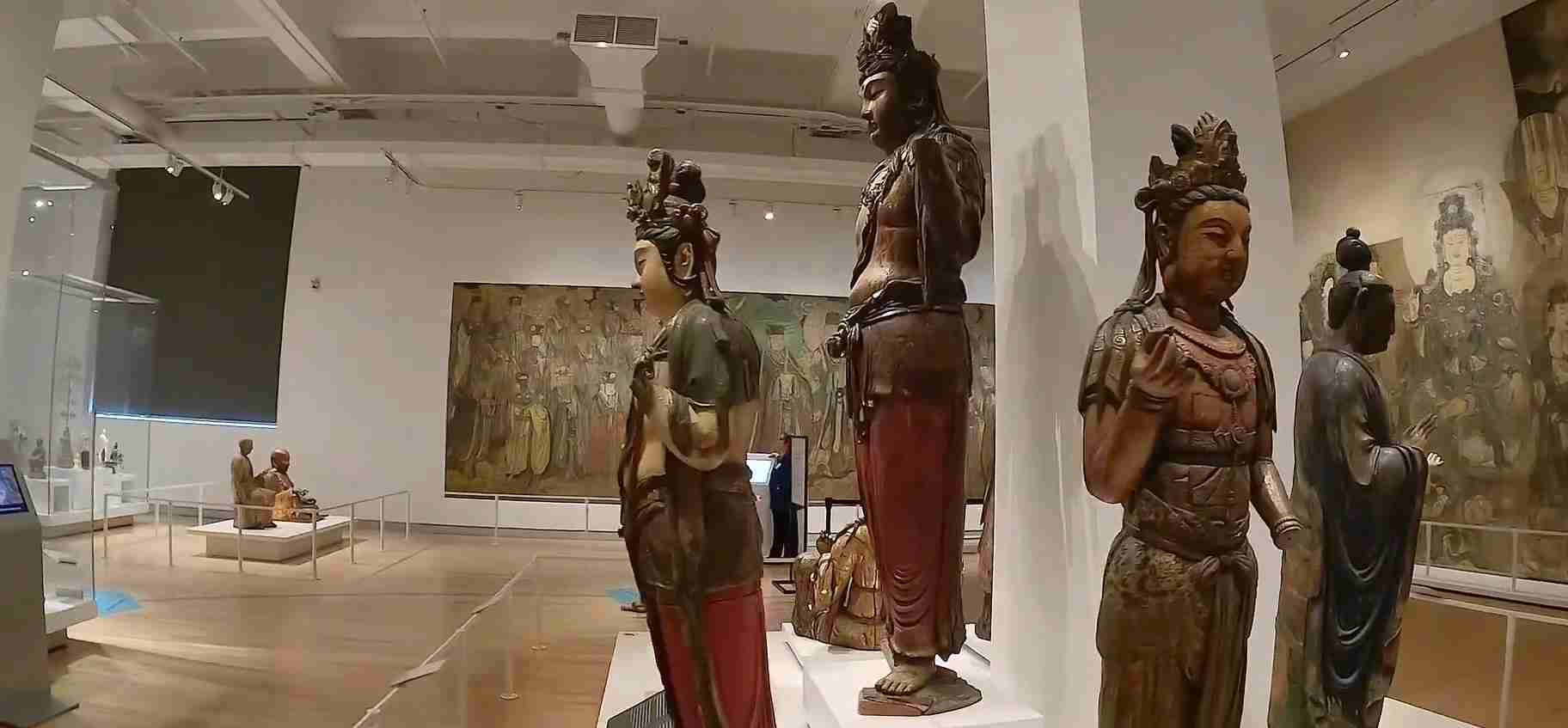
The Royal Ontario Museum stands as Canada’s largest museum and one of North America’s most significant museums of art, world culture, and natural history. ROM’s permanent collection contains over 13 million objects spanning art, archaeology, and science, displayed across 40 gallery and exhibition spaces within the Michael Lee-Chin Crystal and heritage building totaling over 350,000 square feet. The museum’s biodiversity collections rank among the world’s top ten, while its Chinese collection represents the most comprehensive outside China, and its Ancient Egypt galleries house approximately 1,200 artifacts providing essential insights into pharaonic civilization.
ROM’s galleries organize thematically rather than chronologically, encouraging visitors to make connections across cultures and time periods. The Institute for Contemporary Culture galleries present rotating exhibitions exploring current social issues through art, design, and popular culture. The Age of Dinosaurs gallery features complete skeletons including Futalognkosaurus and Parasaurolophus alongside interactive displays explaining paleontological research. The Biodiversity galleries display specimens from Canadian ecosystems through global environments, including the controversial Schad Gallery of Biodiversity featuring hundreds of preserved animals arranged in dramatic floor-to-ceiling displays that generate ongoing ethical discussions about specimen display.
The Michael Lee-Chin Crystal, Daniel Libeskind’s controversial 2007 addition, transformed ROM’s public profile while dividing architectural critics and the public. The aluminum and glass structure features five interlocking prismatic volumes jutting from the heritage building’s facade, creating dramatic interior spaces with angled walls and soaring ceilings that challenged traditional exhibition design. These unconventional geometries forced ROM to develop new display strategies for artifacts and art objects within spaces lacking right angles and featuring extreme vertical proportions. The Crystal houses contemporary culture galleries, special exhibition spaces, and the Spirit House, a monumental commissioned work by Canadian Indigenous artist Brian Jungen installed within the Crystal’s most dramatic void.
ROM’s Canadian and Indigenous galleries occupy prominent main-floor locations, signaling institutional commitment to foregrounding these narratives. The Daphne Cockwell Gallery of Canada: First Peoples features approximately 1,000 objects representing First Nations, Métis, and Inuit cultures, with particular strength in historic and contemporary art, ceremonial objects, and material culture from across Canada’s diverse Indigenous communities. The Sigmund Samuel Gallery of Canada presents Canadian decorative arts and historical artifacts spanning contact period through Confederation, providing material culture context for Canadian history education. These galleries explicitly address colonial histories, treaty relationships, and ongoing reconciliation work, moving beyond celebratory narratives toward critical engagement with difficult histories.
ROM operates comprehensive educational programming serving school groups, families, and adult learners. Daily gallery tours led by trained docents provide focused explorations of specific collections. ROM Friday Night Live events transform the museum into after-hours entertainment venues featuring DJs, themed bars, and special programming for adult audiences. Special exhibitions rotate quarterly, bringing international loans and major traveling exhibitions to Toronto. ROM membership provides unlimited admission, special exhibition previews, and access to the exclusive members’ lounge. The ROM Shop offers curated merchandise spanning books, jewelry, textiles, and collection-inspired products across two locations within the museum.
Art Gallery of Ontario: Canadian and International Art Collections
The Art Gallery of Ontario houses one of North America’s most distinguished public art collections with over 120,000 works spanning Indigenous art, Canadian historical and contemporary work, European masterpieces, African art, contemporary photography, and modern installations. AGO’s collection strength in Canadian art makes it the essential destination for understanding the country’s artistic development, with comprehensive holdings of Group of Seven paintings, Tom Thomson’s iconic canvases, and Emily Carr’s West Coast landscapes alongside contemporary Canadian artists challenging traditional narratives and forms.
AGO’s European collection spans 14th-century Italian works through 20th-century modernism, including paintings by Tintoretto, Rembrandt, Rubens, Van Gogh, Monet, Renoir, Picasso, and Matisse. The collection’s unexpected highlight, Rubens’ The Massacre of the Innocents, created between 1611 and 1612, hangs prominently in the European galleries. AGO acquired this masterpiece in 2002 for approximately CAD $117 million, then the highest price ever paid for a painting at auction, demonstrating institutional commitment to acquiring museum-quality European works despite competition from wealthier American and international institutions. The painting’s presence elevates AGO’s European collection to international significance beyond its primary Canadian focus.
Frank Gehry’s 2008 transformation expanded AGO by nearly 100,000 square feet while creating one of Toronto’s most recognizable architectural landmarks. Gehry, who grew up in Toronto before establishing his Los Angeles practice, designed a wood and glass facade along Dundas Street West featuring undulating forms and a dramatic staircase spiraling through the atrium. The expansion added contemporary galleries, a new Canadian art wing, and the Walker Court covered with a spectacular glass and wood roof structure. Gehry incorporated salvaged wood from the original 1918 building, creating textural contrast with new titanium and glass elements. The renovation made AGO Toronto’s second-most-visited museum while establishing Gehry’s global reputation for transformative museum design following his Guggenheim Bilbao success.
AGO houses the world’s largest public collection of sculptures and drawings by British artist Henry Moore, comprising approximately 900 pieces donated by the artist following his 1974 exhibition at AGO. The Henry Moore Sculpture Centre, purpose-built in 1974, displays bronze sculptures alongside plaster maquettes revealing Moore’s creative process. This collection makes AGO essential for scholars studying Moore’s seven-decade career and provides context for understanding his influence on 20th-century sculpture. Moore’s monumental bronze Large Two Forms stands prominently outside AGO’s entrance on Dundas Street, serving as both landmark and public art.
AGO’s commitment to accessibility shapes admission policies and programming. Ontario residents aged 24 and under receive free admission year-round, removing financial barriers for youth access. First Wednesday evenings provide free admission to all visitors from 6:00 PM to 9:00 PM, attracting crowds that transform the gallery into social space. AGO’s annual pass costs only CAD $40 for non-Ontario residents aged 25 and over, encouraging repeat visits that allow gradual collection exploration rather than rushed single-day experiences. The gallery prioritizes Indigenous voices through dedicated exhibition spaces, artist residencies, and programming addressing reconciliation, treaty relationships, and contemporary Indigenous perspectives on Canadian identity and history.
Aga Khan Museum: Islamic Art and Muslim Cultures
The Aga Khan Museum in Toronto’s North York district represents North America’s only museum dedicated to Islamic art and Muslim culture. The museum opened in 2014 as part of the Aga Khan Development Network’s global commitment to promoting pluralism and understanding. The building, designed by architect Fumihiko Maki, features white Brazilian granite facades with geometric patterns inspired by Islamic architectural traditions, surrounding a central courtyard with reflecting pool. The museum’s architecture integrates natural light through clerestory windows and skylights, creating contemplative exhibition spaces that reference Islamic architectural principles while employing contemporary design language.
The permanent collection encompasses approximately 1,000 artifacts spanning 1,400 years of Islamic civilization across regions from Spain to China. Holdings include illuminated Qur’ans and religious manuscripts, Persian miniature paintings, ceramics and pottery from multiple Islamic dynasties, metalwork including elaborate astrolabes and scientific instruments, textiles and carpets, architectural elements from demolished buildings, jewelry, and contemporary art engaging Islamic aesthetic traditions. The collection’s geographic and temporal breadth demonstrates Islam’s diversity, challenging monolithic Western perceptions by revealing distinct artistic traditions emerging from different regions and periods within Islamic history.
The museum contextualizes objects through interpretive programming emphasizing Islamic civilization’s scientific, mathematical, and cultural contributions. Exhibitions explore astronomy and mathematics achievements, medical knowledge preserved and advanced during medieval Islamic scholarship, architectural innovations, literary traditions spanning poetry and philosophy, and music’s role across Islamic societies. This approach positions the museum as educational resource countering stereotypes and providing nuanced understanding of Islamic cultures’ complexity. The museum explicitly serves diverse audiences including Muslim communities seeking cultural affirmation, school groups learning world history, and general visitors exploring unfamiliar traditions.
Rotating exhibitions bring international loans and contemporary works addressing current issues facing Muslim communities globally. Recent exhibitions explored topics including Islamic feminism, environmental stewardship within Islamic theology, Muslim identities in diaspora, and contemporary artists engaging traditional Islamic artistic forms. The museum collaborates with international institutions, lending pieces to and borrowing from museums across the Islamic world, Europe, and North America. This exhibition strategy balances celebrating historical achievements with addressing contemporary challenges, making the museum relevant beyond historical preservation.
The Aga Khan Museum integrates performing arts programming including concerts featuring traditional and contemporary music from Muslim-majority regions, film screenings showcasing Muslim filmmakers, poetry readings, and lectures by scholars. The museum grounds include the Ismaili Centre designed by architect Charles Correa, creating a cultural campus that functions as community space for Toronto’s diverse Muslim communities while serving broader public educational missions. The museum restaurant serves cuisine inspired by Islamic culinary traditions, and the gift shop offers curated products including books, textiles, jewelry, and artisan goods sourced from Muslim artisans globally.
Specialized Museums: Bata Shoe Museum and Gardiner Museum
The Bata Shoe Museum houses the world’s most comprehensive footwear collection with over 15,000 artifacts spanning 4,500 years of shoe history. This unique institution explores footwear’s functional, social, and symbolic significance across cultures and time periods. The collection includes ancient Egyptian sandals, medieval European footwear, Chinese bound-foot shoes, Indigenous Arctic boots, celebrity shoes including Elton John’s platform boots and Marilyn Monroe’s red leather pumps, military boots from various conflicts, and contemporary designer pieces documenting fashion evolution. The museum’s mandate extends beyond display to research and conservation, operating as scholarly resource for costume historians, anthropologists, and designers researching footwear history and construction techniques.
Raymond Moriyama’s architectural design features a distinctive inverted pyramid structure clad in pale stone, creating a building resembling a stylized shoebox. The four-story structure occupies a prominent corner site near Royal Ontario Museum, making it visible from Bloor Street and St. George Street. Interior galleries employ creative display strategies presenting shoes as art objects, functional tools, and cultural artifacts. Thematic exhibitions rotate regularly, exploring topics like athletic footwear evolution, foot binding history and contemporary debates, stiletto heels’ social meanings, or work boots’ labor history. These focused exhibitions provide depth impossible in general fashion or costume museums where footwear receives secondary treatment.
The museum’s educational programming targets school groups exploring material culture, fashion students researching design history, and general visitors curious about everyday objects’ overlooked histories. Interactive elements allow visitors to examine shoe construction techniques, understand biomechanics of walking in different footwear types, and explore cultural variations in foot decoration and modification. The museum shop offers footwear-related books, socks featuring shoe patterns, and small collection-inspired items. The specialized focus attracts footwear industry professionals, academics, and enthusiasts while appealing to general visitors through shoes’ universal familiarity as entry point to broader cultural discussions about identity, status, gender, and labor.
The Gardiner Museum stands as the only museum in Canada dedicated exclusively to ceramic art. Located directly across from ROM, the museum houses a permanent collection of approximately 4,000 pieces spanning ancient American ceramics through contemporary studio pottery. Collection highlights include pre-Columbian Maya and Inca vessels, 17th and 18th-century European porcelain from Meissen, Sèvres, and English factories, Italian Renaissance maiolica with elaborate painted decoration, Japanese and Chinese export ceramics, and contemporary works by international studio potters pushing technical and conceptual boundaries of clay as artistic medium.
The Gardiner’s exhibitions explore ceramics’ technical evolution alongside aesthetic and social histories. Displays explain glazing chemistry, firing techniques, wheel throwing versus hand building methods, and decoration approaches including painting, carving, and gold application. This technical information contextualizes finished objects, helping visitors appreciate the skill required for ceramic production. Thematic exhibitions examine topics like porcelain’s role in European colonial trade, ceramics as social status symbols, utilitarian versus artistic pottery distinctions, or contemporary artists using clay to address environmental concerns. The museum positions ceramics as legitimate fine art rather than craft or decorative art, challenging hierarchies that historically marginalized ceramics within art museum contexts.
The Gardiner operates artist-in-residence programs providing studios where emerging and established ceramic artists create work while engaging public through demonstrations and workshops. Visitors observe artists throwing pots, building sculptures, or glazing pieces, demystifying ceramic creation processes. The museum offers classes and workshops for adults and children, from beginner wheel throwing to advanced raku firing techniques. These programs generate community engagement beyond passive viewing, creating participants who understand ceramics through direct experience. The Clay Bar café serves light meals on custom-designed plates created by resident artists, integrating functional ceramics into museum experience. The museum shop sells works by resident artists and invited potters, supporting contemporary ceramic artists while offering visitors opportunity to acquire museum-quality pieces for personal collections.
Casa Loma: Gothic Revival Castle and Historic House Museum
Casa Loma, perched on a hill overlooking downtown Toronto, represents North America’s only full-scale castle, built between 1911 and 1914 for financier Sir Henry Pellatt. The 98-room Gothic Revival mansion features authentic medieval-inspired architecture including towers, battlements, secret passages, an 800-foot tunnel to stables, and elaborate period rooms decorated with European antiques, tapestries, and architectural elements imported from demolished European buildings. Pellatt spared no expense during construction, installing North America’s first private elevator, a massive oven capable of roasting an ox, central heating using Rome’s ancient heated-floor system, and commissioned Tiffany glass and custom furniture. Financial difficulties forced Pellatt to abandon Casa Loma in 1923 after only ten years of occupation, and the City of Toronto eventually acquired the deteriorating property, operating it as museum and event venue.
The castle’s period rooms provide insight into Edwardian upper-class life at wealth’s zenith before World War I fundamentally altered Canadian society. The oak-paneled Great Hall features an 18-foot hammered ceiling, carved woodwork, and heraldic decorations establishing baronial atmosphere. The Conservatory houses stained glass dome, marble floors, and steam-heated benches designed to grow exotic plants year-round. The library contains 10,000 volumes behind carved walnut paneling, while the wine cellar spans two levels with capacity for thousands of bottles. Sir Henry’s private suite includes a shower with multiple jets providing early 20th-century luxury bathing. Lady Pellatt’s Peacock Alley features hand-painted ceiling decoration and elaborate bathroom fixtures including a marble tub. These rooms document wealth’s material expression during Toronto’s industrial boom period.
Casa Loma’s military connections emerge through exhibits documenting Sir Henry’s role as commanding officer of the Queen’s Own Rifles regiment. Museum displays include regimental artifacts, military uniforms, weapons, and documentation of the regiment’s history from 1860s Fenian Raids through both World Wars. The Queen’s Own Rifles Museum operates within Casa Loma, maintaining archives and artifacts that would otherwise lack public access. This military dimension adds historical depth beyond pure architectural tourism, connecting Casa Loma to broader Canadian military history and Pellatt’s identity beyond wealthy industrialist.
The castle gardens, spanning five acres, feature period plantings, fountains, and sculptures reconstructed based on original 1920s designs. Gardens operate seasonally from May through October, providing outdoor space for events and photography. The estate tunnel connecting the main house to stables passes beneath the street, representing engineering achievement and reflecting Pellatt’s obsession with mechanical innovations. The stables, matching the castle’s Gothic architecture, housed horses, carriages, and later automobiles, with living quarters for stable staff above. These ancillary buildings demonstrate the castle’s scale as functioning estate requiring numerous servants and support staff.
Casa Loma hosts seasonal events including Christmas decorations transforming the castle into Victorian holiday tableau, summer sunset tours showcasing views across Toronto’s skyline, and film location tours highlighting Casa Loma’s appearances in numerous films and television productions. The castle’s distinctive architecture made it popular filming location for productions requiring Gothic or European settings, including X-Men, The Tuxedo, and countless television shows. This pop culture presence attracts visitors beyond history enthusiasts, creating crossover appeal that sustains the museum’s operation. The castle operates as licensed venue for weddings and private events, generating revenue supplementing admission fees while allowing public access to Toronto’s most unusual architectural landmark.
Fort York: War of 1812 National Historic Site
Fort York National Historic Site preserves Canada’s largest collection of War of 1812 buildings, occupying the original location where British, Canadian, and Indigenous forces fought American invasion during the war defining Canadian-American borders. The fort contains eight original buildings from the early 19th century including military barracks, officers’ quarters, blockhouses designed for defensive warfare, powder magazines storing explosives, and a stone cookhouse. These structures survived two centuries of urban development despite Fort York’s location becoming surrounded by downtown Toronto’s towers, railway corridors, and the Gardiner Expressway. The site provides tangible connection to events that shaped Canadian national identity and British North America’s survival as political entity separate from the United States.
The War of 1812’s significance for Canadian identity exceeds its American historical importance, where the conflict registers as minor war overshadowed by the Revolutionary War and Civil War. For Canada, the war represented existential threat, with American forces invading across Niagara and at multiple border points. The Battle of York in April 1813 saw American forces overwhelm Fort York’s defenders, occupying and burning the town including government buildings. This defeat and occupation influenced British forces’ later burning of Washington in 1814, creating reciprocal destruction cycle. Fort York’s interpretation emphasizes Canadian militia and Indigenous allies’ roles defending British North America, contributing to national mythology of Canadians successfully resisting American expansion.
The fort’s restored buildings house exhibits explaining War of 1812 causes, major battles, military life, and war’s consequences for Indigenous peoples, British colonists, and the United States. Displays include period weapons, uniforms, military equipment, and personal artifacts documenting soldiers’ daily lives. The British military maintained Fort York as active garrison into the 1930s, with buildings serving military functions long after the war ended. This extended occupation means Fort York’s history encompasses not just War of 1812 but a century of British military presence in Toronto, with exhibits addressing Victorian military culture, World War I preparations, and the fort’s evolution from defensive necessity to historical curiosity as Toronto grew around it.
Living history programming brings Fort York to life through costumed interpreters demonstrating military drills, musket firing, and period crafts. These demonstrations occur throughout summer months, with special programming on Simcoe Day and other holidays. The fort hosts school groups studying Canadian history, providing hands-on education about early 19th-century military life and War of 1812’s lasting impacts. Guided tours led by knowledgeable staff provide detailed military history context, architectural information about blockhouse construction for defense, and social history about soldiers’ lives including pay, food, duties, and rare leisure time. The fort’s Visitor Centre, opened in 2014, contains additional exhibition space, orientation films, and archives accessible for research.
Fort York’s urban location creates striking visual contrast between historic military buildings and surrounding contemporary glass towers, railway infrastructure, and highway overpasses. This juxtaposition illustrates Toronto’s dramatic transformation from colonial garrison town to Canada’s largest metropolis. The fort grounds include green space used for public events, festivals, and commemorations. The Fort York Neighbourhood developed around the site in recent decades, bringing residential population to an area previously dominated by industrial uses. This urban regeneration increased Fort York’s accessibility and public profile, transforming it from overlooked historical site to integrated neighborhood landmark. The fort remains under military administration through the Department of National Defence while operated by City of Toronto as public museum, maintaining symbolic connection to Canadian military heritage.
Ontario Science Centre and Children’s Museums
The Ontario Science Centre in Toronto’s North York district serves as Ontario’s premier interactive science museum, housing over 500 exhibits exploring physics, biology, chemistry, astronomy, technology, and earth sciences. Opened in 1969, the centre pioneered hands-on science education in Canada, influenced by San Francisco’s Exploratorium model emphasizing direct engagement over passive observation. The building, designed by Raymond Moriyama, cascades down the Don River valley across multiple levels connected by escalators and bridges, integrating architecture with natural landscape. Exhibits range from permanent installations explaining fundamental scientific principles to rotating exhibitions addressing current scientific topics and technological innovations.
Permanent exhibits include the KidSpark area designed for children under eight, featuring age-appropriate science activities exploring light, sound, water, and construction. The Living Earth section examines ecological systems, climate science, and environmental challenges through immersive displays including a simulated rainforest environment complete with humidity and tropical plants. The Space gallery features planetarium shows, rocket science demonstrations, and exhibits about satellite technology and space exploration. The Human Body area explores anatomy, genetics, and health through interactive displays allowing visitors to test reaction times, measure lung capacity, and understand organ functions. The Weston Family Innovation Centre provides maker space where visitors design and build solutions to engineering challenges using provided materials and guidance from educators.
The Science Centre operates comprehensive school programming serving hundreds of thousands of students annually through curriculum-aligned programs. Teachers book specific programs matching Ontario educational standards for science, technology, engineering, and mathematics education. These programs provide hands-on experiences impossible in standard classrooms, using the centre’s specialized equipment and facilities. Summer camps offer week-long programs for children exploring specific topics like robotics, forensic science, or animal biology through age-appropriate activities. Evening programming for adults includes Science Nights featuring licensed bars, DJ entertainment, and exhibits open exclusively for adult audiences, similar to ROM’s Friday Night Live events.
Special exhibitions rotate several times annually, bringing traveling science exhibitions from international institutions or presenting original exhibitions developed by Science Centre staff. Recent exhibitions explored topics like the science of sport including biomechanics and training, climate change causes and solutions, artificial intelligence development and implications, and medical imaging technology evolution. The IMAX cinema screens documentary films on science topics alongside Hollywood blockbusters, operating as revenue generator supporting the centre’s educational mission. The museum shop sells educational toys, science books, and experiment kits encouraging continued learning beyond museum visits. Dining facilities include casual cafeteria and outdoor terrace overlooking the Don Valley, providing spaces for visitor rest between exhibit exploration.
Hockey Hall of Fame: Celebrating Canada’s National Sport
The Hockey Hall of Fame occupies a prominent downtown location within Brookfield Place, adjacent to Union Station. The museum celebrates professional ice hockey history with particular emphasis on the National Hockey League. Holdings include the Stanley Cup awarded annually to NHL champions, portraits and biographies of over 400 inducted members, equipment worn by legendary players, game-worn jerseys, trophies, photographs documenting hockey’s evolution, and interactive exhibits allowing visitors to test skills like shooting accuracy and goaltending reactions. The Hall serves dual functions as shrine to hockey greatness and comprehensive museum documenting the sport’s cultural significance in Canadian identity.
The Great Hall houses portraits of all inducted members displayed alongside major NHL trophies including the Stanley Cup, Hart Memorial Trophy recognizing most valuable players, and the Vezina Trophy awarded to top goaltenders. This room functions as holy space for hockey devotees, representing the sport’s highest individual and team achievements. Visitors photograph themselves beside the Stanley Cup, participating in ritual connecting them to championship legacy. The trophy room’s solemnity contrasts with interactive zones where visitors take slapshots at simulated goalies, attempt to stop pucks fired by virtual players, and broadcast play-by-play commentary for game footage.
Permanent exhibits trace hockey’s evolution from 19th-century origins through contemporary NHL, exploring equipment development, rule changes, expansion to new markets, international hockey including Olympics and World Championships, and women’s hockey growth. Displays examine hockey’s role in Canadian culture beyond sport, influencing national identity, literature, film, and social cohesion. The museum addresses difficult histories including racial exclusion preventing Black and Indigenous players from participating in professional leagues until the 1950s, violence debates surrounding fighting and body checking, and concussion awareness changing how leagues approach player safety. This critical approach prevents the Hall from becoming uncritical celebration, acknowledging hockey’s complex social position.
The Hockey Hall of Fame attracts international hockey fans alongside Canadian visitors, with peak attendance during NHL playoff season and around induction ceremonies held annually in November. Induction weekend transforms downtown Toronto into hockey celebration, with public events, ceremonies, and parties attended by inducted players, current stars, and fans. The museum collaborates with NHL on exhibitions, accessing league archives for artifacts and footage. Corporate partnerships fund temporary exhibitions and interactive technology upgrades. The location within Brookfield Place’s shopping complex integrates the museum into Toronto’s PATH underground pedestrian system, making it accessible during winter months without outdoor exposure and connecting it to the broader downtown core.
Textile Museum of Canada and Design Institutions
The Textile Museum of Canada houses over 15,000 textile artifacts representing global textile traditions from 200 countries and spanning two millennia. The collection includes ancient Peruvian textiles, African ceremonial cloths, Asian silk embroideries, European tapestries, Indigenous North American weavings, quilts documenting domestic textile traditions, contemporary fiber art, and industrial textile samples showing manufacturing evolution. This comprehensive scope makes it among North America’s most significant textile collections, serving scholars researching textile history, conservators developing preservation techniques, designers seeking inspiration, and general visitors exploring textiles’ ubiquity across human cultures.
Exhibitions examine textiles’ technical, aesthetic, and social dimensions. Displays explore weaving, embroidery, dyeing, printing, and construction techniques, explaining how artisans create complex patterns and achieve specific effects. Thematic exhibitions address topics like colonialism’s impact on textile trade, fashion industry labor conditions, textile sustainability and environmental impacts, or specific cultural traditions like Indonesian batik or Navajo weaving. The museum collaborates with diaspora communities, co-curating exhibitions with cultural groups ensuring accurate representation and avoiding appropriation or misinterpretation of ceremonial textiles’ sacred meanings. This community partnership model distinguishes contemporary museum practice from earlier collecting approaches that prioritized acquisition without source community consultation.
The museum operates the TD Gallery providing free admission for rotating exhibitions, making textile art accessible regardless of financial resources. The museum shop sells textiles by contemporary artisans, fair-trade products supporting maker communities, and textile-related books and supplies. Educational programming includes workshops teaching specific techniques like natural dyeing, weaving, or embroidery, and lectures by textile scholars, conservators, and artists. The museum’s compact size relative to major institutions enables focused exhibitions and intimate viewing experiences where textiles’ details become apparent in ways impossible in larger, more crowded spaces.
The Sharp Centre for Design, part of OCAD University, serves as both academic building and public attraction. Will Alsop’s controversial architectural design features a raised box structure supported by multicolored pillars creating covered ground-level space. The building’s exterior uses black and white pixels forming patterns visible from multiple downtown vantage points. The gallery spaces host rotating exhibitions featuring work by OCAD students, faculty, and visiting artists, exploring design’s intersection with social issues, technology, and cultural identity. These exhibitions showcase emerging talent and experimental work not yet validated by commercial galleries or major museums, providing insight into contemporary design directions and debates. The building’s location along McCaul Street places it within walking distance of AGO and OCAD’s other campus buildings, creating an art and design district in downtown’s west side.
Neighborhood Galleries and Emerging Artist Spaces
The Distillery District’s cobblestone streets and renovated Victorian industrial buildings house numerous contemporary art galleries showcasing Canadian and international emerging artists. These commercial galleries operate alongside restaurants, shops, and performance spaces within what was once Gooderham and Worts Distillery, producing Canadian whisky from 1832 until 1990. The district’s transformation into arts quarter preserved historic architecture while creating pedestrian-only environment encouraging gallery browsing. Galleries specialize in various media including painting, sculpture, glass art, photography, and mixed media, with new exhibitions opening regularly coordinated around First Thursday gallery walks when spaces host opening receptions with artists present.
Queen Street West’s gallery scene spans from University Avenue to Gladstone Avenue, creating Toronto’s longest gallery corridor. Spaces range from experimental artist-run centres showing challenging conceptual work to commercial galleries representing established Canadian artists. The concentration developed organically as rising downtown rents pushed galleries westward from Yorkville’s luxury gallery district during the 1970s and 1980s. Queen West galleries emphasize contemporary Canadian art engaging with current social issues, Indigenous sovereignty, queer identities, environmental justice, and urban experience. The neighborhood’s commercial energy attracts younger demographics than traditional uptown galleries, with exhibitions coordinated around Nuit Blanche, Toronto’s annual overnight contemporary art festival occurring each October.
Yorkville’s upper Hazelton Avenue and Scollard Street contain Toronto’s highest-end commercial galleries representing internationally recognized Canadian artists and secondary market works by Group of Seven, Emily Carr, and other Canadian art historical figures. These galleries occupy elegant townhouses and purpose-built spaces, targeting serious collectors and investment buyers. Exhibition openings function as social events for Toronto’s arts patronage community. The galleries’ location among luxury boutiques, restaurants, and hotels positions art as luxury commodity within neighborhood’s overall affluence branding. Prices range from thousands to millions of dollars, contrasting sharply with emerging artist galleries elsewhere in the city.
Artist-run centers provide alternative exhibition spaces governed by artists rather than commercial interests or institutional hierarchies. These spaces prioritize experimental work, socially engaged practice, and artists from marginalized communities often excluded from commercial galleries and major museums. Programming includes exhibitions, performances, screenings, and community workshops. Organizations operate on limited budgets funded through government arts grants, membership fees, and fundraising. While lacking major museums’ resources and audiences, artist-run centres incubate artistic innovation and provide platforms for voices challenging dominant cultural narratives. The diversity of these spaces reflects Toronto’s artistic community’s breadth beyond visible commercial and institutional cultural sectors.
Practical Information: Transportation and Museum Passes
Toronto’s TTC subway system provides efficient access to most major museums through strategically located stations. Museum Station on Line 1 delivers visitors directly to Royal Ontario Museum’s main entrance and within 10-minute walk of Bata Shoe Museum and Gardiner Museum. St. Patrick Station accesses Art Gallery of Ontario via five-minute walk west on Dundas Street. Osgoode Station serves Design Exchange and Hockey Hall of Fame in the financial district. Dupont Station requires a 10-minute uphill walk to Casa Loma, though 512 St. Clair streetcar from St. Clair West Station stops closer to the entrance. Single TTC fares cost CAD $3.35, while day passes provide unlimited rides for CAD $14, representing value for visitors planning multiple-museum days requiring several transit trips.
The Toronto CityPASS bundles admission to major attractions including Royal Ontario Museum, Casa Loma, Art Gallery of Ontario, CN Tower, Ripley’s Aquarium of Canada, and Toronto Zoo, offering savings of approximately 38 percent versus separate admission purchases. The pass covers a nine-day period from first use, allowing flexible scheduling across multiple days rather than requiring consecutive daily visits. CityPASS purchasers reserve timed entry slots for attractions requiring advance booking, eliminating ticket counter lines. For visitors planning to see three or more included attractions, CityPASS provides both financial savings and convenience benefits, particularly during peak summer season when ticket lines can consume significant time.
The Museum + Arts Pass program allows Toronto Public Library cardholders to borrow passes providing free admission to cultural institutions throughout the Greater Toronto Area. Participating venues include most major museums, smaller specialized institutions, and performing arts centres. Passes circulate like library materials, with seven-day loan periods and waitlists for popular venues during peak seasons. Each pass admits the cardholder plus varying numbers of additional guests depending on venue policies. This program removes financial barriers for library patrons, enabling cultural access regardless of income. Visitors without Toronto library cards cannot access this program, but residents can obtain library cards free from any TPL location with proof of local address.
Downtown Toronto’s walkability enables museum-to-museum pedestrian travel, particularly between institutions along the Bloor Street and Dundas Street corridors. Walking from ROM to AGO takes approximately 25 minutes through University of Toronto campus, passing Hart House, Convocation Hall, and campus green spaces. This route provides architectural interest and neighborhood atmosphere beyond subway travel. Similarly, Gardiner Museum and Bata Shoe Museum lie within five-minute walks of ROM and each other, creating museum cluster feasible for single afternoon exploration. Toronto’s PATH underground pedestrian system connects subway stations, office towers, and shopping centers across downtown, providing climate-controlled walking routes during winter months, though PATH primarily serves financial district and doesn’t extend to museum district.
Photography Opportunities at Toronto Museums
Toronto museums generally permit photography for personal use within permanent collection galleries while restricting photography in special exhibitions based on loan agreements with lending institutions. ROM allows photography without flash throughout most galleries, with signage indicating specific objects or areas where photography restrictions apply. The Michael Lee-Chin Crystal’s dramatic angular interior spaces create geometric backgrounds for compositional photography, while galleries’ artifact displays benefit from close-up photography capturing details invisible to unaided observation. AGO similarly permits photography, with Frank Gehry’s wooden staircase and Walker Court’s curved glass ceiling providing architectural photography subjects independent of artwork. Museum visitors should verify current photography policies upon entry as restrictions occasionally change based on specific exhibitions or conservation concerns.
Exterior architecture provides photography opportunities without entry fees. ROM’s crystalline facade photographs dramatically from street level on Queen’s Park Crescent and Bloor Street West, particularly during evening when interior lighting illuminates the crystal structure’s geometric forms. AGO’s Douglas fir and glass facade on Dundas Street creates curves and reflections varying throughout the day as sunlight angles change. Casa Loma’s castle architecture photographs well from multiple external vantage points including the hillside park below providing elevated perspectives across the castle’s towers and grounds. Bata Shoe Museum’s distinctive building shape photographs effectively from corner location, while Aga Khan Museum’s white granite and reflecting pool create minimalist compositions particularly effective in strong sunlight enhancing geometric shadows.
Museum courtyards and public spaces offer photography opportunities integrating architecture with urban context. AGO’s Grange Park, undergoing renovation to restore original 19th-century design, will provide green space framing the museum’s contemporary addition. ROM’s plaza along Queen’s Park Crescent includes outdoor sculpture and seating areas with museum building as backdrop. These public spaces remain accessible even when museums are closed, allowing photography independent of admission hours. The spaces also host public events, installations, and seasonal activities creating varied subject matter beyond static architectural photography.
Social media has influenced museum photography culture, with institutions embracing photographic sharing as marketing tool. Museums create Instagram-worthy installations and spaces anticipating visitor photography and social sharing. This shift from historical restrictions toward encouragement reflects recognition that visitor-generated photography extends institutional visibility beyond traditional marketing. Museums develop specific hashtags for events and exhibitions, encouraging tagged posts that function as crowd-sourced promotion. This contemporary approach transforms visitors from passive viewers into active participants generating content that shapes institutions’ public profiles and attracts future visitors through peer recommendations and aspirational imagery.
Museum Architecture and Design Innovation
Toronto’s museum architecture evolved from neoclassical formality through modernist functionality to contemporary experimentation creating buildings as destinations independent of collections. The Royal Ontario Museum’s original 1914 building designed by Frank Darling and John A. Pearson employed Beaux-Arts architecture with limestone facades, columned entrance, and ceremonial interior spaces establishing cultural authority through architectural grandeur. Subsequent additions through the 1930s and 1970s expanded capacity while maintaining architectural conservatism appropriate to scientific institution gravitas. Daniel Libeskind’s 2007 Michael Lee-Chin Crystal demolished this conservative tradition, inserting angular aluminum and glass volumes that critics derided as architectural violence against heritage fabric while supporters celebrated as bold contempor ary intervention refusing historical pastiche.
Frank Gehry’s 2008 Art Gallery of Ontario transformation represented the architect’s return to his Toronto childhood roots, creating curved wooden and glass facades referencing ship construction and organic forms rather than his signature titanium buildings in Bilbao and Los Angeles. The renovation expanded AGO while maintaining human scale through material warmth contrasting with Libeskind’s crystalline coldness at ROM. Gehry incorporated salvaged Douglas fir from the original building into the new facade and Walker Court ceiling, creating material dialogue between historical and contemporary construction. The design celebrates craftsmanship through exposed structural systems and wood joinery visible throughout the building, positioning architecture as craft rather than purely conceptual exercise.
Raymond Moriyama’s contributions to Toronto museum architecture span the Bata Shoe Museum, Ontario Science Centre, and Japanese Canadian Cultural Centre. Moriyama, who experienced Japanese-Canadian internment during World War II, developed architectural philosophy emphasizing light, landscape integration, and cultural sensitivity. The Ontario Science Centre’s cascade down the Don Valley integrated building with natural topography rather than imposing geometric forms on landscape. The Bata Shoe Museum’s sculptural form balances distinctive identity with neighborhood contextualism through restrained material palette and limited height. Moriyama’s architecture avoids showmanship, instead emphasizing how buildings serve institutional missions and user experience rather than generating architectural spectacle for its own sake.
Contemporary museum additions and renovations reflect changing institutional philosophies prioritizing accessibility, sustainability, and community engagement over pure collection display. New construction incorporates universal design principles ensuring wheelchair access, visual accessibility, and sensory considerations for visitors with autism or other sensory processing differences. Environmental sustainability includes green roof systems, geothermal heating and cooling, LED lighting reducing energy consumption, and water conservation. Community spaces including lecture halls, classrooms, and event venues recognize museums’ evolving roles beyond collection preservation toward active programming engaging diverse publics. These architectural decisions manifest institutional commitments to equity and environmental responsibility alongside traditional collecting and preservation missions.
Lesser-Known Museums and Hidden Cultural Gems
The Spadina Museum occupies a Victorian mansion in Toronto’s Casa Loma neighborhood, preserving the Austin family home from 1866 through the 1980s. The house museum interprets upper-middle-class life across multiple generations, with rooms restored to different periods showing evolving taste, technology, and social customs. The extensive gardens demonstrate Victorian and Edwardian landscape design principles. Costumed interpreters lead tours explaining domestic service, family relationships, and social changes visible through material culture evolution. The museum’s intimate scale contrasts with Casa Loma’s castle grandeur, providing insight into more typical wealthy Toronto family life versus Pellatt’s exceptional extravagance.
The Toronto Railway Museum preserves historic trains and railway artifacts adjacent to the CN Tower and Rogers Centre. The small museum operates in authentic roundhouse building where locomotives underwent maintenance during steam railway era. Exhibits include diesel and steam locomotives, cabooses, passenger cars, and railway equipment explaining Toronto’s development as railway hub. The museum attracts railway enthusiasts and families with young children fascinated by trains. The compact site limits expansion but provides accessible introduction to railway history within downtown tourist district, complementing the Hockey Hall of Fame and other Union Station area attractions.
The Redpath Sugar Museum, located within the operating sugar refinery on the Toronto waterfront, explains sugar production from cane growing through refining processes. The industrial museum contains vintage equipment, historical photographs, and exhibits about Caribbean sugar plantation history including slavery’s role in sugar industry development. The museum acknowledges sugar’s troubling history while explaining industrial processes and Toronto’s manufacturing heritage. Tours require advance booking and safety equipment as visitors access working industrial facility. This unusual museum type preserves industrial heritage often demolished as cities transition from manufacturing to service economies.
Design Exchange occupies a renovated Art Deco building that housed Toronto’s original Stock Exchange. The museum focuses on design’s role in economy, society, and culture, hosting exhibitions exploring product design, graphic design, architecture, and fashion. The building’s restored trading floor with elaborate Art Deco details provides dramatic exhibition space. Programming includes design competitions, lectures, and awards recognizing Canadian design excellence. The museum targets design professionals, students, and general audiences interested in how designed objects and environments shape daily life. Location in the financial district connects to the building’s original function while serving downtown workers seeking cultural programming during lunch breaks or after work.
Museum Educational Programming and Special Events
Toronto museums operate comprehensive educational programming serving school groups from elementary through post-secondary levels. Schools book curriculum-aligned programs where museum educators lead students through galleries using inquiry-based learning approaches encouraging observation, questioning, and critical thinking rather than passive information reception. Programs address specific curriculum requirements for science, social studies, art, and history courses, providing hands-on experiences with artifacts and artworks impossible in classroom settings. Museums develop resources for teachers including pre-visit activities, post-visit assignments, and online materials extending museum learning beyond single visits.
Adult programming includes lecture series featuring curators, visiting scholars, and subject experts speaking on topics related to current exhibitions or collection areas. These lectures attract general public interested in deepening knowledge and specialists seeking continuing education. Members receive advance notice and reserved seating for popular lectures that often sell out. Panel discussions bring multiple perspectives to complex topics, fostering dialogue rather than single authoritative voices. Film series screen documentaries and fiction films related to exhibition themes, followed by discussions contextualizing films within broader cultural and historical frameworks.
Special events transform museums into social venues beyond traditional viewing experiences. ROM Friday Night Live converts galleries into party spaces with DJ entertainment, themed cocktail bars, live performances, and special exhibition openings. These events attract young professionals and couples seeking cultural activities with social atmosphere. AGO’s First Thursdays keep galleries open late on the month’s first Thursday evening with programming including artist talks, performance art, and music. Casa Loma’s seasonal events include summer concerts in gardens, Christmas decorations and themed tours, and escape room games challenging participants to solve puzzles throughout the castle while exploring hidden spaces not visible during regular tours.
Membership programs generate crucial institutional funding while providing benefits encouraging repeat visits and deeper engagement. Basic memberships include unlimited admission, members-only exhibition previews, discounts at museum shops and restaurants, and subscription to member publications. Higher tier memberships add invitation-only events, VIP tours, and recognition in annual reports. Families benefit from memberships when planning multiple visits as annual membership costs typically equal three or four regular admission visits, creating value after several trips. Membership appeals to local residents more than tourists, building sustained relationship between institution and community rather than transactional single-visit engagement.
Museum Collections Care and Conservation Practices
Museums maintain extensive collection storage facilities beyond public gallery spaces, with ROM housing over 13 million objects while displaying fewer than 25,000 simultaneously. Storage facilities employ controlled temperature and humidity preventing deterioration of organic materials, specialized housing protecting fragile artifacts, and detailed cataloging systems tracking object locations and condition. Conservation laboratories employ trained specialists performing preventive conservation including environmental monitoring and object cleaning alongside interventive conservation repairing damaged pieces or stabilizing deteriorating materials. These behind-the-scenes activities consume significant institutional resources despite invisibility to public audiences visiting galleries.
Digital collection initiatives photograph and catalog entire museum holdings, making non-displayed objects accessible through online databases. This work serves researchers requiring access to comprehensive collections rather than merely exhibited highlights, enables virtual exhibitions presenting objects too fragile for physical display, and provides documentation protecting against loss from theft, disaster, or deterioration. Major institutions invest in high-resolution photography and 3D scanning creating detailed records supporting scholarship, conservation assessment, and potential digital reproduction. Open access policies increasingly make these images freely available, recognizing public interest in accessing collections held by publicly funded institutions.
Museums acquire objects through purchase, donation, and occasionally archaeological excavation though Toronto institutions conduct limited field research compared to international collecting. Acquisition committees evaluate potential additions considering collection gaps, condition, provenance documenting legal ownership and ethical sourcing, and relevance to institutional mandates. Contemporary museum ethics require investigating artifact origins ensuring objects weren’t looted from archaeological sites, stolen during conflicts, illegally exported, or obtained through colonial-era collection practices denying source communities access to cultural heritage. Deaccession removes objects from permanent collections through sale, transfer to other institutions, or occasionally repatriation to source communities reclaiming cultural property.
Repatriation debates influence Toronto museums’ relationships with Indigenous communities and international partners. Museums increasingly recognize that some objects, particularly sacred items, human remains, and ceremonial materials obtained without free, prior, and informed consent, belong with originating communities rather than museum storage. ROM, AGO, and other institutions developed repatriation protocols responding to communities requesting return of ancestral remains and cultural objects. These processes acknowledge historical power imbalances in collecting relationships and attempt to repair damage through returning items and building collaborative relationships. Contemporary collecting increasingly involves source community partnerships ensuring new acquisitions reflect cultural consultation and shared authority over interpretation and display decisions.
Planning Your Toronto Museum Visit
Multi-day museum exploration rewards visitors more than rushed single-day attempts to see everything. A three-day museum itinerary might allocate one full day to Royal Ontario Museum given its size and collection diversity, spending four to five hours exploring natural history, world cultures, and special exhibitions with breaks at the museum café. A second day covers Art Gallery of Ontario, requiring three to four hours for permanent collections plus additional time for special exhibitions and Frank Gehry architecture appreciation. The third day visits specialized museums including Bata Shoe Museum and Gardiner Museum in the morning followed by Casa Loma in the afternoon, creating varied experiences highlighting Toronto’s museum diversity beyond major institutions.
Seasonal considerations influence museum visiting strategies. Summer brings peak tourist season with larger crowds, longer ticket lines, and higher admission prices at ROM which employs dynamic pricing. Winter offers smaller crowds and discounted admission during non-peak periods, plus convenient indoor activities during cold weather when outdoor sightseeing becomes less appealing. Fall coincides with Nuit Blanche contemporary art festival and cultural season beginning, while spring provides comfortable weather for combining museum visits with outdoor activities including walks through University of Toronto campus between museums or High Park cherry blossoms near Museum of Contemporary Art Toronto.
Budget-conscious visitors maximize free admission opportunities including AGO’s first Wednesday evenings, ROM’s third Tuesday evenings, and Ontario youth free admission programs. Toronto Public Library’s Museum + Arts Pass program provides free admission for cardholders willing to plan visits around pass availability. University and college students present valid identification for discounted admission at most institutions. Seniors aged 65 and over typically receive reduced rates. Families should investigate whether institutions offer family memberships or passes providing better value than paying separate admission for parents and children when planning multiple visits. Some museums including Fort York provide free admission, focusing on accessibility over revenue generation.
Advance online ticket purchase provides guaranteed admission during peak times when walk-up visitors face sold-out time slots or long waits. Online purchase often includes small discounts versus door prices. Special exhibitions frequently require advance timed-entry reservations separate from general admission, with popular exhibitions selling out weeks ahead. Visitors with flexible schedules avoid weekends and school holidays when family crowds peak, instead visiting weekday mornings when galleries remain quieter and photography opportunities improve without crowds blocking sight lines or appearing in photos. Museum restaurants and cafés get busy during typical lunch hours between noon and 1:30 PM; visiting earlier or later avoids waits and provides more relaxed dining experiences.
Frequently Asked Questions
What Is the Best Museum in Toronto for Families with Children?
The Ontario Science Centre provides Toronto’s most child-focused museum experience with over 500 interactive exhibits designed for hands-on engagement rather than passive viewing. The KidSpark area specifically targets children under eight with age-appropriate activities exploring scientific concepts through play. Interactive exhibits throughout the centre encourage experimentation and physical engagement, holding children’s attention longer than traditional artifact displays requiring quiet observation. The centre’s physical layout with ramps, escalators, and multiple levels creates adventurous exploration feeling beyond typical museum corridors. Royal Ontario Museum’s dinosaur galleries also captivate children, with towering skeletons and interactive dioramas, while the Bat Cave provides immersive environment replicating actual cave with hundreds of preserved bat specimens. Both institutions offer family programs, children’s educational activities, and facilities including family restrooms and nursing rooms supporting parents visiting with young children.
Can You See Multiple Major Toronto Museums in One Day?
Attempting multiple major museums in a single day creates rushed experiences preventing meaningful engagement with collections. Royal Ontario Museum alone requires minimum three hours to explore permanent collections without special exhibitions, while Art Gallery of Ontario demands similar time investment. Each institution’s size, collection density, and architectural interest merit focused visits rather than hurried tours. However, pairing one major museum with smaller specialized institutions proves feasible. A morning at ROM could combine with afternoon visits to nearby Bata Shoe Museum and Gardiner Museum, both requiring one to two hours and located within walking distance. Similarly, AGO could pair with OCAD University galleries or smaller Queen Street West galleries. This approach balances comprehensive major museum exploration with exposure to specialized collections and emerging artist spaces, creating more satisfying experiences than attempting to cover three major museums superficially within one exhausting day.
Are Toronto Museums Accessible for Visitors with Disabilities?
Toronto’s major museums maintain comprehensive accessibility features including wheelchair access through ramps and elevators, accessible washrooms, designated seating in theaters and lecture halls, and mobility devices available free at entrance desks. ROM and AGO provide audio description tours for visitors with visual impairments, tactile galleries allowing touch-based exploration of selected objects, and large-print gallery guides. ASL interpreters provide tours by arrangement with advance notice. Sensory-friendly programming accommodates visitors with autism or sensory processing challenges through reduced lighting and sound, social stories preparing visitors for museum environments, and dedicated quiet hours with smaller crowds and minimal sensory stimulation. Service animals accompanying visitors with disabilities receive free admission. Accessible parking spaces close to museum entrances serve visitors requiring proximate drop-off points. Museum websites provide detailed accessibility information including gallery-by-gallery accessibility assessments noting potential barriers like narrow doorways or uneven floors in historic buildings where retrofit proves challenging.
Which Toronto Museum Has the Best Art Collection?
The Art Gallery of Ontario houses Toronto’s and Canada’s most comprehensive art collection with over 120,000 works spanning Indigenous art, Canadian historical and contemporary works, European masters, African art, and contemporary international pieces. AGO’s collection exceeds other Canadian institutions in size while offering particular depth in Canadian art including definitive Group of Seven holdings, Tom Thomson’s most significant works, and Emily Carr’s West Coast paintings alongside comprehensive contemporary Canadian art. The museum’s Henry Moore collection represents the world’s largest public holding of the British sculptor’s work. Royal Ontario Museum maintains significant art collections particularly strong in Asian art, textiles, decorative arts, and archaeological artifacts with aesthetic value, though it functions primarily as culture and natural history museum rather than art museum. Smaller institutions including Gardiner Museum for ceramics and Textile Museum of Canada offer specialized art holdings unmatched elsewhere but lack AGO’s comprehensive scope across multiple artistic traditions and media.
How Long Does It Take to Visit the Royal Ontario Museum?
Comprehensive Royal Ontario Museum exploration requires four to six hours minimum to experience permanent collection galleries without rushing. Visitors interested in specific areas like dinosaurs, ancient Egypt, or Chinese art might allocate two to three hours exploring those galleries in depth while briefly viewing other sections. Special exhibitions typically add 30 minutes to one hour depending on exhibition size and subject interest. Families with children often spend full days given children’s slower movement through spaces, attention to interactive elements, and need for breaks, meals, and rest. First-time visitors benefit from arriving at opening to maximize time before afternoon crowds and fatigue set in. Repeat visitors can structure shorter focused visits exploring specific galleries during subsequent trips rather than attempting comprehensive coverage in single visits. The museum’s admission policy doesn’t limit time once inside, allowing visitors to spend entire days exploring at comfortable pace with breaks at museum cafés and outdoor seating areas.
Are Photography and Sketching Allowed in Toronto Museums?
Most Toronto museums permit personal photography without flash in permanent collection galleries, while restricting photography in special exhibitions based on loan agreements with lending institutions. Royal Ontario Museum and Art Gallery of Ontario explicitly allow photography for personal non-commercial use, making their policies visitor-friendly. Casa Loma permits photography throughout the castle and grounds. The Aga Khan Museum restricts photography in certain galleries protecting light-sensitive textiles and manuscripts. Visitors should verify policies upon entry as restrictions occasionally change. Commercial photography requiring professional equipment, lighting, or models typically requires advance permission and fees regardless of general photography policies. Museums encourage social media sharing and provide specific hashtags for tagging posts. Sketching receives universal permission as traditional art education method, with artists frequently working in galleries making observational drawings. Easels and stools sometimes provided for artists, though visitors bring portable equipment. Some institutions offer sketching programs and life drawing sessions in galleries after hours, formalizing artistic practice within museum spaces.
What Is the Museum + Arts Pass Program?
The Museum + Arts Pass program operated by Toronto Public Library allows cardholders to borrow passes providing free admission to cultural institutions throughout the Greater Toronto Area. Participating venues include Royal Ontario Museum, Art Gallery of Ontario, Ontario Science Centre, Casa Loma, Hockey Hall of Fame, numerous smaller museums, galleries, and performing arts centers. Each pass admits the cardholder plus varying numbers of additional guests depending on venue policy, typically between one and three additional people. Passes circulate like library materials with seven-day loan periods, though some venues allow only single-day use. Cardholders reserve passes through library website or request them at library branches. Popular venues develop significant waitlists during summer and holiday periods, requiring advance planning. The program removes financial barriers to cultural participation for library patrons regardless of income, aligning with libraries’ educational and community access missions. Visitors lacking Toronto Public Library cards cannot access the program, though library membership remains free for Toronto residents with proof of local address.
Do Toronto Museums Offer Combined Admission Tickets or Passes?
Toronto CityPASS provides bundled admission to multiple major attractions including Royal Ontario Museum, Casa Loma, Art Gallery of Ontario, CN Tower, Ripley’s Aquarium of Canada, and Toronto Zoo, offering approximately 38 percent savings versus purchasing separate admissions. The pass covers nine consecutive days from first use, allowing flexible scheduling across multiple days. CityPASS purchasers receive mobile tickets and reserve timed entries for attractions requiring advance booking. The pass suits visitors planning to see at least three included attractions within the nine-day window. No comprehensive Toronto museum-only pass exists comparable to passes in some European cities providing unlimited museum access. Individual museums offer annual memberships providing unlimited year-round admission to single institutions, representing value for residents planning repeat visits but less useful for short-term tourists. Some museums participate in reciprocal programs where membership at one institution provides discounted admission at partner museums, though these benefits vary by membership level and institution.
What Are the Hidden Gem Museums in Toronto That Tourists Often Miss?
The Aga Khan Museum receives less tourist attention than ROM and AGO despite housing North America’s only comprehensive Islamic art collection and featuring spectacular architecture and grounds. The museum’s North York location beyond downtown contributes to lower tourist visibility though Eglinton Crosstown LRT completion will improve access. The Textile Museum of Canada operates with low profile despite its 15,000-object collection spanning global textile traditions, partly due to its small size and specialized focus. Fort York National Historic Site preserves Canada’s largest War of 1812 building collection yet gets overshadowed by more prominent attractions, despite its significance for Canadian history and striking juxtaposition of historic military buildings against contemporary downtown towers. The Gardiner Museum across from ROM focuses exclusively on ceramics, attracting ceramic art enthusiasts but often skipped by general tourists prioritizing major institutions. The Museum of Contemporary Art Toronto in Junction neighborhood relocated from Queen Street West, providing cutting-edge contemporary exhibitions in renovated industrial building far from traditional museum district. These institutions reward visitors seeking depth in specific areas or willing to venture beyond downtown core for unique collections and perspectives unavailable at major tourist-focused museums.
How Can I Make the Most of a Short Toronto Museum Visit with Limited Time?
Visitors with limited time should prioritize one major museum allowing two to three hours for meaningful exploration over attempting multiple museums superficially. Royal Ontario Museum suits visitors interested in natural history, ancient cultures, and diverse global collections under one roof. Art Gallery of Ontario serves art enthusiasts prioritizing Canadian and international fine art. Both museums offer highlights tours led by trained docents or self-guided routes marked on maps highlighting essential objects, allowing visitors to experience key collection strengths efficiently. Alternatively, combining one major museum with nearby specialized institution creates varied experience within compact timeframe. ROM pairs naturally with Bata Shoe Museum and Gardiner Museum within walking distance, allowing morning at major institution followed by afternoon at two smaller museums requiring one hour each. Visitors should research temporary exhibitions before arrival, as special exhibitions sometimes merit dedicating entire visits to single blockbuster shows bringing rare international loans to Toronto. Free admission opportunities including ROM’s third Tuesday evenings and AGO’s first Wednesday evenings extend limited budgets while requiring flexibility to schedule visits around these specific times.