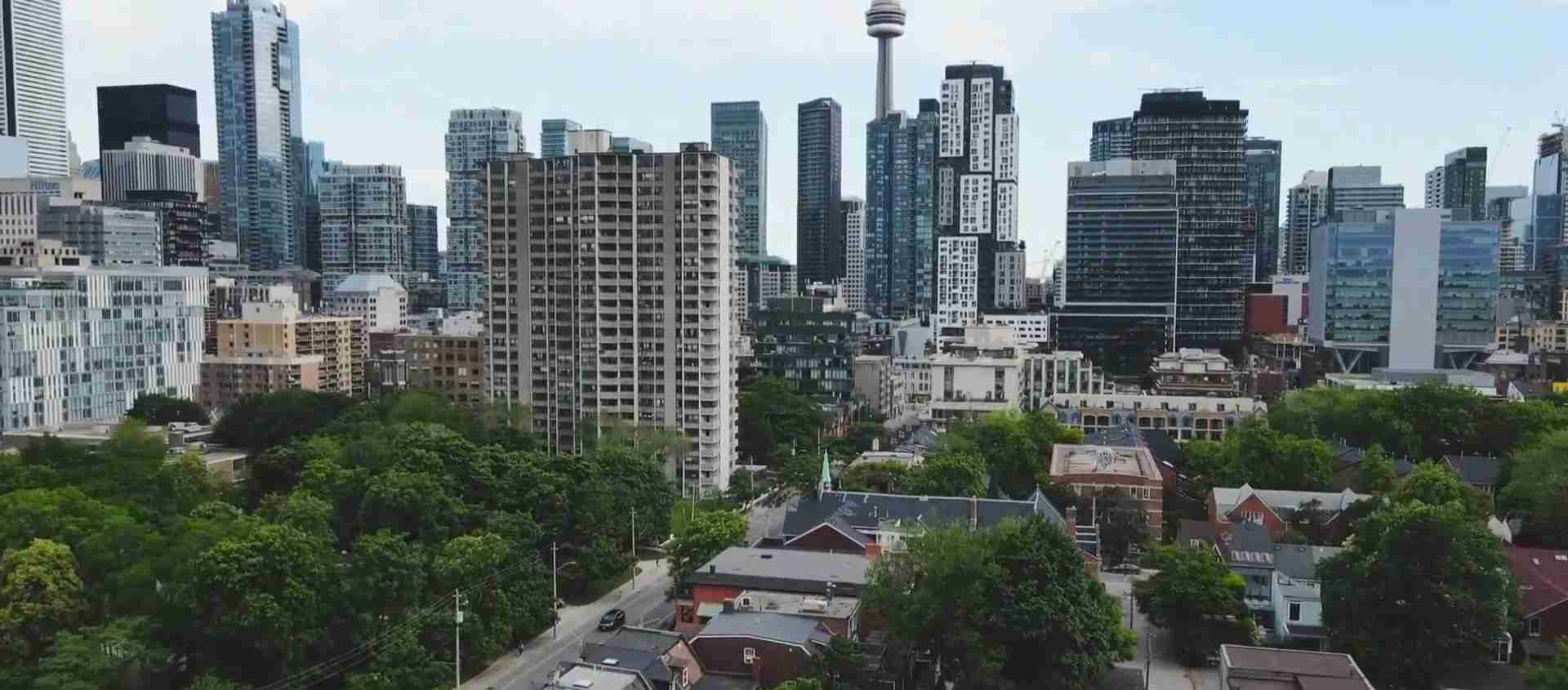
Toronto Hidden Gems Guide: Secret Spots & Lesser-Known Treasures
Beyond the CN Tower and Royal Ontario Museum lies a Toronto that rewards curiosity—a city of hidden lookouts, underground labyrinths, secret bars, and neighborhoods where locals gather in coffee shops that most guidebooks overlook. This guide reveals the lesser-known treasures that give Toronto its authentic character, from Victorian conservatories tucked between skyscrapers to coin-operated book vending machines and clandestine cocktail bars hidden behind unmarked doors.
Key Takeaways: Toronto’s Hidden Treasures
- Secret Viewpoints Reveal Toronto’s Best Skylines: Chester Hill Lookout offers sweeping downtown vistas with a stunning astrology wheel street art installation underfoot, while the Leslieville Lookout Park provides Japanese-inspired mini-forest serenity with Lake Ontario views—both free alternatives to the CN Tower’s crowded observation decks.
- The PATH Underground Network Is the World’s Largest Subterranean Shopping Complex: Stretching 28 kilometers beneath downtown Toronto, this underground city connects 75 buildings with 1,200 shops, cafés, and restaurants, allowing complete downtown exploration without stepping outside—even longtime locals still get turned around in this maze-like system.
- Leslieville Has Evolved Into Toronto’s Premier Hidden Neighborhood Gem: This former working-class village east of the Don River features Victorian and Edwardian architecture, destination-worthy brunch spots, independent boutiques, craft breweries, and a laid-back atmosphere that contrasts sharply with downtown’s frenetic pace while remaining minutes from the city center.
- Literary Treasures Include the World’s First Random Book Vending Machine: The Monkey’s Paw bookstore houses the Biblio-Mat, a coin-operated machine dispensing random vintage books—one of many independent bookstores including Queen Books, Type Books, and She Said Boom! that define Toronto’s thriving literary culture beyond the mainstream chains.
- Secret Bars and Speakeasies Require Detective Work to Find: À Toi hides behind an unmarked entrance on bustling King Street West in a 1920s hotel built by French billionaire Antoine Mercier, while Bowie conceals itself on a quiet Ossington side street—both reward persistent seekers with distinctive atmospheres and prohibition-era mystique.
- Urban Art and Cultural Gems Provide Free Experiences: Graffiti Alley showcases vibrant murals throughout Toronto’s Fashion District, Allan Gardens Conservatory offers six climate-specific greenhouses with exotic plants from tropical rainforests to arid deserts free to the public, and the Aga Khan Museum’s stunning architecture celebrates Islamic art and heritage in North York.
People Also Ask About Toronto Hidden Gems
What Are the Best Hidden Neighborhoods in Toronto?
Leslieville stands out as Toronto’s premier hidden neighborhood, located east of the Don River between Gerrard Street and Eastern Avenue. This former village built around George Leslie’s 1850s nurseries features charming Victorian cottages, Second Empire row houses, and tree-lined streets that create a village atmosphere minutes from downtown. The neighborhood attracts young families and creative professionals to its independent boutiques along Queen Street East, destination brunch spots like Lady Marmalade and Te Aro, craft breweries including Left Field Brewery and Rorschach Brewing Co., and intimate cultural venues such as Crow’s Theatre.
Kensington Market offers another distinct experience as a vibrant, multicultural enclave west of downtown. This pedestrian-friendly neighborhood bursts with colorful street art, vintage shops like Courage My Love and Bungallow, multicultural cuisine spanning Caribbean to Middle Eastern, and an eclectic atmosphere that has remained authentically bohemian despite gentrification pressures. The Junction, historically a working-class area along Dundas Street West near Keele, has transformed into a hip neighborhood with independent coffee roasters, farm-to-table restaurants, craft breweries, and vintage stores while retaining its community-focused character.
Where Can You Find Secret Viewpoints in Toronto?
Chester Hill Lookout provides Toronto’s best free skyline view, tucked away at the end of Chester Hill Road between Broadview Avenue and the Don Valley. This hidden vantage point faces westward over the Don Valley parkland with the downtown skyline rising majestically beyond. The lookout features a captivating astrology wheel street art installation embedded in the concrete crescent, combining panoramic vistas with artistic expression. The location remains relatively unknown compared to tourist-packed observation decks, offering peaceful contemplation of the city.
Leslieville Lookout Park sits above the Leslie Street Spit, providing serene Lake Ontario views framed by a Japanese-style mini-forest. The sandy spot captures both waterfront tranquility and downtown skyline perspectives without admission fees or crowds. Tommy Thompson Park, just below, attracts birdwatchers with more than 300 recorded species while offering unobstructed lake and skyline views from various points along its trails. The Toronto Islands, reached by a short ferry ride from downtown, present multiple vantage points showcasing the city skyline across the harbor—particularly stunning at sunset when downtown lights begin to glow.
What Makes the PATH System Unique?
The PATH underground pedestrian network holds the Guinness World Record as the largest underground shopping complex globally, spanning 28 kilometers of walkways and tunnels beneath downtown Toronto. This subterranean city connects more than 75 buildings from Union Station to the Eaton Centre, encompassing nearly four million square feet of space. The system includes 1,200 shops, cafés, and restaurants, allowing complete downtown traversal without outdoor exposure—particularly valuable during Toronto’s harsh winter months.
The PATH’s maze-like configuration challenges even longtime Toronto residents, who regularly find themselves disoriented despite color-coded directional signs. The network links major office towers, hotels, cultural venues, and transit stations including all three subway lines downtown. During weekday lunch hours, the underground corridors pulse with office workers, creating a hidden rush hour beneath the streets. The system evolved organically over decades as individual buildings added their own underground passages, resulting in the complex, occasionally confusing layout that gives the PATH its unique character.
Where Are Toronto’s Best Independent Bookstores?
Queen Books operates as a female-owned independent bookstore in Leslieville with carefully curated selections and regular author events that build community around literature. The shop features beautifully arranged displays spanning contemporary fiction, literary classics, and local Toronto writers, with knowledgeable staff offering personalized recommendations. Type Books maintains a similar ethos in the Annex neighborhood, known for thoughtfully arranged sections and exceptional customer service that creates loyal local followings.
The Monkey’s Paw in the Annex houses Toronto’s most unusual literary treasure—the Biblio-Mat, the world’s first random book vending machine. This coin-operated device dispenses vintage and out-of-print books selected at random, turning book discovery into a delightful game of bibliophile roulette. She Said Boom! combines bookstore and record shop functions, appealing to those who appreciate both reading and music in a hybrid retail experience. BMV Books, with locations including the Annex, offers discounted new and used books across every genre imaginable, creating treasure-hunting opportunities for bargain-conscious readers. Doug Miller Books and Balfour Books specialize in rare and used books, attracting collectors and serious readers seeking unusual titles unavailable in mainstream chains.
Extended multi-day tours – 5+ days
Featured Toronto Multi-Day Tour Packages

7 days
Eastern Canada City Stay: Toronto and Montreal
- ✓ Comprehensive Toronto tour
- ✓ Expert local guides included
- ✓ All accommodation arranged
- ✓ Transportation provided
7 days
Toronto, Niagara and Chicago (6 destinations)
- ✓ Comprehensive Toronto tour
- ✓ Expert local guides included
- ✓ All accommodation arranged
- ✓ Transportation provided

5 days
Ultimate Niagara & East Coast Highlights – 5 days
- ✓ Comprehensive Toronto tour
- ✓ Expert local guides included
- ✓ All accommodation arranged
- ✓ Transportation provided

6 days
Toronto to New York City and Nature Adventure – 6 days
- ✓ Comprehensive Toronto tour
- ✓ Expert local guides included
- ✓ All accommodation arranged
- ✓ Transportation provided
Multi-day tour packages powered by TourRadar. Prices and availability subject to change.
Introduction: Discovering Toronto Beyond the Guidebook
Toronto reveals its true character away from the tourist circuits that funnel visitors through the same well-worn attractions. While the CN Tower, Ripley’s Aquarium, and Hockey Hall of Fame serve their purposes, the city’s authentic spirit lives in neighborhoods where locals actually gather, in underground networks where commuters traverse an entire hidden city, and in intimate venues that reward those curious enough to explore beyond surface appearances.
Canada’s largest metropolis contains surprising contradictions—a massive underground pedestrian network that even residents navigate with difficulty, Victorian conservatories tucked between glass towers, secret bars hiding behind unmarked doors, and entire neighborhoods transformed from working-class industrial areas into creative hubs while maintaining their village-like atmosphere. These hidden layers distinguish Toronto from other North American cities, creating discovery opportunities that deepen with familiarity rather than exhausting themselves in a weekend visit.
The city’s nickname, “the city of neighborhoods,” reflects a fundamental truth about Toronto’s structure. With 158 officially recognized neighborhoods and upwards of 240 official and unofficial districts, Toronto functions as a collection of distinct communities rather than a monolithic urban core. Each neighborhood develops its own character, from Kensington Market’s bohemian multiculturalism to Leslieville’s family-friendly creativity, from the Distillery District’s Victorian heritage to the Junction’s craft beverage renaissance. Understanding these neighborhood distinctions unlocks Toronto in ways that visiting major landmarks never accomplishes.
This guide organizes Toronto’s hidden gems by category rather than geography, allowing readers to pursue specific interests—whether viewpoints, literary culture, urban art, green spaces, secret bars, or neighborhood exploration. Each section provides self-contained information, enabling selective reading based on personal preferences. The focus remains consistently on lesser-known treasures that locals appreciate but most visitors overlook, creating opportunities for authentic Toronto experiences.
Secret Viewpoints Beyond the CN Tower
Toronto’s most accessible and spectacular viewpoint requires no admission fee, no elevator ride, and no navigating tourist crowds. Chester Hill Lookout occupies the end of Chester Hill Road, tucked between Broadview Avenue and the Don Valley in a location most visitors never discover. This hidden gem faces westward, offering sweeping panoramas across Don Valley parkland with downtown Toronto’s skyline rising dramatically beyond the greenery.
The lookout’s unique feature distinguishes it from conventional viewpoints—a sprawling astrology wheel street art installation covers the concrete crescent beneath visitors’ feet, adding artistic interest to the vista experience. The combination of natural parkland in the foreground, urban skyline in the distance, and creative expression underfoot creates a multidimensional viewing experience unavailable at commercial observation decks. The site attracts photographers during golden hour when western light illuminates the downtown towers, and remains relatively uncrowded even during peak seasons.
Leslieville Lookout Park provides a completely different perspective, positioned above the Leslie Street Spit with Lake Ontario stretching toward the horizon. This peaceful location features a Japanese-inspired mini-forest that frames water and skyline views with intentional serenity. The sandy area allows visitors to settle comfortably while contemplating the relationship between Toronto’s urban density and its waterfront geography. Unlike Chester Hill’s dramatic elevated perspective, Leslieville Lookout offers contemplative waterside tranquility that highlights Toronto’s Great Lakes context.
Tommy Thompson Park, officially the Leslie Street Spit, extends five kilometers into Lake Ontario as a man-made peninsula constructed from construction debris and lakefill. This unexpected wilderness area within city limits attracts more than 300 recorded bird species, making it Toronto’s premier birdwatching destination while simultaneously offering unobstructed skyline views across the water. The park’s trails wind through naturalized habitat that supports diverse wildlife, creating the surreal experience of observing both rare migratory birds and downtown skyscrapers from the same vantage point.
The Toronto Islands provide the classic skyline view across the harbor, accessible via a short ferry ride from downtown. While the islands themselves attract summer crowds, strategic positioning along the shoreline facing north toward the city reveals postcard-worthy perspectives, particularly during sunset when the downtown towers begin to glow against darkening skies. Ward’s Island and Centre Island both offer excellent viewpoints, with the added benefit of island exploration, beaches, and parkland that justify the ferry journey beyond mere skyline photography.
High Park’s Hillside Gardens, though better known than other viewpoints listed here, deserves mention for its elevated position overlooking the park’s valleys and providing glimpses of the downtown skyline through tree canopy. The gardens themselves, featuring carefully designed plantings on sloping terrain, create foreground interest that enhances the distant urban views. During spring when magnolias and cherry blossoms bloom, the combination of floral displays and skyline perspectives becomes particularly photogenic.
Underground Discoveries: The PATH Network
The PATH underground pedestrian network represents one of Toronto’s most unusual hidden gems—a 28-kilometer labyrinth of tunnels and walkways connecting 75 buildings across downtown, officially recognized as the world’s largest underground shopping complex. This subterranean city encompasses nearly four million square feet of space filled with 1,200 shops, cafés, restaurants, and services, allowing complete downtown navigation without outdoor exposure.
The system evolved organically over decades rather than following a master plan, as individual office towers, hotels, and commercial buildings added their own underground passages that eventually connected into a comprehensive network. This unplanned development created the PATH’s notoriously confusing layout—even longtime Toronto residents regularly find themselves disoriented despite color-coded directional signage (red for south, blue for west, yellow for north, orange for east). The maze-like quality, while frustrating for navigation, contributes to the sense of urban exploration that makes the PATH genuinely interesting.
During weekday lunch hours, the underground corridors transform into bustling thoroughfares as office workers flood the system seeking food, shopping, and services. The lunch rush creates a hidden parallel to the street-level activity above, revealing a completely different urban rhythm. Morning and evening commutes similarly concentrate pedestrian traffic as workers move between Union Station and office towers without stepping outside. These temporal patterns make the PATH feel like a living ecosystem rather than static infrastructure.
The network connects all three downtown subway lines—the Yonge-University Line, Bloor-Danforth Line, and Sheppard Line where they intersect—along with Union Station’s regional rail, GO Transit, and UP Express services. This transit integration allows travelers arriving at Union Station to reach hotels, convention centers, and offices entirely underground. During Toronto’s harsh winters, when temperatures regularly drop below -10°C and wind chills reach dangerous levels, the PATH provides essential climate-controlled passage for daily commuters.
Major landmarks accessible via the PATH include the Hockey Hall of Fame, Scotiabank Arena (home to the Raptors and Maple Leafs), the Eaton Centre shopping mall, and numerous performance venues. The underground city contains branches of major retailers, independent boutiques, food courts offering diverse international cuisine, sit-down restaurants, coffee shops, banks, pharmacies, and professional services. This comprehensive retail and service infrastructure means downtown workers can theoretically conduct entire lives underground during winter months without outdoor exposure.
Navigating the PATH requires patience and ideally a downloaded map, as the system’s complexity defeats casual exploration. The official PATH app provides real-time navigation, though cellular signals can be unreliable underground. Distinctive architectural features mark major intersections—the sculptural elements in Brookfield Place’s underground galleria, the dramatic ceiling in Commerce Court, the heritage tiles in older sections—helping orient observant travelers. Learning the PATH demands multiple visits, with each journey revealing new connections and shortcuts that eventually build mental maps of this hidden urban layer.
Literary Hidden Gems
The Monkey’s Paw bookstore in the Annex neighborhood houses Toronto’s most whimsical literary treasure—the Biblio-Mat, officially the world’s first random book vending machine. This coin-operated vintage device dispenses a random used or out-of-print book when fed a token, transforming book acquisition into a delightful game where anticipation and surprise replace conventional browsing. The machine embodies bibliophile serendipity, delivering everything from obscure poetry collections to vintage pulp fiction, from forgotten local histories to unusual technical manuals.
The store itself specializes in unusual and out-of-print books, curating selections that appeal to serious readers seeking titles unavailable through mainstream channels. The Biblio-Mat serves as both functional vending machine and art installation, attracting literary tourists who specifically seek this unique Toronto experience. The random selection process occasionally produces perfect matches between reader and book in ways that deliberate choosing rarely achieves, creating memorable discovery moments that justify multiple visits and token purchases.
Queen Books operates in Leslieville as a female-owned independent bookstore that has cultivated passionate local following through careful curation and community engagement. The shop’s beautifully arranged displays present contemporary fiction, literary classics, local Toronto authors, and staff recommendations with visual appeal that invites browsing. Regular author events, book clubs, and literary discussions transform the store from retail space into community gathering place where readers connect over shared interests.
The knowledgeable staff provide personalized recommendations that demonstrate genuine engagement with books rather than algorithmic suggestions, creating the human connection that distinguished independent bookstores from online retailers. The store’s commitment to supporting local authors, hosting launch events, and maintaining diverse inventory makes it essential infrastructure for Toronto’s literary culture. The location on Queen Street East positions the bookstore within Leslieville’s walkable shopping district, allowing combination with brunch, coffee, and vintage shopping excursions.
Type Books in the Annex maintains similar community-focused values with exceptionally thoughtful arrangements and customer service that builds loyal local readership. The store’s displays change regularly, reflecting staff selections, seasonal themes, and emerging literary trends while maintaining comprehensive backlist availability. The Annex location places Type Books within the University of Toronto area, creating natural synergy with the neighborhood’s intellectual culture and student population.
She Said Boom! operates as hybrid bookstore and record shop, appealing to those who appreciate both literary and musical culture. This combination creates unique browsing experiences where book and vinyl discoveries occur simultaneously, reflecting the broader creative sensibility that characterizes Toronto’s independent retail sector. The dual focus attracts diverse customers and positions the store as cultural hub rather than single-purpose retailer.
BMV Books, with its flagship Annex location and several other branches, offers discounted new and used books across every genre imaginable. The massive inventory creates treasure-hunting opportunities where patient browsers uncover valuable first editions, out-of-print academic texts, rare art books, and bargain recent releases. The store’s buying policy means inventory constantly changes as customers sell books and new stock arrives, rewarding regular visits with fresh discoveries.
Doug Miller Books specializes in rare and collectible books, attracting serious bibliophiles seeking specific editions or building focused collections. The expertly curated inventory demonstrates deep knowledge of book values, conditions, and market trends. Balfour Books similarly emphasizes quality over quantity, maintaining excellent selections of literature, art books, and unusual finds in a quiet, thoughtfully organized space that encourages concentrated browsing without commercial pressure.
Urban Art Treasures
Graffiti Alley stretches through Toronto’s Fashion District as a constantly evolving outdoor art gallery showcasing vibrant murals, political statements, and creative expressions from local and visiting artists. This alleyway system, primarily concentrated between Spadina Avenue and Portland Street along Queen Street West, transforms utilitarian service corridors into celebrated cultural destinations that attract photographers, street art enthusiasts, and tourists seeking authentic urban culture.
The art changes continuously as new artists add work, existing pieces weather and fade, and the alley’s informal curation allows fresh creativity to overlay older expressions. This temporal quality means Graffiti Alley never appears the same twice, rewarding return visits with new discoveries. The vibrant colors, bold designs, and diverse styles range from sophisticated murals requiring days of work to quick tags and spontaneous expressions, creating layered visual complexity that reflects Toronto’s cultural diversity.
While some dismiss graffiti as vandalism, Graffiti Alley demonstrates the artistic merit and creative vitality that street art brings to urban spaces. The location has become sufficiently established that businesses along the alley embrace rather than resist the artwork, recognizing its cultural value and tourist appeal. The alley’s accessibility—no admission fees, no operating hours, no restrictions—makes it genuinely public art in ways that gallery exhibitions never achieve.
The constantly changing nature of street art means specific pieces documented in one visit may disappear or transform during subsequent trips. This impermanence adds urgency to documentation while emphasizing street art’s living, evolving character. Photographers particularly appreciate the alley’s visual richness, dramatic colors, and urban context that provides ready-made backdrops for portrait and fashion photography.
Beyond Graffiti Alley, Toronto’s street art scene extends throughout various neighborhoods with sanctioned mural programs, guerrilla installations, and commissioned works that enliven otherwise bland urban surfaces. The Underpass Park beneath the Eastern Avenue and Richmond Street overpasses features large-scale murals and artistic interventions that transform infrastructure into cultural assets. Junction Triangle’s railway underpasses showcase rotating street art that demonstrates the art form’s growing acceptance and integration into Toronto’s cultural landscape.
The street art community maintains active documentation through social media and dedicated websites that track new pieces, identify artists, and preserve records of ephemeral works. This grassroots documentation creates informal archives that capture Toronto’s urban art evolution over time. Tours led by knowledgeable guides provide context, artist information, and neighborhood history that deepens appreciation beyond surface aesthetics, though self-guided exploration offers freedom and discovery that structured tours cannot match.
Neighborhood Gems: Leslieville
Leslieville emerged as one of Toronto’s most desirable hidden neighborhoods through remarkable transformation from working-class industrial district to creative, family-friendly village that maintains authentic character despite gentrification. Located east of the Don River, bounded by Gerrard Street to the north, Empire Avenue to the west, Eastern Avenue to the south, and Coxwell Avenue to the east, Leslieville occupies a geographically distinct area that developed its own identity separate from downtown Toronto.
The neighborhood traces its origins to the 1850s when it grew around the Toronto Nurseries owned by George Leslie and Sons. Most early residents worked as market gardeners or employees at brick-making factories that operated in the area. This industrial heritage shaped the neighborhood’s architecture and street patterns, which persist today despite dramatic demographic and economic changes. The Leslieville Public School, built in 1863, stands among the village’s first buildings. Alexander Muir, who composed “The Maple Leaf Forever,” served as the school’s first principal—a historical footnote memorialized by a plaque at Laing Street and Memory Lane marking where an autumn maple leaf fell onto Muir’s jacket, inspiring the patriotic verse.
The neighborhood’s architectural landscape reflects its evolutionary history. The oldest homes along Queen Street East and south to Eastern Avenue date from the late 1800s, including Ontario Cottages, Second Empire row houses, and Victorian houses built to shelter industrial workers. These structures, some measuring only 12 feet wide internally, represent some of Toronto’s smallest houses and attract buyers seeking “condo alternative” starter homes with renovation potential. North of Queen Street, early 1900s construction brought detached and semi-detached houses along with numerous bungalows, creating the varied housing stock that now attracts young families and creative professionals.
Leslieville’s commercial district concentrates along Queen Street East, where independent shops, restaurants, cafés, and boutiques create walkable village atmosphere. The retail landscape skews toward locally owned businesses rather than chain stores, maintaining neighborhood character that distinguishes Leslieville from homogenized commercial districts. Vintage shops, design stores, artisan boutiques, and specialty food purveyors attract weekend visitors from across Toronto who appreciate curated selection over big-box convenience.
The neighborhood has earned particular reputation as brunch destination, with restaurants like Lady Marmalade, Te Aro, and Maha’s drawing weekend lineups. Lady Marmalade on Broadview Avenue just north of Dundas Street serves breakfast favorites in cozy surroundings that exemplify Leslieville’s laid-back aesthetic. Te Aro at 983 Queen Street East operates as hip café with garage doors opening to bustling patio, attracting cycling groups and fitness enthusiasts. Maha’s at 226 Greenwood Avenue offers Egyptian cuisine with standout chicken sandwiches and falafel that showcase the neighborhood’s multicultural dining options.
Beyond brunch, Leslieville’s dining scene includes Eastside Social’s seafood specialties, Ascari Enoteca’s fresh pasta at 1111 Queen Street East, and Chula Taberna Mexicana’s outdoor patio perfect for summer evenings. Descendants and Blondies serve exceptional pizza, while Tropical Joe’s provides generous jerk chicken portions and quality patties. Completo and Gio Rana’s Really Really Nice Restaurant (known locally as “The Nose”) round out diverse dining options that justify destination visits.
The craft beverage scene positions Leslieville as birthplace of Left Field Brewery, whose baseball-themed beers including Squeeze Play Cherry Pie Sour and Ice Cold Beer have built loyal followings. Rorschach Brewing Co. produces bold brews alongside in-house pizza. Poor Romeo crafts cocktails in cozy atmosphere, while Pinkerton’s Snack Bar has developed such reputation for drinks that it bottles its own Dynamite Kid Cocktails canned spritz line featuring Aperol Spritz, Negroni, French 75, Martini, and Sherry & Tonic available for home consumption.
Coffee culture thrives with Mercury Espresso beloved for friendly service and cozy atmosphere alongside excellent coffee and treats. Tango Palace has operated since 1993, demonstrating staying power in neighborhood’s transformation. Masa Deli recently opened its second location in Leslieville, bringing beautiful breakfast sandwiches to east-end residents. These coffee shops function as community gathering places where regulars establish daily routines and neighborhood connections form organically.
Shopping options emphasize vintage, handmade, and locally designed goods. The Flamingo stocks curated local vendors selling apparel, prints, and bath supplies. Good Market offers thrifted finds in boutique setting—Grammy winner Chappell Roan has shopped here, according to local lore. Queen Books anchors the literary scene with friendly staff, wide selection, and community events that build readership beyond transactional retail.
Green spaces include Greenwood Park with three baseball diamonds, artificial ice rink, pool, and playground. Jonathan Ashbridge Park on Queen Street’s south side features tennis courts, children’s playground, and wading pool. Leslie Grove Park hosts regular outdoor events organized by the Leslieville BIA, creating community gathering opportunities. The S.H. Armstrong Community Recreation Centre on Woodfield Road provides gymnasium, indoor pool, fitness room, craft room, and meeting spaces that serve neighborhood residents.
The tree-lined residential streets maintain village character despite proximity to downtown Toronto. Front porches foster neighborly interaction, sidewalks accommodate stroller-pushing parents and dog-walkers, and the generally slower pace contrasts with urban frenzy elsewhere. This family-friendly atmosphere combined with creative retail, exceptional dining, and strong community institutions explains Leslieville’s evolution into one of Toronto’s most coveted neighborhoods.
Public transit access via the 501 streetcar along Queen Street East connects Leslieville to downtown and the subway system. Coxwell subway station on the Bloor-Danforth line serves the neighborhood’s eastern edge, with the 22 bus providing connections. Motorists reach downtown within minutes via Lake Shore Boulevard, Gardiner Expressway, and Don Valley Parkway. This transportation convenience allows Leslieville residents to maintain village lifestyle while accessing urban employment and cultural opportunities.
Neighborhood Gems: Kensington Market
Kensington Market operates as Toronto’s most persistently bohemian neighborhood, a vibrant multicultural enclave that has resisted gentrification pressures through community activism and inherent character incompatible with corporate homogenization. Located just west of downtown, bounded roughly by College Street, Spadina Avenue, Dundas Street West, and Bathurst Street, Kensington Market functions as pedestrian-friendly labyrinth of narrow streets, vintage shops, international grocers, independent cafés, and street art that creates sensory-rich urban experience.
The neighborhood developed through successive waves of immigration, beginning with Jewish merchants in the early 20th century, followed by Portuguese, Caribbean, Latin American, and Asian communities that each left cultural imprints still visible in architecture, signage, and commercial offerings. This layered immigrant history created the market’s essential character—dense, diverse, informal, and resistant to planning conventions that govern more conventional neighborhoods.
The physical landscape features Victorian-era houses converted to commercial use, with retail occupying ground floors and residential space above. This mixed-use intensity creates walkable density where shopping, dining, and daily life intermingle without zoning separation. The narrow sidewalks, irregular building facades, hand-painted signs, and improvised displays give Kensington Market tactile, human-scaled quality increasingly rare in contemporary urban development.
Vintage shopping defines significant market activity, with stores like Courage My Love offering curated clothing, jewelry, and accessories accumulated through decades of operation. Bungalow specializes in vintage fashion with particular attention to statement pieces and designer consignment. Common Sort operates multiple locations featuring carefully selected secondhand clothing at reasonable prices. The concentration of vintage retailers creates destination shopping where serious thrifters dedicate hours to discovery, knowing Kensington Market’s inventory exceeds typical secondhand offerings.
Independent cafés provide the coffee culture and workspace that contemporary urban life demands. Café Pamenar serves Guatemalan coffee in intimate surroundings, while Moonbean Coffee Company roasts beans on-site and maintains devoted following for its fresh roasts and community atmosphere. These establishments function as neighborhood living rooms where regulars establish routines, laptop workers settle for hours, and chance encounters foster community connections.
International grocery stores stock ingredients unavailable in conventional supermarkets, serving both immigrant communities maintaining culinary traditions and adventurous cooks exploring global cuisines. Cheese boutiques offer European imports, Latin American grocers supply specialty produce and dry goods, Middle Eastern shops stock tahini and spices, and Caribbean markets provide scotch bonnet peppers and tropical fruits. This culinary diversity makes Kensington Market essential destination for serious home cooks and professional chefs seeking authentic ingredients.
Street food vendors contribute to the market’s informal character, with outdoor grilling, fruit stands, and prepared food stalls creating aromatic atmosphere particularly intense during summer months. The lack of corporate chains means food quality varies by vendor reputation rather than standardized recipes, rewarding local knowledge and repeat patronage. This informality extends to street art covering walls, fences, and any available surface with murals, tags, political statements, and creative expressions that constantly evolve.
Pedestrian Sundays, implemented during summer months, close Augusta Avenue to vehicles and transform the street into community gathering space with vendors, street performers, and spontaneous celebrations that exemplify Kensington Market’s countercultural spirit. These events demonstrate the neighborhood’s ongoing commitment to community-oriented urbanism that prioritizes people over cars, local business over chains, and authentic culture over commercialized tourism.
The market’s resistance to gentrification stems partly from community organizing that has blocked development projects threatening neighborhood character, and partly from built environment—small lots, old buildings, and irregular street patterns—that resists large-scale redevelopment. This preservation maintains Kensington Market as living museum of immigrant Toronto, bohemian counterculture, and independent retail that would disappear under conventional development pressure.
Neighborhood Gems: The Junction
The Junction, historically a working-class neighborhood along Dundas Street West near Keele, has transformed into creative hub known for independent coffee roasters, craft breweries, farm-to-table restaurants, and vintage stores while retaining strong community identity rooted in its industrial past. The neighborhood occupies the area where rail lines junction—hence the name—creating geographic distinctiveness that fostered separate development from adjacent areas.
The Junction’s evolution mirrors Leslieville’s trajectory but maintains grittier aesthetic and stronger working-class heritage visible in architecture, street patterns, and demographic mix. Victorian and Edwardian houses line residential streets, while Dundas Street West concentrates commercial activity in low-rise buildings that house the independent businesses driving the neighborhood’s renaissance. The lack of corporate chains maintains authenticity that attracts residents and visitors seeking alternatives to homogenized commercial districts.
Coffee culture flourishes with multiple independent roasters and cafés competing on quality and atmosphere. These establishments serve as community anchors where neighbors gather, remote workers settle with laptops, and the informal social infrastructure of daily urban life materializes. The emphasis on craft coffee preparation, single-origin beans, and knowledgeable baristas reflects the neighborhood’s broader commitment to artisanal quality over convenience.
Craft breweries have particularly embraced the Junction, establishing production facilities and taprooms that transform former industrial spaces into gathering places. The brewing infrastructure benefits from the neighborhood’s working-class building stock—large open spaces with high ceilings and loading access ideal for brewing equipment—while the taproom model creates community spaces where neighbors interact over locally produced beer.
Farm-to-table restaurants emphasize seasonal menus, local sourcing, and chef-driven cooking that distinguishes Junction dining from corporate restaurant chains. This culinary approach aligns with the neighborhood’s artisanal ethos while attracting food enthusiasts from across Toronto seeking authentic dining experiences. The restaurant scene spans price points from casual to upscale, maintaining accessibility while pushing culinary boundaries.
Vintage stores and antique shops cater to treasure hunters seeking furniture, clothing, housewares, and collectibles. The Junction’s stock tends toward mid-century modern and industrial pieces that complement the neighborhood’s aesthetic while attracting interior designers and style-conscious residents furnishing homes with character unavailable in contemporary furniture stores.
The Junction’s transformation occurred gradually without master planning or major development projects, resulting in organic evolution that preserved neighborhood character while attracting new residents and businesses. This incremental change maintains economic diversity and prevents wholesale displacement that rapid gentrification causes elsewhere. The neighborhood retains machine shops, auto repair facilities, and industrial businesses alongside cafés and boutiques, creating functional diversity increasingly rare in Toronto’s gentrifying areas.
Green Space Sanctuaries
Allan Gardens Conservatory stands as Toronto’s most accessible and spectacular free botanical experience, a Victorian glass-domed paradise tucked in the downtown core at Carlton and Jarvis Streets. The conservatory complex features six distinct greenhouses, each dedicated to different climate zones ranging from tropical rainforests to arid deserts, showcasing exotic plants from around the world in meticulously maintained displays.
The tropical pavilion transports visitors to equatorial climates with towering palms, broad-leafed banana plants, orchids, and dense vegetation that creates humid, jungle-like atmosphere in stark contrast to Toronto’s temperate reality outside. The arid house displays cacti, succulents, and desert-adapted species from Americas, Africa, and Australia, demonstrating remarkable plant adaptations to water scarcity. Cool temperate collections feature Mediterranean plants, seasonal displays that change throughout the year, and special exhibition areas showcasing particular plant families or horticultural themes.
The conservatory’s Victorian architecture deserves appreciation alongside botanical collections. The elegant glass-and-iron structures, built in the late 19th and early 20th centuries, exemplify the conservatory-building tradition that created similar institutions across Europe and North America. The graceful curves, ornate ironwork, and sophisticated engineering that maintains precise climate control within glass enclosures represent significant architectural achievement predating modern climate control systems.
Allan Gardens operates free of charge with extended hours that accommodate visitors from early morning through evening, making botanical exploration accessible regardless of economic circumstances. This public accessibility distinguishes the conservatory from many attractions that impose admission fees, positioning it as genuine public amenity serving all Toronto residents and visitors. The location in downtown’s eastern edge places Allan Gardens within walking distance of neighborhoods including Cabbagetown, Regent Park, and the Garden District.
The surrounding parkland, though less manicured than the conservatory itself, provides green space for recreation, relaxation, and community gathering. The park’s diverse user population reflects its downtown location and open-access policy, creating genuinely public space where economic and social diversity coexist. Visitors seeking contemplative botanical experiences sometimes find the surrounding park’s social dynamics challenging, though the conservatory interior maintains peaceful atmosphere conducive to plant appreciation.
Edwards Gardens in North York offers contrasting green space experience—an expansive, meticulously maintained botanical garden featuring themed gardens, walking trails, and naturalized ravine landscapes. The gardens showcase seasonal plantings, perennial borders, rock gardens, and teaching gardens that demonstrate horticultural principles. The Civic Garden Centre within Edwards Gardens provides educational programming, horticultural library, and resources for gardeners.
Toronto Botanical Garden at Edwards Gardens includes formal display gardens, woodland areas, and the exceptional Teaching Garden with over 90 diverse garden styles demonstrating design principles and plant combinations. The gardens attract serious gardeners seeking inspiration, plant identification knowledge, and seasonal interest demonstrations that inform home garden planning. The ravine trails extend botanical exploration into naturalized landscapes where native plants, seasonal changes, and ecological processes create different appreciation from formal garden displays.
High Park in Toronto’s west end encompasses 400 acres of mixed meadow, forest, gardens, sports facilities, and natural landscapes that constitute the city’s largest public park. The Hillside Gardens feature spring bulb displays, perennial borders, and mature specimen trees arranged on sloping terrain. The park’s Japanese cherry trees create spectacular spring spectacle that attracts massive crowds when blooms peak, typically late April to early May depending on weather conditions.
Riverdale Farm, nestled in Cabbagetown near the Don Valley, operates as working farm within city limits, maintaining heritage livestock breeds, seasonal gardens, and agricultural demonstrations that connect urban residents with farming traditions. The farm provides free access year-round, allowing children and adults to observe pigs, chickens, sheep, goats, and cattle in educational context that demystifies food production.
Historic Hidden Quarters
The Distillery District transforms 13 acres of Victorian-era industrial architecture into pedestrian-only village featuring art galleries, restaurants, boutiques, theaters, and cultural spaces within restored brick buildings that once housed Canada’s largest whiskey distillery. Located in Old Town east of downtown, bounded roughly by Mill Street, Parliament Street, and the rail corridor, the district demonstrates adaptive reuse of heritage industrial buildings at remarkable scale.
The Gooderham and Worts Distillery operated from 1832 until 1990 as spirits production facility, accumulating 40-plus Victorian industrial buildings constructed over decades of expansion. When production ceased, the abandoned complex faced demolition until preservation advocates recognized the architectural and heritage value of intact 19th-century industrial village. The subsequent conversion into mixed-use cultural district preserved exteriors while adapting interiors for contemporary uses, maintaining historical character while creating functional modern spaces.
The cobblestone streets, gas-lamp-style lighting, red-brick facades, and absence of vehicles create atmospheric environment dramatically different from Toronto’s contemporary urban fabric. This pedestrian-only policy transforms movement patterns and social dynamics—visitors stroll rather than rush, linger in public spaces, and engage with architectural details impossible to appreciate at vehicular speeds. The district functions as outdoor museum where industrial heritage remains visible in building features, signage, and spatial organization.
Art galleries occupy numerous buildings, showcasing contemporary Canadian art, photography, sculpture, and mixed media in industrial settings that complement rather than compete with artwork. The gallery concentration creates informal art district where serious collectors and casual browsers encounter diverse artistic practices. Public art installations throughout the district, including permanent sculptures and temporary exhibitions, extend cultural programming beyond gallery walls into public spaces.
Restaurants and cafés range from casual to upscale, many featuring outdoor patios that activate courtyards and pedestrian areas during temperate months. The brewery and distillery operations that have established within the district honor its spirits-production heritage while contributing to contemporary craft beverage culture. The concentration of dining and drinking establishments transforms the district into evening destination beyond daytime cultural tourism.
The Distillery District hosts seasonal events including outdoor art markets, Christmas markets with international vendors, summer festivals, and cultural celebrations that draw crowds from across Toronto. These programmed events complement daily activity, creating rhythm of busy weekends and quieter weekdays. The holiday season particularly transforms the district with elaborate decorations, European-style Christmas market stalls, and festive atmosphere that attracts substantial visitor numbers.
Mackenzie House Museum, tucked on Bond Street near Yonge and Dundas, preserves the final home of William Lyon Mackenzie, Toronto’s first mayor and leader of the 1837 Upper Canada Rebellion. This three-story Greek Revival row house, built in 1858, operates as period museum with recreated Victorian rooms reflecting how Mackenzie and his family lived. The museum remains lesser-known compared to major Toronto attractions, creating intimate historical experience without crowds.
The building’s reputation as one of Toronto’s most haunted locations adds paranormal interest to historical significance. Reports of unexplained phenomena, ghostly appearances, and supernatural activity have persisted since the museum’s operation began, attracting ghost hunters and paranormal enthusiasts alongside history buffs. Whether or not one believes in haunting, the building’s Victorian atmosphere and period furnishings create appropriately eerie ambiance.
Fort York National Historic Site preserves the military fortification that defended York (Toronto’s original name) during the War of 1812. Located west of downtown near the waterfront, now surrounded by modern development, the fort maintains eight original buildings from the early 19th century along with reconstructed fortifications, blockhouses, and military structures. Costumed interpreters demonstrate military life, while exhibits detail the fort’s role in Toronto’s founding and the War of 1812’s local impact.
Island Escapes
The Toronto Islands—technically a series of interconnected islands and peninsulas in Lake Ontario—provide peaceful retreat from urban intensity just a short ferry ride from downtown. The 15-minute ferry journey from Jack Layton Ferry Terminal at the foot of Bay Street transports visitors to car-free environment featuring beaches, parks, walking and cycling trails, restaurants, and recreational facilities spread across Centre Island, Ward’s Island, and Algonquin Island.
Centre Island attracts families with amusement park rides at Centreville, beaches for swimming, picnic areas, and bike rentals available at Centre Island Pier. The island’s facilities concentrate visitor activity, creating bustling atmosphere during summer weekends and holidays when Toronto families seek waterfront recreation. Far Enough Farm operates as petting zoo with domestic animals and fowl that engage children, complementing beach and playground attractions.
Ward’s Island and Algonquin Island maintain residential communities alongside parkland, creating unique urban environment where permanent residents live in island cottages accessible only by ferry. The residential areas feature charming houses with gardens, pedestrian paths shaded by mature trees, and village-like atmosphere dramatically different from Toronto’s urban density. Walking through these neighborhoods reveals alternate urban possibility—car-free, pedestrian-scaled, community-oriented living within sight of downtown skyscrapers.
The islands’ beaches provide rare sandy shoreline access within Toronto city limits. Ward’s Island Beach, Hanlan’s Point Beach, and Centre Island Beach each offer different atmospheres—Ward’s tends quieter and attracts neighborhood feel, Hanlan’s Point includes clothing-optional section popular with LGBTQ+ community, Centre Island draws family crowds. The beaches face Lake Ontario with downtown skyline views across the harbor, creating distinctive urban beach experience where wilderness and cityscape coexist.
Cycling represents ideal island transportation, with bike rentals available near ferry docks and paths connecting all major destinations. The flat terrain, car-free environment, and scenic routes make cycling accessible for all ages and abilities. The Boardwalk along the southern shore offers waterfront cycling and walking with continuous lake views, lighthouse visits, and beach access points. A complete island circuit covers approximately 8 kilometers, manageable within a few hours with stops for exploration.
The Toronto Island Marina accommodates pleasure boats and sailing clubs, creating nautical atmosphere particularly concentrated around Ward’s Island and Algonquin Island where sailboats dot the harbor. The island’s sailing culture dates to the late 19th century when yacht clubs established island presence, maintaining traditions that persist today. The combination of residential community, recreational visitors, and nautical culture creates social diversity uncommon in single-purpose parks.
Gibraltar Point Lighthouse, built in 1808, stands as Toronto’s oldest surviving lighthouse and one of the oldest structures in the city. The hexagonal limestone tower marks the western approach to Toronto Harbor from Lake Ontario. Though no longer operational, the lighthouse remains accessible via walking trails from Hanlan’s Point. Local legends claim the lighthouse keeper’s ghost haunts the structure, adding paranormal lore to historical significance.
Seasonal variation dramatically changes island character—summer brings crowds, ferry lineups, and full-capacity beaches, while spring and fall offer solitude with migratory birds, blooming or changing foliage, and peaceful walking. Winter access becomes limited as ferry service reduces, though residents maintain year-round island life and winter visitors find snowy serenity unavailable during tourist season.
Cultural Gems Off the Tourist Trail
The Aga Khan Museum in North York showcases Islamic art, culture, and heritage from around the world within stunning contemporary architecture designed by Fumihiko Maki. The museum’s permanent collections span centuries and geographic regions, including ancient manuscripts, contemporary art, ceramics, metalwork, textiles, and artifacts that trace Islamic civilization’s artistic achievements. The building itself—featuring white granite facade, geometric patterns, and reflecting pools—represents architectural masterpiece worthy of appreciation alongside exhibited collections.
The museum’s location in North York, distant from downtown tourist circuits, contributes to its hidden gem status despite world-class collections and architecture. This geographic separation from major attractions means the Aga Khan Museum rarely experiences crowds, allowing contemplative engagement with exhibits uncommon at more accessible institutions. The Ismaili Centre next door shares the museum’s design language and cultural mission, creating cohesive cultural campus.
The museum’s programming includes temporary exhibitions, educational lectures, film screenings, musical performances, and cultural celebrations that extend beyond static displays. These events provide context and contemporary relevance to historical collections, demonstrating Islamic culture’s living evolution rather than frozen historical artifact. The outdoor courtyard and landscaped grounds create peaceful spaces for reflection, with design elements referencing Islamic garden traditions.
The Bata Shoe Museum on Bloor Street near the Annex houses the world’s most comprehensive shoe collection—over 13,000 footwear items and related artifacts spanning 4,500 years of history and representing cultures from around the globe. The museum’s unusual focus—shoes as cultural artifacts, fashion items, and functional objects—creates engaging exhibitions that reveal how footwear reflects social status, technological innovation, cultural practices, and aesthetic values.
The collection includes everything from ancient Egyptian sandals to contemporary designer heels, from Chinese lotus shoes to Arctic mukluks, from celebrity footwear to functional work boots. This breadth demonstrates how fundamentally human the impulse to create and decorate footwear remains across cultures and epochs. The museum’s exhibitions balance serious scholarship with accessible presentation, making footwear history engaging for general audiences while satisfying specialists.
The building’s distinctive architecture—designed by Raymond Moriyama to suggest a shoebox—announces the institution’s playful spirit while providing functional museum galleries. The location on Bloor Street near St. George subway station places the museum within easy reach, yet it remains surprisingly unknown to many Toronto residents who would enjoy its quirky appeal.
The Textile Museum of Canada, though smaller than major institutions, maintains significant collections of historic and contemporary textiles, garments, and fiber arts from around the world. The museum’s focus on textiles as artistic medium and cultural artifact creates specialized programming unavailable elsewhere in Toronto. Exhibitions explore textile traditions, contemporary fiber art, fashion history, and textile techniques through displays that balance aesthetic appreciation with cultural context.
The SkullStore Oddity Shop in Cabbagetown operates as Toronto’s weirdest retail experience, specializing in skulls, bones, taxidermy, natural history specimens, and macabre curiosities. This unique shop attracts collectors, artists, medical professionals, and the morbidly curious seeking authentic specimens unavailable in conventional stores. The inventory spans animal skulls from common to exotic species, articulated skeletons, wet specimens, minerals, fossils, and oddities that defy simple categorization.
The shop’s educational approach emphasizes natural history and anatomy rather than exploitation, with knowledgeable staff explaining specimen origins, anatomical features, and ethical sourcing. The Cabbagetown location places this unusual business within Toronto’s most architecturally distinctive neighborhood, creating appropriate context for unconventional retail. The shop functions as museum-like space where browsers spend extended time examining specimens regardless of purchase intent.
Secret Bars and Speakeasies
À Toi conceals itself behind unmarked entrance on bustling King Street West, occupying a historic building with fascinating backstory that enhances the drinking experience. French billionaire Antoine Mercier built the small hotel in the 1920s as gift to Toronto and tribute to his wife Isabel—the name “À Toi” meaning “to you” in French. Tragically, Mercier died before construction completed, and Isabel lacked energy to finish the project beyond the entrance. This partial realization created the intimate bar that exists today, where prohibition-era atmosphere and romantic tragedy combine.
The bar maintains prohibition-era rule against photography except in designated spot, preserving mystique and encouraging guests to experience rather than document. The discrete exterior provides no indication of the different world waiting beyond the threshold—exactly as speakeasies functioned during actual prohibition when discretion protected illegal operations. The cocktail program emphasizes classic preparations and quality spirits over trendy innovations, complementing the timeless atmosphere.
Bowie hides on quiet Ossington side street behind unassuming exterior that provides no hint of the distinctive universe within. The contrast between anonymous facade and elaborate interior design creates delightful discovery moment when first-time visitors step through the door. The bar’s aesthetic draws inspiration from David Bowie’s chameleonic creativity and glam-rock excess, creating visually rich environment that rewards sustained attention to design details.
The Ossington location places Bowie within Toronto’s densest bar district, yet the hidden nature and residential side-street position maintain separation from the main strip’s weekend crowds. This geographic strategy allows the bar to attract neighborhood regulars and in-the-know visitors without competing directly with high-volume establishments on Ossington Avenue itself. The cocktail menu demonstrates serious commitment to craft bartending while maintaining approachable rather than intimidating presentation.
The search process—attempting to locate unmarked entrances, questioning whether the correct address has been found, finally discovering access—replicates prohibition-era speakeasy experience in ways that simply labeling a bar “speakeasy” never achieves. This authentic hide-and-seek transforms drinking from transactional consumption into adventure that begins before the first sip. Repeat visitors develop insider knowledge about access, operation hours, and optimal visit times that create informal hierarchy between uninformed newcomers and experienced patrons.
These secret bars share common characteristics beyond hidden entrances—intimate scale that encourages conversation, serious attention to cocktail craft, atmospheric design that transports guests from Toronto’s contemporary reality, and deliberate contrast with high-volume bars optimized for maximum throughput. The small capacity means these establishments sometimes fill completely, requiring would-be patrons to wait or return another time. This scarcity enhances value perception and creates urgency around securing access.
Toronto’s secret bar scene extends beyond À Toi and Bowie to include various establishments that embrace speakeasy aesthetics, hidden access, or unconventional locations. Some occupy basement spaces accessed through back alleys, others hide within restaurants or behind false doors, still others occupy upper floors above street-level businesses. The common thread remains deliberate obscurity that rewards persistent seekers while filtering out casual bar-hoppers seeking convenient access.
Independent Coffee Culture
Balzac’s Coffee Roastery operates multiple locations across Toronto while maintaining artisanal approach that distinguishes independent coffee culture from corporate chains. The roaster sources beans directly from farmers, roasts in small batches, and operates cafés that function as community gathering spaces rather than transactional pit stops. The Liberty Village flagship location occupies restored heritage building with soaring ceilings, exposed brick, and industrial elements that create distinctive atmosphere unavailable in standardized corporate spaces.
The company’s commitment to quality extends beyond coffee preparation to food offerings, interior design, and customer service that build loyal followings. Each location develops neighborhood character while maintaining brand consistency, creating familiar experience adaptable to different communities. The roastery welcomes visitors interested in coffee production, offering transparency about sourcing and roasting that educates consumers beyond marketing claims.
Dineen Coffee operates in heritage building on Yonge Street with stunning architectural preservation that makes coffee consumption secondary to spatial experience. The café occupies former Dineen Building, meticulously restored to showcase original details including ornate ceiling, period fixtures, and architectural elements that transport visitors to earlier Toronto. The combination of serious coffee program and museum-quality preservation creates destination worthy of visits regardless of caffeine needs.
The space functions as de facto heritage site where visitors photograph architectural details, admire restoration craftsmanship, and appreciate Toronto’s Victorian commercial architecture while incidentally enjoying excellent coffee. This dual purpose—café and architectural showcase—demonstrates how independent operators can activate heritage buildings in ways that corporate chains, with standardized design requirements, cannot achieve.
Boxcar Social embraces hybrid model combining coffee, cocktails, and food within industrial-chic spaces that transition seamlessly from morning caffeine service to evening drinks. The multiple locations include Harbourfront’s waterfront patio offering lake views alongside craft beverages, creating seasonal variation where summer patio service contrasts with cozy winter interior atmosphere. This adaptability maintains year-round relevance in city where winter weather drives dramatic behavioral shifts.
Hale Coffee attracts serious coffee enthusiasts seeking expertly brewed espresso prepared by knowledgeable baristas who understand extraction science, bean characteristics, and preparation variables that elevate coffee from commodity to craft. The stripped-down aesthetic emphasizes coffee quality over interior design flourishes, creating no-nonsense environment where product excellence speaks louder than atmosphere manipulation. Multiple locations serve different neighborhoods while maintaining consistent quality standards.
Mercury Espresso in Leslieville exemplifies neighborhood café that builds community through friendly service, cozy atmosphere, and consistent quality that encourages daily rituals. The café functions as informal community center where neighbors encounter each other, regulars establish preferred seating, and baristas learn names and orders. This social infrastructure role distinguishes independent cafés from corporate chains where transactional efficiency replaces relationship building.
Tango Palace has operated in Leslieville since 1993, demonstrating remarkable staying power through neighborhood transformation, economic fluctuations, and coffee culture evolution. The longevity reflects adaptation to changing preferences while maintaining core identity that attracted original customers. Long-running establishments accumulate neighborhood history and multigenerational patronage unavailable to new openings, creating living connections to area’s past.
Café Pamenar in Kensington Market serves Guatemalan coffee in intimate surroundings that reflect owner’s heritage and commitment to Central American coffee traditions. The café functions as cultural ambassador educating customers about Guatemalan coffee production, preparation methods, and flavor profiles while maintaining welcoming atmosphere that prioritizes hospitality over coffee snobbery. The Kensington Market location places this café within neighborhood context that values cultural authenticity and independent business.
Moonbean Coffee Company roasts beans on-site, creating aromatic atmosphere that announces coffee commitment before any tasting occurs. The roasting equipment visible within café space demonstrates transparency about process while creating theater around coffee production. The devoted following appreciates fresh-roasted beans, knowledgeable staff, and community atmosphere that transforms coffee purchase into social experience.
Frequently Asked Questions
How Do You Navigate the PATH System Without Getting Lost?
Download the official PATH app or photograph PATH maps at major intersections before attempting navigation, as the 28-kilometer underground network’s complexity defeats casual exploration. The color-coded directional system uses red for south, blue for west, yellow for north, and orange for east—memorizing this code helps orient movement even when specific destinations remain unclear. Major architectural landmarks mark key intersections: Brookfield Place’s distinctive galleria ceiling, Commerce Court’s dramatic vertical space, and heritage tile work in older sections provide visual waypoints that aid mental mapping.
Plan routes between familiar reference points rather than attempting direct navigation to unfamiliar destinations. Union Station, the Eaton Centre, and major office towers function as PATH hubs that most users recognize. Navigate to the nearest hub, then proceed to final destination from that landmark. Allow extra time for first-time journeys, as even experienced PATH users occasionally take wrong turns or discover their mental maps contain errors.
The lunch rush (11:30 AM – 1:30 PM weekdays) concentrates pedestrian traffic and creates human flow patterns that indicate major routes. Following crowds during peak hours often leads toward popular destinations and major intersections. Conversely, quiet periods make navigation easier by reducing distractions, though fewer people means less opportunity to ask directions when lost. Stores and restaurants throughout the PATH employ staff familiar with navigation who can provide directions.
What Are the Best Times to Visit Toronto’s Hidden Gems?
Weekday mornings before 10 AM offer optimal conditions for exploring neighborhoods like Leslieville, Kensington Market, and the Junction with minimal crowds. Independent coffee shops and bakeries operate at full capacity while streets remain relatively quiet, creating opportunity for leisurely exploration before weekend tourist influx. Early hours particularly benefit photography, as morning light illuminates streets and storefronts without pedestrian interference.
Shoulder seasons—April through May and September through October—provide ideal weather for outdoor exploration without summer’s heat or winter’s harsh cold. These periods avoid peak tourist season while maintaining pleasant temperatures for walking, cycling, and park visits. Fall foliage in Toronto’s ravines and parks creates spectacular color displays that peak late September through mid-October. Spring brings cherry blossoms in High Park (typically late April) and tulips emerging in gardens citywide.
Winter visits to indoor attractions like Allan Gardens Conservatory, the Aga Khan Museum, and the Bata Shoe Museum provide climate-controlled refuge during Toronto’s coldest months while avoiding crowds that concentrate at these venues during shoulder seasons. The PATH network becomes particularly valuable November through March when outdoor temperatures regularly drop below freezing and windchill creates dangerous conditions. Secret bars and speakeasies maintain cozy winter atmosphere that complements Toronto’s dark, cold evenings.
Can You Access Toronto Islands Year-Round?
Ferry service to Toronto Islands operates year-round, though schedules vary dramatically by season and passenger volume decreases significantly outside summer months. Summer schedules (roughly May through September) run frequent departures from early morning until late evening, accommodating day-trippers and residents with multiple sailings per hour to Centre Island, Ward’s Island, and Hanlan’s Point. Wait times during summer weekends often exceed 30 minutes as lineups form at Jack Layton Ferry Terminal.
Winter ferry service reduces to minimal schedules serving primarily island residents, with some routes suspended entirely during coldest months. Centre Island ferry typically suspends winter service, concentrating operations on Ward’s Island route that serves residential community requiring year-round access. Winter visitors should verify current schedules before attempting island trips, as service modifications occur based on ice conditions, weather, and passenger demand.
Island facilities and attractions close or operate reduced hours outside peak season. Centreville amusement park closes after Labour Day weekend until the following May long weekend. Beaches remain accessible year-round but swimming occurs only during supervised summer season when lifeguards staff designated beaches. Restaurants and concessions suspend operations outside summer, requiring visitors to bring food and beverages during off-season visits.
Are Toronto’s Secret Bars Actually Hard to Find?
Secret bars like À Toi and Bowie genuinely lack obvious signage and maintain unmarked entrances that require specific address knowledge and observation to locate. À Toi occupies a heritage building on King Street West with entrance that appears residential rather than commercial, easily missed among the street’s restaurants and bars. Bowie hides on Ossington side street behind facade offering no indication of bar operation within. These establishments deliberately obscure access to maintain exclusive atmosphere and speakeasy mystique.
First-time visitors commonly experience momentary uncertainty whether they have located the correct address, mirroring prohibition-era speakeasy discovery. This intentional ambiguity creates adventure element where finding the entrance constitutes part of the experience rather than obstacle. Some secret bars employ additional access controls—buzzers, password systems, or reservation requirements—that extend exclusivity beyond physical concealment.
The difficulty serves multiple purposes beyond aesthetic: capacity control limits overcrowding in small spaces, discretion maintains neighborhood compatibility by avoiding obvious bar signage and crowds, and exclusivity creates perceived value that justifies premium pricing. Reservation systems increasingly govern access to popular secret bars, replacing physical hide-and-seek with booking requirements that serve similar gatekeeping function.
How Safe Are Toronto’s Hidden Neighborhoods at Night?
Leslieville, the Junction, and the Distillery District maintain generally safe nighttime environments with active street life from restaurants, bars, and residents that provides natural surveillance. These neighborhoods attract evening diners, bar patrons, and dog walkers who create pedestrian presence that discourages opportunistic crime. Well-lit commercial streets like Queen Street East in Leslieville and Dundas Street West in the Junction remain busy until late evening, though quieter residential side streets require standard urban precautions.
Kensington Market’s nighttime character varies significantly by specific location and time. Well-traveled commercial streets with bars and restaurants maintain activity and relative safety, while peripheral areas become quite isolated after business hours. The neighborhood’s socioeconomic diversity includes street-involved populations that concentrate in certain areas, requiring visitors to exercise awareness without paranoia. Groups generally experience fewer issues than solo travelers, particularly on weekend evenings when bar traffic peaks.
Downtown areas including Graffiti Alley in the Fashion District remain active late into night but require standard urban safety awareness. The PATH system closes overnight, with access restricted after business hours when offices empty and retail establishments close. Attempting PATH navigation during closing hours risks getting locked inside sections as security progressively seals entrances.
What Makes Leslieville Different from Other Toronto Neighborhoods?
Leslieville maintains authentic village character despite location minutes from downtown Toronto, creating rare combination of urban convenience and small-town atmosphere. The neighborhood’s tree-lined residential streets feature Victorian and Edwardian houses with front porches that encourage neighborly interaction, contrasting sharply with anonymous condo towers or busy commercial districts. This built form—human-scaled, walkable, architecturally varied—creates spatial experience increasingly rare in contemporary urban development.
The independent retail landscape distinguishes Leslieville from neighborhoods dominated by chain stores and franchises. Queen Street East concentrates locally owned boutiques, vintage shops, restaurants, and cafés that reflect individual owner vision rather than corporate branding strategies. This commercial diversity creates unique shopping and dining experiences unavailable in homogenized commercial districts while supporting local entrepreneurship and neighborhood economy.
The strong family-oriented community attracts young parents seeking urban lifestyle with kid-friendly amenities, quality schools, parks, and neighborhood cohesion. Stroller traffic rivals vehicular traffic on weekend mornings as families walk to farmers markets, playgrounds, and brunch destinations. This demographic concentration creates demand for family-appropriate businesses—children’s stores, toy shops, family restaurants—that reinforce neighborhood character while maintaining enough adult-oriented amenities to prevent suburban feel.
Is the Biblio-Mat Worth the Trip to The Monkey’s Paw?
The Biblio-Mat represents genuinely unique Toronto experience—the world’s first random book vending machine deserves recognition beyond mere novelty. The device dispenses vintage and out-of-print books selected entirely at random when fed a token, creating bibliophile slot machine that combines gambling excitement with literary discovery. The unpredictability generates authentic suspense as the mechanism whirs and selects from inventory spanning obscure poetry collections to forgotten local histories, vintage technical manuals to pulp fiction rarities.
The randomness occasionally produces perfect reader-book matches through pure chance, creating memorable discovery moments where unexpected titles reveal unexpected interests. Other times the machine dispenses completely inappropriate or baffling selections that nonetheless provide conversation pieces and unusual additions to home libraries. This variability constitutes the Biblio-Mat’s essential charm—accepting unpredictability as feature rather than bug transforms book acquisition into playful adventure.
The Monkey’s Paw bookstore surrounding the Biblio-Mat justifies the visit independent of vending machine novelty. The shop specializes in unusual and out-of-print books curated for readers seeking titles unavailable through mainstream channels. Browsing the shelves reveals literary treasures and unusual volumes that reward patient exploration, while knowledgeable staff offer recommendations and conversation that enrich the book-buying experience beyond transactional efficiency.
How Long Should You Budget for Exploring the Toronto Islands?
A comprehensive Toronto Islands visit requires minimum four to six hours to experience multiple islands, beaches, walking or cycling routes, and recreational facilities without excessive rushing. The 15-minute ferry crossing each direction consumes 30 minutes of this time, leaving 3.5 to 5.5 hours for actual island exploration. This timeframe allows leisurely beach visits, cycling the island circuit, exploring residential neighborhoods on Ward’s Island, visiting Gibraltar Point Lighthouse, and enjoying meal or refreshments at island cafés.
Shorter visits focusing on single island or specific activity require two to three hours minimum, accounting for ferry transit and single-destination exploration. Centre Island beach visits with children playing at Far Enough Farm and Centreville amusement park easily extend beyond six hours as families maximize the trip investment. Ward’s Island wandering through residential streets and quiet beach time suits contemplative half-day escapes from urban intensity.
Cycling the complete island perimeter covers approximately 8 kilometers on flat, paved paths manageable within 90 minutes at leisurely pace with photo stops. Bike rental near ferry docks provides convenient access without transporting personal bicycles. Walking the same circuit requires three to four hours depending on pace and stop frequency, though most visitors combine walking segments with stationary beach or park time rather than attempting complete circumnavigation.
What Should First-Time Visitors Know About Kensington Market?
Kensington Market functions as pedestrian-priority neighborhood despite vehicle access on most streets—expect to navigate around parked delivery trucks, pedestrians walking in roadways, and general vehicular-pedestrian mixing uncommon in conventional districts. This informal traffic pattern reflects the market’s organic development and resistance to conventional planning, requiring situational awareness from both drivers and pedestrians but creating human-scaled environment conducive to browsing.
The neighborhood’s character varies significantly throughout the day. Morning hours showcase local residents shopping at grocers and bakeries, creating authentic community atmosphere before tourist arrivals. Afternoon brings browsing visitors to vintage shops and cafés, while evenings concentrate around restaurants and bars serving dinner crowds. Weekend Pedestrian Sundays (summer months) close Augusta Avenue to vehicles, transforming the street into community gathering space with vendors and performers.
Cash remains preferred payment method at many market vendors, particularly smaller shops, street food stalls, and vintage stores. While major establishments accept credit cards, visitors should carry cash to access full market offerings. ATMs operate within the market area, though fees apply. The market’s compact geography—roughly 500 meters square—makes complete exploration achievable within two to three hours, though serious vintage shoppers or food enthusiasts easily extend visits to full days.
Are Allan Gardens and the Conservatory the Same Thing?
Allan Gardens refers to the overall park and public green space occupying the block at Carlton and Jarvis Streets, while Allan Gardens Conservatory specifically designates the Victorian glass-domed greenhouse complex within that park. Visitors seeking botanical collections and climate-controlled plant displays should navigate to the conservatory buildings rather than simply the park, as the outdoor parkland contains standard urban green space features—lawns, paths, benches—without the exotic plant collections that make the conservatory noteworthy.
The conservatory entrance requires finding the glass structures visible within the park rather than entering at random park gates. The main entrance typically faces Jarvis Street, though multiple access points serve the interconnected greenhouse pavilions. Clear signage guides visitors once within the park perimeter, and the glass structures’ visibility makes navigation relatively straightforward once the general park location is reached.
The conservatory operates free of charge with extended hours accommodating morning through evening visits, while the surrounding park remains accessible 24 hours as public space. The park’s nighttime use reflects its downtown location and diverse surrounding neighborhoods, with social dynamics that some visitors find challenging. The conservatory interior maintains peaceful atmosphere conducive to plant appreciation regardless of park activity levels, as the enclosed structures create separation from outdoor public space.