Tongariro National Park Guide 2026: Dual UNESCO Heritage Site
Key Takeaways
- Tongariro National Park holds dual UNESCO World Heritage status recognizing both natural volcanic landscapes and Maori cultural significance—one of only 39 such sites globally
- Park entry remains free year-round with costs limited to transport (NZD $45-65 shuttle services), DOC hut bookings (NZD $15-45 per night), and guided tours (NZD $195-450)
- The park encompasses 795 square kilometers of active volcanic terrain including three major peaks: Mount Ruapehu (2,797m), Mount Ngauruhoe (2,291m), and Mount Tongariro (1,967m)
- Summer season (December-February) delivers optimal conditions for most visitors, while winter transforms Ruapehu into New Zealand’s premier ski destination
- Cultural protocols require respecting Maori spiritual connections to the landscape—avoid climbing certain sacred peaks and observe signposted tapu (restricted) areas
- Book accommodation and shuttle services 2-3 months ahead for peak season 2026, particularly around holidays when National Park Village sells out completely
Understanding Tongariro National Park in 2026
Tongariro National Park stands as New Zealand’s oldest national park, gifted to the nation in 1887 by Te Heuheu Tukino IV, paramount chief of Ngati Tuwharetoa, to protect sacred peaks from European settlement and development. This pioneering conservation act established one of the world’s first national parks, predating most global park systems and creating a model for indigenous land protection that continues influencing conservation philosophy worldwide. The park achieved UNESCO World Heritage status in 1990 for its outstanding natural features, then received rare cultural World Heritage recognition in 1993 acknowledging Maori spiritual connections to the volcanic landscape—joining an exclusive group of only 39 dual-listed sites globally.
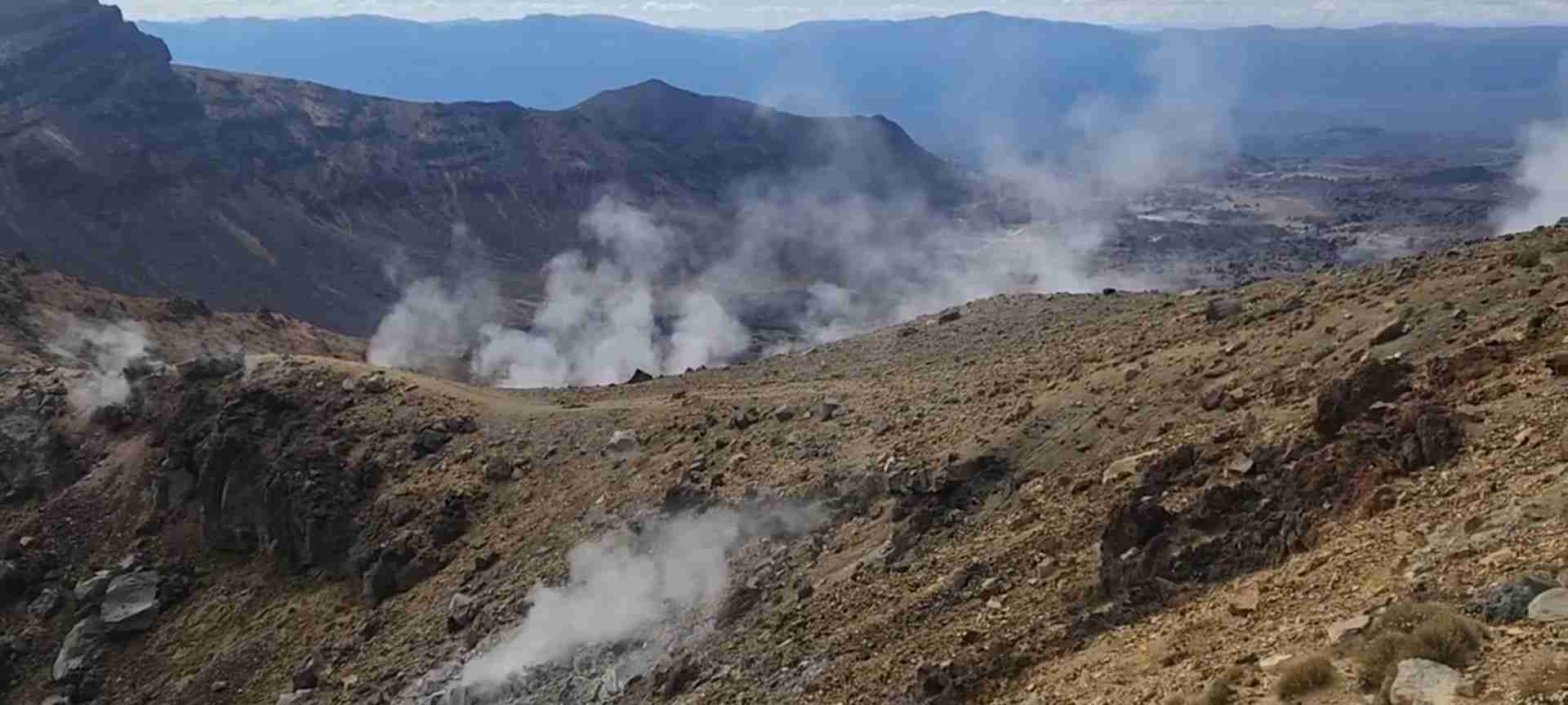
The park’s 795 square kilometers encompass three active volcanic peaks dominating the central North Island skyline. Mount Ruapehu (2,797m), New Zealand’s highest North Island mountain, erupted as recently as 2007, sending ash plumes across the region and triggering lahars (volcanic mudflows) that destroyed ski infrastructure. Mount Ngauruhoe (2,291m) last erupted in 1975, creating the near-perfect volcanic cone recognized worldwide as Mount Doom from Peter Jackson’s Lord of the Rings trilogy. Mount Tongariro (1,967m) hosts multiple active craters including Red Crater, Blue Lake, and the Ketetahi thermal area where steam vents demonstrate ongoing geothermal activity beneath the mountain’s slopes.
Volcanic hazards remain real and present throughout Tongariro National Park. GNS Science maintains continuous monitoring of seismic activity, crater lake temperatures, and gas emissions from all three peaks. The volcanic alert level system operates on a 0-5 scale, with current status at Level 1 (minor volcanic unrest) for Ruapehu—hikers and skiers receive regular updates when conditions change. Lahar warning systems protect lower valleys where volcanic mudflows could travel at speeds exceeding 60 km/h following eruptions or crater lake breaches. This dynamic volcanic environment creates both the park’s extraordinary landscape beauty and its inherent natural hazards that visitors must understand and respect.
Cultural significance permeates every aspect of Tongariro National Park beyond simple scenic value. Ngati Tuwharetoa, Ngati Rangi, and other iwi (tribes) maintain spiritual connections to the volcanic peaks as ancestral landmarks, burial grounds, and sources of traditional knowledge spanning centuries. Certain peaks and locations carry tapu (sacred restrictions) limiting or prohibiting access, climbing, or food consumption. Understanding and honoring these cultural protocols demonstrates respect for the indigenous heritage that led to the park’s creation and continues shaping its management under unique arrangements balancing conservation with Maori customary rights and spiritual practices.
People Also Ask About Tongariro National Park 2026
How much does it cost to visit Tongariro National Park in 2026?
Entry to Tongariro National Park remains free with no gate fees, admission charges, or permits required for general park access in 2026. Costs arise from services within the park rather than park entry itself. Shuttle transport for the Tongariro Alpine Crossing costs NZD $45-65 per person, DOC hut accommodations range NZD $15-45 per person per night, and guided walking tours charge NZD $195-295 per person for day experiences (check current rates with shuttle operators and tour companies as pricing may vary by season). Ski area access on Mount Ruapehu costs NZD $119-149 per day for lift passes during winter season (June-October).
Accommodation near the park ranges from budget camping at NZD $15-18 per person per night to luxury lodges at NZD $250-400 per double room. National Park Village offers mid-range options at NZD $120-180 per double room, while Whakapapa Village provides ski-focused accommodation at NZD $180-280 per double room during winter. Budget travelers complete 2-3 day park visits for NZD $200-300 per person including accommodation, food, and basic shuttle services, while comprehensive week-long explorations cost NZD $800-1,200 per person depending on hiking ambitions and accommodation standards.
When is the best time to visit Tongariro National Park in 2026?
Summer months (December-February) deliver optimal conditions for hiking and general exploration with stable weather patterns, warm temperatures averaging 15-25°C at lower elevations, and maximum daylight hours (6:30 AM-8:30 PM) allowing extended outdoor activities. The Tongariro Alpine Crossing operates most reliably during summer with 70-80% completion rates and manageable crowds of 150-250 daily hikers on popular routes. January and February see peak visitor numbers with accommodation booking essential 2-3 months ahead, particularly around New Year holidays when National Park Village reaches capacity.
Winter season (June-September) transforms Mount Ruapehu into premier skiing destination with two major ski areas—Whakapapa and Turoa—offering 550+ hectares of skiable terrain and vertical drops exceeding 700 meters. July and August deliver best snow conditions with average base depths of 150-200cm and consistent powder days following regular snowfall patterns. Winter park visitation focuses heavily on skiing while hiking becomes technical alpine mountaineering requiring specialized equipment and experience. Shoulder seasons (March-April, October-November) offer fewer crowds, lower accommodation rates, and variable weather requiring flexible scheduling but rewarding visitors with quieter trails and dramatic seasonal landscape transitions.
What are the main activities in Tongariro National Park in 2026?
The Tongariro Alpine Crossing ranks as New Zealand’s most celebrated day hike, attracting over 140,000 annual crossings through 19.4 kilometers of volcanic terrain showcasing emerald crater lakes, steaming vents, and panoramic mountain views. The full Tongariro Circuit extends to 43 kilometers over 3-4 days, circumnavigating Mount Ngauruhoe with DOC hut accommodations at Mangatepopo, Ketetahi, and Waihohonu. Shorter day walks include Taranaki Falls (2-hour return), Silica Rapids (2.5-hour return), and Tawhai Falls (30-minute return), providing excellent options for families, casual hikers, or visitors acclimatizing before longer treks.
Winter skiing dominates June-October activities with Whakapapa and Turoa ski areas offering diverse terrain from beginner nursery slopes to expert chutes and off-piste bowls. Lift systems include high-speed quads and chairlifts accessing elevations up to 2,300 meters with views across the volcanic plateau. Snowboarding, ski touring, and snowshoeing provide alternatives to downhill skiing, while Turoa operates night skiing during July-August on illuminated terrain parks. Summer activities expand to mountain biking on designated trails, photography workshops capturing volcanic landscapes, and guided cultural tours explaining Maori connections to the sacred peaks. Rock climbing routes exist on volcanic cliffs though remain less developed than hiking trail networks.
Can you climb Mount Ngauruhoe (Mount Doom) in 2026?
Climbing Mount Ngauruhoe remains technically permitted but actively discouraged by DOC and Ngati Tuwharetoa due to the mountain’s sacred status in Maori culture and significant environmental damage caused by thousands of annual climbers. The 2-3 hour summit climb from the Tongariro Alpine Crossing ascends 550 vertical meters through unstable volcanic scree that erodes rapidly under foot traffic, creating unsustainable environmental impacts on the near-perfect volcanic cone. Track erosion has widened significantly over decades of climbing, with loose rock creating hazards for hikers below when stones dislodge during ascents and descents.
Cultural sensitivity should guide decisions about climbing Ngauruhoe. The mountain holds deep spiritual significance as an ancestor to Ngati Tuwharetoa and Ngati Rangi peoples, with traditional protocols discouraging casual recreation on its slopes. Many guided tour operators no longer include Ngauruhoe summits in their itineraries, respecting iwi requests to protect the mountain’s cultural integrity and physical landscape. If you choose to climb despite these considerations, depart no trace, carry out all waste, avoid creating new erosion channels, and acknowledge the complex tension between recreational access and cultural respect that this debate embodies. Alternative summit experiences exist on Mount Ruapehu via ski area chairlifts or on less culturally sensitive peaks throughout the park.
What wildlife lives in Tongariro National Park?
Native birds dominate Tongariro National Park wildlife including tui (endemic honeyeaters with distinctive white throat tufts), fantail (piwakawaka—small insect-eating birds following hikers), rifleman (titipounamu—New Zealand’s smallest bird), and bellbird (korimako with melodious calls throughout forest areas). Kea, the world’s only alpine parrot, inhabits higher elevations particularly around ski areas and popular hiking routes where these intelligent, curious birds investigate packs, equipment, and vehicles seeking food. Brown kiwi exist within the park but remain rarely seen due to nocturnal habits and low population densities—spotting kiwi requires dedicated night walks with experienced guides in specific conservation areas.
Introduced mammals including possums, stoats, and rats damage native bird populations through predation on eggs and chicks. DOC maintains extensive pest control programs using trap networks and aerial 1080 poison drops protecting vulnerable native species. Red deer, pigs, and goats roam lower elevation forests—these introduced species damage native vegetation but provide recreational hunting opportunities under permit systems. No dangerous animals threaten hikers—New Zealand has no snakes, bears, or large predators. The harsh alpine environment above 1,800 meters supports limited vertebrate life, with most wildlife concentrated in lower elevation beech forest and tussock grassland zones where food sources and shelter exist year-round.
Extended multi-day tours – 5+ days
Featured New Zealand Multi-Day Tour Packages
11 days
New Zealand North to South Island Adventure
- ✓ Comprehensive New Zealand tour
- ✓ Expert local guides included
- ✓ All accommodation arranged
- ✓ Transportation provided
6 days
Auckland Explorer New Zealand City Stay
- ✓ Booking needs min. 2 travelers
9 days
9-Day North Island Icons: The Essential North Island New Zealand Journey (Auckland to Wellington)
- ✓ Comprehensive New Zealand tour
- ✓ Expert local guides included
- ✓ All accommodation arranged
- ✓ Transportation provided
11 days
11-Day Deep South: The Ultimate South Island New Zealand Loop (Christchurch Start)
- ✓ Comprehensive New Zealand tour
- ✓ Expert local guides included
- ✓ All accommodation arranged
- ✓ Transportation provided
Multi-day tour packages powered by TourRadar. Prices and availability subject to change.
Essential Planning Information 2026
Park Access and Transportation
National Park Village serves as the primary gateway for Tongariro National Park access, located on State Highway 4 between Taupo (1 hour north) and Whanganui (1.5 hours west). The village sits at 800 meters elevation with direct access to Whakapapa ski area (15-minute drive), Tongariro Alpine Crossing trailheads (20-30 minute shuttle), and numerous day walk starting points. Whakapapa Village, 6 kilometers uphill from National Park Village at 1,100 meters elevation, provides accommodation closer to ski areas and hiking trails but offers fewer services and restaurant options than the larger gateway village.
Road access from major cities includes Auckland (4.5 hours, 330km via State Highways 1 and 47), Wellington (4.5 hours, 330km via State Highways 1 and 49), and Rotorua (2 hours, 140km via State Highways 5 and 47). Roads remain sealed and well-maintained year-round, though winter conditions (June-September) require snow chains carried in vehicles with police checkpoints enforcing requirements during heavy snowfall. Rental car companies include snow chain sets during winter or charge NZD $25-35 per set for optional additions—verify winter driving policies before booking if visiting during ski season.
Public transport options remain limited with InterCity coaches operating daily services between Auckland, Taupo, National Park Village, and Wellington. Bus fares cost NZD $35-55 per person from Taupo, NZD $60-80 from Rotorua, providing budget alternatives to rental cars for independent travelers. No public transport serves Tongariro Alpine Crossing trailheads—dedicated shuttle services fill this gap with private operators collecting hikers from accommodation and delivering to trail access points. Taupo and Turangi (1 hour from National Park Village) offer additional accommodation and service options for visitors with vehicles willing to commute daily into the park.
Accommodation Options Near the Park
National Park Village accommodations range from budget backpackers at NZD $35-45 per person in dormitories to mid-range hotels at NZD $120-180 per double room and small luxury lodges at NZD $220-280 per double room. The village contains approximately 15 accommodation properties totaling 400-500 beds—book 2-3 months ahead for summer peak season (December-February) when demand exceeds supply during optimal hiking weather. Backpacker properties including Plateau Lodge and Adventure Lodge offer communal kitchens, hiking information, and social atmospheres attracting international travelers completing multi-week New Zealand tours.
Whakapapa Village focuses on ski-area-adjacent accommodation with the Chateau Tongariro Hotel (NZD $180-320 per double room) providing full-service lodging including restaurants, bars, and spa facilities. Skotel Alpine Resort (NZD $140-200 per double room) offers modern ski lodge atmosphere with equipment storage and drying rooms. Whakapapa Holiday Park (NZD $15-22 per person camping, NZD $80-120 cabins) delivers budget options closest to Whakapapa ski area though facilities remain basic compared to National Park Village properties.
DOC campgrounds at Mangahuia (7km from National Park Village) and Whakapapanui (near Whakapapa Village) cost NZD $15-18 per person per night with basic facilities including toilets, cold water, and picnic tables but no showers or cooking shelters. Freedom camping (camping outside designated areas) is prohibited throughout Tongariro National Park—violators face fines of NZD $200-500. Wild camping on multi-day hiking routes remains illegal except at designated DOC hut locations where camping fees apply even if using tents rather than hut bunks.
Visitor Centers and Information Services
Whakapapa Visitor Centre operates year-round as Tongariro National Park’s main information hub, located in Whakapapa Village at 1,100m elevation. The center opens daily 8:00 AM-5:00 PM during summer (October-April) and 8:00 AM-4:30 PM during winter (May-September), providing detailed track information, weather forecasts, volcanic activity updates, and cultural interpretation of the park’s dual UNESCO heritage. DOC staff offer personalized hiking advice, equipment recommendations, and safety briefings for visitors planning multi-day treks or technical alpine routes. Free exhibits explain volcanic processes, Maori cultural history, and conservation challenges facing native species within the park ecosystem.
National Park Village contains private i-SITE visitor information center offering general tourist information, accommodation bookings, activity reservations, and transport arrangements. The center stocks topographic maps (NZD $18-25), guidebooks (NZD $25-35), and local postcards, operating daily 8:00 AM-6:00 PM during summer and 8:30 AM-5:00 PM during winter. Staff provide shuttle booking assistance, weather updates, and local knowledge though lack the specialized conservation and safety expertise of DOC ranger services at Whakapapa. Consider both centers complementary—visit DOC for detailed tramping and safety information, then arrange commercial services and accommodation through the i-SITE facility.
Mountain Weather forecasts from MetService provide essential planning information updated twice daily (6:00 AM and 6:00 PM) with specific predictions for 1,800-2,400m elevations across the volcanic peaks. Forecasts include wind speed, visibility, cloud base height, precipitation, and avalanche risk during winter—check these specialized mountain forecasts rather than general regional predictions when planning alpine activities. DOC maintains weather display boards at both visitor centers and trailheads showing current conditions and short-term forecasts. Download MetService mobile app before visiting if relying on smartphones for weather monitoring, though cell coverage remains patchy across upper elevations where conditions matter most.
Best Times to Visit Tongariro National Park 2026
Summer Season Advantages (December-February)
Summer delivers maximum accessibility across Tongariro National Park with all hiking trails open, highest completion rates for challenging routes like the Alpine Crossing, and stable weather patterns supporting multi-day outdoor activities. December through February averages 60-70% clear weather days with high-pressure systems bringing settled conditions lasting 3-5 days between frontal passages. Daily temperatures range 5-10°C at dawn to 18-25°C during midday at lower elevations (800-1,200m), creating comfortable conditions for strenuous hiking without the extreme cold of winter alpine environments.
Daylight hours extend from 6:30 AM to 8:30 PM during summer solstice (December 21), allowing early starts and late finishes without headlamp navigation. This extended daylight supports flexible scheduling, sunrise photography missions, and safety margins if groups fall behind planned itineraries during long crossings. Hut bookings prove easier to secure during weekday periods even at peak season, with weekend demand driving maximum competition for popular Mangatepopo and Ketetahi bunks. Consider Monday-Thursday hiking windows if flexibility permits, avoiding Friday-Sunday peaks when completion rates drop due to trail congestion slowing progress.
Summer vegetation reaches full growth across lower slopes with alpine wildflowers blooming throughout January-February. Native plants including mountain daisies, gentians, and hebes create botanical interest along walking tracks, while regenerating forest areas show vigorous summer growth patterns. Wildlife activity peaks during summer with bird nesting seasons bringing increased song, territorial displays, and visible parenting behaviors. Kea presence intensifies around popular hiking routes and ski area carparks where summer visitor numbers create scavenging opportunities for these intelligent, opportunistic alpine parrots.
Winter Skiing and Snow Sports (June-September)
Winter transforms Tongariro National Park into New Zealand’s premier central North Island ski destination with Whakapapa and Turoa ski areas offering 550+ hectares of skiable terrain across Mount Ruapehu’s slopes. The ski season typically runs mid-June through early October, with July-August delivering best snow conditions when average base depths reach 150-200cm and consistent powder accumulation follows regular frontal systems crossing the volcanic peaks. Whakapapa ski area operates New Zealand’s highest lift-served skiing reaching 2,300m elevation with spectacular views across the volcanic plateau toward Mount Ngauruhoe and Mount Tongariro.
Lift pass prices cost NZD $119-149 per adult per day during peak season (July-August), dropping to NZD $99-119 during early and late season periods when snow coverage remains less reliable. Multi-day passes and season passes deliver significant per-day savings for visitors planning extended ski trips—5-day passes average NZD $95-110 per day while season passes costing NZD $1,099-1,299 suit New Zealand residents making multiple winter visits. Equipment rental packages (skis, boots, poles) cost NZD $55-75 per day for standard gear or NZD $75-95 per day for premium equipment including shaped skis and high-performance boots.
Winter hiking becomes technical alpine mountaineering requiring ice axes, crampons, avalanche awareness, and extensive mountain experience. The Tongariro Alpine Crossing transforms into serious winter climb with snow depths of 1-2 meters across upper sections and avalanche risk present on steep slopes during and after snowfall. Only experienced mountaineers should attempt winter alpine routes without professional guides—commercial guided winter crossings operate at NZD $295-395 per person providing full safety equipment, avalanche assessment, and expert leadership. Most casual hikers delay crossing attempts until November-April when summer conditions return, focusing winter visits entirely on ski area activities rather than tramping pursuits.
Shoulder Season Opportunities (March-May, October-November)
Autumn months (March-May) provide excellent alternatives to summer crowds while maintaining reasonable weather stability and comfortable temperatures for hiking activities. March averages 50-60% clear weather days with temperatures ranging 8-18°C, autumn colors developing across lower slopes as native plants respond to shortening daylight and cooling conditions. Alpine vegetation transforms through brilliant reds and golds during April, creating spectacular photography opportunities absent during summer’s green dominance. Hiker numbers drop to 50-80 daily crossings on weekdays during March-April, significantly quieter than January’s peak congestion.
May marks transition toward winter conditions with increasing snowfall at upper elevations and unpredictable weather mixing clear days with sudden frontal systems. This late autumn period suits experienced hikers accepting variable conditions in exchange for near-solitude on normally crowded tracks. Accommodation availability improves dramatically after April school holidays end, with properties offering walk-in rates 20-30% below summer peak pricing. Some shuttle operators reduce service frequency during May or cease operations entirely by mid-month—verify transport availability before planning late autumn visits requiring commercial shuttle support.
Spring conditions (October-November) bring unpredictable weather patterns mixing clear, settled periods with sudden snow showers, hail, and strong winds as winter weather gradually retreats toward winter. October sees significant snow coverage persisting across upper routes from winter accumulation, typically melting by mid-to-late November in accessible hiking areas. Spring wildflowers emerge across lower elevations rewarding patient hikers with botanical displays including mountain daisies, buttercups, and native orchids. November delivers increasing weather reliability approaching summer stability while maintaining shoulder-season advantages of quieter trails, lower costs, and flexible accommodation booking. Plan 4-5 day weather windows for spring visits, allowing postponement flexibility if conditions deteriorate during intended hiking periods.
Major Hiking Routes and Trails 2026
Tongariro Alpine Crossing Details
The Tongariro Alpine Crossing traverses 19.4 kilometers from Mangatepopo Valley (1,100m) to Ketetahi Road end (760m), ascending 800 vertical meters to Red Crater summit (1,886m) before descending through diverse volcanic landscapes. The route requires 6-8 hours for average-fitness hikers, with faster groups completing in 5-6 hours and slower parties taking 8-10 hours including extended photography stops and lunch breaks. No water sources exist across the upper alpine section between Mangatepopo start and Ketetahi descent—carry minimum 2-3 liters per person preventing dangerous dehydration during strenuous mountain exercise.
Key sections include the Devil’s Staircase (200m vertical climb through volcanic scree), South Crater (broad volcanic plain at 1,600m), Red Crater ascent and descent (unstable scree slopes), Emerald Lakes (turquoise crater pools colored by dissolved minerals), Blue Lake (sacred site where entry prohibited), and Ketetahi descent (6km downhill through thermal area and native forest). Weather conditions change rapidly with temperature drops of 10-15°C possible as cloud systems move across exposed ridges. Wind speeds exceeding 50 km/h create dangerous conditions on narrow crater rims—postpone crossings when forecasts predict high winds or afternoon thunderstorms.
Shuttle transport costs NZD $45-65 per person for return service from National Park Village, Whakapapa Village, or Turangi to Mangatepopo start and Ketetahi finish. Book shuttles 2-3 weeks ahead during December-February peak season when services sell out, or 48 hours ahead during shoulder seasons when availability remains better. Guided tours at NZD $195-295 per person include professional guides, transport, packed lunch, and safety equipment, providing comprehensive support for first-time alpine hikers or international visitors unfamiliar with New Zealand mountain conditions.
Tongariro Northern Circuit (Multi-Day)
The Tongariro Northern Circuit extends to 43-45 kilometers over 3-4 days, circumnavigating Mount Ngauruhoe while incorporating the Alpine Crossing as day two of the journey. The circuit operates as Great Walk status track with enhanced facilities, regular maintenance, and mandatory hut bookings during peak season (October-April). DOC huts at Mangatepopo (26 bunks), Ketetahi (26 bunks), Oturere (26 bunks), and Waihohonu (28 bunks) cost NZD $45 per person per night during Great Walk season, dropping to NZD $15 per person during off-season winter months when facilities operate without wardens or gas heating.
Day one typically covers 15.5 kilometers from Whakapapa Village to Mangatepopo Hut through native beech forest and volcanic plateau terrain. This moderate introduction climbs 400 meters and descends 200 meters, allowing acclimatization before the demanding Alpine Crossing section. Day two completes the full Alpine Crossing from Mangatepopo to Ketetahi Hut (17km, 7-9 hours), while day three continues 14 kilometers to Oturere Hut across high desert volcanic plains showcasing lava flows and cinder cones. The final day descends 14 kilometers from Oturere to Whakapapa Village through regenerating forest and historical sites including old adzed totara trees and 19th-century Maori trails.
Circuit timing suits 3-4 day itineraries depending on fitness levels and photography interests. Strong hikers complete in 3 days with long daily distances (12-17km), while relaxed schedules spread across 4 days allow shorter daily walks (10-12km) and extended rest stops. Side trips include Mount Ngauruhoe summit (3-4 hours additional, 550m vertical), though this climb faces cultural sensitivity and environmental impact concerns as discussed in climbing sections. Book circuit huts precisely 6 months ahead when DOC booking system opens new dates—popular summer weekends sell out within hours requiring computer readiness at midnight release times.
Shorter Day Walks and Family Options
Taranaki Falls track provides excellent 2-hour return walk (6km) suitable for families and casual hikers, descending through mountain beech forest to spectacular 20-meter waterfall. The well-maintained track includes boardwalks across wetland sections and numerous interpretation panels explaining native forest ecology and volcanic landscape formation. Taranaki Falls operates year-round weather permitting, offering reliable option when alpine conditions prevent Alpine Crossing attempts. The trailhead sits 5 kilometers from National Park Village with parking available for independent visitors or access via hotel/lodge shuttle services.
Silica Rapids walk extends 7 kilometers return (2.5-3 hours) following the Whakapapaiti Stream through native forest to gorge viewpoints where river cuts through volcanic rock creating rapids and cascades. This track crosses several footbridges and includes steeper sections requiring reasonable fitness, though remains accessible to most visitors with basic hiking experience. The trail showcases regenerating forest ecosystems with native birds common throughout beech canopy areas. Combine Silica Rapids with Taranaki Falls for excellent half-day hiking covering 13 kilometers total and experiencing diverse park environments without alpine exposure or serious elevation gain.
Tawhai Falls (30-minute return walk, 1.5km) delivers quick waterfall access perfect for short stops or families with young children. The track descends 50 meters through forest to Gollum’s Pool—the filming location for Gollum’s fishing scene in Lord of the Rings: The Two Towers. This cultural cinema connection appeals to movie fans while the short distance and well-graded path accommodate all fitness levels including seniors and children under 5 years old. Tawhai Falls trailhead sits alongside State Highway 48 between National Park Village and Whakapapa Village with small parking area and no facilities beyond trail access.
Budget Planning for Tongariro National Park 2026
Budget Visitor Strategies
Budget travelers complete 3-day Tongariro National Park visits for NZD $250-350 per person including accommodation, food, Alpine Crossing shuttle, and basic activities. Backpacker dormitories at NZD $35-45 per person per night provide affordable sleeping options with communal kitchens allowing self-catering meal preparation. Supermarkets in National Park Village stock groceries at standard New Zealand pricing—budget NZD $15-20 per person per day for breakfast cereals, sandwich supplies, pasta dinners, and snacks. The New World supermarket in Turangi (30-minute drive) offers wider selection and slightly lower prices for visitors with rental cars willing to shop outside the village.
Free activities around the park include shorter walking tracks like Taranaki Falls and Tawhai Falls requiring no shuttle transport or guided services. DOC visitor center exhibits provide free educational content on volcanic processes, conservation work, and Maori cultural heritage. Evening presentations at the Whakapapa Visitor Centre during summer deliver ranger talks on alpine ecology and park management at no charge. Photography opportunities exist throughout accessible areas without requiring paid tours or special access permits—dedicated photographers produce excellent portfolios using only public viewing locations and walking tracks.
Equipment rental costs represent significant budget items for hikers lacking proper outdoor gear. Sharing rental costs among travel groups reduces per-person expenses—one waterproof jacket rental at NZD $25-30 can serve multiple hikers if weather remains clear. Many backpacker lodges offer free equipment loan programs including basic rain jackets and spare clothing, though quality and sizing prove variable compared to commercial rental services. Consider purchasing budget outdoor clothing at Warehouse or Farmers stores in Taupo (1-hour drive) rather than renting premium gear for single-use crossings—waterproof jackets cost NZD $60-80 retail versus NZD $25-30 per day rental over multiple days.
Mid-Range Experience Planning
Mid-range visitors budget NZD $600-900 per person for 3-4 day park visits including comfortable accommodation, restaurant meals, Alpine Crossing shuttle, and additional activities. Private motel rooms at NZD $120-180 per double occupancy provide quiet rest after demanding hikes without dormitory noise and shared bathroom facilities of budget backpackers. Restaurant dinners cost NZD $35-45 per person at National Park Village establishments including Schnapps Bar, Station Café, and Eivins Restaurant—these venues serve New Zealand lamb, seafood, and international cuisine with local wine selections.
Guided Alpine Crossing tours at NZD $195-250 per person transform hiking into educational experiences with professional geological explanations, Maori cultural history, and small group sizes (8-12 hikers) allowing personalized attention. Premium equipment rental packages at NZD $60-75 per day ensure quality Gore-Tex waterproofs, Salomon boots, and Black Diamond poles maintained to high standards. These investments prevent attempting crossings in inadequate gear that compromises safety and enjoyment during challenging mountain conditions—proper equipment proves worth the expense for once-in-lifetime New Zealand visits.
Additional activities expand mid-range itineraries beyond hiking focus. Scenic flights over the volcanic peaks cost NZD $295-450 per person for 30-40 minute helicopter tours providing aerial perspectives impossible from ground level. Cultural tours explaining Maori connections to Tongariro run NZD $95-150 per person with local guides sharing traditional stories and spiritual significance of the sacred mountains. Photography workshops led by professional landscape photographers cost NZD $350-450 per person for full-day instruction covering composition, camera settings, and post-processing techniques specific to volcanic landscape photography.
Luxury and Premium Options
Luxury Tongariro National Park experiences cost NZD $1,500-2,500 per person for 3-4 day visits including boutique accommodation, private guides, helicopter flights, and gourmet dining. The Chateau Tongariro Hotel offers heritage luxury at NZD $250-400 per double room with mountain views, fine dining restaurant, spa services, and historic 1929 architecture creating grand hotel atmosphere. Powderhorn Chateau at Ohakune (30-minute drive from park) provides modern luxury at NZD $280-350 per double room with ski-in/ski-out access during winter and summer mountain biking trails.
Private guide services cost NZD $450-650 per person for customized Alpine Crossing experiences with one-on-one or small family group attention. These premium guides adjust pacing to individual fitness levels, extend photography stops at key viewpoints, and provide comprehensive geological and cultural interpretation throughout the crossing. Helicopter transfers at NZD $295-350 per person combine spectacular flights with efficient transport, flying from accommodation to Mangatepopo start, crossing on foot, then returning by helicopter from Ketetahi with aerial mountain views completing the experience.
Multi-day luxury guided circuits cost NZD $1,800-2,400 per person for 3-4 day experiences including DOC hut accommodation, all meals, portered gear service reducing pack weight, and professional guides covering volcanic geology, alpine ecology, and Maori cultural heritage. These comprehensive packages allow deep immersion in the UNESCO dual World Heritage environment with expert interpretation enhancing appreciation beyond independent hiking achievements. Gourmet catered meals replace standard DOC hut self-catering, while portering services carry food, cooking equipment, and personal items allowing clients to hike with minimal day packs containing only water, cameras, and layers.
Sample Tongariro National Park 2026 Itineraries
Three-Day Alpine Crossing Focus
Day one arrives National Park Village mid-afternoon allowing accommodation check-in, village orientation, and short acclimatization walk. Complete the Taranaki Falls track (2-hour return, 6km) warming up legs and adjusting to 800-1,200m elevation before the demanding Alpine Crossing attempt. Visit Whakapapa Visitor Centre reviewing track conditions, weather forecasts, and safety information with DOC rangers. Organize shuttle booking confirmation, pack preparation, and early dinner at 6:00 PM supporting 5:30 AM next-morning departure. Budget travelers cook own meals (NZD $8-12 per person), while mid-range visitors dine at village restaurants (NZD $35-45 per person).
Day two completes the Tongariro Alpine Crossing with 5:30 AM shuttle departure from National Park Village reaching Mangatepopo start at 6:00 AM. The 19.4-kilometer crossing takes 6-8 hours including the Devil’s Staircase climb, Red Crater summit, Emerald Lakes photography, and Ketetahi descent. Shuttle returns hikers to village accommodation by 4:00-5:00 PM allowing post-crossing relaxation, hot showers, and celebratory dinner. Most hikers appreciate quiet evening after strenuous day—book dinner reservations ahead avoiding walk-in waits when multiple shuttle loads arrive simultaneously at popular restaurants.
Day three explores shorter walks or recovery activities before departure. The Silica Rapids walk (2.5-hour return) provides gentle exercise without serious elevation gain, while Tawhai Falls (30-minute return) offers quick Lord of the Rings filming location visit. Alternative activities include scenic drives to Whakapapa Village, visitor center exhibits, or coffee at village cafés before checking out and departing toward next destinations. Flexible travelers extend to four days allowing weather postponement buffer if conditions prevent day-two crossing attempts—this insurance proves valuable given mountain weather unpredictability even during stable summer periods.
Accommodation NZD $35-45 per person per night (two nights backpacker) or NZD $120-180 per double room (motel), shuttle NZD $45-65 per person, food NZD $15-25 per person per day (self-catering) or NZD $75-100 (restaurants). Total three-day cost: NZD $230-320 per person budget, NZD $500-700 mid-range (excluding transport to/from park).
Week-Long Comprehensive Exploration
Seven-day itineraries allow complete Tongariro National Park exploration including Alpine Crossing, Tongariro Circuit, multiple day walks, and cultural activities. Day one-two follow the three-day itinerary above with arrival, acclimatization, and Alpine Crossing completion. Day three-five tackle the full Tongariro Northern Circuit as multi-day hut-based trek, though skip the Alpine Crossing section already completed and start from alternative trailhead creating custom 2-3 day route. This approach prevents repeating the same terrain while accessing Oturere volcanic plains and Waihohonu forest sections unavailable during standard crossing routes.
Day six explores Whakapapa ski area via scenic chairlift rides (operating during summer) or drives mountain access roads photographing volcanic landscapes from vehicle vantage points. Visit the Chateau Tongariro for afternoon tea in historic grand hotel setting, then complete sunset photography session at Taranaki Falls or Silica Rapids capturing golden hour light absent during midday visits. Cultural presentations at DOC visitor centers during evening provide educational depth on Maori spiritual connections to the sacred peaks and ongoing conservation partnerships protecting the dual World Heritage landscape.
Day seven allows recovery, packing, and departure flexibility. Consider scenic drive to Mount Ruapehu’s southern slopes via State Highway 49, accessing Ohakune town and viewing volcanic peaks from different perspectives than northern approaches. Alternative final day activities include Taupo visit (1-hour drive) for geothermal attractions and Lake Taupo scenery, or Rotorua extension (2-hour drive) connecting Tongariro National Park with broader central North Island volcanic experiences. Photography-focused visitors dedicate this final day to revisiting favorite locations under different weather or light conditions, building comprehensive portfolio coverage across multiple days and atmospheric variations.
Accommodation NZD $35-45 per person per night (six nights backpacker) or NZD $120-180 per double room, DOC huts NZD $45 per person per night (2-3 nights), shuttle NZD $45-65 per person, food NZD $15-25 per person per day (self-catering). Total week cost: NZD $600-850 per person budget, NZD $1,200-1,800 mid-range (excluding transport to/from park and optional activities).
Winter Ski and Alpine Adventure
Winter visits focus on Mount Ruapehu skiing combined with limited winter hiking on lower elevation tracks. Day one-two establish base at Whakapapa Village or National Park Village with ski equipment rental, orientation to ski area facilities, and beginner lessons if required. Full-day lift passes cost NZD $119-149 with equipment rental adding NZD $55-75 per day. Whakapapa ski area offers varied terrain from gentle nursery slopes to expert chutes and off-piste bowls—progression pathways suit all skill levels over multi-day ski visits.
Day three-four continue skiing or introduce snowshoeing alternatives on lower slopes where avalanche risk remains manageable. Guided snowshoe tours at NZD $125-175 per person provide safe winter mountain access without skiing skills, exploring snow-covered landscapes around Whakapapa Village and lower volcanic plains. Photography opportunities abound during winter with snow-covered peaks, rime ice formations, and dramatic storm systems creating dynamic conditions for landscape imaging. Clear winter days deliver exceptional visibility across the volcanic plateau with views extending to Mount Taranaki (170km west) and even distant mountain ranges under perfect atmospheric conditions.
Day five allows rest day or departure depending on weather forecasts and snow conditions. Winter weather proves highly variable with multi-day storms closing ski areas and restricting all outdoor activities to accommodation-based relaxation. Build flexibility into winter itineraries accepting that 2-3 planned ski days might yield only 1-2 actual skiing days due to weather closures, high winds, or poor visibility. The Chateau Tongariro’s indoor facilities including spa, restaurant, and bar provide alternative activities during weather-bound periods, while National Park Village cafés and small shops offer limited indoor entertainment options during extended storms.
Accommodation NZD $140-200 per double room (ski lodge, four nights), lift passes NZD $119-149 per day (3 days), equipment rental NZD $55-75 per day (3 days), food NZD $40-60 per person per day (restaurant meals). Total winter ski trip: NZD $900-1,300 per person for 5-day visit (excluding transport to/from park).
Cultural Protocols and Maori Heritage 2026
Understanding Dual UNESCO Recognition
Tongariro National Park’s 1993 cultural World Heritage listing recognized the landscape’s profound spiritual significance to Ngati Tuwharetoa, Ngati Rangi, and associated iwi (tribes) who maintain ancestral connections spanning centuries before European contact. The volcanic peaks function as sacred ancestors within Maori cosmology—Mount Tongariro represents the tupuna (ancestor) who engaged in legendary battles with Mount Taranaki over Mount Pihanga, creating the volcanic landscape’s spiritual narrative foundation. This cultural designation makes Tongariro one of only 39 dual-listed World Heritage sites globally, acknowledging that natural and cultural values prove inseparable within indigenous worldviews where landscape embodies genealogy, history, and spiritual power.
The 1887 gifting of the peaks to the New Zealand government by Te Heuheu Tukino IV established innovative conservation precedent protecting sacred mountains from European settlement while maintaining Maori spiritual authority. This arrangement created unique governance structures balancing Crown ownership with iwi customary rights, cultural protocols, and ongoing consultation requirements that continue shaping park management today. Understanding this dual sovereignty—legal Crown control with spiritual iwi authority—helps visitors appreciate the complex cultural landscape they enter when visiting Tongariro National Park beyond simple tourist recreation perspectives.
Respecting Tapu and Cultural Restrictions
Certain locations within Tongariro National Park carry tapu (sacred restrictions) limiting access, climbing, or food consumption based on cultural protocols maintaining spiritual integrity. Blue Lake (Te Wai-a-moe) remains highly tapu—entry into the water is prohibited and eating near the lake violates cultural protocols. Visitors should view from the track, photograph respectfully, and continue without approaching the shoreline or disturbing the peaceful atmosphere appropriate to sacred sites. Mount Ngauruhoe’s summit carries disputed tapu status with some iwi members requesting visitors avoid climbing while others acknowledge historical recreational access—this ongoing cultural negotiation reflects living tradition rather than fixed rules carved in stone.
Food consumption restrictions apply in certain areas particularly near sacred peaks and crater rims. Avoid eating on Mount Ngauruhoe summit if you choose to climb, and minimize food consumption near Blue Lake and Red Crater areas respecting spiritual significance. These protocols don’t demand absolute food prohibition across the entire park—eating lunch during the Alpine Crossing remains acceptable in non-sacred zones like South Crater or Emerald Lakes viewing areas. When uncertain about specific location protocols, observe what guided groups and experienced local hikers do, following their cultural practices as behavioral guides.
Engaging with Maori Cultural Perspective
Cultural tours led by Ngati Tuwharetoa or Ngati Rangi guides provide authentic interpretation of Tongariro’s spiritual significance, historical events, and ongoing cultural connections. These tours at NZD $95-150 per person operate from Turangi and National Park Village, sharing traditional stories, spiritual concepts, and contemporary iwi perspectives on the dual World Heritage landscape. Learning pronunciation of Maori place names, understanding tikanga (protocols), and appreciating whakapapa (genealogy) connections enriches visitor experiences beyond superficial scenic appreciation to deeper cultural engagement with the living indigenous heritage embedded in volcanic rock and mountain peaks.
Photography practices should respect cultural sensitivity—avoid imagery that trivializes sacred sites or reduces spiritual locations to casual tourist backdrops. Photograph Blue Lake from respectful distance without posed jumping shots or irreverent behavior that violates the site’s sacred character. When sharing images on social media, include brief explanations of cultural significance educating international audiences about Maori spiritual connections to the landscape. This thoughtful approach honors the indigenous heritage that led to UNESCO cultural recognition while sharing Tongariro’s extraordinary beauty with global audiences in culturally appropriate ways.
Safety and Volcanic Hazards 2026
Understanding Active Volcanic Risks
Tongariro National Park contains three active volcanoes capable of erupting with minimal warning despite current relatively quiet conditions. Mount Ruapehu erupted as recently as 2007, sending ash plumes 5 kilometers high and triggering lahars (volcanic mudflows) that destroyed Tangiwai bridge and ski area infrastructure. GNS Science maintains continuous monitoring through seismic networks, gas analyzers, crater lake temperature sensors, and GPS ground deformation measurements detecting changes indicating increased volcanic activity. The Volcanic Alert Level system operates on 0-5 scale with current status at Level 1 (minor unrest) for Ruapehu—visitors receive updates when conditions change through DOC notices, news media, and scientific bulletins.
Lahar warning systems protect valleys below Ruapehu where volcanic mudflows could travel at speeds exceeding 60 km/h following eruptions or crater lake breaches. Automated sensors trigger sirens in threatened areas including ski facilities, highways, and riverside communities providing 10-20 minute evacuation warnings. Visitors in potential lahar zones should understand warning procedures, identify evacuation routes to high ground, and respond immediately to alarm activations. The Tangiwai disaster (1953) killed 151 people when a lahar struck a railway bridge without warning—modern monitoring systems provide significantly improved safety margins though cannot eliminate risks entirely.
Weather-Related Hazards and Preparation
Alpine weather changes rapidly across Tongariro National Park with temperature drops of 10-15°C possible within hours as frontal systems move across exposed volcanic peaks. Clear morning conditions can deteriorate to cloud, rain, or snow by midday, creating dangerous situations for hikers caught at altitude without proper equipment. Hypothermia represents the primary weather-related hazard—wet clothing combined with wind chill can drop body temperature to dangerous levels even during summer months. Carry waterproof jacket and pants regardless of departure weather, maintaining dry spare layers in waterproof pack liners providing emergency warmth if primary clothing becomes saturated.
Wind speeds exceeding 50 km/h create dangerous conditions on narrow crater rims and exposed ridges where gusts can knock hikers off balance or prevent safe forward progress. The Red Crater rim and ridge traverse to Emerald Lakes prove particularly vulnerable to wind hazards with steep drops on both sides and no shelter or escape routes once committed to the exposed section. Postpone crossings when MetService forecasts predict wind speeds above 50 km/h at 1,800-2,000m elevations—the planned scenic experience transforms into survival ordeal under severe wind conditions making completion neither safe nor enjoyable.
Emergency Response and Communication
Emergency contact number 111 reaches police who coordinate Search and Rescue operations throughout Tongariro National Park. Cell phone coverage exists at trailheads but remains unreliable across upper elevations where emergency calls often fail. Download offline GPS maps before departing, allowing navigation if weather obscures visual landmarks or emergency evacuation becomes necessary via unmarked routes. Personal locator beacons provide satellite-based emergency signaling independent of cell networks—consider carrying PLB devices during shoulder season or winter hiking when fewer people traverse tracks providing potential assistance.
DOC maintains ranger patrols during peak season (December-February) with daily presence across popular routes including the Tongariro Alpine Crossing. Rangers monitor weather conditions, assist struggling hikers, and coordinate emergency responses when required. Shoulder season and winter see reduced patrol frequency to weekly or occasional schedules—hikers assume greater self-rescue responsibility during these periods. Emergency shelters at Mangatepopo Hut and Ketetahi Emergency Shelter provide basic weather protection but include no heating, bedding, or food supplies. Pack emergency survival blanket, high-energy food, and extra warm layers allowing overnight survival if forced to shelter while waiting for weather improvement or rescue assistance.
FAQ: Tongariro National Park 2026
Do you need permits to visit Tongariro National Park?
No permits or entry fees apply to general Tongariro National Park access—the park operates as free public land with no gate charges or reservation requirements for day visits. DOC hut bookings represent the only mandatory advance reservations, required for overnight stays on multi-day tracks like the Tongariro Northern Circuit. Huts must be booked through the DOC website system with payment at time of reservation. No permits exist for day hiking including the Tongariro Alpine Crossing, though shuttle transport requires advance booking during peak season when services sell out.
Can you swim in the Emerald Lakes or Blue Lake?
Swimming is prohibited in both Emerald Lakes and Blue Lake to protect water quality, prevent environmental damage, and respect cultural protocols. The Emerald Lakes contain dissolved minerals and acidic water unsuitable for human contact, while Blue Lake carries sacred tapu status in Maori culture prohibiting entry to the water. Violating these restrictions results in fines and cultural offense—view these spectacular features from designated lookout areas, photograph respectfully, and continue along the track without approaching shorelines or disturbing peaceful sites.
What is the best month to visit Tongariro National Park?
January and February deliver optimal conditions for most visitors with stable summer weather, warm temperatures, maximum daylight hours, and highest trail completion rates. These peak months see crowded conditions on popular routes and accommodation booking essential 2-3 months ahead. March and November provide excellent shoulder season alternatives with fewer crowds, lower costs, and reasonable weather reliability though requiring flexible scheduling to accommodate occasional poor weather days. July-August suit winter sports enthusiasts seeking skiing conditions, while April-May and September-October remain challenging due to unpredictable transitional weather unsuitable for most casual visitors.
How long does it take to hike the Tongariro Alpine Crossing?
The Tongariro Alpine Crossing takes 6-8 hours for average-fitness hikers covering 19.4 kilometers with 800 meters elevation gain and 1,000 meters total descent. Faster groups complete in 5-6 hours maintaining steady pace without extended breaks, while slower parties take 8-10 hours including photography stops, lunch breaks, and rest periods. Add 2-3 hours if climbing Mount Ngauruhoe summit as side trip from the main crossing route. Plan full day with early morning start (6:00-7:00 AM) and afternoon finish (2:00-5:00 PM) allowing safety margins if weather deteriorates or group falls behind schedule.
Are there bears, snakes, or dangerous animals in Tongariro National Park?
No dangerous animals exist in Tongariro National Park or anywhere in New Zealand—the country has no snakes, bears, large predators, or venomous creatures posing threats to hikers. The primary natural hazards involve weather conditions, volcanic activity, and terrain challenges rather than wildlife dangers. Introduced mammals including possums and stoats damage native bird populations but pose no threat to humans. Kea (alpine parrots) occasionally investigate or damage unattended gear searching for food—secure packs and equipment preventing these intelligent birds accessing snacks or shiny objects they might carry away.
Can you see Lord of the Rings filming locations in the park?
Mount Ngauruhoe served as Mount Doom in Peter Jackson’s Lord of the Rings trilogy, visible throughout the Tongariro Alpine Crossing and from numerous park viewpoints. The volcanic landscape around Red Crater, Emerald Lakes, and upper Tongariro slopes provided Mordor wasteland scenes depicting Frodo and Sam’s journey to destroy the One Ring. Tawhai Falls (30-minute walk) functioned as Gollum’s fishing pool in The Two Towers. No constructed sets remain as production used natural landscapes without permanent modifications—the filming locations appear as spectacular volcanic terrain rather than recognizable movie sets requiring imagination to connect with on-screen scenes.
What should you pack for a Tongariro Alpine Crossing day hike?
Essential packing includes waterproof jacket and pants, warm insulation layer (fleece or down jacket), sun protection (hat, sunglasses, SPF 50+ sunscreen), 2-3 liters water, high-energy food (trail mix, energy bars, sandwiches), first aid kit with blister treatment, hiking boots with ankle support, trekking poles, emergency survival blanket, headlamp with spare batteries, and fully-charged cell phone with offline maps downloaded. Pack all items in 25-30 liter daypack weighing 6-8 kilograms total including water and food. Avoid cotton clothing that stays wet from perspiration—use moisture-wicking synthetic or merino wool base layers maintaining warmth even when damp.
Is the Tongariro Alpine Crossing dangerous?
The Tongariro Alpine Crossing presents real mountain hazards including rapid weather changes, steep unstable terrain, altitude effects, and volcanic activity requiring proper preparation and equipment. Approximately 1-2% of annual crossings result in injuries requiring Search and Rescue assistance, primarily from slips during Red Crater descent, hypothermia from inadequate clothing, or exhaustion from poor fitness preparation. The track is not technically difficult during good summer conditions but becomes genuinely dangerous during poor weather, high winds, or winter conditions. Assess fitness honestly, monitor weather forecasts carefully, carry proper equipment, and postpone attempts when conditions deteriorate—most accidents involve inadequate preparation or poor decision-making rather than unforeseeable circumstances.
Can you do the Tongariro Alpine Crossing in winter?
Winter Tongariro Alpine Crossing requires technical mountaineering skills, specialized equipment (ice axes, crampons), avalanche awareness, and extensive alpine experience. Snow covers the entire route June-September with depths reaching 1-2 meters at upper elevations and avalanche risk on steep slopes. Only experienced mountaineers should attempt independent winter crossings, while guided winter tours at NZD $295-395 per person provide professional leadership, full safety equipment, and group management for less-experienced participants. Winter completion rates drop to 30-40% due to weather cancellations and technical difficulties. Most visitors delay crossing attempts until November-April when summer conditions return, focusing winter visits on Mount Ruapehu skiing rather than alpine tramping.
What accommodation is closest to the Tongariro Alpine Crossing?
National Park Village (20-30 minute shuttle to Mangatepopo start) offers the widest accommodation selection with 15+ properties ranging from budget backpackers (NZD $35-45 per person) to mid-range hotels (NZD $120-180 per double room) and small lodges (NZD $220-280). Whakapapa Village sits closer to trailheads (15-minute drive) but contains limited accommodation including Chateau Tongariro Hotel (NZD $180-320), Skotel Alpine Resort (NZD $140-200), and holiday park camping (NZD $15-22 per person). Turangi (35-40 minute shuttle) provides budget alternatives with larger supermarket and wider restaurant selection though requiring longer transport times to crossing start points. Book accommodation 2-3 months ahead for December-February peak season when all nearby properties sell out during optimal hiking weather periods.