
Mount Doom Hike 2026: LOTR Filming Locations Tongariro
Key Takeaways
- The Tongariro Alpine Crossing traverses actual Mount Doom filming locations from The Lord of the Rings trilogy, including Red Crater and the volcanic slopes of Mount Ngauruhoe
- Plan shuttle transport costs of $45-55 NZD per person for 2026, with guided tours ranging $195-275 NZD including transport, guide service, and equipment
- The 19.4km trek takes 7-9 hours across challenging alpine terrain with 800m elevation gain, requiring excellent fitness and proper mountain gear
- November-April 2026 offers optimal hiking conditions, with December-February providing the most stable weather and longest daylight hours
- Book shuttles and accommodation 3-4 months ahead for peak season 2026, as Tongariro National Park experiences 140,000+ annual crossings with limited infrastructure
- Department of Conservation requires $35 NZD annual hut passes for overnight stays, while day hikes need no permits but demand thorough weather preparation
Planning Your 2026 Mount Doom Hike at Tongariro
The Tongariro Alpine Crossing stands as New Zealand’s most celebrated day hike, transforming from a challenging volcanic traverse into a globally recognized pilgrimage site after Peter Jackson selected its dramatic peaks for The Lord of the Rings trilogy. Mount Ngauruhoe, rising 2,287 meters above Tongariro National Park, became cinema’s Mount Doom, while the surrounding Red Crater, Emerald Lakes, and black lava fields created Middle-earth’s apocalyptic landscapes. Planning your 2026 Mount Doom hike requires understanding this UNESCO World Heritage site’s unique combination of extreme alpine conditions, limited infrastructure, and massive international popularity driven by LOTR fandom.
Tongariro National Park, established in 1887 as New Zealand’s first national park and gifted by Māori chief Te Heuheu Tukino IV, earned dual UNESCO designation for both natural and cultural significance. The volcanic landscape represents ongoing geological processes, while sacred Māori connections to the mountains as ancestral gods make this more than just a film location. Your 2026 trek crosses terrain considered tapu (sacred) by Ngāti Tūwharetoa iwi, adding cultural weight to the physical challenge of navigating active volcanic slopes where steam vents, sulfur deposits, and unstable scree fields create genuine hazards.
The Tongariro Alpine Crossing runs 19.4 kilometers from Mangatepopo Valley to Ketetahi Road end, crossing three active volcanic cones and climbing from 1,100 to 1,900 meters elevation. Summer 2026 brings peak hiking season from December through February, when weather stability increases but crowds reach capacity levels that strain shuttle services, accommodation, and trail facilities. The Department of Conservation manages this delicate balance between access and preservation, implementing track improvements, weather monitoring, and safety protocols that every 2026 hiker must understand before attempting this legendary route.
People Also Ask About Mount Doom Hike 2026
How difficult is the Mount Doom hike in 2026?
The Tongariro Alpine Crossing ranks as a strenuous full-day hike requiring excellent physical fitness and mountain experience. The 19.4km route takes 7-9 hours to complete, with an 800-meter elevation gain concentrated in the steep Devil’s Staircase section climbing from Mangatepopo Valley to South Crater. This volcanic scree slope demands continuous uphill effort for 60-90 minutes, followed by exposed ridgeline hiking across Red Crater’s rim where wind speeds can exceed 80 km/h even in summer.
Weather conditions change rapidly on exposed volcanic slopes, with temperatures dropping 15-20°C from valley to summit and rain, snow, or fog appearing within hours. The track crosses unstable volcanic terrain including loose scree, sharp lava rock, and steep descents where ankle injuries occur frequently. Department of Conservation closes the crossing when wind forecasts exceed 70 km/h or when volcanic activity increases, with closures happening 20-30 days per year even during summer season.
Most hikers complete the crossing successfully with proper preparation, but rescue operations occur weekly during peak season for injuries, exhaustion, and altitude sickness. The final descent from Ketetahi to the road end drops 900 meters over 5 kilometers, placing severe stress on knees and ankles after a full day of hiking. Physical preparation should include regular hill training, 4-6 hour endurance hikes, and strength conditioning for legs and core stability during the 2-3 months before your 2026 attempt.
How much does the Tongariro Crossing cost in 2026?
Independent hikers pay $45-55 NZD for shuttle transport from Turangi, National Park Village, or Whakapapa Village to Mangatepopo car park and return pickup from Ketetahi in 2026. Check tongariroalpinecrossing.org.nz and adventure-shuttles.co.nz for current shuttle rates as pricing varies by departure location and season. Guided tours cost $195-275 NZD per person including round-trip transport, experienced guide service, safety equipment, and weather briefings.
Accommodation near the crossing ranges $35-50 NZD for hostel dorm beds, $120-180 NZD for budget motels, and $200-350 NZD for mid-range hotels in National Park Village or Turangi. Department of Conservation huts along alternative multi-day routes cost $35 NZD with annual hut passes, while backcountry camping requires $15 NZD per night permits. Equipment rental for hiking poles, waterproof jackets, and boots costs $25-45 NZD per day if you lack proper mountain gear.
Total costs for a budget 2026 crossing range $150-250 NZD including shuttle, accommodation, meals, and basic supplies. Mid-range travelers spending on guided tours, quality accommodation, and restaurant meals budget $350-500 NZD. These costs exclude travel to Tongariro region, which adds $200-400 NZD for bus or rental car transport from Auckland or Wellington, plus fuel and vehicle fees.
When is the best time to hike Mount Doom in 2026?
December through February 2026 offers optimal hiking conditions with the most stable weather, warmest temperatures, and longest daylight hours. Summer temperatures at trail elevation range 10-20°C during the day, dropping to 0-5°C at night, with snow cleared from the track and Emerald Lakes fully visible. Sunrise occurs at 5:30-5:45 AM and sunset at 8:30-8:45 PM, providing 14-15 hours of daylight for safe hiking and flexible start times.
November and March present shoulder season advantages with fewer crowds, available shuttle bookings, and pleasant hiking temperatures of 8-18°C. These months increase weather variability with more frequent rain systems and stronger winds, requiring flexible scheduling and backup plans. Early November still experiences occasional snow above 1,600 meters, while late March brings autumn storms that can close the crossing for multiple consecutive days.
April through October brings winter conditions unsuitable for most hikers, with heavy snow covering the track, avalanche risk on steep slopes, and extreme wind exposure above tree line. Department of Conservation strongly advises against winter crossings unless you possess advanced alpine mountaineering skills, ice climbing equipment, and avalanche safety training. Summer 2026 from December 15 through February 15 represents peak season when shuttle services run maximum frequency, accommodation fills completely, and trail crowds reach 1,000-1,500 people per day.
Do you need a guide for Mount Doom in 2026?
The Tongariro Alpine Crossing operates as a well-marked trail requiring no mandatory guide services or permits for day hiking during summer season. Independent hikers with strong fitness levels, mountain hiking experience, and proper equipment complete the crossing safely using clear trail markers, weather forecasts, and shuttle coordination. The Department of Conservation maintains the track, provides detailed maps and safety information, and stations rangers at trailheads during peak season for final weather briefings.
Guided tours provide significant advantages for international visitors, first-time alpine hikers, and anyone uncomfortable with weather assessment or emergency navigation. Professional guides monitor weather patterns, adjust timing based on conditions, carry emergency communications and first aid equipment, and manage group pace to prevent exhaustion injuries. Guides also provide detailed commentary on LOTR filming locations, Māori cultural significance, and volcanic geology that enhances the overall experience beyond simple route finding.
Consider guided services if you lack experience reading alpine weather conditions, have concerns about fitness levels, or want photography-focused timing to capture Red Crater and Emerald Lakes in optimal morning light. Solo hikers benefit from guide groups for safety backup, while families with teenagers gain expertise in managing young people across challenging terrain. Guided tours eliminate shuttle coordination stress and provide guaranteed backup plans when weather forces track closures or early evacuations.
Extended multi-day tours – 5+ days
Featured New Zealand Multi-Day Tour Packages
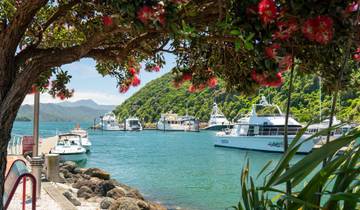
11 days
New Zealand North to South Island Adventure
- ✓ Comprehensive New Zealand tour
- ✓ Expert local guides included
- ✓ All accommodation arranged
- ✓ Transportation provided

10 days
Premium New Zealand South Island
- ✓ Comprehensive New Zealand tour
- ✓ Expert local guides included
- ✓ All accommodation arranged
- ✓ Transportation provided
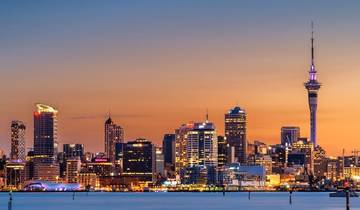
6 days
Auckland Explorer New Zealand City Stay
- ✓ Booking needs min. 2 travelers
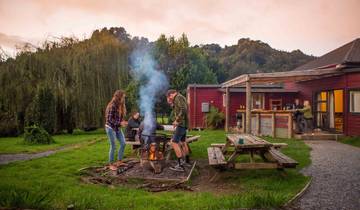
9 days
9-Day North Island Icons: The Essential North Island New Zealand Journey (Auckland to Wellington)
- ✓ Comprehensive New Zealand tour
- ✓ Expert local guides included
- ✓ All accommodation arranged
- ✓ Transportation provided
Multi-day tour packages powered by TourRadar. Prices and availability subject to change.
Essential Planning Information 2026
Department of Conservation Requirements and Regulations
Tongariro Alpine Crossing operates under Department of Conservation management with specific regulations designed to protect both visitors and the UNESCO World Heritage environment. No permits are required for day hiking during summer season, but hikers must check current track conditions and weather forecasts through the official DOC website or ranger stations at Whakapapa and Turangi visitor centers. The track closes when volcanic activity increases, wind speeds exceed safety thresholds, or severe weather threatens hiker safety, with closure notices posted by 7 AM daily during summer season.
Overnight camping is prohibited along the Tongariro Alpine Crossing route between Mangatepopo and Ketetahi, with all multi-day hiking requiring use of designated DOC huts on alternative routes like the Northern Circuit. Hut bookings cost $35 NZD and require advance reservations during summer months, with backcountry camping permitted only at designated sites requiring $15 NZD per night permits. Fire bans apply to the entire park year-round, with portable gas stoves only permitted for cooking at designated camping areas.
Volcanic hazard zones exist around all three volcanic peaks, with specific restricted areas marked by signs and boundary markers. Climbing Mount Ngauruhoe (the actual Mount Doom) has become increasingly restricted due to both safety concerns and Māori cultural significance, with the iwi requesting visitors respect tapu status by viewing from the trail rather than summiting. This respect for Māori cultural values forms part of responsible tourism in 2026, recognizing that these mountains represent ancestral gods Tongariro, Ngauruhoe, and Ruapehu rather than simply film locations or hiking challenges.
Current Costs and Pricing Breakdown for 2026
Shuttle transport costs $45-55 NZD per person for standard return service from National Park Village, Turangi, or Whakapapa Village in 2026. Check individual shuttle operators including Tongariro Alpine Crossing shuttles, Adrift Guided Outdoor Adventures, and Mountain Shuttle for current official rates as pricing varies by departure location and booking timing. Early morning shuttles departing 6-7 AM cost the same as later services, with advance online booking recommended to guarantee spaces during December-February peak season.
Guided tour packages range from budget $195 NZD options covering basic guiding and transport to premium $275 NZD experiences including smaller group sizes, professional photography guidance, and extended time at key viewpoints. These prices include round-trip shuttle service, experienced guide expertise, group safety equipment, and weather monitoring, representing good value for first-time alpine hikers or international visitors unfamiliar with New Zealand mountain conditions.
Accommodation costs vary significantly by location and season, with National Park Village offering the closest access to shuttle departure points. Budget hostels charge $35-50 NZD for dorm beds with shared facilities, mid-range motels cost $120-180 NZD for double rooms with private bathrooms, and quality hotels range $200-350 NZD for superior rooms with mountain views and restaurant access. Turangi accommodation runs 10-15% cheaper than National Park Village but adds 20-30 minutes to shuttle timing. Whakapapa Village provides premium options at $280-450 NZD with ski resort facilities and direct trail access, best suited for multi-day Tongariro region stays.
Equipment rental adds $25-45 NZD per day for essential items like hiking poles ($12-15 NZD), waterproof jackets ($15-20 NZD), and quality hiking boots ($20-25 NZD) if you arrive without proper mountain gear. Most shuttle operators and accommodation providers offer equipment rental services, though advance booking ensures correct sizing and availability during peak season. Purchase costs for basic hiking essentials like thermal layers, water bottles, and energy snacks add $40-60 NZD at outdoor stores in National Park Village or Turangi.
Understanding the Tongariro Alpine Crossing Route 2026
The Tongariro Alpine Crossing begins at Mangatepopo car park at 1,100 meters elevation, accessed via shuttle from surrounding villages since parking is prohibited for day hikers to reduce environmental impact. The first 3 kilometers follow Mangatepopo Valley floor along a gentle boardwalk through tussock grassland and volcanic boulders, providing easy walking while surrounding peaks come into view. Mount Ngauruhoe rises dramatically to the south, its perfect volcanic cone clearly showing why Peter Jackson selected it for Mount Doom’s distinctive profile in wide-angle establishing shots.
The Devil’s Staircase section begins at 2.5 hours into the hike, climbing 800 meters over the next 60-90 minutes through steep volcanic scree and switchbacks carved into loose rock. This represents the crossing’s most physically demanding section, requiring steady climbing pace and frequent rest stops to manage cardiovascular effort at increasing altitude. The trail gains 200 meters elevation in the final 20 minutes before reaching South Crater rim, where wind exposure increases dramatically and temperature drops 10-15°C from valley conditions.
South Crater plateau extends for nearly 1 kilometer at 1,600 meters elevation, offering the first rest area with spectacular 360-degree views including Mount Ruapehu to the south and Lake Taupo to the north. The climb to Red Crater continues from South Crater’s far edge, ascending another 200 meters through red and black volcanic ash to reach the crossing’s highest point at 1,886 meters. Red Crater itself served as Mount Doom’s summit crater in close-up shots, with the orange-red oxidized volcanic rock and steaming fumaroles creating the hellish landscape that Frodo and Sam crossed in The Return of the King.
The descent from Red Crater to Emerald Lakes drops 150 meters down a steep scree slope where many hikers struggle with loose footing and rapid elevation change. Emerald Lakes, three vivid turquoise pools colored by dissolved minerals from volcanic activity, represent the crossing’s most photographed feature and appear in several LOTR scenes as poisoned waters of Mordor. The track continues past Central Crater and Blue Lake before beginning the long 5-kilometer descent to Ketetahi, dropping 900 meters through native beech forest and alpine scrub to reach the northern road end.
Best Time to Hike Mount Doom 2026
Summer Season December-February 2026
December 15, 2026 through February 28, 2026 represents peak hiking season when Tongariro Alpine Crossing experiences optimal weather conditions and maximum shuttle service frequency. Daytime temperatures at trail elevation range 12-22°C with overnight lows of 2-8°C, providing comfortable hiking conditions when you carry appropriate layering systems. Snow has cleared from the track by mid-December except for occasional patches above 1,800 meters, with Emerald Lakes fully visible and Red Crater accessible without ice climbing equipment.
Weather stability increases significantly during summer months, with high-pressure systems dominating for 5-7 day stretches before frontal systems bring 1-2 days of rain or strong winds. Department of Conservation track closures decrease to 2-3 days per month during December-February compared to 8-12 days monthly during shoulder seasons. This reliability allows international visitors to plan fixed-date trips with greater confidence, though weather flexibility remains essential for any alpine hiking in New Zealand’s volatile climate.
Crowds peak during summer 2026 with 800-1,500 people per day completing the crossing on clear weather days between Christmas and early February. Shuttle services run maximum capacity with departures every 15-20 minutes from 6 AM through 8 AM, while accommodation fills completely requiring 3-4 months advance booking. The trail experiences congestion at narrow sections including Devil’s Staircase, Red Crater rim, and the Emerald Lakes descent, where groups must wait for passing opportunities on steep slopes.
Sunrise timing from 5:30-5:45 AM and sunset at 8:30-8:45 PM provides 14-15 hours of daylight, allowing flexible start times from 6 AM shuttles through 8 AM departures. Early starts capture Red Crater and Emerald Lakes in morning light with fewer crowds, while later starts reduce pressure on shuttle booking and allow for slower pace without darkness concerns. Photography enthusiasts target 6-7 AM arrivals at Red Crater for optimal light angles on the volcanic landscape and clear views before afternoon cloud development.
Shoulder Season November and March 2026
November 2026 and March 2026 offer shoulder season advantages with reduced crowds, easier shuttle booking, and pleasant hiking temperatures of 8-18°C during the day. Weather variability increases compared to summer peak, with frontal systems moving through every 3-4 days bringing rain, strong winds, and occasional snow above 1,600 meters. Track closures occur 4-6 days per month during shoulder seasons, requiring flexible scheduling and backup activity plans for your Tongariro region visit.
Early November still experiences occasional snow patches on south-facing slopes and around Red Crater, requiring some scrambling over icy sections though full ice climbing equipment remains unnecessary. Late March brings autumn conditions with brilliant tussock grass colors turning gold and orange, though shorter daylight hours from 6:30 AM to 7:00 PM reduce photography windows and require earlier shuttle departures. Both months see 40-50% fewer hikers than peak summer, creating a more wilderness experience with better wildlife viewing and less trail congestion.
Shuttle services run reduced schedules during shoulder seasons with 30-40% fewer daily departures, requiring more careful booking coordination. Accommodation availability improves significantly with walk-in bookings possible even during weekends, though the best-located properties near shuttle departure points still benefit from advance reservations. Costs decrease by 10-15% for both shuttles and accommodation compared to peak summer rates, making shoulder season attractive for budget-conscious travelers who can manage weather uncertainty.
Winter Season April-October 2026
Winter months from April through October bring alpine mountaineering conditions unsuitable for casual hikers, with heavy snow covering the track, ice on all steep sections, and extreme wind exposure above tree line. The Tongariro Alpine Crossing officially closes for recreational hiking during winter months, with Department of Conservation posting clear warnings that attempts require advanced mountaineering skills, crampons, ice axes, avalanche safety equipment, and emergency bivouac gear. Commercial shuttle services cease operation, and rescue costs fall to hikers who ignore closure warnings.
Winter temperatures drop to -10 to +5°C at trail elevation with wind chill factors reaching -20°C or colder during storms. Snow accumulation reaches 1-3 meters depth above 1,400 meters by mid-winter, completely obscuring trail markers and creating avalanche hazards on steep slopes including Devil’s Staircase and the Red Crater ascent. Only experienced alpine climbers with proper training and equipment attempt winter crossings, treating it as a serious mountaineering expedition rather than a hiking trail.
Winter access to Mount Doom filming locations requires alternative approaches including the Northern Circuit multi-day track or guided winter mountaineering tours that operate from June through August. These specialized services cost $400-600 NZD per person and demand proof of winter climbing experience, comprehensive equipment lists, and acceptance of high cancellation rates when conditions exceed safe parameters. Most visitors planning 2026 LOTR location tours should schedule summer season visits to enjoy the crossing safely and see the landscape as it appeared in filming.
Mount Doom Hike Costs and Budget Planning 2026
Budget Hiking Approach $150-250 NZD
Budget-conscious hikers complete the Tongariro Alpine Crossing for $150-250 NZD total costs by using independent shuttle services, hostel accommodation, and self-catered meals. Shuttle transport costs $45-55 NZD from National Park Village or Turangi, with the cheapest options departing from National Park Village reducing shuttle distance. Hostel dorm beds cost $35-50 NZD per night, with most budget travelers booking two nights to allow for weather flexibility and recovery time after the strenuous hike.
Meals cost $40-60 NZD per day when purchasing supplies from New World or Pak’nSave supermarkets in Turangi and preparing your own breakfast, trail lunch, and dinner. Budget hostel kitchens provide cooking facilities, refrigerators, and basic equipment, making self-catering practical even for international visitors. Trail snacks and energy food add $15-20 NZD, with water bottles filled at accommodation before departure since no potable water exists along the crossing route.
Equipment costs affect budget calculations if you lack proper mountain gear, with rental options adding $25-45 NZD per day for essentials like waterproof jackets, hiking poles, and suitable boots. Many budget travelers invest in purchasing basic items like thermal layers and rain protection at The Warehouse in Turangi for $40-60 NZD, keeping these for future New Zealand hiking rather than paying daily rental fees. The total budget hiking cost breaks down to: shuttle $50 NZD, accommodation $80-100 NZD (2 nights), food $60-80 NZD (2 days), supplies $20 NZD = $210-250 NZD total.
Mid-Range Hiking Experience $350-500 NZD
Mid-range travelers budget $350-500 NZD for a comfortable Tongariro Alpine Crossing experience combining quality accommodation, guided tour services, and restaurant meals. Guided tours cost $195-275 NZD including transport, experienced guide service, safety equipment, and weather expertise, representing good value compared to independent shuttle ($50 NZD) plus equipment rental ($30-40 NZD) when you factor in the added safety and educational benefits.
Mid-range motel accommodation costs $120-180 NZD per night in National Park Village or Turangi, providing private rooms, ensuite bathrooms, mountain views, and complimentary breakfast at many properties. Two nights accommodation allows for arrival evening rest, crossing day, and post-hike recovery before continuing your New Zealand journey. Restaurant meals cost $25-35 NZD for dinner at local establishments like Schnapps Bar in National Park Village or Creel Restaurant in Turangi, with quality pub meals and New Zealand wine selections.
The mid-range budget breakdown includes: guided tour $235 NZD, motel accommodation $300 NZD (2 nights), restaurant dinners $60 NZD (2 nights), cafĂŠ lunches $30 NZD, trail snacks $15 NZD = $640 NZD total for the Tongariro portion. This assumes you already own or can borrow basic hiking clothing and boots, with equipment rental adding another $30-40 NZD if needed. Mid-range budgets provide stress-free experience with professional guidance, comfortable recovery facilities, and local dining that supports Tongariro region businesses.
Premium Hiking Package $600-800 NZD
Premium travelers spending $600-800 NZD enjoy small-group guided tours with professional photographers, luxury accommodation at Chateau Tongariro or Skotel Alpine Resort, and fine dining experiences in Whakapapa Village. Premium guided tours cost $275-320 NZD for groups limited to 8-10 people, providing personalized attention, flexible pacing, and extended photography time at Red Crater and Emerald Lakes during optimal morning light conditions.
Chateau Tongariro Hotel, a historic property at Whakapapa Village, offers superior rooms at $280-450 NZD per night with mountain views, fine dining restaurant, bar, and spa facilities. This heritage hotel sits directly within Tongariro National Park with immediate trail access and evening ambiance perfect for celebrating completion of the crossing. Alternative luxury options include Skotel Alpine Resort at $200-320 NZD for modern rooms with floor-to-ceiling windows overlooking volcanic peaks.
Fine dining at Chateau Tongariro’s Ruapehu Room or Pihanga Café costs $45-75 NZD per person for dinner featuring New Zealand lamb, venison, and seafood with local wine pairings. The premium budget breakdown includes: premium guided tour $295 NZD, luxury accommodation $600 NZD (2 nights), fine dining $140 NZD (2 dinners), cafĂŠ meals $40 NZD = $1,075 NZD total. While exceeding typical budget ranges, premium packages provide unforgettable experience with professional photography guidance, maximum comfort, and celebration-worthy accommodation after completing one of the world’s great day hikes.
Transportation to Tongariro National Park 2026
Getting to Tongariro from Auckland
Auckland to Tongariro National Park covers 330 kilometers, taking 4-5 hours via direct driving routes or bus services. Rental cars provide maximum flexibility with costs ranging $50-80 NZD per day for compact vehicles, $70-120 NZD for SUVs suitable for New Zealand road conditions. Driving south on State Highway 1 through Hamilton, then turning east on SH47 to National Park Village creates the most efficient route with scenic views across Waikato farmland and gradual approach to volcanic peaks.
InterCity bus services run daily from Auckland to National Park Village for $35-65 NZD per person depending on booking timing and season, with the 5-hour journey including rest stops at Otorohanga and Turangi. Buses depart Auckland from SkyCity Coach Terminal at 8:15 AM and 2:45 PM, arriving National Park Village at 1:20 PM and 7:50 PM respectively, creating practical connections for afternoon arrival and morning crossing attempts. Advanced booking 2-4 weeks ahead secures the lowest fares, while last-minute purchases can reach $80-95 NZD per person during summer peak season.
Alternative routing via Rotorua adds cultural experiences and geothermal attractions to your journey, though this increases distance to 380 kilometers and driving time to 5.5-6 hours. Many travelers combine Tongariro Alpine Crossing with Rotorua geothermal parks and Māori cultural performances, creating a comprehensive North Island volcanic zone itinerary. Rental car companies allow one-way rentals from Auckland to Tongariro region pickup points for $50-100 NZD additional fees, enabling you to continue south to Wellington without backtracking.
Getting to Tongariro from Wellington
Wellington to Tongariro National Park covers 330 kilometers northward, taking 4.5-5 hours via State Highway 1 through Palmerston North and Taihape. Rental cars cost $50-80 NZD per day for standard vehicles, with the scenic route climbing through Rangitikei river valleys and ascending the volcanic plateau gradual approach. Fuel costs add $50-70 NZD round trip from Wellington, making shared vehicle costs economical for groups of 2-4 travelers.
InterCity bus services operate daily Wellington to National Park Village for $40-70 NZD per person, departing Wellington at 9:30 AM and arriving National Park Village at 3:15 PM. This afternoon arrival timing allows for accommodation check-in, shuttle booking confirmation, and gear preparation before next morning’s crossing attempt. Return buses depart National Park Village at 11:45 AM daily, connecting with your post-hike schedule assuming you complete the crossing and return to village by mid-morning.
The Capital Connection train runs weekday morning services Wellington to Palmerston North, where bus connections continue to National Park Village, though this multi-modal approach adds complexity and time compared to direct bus or car options. Most travelers find direct InterCity buses or rental cars provide better value and scheduling flexibility for Tongariro visits. Train enthusiasts note that the Northern Explorer scenic railway operates Auckland-Wellington routes passing through National Park station, offering spectacular volcanic views during the journey though requiring separate shuttle connections to trailheads.
Shuttle Services to Mangatepopo Trailhead 2026
Tongariro Alpine Crossing shuttle services run from National Park Village, Turangi, and Whakapapa Village to Mangatepopo car park with return pickups from Ketetahi road end. Morning departures begin 6 AM through 8 AM during summer season, with most hikers choosing 6:30-7 AM shuttles to reach the trail by 7-7:30 AM for optimal light and weather conditions. Shuttles cost $45-55 NZD per person for round-trip service, with pricing varying by departure location and operator.
National Park Village provides the closest shuttle access at 15 minutes to Mangatepopo, with multiple operators including Tongariro Alpine Crossing Shuttles, Mountain Shuttle, and Adrift Guided Outdoor Adventures running frequent departures during peak season. Turangi shuttles take 30-35 minutes to reach Mangatepopo but offer cheaper accommodation options the night before your crossing. Whakapapa Village sits closest to the trail but has limited shuttle operators and higher accommodation costs, making it better suited for multi-day Tongariro region stays.
Shuttle bookings require 1-2 weeks advance reservation during December-February peak season, with online booking through operator websites confirming your seat and departure time. Operators require hikers to provide mobile contact numbers and emergency contacts, with final weather updates sent by text message at 6 AM on crossing day. If track closes due to dangerous weather, operators offer full refunds or rebooking for alternate dates, with flexibility essential since closures can occur even during summer season when forecasts predict high winds or severe storms.
Return pickup timing requires coordination when booking your shuttle, with most operators collecting hikers at Ketetahi between 3 PM and 5 PM based on expected completion times. Faster hikers finishing by 2-3 PM wait at the shelter for scheduled pickups, while those arriving after 5 PM can arrange emergency pickup via mobile phone call to shuttle operators. This system works reliably during summer season, though hikers should carry backup plans including taxi numbers for Turangi services ($80-120 NZD) in case of unusual delays or unexpected trail closures requiring evacuation.
Accommodation Options Near Mount Doom 2026
National Park Village Accommodation
National Park Village offers the most convenient accommodation base for Tongariro Alpine Crossing with 15 minutes shuttle access to Mangatepopo trailhead and the widest range of lodging options. Budget travelers choose from Plateau Lodge ($40-55 NZD dorm beds) and Ski Haus ($35-50 NZD dorms) providing clean hostel facilities, shared kitchens, and gear drying rooms. Both hostels operate year-round and cater specifically to Tongariro hikers with early breakfast options, shuttle booking services, and equipment rental.
Mid-range accommodation includes Adventure Lodge & Motel ($120-180 NZD double rooms) offering private rooms with ensuite bathrooms, mountain views, and complimentary breakfast. Howard’s Lodge ($140-200 NZD) provides comfortable rooms with restaurant access, bar, and evening relaxation spaces perfect for post-hike recovery. These mid-range properties fill completely during summer weekends, requiring 6-8 weeks advance booking for December-February 2026 dates.
Dining options in National Park Village include Schnapps Bar for hearty pub meals ($25-35 NZD), Eivins cafe for breakfast and lunch ($15-25 NZD), and Station Café for coffee and light meals. The village supports approximately 800 permanent residents with services focused entirely on outdoor recreation, creating an authentic tramping culture atmosphere. Four Square supermarket provides basic groceries for self-catering, though serious provisioning requires driving 25 minutes to larger supermarkets in Turangi.
Turangi Accommodation
Turangi, 50 kilometers north of Tongariro Alpine Crossing, offers larger accommodation inventory and lower costs than National Park Village at the expense of 30-35 minute shuttle rides to trailheads. Budget options include Extreme Backpackers ($35-45 NZD dorms) and Creel Lodge ($40-50 NZD dorms) providing clean hostel facilities with self-catering kitchens and communal spaces. The hostels cater to fishing enthusiasts visiting for Tongariro River trout season as well as hiking traffic, creating diverse traveler atmosphere.
Mid-range travelers choose from multiple motor lodges and motels along State Highway 1 including Parklands Motor Lodge ($110-160 NZD double rooms), Creel Motel ($100-150 NZD), and Sportsman’s Lodge ($120-180 NZD). These properties offer private rooms, parking, mountain views, and breakfast options at lower rates than National Park Village equivalents. The wider selection creates better availability even during peak season, with walk-in bookings possible on weekdays during summer 2026.
Turangi’s amenities surpass National Park Village with New World supermarket for comprehensive grocery shopping, multiple cafés and restaurants including Creel Restaurant ($25-40 NZD dinners) and Hydro Eatery ($18-30 NZD), plus outdoor stores for last-minute equipment needs. The town serves as base for both Tongariro hiking and Tongariro River fly fishing, creating year-round outdoor recreation economy. Shuttle operators run frequent services from Turangi to Mangatepopo though booking coordination requires more attention than simplified National Park Village departures.
Whakapapa Village Premium Options
Whakapapa Village, located within Tongariro National Park at 1,120 meters elevation, provides premium accommodation at Chateau Tongariro Hotel and Skotel Alpine Resort with immediate national park access. Chateau Tongariro, a grand 1929 heritage hotel, offers superior rooms at $280-450 NZD per night with mountain views, fine dining at Ruapehu Room restaurant, bar, and historic alpine ambiance. The property underwent major renovations in 2020-2021, modernizing facilities while preserving architectural character.
Skotel Alpine Resort provides contemporary accommodation at $200-320 NZD per night with floor-to-ceiling windows overlooking Mount Ruapehu, modern rooms, restaurant, and ski-in access during winter season. The resort caters to both summer hikers and winter skiers, maintaining year-round operations with summer focus on Tongariro Alpine Crossing traffic. Both properties require 8-12 weeks advance booking for summer 2026 peak season, with weekend dates filling first.
Whakapapa Village location within the national park creates exceptional evening and morning atmosphere with immediate access to shorter walking tracks, visitor center, and minimal light pollution for stargazing. The village sits 20 minutes from Mangatepopo trailhead via shuttle services, though fewer operators run this route compared to National Park Village. Premium pricing reflects location advantages and facility quality, making Whakapapa ideal for travelers seeking celebration-worthy accommodation after completing the challenging crossing.
What to Bring for Your 2026 Mount Doom Hike
Essential Clothing and Layers
Alpine weather conditions on Tongariro demand comprehensive layering systems capable of handling temperature swings from 20°C in valley sunshine to 0°C with wind chill at Red Crater elevation. Base layers in merino wool or synthetic materials ($40-80 NZD) provide moisture wicking and insulation, with long-sleeve tops and full-length pants essential even for summer crossings. Mid-layers including fleece jackets or synthetic insulated jackets ($60-120 NZD) trap warmth during rest stops and exposed ridge sections where wind speed quadruples.
Waterproof and windproof outer shells represent your critical protection against sudden weather changes, with quality rain jackets ($120-250 NZD) and rain pants ($60-120 NZD) preventing hypothermia during storms. Seam-sealed construction and adjustable hoods matter more than fashion, with New Zealand outdoor stores like Kathmandu and Macpac offering reliable options. Pack spare socks ($15-25 NZD per pair) since stream crossings or rain can soak feet, causing blisters during the 7-9 hour journey.
Sun protection includes wide-brim hats ($25-40 NZD), sunglasses with UV protection ($40-100 NZD), and high-SPF sunscreen ($15-25 NZD) since New Zealand’s ozone hole creates extreme UV exposure at altitude. Temperatures may feel cool but summer sun at 1,800+ meters burns exposed skin within 30 minutes. Gloves ($20-35 NZD) protect hands during the Red Crater descent over sharp volcanic rock, while beanie hats ($15-25 NZD) prevent heat loss during early morning starts and high-elevation stops.
Footwear and Hiking Equipment
Quality hiking boots with ankle support ($150-300 NZD) represent your most important equipment choice for safely crossing loose volcanic scree, sharp lava rock, and steep descents that stress ankles and knees. Break in new boots thoroughly during training hikes since blisters from stiff footwear create miserable experiences during 19.4-kilometer treks. Boots must have aggressive tread patterns for steep slopes and waterproof construction rated for stream crossings and rain exposure.
Trekking poles ($30-120 NZD or $12-15 NZD rental) provide crucial stability on steep sections including Devil’s Staircase ascent and the long Ketetahi descent, reducing knee strain by 25-30% according to hiking studies. Adjustable poles allow customization for uphill and downhill sections, while shock-absorbing models reduce impact during descents. Even experienced hikers benefit from poles on Tongariro’s combination of steep climbs, exposed ridges, and unstable volcanic terrain.
Day packs ($60-150 NZD) sized at 20-30 liters carry clothing layers, food, water, emergency equipment, and photography gear without excessive weight. Hip belts and sternum straps transfer load from shoulders to hips, preventing fatigue during long days. Pack rain covers ($15-25 NZD) protect contents during storms, while compression straps prevent contents shifting on steep sections. Weight management matters significantly since every kilogram adds stress during elevation gain – pack only essentials and eliminate luxury items.
Food, Water, and Emergency Supplies
Water requirements total 2-3 liters per person for the 7-9 hour crossing, carried in durable bottles or hydration bladders since no potable water exists along the route. Morning temperatures allow starting with 2 liters, adding capacity for afternoon heat or personal hydration needs. Stream water appears pristine but contains giardia parasites requiring treatment with filters ($40-100 NZD), purification tablets ($15-25 NZD), or boiling – simpler to carry sufficient water from accommodation than risk intestinal parasites.
Food energy requirements total 2,000-3,000 calories for the strenuous crossing, carried as trail mix ($8-15 NZD per 500g), energy bars ($3-5 NZD each), sandwiches, fruit, and chocolate. High-calorie foods providing quick energy work better than heavy meals that slow digestion during physical exertion. Pack 20-30% extra food beyond expected needs since weather delays, slower pace, or emergency situations increase time on trail beyond planning estimates. Resealable bags protect food from rain and crushing in packs.
Emergency supplies include first aid kit ($20-40 NZD) with blister treatment, pain medication, bandages, and any prescription medications. Emergency shelter like space blankets ($8-15 NZD) provide critical protection if injury or weather forces unexpected bivouac. Headlamps ($25-60 NZD) with spare batteries enable safe hiking if delays push finish time past sunset, while mobile phones carry emergency contacts and local rescue numbers. Personal locator beacons ($300-500 NZD purchase or $30-50 NZD rental) provide satellite emergency communication in areas without cell coverage, recommended for solo hikers or those with medical conditions.
Sample 2026 Tongariro Crossing Itinerary
Day 1: Arrival and Preparation
Arrive National Park Village or Turangi by 4-5 PM allowing time for accommodation check-in, shuttle booking confirmation, and gear organization. Most travelers driving from Auckland or Wellington time arrival for late afternoon after the 4-5 hour journey, while bus passengers arrive via InterCity’s 1:20 PM or 7:50 PM Auckland services. Check into your accommodation ($40-180 NZD depending on budget level), confirm 6:30-7 AM shuttle reservation for morning, and verify weather forecast through DOC website or accommodation staff.
Visit outdoor stores if you need last-minute equipment like hiking poles rental ($12-15 NZD), waterproof jacket rental ($15-20 NZD), or purchase trail snacks and energy food ($15-25 NZD). Prepare your day pack methodically, laying out all clothing layers, food, water bottles, emergency supplies, and electronics for morning departure. Many hikers use the afternoon for gentle walking around National Park Village exploring the historic train station and viewing Mount Ruapehu from village lookouts.
Dinner at Schnapps Bar costs $25-35 NZD for hearty meals like lamb shank, venison burgers, or fish and chips with local beer selections. Alternatively, cook dinner at hostel facilities using supplies purchased at Four Square or brought from Turangi’s New World supermarket. Early bedtime around 9-10 PM ensures adequate rest before 5:30-6 AM wake-up for shuttle departure. Set multiple alarms and pack morning breakfast to eat during shuttle ride or at Mangatepopo trailhead. Day 1 costs: accommodation $40-180 NZD, dinner $10-35 NZD, supplies $15-25 NZD. Total: $65-240 NZD excluding shuttle.
Day 2: Tongariro Alpine Crossing
Wake at 5:30-6 AM for quick breakfast and final gear check before shuttle pickup at 6:30-7 AM from accommodation. The 15-30 minute shuttle ride to Mangatepopo car park costs $45-55 NZD round-trip (paid at booking), delivering you to the trailhead by 7-7:30 AM. Final weather briefing from shuttle operators confirms track is open, with wind speeds, temperature forecast, and cloud predictions determining hiking conditions. Begin hiking by 7:30 AM to optimize light on Red Crater and Emerald Lakes while minimizing afternoon weather deterioration risk.
The first 2.5 hours cover Mangatepopo Valley to base of Devil’s Staircase on gentle terrain, followed by 60-90 minutes of steep climbing to South Crater. Break at South Crater for snacks and hydration before continuing 45 minutes to Red Crater summit – the LOTR Mount Doom filming location. Spend 20-30 minutes photographing Red Crater’s steaming vents and orange volcanic rock, noting Emerald Lakes 150 meters below. The steep scree descent to Emerald Lakes takes 20-30 minutes requiring careful footing, followed by another 30 minutes to Blue Lake and the start of Ketetahi descent.
The 5-kilometer descent to Ketetahi road end drops 900 meters through native beech forest, taking 2-2.5 hours with frequent stops to rest knees and ankles. Most hikers reach the finish between 2:30-4 PM depending on pace and break time, meeting the scheduled shuttle for return to National Park Village or Turangi. Celebrate successful completion with dinner at Creel Restaurant in Turangi ($30-45 NZD) or Schnapps Bar in National Park Village ($25-35 NZD), sharing experiences with fellow hikers. Day 2 costs: shuttle $50 NZD (average), snacks/lunch $15 NZD, dinner $30 NZD. Total: $95 NZD.
Day 3: Recovery and Departure
Sleep in until 8-9 AM recovering from 19.4 kilometers of alpine hiking, with sore legs, tired feet, and satisfied accomplishment from completing one of the world’s great day hikes. Leisurely breakfast at accommodation or village café costs $15-25 NZD, discussing the crossing with other travelers and reviewing photographs from Red Crater, Emerald Lakes, and Mount Doom viewpoints. Many hikers explore shorter walking tracks around National Park Village including Taranaki Falls (2-hour return walk) or Silica Rapids (2.5-hour return) if energy permits.
Depart National Park Village mid-morning via rental car continuing south toward Wellington or north toward Rotorua and Auckland. InterCity buses run 11:45 AM departure to Wellington ($40-70 NZD) or afternoon departure to Auckland. Return rental cars at drop-off locations factoring 4-5 hour driving time to major cities. Some travelers extend Tongariro region stays for multi-day hiking on Northern Circuit, visits to Whakapapa ski fields, or relaxation at nearby hot pools in Tokaanu ($25 NZD admission). Day 3 costs: breakfast $15-25 NZD, bus fare $40-70 NZD (if applicable). Total: $15-95 NZD.
Three-day budget breakdown: Day 1 arrival $65-240 NZD, Day 2 crossing $95 NZD, Day 3 departure $15-95 NZD. Total three-day costs: $175-430 NZD excluding transport to/from Tongariro region. Add rental car costs ($150-240 NZD for 3 days including fuel) or bus fares from Auckland/Wellington ($75-135 NZD round-trip). Complete trip costs range $250-805 NZD depending on accommodation choices, transport mode, and dining preferences, with most independent travelers spending $300-450 NZD total.
LOTR Filming Locations on the Trail 2026
Mount Ngauruhoe as Mount Doom
Mount Ngauruhoe’s perfect volcanic cone rising 2,287 meters provided Peter Jackson with the iconic Mount Doom silhouette featured throughout The Lord of the Rings trilogy. The mountain appears in wide-angle establishing shots showing Frodo and Sam’s journey across Mordor’s desolate landscape, with its symmetrical profile and smoking summit creating cinema’s most recognizable fictional volcano. While the Tongariro Alpine Crossing doesn’t summit Ngauruhoe, the trail passes within 500 meters at South Crater, providing spectacular views matching the films’ perspective.
Production crews filmed close-up Mount Doom scenes on Ngauruhoe’s slopes during 1999-2000, with actors in full costume climbing volcanic scree while carrying filming equipment and cameras. The challenging logistics of shooting at 2,000+ meters elevation with unpredictable weather required multiple attempts and weather windows, creating authentic exhaustion visible in final film sequences. Ngauruhoe’s frequent eruptions through the 1950s-1970s proved it remains an active volcano, though activity has decreased since 1975 with only minor steam emissions currently visible.
Cultural protocols now discourage climbing Mount Ngauruhoe due to Māori sacred significance, with the mountain representing ancestral god Ngauruhoe in traditional belief. The Department of Conservation and local iwi Ngāti Tūwharetoa request visitors admire Ngauruhoe from the trail rather than summiting, respecting tapu status while still enjoying LOTR filming location views. This cultural awareness represents important evolution in New Zealand tourism, balancing film location access with indigenous cultural values.
Red Crater and Mordor’s Volcanic Landscape
Red Crater’s vivid orange-red volcanic rock and steaming fumaroles served as Mount Doom’s summit crater in close-up scenes where Frodo confronts Gollum and destroys the One Ring. The crater’s oxidized iron compounds create the distinctive red coloring that required minimal digital enhancement for films, while actual volcanic gases rising from vents provided authentic smoke effects. Production teams filmed actors scrambling across loose scree with green-screen backgrounds later replaced with extended volcanic panoramas.
The 200-meter wide crater reaches depths of 50-80 meters with unstable edges constantly eroding from wind and volcanic activity. Trail markers guide hikers around the crater rim rather than allowing crater floor access, protecting both visitor safety and the fragile volcanic ecosystem. Fumaroles releasing sulfur gases create the distinctive rotten-egg smell matching Mordor’s hellish atmosphere, with steam visibility varying based on atmospheric temperature and humidity.
Photography from Red Crater rim captures the full LOTR landscape including Emerald Lakes below, Mount Ngauruhoe to the south, and the expansive volcanic plateau stretching toward Lake Taupo. Morning light from 8-10 AM provides optimal illumination of red volcanic rock with dramatic shadows emphasizing crater depth and texture. Many hikers recreate famous film scenes at this location, though respect for other trail users and safety considerations limit extended photography sessions during peak traffic periods.
Emerald Lakes and the Poisoned Waters
Emerald Lakes’ three vivid turquoise pools appear in LOTR as the poisoned waters surrounding Mount Doom, with their unnatural blue-green color perfect for representing toxic volcanic runoff. The lakes’ coloring derives from dissolved minerals including sulfur and iron compounds leaching from volcanic rock, creating pH levels around 3-4 (highly acidic) that prevent any fish or plant life. Surface temperatures reach 40-50°C in some areas from underlying geothermal activity, occasionally creating visible steam when air temperatures drop.
The lakes sit in a volcanic depression 150 meters below Red Crater rim, accessed via the steep scree descent that challenges even experienced hikers. Production crews filmed establishing shots showing the lakes from Red Crater perspective, with additional close-up scenes shot separately at ground level. The vivid color appears most intense during midday when overhead sunlight penetrates water depth, though morning and evening side-lighting creates dramatic shadows on surrounding black lava fields.
Swimming in Emerald Lakes is prohibited due to high water temperatures, unstable lake edges, and extreme acidity that would damage skin and eyes. The Department of Conservation strictly enforces this rule with regular ranger patrols during summer season, protecting both visitors and the delicate geothermal ecosystem. Photographers find the color contrast between turquoise lakes, black lava rock, and red volcanic slopes creates striking compositions requiring minimal post-processing to match LOTR’s apocalyptic aesthetic.
Safety Considerations for Your 2026 Mount Doom Hike
Weather Hazards and Risk Management
Alpine weather on Tongariro changes rapidly with minimal warning, transforming from clear sunny conditions to dangerous storms within 2-3 hours. Wind speed represents the primary hazard, with exposed ridges above 1,600 meters experiencing gusts 30-40% stronger than valley forecasts. Department of Conservation closes the crossing when sustained winds exceed 70 km/h or gusts reach 90 km/h, as these conditions create risk of being blown off narrow ridge sections including Red Crater rim and South Crater plateau.
Temperature drops of 15-20°C from valley to summit combine with wind chill to create hypothermia risk even during summer months. A pleasant 20°C morning at Mangatepopo Valley becomes 5°C with 60 km/h winds at Red Crater, dropping effective temperature to -5°C or colder. Hypothermia symptoms including confusion, loss of coordination, and extreme fatigue appear gradually, making self-monitoring critical during exposed sections. Turning back when weather deteriorates demonstrates good judgment rather than failure, with many experienced hikers attempting multiple crossings before completing in safe conditions.
Rain and fog reduce visibility to 20-50 meters on exposed sections, making navigation difficult even on well-marked trails. Combination of rain, wind, and temperature drop creates the highest-risk scenario for hypothermia and exhaustion. Check detailed weather forecasts from MetService New Zealand the evening before and morning of your crossing, paying specific attention to wind speed predictions, rain probability, and visibility forecasts rather than just temperature. The DOC website posts track status updates by 7 AM daily, with closures announced when forecasts predict dangerous conditions.
Physical Fitness and Altitude Considerations
The Tongariro Alpine Crossing demands excellent cardiovascular fitness with 800-meter elevation gain concentrated in Devil’s Staircase section requiring sustained uphill effort. The 7-9 hour total hiking time tests endurance, leg strength, and joint stability across varied terrain including steep climbs, exposed ridge walking, and aggressive descents. Inadequate fitness creates risk for exhaustion-related injuries, inability to complete before darkness, and increased susceptibility to altitude sickness above 1,800 meters.
Preparation training should include 2-3 months of progressive conditioning with weekly hill hikes building from 2-hour sessions to 5-6 hour endurance treks. Elevation gain training matters more than distance, with stair climbing, steep hill repeats, and weighted pack hiking building specific strength for volcanic scree slopes. Knee conditioning through downhill hiking and strength training prevents injuries during the 900-meter Ketetahi descent that causes most rescue evacuations for exhausted hikers with failed knees.
Altitude effects appear above 1,600 meters even in healthy individuals, with Red Crater’s 1,886-meter summit causing mild symptoms including headache, dizziness, and shortness of breath. These symptoms resolve quickly when descending but can impair judgment during technical sections requiring balance and coordination. Hydration, steady pacing, and acclimatization stops at South Crater minimize altitude impact. Anyone with heart conditions, respiratory problems, or joint issues should consult doctors before attempting the crossing, with guided tours providing better safety monitoring than independent hiking.
Emergency Procedures and Rescue Services
Emergency situations on Tongariro Alpine Crossing require calling 111 for police coordination of search and rescue operations, with cell phone coverage available at most points along the trail. Describe your exact location using landmarks like Devil’s Staircase, Red Crater, Emerald Lakes, or kilometer markers visible on trail signs. Department of Conservation rangers patrol the track daily during summer season, providing first aid assistance and coordinating evacuations for serious injuries or medical emergencies.
Helicopter rescue services operate from Taupo and Palmerston North, reaching Tongariro locations within 15-20 minutes for emergencies including heart attacks, severe injuries, or altitude sickness requiring urgent evacuation. Rescue costs fall to injured parties or their travel insurance, with helicopter evacuations costing $3,000-8,000 NZD depending on location and weather conditions. Comprehensive travel insurance covering alpine hiking activities proves essential, as standard policies often exclude mountain recreation above specific elevations.
Trail emergency shelters exist at Ketetahi parking area but not along the exposed crossing route, making self-rescue or assistance from other hikers the primary response to minor injuries or exhaustion. Carrying basic first aid supplies, emergency shelter, extra food, and warm clothing enables safe waiting for rescue services in case of injury preventing self-evacuation. Solo hikers should inform accommodation hosts of planned hiking schedule and expected return time, creating backup safety protocols when you don’t return as planned.
Booking and Planning Your 2026 Mount Doom Adventure
Advance Booking Timeline for 2026
Summer 2026 peak season requires 3-4 months advance booking for accommodation in National Park Village, with December-February dates filling first during New Zealand’s prime holiday period. Begin reservation process in September-October 2025 for December 2026 visits, or November-December 2025 for January-February 2026 dates. Shuttle services require 1-2 weeks advance booking to guarantee seats, though some operators maintain wait-lists releasing canceled bookings closer to hiking dates.
Guided tour packages sell out 6-8 weeks ahead for premium operators offering small group sizes and professional photography guidance. Budget tour operators maintain larger capacity but still benefit from early booking to secure preferred dates. Accommodation at Chateau Tongariro requires 8-12 weeks advance reservation for summer weekends, while mid-range motels in Turangi offer more flexibility with 4-6 weeks typically sufficient even during peak season.
Flexible booking strategies include reserving 2-3 consecutive nights accommodation with refundable deposits, allowing weather-based timing decisions for optimal crossing conditions. Most shuttle operators permit free date changes up to 48 hours before departure, accommodating weather delays without financial penalty. This flexibility proves crucial since even summer weather can force track closures 2-3 days monthly, requiring backup plans and alternative scheduling.
Official Booking Channels and Tour Operators
Official Department of Conservation website (doc.govt.nz) provides comprehensive Tongariro Alpine Crossing information including current track conditions, weather updates, safety guidelines, and links to approved tour operators. The DOC-endorsed tour operator list ensures companies maintain proper safety standards, insurance coverage, and guide qualifications meeting New Zealand outdoor recreation regulations.
Shuttle operators accepting advance online booking include Tongariro Alpine Crossing Shuttles (tongariroalpinecrossing.org.nz), Adrift Guided Outdoor Adventures (adriftnz.co.nz), and Mountain Shuttle (mountainshuttle.co.nz). These companies operate year-round with maximum summer frequency, accepting payment via credit card with confirmation emails providing departure details, emergency contacts, and weather monitoring procedures. Prices range $45-55 NZD with most operators offering identical services making booking availability more important than operator selection.
Guided tour operators include Adrift Tongariro ($235 NZD including transport and guide), Mountain Guides Tongariro ($195-275 NZD for various group sizes), and several others maintaining DOC compliance and positive safety records. Reviews on TripAdvisor, Google, and Department of Conservation feedback systems help identify quality operators with experienced guides and professional service standards. International booking platforms like Viator and GetYourGuide aggregate multiple operator options with flexible cancellation policies suitable for travelers managing complex itineraries.
Travel Insurance and Medical Considerations
Comprehensive travel insurance covering alpine hiking activities proves essential for Tongariro Alpine Crossing, as standard policies exclude mountain recreation above 1,500-2,000 meters elevation. Policy requirements should include helicopter rescue coverage ($5,000+ minimum), medical evacuation ($10,000+ recommended), trip cancellation for weather-related closures, and baggage coverage for lost equipment. New Zealand’s public healthcare system charges international visitors full rates for emergency services, with helicopter rescues billed directly to patients rather than government-subsidized.
Pre-existing medical conditions require disclosure to insurers, with heart conditions, joint problems, and respiratory issues potentially excluding coverage for hiking-related incidents. Anyone over 65 years faces higher premiums and stricter medical screening for adventure activity coverage. Purchase insurance immediately after booking flights and accommodation to maximize coverage period including cancellation protection for sudden illness preventing travel.
Medical preparation includes ensuring adequate fitness through training programs, addressing any joint or cardiovascular concerns with doctors 2-3 months before travel, and carrying necessary prescription medications in original containers. Ankle and knee braces benefit hikers with previous injuries, while trekking poles reduce joint stress for anyone with mobility concerns. The strenuous nature of Tongariro Alpine Crossing means realistic self-assessment prevents potentially dangerous situations when exhaustion or injury strikes miles from road access and medical facilities.
Frequently Asked Questions: Mount Doom Hike 2026
Can you climb Mount Doom in New Zealand?
Mount Ngauruhoe (the actual Mount Doom from The Lord of the Rings) can technically be climbed as a steep 2-3 hour side trip from the Tongariro Alpine Crossing, but this climb has become increasingly discouraged due to both safety and cultural considerations. The volcano’s perfect cone consists of loose volcanic scree that slides continuously underfoot, requiring scrambling up 700 meters of unstable slope with significant rockfall hazard. The Department of Conservation and local Māori iwi Ngāti Tūwharetoa now request visitors respect the mountain’s sacred status by viewing from the trail rather than summiting.
The mountain represents an ancestral god in Māori tradition, making the summit climb culturally inappropriate despite Peter Jackson’s filming bringing international attention to the location. Respecting this tapu (sacred) status demonstrates appropriate cultural awareness that New Zealand tourism increasingly emphasizes. You can photograph Mount Ngauruhoe extensively from South Crater and other viewpoints along the Tongariro Alpine Crossing without the 3-4 hour detour and cultural concerns that summit attempts involve.
How long does the Mount Doom hike take?
The complete Tongariro Alpine Crossing takes 7-9 hours for most hikers covering 19.4 kilometers from Mangatepopo to Ketetahi road end. Fit, experienced hikers complete the route in 6-7 hours maintaining steady pace with minimal breaks, while average visitors require 8-9 hours including photography stops, lunch breaks, and rest periods during challenging sections. The timing breaks down approximately as: Mangatepopo Valley (1.5 hours), Devil’s Staircase climb (1-1.5 hours), South Crater to Red Crater (1 hour), Red Crater descent to Emerald Lakes (30 minutes), Blue Lake to Ketetahi descent start (45 minutes), final descent to road end (2-2.5 hours).
Weather conditions and crowd levels significantly affect timing, with strong winds slowing progress by 30-40% on exposed ridges and large groups creating bottlenecks at narrow sections. Early season snow patches add 30-60 minutes as hikers navigate ice without crampons. Plan for 8-9 hour total time to allow for comfortable pace, photography opportunities, and contingency for unexpected delays. Starting with 6:30-7 AM shuttles ensures finishing by 3-4 PM with daylight buffer before sunset around 8:30 PM during summer.
What is the best month to hike Tongariro?
January and February 2026 offer the most reliable weather conditions for Tongariro Alpine Crossing with warmest temperatures, longest daylight hours, and lowest probability of track closures. These summer peak months provide 14-15 hours of daylight, daytime temperatures of 12-22°C at trail elevation, and minimal snow above 1,600 meters. Weather stability increases with high-pressure systems dominating for 5-7 days between frontal passages, creating better planning confidence than shoulder season months.
December 2026 and March 2026 present excellent alternatives with 30-40% fewer hikers, easier shuttle booking, and still-pleasant weather averaging 10-20°C. Early December can experience occasional snow patches above 1,700 meters, while late March brings more variable weather requiring flexible scheduling. November offers the lightest crowds and spring conditions, though weather variability increases and snow remains possible above 1,600 meters. April through October brings winter conditions unsuitable for recreational hiking without mountaineering equipment and advanced alpine experience.
Do I need hiking experience for Tongariro?
The Tongariro Alpine Crossing requires good physical fitness and some mountain hiking experience, though it operates as a marked trail rather than technical mountaineering route. Previous experience with full-day hikes covering 15+ kilometers and 600+ meters elevation gain provides good preparation, as does familiarity with alpine weather changes, layering systems, and hiking on steep, unstable terrain. Complete beginners often struggle with the combination of distance, elevation gain, and variable mountain conditions.
Fitness preparation matters more than technical skills, with the ability to hike continuously for 7-9 hours across challenging terrain determining success more than previous mountain experience. Training programs should include regular hill hiking building to 5-6 hour endurance sessions with loaded packs simulating actual crossing conditions. First-time alpine hikers benefit significantly from guided tours providing professional weather assessment, emergency backup, and experienced leadership managing pace and rest timing.
Is Tongariro Alpine Crossing worth it?
The Tongariro Alpine Crossing ranks among the world’s finest day hikes, combining dramatic volcanic landscapes, LOTR filming location significance, and UNESCO World Heritage natural beauty in a single route. The combination of Emerald Lakes’ vivid colors, Red Crater’s steaming volcanic vents, Mount Ngauruhoe’s perfect cone, and expansive plateau views creates unforgettable scenery unmatched in New Zealand or globally. For Lord of the Rings fans, walking actual Mount Doom locations adds powerful connection to cinema history beyond simple landscape appreciation.
The physical challenge provides genuine accomplishment feeling, with the steep climbs, exposed ridges, and full-day distance testing abilities for most hikers. Unlike easier tourist walks, completing Tongariro requires real effort and perseverance, making success particularly satisfying. The cultural significance of crossing sacred Māori landscape adds depth beyond typical nature experiences, while the active volcanic terrain creates unique geology lessons visible in real-time through steaming vents and colored mineral deposits.
What happens if weather closes the track?
Department of Conservation closes Tongariro Alpine Crossing when wind forecasts exceed 70 km/h sustained or 90 km/h gusts, when volcanic activity increases, or when severe weather threatens hiker safety. Closure notices post by 7 AM on affected days through the DOC website, ranger stations, and shuttle operator communications. Shuttle services provide full refunds or free rebooking to alternate dates when track closes, with most operators maintaining flexible cancellation policies during summer season.
Alternative activities during weather closures include shorter forest walks around National Park Village (Taranaki Falls, Silica Rapids), visits to Taupo geothermal areas 80 kilometers north, or relaxation at accommodation waiting for improved conditions. Flexible travel schedules allowing 2-3 day weather windows significantly increase completion success, with booking consecutive nights accommodation providing timing options. Weather closes the crossing 2-3 days monthly even during peak summer season, making backup plans essential rather than optional.
Can I hike Tongariro alone?
Solo hiking on Tongariro Alpine Crossing is permitted and common, with hundreds of individual hikers completing the route safely during summer season. The well-marked trail, frequent summer traffic (500-1,500 people daily during peak season), and ranger patrols create safer solo environment than remote wilderness tracks. However, solo hikers should possess stronger fitness, more mountain experience, and better emergency preparedness than group travelers since assistance isn’t guaranteed during off-peak hours or weather events.
Solo safety protocols include informing accommodation hosts of hiking plans and expected return time, carrying emergency shelter and extra food, maintaining charged mobile phone for emergency calls, and conservative decision-making regarding weather and physical limits. Solo hikers benefit from starting with main morning shuttle groups rather than late departures, ensuring other hikers remain on trail during your crossing. Personal locator beacons ($30-50 NZD rental) provide satellite emergency communication backup for solo travelers concerned about injury scenarios without immediate assistance.
What fitness level do I need?
Tongariro Alpine Crossing requires good to excellent fitness with ability to hike 7-9 hours across challenging terrain including 800-meter elevation gain and 900-meter descent. Practical fitness assessment includes: can you hike 15+ kilometers with 10kg pack without excessive fatigue, complete 60-90 minutes continuous uphill climbing, and maintain balance on steep, unstable slopes while tired? If you regularly participate in cardiovascular exercise including running, cycling, or swimming for 45+ minutes sessions, you likely possess base fitness for the crossing.
Specific preparation should include 8-12 weeks of progressive hill training, building from 2-hour sessions to 5-6 hour endurance hikes with elevation gain simulating crossing profile. Knee and ankle strength matter as much as cardiovascular fitness, with the long Ketetahi descent causing injuries for hikers lacking lower body conditioning. Anyone over 60 years, carrying extra weight, or inactive for 6+ months should consult doctors before attempting the crossing and consider guided tours providing professional pace management and safety monitoring.
Are there toilets on the trail?
Toilet facilities exist at Mangatepopo car park (start), one basic toilet shelter at Ketetahi parking area (finish), and composting toilets at Mangatepopo Hut junction 45 minutes into the hike. No facilities exist along the exposed sections between Mangatepopo Hut and Ketetahi shelter, requiring 5-6 hour period without toilet access across the main volcanic landscape. The Department of Conservation strictly prohibits human waste anywhere along the trail, with fines applying to violations of these environmental protection regulations.
Plan bathroom timing carefully using facilities at Mangatepopo start and the Mangatepopo Hut toilet before beginning Devil’s Staircase climb. Most hikers manage the 6-hour middle section without facility needs through careful hydration management and morning bathroom timing before shuttle departure. Emergency situations requiring off-trail toilet use must follow Leave No Trace protocols burying waste 15+ centimeters deep and 50+ meters from water sources, though this violates DOC regulations making prevention through planning essential.
What should I do if I can’t finish?
Hikers unable to complete Tongariro Alpine Crossing due to exhaustion, injury, or weather have limited evacuation options since the route crosses remote alpine terrain without vehicle access between Mangatepopo and Ketetahi road ends. Mobile phone coverage allows calling 111 for emergency rescue if injuries prevent walking, with helicopter evacuation costing $3,000-8,000 NZD falling to injured parties. Less serious situations require slow self-evacuation walking to nearest road end, which might mean 3-4 hour difficult descent from Red Crater to Ketetahi with injured ankle or exhaustion.
Turning back before reaching Red Crater offers easier evacuation by returning to Mangatepopo start along the same route, avoiding the commitment of crossing Red Crater rim where return becomes longer than continuing forward. Many hikers wisely turn back at South Crater when weather deteriorates or exhaustion strikes, making the 2-hour descent to Mangatepopo much safer than attempting the exposed Red Crater section in dangerous conditions. Conservative decision-making at South Crater prevents most emergency situations requiring rescue services.