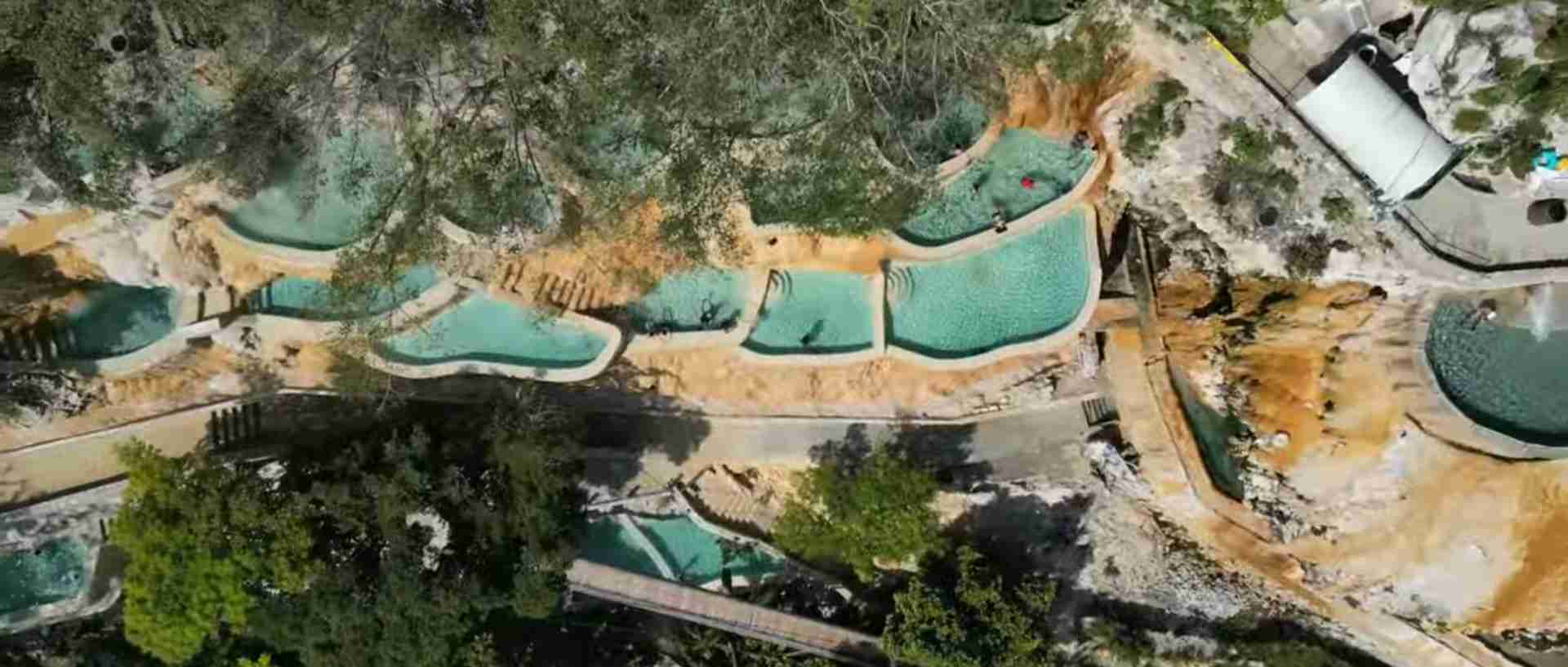
Tolantongo Hot Springs from San Miguel de Allende 2026: Complete Day Trip Guide
Key Takeaways
- Tolantongo Hot Springs sits 4.5 hours (285 km) from San Miguel de Allende, offering spectacular thermal pools and canyon scenery accessible as a long day trip or overnight excursion
- Day trip costs range $70-95 per person in 2026 including entrance, meals, and organized transportation, with significant savings available for independent travelers
- Tours depart San Miguel between 6:30-7:00 AM and return around 8:00-9:00 PM, providing 6-7 hours at the hot springs complex
- The complex features five distinct thermal areas: the Tunnel (cave pools), La Gloria (river pools), Gruta (main cave), thermal river, and upper pools with waterfall views
- Advance booking becomes essential 2-3 weeks ahead for weekend visits during peak season (December-April and July-August), while weekday visits offer easier access
- Bring waterproof phone case, water shoes, sunscreen, and towels as facilities at the site are basic and rental equipment limited
Planning Your Tolantongo Hot Springs Day Trip in 2026
Tolantongo Hot Springs represents one of central Mexico’s most spectacular natural wonders, combining turquoise thermal pools with dramatic canyon scenery in the Hidalgo mountains. Located in the Mezquital Valley approximately 285 kilometers from San Miguel de Allende, this hidden paradise attracts travelers seeking an authentic natural thermal experience beyond the typical colonial town circuit.
The journey from San Miguel de Allende requires crossing the states of Guanajuato, Querétaro, and Hidalgo, ascending through mountain terrain to reach the remote canyon complex. The hot springs cascade through a narrow limestone gorge, creating multiple thermal pools ranging from 34°C to 38°C (93°F to 100°F) fed by mineral-rich underground sources. The setting combines dramatic cliffs rising 500 meters above the canyon floor with lush vegetation and multiple thermal bathing areas spread across the complex.
Planning a day trip from San Miguel de Allende in 2026 requires understanding the logistics of the long drive, managing time effectively at the multiple thermal areas, and preparing for basic facilities in a remote natural setting. The experience rewards early morning departures and strategic planning with access to one of Mexico’s most photogenic natural thermal destinations, where emerald pools contrast against rust-colored canyon walls and steam rises through subtropical vegetation.
This complete guide provides comprehensive 2026 planning information for visiting Tolantongo Hot Springs from San Miguel de Allende, covering transportation options, current costs, timing strategies, essential preparation tips, and detailed itinerary planning for maximizing your thermal spring experience.
People Also Ask About Tolantongo Hot Springs from San Miguel 2026
How much does a day trip from San Miguel to Tolantongo cost in 2026?
Day trips from San Miguel de Allende to Tolantongo Hot Springs cost $70-95 per person in 2026 depending on your transportation choice and included services. Organized tours with established operators range $85-95 and include round-trip transportation, entrance fee, bilingual guide, and basic lunch. These tours depart San Miguel around 6:30-7:00 AM and return approximately 8:00-9:00 PM, providing 6-7 hours at the hot springs complex.
Independent travelers using private driver services pay $70-80 per person when sharing costs among 4-6 passengers, plus the $9-10 entrance fee separately. This option offers more flexibility in departure time and duration at the springs but requires coordinating your own group and purchasing entrance tickets on arrival.
Budget-conscious travelers can combine bus transportation from San Miguel to Ixmiquilpan ($15-18) with local collectivo service to Tolantongo ($8-10), bringing total transportation costs to $46-56 round trip per person plus entrance. This approach requires 6-7 hours total travel time compared to 4.5 hours direct, making overnight stays more practical than day trips when using public transportation.
Additional on-site costs include lockers ($3-4 for large, $2-3 for small), towel rental if needed ($5-6), food beyond tour-included lunch ($10-18 for restaurant meals, $5-8 for snacks), and optional equipment rental like water shoes ($4-5). Budget $15-25 per person for these extras when calculating total day trip costs.
Is Tolantongo Hot Springs worth the long drive from San Miguel in 2026?
Tolantongo Hot Springs justifies the 4.5-hour drive from San Miguel de Allende for travelers seeking spectacular natural scenery and authentic thermal bathing experiences beyond central Mexico’s colonial circuits. The complex offers five distinct thermal areas including dramatic cave pools, a thermal river flowing through a narrow gorge, and cascading pools with waterfall views that create photographic opportunities unavailable at closer thermal destinations.
The journey suits active travelers comfortable with longer travel days, basic facilities, and natural settings rather than polished spa environments. The springs deliver exceptional value with entrance fees under $10 providing access to extensive thermal areas, unlike commercialized thermal destinations charging premium prices for limited access.
Day trip feasibility depends on your travel style and physical stamina. The 9-hour round trip plus 6-7 hours at the springs creates a 15-16 hour day requiring early morning departure and late evening return. Travelers who prioritize comfort over adventure, have mobility limitations, or prefer shorter travel days benefit more from overnight visits staying at on-site accommodations, which allows leisurely exploration and sunrise bathing in the thermal pools.
Consider the drive worthwhile if you appreciate dramatic natural landscapes, enjoy thermal bathing in authentic settings, seek photogenic destinations for travel photography, or want to explore beyond San Miguel’s immediate vicinity. The springs offer an authentic Mexican natural attraction that remains relatively undiscovered by international tourists despite growing popularity with Mexican families and weekend visitors from Mexico City.
What’s the best time to visit Tolantongo Hot Springs in 2026?
Weekday visits during shoulder seasons (May-June and September-November) provide the optimal balance of favorable weather, manageable crowds, and comfortable thermal bathing temperatures in 2026. The hot springs region experiences pleasant conditions with daytime temperatures around 22-28°C (72-82°F) and minimal rainfall during these periods, while weekday attendance remains moderate compared to weekend crowds.
Peak season (December-April) brings the busiest periods with Mexican family visitors during winter school holidays and Semana Santa (March 24-April 1, 2026). Weekend visits during these months require advance booking 2-3 weeks ahead and early arrival to secure good positions in popular thermal areas. The cooler mountain air during winter months (December-February) makes the warm thermal pools particularly appealing, though morning temperatures at the 1,800-meter elevation start around 8-12°C (46-54°F) before sunrise.
Summer months (July-August) bring afternoon thunderstorms and higher humidity, with rainfall occurring most days between 2:00-5:00 PM. Morning visits remain practical as storms typically clear by early evening, but the combination of warm ambient temperatures and hot thermal water creates less comfortable bathing conditions compared to cooler months. School vacation periods in July-August bring increased family crowds, particularly on weekends.
Autumn (September-November) offers ideal conditions with the rainy season tapering off by late September, comfortable temperatures for the long drive, and reduced weekend crowds as children return to school. The canyon vegetation appears lush from summer rains while clearer skies return for better photography. March-April and October-November represent the prime windows for combining favorable weather, reasonable crowd levels, and comfortable thermal bathing conditions during day trips from San Miguel de Allende.
Can you visit Tolantongo Hot Springs independently without a tour in 2026?
Independent visits to Tolantongo Hot Springs remain fully feasible in 2026 through either private driver hire or public transportation combinations, offering flexibility and potential cost savings compared to organized tours. The entrance gate operates daily 8:00 AM-6:00 PM (last entry 5:00 PM) with on-site ticket purchase accepting cash payment in Mexican pesos.
Private driver services from San Miguel de Allende cost $400-500 total for the round trip in standard vehicles accommodating 4-6 passengers, bringing per-person costs to $70-85 when sharing expenses. Drivers familiar with the route manage the mountain roads effectively and provide flexibility in departure time and duration at the springs. Book drivers through your San Miguel accommodation, local tour operators, or established transportation services with vehicle inspection and insurance verification.
Public transportation requires combining three separate segments: San Miguel to Querétaro ($7-8, multiple daily departures), Querétaro to Ixmiquilpan ($8-10, 2-hour journey), and Ixmiquilpan to Tolantongo via collectivo ($8-10, 45-60 minutes). The final segment operates from Ixmiquilpan’s main terminal with departures every 30-60 minutes during daylight hours. Total travel time reaches 6-7 hours each direction including connections, making this practical only for overnight stays rather than day trips.
Independent visitors benefit from unlimited time at the thermal pools, choice of meal venues, and freedom to explore at their own pace without group schedules. However, you miss the convenience of pre-arranged transportation, guide insights about the different thermal areas, and included lunch that organized tours provide. The independent approach suits experienced Mexico travelers comfortable navigating Spanish-language transport systems and managing logistics in remote areas with limited English speakers.
Extended multi-day tours – 5+ days
Featured San Miguel De Allende Multi-Day Tour Packages

3 days
San Miguel De Allende 3-Day Discovery Tour
- ✓ Comprehensive San Miguel De Allende experience
- ✓ Expert local guides included
- ✓ All accommodation included
- ✓ Transportation provided

5 days
San Miguel De Allende 5-Day Highlights Experience
- ✓ Comprehensive San Miguel De Allende experience
- ✓ Expert local guides included
- ✓ All accommodation included
- ✓ Transportation provided
7 days
San Miguel De Allende 7-Day Cultural Journey
- ✓ Comprehensive San Miguel De Allende experience
- ✓ Expert local guides included
- ✓ All accommodation included
- ✓ Transportation provided

10 days
San Miguel De Allende 10-Day Complete Adventure
- ✓ Comprehensive San Miguel De Allende experience
- ✓ Expert local guides included
- ✓ All accommodation included
- ✓ Transportation provided
Multi-day tour packages powered by TourRadar. Prices and availability subject to change.
Essential Planning Information for Your 2026 Visit
Understanding Tolantongo Hot Springs Complex and Thermal Areas
The Tolantongo Hot Springs complex spreads across a dramatic limestone canyon with five distinct thermal bathing areas connected by paths and stairs along the gorge walls. The main entrance sits at the canyon rim with a steep 15-minute descent (approximately 200 stairs) down to the primary thermal zones. Each area offers different experiences, water temperatures, and scenic qualities that together create a comprehensive thermal bathing destination.
The Tunnel represents the most iconic feature, consisting of a natural cave passage carved by the thermal river with waist-deep pools inside the illuminated cavern. The 35°C (95°F) water flows through the cave creating an atmospheric bathing experience enhanced by dramatic rock formations and diffused lighting. The tunnel entrance sits near the bottom of the main staircase and draws the largest crowds, particularly during peak afternoon hours when tour groups congregate. Visit the tunnel early morning or late afternoon for less crowded conditions and better photography opportunities.
La Gloria occupies a series of terraced thermal pools carved into the canyon wall above the main river, offering the complex’s most photogenic setting. Turquoise water cascades between pools while steam rises through tropical vegetation against rust-colored cliffs. The pools range in depth from ankle-deep wading areas to deeper soaking pools approximately 1.5 meters at their deepest points. Water temperatures vary between 34-37°C (93-99°F) depending on pool position and water flow. This area requires a 10-minute uphill walk from the main complex but rewards the effort with spectacular views and typically fewer crowds than the tunnel.
The main Gruta (cave) contains a larger underground thermal pool with rock formations, stalactites, and multiple entry points. The cave interior maintains relatively consistent 36°C (97°F) water temperature with good depth for swimming in certain sections. Natural and artificial lighting illuminates the cave, though some areas remain quite dark. The gruta accommodates larger numbers of visitors than the tunnel and provides shade and protection from midday sun, making it popular during hot afternoon hours.
The thermal river flows through the narrow gorge connecting the different pool areas, with sections wide and calm enough for bathing interspersed with faster-flowing rapids. River temperatures fluctuate between 32-36°C (90-97°F) depending on location and season. The river walk extends approximately 300 meters through the canyon with multiple access points, providing a more adventurous bathing experience compared to the constructed pools. Wear water shoes as river rocks create uneven surfaces and occasional slippery sections.
Upper pools occupy terraces above La Gloria, requiring a steep 20-minute climb but offering the most secluded bathing with spectacular views down the canyon toward the tunnel entrance. These smaller pools see lighter use and provide quieter soaking opportunities, particularly valuable during busy weekends. Water temperatures run slightly cooler at 33-35°C (91-95°F) compared to lower pools. The climb challenges visitors unaccustomed to stairs and altitude, but physically capable travelers find the effort worthwhile for the combination of views and solitude.
Current Costs and Pricing Breakdown for 2026
Tolantongo Hot Springs maintains affordable entrance fees in 2026 that provide exceptional value given the extensive thermal areas and spectacular natural setting. The complex charges 200 pesos (approximately $9-10 USD) for adult day admission covering access to all five thermal zones, the tunnel cave, thermal river, and facilities from 8:00 AM until 6:00 PM. Check the official Tolantongo website or contact the complex directly for current rates as pricing may vary seasonally.
Children under 1.2 meters tall enter free when accompanied by paying adults, while youth rates apply for children exceeding the height threshold. Mexican citizens over 60 years and holders of INAPAM cards receive discounted senior admission at approximately 50% of standard rates. No separate fees apply for different thermal areas once inside the complex, allowing unlimited movement between the tunnel, La Gloria pools, gruta, river sections, and upper terraces throughout your visit.
On-site facilities charge additional fees for lockers and equipment rental. Large secure lockers cost 60 pesos ($3-4), small lockers 50 pesos ($2-3), with key deposit required. Towel rental runs 100-120 pesos ($5-6) for standard bath towels, though most visitors bring their own. Water shoes rent for 80-100 pesos ($4-5) per pair, recommended for navigating rocky river sections and uneven pool bottoms. Life jackets for children are available without charge at the main office near the tunnel entrance.
Food services at Tolantongo include several restaurant areas with set menu comidas corridas (lunch sets) priced $10-12 featuring typical Mexican dishes, and à la carte options ranging $8-15 for main courses. Smaller snack stands sell beverages ($2-3 for sodas and water, $3-4 for beer), fresh fruit ($3-5), and simple prepared items like quesadillas and tacos ($4-6). The remote location means prices run 30-40% higher than equivalent items in nearby towns, though they remain reasonable by tourist attraction standards. Organized tours typically include basic lunch in their package price.
Overnight accommodation at the on-site campground starts around $15-20 per person for basic cabin space with shared bathrooms, while private cabañas with bathrooms range $60-90 per night in 2026. These rates allow multi-day thermal spring access and evening bathing after day visitors depart. Book accommodations directly through the Tolantongo website or phone reservations as availability fills quickly for weekends and holiday periods.
Transportation Options from San Miguel de Allende 2026
Organized tour services provide the most convenient transportation option from San Miguel de Allende to Tolantongo Hot Springs in 2026, with several established operators running regular departures during peak travel months. Tours typically cost $85-95 per person and include round-trip air-conditioned van transportation, entrance fees, bilingual guide service, and basic lunch at the springs. Departure times fall between 6:30-7:00 AM from central San Miguel pickup points, with returns around 8:00-9:00 PM creating approximately 15-hour day trips.
Reputable tour operators include Mexitrotter Tours, known for small group sizes (maximum 12 passengers) and experienced guides familiar with the thermal areas, and Coyote Canyon Adventures, offering similar service with slightly larger groups (up to 16 passengers) at marginally lower prices. Both maintain regular weekly schedules during high season (November-April) with less frequent departures during summer months. Book tours 5-7 days ahead during shoulder season, extending to 2-3 weeks advance booking for winter holidays and Semana Santa periods.
Tour packages handle logistics including bathroom stops during the drive, coordination of entrance procedures, guided orientation to the different thermal zones, and management of lunch timing to avoid peak restaurant crowding. Guides provide historical and geological information about the canyon formation and cultural context of the springs in the indigenous Otomí region. The structured schedule means limited flexibility in time allocation at different pools, with typical visits providing 2 hours in main areas, 1.5 hours for lunch and rest, and additional time for exploring secondary pools.
Private driver hire offers greater flexibility than tours for groups of 4-6 travelers willing to coordinate their own visit. Private transportation services charge $400-500 total for the round trip from San Miguel de Allende in standard passenger vans or SUVs comfortable for the mountain road conditions. Per-person costs work out to $70-85 when sharing among 4-6 passengers, plus separate entrance fee payment. Drivers familiar with the Tolantongo route provide reliable service, though most speak limited English compared to bilingual tour guides.
Book private drivers through established San Miguel transportation companies like San Miguel Shuttle or through your hotel or rental property’s concierge service. Verify that vehicles carry proper insurance and conduct basic safety checks of tire condition and general vehicle maintenance given the mountain road requirements. Discuss timing expectations clearly, as drivers typically charge for their full day regardless of time spent at the springs, but negotiate specifics about departure time, duration at the site, and meal stop arrangements.
Independent travelers using public transportation face challenging connections that make day trips impractical despite budget appeal. The journey requires taking a Primera Plus bus from San Miguel’s Central de Autobuses to Querétaro ($7-8, 1.5 hours, departures every 30-60 minutes), transferring to second-class service from Querétaro to Ixmiquilpan ($8-10, 2 hours, hourly departures), then catching a collectivo from Ixmiquilpan to Tolantongo ($8-10, 45-60 minutes, departures every 30-60 minutes during daylight). Total one-way travel time reaches 5-6 hours with connections.
The public transportation option works better for overnight stays, allowing arrival in afternoon, evening thermal bathing, overnight accommodation in on-site cabañas, and morning departure after enjoying sunrise at the pools. Total transportation costs run $46-56 round trip per person, offering significant savings compared to tours or private drivers, but the time investment and connection complexity make this practical only for budget-conscious travelers with flexible schedules and comfort navigating Mexican bus systems with minimal English signage.
Best Time to Visit Tolantongo from San Miguel in 2026
Seasonal Weather Patterns and Conditions Throughout 2026
Winter months (December-February) bring the coolest temperatures to the Tolantongo region, with morning lows around 8-12°C (46-54°F) at the 1,800-meter canyon elevation and afternoon highs reaching 20-25°C (68-77°F). Clear skies dominate with minimal rainfall, creating ideal conditions for the long drive from San Miguel de Allende. The cool ambient air makes the 34-38°C (93-100°F) thermal waters particularly enjoyable, with steam dramatically visible rising through the canyon. Morning visits require warm layers for the drive and initial descent to the springs, though midday temperatures allow comfortable hiking between thermal areas in light clothing.
Spring transition (March-April) sees gradually warming temperatures with highs approaching 25-30°C (77-86°F) by April and morning lows moderating to 12-16°C (54-61°F). Rainfall remains minimal through most of March with increasing afternoon cloud formation by April signaling the approaching rainy season. This period provides excellent thermal bathing conditions as comfortable air temperatures combine with warm pools without the intense heat of summer months. Visibility remains good for photography with spring wildflowers appearing along the canyon walls during April.
Summer rainy season (May-August) brings daily afternoon thunderstorms and increased humidity throughout the Tolantongo region. Morning conditions start clear with temperatures 18-22°C (64-72°F), rising to 28-32°C (82-90°F) by early afternoon before storms develop between 2:00-5:00 PM. Rainfall totals peak in July-August with storms occurring approximately 20-25 days per month. The combination of warm ambient temperatures and hot thermal water creates less comfortable bathing during midday hours, though morning visits (8:00 AM-12:00 PM) remain pleasant before heat and storms intensify.
Autumn (September-November) represents prime visiting season as the rainy season tapers off through September with increasingly stable weather by October-November. Temperatures moderate to 15-20°C (59-68°F) mornings and 23-28°C (73-82°F) afternoons, creating ideal conditions for both the drive and thermal bathing. Canyon vegetation appears lush from summer rainfall while clearer skies return for photography. October-November particularly shine with consistently pleasant weather, minimal rainfall, and reduced crowd levels compared to winter high season.
Crowd Patterns and Timing Strategies for 2026 Visits
Weekend visits bring significantly higher attendance than weekdays throughout the year, with Saturday crowds typically reaching 2-3 times weekday levels. Mexican families from nearby cities including Mexico City, Querétaro, and Pachuca drive 2-4 hours for weekend visits, creating crowding particularly in popular areas like the tunnel cave and La Gloria pools between 11:00 AM and 4:00 PM. Weekend visits during peak season (December-April and July-August) require advance booking for tours and early morning arrival for independent visitors to secure good positions before crowds intensify.
Major Mexican holidays create exceptional crowding that requires specific timing strategies. Semana Santa (Holy Week: March 24-April 1, 2026) represents the busiest period with attendance levels 3-4 times normal, essentially selling out accommodations and creating waiting lines for popular pools. The tunnel entrance particularly experiences queues of 20-30 minutes during peak afternoon hours. Christmas-New Year period (December 20-January 6) brings similar crowding with Mexican families on extended holiday breaks. Avoid these periods for day trips from San Miguel unless prepared for significant crowds and reduced ability to fully enjoy the thermal areas.
Summer school vacation (July 15-August 20 approximately) brings consistent weekend crowds with Mexican families, while weekdays see moderate attendance. The combination of afternoon thunderstorms and school vacation creates interesting patterns where mornings (8:00 AM-12:00 PM) remain the best window for comfortable bathing before both storms and crowds intensify. Plan summer visits with emphasis on early arrival and departure before 2:00 PM when weather typically deteriorates.
Shoulder seasons (May-June and September-November) offer the best balance of manageable crowds and favorable weather for day trips from San Miguel de Allende. Weekday visits during these months find the thermal areas comfortably populated without overcrowding, allowing easy movement between pools and minimal waiting for tunnel access. October-November particularly excel with autumn weather stabilizing, summer vacation crowds departed, and winter holiday rush not yet begun. Book tours 5-7 days ahead during shoulder season compared to 2-3 weeks needed for peak periods.
Optimal Visit Duration and Daily Timing Recommendations
Day trips from San Miguel de Allende provide 6-7 hours at the Tolantongo complex with 6:30-7:00 AM departures and 8:00-9:00 PM returns, creating feasible but long 15-16 hour days. This duration allows systematic exploration of the main thermal areas including the tunnel, La Gloria pools, gruta, and thermal river sections with time for lunch and rest periods. Active visitors comfortable with full-day excursions find this sufficient for experiencing the highlights, though rushed compared to overnight visits that allow leisurely exploration and evening bathing.
Arrive at the entrance when it opens at 8:00 AM to maximize morning hours before midday heat and afternoon crowds intensify. Tours departing San Miguel at 6:30-7:00 AM typically reach Tolantongo 11:00-11:30 AM after the 4.5-hour drive and necessary stops. Private drivers departing earlier (5:30-6:00 AM) can reach the springs closer to opening time, providing an extra 1-2 hours before crowds build. The morning advantage proves particularly valuable during weekends and peak season when popular areas like the tunnel fill quickly.
Allocate time strategically across the different thermal zones based on priority interests. The tunnel requires 45-60 minutes for thorough exploration including photography time in the illuminated cavern. La Gloria pools merit 1-1.5 hours given their photogenic qualities and comfortable terraced design. The main gruta provides 30-45 minutes of exploration while the thermal river walk takes 45-60 minutes to navigate fully. Upper pools require 20 minutes climbing plus 45-60 minutes for soaking and enjoying views, though many day visitors skip this area given the physical effort required.
Lunch timing strategy impacts your experience significantly. Tours typically schedule lunch 1:00-2:30 PM when thermal areas reach peak crowding. Independent visitors benefit from earlier lunch (12:00-12:30 PM) or later (3:00 PM) to avoid restaurant queues and maximize prime thermal bathing time. The complex’s main restaurant handles groups efficiently but lines form during typical lunch hours on busy days. Bring water and light snacks for mid-morning or mid-afternoon energy without requiring restaurant visits during peak periods.
Overnight stays transform the experience by allowing evening access (after 5:00 PM when day visitors depart), sunrise bathing, and relaxed exploration without time pressure. The springs take on different character in early morning light with mist rising through the canyon before the sun illuminates the pools. Overnight visitors using on-site cabañas enjoy the complex during its most tranquil hours and can revisit favorite pools multiple times. Consider overnight options if you value comprehensive exploration, professional photography opportunities, or less rushed thermal bathing experiences.
Sample 2026 Itinerary: Tolantongo Day Trip from San Miguel
Classic Day Trip Itinerary with Organized Tour
This comprehensive day trip itinerary follows a typical organized tour schedule, providing systematic coverage of Tolantongo’s highlights within the constraints of the 15-hour day including travel time from San Miguel de Allende. The schedule balances thermal bathing, exploration, meals, and necessary rest periods while managing the long drive and mountain road conditions.
6:30 AM – Departure from San Miguel de Allende: Tours depart from central pickup points including Jardín Principal and major hotels along Ancha de San Antonio. Board air-conditioned passenger vans with groups typically numbering 10-14 travelers plus bilingual guide. Bring light jacket for cool morning temperatures and comfort during the drive.
6:30 AM – 8:00 AM – Drive to Querétaro: The first segment covers 90 km on Highway 57D, a modern toll highway in excellent condition. This relatively easy portion allows relaxation before more demanding mountain roads. The drive passes through Guanajuato countryside with sunrise views over agricultural valleys.
8:00 AM – 8:30 AM – Bathroom and Breakfast Stop: Tours stop at roadside restaurants in Querétaro or highway rest areas providing bathroom facilities and opportunity to purchase breakfast items. Most tours don’t include breakfast, so plan to eat before departure or purchase food during this stop ($6-10 for basic breakfast items). Continue through Querétaro on Highway 57 heading toward Ixmiquilpan.
8:30 AM – 10:45 AM – Mountain Drive to Tolantongo: The second segment covers approximately 150 km through increasingly mountainous terrain in Hidalgo state. Roads narrow as you climb toward the canyon, with winding sections and spectacular views across the Mezquital Valley. Guides provide information about the region’s indigenous Otomí culture and geological history during this portion. Motion-sensitive travelers should consider medication as curves intensify near the final approach.
10:45 AM – 11:00 AM – Arrival and Entrance Procedures: The tour arrives at Tolantongo’s upper parking area where guides handle entrance fee processing. The group descends together via the main staircase (approximately 200 steps taking 10-15 minutes) to reach the thermal zone level. Guides explain layout and safety protocols during descent, pointing out locations of different thermal areas, restaurants, and facilities.
11:00 AM – 12:30 PM – Tunnel Cave and Lower Thermal Pools: Begin exploration at the iconic tunnel feature, the most photographed area in the complex. The illuminated cave pools offer the quintessential Tolantongo experience with warm water flowing through the natural passage. After tunnel bathing (30-45 minutes allowing for photo opportunities), explore adjacent lower thermal pools and the thermal river section flowing past the entrance area. This represents prime time before afternoon crowds intensify.
12:30 PM – 2:00 PM – Lunch Break: Tours include basic set-menu lunch typically consisting of soup, main course (chicken, pork, or vegetarian options), rice, beans, tortillas, and beverage. The included meal provides adequate energy for afternoon activities without being elaborate. Rest in shaded areas near the restaurant, apply additional sunscreen, and rehydrate before afternoon exploration. Restaurant facilities provide changing rooms and restrooms.
2:00 PM – 4:00 PM – La Gloria Pools and Gruta Exploration: Hike upward along the canyon path to reach La Gloria’s terraced turquoise pools, the complex’s most scenic section. Spend 1-1.5 hours enjoying these photogenic pools with waterfall features and dramatic canyon views. Strong hikers with energy can continue to the upper pools (additional 20-minute steep climb), though many visitors find La Gloria pools sufficient. Descend to explore the main gruta (large cave pool) which provides shaded bathing during warm afternoon hours.
4:00 PM – 4:30 PM – Final Thermal River Soak and Preparation for Departure: Return to the thermal river sections for a final relaxing float or soak. Change into dry comfortable clothing for the return drive. Secure belongings, retrieve items from lockers, and gather at the designated meeting point. The climb back up the entrance staircase takes 15-20 minutes, more strenuous than the descent after several hours of thermal bathing and hiking.
4:30 PM – 5:00 PM – Departure from Tolantongo: Tours depart mid-to-late afternoon to reach San Miguel de Allende by evening. Vans navigate down the mountain roads with stops as needed for bathroom breaks. Most travelers nap during portions of the return drive after the physically active day.
5:00 PM – 7:30 PM – Return Drive Through Mountains and Highway: The return route reverses the morning drive, descending from the Tolantongo canyon through Hidalgo mountains, connecting to Highway 57D for the faster toll road section through Querétaro. One substantial bathroom stop occurs en route, typically at the same location as the morning stop.
7:30 PM – 9:00 PM – Arrival in San Miguel de Allende: Tours arrive in central San Miguel between 8:00-9:00 PM depending on traffic conditions and the number of passenger drop-off points. The long day yields tired but satisfied travelers having experienced one of central Mexico’s most spectacular natural settings. Plan on quiet evening activities rather than elaborate dinner plans given the timing and fatigue level after the 15-hour expedition.
Entrance to Tolantongo $9-10, included tour lunch $0 (included), snacks and drinks $8-12, optional towel rental $5-6, locker $3-4, organized tour transportation $85-95. Total day cost: $110-130 per person for organized tour option.
Independent Traveler Itinerary with Private Driver
This alternative itinerary provides greater flexibility through private driver hire, allowing earlier departure for access during optimal morning hours and customized time allocation based on group preferences. The approach suits travelers wanting more control over their schedule while maintaining transportation convenience.
5:30 AM – Early Departure from San Miguel de Allende: Private driver picks up your group from accommodation in San Miguel. The earlier departure time compared to standard tours allows arrival closer to opening time for less crowded thermal pool access. Bring breakfast items or plan a stop at one of the 24-hour Oxxo convenience stores for provisions.
5:30 AM – 10:00 AM – Direct Drive to Tolantongo: The private vehicle makes the journey in approximately 4.5 hours with bathroom stops as needed by your group rather than fixed tour schedules. Coordinate stop preferences with your driver, typically one substantial break around Querétaro and possibly a second quick stop near Ixmiquilpan. The faster morning travel and fewer stops provide arrival around 10:00 AM, giving you nearly two hours before typical tour groups reach the complex.
10:00 AM – 10:30 AM – Entrance and Strategic Planning: Purchase entrance tickets at the gate ($9-10 per person, cash only). Descend immediately to the thermal zones to take advantage of morning crowds being significantly lighter than afternoon. Brief planning discussion about priority areas based on your group’s interests – whether photography focus (emphasize La Gloria and upper pools), maximum thermal bathing (tunnel and gruta), or family-friendly areas (lower pools and calm river sections).
10:30 AM – 12:00 PM – Tunnel and Lower Pools Exploration: Begin with the tunnel cave during this optimal morning window when crowds remain minimal and lighting conditions favorable for photography. The relative emptiness allows better photos without crowds in frame and more relaxed soaking without feeling rushed. Explore adjacent thermal river sections and lower pools while they remain peaceful.
12:00 PM – 1:00 PM – La Gloria Pools Priority Access: Hike to La Gloria during late morning when these scenic terraced pools see minimal crowds. The midday sun directly illuminates the turquoise water creating the most vibrant color for photography. Allocate substantial time here as this represents Tolantongo’s most photogenic feature. Strong hikers can push to upper pools during this window, rewarded with even greater solitude.
1:00 PM – 2:00 PM – Early Lunch Strategy: Eat lunch earlier than tour group schedules to avoid restaurant crowding that intensifies 1:30-2:30 PM. Select from à la carte options ($10-15 for main dishes) rather than set menus, allowing dietary preferences and food quality choices. The early lunch timing also provides rest during peak heat hours before afternoon activities.
2:00 PM – 4:00 PM – Gruta and Thermal River Afternoon Session: Spend afternoon hours in the shaded gruta which provides comfortable bathing temperature despite warmer ambient conditions. Float in calm thermal river sections, revisit favorite pools from the morning, or explore areas initially bypassed. The flexible schedule allows returning to priority areas without fixed departure times pressuring your experience.
4:00 PM – 4:30 PM – Final Activities and Departure Preparation: Choose between additional thermal bathing, gift shop browsing, or final photography session based on remaining energy and interest levels. The private driver arrangement allows some flexibility in departure time – communicate plans when you descended in the morning. Change into dry clothes and ascend the staircase allowing 20 minutes for the climb.
4:30 PM – 9:00 PM – Return Drive to San Miguel de Allende: Depart Tolantongo for the return journey, arriving in San Miguel around 9:00 PM. The private vehicle provides more comfortable rest during the drive and direct transportation to your accommodation rather than multiple drop-off points. Discuss dinner timing with your group – whether to stop en route (restaurants in Querétaro offer options) or eat after returning to San Miguel despite the late hour.
Entrance to Tolantongo $9-10, restaurant lunch $12-15, beverages and snacks $10-12, towel rental $5-6, locker $3-4, private driver share (4 people) $100-125. Total day cost: $139-172 per person with private transportation option.
Accommodation Planning for 2026 Tolantongo Visits
San Miguel de Allende Base Options for Day Trips
Day trip planning from San Miguel de Allende requires accommodation supporting very early morning departures (5:30-6:30 AM) and late evening returns (8:00-9:00 PM). Central San Miguel locations near tour pickup points offer maximum convenience, while properties with breakfast services or kitchen facilities help manage the early departure timing by allowing pre-departure meals or packed breakfast preparation.
Budget travelers benefit from centrally-located hostels like Hostal Punto 79 or Hostal Alcatraz ($20-30 per dorm bed, $50-70 for private rooms) positioned within easy walking distance of main plaza tour departure points. These properties typically provide basic breakfast service starting 6:30-7:00 AM, though too late for earliest tour departures. Most hostels allow access to shared kitchens for preparing simple breakfast items before dawn departures. Social common areas help connect with other travelers potentially interested in sharing private driver costs for Tolantongo visits.
Mid-range hotels near the Jardín Principal including Casa de Sierra Nevada suites ($120-160), Rosewood San Miguel de Allende’s standard rooms ($180-220), and Hotel Matilda’s deluxe accommodations ($150-190) provide central locations with concierge services that coordinate tour bookings and private driver arrangements. These properties offer early breakfast options or in-room service for guests departing on day trips, along with comfortable accommodations for rest after the long 15-hour expedition. Front desk staff assist with tour operator recommendations and can verify transportation service reliability.
Vacation rental apartments through platforms like Airbnb or Vrbo ($80-150 per night for 1-2 bedroom units) offer advantages for groups planning Tolantongo trips including kitchen facilities for breakfast preparation, flexible check-in times accommodating late returns, and space for 4-6 travelers sharing transportation costs. Properties near Ancha de San Antonio or within 5-10 minutes walking of the Jardín provide central access while maintaining quiet locations for quality rest. Hosts familiar with San Miguel often provide valuable local guidance about tour operators and private driver recommendations.
On-Site Overnight Stays at Tolantongo Hot Springs
Staying overnight at Tolantongo’s on-site accommodations transforms the day trip into an immersive thermal spring experience, allowing evening access after day visitors depart, sunrise bathing, and elimination of the 9-hour round trip driving in a single day. The complex offers several accommodation categories from basic camping to simple cabañas, all providing direct access to thermal areas without entrance time restrictions.
Basic camping platforms accommodate tent setup or sleeping bag use on covered wooden platforms with shared bathroom facilities nearby. These minimalist options cost $15-20 per person per night and attract budget travelers and Mexican families seeking affordable thermal spring access. Bring your own camping gear including sleeping bags rated for cool mountain temperatures (nighttime lows reach 8-15°C depending on season). The platforms provide shelter from rain and direct ground contact but offer minimal privacy or comfort amenities. Shared bathrooms include basic showers and toilets maintained to acceptable cleanliness standards given the high-volume use.
Standard cabañas provide four walls and roof with basic beds, small table, and chairs, accommodating 4-6 people depending on configuration. These units cost $60-90 per night total (not per person) making them economical for families or small groups. Most cabañas share external bathroom facilities located centrally among clusters of units, requiring short walks for toilet and shower access. Electricity provides basic lighting though outlets may be limited, so bring portable chargers for devices. The simple accommodations lack heating or air conditioning, adequate for the moderate canyon climate but requiring warm sleepwear during winter months.
Private cabañas with attached bathrooms represent the complex’s highest accommodation level at $80-120 per night for units sleeping 4-6. These provide private facilities, more space than standard units, and marginally better furnishings including small refrigerator units in some cases. Hot water availability can be inconsistent during peak occupancy periods when many guests shower simultaneously. The privacy advantage justifies the premium pricing for travelers prioritizing convenience and avoiding shared bathroom queues during busy weekends.
All accommodation bookings require advance reservation through Tolantongo’s official website or telephone booking system (Spanish language). Weekend bookings during peak season (December-April, July-August) fill 3-4 weeks ahead, particularly for private cabaña units. Weekday availability remains better even during high season. Payment typically occurs upon arrival in cash (Mexican pesos preferred), so plan accordingly as ATMs are not available on-site. Cancellation policies tend toward strict with deposits rarely refunded within 7-14 days of arrival.
Staying overnight at Tolantongo makes particular sense for travelers arriving via public transportation, photographers seeking sunrise/sunset lighting, families with young children needing flexible schedules rather than long travel days, and visitors wanting comprehensive thermal spring immersion. The overnight option eliminates 9 hours of driving, reduces total trip costs by removing transportation premiums, and provides access during the complex’s most tranquil hours when thermal pools take on magical qualities under dawn and dusk lighting.
Essential Packing and Preparation for 2026 Tolantongo Visits
Critical Items and Equipment for Thermal Spring Activities
Waterproof phone case or dry bag ranks as the single most valuable item for Tolantongo visits, allowing photography in thermal pools, the tunnel cave, and wet environments throughout the complex. The dramatic scenery and unique thermal features demand photo documentation, but standard phones cannot withstand repeated water exposure. Quality waterproof cases ($15-30) with secure closures and touch-screen functionality enable underwater shots, selfies in the tunnel, and worry-free photography while floating in thermal pools. Test cases before departure by submerging in water at your accommodation to verify proper seal.
Water shoes provide essential foot protection on rocky pool bottoms, uneven river sections, and the sometimes-slippery stairs connecting different thermal zones. The complex’s natural setting means irregular surfaces throughout with sharp rocks, moss-covered stones, and rough pool edges that can cut or bruise bare feet. Quality water shoes with good sole thickness and secure heel straps ($20-35) prove far superior to cheap foam sandals that slip off or provide inadequate protection. The $4-5 on-site rental option exists but offers limited sizes and basic quality.
Reef-safe sunscreen becomes mandatory given the 4-7 hours of outdoor thermal bathing with Mexican highland sun exposure at 1,800-meter elevation. The canyon setting provides limited natural shade during midday hours, and water reflection intensifies UV exposure even while soaking in pools. Use mineral-based reef-safe formulas (zinc oxide or titanium dioxide) that won’t damage the delicate thermal ecosystem or harm other visitors sharing pool water. Apply generously before entering pools and reapply after extended soaking as thermal water and perspiration remove protection.
Quick-dry towel saves space and weight compared to standard cotton towels while providing adequate drying capacity for multiple thermal pool entries throughout the day. Microfiber travel towels compress to small pack size, dry much faster than cotton during breaks between pools, and can be rinsed and wrung out when needed. The $5-6 on-site towel rental provides cotton towels of basic quality that remain wet throughout the visit after first use. Bringing your own towel also avoids rental deposit hassles and return timing coordination.
Waterproof dry bag (10-20 liter capacity) protects valuable items including phone, wallet, room key, extra clothing, and snacks during movement between thermal areas. The complex provides paid lockers, but carrying essentials in a dry bag allows flexibility to explore distant pool areas like La Gloria and upper pools without returning to locker areas. Secure closure dry bags ($12-25) provide water protection during accidental submersion and can serve as flotation device when sealed properly. Bright colors help visibility when set down near pools.
Clothing and Personal Items Strategy
Layered clothing approach handles the significant temperature variation between early morning San Miguel departure (possibly 8-12°C), midday heat at the springs (25-32°C), and evening return drive. Pack light jacket or hoodie for morning travel, remove during thermal activities, then reuse for return drive. Quick-dry clothing throughout means items used in thermal pools can be rinsed and worn again without extended drying time.
Swimsuit selection impacts comfort during 6-7 hours of thermal bathing. Women find that one-piece suits or secure bikini tops with good support work better than loose swimwear given the active nature of climbing between pools, walking through river sections, and navigating stairs. Men’s board shorts or swim trunks with secure waistbands and pockets (with closures) for carrying small items prove most practical. Bring second swimsuit if possible, allowing a dry option for afternoon activities after morning soaking.
Comfortable walking sandals or lightweight sneakers for non-pool time allow comfortable movement during the descent to thermal areas, walks between pools on dry paths, and lunch break. Flip-flops or very basic sandals create blistering risk during the staircase descent/ascent and prove inadequate for distances walked over rough terrain. Shoes that can get wet without damage work well since paths between thermal areas include inevitable water exposure.
Hat with secure strap or chin cord prevents loss during active thermal pool activities while providing essential sun protection during midday hours. Baseball caps blow off easily when moving between areas or in the tunnel cave’s airflow. Wide-brim hats with adjustment straps stay secure and provide better face and neck protection. The canyon environment can create unpredictable breezes that send unsecured hats into thermal pools or over cliff edges.
Waterproof wristwatch or fitness tracker helps coordinate timing with tour groups and manage self-paced visits without constantly checking phone. The thermal environment and wet conditions make phone checking inconvenient and risky for device damage. Simple water-resistant watches ($15-30) provide adequate timing function without exposing expensive electronics to thermal pool water repeatedly throughout the day.
Food, Beverage, and Health Preparation
Reusable water bottle (1-1.5 liter capacity) proves essential for hydration during 6-7 hours of thermal bathing in warm water with elevated altitude, sun exposure, and physical activity. The thermal pools cause significant fluid loss through perspiration that’s less noticeable while soaking in hot water. Dehydration creates fatigue, headache, and diminished enjoyment of the experience. Fill bottles before descending to thermal areas as drinking water sources near pools remain limited. On-site beverage sales provide options but at premium prices ($2-3 per bottle) compared to bringing adequate supply.
Energy snacks including granola bars, trail mix, dried fruit, or similar compact high-calorie items provide needed energy between meals during the active day. The tour-included lunch or on-site restaurant meals occur at fixed times that may not align with your energy needs during extended thermal bathing and hiking. Small snacks bridge gaps without requiring restaurant visits during prime pool time. Choose non-perishable items that tolerate warm temperatures without spoiling.
Basic first aid supplies including bandages, pain reliever (ibuprofen or similar), anti-diarrheal medication, and any prescription medicines cover likely minor issues during the long day trip. Blisters from walking, mild altitude headaches, or digestive upset from restaurant meals can diminish the experience if supplies aren’t available. The remote location means pharmacies require significant travel, and on-site options are essentially non-existent. Motion sickness medication proves valuable for individuals sensitive to the winding mountain roads during the 4.5-hour drive.
Personal toiletries including shampoo, conditioner, and body wash allow freshening up after thermal bathing before the long return drive. On-site shower facilities provide basic function but no complimentary toiletries. The thermal water’s high mineral content leaves hair and skin feeling different than normal bathing, and many visitors appreciate ability to rinse with normal products before changing into dry clothes for return journey. Travel-size containers meet needs without excessive bulk.
Booking Strategies and Reservations for 2026 Season
Tour Operator Selection and Booking Timeline
Research tour operators serving the San Miguel de Allende to Tolantongo Hot Springs route at least 2-3 weeks before your intended visit date during peak season (December-April, July-August), extending to 5-7 days during shoulder months (May-June, September-November). The limited number of established operators running this route means availability fills quickly for weekends and Mexican holiday periods, particularly Semana Santa (March 24-April 1, 2026) and Christmas-New Year weeks.
Evaluate operators on group size policies, vehicle quality, guide language capabilities, lunch quality reports, and departure time flexibility. Small-group operators limiting tours to 10-12 passengers provide more personalized service and easier coordination than large-group options accommodating 14-16 passengers. Request information about vehicle age, maintenance standards, and insurance coverage given the mountain road requirements. Bilingual guides add significant value through cultural context and translation support, though English fluency varies considerably between operators and individual guides.
Read recent reviews on platforms like TripAdvisor, Google Reviews, and Viator focusing specifically on comments about punctuality (some operators run 30-60 minutes behind stated schedules), actual time provided at the springs versus travel time, lunch quality, and guide knowledge. Pay attention to patterns in reviews rather than single extreme comments. Multiple complaints about rushed schedules, inadequate time at the springs, or poor vehicle conditions warrant considering alternative operators despite competitive pricing.
Book directly with operators when possible rather than through third-party booking sites to ensure clear communication about pickup locations, cancellation policies, and any special requirements your group might have. Direct booking often provides equivalent pricing to aggregate sites while establishing direct contact for questions and modifications. Verify pickup location precisely including whether departure occurs from Jardín Principal, specific hotels, or alternative central points, as confusion about meeting places creates stress on departure morning.
Confirm exact departure time, expected return time, what’s included in the tour price (entrance, lunch, guide service), group size limits, and cancellation policy details. Request written confirmation via email or WhatsApp documenting these specifics as verbal confirmations sometimes vary from actual tour execution. Understand deposit requirements and payment methods – many operators require 50% deposit at booking with balance due in cash on departure morning.
Private Transportation Coordination and Driver Verification
Arrange private driver services through established San Miguel transportation companies, reputable tour operators offering custom trips, or verified contacts provided by trusted accommodation hosts rather than informal arrangements with unknown drivers. Companies like San Miguel Shuttle, Habla Hispano Tours (offering custom private trips beyond their standard tours), or transportation services recommended by higher-end hotels provide vehicles meeting safety and insurance standards with drivers experienced on the Tolantongo route.
Request detailed quote including total cost, vehicle type, maximum passenger capacity, departure time flexibility, expected travel duration, included stops, and wait time policies during your visit. Verify whether quoted price covers full round trip or charges separately for waiting time at the springs. Standard arrangements provide 6-7 hours at the thermal complex with driver waiting or departing and returning at pre-arranged time. Clarify timing expectations explicitly to avoid misunderstandings about pickup time for return journey.
Inspect vehicle condition when possible before committing to a driver, checking tire tread depth, brake function, safety equipment presence (spare tire, jack, emergency kit), and general maintenance state. For advance bookings where inspection isn’t feasible, request photos of the specific vehicle to be used and verify current insurance coverage including passenger liability. Mountain roads and 4.5-hour drive duration make vehicle reliability critical for safe comfortable transportation.
Communicate dietary restrictions, language needs, mobility limitations, and photography priorities with drivers in advance. Experienced drivers familiar with Tolantongo can provide valuable insights about optimal timing for different thermal areas, less-crowded alternative spots, and timing strategies for avoiding tour group concentrations. Some drivers offer additional value through regional knowledge and willingness to make photo stops at scenic viewpoints during the mountain drive.
Establish clear payment terms including deposit requirements, balance payment timing (typically on completion), accepted payment methods (cash versus electronic), and tipping expectations. Standard gratuity for good private driver service runs 10-15% of total cost, though verify whether this is included or expected as separate amount. Request receipt if available for documentation purposes, particularly if expense will be reimbursed as business travel.
Tolantongo Entrance and On-Site Booking Considerations
Tolantongo Hot Springs operates on first-come, first-served entrance basis for day visitors without advance ticket purchase requirements as of 2026. Purchase entrance tickets at the main gate upon arrival, accepting cash payment in Mexican pesos. Tours handle this process as group transaction included in tour price, while independent visitors queue individually at ticket windows operating 8:00 AM-5:00 PM (last entry 5:00 PM). Bring sufficient Mexican pesos as credit cards are not accepted and ATM facilities are unavailable on-site or in the immediate vicinity.
Overnight accommodation reservations require advance booking through Tolantongo’s official website (www.grutas-tolantongo.com) or telephone reservation system (+52-772-108-0688). The Spanish-language booking process challenges non-Spanish speakers, so enlist translation help from accommodation hosts, tour operators, or bilingual contacts when necessary. Weekend cabin bookings during peak season fill 3-4 weeks ahead while weekday availability remains better throughout the year. Request confirmation numbers and carry printed or digital confirmation documentation as backup for occasional booking system issues.
Locker rentals occur on-site at arrival without advance reservation, paying attendants at the main facility area near the tunnel entrance. Large lockers accommodate multiple bags for groups sharing costs ($3-4 total, not per person). Early arrival increases chances of securing preferred locker positions near your priority thermal areas. Lockers use simple key mechanisms rather than electronic systems, so safeguard keys carefully as replacement procedures prove difficult.
Photography permits for professional equipment (defined as DSLR cameras with large lenses, tripods, or obvious commercial photography gear) may require special permission from complex administration. Amateur photography with smartphones and basic cameras proceeds without restriction or additional fees. Video drone operation is prohibited throughout the complex due to safety concerns in the narrow canyon environment and privacy considerations for other visitors.
Safety and Practical Considerations for 2026 Visitors
Health and Safety Protocols in Thermal Environments
Thermal water exposure for extended periods creates specific health considerations that require awareness and management during your Tolantongo visit. The 34-38°C (93-100°F) pool temperatures feel initially comfortable but cause gradual body temperature elevation over hours of soaking. Take regular breaks from thermal water every 45-60 minutes, spending 15-20 minutes out of pools in shaded areas to allow core body temperature normalization. Failure to take breaks can lead to heat exhaustion symptoms including dizziness, nausea, rapid heartbeat, and extreme fatigue that diminishes your enjoyment and creates medical concerns.
Hydration becomes critical when combining warm water immersion with Mexican highland sun exposure and the 1,800-meter elevation. The thermal environment masks perception of fluid loss through perspiration as your body continues sweating while submerged in hot water. Drink water consistently throughout the day, aiming for 250ml (8oz) every 30-45 minutes regardless of thirst perception. Dehydration symptoms including headache, fatigue, and confusion emerge gradually, often not recognized until they’ve significantly impacted your condition. Bring electrolyte supplements or sports drinks to replace minerals lost through extended thermal bathing.
Altitude considerations affect visitors from sea-level regions, as the 1,800-meter canyon elevation creates mild altitude effects including increased sun intensity, faster dehydration, and occasionally light-headedness. The combination of altitude and thermal bathing intensity requires moderating activity levels, particularly during your first hours at the complex. Visitors with heart conditions, high blood pressure, or pregnancy should consult physicians before extended thermal bathing, as hot water exposure affects cardiovascular function and may create risks for specific health conditions.
Pool and river safety requires awareness of varying depths, uneven surfaces, and flowing water sections. The tunnel cave reaches waist-deep water for most adults but includes areas of uncertain footing where rocks create trip hazards. Parents supervising children must maintain close proximity as thermal water prevents easy visibility of underwater obstacles and depth changes occur suddenly. Life jackets for children are available free at the main office and should be used for non-swimmers or weak swimmers, particularly in thermal river sections with current flow.
Chemical sensitivity considerations arise from the high mineral content thermal water which contains sulfur compounds, calcium, magnesium, and other dissolved minerals. The water may irritate sensitive skin, eyes, or existing skin conditions. Individuals with eczema, psoriasis, or recent wounds should assess whether thermal bathing suits their condition or requires special precautions. The mineral water leaves residue on skin and particularly affects hair texture, making post-bathing fresh water rinse valuable before the long return drive.
Security and Valuables Management
Secure locker rental provides the safest option for protecting valuables during thermal pool activities, though understand that lockers offer basic security rather than vault-level protection. Use lockers for items not needed during pool time including extra cash, passports, electronics not in waterproof cases, room keys, and additional clothing. Carry only essential items in waterproof dry bags during thermal area exploration – phone in waterproof case, small amount of cash for snacks, perhaps your locker key securely attached to swimsuit.
Vehicle security matters for independent travelers arriving in private cars or rental vehicles. The upper parking area provides some supervision during operating hours but doesn’t guarantee complete security. Remove all visible valuables from vehicle interior before parking, storing items in trunk or locked compartments. Avoid leaving obviously expensive items in vehicles even in trunk, as break-ins occasionally occur at popular tourist destinations throughout Mexico. The tour transportation option eliminates these concerns as group vans remain with drivers throughout the visit.
Personal awareness during your visit includes monitoring belongings when set down near pools, not leaving items unattended in changing areas or restaurant spaces, and maintaining awareness of surroundings in crowded areas. Tolantongo experiences relatively low theft rates compared to urban tourist areas, but opportunistic theft can occur anywhere when valuables are left unsupervised. Groups benefit from designating someone to watch belongings when others enter pools, rotating guard duty to ensure everyone gets full thermal bathing time.
Emergency contact information should be noted before departure, including your accommodation’s contact details, tour operator phone number (if using tours), driver phone number (if private transport), and Mexican emergency services (911 for ambulance, police, fire). Store this information in waterproof case with your phone or write on waterproof paper. Cell phone service at Tolantongo remains limited with inconsistent coverage, so don’t rely on mobile access for emergency situations – seek assistance from complex staff at the main office near tunnel entrance.
Cultural Sensitivity and Local Etiquette
Respect cultural norms regarding photography and personal space in the thermal pools. Many Mexican families visit Tolantongo for leisure time, and unauthorized photography of people (particularly children) in swimsuits creates understandable discomfort. Focus cameras on landscapes, architectural features, and your own group members rather than other visitors. If you want to include people in scenic shots, ask permission first using basic Spanish phrases like “¿Puedo tomar una foto?” (Can I take a photo?). Most visitors respond positively to courteous requests.
Noise level awareness contributes to positive atmosphere in the thermal areas. While Tolantongo isn’t a silent spa retreat, excessive loudness from music, shouting, or disruptive behavior disturbs other visitors seeking relaxation. Bluetooth speakers are discouraged as they impose your music preferences on others in shared spaces. Groups traveling together should moderate volume levels during conversations, particularly in smaller enclosed areas like the tunnel cave where sound amplifies significantly.
Environmental consideration includes not littering, properly disposing of trash in designated receptacles, and avoiding introduction of outside food wrappers or bottles that can blow into pools and river areas. The complex maintains basic cleanliness but depends on visitor cooperation to preserve the natural environment. Don’t remove rocks, plants, or natural features as souvenirs – leave the canyon ecosystem undisturbed for future visitors and ecological preservation.
Inclusive attitude toward the range of visitors creates better experiences for everyone. Tolantongo attracts diverse groups including Mexican families with children, international tourists, seniors, and visitors of varying body types and abilities. The thermal pools are for everyone to enjoy, and judgmental attitudes or unwelcoming behavior toward any visitors contradicts the communal nature of public thermal bathing facilities. Mexican hospitality culture emphasizes friendliness and inclusion – reciprocate this by being welcoming and respectful to all visitors sharing the space.
Frequently Asked Questions About Tolantongo Hot Springs from San Miguel 2026
How far is Tolantongo from San Miguel de Allende and what’s the drive like?
Tolantongo Hot Springs sits approximately 285 kilometers (177 miles) from San Miguel de Allende, requiring 4.5-5 hours driving time depending on traffic conditions and route taken. The journey crosses three states – Guanajuato, Querétaro, and Hidalgo – with the first portion using modern Highway 57D toll road providing smooth fast travel. The final 60-70 kilometers navigate winding mountain roads through the Mezquital Valley with increasingly dramatic scenery as you approach the canyon.
Road conditions on the toll highway portion remain excellent with well-maintained pavement, clear signage, and regular service areas. Toll costs total approximately $15-18 (300-360 pesos) each direction for the express route. The mountain approach to Tolantongo uses two-lane paved roads with curves, elevation changes, and occasional narrow sections that require careful driving. Road quality generally remains adequate though some sections show weathering and occasional potholes, particularly after rainy season. The route is safe and regularly traveled, but drivers unfamiliar with mountain roads should proceed cautiously and allow extra time.
Are there bathrooms and changing facilities at Tolantongo Hot Springs?
Tolantongo provides basic bathroom and changing facilities distributed throughout the complex, though these are modest compared to developed tourist attractions. The main restroom and changing area sits near the tunnel entrance with multiple toilet stalls, cold water showers, and covered changing spaces. Cleanliness varies depending on time of day and visitor volume, with morning conditions generally better than late afternoon after heavy use. Bring hand sanitizer as soap and paper supplies run out during busy periods.
Additional smaller restroom facilities exist near restaurant areas and upper pool zones, providing toilet access without returning to the main facility. These satellite bathrooms offer fewer stalls and more basic conditions. The outdoor nature of the complex means some restrooms are partially exposed to elements, though all have roofs and enclosed stall walls for privacy. Expect basic Mexican public restroom standards rather than pristine facilities – the remote natural setting and high visitor volumes create maintenance challenges despite staff efforts.
Can you swim at Tolantongo or is it just soaking pools?
Tolantongo offers both dedicated soaking pools and areas suitable for swimming depending on the specific thermal zone. The tunnel cave contains relatively shallow pools (mostly waist-deep for adults) designed primarily for soaking and wading rather than swimming. La Gloria’s terraced pools similarly emphasize soaking and relaxation with varying depths that allow wading and cooling but not lap swimming.
The main gruta (large cave pool) provides the best swimming opportunity with deeper sections allowing full immersion and short swimming distances. The thermal river sections include areas calm and deep enough for floating and leisurely swimming, interspersed with shallower faster-flowing sections where swimming is impractical. No pool or area supports serious lap swimming or athletic swimming activities – the thermal spring environment emphasizes relaxation and scenic bathing rather than swimming exercise.
Non-swimmers and weak swimmers can enjoy most thermal areas with appropriate caution and life jacket use for children. The varying depths and generally moderate water levels make the springs accessible to most physical abilities, though the stairs connecting areas challenge visitors with significant mobility limitations. Life jackets for children are available free from the main office, recommended for any child not a strong confident swimmer given the varying depths and occasional current in river sections.
What’s the water temperature at Tolantongo Hot Springs?
Tolantongo thermal water temperatures range from 32-38°C (90-100°F) depending on specific pool location, season, and distance from primary thermal vents. The tunnel cave maintains relatively consistent 35-36°C (95-97°F) year-round given its underground thermal source and enclosed environment. La Gloria pools show more variation with upper pools around 34-36°C (93-97°F) while lower cascading pools cool slightly to 32-34°C (90-93°F) as water flows downward and exchanges heat with ambient air.
The main gruta cave pool stays consistently warm at 36-38°C (97-100°F) being closer to primary geothermal sources. Thermal river sections display the widest temperature range from 32-36°C (90-97°F) as the flowing water mixes with cooler upstream sources and cools through air exposure. Upper pools accessible via steep climb typically run 33-35°C (91-95°F), comfortable for extended soaking without being excessively hot.
Seasonal ambient temperatures affect perceived comfort more than actual water temperature variations. Winter visits (December-February) with cool morning air make the warm thermal water particularly appealing, while summer months (June-August) with warm ambient temperatures create less dramatic contrast. Most visitors find the water temperatures very comfortable year-round, though extended soaking requires regular breaks regardless of season to avoid heat exhaustion symptoms from prolonged thermal exposure.
Is Tolantongo Hot Springs suitable for young children?
Tolantongo accommodates families with children though the experience requires more vigilant supervision than developed resort thermal pools. The varying depths, uneven surfaces, flowing river sections, and stairs connecting different areas create challenges and safety considerations for young families. The tunnel cave’s waist-deep water, rocky bottom, and dim lighting require close parent proximity for children under 8-10 years old. The steep entrance staircase (approximately 200 steps) and paths between thermal areas challenge young children and require patient pacing during descent and ascent.
Free life jackets for children are available at the main office and strongly recommended for any child who isn’t a strong swimmer. The thermal river’s flowing sections and inconsistent depths make life jackets essential safety equipment for young swimmers. Parents should plan on staying physically close to children throughout the visit rather than relaxing in pools while children play independently, as the natural environment creates more hazards than controlled pool facilities.
The long travel day (15-16 hours for day trips) tests children’s patience and stamina. The 6:30 AM departure requires very early waking, the 4.5-hour drive challenges restless children, and the late evening return creates tired cranky situations. Families with children under 8 years benefit more from overnight visits that eliminate the extended single-day travel and allow flexible napping schedules. Bring entertainment for the long drive including tablets, books, games, and snacks to manage the challenging travel portions.
That said, many Mexican families successfully visit Tolantongo with children and teenagers enjoy the adventure and unique natural setting. The thermal pools themselves appeal to children once at the complex, and the variety of areas provides different experiences that maintain interest. Realistic expectations about supervision requirements, travel day challenges, and basic facility conditions help families determine whether Tolantongo suits their specific children’s ages and temperaments.
Do you need advance reservations for day visits to Tolantongo?
Day visitors to Tolantongo Hot Springs do not require advance entrance reservations as of 2026, with tickets available for purchase at the entrance gate upon arrival. The complex operates on capacity management during extremely busy periods (major Mexican holidays, peak weekends) when they may temporarily close entry once maximum occupancy reaches. This occurs rarely and primarily during Semana Santa (Holy Week) and Christmas-New Year periods when demand peaks dramatically.
Tour bookings do require advance reservation through your chosen operator, with 5-7 days minimum recommended during shoulder season and 2-3 weeks for peak season weekends. Popular tour operators fill their available spaces well ahead of departure dates, particularly for weekend tours. The tour reservation secures your transportation and entrance as a package, with operators handling entrance procedures as group transactions rather than individual ticket purchases.
Overnight accommodation reservations are essential for weekend stays and strongly recommended for weekdays, as the limited number of cabañas fills quickly. Book through Tolantongo’s official website or phone system 3-4 weeks ahead for weekend stays during peak season, reducing to 1-2 weeks for weekday visits or shoulder season. Day visitors benefit from weekday visits when entrance never reaches capacity restrictions and facilities experience less crowding throughout the day.
What should I bring and what’s available to buy at Tolantongo?
Essential items to bring include waterproof phone case, water shoes, reef-safe sunscreen, quick-dry towel, reusable water bottle, swimsuit, and layered clothing for temperature variations during the long travel day. These items greatly enhance your experience, and on-site options are either unavailable, limited selection, or priced at premium. The complex’s remote location means restricted shopping options compared to developed tourist attractions.
Available on-site purchases include bottled water and beverages ($2-4), restaurant meals ($10-15 for mains), snack items like chips and fruit ($3-6), towel rental ($5-6), and basic souvenir items at small gift shop near entrance. Equipment rental includes lockers ($3-4 large, $2-3 small), water shoes ($4-5), and life jackets (free for children). Sunscreen, first aid supplies, and most personal items are not available for purchase, making preparation before departure essential.
Bring Mexican pesos cash as the complex does not accept credit cards for any purchases including entrance fees, lockers, food, or souvenirs. ATM facilities do not exist on-site or in the immediate vicinity. Most tour packages include entrance and basic lunch, reducing cash needs to extras like beverages, snacks, and locker rental ($15-25 per person typically sufficient for extras). Independent visitors should budget total cash including entrance fee, meals, rentals, and buffer for unexpected needs ($40-60 per person recommended).
Can you visit Tolantongo year-round or are there seasonal closures?
Tolantongo Hot Springs operates year-round without seasonal closures, opening daily 8:00 AM-6:00 PM (last entry 5:00 PM) throughout 2026. The thermal spring environment remains accessible in all seasons, though weather patterns affect visitor experience and comfort levels. The complex occasionally closes temporarily during extreme weather events including severe thunderstorms, flooding conditions, or rare winter snow/ice that makes access roads dangerous, but these represent exceptional circumstances rather than scheduled seasonal closures.
Best visiting months balance weather conditions, crowd levels, and thermal bathing comfort. October-November and March-April offer optimal combination of pleasant temperatures, stable weather, and manageable crowds. December-February brings busiest periods with Mexican families on holiday breaks, while June-August experience daily afternoon thunderstorms that interrupt visits. May and September represent transition months with generally favorable conditions and lighter crowds as these fall outside peak Mexican vacation periods.
Tour operators maintain different schedules throughout the year, with most running regular weekly departures November-April and reduced frequency May-October. Some smaller operators suspend Tolantongo tours during summer rainy season (June-September) due to weather unpredictability affecting the long day trip schedule. Independent travelers and private driver arrangements remain feasible year-round regardless of tour operator schedules, providing consistent access to the springs in all months.
Is the water at Tolantongo Hot Springs natural or heated artificially?
Tolantongo’s thermal waters are entirely natural, emerging from underground geothermal sources deep beneath the limestone canyon without any artificial heating. The water originates from rainfall that percolates through rock layers over decades or centuries, descending to depths where geothermal heat warms the water before pressure forces it back to the surface through natural fissures and channels. This creates true thermal spring water rather than conventionally heated pools.
The thermal water contains dissolved minerals including calcium, magnesium, sulfur compounds, and trace elements absorbed during its underground journey through limestone and volcanic rock formations. These minerals create the water’s distinctive mineral smell, slightly slippery feel, and potential therapeutic properties attributed to natural thermal springs. The water emerges at approximately 38°C (100°F) from primary vents, then cools gradually as it flows through the system and mixes with air.
The complex has developed the natural thermal sources by constructing concrete pools, directing water flow through channels, and creating the accessible bathing areas, but the thermal water itself comes directly from natural geothermal processes without artificial heating systems. This authentic natural thermal source distinguishes Tolantongo from developed spa facilities that heat municipal water artificially, providing the genuine mineral-rich thermal bathing experience that attracts visitors seeking natural hot spring environments.