
Diego Rivera House Museum Guanajuato 2026: Complete Visitor Guide
Key Takeaways:
- Museum tickets cost 40 MXN ($2.40 USD) for adults in 2026, making it one of Mexico’s most affordable art museums
- The birthplace museum preserves Diego Rivera’s first three years through original family furniture, personal items, and early artistic influences
- Visit Tuesday-Sunday 10 AM – 6 PM for optimal experience without crowds, with best light for photography between 11 AM – 2 PM
- Combine with Guanajuato’s historic center walking tour for a complete cultural day costing 140-180 MXN ($8-11 USD) per person
- Book 2-3 weeks ahead during peak season (December-April) for guided tours and special exhibitions
- The museum’s location on Calle Pocitos offers stunning colonial architecture views and excellent photo opportunities
Introduction: Diego Rivera’s Birthplace in Guanajuato
The Diego Rivera House Museum in Guanajuato stands as one of Mexico’s most significant cultural treasures, preserving the birthplace of Latin America’s greatest muralist in the heart of one of the country’s most beautiful colonial cities. Located at Calle Pocitos 47 in Guanajuato’s historic center, this 19th-century house museum offers visitors an intimate glimpse into Diego Rivera’s early years and the cultural environment that shaped his revolutionary artistic vision.
Diego María de la Concepción Juan Nepomuceno Estanislao de la Rivera y Barrientos Acosta y Rodríguez was born in this house on December 8, 1886, living here until age three before his family moved to Mexico City. The museum opened in 1975 on the occasion of what would have been Rivera’s 89th birthday, carefully preserving the domestic spaces where the young artist spent his formative early years alongside his twin brother Carlos, who died at age two.
The three-story colonial building showcases period furniture, family photographs, personal belongings, and early sketches that document Rivera’s childhood in late 19th-century Guanajuato. The museum collection includes reproductions of his most famous murals, original drawings from his student years, and rotating exhibitions exploring different aspects of his artistic legacy. The house itself represents typical upper-middle-class domestic architecture of Porfiriato-era Mexico, with its characteristic central patio, wrought-iron balconies, and colorful facades that inspired Rivera’s later artistic vocabulary.
Planning your 2026 visit to the Diego Rivera House Museum requires understanding both the museum’s operational details and Guanajuato’s broader cultural landscape. The museum functions as an anchor point for exploring the city’s colonial architecture, silver mining heritage, and vibrant contemporary arts scene. This guide provides comprehensive planning information including current costs, optimal timing strategies, transportation logistics, and expert itinerary recommendations for making the most of your Diego Rivera House Museum experience in 2026.
People Also Ask About Diego Rivera House Museum 2026
How much does it cost to visit Diego Rivera House Museum in 2026?
The Diego Rivera House Museum charges 40 MXN ($2.40 USD) for general admission in 2026, making it one of Mexico’s most affordable cultural attractions. Check the museum’s official website for current rates as pricing may vary. Children under 12 enter free when accompanied by adults, while students with valid identification receive a 50% discount at 20 MXN ($1.20 USD). Senior citizens over 60 with identification also qualify for discounted admission. The museum offers free admission on Sundays for Mexican nationals and residents, though this creates larger crowds.
Photography permits cost an additional 30 MXN ($1.80 USD) for personal non-commercial use, allowing visitors to document the museum’s interior spaces and collection. Video recording requires special permission obtained in advance. Guided tours in Spanish cost 100 MXN ($6 USD) per group up to 15 people, while English-language tours cost 150 MXN ($9 USD). Audio guides in Spanish and English are available for 50 MXN ($3 USD). Special exhibitions may have supplementary charges ranging 20-50 MXN ($1.20-3 USD) depending on the content and duration.
What are the best visiting hours for Diego Rivera House Museum in 2026?
The museum opens Tuesday through Sunday from 10 AM to 6 PM, with last entry at 5:30 PM. The optimal visiting window occurs between 11 AM and 2 PM when natural light illuminates the interior spaces perfectly for photography and appreciation of the artwork. Monday closures accommodate maintenance and collection care. Weekday mornings from 10 AM to 12 PM offer the quietest experience with minimal crowds, particularly Tuesday through Thursday.
Weekend afternoons from 2 PM to 5 PM see the highest visitor traffic, especially during peak tourist season from December through April. Avoid Sunday afternoons when free admission for Mexican nationals creates maximum crowding. The first hour after opening (10-11 AM) provides the best opportunity for contemplative viewing without distraction. Plan to spend 45-90 minutes for a thorough self-guided visit, or 90-120 minutes with a guided tour that explores Rivera’s artistic development and historical context.
Do you need advance reservations for Diego Rivera House Museum in 2026?
Advance reservations are not required for general admission to the Diego Rivera House Museum, as the venue operates on a first-come, first-served basis for individual visitors. Walk-in access remains available throughout operating hours with typical entry wait times under 10 minutes except during peak weekend periods. However, guided tours in English require advance booking 2-3 weeks ahead during high season (December-April) when tour guide availability becomes limited.
Groups of 10 or more visitors must contact the museum at least one week in advance to arrange entry times and avoid overwhelming the intimate gallery spaces. Special exhibition openings and cultural events require advance registration through the museum’s website or official social media channels. School groups and educational institutions need to book 3-4 weeks ahead to secure guided educational programming. Photography permits can be purchased on-site without advance arrangement, though professional or commercial photography requires written permission obtained 1-2 weeks before the intended visit date.
What is the best way to get to Diego Rivera House Museum in 2026?
The museum’s location at Calle Pocitos 47 in Guanajuato’s historic center makes walking the most practical and enjoyable transportation option for visitors staying in the central area. From Jardín de la Unión, Guanajuato’s main plaza, the museum sits a comfortable 7-minute walk (550 meters) through charming colonial streets. Follow Calle Sopeña north from the plaza, turn left on Calle Pocitos, and the museum’s distinctive yellow facade appears on the right side.
Taxis from the Central de Autobuses (main bus station) cost 50-70 MXN ($3-4.20 USD) for the 10-minute journey to the historic center, though drivers cannot access Calle Pocitos directly due to pedestrian restrictions. Request drop-off at Jardín de la Unión or Plaza de la Paz, then walk 5-7 minutes to the museum. Uber and DiDi operate in Guanajuato with similar pricing and convenience. Local buses (9 MXN/$0.54 USD per ride) serve the historic center, though the steep terrain and narrow streets make walking more efficient for short distances within the central zone.
Extended multi-day tours – 5+ days
Featured San Miguel De Allende Multi-Day Tour Packages

3 days
San Miguel De Allende 3-Day Discovery Tour
- ✓ Comprehensive San Miguel De Allende experience
- ✓ Expert local guides included
- ✓ All accommodation included
- ✓ Transportation provided

5 days
San Miguel De Allende 5-Day Highlights Experience
- ✓ Comprehensive San Miguel De Allende experience
- ✓ Expert local guides included
- ✓ All accommodation included
- ✓ Transportation provided
7 days
San Miguel De Allende 7-Day Cultural Journey
- ✓ Comprehensive San Miguel De Allende experience
- ✓ Expert local guides included
- ✓ All accommodation included
- ✓ Transportation provided
10 days
San Miguel De Allende 10-Day Complete Adventure
- ✓ Comprehensive San Miguel De Allende experience
- ✓ Expert local guides included
- ✓ All accommodation included
- ✓ Transportation provided
Multi-day tour packages powered by TourRadar. Prices and availability subject to change.
Essential Planning Information 2026
Current Costs and Pricing Breakdown
Planning your Diego Rivera House Museum visit in 2026 requires understanding the complete cost structure beyond basic admission. General admission costs 40 MXN ($2.40 USD) for adults, with children under 12 entering free and students receiving 50% discounts. Check the museum’s official website for current rates as pricing may vary. Photography permits add 30 MXN ($1.80 USD), while audio guides cost 50 MXN ($3 USD) in Spanish or English. Guided tours range from 100-150 MXN ($6-9 USD) depending on language preference and group size.
The museum gift shop offers Diego Rivera-themed merchandise including art books (150-450 MXN/$9-27 USD), reproduction prints (200-800 MXN/$12-48 USD), postcards (15-25 MXN/$0.90-1.50 USD), and locally-crafted items (100-500 MXN/$6-30 USD). Special exhibition catalogs cost 200-350 MXN ($12-21 USD). A typical museum visit including admission, photography permit, audio guide, and modest gift shop purchase totals 150-250 MXN ($9-15 USD) per person.
Combining the museum with lunch at nearby restaurants adds 120-250 MXN ($7.20-15 USD) for casual dining or 300-500 MXN ($18-30 USD) for upscale traditional Mexican cuisine. Coffee and snacks at cafes near Jardín de la Unión cost 40-80 MXN ($2.40-4.80 USD). Budget the full day experience at 250-450 MXN ($15-27 USD) per person including museum visit, meals, and local transportation, or 150-220 MXN ($9-13.20 USD) for a focused museum-only visit without dining.
Museum Collection and Exhibition Spaces
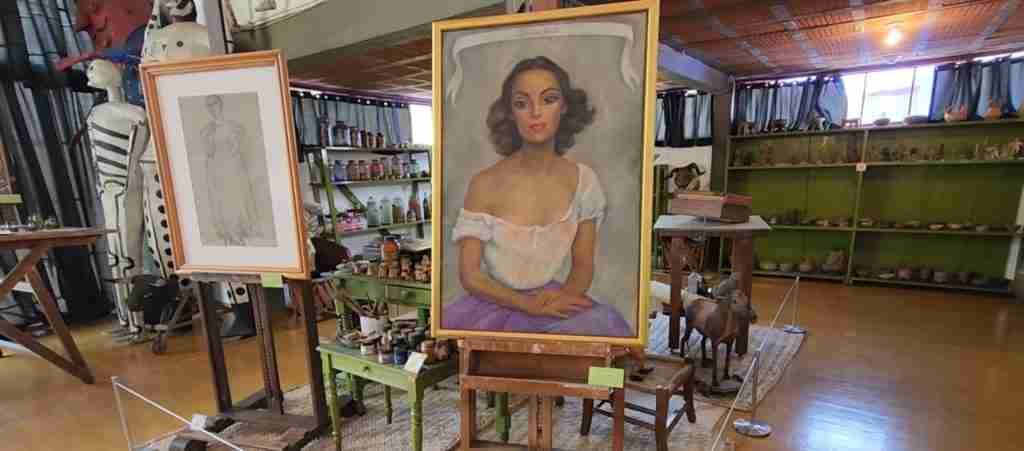
The Diego Rivera House Museum spans three floors of the historic colonial residence, with nine exhibition rooms distributed across approximately 400 square meters of gallery space. The ground floor features the reconstructed family living areas where Rivera spent his early childhood, including the dining room with period furniture, the kitchen with traditional 19th-century cooking implements, and the central patio that served as the heart of family life. Original family photographs, personal correspondence, and household items create an intimate portrait of upper-middle-class Mexican domestic life during the late 1800s.
The second floor houses the main artistic collection, including reproductions of Rivera’s most famous murals from the National Palace, Detroit Institute of Arts, and Rockefeller Center. Original sketches and drawings from Rivera’s student years at the San Carlos Academy demonstrate his technical mastery and artistic evolution. The galleries explore Rivera’s cubist period in Paris, his relationship with Frida Kahlo, his political activism, and his revolutionary approach to public art. Rotating temporary exhibitions occupy dedicated spaces on this floor, typically changing every 3-4 months to explore different aspects of Rivera’s legacy or contemporary Mexican art.
The third floor presents Rivera’s influence on Mexican muralism and his role in shaping national cultural identity following the Mexican Revolution. Display cases showcase personal items including painting tools, correspondence with fellow artists and political figures, and documentation of his major commission projects. The rooftop terrace offers panoramic views of Guanajuato’s colorful colonial architecture and the surrounding mountains that inspired Rivera’s appreciation for Mexican landscape and vernacular architecture. Informational panels throughout the museum provide context in Spanish and English, though the audio guide offers more detailed explanations and historical background.
Best Time to Visit Diego Rivera House Museum 2026
Seasonal Analysis for 2026 Museum Visits
The Diego Rivera House Museum operates year-round with consistent hours, but visitor experience varies significantly across Guanajuato’s distinct seasons. The winter high season from December through March brings peak tourist traffic, with the museum experiencing maximum crowding during the January Festival Internacional Cervantino aftermath and February Carnival celebrations. Daily visitor counts during these months exceed 400-600 people, particularly on weekends and Mexican holidays. However, the pleasant weather with daytime temperatures of 18-24°C (64-75°F) and minimal rain creates ideal conditions for exploring Guanajuato’s outdoor colonial architecture before or after the museum visit.
Spring (April-May) offers the optimal balance between manageable crowds and excellent weather conditions. The museum sees moderate traffic of 200-350 daily visitors, allowing more contemplative viewing of the collection without weekend congestion. Temperatures warm to 22-28°C (72-82°F), perfect for walking through the historic center to reach the museum. Easter week (Semana Santa) in late March or early April creates a temporary spike in domestic tourism, but otherwise spring provides the year’s best visiting conditions. Late spring wildflowers bloom throughout Guanajuato’s surrounding hills, adding natural beauty to the colonial cityscape visible from the museum’s rooftop terrace.
Summer (June-August) represents the low tourist season due to afternoon rainstorms and warmer temperatures reaching 25-30°C (77-86°F). The museum experiences its quietest periods with 150-250 daily visitors, offering peaceful gallery exploration and excellent opportunities for photography without crowds. Morning visits from 10 AM to 1 PM avoid the typical 2-5 PM rain showers. Summer also brings lower hotel prices and restaurant availability throughout Guanajuato. Fall (September-November) transitions from summer rains to dry winter weather, with visitor numbers gradually increasing from 200 in September to 350 in November as holiday travelers arrive early. October’s Day of the Dead celebrations transform Guanajuato into a cultural spectacle, though museum crowds remain moderate as most activities focus on cemeteries and public spaces.
Day of Week and Time Optimization
Tuesday through Thursday mornings provide the museum’s most tranquil visiting experience, with hourly visitor counts averaging 15-25 people in the galleries compared to 50-80 people during weekend afternoons. The 10-11 AM opening hour on weekdays attracts serious art enthusiasts and photography-focused visitors who appreciate the uncrowded spaces and optimal natural light. Wednesday mornings prove particularly quiet as many tourists schedule day trips to surrounding attractions midweek.
Friday afternoons see increasing local visitors as Guanajuato residents begin weekend cultural activities, though traffic remains manageable at 30-45 people per hour. Saturday and Sunday afternoons from 2-5 PM bring peak crowding with 60-100 visitors per hour, especially during the free Sunday admission periods for Mexican nationals. Families with children dominate weekend afternoons, creating livelier but potentially more distracting gallery atmospheres. For contemplative art appreciation and photography, avoid weekends entirely or arrive exactly at 10 AM opening on Saturdays before tour groups arrive around 11 AM.
Special events and temporary exhibition openings create exceptional crowds that can double or triple typical visitor numbers. The museum’s social media announces these events 2-3 weeks in advance. December 8, Rivera’s birthday, features special programming and significantly increased traffic. The annual Festival Internacional Cervantino (mid-October) brings cultural tourists to Guanajuato, though most festival activities occur in theaters and outdoor venues rather than museums, resulting in only moderately increased museum traffic.
Getting to Diego Rivera House Museum 2026
Transportation from Major Entry Points
Visitors arriving at Guanajuato’s Central de Autobuses bus station face a 2.5-kilometer journey to the Diego Rivera House Museum in the historic center. Taxis provide the most convenient option at 50-70 MXN ($3-4.20 USD) for the 10-15 minute ride through Guanajuato’s tunneled street system. Official taxi stands operate outside the bus station’s main entrance with posted rates. Uber and DiDi services offer similar pricing with the advantage of upfront fare quotes, though pickup locations may vary depending on driver positioning in the tunnel network.
Local buses (Ruta 1, Ruta 2, Ruta 4) depart from the bus station at 10-15 minute intervals during daytime hours for 9 MXN ($0.54 USD) per ride. Request the “Centro Histórico” destination and disembark at Jardín de la Unión or Plaza de la Paz, both within 7-10 minutes walking distance of the museum. The bus journey takes 20-30 minutes depending on traffic and route efficiency. Walking from the bus station proves impractical due to the 2.5-kilometer distance across steep terrain and through vehicular tunnels without pedestrian facilities.
The Guanajuato International Airport (BJX) sits 30 kilometers west of the city center near León. Airport shuttle services (200-250 MXN/$12-15 USD per person) operate on fixed schedules to major Guanajuato hotels, with the journey taking 45-60 minutes. Private taxis from the airport cost 500-650 MXN ($30-39 USD) for direct transfer to the historic center. Rental cars at the airport (700-1,200 MXN/$42-72 USD per day) provide flexibility for regional exploration, though parking in Guanajuato’s historic center proves challenging and expensive (40-60 MXN/$2.40-3.60 USD per hour) due to limited spaces and pedestrian-only zones.
Navigation Within Guanajuato’s Historic Center
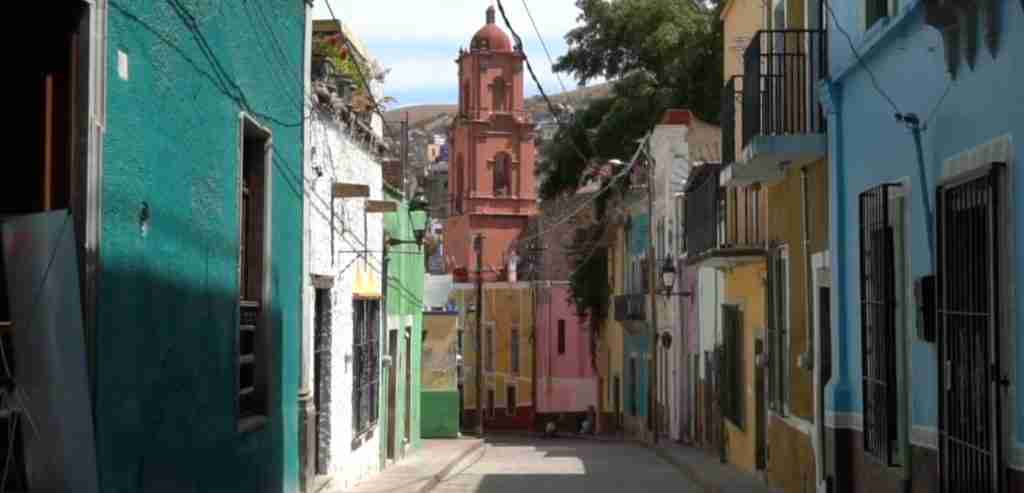
The Diego Rivera House Museum’s location at Calle Pocitos 47 requires understanding Guanajuato’s unique urban geography of steep hillside streets, underground tunnels, and pedestrian callejones (alleys). From Jardín de la Unión, the city’s main plaza and primary orientation point, walk north on Calle Sopeña for 400 meters past colonial buildings and artisan shops. Turn left onto Calle Pocitos, a charming pedestrian street lined with colorful facades and wrought-iron balconies. The museum’s distinctive yellow building with its decorative entrance appears 150 meters ahead on the right side.
Alternative routes from Plaza de la Paz follow Calle Cantarranas north for 350 meters, then turn right onto Calle Pocitos. This slightly longer route (600 meters total) passes the University of Guanajuato’s monumental staircase and provides excellent photo opportunities of Guanajuato’s dramatic hillside architecture. Both routes involve moderate uphill walking on uneven colonial-era stone streets. Comfortable walking shoes prove essential, as does awareness that Guanajuato sits at 2,012 meters (6,600 feet) elevation, which may cause slight breathlessness during uphill climbs for visitors unaccustomed to altitude.
The museum offers no dedicated parking facilities due to its location in the pedestrian-restricted historic center. The nearest public parking operates at Estacionamiento Embajadoras (50 MXN/$3 USD per hour, 300 MXN/$18 USD daily maximum) located 800 meters south of the museum near the Mercado Hidalgo. Street parking on peripheral roads costs 15-25 MXN ($0.90-1.50 USD) per hour where available, though spaces fill quickly during peak hours. Most visitors staying in the historic center find walking the most practical and enjoyable transportation method for reaching the museum and exploring surrounding attractions.
Where to Stay for Diego Rivera Museum Visits 2026
Historic Center Accommodation Options
Staying within Guanajuato’s historic center places visitors within walking distance of the Diego Rivera House Museum and the city’s cultural attractions. Budget hostels range 250-450 MXN ($15-27 USD) per night for dormitory beds, with private rooms in basic hostels costing 600-900 MXN ($36-54 USD). Hostels like Casa Mexicana offer communal kitchens, social areas, and rooftop terraces overlooking the colonial cityscape. These properties attract young international travelers and provide budget-friendly accommodation 5-12 minutes walking distance from the museum.
Mid-range boutique hotels occupy converted colonial buildings throughout the historic center, charging 1,400-2,400 MXN ($84-144 USD) per night for double occupancy. Properties like Hotel San Diego or Casa del Agua feature period architectural details, central patios, and comfortable modern amenities while maintaining colonial charm. Locations within 3-8 minutes walk of the museum provide convenient access for morning visits before crowds arrive. Many mid-range hotels include breakfast, helping reduce daily dining costs.
Luxury accommodations command 3,000-5,500 MXN ($180-330 USD) per night, offering premium services including concierge assistance, fine dining restaurants, spa facilities, and spectacular views of Guanajuato’s illuminated colonial architecture at night. The Quinta Las Acacias or Villa María Cristina provide sophisticated comfort while maintaining proximity to the museum and other cultural sites. High-end hotels typically offer guided city tours, museum ticket arrangements, and restaurant reservations as complimentary guest services, adding value for travelers seeking comprehensive cultural experiences.
Practical Accommodation Considerations for 2026
Book Guanajuato accommodations 3-4 weeks in advance during peak season (December-April) when hotel occupancy exceeds 85-90% and rates increase 20-30% above low season pricing. The Festival Internacional Cervantino (mid-October) requires 6-8 weeks advance booking as cultural tourists fill hotels throughout the city. Summer low season (June-August) offers the best rates and availability, with many properties reducing prices 30-40% to attract visitors despite afternoon rain patterns.
Consider proximity to both the Diego Rivera House Museum and Jardín de la Unión when selecting accommodation. Properties within the triangular area bounded by these two points and the University of Guanajuato provide optimal location for cultural tourism. However, Guanajuato’s compact historic center means even properties 12-15 minutes walking distance remain convenient for museum visits. Properties on quieter side streets offer better sleep quality than those directly on main pedestrian thoroughfares where nightlife continues past midnight Thursday through Saturday.
Verify that accommodations include reliable WiFi, as cellular coverage can be inconsistent within the thick stone walls of colonial buildings. Request rooms away from street level if noise sensitivity concerns you, particularly near popular restaurants and bars. Many colonial buildings lack elevators, so confirm room location if mobility limitations affect stair climbing. Air conditioning remains less common than fans in Guanajuato’s temperate climate, though it becomes valuable during May-August when afternoon temperatures peak. Hot water reliability varies in older buildings, so read recent reviews before booking budget and some mid-range properties.
Sample 2026 Itineraries for Diego Rivera Museum
Half-Day Diego Rivera Cultural Experience
This focused itinerary dedicates a morning to Diego Rivera’s legacy and Guanajuato’s artistic heritage, perfect for visitors with limited time or those combining multiple daily activities. Begin at 10 AM when the Diego Rivera House Museum opens, arriving in the quiet first hour for optimal viewing conditions and photography opportunities. Purchase general admission (40 MXN/$2.40 USD) and photography permit (30 MXN/$1.80 USD), then spend 60-75 minutes exploring the three floors at a contemplative pace. Use the audio guide (50 MXN/$3 USD) for detailed explanations of Rivera’s early years, artistic development, and cultural significance.
Exit the museum around 11:30 AM and walk 3 minutes to Café Tal for mid-morning refreshment. Order traditional Mexican coffee and pan dulce for 60-85 MXN ($3.60-5.10 USD) while planning the rest of your morning. Continue to the nearby Diego Rivera Monumental Statue at the Plazuela del Baratillo (5-minute walk), where a larger-than-life bronze sculpture honors Guanajuato’s most famous son. The small plaza offers excellent photo opportunities with colorful colonial buildings as backdrop.
Walk 8 minutes to the University of Guanajuato’s iconic monumental staircase, a stunning example of the neoclassical architecture that influenced Rivera’s appreciation for grand public spaces. Free access allows visitors to climb the 113 steps for panoramic views of Guanajuato’s cascading hillside architecture. Conclude the morning at 12:30 PM with lunch at Santo Café (100-180 MXN/$6-10.80 USD per person), a charming restaurant serving contemporary Mexican cuisine in a beautifully restored colonial building. Half-day cost: museum 120 MXN ($7.20), coffee 75 MXN ($4.50), lunch 140 MXN ($8.40). Total: 335 MXN per person ($20.10) excluding accommodation.
Full-Day Diego Rivera and Colonial Guanajuato Immersion
This comprehensive itinerary explores Rivera’s legacy within the broader context of Guanajuato’s colonial heritage and contemporary cultural scene. Start at 9:30 AM with breakfast at El Midi Bistro near Jardín de la Unión (90-130 MXN/$5.40-7.80 USD) for chilaquiles or traditional Mexican breakfast with excellent coffee. Walk 7 minutes to the Diego Rivera House Museum, arriving at 10 AM opening for peaceful viewing before crowds arrive. Spend 90 minutes with the audio guide exploring the complete collection and reading all exhibition panels for comprehensive understanding of Rivera’s artistic evolution.
Exit around 11:30 AM and walk 12 minutes through Guanajuato’s charming callejones to the Alhóndiga de Granaditas, the former grain storage building that played a crucial role in Mexican independence and now houses the Regional Museum of Guanajuato. Entry costs 75 MXN ($4.50 USD), with 60-75 minutes needed to explore the historical exhibits, pre-Columbian artifacts, and colonial-era artwork. The building itself represents magnificent colonial architecture with its massive stone walls and dramatic interior courtyard.
Lunch at 1:30 PM at Mestizo Cocina de Origen (180-280 MXN/$10.80-16.80 USD per person) offers refined regional cuisine in an elegant setting 8 minutes from the museum. After lunch, visit the Diego Rivera Monumental Statue and spend time exploring the surrounding Plazuela del Baratillo with its artisan vendors selling traditional crafts, textiles, and local artwork (budget 200-500 MXN/$12-30 USD for purchases). Continue to the nearby Mercado Hidalgo (5-minute walk), Guanajuato’s stunning iron-and-glass market building designed by Gustave Eiffel’s engineering firm, where colorful stalls sell fresh produce, local delicacies, and handcrafted items.
Take a coffee break around 3:30 PM at El Gallo Pitagórico (50-80 MXN/$3-4.80 USD) before ascending to the Monumento al Pípila via the hillside funicular (90 MXN/$5.40 USD round-trip). This late-afternoon timing provides perfect light for photographing Guanajuato’s colorful colonial architecture from above. Return to the historic center around 5:30 PM for early dinner at La Vela (220-350 MXN/$13.20-21 USD per person), enjoying contemporary Mexican cuisine in a romantic colonial setting. Full-day cost: breakfast 110 MXN ($6.60), Diego Rivera Museum 120 MXN ($7.20), Alhóndiga 75 MXN ($4.50), lunch 230 MXN ($13.80), coffee 65 MXN ($3.90), funicular 90 MXN ($5.40), dinner 285 MXN ($17.10). Total: 975 MXN per person ($58.50) excluding accommodation and artisan purchases.
Three-Day Guanajuato Cultural Heritage Journey
Day 1 focuses on Diego Rivera and central colonial architecture. Begin with late breakfast at Café Conquistador (100-150 MXN/$6-9 USD) followed by the Diego Rivera House Museum visit (10 AM-12 PM including audio guide for 120 MXN/$7.20 USD). Explore the nearby Church of San Diego and Jardín de la Unión’s outdoor cafes for lunch (140-200 MXN/$8.40-12 USD). Afternoon activities include the University of Guanajuato campus tour and the iconic Teatro Juárez (80 MXN/$4.80 USD admission). Climb to the Pípila monument for sunset views via funicular (90 MXN/$5.40 USD). Evening dinner at Truco 7 (250-380 MXN/$15-22.80 USD) showcases elevated regional cuisine. Day 1 total: breakfast 125 MXN ($7.50), museum 120 MXN ($7.20), lunch 170 MXN ($10.20), Teatro Juárez 80 MXN ($4.80), funicular 90 MXN ($5.40), dinner 315 MXN ($18.90). Total: 900 MXN per person ($54) excluding accommodation.
Day 2 explores Guanajuato’s mining heritage and underground attractions. Start with breakfast at your hotel or La Estrella (80-120 MXN/$4.80-7.20 USD) before visiting the Ex-Hacienda San Gabriel de Barrera with its magnificent terraced gardens (80 MXN/$4.80 USD admission, 15 minutes by taxi at 60 MXN/$3.60 USD). Return to the historic center for the Museo de las Momias (95 MXN/$5.70 USD), Guanajuato’s famous mummy museum, followed by lunch at Los Campos (160-240 MXN/$9.60-14.40 USD). Afternoon exploration of the Mina de Rayas historical silver mine (115 MXN/$6.90 USD including guided tour) provides insight into the industry that built colonial Guanajuato’s wealth. Return to the center for evening callejoneada traditional musical parade through the streets (150 MXN/$9 USD per person including drinks). Dinner at Campanario (200-320 MXN/$12-19.20 USD). Day 2 total: breakfast 100 MXN ($6), taxi 60 MXN ($3.60), San Gabriel 80 MXN ($4.80), Momias museum 95 MXN ($5.70), lunch 200 MXN ($12), Mina de Rayas 115 MXN ($6.90), callejoneada 150 MXN ($9), dinner 260 MXN ($15.60). Total: 1,060 MXN per person ($63.60) excluding accommodation.
Day 3 combines cultural depth with regional exploration. Morning visit to the Alhóndiga de Granaditas (75 MXN/$4.50 USD) and the nearby Church of San Cayetano (La Valenciana), one of Mexico’s most ornate baroque churches located 6 kilometers north (100 MXN/$6 USD taxi, free church entry). Return for lunch at Casa Valadez overlooking Jardín de la Unión (180-280 MXN/$10.80-16.80 USD). Afternoon options include the Museo Iconográfico del Quijote dedicated to Don Quixote artwork (free admission) or shopping for local crafts at artisan galleries along Calle Positos near the Diego Rivera Museum (budget 300-800 MXN/$18-48 USD for quality purchases). Farewell dinner at acclaimed San Café (300-450 MXN/$18-27 USD) celebrates exceptional regional ingredients and creative preparations. Day 3 total: Alhóndiga 75 MXN ($4.50), taxi to La Valenciana 100 MXN ($6), lunch 230 MXN ($13.80), artisan purchases 400 MXN ($24), dinner 375 MXN ($22.50). Total: 1,180 MXN per person ($70.80) excluding accommodation.
Three-day total: 3,140 MXN per person ($188.40) excluding accommodation. Add 1,800-7,200 MXN ($108-432 USD) for three nights accommodation depending on category selected, bringing complete three-day budget to 4,940-10,340 MXN ($296.40-620.40 USD) per person for comprehensive cultural immersion in Diego Rivera’s birthplace and Guanajuato’s colonial heritage.
Booking Strategies for 2026 Diego Rivera Museum Visits
Museum Tickets and Tour Reservations
The Diego Rivera House Museum does not offer online ticket purchasing, operating instead on a straightforward walk-in admission system during regular hours. General admission tickets (40 MXN/$2.40 USD) are purchased at the entrance desk immediately before entry, with cash accepted as the preferred payment method, though some credit cards work depending on equipment functionality. This on-site purchase system means no advance booking concerns for individual visitors, though it also means no skip-the-line options during busy periods.
Guided tours in Spanish and English require advance reservation, particularly during peak season when tour guide availability becomes limited. Contact the museum directly by phone at +52 473 732 1197 or through their Facebook page at least 2-3 weeks ahead of intended visit dates during December-April high season. Tour bookings require confirmation of group size, preferred language, and desired date and time. Payment for guided tours (100-150 MXN/$6-9 USD depending on language) occurs on arrival at the museum before the tour begins. Solo travelers or small groups can sometimes join existing scheduled tours on weekends when the museum consolidates tour participants, though this option lacks guaranteed availability.
Special exhibitions and temporary displays sometimes require supplementary tickets (20-50 MXN/$1.20-3 USD) purchased separately from general admission. The museum announces special exhibitions through its social media channels and website 3-4 weeks before opening dates. These exhibitions typically run 3-4 months, allowing flexible visit timing. Photography permits (30 MXN/$1.80 USD) and audio guide rentals (50 MXN/$3 USD) are purchased on-site at the admission desk with no advance arrangements necessary. Educational groups and schools need to contact the museum 3-4 weeks ahead to arrange specialized programming and confirm visit logistics.
Accommodation and Transportation Booking Timeline
Secure Guanajuato accommodation 4-6 weeks ahead during peak season (December-April) when historic center hotels reach 85-95% occupancy and rates increase 20-30% above low season pricing. Booking platforms like Booking.com, Hotels.com, and Airbnb offer the widest selection of properties with English-language descriptions and user reviews. Direct hotel bookings through official websites sometimes provide lower rates or value-added amenities like breakfast inclusion or room upgrades. Properties within 500-800 meters of the Diego Rivera House Museum offer optimal location convenience while avoiding the nightlife noise of areas immediately surrounding Jardín de la Unión.
The Festival Internacional Cervantino (mid-October) requires 8-10 weeks advance booking as cultural tourists from across Mexico and internationally fill Guanajuato’s accommodation capacity. Hotels raise rates 40-60% during this two-week period, with some properties implementing minimum night stay requirements of 3-5 nights. Summer low season (June-August) allows last-minute booking flexibility, as occupancy drops to 50-65% and many properties offer promotional rates to attract visitors despite afternoon rain patterns. September and November represent shoulder season sweet spots with moderate availability and fair pricing.
Transportation within Guanajuato requires minimal advance planning as taxis, Uber, and DiDi operate extensively throughout the city with typical wait times under 10 minutes. Bus tickets from Mexico City to Guanajuato can be purchased 1-2 weeks ahead through Primera Plus or ETN websites for preferred departure times, though same-day availability generally exists except during major Mexican holidays. Rental cars booked 2-3 weeks ahead through international companies (Hertz, Avis, Budget) at León airport (BJX) ensure vehicle availability and sometimes secure better rates than last-minute bookings, though parking challenges in Guanajuato’s historic center make rental cars less practical than public transportation and walking for visitors focusing on cultural attractions.
Money-Saving Strategies for 2026 Museum Visits
Free and Discounted Access Opportunities
Mexican nationals and residents receive free admission to the Diego Rivera House Museum every Sunday, creating an excellent cost-saving opportunity for eligible visitors willing to navigate larger crowds. This policy extends to foreign residents with valid FM2 or FM3 residency documentation. Students with valid international student identification cards (ISIC) qualify for 50% admission discounts (20 MXN/$1.20 USD instead of 40 MXN/$2.40 USD) every day of the week. Senior citizens over 60 with identification also receive discounted admission regardless of nationality, though the specific discount percentage may vary so confirm upon arrival.
Children under 12 enter free when accompanied by paying adults, making the museum an exceptional value for families. Teachers and educational professionals sometimes receive complimentary admission when presenting valid school identification, particularly when visiting for research or educational planning purposes. ICOM (International Council of Museums) cardholders enter free as part of the international museum professional courtesy system. Photography permits represent the main additional cost (30 MXN/$1.80 USD), but visitors focusing purely on the educational experience rather than personal photography can skip this expense entirely.
The museum gift shop offers quality reproductions and art books at prices comparable to or slightly lower than commercial bookstores, making it a reasonable option for Diego Rivera literature rather than an overpriced tourist trap. However, visitors can save 40-60% on similar items by shopping at Guanajuato’s public libraries and used bookstores along Calle Alonso. Artisan crafts near the museum typically cost 20-30% more than similar items at Mercado Hidalgo due to tourist area premium pricing.
Budget Optimization for Complete Cultural Experience
Combine the Diego Rivera House Museum with Guanajuato’s free cultural attractions to create comprehensive cultural days at minimal cost. The University of Guanajuato campus offers free access to its stunning neoclassical architecture and monumental staircase. The Jardín de la Unión provides free people-watching and atmospheric colonial charm. The Museo Iconográfico del Quijote near the Diego Rivera Museum offers free admission to its collection of Don Quixote-themed artwork. Walking through Guanajuato’s callejones (alleys) and photographing the colorful colonial architecture costs nothing while providing authentic cultural immersion.
Dining strategies significantly impact daily budgets in tourist-focused Guanajuato. Restaurants immediately surrounding Jardín de la Unión charge 30-50% premiums compared to establishments 3-5 blocks away serving identical quality food. Local fondas (simple eateries) near Mercado Hidalgo offer comida corrida (daily set menus) for 80-120 MXN ($4.80-7.20 USD) including soup, main course, drink, and dessert, compared to 180-280 MXN ($10.80-16.80 USD) for equivalent meals at tourist-oriented restaurants. Purchase fresh fruit, local cheese, artisan bread, and beverages at Mercado Hidalgo for self-assembled breakfasts or snacks at 40-60% below restaurant pricing.
Transportation costs drop dramatically by walking Guanajuato’s compact historic center rather than relying on taxis for short distances. The 7-minute walk from Jardín de la Unión to the Diego Rivera House Museum saves 40-60 MXN ($2.40-3.60 USD) each way compared to taxi fare. Comfortable walking shoes and modest fitness levels make taxis unnecessary for accessing cultural attractions within the historic center. Save taxi budget for longer trips like the Ex-Hacienda San Gabriel de Barrera or La Valenciana church where walking becomes impractical due to distance or steep terrain.
Visit during summer low season (June-August) for 30-40% lower accommodation rates and reduced restaurant crowding, despite afternoon rain patterns that affect 2-5 PM periods. Morning museum visits (10 AM-1 PM) completely avoid rain, while the afternoon showers cool temperatures and create dramatic lighting for photography. September and November shoulder seasons offer similar pricing advantages with more favorable weather. Avoid major Mexican holidays (Semana Santa, Christmas, New Year’s) when domestic tourism drives up prices and creates maximum crowding at all cultural attractions.
2026 Planning Essentials for Diego Rivera Museum
What to Bring and Practical Preparation
Prepare for your Diego Rivera House Museum visit with comfortable walking shoes suitable for uneven colonial-era stone streets and museum floor exploration. Guanajuato’s 2,012-meter (6,600-foot) elevation and hilly terrain make sturdy footwear essential for the 7-10 minute walk from most accommodations in the historic center. Bring a light jacket or sweater as the museum’s thick colonial walls maintain cool interior temperatures even during warm days, with rooms averaging 18-22°C (64-72°F) regardless of outside conditions. Shoulder seasons (March-April, October-November) and winter months (December-February) require additional layers for morning and evening comfort.
Cash in Mexican pesos proves essential as the museum operates primarily on cash transactions for admission, photography permits, and gift shop purchases. ATMs throughout the historic center dispense pesos, though plan ahead as some machines run out of cash during busy weekends. Bring small bills (20, 50, 100 peso notes) as the admission desk sometimes lacks change for large 500 or 1,000 peso notes. Credit cards work inconsistently at the museum depending on equipment functionality, making cash the reliable payment option. Water bottles help with hydration at Guanajuato’s elevation, though the museum requests visitors not drink inside gallery spaces to protect the collection.
Cameras and smartphones capture excellent photos throughout the museum with the required photography permit (30 MXN/$1.80 USD). Natural light from windows and skylights provides good illumination in most gallery spaces, reducing need for flash photography which the museum prohibits to protect artwork and historical objects. A notebook or digital device helps record information from exhibition panels and audio guide commentary for later reference. Backpacks and large bags are allowed in the museum unlike some major cultural institutions, though visitors must carry them carefully to avoid bumping into display cases or other guests in the intimate gallery spaces.
Health, Safety, and Practical Considerations
Guanajuato’s 2,012-meter elevation causes mild altitude effects for visitors arriving from sea level, including slight breathlessness during uphill walks and potential light headedness during the first 24-48 hours. Drink extra water, avoid alcohol immediately upon arrival, and take stairs and hills slowly while your body acclimates. The elevation poses no serious health concerns for healthy individuals, but visitors with heart or respiratory conditions should consult physicians before traveling to high-altitude destinations. Walking from Jardín de la Unión to the Diego Rivera Museum involves moderate uphill climbing on uneven surfaces, requiring baseline fitness and mobility.
Guanajuato maintains good overall safety for tourists, with the historic center experiencing minimal violent crime. However, visitors should practice standard precautions including securing valuables, avoiding isolated areas after dark, and staying aware of surroundings in crowded spaces. Pickpocketing occurs occasionally in tourist areas, making money belts or secure cross-body bags advisable for carrying cash, phones, and passports. The museum itself provides secure facilities, though avoid leaving valuables unattended in coat check areas if using those services during winter months.
Bathroom facilities at the Diego Rivera House Museum are limited, with restrooms on the ground floor accessible to museum visitors. These facilities meet basic standards though may not match expectations from modern museums in terms of cleanliness and amenities during busy periods. Plan bathroom breaks before or after the museum visit at cafes or restaurants in the surrounding historic center. Public restrooms at Jardín de la Unión (5 MXN/$0.30 USD) provide alternative options 7 minutes walking distance from the museum.
Language considerations affect the museum experience as exhibition panels appear in both Spanish and English, but staff primarily speak Spanish with limited English proficiency. Audio guides in English (50 MXN/$3 USD) overcome language barriers for non-Spanish speakers seeking detailed explanations of the collection. Guided tours in English (150 MXN/$9 USD) require advance booking 2-3 weeks ahead during peak season. Basic Spanish phrases for greetings, asking directions, and making purchases enhance the overall Guanajuato experience, though many tourist-oriented restaurants and hotels have English-speaking staff.
Diego Rivera Museum for Different Travelers 2026
Families with Children
The Diego Rivera House Museum offers engaging educational experiences for children ages 8 and up who show interest in art, history, or Mexican culture. The museum’s intimate scale (9 exhibition rooms across three floors) proves manageable for children’s attention spans, with a complete visit requiring 45-60 minutes at a child-friendly pace. Free admission for children under 12 makes this an exceptional family value. The reconstructed family living spaces on the ground floor particularly engage children by showing how Mexican families lived over 130 years ago, with period furniture, kitchen implements, and personal belongings creating tangible historical connections.
The museum’s three-story layout includes stairs without elevators, making stroller navigation impossible. Families with toddlers should plan to wear young children in carriers or arrange temporary stroller storage with museum staff. The relatively quiet museum atmosphere requires children capable of indoor voices and respectful gallery behavior. The rooftop terrace provides a welcome outdoor break where children can move more freely while adults appreciate panoramic views of Guanajuato’s colorful colonial architecture. The gift shop stocks educational coloring books and children’s art supplies (30-80 MXN/$1.80-4.80 USD) that extend the museum experience at home.
Combine the museum visit with family-friendly activities like Jardín de la Unión’s open plaza where children can run and play, the Mercado Hidalgo’s vibrant market stalls selling colorful fruits and local treats, and the funicular ride to the Pípila monument (90 MXN/$5.40 USD round-trip for adults, children often ride free). These activities create a balanced family day mixing cultural education with active outdoor time. Budget family lunch at local fondas (80-120 MXN/$4.80-7.20 USD per person) keeps costs manageable while introducing children to authentic Mexican cuisine in casual settings.
Solo Travelers and Art Enthusiasts
Solo travelers find the Diego Rivera House Museum exceptionally welcoming due to its manageable size, clear educational content, and location in Guanajuato’s walkable historic center. The audio guide (50 MXN/$3 USD) provides comprehensive information without requiring a guided tour, allowing solo visitors to explore at their own pace while gaining deep understanding of Rivera’s artistic development. Weekday mornings (Tuesday-Thursday 10 AM-12 PM) offer peaceful viewing conditions where solo visitors can spend extended time with individual artworks and exhibition spaces without crowd pressure or time constraints.
The museum serves as an ideal starting point for solo travelers interested in Mexican muralism, political art, and cultural history. The collection provides context for understanding Rivera’s major works in Mexico City, Detroit, and San Francisco, making this an essential educational foundation before visiting Rivera murals elsewhere. Photography permit purchase (30 MXN/$1.80 USD) allows solo travelers to document the collection for later study and reference. The museum’s social media presence and occasional special events offer opportunities for solo travelers to connect with other art enthusiasts and cultural tourists.
Guanajuato’s overall safety and friendly atmosphere make it comfortable for solo travelers, particularly women traveling alone who represent a significant portion of visitors to the city’s cultural attractions. The historic center’s compact geography and extensive pedestrian areas allow solo travelers to navigate confidently without feeling isolated or vulnerable. Cafes near the museum like Café Tal provide welcoming spaces for solo travelers to process their museum experience, write travel journals, or plan subsequent activities while enjoying excellent coffee and local atmosphere.
Senior Travelers and Accessibility Considerations
Senior travelers over 60 receive discounted admission at the Diego Rivera House Museum, though specific discount amounts should be confirmed upon arrival. The museum’s location in a colonial-era building creates accessibility challenges including three floors of stairs without elevator access and uneven floor surfaces in some gallery spaces. Seniors with mobility limitations should assess their comfort with stair climbing before visiting, as the complete collection spans all three floors. The ground floor alone provides substantive content including the family living spaces and some exhibition areas, allowing mobility-limited visitors to experience core aspects of the museum without ascending to upper floors.
The museum offers no wheelchairs or mobility assistance devices, and the narrow colonial-era doorways and staircases present obstacles for visitors using walkers or canes. However, museum staff provide helpful support in guiding visitors to seating areas where available and ensuring comfortable experiences within the building’s architectural limitations. The rooftop terrace requires climbing to the third floor, making it inaccessible for many mobility-limited visitors, though the panoramic views can be appreciated from other Guanajuato locations like the Pípila monument accessible via funicular.
Taxis from hotels directly to the museum entrance minimize walking distance for seniors preferring not to navigate the 7-10 minute uphill walk from the historic center plaza. Taxis cost 40-60 MXN ($2.40-3.60 USD) for short trips within the historic center. Morning visits (10 AM-12 PM) avoid afternoon fatigue and provide optimal lighting conditions. Bench seating exists in several gallery spaces allowing rest breaks during the museum visit. Guanajuato’s 2,012-meter elevation may cause breathlessness for some seniors unaccustomed to altitude, suggesting slower paces and additional rest breaks during sightseeing activities. Consult with physicians regarding altitude travel if respiratory or cardiac conditions exist.
Frequently Asked Questions About Diego Rivera Museum 2026
Can you take photos inside the Diego Rivera House Museum?
Photography is permitted throughout the Diego Rivera House Museum with purchase of a photography permit costing 30 MXN ($1.80 USD) in addition to general admission. This permit allows personal, non-commercial photography using cameras or smartphones in all exhibition areas. The museum prohibits flash photography to protect artwork and historical objects from light damage. Tripods and professional photography equipment require special advance permission and may incur additional fees. Video recording needs separate authorization obtained before the visit. Museum staff monitor photography compliance and may request to see permits, so retain your receipt throughout your visit. Without the photography permit, you must store cameras and phones in bags while touring the museum.
How long does a Diego Rivera House Museum visit take?
A thorough self-guided visit to the Diego Rivera House Museum requires 45-90 minutes depending on your interest level and whether you use the audio guide. Quick visits focusing on major highlights can be completed in 30-40 minutes, though this rushed approach misses substantial historical context and artistic detail. Using the audio guide (50 MXN/$3 USD) extends visit time to 75-100 minutes as it provides detailed explanations for each gallery section. Guided tours run 90-120 minutes including comprehensive discussion of Rivera’s life, artistic development, and cultural significance. Photography enthusiasts should budget additional time for setting up compositions and capturing quality images. The museum’s manageable nine-room layout prevents exhaustion common in larger institutions, making it possible to view the complete collection thoroughly in a single visit.
What languages are available at the museum?
Exhibition panels throughout the Diego Rivera House Museum appear in both Spanish and English, providing bilingual access to essential information about the collection and Rivera’s biography. Audio guides are available in Spanish and English for 50 MXN ($3 USD), offering detailed explanations that expand significantly beyond the written panel text. Guided tours operate in Spanish (100 MXN/$6 USD) with consistent availability, while English-language tours (150 MXN/$9 USD) require advance booking 2-3 weeks ahead, particularly during peak season when English-speaking guides have limited availability. Museum staff primarily speak Spanish with limited English proficiency, though they assist international visitors with patience and goodwill. French, German, Italian, and other language materials are not currently available, making English and Spanish the only supported languages for interpretation and educational content.
Is the museum suitable for young children?
The Diego Rivera House Museum works well for children ages 8 and older who show interest in art, history, or Mexican culture. The museum’s intimate scale and family living space reconstructions on the ground floor engage children by showing historical domestic life in tangible ways. However, the museum maintains a quiet, contemplative atmosphere requiring indoor voices and respectful gallery behavior, making it less suitable for toddlers or very young children who need active play. The three-story building lacks elevators, eliminating stroller access and requiring children to climb stairs between floors. Free admission for children under 12 accompanies paying adults makes this an economical family activity. Plan 45-60 minutes for a child-appropriate visit pace, combining the museum with outdoor activities at nearby Jardín de la Unión or Mercado Hidalgo to create balanced family days mixing cultural education with active play opportunities.
What are the closest restaurants to the museum?
Several excellent dining options exist within 3-7 minutes walking distance of the Diego Rivera House Museum. Café Tal (60-120 MXN/$3.60-7.20 USD) directly across from the museum serves outstanding coffee, light meals, and Mexican breakfast specialties in a charming colonial setting with both indoor and outdoor seating. Santo Café (100-180 MXN/$6-10.80 USD) 5 minutes away offers contemporary Mexican cuisine for lunch and dinner with fresh ingredients and creative preparations. Traditional El Midi Bistro (90-150 MXN/$5.40-9 USD) near Jardín de la Unión specializes in Mexican breakfast classics including chilaquiles and huevos rancheros alongside excellent regional coffee.
For upscale dining, Truco 7 (250-380 MXN/$15-22.80 USD) 8 minutes walking distance presents refined regional cuisine in an elegant colonial building with sophisticated wine selection. Budget-conscious visitors find excellent value at local fondas near Mercado Hidalgo (80-120 MXN/$4.80-7.20 USD for complete comida corrida meals) 7 minutes from the museum. La Vela (220-350 MXN/$13.20-21 USD) provides romantic dinner atmosphere with candlelight and colonial architecture 6 minutes away. Most restaurants in this historic center area accept both cash and credit cards, though smaller cafes sometimes operate cash-only, making peso bills advisable.
Can you combine the Diego Rivera Museum with other Guanajuato attractions?
The Diego Rivera House Museum combines excellently with numerous Guanajuato cultural attractions due to its central historic center location. The University of Guanajuato’s monumental staircase sits 8 minutes walking distance, offering free access to stunning neoclassical architecture and panoramic city views. The Alhóndiga de Granaditas regional museum (75 MXN/$4.50 USD admission) is located 12 minutes away, housing extensive historical exhibits about Mexican independence and colonial-era artifacts. The Teatro Juárez opera house (80 MXN/$4.80 USD for interior tours) represents one of Mexico’s most beautiful 19th-century theaters just 10 minutes from the museum.
Create thematic art and culture days by combining the Diego Rivera Museum morning visit with afternoon exploration of the Museo Iconográfico del Quijote (free admission, 4 minutes away) featuring Don Quixote-themed artwork from international artists. The Museo del Pueblo de Guanajuato (20 MXN/$1.20 USD) 9 minutes distant presents regional folk art and traditional crafts. For comprehensive full-day itineraries, add the funicular trip to the Pípila monument (90 MXN/$5.40 USD round-trip) for spectacular cityscape photography, then return to the historic center for the evening callejoneada musical parade (150 MXN/$9 USD per person). The compact historic center geography allows visiting 3-5 major cultural attractions in single days through efficient walking routes.
Where can you buy Diego Rivera artwork or reproductions?
The Diego Rivera House Museum gift shop offers the most curated selection of Rivera-related materials including quality reproduction prints (200-800 MXN/$12-48 USD), art books analyzing his work and legacy (150-450 MXN/$9-27 USD), and exhibition catalogs from special shows (200-350 MXN/$12-21 USD). These officially-licensed products support the museum while providing authenticated reproductions. The gift shop also stocks Diego Rivera postcards (15-25 MXN/$0.90-1.50 USD), posters (80-200 MXN/$4.80-12 USD), and locally-crafted items inspired by his artistic themes (100-500 MXN/$6-30 USD).
Artisan galleries along Calle Pocitos near the museum sell handcrafted items inspired by Rivera’s work including textile designs, ceramics, and folk art (150-800 MXN/$9-48 USD). Mercado Hidalgo’s artisan section offers more affordable reproductions and Rivera-themed souvenirs (50-200 MXN/$3-12 USD), though quality varies significantly requiring careful examination before purchase. Bookstores in Guanajuato’s historic center stock Rivera monographs and critical analyses, often at lower prices than the museum gift shop. For serious collectors, Mexico City galleries and auction houses represent the only sources for authentic Rivera original works, with prices starting in the hundreds of thousands of dollars for drawings and reaching millions for major paintings and murals.
What should you know about Diego Rivera before visiting?
Understanding Diego Rivera’s significance as Mexico’s most influential muralist enhances the museum experience significantly. Rivera pioneered Mexican muralism following the 1910-1920 Revolution, creating monumental public artworks that celebrated indigenous culture, working-class struggles, and Mexican national identity. His murals at the National Palace in Mexico City depict Mexican history from pre-Columbian civilizations through the revolution, establishing visual narratives that shaped national consciousness. His Detroit Industry murals (1932-1933) represent one of the finest achievements of 20th-century public art, blending industrial imagery with human dignity themes.
Rivera’s personal life generated as much attention as his artistic output, particularly his tumultuous relationship with fellow artist Frida Kahlo whom he married twice. His communist political activism and wealthy patronage created contradictions that Rivera navigated throughout his career. The Rockefeller Center mural controversy, where Rivera’s inclusion of Lenin’s portrait led to the mural’s destruction, demonstrated his unwillingness to compromise political convictions despite financial consequences. His artistic training combined traditional European academic methods learned in Paris with indigenous Mexican visual traditions, creating a unique synthesis that influenced generations of Mexican and Latin American artists.
The Guanajuato birthplace shaped Rivera’s artistic sensibility through exposure to the city’s baroque colonial architecture, vibrant popular culture, and dramatic natural landscape. His early years in this UNESCO World Heritage city provided visual vocabulary and cultural grounding that informed his later celebration of Mexican vernacular traditions. The house museum preserves this formative environment, showing how Rivera’s working-class background and provincial Mexican upbringing influenced his lifelong commitment to art serving revolutionary social transformation. Reading basic Rivera biography before visiting deepens appreciation for the museum’s collection and the cultural forces that shaped Latin America’s greatest muralist.
Conclusion: Making the Most of Your Diego Rivera Museum Experience 2026
The Diego Rivera House Museum offers exceptional value for visitors to Guanajuato, combining affordable admission (40 MXN/$2.40 USD) with significant cultural and educational content in one of Mexico’s most beautiful colonial cities. The museum’s preservation of Rivera’s birthplace creates intimate connections to the artist’s formative years and early influences that shaped his revolutionary approach to public art. The modest size prevents museum fatigue while providing comprehensive coverage of Rivera’s artistic development, political activism, and cultural legacy through well-curated exhibitions and informative displays.
Successful 2026 visits depend on strategic timing, with weekday mornings offering optimal viewing conditions without crowds, and advance tour bookings securing English-language guides during peak season. The museum functions as an ideal anchor for full-day Guanajuato cultural explorations, combining easily with the city’s baroque architecture, colonial history museums, and vibrant contemporary arts scene. Budget-conscious travelers appreciate the minimal costs (140-180 MXN/$8.40-10.80 USD for complete museum experience with audio guide and photography permit) and opportunities to combine free cultural attractions for comprehensive days under 400 MXN ($24 USD) per person excluding accommodation.
The Diego Rivera House Museum transcends simple tourism by offering genuine insights into Mexican cultural identity, artistic innovation, and the social forces that shaped 20th-century Latin American art. Whether you’re an art history enthusiast, casual cultural tourist, or photographer seeking authentic Mexican experiences, the museum rewards thoughtful engagement with its collection and context. Plan your 2026 visit using this guide’s practical information, arrive early for peaceful viewing, invest in the audio guide for comprehensive understanding, and allow time to explore Guanajuato’s surrounding colonial splendor that inspired Mexico’s greatest muralist.