
Tokyo with Kids 2026: Complete Family Guide
Key Takeaways
- Tokyo offers exceptional family infrastructure with stroller-friendly facilities, clean public spaces, and child-oriented attractions throughout the city
- Family admission costs ¥15,000-25,000 ($100-170) per day including attractions and activities, with significant savings through multi-day passes and advance booking in 2026
- Spring (March-May) and autumn (September-November) provide optimal weather for families in 2026, with comfortable temperatures and minimal rain for outdoor activities
- Tokyo’s extensive public transportation system accommodates families excellently, with priority seating, elevator access, and children under 6 riding free on all trains and subways
- Kid-friendly neighborhoods like Odaiba, Asakusa, and Shibuya offer concentrated family attractions within walking distance, reducing daily transportation needs
- Interactive museums, themed cafes, character stores, and technology centers engage children across all age groups while providing educational experiences unique to Japanese culture
Planning Your Tokyo Family Adventure in 2026
Tokyo transforms family travel into an extraordinary adventure where ancient temples neighbor robot restaurants, traditional tea ceremonies complement anime character cafes, and centuries-old gardens surround futuristic digital art museums. The Japanese capital excels at creating experiences that captivate children while maintaining the sophisticated urban environment adults appreciate. Families discover a city engineered for convenience, where spotless streets, impeccable public transportation, and universally courteous service eliminate common travel stresses.
The city’s family-friendly infrastructure surpasses most global destinations. Restrooms feature changing tables and baby seats throughout public spaces. Restaurants welcome children with specialized menus and high chairs. Department stores provide nursing rooms with complimentary supplies. Stroller access extends to nearly every attraction through elevators and ramps. This comprehensive accommodation of families reflects Japanese cultural values prioritizing children’s comfort and parents’ peace of mind.
Tokyo’s diversity ensures engagement across age ranges. Toddlers delight in character-themed attractions and interactive play spaces. Elementary-age children explore hands-on science museums and traditional craft workshops. Teenagers appreciate cutting-edge technology exhibitions, street fashion districts, and gaming centers. Multiple generations discover shared experiences in gardens, festivals, and cultural sites that bridge traditional and contemporary Japanese life.
Planning family trips to Tokyo in 2026 requires understanding seasonal patterns, accommodation options, transportation logistics, and activity costs. Spring cherry blossoms create magical settings for family photos but attract significant crowds. Summer festivals offer cultural immersion despite Tokyo’s heat and humidity. Autumn provides comfortable temperatures perfect for outdoor exploration. Winter illuminations transform the city into a sparkling wonderland while maintaining pleasant weather for sightseeing.
People Also Ask About Tokyo with Kids 2026
Is Tokyo safe for families with young children in 2026?
Tokyo ranks among the world’s safest major cities for families in 2026. Crime rates remain exceptionally low, with violent crime nearly nonexistent in tourist areas. Children can safely explore neighborhoods, and lost items frequently return to their owners through Japan’s remarkable honesty culture. Parents navigate the city confidently day or night. Pedestrian infrastructure prioritizes safety with clear crosswalk signals, designated walking zones, and driver courtesy toward families. Emergency services respond efficiently, and medical facilities maintain international standards. Language barriers pose minimal safety concerns as major attractions employ English-speaking staff, and translation apps function effectively throughout the city.
How much does a family trip to Tokyo cost in 2026?
A family of four spending one week in Tokyo budgets ¥300,000-450,000 ($2,000-3,000) excluding international flights in 2026. This includes mid-range accommodation ¥20,000-30,000 ($135-200) per night, daily meals ¥15,000-20,000 ($100-135) for the family, attraction passes ¥10,000-15,000 ($65-100) per day, and local transportation ¥3,000-5,000 ($20-35) daily. Check current exchange rates and booking platforms for updated pricing as costs may vary throughout 2026. Budget-conscious families reduce expenses through apartment rentals with kitchens, convenience store meals, and free attractions like parks and shrines. Luxury travelers allocate ¥600,000-900,000 ($4,000-6,000) weekly for premium hotels, fine dining, and private tours.
What’s the best time to visit Tokyo with children in 2026?
March through May offers optimal conditions for families visiting Tokyo in 2026. Spring temperatures range 12-22°C (54-72°F), perfect for outdoor activities without overheating young children. Cherry blossoms peak late March through early April, creating stunning backdrops for family memories. Parks fill with picnicking families during hanami season, providing cultural immersion opportunities. September through November presents excellent alternative timing with similar comfortable temperatures, vibrant autumn foliage, and fewer tourists than spring. Summer (June-August) brings intense heat and humidity challenging for children, though festivals and summer vacation activities compensate. Winter (December-February) offers mild temperatures 5-12°C (41-54°F) with minimal rain, ideal for families avoiding cold climates.
How do you get around Tokyo with strollers and young kids in 2026?
Tokyo’s public transportation system accommodates families with strollers remarkably well in 2026. Elevators connect all major stations to platforms, eliminating stairs for stroller navigation. Trains and subways feature priority seating areas near doors for families with young children. Children under 6 ride free on all public transportation, and those 6-11 pay half fare. Rush hours (7:30-9:00 AM and 5:30-7:00 PM weekdays) require avoiding when possible, as crowded trains make stroller management difficult. Taxis accept families readily, with drivers frequently assisting with stroller storage. Many families rent compact, lightweight strollers specifically designed for Tokyo’s urban environment. Walking-friendly neighborhoods like Asakusa and Odaiba allow exploring major attractions within short distances, reducing transportation needs.
Extended multi-day tours – 5+ days
Featured Tokyo Multi-Day Tour Packages

3 days
Tokyo 3-Day Discovery Tour
- ✓ Comprehensive Tokyo experience
- ✓ Expert local guides included
- ✓ All accommodation included
- ✓ Transportation provided
5 days
Tokyo 5-Day Highlights Experience
- ✓ Comprehensive Tokyo experience
- ✓ Expert local guides included
- ✓ All accommodation included
- ✓ Transportation provided
7 days
Tokyo 7-Day Cultural Journey
- ✓ Comprehensive Tokyo experience
- ✓ Expert local guides included
- ✓ All accommodation included
- ✓ Transportation provided
10 days
Tokyo 10-Day Complete Adventure
- ✓ Comprehensive Tokyo experience
- ✓ Expert local guides included
- ✓ All accommodation included
- ✓ Transportation provided
Multi-day tour packages powered by TourRadar. Prices and availability subject to change.
Essential Planning Information for Families 2026
Current Costs and Budget Breakdown for 2026
Understanding Tokyo’s family travel costs enables realistic budget planning for 2026. Accommodation forms the largest expense, with family-friendly hotels in central Tokyo charging ¥20,000-35,000 ($135-235) per night for rooms accommodating four people. Book at least 3-4 months ahead for best rates and room selection during peak spring and autumn seasons. Check hotel booking platforms for current rates as pricing varies by season and availability.
Attraction costs add ¥10,000-18,000 ($65-120) daily for a family of four. Tokyo Disneyland and DisneySea charge ¥7,900-8,900 ($53-60) per adult and ¥4,700-7,400 ($31-50) per child depending on age and season in 2026, with family day tickets totaling ¥25,000-32,000 ($165-215). Check official Disney Japan website for current ticket prices and availability as rates may adjust seasonally. TeamLab Borderless digital art museum costs ¥3,200 ($21) for adults and ¥1,000 ($7) for children. Tokyo Skytree observation decks charge ¥2,100-3,100 ($14-21) for adults and ¥950-1,550 ($6-10) for children depending on deck level.
Daily meal budgets range ¥15,000-25,000 ($100-170) for families of four. Family restaurants serve children’s meals ¥500-800 ($3-5), while adult meals cost ¥1,000-2,000 ($7-13) in casual establishments. Convenience stores provide budget-friendly options with children’s bento boxes ¥300-500 ($2-3) and adult meals ¥500-800 ($3-5). Department store food halls offer quality prepared foods at moderate prices. Breakfast at hotels adds ¥2,000-4,000 ($13-27) per person, making apartment rentals with kitchens cost-effective for longer stays.
Transportation costs remain modest. Children under 6 ride free on all Tokyo trains, subways, and buses. Children 6-11 pay half adult fares. A family of four with two elementary-age children spends ¥2,000-3,000 ($13-20) daily on public transportation. Multi-day passes save money for intensive sightseeing schedules. The 72-hour Tokyo Subway Ticket costs ¥1,500 ($10) for adults and ¥750 ($5) for children, offering unlimited rides on all subway lines.
Documentation and Entry Requirements 2026
Most Western passport holders enter Japan visa-free for tourism stays up to 90 days in 2026. Children require individual passports regardless of age. Japan eliminates COVID-related entry restrictions, streamlining arrival procedures for families. Travel insurance covering medical emergencies and trip cancellation provides peace of mind, particularly when traveling with children. Some insurers require coverage for all family members under one policy.
International drivers with valid licenses use Japan’s roads legally for one year with an International Driving Permit (IDP). Families renting cars obtain IDPs from automobile associations in their home countries before departure. However, Tokyo’s excellent public transportation and expensive parking make car rental unnecessary for city sightseeing. Families planning day trips to Mount Fuji or rural areas find rental cars useful.
Best Time to Visit Tokyo with Kids 2026
Seasonal Analysis for Family Travel 2026
Spring (March-May) creates magical family experiences in Tokyo during 2026. Cherry blossoms bloom late March through early April, transforming parks into pink wonderlands perfect for children’s exploration and family photography. Temperatures climb from cool 12°C (54°F) in early March to comfortable 22°C (72°F) by late May. Light jackets suffice for morning outings, with sunny afternoons warm enough for short sleeves. Schools conduct field trips during this season, adding lively atmosphere to museums and attractions. Book accommodations and attraction tickets 4-6 months ahead as spring represents peak tourist season.
Summer (June-August) challenges families with Tokyo’s heat and humidity but compensates with unique experiences. Temperatures reach 30-35°C (86-95°F) with high humidity levels. June brings rainy season with frequent showers, though rain rarely lasts entire days. July and August offer summer festivals, fireworks displays, and outdoor swimming pools. Indoor attractions like air-conditioned museums, aquariums, and shopping centers become preferable during afternoon heat. Hotels and attractions charge peak season rates. Families with flexible schedules avoid mid-July through August when Japanese students take summer vacation, creating crowds at popular sites.
Autumn (September-November) rivals spring as optimal family travel time in 2026. September maintains summer warmth without intense humidity. October brings comfortable 18-22°C (64-72°F) temperatures perfect for all-day exploration. November showcases brilliant autumn foliage in gardens and parks. Fewer international tourists visit compared to spring, creating shorter lines at attractions. School schedules resume, reducing crowds at family destinations. Cultural festivals throughout autumn provide authentic Japanese experiences. Advance booking 2-3 months ahead secures good hotel rates.
Winter (December-February) offers mild conditions and festive atmosphere for families in 2026. Temperatures range 5-12°C (41-54°F) with occasional cold snaps. Snow rarely falls in central Tokyo. Winter illuminations transform neighborhoods into sparkling wonderlands from November through February. December brings Christmas celebrations and New Year’s preparations. January provides lowest tourist numbers and hotel rates of the year. February starts early plum blossom viewing. Winter suits families seeking budget travel and avoiding crowds, though some children prefer warmer weather for outdoor activities.
School Holiday Considerations for 2026
Japanese school holidays impact attraction crowds and accommodation availability throughout 2026. Golden Week (late April-early May) combines multiple national holidays, creating Japan’s longest vacation period. Domestic tourism peaks during this week, filling hotels and attractions with Japanese families. International visitors booking Golden Week dates reserve accommodations 6-8 months ahead. Summer vacation runs mid-July through August, with Obon festival mid-August bringing peak domestic travel. Silver Week in September occasionally creates extended holidays depending on calendar alignment. Winter vacation spans late December through early January, with New Year period (December 29-January 3) seeing many businesses closed.
Family-Friendly Accommodation Strategies 2026
Hotels and Resorts for Families 2026
Family-oriented hotels in Tokyo provide rooms accommodating four people with extra beds or connecting rooms. Major chains like Hilton, Sheraton, and Marriott offer family packages including breakfast, late checkout, and children’s amenities. Rates range ¥25,000-45,000 ($170-300) per night for family rooms in central locations. Book directly through hotel websites for best cancellation policies and loyalty program benefits.
Tokyo Disney Resort hotels provide ultimate convenience for families visiting Disney parks. Official Disney hotels (Disney Ambassador, Tokyo Disneyland Hotel, Tokyo DisneySea Hotel MiraCosta) cost ¥40,000-80,000 ($270-540) per night but include park access benefits, character dining, and complimentary shuttle buses. Disney Partner Hotels charge ¥20,000-35,000 ($135-235) with similar location advantages and shuttle service. Good Neighbor Hotels offer value options ¥15,000-25,000 ($100-170) per night with Disney benefits.
Business hotels like APA Hotels, Toyoko Inn, and Super Hotel provide budget-friendly family accommodation ¥12,000-20,000 ($80-135) per night. Rooms sleep four with extra bedding arrangements. These hotels lack luxury amenities but offer clean, functional space in convenient locations. Many provide complimentary breakfast, reducing daily meal costs. Book early as family rooms sell out quickly during peak seasons.
Apartment Rentals and Alternative Accommodation 2026
Vacation apartments suit families seeking home-like environments with kitchens and living space. Asakusa, Shibuya, and Shinjuku neighborhoods offer family apartments ¥18,000-35,000 ($120-235) per night accommodating four to six people. Full kitchens enable preparing children’s meals, accommodating dietary restrictions, and reducing restaurant expenses. Washing machines allow packing lighter for extended stays. Living rooms provide space for children’s activities and parents’ relaxation after sightseeing days. Apartments require 3-5 month advance booking for prime spring and autumn dates.
Serviced apartments combine hotel services with apartment amenities. Properties like Oakwood, Citadines, and Somerset charge ¥22,000-40,000 ($150-270) per night for family units. Daily housekeeping, concierge services, and building amenities (pools, gyms, playrooms) enhance convenience. Minimum stays of 3-7 nights apply during peak seasons. Central locations near subway stations facilitate easy transportation to attractions.
Getting Around Tokyo with Kids 2026
Public Transportation Mastery for Families 2026
Tokyo’s subway and train system forms the backbone of efficient family travel in 2026. Children under 6 ride completely free on all trains, subways, and buses. Elementary school children (typically 6-11) pay half adult fares. This pricing structure makes family transportation remarkably affordable. Major stations feature elevators connecting street level to platforms, eliminating stair navigation with strollers. Priority seating areas near doors provide space for families with young children and strollers during off-peak hours.
IC cards (Suica or Pasmo) streamline transportation payments. Purchase cards at station vending machines with ¥500 ($3) refundable deposit. Load desired amounts and tap readers at station gates. IC cards work on all Tokyo trains, subways, buses, and even convenience stores. Families need one IC card per person except children under 6. Child IC cards registered at ticket offices provide automatic half-fare deduction for elementary students.
JR Yamanote Line forms the main circular route connecting major districts. This single line reaches Shibuya, Shinjuku, Ueno, Tokyo Station, Akihabara, and Ikebukuro without transfers. Trains run every 3-5 minutes during daytime. Families base hotel selection near Yamanote Line stations for maximum convenience. The Tokyo Metro and Toei Subway systems create extensive networks throughout the city. Apps like Google Maps provide real-time routing with train schedules and platform numbers.
Alternative Transportation Options 2026
Taxis offer convenient door-to-door service for families with tired children or multiple bags. Fares start ¥500 ($3) with distance charges adding ¥100 ($0.65) per approximately 250 meters. Rides from Tokyo Station to Asakusa cost ¥2,000-2,500 ($13-17). Large taxis accommodate four passengers plus luggage. Hail taxis from designated stands outside major hotels and stations, or use Japan Taxi app for English-language booking. Drivers rarely speak English but accept destination addresses on paper or smartphone screens.
Walking proves surprisingly practical for exploring individual neighborhoods. Asakusa’s main attractions cluster within 1-kilometer radius. Odaiba’s waterfront attractions connect via pedestrian bridges and promenades. Harajuku and Omotesando form continuous shopping and dining districts easily navigable on foot. Tokyo’s safe streets, abundant convenience stores, and clean public restrooms support comfortable family walks. Stroller-friendly sidewalks and crosswalk timing accommodate slow-walking families.
Buses serve areas less accessible by train. Tokyo’s extensive bus network costs ¥210 ($1.40) per adult ride, with children under 6 free and elementary students ¥110 ($0.75). Pay when boarding or use IC cards. Route complexity and Japanese-only announcements make buses challenging for first-time visitors. Stick to tourist bus routes like the Sky Hop Bus (hop-on/hop-off sightseeing) or free shuttle buses connecting shopping districts and attractions.
Top Family Activities and Attractions 2026
Theme Parks and Entertainment Destinations 2026
Tokyo Disneyland and Tokyo DisneySea dominate family entertainment in 2026. Both parks offer world-class attractions, character experiences, parades, and shows designed for multiple age groups. DisneySea’s unique nautical theme includes Mediterranean Harbor, Mysterious Island, and Arabian Coast zones. Families spend full days at each park, with many visiting both during Tokyo trips. Tickets cost ¥7,900-8,900 ($53-60) for adults and ¥4,700-7,400 ($31-50) for children depending on age and season (check disneyland.jp for current rates). Multi-day passports offer savings for families planning two-park visits. Parks open 8:00 AM-9:00 PM seasonally. Arrive 30-45 minutes before opening to experience popular attractions with minimal waits. Book restaurants and character dining 1-2 months ahead through the Disney Resort app.
Sanrio Puroland brings Hello Kitty and friends to life through indoor theme park experiences. This Tama City location (35 minutes from Shinjuku) features character shows, parades, themed attractions, and photo opportunities. Admission costs ¥3,300-3,900 ($22-26) for adults and ¥2,500 ($17) for children. The completely indoor environment provides weather-proof entertainment. Young children especially enjoy meeting costumed characters and watching elaborate stage productions. Weekday visits encounter smaller crowds than weekends.
Joypolis in Odaiba combines arcade games with theme park attractions. This indoor entertainment complex includes VR experiences, simulator rides, and interactive gaming. Admission plus ride pass costs ¥4,500 ($30) for adults and ¥3,500 ($23) for children. Teenagers particularly appreciate the technology-focused entertainment. Evening visits after beach and shopping activities work well for Odaiba itineraries.
Museums and Educational Attractions 2026
TeamLab Borderless digital art museum creates immersive experiences unlike any traditional museum. Azabudai Hills location features interactive light installations, projection rooms, and touch-responsive displays that fascinate children and adults equally. Tickets cost ¥3,200 ($21) for adults and ¥1,000 ($7) for children. Reserve timed entry tickets online 1-2 weeks ahead. Allow 2-3 hours for complete exploration. The dark environment with colorful lights particularly engages younger children. Wear comfortable shoes for walking and standing. Photography encouraged throughout the museum.
National Museum of Nature and Science in Ueno presents comprehensive natural history and science exhibitions. Dinosaur skeletons, space exploration displays, Japanese wildlife dioramas, and hands-on science experiments engage elementary-age children. Admission costs ¥630 ($4) for adults with free entry for children under 18. The museum cafe and rooftop garden provide rest breaks. Combination tickets with Tokyo National Museum offer value for families planning full-day Ueno Park exploration.
Miraikan (National Museum of Emerging Science and Innovation) showcases robotics, space technology, and future innovation. Demonstrations of ASIMO robot, planet Earth display sphere, and interactive exhibits about daily life technology fascinate technology-interested children. Admission costs ¥630 ($4) for adults and ¥210 ($1.40) for children. Located in Odaiba, combine with waterfront activities. English explanations and audio guides available. Planetarium shows (additional ¥310/$2) delight younger children.
Animal Encounters and Aquariums 2026
Ueno Zoo hosts over 3,000 animals including giant pandas, Asian elephants, polar bears, and Sumatran tigers. Japan’s oldest zoo provides natural habitat exhibits and children’s petting areas. Admission costs only ¥600 ($4) for adults with free entry for children under 12. Located in Ueno Park, combine with museums and Shinobazu Pond. Arrive early to see pandas during active morning hours. Small playgrounds throughout the grounds provide breaks from animal viewing.
Sumida Aquarium features penguins, seals, jellyfish, and coral reef displays in modern Tokyo Skytree complex. Open-top penguin tank allows close viewing without glass barriers. Admission costs ¥2,300 ($15) for adults and ¥1,400 ($9) for children. Evening visits after 5 PM reduce crowds. Combination tickets with Tokyo Skytree observation decks offer savings. The compact layout suits families with young children who tire easily in large aquariums.
Shinagawa Aquarium showcases dolphins, sea lions, sharks, and 10,000 sea creatures in 450 tanks. Dolphin and sea lion shows entertain children throughout the day. Admission costs ¥1,350 ($9) for adults and ¥600 ($4) for children. Touch pools allow children to interact with rays and small sharks. The tunnel tank creates immersive underwater walking experience. Less crowded than central Tokyo aquariums, providing relaxed viewing.
Parks and Outdoor Spaces 2026
Yoyogi Park offers vast open lawns perfect for children’s running, ball games, and picnics. Tokyo’s second-largest park features fountains, walking paths, seasonal flowers, and weekend events. Families spread blankets for lunch, rent bicycles, or simply relax under trees. No admission fee makes this ideal for budget-conscious families. Adjacent to Harajuku, combine park time with shopping and dining. Weekends bring street performers, musicians, and cultural demonstrations.
Shinjuku Gyoen combines three garden styles (Japanese traditional, English landscape, French formal) across 58 hectares. Cherry blossoms in spring and autumn foliage create stunning seasonal displays. Admission costs ¥500 ($3) for adults with free entry for children under 15. Wide paths accommodate strollers. Large greenhouse features tropical plants. Designated picnic areas with tables and benches. The peaceful atmosphere provides respite from Tokyo’s urban intensity.
Odaiba Seaside Park and Beach create unusual urban waterfront experiences. Rainbow Bridge views, small beach area, and bayside promenades encourage outdoor family time. Children play in sand, wade in shallow water, and ride rental bicycles along the waterfront. No admission fee for park access. Combine with nearby shopping malls, museums, and entertainment venues for full-day Odaiba exploration. Sunset views over Tokyo Bay provide memorable photo opportunities.
Budget Planning for Families Visiting Tokyo 2026
Daily Cost Breakdown by Budget Level 2026
Budget-conscious families manage Tokyo visits for ¥35,000-45,000 ($235-300) daily for a family of four in 2026. Accommodation ¥12,000-15,000 ($80-100), breakfast at convenience stores ¥1,500-2,000 ($10-13), lunch at casual restaurants or food courts ¥4,000-5,000 ($27-33), dinner ¥6,000-8,000 ($40-53), attraction admission ¥5,000-8,000 ($33-53), transportation ¥2,000-3,000 ($13-20), snacks and drinks ¥2,000-3,000 ($13-20). Total day cost: ¥32,500-44,000 per family of four (excluding accommodation).
Mid-range families budget ¥55,000-75,000 ($370-500) daily for comfortable Tokyo experiences in 2026. Accommodation ¥20,000-30,000 ($135-200), breakfast at hotels or cafes ¥3,000-4,000 ($20-27), lunch at restaurants ¥6,000-8,000 ($40-53), dinner at family restaurants or casual dining ¥10,000-12,000 ($65-80), theme park or attraction tickets ¥10,000-15,000 ($65-100), transportation including occasional taxis ¥3,000-5,000 ($20-33), snacks, souvenirs, and extras ¥5,000-8,000 ($33-53). Total day cost: ¥57,000-82,000 per family of four (excluding accommodation).
Luxury-oriented families allocate ¥100,000-150,000 ($670-1,000) daily for premium Tokyo experiences in 2026. Accommodation ¥40,000-60,000 ($270-400), breakfast buffets or hotel dining ¥6,000-8,000 ($40-53), lunch at quality restaurants ¥10,000-15,000 ($65-100), dinner at upscale establishments ¥20,000-30,000 ($135-200), private tours or premium attractions ¥15,000-25,000 ($100-170), private car service and taxis ¥8,000-12,000 ($53-80), shopping, treats, and special experiences ¥10,000-15,000 ($65-100). Total day cost: ¥109,000-165,000 per family of four (excluding accommodation).
Money-Saving Strategies for Family Travel 2026
Advance booking provides significant savings on Tokyo accommodations and attractions in 2026. Hotels offer early booking discounts 3-6 months ahead, reducing room rates 15-25%. Disney parks sell discounted multi-day passports through official website. Museum combination tickets save ¥500-1,000 ($3-7) per person compared to individual entries. Book all major activities before departure to lock in best prices and guarantee availability during peak seasons.
Convenience stores (konbini) offer remarkable value for family meals. 7-Eleven, FamilyMart, and Lawson stock fresh onigiri rice balls ¥120-180 ($0.80-1.20), sandwiches ¥250-400 ($1.70-2.70), bento boxes ¥400-600 ($2.70-4), and drinks ¥100-150 ($0.65-1). A family breakfast costs ¥1,500-2,000 ($10-13) from convenience stores versus ¥4,000-6,000 ($27-40) at restaurants. Konbini prepared foods maintain high quality and freshness. Find locations every few blocks throughout Tokyo.
Free attractions and experiences reduce daily costs substantially. Explore Senso-ji Temple in Asakusa without admission fees. Walk through Takeshita Street in Harajuku observing fashion culture. Visit Meiji Shrine and surrounding forest free of charge. Window shop in Ginza’s luxury department stores. Watch street performers in Yoyogi Park. Ride free government observation decks at Tokyo Metropolitan Government Building. These zero-cost activities provide authentic Tokyo experiences while preserving budget for paid attractions.
Lunch specials at restaurants cost 30-50% less than dinner for identical food quality and portions. Family restaurants like Gusto, Saizeriya, and Jonathan’s serve lunch sets ¥600-900 ($4-6) per person. Make lunch the main meal, then keep dinner lighter with convenience store foods or simple ramen ¥800-1,200 ($5-8) per bowl. This strategy saves ¥5,000-8,000 ($33-53) daily for families of four compared to two restaurant meals.
Sample Tokyo Family Itineraries 2026
Three-Day Introduction Itinerary 2026
Day 1: Asakusa and Ueno Cultural Exploration
Morning begins at Senso-ji Temple exploring Tokyo’s oldest Buddhist temple. Children enjoy the massive red lantern, incense smoke, and fortune-telling papers. The adjacent Nakamise shopping street sells traditional snacks, toys, and souvenirs. Walk through colorful storefronts sampling ningyo-yaki (small cakes) and rice crackers. Cross to Ueno Park visiting Ueno Zoo to see giant pandas, elephants, and polar bears. The zoo’s compact size prevents overwhelming young children. Lunch at park cafes or nearby family restaurants provides rest time.
Afternoon continues in Ueno Park visiting the National Museum of Nature and Science. Dinosaur exhibits and hands-on science displays engage elementary-age children. Stroll around Shinobazu Pond observing lotus flowers and birds. Return to Asakusa for dinner at family-friendly restaurants serving tempura, soba, or yakitori. Evening walk along Sumida River showcases Tokyo Skytree illuminated after dark. Take subway back to hotel.
Accommodation mid-range hotel Asakusa ¥22,000-28,000, Senso-ji and Nakamise free, Ueno Zoo ¥600 adults/free children under 12 (¥1,200 family), National Museum of Nature and Science ¥630 adults/free children (¥1,260 family), lunch ¥4,000-5,000, dinner ¥8,000-10,000, snacks and drinks ¥2,000-3,000, transportation ¥2,000. Total day cost: ¥17,060-21,260 per family of four (excluding accommodation ¥22,000-28,000).
Day 2: Odaiba Waterfront and Technology
Morning journey to Odaiba via Yurikamome elevated train from Shimbashi. The driverless train at track’s front offers exciting views over Tokyo Bay and Rainbow Bridge. Begin at Miraikan science museum exploring robotics and future technology. ASIMO robot demonstrations fascinate children. The Earth display sphere and hands-on exhibits provide interactive learning. Lunch at DiverCity Tokyo Plaza food court offers diverse options accommodating all tastes.
Afternoon visit life-size Unicorn Gundam statue outside DiverCity, transformation shows occur several times daily. Explore Joypolis indoor theme park with VR attractions and simulators appealing to older children and teenagers. Younger children prefer the beach area at Odaiba Seaside Park building sandcastles and wading in shallow water. Late afternoon shopping in VenusFort or Aqua City malls features themed environments and character stores. Dinner at mall restaurants with Tokyo Bay sunset views. Evening return via Rainbow Bridge offers illuminated cityscape photography opportunities.
Miraikan ¥630 adults + ¥210 children (¥1,680 family), Joypolis admission + rides ¥4,500 adults + ¥3,500 children (¥16,000 family), lunch ¥5,000-6,000, dinner ¥9,000-11,000, snacks and ice cream ¥2,000-3,000, transportation ¥2,500. Total day cost: ¥36,180-40,180 per family of four (excluding accommodation).
Day 3: Harajuku, Shibuya, and Modern Tokyo
Morning exploration of Meiji Shrine and surrounding forest provides peaceful contrast to Tokyo’s urban intensity. Children enjoy walking the tree-lined approach and observing wedding processions. Exit to Harajuku’s Takeshita Street experiencing youth fashion culture and trendy shops. Sample crepes, cotton candy, and colorful desserts. Visit character stores like Kiddy Land toy shop spanning multiple floors with anime figures, plushies, and games. Walk to Omotesando’s tree-lined boulevard window shopping at architectural boutiques.
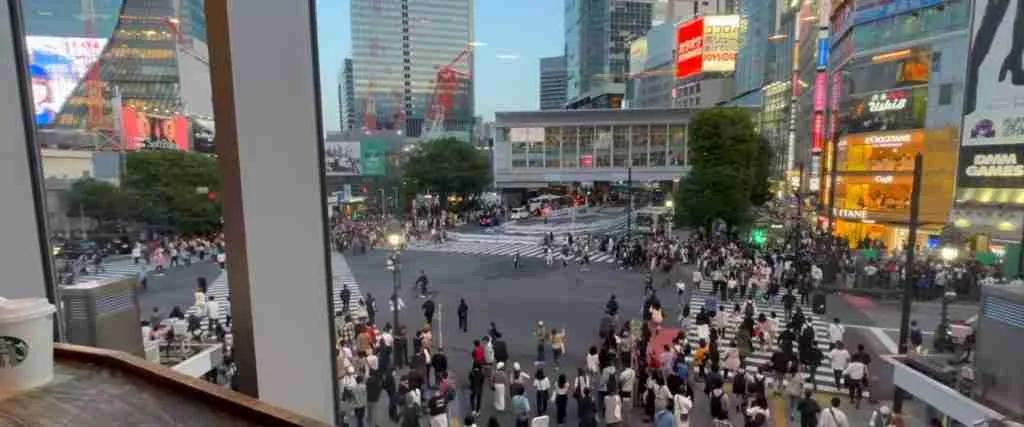
Afternoon proceed to Shibuya crossing experiencing the world’s busiest intersection. Children marvel at coordinated foot traffic crossing from all directions. Visit Shibuya Sky rooftop observation deck for 360-degree Tokyo views. The outdoor rooftop area and sky gallery engage children with interactive displays. Explore Shibuya Center-gai shopping street with game centers, character cafes, and electronics stores. Dinner at family restaurant or themed cafe (Pokemon, Kirby, Studio Ghibli options available). Evening return watching Shibuya crossing illuminated after dark before subway to hotel.
Meiji Shrine free, Shibuya Sky ¥2,200 adults + ¥1,400 elementary students (¥7,200 family), lunch snacks and street food ¥4,000-5,000, dinner ¥8,000-10,000, themed cafe treats ¥3,000-4,000, snacks and drinks ¥2,000-3,000, transportation ¥2,000. Total day cost: ¥26,200-31,200 per family of four (excluding accommodation).
Five-Day Comprehensive Family Experience 2026
Days 1-3 follow the three-day itinerary above. Days 4-5 add depth with theme parks and day trips.
Day 4: Tokyo DisneySea or Tokyo Disneyland
Full day at chosen Disney park arriving before opening for maximum ride experiences. DisneySea suits families with older children preferring thrill rides and detailed theming. Disneyland favors younger children with classic attractions and character experiences. Purchase FastPass selections through Disney app for popular attractions. Schedule sit-down restaurant lunch reservation for midday rest. Afternoon continue attractions with breaks at indoor shows. Dinner at park restaurants (reserve ahead). Stay for evening parade and fireworks before park closing. Direct subway or taxi return to hotel with exhausted but happy children.
Disney park tickets ¥7,900-8,900 adults + ¥4,700-7,400 children (approximately ¥28,000 family), meals and snacks within park ¥12,000-15,000, transportation ¥3,000-4,000, souvenirs ¥5,000-8,000. Total day cost: ¥48,000-55,400 per family of four (excluding accommodation).
Day 5: Day Trip to Nikko or Mount Fuji Area
Optional day trip to Nikko UNESCO World Heritage shrines and temples (2 hours each way by train) or Mount Fuji Five Lakes area. Nikko features elaborate Toshogu Shrine with famous sleeping cat carving, beautiful Kegon Falls, and Lake Chuzenji. Mount Fuji area offers Fuji viewing, lake activities, and open-air museums. Both destinations require full days with early departure and evening return. Pack lunches or plan restaurant meals in destination areas. These trips provide nature experiences contrasting with Tokyo’s urban environment.
Alternative Day 5: TeamLab Borderless morning visit followed by Tokyo Tower or Skytree observation decks. Afternoon shopping in Akihabara electronics district with children enjoying multi-story toy and game stores. Farewell dinner at conveyor belt sushi restaurant where children choose plates by color and watch chefs prepare food.
TeamLab Borderless ¥3,200 adults + ¥1,000 children (¥8,400 family), Tokyo Tower ¥1,200 adults + ¥700 children (¥3,800 family), lunch ¥5,000-6,000, dinner ¥10,000-12,000, snacks ¥2,000-3,000, shopping and souvenirs ¥8,000-12,000, transportation ¥2,500. Total day cost: ¥39,700-47,700 per family of four (excluding accommodation).
Practical Tips for Families Visiting Tokyo 2026
Dining with Children in Tokyo 2026
Family restaurants (famiresu) dominate Tokyo’s dining landscape with extensive children’s menus, high chairs, and kid-friendly atmosphere. Major chains include Gusto, Saizeriya, Jonathan’s, Royal Host, and Denny’s Japan. Touch-screen ordering tablets feature photos and English options. Children’s meals include main dish, drink, and dessert for ¥400-700 ($3-5). Adult meals cost ¥700-1,200 ($5-8). Open seating and casual environment accommodate energetic children without concern. Most locations operate 24 hours or until late evening.
Conveyor belt sushi (kaiten-zushi) restaurants provide entertainment alongside meals. Children select plates passing by on the belt, with different colors indicating prices. Popular chains Sushiro, Kura Sushi, and Hama Sushi charge ¥100-150 ($0.65-1) per plate. Tablet ordering supplements belt selections. The visual, interactive format engages children who might resist traditional restaurant settings. Touch-screen games keep children occupied while waiting for orders. Final bills total ¥2,000-3,000 ($13-20) for family of four.
Food courts in department stores and shopping malls gather diverse restaurants in one location. Basement floors (depachika) of major department stores like Takashimaya, Isetan, and Mitsukoshi offer prepared foods, bento boxes, and desserts for takeaway. Families purchase various items and picnic in nearby parks. Department store restaurants (typically upper floors) include family-oriented options with views and comfortable seating. Shopping mall food courts feature international cuisines accommodating varying preferences within families.
Managing Jet Lag and Schedule Adjustments 2026
Tokyo’s time zone (GMT+9) creates significant jet lag challenges for families traveling from Western countries. North American visitors arrive 13-17 hours ahead of home time zones. European travelers adjust 7-8 hours forward. Children particularly struggle with time zone changes affecting sleep, appetite, and mood. Plan arrival day activities outdoors in natural light encouraging body clock adjustment. Avoid heavy commitments first day allowing rest as needed.
Gradually adjust bedtimes 1-2 hours daily for several days before departure. This pre-adaptation reduces arrival shock. On flight days, set watches to Tokyo time immediately after boarding, beginning mental adjustment. During flights, encourage children to sleep during Tokyo nighttime hours even if it feels like daytime at origin. Resist napping temptation upon Tokyo arrival. Push through to local bedtime even if arriving morning. Exposure to daylight throughout first full day helps reset circadian rhythms.
Maintain flexible first 2-3 days allowing schedule adjustments for jet-lagged children. Book refundable hotels and activities permitting cancellation without penalty. Keep early commitments light with indoor options if children wake too early. Activities requiring high energy or long attention spans schedule for day 3-4 after adjustment. Most families fully adapt within 3-4 days of arrival.
Health and Safety Considerations 2026
Tokyo’s healthcare system maintains world-class standards with modern hospitals and clinics throughout the city. International clinics with English-speaking doctors include Tokyo Midtown Clinic, NTT Medical Center Tokyo, and Seibo International Catholic Hospital. Travel insurance covering medical expenses provides peace of mind as Japan’s national health insurance doesn’t cover tourists. Emergency numbers: 119 for ambulance and fire, 110 for police. Many operators speak limited English, so prepare address information in Japanese.
Pharmacies (drugstores) sell over-counter medications for common ailments. Staff rarely speak English, so bring photos or translate medication names. Children’s medications include fever reducers, antihistamines, and digestive aids. Prescription medications brought from home require documentation. Bring adequate supplies as Japanese equivalents may differ. Food allergies require careful restaurant communication. Major allergens printed in Japanese on cards helps staff understand restrictions.
Summer heat requires careful hydration and sun protection. Children dehydrate quickly in Tokyo’s humid summers. Carry refillable water bottles and purchase drinks from frequent vending machines. Sun hats, sunscreen, and cooling towels reduce heat stress. Shopping malls and air-conditioned attractions provide heat relief during afternoon peaks. Winters require moderate layers as heating makes indoor spaces warm. Quick-remove jackets accommodate temperature transitions between outdoor and indoor environments.
Cultural Etiquette and Behavioral Expectations 2026
Japanese society values quiet behavior in public spaces. Trains, restaurants, and indoor attractions expect controlled voices and calm behavior from children. This differs from Western contexts where children’s energy receives more tolerance. Prepare children for these expectations explaining cultural differences. Bring quiet activities (books, tablets with headphones, small toys) for restaurant and transportation waiting times. Most Japanese show patience with young children while appreciating parents’ discipline efforts.
Shoe removal occurs at temples, traditional restaurants, some museums, and hotel rooms with tatami mats. Prepare children for frequent shoe removal and manage carrying multiple pairs of shoes. Slip-on shoes simplify the process. Designated shoe boxes or lockers typically provide storage. Socks should be clean without holes as bare feet inside buildings appears inappropriate.
Queue discipline matters significantly. Japanese form orderly lines for trains, attractions, restaurants, and ticket counters. Cutting lines or pushing creates social disapproval. Teach children proper queuing behavior. On trains and subways, stand aside allowing passengers to exit before boarding. Priority seats near doors reserve for elderly, disabled, and pregnant passengers. Families with young children may use these seats when available.
Frequently Asked Questions Tokyo Family Travel 2026
Do children need to speak Japanese to enjoy Tokyo?
Children enjoy Tokyo fully without speaking Japanese. Most attractions, museums, and theme parks provide English signage and audio guides. Disney parks operate bilingually with English maps and staff assistance. Character-based attractions require minimal language. Restaurant picture menus and ordering tablets enable dining without Japanese language skills. Translation apps bridge communication gaps. Tokyo’s visual culture (anime, characters, colorful displays) engages children regardless of language ability. Learning basic phrases like “arigatou” (thank you) and “sumimasen” (excuse me) shows respect but isn’t required.
Are Tokyo restaurants child-friendly?
Tokyo’s restaurant culture accommodates families remarkably well. Family restaurants provide children’s menus, high chairs, and casual atmosphere expecting children’s presence. Department store restaurants welcome families with varied menu options. Even upscale establishments generally accept children during lunch hours, though some kaiseki restaurants maintain adult-only policies. Staff demonstrate patience with children though language barriers complicate special requests. Most restaurants lack changing tables in restrooms, so parents use department store facilities nearby. Ramen shops and noodle restaurants feature quick service ideal for limited attention spans.
What should families pack for Tokyo trips?
Essential items include comfortable walking shoes for extensive daily walking. Bring more shoes than typical vacations as feet swell from extended walking. Pack layers for variable indoor-outdoor temperatures, as buildings over-heat or over-cool spaces. Portable chargers keep phones powered for navigation and photos. Small backpacks or crossbody bags provide hands-free carrying for chasing children. Bring necessary medications as Japanese equivalents may differ. Sunscreen and hats for sunny days. Umbrella or rain jackets for sudden showers. Snacks familiar to children ease transitions during jet lag. Leave space in luggage for souvenirs as Tokyo offers incredible children’s toys, characters, and unique items.
How do families handle dietary restrictions in Tokyo?
Tokyo accommodates common dietary restrictions though requires more effort than Western cities. Vegetarian options exist at most restaurants through vegetable tempura, tofu dishes, and noodles without meat. Vegan dining requires research identifying specialized restaurants. Gluten-free challenges arise as soy sauce contains wheat. Celiac-friendly restaurants concentrate in expat neighborhoods. Food allergies require written Japanese cards explaining restrictions as verbal communication often fails. Convenience stores stock products with allergen labels in Japanese. Major hotels prepare special meals with advance notice. Families with severe restrictions consider apartment rentals for meal preparation control.
Can families visit Tokyo on a tight budget?
Budget-conscious families successfully visit Tokyo through strategic planning. Stay in business hotels or apartments rather than luxury properties. Eat convenience store breakfasts and prepare some meals in apartment kitchens. Focus on free attractions like temples, shrines, parks, and government observation decks. Choose one or two paid attractions daily rather than multiple expensive tickets. Use public transportation exclusively avoiding taxis. Shop at 100-yen stores for affordable souvenirs. Visit during winter shoulder season (January-February) for lowest hotel rates. Pack snacks from home reducing daily food costs. A family of four manages Tokyo for ¥35,000-40,000 ($235-270) daily including basic accommodation.
What’s the best Tokyo neighborhood for families to stay?
Asakusa balances traditional atmosphere, family attractions, and convenient location. Hotels cost less than Shibuya or Shinjuku while providing subway access throughout Tokyo. The neighborhood’s compact size and walking-friendly streets suit families. Ueno offers similar benefits with zoo, museums, and park activities within walking distance. Odaiba provides waterfront atmosphere with shopping, museums, and beach activities concentrated in one area. Shinjuku and Shibuya offer maximum transportation options but feature intense crowds and nightlife atmosphere less suitable for young children. Consider proximity to attractions matching family interests and children’s ages.
How many days should families spend in Tokyo?
Five to seven days provides comprehensive Tokyo experiences for families. This allows 2-3 major attractions daily without overwhelming children. Include one full day at Disney parks (or two days visiting both). Build in rest day midway through trip for laundry, relaxation, and recovery from jet lag. Day trips to Mount Fuji, Nikko, or Kamakura add variety but require full days. Three days suffices for first-time visitors hitting major attractions. Ten days or more permits deeper neighborhood exploration and repeated visits to favorite spots. Match trip length to children’s ages as younger kids tire more quickly from intensive sightseeing.
Are Tokyo’s trains too crowded for families with young children?
Tokyo trains accommodate families well outside rush hours. Avoid weekday mornings (7:30-9:00 AM) and evenings (5:30-7:00 PM) when trains reach extreme capacity. Daytime and weekend trains provide comfortable space for families with strollers. Priority seating areas near doors offer space for young children. Most stations feature elevators eliminating stair navigation. During crowded periods, wait 5-10 minutes for less-packed trains. Consider taxis during peak hours if carrying tired children or heavy bags. Tourist destinations concentrate in central Tokyo requiring only 15-30 minute train rides. Children under 6 ride completely free, making train travel economical despite crowds.
What should families do if children get sick in Tokyo?
Tokyo’s medical system provides excellent care for sick children. International clinics with English-speaking pediatricians include Tokyo Midtown Clinic and NTT Medical Center Tokyo. Hotel concierges arrange medical appointments and translation assistance. Pharmacies (drugstores) stock children’s medications for fevers, coughs, and digestive issues. Bring documentation for pre-existing conditions and current medications. Travel insurance covering medical care provides peace of mind and covers consultation costs averaging ¥10,000-15,000 ($65-100). Emergency rooms (kyukyu) accept walk-in patients 24 hours. Most illnesses stem from jet lag, climate adjustment, or minor infections. Build rest days into itineraries allowing recovery time without losing vacation days.
Can strollers navigate Tokyo easily?
Tokyo accommodates strollers better than most Asian cities. Major stations feature elevators connecting platforms to street level. Sidewalks provide smooth, wide paths in tourist districts. Crosswalk timing allows slow-walking families to complete crossings. Attractions, museums, and shopping centers maintain stroller accessibility. However, compact spaces in some restaurants and shops require folding strollers. Consider lightweight, umbrella-style strollers that fold quickly and fit in tight spaces. Some families use baby carriers for crowded trains and busy streets while keeping strollers for parks and long walks. Stroller rental services at major attractions provide options for families not bringing their own.