Tokyo Cultural Significance & Heritage Guide
Key Takeaways:
- Tokyo evolved from Edo village to world’s largest metropolis, transforming Japanese society through cultural innovation while maintaining traditional values across eight centuries of development
- The city synthesizes contradictions – ancient temples border neon entertainment districts, tea ceremony coexists with robot cafes, creating unique cultural hybridity defining contemporary Japan
- Tokyo’s cultural influence extends globally through anime, manga, fashion, technology, and culinary innovation while preserving traditional arts including kabuki theater, ikebana flower arrangement, and tea ceremony
- The Meiji Restoration repositioned Tokyo as modernization symbol, importing Western knowledge while protecting Japanese cultural identity through selective adaptation rather than wholesale adoption
- Neighborhood cultural identities persist despite Tokyo’s massive scale – Asakusa preserves Edo traditions, Harajuku drives youth innovation, Ginza represents luxury refinement, creating diverse cultural ecosystems within single metropolitan area
- Tokyo demonstrates cultural resilience through reconstruction after catastrophic events including 1923 Great Kanto Earthquake, World War II firebombing, and economic transformations, reinventing itself while maintaining cultural continuity
Understanding Tokyo’s Cultural Importance
Tokyo represents one of history’s most successful examples of cultural synthesis, merging traditional Japanese aesthetics with aggressive modernization to create a unique urban civilization influencing global culture across multiple domains. The city functions as Japan’s political capital, economic engine, cultural laboratory, and international gateway while maintaining connections to historical Edo period roots through preserved temples, shrines, festivals, and neighborhood traditions surviving amid skyscrapers and technological innovation.
The metropolis embodies fundamental Japanese cultural concepts including wa (harmony), omotenashi (hospitality), shokunin kishitsu (artisan spirit), and kaizen (continuous improvement). These philosophical foundations manifest in everything from subway system precision to restaurant service standards, traditional craft preservation to technological innovation, creating distinctive cultural expressions recognized globally as quintessentially Japanese yet uniquely Tokyoite in their specific manifestations.
Tokyo’s cultural significance transcends Japan’s borders through soft power projection in entertainment (anime, manga, video games), fashion (Harajuku street style, luxury brands), cuisine (sushi, ramen, kaiseki), technology (consumer electronics, robotics), and urban planning concepts. The city serves as cultural translator between Japanese traditions and global modernity, demonstrating how societies navigate tensions between preservation and innovation, local identity and international engagement, historical continuity and contemporary transformation.
People Also Ask About Tokyo Cultural Significance
What makes Tokyo culturally significant?
Tokyo achieved unprecedented cultural synthesis by maintaining traditional Japanese values and practices while embracing modernization more completely than perhaps any other Asian capital. The city preserved thousands of temples, shrines, and cultural institutions housing centuries-old arts alongside developing cutting-edge technology districts, fashion innovation centers, and entertainment complexes representing contemporary cultural production. This dual identity – simultaneous guardian of tradition and engine of innovation – creates Tokyo’s distinctive cultural character and global influence.
The metropolis functions as Japan’s cultural command center, hosting major museums, universities, publishing houses, broadcast networks, fashion brands, and arts organizations shaping national cultural discourse and production. Tokyo’s concentration of cultural institutions, creative professionals, and audiences creates an ecosystem supporting both traditional arts preservation (kabuki theater, tea ceremony, ikebana) and emerging cultural forms (contemporary art, street fashion, digital entertainment), allowing different cultural expressions to flourish within overlapping geographic and social spaces.
How did Edo become Tokyo and why does this matter culturally?
Edo served as Tokugawa shogunate capital from 1603-1868, developing sophisticated urban culture during Japan’s 250-year isolation period when limited foreign contact allowed indigenous cultural forms to mature without Western influence. This isolation period produced uniquely Japanese cultural expressions in theater (kabuki, bunraku), visual arts (ukiyo-e woodblock prints), literature (haiku, novels), and popular entertainments reflecting purely domestic aesthetic and philosophical concerns rather than external cultural pressures.
The 1868 Meiji Restoration renamed Edo as Tokyo (“Eastern Capital”) when Emperor Meiji moved from Kyoto, repositioning the city as modernization symbol while Kyoto remained traditional culture guardian. This division allowed Tokyo to embrace Western technology, governance systems, and urban planning while Kyoto preserved classical Japanese arts, creating complementary cultural roles within national development. Tokyo became the face Japan presented to the world – modern, efficient, technologically advanced – while drawing cultural legitimacy from connections to Edo heritage and ongoing Kyoto traditions, balancing innovation and preservation within larger Japanese cultural ecosystem.
Why do traditional temples and shrines remain important in modern Tokyo?
Tokyo’s 2,000+ temples and 1,000+ shrines provide spiritual anchors in rapidly changing urban landscape, offering continuity with historical and cultural roots amid constant physical reconstruction and social transformation. These institutions preserve pre-modern spatial organization, architectural aesthetics, ritual practices, and community functions providing psychological and cultural ballast against modernization’s destabilizing effects. Neighborhood temples and shrines host seasonal festivals (matsuri) maintaining community bonds, lifecycle ceremonies marking births and marriages, and contemplative spaces offering respite from urban intensity.
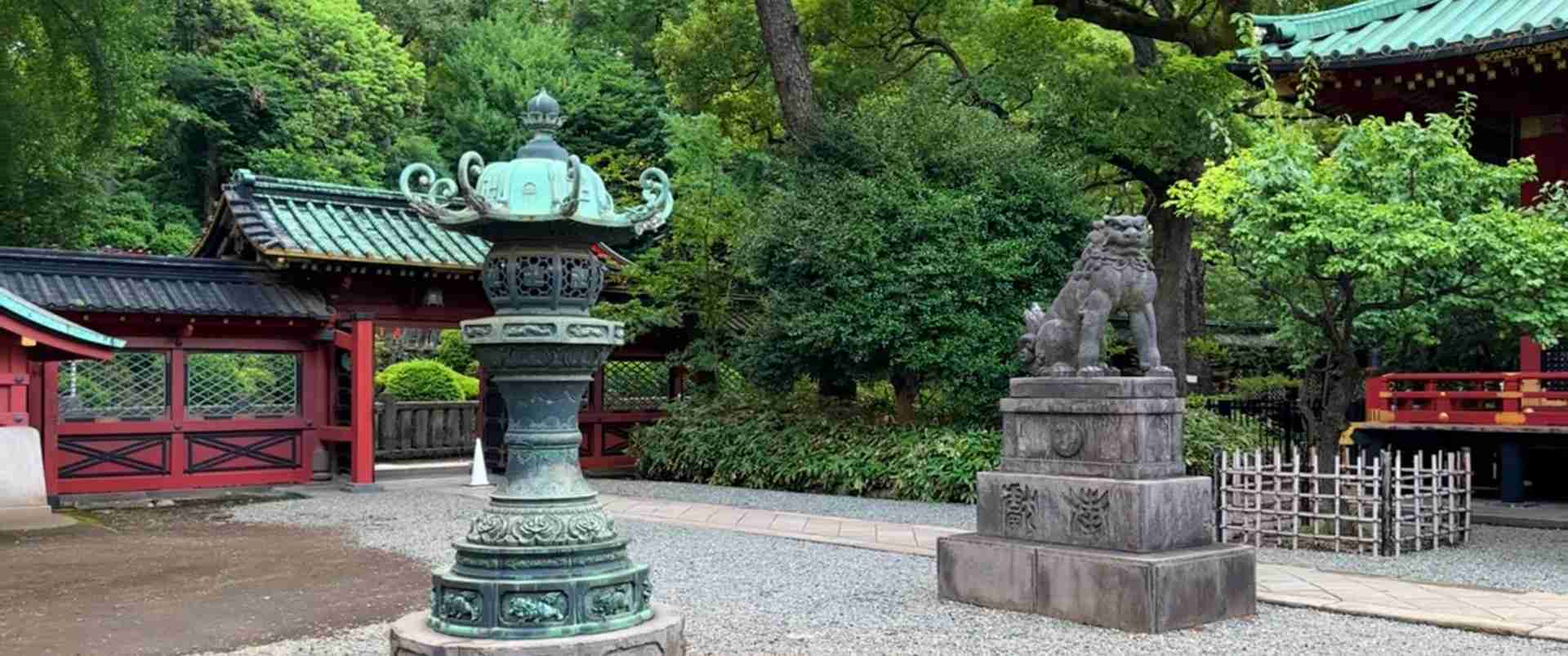
Religious sites demonstrate cultural persistence despite Tokyo’s reputation for constant reinvention – Senso-ji Temple has occupied Asakusa since 645 CE, Meiji Shrine’s forest represents intentional sacred landscape creation, and neighborhood shrines mark historical community centers predating current built environment. These institutions embody cultural values transcending specific religious doctrines, serving as heritage preservation mechanisms, community gathering spaces, architectural museums, and symbols of cultural continuity connecting contemporary Tokyo to pre-industrial antecedents. Their survival reflects conscious cultural choices to maintain traditional institutions within otherwise radically modernized urban fabric.
How does Tokyo balance tradition and modernity culturally?
Tokyo employs what scholars term “compartmentalization” – creating distinct spatial and temporal zones for traditional and modern cultural expressions rather than forcing synthesis or choosing between preservation and innovation. Neighborhoods develop specialized cultural identities: Asakusa maintains Edo-period atmosphere with traditional crafts and architecture; Shibuya and Harajuku drive youth culture innovation; Ginza represents refined luxury consumption; Akihabara specializes in otaku subculture and technology. This spatial segregation allows contradictory cultural modes to coexist without direct conflict while remaining accessible within single metropolitan system.
Temporal compartmentalization separates traditional observances from daily modern life – office workers maintain rigorously contemporary professional personas while participating in New Year shrine visits, Obon ancestral observances, and traditional wedding ceremonies at specific calendar moments. This pattern allows individuals to engage traditional culture without requiring its integration into everyday modern lifestyles, preserving cultural practices through periodic activation rather than constant presence. The strategy demonstrates Japanese cultural pragmatism, finding workable solutions to preservation challenges through creative organizational approaches rather than rigid adherence to either tradition or modernity as exclusive frameworks.
Extended multi-day tours – 5+ days
Featured Tokyo Multi-Day Tour Packages

2 days
Discovering Kamakura and Mount Fuji (8 destinations)
- ✓ Comprehensive Tokyo tour
- ✓ Expert local guides included
- ✓ All accommodation arranged
- ✓ Transportation provided
7 days
7 Day Essential Japan(Private Guide and Driver)- Umetravel
- ✓ Booking needs min. 2 travelers

7 days
7-Day Tokyo, Mount Fuji & Hakone Discovery
- ✓ Comprehensive Tokyo tour
- ✓ Expert local guides included
- ✓ All accommodation arranged
- ✓ Transportation provided
5 days
Magic of Japan
- ✓ Comprehensive Tokyo tour
- ✓ Expert local guides included
- ✓ All accommodation arranged
- ✓ Transportation provided
Multi-day tour packages powered by TourRadar. Prices and availability subject to change.
Historical Development of Tokyo’s Cultural Identity
Edo Period Cultural Foundations
Tokugawa Ieyasu’s establishment of Edo as shogunate capital in 1603 initiated urban development transforming a small fishing village into Japan’s largest city by 1720 with over one million residents. The shogunate’s sankin-kotai (alternate attendance) system required regional daimyo lords to maintain Edo residences and spend alternate years in the capital with their retinues, creating cosmopolitan atmosphere as samurai households from throughout Japan brought regional cultural variations, dialects, crafts, and customs to the emerging metropolis.
Edo developed distinctive urban culture reflecting its merchant class (chonin) prosperity despite official social hierarchy placing merchants below samurai, farmers, and artisans. The Genroku period (1688-1704) saw flowering of popular culture including kabuki theater, ukiyo-e woodblock prints depicting “floating world” of entertainment districts, elaborate textile designs, sophisticated cuisine, and pleasure quarters providing cultural production independent of aristocratic or samurai patronage. This commoner culture established foundations for Tokyo’s reputation as center of popular cultural innovation rather than exclusively elite high culture preservation.
The 250-year Sakoku isolation policy (1639-1853) limiting foreign contact to controlled Dutch and Chinese trade at Nagasaki port forced Japanese cultural development along indigenous trajectories without significant Western influence. This period produced mature traditional arts including tea ceremony, flower arrangement (ikebana), traditional theater (kabuki, bunraku, noh), martial arts systematization, and aesthetic philosophies (wabi-sabi, mono no aware) becoming central to Japanese cultural identity. Edo’s size, wealth, and political importance made it primary market and patron for these cultural productions, establishing the city as arbiter of taste and cultural standards despite Kyoto’s continued prestige as classical culture capital.
Meiji Modernization and Cultural Transformation
The Meiji Restoration’s renaming of Edo as Tokyo in 1868 symbolized dramatic cultural reorientation as Japan opened to Western contact after forced diplomatic negotiations with American Commodore Perry in 1853. The Meiji government pursued aggressive modernization strategy encapsulated in slogans like “Civilization and Enlightenment” (bunmei kaika) and “Rich Country, Strong Army” (fukoku kyohei), importing Western technology, governance systems, military organization, educational models, and even urban planning concepts to achieve equality with Western powers and avoid colonization.
Tokyo became modernization laboratory as government demolished samurai estates to create Western-style government buildings, banks, universities, and infrastructure. The city sent students abroad to master Western knowledge across disciplines – medicine, engineering, law, military science, arts – who returned to establish Japanese institutions adapting foreign concepts to domestic circumstances. This translation process proved crucial to Tokyo’s cultural role, creating hybrid forms incorporating Western frameworks with Japanese cultural content rather than wholesale adoption threatening cultural identity.
The Meiji period established Tokyo’s dual cultural character persisting into contemporary era – aggressive adoption of foreign innovations in technology, governance, and economic organization alongside deliberate preservation of traditional arts through government patronage, institutional support, and ideological framing as essential to Japanese identity. This strategy allowed Tokyo to become modern without becoming entirely Western, maintaining cultural distinctiveness while achieving technological and economic parity with imperial powers threatening Japanese sovereignty.
Cultural Resilience Through Catastrophe
The 1923 Great Kanto Earthquake destroyed much of Tokyo’s built environment, killing over 100,000 people and consuming wooden structures in firestorms following the initial seismic event. The reconstruction process modernized urban infrastructure while debates over rebuilding approaches revealed tensions between preservation and modernization factions. The disaster accelerated Western architectural adoption, concrete construction techniques, and urban planning incorporating firebreaks and evacuation routes, transforming Tokyo’s physical fabric while maintaining cultural institutions and social structures within rebuilt environment.
World War II bombing campaigns devastated Tokyo more comprehensively than the 1923 earthquake, with March 1945 firebombing raids killing an estimated 100,000 people in single night and destroying over 40% of built-up urban area. The post-war reconstruction under American occupation (1945-1952) imposed democratic governance, educational reforms, and economic restructuring while Tokyo’s residents rebuilt their city through extraordinary collective effort demonstrating cultural resilience and social cohesion surviving military defeat and occupation.
Both catastrophes demonstrated Tokyo’s cultural capacity for reinvention without complete rupture from historical identity. The city rebuilt using new technologies and organizational systems while maintaining spatial patterns, neighborhood identities, temple and shrine networks, and social practices providing continuity with pre-disaster culture. This resilience through adaptation rather than rigid preservation became defining Tokyo cultural characteristic – willingness to abandon physical structures while maintaining social institutions, ritual practices, and cultural values providing identity and cohesion through dramatic transformations.
Cultural Institutions and Traditional Arts
Theater and Performing Arts Heritage
Kabuki theater developed during Edo period as popular entertainment combining elaborate costumes, stylized acting, dramatic makeup, and musical accompaniment reflecting merchant class aesthetic preferences rather than aristocratic noh theater’s austere minimalism. The art form’s association with pleasure quarters and working-class audiences contrasted with noh’s refined courtly origins, though kabuki eventually achieved cultural legitimacy receiving government protection as intangible cultural heritage while maintaining theatrical vitality through continued performances at Kabuki-za Theater in Ginza and National Theater.
Tokyo preserves multiple traditional theater forms serving different aesthetic and social functions. Noh theater maintains aristocratic associations with its slow, meditative performances exploring Buddhist themes through minimalist staging and symbolic movement. Bunraku puppet theater demonstrates extraordinary technical mastery as three-person teams manipulate large puppets through emotional narratives accompanied by shamisen music and joruri chanting. These traditional forms receive institutional support through National Theater programming, university preservation efforts, and designated Living National Treasure status for master performers maintaining transmission lineages across generations.
Contemporary Tokyo theater scene incorporates traditional forms while developing innovative productions blending Western and Japanese theatrical traditions. The city hosts major international theater festivals, experimental performance spaces, and commercial theaters producing original works alongside classical repertoire, creating dynamic cultural environment where traditional kabuki performances occur blocks away from avant-garde contemporary productions. This proximity allows cross-pollination while maintaining distinct artistic communities serving different audiences and aesthetic preferences within larger metropolitan theater ecology.
Tea Ceremony and Traditional Arts
Tea ceremony (chanoyu or sado) embodies core Japanese aesthetic and philosophical concepts including wabi (rustic simplicity), sabi (aged patina), ichigo ichie (one meeting, one lifetime), and prescribed movements creating meditative experiences through ritualized beverage preparation and consumption. Multiple tea ceremony schools maintain Tokyo headquarters, teaching studios, and ceremonial tea houses where practitioners study for years or decades mastering prescribed movements, etiquette, seasonal variations, and tea utensil appreciation demonstrating commitment to traditional cultural forms despite their limited practical utility in contemporary urban life.
Ikebana (flower arrangement) transforms natural materials into artistic compositions reflecting seasonal awareness, asymmetrical balance, and minimalist aesthetics. Tokyo hosts headquarters for major ikebana schools including Ikenobo, Ohara, and Sogetsu, each maintaining distinct philosophical approaches and technical methods transmitted through structured curriculum progressing from beginner exercises to advanced master-level compositions. The art form’s continued popularity among primarily female practitioners demonstrates traditional arts’ adaptation to modern lifestyles – shortened ceremony formats, contemporary vessels, and Western flower varieties supplement classical approaches while maintaining core philosophical and aesthetic principles.
Martial arts (budo) including judo, kendo, aikido, and karate maintain substantial Tokyo presence through training halls (dojo), tournaments, and institutional support. These practices evolved from historical combat systems into character-development disciplines emphasizing self-control, respect, perseverance, and spiritual growth alongside physical techniques. The transformation from martial applications to cultural practices illustrates broader Japanese pattern of maintaining traditional forms while adapting their functions and meanings to contemporary circumstances where original purposes become obsolete but cultural values they embody remain relevant.
Museums and Cultural Preservation
Tokyo National Museum in Ueno Park houses over 110,000 objects including national treasures and important cultural properties spanning Japanese archaeological artifacts, Buddhist sculpture, samurai armor, ukiyo-e prints, ceramics, and decorative arts. The institution functions as primary national heritage repository, conducting research, mounting exhibitions, and preserving materials documenting Japanese cultural development across millennia. Its comprehensive collections provide material evidence for cultural narratives, allowing public engagement with historical artifacts rather than abstract descriptions of past artistic achievements.
Specialized museums throughout Tokyo preserve specific cultural domains: National Museum of Western Art showcases Le Corbusier architecture housing European paintings and sculpture; Nezu Museum displays traditional East Asian art in contemporary architectural setting; Mori Art Museum presents international contemporary art; Tokyo Metropolitan Art Museum, National Art Center, and numerous private galleries create dense museum ecosystem serving diverse constituencies from scholars to casual tourists to local residents seeking cultural enrichment.
Living cultural preservation occurs through apprenticeship systems (deshi) where master craftspeople train successors in traditional techniques for ceramics, textiles, metalwork, woodworking, and other material culture domains. These transmission systems face challenges as fewer young people pursue artisan careers requiring decade-long apprenticeships for modest economic returns, threatening cultural continuity in specialized craft knowledge. Government designation of Living National Treasures provides some economic support and social prestige encouraging continued traditional craft practice, though broader economic and social pressures make long-term preservation uncertain without sustained cultural valorization of handcraft traditions.
Urban Culture and Neighborhood Identities
Asakusa: Edo Cultural Preservation
Asakusa maintains conscious connection to Edo-period urban culture through preserved architectural styles, traditional crafts, festival celebrations, and entertainment forms evoking pre-modern Tokyo atmosphere. Senso-ji Temple’s Nakamise shopping street sells traditional snacks, crafts, and souvenirs in wooden shops recreating historical retail environments, while the surrounding neighborhood features small restaurants, craft workshops, and entertainment venues preserving working-class Edo cultural expressions. The area’s identity as “Shitamachi” (downtown, low city) distinguishes it from “Yamanote” (uptown, high city) districts, maintaining historical class and cultural distinctions within contemporary urban geography.
The annual Sanja Matsuri festival demonstrates community cultural preservation through massive shrine procession involving over 100 portable shrines (mikoshi) carried by teams in traditional garb through neighborhood streets. The three-day May festival attracts approximately two million spectators witnessing cultural practices transmitting across generations through active participation rather than museumification. Such festivals provide experiential connection to pre-modern urban culture, maintaining social bonds, neighborhood identity, and embodied cultural knowledge that written descriptions cannot fully capture or preserve.
Harajuku: Youth Culture Innovation
Harajuku emerged as youth culture laboratory during post-war Americanization period, developing distinctive street fashion subcultures including Gothic Lolita, Visual Kei, Decora, and other experimental aesthetic movements attracting global attention as Tokyo fashion innovation centers. Takeshita-dori shopping street’s compact space concentrates boutiques, accessory shops, crepe stands, and youth-oriented retailers creating commercial ecosystem supporting subcultural fashion production and consumption. The neighborhood functions as fashion incubator where experimental styles emerge, gain followings, and potentially enter mainstream fashion discourse or fade as new movements replace them.
The area demonstrates Tokyo’s cultural pattern of creating specialized districts supporting particular cultural productions through spatial concentration of related businesses, practitioners, and audiences. Ura-Harajuku (back Harajuku) streets host higher-end boutiques and established designers contrasting with Takeshita-dori’s mass-market youth culture, illustrating how single neighborhoods contain multiple cultural ecosystems serving different constituencies and aesthetic preferences within walkable geographic spaces. This diversity within proximity characterizes Tokyo urban culture more broadly – specialized cultural districts adjacent to contrasting neighborhoods creating metropolitan cultural heterogeneity within unified transit and governance systems.
Ginza: Luxury and Refinement Culture
Ginza developed as premier luxury retail district during Meiji era when Western-style brick buildings replaced wooden structures after 1872 fire, establishing the neighborhood as modernization showcase and status consumption center. The district maintains reputation for refined taste, high-quality goods, and sophisticated service standards embodying iki aesthetic emphasizing understated elegance, discernment, and cosmopolitan sensibility distinguishing it from more exuberant youth culture districts or traditional craft-focused areas.
Department stores (depato) including Mitsukoshi, Matsuya, and Wako maintain elaborate service standards with uniformed elevator attendants, gift wrapping ceremonies, and extensive product curation demonstrating Japanese retail culture’s attention to customer experience beyond simple commercial transactions. These institutions function as cultural arbiters, selecting products, hosting art exhibitions, and providing educational services (cooking classes, craft workshops, cultural lectures) positioning consumption within broader framework of cultural refinement and self-cultivation rather than purely materialistic acquisition.
Contemporary Cultural Production and Global Influence
Anime and Manga Cultural Impact
Tokyo functions as global anime and manga production center, hosting major studios, publishers, voice actors, animators, and related creative industries generating content consumed worldwide. The medium evolved from post-war entertainment into comprehensive cultural industry encompassing television series, feature films, print publications, character merchandise, themed cafes, and fan communities creating self-sustaining cultural ecosystem with significant economic dimensions. Anime’s global reach projects Japanese cultural values, narrative structures, and aesthetic preferences to international audiences, making Tokyo creative center with soft power influence rivaling Hollywood’s cinematic dominance.
Akihabara district evolved from electronics retail center into otaku culture hub specializing in anime, manga, video games, and related merchandise. The neighborhood’s maid cafes, anime goods shops, arcade game centers, and themed restaurants create immersive cultural environment where subcultural interests achieve commercial viability through spatial concentration of related businesses serving dedicated fan constituencies. This pattern demonstrates Tokyo’s capacity to transform marginal cultural interests into viable commercial districts through agglomeration effects and cultural legitimation processes.
Culinary Culture and Innovation
Tokyo achieved status as world culinary capital with more Michelin stars than any other city, synthesizing traditional Japanese cuisine (washoku), imported Chinese and Western cooking traditions, and innovative fusion approaches creating diverse dining landscape from humble ramen shops to cutting-edge molecular gastronomy. The city’s food culture embodies Japanese perfectionist tendencies – specialized restaurants serving single dishes mastered over decades, elaborate kaiseki multi-course meals demonstrating seasonal awareness and technical precision, and endless variety of regional specialties from throughout Japan concentrated in metropolitan marketplace.
Tsukiji Fish Market (now relocated to Toyosu) symbolized Tokyo’s position as global seafood commerce center, where international buyers and local restaurateurs sourced ingredients at pre-dawn auctions showcasing Japanese supply chain sophistication and quality standards. The market culture – knife-wielding tuna butchers, specialized vendors, sushi restaurants preparing catch within hours of auction – demonstrated tangible connection between Tokyo consumers and global resource networks supplying the metropolis with ingredients supporting its culinary reputation.
Technology and Urban Innovation Culture
Tokyo’s technology districts including Akihabara, Shibuya, and Roppongi concentrate companies producing consumer electronics, video games, robotics, and digital services shaping global technology markets. Japanese consumer electronics brands (Sony, Panasonic, Toshiba) pioneered miniaturization, product refinement, and user interface design influencing global technology development, while video game companies (Nintendo, Sony PlayStation, Square Enix) created entertainment franchises with worldwide cultural impact. This technological innovation culture reflects broader Japanese emphasis on continuous improvement (kaizen), attention to detail, and user-oriented design thinking.
The city’s advanced infrastructure – reliable public transit, widespread WiFi, ubiquitous vending machines, automated facilities – creates lived experience of technological sophistication distinguishing Tokyo from other global cities. This technological urbanism demonstrates cultural values prioritizing efficiency, convenience, and systematic problem-solving through engineering solutions. The infrastructure itself becomes cultural expression, materializing Japanese organizational capabilities, social coordination, and technological prowess in daily urban operations experienced by residents and visitors alike.
Social Culture and Daily Life Practices
Work Culture and Social Organization
Tokyo workplace culture reflects Japanese organizational values including hierarchy (sempai-kohai senior-junior relationships), group harmony (wa), dedication (gambaru spirit), and company loyalty historically extending to lifetime employment though such arrangements have weakened amid economic transformations. The after-work drinking culture (nomikai) serves crucial social functions, allowing hierarchical relaxation and relationship building in informal settings softening daytime workplace formality. These practices illustrate how Japanese culture creates structured contexts for different behavioral modes – formal workplace interactions versus informal drinking culture intimacy – managing tensions between hierarchical organization and human relationship needs.
The “salary man” cultural archetype – male white-collar workers in dark suits commuting long hours – symbolizes post-war Tokyo’s economic development model prioritizing corporate dedication and economic growth. While this model faces challenges from younger generations seeking work-life balance and women pursuing careers beyond traditional marriage and motherhood paths, its persistent visibility in Tokyo streetscapes and cultural representations demonstrates its ongoing influence on social organization and individual life choices despite evolving social norms.
Seasonal Awareness and Festival Culture
Tokyo maintains rich annual festival calendar marking seasonal transitions, religious observances, and community celebrations despite urban environment’s separation from agricultural rhythms traditionally governing Japanese cultural calendar. Cherry blossom viewing (hanami) in spring sees millions gathering in parks for outdoor parties beneath blooming trees, combining nature appreciation with social celebration. Summer fireworks festivals (hanabi taikai), autumn moon viewing (tsukimi), and winter illuminations structure cultural year through seasonal markers maintaining temporal awareness amid otherwise undifferentiated urban experience.
New Year (Shogatsu) remains Tokyo’s most important annual observance, with businesses closing, families gathering, and millions visiting shrines and temples for “first shrine visit” (hatsumode). The holiday demonstrates persistence of traditional cultural practices even among otherwise secular urban populations, suggesting these observances provide cultural continuity, family cohesion, and temporal structure beyond specifically religious functions. The festivals maintain community bonds, neighborhood identities, and embodied cultural knowledge transmitted through participation rather than passive observation or written description.
Etiquette and Social Behavior
Tokyo daily life demonstrates Japanese cultural values through prevalent behavioral patterns including bowing greetings, gift-giving customs, meticulous wrapping, queue formation, public quietness, and extensive apology conventions. These practices create social environment emphasizing consideration for others (omotenashi), avoidance of imposing on others (meiwaku), and maintenance of public order through internalized self-regulation rather than external enforcement. Foreign visitors often remark on Tokyo’s orderliness, cleanliness, and civility as distinctive urban characteristics resulting from shared cultural values and social norms rather than aggressive policing or regulations.
Public transit etiquette illustrates these values – passengers queue at marked floor positions, board only after alighting passengers exit, refrain from phone conversations, yield priority seating, and maintain personal space despite crowded conditions. Such practices emerge from cultural socialization rather than explicit rules, though signage and announcements reinforce expectations. The transit system’s orderly operation depends substantially on cultural norms internalized by users, demonstrating how cultural values enable complex urban systems requiring millions of daily interactions to function smoothly without constant oversight or conflict.
Cultural Challenges and Evolution
Demographic Change and Cultural Transmission
Tokyo’s aging population, low birth rate, and declining workforce present challenges to cultural transmission as traditional apprenticeship systems, family-based craft businesses, and intergenerational knowledge transfer face disruption. Traditional craft workshops struggle finding young apprentices willing to spend years mastering techniques for modest economic returns when alternative careers offer better compensation and work conditions. This threatens cultural continuity in specialized knowledge domains where mastery requires extended training under experienced practitioners, raising questions about which traditional practices survive into future and which disappear with last generation of skilled practitioners.
Immigration policy historically restricted foreign residents, but demographic pressures and labor shortages have prompted gradual opening producing more ethnically diverse Tokyo than previous generations experienced. This transformation challenges homogeneous national culture narratives, creating tensions between inclusive cosmopolitan identity and preserved Japanese cultural distinctiveness. The presence of larger immigrant communities contributes new cultural elements – ethnic restaurants, religious institutions, language diversity – while raising questions about cultural boundaries, identity definitions, and social cohesion in increasingly heterogeneous urban environment.
Gender Roles and Social Evolution
Traditional Japanese gender roles positioning men in workplace and women in domestic sphere face ongoing challenges from women pursuing careers, declining marriage rates, alternative family structures, and recognition that economic pressures require dual-income households. Tokyo’s culture reflects these tensions – continued workplace discrimination alongside growing career opportunities for women, traditional expectations versus contemporary lifestyle preferences, policy initiatives supporting working mothers alongside persistent institutional barriers to gender equality. These contradictions manifest in daily urban experience as cultural values shift unevenly across institutional domains, generations, and social sectors.
Youth culture increasingly questions traditional life pathways (education, employment, marriage, family) that structured previous generations’ social experiences. Growing numbers pursue alternative careers, delay or avoid marriage, choose childlessness, and prioritize personal fulfillment over corporate dedication. These shifts challenge cultural assumptions about normal life courses, social obligations, and individual versus collective priorities, producing cultural diversification as younger Tokyoites create varied lifestyle patterns rather than following standardized trajectories characterizing earlier cohorts.
Balancing Preservation and Innovation
Tokyo continues navigating tensions between cultural preservation and ongoing innovation that defined its Meiji transformation and post-war reconstruction. Contemporary challenges include: maintaining traditional neighborhoods amid real estate development pressures; supporting traditional crafts economically; preserving intangible cultural practices as practitioners age; balancing tourism revenues against cultural authenticity; and determining which traditions warrant preservation versus natural cultural evolution. These questions lack simple answers, instead requiring ongoing negotiation between competing values, interests, and visions for Tokyo’s cultural future.
The city demonstrates remarkable capacity for cultural adaptation – incorporating foreign influences while maintaining distinctive identity, rebuilding after catastrophes while preserving cultural continuity, modernizing infrastructure while protecting traditional institutions. This resilience suggests Tokyo’s culture proves durable not through rigid preservation but through flexible adaptation, maintaining core values and practices while allowing peripheral elements to evolve in response to changing circumstances. Whether this balance can continue amid accelerating technological change, demographic shifts, and globalizing pressures remains Tokyo’s ongoing cultural project, making the city fascinating laboratory for observing how traditional cultures navigate modernity without losing distinctive character defining their identity and global significance.
Frequently Asked Questions: Tokyo Cultural Significance
Why is Tokyo considered both traditional and modern?
Tokyo maintains traditional cultural institutions (temples, shrines, tea ceremony, traditional crafts) alongside cutting-edge technology, contemporary arts, and urban innovation through spatial and temporal compartmentalization. The city creates specialized neighborhoods preserving different cultural modes – Asakusa maintains Edo traditions while Shibuya drives contemporary youth culture – and separates traditional observances (festivals, ceremonies) from daily modern life. This organizational strategy allows contradictory cultural expressions to coexist without forcing synthesis, enabling Tokyo to preserve heritage while pursuing innovation rather than choosing between tradition or modernity as exclusive alternatives.
How does Tokyo influence global culture?
Tokyo projects cultural influence through entertainment media (anime, manga, video games), fashion (Harajuku street style, designer brands), cuisine (sushi, ramen gaining global popularity), technology innovation (consumer electronics, robotics), and urban culture (transit systems, convenience stores, service standards) studied and emulated internationally. The city functions as soft power source, spreading Japanese aesthetic preferences, narrative forms, and cultural values to global audiences through commercial culture rather than government cultural diplomacy. Tokyo-produced content shapes international perceptions of Japanese culture while demonstrating how non-Western metropolises achieve global cultural influence beyond traditional Western cultural dominance.
What role do temples and shrines play in Tokyo culture?
Tokyo’s religious sites function as heritage preservation centers, community gathering spaces, festival venues, architectural museums, and contemplative refuges from urban intensity beyond their specifically religious purposes. These institutions maintain cultural practices, seasonal observances, and ritual knowledge transmitted across generations through active use rather than museumification. Temples and shrines preserve pre-modern spatial organization and architectural forms, provide neighborhood identity and social cohesion, and offer continuity with historical culture amid constantly changing built environment. Their cultural significance transcends religious belief, serving as tangible connections to Edo period heritage and pre-modern Japanese culture accessible to contemporary urban populations.
How has Tokyo recovered from disasters culturally?
Tokyo demonstrated cultural resilience through reconstruction after the 1923 Great Kanto Earthquake and World War II destruction, rebuilding physical infrastructure while maintaining social institutions, ritual practices, neighborhood identities, and cultural values providing continuity despite material devastation. The city employed adaptation rather than rigid preservation – adopting new construction technologies and urban planning while preserving temple and shrine networks, festival traditions, and community organizations. This flexibility allowed Tokyo to reinvent itself repeatedly without complete cultural rupture, maintaining identity through social practices and cultural institutions rather than physical structures requiring preservation.
What makes Tokyo neighborhoods culturally distinct?
Tokyo neighborhoods develop specialized cultural identities through historical development patterns, economic functions, and conscious community cultivation creating diverse urban cultures within single metropolitan system. Asakusa preserves Edo working-class traditions, Ginza represents refined luxury consumption, Harajuku drives youth fashion innovation, Akihabara specializes in otaku subculture, creating distinct cultural ecosystems serving different constituencies. This specialization allows Tokyo to maintain cultural diversity and support varied cultural productions through spatial concentration of related businesses, practitioners, and audiences, enabling contradictory cultural modes to flourish in adjacent neighborhoods rather than forcing homogeneous metropolitan culture.
Why does Tokyo have so many festivals?
Tokyo maintains extensive festival calendar (matsuri) marking seasonal transitions, religious observances, and community celebrations that structure temporal awareness, maintain neighborhood identities, and transmit cultural knowledge through embodied participation. These events provide social gathering contexts, demonstrate community cohesion, preserve traditional costumes and practices, and offer participatory connection to cultural heritage beyond passive observation. Festivals maintain cultural vitality by engaging contemporary populations in inherited traditions, creating living cultural transmission rather than museumified preservation. The events’ persistence despite urban modernization reflects their social and cultural functions transcending original religious or agricultural purposes.
How does Tokyo workplace culture reflect Japanese values?
Tokyo corporate culture emphasizes hierarchy, group harmony, company loyalty, and dedication reflecting broader Japanese cultural values prioritizing collective obligations over individual preferences. The extensive work hours, after-work socializing (nomikai), and career commitment demonstrate cultural patterns extending beyond economic necessity into identity formation and social organization. While younger generations increasingly question these expectations seeking improved work-life balance, the salary man archetype’s continued prevalence indicates persistent cultural influence despite evolving social norms and economic transformations challenging traditional employment relationships and gender role divisions structuring previous generations’ professional lives.
What cultural challenges does Tokyo face?
Tokyo confronts aging population threatening intergenerational cultural transmission, economic pressures reducing traditional craft apprenticeships, changing gender roles challenging established social organization, youth questioning conventional life pathways, increasing immigration diversifying previously homogeneous cultural environment, and development pressures threatening traditional neighborhoods. These challenges test Tokyo’s capacity to maintain cultural continuity amid demographic, economic, and social transformations, raising questions about which traditions warrant preservation versus natural evolution, how cultural boundaries adapt to diversity, and whether Tokyo’s cultural synthesis model proves sustainable under accelerating change pressures.
Why is Tokyo considered a culinary capital?
Tokyo achieved culinary prominence through synthesizing traditional Japanese cuisine with imported techniques, unprecedented ingredient quality standards, specialized restaurants mastering single dishes, innovative fusion approaches, and cultural values emphasizing perfection and continuous improvement applied to food preparation. The city’s concentration of Michelin-starred restaurants, diverse dining options from humble ramen shops to cutting-edge molecular gastronomy, access to premium ingredients through sophisticated supply chains, and cultural appreciation for culinary craftsmanship create dining landscape attracting global attention. Tokyo food culture demonstrates Japanese perfectionist tendencies and attention to detail applied to culinary arts, elevating food preparation from necessity to refined cultural expression.
How does anime reflect Tokyo’s cultural influence?
Anime production concentrated in Tokyo studios reaches global audiences, projecting Japanese narrative structures, aesthetic preferences, cultural values, and urban experiences to international viewers. The medium’s worldwide popularity makes Tokyo creative center with soft power influence spreading Japanese cultural perspectives beyond government diplomacy or traditional high culture. Anime’s themes often explore Tokyo urban life, Japanese social relationships, and cultural conflicts between tradition and modernity, making the medium both entertainment export and cultural ambassador communicating Japanese perspectives to audiences with limited direct Japan exposure. The industry’s economic success demonstrates how cultural production achieves global reach and commercial viability while maintaining distinctively Japanese character.