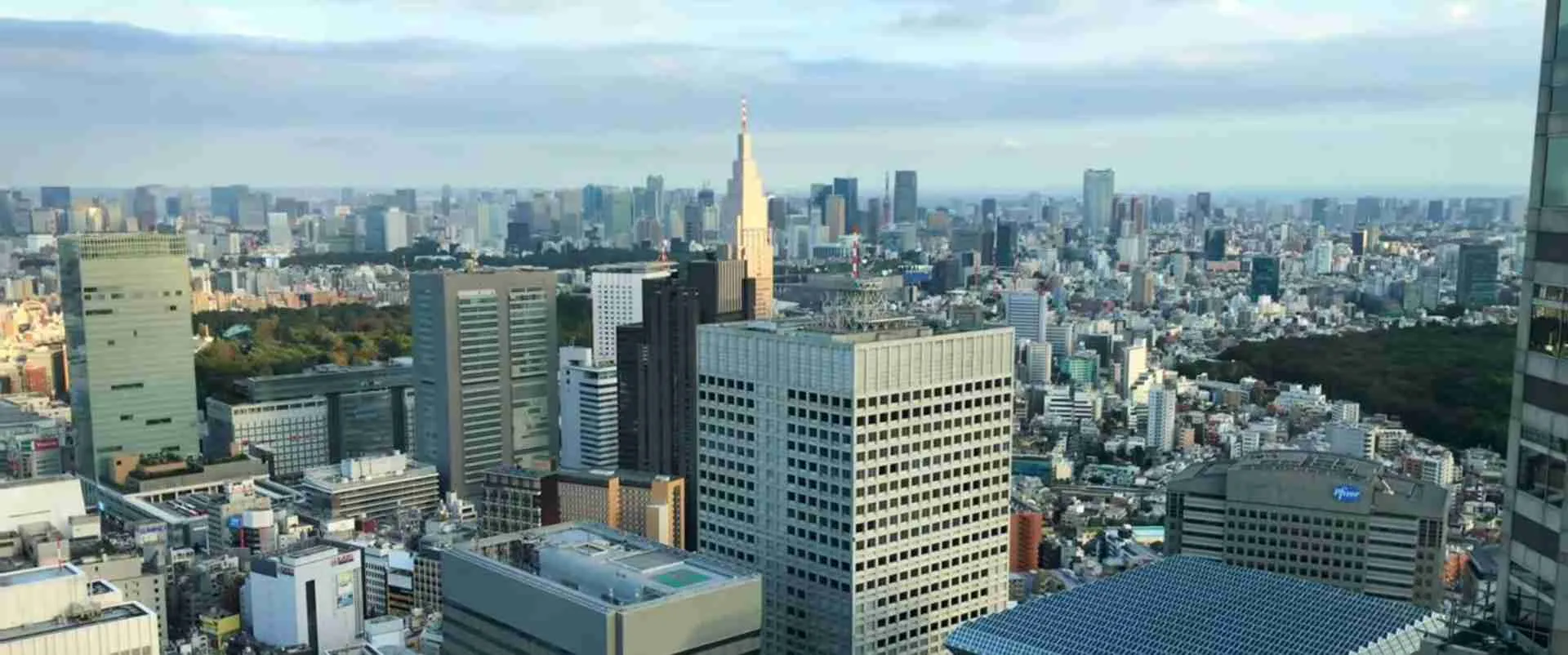
Getting to Tokyo 2026: Complete Transportation Guide
Key Takeaways:
- Tokyo operates the world’s most efficient transit system with 13 subway lines and extensive JR train network serving 40 million passengers daily
- IC cards (Suica/PASMO) cost ¥2,000 (¥1,500 usable balance + ¥500 refundable deposit) and work across all Tokyo transit systems in 2026, check japan-guide.com for current pricing as card fees may vary
- Narita Airport connects to central Tokyo in 36-60 minutes via Narita Express (¥3,070), Skyliner (¥2,570), or Airport Limousine Bus (¥3,200) with direct service to major hotel districts
- JR Pass 7-day ordinary costs ¥50,000 for 2026 travel throughout Japan, with Tokyo-Kyoto shinkansen alone costing ¥13,320 one-way making the pass cost-effective for multi-city trips
- Tokyo Metro 24-hour pass costs ¥600, 48-hour ¥1,200, 72-hour ¥1,500 providing unlimited subway access during consecutive periods in 2026
- Haneda Airport sits 30 minutes from central Tokyo with Tokyo Monorail (¥500) and Keikyu Line (¥300) offering faster connections than Narita for domestic and Asian destinations
Planning Your Tokyo Transportation in 2026
Tokyo’s transportation network represents the pinnacle of urban transit engineering, moving over 40 million passengers daily through an integrated system of subway lines, commuter trains, monorails, and buses. The city’s transit infrastructure connects seamlessly with airports, shinkansen terminals, and regional rail networks, making Tokyo one of the world’s most navigable major cities despite its massive 14 million population and 2,194 square kilometer metropolitan area.
The 2026 transportation landscape maintains Tokyo’s reputation for punctuality, cleanliness, and efficiency while incorporating enhanced English signage, expanded IC card compatibility, and improved real-time information systems for international visitors. Understanding Tokyo’s transit options, pass systems, and navigation strategies transforms your visit from potentially overwhelming to remarkably straightforward, allowing you to maximize time at cultural sites, dining destinations, and entertainment districts across the city’s diverse neighborhoods.
This comprehensive guide covers airport connections, subway and train systems, IC card technology, pass options, regional day trips, and practical navigation strategies to help you move confidently through Tokyo’s world-class transit network during your 2026 visit.
People Also Ask About Tokyo Transportation 2026
How much does Tokyo public transportation cost in 2026?
Tokyo Metro subway rides range ¥180-320 depending on distance, with typical cross-city trips costing ¥200-250. JR Yamanote Line fares range ¥140-200 for stations around central Tokyo’s loop. The most economical approach uses an IC card (Suica/PASMO) costing ¥2,000 with ¥1,500 usable credit, check official transit websites for current card pricing as fees may vary slightly. IC cards provide automatic fare calculation and work across all subway lines, JR trains, buses, and even convenience stores and vending machines throughout Tokyo.
Multi-day passes offer better value for extensive sightseeing. Tokyo Metro 24-hour unlimited pass costs ¥600, 48-hour ¥1,200, and 72-hour ¥1,500 for consecutive usage periods. These passes cover Tokyo Metro’s nine subway lines serving major tourist areas including Asakusa, Shibuya, Shinjuku, and Roppongi. The broader Tokyo Subway Ticket includes both Tokyo Metro and Toei Subway lines for ¥800 (24-hour), ¥1,200 (48-hour), and ¥1,500 (72-hour), providing access to all 13 subway lines across the metropolitan area.
What is the best way to get from Narita Airport to Tokyo in 2026?
The Narita Express (N’EX) provides the premium connection, reaching Tokyo Station in 53 minutes and Shinjuku in 79 minutes with comfortable reserved seating, luggage storage areas, and electrical outlets. N’EX tickets cost ¥3,070 to Tokyo Station and ¥3,250 to Shinjuku, with departures every 30-60 minutes throughout the day. The train serves major stations including Shinagawa, Shibuya, Shinjuku, Ikebukuro, and Yokohama, making it ideal for first-time visitors with heavy luggage heading to central hotel districts.
Budget-conscious travelers choose the Keisei Skyliner (¥2,570 to Nippori/Ueno, 36-41 minutes) or Access Express (¥1,300-1,500 to central Tokyo, 55-70 minutes). The Skyliner offers speed and comfort similar to N’EX at lower cost, while Access Express provides the most economical rail option with direct service to Asakusa, Nihombashi, and Shinagawa via the Toei Asakusa Line. Airport Limousine Buses (¥3,200) offer door-to-door service to major hotels in Shinjuku, Shibuya, Ginza, and Tokyo Station areas with departures every 15-20 minutes during peak hours, ideal for travelers with multiple bags or late-night arrivals when train frequency decreases.
Is the JR Pass worth buying for Tokyo in 2026?
The JR Pass becomes cost-effective for visitors combining Tokyo with other Japanese cities. The 7-day ordinary pass costs ¥50,000 in 2026 and covers all JR trains nationwide including shinkansen bullet trains (except Nozomi/Mizuho fastest services), JR Yamanote Line in Tokyo, Narita Express airport connection, and regional trains. A single Tokyo-Kyoto round trip costs ¥26,640 on the Hikari shinkansen, making the pass worthwhile for any multi-city itinerary including Tokyo plus Kyoto, Osaka, Hiroshima, or other destinations.
For Tokyo-only visits, the JR Pass provides less value since Tokyo Metro operates most tourist attractions and JR lines serve primarily commuter routes. Tokyo Metro passes (¥600-1,500 for 24-72 hours) combined with an IC card for JR connections costs substantially less than a 7-day JR Pass if staying within the metropolitan area. The pass makes sense for Tokyo-based travelers planning day trips to Nikko (¥2,740 each way), Kamakura (¥920 each way), or Mount Fuji areas (¥2,210+ each way), where JR coverage reduces transportation costs significantly over 3-7 days of regional exploration.
How do Suica and PASMO cards work in Tokyo 2026?
Suica and PASMO function as rechargeable IC cards providing tap-and-go access to all Tokyo trains, subways, and buses with automatic fare calculation eliminating the need to understand the complex distance-based pricing system. Both cards cost ¥2,000 (¥1,500 usable balance + ¥500 refundable deposit) and work identically across Tokyo’s entire transit network regardless of which company operates the line. Tap the card on entry gates, tap again on exit, and the system automatically deducts the correct fare from your balance.
IC cards work beyond transportation – convenience stores (7-Eleven, Family Mart, Lawson), vending machines, coin lockers, and many restaurants accept Suica/PASMO for cashless payments throughout Tokyo. Recharge cards at any station’s ticket machines in ¥1,000 increments up to ¥20,000 maximum balance. The cards remain valid for 10 years from last use, making them reusable for future Japan trips. Return the card at any JR East station (Suica) or Tokyo Metro/Toei station (PASMO) to receive your ¥500 deposit back along with any remaining balance, though JR charges ¥220 if balance exceeds ¥220 at refund time.
Extended multi-day tours – 5+ days
Featured Tokyo Multi-Day Tour Packages
3 days
Tokyo 3-Day Discovery Tour
- ✓ Comprehensive Tokyo experience
- ✓ Expert local guides included
- ✓ All accommodation included
- ✓ Transportation provided
5 days
Tokyo 5-Day Highlights Experience
- ✓ Comprehensive Tokyo experience
- ✓ Expert local guides included
- ✓ All accommodation included
- ✓ Transportation provided
7 days
Tokyo 7-Day Cultural Journey
- ✓ Comprehensive Tokyo experience
- ✓ Expert local guides included
- ✓ All accommodation included
- ✓ Transportation provided
10 days
Tokyo 10-Day Complete Adventure
- ✓ Comprehensive Tokyo experience
- ✓ Expert local guides included
- ✓ All accommodation included
- ✓ Transportation provided
Multi-day tour packages powered by TourRadar. Prices and availability subject to change.
Essential Planning Information 2026
Understanding Tokyo’s Transit System Structure
Tokyo operates under a multi-company transit system where different operators manage various train and subway lines throughout the metropolitan area. Tokyo Metro operates nine subway lines (Ginza, Marunouchi, Hibiya, Tozai, Chiyoda, Yurakucho, Hanzomon, Namboku, Fukutoshin) serving central districts and major tourist attractions. Toei Subway manages four additional lines (Asakusa, Mita, Shinjuku, Oedo) extending coverage to outer neighborhoods and complementing Tokyo Metro’s network. JR East operates the critical Yamanote Line circling central Tokyo plus Chuo Line, Sobu Line, and regional connections radiating outward to suburbs and neighboring prefectures.
Private railway companies including Keio, Odakyu, Tokyu, Tobu, and Seibu operate commuter lines connecting Tokyo to surrounding cities and tourist destinations. These networks integrate seamlessly with subway and JR lines at major transfer stations, allowing continuous journeys across the entire metropolitan area using a single IC card. Understanding this structure helps you choose appropriate passes – Tokyo Metro passes work only on Tokyo Metro lines, JR Pass covers only JR trains, while IC cards work across all systems with pay-per-ride flexibility.
Peak Hours and Crowd Management Strategies 2026
Tokyo trains reach legendary crowding levels during morning rush (7:30-9:30 AM) and evening rush (5:30-7:30 PM) when platform staff physically push passengers into cars to maximize capacity. Avoid these periods for sightseeing travel – trains during peak hours operate at 180-200% capacity on major commuter lines, making the experience uncomfortable with luggage. The Yamanote Line, Chuo Line, and Tozai Metro Line rank among the most crowded routes during rush periods, with some services designated as “women-only cars” during morning peaks to address harassment concerns.
Plan sightseeing departures after 10 AM and return travel before 5 PM or after 8 PM to enjoy comfortable journeys with available seating and space for luggage or shopping bags. Weekend trains maintain reasonable crowding levels throughout the day except during special events or festivals. Last trains depart major stations around midnight-1 AM depending on the line, with first trains beginning service around 5 AM, giving you extensive operating hours for daily activities while avoiding the notorious rush hour congestion.
Airport Connections Tokyo 2026
Narita International Airport Access Options
Narita International Airport (NRT) sits 60 kilometers east of central Tokyo in Chiba Prefecture, requiring 60-90 minutes travel time to reach downtown hotels depending on your chosen transportation method and destination district. The airport serves as Tokyo’s primary international gateway, handling most long-haul flights from North America, Europe, and distant Asian destinations with Terminals 1, 2, and 3 connected by free shuttle trains operating every 5-10 minutes.
Narita Express (N’EX): JR East’s premium airport service offers the most comfortable connection with spacious reserved seating, dedicated luggage areas, power outlets, and bilingual announcements. Trains depart every 30-60 minutes from 7 AM to 10 PM, reaching Tokyo Station in 53 minutes (¥3,070), Shinagawa in 67 minutes (¥3,190), Shibuya in 73 minutes (¥3,250), Shinjuku in 79 minutes (¥3,250), and continuing to Ikebukuro and Yokohama. Purchase tickets at JR ticket offices or reserved seat machines in the airport terminal – advanced reservation not required but recommended during peak travel periods (Golden Week, Obon, New Year).
Keisei Skyliner: The high-speed alternative reaches Nippori Station in 36 minutes and Ueno Station in 41 minutes, both major transfer points to Tokyo Metro subway lines and JR Yamanote Line. Skyliner tickets cost ¥2,570 with departures every 20-40 minutes from early morning until late evening. The train offers comfortable reserved seating with luggage storage, though slightly more compact than N’EX. This option works best for visitors staying near Ueno, Asakusa, or eastern Tokyo neighborhoods with convenient transfers to multiple subway lines from Ueno’s massive transit hub.
Keisei Access Express: Budget travelers choose this limited express service operating via the Toei Asakusa Line directly into central Tokyo subway system. Trains reach Asakusa in 58 minutes (¥1,340), Nihombashi in 63 minutes (¥1,350), and Shinagawa in 88 minutes (¥1,570) with no transfers required. The service runs every 20 minutes during daytime hours using comfortable limited express rolling stock with adequate luggage space. IC cards work seamlessly on this service, making it the most economical rail option for reaching central Tokyo neighborhoods served by the Asakusa Line including the historic Asakusa district and business areas around Tokyo Station.
Airport Limousine Bus: Door-to-door bus service operates to major hotel districts throughout Tokyo with fares around ¥3,200 depending on destination. Buses depart every 10-20 minutes during peak hours (7 AM-10 PM) with reduced frequency during early morning and late night periods. Journey times vary 90-120 minutes depending on traffic conditions and destination, with routes serving Shinjuku, Shibuya, Ikebukuro, Ginza, Tokyo Station, Roppongi, and over 50 major hotels directly. Purchase tickets at limousine bus counters in airport arrival halls or reserve online through the official website – reservations recommended during busy periods though walk-up space usually available.
Haneda Airport Access Options 2026
Haneda Airport (HND) provides Tokyo’s most convenient air gateway, located just 14 kilometers south of central Tokyo with significantly shorter journey times than Narita. The airport handles most domestic flights plus increasing international services to Asian destinations, Hawaii, and select North American/European routes. Three terminals (Terminal 1 Domestic, Terminal 2 Domestic, Terminal 3 International) connect via free shuttle bus and train operating continuously throughout airport operating hours.
Tokyo Monorail: The elevated monorail connects Haneda Airport Terminal 3 to Hamamatsucho Station on the JR Yamanote Line in 13 minutes, with continuing service to Terminal 2 (15 minutes total) and Terminal 1 (18 minutes). Regular fares cost ¥500 to Hamamatsucho where you transfer to Yamanote Line for connections throughout central Tokyo. Trains depart every 4-5 minutes during peak hours, 5-10 minutes during off-peak periods, operating from 5 AM to midnight daily. The monorail provides the fastest connection to central Tokyo stations including Shimbashi, Yurakucho, Tokyo, Shinagawa, Shibuya, Shinjuku, and Ikebukuro via quick Yamanote Line transfers at Hamamatsucho.
Keikyu Line: This private railway offers slightly cheaper access (¥300 to Shinagawa, ¥410 to Yokohama) with comparable journey times – 11 minutes to Shinagawa Station, 13 minutes to Shinagawa using Airport Limited Express services. From Shinagawa, transfer to JR Yamanote Line for access throughout Tokyo or continue on Keikyu Line to Yokohama and Kanagawa Prefecture destinations. The line connects directly into the Toei Asakusa Line subway system at Asakusa Station, providing through-service to central Tokyo neighborhoods without transfers. Keikyu trains depart every 5-10 minutes from early morning until midnight.
Airport Limousine Bus: Bus services from Haneda follow similar routes to Narita services but with shorter journey times (30-50 minutes) and lower fares (¥1,300-1,500 depending on destination). Buses serve major hotel districts including Shinjuku, Shibuya, Ikebukuro, Ginza, Tokyo Station, and Roppongi with departures every 15-30 minutes depending on route and time of day. The bus option works well for travelers with heavy luggage heading to hotels along bus routes, avoiding transfers and stairs associated with train connections.
Taxi Service: Taxis from Haneda to central Tokyo cost ¥5,000-8,000 depending on destination and traffic conditions, with journey times 20-40 minutes to major hotel districts. Fixed-fare services to certain destinations may offer slight savings over metered rates. Taxis make sense for groups of 3-4 travelers with luggage when per-person cost becomes comparable to limousine bus fares while providing door-to-door convenience and flexibility for late-night arrivals when train frequency decreases.
Tokyo Metro and Subway System 2026
Understanding the 13 Subway Lines
Tokyo’s subway system comprises 13 lines operated by two companies – nine Tokyo Metro lines and four Toei Subway lines – serving 285 stations across the metropolitan area with color-coded routes making navigation intuitive for international visitors. Each line maintains distinct colors and letters on maps and signage: Ginza Line (orange/G), Marunouchi Line (red/M), Hibiya Line (gray/H), Tozai Line (blue/T), Chiyoda Line (green/C), Yurakucho Line (yellow/Y), Hanzomon Line (purple/Z), Namboku Line (teal/N), Fukutoshin Line (brown/F) for Tokyo Metro; Asakusa Line (pink/A), Mita Line (blue/I), Shinjuku Line (green/S), Oedo Line (magenta/E) for Toei Subway.
Major transfer stations connect multiple subway lines with JR trains, creating comprehensive coverage across Tokyo’s diverse neighborhoods. Shinjuku Station serves as Tokyo’s busiest transit hub with connections between JR Yamanote Line, Chuo Line, Sobu Line, Marunouchi Line, Shinjuku Line, and Oedo Line plus private railways to western suburbs. Tokyo Station connects JR lines, Marunouchi Line, Tozai Line, and shinkansen bullet trains. Shibuya connects Yamanote Line with Ginza Line, Hanzomon Line, Fukutoshin Line, and Tokyu private railways. Understanding these major hubs helps you plan efficient routes across the city’s transit network.
Tourist-Friendly Subway Pass Options 2026
Tokyo Metro 24-Hour Ticket (¥600) provides unlimited rides on Tokyo Metro’s nine lines serving major tourist attractions including Asakusa (Ginza Line), Roppongi (Hibiya Line), Shibuya (Ginza/Hanzomon/Fukutoshin Lines), Shinjuku (Marunouchi Line), and Ginza district (Ginza/Hibiya/Marunouchi Lines). The pass activates upon first use and remains valid for exactly 24 consecutive hours – using it at 2 PM on Monday covers travel until 2 PM Tuesday. Purchase passes at Tokyo Metro station ticket machines, visitor information centers, or certain hotels participating in the tourist pass program.
Tokyo Subway 24-Hour Ticket (¥800) expands coverage to include Toei Subway’s four lines in addition to all nine Tokyo Metro lines, providing access to additional neighborhoods including Asakusa via Asakusa Line, Tsukiji via Oedo Line, and areas not served by Tokyo Metro routes. The broader coverage justifies the ¥200 premium if your itinerary includes destinations on both systems. Extended duration passes offer better per-day value: 48-hour tickets cost ¥1,200 (¥600 per day) and 72-hour tickets ¥1,500 (¥500 per day) for consecutive period usage covering multiple sightseeing days in Tokyo.
IC cards (Suica/PASMO) provide flexibility for visitors whose daily transit costs vary significantly. Calculate your expected daily rides: four subway trips averaging ¥200 each costs ¥800, making day passes worthwhile. For lighter travel days with just 2-3 subway rides totaling ¥400-600, IC cards cost less than unlimited passes. Many visitors use combination strategies – IC cards for arrival/departure days with light sightseeing, day passes for intensive tourism days visiting 5+ attractions across Tokyo requiring multiple subway transfers.
JR Train Network Tokyo 2026
Yamanote Line: Tokyo’s Circular Route
The JR Yamanote Line forms Tokyo’s most important single train route, circling central Tokyo in a 34.5-kilometer loop connecting 30 stations including all major commercial and entertainment districts. The line operates clockwise and counterclockwise services with departures every 2-4 minutes during peak hours, 4-5 minutes during daytime off-peak periods, achieving complete loop journeys in approximately 60 minutes. Fares range ¥140-200 depending on distance traveled, with most tourist journeys between major stations costing ¥160-180 using IC cards.
Key Yamanote Line stations serve distinct neighborhood purposes: Tokyo Station (business district, Imperial Palace, shinkansen connections), Yurakucho (Ginza shopping), Shimbashi (business district, Shiodome), Hamamatsucho (Tokyo Monorail to Haneda Airport), Tamachi (business area), Shinagawa (shinkansen station, Narita Express), Meguro (residential), Ebisu (dining, nightlife), Shibuya (shopping, youth culture), Harajuku (fashion, Meiji Shrine), Yoyogi (parks), Shinjuku (major hub, shopping, entertainment, Shinjuku Gyoen), Shin-Okubo (Korean Town), Takadanobaba (student district), Ikebukuro (shopping, entertainment, Sunshine City), Otsuka (residential), Sugamo (traditional shopping), Komagome (Rikugien Garden), Tabata (residential), Nishi-Nippori (residential), Nippori (Keisei Skyliner connection), Uguisudani (love hotels), Ueno (museums, Ueno Park, Asakusa connections), Okachimachi (Ameyoko market), Akihabara (electronics, anime), Kanda (business district).
Other Essential JR Lines for Tourists 2026
Chuo Line (rapid and local services) cuts through central Tokyo from east to west, connecting Tokyo Station through Ochanomizu, Shinjuku, Nakano, and continuing to western suburbs and mountain resort areas. Rapid trains skip smaller stations, completing Tokyo-Shinjuku in 15 minutes (¥170) compared to 25 minutes on Yamanote Line’s longer route around the loop. Local Chuo-Sobu Line trains provide all-station service through central Tokyo neighborhoods with yellow-colored rolling stock distinct from rapid service’s orange trains.
Saikyo Line connects Osaki through Shibuya, Shinjuku, Ikebukuro, and continues north to Omiya in Saitama Prefecture, providing crucial north-south transit through Tokyo’s western corridor. The line serves several tourist destinations including Harajuku’s Meiji Shrine (nearby station), Shinjuku entertainment district, and Ikebukuro shopping areas. Rinkai Line connects from Osaki through Tokyo waterfront areas including Odaiba entertainment district, forming through-service with Saikyo Line for continuous journeys from Omiya to Odaiba spanning Tokyo’s full metropolitan corridor.
Keihin-Tohoku Line runs parallel to Yamanote Line’s eastern section, providing express alternatives between major stations including Tokyo, Yurakucho, Shimbashi, Hamamatsucho, Tamachi, Shinagawa, and continuing south to Yokohama and Kawasaki. The line offers slightly faster journeys between these stations compared to Yamanote Line’s all-station local service, though it operates less frequently with departures every 4-6 minutes during peak periods.
Pass Options and Ticketing Strategies 2026
Multi-Day Pass Comparison Guide
Tokyo Metro 24/48/72-Hour Pass: Best for visitors focusing on central Tokyo attractions served by subway lines. The 24-hour pass (¥600) becomes cost-effective after three typical subway rides (¥200 each). The 48-hour pass (¥1,200) costs ¥600 per day, while 72-hour pass (¥1,500) drops to ¥500 per day, offering better value for extended stays with intensive daily sightseeing. Purchase at any Tokyo Metro station ticket machine or information center – passes activate upon first use, not purchase date.
Tokyo Subway Ticket (includes Toei): The 24-hour version (¥800) costs ¥200 more than Tokyo Metro-only pass but includes Toei Subway’s four lines serving additional neighborhoods. This pass makes sense if your itinerary includes Asakusa Line for airport access, Oedo Line for Roppongi/Tsukiji destinations, or Shinjuku Line connections to western suburbs. The 48-hour (¥1,200) and 72-hour (¥1,500) versions cost identically to Tokyo Metro passes, making the broader coverage a no-cost upgrade for multi-day purchases.
Tokyo Wide Pass: JR East’s regional pass costs ¥10,180 for three consecutive days covering JR trains throughout the Kanto region including Narita Express, all Tokyo JR lines, and regional services to Nikko, Karuizawa, Gala Yuzawa ski resort, and Izu Peninsula. The pass becomes cost-effective for visitors planning day trips from Tokyo – Narita Express round trip (¥6,140) plus one Nikko day trip (¥5,480 round trip) already exceeds the pass cost. Limited to foreign passport holders, purchase at JR East Travel Service Centers in major stations including Narita Airport, Haneda Airport, Tokyo Station, Shinjuku Station, and Ueno Station.
JR Pass (National): Japan Rail Pass costs ¥50,000 for seven consecutive days (ordinary class) covering all JR trains nationwide including shinkansen (except Nozomi/Mizuho services), Narita Express, all JR lines in Tokyo, and regional JR trains throughout Japan. The pass justifies its cost for multi-city itineraries – Tokyo-Kyoto-Osaka-Tokyo shinkansen tickets alone cost over ¥38,000, making the pass economical for any trip combining Tokyo with Kansai region. For Tokyo-only visits, the pass costs far more than city passes or IC cards unless planning extensive day trips to JR-served destinations like Nikko, Kamakura, and Mount Fuji areas.
IC Card vs. Pass Decision Framework 2026
Calculate expected transportation spending to determine optimal payment strategy. Sample intensive sightseeing day visiting Senso-ji Temple (Asakusa), Tokyo Skytree, Imperial Palace, Meiji Shrine, Shibuya Crossing, and Tokyo Tower requires approximately 6-8 subway/train rides costing ¥200 average = ¥1,200-1,600 daily. Tokyo Subway 72-hour pass at ¥1,500 provides unlimited travel for three such days at ¥500 per day compared to ¥1,200-1,600 pay-per-ride costs, saving ¥2,100-3,300 over the three-day period.
Lighter itineraries visiting 2-3 attractions daily with hotel near major stations require just 4-5 rides totaling ¥600-800. IC cards cost less for such days than ¥800 subway pass. Optimal strategy combines both tools: use IC cards for arrival/departure days and light touring days, purchase day passes for intensive sightseeing days with extensive transit usage. Many visitors maintain IC card balance for convenience store purchases, vending machines, and coin lockers even when using day passes for subway travel, leveraging IC card’s cashless payment functionality beyond transportation.
Weekend and holiday periods see Tokyo residents using transit for leisure, increasing crowding at tourist attractions but not reaching weekday commuter rush hour levels. Passes provide better value during these periods since you’ll likely take more trips to various neighborhoods, temples, museums, and dining areas. Business travelers visiting Tokyo Monday-Friday might find IC cards more economical if staying near office districts with limited leisure sightseeing, while vacation travelers maximizing attraction visits daily achieve better value from multi-day passes.
Regional Day Trip Connections 2026
JR Lines to Popular Destinations
Nikko’s UNESCO World Heritage shrines and natural beauty sit 140 kilometers north of Tokyo with JR Nikko Line and Tobu Railway providing access from Tokyo. JR route requires transfer at Utsunomiya from JR Tohoku Shinkansen (50 minutes Tokyo-Utsunomiya, ¥2,640) then Nikko Line local train (45 minutes Utsunomiya-Nikko, ¥740) totaling 105 minutes and ¥3,380 each way. Tobu Railway’s Limited Express Spacia leaves Asakusa Station direct to Tobu-Nikko Station in 110 minutes (¥2,800 including limited express supplement), offering simpler single-train access. JR Pass holders travel free via JR route while Tobu service requires separate payment, making JR option cost-effective for pass holders despite requiring transfer.
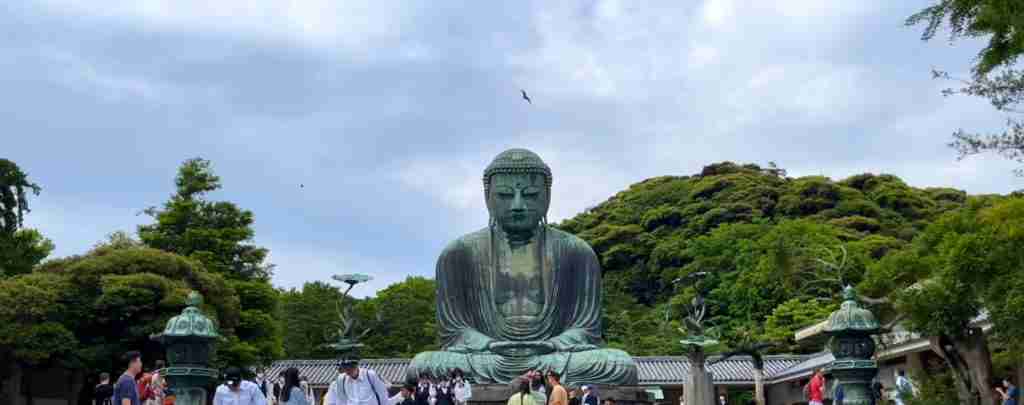
Kamakura’s Great Buddha, historic temples, and coastal scenery lie 50 kilometers south of Tokyo on JR Yokosuka Line. Direct trains from Tokyo Station reach Kamakura in 56 minutes (¥920), with service also available from Shinagawa (47 minutes), Shimbashi (52 minutes), and Yokohama (25 minutes). The small city’s main attractions cluster within walking distance of Kamakura Station, though Enoden Line’s charming single-track railway connects Kamakura to Enoshima Island and beachfront areas (¥220-310 depending on distance). Day trip budget totals ¥1,840 round-trip train fare plus attraction admission and meals, easily manageable as comfortable day excursion from Tokyo.
Mount Fuji area access depends on your specific destination. Kawaguchiko (northern lake with famous Fuji views) requires Limited Express Fuji Excursion from Shinjuku Station (115 minutes, ¥4,130 including reserved seat) or highway bus services (¥2,000-2,800, 135-150 minutes). JR Fuji Excursion trains accept JR Pass for unreserved seating (¥2,460 if paying separately), making this option attractive for pass holders. Hakone (mountain resort area with views of Mount Fuji) connects via Odakyu Romance Car limited express from Shinjuku (85 minutes to Hakone-Yumoto, ¥2,440 including supplement), with Hakone Free Pass (¥6,100 for two days) covering Odakyu round trip plus unlimited local transport in Hakone region including cable cars, ropeways, and sightseeing boats.
Private Railway Day Trip Options 2026
Kawagoe (“Little Edo”) preserves Edo-period merchant architecture 30 kilometers northwest of Tokyo with access via Tobu Tojo Line from Ikebukuro (31 minutes express, ¥470) or JR Kawagoe Line from Shinjuku/Ikebukuro (47-50 minutes, ¥470). The historic district’s kurazukuri clay-walled warehouses, Toki no Kane bell tower, Kashiya Yokocho candy alley, and traditional temples create atmospheric half-day or full-day excursion requiring minimal budget beyond ¥940 round-trip train fare.
Yokohama’s Chinatown, waterfront Minato Mirai 21 district, museums, and international atmosphere offer urban alternative to temple-focused day trips, sitting just 30 kilometers south of Tokyo. JR Tokaido Line, Keihin-Tohoku Line, and Yokosuka Line all connect Tokyo/Shinagawa/Shimbashi to Yokohama Station in 25-35 minutes (¥480-570), with Minato Mirai Line subway connecting Yokohama Station to waterfront attractions. The proximity and frequent train service (every 3-5 minutes during daytime) makes Yokohama easily combinable with Tokyo itineraries, often visited as evening dinner destination after Tokyo daytime sightseeing.
Hakone’s mountain resort area offers comprehensive two-day escapes from Tokyo with onsen hot springs, Mount Fuji views, Lake Ashi cruise, Hakone Shrine, Open-Air Museum, and alpine scenery 80 kilometers southwest of the capital. Odakyu’s Hakone Free Pass (¥6,100 two-day, ¥6,500 three-day) includes round-trip Romance Car reserved seat (or standard train) from Shinjuku plus unlimited use of eight Hakone transport modes: Hakone Tozan Railway, Hakone Tozan Cable Car, Hakone Ropeway, Hakone Sightseeing Cruise, Hakone Tozan Bus, Odakyu Hakone Highway Bus, Tokai Bus Orange Shuttle, and Kanko Shisetsu Meguri buses. The pass provides exceptional value for multi-day Hakone exploration with accommodation in hot spring ryokan completing the quintessential Japanese mountain resort experience.
Navigation Tips and Practical Strategies 2026
Google Maps and Transit Apps
Google Maps provides comprehensive Tokyo transit navigation with accurate route planning, real-time departure information, platform numbers, exit recommendations, and fare estimates. Enter your destination in the app, select the transit icon, and review multiple route options with timing, transfers, and costs clearly displayed. The app shows which train car position on the platform minimizes walking distance to transfer stairways or exits at your destination station – Japanese platforms include numbered markers matching Google’s car position recommendations, helping you board strategically for efficient connections.
Japan Transit Planner (Jorudan) and Hyperdia websites offer more detailed route options than Google Maps, including exact train types (local, rapid, express, limited express), platform numbers, first/last train times, and fare breakdowns separating base fare from limited express supplements. These services prove valuable when planning complex routes or checking last train timing for late-night entertainment district returns to your hotel. Download offline Tokyo transit maps before arrival in case of connectivity issues, though free WiFi has expanded significantly across Tokyo Metro stations, JR stations, and convenience stores throughout 2026.
Station Exit Strategy and Meeting Points
Major Tokyo stations feature 20-50+ exits spreading across multiple city blocks, making specific exit selection critical for reaching destinations efficiently. Shinjuku Station’s 200+ exits span over 1 kilometer, with wrong exit choices adding 15-20 minutes walking to correct your location. Google Maps typically recommends optimal exits, but verify your destination’s location relative to the station before emerging to street level. Station names include directional information (East Exit, South Exit, Marunouchi Exit, Yaesu Exit, etc.) helping you orient toward your destination side of the station complex.
Train platforms display detailed station area maps showing which exits lead to specific landmarks, hotels, and districts – study these before exiting to confirm you’re heading the correct direction. Green “Way Out” signs in stations guide you to exits, while yellow “Transfer” signs direct you to connecting train lines. The extensive underground shopping arcades connecting stations to nearby buildings allow convenient transit during rain, but can disorient first-time visitors – following clear signage prevents aimless wandering through the underground networks.
Luggage Considerations and Coin Lockers 2026
Coin lockers appear throughout Tokyo stations in three standard sizes: small (¥300-400, suitable for daypack), medium (¥500-600, suitable for carry-on suitcase), and large (¥700-800, suitable for checked luggage size bags). Pay with coins or IC card, receiving a key or rental code depending on locker type. Maximum rental period typically spans three days (72 hours) before contents are removed to lost and found offices. Major stations including Tokyo, Shinjuku, Shibuya, Ueno, and Ikebukuro feature dedicated luggage locker areas near ticket gates and exits.
Luggage delivery services (takuhaibin) transport bags between hotels, airports, and other locations for ¥2,000-3,000 per bag with next-day delivery standard throughout Tokyo and surrounding prefectures. This service allows you to enjoy sightseeing unencumbered by rolling luggage through crowded trains and narrow streets. Order delivery through hotel front desks, airport service counters, or convenience stores displaying takuhaibin logos. The service proves especially valuable when checking out of Tokyo hotels for regional travel, allowing you to enjoy final day sightseeing before airport departure while your bags travel independently to Narita or Haneda.
Accessibility and Special Needs Transport 2026
Barrier-Free Transit Access
Tokyo’s modern transit infrastructure includes elevators, escalators, and accessible platforms at most stations, though older stations and facilities may require navigating stairs. Tokyo Metro provides elevator access at over 90% of stations as of 2026, with continuing improvements expanding accessibility throughout the network. Station maps highlight elevator locations and accessible routes between platforms, gates, and street level exits. Staff assistance available at ticket gates helps wheelchair users, elderly travelers, and others requiring support navigating complex station layouts.
Priority seating areas near train doors designate spaces for elderly passengers, pregnant women, passengers with young children, passengers with disabilities, and injured passengers. These silver/pink seats remain available for anyone when empty, but able-bodied passengers should vacate them when priority passengers board. Women-only cars operate during morning rush hours (roughly 7:30-9:30 AM) on most lines, marked with pink signs on platforms and train exteriors. While not enforced, male passengers generally avoid these cars during designated hours to maintain safe travel environments for female passengers during crowded commuter periods.
Tourist Information and English Support 2026
Tourist information centers at Narita Airport, Haneda Airport, Tokyo Station, Shinjuku Station, and major hotels provide English-language transit advice, pass sales, and route planning assistance. Staff members speak English, Chinese, and Korean in addition to Japanese, helping international visitors navigate ticket purchases and route options. Free pocket WiFi rental services at airports and tourist centers enable continuous Google Maps access, real-time transit information, and communication throughout your Tokyo visit.
Station signs throughout Tokyo display information in Japanese, English, Chinese, and Korean following Japan’s standard four-language policy for tourist areas. Train announcements broadcast in Japanese and English (sometimes adding Chinese/Korean on airport lines), clearly stating the current station, next station, transfer information, and exit details. Digital displays inside trains show route maps with current position highlighted, upcoming stations, and connection information in multiple languages helping you track progress toward your destination.
Sample 2026 Itineraries with Transportation
Central Tokyo Cultural Day (Using Tokyo Metro 24-Hour Pass)
Morning (9:00-12:30): Start at Senso-ji Temple in Asakusa, Tokyo’s oldest Buddhist temple with impressive Kaminarimon Gate and Nakamise shopping street (Asakusa Station, Ginza Line). Explore the temple complex, enjoy traditional snack foods along Nakamise, and photograph the five-story pagoda. Metro to Ueno Station (Ginza Line, 5 minutes) to visit Ueno Park’s museums – Tokyo National Museum houses Japan’s largest collection of national treasures and important cultural properties with comprehensive galleries covering Japanese art, Asian art, and archaeology (admission ¥1,000).
Lunch (12:30-1:30): Walk to Ameyoko market street between Ueno and Okachimachi for casual lunch at standing sushi bar or ramen shop (¥1,000-1,500). The lively market atmosphere and affordable dining options provide authentic Tokyo experiences away from tourist-focused restaurants.
Afternoon (1:30-5:30): Metro to Meiji-jingumae Station (Chiyoda Line to Omotesando, then Fukutoshin Line, 20 minutes) to visit Meiji Shrine’s tranquil forest setting and impressive torii gates. Walk through Yoyogi Park if weather permits, then explore Harajuku’s Takeshita-dori for youth fashion and unique snacks. Continue to Shibuya (walk 15 minutes or one stop on Fukutoshin Line) to experience the famous Shibuya Crossing and Hachiko statue.
Evening (5:30-9:00): Metro to Roppongi Station (Ginza Line to Aoyama-itchome, transfer to Oedo Line, 15 minutes) to visit Mori Art Museum and Tokyo City View observation deck atop Roppongi Hills (combined ticket ¥2,000). Enjoy sunset views of Tokyo Tower, Tokyo Skytree, and Mount Fuji (on clear days). Dinner in Roppongi’s diverse restaurant scene featuring international cuisine, high-end Japanese dining, or casual izakaya options (¥3,000-5,000).
Transportation: Tokyo Metro 24-hour pass ¥600. Admissions: Tokyo National Museum ¥1,000, Mori Art Museum/City View ¥2,000. Meals: Lunch ¥1,200, dinner ¥3,500, snacks/drinks ¥800. Total day cost: ¥9,100 per person (excluding accommodation).
Mount Fuji Day Trip via Kawaguchiko (Using JR Pass)
Morning (7:00-11:00): Depart Shinjuku Station on JR Fuji Excursion limited express at 7:30 AM, arriving Kawaguchiko Station 10:00 AM (¥4,130 standard fare, free with JR Pass for unreserved seats). Purchase Kawaguchiko Sightseeing Bus two-day pass at station (¥1,500) for unlimited access to Red Line (Lake Kawaguchiko circuit) and other area bus routes. Board Red Line bus to Oishi Park for iconic Mount Fuji reflection photography across Lake Kawaguchiko’s north shore (15 minutes).
Late Morning (11:00-1:00): Continue Red Line bus to Kawaguchiko Natural Living Center for lavender views (seasonal) and lake panoramas. Stop at Kawaguchiko Music Forest Museum (admission ¥1,900) featuring European music boxes, automated instruments, and manicured gardens with Mount Fuji backdrop. Light lunch at museum restaurant or nearby cafe (¥1,500-2,000).
Afternoon (1:00-5:00): Bus to Kachi Kachi Ropeway station (3 minutes walk from Kawaguchiko Station area). Ropeway climbs Mount Tenjo for panoramic views of Lake Kawaguchiko and Mount Fuji from observation deck (round trip ¥900). Descend and visit Kubota Itchiku Art Museum displaying intricate kimono artworks (admission ¥1,300) or Kawaguchiko Museum of Art for local artist collections (admission ¥800).
Evening (5:00-8:30): Return to Kawaguchiko Station via bus. Browse souvenir shops near station for Mount Fuji-themed products and local specialties. Depart on JR Fuji Excursion at 5:48 PM or 7:02 PM, arriving Shinjuku 7:30 PM or 8:45 PM. Dinner near Shinjuku Station at your preference (¥2,000-4,000).
Transportation: JR Fuji Excursion round trip ¥8,260 (free with JR Pass), Kawaguchiko bus pass ¥1,500. Admissions: Music Forest Museum ¥1,900, Ropeway ¥900, Kubota Itchiku Museum ¥1,300. Meals: Lunch ¥1,800, snacks ¥600. Total day cost: ¥16,260 per person without JR Pass, ¥6,000 per person with JR Pass (excluding accommodation).
Money-Saving Transportation Strategies 2026
IC Card Management Techniques
Load IC cards in ¥1,000 increments matching your expected daily spending to avoid tying up excessive funds in card balance. Tourist visitors typically spend ¥1,000-2,000 daily on transit when using pay-per-ride versus passes, suggesting initial ¥2,000-3,000 loading plus additional ¥1,000-2,000 recharges every 2-3 days maintains adequate balance without over-funding. Remember the ¥500 deposit refund requires card return at JR East stations (Suica) or Tokyo Metro/Toei stations (PASMO) before airport departure, with ¥220 processing fee applied if balance exceeds ¥220 at refund time.
Minimize this processing fee by spending down your balance to under ¥220 before returning the card. Use IC card balance at convenience stores (7-Eleven, Family Mart, Lawson) for snacks, drinks, and souvenirs during your final day in Tokyo, vending machines for beverages, or coin lockers for luggage storage. This spending strategy converts remaining balance to useful purchases rather than losing ¥220 to administrative fees while still recovering your ¥500 deposit.
Pass vs. Pay-Per-Ride Decision Tools
Track your actual transit usage during first full day in Tokyo to establish baseline spending patterns. If you take 6+ subway rides totaling ¥1,200+, multi-day passes save substantial amounts over pay-per-ride costs. Visitors making just 3-4 trips totaling ¥600-800 daily save money with IC cards. Most tourists find their usage falls somewhere between these extremes, making pass decisions depend on specific daily itineraries rather than blanket recommendations.
Consider accommodation location when evaluating pass value. Hotels near major Yamanote Line stations (Shinjuku, Shibuya, Ueno, Tokyo) often require fewer total rides since one direct train reaches multiple tourist districts from your base. Accommodation in outer areas or between major hubs increases daily ride counts as you transit through the city, making passes more economical. Budget travelers staying in areas like Asakusa or Ikebukuro might achieve better pass value than those in central locations near multiple attractions within walking distance.
2026 Updates & Current Information
Infrastructure Improvements and Service Changes
Tokyo continues expanding accessibility infrastructure throughout 2026 with elevator installations at remaining older stations, platform door additions preventing accidents, and enhanced real-time information displays showing train positions and arrival countdown timers. The improvements benefit all passengers but especially support elderly travelers, families with strollers, wheelchair users, and tourists managing luggage through the extensive transit network.
English signage and announcements have expanded across all Tokyo transit systems as part of ongoing internationalization efforts ahead of continued tourism growth. Station names now include romaji (Roman alphabet) spellings on all signs, maps include English labels for major landmarks and transfer information, and ticket machines feature prominent English language buttons on initial screens. Tourist SIM cards and pocket WiFi devices have become more affordable and readily available, with major carriers offering short-term data plans specifically designed for visitors requiring constant connectivity for navigation apps and translation services.
Contactless Payment Expansion 2026
International contactless credit cards (Visa, Mastercard, American Express with contactless/tap symbols) now work at an increasing number of Tokyo transit gates, though coverage remains incomplete compared to comprehensive IC card acceptance. Major JR East stations including Tokyo, Shinjuku, Shibuya, and Ikebukuro support international contactless payment at select gates marked with contactless symbols. This technology allows tourists to tap credit cards directly at gates without purchasing IC cards, though not all gates accept this payment method requiring attention to signage indicating compatible readers.
IC cards remain the most reliable payment option across all Tokyo transit operators, working universally at every station, bus, and compatible merchant throughout the metropolitan area. The cards’ ¥2,000 initial cost (¥1,500 usable + ¥500 deposit) represents minimal investment for hassle-free transit during multi-day Tokyo stays, with leftover balance expendable at convenience stores and deposit refundable at journey’s end. International contactless cards work best as backup payment options rather than primary transit payment methods until coverage achieves the same universality as IC card acceptance.
Frequently Asked Questions: Tokyo Transportation 2026
Can I use a single ticket for both Tokyo Metro and Toei Subway?
No, standard single-journey tickets work only on the system where purchased (Tokyo Metro OR Toei Subway). Transferring between systems requires purchasing separate tickets for each network, making pay-per-ride expensive for routes crossing between operators. IC cards (Suica/PASMO) automatically calculate fares across all systems including Tokyo Metro, Toei Subway, and JR lines, making them the most economical pay-per-ride option. Tokyo Subway Tickets (¥800 for 24 hours) provide unlimited rides across both subway systems, eliminating transfer penalties while simplifying complex route planning.
What happens if I get lost in Tokyo’s train system?
Station staff at ticket gates and information counters provide assistance in English, helping you navigate to your destination or correct routing errors. Show them your destination name (written or on your phone) and current location – they’ll provide clear directions including platform numbers, transfer instructions, and exits to use. Google Maps navigation works throughout Tokyo’s transit system with real-time route planning, though asking station staff offers personal guidance when technology proves confusing. IC cards automatically calculate correct fares regardless of routing, so getting temporarily lost doesn’t result in fare penalties as long as you eventually exit at your intended destination.
Are Tokyo trains and subways safe at night?
Tokyo maintains exceptional safety standards with extremely low crime rates on trains and in stations at all hours. The primary late-night concern involves missing last trains (typically midnight-1 AM) which forces expensive taxi rides back to your hotel. Women-only cars operate during morning rush hours providing additional safety measures, though general trains remain safe throughout operating hours. The main late-night challenge involves intoxicated passengers after work drinking gatherings, who may be loud or unsteady but rarely pose safety threats to other passengers.
Can I eat or drink on Tokyo trains?
Japanese etiquette discourages eating on local trains and subways within Tokyo, though drinking non-alcoholic beverages from closed containers is acceptable. This custom relates to cleanliness standards and consideration for other passengers in crowded conditions. Exceptions apply to long-distance trains including shinkansen and limited express services where eating packed meals and drinking beverages is common and expected – station platforms and trains sell ekiben (train bento boxes) specifically for consumption during travel. Follow the lead of Japanese passengers around you – if no one else is eating on your subway or commuter train, wait until reaching your destination or stepping into a station to eat.
How early should I arrive at the station for shinkansen departures?
Arrive 20-30 minutes before departure for domestic shinkansen providing adequate time to navigate large stations like Tokyo or Shinagawa, find your platform, purchase any last-minute items from platform kiosks, and board your reserved car. Shinkansen platforms close boarding 1-2 minutes before departure time with trains leaving precisely on schedule – late passengers miss their train. For first-time shinkansen riders unfamiliar with major station layouts, allow 30-40 minutes providing comfortable buffer for finding the shinkansen gates (separate from regular train gates) and locating your specific platform among the 8-12+ shinkansen platforms at major terminals.
What should I do if my IC card balance is insufficient at exit gates?
Insufficient balance causes gates to close and display error messages when you attempt to exit. Locate fare adjustment machines near the exit gates (signs say “Fare Adjustment” or display yen symbols), insert your IC card, and add sufficient value to cover your journey. The machine displays the shortage amount and accepts cash or additional IC card credit. After adjusting fare, return to exit gates and tap your card again to complete your journey. Station staff can also assist with fare adjustments if machines prove confusing – they’ll calculate the proper fare and facilitate the payment process.
Can I bring large suitcases on Tokyo trains?
Yes, though large luggage proves inconvenient during crowded periods and on trains without dedicated luggage areas. Avoid morning rush (7:30-9:30 AM) and evening rush (5:30-7:30 PM) when carrying large bags – trains operate at 180-200% capacity making maneuvering with luggage nearly impossible. Airport trains including Narita Express, Skyliner, and Airport Limousine Bus feature dedicated luggage storage areas, overhead racks, and space near doors specifically designed for suitcases. For intra-city travel with luggage, use coin lockers at stations (¥700-800 for large size) or luggage delivery services (takuhaibin) transporting bags between hotels for ¥2,000-3,000 per bag.
How do train transfers work at major Tokyo stations?
Follow transfer signs (yellow markers with train symbols) indicating connections to other lines, using station name colors and letters matching your destination line. Major stations feature dedicated transfer passages between lines, sometimes requiring 5-10 minutes walking through underground corridors. You don’t need to exit and re-enter ticket gates when transferring between lines using IC cards – tap once on entry at your origin station, make all necessary transfers inside the fare gates, and tap once on exit at your final destination with the system calculating the complete journey fare automatically. Stations provide multilingual transfer maps near platforms and at major corridor intersections showing routes to connecting lines.
What’s the best transportation option for families with young children?
IC cards provide the most flexibility for families since children under 6 ride free with fare-paying adults, children 6-11 pay half-price automatically when using child IC cards (request at ticket offices), and parents can manage each family member’s fares independently. Buses offer easier access than trains with steps and crowded platforms, though trains provide faster connections between major attractions. Taxis make sense for groups of 4-5 with young children when per-person costs become comparable to train fares while providing door-to-door service eliminating walking, stairs, and crowded platforms. Airport Limousine Buses serve families well with direct hotel service, luggage storage, and comfortable seating preferable to navigating airports and train stations with children and bags.
Can I use my JR Pass on Tokyo Metro and Toei Subway lines?
No, JR Pass covers only JR-operated trains including JR Yamanote Line, Chuo Line, Keihin-Tohoku Line, Narita Express, and other JR East services within Tokyo. The pass does not work on Tokyo Metro’s nine lines or Toei Subway’s four lines, which represent separate companies requiring different payment. This limitation makes JR Pass less useful for Tokyo-only visits since most major tourist attractions connect via subway rather than JR lines. Combine JR Pass with Tokyo Metro/Subway day passes or IC card for comprehensive transit coverage, using your pass for JR routes (including airport connections and day trips) while paying separately for subway journeys to attractions not served by JR lines.