
Tokyo Budget Guide 2026: Complete Cost Breakdown
Key Takeaways
- Budget travelers can experience Tokyo for ¥8,000-12,000 ($55-85) per day excluding accommodation, while mid-range visitors spend ¥15,000-25,000 ($105-175) daily
- Accommodation ranges from ¥3,000-5,000 ($21-35) for hostels to ¥15,000-30,000 ($105-210) for mid-range hotels, with advance booking saving 20-30% during peak seasons
- The JR Pass costs ¥50,000 ($350) for 7 days and pays for itself with just two Tokyo-Kyoto round trips, providing unlimited access to most trains including shinkansen
- Dining costs vary dramatically: convenience store meals run ¥500-800 ($3.50-5.60), casual restaurants ¥1,000-2,000 ($7-14), and upscale dining ¥8,000-15,000 ($56-105) per person
- Advance booking for major attractions saves ¥2,000-5,000 ($14-35) daily compared to walk-up prices, with combination tickets offering additional 15-20% savings
- Strategic timing for 2026 visits during shoulder seasons (April-May, September-October) reduces accommodation costs by 25-40% while maintaining excellent weather
Introduction: Planning Your Tokyo Budget for 2026
Tokyo presents unique budget planning challenges for 2026 visitors. The Japanese capital combines affordable public transportation and inexpensive convenience store dining with premium accommodation costs and expensive tourist attractions. Understanding these cost dynamics enables strategic budget planning that maximizes your Tokyo experience while controlling expenses effectively.
The 2026 travel season brings specific considerations for Tokyo budget planning. The Japanese yen exchange rate stabilizes around ¥140-145 per US dollar, making Tokyo moderately expensive for international visitors. Post-pandemic tourism infrastructure fully recovers, with accommodation pricing reflecting strong demand but increased supply. Digital payment systems expand throughout the city, simplifying expense tracking and reducing currency exchange costs.
This comprehensive budget guide provides detailed cost breakdowns across all spending categories. You’ll discover specific pricing for accommodation, transportation, dining, attractions, and activities. The guide includes verified costs for budget, mid-range, and luxury travel styles, enabling accurate financial planning for your 2026 Tokyo visit. Strategic money-saving techniques and advance booking strategies help optimize your budget without sacrificing experience quality.
People Also Ask About Tokyo Budget 2026
How much money do you need for one week in Tokyo in 2026?
A week in Tokyo requires ¥56,000-84,000 ($390-590) for budget travelers, ¥105,000-175,000 ($735-1,225) for mid-range visitors, and ¥245,000-420,000 ($1,715-2,940) for luxury experiences, all excluding accommodation. Budget travelers stay in hostels for ¥3,000-5,000 ($21-35) per night, adding ¥21,000-35,000 ($147-245) weekly. Mid-range hotels cost ¥15,000-30,000 ($105-210) nightly, adding ¥105,000-210,000 ($735-1,470) for the week. Luxury accommodation ranges ¥40,000-80,000 ($280-560) per night, adding ¥280,000-560,000 ($1,960-3,920) weekly. Total weekly costs range ¥77,000 ($539) for extreme budget travel to ¥980,000 ($6,860) for luxury experiences. These calculations include all meals, local transportation, major attractions, and daily activities but exclude international flights and shopping.
What is the most expensive thing in Tokyo in 2026?
Accommodation represents the most expensive category in Tokyo for 2026, with central district hotels averaging ¥20,000-40,000 ($140-280) per night for standard rooms. Premium hotels in Marunouchi, Ginza, or Roppongi charge ¥50,000-100,000 ($350-700) nightly, while luxury properties exceed ¥150,000 ($1,050) per night during peak seasons. Transportation ranks as the second major expense, particularly for visitors making day trips to Kyoto, Osaka, or Mount Fuji. A Tokyo-Kyoto round trip costs ¥27,000 ($189) without the JR Pass. Fine dining in Michelin-starred establishments costs ¥20,000-50,000 ($140-350) per person, making upscale dining the third highest expense category for many visitors. These three categories typically consume 70-80% of total trip budgets.
How much is a meal in Tokyo in 2026?
Meal costs in Tokyo vary dramatically by venue type and dining style. Convenience store meals cost ¥500-800 ($3.50-5.60) for complete bento boxes, onigiri, and drinks. Fast food restaurants charge ¥700-1,200 ($4.90-8.40) for combo meals. Casual neighborhood restaurants serve ramen for ¥800-1,200 ($5.60-8.40), sushi sets for ¥1,500-3,000 ($10.50-21), and izakaya dishes for ¥500-1,500 ($3.50-10.50) per plate with typical dinner costs of ¥3,000-5,000 ($21-35) including drinks. Mid-range restaurants charge ¥2,500-5,000 ($17.50-35) for set lunches and ¥5,000-10,000 ($35-70) for dinner courses. High-end dining ranges ¥10,000-30,000 ($70-210) per person before drinks, with Michelin-starred omakase exceeding ¥30,000 ($210). Budget travelers eat well for ¥2,000-3,000 ($14-21) daily, mid-range visitors spend ¥5,000-8,000 ($35-56) daily, and luxury diners budget ¥15,000-25,000 ($105-175) daily for meals.
Is Tokyo budget-friendly for tourists in 2026?
Tokyo offers excellent value for budget-conscious travelers in 2026 despite its reputation as an expensive destination. The city provides abundant affordable dining options through convenience stores, standing sushi bars, and neighborhood restaurants where complete meals cost ¥800-1,500 ($5.60-10.50). Public transportation remains remarkably inexpensive, with subway rides costing ¥170-320 ($1.20-2.25) and day passes available for ¥600-900 ($4.20-6.30). Many major attractions including temples, shrines, gardens, and observation decks charge minimal or no admission fees. Free activities abound, from exploring traditional neighborhoods like Asakusa and Yanaka to visiting the Tsukiji Outer Market and walking the Imperial Palace East Gardens. Budget accommodation options expanded significantly post-pandemic, with quality hostels available from ¥3,000 ($21) per night and business hotels from ¥8,000 ($56). Strategic planning enables comfortable Tokyo experiences for ¥11,000-15,000 ($77-105) daily including accommodation, significantly less than comparable European or North American major cities.
Extended multi-day tours – 5+ days
Featured Tokyo Multi-Day Tour Packages
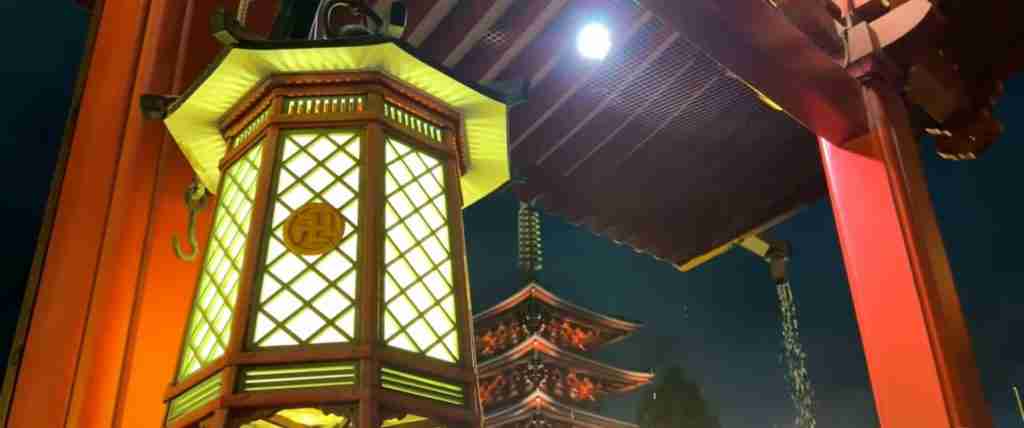
3 days
Tokyo 3-Day Discovery Tour
- ✓ Comprehensive Tokyo experience
- ✓ Expert local guides included
- ✓ All accommodation included
- ✓ Transportation provided
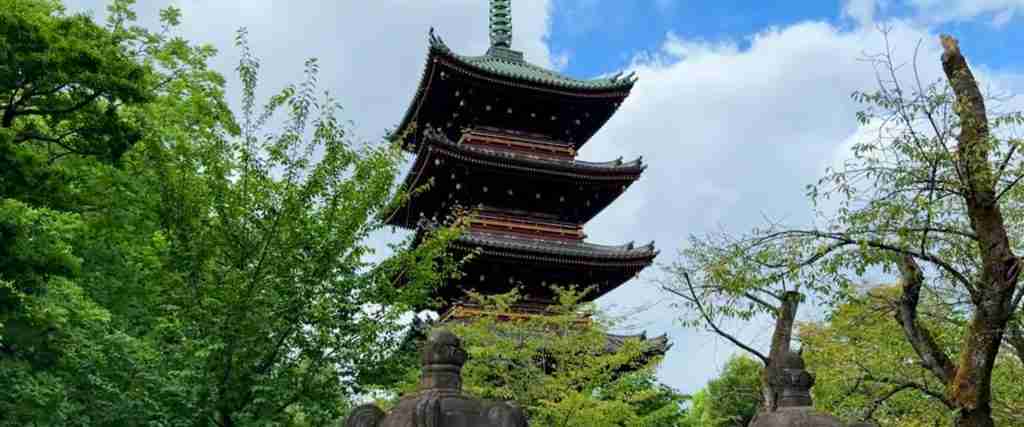
5 days
Tokyo 5-Day Highlights Experience
- ✓ Comprehensive Tokyo experience
- ✓ Expert local guides included
- ✓ All accommodation included
- ✓ Transportation provided
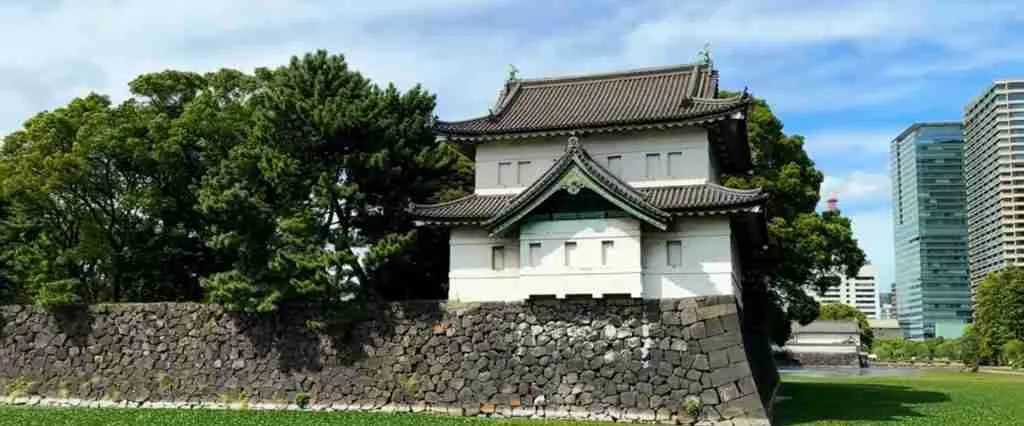
7 days
Tokyo 7-Day Cultural Journey
- ✓ Comprehensive Tokyo experience
- ✓ Expert local guides included
- ✓ All accommodation included
- ✓ Transportation provided

10 days
Tokyo 10-Day Complete Adventure
- ✓ Comprehensive Tokyo experience
- ✓ Expert local guides included
- ✓ All accommodation included
- ✓ Transportation provided
Multi-day tour packages powered by TourRadar. Prices and availability subject to change.
Essential Planning Information for 2026
Current Exchange Rates and Currency Planning for 2026
The Japanese yen trades at ¥140-145 per US dollar in 2026, stabilizing after several years of volatility. This exchange rate makes Tokyo moderately expensive for international visitors compared to the favorable rates of 2022-2023 when the yen reached ¥150 per dollar. European visitors face similar pricing with the euro trading around ¥155-160 per euro. British pounds exchange at ¥180-185 per pound, providing slightly better relative value. Australian and Canadian dollars trade at approximately ¥95-100 per dollar, making Tokyo more expensive for these visitors.
Currency exchange in Tokyo offers multiple options with varying rates and fees. Airport exchange counters provide convenience but typically offer rates 3-5% worse than city locations. Major bank branches in central Tokyo provide competitive rates with minimal fees but require passport presentation. Licensed exchange offices in tourist districts like Shinjuku and Shibuya offer competitive rates and longer operating hours. ATM withdrawals using international cards provide the best exchange rates, typically within 1-2% of the interbank rate, though your home bank charges foreign transaction fees of 1-3% plus ATM operator fees of ¥200-400 ($1.40-2.80) per withdrawal.
Digital payment adoption accelerates throughout Tokyo in 2026. Major credit cards (Visa, Mastercard, American Express) gain acceptance at 70-80% of restaurants, shops, and attractions in tourist areas, though cash remains necessary for small establishments, traditional restaurants, and neighborhood shops. IC cards like Suica and Pasmo work universally for transportation and increasingly for retail purchases, vending machines, and restaurant payments. Mobile payment systems including Apple Pay, Google Pay, and local services like PayPay expand rapidly, accepted at major retailers and chain restaurants.
Cash requirements decrease but remain significant for 2026 Tokyo visits. Budget ¥10,000-20,000 ($70-140) in cash for daily expenses, particularly for meals at casual restaurants, small shops, temple donations, and neighborhood establishments. Many ramen shops, izakayas, and traditional restaurants operate as cash-only establishments. Vending machines increasingly accept IC cards but some still require cash. Taxi drivers prefer cash though card acceptance grows. ATMs offering international card access include 7-Eleven locations (24-hour availability), Japan Post Bank branches, and major bank ATMs marked with international network logos.
Daily Budget Benchmarks Across Travel Styles for 2026
Budget travel in Tokyo costs ¥11,000-15,000 ($77-105) daily including accommodation, meals, transportation, and basic activities. This budget includes hostel accommodation ¥3,000-5,000 ($21-35), three meals from convenience stores and casual restaurants ¥2,000-3,000 ($14-21), unlimited subway travel ¥600-900 ($4.20-6.30) with day passes, and attraction admissions ¥1,000-2,000 ($7-14). Budget travelers prioritize free activities including temple visits, park walks, neighborhood exploration, and window shopping. Accommodation choices include hostels in Asakusa, Ueno, or Ikebukuro. Dining focuses on convenience store meals, standing sushi bars, ramen shops, and yoshinoya beef bowl chains. Activities emphasize free attractions, self-guided walking tours, and affordable cultural experiences.
Mid-range travel costs ¥20,000-35,000 ($140-245) daily including accommodation, full dining experiences, comprehensive transportation, and paid attractions. This budget includes business hotel or mid-range hotel accommodation ¥12,000-20,000 ($84-140), three restaurant meals including one upscale dinner ¥5,000-8,000 ($35-56), unlimited transportation including some taxi rides ¥2,000-3,000 ($14-21), and multiple attraction admissions plus one paid activity ¥3,000-5,000 ($21-35). Mid-range travelers stay in hotels in Shinjuku, Shibuya, or Asakusa. Dining includes neighborhood restaurants, izakayas, sushi restaurants, and occasional upscale experiences. Activities incorporate museum visits, observation deck admissions, cultural performances, and guided neighborhood tours.
Luxury travel ranges ¥50,000-100,000+ ($350-700+) daily including premium accommodation, fine dining, private transportation, and exclusive experiences. This budget includes luxury hotel accommodation ¥30,000-60,000 ($210-420), multiple upscale dining experiences including Michelin-starred restaurants ¥15,000-25,000 ($105-175), private car service or frequent taxi usage ¥5,000-10,000 ($35-70), and premium activities including private tours and exclusive experiences ¥10,000-20,000 ($70-140). Luxury travelers stay in properties in Marunouchi, Ginza, Roppongi, or luxury chains. Dining emphasizes omakase sushi, kaiseki restaurants, Michelin-starred establishments, and premium hotel restaurants. Activities include private guided tours, exclusive cultural experiences, premium tea ceremonies, and VIP access to attractions.
Accommodation Costs and Strategies for 2026
Budget Accommodation: Hostels and Capsule Hotels
Hostel accommodation in Tokyo costs ¥3,000-5,000 ($21-35) per night for dormitory beds in 2026. Check booking platforms for current rates and availability. Quality hostels in Asakusa, Ueno, and Ikebukuro provide clean facilities, communal spaces, and strong social atmospheres. Private rooms in hostels range ¥7,000-12,000 ($49-84) per night, offering privacy at budget prices. Top-rated hostels include Nui Hostel in Kuramae (¥3,500-4,500 for dorms), Book and Bed Tokyo in Ikebukuro (¥4,000-5,000 for bookshelf beds), and Khaosan Tokyo properties across multiple neighborhoods (¥3,000-4,500 for dorms).
Capsule hotels cost ¥3,500-6,000 ($24.50-42) per night, providing private sleeping pods with shared bathroom facilities. Modern capsule hotels include entertainment systems, climate control, and comfortable bedding in individual pods measuring approximately 2 meters by 1 meter by 1 meter. Popular capsule hotel options include Nine Hours properties in Shinjuku and Akasaka (¥4,500-5,500), First Cabin locations offering larger “business class” pods (¥5,000-7,000), and Book and Bed Tokyo’s bookshelf-pod hybrid concept (¥4,000-5,000). Capsule hotels provide secure luggage storage, toiletries, towels, and communal bathing facilities.
Budget hotel chains offer private rooms for ¥8,000-12,000 ($56-84) per night. Toyoko Inn properties throughout Tokyo provide compact but complete rooms with private bathrooms, free breakfast, and reliable amenities (¥8,000-10,000). Super Hotel locations feature natural hot spring baths and healthy breakfast buffets (¥8,000-11,000). APA Hotels offer small but functional rooms in central locations (¥9,000-13,000). These chains provide predictable quality and booking flexibility though rooms measure just 12-15 square meters.
Location selection significantly impacts budget accommodation value. Asakusa offers authentic atmosphere, excellent temple access, and budget accommodation density. Ueno provides museum proximity, park access, and diverse budget options. Ikebukuro combines entertainment districts, shopping, and numerous hostels and budget hotels. These neighborhoods maintain excellent subway connections to major attractions while costing 20-30% less than central districts like Shinjuku or Shibuya. Travel time to major attractions ranges 15-30 minutes via subway.
Mid-Range Accommodation: Business and Tourist Hotels
Business hotels cost ¥12,000-20,000 ($84-140) per night for standard single or double rooms. These properties provide 15-20 square meter rooms with private bathrooms, comfortable beds, work desks, and reliable WiFi. Breakfast often included or available for ¥1,000-1,500 ($7-10.50). Popular business hotel chains include Richmond Hotels (¥15,000-20,000), Daiwa Roynet Hotels (¥14,000-19,000), Via Inn properties (¥13,000-18,000), and Dormy Inn locations featuring natural hot spring baths (¥15,000-22,000). Business hotels cluster near major stations, providing exceptional convenience for sightseeing and dining.
Mid-range international chain hotels charge ¥18,000-30,000 ($126-210) per night. These properties offer 25-30 square meter rooms, full amenities, English-speaking staff, and reliable service standards. Options include Hotel Gracery locations in Shinjuku and Asakusa (¥18,000-25,000), Mitsui Garden Hotels across multiple neighborhoods (¥20,000-28,000), and Sotetsu Fresa Inn properties near major stations (¥16,000-24,000). International brands like Courtyard by Marriott, Hotel JAL City, and Best Western provide familiar service standards at moderate prices.
Boutique hotels and ryokan-style accommodations range ¥20,000-35,000 ($140-245) per night. These properties emphasize design, atmosphere, and unique experiences over room size. Options include traditional ryokan in Asakusa and Yanaka offering Japanese-style rooms with futon bedding, boutique design hotels in Shibuya and Omotesando featuring contemporary aesthetics, and capsule hotel hybrids like The Millennials Shibuya combining pods with social spaces. These accommodations provide distinctive Tokyo experiences though rooms may be smaller than standard hotel offerings.
Booking strategy significantly impacts mid-range accommodation costs in 2026. Advance reservations made 60-90 days before travel save 20-30% compared to last-minute bookings, particularly during peak seasons (cherry blossom season in late March-early April, autumn foliage in November, year-end holidays in late December). Package deals combining accommodation with attraction tickets reduce total costs by 10-15%. Business hotels offer better rates Sunday-Thursday, while weekend rates increase 15-25% at properties catering to business travelers. Loyalty programs provide points redemption and member discounts of 10-20% at major chains.
Luxury Accommodation: Premium Hotels and Experiences
Luxury hotels in Tokyo range ¥40,000-80,000 ($280-560) per night for standard rooms in 2026. These properties offer 40-50 square meter rooms, premium amenities, exceptional service, multiple dining options, and prime locations. Options include Hotel Chinzanso Tokyo featuring traditional gardens and hot springs (¥45,000-75,000), Mandarin Oriental Tokyo with Nihonbashi location and michelin-starred dining (¥60,000-90,000), and Four Seasons Otemachi offering modern luxury near Tokyo Station (¥65,000-95,000). Luxury hotels provide concierge services, airport transfers, premium bedding, deep soaking tubs, and extensive breakfast options.
Ultra-luxury properties exceed ¥80,000 ($560) per night for entry-level rooms. The Peninsula Tokyo in Marunouchi offers 45 square meter rooms starting at ¥85,000 ($595), Aman Tokyo provides minimalist luxury with rooms from ¥110,000 ($770), and The Ritz-Carlton Tokyo commands premium pricing for its Roppongi location starting at ¥90,000 ($630). Suites at these properties range ¥150,000-500,000+ ($1,050-3,500+) per night. These hotels feature multiple Michelin-starred restaurants, elaborate spa facilities, personalized service, and extraordinary amenities.
Traditional luxury ryokan offer unique Japanese hospitality experiences. High-end ryokan in Tokyo include Hoshinoya Tokyo in Otemachi (¥80,000-150,000 per person including meals), traditional properties in Hakone accessible within 90 minutes (¥50,000-100,000 per person including kaiseki meals), and premium guesthouses in historic neighborhoods. Ryokan rates typically include elaborate multi-course kaiseki dinners and traditional Japanese breakfasts. These properties provide futon bedding on tatami floors, yukata robes, Japanese bathing facilities, and authentic cultural immersion.
Value optimization strategies for luxury accommodation include advance booking for 15-20% savings during peak seasons, package deals combining multiple nights with dining credits, and shoulder season visits when rates decrease 25-40%. Many luxury hotels offer better value through direct booking compared to third-party sites, providing complimentary breakfast, room upgrades, or late checkout. Loyalty program members access exclusive rates, confirmed upgrades, and additional amenities. Alternative luxury options include serviced apartments for extended stays (¥200,000-300,000 per week) providing more space and kitchen facilities at lower per-night costs than hotels.
Dining and Food Costs Across Price Points for 2026
Budget Dining: Convenience Stores and Fast Food
Convenience store dining provides the most economical meal option in Tokyo. Bento boxes cost ¥450-700 ($3.15-4.90), onigiri rice balls ¥120-180 ($0.85-1.25) each, sandwiches ¥300-450 ($2.10-3.15), instant noodles ¥180-300 ($1.25-2.10), and drinks ¥100-200 ($0.70-1.40). Complete meals from convenience stores cost ¥500-800 ($3.50-5.60). Major chains 7-Eleven, FamilyMart, and Lawson operate 24 hours throughout Tokyo. These stores offer fresh food prepared daily, with new items appearing throughout the day. Microwave heating available in-store. Many convenience stores provide seating areas. Budget travelers can eat three meals daily from convenience stores for ¥1,500-2,400 ($10.50-16.80).
Fast food restaurants charge ¥600-1,200 ($4.20-8.40) for complete meals. McDonald’s offers combo meals for ¥650-900 ($4.55-6.30). Yoshinoya and Sukiya beef bowl chains serve gyudon starting at ¥400 ($2.80) for regular bowls and ¥600-800 ($4.20-5.60) for premium options with extra toppings. Udon and soba chain restaurants like Hanamaru and Marugame Seimen charge ¥400-700 ($2.80-4.90) for basic noodle bowls. These establishments operate efficiently with ticket vending machines, rapid service, and consistent quality. Standing eating establishments reduce costs further, with some options under ¥400 ($2.80).
Budget restaurant dining costs ¥800-1,500 ($5.60-10.50) per meal. Ramen shops charge ¥800-1,200 ($5.60-8.40) for standard bowls, with premium options reaching ¥1,500 ($10.50). Standing sushi bars serve individual pieces for ¥100-300 ($0.70-2.10) each, enabling complete meals for ¥1,000-1,500 ($7-10.50). Kaiten sushi (conveyor belt sushi) charges ¥100-400 ($0.70-2.80) per plate with two pieces, averaging ¥1,200-2,000 ($8.40-14) for satisfying meals. Curry rice restaurants serve Japanese curry for ¥600-1,000 ($4.20-7). These neighborhood restaurants provide authentic Tokyo dining experiences at budget-friendly prices.
Supermarket prepared food offers another budget dining option. Basement food halls in department stores sell bento boxes, prepared dishes, and fresh ingredients at discount prices 30-60 minutes before closing. Regular prices range ¥600-1,200 ($4.20-8.40) for complete meals, with discounts reducing costs to ¥400-800 ($2.80-5.60). Major supermarkets like Life, Summit, and Maruetsu operate throughout Tokyo. This strategy requires timing visits for late afternoon or evening to capture maximum discounts.
Mid-Range Dining: Restaurants and Izakayas
Casual restaurant dining costs ¥1,500-3,000 ($10.50-21) per person for lunch and ¥3,000-6,000 ($21-42) for dinner. Ramen restaurants serving premium bowls charge ¥1,200-1,800 ($8.40-12.60). Sushi restaurants offer set menus for ¥2,000-4,000 ($14-28) at lunch and ¥4,000-8,000 ($28-56) at dinner. Tempura restaurants serve set meals for ¥1,800-3,500 ($12.60-24.50). Tonkatsu (pork cutlet) restaurants charge ¥1,500-2,500 ($10.50-17.50) for complete sets including rice, miso soup, and cabbage. These restaurants provide quality ingredients, attentive service, and authentic Japanese cuisine.
Izakaya dining costs ¥3,000-6,000 ($21-42) per person including food and drinks. Individual dishes range ¥500-1,500 ($3.50-10.50) each, with typical dinners requiring 4-6 dishes plus drinks. Beer costs ¥500-800 ($3.50-5.60) per glass, sake ¥600-1,200 ($4.20-8.40) per serving, and shochu cocktails ¥500-900 ($3.50-6.30). Popular izakaya chains like Torikizoku offer all items at ¥350 ($2.45) each, reducing costs significantly. Izakayas provide social dining experiences with sharing-style dishes including yakitori, fried foods, sashimi, and seasonal specialties. Table charges (otoshi) of ¥300-500 ($2.10-3.50) per person apply at most establishments.
International cuisine restaurants charge ¥2,000-5,000 ($14-35) per person. Italian restaurants serve pasta dishes for ¥1,500-2,500 ($10.50-17.50) and pizza for ¥1,800-3,000 ($12.60-21). Chinese restaurants offer set lunches for ¥1,000-2,000 ($7-14) and dinner courses for ¥3,000-5,000 ($21-35). Korean barbecue restaurants charge ¥3,000-5,000 ($21-35) for all-you-can-eat options and ¥4,000-7,000 ($28-49) for premium meat selections. French bistros and contemporary fusion restaurants range ¥3,500-6,000 ($24.50-42) for dinner courses. These restaurants concentrate in Shibuya, Roppongi, and Ebisu neighborhoods.
Set lunch menus (teishoku) provide excellent mid-range value. Many restaurants offering expensive dinner service serve fixed-price lunches for ¥1,200-2,500 ($8.40-17.50). These lunch sets include main dish, rice, miso soup, pickles, and sometimes small appetizers or desserts. Restaurants in business districts offer competitive lunch pricing to attract office workers. This strategy enables sampling high-quality restaurants at 40-60% less than dinner prices. Lunch service typically runs 11:30 AM-2:00 PM, with some restaurants closing between lunch and dinner service.
Fine Dining and Premium Culinary Experiences
Upscale dining in Tokyo ranges ¥8,000-20,000 ($56-140) per person before drinks. Premium sushi restaurants serve omakase courses for ¥10,000-25,000 ($70-175), with renowned establishments exceeding ¥30,000 ($210). Kaiseki restaurants charge ¥12,000-30,000 ($84-210) for multi-course traditional meals showcasing seasonal ingredients and refined techniques. Teppanyaki restaurants featuring Wagyu beef range ¥15,000-35,000 ($105-245) per person. High-end tempura restaurants charge ¥8,000-20,000 ($56-140) for counter service and chef-prepared courses. These restaurants require advance reservations, particularly for renowned establishments and limited-seat counter dining.
Michelin-starred restaurants cost ¥20,000-50,000+ ($140-350+) per person for dinner courses. Tokyo maintains the world’s highest concentration of Michelin-starred restaurants, with numerous three-star establishments. Three-star restaurants typically charge ¥30,000-60,000 ($210-420) for dinner courses, with some exceeding ¥80,000 ($560). Lunch service at these restaurants provides better value, offering similar quality at 40-50% lower prices, typically ¥12,000-25,000 ($84-175) for lunch courses. Reservations at top restaurants require booking through hotel concierges or restaurant reservation services, often months in advance for popular establishments.
Premium specialty dining experiences include wagyu beef restaurants charging ¥20,000-40,000 ($140-280) per person for complete courses featuring A5-grade beef, fugu (pufferfish) restaurants requiring ¥15,000-30,000 ($105-210) for full-course meals, and kaiseki ryori at traditional ryokan costing ¥15,000-40,000 ($105-280) per person. These experiences emphasize seasonal ingredients, masterful technique, and cultural authenticity. Many require specific etiquette knowledge and advance reservations. English language support varies significantly, with some establishments requiring Japanese language skills or translator assistance.
Value strategies for fine dining include lunch service at starred restaurants, early-bird dinner specials at some establishments offering 20-30% discounts for seating before 6:00 PM, and counter seating where chefs prepare courses directly in front of guests. Some premium restaurants offer tasting menus with fewer courses at reduced prices. Department store restaurants provide upscale dining experiences with slightly lower pricing than independent establishments. Restaurant weeks and special promotions occasionally reduce costs at participating fine dining establishments.
Transportation Costs and Optimization Strategies for 2026
Public Transportation: Subway and Train Networks
Tokyo’s subway system charges ¥170-320 ($1.20-2.25) per ride based on distance traveled. Single rides within central Tokyo average ¥200-240 ($1.40-1.70). The system combines Tokyo Metro’s nine lines with Toei Subway’s four lines, requiring separate fare payments when transferring between operators without prepaid IC cards. Major stations connect multiple lines enabling transfers without exiting fare gates. Trains operate 5:00 AM-midnight with frequent service (3-5 minute intervals during peak hours, 5-10 minutes off-peak).
IC cards (Suica, Pasmo) streamline transportation and reduce per-ride costs. Cards cost ¥500 ($3.50) refundable deposit plus initial charge amount. Per-ride costs decrease 1-2 yen compared to paper tickets. IC cards enable seamless transfers between operators, automatic fare calculation, and tap-and-go convenience at ticket gates. Cards work on all Tokyo trains, subways, buses, and increasingly for retail purchases. Rechargeable at station machines and convenience stores. Cards remain valid indefinitely, usable for future Tokyo visits.
Day passes optimize costs for visitors making multiple trips. Tokyo Metro 24-hour tickets cost ¥600 ($4.20) for unlimited rides on Tokyo Metro lines. Combined Tokyo Metro and Toei passes cost ¥900 ($6.30) for unlimited subway access. These passes pay for themselves with 3-4 rides daily. Passes activate on first use and remain valid for 24 hours. Available at station ticket machines and tourist information centers. Greater Tokyo Pass costs ¥1,600 ($11.20) for unlimited access to Tokyo Metro, Toei Subway, and JR trains within central Tokyo for 72 hours, providing value for intensive sightseeing schedules.
JR East trains including the Yamanote Line circle route charge ¥140-230 ($0.98-1.61) for inner Tokyo trips. The Yamanote Line connects major stations including Tokyo, Shinjuku, Shibuya, and Harajuku in a 60-minute loop, operating every 3-4 minutes during daytime hours. The Chuo Line provides rapid service across Tokyo with fewer stops. JR day passes cost ¥760 ($5.32) for unlimited JR train access within Tokyo metropolitan area. IC cards work on all JR trains with automatic fare calculation.
JR Pass Strategy and Long-Distance Rail
The JR Pass costs ¥50,000 ($350) for 7-day ordinary passes in 2026, with 14-day passes at ¥80,000 ($560) and 21-day passes at ¥100,000 ($700). Check official JR Pass website for current rates and activation options. The pass provides unlimited access to most JR trains including shinkansen bullet trains (excluding Nozomi and Mizuho services), JR East trains in Tokyo, and local JR lines throughout Japan. The pass pays for itself with two Tokyo-Kyoto round trips (regular cost ¥27,000 per round trip) or one Tokyo-Hiroshima round trip. The pass requires activation at JR ticket offices in major stations upon arrival in Japan.
Strategic JR Pass usage maximizes value for multi-destination itineraries. Tokyo-Kyoto shinkansen costs ¥13,320 ($93.30) one-way without the pass, with 2.5-hour travel time via Hikari trains. Tokyo-Osaka runs ¥13,870 ($97.10) one-way, reaching Osaka in 3 hours. Tokyo-Hiroshima costs ¥18,380 ($128.70) one-way with 4-hour travel time. Day trips from Tokyo to Hakone, Nikko, or Kamakura cost ¥4,000-8,000 ($28-56) round trip, all covered by the JR Pass. The pass includes reserved seat bookings at no additional cost, recommended during peak travel seasons and holidays.
Alternative regional passes serve visitors concentrating on specific areas. The JR East Nagano Niigata Area Pass costs ¥18,000 ($126) for 5 days, covering Tokyo and northern regions including Nikko and ski resorts. The JR East Tohoku Area Pass at ¥20,000 ($140) for 5 days includes northeastern Japan. The Kansai Area Pass costs ¥9,000 ($63) for 4 days, covering Kyoto, Osaka, and Nara. These regional passes provide better value than the national JR Pass for travelers limiting geographic scope. All regional passes include reserved seat booking at no extra charge.
Advance shinkansen ticket booking without JR Pass costs vary based on booking timing and class. Standard reserved seats cost full price when booked at stations. Early bird discounts (purchasing 21+ days ahead) reduce costs by 10-15%. Green Car (first class) adds ¥5,000-8,000 ($35-56) per journey, providing larger seats and less crowding. Online booking through the JR East Smart-EX system enables seat selection and minor discounts. Peak season surcharges apply during Golden Week (late April-early May), Obon (mid-August), and New Year holidays (late December-early January).
Taxis, Airport Transfers, and Alternative Transportation
Taxi base fares in Tokyo start at ¥420 ($2.94) for the first 1.052 kilometers, with ¥80 ($0.56) added per 237 meters thereafter. Late-night surcharges of 20% apply 10:00 PM-5:00 AM. Average taxi costs from major stations to nearby hotels run ¥1,500-3,000 ($10.50-21). Cross-city trips cost ¥3,000-6,000 ($21-42). Taxi apps including JapanTaxi and GO provide English language interfaces, estimated fares, and cashless payment options. Taxis accommodate up to four passengers with standard luggage. Large taxi options (jumbo taxis) carry six passengers at higher rates.
Airport transportation from Narita Airport to central Tokyo costs ¥1,340-3,190 ($9.40-22.30) depending on service level. The Narita Express (N’EX) train charges ¥3,070 ($21.50) for Tokyo Station, Shinjuku, or Shibuya with 60-90 minute travel times, operating every 30-60 minutes. Keisei Skyliner costs ¥2,570 ($18) to Ueno with 41-minute travel time, departing every 20-40 minutes. Airport limousine buses charge ¥3,200 ($22.40) to major hotels with 70-120 minute travel times depending on destination and traffic. Discount bus services cost ¥1,340 ($9.40) with longer travel times of 90-120 minutes. Taxis from Narita to central Tokyo cost ¥20,000-30,000 ($140-210) with 60-90 minute travel times depending on destination and traffic conditions.
Haneda Airport sits closer to central Tokyo with faster access times. Tokyo Monorail connects to Hamamatsucho Station for ¥500 ($3.50) with 13-minute travel time, connecting to JR Yamanote Line. Keikyu Railway reaches Shinagawa Station for ¥300 ($2.10) in 11 minutes. Airport limousine buses cost ¥1,300 ($9.10) to major hotels with 30-60 minute travel times. Taxis from Haneda to central Tokyo cost ¥5,000-10,000 ($35-70) depending on destination and time of day. Haneda operates some international flights overnight, with 24-hour ground transportation options available.
Bicycle rental costs ¥500-2,000 ($3.50-14) per day depending on bike type and rental duration. Community sharing systems like Docomo Bike Share charge ¥150 ($1.05) per 30 minutes with daily maximum of ¥1,500 ($10.50). Electric-assist bicycles rent for ¥1,000-1,500 ($7-10.50) per day. Bicycle infrastructure varies significantly by neighborhood, with dedicated lanes in some areas but sharing roads with vehicles in others. Many train stations provide bicycle parking for ¥100-200 ($0.70-1.40) per day. Bicycles work well for exploring specific neighborhoods but face limitations for cross-city travel due to distances and limited cycling infrastructure in some areas.
Attraction Costs and Ticket Strategies for 2026
Major Attraction Admission Prices
Tokyo’s most popular attractions charge ¥1,000-3,000 ($7-21) admission in 2026. Check official websites for current rates as pricing may vary. Tokyo Skytree Tembo Deck costs ¥2,100 ($14.70) for adults, with Tembo Galleria adding ¥1,000 ($7) for access to the highest observation level at 450 meters. Shibuya Sky observation deck charges ¥2,200 ($15.40) for adults, offering 360-degree views and rooftop access. Tokyo Tower Main Deck costs ¥1,200 ($8.40) with Top Deck adding ¥1,800 ($12.60). TeamLab Borderless digital art museum costs ¥3,800 ($26.60) for adults, with timed entry slots requiring advance reservation. TeamLab Planets charges ¥3,200 ($22.40) for adults.
Museums charge ¥620-1,600 ($4.34-11.20) for general admission. Tokyo National Museum in Ueno costs ¥1,000 ($7) for adults, housing Japan’s largest collection of Japanese art and artifacts. Mori Art Museum in Roppongi Hills charges ¥1,800 ($12.60) including observation deck access. National Museum of Western Art costs ¥500 ($3.50) for permanent collection access. Tokyo Metropolitan Art Museum charges per exhibition, typically ¥1,200-2,000 ($8.40-14). Admission prices increase ¥200-500 ($1.40-3.50) for special exhibitions. Many museums offer free admission days monthly or discounts for afternoon entry.
Cultural attractions including temples and shrines charge ¥300-1,000 ($2.10-7) admission for special areas, though temple grounds remain free. Senso-ji Temple in Asakusa provides free access to the main temple and complex. Meiji Shrine charges no admission for shrine grounds, though the Inner Garden costs ¥500 ($3.50). Tokyo Imperial Palace East Gardens offer free admission though guided palace tours require ¥1,000 ($7) advance reservations. Hamarikyu Gardens charges ¥300 ($2.10) admission, combining traditional Japanese garden design with Tokyo Bay views.
Entertainment and unique experiences range ¥2,000-8,000 ($14-56) per person. Robot Restaurant shows in Shinjuku cost ¥8,000 ($56) including one drink, presenting elaborate performances with robots, dancers, and lights. Kabuki theater at Kabukiza Theater charges ¥4,000-20,000 ($28-140) depending on seat location and program, with single-act tickets available for ¥1,000-2,000 ($7-14) enabling affordable sampling of traditional theater. Sumo tournaments at Ryogoku Kokugikan cost ¥3,800-14,800 ($26.60-103.60) depending on seat location. Mario Kart street tours cost ¥8,000-10,000 ($56-70) for 60-90 minute experiences driving costumed go-karts through Tokyo streets.
Combination Tickets and Pass Options for 2026
The Tokyo Attraction Ticket (Grutto Pass) costs ¥2,500 ($17.50) and provides admission to 100+ museums, gardens, and attractions over two months. Individual attractions provide either free admission or substantial discounts. The pass pays for itself with 3-4 visits to paid attractions. Included attractions feature Tokyo National Museum, Edo-Tokyo Museum, various art museums, zoos, aquariums, and observation decks. The pass excludes major attractions like Tokyo Skytree and TeamLab museums. Purchase at participating facilities, major train station tourist offices, or online through official websites.
Neighborhood combination tickets offer discounts for area attractions. Tokyo Tower and adjacent attractions package includes tower admission, Zojoji Temple experiences, and neighborhood walking tour for ¥3,500 ($24.50) compared to ¥4,500 ($31.50) purchasing separately. Odaiba area pass covers Miraikan science museum, Oedo Onsen hot spring experience, and shopping center vouchers for ¥4,000 ($28) combined value of ¥5,800 ($40.60). These packages suit visitors concentrating on specific neighborhoods or themes.
Attraction and transportation bundles reduce total costs by 10-15%. Tokyo Subway Ticket combinations include 24-hour subway pass plus discount vouchers for TeamLab, Tokyo Skytree, and other major attractions. Packages range ¥1,500-3,500 ($10.50-24.50) depending on included attractions. Tourist information centers at major stations and airports sell these combination tickets. Some packages include restaurant discount vouchers and shopping credits as additional value.
Advance online booking saves ¥200-1,000 ($1.40-7) per attraction compared to ticket booth purchases. Major attractions including Tokyo Skytree, TeamLab museums, and observation decks offer early bird discounts for advance bookings made 7+ days ahead. Online booking also guarantees entry during peak seasons when walk-up tickets may sell out. Time slot reservations prevent long queuing, particularly valuable at TeamLab museums where wait times exceed 60 minutes during holidays and weekends without reservations. Digital tickets provide convenient smartphone entry without physical ticket collection.
Free and Low-Cost Activities in Tokyo
Tokyo offers abundant free activities throughout the city. Major temples and shrines including Senso-ji in Asakusa, Meiji Shrine in Harajuku, and numerous neighborhood temples charge no admission for main areas. Shrine grounds provide peaceful atmospheres, traditional architecture, and cultural experiences without costs. The Imperial Palace East Gardens offer free admission to beautifully maintained traditional Japanese gardens with historical significance. Yoyogi Park provides extensive green space for picnics, people-watching, and seasonal events including frequent festivals and performances.
Neighborhood exploration provides free entertainment and cultural immersion. Harajuku’s Takeshita Street features youth fashion, crepe shops, and vibrant atmosphere. Shibuya Crossing and surrounding streets offer endless people-watching and shopping window browsing. Nakamise Shopping Street leading to Senso-ji Temple showcases traditional snacks and souvenirs. Tsukiji Outer Market remains free to explore despite the inner wholesale market relocating, with numerous food stalls and shops. Yanaka neighborhood preserves traditional atmosphere with temples, small shops, and residential streets ideal for walking.
Observation decks and viewing areas include free options alongside paid attractions. Tokyo Metropolitan Government Building observation decks in Shinjuku provide free access to 202-meter height views, operating until 10:00 PM (hours vary by day). Carrot Tower in Sangenjaya offers free observation deck access with excellent views across Tokyo. Roppongi Hills, while charging for museum admission, provides free ground-level areas including shops, restaurants, and public art. Odaiba waterfront offers free bayside promenades, beach areas, and views toward Rainbow Bridge and Tokyo skyline.
Seasonal events and festivals occur throughout Tokyo without admission charges. Cherry blossom viewing (hanami) in late March-early April draws crowds to parks including Ueno Park, Shinjuku Gyoen (¥500 admission but worth the cost), and Sumida Park along the river. Summer festivals (matsuri) feature parades, food stalls, and performances in neighborhoods throughout the city. Autumn illuminations light up areas including Roppongi Hills and Marunouchi. Temple and shrine festivals celebrate various occasions with free attendance. Department store roof gardens provide free green spaces with occasional seasonal displays.
Sample 2026 Budget Itineraries and Daily Cost Breakdowns
Three-Day Budget Tokyo Experience
Day One focuses on Asakusa and Ueno exploring traditional Tokyo. Accommodation ¥3,500 per night (hostel dorm bed). Subway day pass ¥900, breakfast convenience store bento ¥500, Senso-ji Temple free access, Nakamise shopping street browsing and snacks ¥800, lunch standing sushi bar ¥1,200, Ueno Park free access, Tokyo National Museum ¥1,000, dinner ramen restaurant ¥1,000, evening convenience store snacks ¥600. Total day cost: ¥5,000 per person (excluding accommodation). Daily total including accommodation: ¥8,500 ($59.50).
Day Two covers Shibuya, Harajuku, and Shinjuku experiencing modern Tokyo energy. Breakfast convenience store ¥500, subway day pass ¥900, Meiji Shrine free access, Harajuku Takeshita Street shopping and crepe ¥1,200, lunch curry restaurant ¥900, Shibuya Crossing and surrounding area free exploration, Tokyo Metropolitan Government Building observation deck free admission, dinner chain izakaya ¥2,500, dessert convenience store ¥400. Total day cost: ¥6,400 per person (excluding accommodation ¥3,500). Daily total including accommodation: ¥9,900 ($69.30).
Day Three explores Odaiba and Tokyo Bay waterfront. Breakfast convenience store ¥550, subway and Yurikamome line transit ¥800, Odaiba beach and promenade free access, teamLab Borderless museum ¥3,800, lunch food court ¥1,000, shopping mall browsing free, dinner conveyor belt sushi ¥1,800, evening return to accommodation area ¥400. Total day cost: ¥8,350 per person (excluding accommodation ¥3,500). Daily total including accommodation: ¥11,850 ($83).
Three-day budget total costs ¥23,650 ($165.55) per person including hostel accommodation, all meals, transportation, and one major paid attraction. This itinerary balances free cultural exploration with one premium experience, strategic meal planning using convenience stores and budget restaurants, and maximizing subway day pass value. Additional budget accommodates souvenir shopping, extra snacks, or spontaneous activities.
Three-Day Mid-Range Tokyo Experience
Day One covers Asakusa and Sumida Ward with comfortable accommodations and full restaurant dining. Accommodation ¥18,000 per night (business hotel Asakusa). Hotel breakfast included, subway day pass ¥900, Senso-ji Temple and surrounding area free exploration, lunch traditional restaurant ¥2,500, Tokyo Skytree Tembo Deck ¥2,100, afternoon shopping and exploration ¥1,500, dinner tempura restaurant ¥4,500, drinks and dessert ¥800. Total day cost: ¥12,300 per person (excluding accommodation ¥18,000). Daily total including accommodation: ¥30,300 ($212).
Day Two features Ginza, Marunouchi, and traditional culture. Hotel breakfast included, Imperial Palace East Gardens free admission, lunch sushi restaurant set menu ¥3,500, Ginza shopping district window shopping and coffee ¥1,200, traditional tea ceremony experience ¥3,000, subway and local transit ¥1,500, dinner izakaya with multiple dishes and drinks ¥5,500, evening stroll through illuminated streets free. Total day cost: ¥14,700 per person (excluding accommodation ¥18,000). Daily total including accommodation: ¥32,700 ($229).
Day Three explores Shibuya, Harajuku, and Shinjuku with shopping and entertainment. Hotel breakfast included, Meiji Shrine free access, Harajuku shopping and lunch ¥4,000, teamLab Planets museum ¥3,200, Shibuya exploration and coffee ¥1,000, subway transit ¥1,000, dinner upscale restaurant ¥6,500, Shinjuku evening entertainment district exploration and drinks ¥3,000. Total day cost: ¥18,700 per person (excluding accommodation ¥18,000). Daily total including accommodation: ¥36,700 ($257).
Three-day mid-range total costs ¥99,700 ($698) per person including business hotel accommodation, all restaurant meals, comfortable transportation, multiple attractions, and cultural experiences. This itinerary incorporates traditional culture alongside modern entertainment, balanced shopping and sightseeing, and diverse dining including both casual and upscale options.
Five-Day Comprehensive Tokyo Experience
Day One through Day Three follow the mid-range itinerary outlined above totaling ¥99,700 ($698). Day Four adds Nikko day trip exploring UNESCO World Heritage temples and natural scenery. JR train round trip to Nikko ¥5,520, combination temple admission ticket ¥2,100, lunch traditional restaurant ¥2,200, snacks and drinks ¥800, return journey dinner bento from station ¥1,200. Total day cost: ¥11,820 per person (excluding accommodation ¥18,000 Tokyo hotel). Daily total including accommodation: ¥29,820 ($209).
Day Five explores Tokyo neighborhoods not yet visited including Akihabara electronics district, Yanaka traditional neighborhood, and Roppongi art scene. Hotel breakfast included, subway day pass ¥900, Yanaka neighborhood walking free exploration, lunch traditional soba restaurant ¥1,800, Akihabara shopping and arcade games ¥2,500, Mori Art Museum and Roppongi Hills observation deck ¥1,800, dinner Korean barbecue ¥5,500, evening drinks and entertainment ¥3,000. Total day cost: ¥15,500 per person (excluding accommodation ¥18,000). Daily total including accommodation: ¥33,500 ($234.50).
Five-day comprehensive experience totals ¥163,020 ($1,141) per person including business hotel accommodation throughout, all meals from restaurants, comprehensive transportation including day trip, multiple attractions and cultural experiences, and entertainment budget. This extended itinerary enables deeper neighborhood exploration, day trip to nearby World Heritage site, and balanced pace without daily rushing between attractions.
Money-Saving Strategies and Budget Optimization for 2026
Advance Booking and Seasonal Timing
Advance hotel reservations made 60-90 days before travel reduce accommodation costs by 20-30% during peak seasons. Cherry blossom season (late March-early April), Golden Week holidays (late April-early May), autumn foliage season (November), and year-end holidays (late December) see prices increase 40-60% for last-minute bookings. Shoulder seasons including May-June and September-October provide optimal value with 25-40% lower accommodation costs, fewer crowds, and excellent weather. Winter months (January-February excluding New Year period) offer lowest accommodation rates, often 40-50% below summer pricing, with crisp weather and winter illuminations compensating for shorter days.
Attraction advance booking saves ¥200-1,000 ($1.40-7) per entry through early bird discounts and avoids sold-out situations during peak periods. TeamLab museums, Tokyo Skytree, and popular observation decks offer advance purchase discounts of 10-15%. Reserved time slots eliminate queuing, saving 30-90 minutes at major attractions during holidays and weekends. Combination tickets purchased online bundle multiple attractions at 15-20% discounts compared to individual purchases. Online booking for experiences including sumo tournaments, kabuki theater, and cultural activities provides better seat selection and occasional early booking discounts.
Transportation advance purchase benefits include JR Pass activated before arrival in Japan (slightly lower prices than in-Japan purchase) and airport limousine bus tickets bought online saving ¥200-400 ($1.40-2.80) compared to airport counter purchases. Long-distance bus tickets booked 7-14 days ahead reduce costs by 20-30% compared to departure day purchases. Tour packages combining transportation and admission purchased in advance save 15-25% compared to assembling components independently.
Weekly and monthly patterns affect costs significantly. Weekday hotel rates cost 15-30% less than weekends at business-oriented properties, though weekend rates may be lower at leisure-focused hotels. Restaurant lunch sets provide identical or similar quality to dinner service at 40-60% lower prices. Museums offering free admission days typically schedule these on weekdays, rarely on weekends. Tuesday and Wednesday generally present lowest crowds and best value across accommodation, attractions, and dining.
Free Activities and Alternative Experiences
Strategic routing through free neighborhoods replaces paid attraction visits. Yanaka preserves traditional atmosphere with temples, small shops, and residential streets ideal for half-day exploration. Kagurazaka presents steep lanes, traditional shops, and numerous small restaurants in former geisha district. Shimokitazawa offers vintage clothing shops, record stores, small theaters, and independent cafes popular with young Tokyo residents. These neighborhoods provide authentic cultural experiences without admission charges, often revealing more about contemporary Tokyo life than major tourist attractions.
Parks and gardens offer low-cost or free nature access. Yoyogi Park provides extensive grounds for picnics, people-watching, and seasonal events. Shinjuku Gyoen charges ¥500 ($3.50) for admission to beautifully maintained gardens combining Japanese, English, and French landscape styles. Hamarikyu Gardens costs ¥300 ($2.10) for traditional design with Tokyo Bay views and teahouse. Koishikawa Korakuen Garden preserves Edo-period landscape design for ¥300 ($2.10) admission. These gardens provide peaceful retreats from urban intensity at minimal cost.
Free observation points substitute for paid observation decks. Tokyo Metropolitan Government Building provides free access to 202-meter observation decks with comprehensive city views. Carrot Tower in Sangenjaya offers free rooftop access with excellent perspectives. Roppongi Hills public areas provide ground-level views without museum admission. These alternatives save ¥1,000-2,200 ($7-15.40) compared to paid observation decks while providing similar viewing experiences, though typically from lower heights than premium options.
Walking routes replace transportation costs while enhancing neighborhood understanding. Marunouchi to Ginza walking route (2 kilometers, 25 minutes) passes Imperial Palace vicinity and upscale shopping districts. Asakusa to Ueno walking route (2.5 kilometers, 30 minutes) follows traditional neighborhoods and connects two major cultural zones. Harajuku to Shibuya walking route (2 kilometers, 25 minutes) traverses Omotesando shopping district. These walks save ¥200-400 ($1.40-2.80) in subway costs per route while providing more authentic neighborhood experiences than underground transit.
Dining Strategy and Food Cost Optimization
Convenience store meals reduce dining costs to ¥500-800 ($3.50-5.60) per meal compared to ¥1,000-2,000 ($7-14) at casual restaurants. Strategic convenience store dining for breakfast and occasional lunches saves ¥2,000-3,000 ($14-21) daily. Japanese convenience store food maintains high quality with fresh preparation daily. This approach enables budget allocation toward occasional upscale dining experiences while maintaining overall food budget control.
Lunch set menus (teishoku) at quality restaurants cost 40-60% less than dinner service while offering similar food quality and chef skill. Lunch sets at upscale restaurants enable sampling high-end dining for ¥1,500-3,000 ($10.50-21) compared to ¥5,000-10,000 ($35-70) dinner courses. Many restaurants in business districts offer competitive lunch pricing to attract office workers. This strategy enables experiencing premium restaurants at budget-friendly prices. Lunch service typically runs 11:30 AM-2:00 PM, requiring schedule adjustment to capture these values.
Department store food halls (depachika) sell prepared foods, bento boxes, and ingredients at discount prices 30-60 minutes before closing (typically 8:00-8:30 PM). Regular prices of ¥600-1,200 ($4.20-8.40) reduce to ¥400-800 ($2.80-5.60) with 30-50% discounts applied to items approaching sell-by times. These foods maintain quality and safety while enabling budget savings. Multiple department stores throughout Tokyo offer these opportunities, particularly Isetan, Takashimaya, and Mitsukoshi properties.
Standing eating establishments reduce costs through efficiency and no-seating overhead. Standing sushi bars serve pieces for ¥100-300 ($0.70-2.10) each, enabling ¥1,000-1,500 ($7-10.50) meals. Standing soba shops charge ¥300-600 ($2.10-4.20) for noodle bowls. Standing yakitori provides skewers at ¥150-350 ($1.05-2.45) each. These venues concentrate near train stations and business districts, catering to time-conscious workers. The eating style may feel rushed but provides authentic experiences at minimal cost.
Planning Your 2026 Visit: Essential Considerations
Budget Documentation and Financial Preparation
Cash requirements for Tokyo visits decrease as digital payment expands, but cash remains necessary for many establishments. Withdraw ¥30,000-50,000 ($210-350) upon arrival for initial expenses, with subsequent withdrawals as needed. ATMs offering international card access include 7-Eleven locations operating 24 hours, Japan Post Bank branches, and major bank ATMs marked with international network logos. Per-withdrawal limits typically cap at ¥50,000 ($350) per transaction. Plan for ¥10,000-20,000 ($70-140) daily cash needs for small purchases, traditional restaurants, and cash-preferred establishments.
Credit card preparation includes notifying your bank about Japan travel dates to prevent fraud blocks on foreign transactions. Carry multiple cards from different networks as acceptance varies by establishment. Visa and Mastercard work at 70-80% of tourist-area locations. American Express acceptance remains limited to major chains and upscale establishments. Discover cards face minimal acceptance. IC cards (Suica, Pasmo) increasingly work for retail purchases beyond just transportation, simplifying small transactions and reducing cash handling.
Mobile payment apps including Apple Pay and Google Pay function where IC card readers exist, enabling smartphone-based transit and retail purchases. Local apps like PayPay offer promotions and discounts at participating merchants, though requiring Japanese bank accounts or credit cards for setup. LINE Pay works similarly with growing merchant acceptance. These digital payment methods simplify expense tracking and reduce currency exchange frequency.
Budget tracking during your visit prevents overspending and enables course correction if approaching budget limits. Mobile apps including Trail Wallet, TravelSpend, and Trabee Pocket enable easy expense logging in multiple currencies with category tracking. Daily budget reviews help identify spending patterns and opportunities for optimization. Building 10-15% contingency budget accommodates unexpected expenses, spontaneous experiences, or exchange rate fluctuations.
Budget Insurance and Financial Protection
Travel insurance costs ¥2,000-8,000 ($14-56) for weeklong Tokyo trips depending on coverage levels and traveler age. Comprehensive policies cover medical emergencies, trip cancellation, lost luggage, and missed connections. Medical coverage particularly important as Japanese healthcare costs approach those of the United States, with emergency room visits costing ¥30,000-100,000 ($210-700) without insurance. Trip cancellation coverage protects non-refundable bookings including flights, hotels, and tour reservations against illness, family emergencies, or other covered events.
Credit card travel benefits provide included insurance coverage when booking transportation through the card. Premium credit cards often include trip cancellation protection, lost luggage coverage, travel delay compensation, and emergency medical coverage. Review your credit card benefits before purchasing separate insurance to avoid duplicating coverage. Some cards require booking entire trip on the card to activate protections, while others provide benefits for partial booking.
ATM and credit card foreign transaction fees erode budgets through percentage charges on every transaction. Many banks charge 1-3% foreign transaction fees on credit card purchases plus separate ATM fees of $3-5 per withdrawal. Consider applying for no-foreign-transaction-fee credit cards before travel, enabling savings of ¥3,000-10,000 ($21-70) on typical weeklong trip spending. Charles Schwab Bank debit cards reimburse all ATM fees worldwide while charging no foreign transaction fees, effectively eliminating ATM costs entirely.
Emergency fund availability ensures financial security during unexpected situations. Maintain access to ¥50,000-100,000 ($350-700) beyond planned budget for medical emergencies, missed flights, emergency hotel extensions, or other unforeseen expenses. Credit card availability provides instant access to emergency funds, while emergency contact information for your bank enables rapid problem resolution for lost or stolen cards. Consider informing a trusted person at home about your financial institutions and account information for assistance if needed.
2026 Updates and Current Information
Post-Pandemic Pricing Trends for 2026
Tokyo pricing stabilizes in 2026 as tourism fully recovers to pre-pandemic levels. Accommodation rates increase 15-25% compared to 2023-2024 as demand returns but remain 5-10% below 2019 peak pricing. New hotel supply opening in 2024-2025 moderates price increases, particularly in the mid-range segment. Budget accommodation supply increases significantly with new hostel openings, creating competitive pressure maintaining affordable options for budget travelers.
Restaurant pricing increases modestly with 5-10% growth since 2023 reflecting ingredient cost inflation and labor market tightening. Casual dining remains remarkably affordable compared to Western cities, with ramen bowls, curry rice, and standing sushi maintaining value pricing. High-end dining sees larger increases of 10-15% as luxury tourism recovers. Overall, Tokyo dining remains excellent value compared to comparable major global cities despite modest inflation.
Attraction pricing increases 5-10% at major venues including Tokyo Skytree, TeamLab museums, and observation decks since 2022. These increases reflect deferred pricing adjustments from pandemic period and inflation recovery. Free attractions including temples, shrines, parks, and neighborhood exploration remain free, maintaining Tokyo’s appeal for budget-conscious visitors. Combination tickets and advance booking discounts partially offset admission price increases.
Transportation costs remain remarkably stable with subway fares unchanged since 2019 and JR Pass pricing increasing only 5-7% compared to pre-pandemic. Public transportation provides exceptional value in global context, with comprehensive networks enabling efficient, affordable movement throughout the metropolitan area. Airport transfer pricing increases 10-15% reflecting fuel costs and labor expenses, but remains reasonable compared to other global cities.
Digital Payment Expansion and Financial Technology
Credit card acceptance expands to 70-80% of tourist-area establishments in 2026 compared to 50-60% in 2019. Major restaurants, shops, attractions, and hotels throughout central Tokyo now accept international credit cards. Traditional establishments including small restaurants, neighborhood shops, and family-run businesses increasingly adopt card terminals, though cash-only establishments remain common particularly outside tourist areas.
IC card functionality expands beyond transportation to retail purchases throughout Tokyo. Convenience stores, vending machines, chain restaurants, and major retailers accept Suica and Pasmo for payment. Mobile IC cards through iPhone and Android devices eliminate need for physical cards, enabling smartphone-based payments for transportation and retail. This integration simplifies expense management and reduces cash handling requirements.
Mobile payment apps including PayPay, LINE Pay, and Rakuten Pay grow rapidly with promotions and discounts attracting users. Some merchants offer 5-10% discounts for mobile payment usage, particularly chain restaurants and retail stores. These apps require Japanese bank accounts or credit cards for setup, limiting accessibility for international visitors, though tourists can use Apple Pay and Google Pay with international cards where terminals support these systems.
Tourism-specific payment solutions launch in 2025-2026 including foreigner-focused prepaid cards and mobile apps designed for international visitors. These services provide better exchange rates than airport currency exchange, enable easy expense tracking, and work at most Tokyo establishments. Options include Suica or Pasmo cards with international credit card reloading capability and specialized tourist payment cards offering discounts at participating merchants.
Booking Resources and Financial Planning Tools
Official tourism websites provide reliable pricing information and booking capabilities. Tokyo Convention & Visitors Bureau (gotokyo.org) offers comprehensive attraction information, event calendars, and planning resources. Japan National Tourism Organization (jnto.go.jp) provides broader context for Japan travel with Tokyo-specific sections. These official sources offer accurate, up-to-date information without commercial bias.
Hotel booking platforms enable price comparison across multiple providers. Booking.com, Agoda, and Expedia list Tokyo properties with guest reviews and map-based searching. Japanese platform Rakuten Travel often offers better rates for domestic properties and provides English language interface. Direct hotel booking occasionally provides better rates or included benefits, worth checking before finalizing reservations. Flexible cancellation policies protect against plan changes, particularly important when booking far in advance.
Restaurant reservation platforms including TableCheck and Ikkyu enable advance booking at popular establishments requiring reservations. Some high-end restaurants require reservations through hotel concierges or specialized services like Pocket Concierge. These platforms provide English language interfaces and guidance for restaurants with complex reservation requirements. Early booking essential for Michelin-starred establishments and popular dining destinations, particularly during peak travel seasons.
Budget planning tools and expense tracking apps help maintain financial discipline throughout your visit. Trail Wallet and TravelSpend provide simple expense logging with category tracking and budget alerts. XE Currency enables quick currency conversion for purchase decisions. Google Maps saves favorite locations with notes about costs and experiences, building reference information for trip planning and sharing. Spreadsheet templates enable comprehensive pre-trip budget planning with category breakdowns and daily cost projections.
Frequently Asked Questions About Tokyo Budget 2026
Is ¥10,000 enough for one day in Tokyo in 2026?
¥10,000 ($70) covers one day in Tokyo for budget-conscious travelers excluding accommodation. This budget enables convenience store breakfast ¥500, subway day pass ¥900, casual restaurant lunch ¥1,000-1,200, free activities including temple visits and neighborhood exploration, one paid attraction ¥1,000-2,000, casual dinner ¥1,500-2,000, and snacks ¥500-800. The budget requires strategic choices favoring free activities, affordable dining options, and limiting paid attraction visits to one major site. Adding accommodation requires ¥3,000-5,000 for hostels or ¥12,000-20,000 for hotels, bringing total daily costs to ¥13,000-30,000 ($91-210).
How much should I budget for food per day in Tokyo in 2026?
Daily food budgets range ¥2,000-3,000 ($14-21) for budget travelers, ¥5,000-8,000 ($35-56) for mid-range visitors, and ¥15,000-25,000 ($105-175) for luxury dining. Budget travelers eat convenience store breakfasts ¥500, casual restaurant lunches ¥800-1,200, and ramen or casual dinners ¥1,000-1,500 with snacks ¥500-800. Mid-range travelers enjoy restaurant breakfasts ¥1,000-1,500, quality lunches ¥1,500-3,000, dinner at izakayas or restaurants ¥3,000-5,000 with drinks ¥1,000-2,000. Luxury diners experience upscale breakfast ¥3,000-5,000, premium lunches ¥5,000-8,000, fine dining dinners ¥10,000-20,000 plus drinks and desserts ¥3,000-5,000.
Is the JR Pass worth it for a Tokyo-only trip in 2026?
The JR Pass provides limited value for Tokyo-only trips as it costs ¥50,000 ($350) for 7 days while unlimited Tokyo subway passes cost just ¥600-900 ($4.20-6.30) daily. For visitors staying exclusively in Tokyo, the pass proves unnecessary. However, the JR Pass becomes valuable when making even one day trip to destinations including Nikko (¥5,520 round trip), Hakone (¥8,000 round trip), or Kamakura (¥1,900 round trip). Two or more day trips make the pass worthwhile. Consider multi-destination itineraries including Tokyo, Kyoto, and Osaka where the pass provides excellent value, paying for itself with two Tokyo-Kyoto round trips totaling ¥27,000 ($189) without the pass.
What is the cheapest month to visit Tokyo in 2026?
January and February (excluding New Year period) present Tokyo’s cheapest months with hotel rates 40-50% below summer pricing and fewer tourists throughout the city. Winter weather brings crisp, sunny days with temperatures around 5-10°C (41-50°F), rarely snowing but requiring warm clothing. Museums and indoor attractions prove ideal for winter visits. Late January through February provides excellent value with winter illuminations continuing, plum blossoms beginning, and minimal crowds. Shoulder seasons of May-June and September-October offer better weather at moderately reduced prices (25-40% below peak season) making them optimal for balancing cost and conditions.
Can I live in Tokyo on $100 per day in 2026?
$100 (¥14,000) daily enables comfortable budget-to-mid-range Tokyo experiences excluding accommodation. This budget covers subway day pass ¥900, three restaurant meals totaling ¥3,000-4,000, one or two paid attractions ¥2,000-4,000, coffee and snacks ¥1,000, and contingency ¥3,000-5,000. Adding hostel accommodation ¥3,000-5,000 brings total to ¥17,000-19,000 ($119-133), while business hotel accommodation ¥12,000-20,000 increases total to ¥26,000-34,000 ($182-238). For complete trip coverage including accommodation, target $150-200 daily for comfortable mid-range experiences or $70-100 daily for budget travel including hostel accommodation.
Should I exchange currency before arriving in Tokyo in 2026?
Exchange minimal currency before arrival, just enough for immediate airport expenses (¥5,000-10,000 or $35-70). Airport ATMs in arrival areas provide better exchange rates than home country banks or airport exchange counters. Using ATM cards with international access provides rates within 1-2% of interbank rates plus your home bank foreign transaction fees. Airport exchange counters charge 3-5% above interbank rates with additional service fees. Tokyo provides abundant ATM access at 7-Eleven locations (24-hour availability), Japan Post Bank branches, and major bank ATMs marked with international network logos. Withdraw larger amounts (¥30,000-50,000) to minimize per-withdrawal ATM fees rather than multiple small withdrawals.
How much cash should I carry daily in Tokyo in 2026?
Carry ¥10,000-20,000 ($70-140) in cash for daily expenses, despite increasing digital payment adoption. Many restaurants, particularly ramen shops, izakayas, and traditional establishments, operate as cash-only businesses. Small shops, temple donations, street food vendors, and neighborhood businesses prefer or require cash. Vending machines increasingly accept IC cards but some still require coins. Taxis accept cards more widely but drivers prefer cash. Breaking large bills poses challenges at small establishments, so maintain denominations of ¥1,000-5,000 notes rather than carrying only ¥10,000 notes. Replenish cash supply at convenience store ATMs when running low rather than carrying excessive amounts for security reasons.
Are credit card foreign transaction fees significant for Tokyo trips in 2026?
Foreign transaction fees total 1-3% of purchase amounts, accumulating to ¥3,000-15,000 ($21-105) on typical weeklong trips spending ¥150,000-200,000 ($1,050-1,400). Consider applying for no-foreign-transaction-fee credit cards before travel, eliminating these charges entirely. Popular no-fee cards include Chase Sapphire Preferred, Capital One Venture, and various other travel-focused credit cards. Apply 1-2 months before travel to ensure card arrival and activation. These cards save significantly on Tokyo trips where credit card usage comprises 40-60% of total spending. ATM withdrawals through debit cards with no foreign transaction fees (Charles Schwab Bank reimburses ATM fees worldwide) eliminate cash acquisition costs, saving additional ¥2,000-5,000 ($14-35) in ATM and foreign transaction fees.
What unexpected costs should I budget for Tokyo in 2026?
Unexpected costs accumulate through luggage forwarding ¥2,000-3,000 ($14-21) per bag between hotels or to airport, coin locker usage ¥300-700 ($2.10-4.90) daily for temporary luggage storage, public restroom tissue packets ¥100 ($0.70) as not all facilities provide paper, and temple/shrine donations ¥100-500 ($0.70-3.50) at multiple visits. Shopping purchases exceed initial expectations as Tokyo offers compelling retail from traditional crafts to electronics. Restaurant table charges (otoshi) of ¥300-500 ($2.10-3.50) per person at izakayas add unexpected costs to bills. Souvenirs for friends and family accumulate quickly. Build 10-15% contingency into overall budget, approximately ¥15,000-30,000 ($105-210) for weeklong trips, covering these miscellaneous expenses and spontaneous experiences.
Is tipping expected in Tokyo in 2026?
Tipping is not practiced in Tokyo and attempting to tip causes confusion or offense. Service charges, when applicable, appear on bills at restaurants and hotels (typically 10-15% at upscale establishments). Excellent service reflects professional pride rather than expectation of additional compensation. Exceptions include some tour guides who accept tips, particularly on English-language tours catering to international visitors, though never required. This no-tipping culture simplifies budgeting as published prices represent actual costs without mental calculation of appropriate gratuities. The elimination of tipping expectations saves ¥5,000-15,000 ($35-105) compared to tipping-culture destinations, effectively reducing meal and service costs by 15-20%.